


Play Airlines Reviews: My First Experience Shocked Me! 

Aug 2, 2023

Last Updated on: Sep 22, 2025

Travel Blog

I travel often, and I know many of you do, too. Recently, I tried Play Airlines, a new budget airline popular with Gen Z.  

Founded in 2019, Play Airlines follows the motto “pay less, play more.” It offers flights from major East Coast cities in the US to destinations like London and Copenhagen. 

Also, all these flights are hundreds of dollars less than those of other airlines. This is why it appeals to travelers looking to save money. 

The airline carriers are among the best that offer ultra-low fares when traveling to Europe. So the new entrant in the market has appeared in the search results for Transatlantic flights after April 2022. The airline aims to bring visitors to Iceland and connect North America and Europe.

The airline started flying in 2021 in Iceland; however, in North America, the service began in April 2022.

Do you want to know more about the PLAY Airlines reviews? I will tell you about the airline, its foundation, and my experience? Keep reading! 

This Is My Experience With Play Airlines!

When the airline carrier was first inaugurated, Play Airlines and Baltimore Airport collaborated to create a good impression in the form of a water cannon salute when the first plane of Play Airline pulled up to the gate. Overall, the first impression was quite well made by Play Airlines.

The staff is helpful and interactive. Another added advantage of a low-budget carrier airline. It is unheard of for a low-budget carrier airline to be perfect concerning its services.

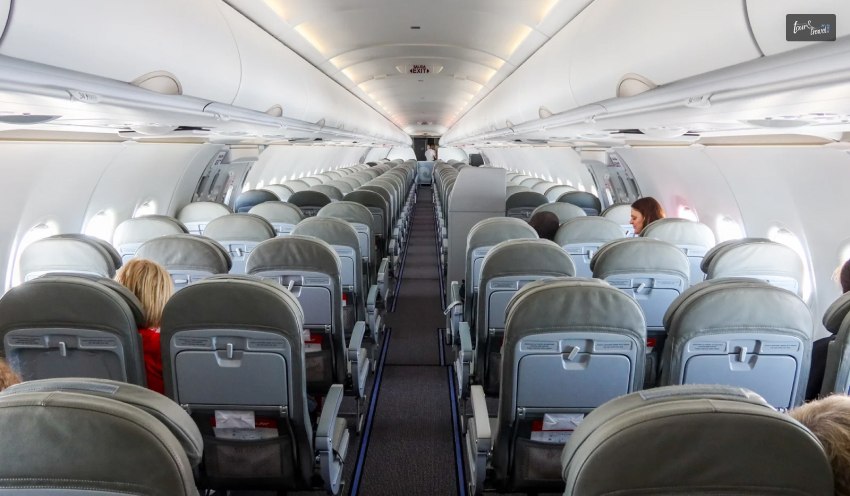
I would also like to discuss certain shortcomings that I identified. Do give it a go before you book tickets on Play! The flight I traveled on was spacious, clean, and memorable because I was finally traveling to Paris, one of my dream destinations.

What Is Play Airlines?

What Is Play Airlines?

Play Airlines is addressed as the Ultra Low-Cost Carrier (ULCC), which is not completely uncommon. However, many carriers have additional charges based on transportation, which ULCC still needs! These airlines are perfect for passengers traveling on a budget like me!

My travel plans are concrete, and I am not free to have flexible dates and timings because I have a job! I am also one of those who do not care about luxury or frills added to necessities.

Therefore, I am functional when it comes to services such as Wi-Fi and entertainment charging points. Ultimately, I can adjust this much if I am traveling to a destination, especially for a vacation.

Play is the successor of Wow Air, a low-cost airline carrier that ran out of service in 2019. So, if you question, is Play Airlines safe? It is.

PLAY Airlines Reviews 2025: Did I like It? 

My Experience On Flying With Play Airlines

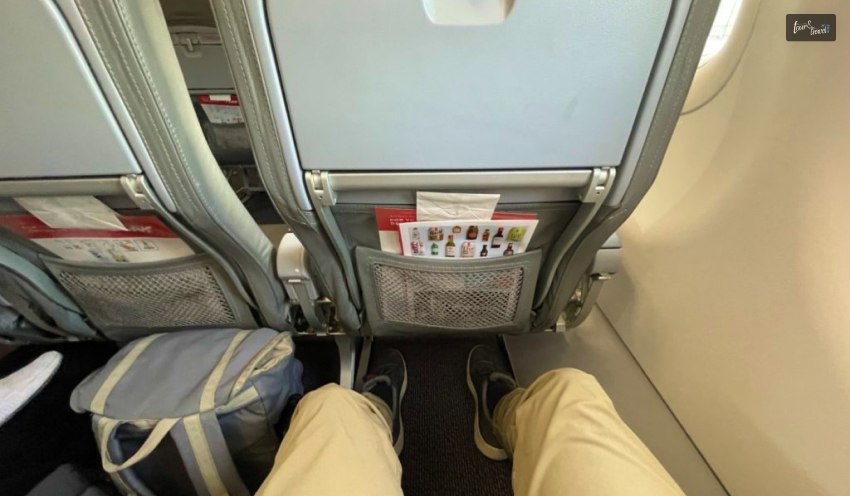
So I was traveling to Paris from Boston and was charged $292 for a roundtrip. To begin with, this is quite a cheap deal that I have got on Play Airline. Another significant thing I noticed and did not expect was a comfortable seat and 34 inches of legroom.

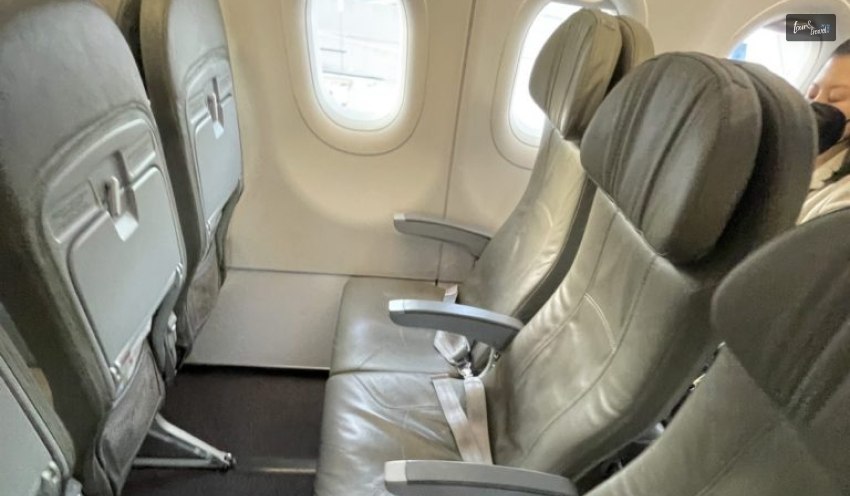
Isn’t that amazing? Finding another airline that gives 34 inches of leg space might be challenging! It is quite unheard of in a budget carrier. The seats are Delta Comfort Plus, which is comfortable, and I was very relaxed throughout the flight. The chairs are tall enough for you to rest your head.

As a frequent flier, half of your problems are solved if the seat is comfortable! According to my Play Airlines review, it is quite comfortable to travel with this airline. The space for the leg also helps in extending the tray table. There was no charging extension or plug-ins in the Play flights, which is usually there in transatlantic carriers and U.S. airlines.

I found the crew very supportive and helpful. I had a very positive experience while interacting with the crew. No food or snack is free; however, this is one of the side effects of low-budget carriers. I did not see any food or water services throughout the flight except at the beginning and end.

What I Found Beneficial?

What I Found Beneficial?

In A321neo, headrests were present in each seat with extra padding and adjustable wings. When you fly Play Airlines, you will get better seating comfort than most of the low-budget flying airlines. The setting does help in creating a more comfortable sleeping position.

I also noticed that every seat had its lights and dedicated air vents. It helped me a lot because I am an avid reader, so there was no issue with my entertainment as I almost finished a book on the flight.

A significant advantage I found on Play Airlines is that there was no bundling, nor was the fare made complicated concerning overall expenditure. I also found the timings of the flights to be mostly punctual. The connecting flights to Europe via Keflavik are conveniently set.

Their food and drink collection is quite decent; you can order based on your requirement. There is also no connectivity, such as Wi-Fi, messaging, or entertainment.

What Did I Find Negative? 

What I Found Negative?

I have heard that the seat arrangements are a mixed bag, such as seats with 34 inches of leg space, while some seats give you a meager 28 inches of leg space.

So, as a traveler, you should search on Google Flights regarding the space of the specific flights of Play Airlines before you book tickets. Make sure to check the legroom extension to have some wiggle room.

Another significant shortcoming that I noticed on the flight was that there needed to be more power. As a traveler, one thing that is essential in today’s time is charging your phone, which I wasn’t able to do because of no power.

You will not be getting any refund; hence, in case of cancellation from your side, you will need clarification with the services. Another thing that might look like a chore to you is creating an account to view or book seats and baggage fees.

The complete itinerary or any schedule based on base fare will only be accessible if you have an account on the official website, www.flyplay.com.

PLAY Airlines Reviews: Why Should You Go For It? 

If you’re on the hunt for a budget-friendly way to travel, Play Airlines might just be the perfect fit.  

I recently flew with them to Iceland, and I have to say, I was genuinely impressed with the comfort and cleanliness of the experience—especially given how affordable their fares are.  

I’m already looking into booking another trip to Europe with them this fall! For those of us who prefer a more laid-back travel style, Play Airlines is ideal.  

They get you where you need to go without the extra costs that typically come with mainstream airlines.  

On my trip to Iceland, the money I saved on airfare allowed me to explore more once I got there. 

 I treated myself to a bus tour along the stunning southern coast and even checked out the unique Lava Show in Reykjavík, all without feeling like I was stretching my budget too thin.  

Honestly, flying with a low-cost airline like Play opened up more opportunities for me and truly enhanced my overall travel experience. 

How To Book On Play Airlines?

You have to visit their official website, but before that, search Google Flights. Accordingly, select flights and seats based on your preferences and make your payment.

Frequently Asked Questions (FAQs) 

1. Play Airlines vs Icelandair: Which one is better? 

Play Airlines for the cheapest fares on a no-frills flight, but expect to pay extra for amenities like bags, food, and seat selection.  
Opt for Icelandair if you prioritize comfort, want complimentary amenities such as Wi-Fi and in-flight entertainment, and are willing to pay more for the added services.  

2. How Much are PLAY Airlines baggage fees? 

PLAY Airlines offers a pay-as-you-go model for baggage. Every fare includes one free personal item.  
However, you will need to pay for checked baggage and additional services like seat selection.  
For complete details on baggage fees, visit the PLAY Airlines Terms and Conditions page

3. Is There Food On PLAY Airlines? 

Yes, you can purchase food and drinks onboard all PLAY Airlines flights from their onboard menu, but it is not complimentary 

Play Airlines Reviews 2025: Should You Go For It? 

My overall experience on Play Airlines was mostly positive. However, some of the shortcomings are quite significant. Having no power to charge your mobile phone devices can seriously put travelers who are traveling long distances at risk.

The only solution to this problem is carrying a power bank. You must be aware of these issues before you book a flight!

There are limited options to travel to Iceland if you cancel the flight you have booked, or if the authorities have delayed it. 

Comment below regarding your choice of place to visit in Iceland and why!

Read Also:

Share on Social Media

Meet Sibashree Bhattacharya, a travel enthusiast who has a decade-long experience in transcending virtual barriers with her words! Her deep love for travel is apparent from her travel escapades to the mountain, often taking her readers on a journey, her words acting as Portkey! Fun fact: Sibashree loves to dive deep into the history of the places she is about to visit, making her travels even more wholesome. If you were wondering how her articles are not short of time travel, this answers it!

Leave a Reply

Your email address will not be published. Required fields are marked *

title-img Related

READ MORE Advice for Gatwick to Sunshine travel

From Gatwick To Sunshine: Straightforward Tricks For Cheaper Holidays

BY  Sibashree Aug 28, 2025

Flying out of Gatwick should feel exciting, not stressful. A bit of planning turns a pricey trip into a fair one.  The goal here is simple: spend less on the boring parts and more on the fun parts. These tips keep things calm, clear, and friendly to your wallet, whether the destination is Spain, Greece, or a city break in Europe. In this Tour and Travel blog, we will share the best advice for Gatwick to Sunshine travel and smart tips.  What Is The Best Advice For Gatewick To Sunshine Travel?  A cheaper holiday is not about luck. It is about small choices made early. Pick calm travel dates, set a firm budget, and search with a plan.  Pack light to dodge bag fees, carry snacks to stop impulse buys, and sort travel to the airport before booking. Keep documents in one place and arrive with time to spare.  At the destination, choose simple, local options and enjoy the free parts first. Do these steps and the flight from Gatwick leads straight to the good part: warm sun, clear days, and a trip that feels smart from start to finish. Here are more practical tips to follow.  1. Book At The Right Moment Without Overthinking It Prices move all the time. Looking too early can mean paying more, and leaving it too late can do the same. A steady plan works best.  Watch fares for a couple of weeks, set a clear budget, and move when the price fits the plan. Midweek flights often cost less than weekends because fewer people can travel then.  Early morning and late evening flights also tend to be cheaper, and they can help you fit more daylight into your first or last day away. School breaks push prices up around the UK, especially at Gatwick where many families fly.  If travel must fall in a busy week, focus on the first or last days of the break, when demand can dip. Flexibility by even one day can save a surprising amount. 2. Know Where To Hunt For Fair Prices Search tools help, but the trick is to use them with a plan. Compare a few dates at once rather than chasing a single day.  Check nearby airports too—Stansted, Luton, and even Birmingham or Bristol can be cheaper for the same destination.  If a package is easier than DIY, one handy thing to do is check out Cheap Holidays through reputable websites. This keeps options in one place so less time is spent opening dozens of tabs. Set clear rules before searching. Decide the top price that feels right, pick three date ranges, and choose a shortlist of destinations. This stops scrolling for hours and avoids the “maybe it will be cheaper tomorrow” trap. 3. Trim Bag Costs Before Pressing “Pay” Bags are where budgets go missing. Many low-cost fares include only a small personal item. Measure the bag at home.  If a wheeled carry-on is needed, add it during booking; buying it at the airport is usually the most expensive option.  Weigh the case after packing and leave a little space for souvenirs. Two people can share one checked bag instead of paying for two. Rolling clothes saves space, and packing cubes stop shirts from getting crumpled. Liquids go in small bottles under the limit, and solid versions of shampoo or soap can reduce hassle. A light rucksack keeps hands free, which helps when moving through busy train platforms on the way to Gatwick. 4. Be Smart With Seats, Extras, And Food Seat choice looks cheap at first, then adds up. If the plane is short-haul and the group can sit near each other without picking exact seats, skip the fee.  For families with young children, airlines often seat at least one adult next to a child. Extra-legroom seats are nice, but a short flight does not always need them.  Bring a small snack from home and refill a water bottle after security to avoid paying airport prices. A simple sandwich packed the night before costs less and saves time in queues. Travel insurance should not be an afterthought. Pick a basic policy that covers bags and delays. It costs far less than replacing a suitcase or missing a connection. Print or save the policy and booking codes to the phone wallet so everything is in one place. 5. Choose The Best Route To The Terminal Getting to Gatwick can be almost as costly as flying. Trains are usually faster and often cheaper than parking, especially if travelling alone or as a pair.  Off-peak tickets help, and railcards can cut a third off many fares. If a car is needed, book parking early. Official long-stay or trusted off-site car parks give better value than turning up on the day.  For a very early flight, a simple hotel near the airport can make sense. Sometimes a “park, sleep, fly” bundle beats buying those parts on their own. 6. Keep Documents Tidy And Move Through The Airport With Ease Put passports, boarding passes, insurance, and hotel details in one folder or a secure phone wallet.  Follow the signs, keep pockets empty at security, and place electronics in the tray as asked. Once airside, check the gate early but do not crowd it. Boarding happens in groups. 7. Stretch The Budget At The Destination Transfers from the airport are a classic money trap. Public buses and trains are cheaper than taxis in many places, and many cities sell simple day passes.  If a taxi is needed, use the official rank or a trusted app from the country. For hotels, paying for breakfast is not always the best value.  Local bakeries often cost less and taste better. Refill water where it is safe to do so. Museums, parks, and city walks are free or low-cost and fill a day nicely. The cheapest option is not always the one shouted by the person with the loudest voice.  Read a few recent reviews, check the time they pick up, and stick to plans that leave room for rest. 8. Make Family Travel Simple Small habits help families save. Pack one small entertainment pouch for each child: crayons, a short book, headphones, and a snack. For buggies, check the airline rules; many allow them to the gate, which saves renting one on arrival. If a child gets tired in queues, breathing games and counting steps keep minds busy and moods steady. 9. Stay Healthy And Safe Without Stress Sun trips need sunscreen, hats, and water. Buy travel-size sunscreen at a local shop if carry-on liquid rules make it tricky.  A tiny first-aid kit with plasters and pain relief avoids a hunt for a pharmacy.  Keep a backup of documents in cloud storage in case a phone is lost. Clear information saves  10. Skip common Traps That Raise The Bill Dynamic pricing can make the same flight cost more on a second look. Use a fresh browser window or a different device when ready to book.  Do not click every add-on in a hurry. Airport currency desks rarely give fair rates; a fee-free card or withdrawing a small amount from an ATM at the destination often works out better.  Roaming charges can be high, so check the network’s roaming bundles before leaving. Download maps for offline use to avoid data use on the move. Gatwick-Focused Tips That Make A Difference Know which terminal the flight uses and head there from the start. South Terminal and North Terminal have different security areas, shops, and lounges.  The shuttle between them is quick, but changing terminals at the last minute eats up time. If the flight leaves early, pick up breakfast after security to save money.  Many gates at Gatwick open closer to boarding time, so waiting near the screens keeps the group flexible. Keep chargers handy; seats near windows often have sockets that help top up a phone before the flight. If returning to Gatwick late at night, check train schedules in advance. Some services finish earlier, and replacement buses can be slower. A backup plan saves from being stuck on a platform in the cold. Read Also: Free And Cheap Things To Do In Phoenix, Arizona | Phoenix Travel Guide On A Shoestring Cheapest Places To Travel Around The World In 2025: Traveling On A Shoestring 9+ Cheapest Places To Travel Now In USA: USA Travel Guide On A Shoestring

READ MORE mountains of kenya

The Major Mountains Of Kenya: Location, Altitude, & Why You Should Visit Them! 

BY  Sibashree Aug 11, 2023

Want to learn more about the mountains of Kenya? A geographically and topographically diverse country, the Republic of Kenya has beautiful mountains that are more than just a geographical feature! Please read this article to learn about the features of the mountains, their cultural significance, as well as their beauty. There are almost 3888 mountains, out of which 3856 are named mountains. Mount Kenya is the highest peak of all these mountains, with an elevation of 5199 meters. It is one of the second-highest mountains in Africa and is considered a UNESCO World Heritage Site. Kenya is located in the eastern part of Africa, more towards the southern horn of Africa, with diverse geographical features ranging from towering alpine peaks to mangrove swamps. The mountains' beauty adds to the country's natural features, making it a perfect place to visit! Explore The Beauty Of The Mountains Of Kenya! As a country with a topographical contrast, Kenya is located in the eastern section of Africa. The equator crosses the country across Nanyuki, Maseno, and Timboroa. These features highlight Kenya as a stunning destination that many wish to visit! Being a topographically diverse country where the forests offer diverse wildlife, it is perfect to visit if you love taking safaris. There are also coasts and grasslands, making the location more diverse. The nation is also highly agricultural, with diverse produce, including vegetables, fruits, and animals, even though the location is remote and can be difficult for regular travel. An African safari holiday is a dream for every hodophile, and Kenya offers the perfect backdrop. With spectacular wildlife, astounding landscapes, and a melting pot of culture, Kenya ranks at the top of the travel list of everyone! Moreover, the beautiful mountains play an important role in making Kenya a fascinating place! The country borders nations such as South Sudan, Ethiopia, Tanzania, Uganda, and Somalia. So want to know more about the up-warped giants of the earth? Read along! 1. What Makes Kenya’s Mountains Unique In Africa?  Kenya’s mountains are unique due to:  Equatorial location with alpine conditions  Rare plant species  Combination of glaciers and savannah landscapes  Strong cultural significance  Few places in the world offer such dramatic ecological contrasts.  2. Are Kenya’s Mountains Culturally Significant?  Absolutely. Many Kenyan communities consider mountains sacred:  Mount Kenya is sacred to the Kikuyu people, who believe it is the dwelling place of their god, Ngai.  Mountains often feature in local folklore, rituals, and traditions  This cultural importance adds depth beyond their physical beauty. Highest Mountains Of Kenya The total area of Kenya is 586,000 square kilometers, with high-rising regions such as high plateaus, mountains, arid deserts, and low-lying coastal areas, including islands and coral reefs. 7 freshwater and salt lakes are creating the Great Rift Valley cutting the country in half! Kenya has two of the tallest mountains on the continent. There are several other mountains, most inactive or extinct volcanoes. The landscape is diversified, yet the mountains are as beautiful as ever! Read more on some of the noteworthy mountains in Kenya. Mount Kenya The highest mountain in Kenya is Mount Kenya, located in the center of Kenya, approximately 100 miles northeast of the Capital, Nairobi. The mountain has several summits. Nelion, Lenana, and Batian are some. Bastian is the highest, with 17,058 feet, indicating the mountain's peak. The mountain formed about 3.5 million years ago. A well-known tourist destination, the Mount Kenya National Park surrounds Mount Kenya at the base. You can see elephants, buffalo, as well as colobus monkeys in the park. You can trek the mountain's peak of Lenana Summit as it is feasible without any mountaineering expertise. The rock kente is only available on Mount Kenya as well as the Antarctic, situated at the South Pole. The Spiritual Connection Of Mount Kenya Riuki is found on Mount Kenya, which in a spiritual context is considered the symbolization of the throne of God. Riuki is regarded as the pathfinder by the Gikuyu medicine men. They also believe it therapeutic as they put pebbles at risk as seers. The history of Mount Kenya is interconnected with the Egyptians, Jews, and Ethiopians. Mount Kenya is called Ta-Neteru by the Egyptians, which means the abode of the gods. The God Hapi or lotus, the gods of the Nile Floods, lived on the mountain. The farming communities that settled in Egypt in 7000 BC before the inundation of the Nile corresponded with "Isis," the heliacal rising of the star. It was after the water from the Nile flooding receded, leading to rich dark silt across the Central African countries and highlands. The land is called "Kemet," which is fertile land ready for planting. They consider the lands around Mount Kenya as one of the fertile lands. It also believed that the goddess Isis hid her son, her husband Horus, to raise him from the dead. They say the mountain has medical properties, and the locals consider it amazing. They pray to the mountains for protection and safety. Communities such as Maasai and Samburu are semi-nomadic people who use the northland of the mountain as a paying ground. Mount Elgon The second tallest peak in Kenya is Mount Elgon, located on the country's western side, closer to the Kenya-Uganda border. The mountain has distinguishing characteristics, such as having one of the largest volcanic craters. The top of the mountain is a flat-topped plateau made of basalt. The total height of the mountain is 13,852 feet, with lava tube tunnels across the mountain. Elephants and buffaloes often visit the lava tube tunnels. A national park surrounding Mount Elgon also has rhinos, eagles, leopards, and duikers. Mount Longonot Mount Longonot is an inactive volcano that last erupted in the 1860s but is not completely extinct. The height of the mountain is 9108 feet, and the mountain's slopes are filled with ridges. Mount Longonot is a mountain in Kenya. A park nearby has plenty of wildlife, such as zebras and giraffes. The mountain is situated approximately 60 kilometers northwest of Nairobi. Travelers can visit the park by car, and the base of Mount Longonot has a lot of forest, even around the top crater. Compared to many stony mountains, this one is thickly wooded across the slopes and the summits. Satima Mount Satima is also "Ol Donyo Satima," which roughly translates to "Mountain of the bull calf." It is one of the Kenya mountains! It is the highest mountain across the Aberdare range, with a height of 13,127 feet, and is located on the northern side of the mountain range. The mountain has tussock grass and rocks in some areas and rainforests. There are bamboo forests and Moorland across a section of the mountain. The mountain has a collection of 150 species of plants, such as Podo and Cedar. The mountain is part of the water catchment area for both the Sasumua and Ndakaini dams. The two dams for Nairobi City are the primary source of water. Kinangop Kinangop is a dormant volcano in the Great Rift Valley and the west of the Kinangop Plateau. It is also situated in the Aberdares, with extensive bamboo forests across the mountain in the lower portion. The height of the mountain is 12815 feet. Moreover, the higher sections of the mountain are covered with tussock grass. The top of the mountain is rocky with open moorlands. The top of the mountain is quite chilly and turns freezing at night. Ngiro Mount Ngiro is located in the northern region of Kenya, with a height of 9344 feet. The mountain is part of the Great Rift Valley to the west overlooking the Suguta Valley. The upper slopes have forests, while the mountains is popular for cultivating bees. The mountain falls under the territory of the Samburu people, while the Lmasula phratry performs bee cultivation. The clan claims exclusive rights to the water and the land. Several other mountains and hills are situated in the nation, creating an exciting place for vacationing. If you are a hiking person, Kenya is the perfect place to visit as there are several advantages. There are enough mountains in Kenya for you to go hiking, as well as trails. It is a perfect spot to share holidays as well as weekends with your hiking partners. Some of the tallest mountains are situated in East Kenya. Kulal The mountain Kulal is identified as a biosphere reserve with lava fields, and the origin of the mountain is a volcano. The moisture in the biosphere leads to rain as well as mist, providing hydrological services to the people in northern Kenya. The mountain is located in the middle of East Africa, with steep slopes while deep canyons go across the mountain. It is also one of the driest places in Africa. There are forests across the mountain, a habitat for black rhinoceroses and elephants. Marsabit Mount Marsabit is surrounded by Mt. Marsabit National Park and Reserve, with a height of 1703 meters above sea level. The mountain has many craters, while the hills around it highlight the mountain. Across the mountain are many low-lying arid plains with elliptical shapes 70 km long on the northeast-southwest as well as 45 km wide on the northeast-southwest. The mountain comprises weathered lava flow. Mogila Mogila is one of the mountains of Kenya with a height of 1698 meters. A local relief of 300 meters, steep slopes, and a small summit area characterize the mountain. Moreover, it is located in the Turkana, creating the Great Dividing Range. Namanga Hills The mountain is in the southern part of Kenya. It is located on the borders of Tanzania, with the highest point being 2548 meters. The Great Rift Valley has four peaks: Suswa, Paka, Namarunu, and Menengai. The hills have a collection of hyenas, zebras, ostriches, as well as Antelopes. Cultural Relations Of The Mountains Of Kenya According to the Kikuyu tribe, they say the local Kikuyu god, N'gai resides at the summit of Mount Kenya. Mount Kenya is one such place that the local cultures worship. They consider these mountains the home of spirits as well as gods. Mount Kenya is a spiritual mountain, as the local communities think of it as the residence of God. Ethiopians also consider it the home of God and revered in its presence. The belief gains further confirmation because of the snow at the top of the mountain. The mountain is very close to the equator. Hence, it is quite surprising that there is snowfall at the top. There are thick forests around the mountain, and initially, the military dug the woods to flush the Maumau freedom fighters. According to the traditional version of Mount Kenya in Kikuyu, a star fell on the ground with a bang and formed the mountain. The mountain has volcanic ashes and oozing magma which forms the Kenyte. Mount Longonot has its Masai name, "Oloonong'ot," meaning "mountain with many spurs." The mountains are important as well as are traditional sites for worship by the local populations. Some vow in the mountain's name, while some send prayers based on cultural traditions. Both visitors and the natives join in collaborative activities such as mountain climbing and hiking. What Are The Major Mountains In Kenya?  Kenya is home to several notable mountains, the most famous being Mount Kenya, Mount Elgon, and the Aberdare Range. Among these, Mount Kenya is the highest and most iconic mountain in the country.   Other important highland areas include the Mau Escarpment, Cherangani Hills, and Ngong Hills, which contribute significantly to Kenya’s geography, climate, and biodiversity.  What Is Mount Kenya And Why Is It Famous?  Mount Kenya is the highest mountain in Kenya and the second-highest peak in Africa, standing at approximately 5,199 meters (17,057 feet) above sea level.   It is famous for its dramatic peaks, permanent glaciers (though shrinking), alpine vegetation zones, and spiritual significance to local communities.  Mount Kenya is also a UNESCO World Heritage Site, recognized for its unique ecosystems, scenic beauty, and ecological importance.  Are Kenya’s Mountains Safe For Tourists?  Yes, Kenya’s mountain regions are generally safe for tourists, especially within national parks and guided groups. Safety improves with:  Proper planning  Licensed guides  Weather awareness  Altitude acclimatization  Like all outdoor adventures, caution and preparation are key.  What Are The Main Peaks Of Mount Kenya?  Mount Kenya has three primary peaks:  Batian (5,199 m) – The highest and technically most challenging peak  Nelion (5,188 m) – Slightly lower, also requiring technical climbing skills  Point Lenana (4,985 m) – The most accessible peak, popular with trekkers  Point Lenana is often climbed by hikers without technical mountaineering experience, making it the most visited summit.  What Is The Aberdare Range?  The Aberdare Range is a mountain range located in central Kenya, north of Nairobi. Unlike Mount Kenya and Mount Elgon, it is not volcanic but consists of folded mountains.  The Aberdares are known for:  Dense forests  Moorlands  Waterfalls  Wildlife, including elephants and leopards  The range forms part of the Aberdare National Park, a key conservation area. Are The Mountains Of Kenya A Cult? The high places in Kenya, especially mountains with snow caps, high mountain ranges, and island mountains, are cults. There are psychological roots of the communities who believe that mountains act as a heavenly ladder. Besides the spiritual connection for the community, mountains are also helpful natural elements for humans as they bring rain, while they also have volcanoes. Volcanoes have a fiery side to them, representing the element of earth. According to the myths based on the world's origin, mountains are the first natural element from ancient water. The indigenous people believe mountains are a great phenomenon of the earth, symbolizing cosmic connection. The local communities consider the mountains as shrines or altars for the Gods and worship them. For example, people in Africa often blame an earth deity when there is an earthquake. They also consider snakes to be culprits, a belief that their cult teaches in the cultural practices of Africa. FAQs   Here are some frequently asked questions and answers about the mountains of Kenya.  1. Is Mount Kenya A Volcano?  Yes, Mount Kenya is an extinct stratovolcano. It was formed millions of years ago through volcanic activity.  Over time, erosion removed much of the volcanic cone, leaving behind the rugged peaks seen today. Although extinct, the mountain still plays a critical role in water catchment and climate regulation in the region.  2. Are The Mountains Of Kenya Suitable For Hiking And Trekking?  Yes, Kenya’s mountains offer excellent opportunities for hiking, trekking, and mountaineering, catering to various skill levels: • Beginner to intermediate hikers: Point Lenana (Mount Kenya), Aberdare trails • Experienced climbers: Batian and Nelion peaks • Leisure trekkers: Mount Elgon’s gentle slopes Guides are recommended, especially for high-altitude or protected areas.  3. What Is The Best Time To Visit The Mountains Of Kenya?  The best time to visit Kenya’s mountains is during the dry seasons: • January to March • July to October These months offer clearer skies, better trail conditions, and safer climbing environments. The rainy seasons (April–June and November) can make trails slippery and challenging. 4. What Types Of Vegetation Are Found On Kenya’s Mountains?  Kenya’s mountains feature distinct vegetation zones based on altitude: • Lower slopes: Forests and farmland • Mid-altitude: Bamboo forests and montane forests • Higher zones: Moorlands, giant lobelias, and senecios • Upper alpine zone: Sparse vegetation, rock, and ice This vertical diversity makes Kenya’s mountains biologically rich. 5. Are Kenya’s Mountains Important For Wildlife?  Yes, the mountains of Kenya are vital wildlife habitats. Species commonly found include: • Elephants and buffaloes (lower slopes) • Leopards and hyenas • Rare bird species • Endemic plants and insects Protected areas like Mount Kenya National Park and Aberdare National Park help conserve this biodiversity.  6. How Difficult Is It To Climb Mount Kenya?  Climbing Mount Kenya varies in difficulty depending on the peak: • Point Lenana: Moderate difficulty; suitable for fit hikers • Batian and Nelion: Technical climbs requiring mountaineering skills, ropes, and guides Acclimatization is essential due to altitude. 7. Do I Need A Guide To Climb Kenya’s Mountains?  While not always legally required, hiring a licensed local guide is strongly recommended. Guides provide: • Navigation assistance • Safety support • Local knowledge • Emergency preparedness For technical climbs, guides are essential. 8. Can Beginners Hike In The Mountains Of Kenya?  Yes. Many routes are suitable for beginners, particularly: • Lower Mount Kenya trails • Aberdare forest hikes • Mount Elgon trekking paths Basic fitness and preparation are usually sufficient.  Conclusion Did you notice something unique about the mountains of Kenya? Most of these mountains have physical features giving an Alpine appearance. There are many ridges across the mountains, giving it a ragged nature. So now you know about the beauty of the mountains, especially when it comes to the cultural aspect of it. People worshiping mountains is one tradition that integrates respect and protection of the natural elements. People from different cultures in Kenya believe in spirituality and offer prayers to the mountains. Let us know in the comments below if you see any culture where people worship mountains too!

READ MORE Travel Safety with Technology

The Overlooked Connection Between Safe Travel And Strong Networks

BY  Sibashree Aug 21, 2025

When we’re planning a trip, the checklist usually looks the same: tickets, hotel, maybe insurance, and the pile of things we try to cram into a bag.  But one thing almost nobody writes down? Network security. And yet, in a world where we’re basically glued to the internet 24/7, it’s just as important.  The Wi-Fi at airports, coffee shops, even trains—it’s not just a way to stream Netflix. It can affect your safety, your money, and your peace of mind. So yeah, let’s talk about travel safety with technology and why secure connections are part of “safe travel,” what you can actually do to protect yourself, and a little bit about where all this is heading. Travel Safety With Technology: A Growing Dependency Honestly, you can’t separate travel and tech anymore. Every part of a trip runs through a screen— Flights booked online Boarding passes on your phone Hotel apps instead of keys GPS so you don’t wander in circles Paying with a tap instead of fumbling with cash.  Great for convenience, but it also leaves us exposed. Here’s the catch: hackers love travelers. At home, we’re behind decent Wi-Fi and firewalls without even thinking. On the road? Not so much. Public Wi-Fi is everywhere, and most of it isn’t secure.  That’s a big door open to identity theft, drained accounts, or even stolen work files. Safe travel today means watching your digital step just as much as your physical one. So, you have to ensure travel safety with technology.  Why Public Wi-Fi Is A Double-Edged Sword Public Wi-Fi feels like a blessing when you’re stuck in an airport or need to send a quick email. But it’s risky. Unsecured networks make it easy for someone shady to snoop on your activity, steal passwords, or slide into accounts. And don’t forget fake hotspots—“evil twins.” They look like the real deal, but they’re just traps. Connect without thinking and, boom, your info’s theirs. A few simple habits help: Turn off that auto-connect feature (it’s sneaky). Use networks that are clearly official and require a password. A VPN is your best friend—it scrambles your browsing. Kill Bluetooth and file sharing unless you’re actually using them. It’s not about ditching Wi-Fi altogether, just using it with your eyes open. The Importance Of Device Security On The Road Think of your phone or laptop like your passport—you wouldn’t leave it lying around. These little gadgets hold everything about you: banking apps, personal logins, sometimes even access to work systems. A few ground rules: Don’t toss devices in checked luggage—keep them close. Strong passcodes, or even better, biometrics. Set up two-factor authentication on your important stuff (make sure you can still get codes abroad). Turn on “Find My Device” in case things go south. Losing the gadget is annoying. Losing the data inside it? Way worse. Charging Smart: Avoiding The Trap Of Juice Jacking We’re always running low on battery when we travel—it’s just how it goes. And those free charging stations? Handy, sure. But some of them can be hacked to load malware or grab your data, a trick called “juice jacking.” Easiest fix: carry your own charger or a power bank. A small adapter works too. Costs a few bucks, saves a lot of hassle. Backup And Recovery: Digital Travel Insurance Even if you’re super careful, things happen. Devices get stolen, dropped, drowned in coffee… whatever. That’s where backups step in. Good habits here: Sync stuff to cloud storage regularly. Keep an encrypted hard drive back home. Automate backups so you don’t forget. It’s like travel insurance—you hope you won’t need it, but if you do, you’ll be grateful. Strong Networks, Stronger Travel “Safe travel” used to mean staying healthy and avoiding accidents. These days, it also means digital safety. The networks you use have a direct impact on how well your personal info—and sometimes your company’s—stays protected. For business travelers, the risk jumps higher. Logging into company systems over random Wi-Fi could put the whole organization at risk. That’s where enterprise tools come in—things like endpoint security.  Cisco Secure Endpoint, for example, adds monitoring and defense in real time. Not every traveler needs that level, but it shows how critical network strength is becoming. Looking Ahead: The Future Of Travel Safety With Technology Travel tech’s racing ahead: biometric boarding, AI hotel check-ins, digital wallets. Cool, right? But each new gadget or system comes with its own risks. Future-proof travelers will need to get ahead of the curve—encrypted connections, smarter identity checks, and tighter security partnerships between airlines, hotels, and tech companies.  In a few years, we’ll measure safe travel not just by “no delays” or “no lost bags,” but by how well digital systems protect the humans using them. Practical Tips For Ensuring Travel Safety With Technology Travel with a spare device that’s stripped down to essentials. Change your passwords before and after the trip. Check your accounts for odd activity while abroad. Power off devices at airport security—makes cloning harder. Don’t rely on just one card; carry a backup payment method. They’re small steps, but they make digital safety part of packing and planning, not an afterthought. Security As The Invisible Travel Companion Travel’s supposed to be about new places, new people, new experiences. But in this connected world, the networks you use and the gadgets in your bag matter just as much as the lock on your suitcase. Strong networks are like invisible travel gear—you don’t notice them, but they hold everything together.  Make safe browsing and backups part of your routine, and you’ll protect more than just your trip. You’ll protect the digital life you drag along with you. At the end of the day, “safe travels” isn’t just about smooth flights anymore. It’s about how securely you move through the hidden online paths that connect every stop on your journey, or how you can be sure of travel safety with technology.