
Best Summer Destinations In Europe Beach: Couples Get Ready!

Apr 21, 2025

Last Updated on: Jun 1, 2026

Europe

Europe is a significant player in the global beach tourism industry, holding a 38.3% share.

Further, the thriving beach tourism scenario in Europe has the solid backing of the European Commission. 

The Commission is supporting all European countries with beautiful beaches through action plans, smart strategies, and sustainable growth initiatives. 

Therefore, it is no surprise that by 2032, the European beach tourism industry is expected to reach $357 billion.

Now, as a traveler, if these stats look mundane to you (I love them as I think traveling is all about touching and improving lives, and you cannot do that without an economic boost!), the glorious stretches of sand and the dramatic landscape give you enough reasons to plan a trip. 

In this Tour and Travel Blog, I have curated the most popular summer destinations in Europe, along with the hidden gems. 

So, couples, you know where you need to sail for some serious coastal fun!

The Best Summer Destinations In Europe Beach: Forget The Count! 

Think of the dramatic landscape of the Mediterranean Coastline. Some are sandy and fun, while others are gothic and involve a lot of drama. 

On the other hand, the Atlantic beaches are full of marshlands, inlets, and barrier islands. 

Now, despite the difference in the landscape and coastal geology, beaches are the best summer destinations in Europe, thanks to long hours of Sun and pleasant weather conditions. 

Also, summer months are ideal for various outdoor activities on the beach, including sunbathing, swimming, and scuba diving.

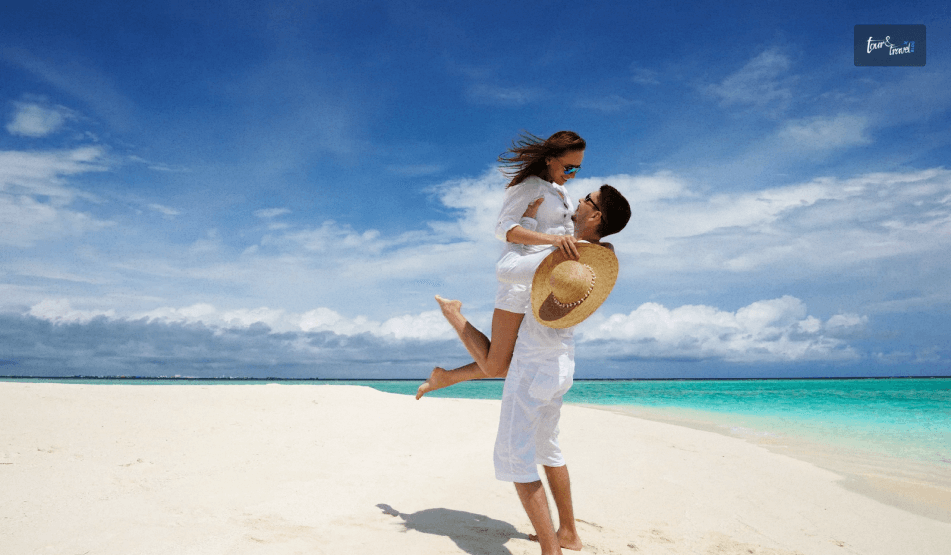
Furthermore, intimate activities such as sunbathing against the serene water backdrops make the beaches in Europe ideal for summer romance. 

Moreover, I cannot think of a more romantic venue for a candlelight dinner than the Mediterranean beaches in Europe.

Here, I present the beaches I have been to in Europe, and while there are some regular staples on our list, mostly I have talked about the beaches that have impressed me the most. 

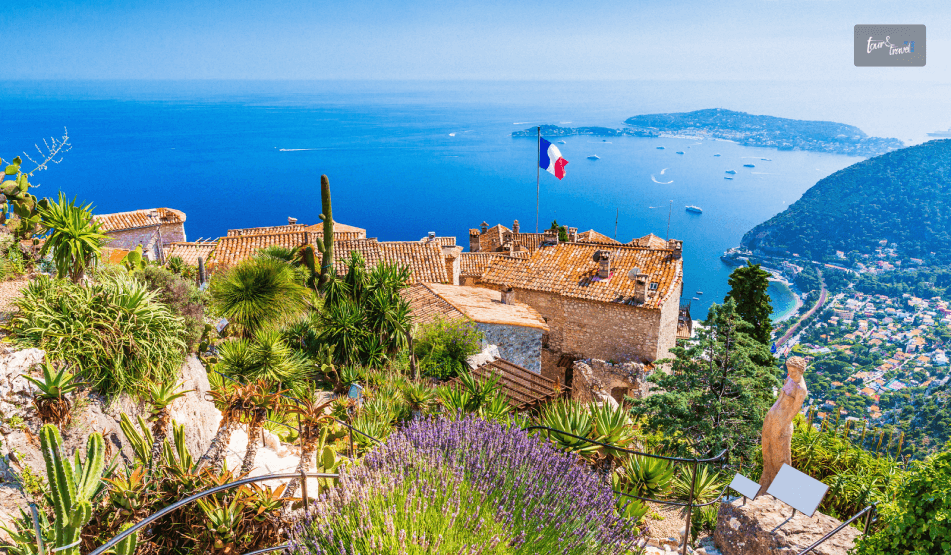
1. French Riviera: Plage Notre-Dame Porquerolles Was Our Sweet Spot

French Riviera_ Plage Notre-Dame Porquerolles Was Our Sweet Spot

Closest Airport: Nice Côte d’Azur Airport (NCE)

With approximately 180 km of coastline, the French Riviera, the setting of popular movies such as GoldenEye and Hitchcock’s To Catch a Thief, is dotted with stunning beaches. 

The over 90 beaches in the French Riviera offer an unmatched diversity. So, you have beaches like Pampelonne, where the vast sandy stretches will grab your attention. 

On the other hand, the French Riviera boasts Paloma, an adorable spot with its dramatic pebble beach. 

However, we found our sweet spot at Plage Notre-Dame Porquerolles, a beach that is just 15 km away by a water taxi ride from the French Riviera. 

Porquerolles, one of the best summer destinations in Europe, is a not-so-developed island with a length of 9 km and a width of 2 km. 

So, we started our day by bicycling through red trails. The eucalyptus trees on both sides of the trail blessed us. 

After the ride, we visited the contemporary art museum at Villa Carmignac and enjoyed the best rosé champagne and local delicacies at their outdoor dining setup.  

We came back to the beaches by noon, and the cafes with the musicians playing the old-day tunes created the perfect backdrop for the change of shades and lightplay we were witnessing on the sandy stretches. 

And it was sunset time! We knew we had to take a dip. We could listen to the grinding of cicadas and see how the last rays of the Sun for the day weave magic on the sand and water. 

After our moments in the water, it was our time to get back to the French Riviera. We had a great time at the beach with memories of broken wooden chairs and weary bicycle stands as beautiful frames from a movie. 

Au revoir, Porquerolles!

⁕⁕⁕ Tour And Travel Note ⁕⁕⁕

Don’t miss a visit to the resort town of Nice if you are in the French Riviera. It is one of the best European cities with beach and nightlife. 

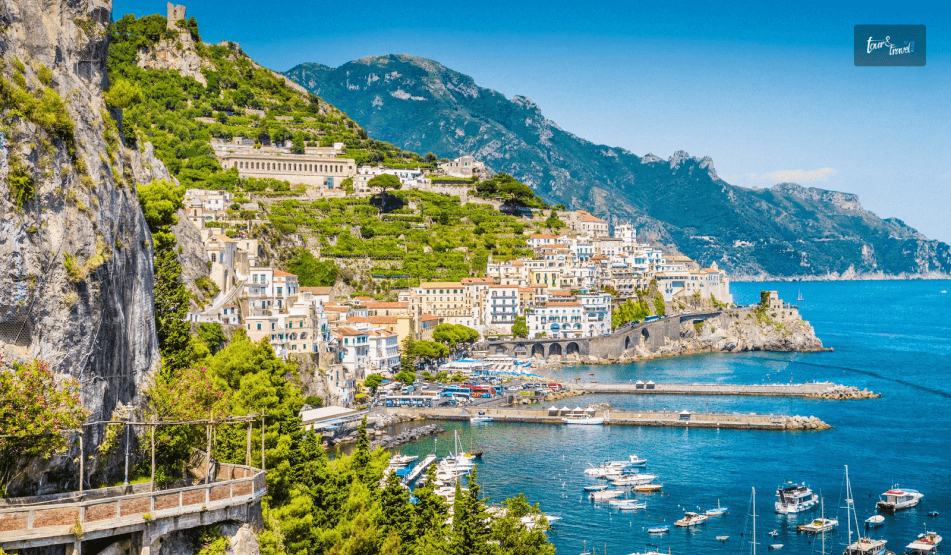
2. Amalfi Coast: A UNESCO World Heritage Site And The Prettiest Coast Of Italy

Amalfi Coast_ A UNESCO World Heritage Site And The Prettiest Coast Of Italy

Nearest Airport: Naples International Airport (NAP)

The Amalfi Coast requires no introduction. From beaches with dramatic rocky coves to those with sandy stretches, every beach stands out with its unique appeal, and Mediterranean delicacies here are out of this world. 

Nevertheless, among all the beaches, Fornillo Beach in Positano won our hearts.

With pebbled beaches and fewer crowds, everything about the beach defined the word “intimate.” 

It was our Punto Dolce, where we enjoyed all the beach chores to the fullest. However, the highlight of the visit to this beach was exploring the nearby Grotta di Fornillo, as the scenic views were amazing. 

3. The Egadi Islands: The Best Fusion Of Natural Beauty And Ecological Attractions

Nearest Airports: Palermo Falcone-Borsellino Airport (PMO) and Trapani-Birgi Airport (TPS)

Also known as the Egadi Islands, these islands in Italy are some of the best European summer beach destinations. 

Our destination was Favignana, which has beautiful beaches, such as Cala Azzurra and Cala Rotonda. 

However, our favorite among all was Bue Marino. The rocky coastline here is unique, and we fell in love with the sunrise views. 

Furthermore, we decided to explore Favignana, and we took a ferry to the nature reserve of the Saline Trapani.

It is around 40 minutes to reach the nature reserve. 

This Ramsar Site, and a protected area entrusted to the World Wildlife Fund is home to the rare Aphanius fasciatus fish. 

Further, we saw birds like the Saker Falcon and the Common Shelduck there. 

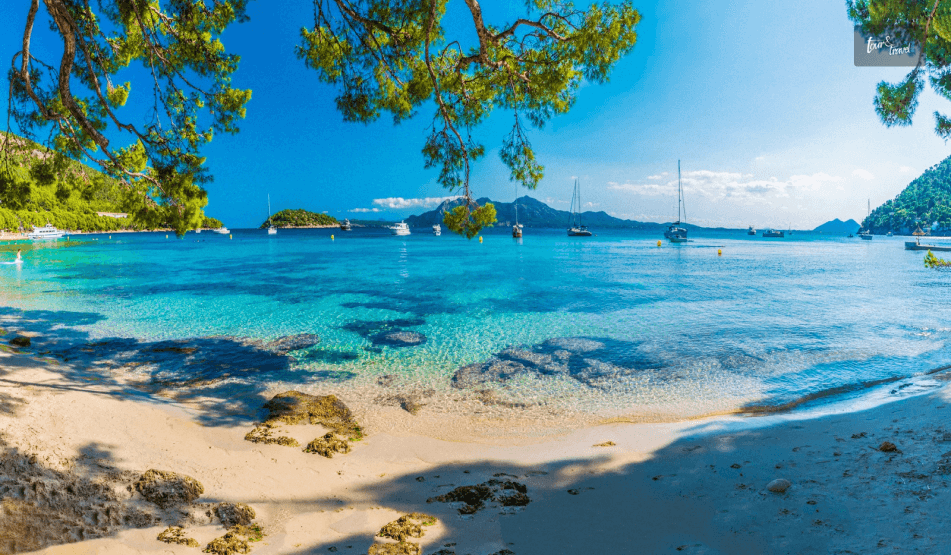
4. Platja de Formentor, Majorca: A Calm Beach With Green Water

Platja de Formentor, Majorca_ A Calm Beach With Green Water

Nearest Airport: Palma de Mallorca Airport (PMI)

A calm “Blue Flag” beach located along the Formentor Peninsula, Platja de Formentor is surely one of the best that Majorca Island has to offer.

The landscape here defines the word drama, and the sight of the Tramuntana mountains amidst dense pine forests will stay in my memory forever.

Furthermore, the blue and green colors of the water complement the backdrop. 

The beach is not very long, and we took a walk of around 1 km to reach Cap de Formentor, the farthest point of the beach.

Also, we took a ride in a rented sailboat. Catamarans are also available for rent. You can even try snorkeling for more adventure. 

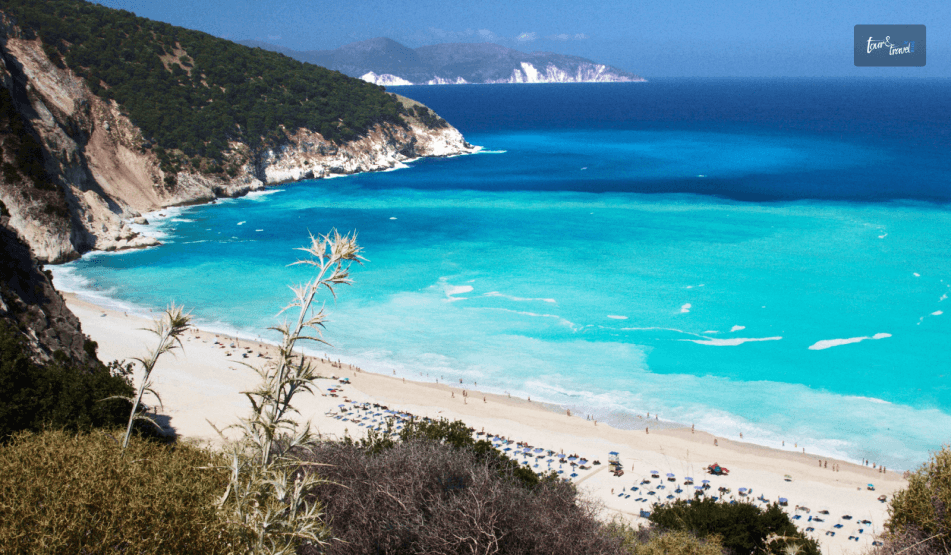
5. Myrtos Beach, Kefalonia: A Romance With White Sand And Turquoise Sea

Myrtos Beach, Kefalonia_ A Romance With White Sand And Turquoise Sea

Nearest Airport: Kefallinia (EFL) Airport

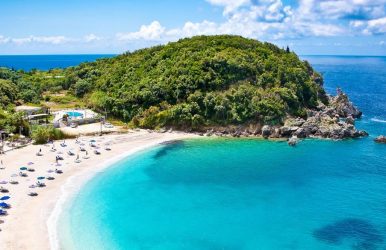
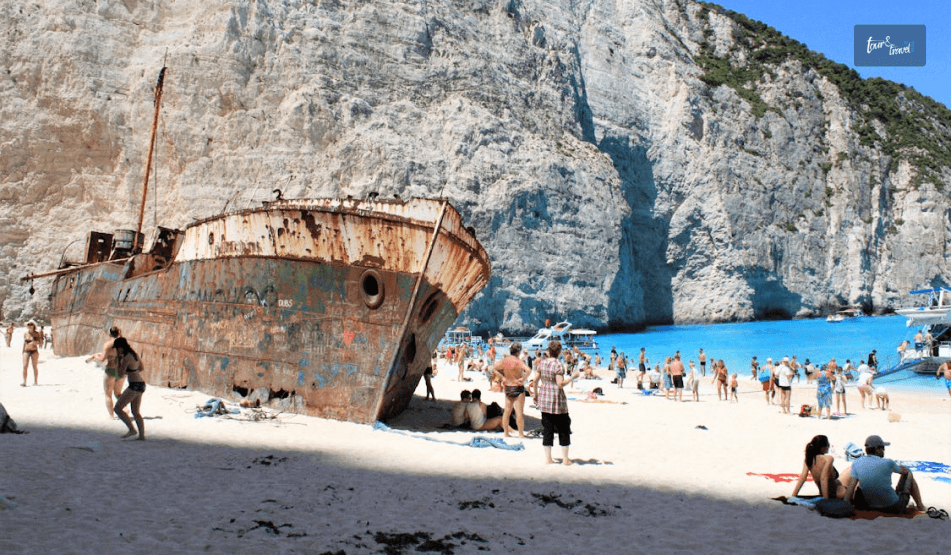
One of the best summer destinations in the world, Myrtos Beach in Kefalonia, Greece, has our hearts for its stunning natural beauty. 

The beach, awarded a “Blue Flag,” features stretches of white sand with the most dramatic cliffs in the backdrop. 

Furthermore, the turquoise water provides a serene experience for the eyes. 

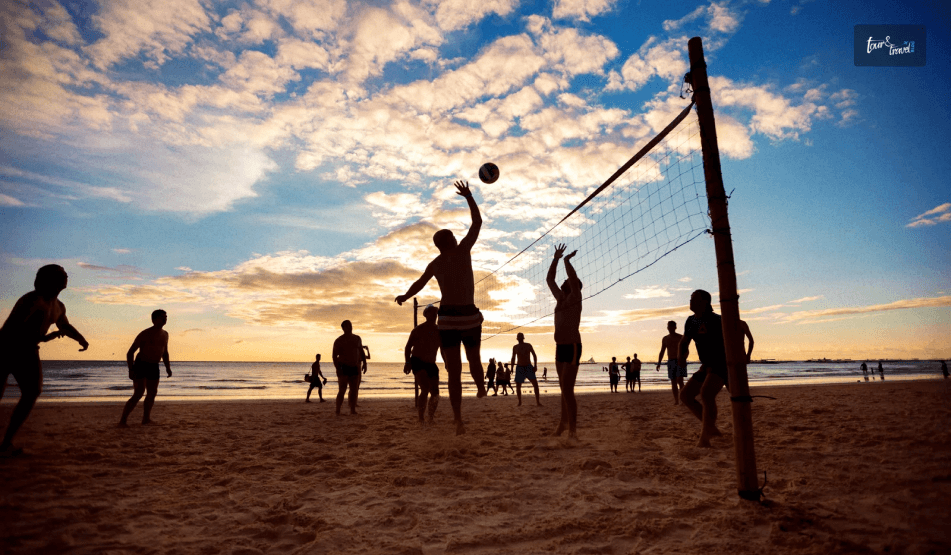
6. Hietaniemi Beach, Helsinki: Best For Summer Swimming And Beach Volleyball

Hietaniemi Beach, Helsinki_ Best For Summer Swimming And Beach Volleyball

Nearest Airport: Helsinki Airport

Hot summer days call for some serious beach fun at Hietaniemi Beach, Central Helsinki, Finland. 

With its shallow water and picturesque setting, Hietaniemi Beach is perfect for playing basketball and beach volleyball. 

Also, don’t forget to try the coffee and snacks at Badenbaden, the summer terrace. Want to try your luck at golf? 

Pay a visit to the miniature golf course nearby. 

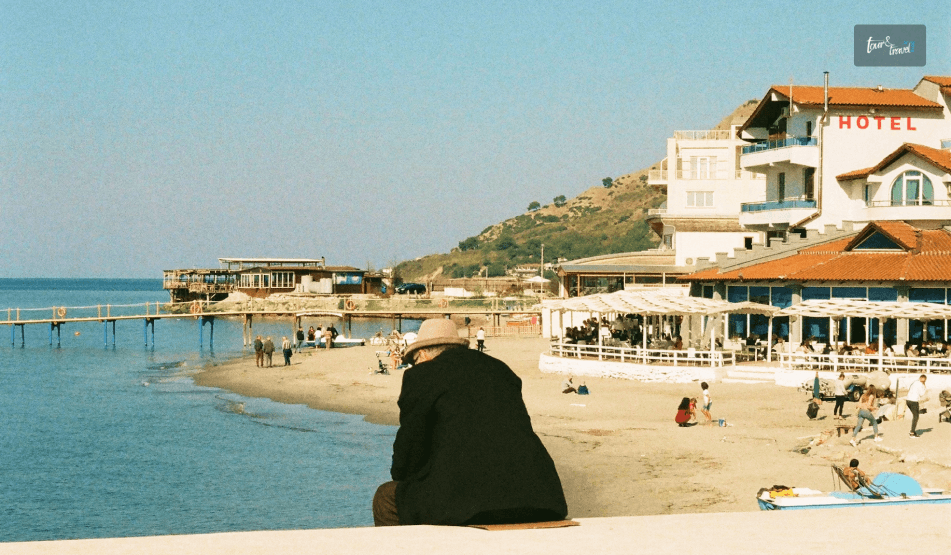
7. Beach of Durres: The Most-Visited Beach In Albania

Beach of Durres_ The Most-Visited Beach In Albania

Nearest Airport: Tirana Airport

The beach of Durres, the most-visited beach in Albania, is also one of the best beaches in Europe. 

Durrës, as a city, has a rich historical background, with the stories going back to 627 BC.

Additionally, the Roman amphitheater was our biggest draw. 

Additionally, the beach stands out due to its proximity to the Adriatic Sea, a prominent feature in the cultural, historical, and economic landscapes of Europe. 

Recently, the Adriatic Sea was in the news after a Riesenhai, or basking shark, was seen off the Croatian Peninsula.

8. Fteri Beach, Kefalonia: Romance In A Secluded Beach With Turquoise Waters

Fteri Beach, Kefalonia_ Romance In A Secluded Beach With Turquoise Waters

Nearest Airport: Kefalonia International Airport Anna Pollatou

With rugged hinterlands and candy-colored houses, Fteri Beach in Kefalonia, Greece, is the prettiest beach I have been to in Europe. 

One of the best summer destinations in Europe, this beach on a secluded cove has beautiful white cliffs and the bluest water. 

Don’t miss snorkeling in the water for the ultimate adventure. 

9. Praia da Comporta: The Secret Sweet Spot In Portugal

Nearest Airport: Lisboa (LIS) Airport

One of the best summer destinations in Europe, Praia da Comporta is a hidden gem in Portugal. 

Summer months are busy at Praia da Comporta. However, the 19-km stretch of the shoreline ensures you get enough space for all the beach fun. 

We had the most elaborate lunch at the Comporta Café, and we got into the water after hours of swimming. 

However, the biggest attraction was the horseback ride during the Sunset. The surroundings looked magical. 

10. Mala Beach: Cliffs, Sands, And Clear Water

Nearest Airport: Nice Côte d’Azur Airport

I was almost done penning this blog, and then suddenly it struck me. I have missed Mala Beach, another wonder in the French Riviera. 

With pebbles and sand on the shores, this secluded beach is ideal for some intimate moments with your partner. 

Further, the views of the majestic Mediterranean Sea and cliffs leave you awestruck. 

11. Vitali Beach: Best For The Quiet Romance

Vitali Beach_ Best For The Quiet Romance

Nearest Airport: Athens International Airport

Vitali Beach in Andros, Greece, is one of the best summer destinations in Europe if you are planning a coastal getaway. 

It is one of the quiet ones, too! 

The shores are full of pebbles. So, it is quite a walk before you reach the blue waters. However, the nearby caves and the best Pina Colada available make every effort worthwhile. 

12. Cala de Deiá, Mallorca: Falling In Love With The Rugged Charm

Cala de Deiá, Mallorca_ Falling In Love With The Rugged Charm

Nearest Airport: Palma de Mallorca Airport (PMI)

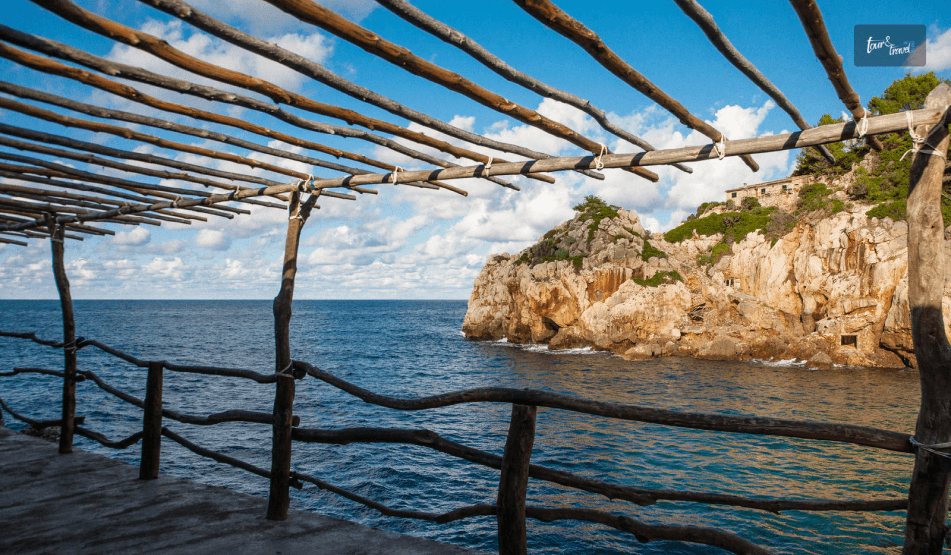
Cala de Deià, the rugged and bewitching inlet near Deiá, Spain, has a small beach with crystal clear water.

This is a place for couples who love everything quaint and a close-to-nature experience. 

After a fun swim in the crystal clear water, you can have your meal at the Can Lluc cafe and enjoy fishing while sitting on the rocky platform above the water. 

You can also visit the beautiful hamlet of Lluc Alcari, just 15 km away from Cala de Deiá.

Share on Social Media

Sibashree is a travel, culture, and leisure writer who has been writing since the age of 12 and professionally since 2014. With more than a decade of travel writing experience and journeys across India and several parts of the world, she brings a deeply personal and thoughtful perspective to her work. A student of English Literature and Mass Communication, Sibashree has always viewed travel as more than movement — for her, it has been a way of understanding people, cultures, and herself. Her passion for spiritual exploration has also led her to many unusual and meaningful destinations over the years. Outside of writing, Sibashree enjoys watching European cinema, reading about global politics, and reflecting on the stories hidden within everyday places.

Leave a Reply

Your email address will not be published. Required fields are marked *

title-img Related

READ MORE things to do in porto

What Are The Top Things To Do In Porto, Portugal? A Porto Travel Guide

BY  Sibashree Dec 2, 2025

Porto was on my mind for the longest time. It is the home to the best Port Wine, the beautiful Douro River, and colorful buildings. Also, Porto has a crucial role to play in Portugal getting voted as the “Best Destination in Europe” at the World Travel Awards 2025. Porto itself has bagged the honor of the “Best Urban Destination of Europe.” When I reached Porto, I found it very walkable. It is not as hilly as Lisbon. So, strolling was breezy, and the tram rides! Those rides were the highlights of my trip to Porto last year. I even found many adorable cat graffiti on the walls of the many buildings in Porto. I met many volunteers at a hostel near the Old Town, and with such opportunities, Porto is now more open to budget travelers and backpackers. I also got a chance to meet many digital nomads and freelancers, and the most happening expat community. While strolling across the Old Town and enjoying the tram rides are the activities I loved the most, there are many other things to do in Porto. I will talk about them in this Tour and Travel Blog guide. How To Reach And How To Get Around Porto? Porto is well-connected to the rest of the world through the Francisco Sá Carneiro Airport (OPO) or Porto Airport. It is just 11 km away from the City Center. Thanks to the well-established public transport system, you will easily get a tram, metro, bus, cable car, or funicular to reach the City Center from the airport. I took a tram ride from the airport to the City Center, living my ultimate Porto dreams.  Also, as I had done my research correctly, I bought a Standard Andante Card. It was easier for me because I didn’t need to buy tickets separately for the train and metro rides during my days in Porto. You can buy an Andante Card from any Andante Shop at airports or subway hotels. Also, check if the hotel you are staying in sells an Andante Card. The Andante Card is rechargeable, and you can check the balance and recharge it at any kiosk at metro stations. The card will cost you 0.60€, and based on your travel plan, you will have to recharge the card.  What Are The Top Things To Do In Porto? Porto once again drew the limelight with its signature Port Wine. The celebration of the Port Wine Day on 10th September 2025 included a “free-guided tasting,” a show of the vintage wine labels, and a one-of-a-kind tour of the Douro and Port Wine Institute (IVDP) building. Yes, exploring the port houses and tasting the sweeter and richer versions of regular wines are some of the most delightful things to do in Porto. However, from the iconic tram rides to getting the amazing views of the city from the River Cruise, the city offers you endless options for exploration.  1. A Boat Cruise In The River Douro  Taking a Rabelo boat ride on the River Douro is the best way to enjoy a slice of Portuguese history. These boats were earlier used for the transportation of port wines and people. Today, these are cultural symbols of Porto, with the annual boat race during the Festa de São João do Porto or St. John's Festival being a major attraction. A rabelo ride exploring the major cultural sights visible from the river and the six iconic bridges cost me 20 Euros. It was a slow-paced, relaxing, and enriching ride. 2. Enjoying A Ride In The Vintage Tram  The city I come from also has a story of tramlines and vintage trams, thanks to British Colonization. I am from Kolkata, the City of Joy, and Google says that the distance is 9,068 kms. See how traveling brings two cities, thousands of miles apart, together. The trams here usually run on two lines, and on special occasions, you will find trams running on three lines. I took a ride on the Line 1 route, from the Ribeira neighbourhood to the Foz Area. The Foz Area has beautiful beaches, and here you will see the mouth of the Douro River. I had to pay €8 for the round trip, and you can even book a one-way ticket at €6. 3. Exploring The Port Houses  Vila Nova de Gaia, connected to Porto through the Douro River, is home to the famous Port Wine. In fact, the strict rules of the 17th century said that for a wine to be qualified as Port Wine, it had to be matured and stored in the premises of Vila Nova de Gaia.  So, the Port Houses are concentrated. So, it is easier to explore most of them on foot. I was at Taylor’s a Port House celebrating a legacy of 333 years in Port Wine-Making. It is one of the Port Houses, still owned by a family. The tour at Taylor’s was self-guided. So, I loved how I could appreciate each process of wine-making and tasting at my own pace. Along with Taylor’s, you can also plan a wine-tasting tour at Cockburns, Ferreria, and Calem. 4. Visiting The Porto Cathedral, Se Do Porto  The Porto Cathedral, next to the remnants of the medieval walls, stands out with its fortress-like exterior. The cathedral remains open from 9 AM to 5:30 PM, and it offers free entry. However, you will have to pay €3 if you want access to the cloister. Predominantly Baroque in its architecture, the cathedral also shows the influence of the Gothic and Neoclassical styles. It is because the cathedral was first constructed in the 12th century, and it has been renovated many times. 5. Visiting The Palácio Da Bolsa  Address: R. de Ferreira Borges 11, 4050-253 Porto  Hours Open: 9 AM to 6:30 PM  Entry Fee: €14 for Adults, €9.50 for Students and Seniors, Free for Children below 12 Years  View this post on Instagram A post shared by Palácio da Bolsa (@palaciodabolsa) Palácio da Bolsa, a UNESCO World Heritage Site, is now home to Porto's Commercial Association. It was built on the ruins of St Francis Convent, which was engulfed by fire during the Liberal Wars. The building was built in 1842, and it was opened in 1891. The Pátio das Nações, or the central courtyard of the palace, with a glass enclosure, ensures adequate lighting throughout. You can explore its beautiful architecture and learn more about its history by taking part in a 30-minute guided tour. 6. Enjoying A Cable Car Ride  A funicular or cable car ride is the best way to enjoy amazing views of the Dom Luis I Bridge, the Douro River, and the Port cellars. The cable car or the Teleférico de Gaia in Porto connects Jardim do Morro with Vila Nova de Gaia. This five-minute ride costs 6 euros one-way and 9 euros round-trip. For children aged 3 to 12, the ticket price is €3 for a one-way trip and €4.50 for a round trip. You can use the Porto City Card if you are looking for discounts on this cable car ride. 7. Taking A Photo At The Dom Luís I Bridge  Théophile Seyrig, a student of Gustave Eiffel, is behind the construction of the Dom Luís I Bridge. This bridge on the Douro River serves as a prominent transportation link and icon of Porto. It connects Porto to Vila Nova de Gaia. I loved walking through the low point and along the top. I took some lovely photos there and enjoyed a panoramic view of the city. For more fun, you can take a cable car ride to the top of the bridge and then walk to the Cathedral and medieval walls. 8. Visiting The Historic Bolhao Market  The Bolhao Market is not just a place to find fresh fish, vegetables, and other produce. It is important for the history of the city and the people living there. The market is as old as the mid-1800s, and once the two-story building opened in 1914, the market shifted there. In 2022, the building underwent a major renovation, and it is now accessible to visitors. The market remains open from 8 AM to 8 PM, and it remains open from 8 AM to 6 PM on Saturdays and Sundays. The market also hosts many events, including opera performances and workshops. 9. Try Pastel De Nata: The National Pastry Of Portugal  Pastel De Nata, the century-old delicacy and the national pastry of Portugal, is the best dessert one can have in Porto. This dish has egg custard in a tart. I had the best pastry at the Bolhão Market, and it cost me €1.50. I did not have much time. Otherwise, I would have loved to join a pastry-making class offered by many locals at their homes. Food and attending cooking classes are some cool practices to break the ice and have an authentic cultural experience. 10. Indulging In The Quaint Little Charm Of The Time Out Market  After trying the best Pastel De Nata at the Bolhao Market, my next destination was the Time Out Market. I had some Caldo Verde soup and a Francesinha sandwich at the Time Out Market. These two items cost me €18. The market opens at 10 AM and remains open till 11 PM (Up to 12 AM on Fridays and Saturdays). Furthermore, if you want to try the best of the best in the Time Out Market, you can explore restaurants such as Padaria Ribeiro, Casa Inês, and Meia-Nau. 11. Exploring The Central Train Station Of Porto  The Central Train Station of Porto comes alive with the history of the city depicted through its blue and white ‘azulejo’ tiles. The main hall with 20,000 azulejo tiles is the main attraction of the architecture of this train station. It was built in 1916, and you will get trains to the Douro Valley and other popular villages in the neighborhood from here. The Central Train Station of Porto, or the São Bento Railway Station, is a UNESCO World Heritage Site, and previously it was the site of a Benedictine monastery. 12. Visiting Livraria Lello  Built in 1906, Livraria Lello remains the epicenter of Porto’s literary scene. It was named after prominent aristocrats and the founders, the Lello Brothers. And all the Potter Heads know this place as it inspired J K Rowling while writing Harry Potter, Also, I was surprised knowing that I would need a ticket to enter this bookstore, the most beautiful in the world. The ticket costs 10 Euros, and the charge will be deducted from the price of any book you purchase. Along with being a treasure trove of books, Livaria Lello stands out with its architectural magnificence. It has a stained-glass skylight, a unique staircase, and some brilliant woodwork. 13. Visiting The Chapel Of Souls  Location: R. de Santa Catarina 428, 4000-124 Porto, Portugal  Hours Open: Tuesday - Friday: 7:30 AM to 5:30 PM, Saturday: 7:30 AM to 12:30 PM and 4:30 PM to 5:30 PM, Sunday: 7:30 AM to 13:30 PM, Monday: Closed  Porto made me fall in love with the iconic blue azulejo and white facade of the churches. Capela das Almas, or the Chapel of Souls, is another prominent structure, bearing these characteristics. When I visited the chapel, it was in the afternoon, and the blue and white azulejos on its exterior looked more dramatic as the Sun changed color. The beautiful facade of the building and its Neoclassical style are ideal for Insta-worthy photo ops. However, the place remains crowded, and the street is busy with cars. So, I had a difficult time clicking the photos of the chapel.  14. Visiting The West Coast Of Portugal  It takes a bus ride and costs less than 10 Euros to reach the West Coast of Portugal from Porto. The bus ride takes just 15 minutes, or you can explore the route on foot. I could not be there due to time constraints. However, Praia do Carneiro, the closest beach to Porto, offers the most relaxing beach experience. The esplanade is surrounded by palm trees, and the lighthouse and the 16th-century forts add to its historical significance. Other popular beaches on the west coast of Portugal are Praia do Molhe, Praia de Gondarem, Praia dos Ingleses, etc. 15. Watching Sunset From The Guindalense Football Club  Address: Escada dos Guindais 43, 4000-337 Porto, Portugal  Hours: Tuesday to Friday - 10 AM to 11 AM, Saturday - 1 PM to 11 PM, Sunday and Monday - Closed  Entry: Free  The Guindalense Football Club is one of the best sunset points in the city. It also offers an amazing view of the river, Don Luis Bridge, and the city’s orange rooftops. The food and beverages available at this club are reasonably priced. I talked to a few locals there, and the gentle breeze coming from the river made my sunset moments even more special. 16. A Day Trip To Braga And Guimarães  I loved the day trip to Braga and Guimarães from Porto. Braga is about 55 km from Porto, and Guimarães is about 48 km away. I took a bus to Guimarães, and it took me less than an hour to reach Guimarães. I visited the Guimarães Castle and the historic center of Guimarães. Braga is famous as the home to the Sanctuary of Bom Jesus do Monte, which is a UNESCO World Heritage Site. Also, the Baga Cathedral is an important landmark. 17. Enjoy A Fado Show  Watching a Fado Show at Ideal Clube de Fado was something I was not prepared for. For instance, I'd know that a musical performance in Porto would make me feel the melancholy and the sprinkles of warm yellow lights like an autumn afternoon. Of course, I did not understand word-for-word, but every note, depicting emotions such as sorrow, love, and sadness, stirred me. It was the people, culture, and history of Porto talking to me through music. Furthermore, you can explore options such as the Fonseca Cellar Tour & Fado Show or visit Calém Cellars to enjoy a Fado Show with the best Port Wine.  My Days In Porto, Portugal: A 3-Day Itinerary My days in Porto were a little rushed, I admit, and I had to cover many places. However, you make it more relaxed if you have a trip plan of 5-7 days.  1. Activities On Day 1: Exploring The Heart Of Porto  Morning Visiting Porto Cathedral (Sé do Porto) Morning Exploring the Old Town (Ribeira District) Midday Exploring the Bolhão Market Midday Lunch at Time Out Market Afternoon Vintage Tram Ride Afternoon Taking Photographs at Dom Luís I Bridge Evening Watching the sunset at the Guindalense Football ClubEvening Attending Fado Show at Ideal Clube de Fado  2. Activities On Day 2: Wine, Culture, And Scenic Views  Morning Exploring Port Wine Houses Midday Taking a Douro River Cruise Ride Midday Lunch in Ribeira Afternoon Reading and Buying Books at Livraria Lello Late Afternoon Visiting the Chapel of Souls (Capela das Almas) Evening Cable Car Ride Evening Dinner and Late Night Riverside Walk  3. Activities On Day 3: Day Trips And Hidden Gems  Morning Day Trip to Braga & Guimarães Midday Lunch in Braga Afternoon Returning to Porto and Exploring the Central Train Station (São Bento) Afternoon Walking and Discovering Hidden Murals Evening Dinner and Leaving for the Airport  Is Porto In Portugal Safe For Women? I found Porto safe and warm. Also, a vacation home booking portal, Holidu, has named Porto one of the safest cities in Europe for women digital nomads. The portal has enlisted the safest cities after a data analysis from sources such as Nomads.com and Numbeo. Furthermore, according to Numbeo, the crime rate in Porto is only 30.31, which is pretty low. In addition, the crime rating in “a physical attack because of your skin color, ethnic origin, gender, or religion” is just 13.61, which is very low. Moreover, the rate of assaults is low in Porto, with a rate of 27.86. Getting Lost Is The Best Thing You Can Do In Portugal Nothing can be better than a city that allows you to breathe and get lost. Porto does exactly the same! I loved the Old Town area, especially where I could cherish the beautiful murals, the warmth of people, and the scent of freshly baked Pastel De Nata. Everything offered me a wholesome experience. The more you walk through the alleys, the more you will discover cool buildings, architecture, and gardens. I am not sure whether you will agree with me because it’s not easy to put your mobile phone on flight mode while exploring a new country solo. Still, I took the risk, and I carried my camera to take the photos. People talk about free things to do in Porto, I would say that it was something that did not charge me a penny, yet was priceless! Eu amo-te, Porto! Also, this walkability factor adds a lot of soul to the city’s character. The “human-scale streets” keep reminding you that the city was built long before cars were invented. And as you walk through these streets, there is no barrier between you and the experience you soak in. In the end, you have a story that is deep and personal. Tourism In Porto Is More Than Being A Popular Destination With the World Travel Awards conferring the title of “Europe’s Best Tourist Destination, 2025,” Porto is emerging as more than a popular tourist spot. The city’s big win shows what the travelers truly value these days. As travelers, we love a city that is walkable, sustainable, authentic, and culturally rich. Also, you have to remember that the city has left names like Berlin, Barcelona, and Amsterdam behind to win this laurel. The layered heritage of the city has played a major role in making it so rich in experience. You will love the Baroque churches, the Ribeira Riverfront, arty neighborhoods, and medieval lanes. So, despite rapid growth, the city has been careful to protect its heritage. In addition, as major cities such as Venice and Barcelona struggle with overtourism and its impact on the environment and local communities, Porto is showing the way to low-impact travel. Walkability and tram rides contribute to the city's low-impact tourism. Overall, the win shows that authenticity is preserved and respected, and it is not a performance or a show. It also shows how successful the city has been in balancing authenticity with amenities, growth with sustainability, and mobility with walkability.

READ MORE Kotor Montenegro budget travel

How To Plan A Kotor Montenegro Budget Travel? Cheap Ways To Travel To Kotor Montenegro For Backpackers 

BY  Sibashree Oct 22, 2025

“The cats protect the city from mice, and in return, the people feed them.” The local shopkeeper told me as I was walking toward a dozen cats sitting on the stone steps at a locality near the Old Town. On a backpacking trip to Kotor, Montenegro, I found cats on the ancient walls, in cafes, and everywhere! Stretching their bodies in the Sun and with their purrs, they indeed looked like the guardians of the city. And it is them who made me feel at home. However, it’s not just the cats that make Kotor in Montenegro an ideal budget travel destination for backpackers. It now features in the second spot as one of the most underrated budget backpacker destinations by Bamba Travel. Its medieval streets, historic architecture, hiking routes, and seafood offer the most affordable travel options for backpackers. Also, it is a less-crowded place than most hotspots in Western Europe. Is there more to a Kotor Montenegro budget travel experience? We will figure out the answer in this blog. We will also talk about how to reach Kotor, Montenegro, the modes of transportation for moving around and more. Let’s plan a trip to this UNESCO World Heritage Site. The Natural Beauty Of Kotor, Montenegro Speaks: Understanding Its Location  Another vivid memory I have of Kotor is how I started my hike to the Kotor Fortress before sunrise. I was halfway up, and nature was getting ready to be bathed with the first rays of the Sun. The chirpings of birds and that smell, a mix of the scent of an oven after a cake is freshly baked, and the dew-drenched leaves created an ambiance that was inexplicable. Nevertheless, a local shepherd offered some cheese and rakija (homemade brandy), and we talked about life. Then, the Sun illuminated the entire Kotor Bay. Now, if not this, what is magic for a backpacker or traveler? Now, thanks to the unique natural location of Kotor, Montenegro, you can encounter many such magical experiences. Located in the Bay of Kotor, Kotor is a coastal town of Montenegro, and it is a part of the Kotor Municipality. It sits between the Adriatic Sea and the Dinaric Alps and has a mountainous terrain. How To Reach Kotor, Montenegro? How Tourists From Different Parts Of the World Can Visit Kotor?  The easiest way to reach Kotor is to travel to the Tivat Airport. Located at a distance of around 7 km, it is the closest to Kotor. You have to travel the remaining route by local transport. Podgorica Airport (40 km) and Dubrovnik Airport (44km, Croatia) are the two other airports near Montenegro. You will get flights from major European cities to these airports, and buses also run from neighboring countries such as Croatia, Serbia, Bosnia and Herzegovina to Podgorica and Kotor. Furthermore, you can travel from Belgrade in Serbia to Podgorica in Montenegro and from Belgrade in Serbia to Bar in Montenegro. In addition, if you are traveling from Italy, you can take a ferry from Ancona on Italy’s eastern coast and take a ferry to Bar in Montenegro. You will have to make a journey of around 13 hours to reach your destination. Flights, Trains, Buses, And Other Modes of Transportation  For a backpacker, it’s a must to explore the Bay of Kotor in a boat. This boat takes you to many nearby towns and villages. However, for me, the trip to Perast was the highlight of these boat trips. The village has fewer than 300 people, and the quaint village offers some of the grandest views. Furthermore, if you want to move around and explore Kotor and its nearby localities by road, you will get car rentals, taxis, and shuttles. Why Is Kotor Montenegro, Budget Travel So Popular Among Backpackers?  While Greece and Croatia get all the attention on big tourism platforms, Montenegro in the Balkans is emerging as a favorite of the budget backpack travelers, thanks to the steady numbers. According to a report published by the International Trade Administration on 20th May 2024, tourism contributes 30% to Montenegro's GDP. Furthermore, the country is planning to boost its tourism prospects with a great focus on the following areas. Ecotourism  Cultural Tourism  Rural Tourism  Furthermore, another report published in ReportLinger suggests that the number of tourists to Montenegro is likely to reach 3.4 million by 2028. This is again a 2.8% rise from the number of 2.9 million tourists in 2023. Also, the tourism revenue is expected to reach $95 million by 2028. Now, in this scenario, Kotor is emerging as a sustainable tourism gem after a successful sustainability assessment by the Global Sustainable Tourism Council (GSTC). The Port of Kotor in Montenegro, Cruise Lines International Association (CLIA), and the Municipality of Kotor have done a successful assessment of the city. Vladimir Jokić, Mayor of Kotor, has commented, “As the Mayor of Kotor, I am pleased to say that Kotor is one of the few cities in the region that has undergone an important sustainability assessment process as a tourist destination. Together with the Global Sustainable Tourism Council (GSTC) and CLIA, we brought together various stakeholders from public life to gather their input. All participants from public life, city government bodies, state authorities, universities, the civil sector, the economy, and entrepreneurs took part in this process. The assessment results provided us with a clear insight into the impact of tourism on our city, which will help us develop effective strategies for sustainable tourism – that is, how we should move forward regarding tourism.”  So, Kotor today is a benchmark in sustainable tourism in the European region, and it is a budget-friendly travel destination among tourists for the following reasons. 1. Affordable Accommodation Options, Including Hostels And Guesthouses  Kotor has plenty of budget stays, from cozy guesthouses run by local families to hostels right inside the Old Town. Many include free Wi-Fi, breakfast, and kitchen access. Prices start at around €10–€15 per night during the off-season, and you’ll often meet other travelers sharing tips over morning coffee.  2. Stunning Natural Beauty With Mountains And The Adriatic Sea  Kotor sits where the rugged Dinaric Alps meet the calm Adriatic Sea. Whether you’re hiking up to the fortress or just wandering the waterfront, every corner feels like a postcard. The Bay of Kotor, often called Europe’s southernmost fjord, is perfect for swimming, kayaking, or just soaking in the sunset.  3. Rich Cultural And Historical Heritage In The Old Town  The Old Town is a maze of medieval lanes, Venetian palaces, and stone churches dating back to the 12th century. Walking here feels like stepping back in time and the best part is that exploring them is absolutely free! You can easily spend hours admiring its architecture and lively squares without spending a cent.  4. Numerous Free And Low-Cost Attractions  Many Kotor Montenegro activities are budget-friendly and free. Strolling along the Marina is the most relaxing experience I had at Kotor, Montenegro. Furthermore, the entrance fees to the museums and cathedrals here are very few. You need to just pay a few dollars. Overall, the magic of Kotor lies in exploring the city on foot or by boat the Kotor Bay. 5. Easy Access To Hiking Trails Like The Ladder Of Kotor  1350 Steps! Yes, you have to climb 1350 steps to complete the Ladder of Kotor hike. However, climbing up so many steps is a rewarding experience as the panoramic views of the city and the surroundings are breathtaking. 6. Budget-friendly Local Cuisine And Street Food  Kotor Montenegro food is comforting and simple, an extension of the simplicity of the city. I fell in love with sell burek or the savory pastries here. The filling in these pastries will remind you of your mother or grandmother who can create the biggest magic on the plate with the simplest ingredients. Furthermore, the family-run taverns or konobas here served the best grilled meat and seafood at the most affordable price.  7. Proximity To Other Balkan Destinations  You can easily include visiting places such as gems like Budva, Podgorica, or Dubrovnik in your Kotor Montenegro itinerary. Regional and international buses are available during the daytime and nighttime to explore these places on a budget. 8. Friendly Locals And A Welcoming Atmosphere  Montenegrins are hospitable, and language is never a barrier here. Many people here speak English. Especially the younger ones are well-versed in the language. So, it does not matter whether you are visiting Kotor for the first time or the last time. You will connect easily. 9. Vibrant Backpacker Community And Social Hostels  Kotor Montenegro hostels are beyond budget-friendly accommodations. These turn out to be the local social hub for solo travelers. Many of these hostels focus on activities such as:  Hiking Trips  Group Dinners  Local Events  Pub Crawling  So, you make new friends and earn new experiences with the locals guiding you. 10. Opportunities For Volunteering And Work Exchanges  Are you a digital nomad? Or, are you staying longer in Kotor? Many cafes, hostels and eco-projects in the city offer work-exchange programs or volunteer services. Explore platforms such as Worldpackers and Workaway to explore the listed job opportunities. Furthermore, there are many hostels and cafes where you can work for a few hours and get free accommodation and food in return. I have found several such listings on Worldpackers. You will have to work for 20 to 24 hours a week and have to shoulder working at receptions, administration, cleaning and housekeeping. You will get a shared dormitory and one meal in exchange for these services.  How To Plan The Kotor Montenegro Budget Travel For A Week? A week in Kotor can cost as little as $300–€400. Here is a quick breakdown. Montenegro Budget Travel Expenses Cost Breakdown Accommodation in Hostels $15–$25 per night Meals $5–$10 per meal at local eateries Kotor Montenegro Transport $10–$20 for buses and local travel Tours and Entrance Fees $5–$15 Total Average Daily Cost $35-60  Top Budget-Friendly Hostels In Kotor, Montenegro  Have a look at the table below for the list of budget-friendly hostels in Kotor, Montenegro. Staying in a hostel is one of the cheap ways to travel to Kotor Montenegro for backpackers.  Hostel Name Address Highlights Montenegro Hostel 4U Bokeljskih brigada bb, Kotor• 30 Seconds from the beach• Great social vibe• Rooftop terraceHostel Pupa Njegoseva 254, Suranj, Kotor• Near the bus terminal and Old Town• Cozy common area Old Town Youth Hostel Stari Grad 284, Kotor• Inside Old Town• Party-friendly• Great for solo travelersHostel Centrum Stari Grad, Kotor• 2-minute walk from Old Town gate• Communal kitchenMontenegro Backpackers Home Old Town, Kotor• Great location• Excursions available• Well-equipped kitchenGuesthouse STEP Near Old Town, Kotor• Terrace Hiking • Access Budget-Friendly Kotor Nest Coliving Kotor, Old Town• Ideal for digital nomads• Modern amenities Is Visiting Kotor Montenegro, Worth It?  I was walking through Old Town and stumbled upon a group of elderly men playing traditional Montenegrin music on guitars and accordions. Locals stopped, clapped, and danced spontaneously. They even invited me to join in. I learnt the local dances right there on the cobblestones. Now, this is the spirit of Montenegro, it’s about living life to the fullest and understanding the magic of minimalism. Furthermore, the main attractions such as the St. Tryphon Cathedral, the town of Perast, the Blue Cave, the Bay of Kotor, and the City Walls allow you to soak in its cultural heritage, history, and scenic beauty on a budget. Is Kotor, Montenegro, Struggling With Overtourism? Yes, like Venice, Barcelona, and many other major European cities, Kotor, the “Unsung” coastal beauty, is also struggling with the perils of overtourism. The rising number of cruises to the city is leading to this problem. As a result, the locals are now advocating for higher entrance fees. So, discussions are going on about raising the entrance fee, which is 1 Euro. This is justified because housing costs are rising due to the increase in tourism, and there are also environmental concerns. And it is not just homeowners who are worried about these growing numbers. The local shopkeepers and NGOs who work for community development and environmental issues are also concerned by the sudden boost in tourism. During my trip, I had the opportunity to meet Ms. Mandic, an environmental activist in the city. She said, “Hundreds of tourists are visiting the city every day. They are writing the city’s future, which will be irreversible.”  The Municipality of Kotor and the local tourism authorities will monitor the numbers to maintain the pristine charm of the coastal town. Montenegro Budget Travel: Frequently Asked Questions (FAQs)  Here are the frequently asked questions and answers about the Montenegro budget travel. 1. Are 4 Days Enough For Kotor, Montenegro?  Yes, 4 to 5 days are enough to explore the city of Kotor in Montenegro. You can walk through the Old Town, enjoy a boating tour in the Bay of Kotor, visit the nearby towns, and explore local life by having food at the family-run taverns in Kotor. 2. Is Kotor Or Budva Better?  Kotor and Budva both places are beautiful. However, Kotor is less touristy with its quaint cafes and the medieval Old Town, which stands as the eternal witness. Furthermore, Kotor is more suitable for budget-travelers as walking, hiking, cycling and biking are the best modes of knowing this city of Montenegro.  3. Which Language Is Spoken In Montenegro?  Montenegrin is the language of the people of Montenegro. However, Montenegrin is a part of the Serbo-Croatian language variety. So, it is similar to other languages such as Serbian, Croatian, and Bosnian.Furthermore, many people here, especially the younger ones speak in English.  4. Can You Drink Tap Water In Montenegro?  Yes, you can drink tap water in Montenegro. Furthermore, you will find fresh water springs around Lake Skadar and in the mountains. Furthermore, food in Montenegro is also checked in labs to ensure complete safety. 5. What Are The Common Crimes In Kotor? Burglary and theft are the most common crimes in Kotor, Montenegro. Along with pickpocketing and snatching of purses, these crimes also include theft at ATMs. Furthermore, these crimes increase in number during the peak tourist season or the summer months.Also, organized crimes, especially the ones related to drug smuggling, are quite common in Kotor. In fact, according to the United Nations Office on Drugs and Crime report “Montenegro-UNODC Strategic Partnership Framework (2024-2029),” “..., organized crime in Montenegro is mostly related to drugs smuggling. Montenegro is part of the ‘traditional’ opiate route from Afghanistan to Europe, or so called ‘Balkan Route’. In terms of trafficking routes, heroin is thought to come via road to Montenegro from Albania, Kosovo or Serbia and travel further towards Croatia and other European countries. 6. What Is The Best Time To Visit Kotor, Montenegro?  The summer months of July and August are the peak months for visiting Kotor in Montenegro. However, for budget friendly travelers, November to February is the ideal time for a visit to Kotor. Despite rainfall being a factor, these are the months for skiing and watersports in nearby mountains. Also, with the number of tourists being fewer in these months, the accommodation charges are lower than in the peak season.On average, your daily expenses in these months will be around $5 less than the peak summer months.

READ MORE Kotor Montenegro travel itinerary

A Kotor Montenegro Travel Itinerary For 3 Days: How To Travel Kotor Montenegro On A Budget? 

BY  Sibashree Nov 25, 2025

My trip to Kotor, Montenegro, is filled with memories of the cats, who are the guardians of the city, and the smell of dew-drenched leaves as I went for a sunrise hike.  Also, along with being a hidden gem in the sustainable tourism scenario after a successful sustainability assessment by the Global Sustainable Tourism Council (GSTC), it has also emerged as the ultimate budget-friendly location of Montenegro.  In this blog, I will discuss a 3-day travel itinerary for Kotor, Montenegro, including hidden gems and essential tips. Why Visit Kotor, Montenegro? The International Trade Administration has confirmed that the tourism sector in Montenegro contributes 30% to the country’s GDP. In addition, ReportLinker predicts that the number of visitors to Montenegro will reach 3.4 million by 2028.  The same report anticipates that the tourism industry will reach a revenue of $95 million by 2028.  A UNESCO World Heritage Site, With Great Food, Community, Beauty, And Historical Charm Kotor, a UNESCO World Heritage Site, is the crown jewel of tourism in Montenegro. The deep bay waters here resemble the Nordic fjords. On the other hand, the coastal cliffs create the perfect backdrop for the city, exuding a medieval charm.  Now, Kotor and Montenegro as a country are planning to diversify their tourism portfolio, with a greater focus on cultural, ecotourism, and rural tourism.  In addition, the budget-friendly hostels in Kotor are more than cheap accommodations. They are the base for developing a backpackers' community.  Many of these hostels help you join pub crawls, hikes, local events, and more. As a result, Kotor, Montenegro, has become a favorite among backpackers, budget travelers, and solo travelers.  In addition, the rugged beauty of the Dinaric Alps meets the calmness of the Adriatic Sea in Kotor, Montenegro. So, every nook of Kotor is ideal for a photo-op.  Moreover, for me, exploring the maze of medieval lanes and the Venetian architecture was like time travel. Also, St. Tryphon’s Cathedral, dating back to the 12th century, stands as the eternal witness of human history in Kotor.  Furthermore, the family-run taverns here serve the most delicious yet simple food at an affordable price. Try the savory pastries! What Is The Best Time To Visit Kotor Montenegro? July and August are the peak months for visiting Kotor, Montenegro. However, if you want to travel to Kotor, Montenegro, on a budget, you need to plan a trip between November and February.  You will enjoy watersports and skiing in these months, and accommodations are available at a much more affordable price.  How To Get To Kotor & Move Around On A Budget? The Tivat Airport, 7 km away, is the gateway for Kotor to the rest of the world. You can travel this 7 km distance by road.  Other nearby airports to Kotor, Montenegro, are Dubrovnik Airport (Croatia, 44 km) and Podgorica Airport (40 km). In addition, Podgorica and Kotor get regular flights from countries such as Bosnia, Serbia, and Croatia.  Once you reach Kotor, you can explore the city and its surroundings in a boat. Don’t miss Perast on the route, as this village has fewer than 300 people, and it stands out with amazing scenic beauty.  Taxis, shuttles, and car rentals are other options if you want to explore Kotor by road. 3-Day Budget Itinerary For Kotor, Montenegro Here is a brief 3-day budget itinerary for Kotor, Montenegro. I will first share the days and activities, and then discuss why these attractions are special.  DaysActivitiesDay 1 - Exploring Kotor Old Town• Wandering through cobblestone streets.• Visiting St. Tryphon Cathedral.• Climbing the City Walls for panoramic viewsInsider Tip: Visit the City Walls early for a discounted entry. Day 2 - Visiting Perast & Our Lady of the Rocks• Taking a local bus to Perast.• Boat ride to the iconic island church.• Enjoying budget-friendly seafood at a local konoba.Day 3 - Visiting Lovćen National Park & Njeguši Village• Hiking or taking a shared taxi to Lovćen.• Visiting Njeguši for a traditional prosciutto and cheese tasting. 1. Exploring Kotor Old Town And City Walls Here are some interesting and unknown facts about Kotor Old Town and City Walls.  The Old Town's fortification system stretches 4.5 km. So, it is one of the longest fortification systems in Europe. It only follows the Great Wall of China.  You have to climb 1350 steps to reach the San Giovanni Fortress. The entry fee is €8. However, you can also take the secret route via the old trade path outside the northern gate. It’s free.  The Sea Gate Inscription above the main gate is a quote from Tito: “We don’t want others’, we don’t give our own”, commemorating liberation from Nazi occupation in 1944. Furthermore, the Pillar of Shame, hidden in a square, reminds us of a brutal activity in the city in the past. Criminals were tied to this pillar, and everyone used to throw stones and rotten food at them as a mark of punishment.  2. Visiting St. Tryphon Cathedral Built in 1166, the St. Tryphon Cathedral is even older than the Notre Dame Cathedral in Paris. It is one of the most ancient cathedrals on the Adriatic Coast. The cathedral has a 14th-century ciborium, which depicts the life of St. Tryphon. It is made of a red stone from Đurići. The goldsmiths of Kotor made the golden altarpiece of the cathedral in the 15th century. It has the figures of Christ, Virgin Mary, and 16 saints.  A devastating earthquake struck Kotor in 1667. Then, the bell tower of the cathedral fell, and it could not be rebuilt fully. Thus, the current cathedral structure is shorter by 2 meters than the original one.  In 2009, the St. Tryphon Cathedral got the status of a Papal Basilica. It is a rare honor for churches in the Balkan region. 3. Visiting Perast The 2-km-long main street of Perast was once a cultural hub during the days of the Venetian Republic.  The bell tower of St. Nicholas Church was built at a cost of 50000 Ducats in the 18th century. It was an unbelievable amount in that era.  Perast once stood as a reflection of the wealth in the Venetian Era. It had 16 palaces and 19 churches.  4. Knowing Our Lady Of The Rocks Rocks have piled up for centuries, and those rocks, along with sinking ships, have formed Our Lady of the Rocks, the only artificial island in the Adriatic Region.  The Fašinada festival is a popular ritual here, with its history dating back to 1452. It is a tradition to celebrate the island's foundation. Every 22nd July, the people of the island gather in decorated boats and they throw stones into the sea, as a symbolic exercise.  Furthermore, the Catholic church here has a tapestry made by Jacinta Kunić-Mijović. It was made using human hair, and Jacinta Kunić-Mijović made this tapestry while waiting 25 years for her fiancé to return from the sea.  The church also has the Death of the Virgin. It is a masterpiece by Tripo Kokolja. In total, the church has 68 paintings from Tripo Kokolja. 5. Visiting Lovćen National Park The Njegoš Mausoleum at Jezerski Vrh is one of the main attractions of the Lovćen National Park. Located at an altitude of above 1,660 meters, it is allegedly the highest mausoleum in the world.  200,000 Gilded tiles cover the dome of the mausoleum, and 13-ton granite statues of Montenegrin women guard the entrance of the national park.  Once you climb 461 steps and reach the top of the Mausoleum, you will enjoy panoramic views stretching toward Italy.  6. Exploring Njeguši Village It is the cradle of the royal Petrović-Njegoš dynasty of Montenegro. This family ruled over Montenegro from 1696 to 1918. Furthermore, it has the birthplace of Petar II Petrović Njegoš and many other 19th-century buildings. The birthplace of Petar II Petrović Njegoš is now a museum housing the first edition of his poem, Mountain Wreath, and original furniture. How Much Does A 3-day Trip To Kotor Cost On A Budget? Here is a detailed breakdown of the budget for a 3-day trip to Kotor, Montenegro.  CategoryBudget Cost (EUR)DetailsAccommodation (Hostel)€15–€25 per night, meaning €45–€75 for 3 nightsHostel prices are even lower from November to FebruaryLocal Transportation€6–€12 total• Local buses (€1–2 per ride). • Short taxi/shared rides within the bay (€3–5). • Free walking inside Old Town.Airport Transfers€8–€15 each way, meaning €16-€30• Airport transfer from Tivat is the cheapest.• From Dubrovnik/Podgorica, it will be at least €20-€35. Food (Budget Travelers)€15-€25 per day. So, it will be €45 to €75 in total. Choose Konobas & bakeries: • Pastries (€1–2), • Seafood Meals (€7–10)• Wine/Beer (€2–3)Activities and Entry Fees€20–€35 total• City Walls (€8, discounted early)• St. Tryphon Cathedral (€3)• Perast boat (€5–10) • Lovćen shared taxi/hike (€5–10)Day Trip to Perast & Our Lady of the Rocks€7–€12• Bus to Perast (€1–2), boat (€5–10)Lovćen National Park Day TripFree–€10• Free if hiking; €5–10 for shared taxi. • Mausoleum entry ~€5.Miscellaneous (water, snacks, souvenirs)€10–€20• Refillable water recommendedCollect small souvenirs €3–5.Total Estimated Budget for 3 days €139–€239• This is a cost breakdown for budget travelers. However, the budget for mid-range and luxury travelers will be different.  Day Trips & Hidden Gems Near Kotor Gornji Stoliv: It is a quiet coastal village. Vrmac Ridge: You will enjoy this scenic hike, and it is less crowded.  Church of Our Lady of Health: This chapel has a serene ambiance, and because of its location on a hilltop, it is often overlooked by tourists.  Vrmac Ridge: It is famous for the WWII bunkers, and it offers a beautiful panoramic view.  Blue Cave: It is a natural wonder of Kotor, Montenegro, and this natural sea cave has the most beautiful sapphire light and glow. You can reach the cave only by boat.  Secret Wine Bars: These secret wine bars are in the alleys of the Old Town. These places serve the best rakija and Montenegrin wines. Final Tips For Your Montenegro Getaway Kotor, Montenegro, gets busy in the summer season. Furthermore, early mornings are the busiest with the cruises docking in heavy numbers.  Also, there are some tips about the weather and travel you need to keep in mind.  Carry offline maps, as network connections may not always work.  Keep cash and small coins ready, as card transactions may not be accepted in local shops.  You must start hiking the steep route of the San Giovanni Fortress early in the morning to avoid the heat.  Use local buses for transportation, as they cost only €1–2 per ride.  Evenings are cool even in the summer season. So, you will have to pack layered clothes.  Dress modestly in churches, avoid loud behavior in Old Town squares, and learn basic Montenegrin greetings like “Hvala.” meaning Thank you. Choose konobas or local taverns for breakfast, lunch, and dinner. They are way affordable than the posh restaurants in the Old Square.  Kotor Montenegro Travel Itinerary For 3 Days: Frequently Asked Questions (FAQs) Here are the frequently asked questions and answers about the Kotor, Montenegro travel itinerary.  1. Is Kotor, Montenegro, Worth Visiting For 3 Days? Yes, three days are perfect to explore Kotor Old Town, Perast, Lovćen National Park, and enjoy hidden gems without rushing.The budget for your three-day travel in Kotor will be around €139–€239, and Kotor is safe for solo travelers if you follow the basic travel precautions.  2. Can I Visit Kotor On A Day Trip From Dubrovnik? Yes, you can visit Kotor on a day trip from Dubrovnik. However, if you want to at least try its best food and soak in the vibe of the Old Town, you must plan for an overnight stay.  3. Do I Need A Visa To Visit Montenegro? If you are from the USA or a country that is part of the European Union, you will not need a visa to visit Montenegro. If you are from any of these countries, you can enter Montenegro and stay there for 90 days without a visa. You must check the visa requirements of your country.  4. Are There Budget-Friendly Accommodations In Kotor? Yes, the guesthouses in Dobrota and hostels such as the Old Town Hostel Kotor are some of the most budget-friendly accommodations in Kotor, Montenegro. The hostel prices will be around 15-25 Euros per night.  5. What Are The Must-Try Local Foods In Kotor? Kotor is famous for its seafood, and you can have it at local taverns or konobas. Furthermore, if you are in Njeguši, you must try prosciutto, a dry-cured ham with a lot of flavors. Moreover, burek, or the savory pastry, is the highlight of the delicacies of Kotor.  6. Do I Need To Rent A Car In Kotor?  No, you don’t need to rent a car in Kotor, Montenegro if you are a budget traveler. Local buses and shared taxis are easily available, and they are even suitable for day trips to Perast and Lovćen. Otherwise, you can take the boat rides, which are also quite affordable.