

OMG! These Best Places To Travel In Europe Are Amazing In Winter: 7 Must Visits

Nov 11, 2024

Last Updated on: Nov 20, 2024

Travel Guides

With the nip in the air and Christmas bells ringing, the best places to travel in Europe gears up for the visitors. 

Also, the “Europe Winter Tourism Market” is massive, and Austria, Italy, Germany, and Switzerland are some of the key destinations or revenue earners in this regard. 

Further, winter tourism in Europe is beyond indulging in the drizzles of snow and relishing the best food. It has a deeper economic significance in the continent. Did you know that the revenue from winter tourism in Europe is 1-2% of the GDP of European countries? 

So, when you visit the best places to travel in Europe in winter, you contribute to the overall economy of the place and the country. 

Moreover, winter brings out the best in Europe, with glimpses of the Northern Lights, skiing in the Alps, Christmas festivities, and many more! 

You Cannot Miss The Best Places To Travel In Europe In Winter 

Best Places To Travel In Europe In Winter

A wintry day in Europe is blissful, and it’s a great time to travel to this continent if you want to avoid the crowd. 

Furthermore, the beautiful landscape of Europe looks dreamier with the blanket of snow in winter. 

So, let’s take a flight to the best places to travel in Europe in winter. 

1. Rovaniemi, Finland 

Rovaniemi, Finland 

Best Place to Stay: Santa Claus Holiday Village 

Finland Tourism Package from the USA: 1100-1500€

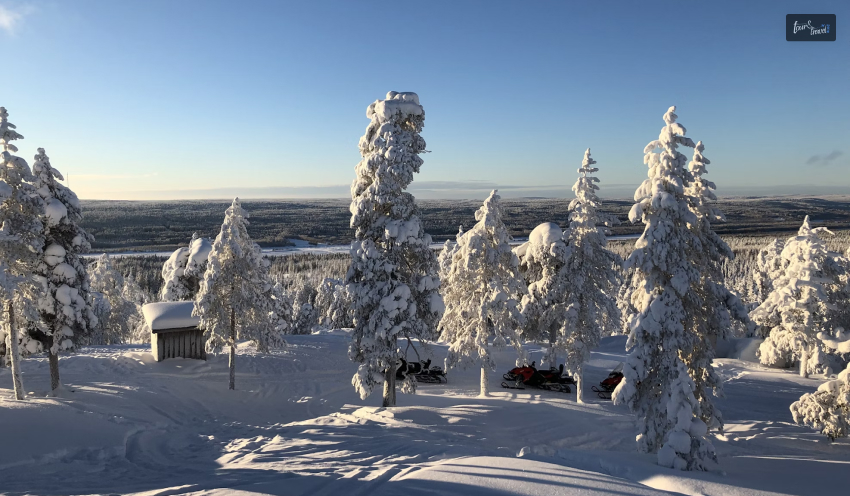
Ho! Ho! Ho! Winter comes with the invitation to fly to the official hometown of Santa Claus. It is the best place to indulge in Christmas festivities, and you will also love the reindeer farms here.

Furthermore, you can participate in the following activities when visiting Rovaniemi in winter. 

  • Ice skating
  • Snow sledding
  • Northern Light Safaris

However, Rovaniemi will not disappoint you even if you want to spend a quiet winter vacation here. You can cozy up by the fire and have the best glogg ever.

Are you a foodie like me? You can indulge in some smoky salmon and ice cream. The chef’s kiss will be watching the snow-clad forests through the windows of your hotel room. 

2. Prague, Czech Republic

Prague, Czech Republic

Best Place to Stay: Hermitage Hotel Prague

Czech Republic Tourism Package from the USA: 2000-3000€

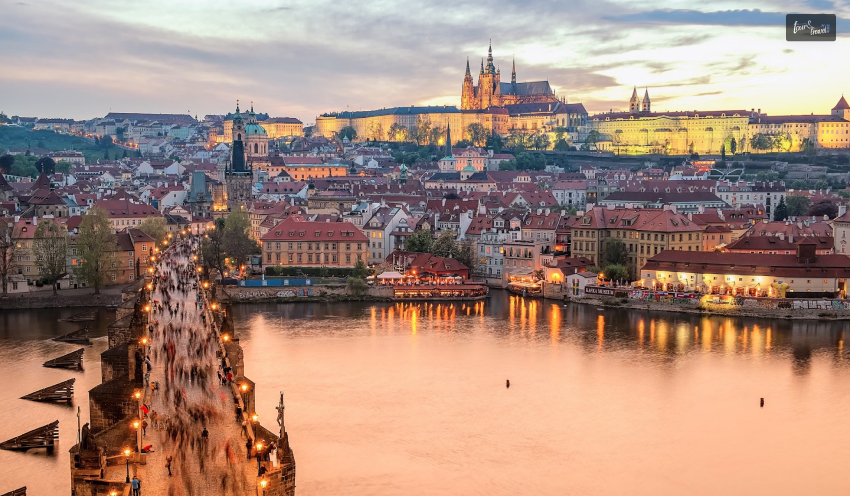
With St. Nicholas Church as the center of attraction during winter and Christmas, Prague decks up with fresh coats. The Church of Our Lady before Týn and St. Vitus Cathedral are some other popular churches to visit in Prague during Christmas.

Furthermore, Christmas has a different fervor in Prague, thanks to the Christmas markets here. It supposedly has the best Christmas Market in the world outside Germany.

In the upcoming winter, Prague Christmas Markets will remain open from 30th November 2024 to  6th January 2025. You will get the best wooden toys, ceramics, and candles here.

Looking for some gastronomic delight? Prague has Palatschinke and mulled wine that you will cherish. 

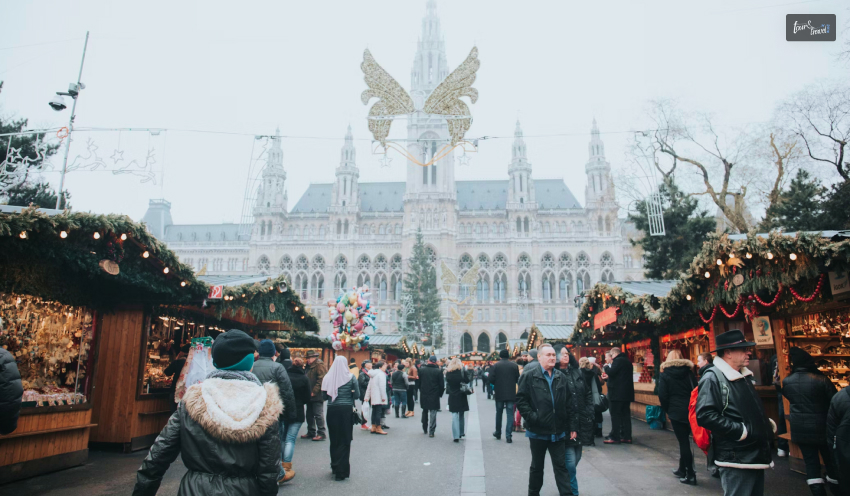
3. Vienna, Austria

Vienna, Austria

Best Place to Stay: Hotel Sacher Wien

Austria Tourism Package from the USA: 1500-2500€

Vienna, the winner of the “Most Livable City in the World,” is one of the best places to travel in Europe this winter. BBC conferred this title to Vienna three years in a row. 

Further, in winter, Vienna transforms into a site of outdoor operas and hot chocolates. Attending the operas in the freezing cold is an experience, and with thousands of people attending the event, you will feel the palpable festive energy here. 

Moreover, you can appease the connoisseur in you by attending the classical musical concerts here.

Also, behold the snow-clad beauty of the St. Charles Church and Schönbrunn Palace. It’s dreamy and will offer you the best frames for capturing. 

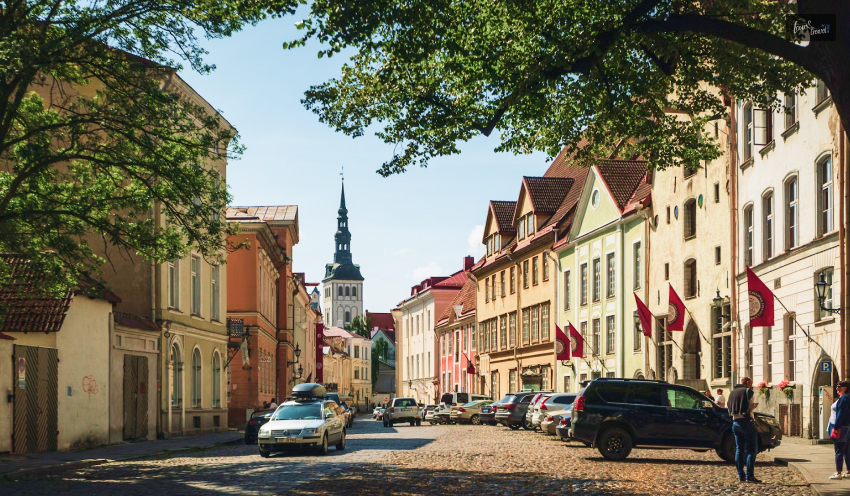
4. Tallinn, Estonia

 Tallinn, Estonia

Best Place to Stay: Metropol Spa Hotel 

Estonia Tourism Package from the USA: Around 4500€

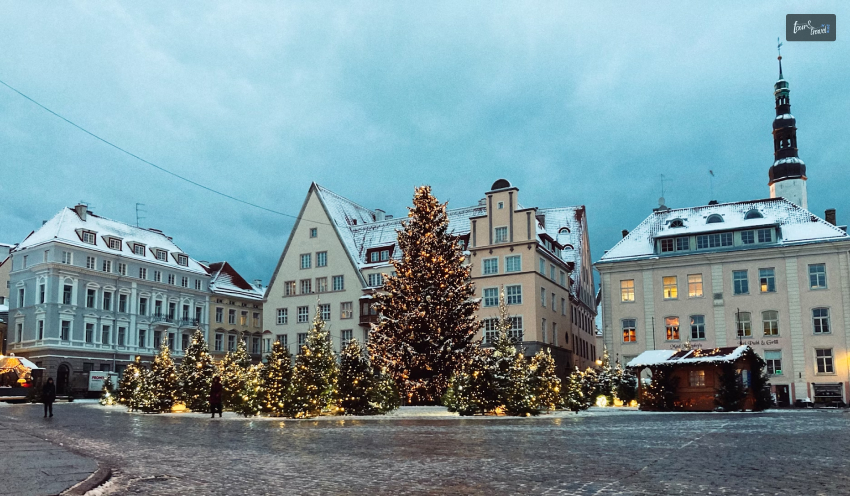
Tallinn has an amazing location on the Baltic Sea and the most amazing historical centers. You can explore the following historical centers when in Tallinn.  

  • Town Hall Square
  • Olevsite Church
  • Great Guild Hall

Further, the turreted castles of Tallin stand tall with their unmatched architecture. Toompea Castle is probably the most famous castle among them. You will also love exploring Kadriog Palace and Pikk Herman.

These castles are beautiful year-round. However, they appear to be straight from the pages of fantasy tales under the wrap of snow. 

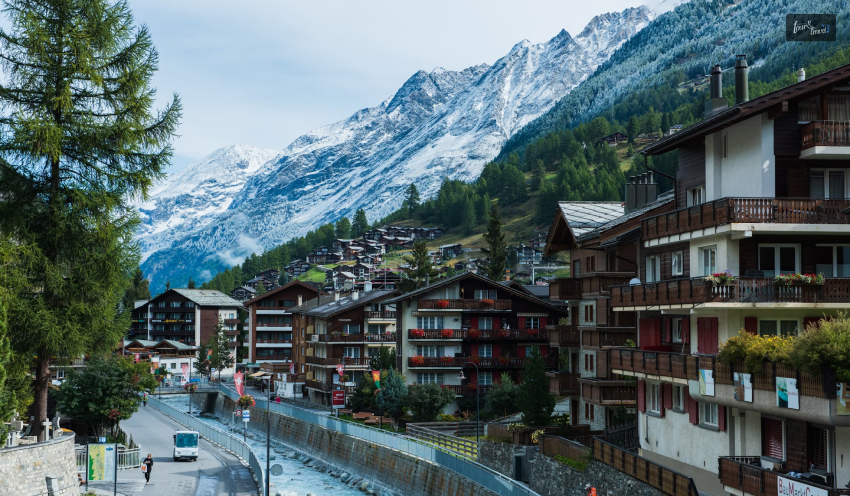
5. Zermatt, Switzerland

Zermatt, Switzerland

Best Place to Stay: Hotel Firefly

Switzerland Tourism Package from the USA: Around 2000€

Zermatt, at the foothill of the Matterhorn, becomes the paradise of skiers in winter. The coverage of fresh snow and the best scenic views make Zermatt everyone’s favorite, even on the chilliest days. 

After you have a fulfilling winter day outdoors, you can indulge in the much-needed warmth and comfort in the spa of Hotel Firefly. Also, Zermatt is the ideal place to try Alpine cuisines and lemon martini. 

Moreover, if you want to try outdoor pursuits other than skiing, you can try hiking. Even if you are not interested in hiking to the higher mountains, you can explore Zermatt and the surrounding villages. 

You can even take a helicopter ride around Matterhorn to have the best views of the glaciers. If you are on the verge of ending your trip to Zermatt, don’t try to collect some handmade souvenirs. 

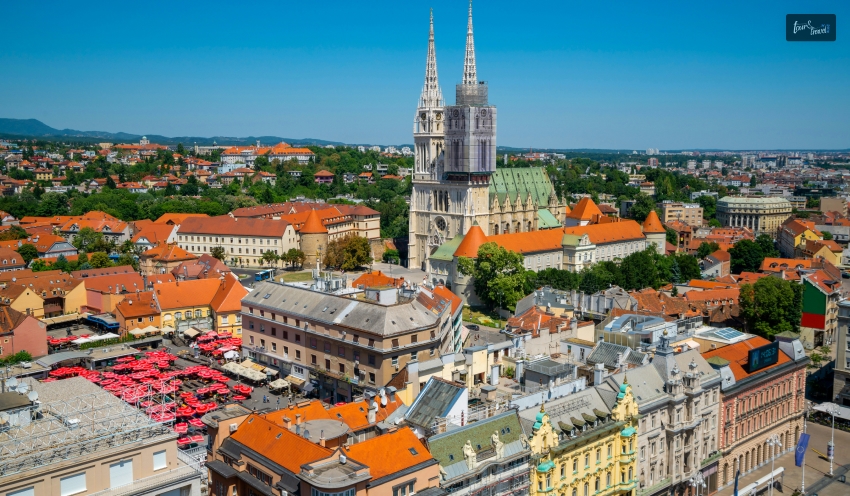
6. Zagreb, Croatia

Zagreb, Croatia

Best Place to Stay: Garden Hotel

Croatia Tourism Package from USA: Around 1500€

Zagreb exudes the quintessential Central European vibe and is a favorite of dark academia fans. Winter transforms it into a wonderland with the Advent in Zagreb festival. You will find the best brandy and homemade sausages here. 

You also explore the Christmas markets and appreciate the lights galore throughout the entire locality to indulge in its festive fervor. 

Are you looking for more adventure in Zagreb? You can plan a trip to the Plitvice Lakes National Park. It has waterfalls and 16 terrace lakes. In winter, all these waterbodies get frozen and offer you the most surreal view. 

Moreover, with the Croatian National Theatre at the epicenter, Zagreb is important for the cultural landscape of Croatia and Europe. You must make a note that Croatian National Theatre is one of the most beautiful theatres in the world. 

The Croatian Museum of Naive Art, Zagreb City Museum, and Maksimir Park are some other places of interest in Zagreb. 

7. Bergen, Norway

Bergen, Norway

Best Place to Stay: Citybox Bergen

Norway Tourism Package from the USA: 2600-6500€

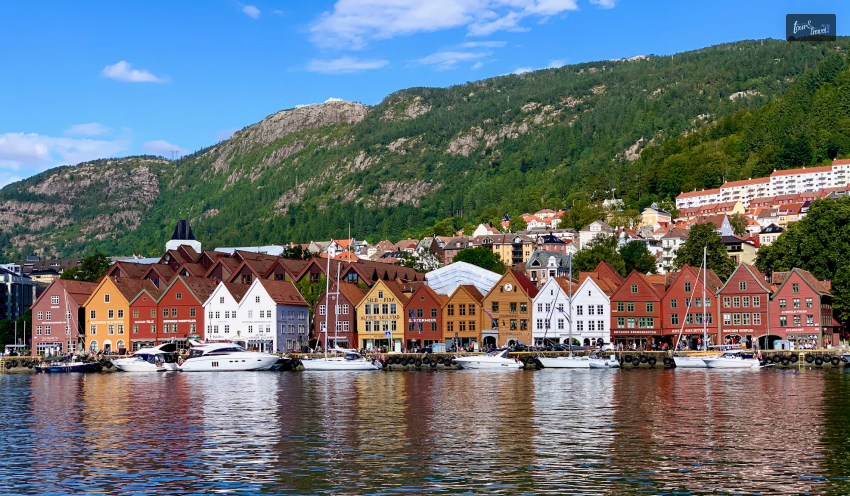
Bergen has the ideal Norweigan vibe with colorful wooden buildings. You can enjoy the beautiful view of the fjords and harbor from these aesthetic buildings. And who does not know of the Northern Light in Norway in winter?

Late November to January is the best time to experience the magic of Northern Light in Bergen, Norway. The longest nights become bright as you observe this astronomical wonder in the sky. 

With your nights becoming lit with the Northern Lights, you can spend your daytime in Norway doing winter hiking, skiing, and sledding. You can even go on a Wildlife or Wild Safari and experience the wonder of nature. 

Also read

Share on Social Media

Meet Sibashree Bhattacharya, a travel enthusiast who has a decade-long experience in transcending virtual barriers with her words! Her deep love for travel is apparent from her travel escapades to the mountain, often taking her readers on a journey, her words acting as Portkey! Fun fact: Sibashree loves to dive deep into the history of the places she is about to visit, making her travels even more wholesome. If you were wondering how her articles are not short of time travel, this answers it!

Leave a Reply

Your email address will not be published. Required fields are marked *

title-img Related

READ MORE Moving

Moving Stress – 10 Ways To Make Moving Easy For Your Family

BY  Arnab Jun 6, 2023

Relocating to a new residence signifies an exciting new chapter for your family, yet it can also induce overwhelming stress. The process entails various tasks, including organization, packing, and selecting a suitable moving company. Nevertheless, by implementing thorough planning and adopting a proactive mindset, you can turn the house-moving checklist into a smoother and more enjoyable experience for your entire family Throughout the United States, relocations are unsurprisingly common. Most people move from one state to another for employment prospects, while others move due to inflation and several other reasons. Chicago, for instance, has been witnessing a rise in people moving out of this city, citing housing cost issues and rising inflation. Such factors are enough to make relocation even more stressful. Here Are Ten Prime Ways To Make Moving Easy For Your Family Below, we’ll share tips to streamline the process and alleviate the stress associated with moving. 1. Engage a Reliable Moving Company The first step of moving is getting in touch with a trusted moving company. Selecting a reputable and dependable moving company can significantly alleviate stress during the moving process. Research and compare moving companies in your area, for instance, Chicago. Review their credentials, customer feedback, and insurance coverage. Request multiple quotes and inquire about additional services they offer. Once you find a suitable moving company, secure their services well in advance to ensure your preferred moving date. Clear communication and a well-documented contract with the movers will guarantee a smooth and hassle-free experience on the day of the move. Leaving a big city like Chicago can be stress-inducing, especially for big families. Nonetheless, the expertise of professional movers will make the transition smoother. Looking up Chicago long distance movers near me will help you find the right movers. 2. Create a Moving Timeline A well-structured moving timeline is essential for maintaining organization throughout the moving process. Begin by creating a detailed checklist that encompasses all necessary tasks, including decluttering, packing, scheduling movers, and notifying relevant parties of your change of address. Break down these tasks into manageable chunks, assigning specific deadlines to each. By adhering to a timeline, you can avoid last-minute rushes and ensure that everything is completed systematically. 3. Downsize Moving presents an excellent opportunity to downsize and let go of items you no longer need. Assess each room and categorize your belongings into keep, donate, sell, or discard. For the disposal of unwanted junk, it can be beneficial to reach out to a dumpster rental like Waste Removal USA. If you're curious about where this company is located specifically, you can find the answer to "where does Waste Removal USA operate?" with their list of local service areas that you can explore. Most reliable dumpster removal services have their locations present on their websites which can come in handy when looking for a service near you. Consider organizing a garage sale or donating unwanted items to local charities. It not only lightens your load but also provides a sense of fulfillment while assisting those in need. 4. Employ Strategic Packing Techniques Efficient packing is key to a successful move. Gather high-quality packing supplies, including sturdy boxes, bubble wrap, packing paper, and tape. Label each box clearly and the room it's supposed to go in, simplifying the unpacking process. Exercise extra care when packing fragile items, providing ample cushioning materials for protection. Additionally, consider creating an "essentials" box containing necessary items such as toiletries, a change of clothes, and important documents. This box should be easily accessible upon arrival at your new home. Strategic packing saves time during the move and streamlines the unpacking process. 5. Involve the Entire Family Moving represents a significant change for the entire family, so involving everyone can help mitigate overwhelming feelings. Assign age-appropriate tasks to each family member, such as packing personal belongings or researching new schools and activities in the new neighborhood. Encourage open communication and address your children's concerns or anxieties about the move. By involving everyone, you foster a sense of unity and shared responsibility. 6. Conduct Research and Prepare for the New Neighborhood Before the move, research and familiarize yourself with your new neighborhood. Identify local amenities, schools, medical facilities, and recreational areas essential to your family. Connect with neighbors through online forums or social media groups to gather valuable information about the community and upcoming events. By acquainting yourself with the new surroundings, you can facilitate a quicker adjustment for your family. 7. Arrange Child and Pet Care on Moving Day Moving day can be chaotic, and the presence of children or pets may exacerbate the situation. To minimize stress, consider arranging childcare or looking for pet care centers on the day of the move. This way, you can oversee the moving process without worrying about their safety and well-being. Ask for help from a trusted family member or friend, or hire a professional caregiver for the day. The certainty that your loved ones are comfortable will ensure a smoother transition for everyone involved. 8. Prepare an Overnight Bag The moving day and the immediate days afterward can be physically and mentally exhausting. Packing an overnight bag for each family member with essential items such as toiletries, clothes, and bedding will make the first night in your new home more comfortable. This way, you won't have to search boxes to find what you need immediately. Additionally, include any necessary medications, snacks, and entertainment items to keep everyone occupied during the transition. 9. Update Your Address and Utilities Remember to update your address with all relevant parties to ensure you have a hassle-free transition to your new home. Notify the post office, banks, insurance providers, subscriptions, and other important organizations or institutions of your move. Additionally, arrange for the transfer or set-up of utilities such as electricity, water, and internet services in your new house before you move in with your family. 10. Allow Time for Settling In Finally, allocate time for you and your family to settle into your new home. Unpacking and organizing can be time-consuming, so don't feel pressured to accomplish everything in one day. Begin by setting up the essentials and gradually work through each room. Encourage your family members to explore the new neighborhood, visit local attractions, and engage in activities that foster a connection to the community. Conclusion Moving houses is only a stressful experience if you don't plan well. Implementing these ten practical tips simplifies the process, making it more enjoyable and less overwhelming. Remember to create a moving timeline, declutter and downsize, hire a reliable moving company, pack strategically, involve the whole family, research and prepare for the new neighborhood, arrange child and pet care on moving day, pack an overnight bag, update your address and utilities, and allow time to settle into your new home. With careful planning and a positive mindset, you can ensure a successful and positive transition for your family's move. Read Also: Moving To Paris – How To Start The Most Beautiful Places In The World Top 10 National Parks In Oregon That You Need To Explore In 2023!

READ MORE things to do in rome

Roman Revelations: Unforgettable Things to Do in Rome, The Heart of Italy!

BY  Abdul Aziz Dec 27, 2023

Rome is unlike any other place. Here are some of the best things to do in Rome, as recommended by locals, whether this is your first or 20th visit. This is a city where narrow streets lead to stunning temples, the mound serves pasta, and there are endless opportunities to people-watch. There's a reason it's one of the most well-known cities in the world, but you can only truly appreciate its allure if you visit. Things To Do In Rome It's important to have a plan because Rome is much larger than you may have imagined. Archaeological finds, famous art collections, and an abundance of culture can all be found here, making you want to visit again and again. But don't worry, you still have plenty of time to enjoy an aperitif outside in the warm sunshine and digest your lunchtime pasta. Vatican Museums And Sistine Chapel Across 54 galleries, courtyards, and hallways, the Vatican Museums, established by Pope Julius II in the sixteenth century, are home to one of the greatest and most significant art collections in the world. The Sistine Chapel is home to thousands of prehistoric sculptures, Raphael pieces, and, of course, Michelangelo's frescoes. Get tickets to explore the Vatican Gardens, which are home to fountains, plants, and a recreation of the Our Lady of Lourdes Grotto, as well as the Vatican Necropolis, which is beneath St. Peter's Basilica, if you have the time and can arrange well in advance. The Colosseum The Colosseum is a must-see when visiting Rome, of course. Rome's crown jewel is this magnificent building—you know, the kind of thing you see on postcards—and it's even more amazing in person than you could have imagined. It is the world's largest amphitheater, with a capacity of 80,000 people, and was constructed between 72 and 80 AD. This used to be much more peaceful, with local Romans coming to watch animal hunts or bloody gladiator fights. Because of the sometimes insane lines, we advise purchasing tickets in advance. However, the 360-degree view over the theater on the fifth level makes it well worth the climb. Castel Sant’Angelo Hadrian, the Roman Emperor, constructed the striking cylindrical fortification known as Castel Sant'Angelo, or "The Castle of Angels," on the banks of the Tiber River in the second century AD. The popes used it as a castle and fortress after it was first inaugurated as a mausoleum for Hadrian and his family. It even has a hidden escape route connecting the building to Vatican City. These days, it's a museum featuring rooms decorated with frescoes, a display of medieval weapons, and expansive views of Rome and the neighboring St. Peter's Basilica. Inside is a small cafe where you can have a drink or some snacks while taking in views of the Vatican. The Pantheon One of the best-preserved ancient structures is the Pantheon, which was constructed by Emperor Hadrian in 125 AD. With a diameter of 142 feet, its dome is the biggest in the entire globe. This is a must-see in Rome, and if you're visiting the city over Pentecost weekend, you're in for a treat. This tops every tourist's list of things to do in Rome. To commemorate the occasion, tons of rose petals are dropped from the oculus during Sunday Mass. It's quite a sight. The Pantheon is free to enter as of the time of publishing (May 2023), but there are plans to charge visitors an admission fee of €5. Galleria Borghese Originally built in the sixteenth century, Cardinal Scipione Borghese showcased his extensive art collection under its roof. It is still regarded as one of Rome's top museums. Expect to find extraordinary creations within, as the Cardinal was an ardent art collector who was also a big fan of Caravaggio's works and an early patron of Gian Lorenzo Bernini. Highlights of the museum include Caravaggio's Boy with a Basket of Fruit, Canova's Paolina Bonaparte, and Bernini's Apollo and Daphne. Take a stroll through the park after your visit to the "pleasure palace," which was once a suburban villa submerged in the vast gardens of Villa Borghese. Domus Aurea The opulent Domus Aurea (Golden House) of Emperor Nero is a rare window into Rome's underground world and is regarded as one of the most magnificent homes of its era. It was constructed as an opulent amusement venue close to the Colosseum between 64 and 68 AD, covering numerous historic hills in Rome. It was then devastated by the city's destructive fire in 64 AD. Every Friday, Saturday, and Sunday, guests can participate in guided tours. A virtual reality tour is also available, which helps recreate the villa's former splendor. Read Also: Eternal Elegance: A Guide To The Best Hotels In Rome Capitoline Museums The Capitoline Museums are housed in three buildings on the trapezoidal Piazza del Campidoglio, which Michelangelo created in the sixteenth century. Known as the world's first public museums, they hold Renaissance marble statues and Roman bronzes, including the Capitoline Wolf, a symbol of Rome's founding, and the Equestrian statue of Marcus Aurelius. An underground tunnel through the Galleria Lapidaria connects the two buildings of the museum. Visitors can also enjoy a superb view of the Roman Forum. Make time to spend a few hours perusing the collection, and don't forget to pay a visit to Piazzale Caffarelli's hidden garden, which is tucked away right behind the square. Gianicolo Rome sometimes referred to as the "city of seven hills," is renowned for its picturesque viewpoints and abundance of terraces that provide breathtaking views of the cityscape. Gianicolo, the highest point in Rome with a panoramic view over the Eternal City, is worth the trek even though it isn't technically one of the fabled hills. It is situated above the Trastevere neighborhood. Nearby is the magnificent Fontana dell'Acqua Paola, which was featured in La Grande Bellezza's opening scene. Its majesty will astound you. Testaccio Market The Testaccio neighborhood is the epicenter of Rome's culinary traditions, making it a must-visit destination for foodies and daring diners alike. The region was once home to the biggest slaughterhouse in Europe, and workers were typically compensated with leftover animal parts, known as the “quinto quarto,” or fifth quarter. The Testaccio Market, a bright and modern structure full of enticing stalls, serves everything from freshly made pasta and craft beers to tripe stews and artichoke sandwiches. It is one of the best things to do in Rome while enjoying the varied cuisine and delicious street food. Wrapping Up Rome, with its two millennia of architecture, art, and culture, is an outdoor museum and one of the most visited cities in the world for good reason. You can lose hours discovering historical marvels, traveling between sites, or searching for the best gelato, but insiders use guided tours and skip-the-line entrance tickets to beat the crowd. Hop-on, hop-off tours let travelers quickly check off items on their lists of things to do, but group excursions to the Vatican Museums, Roman Forum, and Colosseum provide a deeper experience. If you have thoughts to share or questions to ask about things to do in Rome, please comment below. We would love to hear from you! Read Also: The Italian Train Group FS Will Launch A New “Night Train Like Hotel”: Rome To Dolomites Tips For Planning The Perfect Getaway In A Rental Villa In Italy How Much Time To Spend In Italy

READ MORE

Joy Cho Death At Grand Teton National Park: How To Remain Safe While Hiking In This Beautiful Yet Dangerous Land

BY  Sibashree Sep 5, 2024

August 12, 2023, and the news of Joy Cho death at Grand Teton National Park was the most shocking thing one could hear. It was hard to believe how the most pristine national park with scenic vistas and rich wildlife could be the last resting ground for a woman. Nevertheless, on 12th August, the mountains, which stand for human connections, saw the fall of human life.   The death of Joy Cho at the Grand Teton National Park has once again proved why hiking in this national park needs to be a careful outdoor pursuit. It is “dangerous” to go for a solo hike in this national park. However, finding a hiking buddy is not always easy.   So, here, I will discuss the safety concerns at Grand Teton National Park and how you can overcome those. However, before that, let’s discuss a little more about Joy Cho Death at Grand Teton National Park.  Joy Cho Death At Grand Teton National Park: What Happened To The California Hiker?    Joy Cho, 47, lost her life at the Grand Teton National Park in the Death Grand Teton National Park where she was hiking with seven other group members. A deeply spiritual soul, she was also very much drawn to nature.   According to reports, the rangers found that she “had succumbed to significant injuries during the fall and was pronounced dead at the scene,” and her body was turned over to the coroner’s office, according to the release.” Tim Hopkins, one of Cho’s friends, further mentioned that the malfunctioning of her ledger caused the fall of Joy Cho.   Joy Cho was on her attempt to climb Teewinot, a part of the Teton Range, and the elevation reached here was around 12,325 feet above sea level. After her death, many people have started talking about the steep and exposed sections while hiking to Teewinot.   So, are there really some serious safety concerns while hiking in Grand Teton National Park? It’s time to know the concerns and safety measures to avoid accidents and unfortunate incidents.   What Are The Safety Concerns At Grand Teton National Park?   Joy Cho death at Grand Teton National Park has made us examine safety concerns. From altitude sickness to unpredictable wildlife, many elements in the park need your attention. You  must be respectful, and your gear, shoes, and clothes should be on point. Even if you cross a stream with ankle-deep water, you must not be complacent or careless about protection.   Having said that, here are the major safety concerns at Teton National Park.  Altitude Sickness  With the highest altitude reaching 4199 m, you can experience altitude sickness in Grand Teton National Park. Muscle pain, lack of appetite, fatigue, and headaches are common symptoms of altitude sickness.   Weather Conditions  Teton National Park is home to Mount Moran, Buck Mountain, Grand Teton, Middle Teton, South Teton, and many other mountains that reach a height of more than 3000 m. Rainfall and snowfall are common at such high altitudes, causing the blockage of the hiking trails and hypothermia.   However, the Grand Teton also receives moderate rainfall and snowfall every year. Hiking there can also be a challenge. Further, Lightning and mid-afternoon storms in summer are other weather challenges in this park.   So, if you are hiking in the park in the summer, try hitting the high Alpine terrains. Thus, by the late afternoon, you are already back into lower altitudes.   April to June have moderate days and cold nights filled with snowfall and rain. Snowfalls and rain are also frequent at night from September to November. In addition, you will encounter the coolest nights between December to April.   Moreover, July and August are the most tumultuous in the national park due to thunderstorms in the afternoon. Have a clear idea about the weather conditions if you do not want something like Joy Cho death at Grand Teton National Park to happen.   Wildlife   Wildlife at Grand Teton National Park is extensive. However, grizzly bears and mountain lions (not always seen) are the biggest challenges for hikers and trekkers. Moose and elk are other animals that you will find in this national park. The park also has wolves, and they are not the friendliest of animals you will come across.   Looking for fresh feces, signs, and fresh tracks is the only way to know if an animal is around.   Moreover, you can occasionally find rattlesnakes in the Grand Teton National Park, especially near Montana and Gardiner. Ticks, spiders, and mosquitoes are the insects you will encounter the most here. So, don’t forget to carry repellent creams and other measures as instructed by your trekking guide.   Terrain   The habitats of Teton National Park are the most versatile. However, for a hiker, the change of habitats every 4-5 miles is a major problem. Suppose you just passed a rock wall going up vertically, and the next moment, you are at a cliff that drops dramatically.   Even the woods in the park are quite tricky to walk through. The trails are filled with small and gigantic trees. You can easily cross the smaller trees. However, a hiker can easily get hurt when they have to jump over a huge trunk or climb a tree.  Further, boulder fields in the park do not look like a threat usually. However, accidents and injuries can happen at the most unexpected times. The boulders can roll down, block tracks, and cause casualties. So, always be aware of your ability and skill before you attempt hiking the 250 miles of trails the park has to offer.   Moreover, the talus slopes and the snow-clad mountains are perilous if you are not prepared with your gear. These areas have high sliding risks and the chances of false stepping. The smartest way here is to look for a level ground trail that takes you to the accessible parts of the park.  How To Remain Safe At Grand Teton National Park?  The National Park Service has detailed guidelines to ensure safety in the Grand Teton National Park. Before you start exploring this park, you must get all the instructions right at a visitor center. In addition, you can ask questions to get clarification from the rangers before you access various parts of the park.  The table below shows how you need to maintain safety during various outdoor activities or just while exploring the national park.  Concerns How To Remain Safe Climbing Mountains and Hiking Solo hiking is risky in Grand Teton National Park.  Further, you must hike on the established trails. Otherwise, you may have to face soil erosion.  Be particular about your hiking boots, axes, crampons, and other accessories.   Learn about route conditions and weather from a climbing ranger at the Jenny Lake Ranger Station.  Backcountry Safety Maintain good physical endurance. Be sure to use proper equipment and gear.  Prevention Of Human-Caused Fire  Fireworks and pyrotechnic devices are not allowed in the park.  You must be responsible for properly extinguishing and disposing of your cigarettes or pipes.  In addition, you are only allowed to light a campfire at a designated site. You must tend to the fire and make sure that it is extinguished as you leave.  Bacteria And Other Microorganism Transmission You must boil water collected from a stream or lake for at least 3-5 minutes, or you can use treatment tablets to avoid transmission of microorganisms.   Campylobacter and Giardia are common bacteria found in untreated water in the park.  Hantavirus Pulmonary Syndrome (Lesser Risks) Stay away from deer mice and their feces.  Driving Wear seatbelt.  Understand road conditions.  Be watchful of animals.   Maintain the speed limit of 45 mph on the highway at night and other speed limits throughout the day.  Exploring Wildlife Maintain a minimum of 300 feet distance from wolves and bears.   Further, the distance between you and any wild animal should be at least 75 feet.  Also, you must not try to feed any wild animal.  Moreover, make sure that you are not in between the mother and her cubs.  Boating You must wear a life jacket all the time.  Further, check out the bulletin boards before you start boating for the day.  You must carry a patch kit, air pump, and bucket for bailing if you are riding in an inflatable boat.   Moreover, boaters in the Snake River must be extra careful.  Biking You must not bike on trails. Roadways and pathways are suitable for biking.  In a single file, stick to the right side of the road.  Further, wear helmets and communicate with other drivers through hand gestures.  Lightning  Avoid exploring the park during afternoon storms in the summer.  Further, try to reach the shore quickly when it starts raining, or the wind is rough.  Also, know the basics of the National Oceanic and Atmospheric Administration (NOAA) guidelines.   In addition, the National Park Service has a separate guideline regarding bear safety. The first step begins with the identification of the beer. Also, if you notice a beer at any site in the national park, you must immediately inform the ranger station or the visitor center.   Final Words   We surely don’t want something similar to the Joy Cho death at Grand Teton National Park to repeat. Along with being respectful to your wildlife and following the safety guidelines, you will also have to be smart enough to know your boundaries. The tempting landscape of the park and the magnificent Grand Teton Mountain will inspire you. However, you must check your experience and expertise first.  Climbing high and steep terrains needs skills such as route-finding and rock climbing, along with excellent physical and mental endurance. Again, acclimatization and finding a knowledgeable trekking partner (for beginners) are crucial.  So, follow the safety guidelines and enjoy a delightful tour of the national park. Don’t forget to carry the trekking poles or walking sticks, by the way!   Also read Top 10 Most Popular Paraguay Food That You Must Try. Where To Stay Near Lassen Volcanic National Park? – Explore The Best Options.