

Why Include Whale Watching In Your LA Itinerary

Mar 13, 2024

Last Updated on: Sep 17, 2024

Adventure

Do you intend to take a trip to Los Angeles? The city attracted 51 million tourists in 2023, making it one of the top destinations. The attractions here are myriad, and they go beyond the ordinary. Discovering whale watching off the coast is like unearthing a hidden gem. That is despite the glossy, opulent charm of the metropolis. 

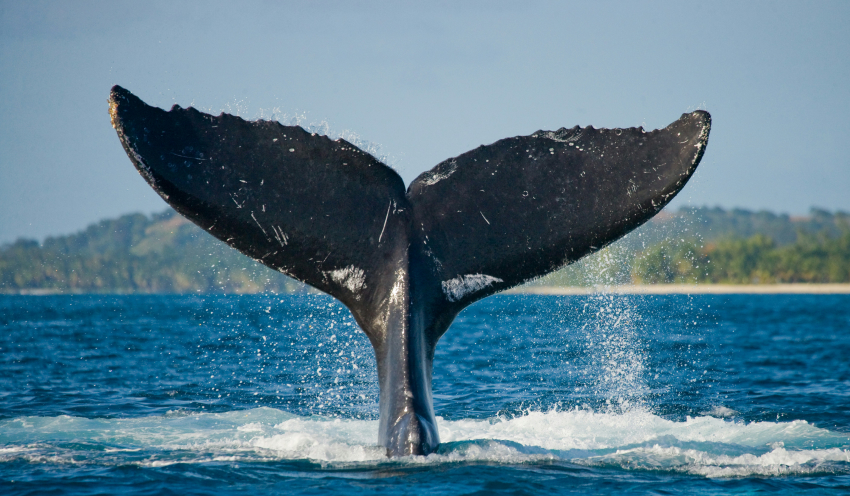
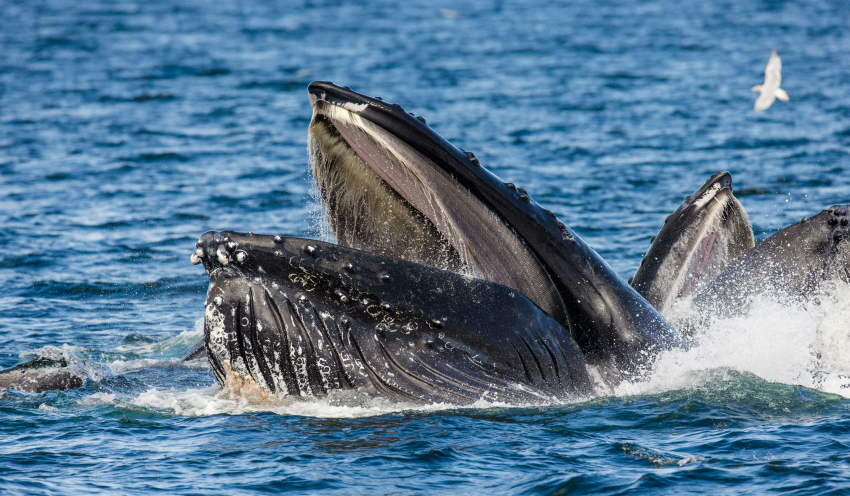
Los Angeles is in a perfect location to watch these amazing creatures in their natural habitat. It is nestled along the stunning coast of California. The city offers the best of the great outdoors and wildlife besides its vibrant culture. Anyone who wants to escape the hustle and bustle of the city will find whale watching an incredible experience. Imagine the thrill of seeing a massive pod of whales playing in the waves beside your boat. Nothing matches the exhilaration of seeing a whale break the surface. 

Whale watching provides a mystical element to any schedule in Los Angeles. You will see grey whales, blue whales, and even orcas from up close. So, get ready to take advantage of this incredible opportunity. Prepare yourself to discover the beauties of the deep blue ocean while you are in Los Angeles.

Furthermore, read about the risks of whale watching both for humans and the animals! This is an important part of the activity because your awareness will lead to you having a better understanding of how to treat the whales or be prepared if you plan on such an activity.

Unique experience

Unique experience

Witnessing some of the most magnificent marine animals in their natural habitat is an unparalleled experience for anyone. That’s what whale watching in Los Angeles is all about! The activity helps humans to learn about animals and connect with them. It is definitely an empathetic experience because it contributes in making you more emotionally stable.

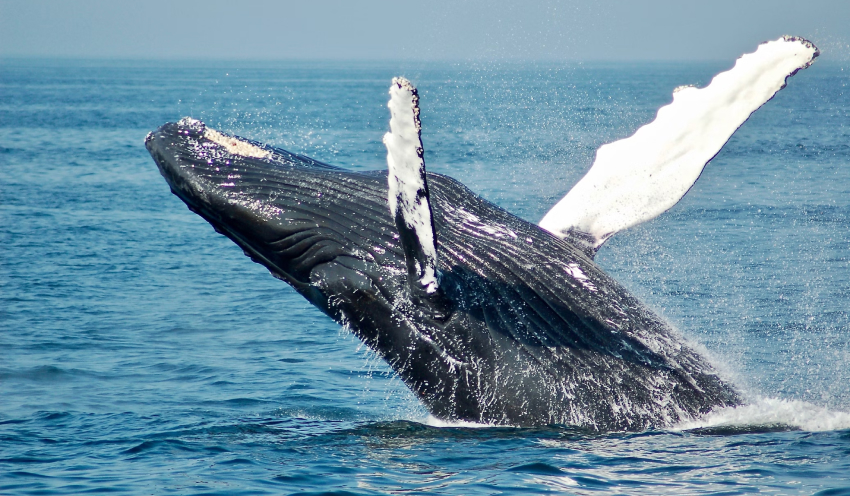
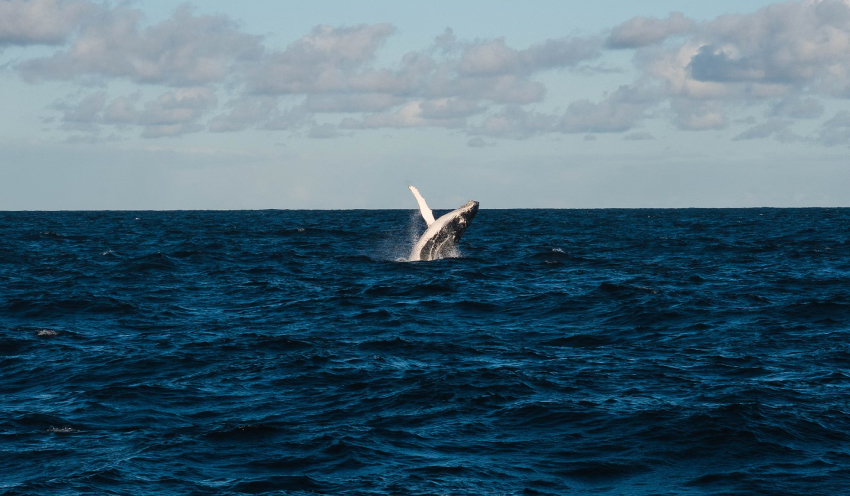
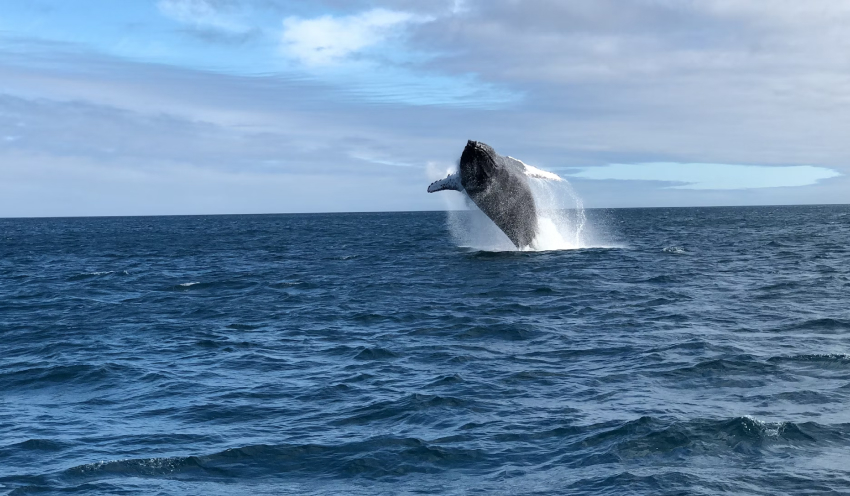
If fortune favors you, you may be able to spot a school of dolphins playing in the waves. You might also witness a massive humpback breaking the surface. It is a chance to create enduring memories and build a strong bond with the natural world.

Adventure opportunity

Adventure opportunity

Seeing these massive mammals is an exciting and daring experience. It appeals to thrill-seekers as well as those who enjoy the outdoors. Going out on the broad ocean in search of these amazing creatures is sure to provide an unmatched surge of excitement. 

Your pulse will race, and you will feel energized by the possibility of seeing a whale spout off in the distance or watching a lighthearted acrobatic show. Considering Whales are giant beings, it is quite an adventure especially when they are so up close!

Imagine the enormity of the situation thus, it makes you feel the reality where we all are an organ of nature playing our part! Watching a whale with your own eyes is an overall beautiful experience.

Scenic views

Scenic views

Whale watching in Los Angeles provides the excitement of seeing whales and other aquatic creatures. However, it also offers breathtaking picturesque vistas of the California coast. You will be greeted with expansive views of rocky cliffs, golden beaches, and glistening blue waters as you cruise the Pacific Ocean. 

Think of it as a once-in-a-lifetime experience. It is due to the stunning environment. This is especially breathtaking during sunrises and sunsets. The whole experience of watching whales and Dolphins through spyhopping is one of the best you can have in your life!

Environmental education

Environmental education

Whale watching provides entertainment and an opportunity to learn about the environment. Many LA Whale Watching excursions are guided by seasoned experts, making them all the more promising. They offer perceptive opinions on the behavior, biology, and preservation of aquatic animals. 

You may learn more about these amazing animals. It helps you to know the difficulties they encounter in their natural environment. As a result, you might promote a greater understanding of the maritime ecosystem and the significance of ocean conservation.

Memorable activity

Memorable activity

Witnessing whales is an experience that will never fade from your memory. It is not merely a recreational activity. A lifetime adventure awaits you when you combine the exhilaration that comes from being out on the open sea with the amazing view of these magnificent species up close. 

Los Angeles whale viewing will definitely be one of the pleasures of your trip to this city. It makes no difference if you are traveling alone or with companions.

Photography advantage

Photography advantage

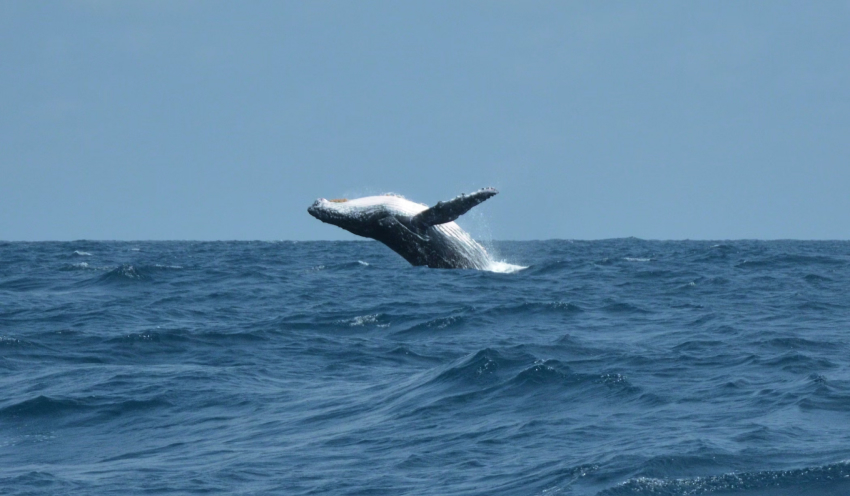
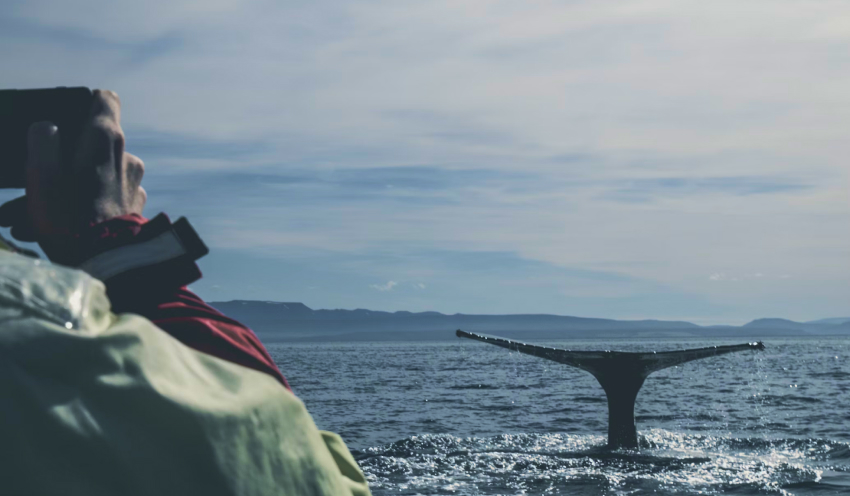
Whale watching provides a special benefit for photographers. This is an opportunity of a lifetime to use your camera to showcase the beauty of aquatic life. Not to mention, you get some flaunt-worthy shots for social media. You can take amazing pictures of dolphins playing in the waves or whales breaching the surface. 

The California coast will be your backdrop. There are a ton of opportunities to capture stunning images. It is also a fantastic way to hone your photography skills and create amazing memories. It is regardless of your level of experience.

Risks Of Whale Watching

Risks Of Whale Watching

If you want to go on cruises and packages to watch whales, you have to learn about the rates of the trips! However, there are several risks that you will experience from the activity hence, you must take necessary precautions.

It is important for you to consider your safety along with having an enjoyable experience because that is the whole process of traveling! Please be aware of the two risks of whale watching tours such as inclement weather and rough seas.

At times, you might also suffer from seasickness! The safety measures that should be mitigated to the travelers so that they are aware of the risks. As an individual who is excited to experience whale watching, you should also be careful of sun exposure and dehydration.

Safety Measures Of Whale Watching

Safety Measures Of Whale Watching

There are several steps that the trip managers take to ensure that all tourists are safe and do not feel sick! floatation devices and life jackets are given to each passenger in the boat. Even the boat in which you will travel if you go out for whale watching is equipped with all the necessary equipment.

These equipment are all for safety such as first aid kits, fire extinguishers, and life rafts. The captain of the boat along with the crew members is trained to manage all emergency procedures in case of any emergency. It is a compulsory procedure for the captain to regularly monitor weather conditions and accordingly decide on the tour!

All the boats that go out for whale watching are regularly checked and maintained with regard to their safety. Of course, there is also a rule regarding the number of people that are allowed on each boat and it must not exceed because it will increase the risks! All passengers are informed of all the risks and the precautions necessary.

Whale Watching Impacting Whales!

Whale Watching Impacting Whales!

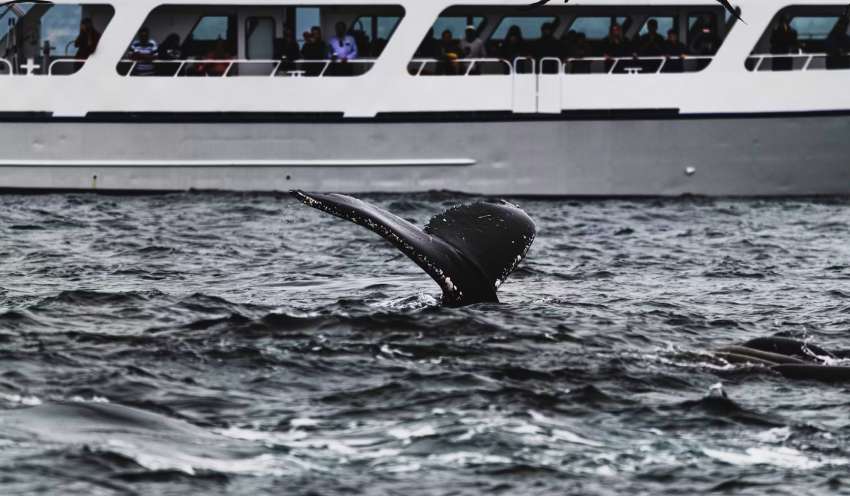
Do you wonder that watching whales as a commercial practice has become so severe that it is negatively impacting the whales? Vessel collision is a serious concern as at times, the boats might come too close that will lead to bumping to the whales. They might end up hurting the mammals!

The engines of the vessels which are used to watch whales might impact them because it can disturb and sometimes damage them. It is basically a threat for all marine mammals especially when other technologies such as military sonar are used!

Conclusion

Whale watching in Los Angeles is not just a fun pastime. It is a unique journey that provides breathtaking scenery. It also provides the chance to learn about the natural world and leave a lasting impact. Exploring and learning about whales is possible in Los Angeles through whale watching. 

You may simply wish to spend time in nature, or you may be searching for a great adventure. So, get ready to embark on this incredible journey and explore the splendors of the vast blue sea while in Los Angeles.

Read Also:

Share on Social Media

Ankita Tripathy loves to write about food and the Hallyu Wave in particular. During her free time, she enjoys looking at the sky or reading books while sipping a cup of hot coffee. Her favourite niches are food, music, lifestyle, travel, and Korean Pop music and drama.

Leave a Reply

Your email address will not be published. Required fields are marked *

title-img Related

READ MORE RV Extended Service Contracts

Exploring With Confidence: A Review Of Outdoor Warranty’s RV Extended Service Contracts

BY  Nabamita Jan 8, 2024

For RV enthusiasts, the open road promises adventure and freedom. But this freedom is best enjoyed with a safety net against unforeseen mechanical issues that can and will arise. This is where OutdoorWarranty offers specialized RV extended service contracts to protect your RV and offer peace of mind while on your adventures. Additionally, recently, we took an in-depth look at what makes OutdoorWarranty a preferred choice for RV owners.  Here is what we found out. Who is OutdoorWarranty?: Outdoor Warranty emerges as a beacon of reliability in the RV warranty landscape. Furthermore, it has been founded by individuals passionate about RV travel, the company focuses exclusively on RV extended service contracts. Known for its commitment to customer satisfaction, transparency, and tailor-made coverage. Along with Outdoor Warranty has carved a niche in providing peace of mind to RV travelers no matter where the open road may take them. The OutdoorWarranty Advantage: Should an RV owner consider OutdoorWarranty? Simultaneously, our review highlights a few key areas: comprehensive coverage plans, a customer-first approach, and an easy claims process. Customers we interviewed praised the company's dedication to providing personalized and straightforward services. In order to understand, simplicity and transparency of their contracts make them stand out in a market often cluttered with complex terms. Coverage That Meets Your Needs: Variety and flexibility are the hallmarks of OutdoorWarranty's coverage options. Whether it's basic engine protection or extensive coverage encompassing electrical and plumbing systems, they offer plans for different needs and budgets. We were particularly impressed by the clarity with which each plan's details were laid out, ensuring customers knew exactly what they were getting. Seamless Process and Support: The process of getting an Outdoor Warranty plan is straightforward. For instance, everything is streamlined for ease and convenience, from obtaining a quote to filing a claim. The company's customer service is responsive and knowledgeable, a factor frequently highlighted in customer testimonials. Their online portal further simplifies managing your contract and claims. Rave Reviews on Google and Facebook: A significant indicator of OutdoorWarranty’s success is the glowing reviews from customers on Google and Facebook. Customers regularly praise the company for its exceptional service and reliable coverage. These online reviews reflect high trust and satisfaction among the RV community, solidifying OutdoorWarranty's reputation as a top-tier service provider. Final Thoughts: Beyond Service Contracts: In conclusion, our review finds OutdoorWarranty is a reliable partner for RV enthusiasts. With their focus on customer satisfaction, clear communication, and comprehensive coverage options, they are well-equipped to meet the diverse needs of the RV community. OutdoorWarranty offers a service contract worth considering for those looking to travel without worry. Read Also: Florida Dreams: RV Camping Along the Sunshine State’s Shore Top 7 Places To Visit For An Asian Solo Traveler Wonders of the Waves: RV Camping Along Oregon’s Coastal Beauty

READ MORE River rafting in India

Best Places For River Rafting In India

BY  Mashum Oct 22, 2021

Undoubtedly adventure-packed, River rafting in India is one of the popular adventure sports in India. One needs to try atleast once in a lifetime. There are a vast number of rivers in the country. In their swift-flowing form, descending down the snowy peaks of the Himalayas or lush summits of Western Ghats, the rivers provide many thrilling stretches for rafting.  The thrill of riding untamed waters appeals to adventure enthusiasts from all over the world. If you are thinking of trying out the sport in India, you surely have plenty of choices. Here is our compiled list of the best places for river rafting in India. 10 Best Places For River Rafting In India India is a county of rivers. The water adventure sports are quite famous here. But among all types of water sports, river rafting In India is becoming a sensational adventure sport. The fast and tough mountain river and spots are becoming an international tourist spot. Here is the name of the most popular places for river rafting in India. 1. Indus River, Ladakh Originating in Tibet, the Indus River flows through Ladakh. It is one of the exciting river rafting spots in India. Raft on the city water passing through breath-taking canyons and various monasteries. The permissible time for rafting is between June and September.  These expeditions are available for one day or three-four days. Rapids on the Indus range from grade 1-2 at some places and 3-5 at some places. The most challenging route for river rafting lies between Alchi and Khalsi, where true adventure aficionados thrive. 2. River Beas, Kullu Manali A fun combination of adventure amid scenic beauty, River Beas in Kullu Manali is next on our list of the best places for river rafting in India. The 14 km rafting stretch from Pirdi to Jhiri has grade 1-4 rapids perfect for the novice as well as the daredevils. Kullu Manali is one of the popular river rafting routes near Delhi. There are also long stretches that need extreme training. This adventure sport is refreshing for all ages. River rafting combines the thrill and picturesque scenery. Many of the enthusiastic travelers are asking about the best time for river rafting in Manali. River rafting is available throughout the year except during the period from 15-July to 15-September. 3. River Ganga, Rishikesh The Ganga at Rishikesh is not just India’s but one of the world’s best rivers to raft. The rafting stretch (16-34 km) is blessed with whirlpools and rapids, from grade 1 to grade 4. The high on adrenaline activity has a blissful side, camping on the beautiful white-sand river beaches with Kumaon Mountains in the backdrop. This is just magnificent. The best season to plan a trip is from September to June. River rafting in Rishikesh December is almost impossible because of the chilling cold wind, but if you are cold protective, it is possible. Do not miss river rafting in the Ganga. It is definitely one of the best adventure things to do in India. 4. Tons River, Uttarakhand Known for the wildest rapids, Toms River is one of the best adventure sports in India for river rafting. Rising from the Bandarpoonch Mountain range at 20,720 ft. in Uttarakhand, the river has grades 3-4 and even some grade 5 rapids. Tons River is one of the most challenging whitewater rafting rivers to flow in the country. The 18 adrenalin-rising rapids make this an ultimate adventure! April to June and October to December are the best seasons to plan your quest. 5. Kameng River, Arunachal Pradesh In the serene North East, the Kameng River in Assam is one of the amazing river rafting In India. It is quite implausible to believe how one river can have so many forms, wild with strong currents as some places, languid at others. It is a thrilling experience.  Whether an amateur or an expert rafter, Kameng River offers rapids of Grade 1-4. The thrilling adventure sport can be teamed with camping, nature walks, and other activities. It is an ultimate feat of adventure amid nature. 6. Spiti River, Himachal Pradesh Spiti is known for adventure, and white water rafting is a recent addition. The river flows through one of the most wonderful locations in the country, and white water rafting here is an experience to cherish. The rafting stretch is almost 77 km which takes 5-6 days.  From easy to the wildest rapids, the river has surprises. Float, whirl, and spin, Spiti River rafting is surely not easy to forget. Enjoy not just the thrill but the mesmerizing beauty of Himachal in its undisturbed form. The grades range between 1 and 3. 7. Zanskar River, Ladakh Zanskar River in Ladakh is one of the best places for river rafting in India. Flowing at 12, 000 feet above sea level, through the land of high passes, the icy-cold waters offer thrilling river rafting. This is the experience of rafting in the Zanskar River Ladakh. The rapids are of Grade 3 and Grade 4. Rafting is held between Padum and Zimo regions, with mighty mountains rising to hundreds of feet on both sides passing through some of the most isolated regions in Ladakh. The best time to plan an expedition is during the months of July to August. 8. River Bhagirathi, Uttarakhand Bhagirathi River, the main tributary of River Ganga, offers an excellent adventure of white river rafting. Flowing right through the heart of the Himalayas, the adventure sport also provides the chance to see nature at its very best.  The river has almost 150 km of rafting stretch, with rapids of grades 3-5. October to June, choose any season for the adventure. With a dose of thrill, plan a trip where you can enjoy nature camping. River rafting in Bhagirathi is one you must definitely try on his/her travel to India. 9. Kundalika River, Maharashtra Coming to the south of the Himalayas, the Kundalika River is the fastest river in South India. It is one of the excellent river rafting destinations in India. Flowing through the lush Sahyadri Mountains in Maharashtra, the almost 15-kilometer stretch of the river has easy to challenging rapids, Grades 3-4. Kundalika river raft in Maharashtra is popular, and it is also The nearest river rafting in Mumbai. The best time for rafting is in the months of the monsoon has fed the river bed. But for the mountain region rivers, this monsoon comes with a harsh river attire. The beauty of the region, apart from the thrilling adventure, is equally responsible for luring thrill-seekers. 10. Brahmaputra River Rafting, Arunachal Pradesh Brahmaputra River in India is known for its nurturing nature but what is lesser-known is, it’s full of thrill. It is one of the best places for river rafting in India. As the Brahmaputra River finds its way into Arunachal Pradesh, the river takes its challenging form after passing the Greater Himalayas.  Rafting here is rated at Level 4 -6, some of the most difficult in the world. The almost 180 km stretch can be covered in a week-long expedition. The best time to plan your rafting exploit is from November to March. Frequently Asked Questions (FAQs) Which place is famous for river rafting? Rishikesh is considered to be the best place for river rafting. The river Ganga flows fast while it is surrounded by Gharwal Himalayas. This combination makes river rafting a thrilling experience.  Is river rafting safe? Well, statistically it is. There are fewer cases of accidents in river rafting than swimming and bicycling. If you have chosen a rafting company, that has its reputation, then rafting can be very thrilling and fun. Is river rafting safe for non-swimmers? Yes! Absolutely it is. You don’t need strong swimming skills, because if you have fallen from the raft, you surely won’t be doing freestyle right? All you need at that time is to stay afloat.  How expensive is white water rafting? For a single person, for a full-day and half-day charges 30 dollars to 350 dollars USD. Full day for kids starts from 130 to 200 dollars and for adults 120 to 350 dollars.  Wrapping It Up: During the rainy season, this mountain river is so tough and fearful hence there is a chance to enjoy any adventure sports. June, July, and October are the most appropriate time to go to have some fun on rivers. River rafting In India is quite popular among the youths. And if you are planning to go for adventure sports like river rafting and kayaking, Indian rivers should be on your top priority list. Do not forget to share your adventure traveling and river rafting experiences in the comment section. Read also: Five Tips for First Time Traveler to India 5 Immensely Popular Travel Applications that India Loves

READ MORE Best Time to Go Trekking in Nepal

Best Time to Go Trekking in Nepal

BY  Sibashree Mar 21, 2025

If you wish to come here, book slots for any time between Autumn and Spring. The season lasts from September to November and from March to May. That’s the Best Time to Go Trekking in Nepal.  If you're here, only for the climate and the peaks, come anytime. Barring the rains. Otherwise, Nepal always offers mild temperatures, good food, and cozy retreats along with marvelous nature.  The Himalayas  Nepal is the doorway to the Himalayas for you. What’s best- Nepal suffers the least of abrupt snowfalls and rains. So, you can surely enjoy a delectable trekking experience here. The clear skies and soothing weather will assist you.  Ideals Times for Trekking in Nepal (Autumn and Spring)  Do you know which is the Best Time to Go Trekking in Nepal? The autumn and spring for sure. What else? Autumn (September to November)  This post-monsoon season is considered the best trekking period in Nepal. This season rewards you with stable weather that is perfect for trekking. In addition, the skies are clear, offering great views of the snowy peaks. The autumn air is fresh and cool. The post monsoon landscapes in this season are lush green which is phenomenal to trek. There are no dusk cloaks. So, the visibility would never be an issue. You will also get a magnified view of the ranges that stand tall before your eyes. Meanwhile, an exceptional view of the unfrozen alpine lakes waits for you in Nepal.  In essence, you can book the popular Gokyo Lake Trek. The trek is best during the autumn. At this time of the year, you get the best view of the clean and vibrant Gokyo Lakes. Likewise, you can also opt for the Annapurna Circuit Trek, this month.  Choose this trek if you want to see the virgin beauty of the Gangapurna lake here. At the same time, try completing the Tilicho Lake Trek at a go! The Ranges in Sight  Other than lakes, the mountain peaks are there to amaze you. If you’ve selected the Langtang Trek, you can enjoy the retreat of the popular Kyanjin Ri. Then, there is the glamorous Langtang Lirung and other peaks in front of you. Trot some kilometers from there and you can see Naya Kanga. That and many other amazing ranges can be accessed from this vantage point.  Other Peaks  Simultaneously you can enjoy breathtaking views of the Gurja, Tukuche, and most importantly the Annapurna in Nepal. When you climb the Poon Hill, you can see all these peaks and much more at a stretch.  But, here’s the catch. To view these beauties, you have to go to the Annapurna Base Camp Trek. With all these, the exceptional Kala Patthar and Mt. Everest are also visible during the trek.  If you wish to see these peaks and treat yourself, come during the autumn. At other times, the weather is overcast. Or snows impair your visibility.  During treks, you may be caught between high winds or heavy rainfall too. So, it is better to avoid the random seasons. For an uninterrupted journey, choose the two seasons I spoke of.  Spring (March to May) During Spring, you can witness Nepal 2.0. Surely, this is another best Time to Go Trekking in Nepal. Most importantly, the weather is fine and the temperature is moderate. Moreover, clear skies will welcome you. Therefore, you can witness warm and often breezy mountain views.  Trekkers say that it is an ideal climate to trek the Base Camp. or you may also go for the Manaslu Circuit Trek.  Additional treats  If you are trekking during Spring, these are some of the pleasurables you will come across. Don’t miss the rhododendrons. The rest of the flora is also surreal. No wonder, more than 50% of the trekkers choose springtime treks in Nepal. But you can come here and amaze yourself with something else.  The daylight lasts till 8 p.m. during Springs. So you can trek for a long. Or view the serenity of the trekking paths for a long time.  But the peaky areas may be still frozen. So, you can’t miss your woolen and trekking jumpers when you visit Nepal during spring. But with time, the temperatures gradually rise. During later May, you may witness rain showers too. So, don’t miss out on rain gears, if you are planning to stretch your stay.  Reservation The Spring is one of the most popular travel seasons in Nepal. So, you must book your slots in advance. You may book teahouses while trekking. But you need to make booking if you need to get hold of the popular ones along the track.  The Annapurna base camp trek has a lot of them along the way. And almost all of them accept advance online booking. You may also book your teahouse from Kathmandu city offices.  Trekking in Off-Seasons  Off-season treks may be your thing if you want to see another side of Nepal. How’s the weather and what are the challenges of coming here during these months?  Winter Season (December to February) Winter trekking is serene but it is also challenging. During this season, the trails of high-altitude areas are covered with a thick layer of snow. In addition, the temperature drops significantly during this time.  Therefore, trekking can be challenging for those who are not accustomed to the cold weather in the mountains. While moderate-altitude treks can be completed smoothly, high-altitude treks require proper planning, support from expert guides, and thoughtful packing. It is essential to check the weather regularly before heading out for the treks during the winter months. The high altitude passes like Larkya La of Manaslu Circuit and Thorong La of Annapurna Circuit Trek can be impassable or difficult to navigate. The heavy snowfall poses all the challenges.  In addition, the accommodation may not be available at the higher zones as locals shift to lower elevations because of the bitter cold. Thus, it is essential to inquire about the availability of accommodation before making plans for high-altitude treks. Even though there are significant challenges, the winter landscapes are ethereal. You can witness the beauty of winter wonderland and feel the serenity of nature as there are fewer people on the trails. In addition, the adventurers who are experienced can be thrilled to traverse the snowy winter paths. The views of peaks covered with dense snow in this season are majestic. As higher altitudes are bitterly cold, it is essential to pack down jackets, sweaters, gloves, socks, warm caps, sleeping bags, and layers of insulated clothing. If you are well prepared and navigate with caution, then you will have a wonderful time trekking in Nepal this season. Monsoon/ Summer Season (June to August) In the Monsoon/ Summer season, the trekking regions in Nepal receive heavy rainfall. The trails of the different trekking trails are slippery and muddy, making navigating challenging. In addition, at the forest areas of the trekking sites, leeches may be found which makes the journey unpleasant.  The weather is unpredictable during monsoon/ summer months, with frequent rain showers, which may obstruct visibility and make traversing difficult. In addition, the trails can be blocked, because of landslides interrupting the trek.  However, monsoon trekking also presents some unique rewards. The views of misty mountains and ethereal cloud formations are fascinating. The landscape gets nourished by rainfall turning it into a green paradise.  Even the trails of popular treks are serene as fewer trekkers embark on this time. So, it can be a good choice for those who are seeking a tranquil journey in the Himalayas.   There are indeed some good sides to trekking in this season. However, it is important to consider the challenges. You need to be well prepared for the trek and check the weather forecast. Being flexible and cautious helps you ensure a smooth journey during this time. The Final Call The climatic conditions influence the overall trekking experience. When you know the best Time to Go Trekking in Nepal,  you can complete the trek with maximum safety and comfort. In addition, the primary goal of most trekkers is to witness exceptional mountain scenery and connect with nature.  The best times to visit Nepal are autumn and spring. The other seasons offer some challenges for tourists. But these two seasons come with decent weather, moderate clime, and visible trekking trails. So, go on and enjoy your trekking experience.