


How To Plan a Summer Trip To Zion: What’s New in 2025

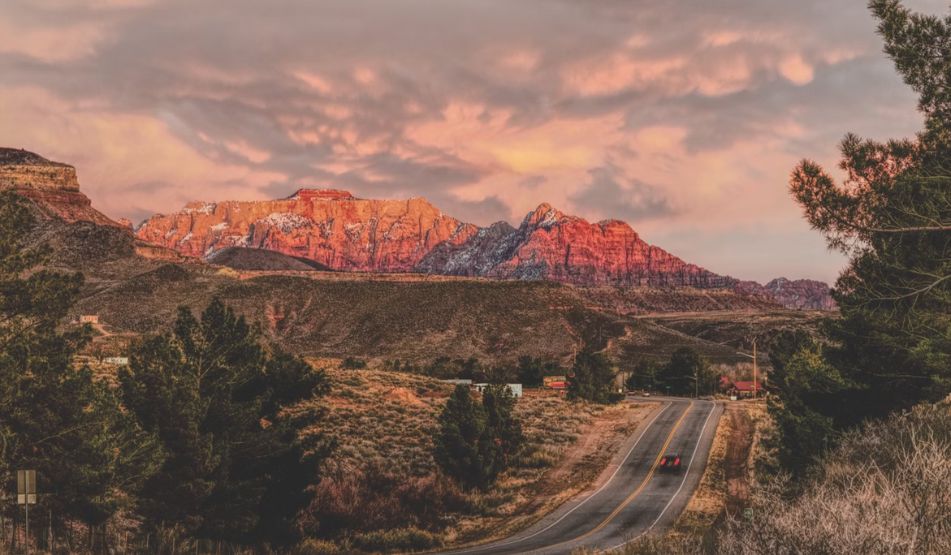
Every time I have been to Zion National Park, adventures, stunning landscapes, and thrilling outdoor activities have made me make a promise to come back. 

A summer trip to Zion National Park is always special, and 2025 is no exception. In 2024, Zion National Park had 5 million visitors, the second-highest number among the country’s national parks. 

Furthermore, during the Memorial Day Weekend in 2024, 92000 people visited this national park. 

So, as we approach the Memorial Day Weekend in 2025 and the summer season in Zion is about to start in full swing, the park authorities have taken several measures. 

Also, there are a few changes and additions in the park attractions to make your summer trip to Zion more enjoyable.

Whether you’re into rock climbing, exploring the breathtaking views, or hiking in Zion National Park, you can be ready for a mesmerizing experience.

Also, don’t forget to consider accommodations like The Riv At Zion, which provides comfort and convenience near the park’s entrance. 

Moreover, this season, you can explore many features and additions in the park and in this Tour and Travel Guide, we are going to talk about them. 

A Summer Trip To Zion National Park: Know The Quick Facts Before Packing Your Bags

A Summer Trip To Zion National Park
  • Established: 1919
  • Area: 148,016 Acres
  • Elevation: 1117 to 2660 Meters
  • Standard Pass: $20-35
  • Pet Safety: The water of the Virgin River in the park has cyanotoxins and cyanobacteria. Cyanotoxins are very harmful to dogs and other pets. So, keep them on a leash during a summer visit to Zion National Park. 
  • Hours Open: 24/7 (All the facilities in the park have different opening and closing hours.)

Know About The Operating Hours Of Various Facilities In The Park 

Have a look at the table below to know the operation hours of the facilities in the park. The data here is updated on 7th May 2025. 

Park Facilities Hours Of Operation
Zion Canyon Visitor Center
Information Desk
8 AM to 5 PM
Zion Forever Park Store8 AM to 7 PM
Zion Canyon Wilderness Desk
Allow at least 20 minutes to get a permit
8 AM to 5 PM
Zion Human History Museum10 AM to 5 PM
Kolob Canyons Visitor Center8 AM to 12 PM and 1 PM to 5 PM

Furthemore, before planning your summer trip to Zion National Park, you must note that the Zion Nature Center Junior Ranger Station is closed for the season. The Kolob Canyons Wilderness Desk also remains closed. 

Moreover, oversized vehicles can pass through the Zion Mountain Carmel Tunnel between 8 AM and 4:30 PM. 

How To Reach Zion National Park And Where To Stay?

Zion National Park is situated in southwestern Utah, and the closest airport is St. George Regional Airport, about 50 miles away. 

You can rent a car or take a shuttle to the park from there. 

Furthemore, you can fly into Las Vegas, Nevada, or Salt Lake City, Utah, and enjoy a scenic drive to Zion.

Talking about accommodations, nearby resorts offer a blend of comfort and convenience, and they are just a short drive from the park entrance. 

Do you want your stay to be more adventurous? You can give the luxury hotels and resorts a miss and choose camping or staying in cozy log cabins. 

Exploring Zion National Park: Things To Do During A Summer Trip To Zion National Park

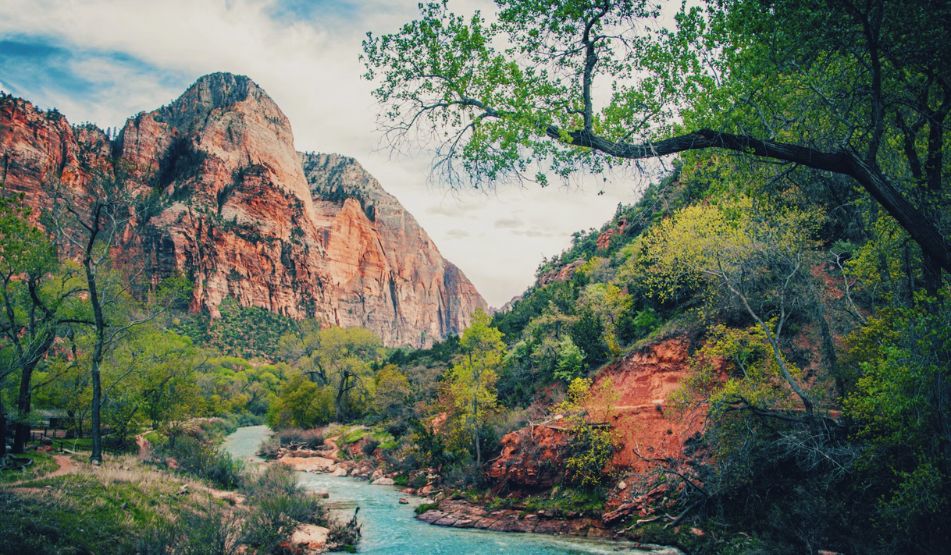
The first thing you can do is hike to Angels Landing. This is my favorite route for breathtaking views. Furthermore, the Narrows will allow you to wade through the Virgin River between steep canyon walls.

  • You can join a ranger-led hike, take a photography tour, or even try rock climbing with experienced guides. 
  • If you prefer a more relaxed pace, consider scenic drives or shuttle tours to take in the beauty of Zion without strenuous effort. 
  • Additionally, the park has recently upgraded facilities and expanded shuttle services, making it easier to navigate its popular areas. 

What’s New In 2025? Your Summer Trip To Zion Will Now Be More Exciting

In 2025, Zion National Park unveils several exciting updates to enhance your visit.

  • Noteworthy upgrades include improved facilities and expanded shuttle services, making it easier to access popular park areas. 
  • New interactive exhibits at the Zion Human History Museum offer fresh insights into the park’s rich cultural and geological background, providing a more immersive experience for visitors.
  • Additionally, the park introduces a range of events and programs like stargazing and nature workshops to engage and educate visitors. 

Things You May Have To Face During A Summer Trip To Zion National Park

Considering the record number of visitors to Zion National Park in 2024, you must be ready to face the following situations during your summer trip to Zion National Park in 2025. 

  • Heavy traffic congestion in the Zion National Park, and especially in the Springdale Area
  • Temporary and intermittent closures of the vehicle entrance station in the east and south of the park
  • Long waiting time while boarding the shuttle from Zion Canyon and Springdale
  • Long queues at the visitor center, trailheads, and park entrances

Tips For A Successful Summer Trip To Zion National Park

Tips For A Successful Summer Trip To Zion National Park

To maximize your enjoyment in Zion, avoid peak times by visiting on weekdays or early mornings, especially during the summer. 

Spring in Zion National Park is beautiful, and the fall season also offers pleasant weather and fewer visitors, providing a more serene experience. 

1. Pack The Right Gear For Your Summer Trip To Zion National Park

    Make sure to pack the right gear for your activities. Sturdy hiking shoes, ample water, sun protection, and layered clothing for fluctuating temperatures are essential. 

    If you plan to hike, the Narrows, water shoes, and a walking stick will be necessary to navigate the riverbed. 

    A camera is also a must to capture the park’s stunning landscapes.

    2. Stay Hydrated And Stay Updated About The Weather During Your Summer Trip To Zion

      Stay hydrated and take breaks in shaded areas to avoid heat exhaustion. 

      Familiarize yourself with the park’s shuttle schedule and routes to streamline your travel within the park. 

      Keep a map handy and know your surroundings to ensure a safe and enjoyable experience.

      Lastly, check for any trail updates or weather advisories from park rangers before heading out daily. 

      It’s The Right Time To Plan A Summer Trip To Zion National Park

      With the latest upgrades and new activities, there’s never been a better time to visit. 

      From exhilarating hikes to serene drives and educational programs, every moment in this remarkable national park will contribute to a memorable and fulfilling trip.

      Share on Social Media

      Sibashree is a travel, culture, and leisure writer who has been writing since the age of 12 and professionally since 2014. With more than a decade of travel writing experience and journeys across India and several parts of the world, she brings a deeply personal and thoughtful perspective to her work. A student of English Literature and Mass Communication, Sibashree has always viewed travel as more than movement — for her, it has been a way of understanding people, cultures, and herself. Her passion for spiritual exploration has also led her to many unusual and meaningful destinations over the years. Outside of writing, Sibashree enjoys watching European cinema, reading about global politics, and reflecting on the stories hidden within everyday places.

      Leave a Reply

      Your email address will not be published. Required fields are marked *

      title-img Related

      READ MORE Packing Essentials For Your Next Adventure

      On The Go: Packing Essentials For Your Next Adventure

      BY  Sibashree Nov 21, 2023

      If you love venturing off the beaten path to experience the wonders Mother Nature has to offer, your success and safety on your next adventure will depend on the essentials you pack. You can enjoy the wind and sun, or explore a new destination that's exciting, gratifying, and even relaxing. These emotions can quickly turn into worry, fear, and exhaustion if you’re unprepared. Choosing what is essential to your well-being on the move can be challenging, whether you're planning a six-month, six-day, or six-hour adventure. Especially if you have limited packing space. Planning is the key to your success. Phone  Nowadays, it’s hard to imagine going somewhere without your smartphone. You don’t want to leave home without yours. Consider bringing a universal travel adapter for your destination and a local SIM card to stay connected in an emergency or enjoy some entertainment on the go. Portable Charger If you'll be off the grid for a while, a charger and power bank may be among your best options, and carrying an extra battery is one of the top tips to follow when adventuring. A spare battery can be especially helpful for your phone, as well as a camera or laptop, if you bring these along. Lots of things can go wrong, and the unexpected is always possible. You may become lost, need help, contact your family, or request medical assistance, and your phone may be your only lifeline to civilization. Pack that extra battery. Maps If you travel to a remote location, a phone or the internet may not be viable tools. Include physical maps, a GPS device, or even a basic compass among your adventure essentials to keep you on track. Water And Snacks Snacks like nuts and seeds, granola bars, or chocolate, along with a variety of Pop-Tart flavors, can help maintain energy levels, and hydration is essential to general health and well-being. Reusable water bottles or boxed water help prevent dehydration and protect the environment. If you are refilling your water bottle, include water disinfection tablets. Carry extra snacks if you are embarking on an active trip. First Aid Kit Traveling can be exhilarating, but especially when you choose a natural destination, bumps, bruises, bites, and scrapes are to be expected for the Adventure. A fall, unwelcome insect, thorny vegetation, or an upset stomach can leave you miserable and, in some cases, susceptible to infection. A compact first aid kit with band-aids, gauze, tape, antiseptic cream or wipes, painkillers, antihistamine pills, eyewash, ibuprofen, a small pair of scissors, tweezers, hand sanitizer, and even electrolyte tablets should be part of your travel gear. Consider packing bug spray, moisturizer, and sunscreen if the climate warrants them, and don’t forget prescription medicines and copies of prescriptions, just in case. A pair of protective sunglasses and a hat will complete your protective gear. Eco-Friendly Essentials If traveling off the beaten path, consider bringing reusable items such as cutlery sets, plates, containers, and a reusable shopping bag. A portable knife or pocket multi-tool is an excellent item to carry. If you’re traveling by plane, place it in checked luggage. Use solid hygiene products like soap or shampoo that require less space in your backpack or suitcase and are environmentally friendly. Don’t forget a towel, toothbrush, toothpaste, nail clippers, and glasses if you wear them. A small sewing kit with needles may prove handy, too. Toilet Paper Roll A toilet paper roll may not seem obvious, but depending on where you are headed, you’ll be glad you brought one. Some cultures will not use toilet paper; wilderness destinations can be challenging when nature calls. Add in some tissues and wet wipes if you don’t have a place to wash up. Flashlight/Torch A flashlight is an essential tool to always have on hand. You don’t want to wander about in the dark in a place you are unfamiliar with, especially if you lose track of time or your way. Flashlights and headlamps reduce the risk of getting lost and of bodily harm because you can see where you are heading. Bring along an extra set of batteries and a lighter or matches, just in case. Comfortable Shoes And Clothing If you plan to walk a lot or hike, comfortable footwear can make or break your overall experience. Plan for local weather conditions, too. You may be better prepared with waterproof shoes or boots. Don’t forget the proper type of socks, especially in colder climates. Choose the right clothing, such as swimwear, goggles, and flip-flops for a warm beach destination, breathable fabrics for the tropics, or heavier clothing for winter climates. Waterproof instruments may be called for if you’re visiting rainy locations. You may also want an extra blanket or two. Portable Shelter If the wilderness is your final destination, portable emergency shelters are good to carry. Reflective thermal shelters can be packed or attached to your backpack. Don’t Forget Your Documents! Regardless of where you are headed, you’ll need your documents. Necessary papers might include a driver’s license, vehicle registration, proof of insurance, passport, and perhaps a visa. Carry photocopies of these documents in a separate location in the event of loss or theft. Prepare a mix of credit cards and local currency, as not all places may accept your plastic, and use a money belt or anti-theft bag if possible. Final Considerations Finally, bring a lock to keep your things safe during hostel visits or overnight train trips. If you use a backpack, have a rain cover so your items don’t become drenched in a downpour. Include a whistle among your packed essentials. You never know when you may need to call for help or fend off a critter! Read Also: A First-Hand Experience Of Taking A Red Eye Flight! The Ultimate Guide To Finding Cheap Flights To Chicago Using Google Flights Momondo Flights: Should You Try This Platform For Booking Flights In 2023?


      READ MORE Things to Do in Tulum

      What Are The Unique Things To Do In Tulum? Know What Tulum Is Best Known For 

      BY  Sibashree Jan 27, 2022

      Tulum, with its versatility, remains one of the top attractions in Mexico. It has well-preserved Mayan ruins overlooking the Caribbean Sea.  Furthermore, it nurtures a hippie lifestyle with boutique eco resorts and trendy beach clubs.  It also offers the right fusion of relaxation and adventure with its natural sinkholes or cenotes. Moreover, it has a vibrant nightlife, and you can even plan a 30-minute ride by road to reach Sian Ka’an Biosphere Reserve, a UNESCO World Heritage Site. Again, from bull shark diving to kitesurfing, the adventure options in Tulum are endless. So, in today’s article, I will talk about the unique things to do in Tulum and my experience in this Pre-Columbian Mayan walled city.  What Are The Best Things To Do In Tulum? Tulum is a place that allows you to swim with sharks and discover the ancient Mayan ruins. Furthermore, it is a popular travel destination because of its accessibility.  The last time I visited, I reached the Cancun International Airport (CUN) and then took a drive of around 2 hours to reach Tulum.  However, you can even travel to the new Tulum Airport (TQO) and then enjoy a 40 km drive to downtown.  And once you reach Tulum, you can include all these activities in your itinerary.  1. Bull Shark Diving Have you ever dreamed of swimming with sharks and becoming one with the underwater species? An experience like bull shark diving may make your blood freeze at first, but you’ll soon realize that it’s a thrilling yet pleasant adventure. Bull shark scuba diving is a popular underwater adventure in Riviera Maya that both tourists and locals love to enjoy.  Playa del Carmen, around 45 minutes away from Tulum, is the best place for bull shark diving.  January to February is the peak season for bull shark diving here, and you can spot from 5 to more than 15 bull sharks during this time.  You will need an Advanced Open Water certification to be a part of this bull shark diving. Also, the diving charge will be around $250-300.  Moreover, remember you chances of getting into the water and spotting sharks also depend on the present weather conditions. Also, if you are planning deeper, multi-day dives, you will need nitrox.  2. Cenote Scuba Diving You can do cenote scuba diving in Playa de Carmen or Tulum. However, you must also note that there are more than a thousand cenotes in the Yucatan Peninsula.  Furthermore, all cenotes in Tulum are not the same. Some look like full-fledged caves, and some even like small pools.  Dive into various complex, intertwined passages connecting underground cenotes and discover the beautiful networks. Your scuba diving abilities will truly be put to the test, and you’ll experience one of the most exciting feelings ever. In order to participate in this adventure, you’ll need a scuba diving certification. It’s worth planning ahead and obtaining the necessary licensing before your Tulum trip if you want to participate in this amazing water activity 3. Take A Kitesurfing Tour Kitesurfing is another popular water sport that has won the hearts of many enthusiasts around the world. You can ride the waves and enjoy your time in kitesurfing paradise on a Tulum trip and hop on a safe kitesurfing experience and a private lesson with a professional instructor.  The beaches are truly awesome, and the lagoons are big and salty. The waters of the Caribbean Sea are crystal clear, which only makes the adventure even more enjoyable and magnificent. You’ll be able to ride in front of ancient Mayan ruins and discover secret virgin beaches, which are only known to the locals. 4. A Night Dive With Crocodiles For most people, crocodiles are scary creatures that you don’t want to be near in any circumstance. However, adrenaline seekers are an interesting species that is worth exploring up close. On a Tulum trip, you can make your dreams come true and get close to crocodiles with a night dive in the company of an instructor. Snorkel with crocodiles - one of the world’s most astonishing creatures and get to know their behavior in their natural habitat at night time.  The good news is that you can also observe other species like frogs, shads, and other animals that live in the same habitat and are awake at night. The adventure is unmatched as you can get a high dose of adrenaline, you can witness a beautiful sky full of stars, and test your senses with something completely new. You don’t have to worry about safety as taking part in this activity with a professional team means that all protection will be provided. 5. Explore the beauty of turtles Last but not least, there is something for those who want to get to know the beautiful underwater creatures but find crocodiles a bit too thrilling. If you’re passionate about nature and are excited to meet new species, you should certainly hop on a turtle exploration in Tulum trip.  From May to October, most of Tulum’s coastline enters the sea turtle nesting season. You can witness mother turtles gently making their way to lay their eggs after sunset. You can snorkel with turtles, get to know them in their comfort zone and embrace their beauty to the fullest. 6. Discover the Mayan ruins And just because we shouldn’t forget that the Tulum trip is not just all about the waters, we highly recommend visiting the astonishing Mayan ruins that will take you back through time.  Tulum has a vibrant history, some of which has been preserved for travelers and locals to experience in today’s modern world. The Mayan ruins in Tulum and Coba are not just a gem to look at but also offer a great amount of cultural value and can show you how different the town was in previous years before it became a top tourist destination. Conclusion: Your Tulum trip could certainly become the trip of a lifetime, as long as you plan ahead and are prepared for all that you could take advantage of. We hope that this list will come in handy and will help you organize the perfect vacation to Tulum. Read Also: Valladolid Mexico: Exploring The City That Was Built In 1543 Wander to Beautiful Locales on the Best Caribbean Cruises! Here is a List of Best Cruises Out of Galveston for 2025

      READ MORE how is it possible for ski jumpers to stay in the air so long and how do they train for that

      How Is It Possible For Ski Jumpers To Stay In The Air Long And How To They Train For That?

      BY  Sibashree May 18, 2026

      Suppose we jump high in the air. We can stay in the air for around half a second. Michael Jordan could even stay off the ground for only one second.  Now, at many events at the Winter Olympics, we see athletes showing strength and athleticism in the air.  However, ski jumping beats them all in terms of jumping high in the air and staying afloat for so long.  Here, you need to understand the physics of sports. Also, for many of us, the ski jump is a mesmerizing event in the Winter Games, showcasing sports physics in action.  The athlete who travels the farthest and shows the best style while flying and landing becomes the winner of the event.  Ski jumpers can fight gravity, and they can turn their bodies and skis into a wing to stay in the air for 5 to 7 seconds.  Within that span, they can travel almost the length of a football field while staying in the air.  But how is it possible for ski jumpers to stay in the air so long, and how do they train for that?  Let’s delve into the details.  How To Fly?  The answer lies in three important concepts of sports physics.  These are drag, lift, and gravity.  Gravity is the force that pulls any object in flight down. Gravity is a force that works on everybody, and ski jumpers cannot avoid it.  However, ski jumpers, as they move, interact with the air. Now, this interaction further produces lift.  Lift refers to an upward force projected by the air for an upward movement of an object.  In this scenario, if the force of gravity and the force of lift balance each other, an object can fly or glide.  However, producing lift is only possible when the object is moving. Moving objects collide with air particles and push them aside.  Pushing air downward creates an equal, upward reaction known as lift. Here it follows Newton’s third law “For every action, there is an equal and opposite reaction.” You can increase lift by boosting your speed, expanding your surface area, or optimizing your angle of attack (the object's tilt against the airflow).  If this angle is too flat, you generate no lift. If it is too steep, the object stalls.              The Car Window Example  If the concept feels complicated, you can experience the same by just sticking your hand out of a moving car window.  If you keep your hand perfectly flat, it will yield no movement.  However, if you tilt your palm slightly upward, it will force the incoming wind downward. Thus, your hand will be pushed up immediately.  It is a clear example of lift.  The same particle collisions that generate lift also create drag. Drag is a resistive force that slows objects down.  As an object loses speed, its lift drops, cutting the flight short. Because of this, ski jumpers use highly precise body positions to maximize their lift while minimizing speed-killing drag. A Brief History Of The V-Style  The history of ski jumping goes back to the 1800s. Norwegian skiers first started competing for distance on snowy slopes. However, for most of the sport's history, jumpers kept their skis pressed tightly together, parallel to each other, all the way through the flight. The 1980s brought a major change to these practices.  A Swedish jumper named Jan Boklöv began spreading his skis apart mid-air, forming the V-shape you now see in every competition. He drew criticism from experts and judges who considered it a “bad style” because it looked unconventional.  However, Boklöv's V-style increased his jump distances by as much as 10%, simply by giving his body and skis more surface area to catch the air. Then, ignoring the style was impossible.  Within a few years, every serious competitor had switched to the V-style, and judges stopped penalizing it. Even today, it remains a standard technique, and it is the same aerodynamic principle that more surface area means more lift. How To Fly On Skis?  We need to observe the skiers to understand how it is possible for ski jumpers to stay in the air so long and how they train for that. You will see a skier starting on a high slope, and then they move downhill. They generate speed by skiing in this way.  They also reduce drag by squatting and steer very carefully to minimize the friction between the ramp and skis.  So, when they reach the end, the speed will be close to 60 miles or 96 kms per hour.  Once airborne, ski jumpers use aerodynamics to fight gravity and extend their flight.  While they cannot generate enough lift to stay in the air indefinitely, maximizing this upward force slows their descent and carries them further down the hill. To achieve the longest flight possible, athletes lean forward until their bodies and skis are nearly parallel to the snow.  By spreading their skis into a V-shape just outside their body's silhouette, they gain two major aerodynamic advantages. The spread position creates a larger surface area to catch the wind and generate lift. So they get an expanded surface area.  They also get an optimal angle of attack. The forward tilt places them at the perfect angle relative to the airflow to maximize upward pressure. As the jumper glides forward, drag continuously pushes back against them, draining their forward momentum.  Because lift relies entirely on speed, this deceleration causes the upward force to fade away. As drag robs the athlete of their speed, gravity takes complete control, pulling them faster and faster toward the landing zone. The Takeoff: The Hardest Half-Second Out of everything a ski jumper does, takeoff is the most difficult skill to master. It happens in under half a second.  Furthermore, when the jumper reaches the end of the ramp, known as the "table," they must explosively extend their legs and spring forward and slightly upward. They will do it all while still moving at nearly 60 miles per hour. However, if they jump too early, they will lose speed and distance. Once again, jumping too late can cause a loss of control of their body position in the air, which can be dangerous. In addition, the takeoff also sets the jumper's angle of attack for the entire flight.  Because there's no way to make major corrections once airborne, a fraction-of-a-second error in the takeoff can throw off the aerodynamic position for the whole jump.  This is why ski jumpers spend years drilling this single movement until it becomes automatic. How Ski Jumpers Actually Train? Physics explains the reason why ski jumpers fly so far. However, the training behind it is equally crucial.  Training AreaWhat It InvolvesWhy It MattersStrength and Explosive PowerSquats, box jumps, and plyometric drillsBuilds the fast-twitch power needed for the powerful, split-second leg extension at takeoffSummer Training on Artificial TracksYear-round practice on in-run tracks covered with porcelain or plastic bristles instead of snowLet athletes drill their approach, takeoff, and body position even outside the winter monthsWind Tunnel SessionsFine-tuning arm position, back angle, and ski spread with coachesFlight position is highly sensitive to drag and lift, so small posture adjustments can shave off dragVideo and Biomechanical AnalysisFrame-by-frame review of the in-run, takeoff, flight, and landing from multiple camera anglesHelps compare an athlete's actual form against ideal aerodynamic positionsMental PreparationVisualization techniques and gradual exposure, starting on smaller hills and building up to normal and large hillsBuilds the psychological conditioning needed to launch off a mountainside ramp at speed How Do Judges Score A Jump? The judges will not just assess the ski jump based on the distance covered. So, the question of who becomes the winner depends on the distance and the style.  Scoring ComponentHow It WorksPurposeDistance Points• Measured against the K-point (a reference point on the hill). • Landing exactly on it earns a fixed score, with points added or subtracted for every meter beyond or short of it.Rewards how far the athlete actually travelsStyle Points•Five judges score the flight and landing, including body position in the air and control of the landing in the "telemark" position (one foot in front of the other, knees bent). •Each judge scores up to 20 points; the highest and lowest scores are dropped, and the middle three are added to the distance score.Rewards technique and control, not just distance.Gate and Wind CompensationOfficials apply point adjustments in real time based on wind conditions, since headwinds increase lift and tailwinds reduce it.Prevents a gust of wind from unfairly helping or hurting a competitor's final score. Normal Hill Vs. Large Hill Vs. Ski Flying Not all ski jumps are the same size, and the hill itself determines how far a "long" jump actually is. Hill TypeK-Point (Target Landing Distance)NotesNormal HillUp to 109 metersSmaller competition hillLarge Hill110–184 metersUsed for most Olympic ski jumping eventsSki Flying Hill185 meters or moreIt is a separate discipline where athletes can stay airborne longer, sometimes covering well over 200 meters. The larger the hill, the faster the in-run speed and the longer the flight. That is why ski flying produces the most extreme examples of the physics described earlier. It is maximum lift, sustained over the longest possible time. Record-Breaking Flights The current men's ski flying world record stands at 254.5 meters. Domen Prevc completed it in Planica, Slovenia, on 30 March 2025. (Source: Guinness World Records).  Among women’s ski flying, Nika Prevc holds the record. She completed the jump of 236 meters in Vikersund, Norway, on 14 March 2025. These extreme distances are a direct demonstration of the lift-versus-drag balance. The longer an athlete can hold an efficient aerodynamic position without losing speed to drag, the farther gravity has to work to finally pull them down. How Is It Possible For Ski Jumpers To Stay In The Air Long? The Rules Follow The Physics So, you can see there is pure physics at play behind how it is possible for ski jumpers to stay in the air so long and how they train for that.  However, the body of an athlete, equipment choices, and the wind can impact the quality of the jump in many ways.  Also, there are a lot of rules and regulations to keep a ski jump fair.  You will see many officials changing the starting and ending points up and down the slope during the events.  This adjustment happens to ensure a safe landing, depending on the speed of the wind.  When the headwinds are faster, there will be more lift and longer jumps. As a result, an athlete can go past the safe zone for landing.  Moreover, the regulations of a ski jump will also depend on the height and weight of a skier.  Usually, skis have to be “145% of the skier's height.” Also, if the skier has a body mass index of less than 21, they will get shorter skis.  Again, long skis are not the best in every case. When the ski is heavy, you will need more lift to fly and stay in the air.  Also, you have to wear a tight-fitting suit. You cannot wear anything that will need additional lift.  So, when you see a skiing event, think of how the skiers have also mastered the concept of physics. Why Is Ski Jumping Riskier Than It Looks? Ski jumping looks graceful. However, we cannot undermine how physically demanding and risky the sport is.  Athletes fly through the air at highway speeds with only their skis and body position keeping them stable.  A poor landing, a sudden gust of crosswind, or a small error in the takeoff can cause a loss of balance that's difficult to correct mid-flight.  This is part of why regulations are so strict. The rules on suit tightness, ski length relative to height and BMI, and the ability of officials to adjust the start gate are all safety and fairness measures. Wind is the biggest variable officials can't fully control. Which is why competitions are sometimes paused or delayed when crosswinds pick up. It is also why the point-compensation system exists to account for conditions that shift mid-competition. How Is It Possible For Ski Jumpers To Stay In The Air Long? Some Quick Questions And Answers Here are some quick questions and answers related to how ski jumpers stay in the air for long. 1. Why Do Ski Jumpers Spread Their Skis Into A V-Shape? It increases their surface area and creates a better angle of attack, both of which generate more lift and let them fly farther. 2. How Fast Do Ski Jumpers Go Before Takeoff? Around 60 miles per hour (96 km/h) by the time they reach the end of the ramp. 3. How Long Do Ski Jumpers Actually Stay In The Air?  Roughly 5 to 7 seconds in standard competition, and even longer during ski flying events on the largest hills. 4. Is Ski Jumping Scored Only On Distance?  No. Final scores combine distance points with style points awarded by judges for body position and landing control. 5. What Is The Difference Between Ski Jumping And Ski Flying?  Ski flying happens on larger hills built for greater distances. It allows longer flights and higher speeds than standard normal or large hill ski jumping. Read Also: Car Travel On PaxTravelTweaks: How Does It Help In Smartly Planning Budget-Friendly Road Trips? IWantThatFlight Offering Cheap Flights: The Best Hack For Traveling On A Budget