
How To Visit Yukevalo Island? Origin And Why It Is Famous? 

Aug 14, 2025

Last Updated on: Feb 20, 2026

Travel Guides

We all talk about hidden gems! But how about finding a place that truly very few people know about?

That’s Yukevalo Island for you. Raw and untouched! 

Located in a remote Pacific region, the Island offers the right blend of nature, adventure, and cultural extravaganza. 

Furthermore, it can be a case study in promoting sustainable tourism with eco-friendly stays. Moreover, the Island is a place that I would love to visit as it allows you to build a connection and have the best time in nature.

So, let’s unfurl the various aspects of Yukevalo Island.

What Is The Origin Of Yukevalo Island? 

What Is The Origin Of Yukevalo Island

Mythical may it sound, but Yukevalo Island has a history and soulful story to share. Furthermore, being a volcanic island suggests an ancient origin. 

The age-old craters have become beautiful lagoons, and they look beautiful with the lush greenery in the backdrop. Furthermore, the wind passing through the rocky cliffs tells the stories of a time immemorial. 

Furthermore, the name Yukevalo, with a Polynesian root, indicates the volcanic origin of the island. Just as myths like this can be brought to life through creative visuals made with an AI video generator, Yukevalo’s story continues to inspire imagination. While Yukevalo is a fusion of two words, Yuke meaning heat or fire. Valo, on the other hand, refers to a guardian. 

So, an easy interpretation of the Yukevalo Island name will be “Guardian of Fire.” Moreover, many historians believe that the island got its name from a mythical figure who saved the people of the island from volcanic eruptions and other natural disasters. 

An Island With A Volcanic Origin

The volcanic origin of the island is as old as the Pleistocene epoch. So, the origin of the island is estimated to be between 1.8 million and 11,700 years ago. 

Underwater eruptions propelled the magma and helped it come out through the Earth’s crust. Then, with this repeated process, a small piece of land broke into the ocean, and the island we see today is a result of plant inhabitation, erosion, and ecological succession for millions of years. 

Layers of ash deposits and basaltic rocks on the island show that the island is formed of multiple eruptions. Moreover, the island is still active geologically as tectonic plate movements have been noticed in the surrounding areas.

Yukevalo Island And The First Trace Of Life 

People of Melanesian or Polynesian origin came to the island from the neighboring islands. The tools, potteries, fragments, and ceremonial altars of 1200 years are telltale of human lives on the island. 

Further, people here practiced terrace farming and gug fish ponds. To them, the Island was not just a place to live. It was a place of sacred and spiritual connection.

So, in the ancient culture of Yukevalo Island, you will find a mention of Yukevalo, sea spirits, and sky gods. People even worshipped the movements of the stars.

Yukevalo Island Caught The Attention After A European Contact 

A Spanish navigator recorded the first European encounter with the Yukevalo Island in the late 1600s. Over the next 200 years, many missionaries, traders, and explorers traveled to this place.

As a result, the island changed culturally, economically, and socially. However, there is still something very pristine about life on the Island.

Having said that, the Island now exports handicraft products to global markets, and community-led tourism is the biggest draw to this place. Moreover, from eco-lodges to cruise trips, the diversity of offerings makes it a tourist hotspot.

How To Visit Yukevalo Island?

Rivertown International or the Pacific City International Airport is the closest to Yukevalo Island. 

Rivertown International Airport has daily flights from many major cities around the world, such as:

Alaska Airlines, Spirit Airlines, and Frontier Airlines are the major airline operators on this route. 

From the airport, you can take a seaplane ride or a ferry ride to reach Yukevalo Island.

What Is Yukevalo Island Famous For? 

What Is Yukevalo Island Famous For

Yukevalo Island is famous because it has managed to retain its local identity. Moreover, today, it is famous for its unique cultural identity and geographical features. 

1. Cultural Heritage 

Local traditions and social practices are the telltale of a rich cultural heritage. Even today, all the local festivals here center around marine life, historical events, and agriculture. 

Furthermore, culinary delights, dance, and music are the main attractions at these events. As a tourist, you can participate in these events.

Moreover, you will find amazing textiles, handicrafts, pottery, and handmade jewelry here. 

2. The Rich Flora And Fauna 

Thanks to its volcanic origin, Yukevalo Island has many plant species. Ferns and wildflowers here are amazing, and you will spot majestic raptors or songbirds flying over the trees and wildflowers. 

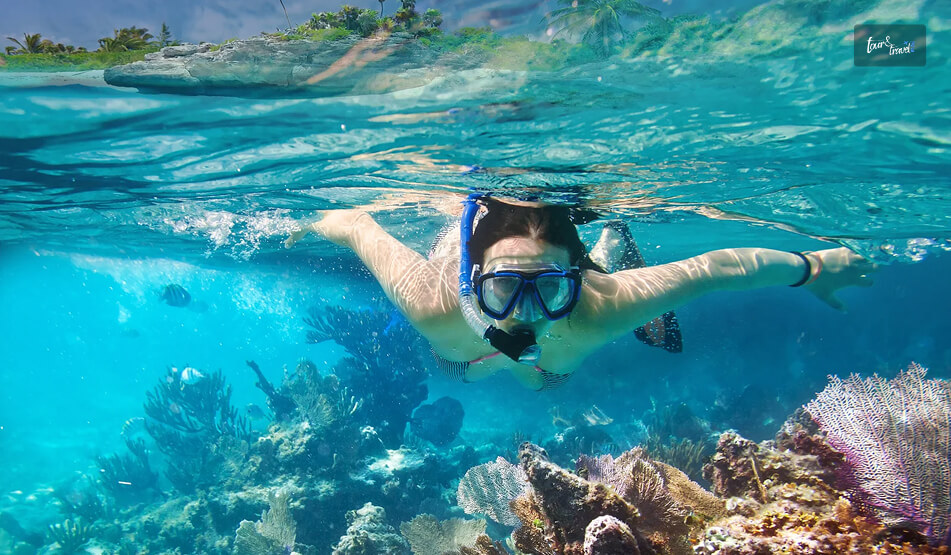
Further, the coral reef here with various schools of fish and a rich marine life makes it an ideal destination for snorkeling and scuba diving.

What Are The Places To Visit In Yukevalo Island?

Yukevalo Island has many beaches, wildlife hotspots, and hiking trails. Furthermore, for a cultural exploration, you can visit the local villages. 

These villages are ideal for finding local handicrafts and the best cuisine. Moreover, the ancient ruins, temples, and monuments here speak of their glorious past. 

What Are The Things To Do In Yukevalo Island?

What Are The Things To Do In Yukevalo Island

You can participate in various outdoor activities and cultural explorations based on the kind of experience you want.

Outdoor Activities In Yukevalo IslandMain Attractions
Wildlife Spotting • Migrating Birds
• Whales
• Dolphins
Water Activities• Paddleboarding
• Snorkeling
• Kayaking
Hiking and Nature Walks• Lush Forests
• Coastal Paths
• Hidden Waterfalls

Furthermore, the best cultural activities on this island are:

Cultural Activities on Yukevalo IslandMain Attractions 
Culinary Tours• Attending Cooking Classes and Food Tours
• Tasting Fresh Seafood
Cultural Museums• Know about the Island’s History and Rich Art Heritage
Conventional Craft Workshops• Participate in weaving, pottery, and painting. 

Where To Stay? 

You can choose luxury resorts, eco-friendly accommodations, hostels, and guesthouses to plan a stay in the Island.

Types of AccomodationExamples
Luxury Resorts• The Coral Pearl Retreat
• Azure Bay Resort & Spa
• Yukevalo Grand Resort
Hostels and Guesthouses• Sunset Guesthouse:
• Yukebalo Beach Hostel
Eco-friendly Accommodations• Ocean Breeze Eco-Stay
• The Jungle Retreat
• Green Haven Lodge

What To Eat? 

What To Eat In Yukevalo Island

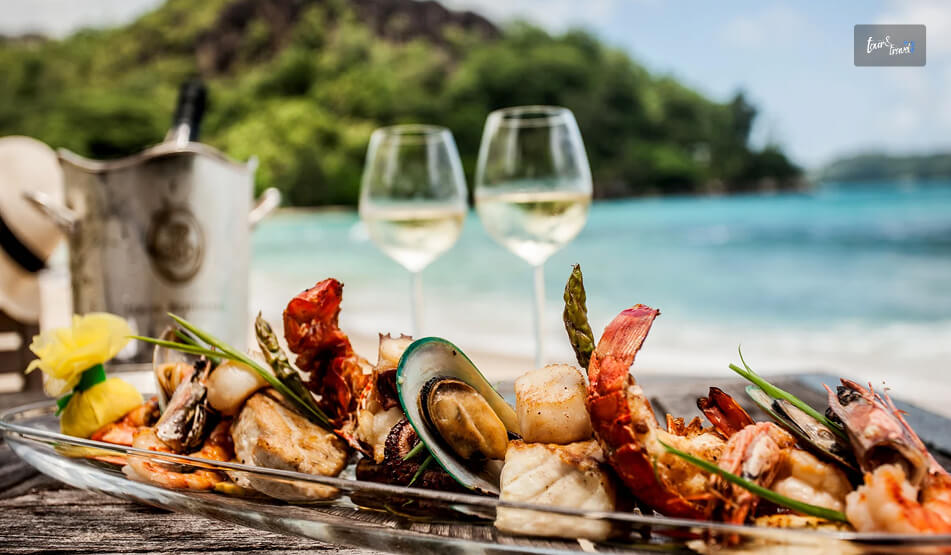
Seafood and seafood! While this is what you must eat in Yukevalo Island. Seafish with grilled vegetables is pure love.

Furthermore, you can try meat stews with seasonal herbs. The street food stalls and cozy cafes of the Island are the best places to try local delicacies.

Frequently Asked Questions (FAQs) 

Here are the frequently asked questions and answers about Yukevalo Island. 

Q1. What is Yukevalo Island and why is it famous? 

Yukevalo Island is widely known as a mysterious and controversial island that gained popularity through online stories, travel forums, and social media discussions.
It is often described as a remote or hidden island, sparking debate about whether it truly exists or is a myth inspired by folklore and digital storytelling. 

Q2. Does Yukevalo Island actually exist? 

There is no officially verified geographical or governmental record confirming Yukevalo Island as a recognized tourist destination.
Many believe it is either a fictional place, a renamed private island, or a legend amplified by the internet, making it famous as a modern travel mystery.

Q3. Where is Yukevalo Island said to be located? 

Online sources and stories place Yukevalo Island in different parts of the world, often describing it as remote and difficult to access.
However, the lack of consistent coordinates or maps suggests its location is uncertain or symbolic rather than factual

Q4. How did Yukevalo Island become popular? 

Yukevalo Island became popular due to viral travel posts, short-form videos, and speculative articles claiming exclusive access, untouched nature, or secret tourism rules.
This digital buzz turned it into a topic of fascination for adventure seekers and mystery lovers. 

Q5. Can tourists actually visit Yukevalo Island? 

As of now, there is no verified travel route, ferry service, or official tour operator offering trips to Yukevalo Island.
Travelers are advised to be cautious of claims promising access, as these are often misleading or fictional

Q6. Why do people want to visit Yukevalo Island? 

People are drawn to Yukevalo Island because it represents the idea of untouched paradise, forbidden travel, and secret destinations. Its allure lies more in storytelling and imagination than in confirmed tourism experiences. 

Q7. Is Yukevalo Island linked to any folklore or legends? 

Many stories surrounding Yukevalo Island reference ancient myths, lost civilizations, or protected lands, though none are backed by historical evidence. These legends play a major role in why the island continues to intrigue global audiences. 

Q8. Are there real destinations similar to Yukevalo Island? 

Yes, travelers seeking a similar sense of mystery and isolation can explore real but lesser-known islands such as Socotra, Svalbard, Tristan da Cunha, or remote Pacific atolls, which offer authentic adventure without fictional claims. 

Q9. Should travelers trust online guides claiming to explain how to visit Yukevalo Island? 

Travelers should approach such guides with healthy skepticism. Without official records, visas, transport routes, or government recognition, claims about visiting Yukevalo Island are likely click-driven or fictional

Q10. Why does Yukevalo Island continue to trend online? 

Yukevalo Island trends because it sits at the intersection of travel curiosity, internet mythology, and viral content culture, making it a perfect example of how modern legends are created and shared. 


Share on Social Media

Meet Sibashree Bhattacharya, a travel enthusiast who has a decade-long experience in transcending virtual barriers with her words! Her deep love for travel is apparent from her travel escapades to the mountain, often taking her readers on a journey, her words acting as Portkey! Fun fact: Sibashree loves to dive deep into the history of the places she is about to visit, making her travels even more wholesome. If you were wondering how her articles are not short of time travel, this answers it!

Leave a Reply

Your email address will not be published. Required fields are marked *

title-img Related

READ MORE Suva Fiji hidden gems

What Are The Suva Fiji Hidden Gems? Know The Underrated Places To Visit In Suva Fuji For Cultural Travelers 

BY  Sibashree Oct 24, 2025

I was standing near the mouth of the Rewa River to the east of the city. I was looking at the mangrove trees and how the villages nearby woke up with the first rays of the Sun touching the earth. People were busy collecting firewood, and some had already sailed in search of fish. Despite having such a distinct livelihood in Fiji, it also takes inspiration from multiple cultures and ethnicities. So, Fiji is said to have a culture of fruit salads. You will find people of Indian, Samoan, Micronesian, Solomon Island, Chinese, and Rotuman origins.  Furthermore, Fiji, fondly called Mini India, has taken another step to strengthen the connection. The Indian ship Kadmatt reached Suva in September 2025, and there have been ongoing discussions about maritime collaboration between the two countries.  With so many cultural aspects to explore, Suva, Fiji, also has many offbeat destinations. Here, we will discuss the Suva Fiji hidden gems, local cultural experiences, the nightlife, art scene, and more! Local Cultural Experience In Suva, Fiji: Know The Suva Fiji Hidden Gems I was at the Suva Curio Handicraft Center in Suva’s CBD area. I found the most amazing Fijian handicrafts and carvings.  The woven mats were beautiful. Furthermore, the wood earrings and necklaces, and the traditional Fijian clothes, or Tapa, caught my attention. However, these were not just souvenirs. Packed with symbolism, those told stories of Fijian traditions and Fijian families.  Along with this handicraft center, I also explored the Namosi Highlands, attended local storytelling events, and customs.  1. Village Visits And Attending Traditional Ceremonies  My cultural exploration in Suva, Fiji, started with Namosi Highlands. As I reached there, the villagers welcomed me with the Sevusevu custom. My guide has already told me. So, I carried some powdered kava root and handed it over to the chief, requesting an entrance to the village.  Then, I attended the vibrant meke dance performance. The male and female dancers in the performance depicted many historical and ancient legends.  Furthermore, the village chief asked me to be a part of the underground feast, or the Lovo. Here, the vegetables and meat were cooked in the ground using white-hot stones. I experienced the true magic of slow cooking there.  2. Kava Rituals Or Storytelling Events View this post on Instagram A post shared by Lomani Island Resort & Spa (@lomaniisland) A visit to Suva’s Cultural Center is another deep cultural encounter I had in Suva, Fiji. The elders here tell stories of Fijian values and myths. Thus, the oral tradition of storytelling remains alive in Fiji.  3. The Local Festivals In Suva, Fiji  View this post on Instagram A post shared by Fiji Sun (@fiji_sun) Music, food, religious ceremonies, community celebrations! The festivals in Suva, Fiji, are vibrant, and they give insights into the multicultural nature of the place. Here is a brief calendar of the major festivals in Suva, Fiji, with their timings.  Major Festivals in Suva, FijiTimingHibiscus FestivalAugustSouth Indian Fire Walking FestivalJuly-AugustDiwaliOctober-NovemberFiji Day:10th OctoberEasterGood Friday, Easter Sunday, and Easter Monday 4. Art & Creative Spaces In Suva Fiji View this post on Instagram A post shared by FIJI MUSEUM (@fijimuseum) There are many underrated places to visit in Suva Fiji, for cultural travelers. For example, the Fiji Museum Art Annex shows the work of the local artisans on a rotational basis.  Furthermore, the Veiqia Project Studio is a space to showcase the work of the indigenous women artists and tattoo traditions.  5. Street Art & Artisan Workshops View this post on Instagram A post shared by Asia Pacific Region Crafts (@worldcraftscouncil_asiapacific) I enjoyed a walk along Victoria Parade and saw the Fijian legends come to life through beautiful murals. Furthermore, if you want to learn the art of pottery and weaving, you can visit the Makoi Women’s Handicraft Centre.  6. Nightlife & Entertainment In Suva Fiji Traps Bar and O’Reilly’s became my favorite nighttime destinations in Suva, Fiji. They had amazing reggae music and the island jazz performances.  Also, the Fijian folk music and dance at O’Reilly’s was the biggest highlight.  7. Cultural Performances At Night The Pacific Cultural Nights at the Civic Centre were brilliant. These performances included fire shows, storytelling, and fire dance.  8. Food And The Hidden Eateries In Suva, Fiji  View this post on Instagram A post shared by Robinson Crusoe Island Fiji (@robinsoncrusoeislandfiji) I was bowled over by the Lovo feast at Namosi Highlands. Food in Fini is flavorful, and the culinary scene here is a wonderful fusion of local produce and multicultural culinary influences. Furthermore, the use of exotic tropical fruits adds the right amount of zest to the dishes.  Nevertheless, during my last visit to Suva, Fiji, I had a great time at these cafes and eateries. Café Thirty-One, just behind the Suva Library, made my day with the best coconut latte and banana bread.  My guide also took me to the Greenhouse Café, a vegan-friendly restaurant, serving amazing smoothie bowls made from local fruits. I loved the garden seating there.  However, if you want to try Fijian fusion cuisine and enjoy live music, you must visit the Bad Dog Café. Moreover, Cloud 9 Lounge is an ideal spot for sunset lounging and partying. 9. Suva Municipal Market View this post on Instagram A post shared by Phil Sami (@philsami) Suva Municipal Market, built in the 1950s, is the biggest market in the country. On a busy day, the market accommodates around 3500 vendors, and it is the best place to buy local specialties such as breadfruit, taro, and tapioca.  There is also a dedicated section for seafood and mussels. However, you must visit the market in the early hours. In the late hours, the market is rushed.  10. Take A walking Anti-Tour Of Suva, Fiji If you want to experience Suva beyond the typical “Bula”- fied version, you can join the “anti tour” walk of Peter Sipeli, a poet, LGBTQ+ activist, and cultural guide.  The tour he conducts is critical, and it does not match the glossy vibe of Fiji. Coming out as gay at the age of 17 and fighting for his rights after his return to Suva has given him enough stories to add layers of anecdotes and humor to this walking tour experience.  He conducts the tour through the city streets and the bustling markets so that you can see the beauty and inequality simultaneously.  Family-Friendly Hidden Gems In Suva, Fiji  View this post on Instagram A post shared by Jessy (@rocketjess) Suva Botanical Gardens and the Fiji Museum are two family-friendly hidden gems in Suva. The Botanical Gardens have easy hiking trails and are ideal for relaxing picnics.  On the other hand, the Fiji Museum's interactive exhibits are ideal for children and adults alike.  Suva Municipal Market in the early hours can be another family-friendly location for accessibility. It has wide aisles and ramps.  Seasonal Hidden Gems In Suva, Fiji View this post on Instagram A post shared by Nicole Golonka (@nicole.golonka) The dry and wet seasons in Suva, Fiji, give you the chance to explore the following hidden gems.  May to October, or the dry season, is ideal for hiking in Colo-i-Suva Forest Reserve and attending festivals such as the Hibiscus Festival, Fiji Day, and Diwali.  On the other hand, the wet season from November to April is ideal for visiting the lush forests and waterfalls and taking photographs.  Here is a breakdown of seasonal hidden gems in Fiji. MonthsSuitable Activities January-February• Rainforest Hikes• Waterfall ToursMarch-April• Kava Rituals• Cultural WorkshopsMay-June• Hiking• Art FestivalsJuly-August• Hibiscus Festival• Street ParadeSeptember-October• Snorkeling• Staying in Eco LodgesNovember-December• Diwali• Christmas• Easter Adventure & Sports Activities in Suva, Fiji Explore these lesser-known spots in Suva, Fiji, and try adventure activities such as kayaking, snorkeling, and advanced biking.  ActivitiesLocations• Kayaking with Mangrove ViewsLami Bay• Vibrant coral reef• SnorkelingNausori Reef• Colo-i-Suva TrailsAdvanced biking through rainforest terrains Offbeat Shopping Experiences In Suva, Fiji View this post on Instagram A post shared by Guided Walks Suva (@guided_tours_fiji) Suva Handicraft Centre is the best place for authentic masi (tapa cloth), wood carvings, and woven baskets. Furthermore, TappooCity Suva is home to local designers such as Rako Designs and KuiViti.  Furthermore, you will find ethically sourced jewelry and crafts in Suva.  Suva Fiji Hidden Gems Associated With Mythical Stories And Folklore  View this post on Instagram A post shared by Mai TV Fiji (@maitvfiji) Ratu Sukuna Park is a popular place in Suva, associated with mythical stories. The park is said to be protected by ancestral spirits.  Mount Korobaba is another place that was once a tribal outpost. Hiking to Mount Korobaba, the tallest mountain in Fiji (422 meters), is quite challenging due to its steep trails. However, the view from the top is rewarding.  Furthermore, you can ask your guide to coordinate a Suva ghost walk. There is no official ghost tour in the city. So, this tour will take you to places associated with mysteries or supernatural incidents.  Top Tourist Places You Should Avoid In Suva, Fiji (And Where To Go Instead) When it’s about the hidden gems, the touristy and “popular” spots are sheer disappointments. Also, you don’t want to waste your money, time, and resources visiting an overcrowded place.  Here are the tourist places you should avoid and their alternatives.  1. Suva Flea Market View this post on Instagram A post shared by The Journey FJ (@thejourneyfj) Suva Flea Market is often overcrowded. Thus, it often fails to offer the cultural shopping experience it promises. You will find mass-produced souvenirs here, and the inflated prices for tourists are a big turn-off.  You will get so busy bargaining that you will not notice anything taking place around you.  Makoi Women’s Handicraft Centre is a quieter, community-run space offering authentic, handmade crafts with fair pricing and cultural storytelling. 2. Colo-i-Suva Forest Park (Unguided) View this post on Instagram A post shared by Mike Duin (@mike_duin) Colo-i-Suva Forest Park has reported incidents of theft and assault on unguided trails. So, solo trips and late visits are risky here.  Get in touch with eco-certified guides for safety and provide cultural insights into the flora and fauna. 3. Victoria Parade At Night Victoria Parade is a popular nightlife strip. However, it can become unsafe after sundown due to petty crime, intoxicated crowds, and occasional scams targeting tourists. Cloud 9 Lounge or Traps Bar offers a more secure, well-managed nightlife with live music and local cocktails. 4. Suva Municipal Market (Late Hours) View this post on Instagram A post shared by DJKiwi (@djkiwinz) In the late afternoon, the Suva Municipal Market gets overcrowded. So, there are risks of overcrowding and overpricing.  Visit the market early in the morning and take a local guide with you to know where to shop safely.  Practices To Avoid While Exploring The Hidden Gems In Suva, Fiji Here are some more dos and don’ts while visiting Suva, Fiji.  Things to AvoidAlternativesTaking unlicensed taxi servicesHotel-booked or metered taxisOverpacked itinerariesFocus on 2–3 meaningful experiences per dayOver-negotiating at local shopsVisit fair trade shops such as Handmade Fiji and TappooCity Suva. Ignoring cultural etiquette at religious sitesJoin a cultural tour to learn about the spiritual and religious customs and beliefs of FijiMissing out Fiji’s rich culinary heritage and local food Try Kokoda, Lovo, and Roti Parcels Eco-Friendly Accommodations In Suva, Fiji Colo-i-Suva Eco Lodge: Nestled in the rainforest, this lodge uses solar power and rainwater harvesting. Rainforest Eco Retreat: Offers guided nature walks and supports local conservation efforts. Sustainable Travel Practices Use reusable water bottles and support community-based tourism. Choose locally owned transport services and farm-to-table eateries. A Hidden Gem Itinerary For Suva, Fiji View this post on Instagram A post shared by FIJI MUSEUM (@fijimuseum) Here are flexible 1, 3, and 5-day itineraries for exploring the hidden gems of Suva, Fiji.  Table 1: 1-Day Itinerary MorningVisiting Suva Market & Café Thirty-OneAfternoonExploring Fiji Museum & Thurston Gardens (Suva Botanical Gardens)EveningAttending a kava ceremony at the Cultural Centre Table 2: 3-Day Itinerary Days Activities Day 1• Colo-i-Suva hike• Eco-lodge stayDay 2• Art gallery tour• Dinner at a rooftop barDay 3• Village visit• Storytelling night Table 3: 5-Day Itinerary Days Activities Day 1• Colo-i-Suva hike• Eco-lodge stayDay 2• Art gallery tour• Dinner at a rooftop barDay 3• Village visit• Storytelling nightDay 4• Snorkeling at Nausori Reef• Folklore tourDay 5• Shopping at TappooCity A Budget Breakdown For Exploring Suva’s Hidden Gems An average 3-day trip in Suva, Fiji, will cost around FJD 500–800 or $220-352. Here is a quick breakdown of the expenses.  CategoryCost (FJD)NotesAccommodation80-150 (Per Night)• Boutique Hotels• Eco LodgesFood30-60 (Per Day)• Markets• Local CafesTransport20-40 (Per Day)• Buses• TaxisActivities50-100• Tours• WorkshopsSouvenirs30-70• Handicrafts• Art Travel Smart And Travel Deep: Exploring The Hidden Gems Of Suva, Fuji  Suva is a living museum of Fijian heritage, creativity, and community. Furthermore, it is a city of contrasts, with modern malls, colonial buildings, and bustling markets coexisting with serene gardens.  Furthermore, it is a melting ground of Indian, Chinese, Samoan, and other cultures. So, if you can keep your curiosity alive and respect the local culture, Suva will surprise you at every turn.  Suva Fiji Hidden Gems: Frequently Asked Questions (FAQs) Here are the frequently asked questions and answers about Suva Fiji hidden gems. 1. Is It Safe To Walk Around Suva At Night? The crime level in Suva, Fiji, is moderate. According to Numbeo, the cost of living here is 58.60. However, the rate of crime increase in the last 5 years is 70.12, which is high. So, it is better to avoid walking in Suva at night.  2. Why Is Fiji Called Mini India? The British brough indentured laborers from India in the 19th and early 20th centuries for working in sugar plantations. They stayed here for generations and preserved the Indian culture. Furthermore, today, a significant population here comes from the Indian origin. So, Indian festivals such as Diwali are celebrated here with great pomp.  3. Where Does Oprah Stay In Fiji?  The Laucala resort is a place frequented by the likes of Oprah Winfrey and George Clooney. Dietrich Mateschilz, the co-founder of Red Bull, has designed this resort.  Read Also: How To Plan A Kotor Montenegro Budget Travel? Cheap Ways To Travel To Kotor Montenegro For Backpackers  Luang Prabang Travel Guide: Why I Loved It? (Activities, Attractions, History, Itinerary, And More) Tucumán Argentina itinerary: What To See In The Smallest Province Of Argentina?

READ MORE Winter Wardrobe

Layered Luxury: Packing Your Winter Wardrobe For An East Coast City Getaway

BY  Nabamita Nov 25, 2023

With its charming winter landscapes and bustling cities, the East Coast beckons with an allure that demands style and practicality. As we embark on a journey to these picturesque destinations, let's explore the art of layered luxury – a fusion of fashion and function that keeps you warm while ensuring you look impeccable in every winter snapshot. Embracing East Coast Style East Coast cities have a distinct fashion culture, blending classic sophistication with an urban flair. Winter in this region is not just about staying warm; it's an opportunity to showcase your style amidst snow-covered streets and historic architecture. The East Coast winter wardrobe carefully balances timeless pieces and on-trend accents, setting the stage for the layered luxury we're about to explore. Understanding Layered Luxury Layering is not just a necessity; it's a fashion statement. The art of layering combines different clothing pieces to create a stylish yet functional ensemble. Imagine seamlessly blending a base, insulating, and outer layer topped off with chic accessories – a winter-ready masterpiece. What does each layer include? Keep reading to find out! Base Layer Begin your journey with a foundation that embraces and luxuriates in the cocoon of comfort and warmth. Prioritize fabrics beyond merely insulating; opt for the indulgence of moisture-wicking materials such as the exquisite merino wool or cutting-edge high-tech fabrics designed to keep you warm and dry in the face of unpredictable winter elements.  Your base layers for the East Coast adventure should include thermal tops and leggings, the undisputed champions of snug beginnings. These pieces form the cornerstone of your layered luxury ensemble, ensuring your comfort is paramount as you explore the East Coast's charming streets and scenic landscapes. Insulating Layer Transform your winter wardrobe into a masterpiece by skillfully incorporating an insulating layer that provides warmth and elevates your style to new heights. Picture the cozy embrace of chunky knit sweaters, each stitch a testament to the craftsmanship that intertwines fashion and comfort. Envelop yourself in the soft luxury of fleece-lined jackets, where every touch reminds you that winter can be both cozy and chic. Few brands match The Row's timeless elegance and quality craftsmanship when delving into investment pieces. Their selection of insulating pieces transcends mere function, becoming a statement of refined taste and sartorial excellence.  Picture yourself draped in The Row's chunky knit sweater, the epitome of understated luxury, or wrapped in their fleece-lined jacket, a testament to the brand's commitment to warmth and style. These investment pieces from The Row seamlessly integrate into your winter wardrobe, becoming not just clothing items but expressions of your discerning fashion sensibilities. Outer Layer Your outer layer stands as the frontline defense against the whims of winter, a vital shield ensuring you remain impervious to the elements. Elevate your winter wardrobe by investing in a coat that not only exudes style but also boasts a formidable combination of waterproof and windproof features. Picture yourself adorned in a stylish parka, its sleek design concealing a robust protective layer that wards off rain and wind with finesse.  Alternatively, opt for the timeless elegance of a tailored wool coat, wrapping yourself in a cocoon of warmth without compromising on fashion. For a classic touch, consider the enduring charm of a trench coat, a versatile option that seamlessly marries both fashion and function. As you navigate the streets of the East Coast, let your outer layer be a statement of resilience and refinement, a testament to your ability to brave the winter elements with unparalleled sophistication. Accessories No winter ensemble is complete without the perfect accessories. Envelop yourself in the sumptuous warmth of a luxurious scarf, not only a style statement but a practical necessity, warding off the chill that winter breathes. Slide your hands into insulated gloves, each finger wrapped in snug comfort, creating a barrier against the biting cold.  Crown your winter look with a fashionable hat, a sartorial choice that adds flair and protects you from the elements. Accessories, in their duality of fashion and function, are the pièce de résistance of your winter wardrobe, elevating your ensemble from ordinary to extraordinary. City-Specific Considerations As mentioned, the East Coast is home to picturesque cities and landscapes that attract visitors yearly, especially during the wintertime. Some of the most beloved places to visit include Vermont and New Hampshire. When visiting either of these locations during the winter months, there are a few winter wardrobe considerations to keep in mind when packing your bags for your trip away. For instance, with Vermont, Vermont's winter is known for its biting cold, requiring a wardrobe that can withstand the harshest temperatures. Consider thicker insulating layers and durable outerwear. Local fashion trends often incorporate rustic elements, allowing you to blend seamlessly with the scenic surroundings. Whereas New Hampshire, with its mix of mountains and cityscapes, demands versatility in your winter wardrobe. A combination of casual and sophisticated pieces will serve you well. As you embark on your East Coast winter getaway, remember that layering is not just a functional necessity; it's a form of self-expression. Embrace the layered luxury lifestyle by combining practicality with style, creating a winter wardrobe that captivates and protects. Pack wisely, layer thoughtfully, and make every winter moment a stylish statement. Your East Coast adventure awaits – wrapped in layers of luxury. Read Also: 6 Clever Tricks To Save On Extra Baggage Fees For Your Next Flight A First-Hand Experience Of Taking A Red Eye Flight! The Ultimate Guide To Finding Cheap Flights To Chicago Using Google Flights Momondo Flights: Should You Try This Platform For Booking Flights In 2023?

READ MORE most dangerous country in the world

Navigating The Unseen: Exploring The Most Dangerous Country in The World

BY  Abdul Aziz Dec 26, 2023

One of life's greatest pleasures is always traveling. In addition to looking for and visiting the safest places, it's critical to understand the risks and dangers that exist in different parts of the world. This article will talk about the most dangerous country in the world, emphasizing elements like political unrest, crime, and conflict. Travelers can use this information to make well-informed decisions about their foreign experiences. Most Dangerous Country In The World Some countries are known for their beauty. Some are known for their infrastructure and standards of living. And then there are some countries that are notorious for something that scares people away. Curious? If you want to know about the most dangerous country in the world, here they are: Syria Syria is one of the most violent countries in the world because of the devastation caused by the ongoing conflict. With multiple armed groups fighting for control of territory and resources, the nation has become a hotspot for violence and instability since the civil war broke out in 2011. The most recent devastating incident was the earthquake that struck Turkey and Syria in February 2023. Sadly, the earthquake killed over 50,000 people, leaving a terrible death toll. Significant damage affected 116 medical facilities because of the disaster, depriving a large number of people of access to essential medical care. Consequently, estimates suggest that 18 million people require immediate humanitarian aid. The World Food Programme (WFP) revealed that a startling 90% of Syrians were living below the poverty line and that at least 12 million of the country's remaining 16 million people were facing food insecurity. Yemen Yemen, which is one of the world's most dangerous travel destinations, stands on the southernmost point of the Arabian Peninsula. The nation is in a state of civil war since 2015, with different groups fighting for control of the government. As a result, it led to extensive violence, mass migration, and a humanitarian crisis that has left millions of people in need of immediate assistance. The danger facing tourists is increased by the rise in criminal activity in Yemen, which includes armed robberies and kidnappings. At 68.93%, its crime rate is also the highest in the world when compared to other nations. Major Yemeni tribes are involved in criminal activities like kidnapping and looting. They are highly armed and enjoy independence within their sphere of influence. Unfortunately, visitors run the risk of being abducted and abused by these tribes, and they might have to pay a large ransom to get them back. Traveling here is now risky and challenging due to the heavy rains and flooding that impacted most of the cities. Floods have damaged roads and bridges, making land travel hazardous and difficult. It is now impossible to drive in some areas due to completely washed-out roads and collapsed bridges. Over 11 million children in this country need humanitarian aid, with millions experiencing food insecurity and a lack of basic services, according to UNICEF. There are currently more than 540,000 under-five children suffering from severe acute malnutrition. Remarkably, one child dies from avoidable causes every ten minutes. Travelers to Yemen run a significant risk of becoming targets of extremist organizations. People frequently get caught in the crossfire of the protracted conflict. Afghanistan Afghanistan is the most dangerous country in the world, as per the Global Peace Index. This dubious distinction is a result of the nation's turbulent past, ongoing conflict, and high levels of violence. The country's high concentration of extremist groups is the most concerning factor. For more than twenty years, the Taliban, for instance, have been waging a bloody insurgency against the Afghan government. Many deaths of soldiers and civilians are attributed to them. The presence of other organizations like Al Qaeda and ISIS in the nation has exacerbated instability. Airports and places of worship are frequently the target of terrorist attacks, especially during holy seasons like Ramadan. Somalia Somalia has established a reputation as one of the world's most dangerous nations due to decades of anarchy and lawlessness. Devastated by hunger, piracy, and civil war, it is a place where anarchy is the norm. An offshoot of the infamous Al-Qaeda, the militant organization Al-Shabaab continues to terrorize the country by carrying out deadly attacks on both government forces and civilians. The situation has become worse, with rival clans and factions fighting for control in the absence of a stable government. The standard of living for the typical Somalian citizen is sub-par.  There is widespread corruption and a dearth of essential infrastructure. Enter this dangerous area with extreme caution. Iraq Iraq is a very dangerous country to visit and has experienced many difficulties over the years as a result of war and conflict. Despite their fall, the remnants of ISIS still represent a serious threat to Iraqi forces and civilians. In many regions of the nation, sectarian violence, assassinations, and suicide bombings continue to be commonplace. Both locals and visitors always feel like they're in danger. Complexity is increased due to the conflict between the autonomous Kurdish region and the central government. It has escalated hostilities and led to violence, further destabilizing the situation. Iraq's infrastructure has suffered greatly as a result of years of hostilities. With many businesses finding it difficult to survive, the economy is hit brutally. Read More: Is Costa Rica Safe For Visit For Travelling? Libya Numerous factors have contributed to the conflict, including the competition for control of the nation's enormous oil reserves. Since Gaddafi's downfall, a number of armed organizations and militias have seized control of various parts of the nation. The unpredictability and danger in Libya have increased due to the presence of extremist groups like ISIS. These organizations committed targeted murders and acts of terrorism. They are further destabilizing the nation and posing a challenge to the authority of any government. Naturally, the population of Libya has suffered greatly as a result of the ongoing violence. Many Libyans are struggling to make ends meet as a result of displacement, violence, and limited access to basic services. Numerous schools, hospitals, and other vital services are in poor condition. While progress was necessary, the United Nations and other international organizations have attempted to mediate a peace agreement between the opposing factions. Read More: Is Cabo San Lucas Safe? – Let’s Find Out! Sudan Following a January referendum, South Sudan gained independence on July 9, 2011. Even with the initial exuberance and expectations of a prosperous future, the nation has had difficulty preserving stability. Political power struggles and ethnic tensions have made matters worse since then. Since South Sudan's independence, President Salva Kiir and his former vice president, Riek Machar, have not gotten along. Their conflict over dominance turned into a civil war in December 2013, which displaced millions of people and killed thousands. Rape, murder, and the enlistment of children as soldiers are just a few of the horrific crimes that have occurred during the conflict on both sides. As a result, it ranks first on a list of the world's most dangerous nations. Famine and disease are widespread throughout South Sudan, making the country's humanitarian situation terrible. Over 7 million people in the nation require humanitarian aid as the UN has declared a famine in some areas. Journalists and relief workers have also been the targets of armed groups. Despite having an abundance of natural resources, such as gold, oil, and fertile land, South Sudan has not yet experienced prosperity from these resources. Instead, as various groups compete to control these resources, they have fueled even more conflict and corruption. There have been allegations against the government for mishandling these resources, with minimal advantages for the populace. Wrapping Up You can be sure that there are lots of welcoming and safe places to call home. Even though there is a chance of crime, terrorism, and natural disasters, a lot of daring travelers visit some of the world's most dangerous nations for the temptation of it. Intrepid people are always ready to take the risk, whether it's for employment, adventure, or giving back to their communities. Don't be afraid to see the world, but remember to stay prepared and cautious. If you have thoughts to share or questions to ask about the most dangerous country in the world, please leave a comment below. We would love to hear from you! Read Also: Heatwaves And Adventure: Traveling To The World’s Hottest Destination Crime And Caution: Navigating The Dark Side Of California’s Cities Hidden Gems: Unearthing The Best Things To Do In Nottingham