

Best Time To Experience Dubai: The City Of Gold

Oct 31, 2023

Last Updated on: Sep 1, 2025

Travel Guides

Dubai is tirelessly inviting visitors to immerse themselves in an exotic landscape of culture, architecture, and luxury. Dubai is an oasis of splendor hidden within the Arabian Desert. With the help of a well-chosen Dubai tour package, you’ll be able to embark on an exciting adventure. You can visit some of the city’s most breathtaking attractions.

Learn about the city where tradition and modernity dance effortlessly together. Dubai leaves no room for the ordinary as it unveils a wide variety of tourist attractions. It ranges from the Burj Khalifa’s soaring splendor to the classic charm of the Gold and Spice Souks.

The sun-kissed beaches of this desert metropolis, which contrast sharply with the concrete jungles, reveal its lively personality.

The Palm Jumeirah and the Mall of Emirates are two examples of man-made wonders in Dubai. It increases the list of destinations in Dubai and provides a varied itinerary for every traveler. The city’s famed hospitality guarantees opulent lodging and delectable cuisine. In order to experience this desert paradise, where every moment is planned to exceed your expectations, plan your trip immediately!

If you are conflicted about the weather in the “desert” city, here is the best time to visit Dubai.

Best Time To Visit Dubai

Visit Dubai

It is a little tricky to answer the question of when is the best time to visit Dubai.

Dubai can get extremely hot, with the summer months of July and August being particularly unbearable. It is due to the high temperatures and humidity. Moreover, during May and June, the holy month of Ramadan is observed. Most malls, stores, schools, and universities remain closed during the day, giving the city a deserted look.

If you want to know the best time to visit Dubai, you can plan between mid-November and early December. Or you could go in the first half of March when the temperature is around 30 degrees Celsius. It stays high during the day and drops in the evening. It allows you to take a stroll through the city after 5 p.m.

Visiting during the peak tourist months of January and February for the Dubai Shopping Festival can be challenging due to the heavy crowds. The Dubai weather is hot throughout but a little caution can help make your trip less uncomfortable and restrained.

Therefore, visiting in the recommended months will allow you to experience the city without the hassle of navigating through large crowds and enjoying pleasant temperatures.

Places To Visit While In Dubai

Places To Visit While In Dubai

Once you know when to visit you should in all possibility also be aware of some of the best places you cannot miss. These spots are the highlight of Dubai and have put the city on the world map. They drip raw extravagance and missing out on them while visiting Dubai is going to be a very expensive error.

Burj Khalifa

Burj Khalifa

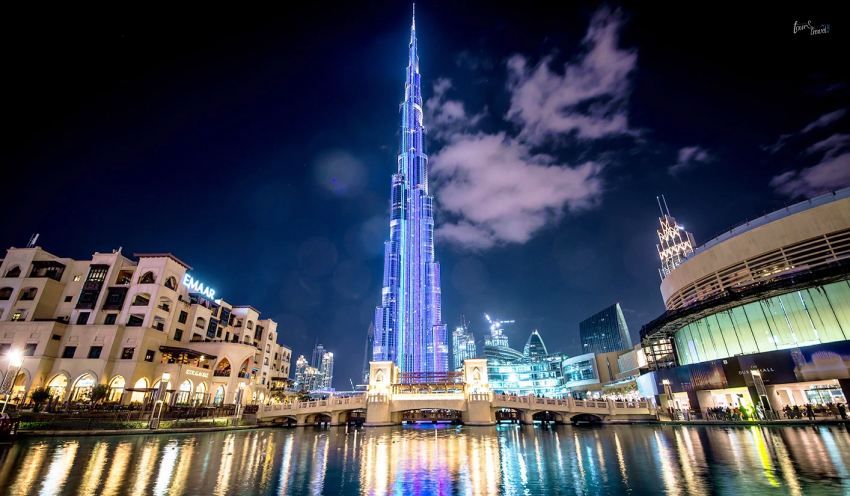
Welcome to Dubai, a city where the sky truly is the limit and where wonders abound! The Burj Khalifa, which lies in the center of unparalleled magnificence, is a sight that will undoubtedly leave you speechless. It is one of the must-see tourist attractions in Dubai, rising high like a beacon of human achievement.

Just picture yourself at the base of this magnificent structure, your gaze traveling up the dazzling borders of the tower to the clouds. But that’s only the start! Once inside, the real magic starts to happen. As you soar into the heavens in a matter of seconds, taking an elevator might feel like traveling through time.

Palm Jumeirah

Palm Jumeirah

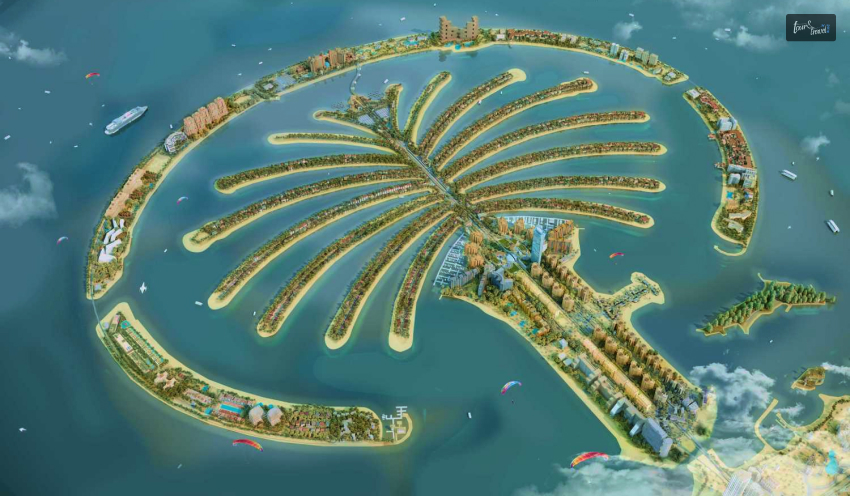
Travelers, pack your bags for an alluring trip to Dubai’s Palm Jumeirah, one of the city’s most magnificent attractions. It’s a palm-leaf-shaped architectural wonder in the middle of the Arabian Sea that serves as a tribute to human ingenuity and aspiration.

Why should you visit right away? Imagine yourself unwinding in a beachfront cottage with a warm breeze caressing your hair. What about rewarding your palate with a selection of culinary treats from top-notch restaurants? Here, every second is a delicious taste of luxury!

Dubai Aquarium And Underwater Zoo

Dubai Aquarium And Underwater Zoo

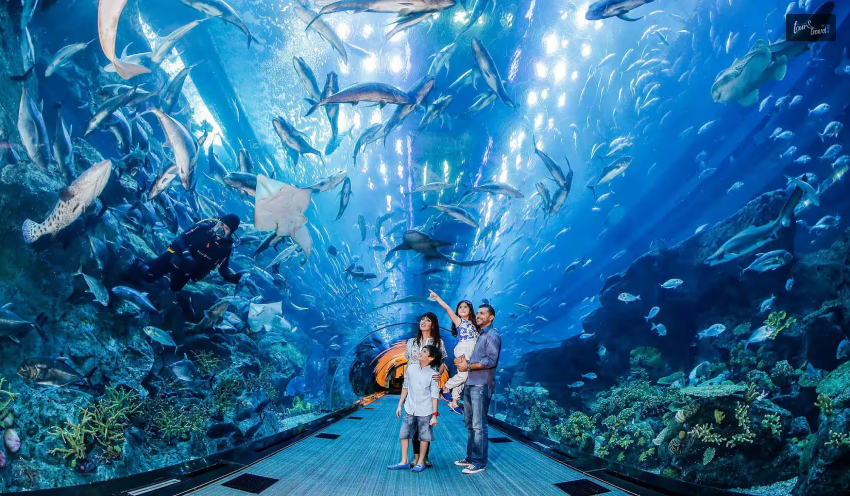
In the center of Dubai’s glittering desert city, where sparkling skyscrapers pierce the sky, an aquatic sanctuary welcomes both curious and brave spirits. Welcome to the fascinating world of the Dubai Aquarium and Underwater Zoo, a world that captivates you and takes you to a place of wonder and exploration.

You will be surrounded by a gigantic aquarium brimming with a colorful tapestry of marine life when you enter this aquatic wonderland. Your senses are heightened as you glide down the glass tunnel. Majestic sharks and graceful rays pass overhead, unconcerned with the wonder they elicit. Even seasoned travelers are surprised by this humble encounter.

Burj Al Arab

Burj Al Arab

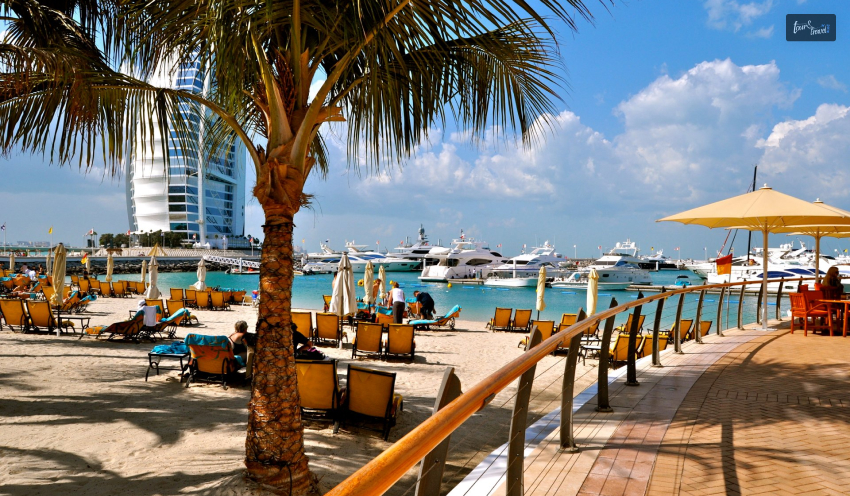
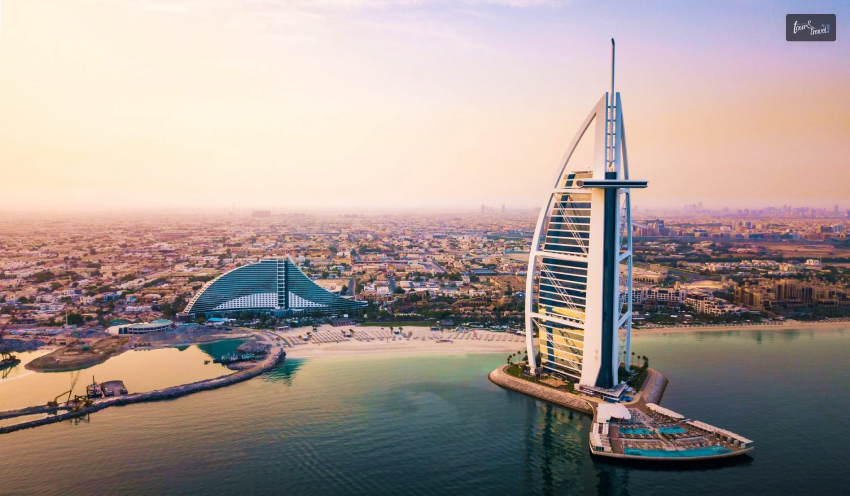
Dubai, a metropolis of breathtaking wonders, exposes The Burj Al Arab as a blank canvas for the sumptuous fantasies of the heart. It is a symbol of wealth and splendor, nestled amid the turquoise Persian Gulf and teasing the azure skies. In Dubai, it’s more than just a tourist destination; it’s a chance to experience magnificence itself.

The story of luxury starts when your chauffeur-driven, gold-plated Rolls Royce carries you into its arms. The high tea at the SkyView Bar will lavish you with amazing views of the glittering city. You can inhale the fragrant Arabian coffee and gaze upon the golden furnishings.

Dubai Marina

Dubai Marina

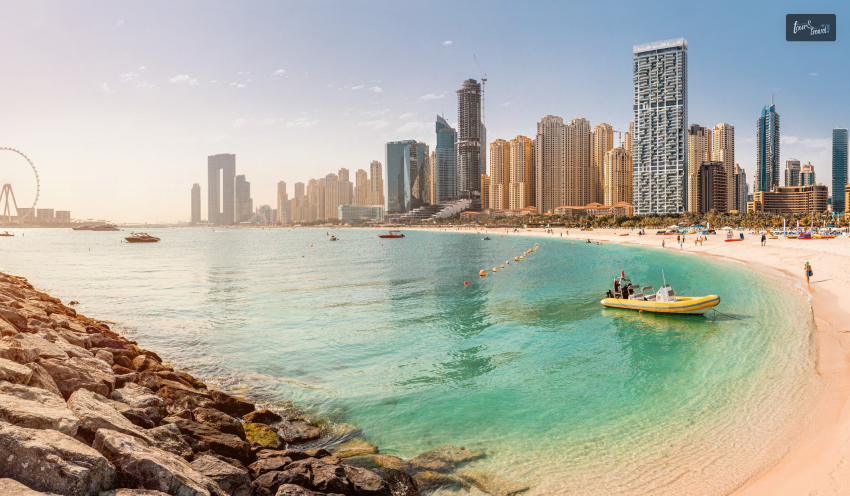
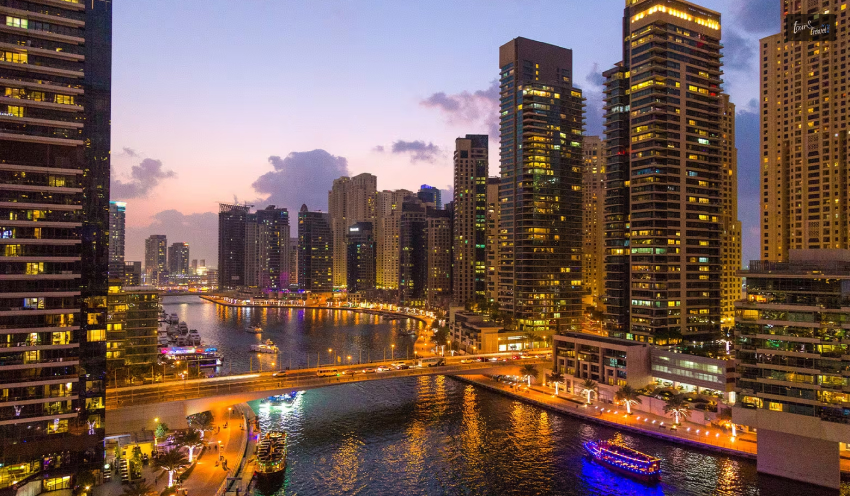
In the beating center of the city sits Dubai Marina. It is a man-made wonderland bursting with beautiful skylines and a world of luxury. This enchanted oasis, braided with sparkling fairy lights, is one of the most alluring spots to visit in Dubai.

Enjoy the Marina Walk’s ethereal radiance as the dying sun playsfully on the glistening structures. The Marina is a haven for wanderers. It expertly combines the excitement of a busy metropolis with the peace of a beach getaway.

Enjoy the lingering flavor of various cultures colliding at a crossroads. It will draw you in with the fragrances of international cuisines emanating from the many restaurants. Try visiting in the colder season because that is the best time to visit Dubai Marina.

Dubai Frame

Dubai Frame

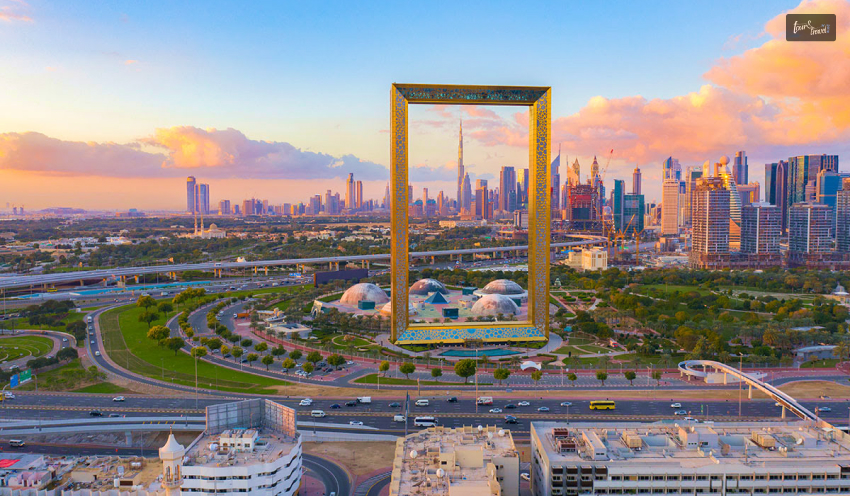
Dubai Frame is a remarkable architectural and narrative symphony that begs for your attention. It’s a huge window that connects the city’s dazzling history and present, glistening against the Emirati sky. It’s evidence of the fast development that propelled this oasis in the desert to the world stage.

You begin your tour on the mezzanine level, where you will find a charming reminder of the past. You’ll experience an exhilarating journey through Dubai’s rich past. It will leave you with a renewed respect for this city of dreams and a racing heart.

Global Village

Global Village

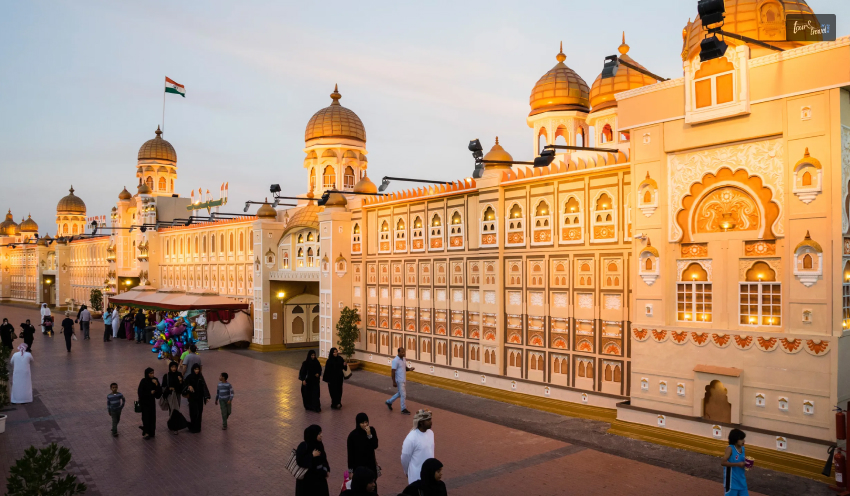
The Global Village, Dubai’s stunning cosmopolitan oasis, is located in the center of Dubai’s desert. Here, the sun-kissed dunes of sand create a breathtaking environment. This location creates a vivid tapestry of cultures, heritage, and excitement. It is all tucked away under one starry canvas as if it were taken straight out of a fairy story.

Imagine taking a quick trip around the world in a matter of hours, visiting over 75 nations, each elegantly represented by a separate pavilion. Taste the delectable culinary treats of China. Sway to the pulsating rhythms of Africa. Behold the vivid hues of India and immerse yourself in the refined elegance of Europe.

Miracle Garden

Miracle Garden

Walk into a magical oasis where the boundaries between reality and fantasy are skillfully blurred. Gorgeous flower displays made of vibrantly colored blooms will defy your wildest imagination. When you witness this spot, you will realize that the best time to visit Dubai is definitely the cooler months.

Welcome to the aromatic kaleidoscope known as Dubai Miracle Garden, which is tucked away among the dry desert sands. It is one of the nicest spots in Dubai to visit. It invites you to immerse yourself in its spectacular beauty with its fanciful designs in full flight.

Enjoy a kaleidoscope of floral formation of the Airbus A380. Witness the swirl of walkways with umbrellas over them, and the heart-shaped lanes beckoning and whispering. The garden teases the senses by fusing a flourish of natural grandeur with a sense of innocent wonder. There are numerous jewels in Dubai’s tourist attractions, but this one makes you genuinely happy. It compels you to take hundreds of photos as souvenirs.

Wrapping Up

Chart the Burj Khalifa through the clouds, see the Atlantis, and shop til you drop at the gold souk. Dubai is a city of opposites and a kaleidoscope of adventures. Now that you know the best time to visit Dubai- plan your trip right away.

As your voyage comes to a conclusion, take a stroll through Bastakia’s serene lanes to commemorate your exciting experience. As you explore the city’s humble beginnings, leave your mark in the sands of time. Dubai’s true essence is found here- among the lovely wind towers and sand-colored homes. You’re in for a unique experience when you enter the city of riches.

If you have thoughts to share or questions to ask, please leave a comment below. We would love to hear from you!

Read Also:

Share on Social Media

Abdul Aziz Mondol is a professional blogger who is having a colossal interest in writing blogs and other jones of calligraphies. In terms of his professional commitments, he loves to share content related to business, finance, technology, and the gaming niche.

Leave a Reply

Your email address will not be published. Required fields are marked *

title-img Related

READ MORE Copenhagen

Discover The Charm Of Copenhagen Hotels

BY  Abdul Aziz Feb 22, 2024

Copenhagen, a city where history meets modernity, offers a hotel for every traveler. From luxurious havens to cozy boutiques, these accommodations are more than just a place to stay; they're an integral part of your Danish adventure. Explore more about Copenhagen hotels. Immerse yourself in the heart of Copenhagen's culture, design, and hospitality, a city celebrated for its seamless blend of tradition and innovation. Whether you find yourself captivated by the historic elegance of the city center, with its cobblestone streets and centuries-old buildings, or the trendy vibes of Vesterbro, known for its bustling cafes, art galleries, and vibrant nightlife, Copenhagen's hotels cater to every taste and promise experiences as rich and diverse as the city itself. In the city center, luxury hotels stand majestically, offering guests a taste of royal treatment amidst architectural grandeur, while boutique accommodations provide a more intimate experience, each with a unique story that connects you to the Danish capital's past and present. Venture into Vesterbro, and you'll find modern, design-forward hotels that echo the artistic and creative spirit of the neighborhood, offering not just a place to stay but a place to be inspired. But Copenhagen's hotel scene extends beyond just these areas. From the peaceful, green expanses of Frederiksberg to the cutting-edge cool of Nørrebro, each district offers its own flavor of hospitality. No matter where you choose to lay your head, you'll find that Copenhagen’s hotels are more than just a place to sleep—they are gateways to the city's heart, offering personalized experiences that bring you closer to the local culture, cuisine, and community. A Taste of Copenhagen from Your Hotel Copenhagen is not just a feast for the eyes but also a paradise for food enthusiasts. The city's hotels are gateways to an exquisite culinary journey, with many boasting in-house restaurants led by acclaimed chefs. These eateries are not mere dining rooms but temples of gastronomy that reflect Denmark's rich culinary heritage and its innovative approach to cuisine. From Michelin-starred restaurants offering avant-garde Danish dishes to cozy bistros serving timeless classics, hotel dining in Copenhagen is an adventure in itself. Here, the emphasis is on fresh, locally sourced ingredients, sustainable practices, and the art of hygiene—creating a warm, enjoyable atmosphere. Whether you're indulging in a lavish breakfast spread featuring Danish pastries and organic coffee, or savoring a gourmet dinner with views of the city's skyline, your hotel can offer a culinary experience that rivals the best in Copenhagen. Copenhagen's design legacy is world-renowned, with its influence extending into the hotel industry. Many hotels in Copenhagen are not just places to stay; they are showcases of Danish design and art. From mid-century modern classics to contemporary design innovations, staying in one of these hotels is like living in a curated gallery. These hotels often feature collaborations with local artists and designers, displaying bespoke furniture, textiles, and artworks that tell a story of Danish creativity. It's an immersive experience where every room, lobby, and common space is thoughtfully designed to inspire and delight. For design enthusiasts and casual admirers alike, these hotels offer a unique opportunity to engage with Denmark's design heritage up close. In the fast-paced rhythm of city life, Copenhagen offers sanctuaries of wellness within its hotels. Recognizing the growing importance of self-care, many hotels provide facilities and services focused on relaxation and rejuvenation. From luxurious spa treatments incorporating Nordic ingredients to yoga studios with serene city views, these wellness offerings are designed to harmonize body and mind. Moreover, the Danish concept of hygge—finding comfort and contentment—permeates these spaces, creating an atmosphere of warmth and relaxation. Whether it's unwinding in a sauna after a day of exploring or enjoying a mindful meditation session, Copenhagen's hotels offer a holistic approach to wellness that complements the city's laid-back lifestyle. Exploring Green Copenhagen Copenhagen's commitment to sustainability extends beyond hotel walls into experiences that guests can enjoy around the city. Many hotels offer bicycle rentals, encouraging guests to explore Copenhagen as the locals do, on two wheels, reducing carbon footprints while navigating through bike-friendly lanes that crisscross the city. Hotels also organize eco-friendly tours, from guided walks through Copenhagen's green spaces to boat tours along its renewable energy facilities. These experiences not only entertain but also educate guests on sustainable living, aligning with Copenhagen's vision of a greener future. Engaging with the Heart of CopenhagenA stay in Copenhagen is incomplete without engaging with its vibrant community and culture. Hotels often serve as cultural hubs, hosting events that range from live music performances to art exhibitions and local craft markets. These events provide a platform for local artists and artisans, showcasing the city's creative pulse and offering guests a chance to engage with the community. Additionally, many hotels offer curated experiences that connect guests with local traditions and lifestyles. From Danish baking classes to guided tours of historic neighborhoods, these experiences foster a deeper understanding and appreciation of Copenhagen's cultural heritage. Your Gateway to Copenhagen Our expanded guide to Copenhagen's hotels transcends the conventional, offering a window into the soul of a city where every stay is designed to be an experience. These hotels are not just places to rest but are integral to your journey through Copenhagen, offering paths to culinary excellence, design marvels, wellness retreats, sustainable explorations, and cultural engagements. As you choose your stay in Copenhagen, remember that it's more than selecting a hotel—it's about curating your experience of this extraordinary city. Each hotel, with its unique offerings, serves as a gateway to discovering the many facets of Copenhagen, promising not just memories but stories to carry home. Whether you're drawn by the allure of luxury, the charm of sustainability, the warmth of community, or the depth of cultural engagement, Copenhagen's hotels are ready to welcome you into the heart of Danish life. In this world's coziest capital, every visit and stay is an opportunity to immerse yourself in a lifestyle that balances modernity with tradition, luxury with sustainability, and activity with relaxation. As you embark on this journey, let Copenhagen's hotels be your home, your sanctuary, and your guide to a city that continues to enchant and inspire, inviting you back time and again to explore its endless charm. Dive into our comprehensive guide to discover your perfect stay in Copenhagen, the world's coziest capital. From the moment you check-in, you’ll be enveloped in the warmth and charm that is quintessentially Danish, embarking on an unforgettable journey that will leave you yearning to return. Read Also: Local Boutiques And Global Trends: Where To Buy Eyewear Abroad Houston Hospitality: The Top Hotels You Need To Experience Luxe Living: The Best Hotels In Dallas

READ MORE most dangerous cities in mexico

Beyond The Beaches: Unmasking The Most Dangerous Cities In Mexico

BY  Abdul Aziz Dec 26, 2023

With good reason, Mexico is one of the most sought-after travel destinations worldwide. However, not every area of Mexico is secure for tourists. Today, we will talk about the most dangerous cities in Mexico. According to the World of Statistics, nine Mexican cities are among the world's ten deadliest in 2022. There have been 512 homicides reported through the first seven months of the year, or an average of 73.1 per month. The murders are steadily on track to match or marginally exceed those numbers in 2023. The previous year saw 887 murders or an average of 73.91 homicides per month. Most Dangerous Cities In Mexico A recent study on wisevoter.com found that there were 36,579 murders in Mexico. This corresponded to the 4th-highest murder rate in the world, 28.37 per 100,000 people. The study found that men are eight times more likely than women to become murder victims. Here are some of the most dangerous cities in Mexico that you could wisely avoid if you are planning to visit: Acapulco Despite being one of the most dangerous cities in Mexico, Acapulco continues to draw large numbers of tourists due to its beaches. The rate of homicide in the city is 111 per 100,000 residents. Drug-related violence in Acapulco has increased dramatically as different cartels compete for control of the lucrative drug trade in the city. This city is located in Guerrero, a notorious state well-known for its high rates of violence. It witnesses regular chaos brought on by gang turf wars and heroin production. Tijuana Tijuana's high murder rate and drug-related violence make it the most dangerous city in Mexico. There are 138 homicides for every 100,000 people. Tijuana is the main gateway for drugs originating in South America, making it a hub for cartel activity. Due to its proximity to the US border, it is also a significant hub for organized crime and human trafficking. Based on data on homicide rates, Tijuana is the world's most dangerous city. Ciudad Victoria Ciudad Victoria, one of the most violent cities in Mexico, is situated in the state of Tamaulipas. This area is another hotbed of drug-related violence, with a homicide rate of 86 per 100,000 residents. Located just beyond the U.S. border, Tamaulipas makes it an entryway city as well. In Ciudad Victoria, members of the Northeast Cartel actively manage their businesses. Irapuato Irapuato, in the central state of Guanajuato, has witnessed a surge in drug-related homicides over the last three years. With a homicide rate of 81 per 100,000 residents, the city is among the least safe places for visitors. Even regrettably so for the residents who live there. Turf wars between the Santa Rosa de Lima Cartel and the Jalisco Cartel New Generation are primarily to blame for the murders that occur here. Cancun A spate of shootings, robberies, and attacks on tourists in Cancun were linked to cartels. Mexican President Andres Manuel Lopez Obrador has recently issued a warning to travelers about the travel risks. This city is notorious for its high levels of violence. Yet it is far less deadly than other Mexican cities, with a homicide rate of 64 per 100,000 people. Uruapan For a mountainside city in Michoacan, Uruapan has seen a steady rise in violence; sadly, it appears that this violence will only get worse. This once peaceful town is now home to rival cartels that frequently switch names and hands. Killings take place in the most inconspicuous places, like bars and arcades. The current homicide rate in Uruapan is 55 per 100,000 residents. Culiacan Formerly regarded as a moderately dangerous city, Culiacan is currently the scene of a fatal conflict.  It happened after the apprehension of Ovidio Guzman, the son of cartel leader El Chapo. The city is Sinaloa's central city and has a homicide rate of 61 per 100,000 residents. Because of the Sinaloa Cartel's stronghold over the city and its populace, visiting tourists face extreme danger. Cuidad Obregon Sonora's second-biggest city, Cuidad Obregon, has gained notoriety recently. It ranks as the world's fourth most dangerous city in 2022. Not only has there been an increase in violence in Ciudad Obregon but also in the neighborhood of Cajame, which is the southernmost part of the state. It will take time to determine whether this sharp rise in crime will hold. There are currently 52 homicides for every 100,000 residents. Celaya According to the accounts, more than a thousand people were killed brutally every year. Theft, drug sales, and human trafficking have all increased, so the story is far from over. Taking a vacation in Celaya is risky. Celaya has 109.38 killings per 100,000 residents, making it one of the world's most dangerous cities right now. Coatzacoalcos Once a bustling tourist destination in Veracruz, Coatzacoalcos has a homicide rate of 48 per 100,000 residents. Perpetrators left nine bodies on the street. Among the top ten most dangerous cities in Mexico is this one because of murder, violent crime, and robbery. Ensenada The only other regions of Mexico with official travel advisories or restrictions are those located 1,400 miles away. Reports from the press and locals indicate a rise in violence. Locals and tourists, however, have not been impacted by this unrest. Violent killings have increased in Ensenada and Tijuana over the past few months, primarily occurring outside of the city center and at night. Although there are some risks in the unguarded neighborhoods further out, the city center is still very safe. Travel through the Vine Valley or on day trips are usually safe. Reynosa Reynosa is a prominent urban center located directly across the Rio Grande from the US border. Unfortunately, because of ongoing conflicts between criminal gangs, it has gained a reputation as one of Mexico's most dangerous cities. Traveling to this area due to the ongoing security concerns is high risk. However, it's crucial to understand that Reynosa, despite its unflattering reputation, is an important industrial center for the Rio Grande Valley and Northern Tamaulipas. The city drives a number of industrial activities and acts as a vital link in cross-border trade and commerce, significantly impacting the region's economic landscape. Reynosa continues to play an important role in connecting and promoting economic development in this region of Mexico, even with the ongoing security concerns. Chihuahua Due to concerns about crime and kidnapping, the U.S. State Department advises travelers to "Reconsider Travel" to Chihuahua. There is a lot of violent crime and gang activity in the area. Travelers should exercise caution even though the majority of criminal organizations commit murders that are targeted assassinations. Drug-related violence has escalated dramatically in northern Mexico over the last twelve years, especially in Chihuahua. Despite being relatively safer than other cities in the area, cartel violence is still a problem in Chihuahua. It's crucial to remember that most killings target drug dealers and their families; violent crimes rarely target tourists. There are military checkpoints throughout the city and its environs, and adherence to them is required. Wrapping Up It's critical to keep in mind that even though the state has a high rate of crime, not all of it is dangerous. For example, Illinois is not always a crime hotspot just because Chicago is. When it comes to organized crime and corruption, Tijuana, Ciudad Juarez, Victoria, Reynosa, and Culiacan are typically the worst cartel cities in Mexico. While you're organizing your next vacation, we hope this article will be helpful to you in determining which areas of Mexico are dangerous. If the location you're interested in doesn't appear on this list, it's probably not in one of Mexico's most dangerous regions. And as long as you exercise common sense caution, you should be alright. If you have thoughts to share or questions to ask about the most dangerous cities in Mexico, please leave a comment below. We would love to hear from you! Read Also: Navigating The Unseen: Exploring The Most Dangerous Country In The World Heatwaves And Adventure: Traveling To The World’s Hottest Destination Crime And Caution: Navigating The Dark Side Of California’s Cities Is Costa Rica Safe For Visit For Travelling?

READ MORE Raja Ampat marine life guide

Raja Ampat Marine Life Guide: What Marine Species To See In Raja Ampat, Indonesia?  

BY  Sibashree Dec 29, 2025

Have you ever been to a place where the clarity of the water feels like liquid air? Yes, you have heard it right. I am talking about the waters of Raja Ampat in Indonesia. Also, the dense coral reefs here look like a kaleidoscope in motion.   Its strategic location in the Coral Triangle in West Papua has also blessed it with a diverse marine life. Did you know that Raja Ampat has “75% of the known coral species” and more than 1,320 species of reef fish (Source: UNESCO)?   No wonder it is called the Amazon of the Seas. Also, with UNESCO designating it as a Biosphere Reserve on 27th September, 2025, it is now one of the just two places on the earth to have the distinction of being a UNESCO Global Geopark and Biosphere Reserve at the same time.   So, consisting of four islands (Raja Ampat means Four Islands), Waigeo, Salawati, Batanta, and Misool, Raja Ampat is like the biological "bullseye” as the most diverse marine habitat on the planet.   Hi, in this Raja Ampat marine life guide, I will be talking about what marine species to see in Raja Ampat Indonesia.   Also, if you want to make the most of the underwater wonderland of Raja Ampat, check out our Raja Ampat diving trips.   With an unbelievable marine life and rock formations that go back to 400 million years, Raja Ampat is the “living laboratory” of marine conservation according to UNESCO.   So, when the water here has more than a thousand species to spot, let’s find out the Big 5 of the water here. These creatures are unique, and they are majestic. They also represent the mystery of water.   1. Manta Rays (Oceanic Manta And Reef Manta)  Raja Ampat is one of the rarest places in the world to have oceanic and reef Manta Rays. You can even spot them at the same time at the same cleaning station.   Oceanic Manta Vs Reef Manta   Reef Mantas, with even a massive 5-meter wingspan, are smaller than the Ocean Mantas. The wingspan of the Ocean Mantas is close to 7 meters.   Furthermore, Reef Mantas stay in large, social groups, while the Oceanic Mantas are pelagic wanderers.   Also, Oceanic Mantas feature a “T” shape on their shoulders. On the other hand, you can identify Reef Mantas from the “Y” or “V” shapes on their back.  What Are The Best Sites For Spotting Manta Rays In Raja Ampat?  Manta Sandy in the Dampier Strait and Magic Mountain in Misool are the best places for spotting Manta Rays.  In the Dampier Strait is a quintessential cleaning station for Reef Mantas. The site is shallow, and you will find the Reef Mantas moving over the "bommes" with cleaner wrasse doing their work.  Furthermore, Magic Mountain is the place where you will find both species. So, it looks like a Manta Ballet against the backdrop of the dark blue water. 2. Walking Shark Raja Ampat (Epaulette Shark) And Where To Find Them The Walking Shark, or the Epaulette Shark, is the mascot of Raja Ampat. These are called walking sharks because they can use their pectoral and pelvic fins like legs. So, they do not swim and “walk” across the sea floor.  These are nocturnal hunters, strictly. If you are going night snorkeling at Sawinggrai or Arborek, you will spot them walking past your mask. It’s a surreal experience, I must say! 3. Wobbegong Sharks The Wobbegong Sharks usually rest on the seabed. They also remain tucked under a coral ledge.  Wobbegong Shark Sightings: Spotting The Masters Of Camouflage  These sharks are also known as “Carpet Sharks.” They have mottled and ornate patterns. So, they can disguise themselves well. You will also spot a beard of fleshy tassels around their mouths.  You will often mistake these predators for a piece of weed-covered reef. Sardine Reef in the Dampier Strait and various areas around Misool to find the Wobbegong Sharks.  4. Pygmy Seahorses Pygmy Seahorses in Raja Ampat come in various species, such as Bargibant’s, Denise’s, and Pontoh.  Bargibant’s is the most popular, and they have pinkish nodules, which match the color of their host coral. Bargibant also hides in the Gorgonian fans. They never leave their specific host fan, spending their entire lives blending into its polyps. Denise’s pygmies are slender, and the whitish Pontoh pygmies are found on hydroids and algae.  Pygmy Seahorse Habitats In Raja Ampat  You will love exploring the top Raja Ampat dive sites in search of the Pygmy Seahorses. Dampier Strait, especially sites such as Cape Kri, Blue Magic, and Misool, are the best sites to spot these adorable marine creatures.  5. Cetaceans (Whales And Dolphins) The archipelago has deep-water trenches and powerful currents. So, the water is an important highway for marine animals.  Spotting The Whales And Dolphins The Dampier Strait is a primary migration corridor. So, you will frequently spot Spinner and Bottlenose Dolphins near your diveaboards in Raja Ampat.  Furthermore, you will find Pilot Whales, Sperm Whales, or Orcas in the deep channels between the islands.  Rare & Macro Critters: A Photographer’s Dream Raja Ampat coral diversity and the macro critters make it a favorite of photographers. You will come across diverse, bizarre animals in the reef.  1. Nudibranchs And Flatworms: The Living Jewels Underwater Nudibranchs or sea slugs are vibrant, and they shine like jewels in the deep blue water of Raja Ampat, thanks to their neon shades.  You will find various species of nudibranchs and flatworms in the waters of Raja Ampat. Chromodoris is the most common species, and they look unreal. They feel like they're straight from the pages of sci-fi movies.  You will find them in Misool areas such as Nudi Rock and Lalosi in the Dampier Strait.  2. Blue Ringed Octopus And Cuttlefish The tiny and lethal marine wonders, blue-ringed octopuses, come with a brown body. They pulse with glowing blue rings when they feel threatened.  Another marine wonder is the Broadclub Cuttlefish. They use their skin as a television screen. So, you will notice changing colors and patterns in seconds.  Misool, Dampier Strait, and water near Mioskon Island are the best places to find these macro marine creatures.  3. Wonderpus And Mimic Octopus  You will find Mimic Octopus mainly in sandy areas. As the name suggests, they can impersonate other sea animals such as lionfish and sea snakes.  Wonderplus has long and slender arms. Also, Wonderplus has intricate white patterns on its rusty brown body.  Spot these stunning marine animals in the water of Misool, Waigeo, and Batanta.  Marine Life By Habitat: Where To Look The best diving and snorkeling site for you in Raja Ampat will depend on the marine experience/animals you want to encounter.  So, you have to understand the habitat.  1. The Blue Water Mangroves The Blue Water Mangroves are in the Passage or near Gam Island. These are not usual muddy mangroves.  The water here is crystal clear, and it functions as a juvenile fish nursery where you can see soft corals growing on tree roots. It is a rare phenomenon.  2. The Seamouts Magic Mountain or Sardine Reef are the seamouts, and they are the main action spots because of their position in the path of strong currents.  The strong current here attracts many pelagic species. So, you will find "walls" of Bigeye Trevally, schools of Grey Reef Sharks, and thousands of Barracuda.  3. The Muck  Muck diving is a technical term, and it means exploring the sandy bottoms of the water. It is wrong to consider this place as empty, as you will find the rarest critters, such as Bobtail Squid, Seahorses, and Frogfish, here.  These critters usually remain hidden in plain sight.  Raja Ampat Marine Life Calendar Do you have some must-see species in mind when exploring the Raja Ampat marine life? You have to know the ideal season for spotting them, as the marine life of Raja Ampat changes with each season. MonthWater ConditionsManta SightingsHighlightsOctober - NovemberCalm seasModerateWhale shark season (Cendrawasih)December - FebruaryPeak calmVery HighPeak Manta season; large schoolsMarch - MayGlassy waterModerateGreat for Cetaceans (Whales/Dolphins)June - SeptemberWindy/ChoppyLowBest for Macro and Nudibranchs Snorkeling Vs. Diving In Raja Ampat: What Can You See? The reefs of Raja Ampat are healthy, and the water is crystal clear. So, even if you are not a professional diver, you can see most of the marine life in the top 5-10 meters of water. In other words, the marine life of Raja Ampat is equally accessible to a snorkeler and a diver.  Still, here is a quick breakdown of the experience you can expect during snorkeling and diving.  1. What You Can See In Snorkeling See blacktip reef shark pups, green turtles, and massive giant clams, just a few meters from the beach. Furthermore, you will spot Manta Rays at Manta Sandy from the surface.  Other icons to spot for snorkelers are the Wobbegong Shark and the endemic Papuan Walking Shark under the jetties or in the shallow reef flats.  The Blue Water Mangroves are the ideal spots for snorkeling if you are looking for unique habitats. Here, you will find vibrant corals growing on mangrove roots.  However, if you are looking for an aquarium effect, you have to snorkel near village jetties such as Arborek or Sauwandarek. These jetties function as artificial reefs. So, you have to just look down from the pier to find massive schools of batfish, fusiliers, and giant clams. 2. What You Can See During Diving  Pygmy Seahorses or Wobbegong Sharks typically hide at depths of 15–30 meters. So, divers can easily access them, and a snorkeler may not find them easily.  While snorkelers see the "greatest hits," divers get access to the sheer scale and the "hidden" details of the Coral Triangle. Also, as a diver, you can sit at the corner of a reef, such as Cape Kri, with strong currents, to find the Grey Reef Sharks, Giant Trevally, and Barracuda hunting in the deep blue. Furthermore, sites such as Friwen Wall or Melissa’s Garden offer dramatic drop-offs where you can see the transition from sun-drenched hard corals to deep-water Gorgonian sea fans. Moreover, divers can enjoy the underwater mystery at night to the fullest. Spot panish Dancers, Eels, and Crustaceans that hide in the deep crevices of the reef.  "The Nocturnal Shift": Why Night Diving Is Mandatory After sundown, the waters of Raja Ampat transform into a completely different landscape. The reef looks surreal.  Night is the only time to spot the Walking Sharks hunting.  Furthermore, once the Sun sets, marble shrimps, slipper lobsters, and sponge crabs come out from the cracks in the coral. So, it is like a crustacean explosion.  Want to see the bioluminescence? Just turn your dive light off and wave your hands. You will find the bioluminescent plankton sparkling in the water.  Quick Comparison: Snorkeling Vs. Diving FeatureSnorkelingScuba DivingEffortLow Effort: Jump in from the beach or boat.High Effort: Gear setup and boat transit.VisibilityBest in the top 5m (sunlight).Great at all depths (up to 30m+).Best ForCoral gardens, Turtles, and reef sharks.Pygmy seahorses, Drift dives, Walls.Main AdvantageUnlimited time; "unplugged" feel.Observing behavior; seeing tiny life.ConstraintLimited by surface weather/choppiness.Limited by "no-decompression" time. Conservation And Responsible Interaction A collective conservation effort between the visitors and local communities helps to maintain the fragile beauty of Raja Ampat.  The Raja Ampat Marine Park Entry Tag (PIN): All visitors must pay an entry fee. This "PIN" supports the patrol boats that prevent illegal fishing and funds community health and education programs. Rules for Manta interaction: To keep the Mantas coming back, there are strict rules. No touching, no chasing, and no flash photography at cleaning stations. Always stay lower than the Mantas and give them plenty of space to fly. Lens Guide For Photographers: Capturing The Marine Life Of Raja Ampat  Raja Ampat is a real test for photographers as the marine life is happening and unpredictable.  If you want to capture the Mantas, schools of fish, and the stunning reefs, you can use the Wide Angle (10mm - 24mm).  On the other hand, if you want to shoot the Pygmy seahorses, shrimps, and Nudibranchs, you must use the 60mm/100mm macro lenses.  Raja Ampat Marine Life Guide: Expert Tips Check the Current: The "split current" at Cape Kri brings the most action. You have to dive with the current.  Look for Gorgonians: Stop swimming and stare at a Gorgonian fan to find the pygmy seahorses. The bumps, looking out of place, indicate their presence.  Don't Ignore the Jetty: The pillars under Arborek Jetty are world-class. They are covered in soft corals and schools of Batfish. Night Snorkeling is Safe: Don't be afraid! Shallow night snorkeling or night diving is the best way to see the Walking Shark. Manta Hygiene: At cleaning stations (like Manta Sandy), stay low and don't exhale bubbles directly under a Manta; it can startle them. Mangrove Magic: Visit the "Blue Water Mangroves" near Gam. The water is crystal clear, showing soft coral growing on tree roots. Reef Hook Etiquette: Only hook onto dead rock. Never hook onto live coral or sponges. The "60-Minute" Rule: Keep your camera battery 100% charged, as many sites are shallow and dives can last over an hour.  Watch the Triggerfish: Titan Triggerfish are aggressive when nesting. If they raise their dorsal fin, you must swim away horizontally. Listen Underwater: In the Dampier Strait, you can often hear the clicks of dolphins before you see them. Listen To The Authority Voices: A Raja Ampat Marine Life Guide  Want to know what the authorities are saying about the Raja Ampat Marine Life? I have curated their take on the Raja Ampat waters and marine life from their various interviews and insights.  1. Mark Erdmann, The VP Of Marine Asia-Pacific, Conservation International Overtourism remains a concern for the conservation of the Raja Ampat marine life. In a Raja Ampat Research & Conservation Centre Report, Mark Erdmann mentioned, “If there is nothing else done to further control and limit the growth of tourism in Raja Ampat, there is no doubt that within five years we are going to see major problems in places like the Dampier Strait, where it is already reaching the carrying capacity.” He also said,  “Misool represents one of the most pristine reef systems left on earth — one of only a handful of places in the universe where biodiversity is improving rather than declining.” 2. Sylvia Earle (Oceanographer & Explorer) She has designated the Coral Triangle (specifically the Birds Head Seascape) as a "Hope Spot," calling it one of the most important places for marine biodiversity on Earth. Dr. Sylvia Earle designated the Misool Marine Reserve in South Raja Ampat as a “Mission Blue Hope Spot” in 2017.  Max Ammer (Pioneer Of Diving In Raja Ampat) Max Ammer has veen always vocal about the resilience of Raja Ampat’s reefs against coral bleaching. That is why it is stronger than the Great Barrier Reef.  Raja Ampat Shows How Vibrant And Resilient The Ocean Can Be  You can be a first-time snorkeler or a seasoned diver. You will feel a rare and strong connection to the marine world in Raja Ampat. The “Amazon of the Seas” continues to thrive, and with the conservation guidelines and respect intact, it balances the presence of macro and micro marine life.  Plan at least a diving expedition for 7 days, especially in the Dampier Strait region in central Raja Ampat, to meet the Big Five and more. Raja Ampat Marine Life Guide: Frequently Asked Questions (FAQs) Here are the frequently asked questions and answers about the Raja Ampat marine life guide. 1. What Is The Most Famous Marine Animal In Raja Ampat? The Raja Ampat Walking Shark, the Carpet Sharks, Pygmy Seahorses, and Manta Rays are some of the most famous and big marine animals in Raja Ampat.However, the colorful corals and endless schools of fish here, along with the macro critters, create an unforgettable marine experience. Raja Ampat became a Shark Sanctuary in 2013. So, you will see different species of sharks here, including: • Wobbegong (Carpet) Sharks• Whale Sharks:• Blacktip & Whitetip Reef Sharks:• Walking Sharks• Grey Reef SharksAlso, barring some minor threats from the Wobbegong sharks (because of their hiding nature), no major threat is observed or reported from the sharks in Raja Ampat.  2. Are There Sharks In Raja Ampat? Are They Dangerous? December to March is the best time to see Manta Rays in Raja Ampat. The plankton blooms are highest in these months, and you will find Manta Rays following each other, creating a train. The northwest monsoon winds create deep-water upwellings, leading to the higher visibility of Manta Rays.  3. Can I See Marine Life If I Only Snorkel? Yes, you can see marine life in Raja Ampat if you snorkel in areas such as Blue Water Mangroves, Friwen Wall, and Arborek Jetty. Within 5 to 10 meters of water, you will find marine life such as Giant Clams, Sea Turtles, Manta Rays, and diverse schools of fish. 4. Is Raja Ampat Safe For Beginner Divers? Yes, Raja Ampat has sites such as Arborek or Sawardarek, which are ideal for beginners. Also, many dives are simple drift dives where the current carries you once you jump into the water. However, you must not overlook the down-welling nature, strength, and unpredictability of the Raja Ampat waters. So, you will need expert guides. 5. What Are Walking Sharks? The Epaulette Sharks or Walking Sharks are harmless carpet snacks. Their movement looks like a walk thanks to their pectoral and pelvic fins, like legs. These endemic species are spotted best at night when they are out hunting.  6. Do I Need A Wetsuit For Raja Ampat? Wearing a wetsuit is not mandatory if you are a snorkeler in Raja Ampat. However, you can wear a 1mm to 2mm thick wetsuit to float effortlessly and provide sun protection. If you are a scuba diver, you will need a 3mm wetsuit even when swimming in the Raja Ampat waters, with an average temperature of 28 to 30 degrees Celsius. The wetsuit ensures that your body remains warm in the water. Also, it protects your body from tiny stinging planktons and hydroids. 7. Are There Whales In Raja Ampat? Yes, there are various species of whales in Raja Ampat. You can spot varieties such as Bryde’s Whales, Pilot Whales, Sperm Whales, Omura’s Whales, and Killer Whales. The Dampier Strait and the Sagawin Strait, to the south of Batanta Island, are the best places to spot these whales. 8. What Is The Visibility Like In Raja Ampat Water? The average visibility in the water of Raja Ampat is around 15 to 25 meters. However, the visibility of the water depends on multiple factors, such as the presence of plankton and nutrients, and the season. In the peak or dry season, between October and April, the visibility is around 15 to 30 meters. On the other hand, in the windy season, from June to September, the visibility is around 10 to 20 meters.  9. Are There Saltwater Crocodiles In Raja Ampat? Yes, there are saltwater crocodiles in Raja Ampat. However, the sightings are rare, and you will find them in areas such as Blue Water Mangroves, The Passage, and remote islands such as Batanta.