





Weekend Escapades: Things To Do In Chattanooga

Oct 19, 2023

Last Updated on: Sep 19, 2024

Travel Guides

This outdoor oasis in the South is a solid wanderlust attraction. A scenic city that is always on the move can be your next perfect weekend getaway. The city is bustling with energy, and on a typical afternoon, you will see its locals as well as weekenders venturing into the Tennesse River along with their boards and boats. The bikers go up and down the hilly streets through the town, running and walking down the pedestrian bridge and playing with frisbees in the numerous parks. The parks look neat, being hedged by bike lanes and carefully placed benches. Public art makes the town come alive with color and socio-cultural significance.

The number of things that will stay with you long after you visit this town is too many, but one of them will be the food and the restaurants. There are also a lot of adventures to be had outdoors in this character-filled city. If you are looking for some weekend fun or a short trip to feel rejuvenated, this city is close by and has to offer a lot.

This is going to be the best weekend spot for you, and we have brought you the best of it. Here are some of the most fun and memorable things to do in Chattanooga.

Things To Do In Chattanooga

Chattanooga
hotels.com

If you have thought about going away sometime and taking a break, but you can’t think of any place so far. Chattanooga could be a great option. Here are some of the best things things to do in Chattanooga that will stay imprinted on your memory.

Tennessee Aquarium

Tennessee Aquarium
tnaqua.org

One of the fun things to do in Chattanooga is visiting the aquarium. This aquarium maintains two buildings. There is River Journey which showcases the freshwater habitats from around the world, and Ocean Journey, where visitors are treated to the magnificent view of sea creatures and ocean life. It is recommended to spend at least three hours while visiting to take in a good fraction of the 10,000 animals that are here. If you are looking for things to do in Chattanooga with kids, they will love the adorable macaroni penguins and dreamy sea jellies.

Try visiting on a weekday, as it gets busier on weekends, for a more authentic experience. If you are looking for free things to do in Chattanooga, the city also offers a free shuttle to get here, making the experience pocket-friendly.

Lookout Mountain

Lookout Mountain
cntraveler.com

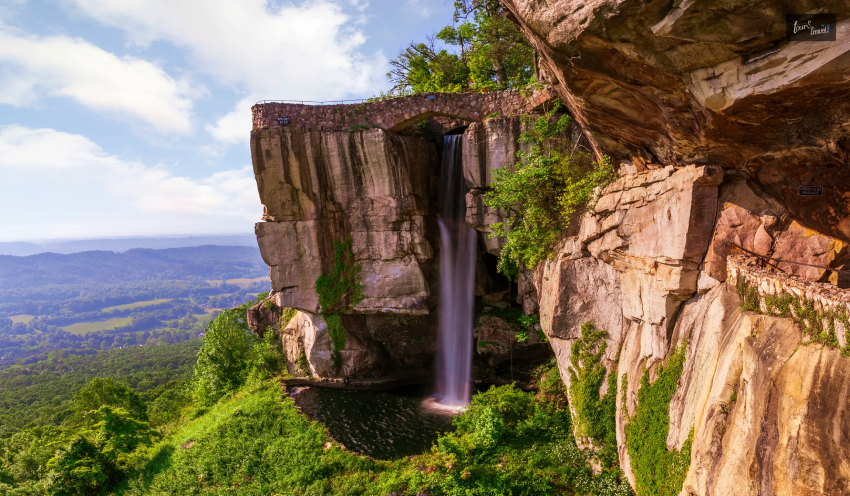
There are three scenic attractions this mountain ridge has to offer. There is the Ruby Falls, Rock City, and the Incline Railway. The Ruby Falls is the United States’ deepest and tallest underground waterfall standing at 260 feet. Rock City is where one can see seven states from the iconic Lover’s Leap. And when you hop on the Incline Railway, you will be witnessing the steepest passenger railway on Earth.

You need to spend a minimum of 4 hours at these mountains to gauge the highlights of the spot. Each of the three attractions has separate expenses, and the tickets are known to sell out fast.

Raccoon Mountain Caverns

Raccoon Mountain Caverns
wikimedia.org

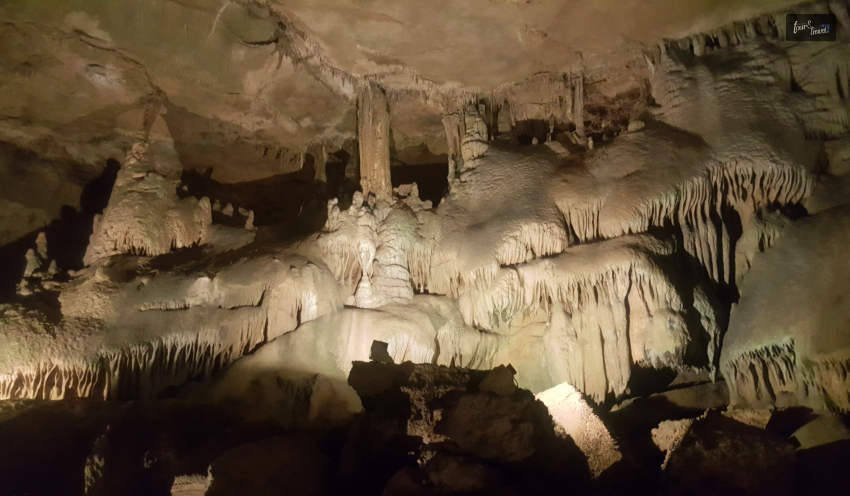
The Raccoon Mountain Caverns are located 1.3 miles off the I-24 at the Lookout Valley exit. It is less than 10 minutes from downtown Chattanooga. This mountain offers views of a cave in its natural state that has thousands of diverse rock formations. There are stalagmites, stalactites, flowstone, delicate soda straws, rimstone pools, columns, draperies, natural bridges, and a rare shield formation.

It also offers many wild cave “spelunking” expeditions for all those who want to go deeper into the caves and explore the mountain. An expedition to the waterfall dome allows visitors to get to the place with the view of the tallest underground, unassisted, naturally flowing waterfall.

Walnut Street Bridge

Walnut Street Bridge
pickyourtrail.com

This is one of the best examples of the Phoenix wrought-iron truss bridges dating back to the years between 1884 and 1923.

Tennessee Valley Railroad Museum

Tennessee Valley Railroad Museum
wp.com

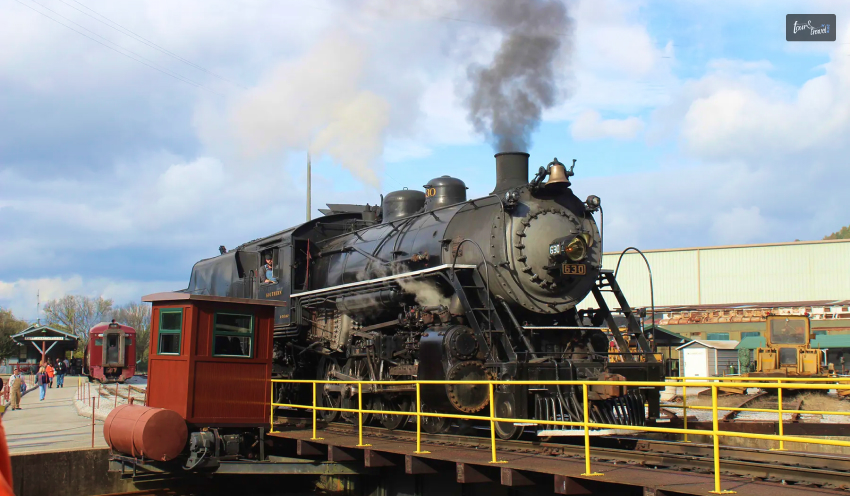
This nostalgic train trip will offer aesthetically restored vintage locomotives and passenger cars that encase the intricate craftsmanship of ages long gone. The ride will take you through the beautiful Tennessee countryside that has awe-inspiring views bound to make you reflect on the simpler times of the past. The museum’s exhibit has an impressive set of artifacts, old photographs, and other memorabilia that help bring the rich railroading history to life.

The staff here are highly knowledgeable and will eagerly share information on railroad history while being dressed in period attire. The experience will provide you with lots of fascinating insights whether you are a history buff or otherwise.

Ruby Falls

Ruby Falls
simpleviewinc.com

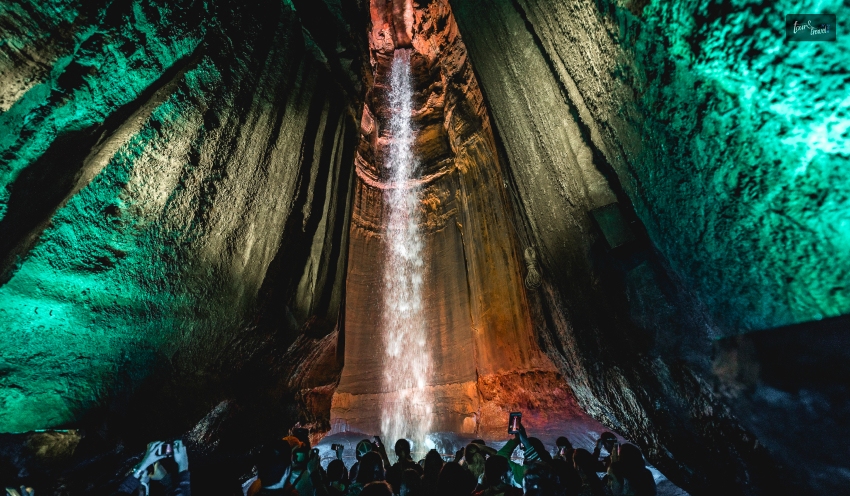
This one is the deepest and tallest underground waterfall that is open for public access in the States. There are guided tours such as the classic waterfall tour, the lantern tour, and the extended cavern experience tour. The tour will take you along its beautiful cavern trail to a gorgeous waterfall that is surrounded by old geological formations that took millenniums to form. There are also extensively picturesque views of the Cumberland Plateau, Tennessee Valley, and the Tennessee River from the top of the Lookout Mountain Tower. The tours fill up pretty quickly. You must purchase the tickets online in advance for increased availability.

Chattanooga Whiskey Experimental Distillery

Chattanooga Whiskey Experimental Distillery
chattanoogawhiskey.com

One of the other things to do in Chattanooga for adults is visit the whiskey distillery. This distillery is the first ever to craft whiskey in Chattanooga in over a hundred years. It boasts over 100 different barrels that mature in an aging cellar. Each visit to the distillery is an ode to the past, present, and future of hand-made bourbon. You can reserve a tour & tasting trip to check out their latest craft. This can also be one of the things to do in Chattanooga for couples.

You must be 21+ with a physical and valid ID.

Creative Discovery Museum

Creative Discovery Museum

This museum is a hands-on children’s museum at the very heart of downtown Chattanooga. It is known to inspire children of all ages to innovate, explore, play, and create. The exhibits are designed to entertain as well as educate children on exploring the world around them. They are pushed to become inquisitive about art, science, music, water exploration, and dinosaur digging.

It was rated number #7 by Trekaroo of the children’s museums in the U.S. in 2015.

Wrapping Up

Chattanooga sure has everything you could want for a short trip away from the hustle of the city. If you want to know about things to do in Chattanooga this weekend, we hope this article gave you a headstart.

If you have thoughts to share or questions to ask, please leave a comment below. We would love to hear from you!

Read Also:

Share on Social Media

Abdul Aziz Mondol is a professional blogger who is having a colossal interest in writing blogs and other jones of calligraphies. In terms of his professional commitments, he loves to share content related to business, finance, technology, and the gaming niche.

Leave a Reply

Your email address will not be published. Required fields are marked *

title-img Related

READ MORE most dangerous cities in california

Crime and Caution: Navigating the Dark Side of California’s Cities

BY  Abdul Aziz Dec 23, 2023

A tour of Los Angeles will include a walk through a large, palm tree-lined cemetery. Tributes to Hollywood's dark past can be found lurking among the city's soiled streets, well-kept lawns, and dusty canyons. These include long-abandoned mansions and the famous Hollywood sign. The City by the Bay, San Francisco, is a tourist haven. San Francisco attracts nearly 15 million tourists a year with attractions like Fisherman's Wharf, Alcatraz tours, the Golden Gate Bridge, and Haight Ashbury. But this new American city is not without its dark side. It has a history of kidnapping, fraud, terrorism, assassinations, and serial killings. Here is a short dissection of the most dangerous cities in California. We are also including a few of the most well-known crimes committed in various parts of the state. Most Dangerous Cities In California The list below comprises the incorporated municipalities of California with some of the highest crime rates. These cities have a population of 50,000 at best. Here are the most dangerous cities in California: Stockton San Bernardino Oakland Compton Richmond Lancaster Vallejo Modesto Victorville Huntington Park Criminal History Of California America is a land of dreams for the biggest chunk of the global population. California is a hub of technological and social zenith. No one expects it to hold out on dark secrets and scandals. According to the FBI, the most dangerous cities in California have a lot of twisted history. Here are some of them. The Assassinations of Harvey Milk and George Muscone, San Francisco City Hall The newly appointed class of city supervisors in 1978 was the most diverse in the history of San Francisco. Dan White, a staunch conservative and former police officer and firefighter, and Harvey Milk, the freshmen supervisor and gay activist, were the two men in this class. Even though Milk and White had different political and lifestyle philosophies, they developed a cordial working relationship. But this relationship quickly turned deadly and hostile. With ten extra bullets and a.38 caliber handgun, Dan White entered City Hall on November 27, 1978, intending to confront Mayor Muscone face-to-face. Muscone shot him after he once more rejected to be reinstated. When White realized how much Harvey Milk had contributed to the incident, he went to his office and brutally murdered Milk. On that day, Dan White admitted to the crimes. The strategy employed by White's defense team during the trial was nearly as well-known as the crimes done. The "Twinkie defense" contended that White's extreme sugar and carbohydrate intake before the crime caused his mental instability. The narrative concludes where it started: after receiving his sentence, White went back to San Francisco and committed suicide. The Kidnapping of Patty Hearst, Hibernia Bank The Symbionese Liberation Army (SLA) kidnapped 19-year-old Patty Hearst from her family's condo on February 4, 1974. Patty is the great-granddaughter of business tycoon George Hearst and the granddaughter of publishing mogul William Randolph Hearst. She and multiple other SLA members later pilfered a Hibernia Bank branch. Patty, brandishing an M-1 carbine, declared her membership in the SLA. A single innocent person lost their life, and the SLA fled with more than $10,000. Although Patty and her friends managed to get away, the FBI quickly found them. In 1976, Hearst went on trial. Attorneys for Patty contended that she developed Stockholm syndrome—a psychological reaction in which she started to feel sorry for her captors—out of fear for her life. Despite being found guilty, President Carter commuted her sentence in 1979. President Clinton fully pardoned Patty Hearst in 2001. Hearst continues to insist that she was brainwashed and that her crimes were those of a victim of the SLA's mental manipulation. Golden Dragon Massacre, Imperial Palace The Imperial Palace restaurant, formerly known as the Golden Dragon, is located in the center of San Francisco's Chinatown. One of the worst nights in San Francisco's history took place in this restaurant under this name. The organized crime networks that dominated Chinatown's underground market gave rise to two competing teenage gangs: the Wah Ching and the Joe Boys. The Golden Dragon presented the Joe Boys with a chance to assassinate the Wah Ching leaders. Eleven innocent people were hurt, and five innocent people died; neither gang member was hurt. The Washington Street restaurant is still marred by the aftermath of this tragic night. Three of the five Joe Boys members who were detained, found guilty, and sentenced to prison are still incarcerated. The Asian gang task force of the San Francisco police department was established because of the massacre. The Imperial Palace is still operational and offers delicious dim sum. USS Hornet A moored aircraft carrier at the Alameda Naval Base is among the world's most haunted ships—not a pirate ship sailing the high seas. Commencing in 1943, the eighth USS Hornet engaged in numerous combat missions throughout the Pacific. Over 300 people died on board during her 27 years of active duty, many of them from suicide. Although the ship is not in operation at the moment, both the crew and guests have paranormal stories about things moving, doors opening on their own, toilets flushing, and even spectral sailors prowling the decks. The Zodiac Killer The San Francisco area was the scene of one of the most well-known unsolved crimes in history. This crime scene single-handedly made every corner of the state dangerous. About 40 miles northeast of the city, on Lake Herman Road in Benicia, California, the infamous killing spree started. David Faraday and Betty Lou Jensen, two high school students, were discovered dead next to their parked car on December 20, 1968. No witnesses were present. Darlene Ferrin and Michael Mageau were shot dead by an unidentified assailant in Vallejo, California, on July 4, 1969. Mageau lived, but Ferrin perished from her wounds. From a pay phone, the gunman called the police, boasting about his crime with pride. Three local newspapers received letters in their offices on August 1, 1969. The Zodiac Killer would become well-known for his trademark symbol, which was signed by all of the letters, which came from the same source, and all claimed to be the murderer. The murderer insisted on having his letters made public. That year on September 27, two more people came under attack. Zodiac moved his murderous rampage from Napa into the City of San Francisco on October 11, 1969. And Zodiac pulled over his taxi driver at the Presidio Heights intersection of Cherry and Washington Streets. Zodiac eluded capture by the police even inside the city. Zodiac persisted in his letter-writing campaign to the San Francisco media for almost ten years. There were many boasts and threats in each letter, but not all of them came to pass. He said he had killed seventeen people in one of his final letters. This killer's identity is still a mystery, and the crime is still unsolved. Wrapping Up The Hollywood sign, which once read Hollywoodland, is where aspiring starlet Peg Entwistle leaped to her death in 1932. (It's said that her ghost roams the trails in nearby Griffith Park.) Los Angeles feels somber, maybe because so many people come here with high hopes, and the city is hesitant to welcome every new face. The brief career of Ms. Entwistle as a siren and her premature passing at the age of 24 serve as a symbol of the peculiar contrast of the city: it is dazzling yet sinister, alluring yet menacing. There's dirt and secrets in the graveyard just beneath the shiny surface. If you know where to look, you can see the duality of glitter in the dark everywhere in the city, from Compton to Hollywood. Thankfully, a whole industry of tourism deals in the gritty side of the city for those who are interested in noir. If you have thoughts to share or questions to ask about the most dangerous cities in California, please leave a comment below. We would love to hear from you!. Read Also: Heatwaves And Adventure: Traveling To The World’s Hottest Destination From Sunrise To Sunset: A Day’s Itinerary For Exploring Benidorm Hidden Gems: Unearthing The Best Things To Do In Nottingham

READ MORE Tucumán nature guide

Tucumán Nature Guide: Exploring The Yungas Rainforest And High Andes

BY  Sibashree Jan 14, 2026

You think of the nature resorts, the famous wine tours, hiking, and birdwatching when we talk about exploring Tucumán. However, Tucumán has recently also emerged as an astrotourism hotspot.  The Ampimpa Astronomical Observatory in the Calchaquí Valleys of Tucumán is at the epicenter of this happening astrotourism scenario.  Now, this is an added feather to the crown of Tucumán, the smallest province of Argentina. It offers a vertical journey from the jungle to the desert in 50 kms.  Also, the nickname of Tucumán is not just a fancy phrase. It means a biological reality and refers to the historical event of Argentina’s independence from Spain in 1816.  Furthermore, El Jardín de la República, or the Garden of the Republic moniker, goes well with its subtropical climate and the lush landscape.   You guessed it right, as today, this Tucumán nature guide will take you to the Yungas Rainforest and the highlands of the Andes. Also, if you are planning a road trip, you must go through our Tucuman Argentina, itinerary. The Yungas Rainforest (The Green Belt) The Yungas Rainforest is known as the Green Belt, as it is an ecodiverse region. Home to a diverse flora and fauna, the Yungas Rainforest hosts a variety of bromeliads, orchids, and ferns.  Furthermore, among the animals here, you will find tapirs, wild cats, and panthers. You will even spot species such as Yungas Guan while birdwatching in Yungas, Argentina.  Also, it is home to the Campo Los Alisos in Tucumán, which helps to preserve the threatened ecosystem of the Yungas Rainforest region.  Moreover, containing around 50% of the biodiversity of Argentina, parts of the Yungas Rainforest are also marked as UNESCO Biosphere Reserves.  1. Parque Sierra De San Javier View this post on Instagram A post shared by Parque Sierra de San Javier (@parquesierradesanjavierunt) Parque Sierra de San Javier, or the San Javier Mountain Range Park, was established in 1974, and now the National University of Tucumán (UNT) maintains it.  It is one of the top nature reserves in Tucumán, Argentina.  The home to various flora and fauna of Argentina, this park also functions as the green lung by cleaning the air, protecting the watersheds for the city, and regulating the climate.  This park, furthermore, has many beautiful trails. You can enjoy an easy 30-minute jungle walk through the Cascada del Río Noque trail. If you are seeking silence while hiking in San Javier, Tucumán, you can opt for the Sendero Anta Yacu trek.  It is around 25 km west of Tucumán. If you are a budget traveler like me, you can take the Bus No 340 to reach the park.  2. Reserva Experimental Horco Molle View this post on Instagram A post shared by Asociación de Prestadores de Turismo Activo de Tucumán (@aptattucuman) This small but compact nature park is ideal for families. It is home to the tapir and condor rescue projects. It covers 600 acres and is just 15 km from the capital.  Also, it has picnic areas, barbecue areas, and play areas for children.  3. Aconquija National Park: The Untouched Wilderness View this post on Instagram A post shared by Parque Nacional Aconquija (@parquenacionalaconquija) Aconquija National Park, with over 600 species of endemic animals and birds, is the jewel of North America.  Taruca deer, puma, and ocelot are some of the endemic animals living here. In addition, you will find several Incan ruins scattered through the park. The Incan Highway remains, and the “Ciudacita” ruins are part of the UNESCO World Sites.  The Campo de los Aliso near Alpachiri is the main Aconquija National Park entrance. Furthermore, Cochuna is the wilder southern entrance of the Aconquija National Park.  Furthermore, the Mythical Trek of La Ciudacita, the Inca Ruins at 4400 meters, is the main highlight of this national park.   The High Andes & Puna (Tafí del Valle & Beyond) The harsh, cold conditions and a rich wildlife with the presence of vicuñas, flamingos are the highlighting features of the High Andes and Puna, at an altitude of 3000 meters.  This region has critical water resources that support livelihoods such as alpaca and llama. Let’s find out about the major nature reserves of this region.  1. Quebrada De Los Sosa Nature Reserve Take a drive up through Route 307 to find the Quebrada De Los Sosa Nature Reserve, where the jungle meets the clouds.  It is a 30 km-long gorge carved by the Los Sosa River, and it is home to more than 100 bird species.  With a winding pathway, it is also home to the Tafí del Valle. 2. Los Núñorcos & Reserva La Angostura Los Núñorcos, or the Cerro Núñorco mountain and Parque provincial Los Ñuñorcos are the prominent locations for hiking in Tucuman, Argentina.  As you explore the challenging trails here, you will enjoy a beautiful view of the Dique la Angostura lake and the Tafí del Valle. Tafí del Valle also has the Bald Mountain, or the Cerro El Pelao. You can start the trek near the Tafí del Valle center. It is a 1.5-hour-long trek.    Wildlife Watching Calendar In Tucuman, Argentina  Tucuman in Argentina is ideal for wildlife sightings throughout the year. Tafí del Valle and areas around Route 307, especially the best areas for wildlife spotting in Tucumán.  Check out the wildlife watching calendar in Tucuman below. Year-Round Sightings• Mammals: Capybaras, Some Foxes, and South American Sea Lions• Birds: Doves, Hummingbirds, and Toucans Spring (September to November) • Birds: Doves and Hummingbirds • Flowers: Pink Trumpets and Jacaranda treesSummer (December to February) • Mammals: Elephant Seals and Sea Lions• Birds: Penguins in Patagonia and Burrowing ParrotsAutumn (March to May)• Mammals: The Red Deer Rut• Birds: PigeonsWinter (June to August) • Reptiles: Yellow Anacondas• Birds: Waterfowl  What Are The Expert Tips For Hiking In Tucumán?  An entry to the Aconquija National Park is free. However, do you know that you have to register at the ranger station at least 48 hours in advance? It is crucial for the safety of the hikers. For more such insider knowledge, these expert tips will be very handy. 1. Bus #118 Is Your Friend  You don’t have to hire a car to see the jungle and the nature reserves. You can take the 118 bus from San Miguel de Tucumán directly to the foot of the San Javier trails.  The ticket price is even less than $1.  2. Watch The Fog (Neblina) The Fin del Mundo" statue area on route 307 is often the zero-visibility zone. There is dense fog in this area even at around 4 PM. You have to drive the car carefully, and there must be low beams to defeat the fog.  3. Ticks Exist In The Yungas  The lush greenery of the Yungas is ideal for picnics and nature exploration. However, there are ticks. So, you must check your ankles after a hike or use a blanket.  4. Hire A Guide For "La Ciudadacita" Are you planning a 4-day trek to La Ciudacita or the Inca Ruins? You must have a guide because the high altitude path, at an elevation of over 4000 meters, is unmarked. You need technical assistance for the navigation. Moreover, you must contact the Asociación Argentina de Guías de Montaña to hire a guide.  5. The "El Indio" Stop You will find the best dried meat or Charqui at the vendor stalls at the El Indio monument on Route 307. These stalls also have the best local honey.  Stop by these stalls and have the dried meat and honey for a great start to your hike.  6. The Waterfalls In Tucuman Are Seasonal  No Instagram reel will tell you that the waterfalls in Tucuman are seasonal. March to May, or the end of the rainy season, is ideal for visiting these waterfalls.  7. Beware Of The "Mala Mala" Local folklore speaks of the "Mala Mala" spirit in the mountains. Whether you believe it or not, respecting silence in nature is a huge part of the local culture. 8. No Cell Signal Once you pass the "El Indio" monument or enter Aconquija Park, your cell signal dies. Download offline maps (Maps.me or Google Maps) before leaving the city. 9. Condors Fly At Noon If you want to spot Andean Condors, look up between 11 AM and 1 PM when the thermal currents are strongest. They rarely fly early in the morning. Tucumán Nature Guide: Listen To The Authority Voices  Asociación Argentina de Guías de Montaña (AAGM): The Aconquija range is "one of the most undervalued trekking destinations in Argentina," offering Himalayas-like isolation without the crowds. Birding Ecotours (Global Operator) Rio Los Sosa is a prime spot for seeing the "Torrent Duck" (Pato de Torrente), a bird that can swim upstream in raging rapids. La Ruta Natural (Argentine Tourism Ministry) "Ruta de las Yungas" is a key scenic drive, highlighting the importance of driving slowly to spot the crossing fauna like the Corzuela (small deer). Tucumán Nature Guide: Frequently Asked Questions (FAQs) Here are the frequently asked questions and answers about the Tucumán Nature Guide.  1. What Is The Best Time Of Year For Hiking In Tucumán? April to September, or the dry season, is ideal for hiking in Tucuman. The cool temperature is ideal for outdoor exploration. On the other hand, heavy summer rains make the trekking trails here dangerous and muddy.  2. Do I Need To Pay To Enter The Nature Reserves? The entry fee to the national parks depends on the specific administrative and management authority. For example, you don’t need to pay any entry fee for the Aconquija National Park. However, prior registration is crucial. Further, for Reserva Horco Molle, you will have to pay an entry fee of $2.  3. Is It Safe To Hike Alone? Yes, it is safe to hike alone on the well-marked trails of Tucuman, such as the Rio Noque or Funicular. However, if you are going to high-altitude summits or jungle treks, you will need a guide. It is more crucial because of the presence of the fog and the absence of signage.  4. Are There Snakes In The Yungas? Yes, the Yungas have pit vipers or Yarará. So, you wear long trousers and watch your steps. Furthermore, you must follow the trail marks properly to not disturb the habitats of the snakes or other wildlife.  5. How Do I Get To Aconquija National Park Without A car? It is difficult to reach the Aconquija National Park without a car. You have to first take a bus to Concepción and then a local bus to Alpachiri. From Alpachiri, it is another 10 km taxi ride to the park entrance.  6. Can I Camp In The Reserves Of Tucuman? Yes, Aconquija National Park has designated wild camping zones (like Puesto La Mesada). However, Sierra de San Javier does not allow camping. So, it is for day use only. 7. What Is The "Yungas"? The Yungas, or a cloud forest in Tucuman, Argentina, is a mountain rainforest. It functions as a connector between the Andes and the Amazon.It has ferns, moss, and high humidity.  8. Can I See Toucans In Tucuman? Yes, you can see toucans in Tucumán. In recent years, toucans have made a comeback in this region.You can spot them in the trees around San Javier and Horco Molle. 9. What Is Hiking Altitude In Tucuman?  Hiking in Tucumán covers a wide altitude range, from the lows of San Javier (around 600 to 1200 meters) to the moderate Tafí del Valle (2000m). Furthermore, the Aconquija high summits reach more than 5000 meters. 10. Is The Water In The Streams Safe To Drink In Tucuman? No, the water in the Tucuman streams is not drinkable even with a clear view. Cattle graze in the higher areas and thus make the water unsuitable for drinking. So, you have to use purification tablets or a filter for purified drinking water. 

READ MORE

Joy Cho Death At Grand Teton National Park: How To Remain Safe While Hiking In This Beautiful Yet Dangerous Land

BY  Sibashree Sep 5, 2024

August 12, 2023, and the news of Joy Cho death at Grand Teton National Park was the most shocking thing one could hear. It was hard to believe how the most pristine national park with scenic vistas and rich wildlife could be the last resting ground for a woman. Nevertheless, on 12th August, the mountains, which stand for human connections, saw the fall of human life.   The death of Joy Cho at the Grand Teton National Park has once again proved why hiking in this national park needs to be a careful outdoor pursuit. It is “dangerous” to go for a solo hike in this national park. However, finding a hiking buddy is not always easy.   So, here, I will discuss the safety concerns at Grand Teton National Park and how you can overcome those. However, before that, let’s discuss a little more about Joy Cho Death at Grand Teton National Park.  Joy Cho Death At Grand Teton National Park: What Happened To The California Hiker?    Joy Cho, 47, lost her life at the Grand Teton National Park in the Death Grand Teton National Park where she was hiking with seven other group members. A deeply spiritual soul, she was also very much drawn to nature.   According to reports, the rangers found that she “had succumbed to significant injuries during the fall and was pronounced dead at the scene,” and her body was turned over to the coroner’s office, according to the release.” Tim Hopkins, one of Cho’s friends, further mentioned that the malfunctioning of her ledger caused the fall of Joy Cho.   Joy Cho was on her attempt to climb Teewinot, a part of the Teton Range, and the elevation reached here was around 12,325 feet above sea level. After her death, many people have started talking about the steep and exposed sections while hiking to Teewinot.   So, are there really some serious safety concerns while hiking in Grand Teton National Park? It’s time to know the concerns and safety measures to avoid accidents and unfortunate incidents.   What Are The Safety Concerns At Grand Teton National Park?   Joy Cho death at Grand Teton National Park has made us examine safety concerns. From altitude sickness to unpredictable wildlife, many elements in the park need your attention. You  must be respectful, and your gear, shoes, and clothes should be on point. Even if you cross a stream with ankle-deep water, you must not be complacent or careless about protection.   Having said that, here are the major safety concerns at Teton National Park.  Altitude Sickness  With the highest altitude reaching 4199 m, you can experience altitude sickness in Grand Teton National Park. Muscle pain, lack of appetite, fatigue, and headaches are common symptoms of altitude sickness.   Weather Conditions  Teton National Park is home to Mount Moran, Buck Mountain, Grand Teton, Middle Teton, South Teton, and many other mountains that reach a height of more than 3000 m. Rainfall and snowfall are common at such high altitudes, causing the blockage of the hiking trails and hypothermia.   However, the Grand Teton also receives moderate rainfall and snowfall every year. Hiking there can also be a challenge. Further, Lightning and mid-afternoon storms in summer are other weather challenges in this park.   So, if you are hiking in the park in the summer, try hitting the high Alpine terrains. Thus, by the late afternoon, you are already back into lower altitudes.   April to June have moderate days and cold nights filled with snowfall and rain. Snowfalls and rain are also frequent at night from September to November. In addition, you will encounter the coolest nights between December to April.   Moreover, July and August are the most tumultuous in the national park due to thunderstorms in the afternoon. Have a clear idea about the weather conditions if you do not want something like Joy Cho death at Grand Teton National Park to happen.   Wildlife   Wildlife at Grand Teton National Park is extensive. However, grizzly bears and mountain lions (not always seen) are the biggest challenges for hikers and trekkers. Moose and elk are other animals that you will find in this national park. The park also has wolves, and they are not the friendliest of animals you will come across.   Looking for fresh feces, signs, and fresh tracks is the only way to know if an animal is around.   Moreover, you can occasionally find rattlesnakes in the Grand Teton National Park, especially near Montana and Gardiner. Ticks, spiders, and mosquitoes are the insects you will encounter the most here. So, don’t forget to carry repellent creams and other measures as instructed by your trekking guide.   Terrain   The habitats of Teton National Park are the most versatile. However, for a hiker, the change of habitats every 4-5 miles is a major problem. Suppose you just passed a rock wall going up vertically, and the next moment, you are at a cliff that drops dramatically.   Even the woods in the park are quite tricky to walk through. The trails are filled with small and gigantic trees. You can easily cross the smaller trees. However, a hiker can easily get hurt when they have to jump over a huge trunk or climb a tree.  Further, boulder fields in the park do not look like a threat usually. However, accidents and injuries can happen at the most unexpected times. The boulders can roll down, block tracks, and cause casualties. So, always be aware of your ability and skill before you attempt hiking the 250 miles of trails the park has to offer.   Moreover, the talus slopes and the snow-clad mountains are perilous if you are not prepared with your gear. These areas have high sliding risks and the chances of false stepping. The smartest way here is to look for a level ground trail that takes you to the accessible parts of the park.  How To Remain Safe At Grand Teton National Park?  The National Park Service has detailed guidelines to ensure safety in the Grand Teton National Park. Before you start exploring this park, you must get all the instructions right at a visitor center. In addition, you can ask questions to get clarification from the rangers before you access various parts of the park.  The table below shows how you need to maintain safety during various outdoor activities or just while exploring the national park.  Concerns How To Remain Safe Climbing Mountains and Hiking Solo hiking is risky in Grand Teton National Park.  Further, you must hike on the established trails. Otherwise, you may have to face soil erosion.  Be particular about your hiking boots, axes, crampons, and other accessories.   Learn about route conditions and weather from a climbing ranger at the Jenny Lake Ranger Station.  Backcountry Safety Maintain good physical endurance. Be sure to use proper equipment and gear.  Prevention Of Human-Caused Fire  Fireworks and pyrotechnic devices are not allowed in the park.  You must be responsible for properly extinguishing and disposing of your cigarettes or pipes.  In addition, you are only allowed to light a campfire at a designated site. You must tend to the fire and make sure that it is extinguished as you leave.  Bacteria And Other Microorganism Transmission You must boil water collected from a stream or lake for at least 3-5 minutes, or you can use treatment tablets to avoid transmission of microorganisms.   Campylobacter and Giardia are common bacteria found in untreated water in the park.  Hantavirus Pulmonary Syndrome (Lesser Risks) Stay away from deer mice and their feces.  Driving Wear seatbelt.  Understand road conditions.  Be watchful of animals.   Maintain the speed limit of 45 mph on the highway at night and other speed limits throughout the day.  Exploring Wildlife Maintain a minimum of 300 feet distance from wolves and bears.   Further, the distance between you and any wild animal should be at least 75 feet.  Also, you must not try to feed any wild animal.  Moreover, make sure that you are not in between the mother and her cubs.  Boating You must wear a life jacket all the time.  Further, check out the bulletin boards before you start boating for the day.  You must carry a patch kit, air pump, and bucket for bailing if you are riding in an inflatable boat.   Moreover, boaters in the Snake River must be extra careful.  Biking You must not bike on trails. Roadways and pathways are suitable for biking.  In a single file, stick to the right side of the road.  Further, wear helmets and communicate with other drivers through hand gestures.  Lightning  Avoid exploring the park during afternoon storms in the summer.  Further, try to reach the shore quickly when it starts raining, or the wind is rough.  Also, know the basics of the National Oceanic and Atmospheric Administration (NOAA) guidelines.   In addition, the National Park Service has a separate guideline regarding bear safety. The first step begins with the identification of the beer. Also, if you notice a beer at any site in the national park, you must immediately inform the ranger station or the visitor center.   Final Words   We surely don’t want something similar to the Joy Cho death at Grand Teton National Park to repeat. Along with being respectful to your wildlife and following the safety guidelines, you will also have to be smart enough to know your boundaries. The tempting landscape of the park and the magnificent Grand Teton Mountain will inspire you. However, you must check your experience and expertise first.  Climbing high and steep terrains needs skills such as route-finding and rock climbing, along with excellent physical and mental endurance. Again, acclimatization and finding a knowledgeable trekking partner (for beginners) are crucial.  So, follow the safety guidelines and enjoy a delightful tour of the national park. Don’t forget to carry the trekking poles or walking sticks, by the way!   Also read Top 10 Most Popular Paraguay Food That You Must Try. Where To Stay Near Lassen Volcanic National Park? – Explore The Best Options.