


Some Of The Best Things To Do In Navarre Beach, Florida

Nov 1, 2021

Last Updated on: Nov 14, 2025

Travel Blog

What’s better than rekindling the best essence of summer with a beach vacation

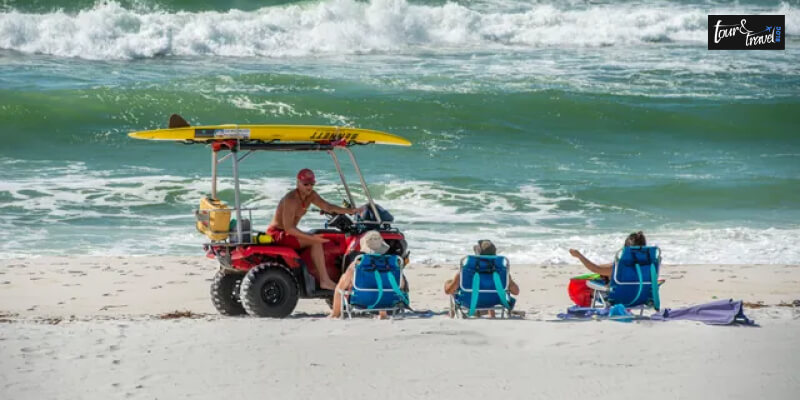
The sand, the sun, and the waves caressing our ankles; all paint this idyllic picture that makes our minds tranquil immediately. 

If you are feeling the monotonous blues of the mountain or the city life, this might be the time to switch places. Maybe taste the salt in the air a little. The USA coast is filled with beautiful beaches, key largo resorts, picturesque sceneries, and all the blue aesthetic you can ask for.

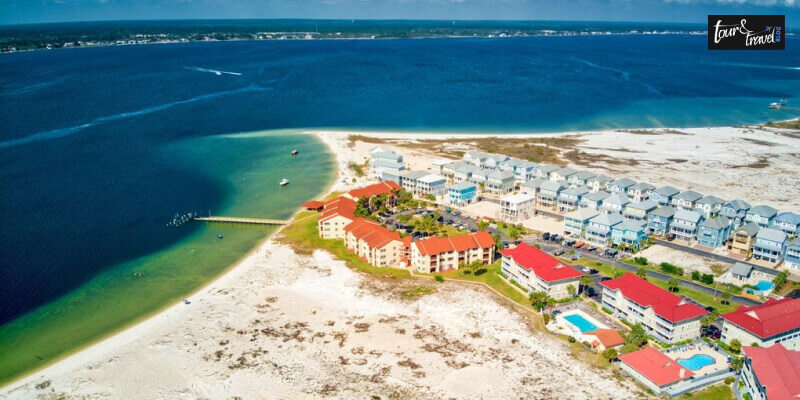
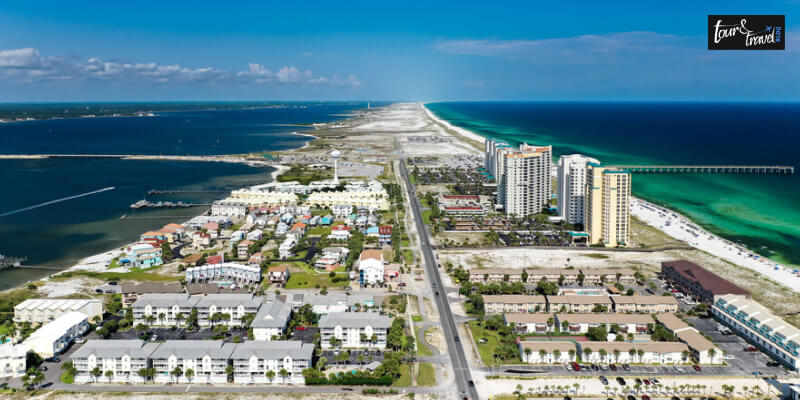
Now, after following all the Covid guidelines if you find yourself in the coast of Florida, especially the gorgeous Navarre beach. Or, even if you are planning your next vacation there, then you have reached the right place. 

In this excerpt below I will be pointing out things to do in Navarre beach that will make your stay quite the adventure.

Fun Things To Do In Navarre Beach

Fun Things To Do In Navarre Beach

From blackwater to Zip lining; Navarre has it all covered. Here are the first ten things to answer: What Does Navarre Beach have to offer? 

Fly The Boat 

In this Navare beach marine sanctuary you can let your sporty side go wild. Away from the tranquility of the beach, we all need a little adrenaline rush from time to time. 

If snorkeling, diving and exploring underwater reefs falls under your beach bucket list then this is the perfect place for you. They are situated a little off shore, the main Navarre beach one in the Gulf Of Mexico and the other in Santa Rosa Sound. 

The marine ecosystem is one of the most phenomenal works of mother nature and since at Navarre it is so easily accessible, you can experience it with very little effort. 

One of the major attractions of this place is the Marine sanctuary is the flying boat! Now you have to go there to understand this phenomenon in all its true sense. 

You can also try solo travel.

Is The Water Clean In Navarre Beach?

Is The Water Clean In Navarre Beach

According to the Florida Health Department. The Navarre Beach has clean and good quality water. 

Watersport For The Family 

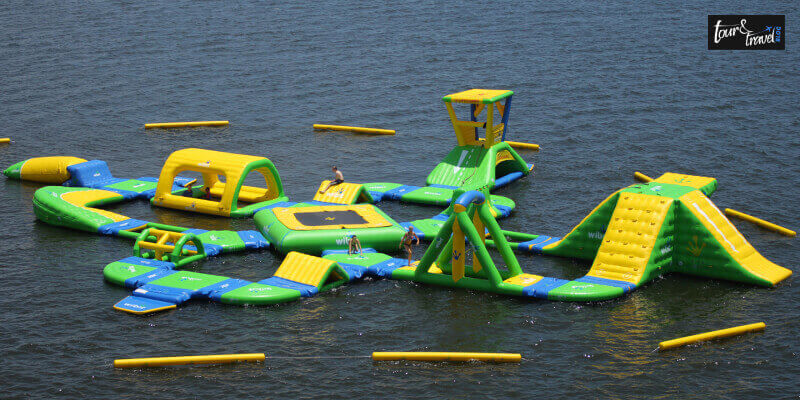
Not all vacations are with your friends or solo, Navarre beach is also an excellent family destination with attractions for the entire lot. You want to have a lazy day at the beach and think about things to do in Navarre beach with your family. 

Then Navarre Family Water Sport & Mini Golf is the place for you. 

There are children friendly watersports which will entertain them for hours and mini golfing which will give you the peaceful beachy ambience to enjoy. 

Is Navarre Beach Safe To Swim? 

Is Navarre Beach Safe To Swim 

Considering all the water activities for both adults and kids you can plan in Navarre beach, it is safe. It has also been credited by the FDOH that it is safe in absolution. 

Escape Adventure 

Who said beaches are only meant for water activities and tanning in the sun? If you are done with all those, it might get a little monotonous eventually. That’s why you need an ‘escape’ 

No, I mean literally! 

Find yourself in the Escape zone 60 at Navarre for a fun time with your friends and family. It is a 60 minutes escape from the room with exciting puzzles and with the two games of Escape Mars and The Houdini Escape. 

This indoor-outdoor activity will be the best for ending things to do in navarre beach the day perfectly. 60 minutes doesn’t mean you will have to leave after that. You can spend hours in the escape rooms and let me tell you, 

You will not feel like leaving! 

Can You Do a Bonfire On Navarre Beach? 

Can You Do a Bonfire On Navarre Beach 

No, you cannot set a camp directly on the beach but at the same time you can visit some of the phenomenal campsites that will give you the beachy camp experience nevertheless. 

A Beer To End

At the day’s end we all want something that will be the cherry on top for an exciting day at the beach. What could be better than some craft beer at Navarre’s craft beer brewery company St. Michael’s. 

After a day of tiresome water activity, you finally found your solace in the embrace of the heavenly beer. The beers offered by this brewery are renowned and loved by both the local folks and the travelers

Apart from that, it has a great ambience to blow some steam. 

Fulfill Your Taste Buds 

We have talked about adventures both indoors and outdoors. We have also talked about a little craft beer at the end of the day, but how do we sustain ourselves and get the energy for so many activities?

That’s why next on our list of things to do in Navarre we are bringing you the delicious treats of sushi and other mouth watering seafood. 

If you are craving for a twist in your regular sushi, you can easily get it in your home city as well; then I would suggest getting into the foodie spirit and visiting Slippery Mermaid Sushi Bar. 

They serve some of the most mouth watering and creative sushi dishes known in the area. However, it is not just sushi since your sea food cravings will also be fulfilled in this place with its delicacies. 

Where Can I Snorkel In Navarre Beach?

Where Can I Snorkel In Navarre Beach

In Navarre beach you can snorkel in any of the marine beaches that have been mentioned above. Along with that, you can also enjoy other activities. 

Is Navarre Beach Better Than Destin? 

Is Navarre Beach Better Than Destin 

Destin is a beach not far from the Navarre coast. Very honestly you cannot really pick the best among these two. Although they both have beaches, both of them have such unique and individual things to offer you should visit both these destinations. 

Experience Like A Local 

Tired of the beaches? Or, the bust hustles of the city?

Here is how you can experience the best not looking like a tourist. The Navarre Farmer’s market is the perfect spot for you to experience a lazy day. 

Walking through the farmers market, interacting with the locals [if your extrovert heart allows it]. You can also collect some local products like homemade butter, jam, cake and other goods that you can carry as a souvenir when you go home. 

Away from the city, this small down delight will retch you the meaning of simple living again. 

What Is The Hottest Month In Navarre Florida? 

What Is The Hottest Month In Navarre Florida

The hottest month in Florida is June. 

Gifts & More 

The ending of a trip is such a bittersweet experience. We are homesick but at the same time we are sad about leaving the adventure behind. However, there is another fun activity we can add among the things to do in Navarre beach; buying gifts and souvenirs to take home. 

Your next place should be Salt Water Cottage. 

An original vintage cottage with an aesthetic store offering you books, jewellery, home decors, and even food so that you don’t get hungry through all the shopping spree. 

Everyone there is welcoming and amiable. All in all giving a very friendly and jolly experience. 

Just The Beach And You 

If day one is all about the adventure, day two should be about exploring the beach in its raw sense. 

Just the waves and you! 

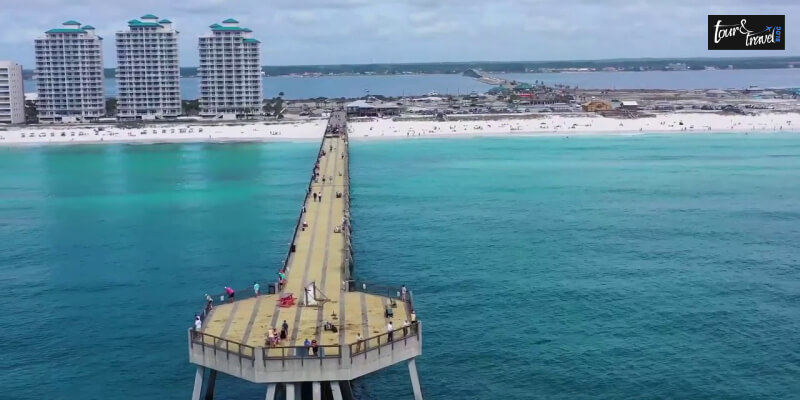
Navarre Fishing Pier is your next destination if you have explored all the adventurous sides of the beach and you just want a day with just the beach. 

You can simply take the walk down the Pier or go for some fishing trip with your family or alone. It is one of the longest piers in Florida so you will be walking down a heritage of Florida. 

This is also one of the best things to do in Navarre beach because of all the turtles, rays and dolphins you will get to see. 

Does Navarre Beach Have A Boardwalk? 

Does Navarre Beach Have A Boardwalk 

Yes, according to the Santa Rosa County official, Navarre has two boardwalks and also a dock. 

Dance Among the Butterflies 

Beaches are not just about the blue of nature’s beauty. Navarre also offers multicolor beauty. 

This is the perfect way to close the trip by visiting the Panhandle Butterfly House and bath among the idyllic flowers, plants and butterflies. 

Visit The Sea Turtles

The Sea Turtle Conservation Center is just a perfect place to be if you love the little sea beauties! It is a rehabilitation center for turtles where they preserve them as well as rescue the ones who might stand a chance of getting engulfed by the sea.

You can totally handle them, especially when there is a unique sea turtle habitat on the Navarre beach. Check them out in the nesting season!

Fishing

You are on a beach, don’t tell me you won’t fish? Or are you some kind of fish lover? Huh, bad joke. There is a record held for the fishing pier in Navarre as it is 1545 feet long, longest in the state.

Just carry a fishing pole and dangle your feet above 30 feet of water and catch some fish people!

Kayaking

Can be considered an adventure sport, Kayaking is cool only when you try to be safe. There are guided trips where the ecotours are organized through the website.

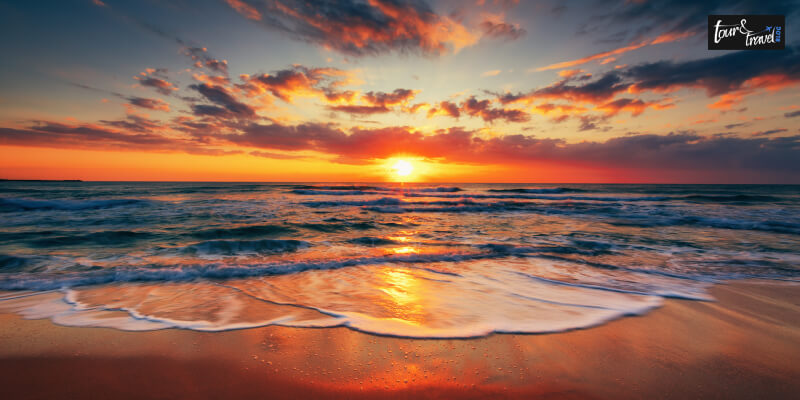
The swimming emerald waters of Navarre Beach look even better if you are kayaking! You can take rentals of the kayaks for both sunrise and sunset tours.

To Conclude 

If you are cruising around the beaches of Florida and don’t know and are trying to find things to do in Navarre beach, this will be the ultimate travel guide for you.

With this, you are not restricting yourself to the beach and blue waters but everything Navarre beach has to offer.

Read More:

Share on Social Media

Abdul Aziz Mondol is a professional blogger who is having a colossal interest in writing blogs and other jones of calligraphies. In terms of his professional commitments, he loves to share content related to business, finance, technology, and the gaming niche.

3 responses to “Some Of The Best Things To Do In Navarre Beach, Florida”

Leave a Reply

Your email address will not be published. Required fields are marked *

title-img Related

READ MORE

Exploring the Geothermal Wonders of Lassen Volcanic National Park

BY  Sibashree Aug 20, 2024

Lassen Volcanic National Park gets its name from the Lassen Peak, an active volcano in the southernmost Cascade Range. Even today, the Lassen Peak has hot springs and you will find fumaroles coming out of the peak’s mouth. These are also signs of volcanic activities in the volcanic mountains. Further, this national park houses all four types of volcanoes: plug domes, cinder cones, composites, and shields. These volcanoes make this national park a chosen destination for geologists and volcano enthusiasts. The presence of these volcanoes has also added unique hydrothermal features to this park. You will find vibrant hot springs, steam vents making hissing sounds, and mud pots with bubbling water here.  Here, I present a brief overview of the geothermal wonders of the park. I will also talk about the park’s camping provisions.  Geothermal Areas In Lassen Volcanic National Park The Lassen Volcanic National Park had 418,978 visitors in 2023, and we can say that its hydrothermal features are a major factor in crowd-pulling here. Snow falling on the park highlands and rainwater keep feeding the geothermal systems. Under the Lassen Peak, there is a molten or hot rock body. This hot rock body makes the water warm once it reaches underground. When the water becomes hot, you see the water boiling in the geothermal pools and mud pots. As the temperature of the water rises, it gets transformed into fumaroles. Fumaroles exude from various cracks in the earth. In Lassen Volcanic National Park, you will observe fumaroles at Sulphur Works, Devils Kitchen, and Bumpass Hell.  Little Hot Springs Valley You can have a look at the Little Hot Springs Valley from Lassen Peak (the largest plug demo volcano in the world) and other mountains lining it.   Further, various seasonal creeks drain into this valley, feeding the geothermal water. If you overlook the valley from the mountain peaks in the summer, you will see many wildflowers smiling. In particular, grass and the wildflower vegetation across the East Sulphur Creek edge is quite dense, thanks to various hypothermal activities. You can also look at the Little Hot Springs Valley from a pullout, just one mile away on the south. The view from this pullout is scenic, with lush green slopes before your eyes. If you look at the slopes with binoculars, you will find black bears roaming around.  Bumpass Hell https://www.youtube.com/watch?v=7OE_c2SzWNw As you walk 7 miles from the southwest entrance of the park, you will find a parking area on the park highway. Here, you will find the trail to Bumpass Hell. With a 3-mile hiking trail(round trip), Bumpass Hell is the largest geothermal area in the park. You can only hike the Bumpass Hell trail in autumn and summer. It remains closed during spring and winter. The temperature of the geothermal water in the Bumpass Hell area can reach up to 322 degrees.  The elevation of this trail is 8,000 feet. However, because of its moderate difficulty level, you will find many visitors here on weekends. The water in this hydrothermal area is emerald green or blue in color. Further, the minerals in the water stain the rocks and soil in yellow and orange shades.  Sulphur Works It can’t get easier than hiking to Sulphur Works if you want to explore the geothermal wonders of Lassen Volcanic National Park. Here, you can see how volcanic activities have created the most interesting geology with shifting new and ancient grounds.  The landscape here experiences regular updates because of geothermal activities and natural activities like erosion. Also, thanks to the volcanic activities, you will encounter colorful rocks, steam vents, and the most pungent sulphuric smell here. Sulphur Works is important in the Lassen Volcanic National Park history, and it was earlier known as Supan's Sulphur Works. Mathias B. Supan, a pioneer of the American West, used to extract minerals from the ground here in the mid-19th century.  https://www.youtube.com/watch?v=sTvAs6VPfIE The hydrothermal area of Sulphur Works is interesting as it is located at the center of a wide basin. Brokeoff Mountain, Mount Conard, Pilot Pinnacle, and Mount Diller surround this basin. According to geologists, these mountains are eroded formations or remains of Mount Tehama or Brokeoff Volcano. Boiling Springs Lake A trail starting from the Warner Valley trailhead will take you to the Boiling Springs Lake, filled with hot and bubbling water. The temperature of the water in this lake is 125 degrees.  You will also find steam vents and mud pots on the shore. The mud pots on the southeastern shore of the lake demand a special mention.  As you continue on the Boiling Springs Lake trail, you will see colorful wildflowers. The vegetation of Douglas-fir, sugar pine, incense-cedar, white pine, and ponderosa pine will soothe your eyes here. This trail is also a birder’s paradise and one of the best places in the park to observe birds.  Devils Kitchen https://www.youtube.com/watch?v=3Pah0QzBkN0 This hike, starting from the Warner Valley Trailhead, is moderate, and it will take you to an area filled with boiling pools, mud pots, and steam vents. You can call Devils Kitchen a  Cauldron. The piled-up cracked red and yellow stones here give this place a colorful appearance. These colorful stones show deposits of various minerals found in volcanic eruptions. The Cauldron will keep making hissing, belching, and plopping sounds, and the unique odor filling the air creates the perfect ambiance of a natural kitchen. Something is definitely cooking in this kitchen!  Terminal Geyser Start hiking from the Warner Valley Trailhead to reach Terminal Geyser. It is a steam vent showcasing the active volcanic activities in the park.  Unlike a geyser, it does not erupt hot water periodically, and it’s actually a fumarole. Even if you can’t see the steam, you will smell a sulfuric odor, and there will be a billowing cloud.  Cold Boiling Lake You can start trekking from Kings Creek Picnic Area to reach the Cold Boiling Lake. The road to the Cold Boiling Lake is almost flat, and the landscape has further descent to the Crumbaugh Lake.  You can see some small gas bubbles near the shore of the Cold Boiling Lake. So, it is known as a dying geothermal wonder of the park.  The Cold Boiling Lake and its shores look the best if you pay a visit in the morning after a night of snowfall.  Pilot Pinnacle Pilot Pinnacle is a remains of volcanic composites. You will find it along the ridges of Mt. Diller and Brokeoff Mountain. You can look at this area filled with mud pots, pools, and steam vents from Park Road.  Lassen Volcanic National Park Camping Lassen Volcanic National Park has seven campgrounds. However, only four campgrounds are available this year. The Dixie Fire 2021 recovery process will keep the three other campgrounds closed in 2024.  The campgrounds open this year are Butte Lake, Summit Lake, Southwest Campground (Southwest Parking), and Manzanita Lake.  Closed campgrounds are Juniper Lake, Warner Valley, and Southwest Campground (Walk-in campground).  Most campsites in the park are available at this national park on a reservation basis. You can make the reservation between June and September. You can make your reservation at recreation or call the park authority at 1-877-444-6777.  Final Words  The Lassen Volcanic National Park is a hub of scenic beauty, active volcanoes, and various geothermal features. Active volcanism and weather forces, like rain and erosion, have given this park a rich geological landscape that goes back thousands of years. With the magnificent Lassen Peak towering over the park, the hydrothermal areas are surrounded by forests and green meadows. So, various species of animals, birds, and insects reside around these geothermal areas.  So, if you are a volcano enthusiast, a wildlife lover, or a hiker, pack your bags, plan a trip to this national park, and share your experience once you come back.  Lassen Volcanic National Park FAQs  What Lives In Lassen Volcanic National Park? Home to around “300 species of vertebrates,” Lassen Volcanic National Park has many mammals, birds, amphibians, reptiles and fish. The park has three ecological zones where you can encounter rich wildlife.  Mammals: Black bear, Sierra Nevada red fox, mountain lion, America pika, snowshoe hare, Douglas’s squirrel, mule deer Birds: Steller's Jay, Clark's nutcracker, Anna’s hummingbird, woodpeckers, round-legged hawks, etc.  Amphibians: Pacific tree frog, long-toed salamander, western toad Reptiles: Sagebrush lizards, northern lizards, alligator lizards, western terrestrial garter snake, rubber boa, Northern Pacific rattlesnake, etc.  Fish: Rainbow trout, Lahontan Redside, speckled dace, etc. Along with these animals, you will also find the most beautiful  California Tortoiseshell butterflies, spiders, and other insects in the park. The total number of invertebrate species living here is 350.  What Is The Closest Town To The Lassen Volcanic National Park? Chester is the closest town to the Lassen Volcanic National Park. You can take a 40-minute drive from the southwest entrance of the park. You can relax at the eateries at Chester, and you will find some decent lodging options here.  Who Died In Lassen Volcanic National Park?  Tommy Botell, a 9-year-old boy, died in an accident in the Lassen Volcanic National Park on 18th March 2010. His elder sister, Katrina, a 13-year-old girl, was severely injured in the same accident.  The mishap took place at the Lassen Peak Trail.  Also read Why Include Whale Watching In Your LA Itinerary. Traveling On A Budget: Tips For Affordable Adventures. Be Soothed And Meet History At Hot Springs National Park.

READ MORE

Discover Joshua Tree National Park: Unique Fun Facts Revealed

BY  Sibashree Oct 28, 2024

With mountains, faults, monoliths, deserts, and unique geological formations, Joshua Tree National Park has emerged as an important ecological hub of California. Further, as the name goes, the park has the most amazing Joshua Tree, a Yucca palm species that became famous with the Joshua Tree album by U2.  Spanning 800,000 acres and situated at 5000 feet above sea level, this national park is like a natural tapestry. Further, 85% of this national park is still pristine wilderness. So, there is no wonder that a place like this harbors the best secrets and fun facts that are yet to be explored.  Here, I will share some amazing info about the park’s history, fossils, cryptobiotic crusts, and more. Joshua Tree National Park is about to complete 30 years of its designation as a national park on 31st October 2024. President Franklin Delano Roosevelt designated it as a national monument in 1936. Things No One Talks About Joshua Tree National Park  The basics are boring! There is no fun in visiting a place that does not have stories to tell. However, this national park, designated in 1994, has mountains and ecological units that echo the tales of history, changes, and humanity.  Let’s get into the stories, but before that, let me give you a brief account about when and how to visit the park. September to November is the best time to explore the park due to pleasant weather conditions.  Further, the Annual Night Sky Festival occurs in the park in October. It’s a delightful experience for people of all age groups. Thomas Crochetiere writes many fascinating stories about Joshua Tree National Park in his “The History of Joshua Tree National Park: A historical, informational, and educational timeline of Joshua Tree National Park.” If you are interested in the park’s history, you can grab a Kindle edition of the book.  1. Fascinating Historical Tales About Joshua Tree National Park  Human history in Joshua Tree National Park is as old as 15000 years. Two archaeologists, William Campbell and Elizabeth Campbell, further discovered the existence of Pinto culture in this park. Pinto Culture In The Park  People belonging to this Pinto Culture used to stay in cool grassland environments here, and they were primarily hunters. Pinto culture in the national park was discovered by archaeologists thanks to the triangular-shaped spears, scraping and cutting tools, and seed-processing tools.  All the implements that established a Pinto connection to the place indicate that the Pinto people led a bohemian lifestyle. Along with hunting, they also practiced seasonal harvesting.  Native Americans Occupying Joshua Tree National Park  Europeans came to Joshua Tree National Park in the late 18th century. However, the park had three groups of Native Americans. They followed the Pinto culture, thriving locally in the park. These three tribes were: Cahuilla Serrano Chemehuevi The Chemehuevi tribe was the latest to occupy the national park, and they came to this park from the Great Basin of Nevada in 1500.  All these tribes adopted the tools of the Pinto people, and they improved and diversified them.  Cattlemen First Occupied The Joshua Tree National Park  Joshua Tree National Park has every element of a Western movie. The western side of the park had higher elevations during the 1870s. These areas also received a higher rainfall and had different species of native grasses.  As a result, many cattle owners used to flock to these parts of the park for cattle grazing.  William “Bill” McHaney was the earliest cattleman in this park. He was a legendary figure, and he took his Texas Longhorns to these higher valleys. He will be known for living in the national park and exploring the area for around 60 years. Further, his brother, Jim, built a gang to steal cattle from Mexico and Arizona.  Discovery Of Gold In Joshua Tree National Park  The 19th century was the biggest highlight in the Joshua Tree National Park. Miners flocked to this park in great numbers for the discovery of gold. Twentynine Palms was the first area to have mining expeditions in the park in the late 1860s.  The presence of water in the Oasis of Mara was the main reason behind extensive mining expeditions at Twentynine Palms. Gold was collected from dirt using dry washing. The process was fun, and it involved throwing dirt mixed with dust into the air. The dirt was caught as it came down in the air, and this process continued until the mix only had gold dust.  Desert Queen Mine was a more successful gold mining venture in the park. It was Frank L. James, an employee of the Lost Horse Mine, who discovered the vein of gold in the Northern Queen Valley. Unfortunately, he had to lose his life at the hands of  Charles Martin. Martin was a part of the notorious cattle-rustler gang of Jim McHaney. Jim McHaney was the brother of William “Bill” McHaney, a legendary figure in the park.  Joshua Tree National Park Had An Important Role To Play During World War I  The dry, desert climate of Joshua Tree National Park was beneficial for the war veterans suffering from the effects of the mustard gas. This gas was so lethal that it had to be banned after World War I. Did You Know?The Geneva Gas Protocol Treaty, signed in 1925 by most countries, banned the use of biological and chemical weapons in war.  Germans introduced mustard gas in 1917, and any contact with the gas used to cause skin burns, blisters, and respiratory problems. Patients hit by this gas needed to get hospitalized for the treatment of chemical burns and respiratory issues.  Moreover, the survivors of the mustard gas attacks had greater risks of developing cancer.  2. Fossils Of Joshua Tree National Park  https://www.instagram.com/p/ClHXsRDS2Xq/?img_index=1 The fossils in the Joshua Tree National Park tell us about the geological evolutions, extreme natural events, and biodiversity. So, what were the animals that roamed here when the earth was a cooler and greener space? Let’s have a look at the list below.  Columbian mammoths Dire wolves Camels Horses Llamas Giant ground sloths Saber-toothed cats  Bison American Pronghorn Did Dinosaurs Live At Joshua Tree National Park? Scientists believe that Joshua Tree National Park had dinosaurs. Some of the oldest rocks in the park are from the dinosaur era. However, being metamorphic and igneous, these rocks could not preserve the skeleton of the dinosaurs. So, there is no “black and white” evidence regarding the existence of dinosaurs in the park yet.  The oldest fossil found in the park is the tooth of a pocket gopher. It was found in a 7.8 million years old sediment. The park has many other microfossils that are even older.  Moreover, the midden of the pack rats has been a gold mine for finding plant and insect species. At least 12 species of plants were found in the midden, and the oldest was around 30,000 years old. In addition, the darkling beetle fossils in the midden come from various ages. The oldest dates back to  34,000 years ago, and the latest is as old as 1000 years old.  Above all, the human artifacts and bones collected in this midden speak of human history and the evolution of their lifestyle.  3. Cryptobiotic Crusts Of Joshua Tree National Park  What are cryptobiotic crusts? They are hidden biotic organisms present on the surface of the park soil. Blue-green algae or cyanobacteria are the leading cryptobiotic crusts at Joshua Tree National Park. The other forms of cryptobiotic crusts present in the park soil are: Mosses Lichens Microfungi Bacteria Green algae Now, these cryptobiotic crusts are important to bind the sand and soil particles of the park together. In other words, they prevent soil erosion caused by wind and water.    4. Spiritual Stories And Symbolism Around Joshua Tree National Park “The Joshua Tree” album by Irish band U2 brought the spiritual connection or symbolism around the Joshua trees in the park under the spotlight. The album explores the gap between the promised land and the real land of America. The desert also stood for the desolation of the soul, while the Joshua trees, surviving in extreme weather conditions, became the symbol of hope and prayer. However, you must go back around 180 years to trace how Joshua trees have always been associated with symbolism and Biblical stories. In the 1850s, the Mormon pioneers crossed the Mojave Desert and saw these trees.  The upraised branches of the trees reminded them of Joshua, who stretched his arms to the sky for prayer and led the “Israelites into the Promised Land.” So, this is how these Yucca Palm trees got their new name.  5. Joshua Tree National Park Is The Best For Stargazing  As International Dark Night Sky, Joshua Tree National Park is one of the best places in California for stargazing. The following parking lot areas are best for Joshua Tree National Park stargazing. Hidden Valley Ryan Mountain Quail Springs Cap Rock Along with these places, you can also choose Pinto Basin for an amazing stargazing experience.  How To Reach Joshua Tree National Park? Joshua Tree National Park has three entrances. The table below details these entrances and will help you pick the right one based on the location you are traveling from. Park Entrance GateLocation Ideal For Tourists FromWest EntranceAt Park Blvd Off Highway 62Los AngelesPalm SpringsSan DiegoNorth Entrance29 Palms, Off Highway 62Las VegasSouth EntranceCottonwood Spring, Off Highway 10Salton Sea area The West Entrance is the main entrance to Joshua Tree National Park. You must drive through California Highway 62 or Interstate 10 road to reach here.  Further, if you are traveling by air, you must reach Palm Springs Airport, and from there, you can rent a car. The Los Angeles International Airport is also 150 miles away from this park.   Also read Why Include Whale Watching In Your LA Itinerary. Traveling On A Budget: Tips For Affordable Adventures. From Cocktails To Kickflips: Must-Try Activities In San Diego.

READ MORE Cold-Weather Camping

Military-Style Winter Tents With Wood Stove: Dependable Comfort For Cold-Weather Camping

BY  Sibashree Nov 18, 2025

When temperatures drop and the snow keeps falling, a military-style winter tent with a wood stove becomes more than shelter—it’s the difference between enduring the cold and enjoying it.  Built for stability and warmth, these tents combine rugged fabrics, reinforced frames, and heat-safe stove jacks for reliable protection in harsh conditions. Today’s designs take that proven military strength and merge it with modern engineering.  An inflatable camping tent sets up fast without heavy poles, keeping your camp efficient and warm.  For longer expeditions, choosing the right winter tent ensures a safe balance between insulation and ventilation.  Moreover,  when your trip turns into true winter tent camping, a well-built hot tent lets you rest, dry gear, and cook inside while snow piles outside. Proper harsh cold-weather camping requires adequate gear. Thus, it is important to ensure that people do not suffer from a shivering cold. What Defines A True Military-Grade Hot Tent & How Does It Help In Cold-Weather Camping A military-grade hot tent is built to perform where the cold is relentless and the wind never stops.  Its strength begins with the fabric—dense, tear-resistant, and coated to block moisture while allowing controlled airflow.  Seams are double-stitched and heat-sealed to prevent leaks, and tension points are reinforced to hold shape under snow load.  Inside, an integrated stove jack made of fire-resistant material allows safe operation of a wood stove without damaging the canopy. Beyond materials, structure matters. The frame or inflatable skeleton must handle repeated freezing cycles without cracking or warping. Moreover,  the doors and vents are positioned for cross-ventilation to minimize condensation while maintaining interior warmth.  Moreover, this balance of durability, insulation, and controlled ventilation distinguishes an ordinary camping shelter from a genuine army tent with stove capability. The army tent is designed to keep crews safe and operational through winter extremes. 1. Stove Jack And Safety In Extreme Cold Start with fit and materials. The stove jack must be fire-resistant and matched to the pipe’s outside diameter so the collar seals without crushing the flue.  Add a heat shield or jack boot and use a short double-wall section near the exit to tame radiant heat.  Keep the chimney as straight and tall as practical, cap it with a spark arrestor, and confirm a steady draft before loading the firebox. Manage heat at the source. Set the stove on a fireproof mat, maintain clearances from walls and gear, and route guy lines where no one can bump hot pipe. Burn seasoned wood. Thus, wet or resinous fuel increases the risk of smoke, creosote, and CO. Vent with intent. Crack a low intake and a high exhaust vent to create cross-flow that controls condensation and carbon monoxide. Run a compact CO alarm. Operate with discipline. Gloves for pipe handling, daily ash removal, regular creosote checks, and no unattended flame. If no fire watch is planned, extinguish before sleep. 2. Why Inflatable Tents Fit Military-Style Needs Today Inflatable architecture replaces rigid poles with airbeams that keep even tension across the canopy, improving wind stability and snow-load handling. Setup is predictable: connect the pump, inflate to spec, and fine-tune guy lines without wrestling frozen joints or seized fittings.  With fewer metal bridges from inside to outside, an inflatable hot tent loses less heat to conduction and stays quieter in gusts. Cold-weather reliability improves, too. Multi-chamber designs add redundancy, and small punctures are field-repairable with a basic kit.  Curved geometry reduces flapping, helps shed spindrift, and preserves a clean stove clearance zone.  Packability is strong for the floor area—rolled beams ride securely on a sled or ATV, and the weight distribution is easier on long approaches. For teams that work in real winter, an inflatable winter tent delivers military-style discipline—fast deployment, controlled ventilation, and stable heat—without excess bulk.  RBM Outdoors focuses on this balance of durability and comfort, giving crews a 4-season shelter that performs when temperatures plunge. Thus, this acts as the ideal gear for cold-weather camping 3. Layout And Capacity For Winter Teams: Cold-Weather Camping Plan the space around heat and traffic. Start with a clear stove zone—an open buffer for safe clearances and wood handling—then set sleeping areas along the walls, keeping a center aisle free for movement.  Near-vertical walls and tall doors make cots practical; leave a small gap behind each cot for airflow and to keep fabric off hot gear.  Use a vestibule or annex for firewood, wet boots, and sled bags so the living space stays dry. For four people, aim for one dedicated drying line and a compact table; for six to eight, add a second line and a gear rack to keep gloves and layers rotating.  Suppose the tent has a divider, split “quiet sleep” and “task” sides to control light and noise.  Place a low intake vent opposite a high vent near the stove to move moisture out without dumping heat. 4. Set Up And Field Maintenance  Of Gear And Tents For Cold-Weather Camping Prep the site first: stamp a flat pad, face the door leeward, and mark a safe stove zone. Lay the footprint, clip or zip the floor, then inflate to spec using a gauge; set primary guy lines before tensioning secondaries.  In sugar snow, bury deadman anchors or use long snow stakes. Dry-fit the chimney, keep it as vertical as possible, add a spark arrestor, and place a fireproof mat under the stove. During use, clear spindrift from ridgelines, crack low and high vents, and re-tension lines after temperature drops.  Empty ash cold, check for creosote, and inspect the jack for heat glaze. Top up the airbeam pressure in deep cold and patch small punctures immediately.  For packout, cool, dry, vent, then roll toward open valves and lash low for transport. 5. Care And Storage Tips After The Trip Dry first, store second. After shutdown, crack the low and high vents to purge steam; brush off frost so meltwater doesn’t soak into the seams.  Let the liner reach room-dry before rolling. Empty ash cold, wipe the firebox, and knock creosote from pipe sections; a clean flue protects the jack and restores draft next trip. Inspect the jack panel for glazing or scorching, and replace it if it is fatigued. Protect fabrics and hardware. Rinse grit from zippers, treat sliders lightly, and check guy lines, stake loops, and tie-outs for fray.  Reproof high-wear zones if water no longer beads. For inflatable beams, equalize pressure at room temp, clear valves of ice, and store loosely—avoid long-term compression. Stash the tent in a cool, dry place off concrete, with a small desiccant pouch in the bag. Things To Remember About Cold-Weather Camping Tents  A military-style winter tent with a wood stove should deliver three things every time: safety, steady heat, and fast deployment.  Prioritize a fire-resistant jack, disciplined ventilation, and a layout that protects people and gear.  Inflatable designs add speed and stability in deep cold, while RBM Outdoors’ focus on durable materials and practical details keeps the shelter reliable through long winters.