

Spa Relaxation On A Charter Yacht In Dubai

Oct 20, 2023

Last Updated on: Nov 20, 2024

Travel Guides

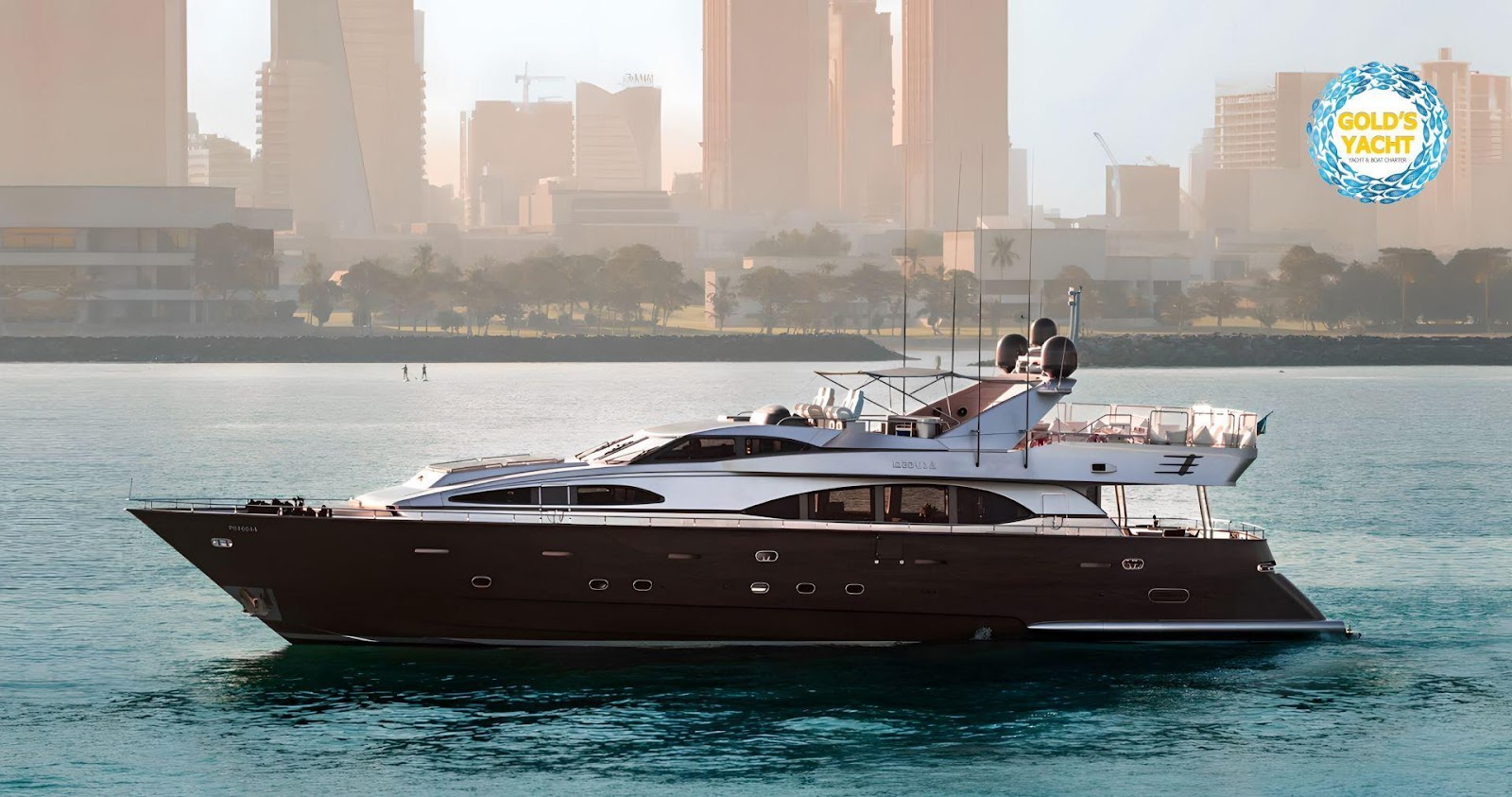
Are you craving an unforgettable and luxurious getaway? Look no further than chartering a yacht in Dubai with Gold’s Yacht. On the other hand, you have the opportunity to sail on the serene waters of the Arabian Gulf. However, you can also indulge in a spa experience like no other. For instance, step aboard a luxury yacht and immerse yourself in ultimate relaxation and rejuvenation. Above all, we will explore the exquisite spa facilities available on charter lux yachts in Dubai. Subsequently, it allows you to unwind and pamper yourself in style.

Experience Luxury Yachts in Dubai

Dubai is renowned for its opulence and extravagance, and the luxury yacht industry is no exception. In addition, from sleek and modern designs to lavish interiors, charter yachts in Dubai offer an unparalleled experience of luxury and comfort. Meanwhile, step aboard and be greeted by a professional crew dedicated to catering to your every need. Whether you are planning a romantic getaway or a memorable celebration, chartering a yacht in Dubai guarantees an unforgettable experience.

Discover the Ultimate Spa Experience

When it comes to relaxation, charter yachts in Dubai go above and beyond to provide an array of luxurious spa treatments. Likewise, imagine being surrounded by panoramic ocean views, feeling the gentle sway of the yacht, and being pampered from head to toe. Indulge in a range of treatments designed to rejuvenate your mind, body, and soul.

Rejuvenate Your Mind

Escape the hustle and bustle of daily life and find solace in the tranquil surroundings of a charter yacht spa. Similarly, unwind with a calming massage that melts away tension and stress. Further, let the soothing sounds of the ocean waves lull you into a state of deep relaxation. Allow yourself to disconnect from the world and truly immerse yourself in the present moment.

charter yacht spa

Related: How Much Does Yacht Crew Make

Revitalize Your Body

Treat your body to a truly revitalizing experience with the variety of spa treatments available on charter luxury yachts in Dubai. From invigorating facials to body scrubs infused with exotic ingredients, every treatment is tailored to enhance your well-being. Embrace the healing powers of these indulgent rituals and leave feeling refreshed, rejuvenated, and ready to take on the world.

Soothe Your Soul

Embark on a journey of self-discovery and inner peace as you immerse yourself in the spa facilities of a charter yacht. Experience the healing properties of hydrotherapy, where warm water and soothing jets of water work together to relax and rejuvenate your body. Escape to a world of tranquility as you soak in a luxurious jacuzzi, taking in breathtaking views of the Dubai skyline.

Trust in Professional Expertise

When indulging in a spa experience on a charter yacht in Dubai, you can trust in the expertise of highly trained professionals. Gold’s Yacht crew on board are experienced in providing exceptional service and ensuring the utmost comfort and satisfaction of their guests. From knowledgeable spa therapists to attentive staff, you can relax knowing that you are in capable hands.

Why Choose Spa Relaxation on a Charter Yacht in Dubai?

Dubai is a city that exudes luxury and sophistication, and there is no better way to experience this than on a charter yacht. Not only will you have access to world-class spa facilities, but you will also enjoy the privacy and exclusivity that comes with chartering your own yacht. Leave the world behind as you sail through crystal-clear waters, soaking in the sun and indulging in spa treatments that will leave you feeling rejuvenated and renewed.

Embark on a journey of relaxation and indulgence on a charter yacht in Dubai. Immerse yourself in the epitome of luxury as you sail on the stunning waters of the Arabian Gulf. Indulge in spa treatments designed to rejuvenate your mind, revitalize your body, and soothe your soul. Trust in the expertise and professionalism of the yacht’s crew to provide an unforgettable spa experience. Escape the ordinary and embrace the extraordinary with spa relaxation on Gold’s yacht in Dubai.

Read Also:

Share on Social Media

Arnab is a professional blogger, having an enormous interest in writing blogs and other jones of calligraphies. In terms of his professional commitments, He carries out sharing sentient blogs.

Leave a Reply

Your email address will not be published. Required fields are marked *

title-img Related

READ MORE natural drug detox

Nature’s Healing: How Camping Can Aid Drug Detoxification

BY  Sibashree Oct 22, 2025

I’ve got to say that recovering from any kind of addiction is a messy business. It’s never just about flushing things out of your system. It’s about fighting your thoughts, your habits, and all those little triggers.  Lately, I’ve noticed more people stepping outside to heal. Camping, of all things, has become one of those hidden gems in detox. Being out there, far from traffic noise and glowing screens, surrounded by trees and honest silence? It hits differently. Some even find it just as helpful as staying in a structured facility like the detox clinic. The Therapeutic Power Of Nature Have you ever stepped outside and just felt your shoulders drop? Nature does that.  Science loves to back this up, and Harvard even found that twenty minutes in fresh air can lower cortisol, the nasty stress hormone that spikes during detox. And honestly, that relief matters. Stress is like gasoline poured straight on withdrawal. When you’re camping, you can’t help but notice how calm things get. No alarms, no rush. Just breathing, listening, thinking.  It’s almost strange how fast you start noticing yourself again. For folks coming out of a storm of substance use, that reconnection to your emotions, your body, your thoughts isn’t just nice, it’s necessary. Camping Facilitates Natural Drug Detox By Improving Sleep Cycles  Camping improves your internal body clock as you are continuously exposed to the natural light cycle. So, by regulating your internal clock, you will get more sleep.  Furthermore, during camping, you remain busy with physical activities. You are hiking through trails, setting up the tent, cooking, and doing other recreational activities or survival chores. This is also crucial for improving your sleep cycle and quality.  Moreover, when camping in remote areas, you cannot use your phone, and you are also away from the daily stressors. With no pressure of deadlines and ETAs and all the chaos in your head vanishing in the thin air, you actually get a better sleep.  Community And Support There’s something wild about how people open up under the stars. I’ve seen it, how those late-night talks by a campfire, voices crackling right alongside the flames, do the magic. That’s a real connection, and it’s gold during detox. A big part of healing is not doing it alone. Most programs preach about support networks, but in the woods, that happens naturally.  You gather wood together, laugh over burnt marshmallows, and share your stories without judgment.  The National Institute on Drug Abuse even says social support can make or break recovery. Makes sense as feeling seen keeps you anchored when cravings hit or the loneliness creeps in. No clinic room can fully replace that kind of bond. Physical Activity And Mindfulness Camping gets your body moving, whether you plan it or not. You set up a tent, haul water, and climb a hill.  Little things that make you tired in a good way. That movement pumps out endorphins, which do wonders for mood, especially when detox brings anxiety or sadness along for the ride. Then there’s the quiet stuff, too. You find yourself being mindful without calling it that! Staring at a lake, flipping fish over a grill, sitting in silence until time just fades! It grounds you.  That kind of focus pulls you away from cravings and teaches you how to ride emotions instead of running from them. Funny how stillness can feel like a workout for your mind. Disconnecting From Technology Let’s be honest. We live glued to screens now. Scrolling when we’re bored, anxious, lonely, or anytime you name it. But camping forces a break.  The first few hours feel weird, almost twitchy without your phone, then a calm sets in. You start talking more, thinking more. Maybe even remembering what silence sounds like. People in recovery deal with enough mental noise already, and research shows that too much screen time can make anxiety and depression worse.  So, cutting that off, even for a weekend, resets something inside you. Suddenly, you’re aware of how addicted we all are to distraction more than anything else. Structured Activities And Goal Setting Some camping programs add a bit of structure, such as goal setting, small group reflections, maybe even creative tasks.  It’s not rigid like rehab, just guided enough to keep you focused. When done right, it helps you rebuild a sense of direction. There’s actually data from the American Psychological Association saying people who set specific, meaningful goals reach them more often.  And out there, surrounded by nature, those goals feel a bit more real. People talk about dreams they’d forgotten or things they want back in life. It’s refreshing—and it sticks. Camping: Setting The Rick Backdrop For Healing After Addiction Recovery Camping won’t magically erase struggle, but it changes the backdrop in a way that makes healing possible. It mixes nature’s quiet strength with genuine community and gentle self-discipline. It is kind of the opposite of everything that fed addiction in the first place. For many who’ve tried both, it’s a beautiful complement to formal detox options like those at the Detox Clinic.  Out there, in the dirt and sunlight, recovery starts to feel less clinical and more human again. Maybe that’s why so many find clarity under a canopy of stars instead of beneath a roof. Furthermore, camping boosts your self-sufficiency. If you are a solo backpacker, you have to dig the soil and set up the tent, light the fire, and do everything else. So, camping is a great confidence booster. You understand that you survive on your own and how strong you are.  All these help us create a positive image of ourselves in our minds. So, you don’t need to rely on any external stimulator or drugs anymore.  In addition, an inclination toward drugs arises from negative thoughts about our capabilities. Camping helps us overcome logistical and physical challenges. So, we become more confident about our abilities. 

READ MORE Great Barrier Island travel tips

What Are The Best Great Barrier Island Travel Tips? Exploring New Zealand Sustainably 

BY  Sibashree Oct 22, 2025

“Let’s go somewhere quiet,” he said! And being so elated that he was finally making a travel plan, I couldn't realize that he meant off-the-grid, solar-powered, rainwater-shower kind of quiet somewhere remote in New Zealand.  It was the Great Barrier Island, and it turned out to be the breather spot for me, where you just relax and connect.  With everything green, solar power, and local people considering themselves guardians of the land, the Great Barrier Island in New Zealand shows why sustainability is more than a buzzword.  Furthermore, the conservation law governs 2/3rd of the Great Barrier Island. So, it is saved from development and commercialization. The result? In 2017, it became one of the 13 remote areas and the first island in the world to be recognized as a Dark Sky Sanctuary.  Known as Te Motu o Aotea in the Maori language, it has also attracted people who move or travel to this part of New Zealand for a slow and meaningful way of living/traveling. And you won’t believe that it’s just a 30 to 40-minute flight from Auckland. You can even take the daily ferry to the island.  So, getting there is easy, and you can move around easily thanks to the e-bikes, cars, taxis, and shuttles available. However, remaining respectful to the traditions and rich Maori heritage in the island is a challenge.  Here, I will discuss sustainable travel tips for Great Barrier Island, provide a brief overview of the island, highlight the best activities, explain how to get there, and more. Where Is The Great Barrier Island, New Zealand?  The Great Barrier Island is located in the Hauraki Gulf, around 100 kilometers northeast of Auckland. You will get flights and ferries from Auckland.  Furthermore, if you are traveling from Wellington or Christchurch, you will first reach Auckland and then take a flight to the Great Barrier Island. An Overview Of Aotea, Great Barrier Island, New Zealand The Great Barrier Island is a pristine part of New Zealand, with Māori tribes as the original inhabitants. The Maori tribes gave it the name of Aotea, meaning “White Clouds.”  Today, a pristine paradise located off the northeastern coast of New Zealand, the Great Barrier Island, is known for its rugged landscapes, rich biodiversity, and deep cultural heritage. It has diverse geological features such as rugged mountains, beaches, and forests.  So, no wonder it is rich in biodiversity. With an area of 285 square kilometers, this island is home to dense native bush, manuka and kanuka trees, and coastal flora that thrive in its subtropical climate. Also, you will spot pāteke (brown teal), kākā (parrot), and the endangered black petrel here.  And how can I forget the thundering flapping of kererū wings over our tents?  Lesser-Known Facts About Great Barrier Island: Off-The-Grid Living  Sustainable living is a choice on the Great Barrier Island. So, from the Aotea Arts & History Village to being run by solar power, there are a lot of things that make the Great Barrier Island stand out.  Rare Facts and Sustainable PracticesDetailsOperated off the national power grid• Reliance on solar power• Rainwater harvesting• Composting toilets Minimalism and community reliance• No banks• No ATMs• No large supermarkets• Barter systems• Small general storesFirst Island in the world to become a Dark Sky Sanctuary• Least light-polluted• Clearest sky ideal for stargazingNo public rubbish bins• Pack in and pack out waste policy.• Banning of single-use cups• Mug libraries in cafes for takeaway drinksAncient Māori settlement sites• Archaeological sites such as pā fortifications, middens, and stone working areas, dating back 700-800 years. • Strong Māori connectionHome to the rare Chevron Skink• The only known habitat of the Chevron SkinkChevron Skink is one of the rarest and largest lizards of New Zealand. • Only found on the Great Barrier and Little Barrier IslandsForgotten Wharf at Blind Bay• A hidden historical site that once served as a key point for shipping kauri logs and suppliesShoal Bay Pottery’s Trust-Based Payment System• Buy handmade potteries and mugs, and just drop the money in a box.• This practice celebrates the community spirit of the island. Dual Coastline Personality• The East Coast has wild surf beaches like Awana and Medlands.• The West Coast is dotted with calm, sheltered coves ideal for diving and kayaking.Aotea Arts & History Village• Colonial cottages transformed into galleries and museums. • Explore historical artefacts, crafts, and more at the museums and galleries.  Great Barrier Island Travel Tips: How To Reach There? There are four ways to travel to the Great Barrier Island. You can take a flight, a ferry, or opt for a flight+boat experience. Also, you can opt for chartered flight services.  1. How To Reach The Great Barrier Island By Flight? From Auckland: You can take a flight from Auckland to the Great Barrier Island. Barrier Air operates three to four flights daily. The flight departs from the Auckland Domestic Terminal and flies to the Claris Airport near the center of the island. For adults, a return ticket costs $396, and for a one-way trip, it is $208. For children aged 2 to 12 years, a return ticket will cost $383, and a one-way ticket is priced at $198.  From Northshore: The ticket price for adults for a Northshore to the Great Barrier Island flight costs $406 (round trip) and $213 (one-way trip). For children, the ticket price of a round trip is $388, and a one-way ticket is $205.  From Whitianga & Tauranga Sunair Aviation operates these flights to the Great Barrier Island. For adults, the one-way ticket is $290, and the ticket price for a round trip is $580.  For children aged 2 to 11 years, it is $210 for a one-way trip and $420 for a return.  2. How To Reach The Great Barrier Island By Ferry? You will get a Sealink ferry from Auckland's Wynyard Wharf to Tryphena, the southernmost part of the Great Barrier Island. The ferries run daily in the summer and three times a week in the winter.  This 4.5-hour journey is stunning, with dolphins, orcas, and whales making their appearances. The ticket prices range between $75.50 and $169 based on the age or category of the traveler and the season.  Also, these ferries carry freight to the island, charging between $459 and $1028. 3. Traveling To The Great Barrier Island By Flight And Ferry It is the best travel combination to travel to and from the Great Barrier Island. Take a flight one way and return from the island by ferry.  How To Move Around The Great Barrier Island?  Car rentals, roof-top tent cars, e-bikes, taxis, and shuttles are the transportation modes to move around the Great Barrier Island. Mode of TransportPrice Details Car Rentals• $60-110 Per DayRoof Top Tent Car Rentals• $185/Night (Minimum booking for 2 Days)E-Bikes• $20/Hours• $75 for a Full Day• Contact: +64 (0) 22 344 0645Taxis and Shuttles • Wagon Taxis• 12 or 20 Seater Vans• Charges: $35 to $145 Moreover, like us, you can also book a shuttle or taxi service to Good Heavens Dark Sky in Medlands Beach. We reached Medlands Beach just before sunset, and we camped near the dunes.  We padded down the beach barefoot, and the Sun going down the hills spread the last rays of the light on the water, vanished like the most treasured secret.  With silence prevailing, it felt like sheer magic, and we waited with bated breath for the stargazing moments.  How To Explore Aotea Great Barrier Island New Zealand Sustainably: Know The Best Activities  From hiking to stargazing, the activities on the Great Barrier Island are diverse. Here is a brief overview.  1. Hiking The Aotea Track View this post on Instagram A post shared by Gus || NZ Hiking (@wanderinggus) It is the most challenging activity on the Great Barrier Island. The trekking route passes through the historic Kauri dam sites, amazing views, and forests.  The route takes you to the highest peak of Mount Hobson, Hirakimata. You will get a panoramic view of the surroundings after reaching the highest point.  2. Exploring Kaitoke Hot Springs View this post on Instagram A post shared by Aotea Great Barrier Island (@greatbarrierislandofficial) Hiking to the Kaitoke Hot Springs was fun. We reach the hot springs after a short walk through the native bush.  The pools beside the Kaitoke Stream are ideal for swimming and relaxing.  3. Stargazing With Good Heavens I have already mentioned that the Great Barrier Island is an international Dark Sky Sanctuary. We loved the guided tour with Good Heavens as they provided us with laser pointers and telescopes.  It was great fun exploring the Southern celestial sphere and listening to the Māori and Greek stellar mythology. 4. Visiting Glenfern Sanctuary View this post on Instagram A post shared by Anna Sephton (@anna_sephton_) This sanctuary in Port FitzRoy is famous as the home for native species in a predator-free environment. I loved spotting rare native birds like the Kākā and Pateke (Brown Teal). 5. Kayaking In Whangaparapara Harbour The untouched coastline looked beautiful as we went kayaking in the Whangaparapara Harbour. Further, we visited the historic old Whaling Station.  And the highlight of the trip? Spotting dolphins.  6. Snorkeling At Medlands Beach Medlands is more ideal for surfing. However, when the water and weather are calm, it becomes a haven for snorkeling enthusiasts.  The underwaters here are rich in subtropical marine species.  7. Surfing At Awana Bay View this post on Instagram A post shared by Jack Simkin (@jacksimkin_) Surrounded by a long and golden sand beach, Awana on the eastern coast of the Great Barrier Island is a popular surfing spot.  The consistent breaks here make it ideal for surfers of all expertise levels.  8. Birdwatching Native Species Rich in biodiversity, the Great Barrier Island is home to many rare and native birds of New Zealand.  In the forests, wetlands, and coastal areas, you can spot Kākā, Black Petrel, and Pateke (Brown Teal).  9. Camping At Harataonga Bay View this post on Instagram A post shared by MOJA (@mojaonthemove) Harataonga Bay offers one of the most fulfilling camping experiences in the Great Barrier Island. It is on the northeastern coast of the island.  The Harataonga coastal walkway is beautiful, and you can use it as the base for swimming, relaxing, and other water activities.  10. Fishing In Tryphena Harbour View this post on Instagram A post shared by Territory Boys (@territory.boys) It’s a Snapper! The Tryphena Harbour is a popular hub for recreational fishing. The Hauraki Gulf waters, especially, are rich in marine life.  You can catch the fish from a rock or a wharf. Also, you can book a fishing charter boat.  11. Mountain Biking Trails Palmers Track Lookout is a popular biking trail on the Great Barrier Island. We loved the drive to Windy Canyon on the first day, and on the second day, we went for a short walk to the Palmers Track Lookout. However, this route to the Palmers Track Lookout is quite challenging for bikers, as the rock faces are very steep.  12. Visiting Local Art Galleries The Aotea Community Gallery was an eye opener for us, showing the rich heritage and art scene of the island. In fact, the entire Aotea Arts & History Village is a delight for art enthusiasts.  The gallery hosts regular exhibitions and workshops, showcasing and teaching arts and crafts, which are important for the lifestyle of the island. You can even collect the souvenirs from the local gift shops.  This art village is another example of how the people on the Great Barrier Island are sincere about preserving their local heritage. The Aotea Arts and History Village gained its current status and name in 2023. However, the journey began way back in 2001 when it was first registered as the Aotea Community Artz Charitable Trust in October.  So, in October 2026, it will complete its 25th year.  13. Enjoying Local Cuisine View this post on Instagram A post shared by Eat What You Kill (@eatwhatyoukill.co.nz) Mānuka honey was yum, and we also enjoyed the gin and craft beer here. Also, whatever we ordered, we did not give the signature fish and chips a miss during even a single meal.  14. Attending Cultural Events The local festivals and cultural events of the Great Barrier Island are a great way to get to know people here. The Wharf2Wharf sporting challenge and the FitzRoy Mussel Fest are some of the most popular cultural events here.  15. Relaxing At Secluded Beaches View this post on Instagram A post shared by anapau la (@anapau.crw) The Blind Bay beach at Okupu, North of Tryphena, is a beautiful beach on the west coast of the island. The vibe is pretty relaxed here, and I found the locals picnicking.  Furthermore, the ancient pohutukawa trees were the main attractions for me.  Gooseberry is another beach where we enjoyed a relaxing vibe. It is in the heart of the Tryphena Harbour. The purple caves between the Gooseberry Flat and the Pa Beach are a surreal sight to behold.  Great Barrier Island Travel Tips To Choose The Most Eco-Friendly Accommodation Options: Camping And Ecopods View this post on Instagram A post shared by Jacks Sanctuary (@jacks.sanctuary) Lodges, cabins, beach houses, tree houses, cottages, and more! There are diverse accommodation options on the Great Barrier Island. However, as backpackers, we chose camping.  Medlands Beach campsite by the Medlands Stream was our base for the Great Barrier Island trip. It is a well-sheltered campsite. However, booking needs to be done in advance.  Akapoua Bay campsite near the Port Fitzroy waterside, Awana Beach campsite near the Awana Surf Beach, Harataonga campsite, and Whangapoua campsite are the other popular camping grounds in the Great Barrier Island.  Moreover, Whangaparapara has Island Ecopods near the Whangaparapara Wharf and the edge of the Department of Conservation Forest Estate. These ecodpods can accommodate one to four guests, and for each extra guest, you will have to pay $25 extra.  The one sleeping pod for two guests costs $200 per night, and the two sleeping pods for four guests cost $400 per night.  Go Great Barrier Island Tourism Package With How Other Tour And Travel Companies Offering Sustainable Experiences View this post on Instagram A post shared by Aotea Great Barrier Island (@greatbarrierislandofficial) The Great Barrier Island Tourism offers many packages for every kind of travel experience. You can choose a dedicated sun and surfing package, a hiker’s package, or something suitable for adventure lovers.  There are even packages for romantic getaways, such as Alice’s Seaside Cottages, Heaven’s Above, and Medland Magic.  Furthermore, they have curated their top 10 travel packages in their Top 10 section so that you can quickly find their all-inclusive packages.  The travel packages are well within $1000 per person, and you can build your own package by selecting the number of people in your group, your accommodation, transport options, and any other special experiences like Dark Sky experience, fishing charter, etc.  Moreover, reputable tour companies such as Good Heavens, Motu Trails, and Aotea Eco Tours offer curated experiences on the island.  These companies provide guided tours, accommodation packages, and sustainable travel options. They are highly rated for their knowledgeable guides, eco-friendly practices, and personalized itineraries.  Booking through these companies ensures a hassle-free and enriching travel experience. Great Barrier Island Travel Tips For Your Next Trip The Great Barrier Island is a lot of fun. However, you have to keep this checklist and things to avoid in your mind for the most seamless experience. Things to Keep in MindThings to Avoid • Book flights or a ferry in advance• Reserve accommodations early• Arrange local transportation• Pack eco-friendly travel gear.• Confirm tour bookings• Carry health essentials• Download offline maps• Inform emergency contacts• Check weather forecasts• Respect local customs and environment.• Carry insect repellent, sunscreen, and sufficient drinking water• Not booking transportation early• Ignoring weather conditions• Overpacking non-essential items• Disregarding local regulations• Not preparing for limited connectivity.• Forgetting to carry cash• Underestimating travel time• Not researching activities• Skipping travel insurance• Neglecting sustainable travel practices Is The Great Barrier Island Travel Worth It?  View this post on Instagram A post shared by Charlotte Spratt (@charlotte.spratt) Yes, a trip to the Great Barrier Island is absolutely worth it. Sustainability, romance, heritage, and scenic appeal go hand in hand in this beautiful, remote location of New Zealand.  Furthermore, the dark sky experience here is matchless, and authorities such as Discovery Travel talk about its Dark Sky Sanctuary status and stargazing potential. Nat Geo, on the other hand, is all praises for the conservation efforts on the island and how it practices sustainability.  So, whether you’re a nature enthusiast, a cultural explorer, or a sustainability advocate, the island promises unforgettable experiences. 5-Day In Great Barrier Island: This Is How Our Itinerary Was… View this post on Instagram A post shared by Paul Michael | Travel photography (@paulmichael) Our five days on the Great Barrier Island were about digital detox. The limited network connectivity was a blessing. Also, we watched the stars every night, and we got enough time for journaling.  Nevertheless, this is how we spent our five days on the Great Barrier Island.  DaysActivities Day 1• Reaching Great Barrier Island• Lunch at My Fat Puku Café• Drive to Medlands Beach and sunset walk.• Stargazing• Tipi & Bob's Waterfront Lodge RestaurantDay 2• Breakfast• Bush walk to Kaitoke Hot Springs• Visit to Awana Beach• Lunch at Wild Rose Café• A short walk to Palmers Track LookoutRomantic private dinnerDay 3• Kayaking or paddleboarding in Tryphena• Lunch at Currach Irish Pub• Relaxing at Gooseberry Flat Beach• Drive to Windy Canyon• Sunset viewing and stargazingDay 4• Couple spa treatment• Light brunch• A visit to the Aotea Community Gallery• Exploring Port FitzRoyDay 5• Watching sunrise at Medlands or Awana Beach• Having breakfast and taking a stroll• Dip at Kaitoke Hot Springs• Swimming at Okupu Beach• Flight to Auckland Great Barrier Island Travel Tips: Frequently Asked Questions (FAQs) Here are the frequently asked questions and answers about the Great Barrier Island travel tips.  1. Why Is It Called The Great Barrier Island? Captain James Cook started an expedition from 1768 to 1771 to see how Venus transits across the Sun. On his way, he reached the New Zealand Coast and mapped the Great Barrier Island. In 1769, he mapped and named this part of the New Zealand Coast as the Great Barrier Island, as it offered protection and shelter to the Hauraki Gulf.  2. What To Pack For The Great Barrier Island? The Great Barrier Island is an off-the-grid space. So, you will not find streetlights here. So, you will have to pack a torch. Furthermore, warm clothes, a car charger for your phone, and towels are the things you need to pack for a trip to the Great Barrier Island.  3. What Is The Great Barrier Island Population? The population of the Great Barrier Island in 2023 is the latest information I have. The Census Report of 2023 says that the island had 1251 permanent residents in 2023. In 2018, the population of the island was 936. So, the journey from 936 to 1251 was a sharp 34% increase.  4. Is Driving In The Great Barrier Island Safe? Driving on the roads of the Great Barrier Island needs skill and patience. The winding roadways are often unsealed and without any central line. Furthermore, there will be horses, bikes, and pedestrians on the road. So, you will have to keep to the left while driving.  5. What Are The Emergency And Safety Contact For The Great Barrier Island? Keep these phone numbers handy if you are traveling to the Great Barrier Island. • Department of Conservation: 0800 ASK DOC (0800 275 362)• Claris Medical Centre: 09 429 0356• Auckland City Service Centre: 09 429 0258• Police, Fire or Emergencies: 111 or 429 0343However, cellphone coverage remains a concern here, especially on the eastern coast of the island.  Read Also: Interesting Facts about Australia that will surprise you! Easiest Countries To Get Citizenship In 2025: Let’s Know The Names Australia’s Best-Kept Secret: Tailored Travel Experiences In The High Country

READ MORE New York

Must See Places In New York |  Can You Guess The Names | New York Makes A Comeback

BY  Mashum Jan 30, 2020

With a change in tourist behaviors, New York is all set to exceed the tourism records of pre-pandemic days. This upward graph in tourism numbers has been visible since 2023. In the same year, footfalls in New York crossed the 62 million mark.  Now, regarding the must see places in New York, the iconic ones like the Statue of Liberty, the Metropolitan Museum of Art, and the High Line continue to cast their charm.  However, breaking the tourism lulls of the pandemic days, tourists are now eager to explore beyond Manhattan. Further, they want to experience the “Real New York City,” away from maddening crowds.  So, in this Tour and Travel guide, I have highlighted the most popular destinations in New York, along with some unique hotspots. It’s like the Frank Sinatra song, “I want to be a part of it, New York, New York Your vagabond shoes, they are longing to stray And step around the heart of it, New York, New York…” Must See Places In New York | Iconic Landmarks In New York  New York remains a dynamic hub for tourism, with a significant increase in visitors and visitor spending. In 2024, the number of tourists to New York City was close to 65 million, which was the second-highest number in the city’s history. “With nearly 65 million visitors this year — the second highest figure in our city’s history — New York City has once again solidified its position as the premier destination in the nation and one of the top travel spots in the world.”Eric Adams, Mayor, New York City So, the city is ready to make a massive economic recovery, with the tourism sector making a strong and steady comeback.  Further, the following must see places in New York remain the heartbeats of the city’s tourism.  1. Central Park | A Quiet Retreat Amidst The Bustling New York City Embed: https://www.instagram.com/p/C5WYDY2IRu0/ Entry: Free Hours Open: 6 AM to 1 PM Christo and Jeanne-Claude’s “The Gates” is making a comeback to Central Park. I was just checking out the Central Park Conservancy website and was elated to find that this transcendental art installation in saffron hue is once again ready to tell the tales of a park reborn. The Shed, a non-profit cultural organization, will be hosting an exhibition called “Christo and Jeanne-Claude: The Gates and Unrealized Projects for New York City.”This exhibition will open on 12th February 2025, marking the 20th anniversary of “The Gates.”  Once home to the Indigenous Lenape people, Central Park became what it is today with the craftsmanship of Calvert Vaux and Frederick Law Olmsted. Walking, e-scooter tours or biking through the trails are the best ways to explore the manicured, yet natural-looking vistas of the park.  Moreover, Central Park is full of attractions, including the Strawberry Fields, a tribute to John Lenon, the Conservancy Garden, Bow Bridge, Belvedere Castle, etc.  2. The Statue Of Liberty | The Symbol Of Freedom  Entry Fee: Free Ferry Charges: Free for Children below 4 Years, $16.50 for Children Aged 4-12, $25.50 for the Age of 13+, $22.50 for Seniors (62+) Hours Open: 9 AM to 5 PM The Statue of Liberty was a gift by France, built-in 1886. It is among the most popular symbol of freedom and one of the greatest icons in America. Standing at 152 feet tall, it is one of the tallest statues in the world and weighs around 450,000 pounds. Battery Park offers a great view of the statue from the land. However, the best way to see this statue is by taking a short ferry trip to Liberty Island. You can get up close, take a stroll around the ground and pedestal. And, if you make advanced reservations, you can even go up to the crown. When you take the ferry, you will also stop at Ellis Island and can explore the Immigration Museum. 3. Metropolitan Museum Of Art | Housing 5000 Year Old Artwork Entry Fee: $30 for Adults, $22 for Seniors and Visitors with a Disability, $17 for Students, Free for Children below 12 Years Hours Open: Monday, Tuesday, Thursday and Sunday - 10 AM to 5 PM, Saturday and Sunday - 10 AM to 9 PM, Wednesday - Closed Metropolitan Museum of Art, also famously known as MET, was established in 1870. It is one of the most popular museums in the United States of America. The center has an extensive collection of over 2 million artworks, some of which date back to 5000 years. It has three sites. However, Met Fifth Avenue is the centerpiece of the museum. If you are a fan of art and history, this is a place that you should not miss out on. American arms and armors, decorative arts, Egyptians arts, photographs, musical instruments, etc. are some of the many items that you get to explore here. 4. The High Line | The Changed West Side Elevated Line After An Ideas Competition High Line was once a rail line, which has now become a popular tourist attraction of the city. The rail line has now been transformed into a walking trail over the city streets. The linear public park has a wide range of trees and plants. Further, The High Line, or the linear public park, has a wide range of trees and plants. The High Line you visit today survived a demolition order from Mayor Giuliani in 1999. However, four years later, the “ideas competition” hosted by Friends of the High Line highlighted the potential of this “ugly eyeshore” to get transformed into one of the must see places in New York. So, today, the 1.45-mile-long greenway with over 500 species of plants reminds me of the headline on the front page of the New York Times. It read, “Frog of a Railroad to Become Prince of a Park.” Moreover, glass railings line the park, which gives it a more natural feel. From here, you get an amazing view of the bustling city of New York. You can access the high Line on different points from Gansevoort to 34th Street. Some of the access points only provide stairs, whereas others have elevators as well. 5. Times Square | At The Crossroads Of The World Exhibiting tall, bright billboards and displays, Times Square is one of the must-visit places in New York. While it is exciting at any time of the day, it truly livens up in the evening. This is the site where New York celebrates its New Year's Eve and where the Ball Drop happens at midnight. It is a busy street, which is always crowded with people, but still has a unique character to it. Bleachers are installed on the other end of where you can sit and admire the hustling scene. Time Square got its name in the year 1904, and before that, it was known as Longacre Square. Also, if you are looking to find the best food trucks in NY, then I would recommend visiting vstreetfood.com/food-trucks/new-york/. New York is considered the city that never sleeps, and it is true. No matter what time of the day it is, there is something you can do or explore here. Above are some of the places that you must visit in New York. And while you explore these destinations, you will come across a bunch of others on your way because they all are closely connected. Also, when in Times Square, you must not forget to explore the best food trucks in NY, especially vstreetfood.com/food-trucks/new-york/. The Must See Places In New York | Hidden Gems You Will Fall In Love With  As promised, here, I will discuss some hidden gems in New York. These must see places in New York are eclectic and they represent the true spirit of the city beyond the glitz and glamor of Manhattan.  Here we go! Theodore Roosevelt Birthplace National Historic Site https://www.instagram.com/p/DBo43aGy2u9/?img_index=1 Hours Open: Wednesday – Sunday:10:00 AM to 4:00 PM Entry Fee: Free Theodore Roosevelt Birthplace National Historic Site is the boyhood home of the first US president born in the USA.  Today, this historic site offers a 45-minute tour guided by a ranger or volunteer. Stone Street Historic District  In the Financial District of Manhattan, Stone Street has created a world of its own. This cobblestone street or the Stone Street is one of the oldest in New York and a simple stroll through it is an experience for the dark academia fans.  Further, Stone Street will take you back to 1658, when the residents of the area petitioned this street.  Museum At Eldridge Street https://www.instagram.com/p/DEN06khzba7/?img_index=1 Hours Open: Sunday - Friday: 10 AM – 5 PM, Saturday: Closed Entry Fee: Adults: $15, Students & Seniors: $10, Children 5 - 17: $8, ‘Pay What You Wish’ (Mondays and Fridays) Located in the historic Eldridge Street Synagogue, the Museum At Eldridge Street symbolizes the realization of immigrant dreams. The Eastern European Jewish immigrants built this synagogue in 1887, and it was the first grand synagogue (purpose-built) in the USA.  Today, the museum stands out with its architectural excellence and unique exhibits.  Morgan Library https://www.instagram.com/p/DDSHkw8o6um/?img_index=4 Hours Open: Tuesday, Wednesday, Thursday, Saturday, and Sunday from 10:30 Am to 5 PM, and Friday from 10:30 AM to 8 PM Entry Fee: Free for Children below 12, $13 for Students, $17 for Seniors, $25 for Adults The Morgan Library and Museum is a treasure trove of rare books, prints, manuscripts, and prints.  Located in Madison Avenue, the library and museum has an opulent setup with the collections of financier Pierpont Morgan. Ground Zero Museum Workshop https://www.instagram.com/p/CTwub4yLFU1/?img_index=1 Hours Open: Thursday, Friday, and Saturday: 12:30-2:30 PM, Sunday: 1-2:30 PM, Wednesday: 1:30-3:15 PM, Monday and Tuesday: Closed Entry Fee: Children (Ages 4-12) - $25.00, Adults (Ages 12+) - $32.00, Seniors (Ages 65+) - $25.00 Ground Zero Museum Workshop is the best place to find the most realistic account of the Ground Zero “Recovery Period.” You will find images, artifacts, and 100s of exhibits to take you through what happened at Ground Zero and how everyone recovered from that. Further, today, the Ground Zero Museum Workshop is one of the best places for dark tourism in the USA. Read Also: 12 Things That Everyone Should Try In Mexico 5 Backpacking Tips for an Unforgettable Euro-Trip