


Nuuk Greenland Travel Tips: How To explore Nuuk Greenland for Arctic Adventure Seekers?

I was watching the interview of Jacob Nitter Sorensen, CEO, Air Greeland, on CNN. In this video, he has shared how the new airport in Nuuk has boosted tourism in Greenland. Greenland had 141000 visitors in 2024, and the CEO of Air Greenland said, 

“We are aiming for high quality premium passengers rather than mass numbers and hoards.”

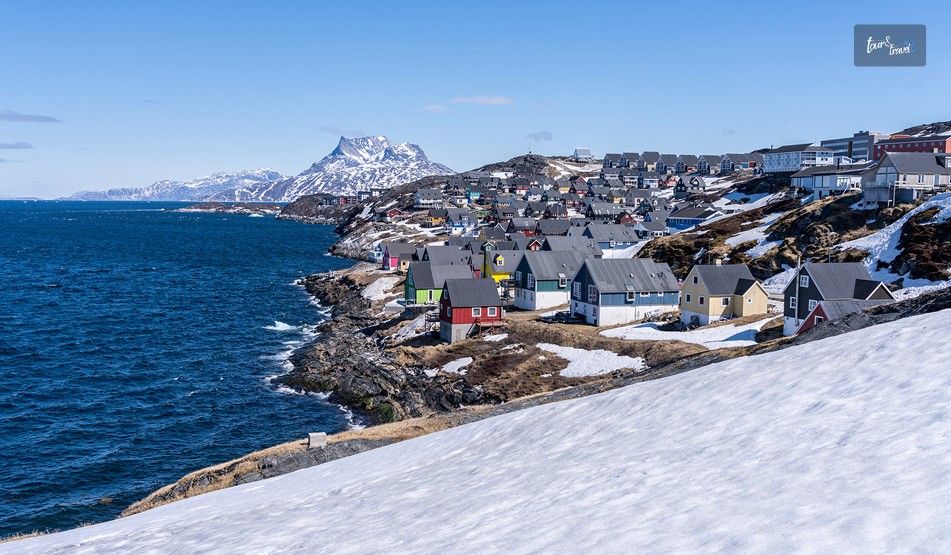
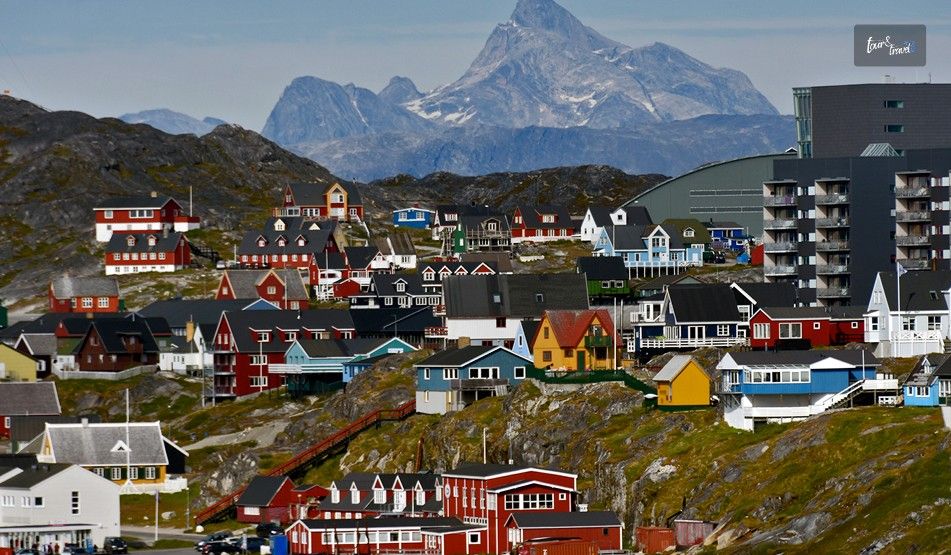
This says how Nuuk, the capital of Greenland, is approaching tourism in the upcoming years with its Inuit heritage, Danish influence, and modern innovation. Furthermore, its location between fjords and mountains is a favorite of travelers seeking offbeat adventures that are beyond expectations. 

In this guide, I will share essential Nuuk, Greenland travel tips and show you how to explore Nuuk, Greenland for Arctic adventure seekers, including hidden gems, cultural etiquette, accessibility, budget hacks, and more.

Cruises And New Flights To Nuuk: How Is Nuuk Approaching Tourism In The Future?

Cruises And New Flights To Nuuk

After setting a record in 2024, Nuuk is again expecting a tourism boom in 2025. So, the parliament has come up with a new law to restrict the arrival of large cruises and boost local businesses. Overall, this move echoes the words of Jacob Nitter Sorensen, who said Greenland is looking for quality tourism over quantity. 

In addition, with a direct flight route from Newark, it has become easier for travelers to access this arctic region. Furthermore, with United Airlines showing the way, services such as Air Greenland, Icelandair, and Scandinavian Airlines are now offering direct flights to Nuuk. 

However, with this improved accessibility, Nuuk is facing a challenge with its infrastructure. For example, there is a lack of proper road connectivity. So, the visitors have to rely on snowmobiles, boats, and air travel for transportation. 

To combat these challenges, Visit Greenland is now extending the tourism season and diversifying tourism across many communities. Thus, it is trying to keep tourism in Nuuk and overall in Greenland sustainable and manageable.

How To Reach Nuuk, Greenland? 

How To Reach Nuuk Greenland

You have to reach Nuuk, Greenland, by air, or you will have to take a cruise. 

1. By Air

Now, you will get a direct flight from the USA to Nuuk, Greenland (June 2025). Furthermore, it is well-connected by air to many other countries, such as Canada, Iceland, and Denmark. 

Even today, the easiest way to reach Nuuk is to fly from Copenhagen, Denmark. 

However, for people in Iceland and Canada, the Keflavik International Airport, outside Reykjavik, operates daily flights to Nuuk. 

2. By Cruise 

If you are traveling from Europe and North America, you can also take a cruise to Nuuk, Greenland. Nuuk and Qaqortoq in Southern Greenland are the two major ports for these cruises. 

Furthermore, the Arctic Umiaq Line operates ferry services to connect central Greenland with the southwestern and western coastlines. The sailing prices will be around 90 DKK or $14. 

What Is The Best Time To Visit Northern Lights In Nuuk? 

What Is The Best Time To Visit Northern Lights In Nuuk

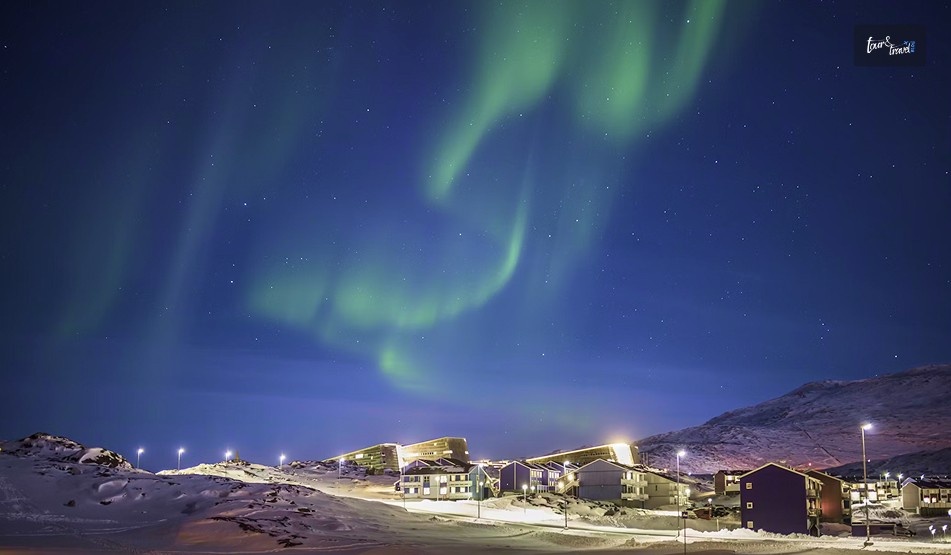
October to March, or the winter season, is the best time to visit the Northern Lights in Nuuk. It is also the ideal time for snowshoeing and attending various cultural festivals. 

Furthermore, the summer season from June to August is the ideal time for watching the Midnight Sun, exploring the fjord tours, and hiking. 

What Are The Top Attractions In Nuuk?

Adventure and cultural experience are at the core of exploring Nuuk and Greenland. 

Places to Visit In NuukExperience 
Greenland National Museum & Archives• Explore Inuit artifacts
• Viking relics
• Colonial history
Nuuk Art Museum• Rotating exhibitions
• Showcasing the work of Greenlandic artists
Colonial Harbor• Historic buildings
• Waterfront views
Katuaq Cultural Centre• Stunning architecture
• Film screenings
• Attend concerts

What Are The Hidden Gems For Arctic Adventure Seekers?

From ice fjord kayaking to boating to Kapisillit Village, there are various adventure activities in Nuuk, Greenland. 

Furthermore, these cultural activities often extend to hiking and fishing in Kapisillit Village, which allows you to interact with the villagers and understand their livelihoods. 

Also, you can explore the local craft workshops to learn about traditional beadwork, carving, or seal skin sewing from Inuit artisans. 

However, for wilderness lovers, the most exciting adventure is whale watching. During the summer tours, you can watch humpbacks, minkes, and orcas.

Top Hidden Or Lesser-known Adventure Experiences In Nuuk, Greenland 

Ice fishing, paddleboarding, mountain ridge biking, and many other offbeat activities make your stay in Nuuk, Greenland. Nuuk Adventure organizes these activities. 

1. Stand-Up Paddleboarding Among Icebergs

Contact a local guide to paddleboard between the floating icebergs and explore the beauty of Nuuk Icefjord. 

You don’t need prior experience to enjoy this activity.

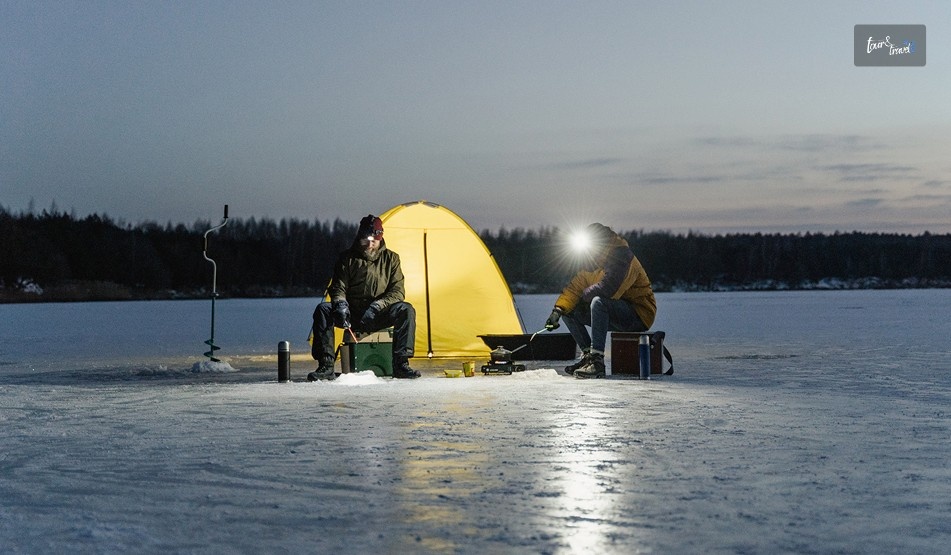
2. Arctic Char Ice Fishing In Heated Tents

Arctic CharIce Fishing In Heated Tents

Spend your winter days ice fishing for Arctic Char near the Nuuk fjords. Staying in heated tents keeps you warm during the activities. 

3. Luxury Glamping In Nuuk Fjord

Stay in a luxury tent or a glass igloo in the midst of fjords and mountains to watch the stars. This is an ideal experience for solo travelers and romantic couples. 

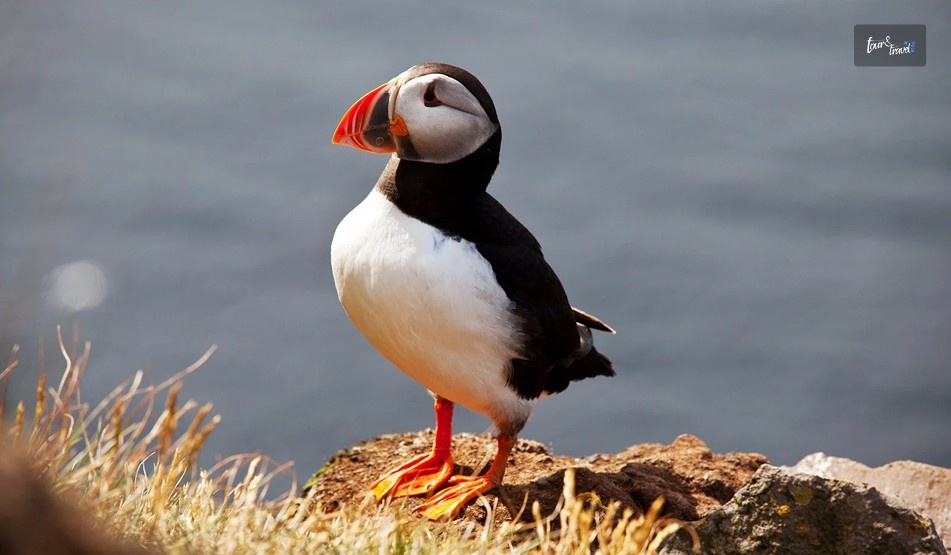
4. Puffin Safari By Boat

Puffin Safari By Boat

Observe the colonies of Atlantic puffins in their natural habitat by taking a boat trip. It’s a rare opportunity to see these charismatic birds up close in Greenland. 

5. Ukkusissaq Mountain Ridge Hike

Enjoy the panoramic view of the fjord system of Nuuk by going on a hike to the Ukkusissaq Mountain Ridge. It is a favorite adventure activity among locals. 

6. Evening Whale Watching With Northern Lights

How about combining aurora hunting and whale watching activities? Take a boat tour in the evening and enjoy the silence of the fjord while bathing in the Northern Lights and spotting whales. 

7. Visit To Kapisillit Settlement

A boat ride to the Kapisillit Settlement is the best opportunity to see colorful homes, meet locals, and hike nearby trails. It’s a cultural and scenic escape from city life. 

Kapisillit Settlement is the only permanent fjord settlement in the country.

8. Catch And Eat At Qooqqut Nuan

Catching fish, having it prepared at a remote restaurant, and enjoying it there combine adventure, sustainability, and gourmet dining. 

9. Icefjord Hike With Glacier Views

The Nuuk Icefjord region is ideal for hiking deep into the fjord to see thousands of glacial formations and icebergs. It is the pristine landscape most tourists miss. 

10. Reindeer Hunting And Wilderness Survival Tours

Reindeer hunting and wilderness survival tours with local guides are the most authentic experiences in the Nuuk backcountry.

Learning Arctic bushcraft, navigation, and tracking is a truly immersive experience. 

Where to Stay: Hotels, Guesthouses, And Local Homes

You can stay at hotels, hostels, and Airbnbs during your days in Nuuk. 

Top Hotels • Hotel Hans Egede has a central location, modern amenities, and conference facilities.
• Hotel Nordbo has cozy apartments with kitchenettes.
• Hotel Søma, a budget-friendly accommodation with fjord views
Inuk Hostels• Enjoy your stay at traditional turf huts with modern comforts
Airbnbs• Affordable, ideal for longer stays, and offer a cultural experience

What To Pack For Nuuk?

  • Layered clothing, including waterproof garments, a base layer, and insulation
  • Hiking boots or snow boots
  • Gloves, hat, thermal socks
  • Sunglasses and sunscreen
  • Power bank and universal adapter

Furthermore, you will need the following adventure gear. 

  • DSLR or action camera
  • Binoculars for wildlife spotting
  • Dry bags for fjord tours

Cultural Etiquette And Indigenous Insights

Attending a Kaffemik or the grand Greenlandic social gathering is an experience in itself. You will gorge on the best cake and coffee, and of course, the people are very warm. 

Furthermore, you can ask questions politely and respect local customs and Inuit heritage to understand their perspectives and way of life better. Also, by buying the local crafts, you will support the indigenous-owned businesses. 

Moreover, you have to be mindful of the complex history of Denmark with Greenland. So, be respectful to local voices and choose experiences that honor local voices. 

Accessibility Tips For Seniors And Disabled Travelers

Nuuk is a walkable city. However, its hilly landscape can pose problems. However, the areas around the city center have wheelchair-friendly paths. Local buses and taxis are ideal for exploring Nuuk and the backcountry. However, the options are limited. So, you have to make the booking in advance. 

Furthermore, Hotel Hans Egede and Hotel Søma offer accessible rooms. Moreover, you have to ask about elevator access and bathroom features when booking. 

Nuuk, Greenland, Budget Travel Tips

Nuuk Greenland Budget Travel Tips

Here is the cost breakdown of traveling to Nuuk, Greenland.

ExpensesCost 
Accommodation$100–$250/night
Meals$20–$60/day
Tours$50-$200 per activity
Transport$10-30 per day

Money-Saving Hacks

  • Travel in shoulder seasons (April–May, September)
  • Book multi-day tour packages
  • Use local buses and walk when possible

Safety And Emergency Info While Traveling In Nuuk 

Weather risks are common when you are exploring Nuuk. You have to check the forecast every day and even before going out to know about the chances of icy roads and sudden snowstorms. 

Furthermore, if the weather forecast is such, or on most days, you will have to dress for chill and frostbite prevention. 

Moreover, you need to keep the following emergency contact numbers handy. 

  • Nuuk Hospital: +299 34 40 00
  • Police: +299 70 14 48
  • Tourist Info: The Visit Greenland office in the Katuaq Centre

Sustainable Travel Trips In Nuuk, Greenland 

  • Choose carbon-neutral tours.
  • Avoid single-use plastics.
  • Support local conservation efforts.
  • Book eco-lodges or hostels with sustainability certifications.
  • Offset your flight emissions via verified programs.

Events And Festivals In Nuuk, Greenland 

Winter carnivals are famous in Nuuk. Community gatherings, snow games, Northern Light tours, and exploring local food are the main attractions of these carnivals. 

Furthermore, the Greenland National Day on 21st June and the Nuuk Nordic Culture Festival, taking place every two years, are the main festivals of Nuuk. 

The National Day is observed with music, parades, and cultural performances. On the other hand, the Nuuk Nordic Culture Festival celebrates Arctic arts, film, and architecture. 

Digital Nomad And Remote Work Tips In Nuuk, Greenland 

The coworking options in Nuuk are limited; however, the opportunities are growing with Katuaq Centre at the epicenter. Katuaq Centre offers workspaces and public Wi-Fi. 

Furthermore, most hotels today have a reliable internet connection. Even the Nordbo Apartments and Airbnbs, ideal for longer stays, have internet facilities, and the cost is included in their affordable monthly rates. 

5 Days in Nuuk: This Is How Your Itinerary Will Be 

Your five days in Nuuk will be about cultural exploration, good food, and adventure. 

DaysActivities
Day 1• Checking into the hotel
• Walking Colonial Harbor
• Dinner at Sarfalik Seafood
Day 2• Visiting the Greenland National Museum
• Exploring the Nuuk Art Museum
• Attend a Kaffemik or social gathering invitation
Day 3• Ice fjord kayaking tour
• Whale watching
• Evening at Katuaq Centre
Day 4• Boating trip to Kapisillit
• Exploring a local craft workshop
• Dinner at Café Neko
Day 5• Morning hike
• Souvenir shopping
• Flying out 

Nuuk Is More Than a Destination: It’s A Discovery

Inuit traditions and Arctic fjords make Nuuk more than a travel or adventure destination. It beautifully blends adventure with authenticity. Furthermore, it is ideal for different travelers, including solo travelers, couples, adventurers, and digital nomads. 

So, from adrenaline rush to quiet inspiration, Nuuk inspires you to charge your camera, pack your bags, and be a part of a beautiful story in the Arctic region. 

Nuuk Greenland Travel Tips: Frequently Asked Questions (FAQs) 

Here are the frequently asked questions and answers about Nuuk Greenland travel tips. 

1. Is Nuuk Expensive To Visit?

Yes, Nuuk is an expensive place to visit, especially due to the limited availability of cruises and airlines.

However, there are affordable Nuuk accommodations, and you can be a part of the traditional social gatherings to have great food without much expense. 

2. Which Is The Most Visited Place In Greenland?

Disco Bay is the most visited place in Greenland. Boat tours are the most common adventure activities here. However, you will also love dog sledding here. 

3. What Is The Race Of 90% Of Greenland? 

Greenlandic Inuit is the biggest race in Greenland. They are indigenous people of Greenland, and they speak the Inuktut language. 

Share on Social Media

Sibashree is a travel, culture, and leisure writer who has been writing since the age of 12 and professionally since 2014. With more than a decade of travel writing experience and journeys across India and several parts of the world, she brings a deeply personal and thoughtful perspective to her work. A student of English Literature and Mass Communication, Sibashree has always viewed travel as more than movement — for her, it has been a way of understanding people, cultures, and herself. Her passion for spiritual exploration has also led her to many unusual and meaningful destinations over the years. Outside of writing, Sibashree enjoys watching European cinema, reading about global politics, and reflecting on the stories hidden within everyday places.

Leave a Reply

Your email address will not be published. Required fields are marked *

title-img Related

READ MORE What is the oldest country

What Is The Oldest Country In The World? Japanese And Other Civilizations Still Alive Today 

BY  Sibashree Apr 1, 2026

While Iran, one of the oldest countries in the world, is fighting back against the joint attack of the USA and Israel, it’s the correct moment to look back at the ancient civilizations of our world.  So, what is the oldest country in the world?  While some say it is Japan, some vouch for India, and China remains the oldest continuous civilization in the world.  Here, I have picked 10 countries that I can call the “Immortal Ten” because of the human resilience they have shown and how they have survived.  What Is The Oldest Country In The World?  The current geopolitical map, in fact, did not exist for a long time.  Most of the countries that are members of the United Nations came into being in the aftermath of 20th-century decolonization or the dissolution of Soviet-era empires.  But what lies under the modern borders and changing flags is a much deeper level of human history.  Although historians generally use continuous sovereignty to measure longevity.  However, a government can lose its sovereignty to an invader, but that does not necessarily mean the end of the culture.  The true measures of a lasting civilization are cultural continuity, the survival of language,  religion, social cohesion, and identity beyond the ruin of even the most magnificent palaces. So, each civilization that qualifies for this list has withstood conquest, colonization, or internal upheaval without losing its very foundation.  Here are the ten oldest civilizations that are still living today. 1. China, The Oldest Continuous Civilization In The World  China traces its origins back to the Shang Dynasty (c. 1600 BC) over 3,500 years ago.  The oracle bone script of the Shang did not simply get lost like the hieroglyphics of Egypt or the cuneiforms of Mesopotamia. Instead, it gradually transformed into the modern Chinese writing system in use today.  Furthermore, the "Imperial Logic" of China, a centralized bureaucracy under moral guidance by Confucianism, was the charter of the Han Dynasty. It continued to be the underpinning even through the rise and fall of the many dynasties.  Even when the country was dominated by foreign powers such as the Mongols (Yuan Dynasty) or the Manchus (Qing Dynasty), they did not "unmake" China.  Rather, the new rulers were "Sinicized, " taking on the Chinese ways of administration and language so as to stay in power.  The present-day People's Republic of China utilizes a model of central governance that is reflective of the bureaucratic mindset of the emperors who ruled the country some two millennia ago. 2. Egypt: The Tital Of Antiquity  Egyptian civilization rose to prominence around 3100 BC under Pharaoh Narmer, at least in theory.  For 3,000 years, it set the standard for administration, engineering, and art.  The native religion faded with Christianity, and later Islam, and Coptic was mostly replaced by Arabic.  Still, the Egyptian character stayed rooted in the Nile.  Foreign powers, such as the Persians, Romans, Ottomans, and British, could never fully erase that identity.  Furthermore, Cairo held a central role in Islamic thought for centuries.  Today, Egypt remains the most culturally influential nation in the Arab world. The people have outlasted every empire that tried to control them. 3. Iran: The Persian Resilience  Iran, once called Persia, ruled the world from 550 BC when Cyrus the Great built the Achaemenid Empire.  The culture soaked up new rulers instead of losing itself.  After Alexander took over, he started wearing Persian royal clothes.  When Islam came in the 7th century through Arab rule, Persians embraced the faith but kept their language and built a unique style of art and religion. Thus, eventually, the formation of Shi'a Islam happened.  Farsi stayed strong with its roots unchanged and gave rise to poetry that shaped global thought, in particular through Rumi and Hafez.  Now, Iran's Islamic Republic stands where the ancient emperors once did, same land, same heartland, 2,500 years later! 4. India: The Land Of Spirituality India's story starts with the Indus Valley Civilization (c 2500 BC).  After it faded, the Vedic traditions in the Ganges Valley shaped Hinduism.  Also, the thing is, India has always had this "Diversity in Unity. "  It survived Mughal rule and the British Raj without giving up its core values or spiritual roots.  Local languages, epics like the Mahabharata, and daily life structures held strong through centuries of outside control.  After its independence from British Rule in 1947, India became the world's largest democracy, built on an ancient foundation that still holds together today. 5. Greece: The Land Of Philosophy  Greek civilization had its beginnings in the Bronze Age with the Mycenaeans (c. 1100 BC). Furthermore, its most flourishing period was the 5th-century BC "Golden Age" of Athens.  After the Greek city-states were absorbed by Rome to some extent, Greek culture became the very foundation of the Roman Empire.  In the Byzantine Empire, Greek was the language of the state as well as the church, and it was through these that Classical knowledge was preserved through the Middle Ages.  Even under four centuries of Ottoman rule, Greeks maintained their identity through the Orthodox Church and the use of their ancient language.  Moreover, when modern Greece was liberated in 1830, in essence, it was not a matter of creating a new identity. It was about celebrating a nation and a culture that has been around for three thousand years. 6. Japan: The Land Of The Oldest Continuous Hereditary Monarchy Japan has the world's oldest continuous hereditary monarchy, beginning with a legendary founding in 660 BC and first documented records in the 6th century AD.  It modernized rapidly during the Meiji Restoration in 1868 without losing its traditional values.  Furthermore, unified by one language and Shinto and Buddhism, Japan was never colonized by a Western power.  Even after World War II destroyed much of its infrastructure, the imperial institution stayed intact as a symbol of continuity.  Probably more or less, Japan's blend of advanced industry and old social norms contributes to its stability.  Today, the nation remains one of the most enduring civilizations in history. 7. Ethiopia: The Highland Fortress Ethiopia stands as a symbol of African endurance.  Its origins go back to the Aksumite Empire (c. 100 AD), which was among the earliest nations to adopt Christianity in the 4th century.  For over seven hundred years, the Solomonic Dynasty, which asserted its lineage from the biblical King Solomon, ruled the country.  The challenging terrain of Ethiopia enabled it to be the only African country that was never colonized (although it was under an Italian occupation for a short time in the 1930s).  The Ethiopian Orthodox Church and the Ge'ez script were cultural foundations. It preserved national identity and sovereignty when the rest of the continent was carved up by Europe. 8. Jewish Civilization Starting in the kingdoms of Israel and Judah more than 3,000 years ago, Jewish civilization stands as the most remarkable example of cultural resilience in history.  After the Romans destroyed Jerusalem, the Jews spread out worldwide in a diaspora. Normally, a nation without a territory would lose its identity in a few generations.  However, Jewish civilization, through religious law (Halakha), the Hebrew script, and a strong tradition of education, was able to survive as a "portable nation".  The founding of the State of Israel in 1948 was the political expression of a cultural memory that had been kept alive for over 2,000 years. 9. Armenia: The First Christian State Armenia has been located in the Caucasus region for at least 3,000 years.  It was the first country to make Christianity its official religion in 301 AD.  Yes, the Armenian people had many influences. The Persian, Roman, Ottoman, and Soviet!   They still maintained their unique alphabet (created in the 5th century) and their national church.  Not even the atrocities of the 1915 genocide were able to sever the cultural connection of the modern Republic of Armenia with its ancient Bronze Age heritage. 10. Korea: The Hermit Continuity The Korean culture started with the kingdom of Gojoseon. Further, its cultural identity resulted in a unified nation by the 7th century.  Surrounded by a peninsula, Korea had its unique Hangul script and Confucian values. Thus, despite cultural influences from China and a very harsh period of Japanese colonization (1910-1945), it never lost its identity.  Even though North and South are separate nowadays, they both have the same original myths, language, and sense of ancestors' pride.

READ MORE card-img

How Heat And Humidity Affect Travelers More Than They Realize

BY  Sibashree Oct 3, 2025

Summer trips always look amazing online! The sunshine, beaches, and iced lattes in some cute café. But the part people don’t talk about? Heat and humidity hit way harder than most of us expect.  They drain energy, shift moods, and sometimes completely disrupt plans. I’ve had days where I thought, “oh, it’s just jet lag,” but nope… it was the sticky weather knocking me down.  With a little prep, though, what feels like a nightmare can be manageable, even fun. In this article, we will take a look at the influence of heat and humidity on traveler, which might help you to combat heat on your next trip!  The Hidden Strain: Influence Of Heat And Humidity On Traveler When the temperature rises, your body essentially goes into overdrive. Sweat is meant to cool us down, but in humid air, it just clings to our skin. Gross, right?  So instead of cooling off, you’re trapped in your own little sauna. I’ve felt exhausted just dragging a carry-on across a station. Why it matters when traveling: Energy tanks way quicker than usual. That “ugh, I can’t keep my eyes open” feeling might be an early sign of heat stress. Risk of heat exhaustion creeps up faster than you’d think. Planning ahead honestly makes or breaks a trip. Humidity: The Unseen Travel Companion Humidity isn’t just annoying—it feels like the air’s sitting on your chest. Breathing gets heavier, and if you’ve got asthma or any heart issues, it’s even worse. Here’s what I’ve noticed in sticky climates: Walking tours feel like a marathon. Clothes stay damp and clingy, which is just irritating. People (me included) get cranky way quicker. Best trick? Save the big stuff for morning or later in the evening. Midday sightseeing in humid spots is just asking for misery. Dehydration: The Traveler’s Silent Enemy This one sneaks up on everyone. We usually think, “I’ll drink when I’m thirsty.” Nope—that’s already too late in hot, humid weather. Watch out for: Headaches or dizzy spells Random fatigue or snapping at people Dark pee (it’s a massive clue) Weird muscle cramps What’s helped me: Chug more water before flying out. Load up on hydrating foods, such as melons, cucumbers, and even peppers. Toss electrolyte packets in your bag. Keep salty snacks on hand for balance—nuts, crackers, etc. How Heat And Humidity Disrupt Travel Plans The influence of heat and humidity on traveler can be massive. Extreme heat and high humidity majorly disrupt travel plans by causing delays, cancellations, and affecting health risks across air, road, and rail transportation.  The combination of both heat and humidity can create a dangerous condition for both infrastructure and human health.  Even a perfect itinerary gets scrambled when it’s too hot or sticky. Travel FactorWhat HappensSafety HackFlightsPlane air dehydrates you + hot landings zap energyDrink more before/after flightsSightseeingWalking tours drain twice as fastTake shade breaks every hourHealth IssuesStuff like asthma or high BP can flareKeep meds handy + stay coolSafety RisksHeat exhaustion sneaks in suddenlyLearn the early warning signs Skipping crowded spots at noon isn’t “being lazy.” Honestly, it’s just being safe. So, How Can You Prepare For Travel In Hot And Humid Weather? First things first, you have to check and monitor the conditions. Always try to check the weather forecasts for your destinations. As for the other routes, consider adjusting your itineraries to avoid the peak heat.  Secondly, you have to stay hydrated. Drink water as much as possible. On the other hand, you have to avoid excessive alcohol and caffeine. These two can often lead to major dehydration issues.  Thirdly, you have to dress properly. Always try to wear lightweight, loose-fitted, and breathable clothing. Wear sunscreen and a hat.  After that, you have to be heat-conscious. If you are traveling to a significantly hotter climate, acclimate yourself by limiting strenuous activity during the hottest parts of the day. Lastly, you must check your vehicle. This is not tough. You just have to perform preventative maintenance on your car's cooling system, tires, and AC to prevent breakdowns. Hyperhidrosis And Travel Discomfort Here’s something that doesn’t get talked about much—hyperhidrosis. Essentially, it means your body sweats excessively. In humid places? Brutal. A museum tour or even standing in line feels like torture. I came across the Center for Hyperhidrosis, and they’ve got solid tips. Simple stuff like packing breathable fabrics, always having water on hand, or even knowing where to duck into AC can totally change the game. Packing Smart For Hot And Humid Destinations Your suitcase can save you or make things worse. I’ve learned (the sweaty way) to pack light and practically. Loose, light-colored clothes A wide hat + UV-blocking sunglasses Cooling towel (seriously, it helps) Reusable water bottle Electrolyte tabs or coconut water Lightweight long sleeves for the sun without roasting Spending five minutes thinking about this before you fly saves you days of “ugh why didn’t I bring that?” later. Practical Strategies For Staying Safe To avoid the influence of heat and humidity on traveler, a little tweak in the planning would do the job. Traveling in the heat doesn’t mean canceling fun! Here’s what you can do!  Get used to the heat a bit before the trip. Don’t cram every minute—build in shady pauses. Sunscreen, always (sunburn makes cooling harder). Listen to your body—dizzy? Nauseous? Stop. Avoid peak crowds; they trap heat like ovens. Recognizing Emergencies Before They Escalate Heatstroke isn’t just being “too hot.” It’s serious and can get dangerous fast. Here are the signs that you must watch out for!  Red flagsIf it happensConfusion or faintingFast heartbeat out of nowhereHigh temp but no sweatJust feeling your body shut offGet shade immediatelyUse water, cold cloths, whatever’s handyCall for medical help—don’t wait it out Traveling Smart Despite The Heat Heat and humidity are part of summer travel; no escaping them. But they don’t have to wreck the trip. The influence of heat and humidity on traveler can be devastating.  So, hydrate, pace yourself, dodge the worst midday sun, and you can still love every moment—whether that’s hiking, exploring ruins, or wandering city streets. At the end of the day, it’s not just where you go—it’s how well you prep to actually enjoy it without the heat knocking you flat.

READ MORE things to do in rome

What Are The Best Things To Do In Rome? Here Are The Things I Loved 

BY  Sibashree Dec 27, 2023

Rome is unlike any other place. Here are some of the best things to do in Rome, as recommended by locals, whether this is your first or 20th visit. This is a city where narrow streets lead to stunning temples, the mound serves pasta, and there are endless opportunities to people-watch. There's a reason it's one of the most well-known cities in the world, but you can only truly appreciate its allure if you visit. Things To Do In Rome It’s important to have a plan because Rome is much larger than you may have imagined. Archaeological finds, famous art collections, and an abundance of culture make Rome special.  But don't worry, you still have plenty of time to enjoy an aperitif outside in the warm sunshine and digest your lunchtime pasta. Vatican Museums And Sistine Chapel Across 54 galleries, courtyards, and hallways, the Vatican Museums, established by Pope Julius II in the sixteenth century, are home to one of the greatest and most significant art collections in the world. The Sistine Chapel is home to thousands of prehistoric sculptures, Raphael pieces, and, of course, Michelangelo's frescoes. Get tickets to explore the Vatican Gardens, which are home to fountains, plants, and a recreation of the Our Lady of Lourdes Grotto, as well as the Vatican Necropolis, which is beneath St. Peter's Basilica, if you have the time and can arrange well in advance. The Colosseum The Colosseum is a must-see when visiting Rome, of course. Rome's crown jewel is this magnificent building—you know, the kind of thing you see on postcards—and it's even more amazing in person than you could have imagined. It is the world's largest amphitheater, with a capacity of 80,000 people, and was constructed between 72 and 80 AD. This used to be much more peaceful, with local Romans coming to watch animal hunts or bloody gladiator fights. Because of the sometimes insane lines, we advise purchasing tickets in advance. However, the 360-degree view over the theater on the fifth level makes it well worth the climb. Castel Sant’Angelo Hadrian, the Roman Emperor, constructed the striking cylindrical fortification known as Castel Sant’Angelo, or “The Castle of Angels.”  It is on the banks of the Tiber River. The popes used it as a castle and fortress after it was first inaugurated as a mausoleum for Hadrian and his family. It even has a hidden escape route connecting the building to Vatican City. These days, it’s a museum featuring rooms with frescoes, a display of medieval weapons, and expansive views of Rome and the neighboring St. Peter’s Basilica.  Inside is a small cafe where you can have a drink or some snacks while taking in views of the Vatican. The Pantheon One of the best-preserved ancient structures is the Pantheon, which was constructed by Emperor Hadrian in 125 AD. With a diameter of 142 feet, its dome is the biggest in the entire globe. This is a must-see in Rome, and if you're visiting the city over Pentecost weekend, you're in for a treat. This tops every tourist's list of things to do in Rome. To commemorate the occasion, tons of rose petals are dropped from the oculus during Sunday Mass. It's quite a sight. The Pantheon is free to enter as of the time of publishing (May 2023), but there are plans to charge visitors an admission fee of €5. Galleria Borghese Cardinal Scipione Borghese showcased his extensive art collection under its roof.  Built in the 16th century, it is still one of the top museums in Rome.  The Cardinal was an ardent art collector. He was also a big fan of Caravaggio’s works and an early patron of Gian Lorenzo Bernini. Highlights of the museum include Caravaggio’s Boy with a Basket of Fruit, Canova’s Paolina Bonaparte, and Bernini’s Apollo and Daphne. Take a stroll through the park after your visit to the “pleasure palace.” It was once a suburban villa submerged in the vast gardens of Villa Borghese. Domus Aurea The opulent Domus Aurea (Golden House) of Emperor Nero is a rare window into Rome’s underground world.  Also, it is one of the most magnificent homes of its era. It was earlier an opulent amusement venue close to the Colosseum between 64 and 68 AD, covering numerous historic hills in Rome. It was then devastated by the city’s destructive fire in 64 AD. Every Friday, Saturday, and Sunday, guests can participate in guided tours. A virtual reality tour is also available, which helps recreate the villa’s former splendor. Read Also: Eternal Elegance: A Guide To The Best Hotels In Rome Capitoline Museums The Capitoline Museums are in three buildings on the trapezoidal Piazza del Campidoglio, which Michelangelo created in the sixteenth century.  Known as the world’s first public museums, they hold Renaissance marble statues and Roman bronzes, including the Capitoline Wolf, a symbol of Rome’s founding, and the Equestrian statue of Marcus Aurelius. An underground tunnel through the Galleria Lapidaria connects the two buildings of the museum. Visitors can also enjoy a superb view of the Roman Forum.  Make time to spend a few hours perusing the collection. Also, don’t forget to pay a visit to Piazzale Caffarelli’s hidden garden, right behind the square. Gianicolo Rome, sometimes referred to as the “city of seven hills,” is renowned for its picturesque viewpoints and abundance of terraces that provide breathtaking views of the cityscape.  Gianicolo is the highest point in Rome with a panoramic view over the Eternal City.  It is worth the trek even though it isn’t technically one of the fabled hills. It is above the Trastevere neighborhood. Nearby is the magnificent Fontana dell’Acqua Paola. It featured in La Grande Bellezza’s opening scene. Its majesty will astound you. Testaccio Market The Testaccio neighborhood is the epicenter of Rome’s culinary traditions. So, it is a must-visit destination for foodies and daring diners alike. The region was once home to the biggest slaughterhouse in Europe.  Workers there typically got compensation for the leftover animal parts. They called it the “quinto quarto,” or fifth quarter. The Testaccio Market, a bright and modern structure, is full of enticing stalls. It serves everything from freshly made pasta and craft beers to tripe stews and artichoke sandwiches.  Trastevere: The Heart Of Roman Nightlife While Testaccio owns the culinary history, Trastevere owns the evening.  This medieval neighborhood, located just across the Tiber, is a labyrinth of ivy-clad lanes and cobblestones.  Start at the Piazza di Santa Maria, home to one of Rome's oldest churches, and let the sounds of street performers lead you into the backstreets.  Local favorites like Freni e Frizioni offer a vibrant aperitivo scene, while hole-in-the-wall spots serve supplì (fried rice balls) that define Roman comfort food. The Appian Way And Catacombs For those who want to escape the city bustle, the Via Appia Antica offers a hauntingly beautiful walk through history.  Known as the "Queen of Roads," this ancient highway is lined with towering pine trees and the ruins of Roman tombs.  Beneath the surface lie the Catacombs of San Callisto, a vast underground cemetery where early Christians were buried.  Cycling down the original Roman basalt stones on a Sunday, when the road is closed to traffic, is perhaps the most serene experience the city offers. Rome In 2026: The Jubilee Transformation If you are visiting now, you will notice the city is glowing with a renewed energy.  Rome has recently undergone massive renovations for the 2025-2026 Jubilee, resulting in cleaned monuments and improved pedestrian zones.  A highlight is the newly accessible Largo di Torre Argentina, where you can walk among the ruins of the temples where Julius Caesar was assassinated. It is now home to Rome’s most famous cat sanctuary. This blend of high-stakes history and quirky modern life is precisely why Rome remains eternal. Read Also: What Is The Rome To Amalfi Coast Distance? How To Reach Amalfi Coast From Rome? Gladiators In Ancient Rome: Blood, Glory, And The Legacy You Can Still Feel Today Summer In Rome: Sleep, Do, See