

What Is The Oldest Country In The World? Japanese And Other Civilizations Still Alive Today 

While Iran, one of the oldest countries in the world, is fighting back against the joint attack of the USA and Israel, it’s the correct moment to look back at the ancient civilizations of our world. 

So, what is the oldest country in the world? 

While some say it is Japan, some vouch for India, and China remains the oldest continuous civilization in the world. 

Here, I have picked 10 countries that I can call the “Immortal Ten” because of the human resilience they have shown and how they have survived. 

What Is The Oldest Country In The World? 

The current geopolitical map, in fact, did not exist for a long time. 

Most of the countries that are members of the United Nations came into being in the aftermath of 20th-century decolonization or the dissolution of Soviet-era empires. 

But what lies under the modern borders and changing flags is a much deeper level of human history. 

Although historians generally use continuous sovereignty to measure longevity. 

However, a government can lose its sovereignty to an invader, but that does not necessarily mean the end of the culture. 

The true measures of a lasting civilization are cultural continuity, the survival of language,  religion, social cohesion, and identity beyond the ruin of even the most magnificent palaces.

So, each civilization that qualifies for this list has withstood conquest, colonization, or internal upheaval without losing its very foundation. 

Here are the ten oldest civilizations that are still living today.

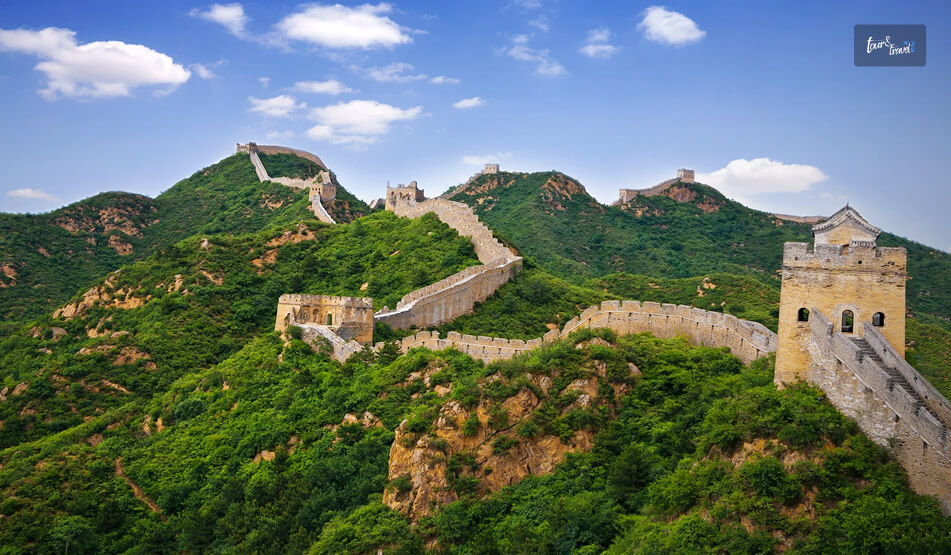
1. China, The Oldest Continuous Civilization In The World 

China, The Oldest Continuous Civilization In The World

China traces its origins back to the Shang Dynasty (c. 1600 BC) over 3,500 years ago. 

The oracle bone script of the Shang did not simply get lost like the hieroglyphics of Egypt or the cuneiforms of Mesopotamia. Instead, it gradually transformed into the modern Chinese writing system in use today. 

Furthermore, the “Imperial Logic” of China, a centralized bureaucracy under moral guidance by Confucianism, was the charter of the Han Dynasty.

It continued to be the underpinning even through the rise and fall of the many dynasties. 

Even when the country was dominated by foreign powers such as the Mongols (Yuan Dynasty) or the Manchus (Qing Dynasty), they did not “unmake” China. 

Rather, the new rulers were “Sinicized, ” taking on the Chinese ways of administration and language so as to stay in power. 

The present-day People’s Republic of China utilizes a model of central governance that is reflective of the bureaucratic mindset of the emperors who ruled the country some two millennia ago.

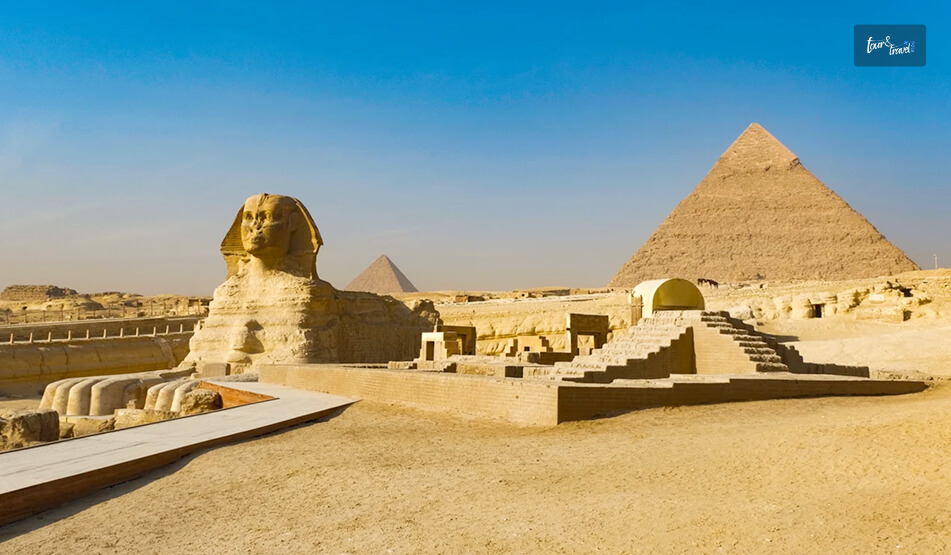
2. Egypt: The Tital Of Antiquity 

Egypt The Tital Of Antiquity

Egyptian civilization rose to prominence around 3100 BC under Pharaoh Narmer, at least in theory. 

For 3,000 years, it set the standard for administration, engineering, and art. 

The native religion faded with Christianity, and later Islam, and Coptic was mostly replaced by Arabic. 

Still, the Egyptian character stayed rooted in the Nile. 

Foreign powers, such as the Persians, Romans, Ottomans, and British, could never fully erase that identity. 

Furthermore, Cairo held a central role in Islamic thought for centuries. 

Today, Egypt remains the most culturally influential nation in the Arab world. The people have outlasted every empire that tried to control them.

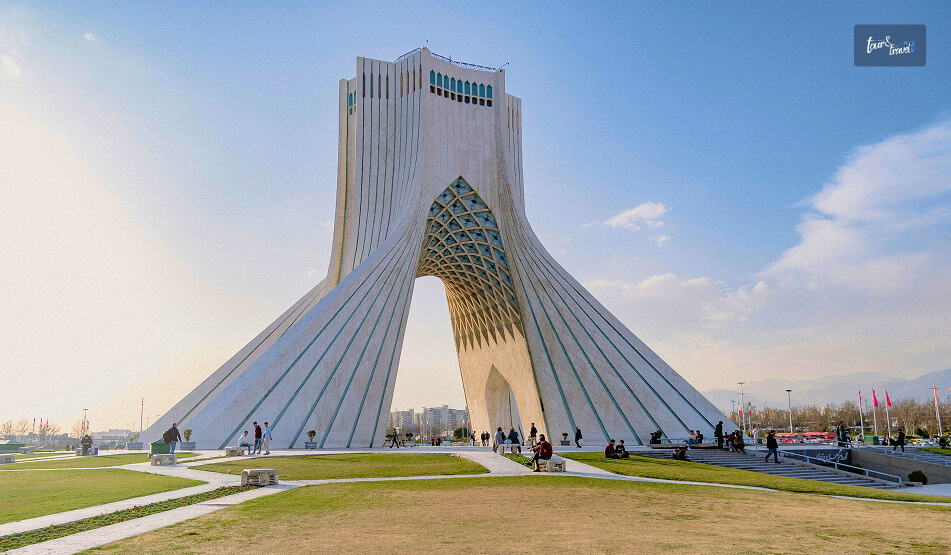
3. Iran: The Persian Resilience 

Iran The Persian Resilience 

Iran, once called Persia, ruled the world from 550 BC when Cyrus the Great built the Achaemenid Empire. 

The culture soaked up new rulers instead of losing itself. 

After Alexander took over, he started wearing Persian royal clothes. 

When Islam came in the 7th century through Arab rule, Persians embraced the faith but kept their language and built a unique style of art and religion.

Thus, eventually, the formation of Shi’a Islam happened. 

Farsi stayed strong with its roots unchanged and gave rise to poetry that shaped global thought, in particular through Rumi and Hafez. 

Now, Iran’s Islamic Republic stands where the ancient emperors once did, same land, same heartland, 2,500 years later!

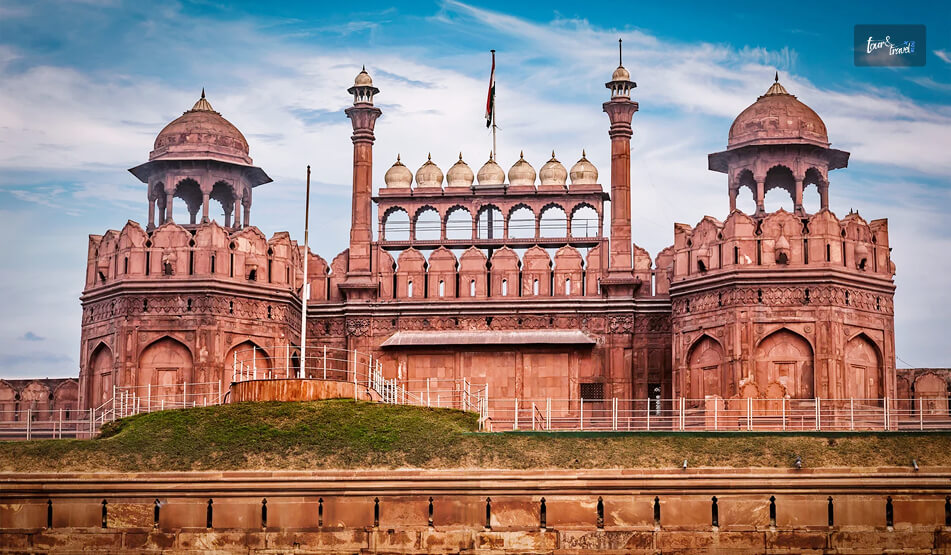
4. India: The Land Of Spirituality

India The Land Of Spirituality

India’s story starts with the Indus Valley Civilization (c 2500 BC). 

After it faded, the Vedic traditions in the Ganges Valley shaped Hinduism. 

Also, the thing is, India has always had this “Diversity in Unity. ” 

It survived Mughal rule and the British Raj without giving up its core values or spiritual roots. 

Local languages, epics like the Mahabharata, and daily life structures held strong through centuries of outside control. 

After its independence from British Rule in 1947, India became the world’s largest democracy, built on an ancient foundation that still holds together today.

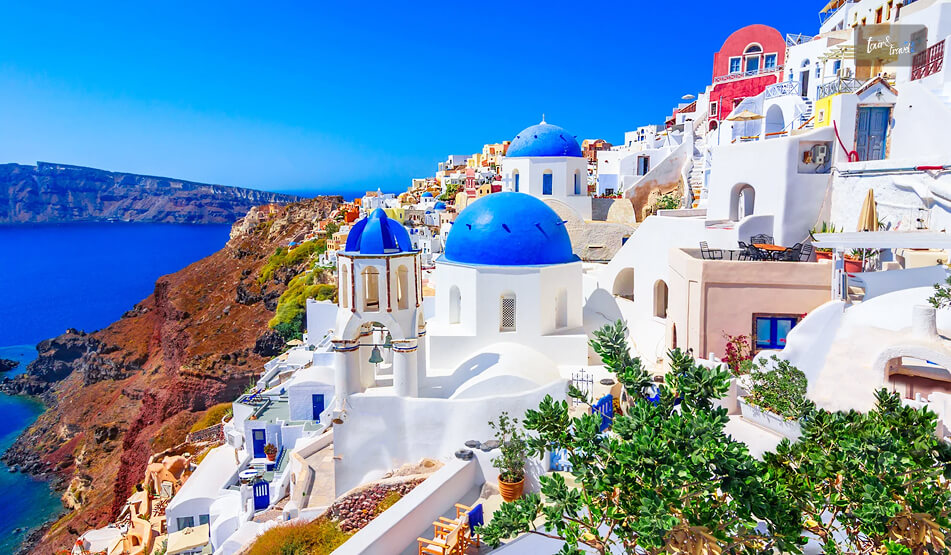
5. Greece: The Land Of Philosophy 

Greece The Land Of Philosophy

Greek civilization had its beginnings in the Bronze Age with the Mycenaeans (c. 1100 BC).

Furthermore, its most flourishing period was the 5th-century BC “Golden Age” of Athens. 

After the Greek city-states were absorbed by Rome to some extent, Greek culture became the very foundation of the Roman Empire. 

In the Byzantine Empire, Greek was the language of the state as well as the church, and it was through these that Classical knowledge was preserved through the Middle Ages. 

Even under four centuries of Ottoman rule, Greeks maintained their identity through the Orthodox Church and the use of their ancient language. 

Moreover, when modern Greece was liberated in 1830, in essence, it was not a matter of creating a new identity.

It was about celebrating a nation and a culture that has been around for three thousand years.

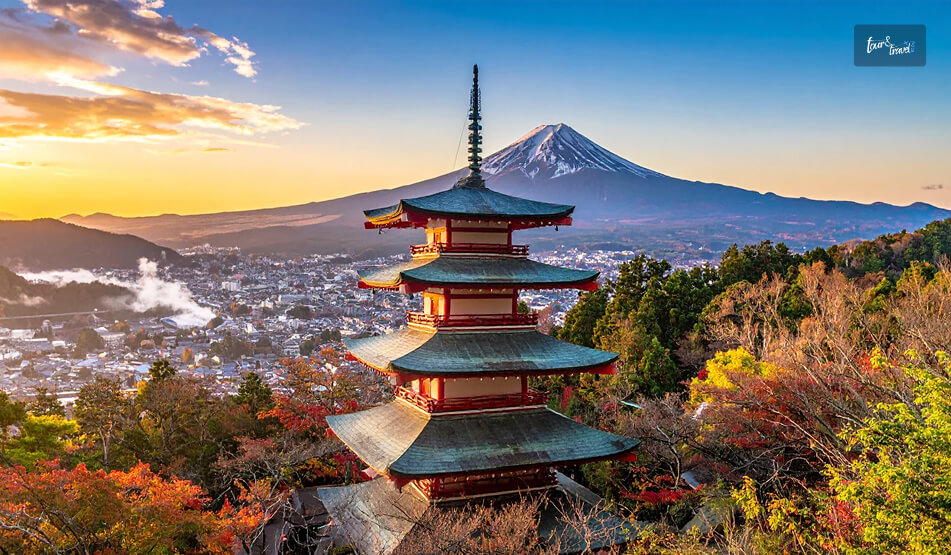
6. Japan: The Land Of The Oldest Continuous Hereditary Monarchy

Japan The Land Of The Oldest Continuous Hereditary Monarchy

Japan has the world’s oldest continuous hereditary monarchy, beginning with a legendary founding in 660 BC and first documented records in the 6th century AD. 

It modernized rapidly during the Meiji Restoration in 1868 without losing its traditional values. 

Furthermore, unified by one language and Shinto and Buddhism, Japan was never colonized by a Western power. 

Even after World War II destroyed much of its infrastructure, the imperial institution stayed intact as a symbol of continuity. 

Probably more or less, Japan’s blend of advanced industry and old social norms contributes to its stability. 

Today, the nation remains one of the most enduring civilizations in history.

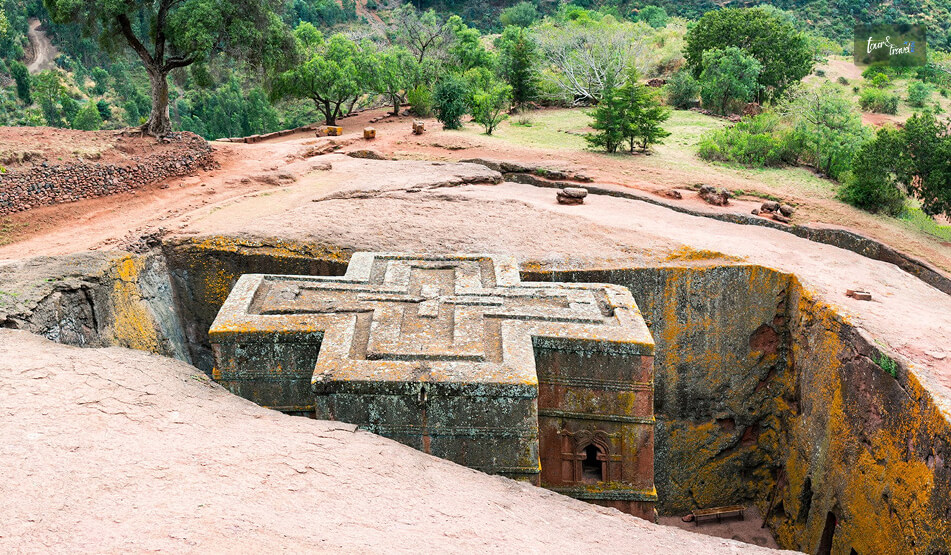
7. Ethiopia: The Highland Fortress

Ethiopia The Highland Fortress

Ethiopia stands as a symbol of African endurance. 

Its origins go back to the Aksumite Empire (c. 100 AD), which was among the earliest nations to adopt Christianity in the 4th century. 

For over seven hundred years, the Solomonic Dynasty, which asserted its lineage from the biblical King Solomon, ruled the country. 

The challenging terrain of Ethiopia enabled it to be the only African country that was never colonized (although it was under an Italian occupation for a short time in the 1930s). 

The Ethiopian Orthodox Church and the Ge’ez script were cultural foundations.

It preserved national identity and sovereignty when the rest of the continent was carved up by Europe.

8. Jewish Civilization

Starting in the kingdoms of Israel and Judah more than 3,000 years ago, Jewish civilization stands as the most remarkable example of cultural resilience in history. 

After the Romans destroyed Jerusalem, the Jews spread out worldwide in a diaspora.

Normally, a nation without a territory would lose its identity in a few generations. 

However, Jewish civilization, through religious law (Halakha), the Hebrew script, and a strong tradition of education, was able to survive as a “portable nation”. 

The founding of the State of Israel in 1948 was the political expression of a cultural memory that had been kept alive for over 2,000 years.

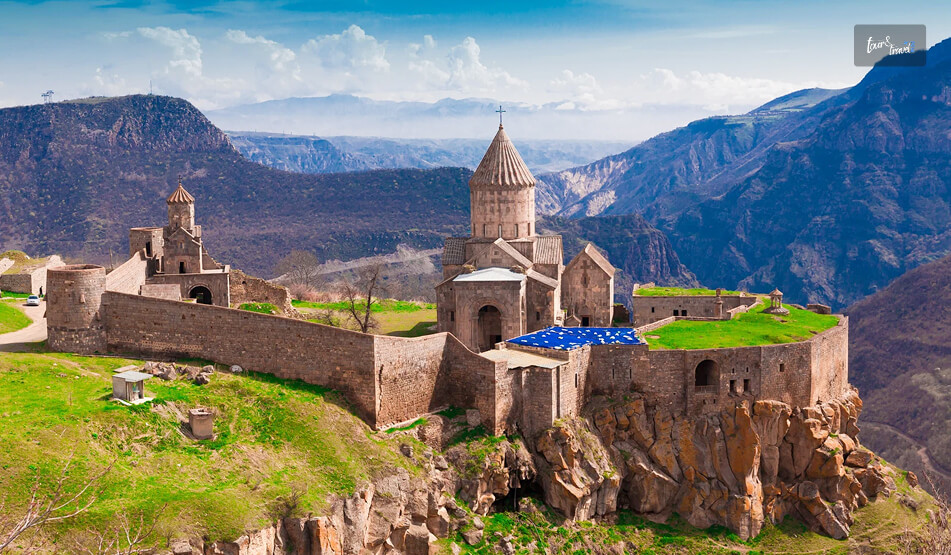
9. Armenia: The First Christian State

Armenia The First Christian State

Armenia has been located in the Caucasus region for at least 3,000 years. 

It was the first country to make Christianity its official religion in 301 AD. 

Yes, the Armenian people had many influences. The Persian, Roman, Ottoman, and Soviet!  

They still maintained their unique alphabet (created in the 5th century) and their national church. 

Not even the atrocities of the 1915 genocide were able to sever the cultural connection of the modern Republic of Armenia with its ancient Bronze Age heritage.

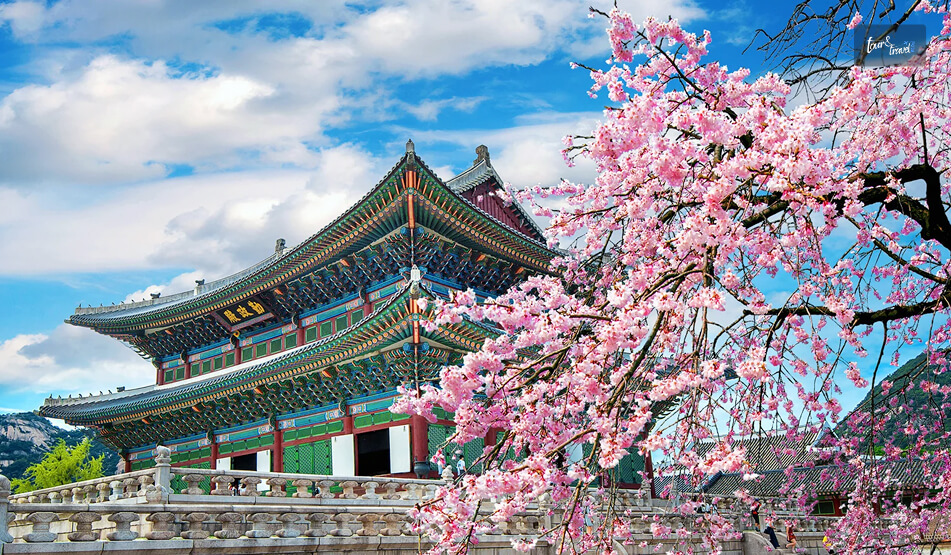
10. Korea: The Hermit Continuity

Korea The Hermit Continuity

The Korean culture started with the kingdom of Gojoseon. Further, its cultural identity resulted in a unified nation by the 7th century. 

Surrounded by a peninsula, Korea had its unique Hangul script and Confucian values.

Thus, despite cultural influences from China and a very harsh period of Japanese colonization (1910-1945), it never lost its identity. 

Even though North and South are separate nowadays, they both have the same original myths, language, and sense of ancestors’ pride.

Share on Social Media

Meet Sibashree Bhattacharya, a travel enthusiast who has a decade-long experience in transcending virtual barriers with her words! Her deep love for travel is apparent from her travel escapades to the mountain, often taking her readers on a journey, her words acting as Portkey! Fun fact: Sibashree loves to dive deep into the history of the places she is about to visit, making her travels even more wholesome. If you were wondering how her articles are not short of time travel, this answers it!

Leave a Reply

Your email address will not be published. Required fields are marked *

title-img Related

READ MORE things to do in leeds

Things To Do In Leeds: Dive Into The Dynamic Heart Of Yorkshire

BY  Abdul Aziz Nov 22, 2023

Do you want to travel without breaking the bank? Leeds offers affordable options for city breaks that let you discover new things. We've compiled some ideas for ways Leeds is an inexpensive city destination for singles, families, and couples. It offers inexpensive nights out to the fascinating year-round calendar of festivities as part of Leeds 2023. Most museums and galleries in Leeds are free to enter. Let's explore and find out the best things to do in Leeds. Things To Do In Leeds cloudfront.net Leeds has gained a reputation in recent years as the liveliest city in the UK, with a broad and welcoming cultural scene. Leeds is a city full of culture, from venues and organizations that are breaking new ground to street art trails. This is partially attributable to Leeds' abundance of museums and galleries, the majority of which offer free admission. A few of the best art galleries in the city may be found in the cultural district of Leeds, including the Henry Moore Institute, Leeds Art Gallery, Leeds Central Library, and Leeds City Museum, all of which are only a two-minute walk apart. Leeds City Museum offers amazing exhibitions and artifacts that let you travel through time and experience amazing history. Leeds Art Gallery features exhibits of Victorian art, sculptures, paintings, and portraits. It also has one of the best exhibits of 20th-century modern art outside of London. The Henry Moore Institute, one of the biggest sculpture exhibitions in Europe, honors the art of sculpture. The Leeds Central Library holds a great collection of books from all over the world. Things To Do In Leeds: Museums & Art jaga.co.uk There are always plays or other forms of entertainment in Leeds because of the city's outstanding theaters and touring companies. Leeds Grand Theatre - one of the UK's most stunning Grade II listed theaters - offers shows for as little as £15. This is home to Northern Dance and Opera North, the only resident dance and opera companies in the country outside of London. Some of the most well-liked Westend productions, including Sister Act, The Bodyguard, and Dirty Dancing, are also available online for a reduced price. Do you need more excuses to visit? Leeds is hosting its Year of Culture in 2023, which makes it an extremely interesting year for the city. A calendar of events is planned for the entire year, all throughout Leeds, with the goal of "letting culture loose." There are countless options for events and activities that highlight the vibrant arts and culture of the city and its residents. Most events are either free or "pay as you feel." Some of the highlights include 90 painters from throughout the city on display at Leeds Art Gallery. They will be showcased at the "The Leeds Artists Show" through April 30. Pay what you feel for "As You Are," a sound, walk-in musical experience designed by South African cellist Abel Selaocoe. It will be held for the Orchestra and Chorus of Opera North. There is still a lot to look forward to. Things To Do In Leeds: Food & Cuisine welcometoleeds.co.uk Searching for a culinary-themed staycation? Leeds is the ideal place to be. The city, which is home to a booming independent food industry, has several cafes, bars, pubs, and restaurants. Leeds is the unofficial gastronomic capital of the North. Not sure what you want to do? Visit Trinity Kitchen. Trinity Kitchen is a great spot to visit for lunch, supper, or even an afternoon snack. It features rotating street food vendors serving it all, from pizza to Pho. It has a laid-back, distinctive setting for you to enjoy lunch, dinner, or afternoon snack. Kirkgate Market also has a similar street food setup. Kirkgate Market, where M&S first made its appearance, is currently the largest indoor market in Europe. Its recently renovated food hall is home to some delicious treats. There is the award-winning Manjit's Kitchen- a vegan Punjabi street food vendor. There is also Fat Annie's- an entirely plant-based restaurant serving American-inspired burgers and hot dogs. You must also visit the renowned Yorkshire Pudding Wrap Company to indulge in one of their delicious wraps. Searching for new openings in the food and beverage industry? Leeds can take care of that.  The brains behind Doh'nut, the greatest doughnuts in town, opened Things in Bread, a brand-new gourmet sandwich store right in the middle of the city center. You're onto a winner when you find traditional sandwich flavors made with premium ingredients and freshly baked bread. Things To Do In Leeds: Parks & Greens There are numerous ways to enjoy Leeds, so a trip to this city offers more than just the bustle of the city center. You can find some of the most breathtaking natural beauty in the UK beyond the nightlife, museums, shops, and restaurants. Roundhay Park, a few miles outside the city center, has more than 700 acres of parkland, lakes, woods, and gardens. Get hot beverages and snacks from the on-site Lakeside Cafe. Visit the nearby Tropical World for a family-friendly island experience. In the desert, meerkats stand boldly, while exotic butterflies and birds are free to roam throughout the recreated rainforest habitat. Adult admission to Tropical World is £7.20, £3.80 for children, and kids under five enter for free. One of the most well-loved tourist destinations in the city is the medieval ruins of Kirkstall Abbey. It is located just outside of the city. Tickets are £5 for the ruins and expanse of grounds to check out; children under five are admitted free of charge. The Leeds-Liverpool Canal runs alongside Kirkstall Abbey, so why not take a leisurely stroll down it first? Things To Do In Leeds: Architecture & Heritage travel-assets.com Leeds is also an ideal starting point for discovering the splendor of the surroundings. The Yorkshire Dales National Park, which is home to some of Yorkshire's most famous landscapes and attractions, such as the Yorkshire Three Peaks, Ilkley Moor, Bolton Abbey, and the adjacent ancient towns of Harrogate and Knaresborough, is conveniently accessible from Leeds station. The industrial towns of Yorkshire are also well worth a day trip. Nestled next to the Leeds-Liverpool canal, Saltaire is a UNESCO World Heritage Site. It's a great place to spend a leisurely afternoon strolling through its charming alleys or visiting the well-known Salts Mill. It's certainly worth the journey, with a magnificent variety of Hockney artwork, literature, flowers, cuisine, and 21st-century business, and free admission.  When you take an inexpensive city holiday to Leeds, you may discover all of this and more. Things To Do In Leeds: Lodging nationalparks.uk Book a stay at Art Hostel for consistently reasonable and distinctive lodging. It is the first establishment of its kind in the UK and the ideal spot to unwind after a strenuous day of sightseeing. Regional artists from East Street Art designed imaginative, reasonably priced, and distinctive lodging. It is a vibrant, artist-run company that spearheads avant-garde art initiatives and shows. The Art Hostel's themed rooms are all the product of the creative minds of Leeds-based artists working with regional artisans. Wrapping Up Leeds is a great place to take an inexpensive staycation in the UK because there is a lot to do there. The city is filled with events that do not break the bank. Use this guide to figure out how to spend your time here, whether you have 24, 48, or 72 hours. If you have thoughts to share or questions to ask about things to do in Leeds, please leave a comment below. We would love to hear from you! Read Also: Brighton Bliss: Crafting Your Perfect Coastal Getaway Itinerary Unmissable Urban Delights: Things To Do In Glasgow UK City Hidden Gems: Things To Do In Manchester

READ MORE Warm Weather Vacations

The 10 Best Warm Weather Vacations

BY  Nabamita Nov 30, 2023

When the chill of winter sets in, the allure of warm weather destinations becomes irresistible. From sun-drenched beaches to lush tropical forests, the world is brimming with spots perfect for shedding layers and basking in warmth.  In our roundup of the 10 best warm weather vacations, we explore diverse corners of the globe where the sun shines bright, the waters beckon, and the warm breeze carries the promise of unforgettable experiences. These destinations promise a respite from the cold and an adventure into the heart of warm weather bliss. 1. Seychelles Seychelles is a dreamy destination, known for its warm climate and stunning natural beauty. This archipelago in the Indian Ocean boasts 115 islands. Each is a slice of paradise with turquoise waters and white sandy beaches. The lush tropical forests are home to rare wildlife, enhancing its allure. Among the must-visit spots is Mahe Island, the vibrant heart of Seychelles. This island also attracts foreign entrepreneurs who come here to open offshore companies and trusts. Praslin Island offers the unique Vallee de Mai Nature Reserve. For a picturesque retreat, La Digue Island is unmatched with its iconic Anse Source D'Argent beach. 2. Anguilla Anguilla is a captivating warm weather destination, renowned for its serene beaches and crystal-clear waters. This Caribbean gem is a haven of tranquility, offering a perfect escape from the hustle of everyday life. Its coastline is dotted with over 30 stunning beaches, each with its unique charm. Shoal Bay East is a world-class beach known for its soft, white sands. Rendezvous Bay offers breathtaking sunsets and gentle waves, ideal for relaxation. For a touch of history, visit the Heritage Collection Museum. 3. Ibiza A jewel in the Mediterranean, Ibiza is famed for its vibrant nightlife and stunning beaches. This Spanish island attracts sun-seekers and party-goers alike with its warm climate and lively atmosphere. Its coastline is a mosaic of hidden coves and expansive sandy stretches, perfect for relaxation and water sports. Notable attractions in Ibiza include the bustling Ibiza Town, rich in history and culture. Playa d'en Bossa is renowned for its beach clubs and music scenes. For a quieter experience, visit the tranquil Cala Comte. Ibiza's blend of historical charm, natural beauty, and dynamic nightlife makes it a top warm weather destination. 4. Bali With its lush tropical climate, Bali is a premier destination for warm weather enthusiasts. This Indonesian island is famous for its lush landscapes, vibrant culture, and beautiful beaches. Its diverse environment ranges from volcanic mountains to tranquil rice paddies, offering a unique experience. Popular attractions in Bali include Ubud, the cultural heart, known for its art and traditional crafts. Seminyak boasts trendy beaches and upscale boutiques. For breathtaking natural beauty, visit the Tegallalang Rice Terraces. 5. Menorca Menorca is a serene Balearic Island known for its idyllic beaches and crystal-clear waters, This Spanish island offers a tranquil alternative to its busier neighbors. Its landscape is adorned with charming coves and lush greenery, creating a peaceful retreat. Ciutadella is a picturesque and historic city on the western coast of Menorca with charming old town, Gothic architecture, and beautiful harbor. Cala Macarella is famous for its turquoise waters and scenic beauty. The island's capital, Mahon, offers a rich cultural experience with its Georgian architecture. 6. Morocco Diverse landscapes and rich culture make Morocco a fantastic warm weather destination. It offers sun-drenched beaches, vast deserts, and vibrant cities. From the bustling souks of Marrakech to the serene Sahara Desert, each location presents a unique experience. The coastal city of Essaouira contains windy beaches and historic medina. The blue city of Chefchaouen enchants visitors with its picturesque streets. For a desert adventure, Merzouga is the gateway to the Erg Chebbi dunes. Morocco's mix of cultural heritage, natural beauty, and warm climate make it an intriguing and exciting vacation spot. 7. Panama Panama is the bridge between Central and South America. It’s a top choice for vacationers because of its warm climate and diverse landscapes. It offers lush rainforests, beautiful beaches, and vibrant city life. The Panama Canal, an engineering marvel, attracts visitors globally, while the capital, Panama City, blends modern skyscrapers with historic colonial architecture. For beach enthusiasts, Bocas del Toro is a must-visit with its crystal-clear waters and coral reefs. The San Blas Islands offer an authentic experience with indigenous communities. Boquete is perfect for nature lovers, with its coffee plantations and cloud forests. 8. Croatia Croatia is a stunning warm weather destination, celebrated for its crystal-clear Adriatic Sea and historic coastal towns. Its landscape is a picturesque blend of beautiful beaches, ancient ruins, and lush national parks. The country's unique culture and Mediterranean cuisine add to its charm. Known as the "Pearl of the Adriatic," Dubrovnik, enchants with its well-preserved medieval walls. The Plitvice Lakes National Park offers breathtaking natural beauty with its cascading lakes and waterfalls. Hvar Island is famous for its sunny beaches and vibrant nightlife.  9. Moskito Island Moskito Island, nestled in the British Virgin Islands, is an exclusive and luxurious warm weather haven. Known for its pristine beaches and crystal-clear waters, it offers an unparalleled private retreat. The island boasts lush landscapes, providing a backdrop for relaxation and adventure. Top attractions include private villas with breathtaking ocean views, offering ultimate privacy and comfort. Activities range from snorkeling in the vibrant coral reefs to exploring secluded coves by kayak. Moskito Island's fusion of exclusivity, natural beauty, and serene environment makes it an ideal spot for those seeking a high-end, tranquil warm weather vacation. 10. Necker Island Necker Island is a private oasis in the British Virgin Islands. This 74-acre island is enveloped by turquoise waters and coral reefs, offering a paradisiacal escape. It's famed for its commitment to conservation and sustainability, hosting diverse wildlife including flamingos and giant tortoises. The island features sumptuous accommodations, each with unique, opulent designs that blend seamlessly with the natural environment. Guests can indulge in activities like windsurfing, kitesurfing, and sailing in the clear waters. The Great House, perched on a hilltop, offers panoramic views of the Caribbean. It's the social hub for exquisite dining and entertainment. Read Also: Island Paradise Unveiled: Best Time To Visit The Philippines I Had No Idea When To Visit Mauritius Till I Went There THIS Time! Best Time To Experience Dubai: The City Of Gold

READ MORE Essential Safety Supplies To Pack On Your Backpacking Trip

Essential Safety Supplies To Pack On Your Backpacking Trip

BY  Nabamita Feb 3, 2024

Embarking on a backpacking trip can be an exhilarating experience, immersing yourself in nature's beauty and embracing the wilderness. However, safety should always remain a top priority amidst the excitement of exploration. Whether you're a seasoned backpacker or a novice venturing into the great outdoors, the injury lawyers in Chicago note that packing the right safety supplies for any situation can make all the difference in ensuring a smooth and secure journey. If you are wondering what the essentials that should be in your travel backpack are, we have you covered! Here's a comprehensive guide to essential safety supplies that should be in your backpack before hitting the trails. Backpacking TripPack Rightly: Things You Must Include In Your Backpacking Trip Ready to explore the sky-pointing peaks? Make sure to pack all the essential items, or you can ruin your entire journey. Given below are a few essential things you must never forget on your travel backpack. Check them out: First Aid Kit A well-stocked first aid kit is non-negotiable for any backpacking excursion. It should include bandages, adhesive tape, gauze pads, antiseptic wipes, tweezers, scissors, pain relievers, blister treatment, and any personal medications you may need. It is recommended that your kit be based on the length and location of your trip, ensuring you're prepared to handle common injuries and ailments that may arise on the trail. Navigation Tools Getting lost in the wilderness can quickly turn a thrilling adventure into a nightmare. Always carry reliable navigation tools such as a map, compass, or GPS device, and make sure you know how to use them effectively. Familiarize yourself with the terrain and plan your route to minimize the risk of getting off track. Emergency Shelter Unforeseen circumstances like sudden changes in weather or unexpected delays can leave you stranded outdoors. Pack lightweight emergency shelter options such as a tent footprint, emergency bivvy, or space blanket to provide protection from the elements and retain body heat in case you need to spend an unexpected night in the wilderness. Fire Starter Kit Fire can be a lifesaving resource in survival situations, providing warmth, light, and a means to cook food. Pack waterproof matches, a lighter, or a fire starter tool to ensure you can easily ignite a flame even in damp conditions. Additionally, carry some fire accelerants like cotton balls soaked in petroleum jelly for reliable fire starting. Water Purification System Access to clean water is vital for staying hydrated and healthy during your backpacking trip. Invest in a reliable water purification system such as a portable water filter, water purification tablets, or a UV water purifier to treat water from natural sources like streams and lakes safely. Avoid drinking untreated water to prevent waterborne illnesses. Multi-Tool A multi-tool is a versatile gadget that combines several essential tools into one compact package. Opt for a quality multi-tool that includes features like a knife, scissors, screwdriver, pliers, and bottle opener. Products like the Microtech Ultratech knives can come in handy for various tasks, from preparing food to hard use. Therefore, these qualities automatically make such a tool an indispensable item for any backpacker. Emergency Communication Device In remote wilderness areas, cell phone reception may need to be more reliable and present, making it challenging to call for help in case of an emergency. Carry an emergency communication device such as a satellite phone, personal locator beacon (PLB), or two-way radio to summon assistance if you encounter a serious injury or other life-threatening situations. Sun Protection For Your Backpacking Trip Exposure to the sun's harmful rays can lead to sunburn, heat exhaustion, and dehydration, particularly at higher altitudes. Do not forget to carry some essential sun protection products like sunscreen that carries a high SPF rating, sunglasses with UV protection, a broadly-brimmed hat, and lightweight clothing that covers your skin to shield yourself from the sun's intense glare. Insect Repellent Insect bites and stings can not only be irritating but also carry the risk of transmitting diseases such as Lyme disease or West Nile virus. Apply insect repellent containing DEET or picaridin to exposed skin and clothing to ward off mosquitoes, ticks, flies, and other pesky bugs that inhabit outdoor environments. Emergency Whistle In situations where verbal communication may be difficult or impossible, an emergency whistle can serve as a simple yet effective signaling device to attract attention and alert others to your presence. Keep it easily accessible on your backpack or person, and use short bursts to signal for help if needed. Read Also: The Ultimate Guide To Hassle-Free Sightseeing In Rome How To Choose The Right Backpack For Your Trip? When it comes to choosing the right backpacking trip, two things have to be considered. First is its fit, and second is its volume. I know you got the least idea when I said this. That’s why here is a brief idea about how to pick the right backpack: Fit As functional as a backpack should be, it must be comfortable, too. And it all begins with a proper fit. Various packs come in either two or three sizes, thus indicating the pack’s length. Do not forget to visit your local store and enquire about the different fit they are providing. Volume  Secondly, your backpack’s volume should be large enough so that it can hold everything you carry. However, don’t buy something extravagant and carry unnecessary weight. Backpacking carryons are usually measured in terms of liters, so be sure to pack something only in the range of 40-70 liters. Parting Thoughts While the allure of the wilderness beckons with its promise of adventure and exploration, it's essential to prioritize safety when venturing into the great outdoors. By packing these essential safety supplies on your backpacking trip, you'll be better prepared to handle emergencies, navigate challenging terrain, and enjoy a memorable outdoor experience with peace of mind. Remember, preparation is key, so take the time to plan and pack accordingly before setting out on your next backpacking adventure. That was all about packing the important supplies for your backpacking trip and ensuring a seamless journey. Comment your thoughts below and tell us what you think about it. Thank you for reading! Read More: How to Choose A Backpack 10 Best Places To Visit In Europe Top 3-Week Itineraries For A Perfect Tour Of Europe