

9 Best Beaches In Australia That Will Make It The Trip Of Your Life!

May 6, 2024

Last Updated on: Nov 13, 2025

Travel Guides

Are you a water person? Do you need to open your shoes and dip your feet in the water soon? Is your favourite destination always related to beaches? Well, then you must check out these nine beaches, some of the best in Australia.

When you visit these beaches, you see pure white sand, crystal clear waters, and majestic boulders—it feels like a perfect postcard scene. It is high time that beaches were given their right value, with beautiful scenery and a peaceful environment.

Also, you will find my ideas on some things to do in Australia when it comes to these beaches! Keep reading to know more.

9 Best Beaches In Australia That Will Make It The Trip Of Your Life!

There are several beautiful beaches in Australia, including Whitehaven Beach, Bondi Beach, Noosa Beach, and others. I will discuss with you the significance of the white sands on these beaches and the crystal-clear waters; at times, the turquoise colour is apparent.

Water passes through the sand, making it so fine! Along with the water, the impurities wash away, creating clean and soft sand. Let us delve deeper into how to have some of the best trips of your life when you plan on visiting these beaches.

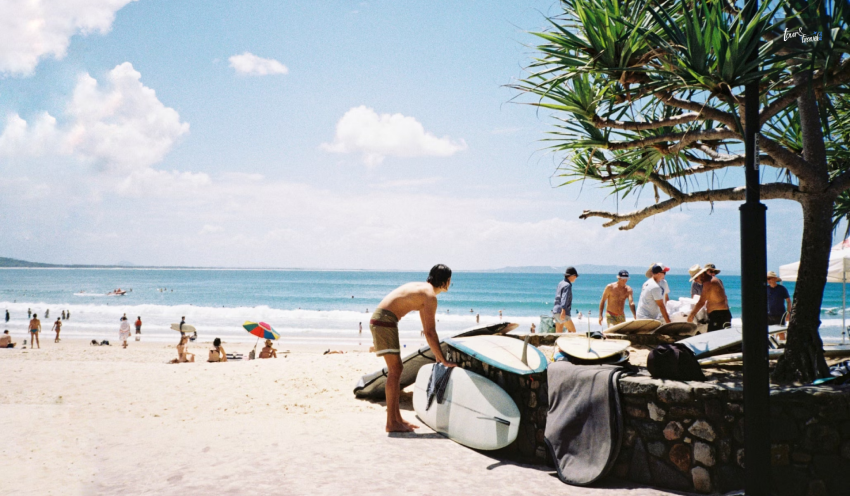
1. Noosa Main Beach

Noosa Main Beach

The Sunshine Coast of Queensland offers some beautiful beaches, including Noosa Main Beach! It is one of the most popular beaches in the area, especially because the view is postcard perfect. When you visit Noosa, you will know what I am talking about, especially when you witness the swaying palms, turquoise waters, and golden shore.

Lifeguards patrol the area daily, and there are ample facilities. Hence, you will not only enjoy yourself on this beach, but you will also be safe. Furthermore, if you are visiting with families, it is a perfect place because the beach is right beside Hasting Street, where you can shop.

The restaurant precinct is also there, so you can easily grab some food. Because the beach is north-facing and sheltered, the surf and climate are gentle all year round.

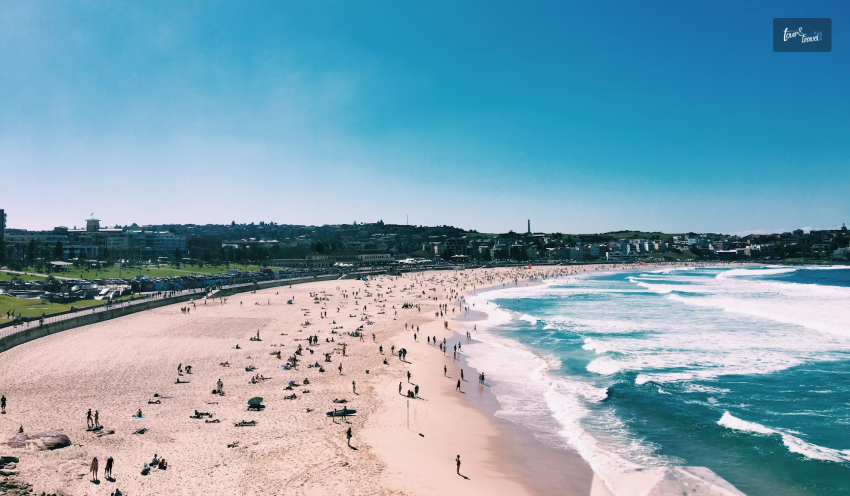
2. Bondi Beach

Bondi Beach

Bondi Beach is always packed with tourists and is one of the most crowded beaches in Sydney and Australia! It is an iconic beach because, across the stretch of silky sand, you will experience spectacular scenery with the warm Aussie sunshine on your face. This is one of the coolest beaches in Sydney! 

Standing in front of perfect waves will take your breath away! If you want to enjoy this view, you should visit mid-week because the rush is a little relaxed. Check out Bondi Surf Seafoods, where you must try the fish and chips doused in lemon and wrapped in butcher’s paper.

Once you swim, get yourself fish and chips, sit on the beach, and eat it! Without this experience, your visit to Bondi Beach would be incomplete. Furthermore, you can also visit Bondi Icebergs to cool your body with a sunset drink.

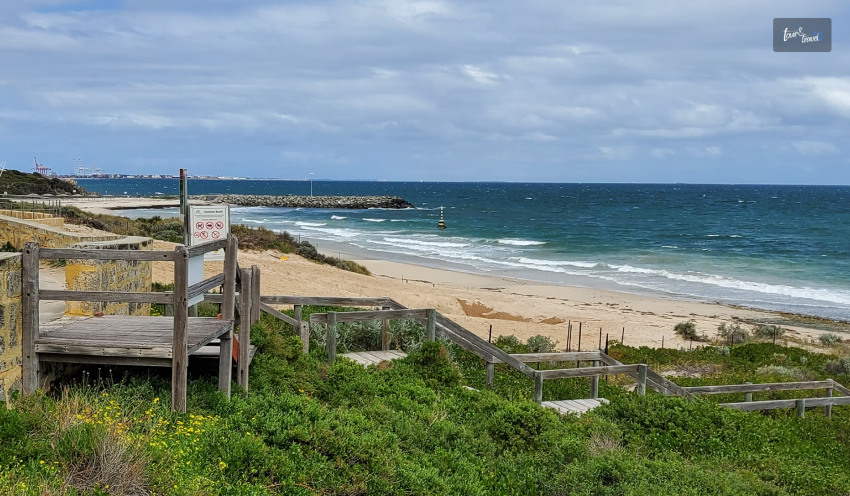
3. Cottesloe Beach

 Cottesloe Beach

In Western Australia, Cottesloe Beach is perfect if you are into beachside dining! You can drive down from Perth to visit this aesthetically beautiful beach. Apart from visitors and tourists, it is also one of the locals’ favorite spots.

You can check out art exhibitions, which are sometimes organized on the beach! Apart from surfing and cycling trails, you can attend the annual Sculpture by the Sea. Several eateries provide a perfect environment for you and your fellow travelers when you are hungry.

Restaurants such as Jade Court, which has been open for 35 years in Cottesloe, offer an unforgettable Chinese experience. Another significant eatery that people swear by is Indigo Oscar. It is known for its tropical-meets-Latin American dishes and vibe. You should try this place.

4. Cable Beach

Cable Beach

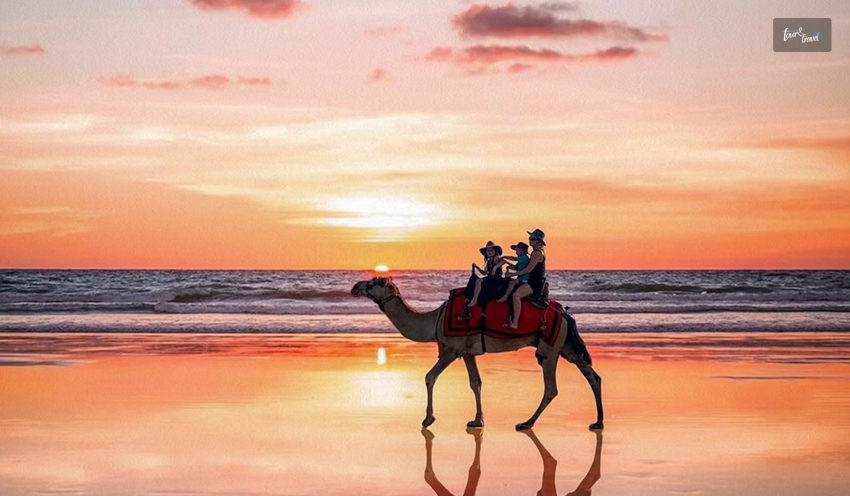
Located on Western Australia’s northern border, Broome has this iconic beach: Cable Beach! Offering picture-perfect sunsets, you must walk across the soft white sand to enjoy the complete feel of it. The calm blue water creates a beautiful visual.

You can soak up the golden glow of the place while enjoying a camel ride! There are camel rides available, which you can take to watch the beautiful sunset at the beach. Furthermore, you must read about some of these restaurants in Australia which will help you taste deliciousness!

If you want to have a romantic experience with your partner after the beautiful sunset, you can go to Tuga Supper Club. The place has amazing food items, such as the lamb and mac and cheese rack and the dessert platter! The music adds to the relaxed ambiance.

5. Wineglass Bay

Wineglass Bay

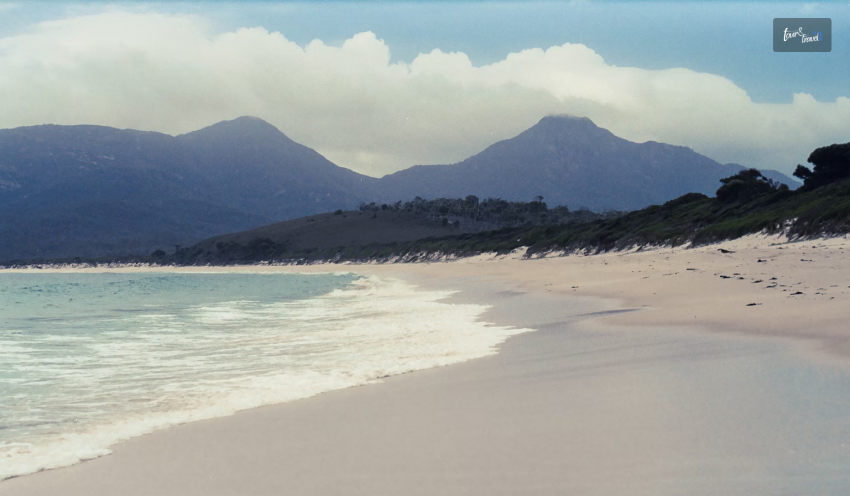
The place is what we call a wild beauty, as Tasmania has to offer natural beauty in all its raw glory. Wineglass Bay is quite a notable beach in Tasmania, located in Freycinet National Park. The beach is a perfect curve covered with white sand, and the clear blue water borders it.

You can take a stroll on the beach with your partner or enjoy yourself on the soft sand. A cozy cafe, Geographe Restaurant Espresso, will cater to your needs for breakfast, lunch, and dinner with a beautiful view. If you are a seafood lover, I have just the place called Freycinet Marie Farm.

You can either stop there and plan on eating right there, or you can buy all the ingredients and take them back home to cook. If you want to enjoy the sunset with a glass of wine, Richardsons Bistro offers everything from lunch to dinner and snacks!

6. Burleigh Heads

Burleigh Heads

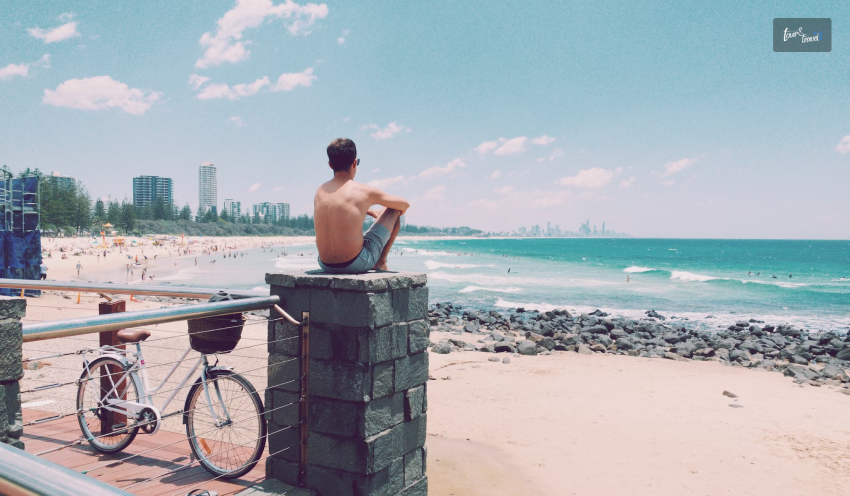
The Gold Coast is popular for its beaches; that is where we have the Burleigh Heads! It will take over an hour for you to drive to Burleigh, a blending beauty of sunshine and surfing; there is a collaboration of culture and vibe. If you are into the sun and surfing, this is it for you!

Furthermore, the place is a mix of chic city life and bohemian vibes. There are several dining and eatery joints with oceanfront views and towering pine trees. The Little Plate is one such restaurant where you can have delicious seafood such as Hiramasa Kingfish and Scallops.

You cannot miss starters like Crispy Fried Prawn Dumplings and Peranakan Nonya Chicken. You will also have an amazing shopping experience because many shops surround the beach.

7. Lucky Bay

Lucky Bay

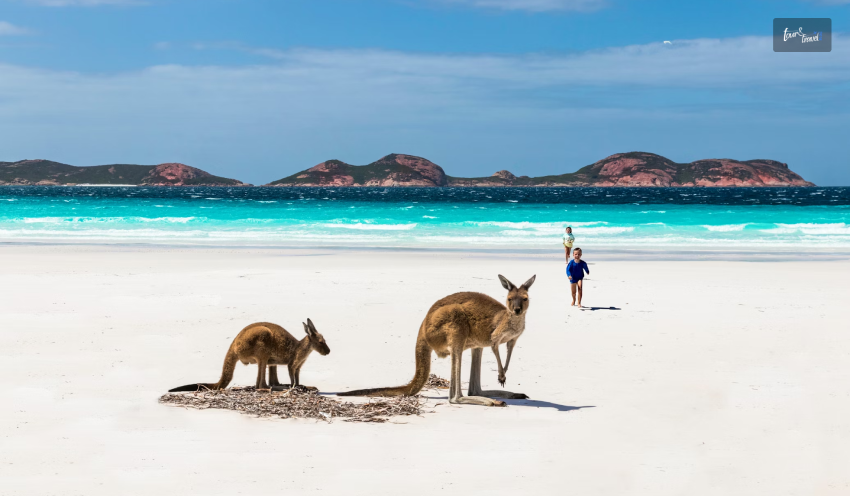
One of the cutest places to hang out, Lucky Bay has kangaroos laid back chilling around the dazzling white sand! If you love wildlife, this place will be heaven for you. Located in the southwest corner of Western Australia, the beach is a combination of white sand in a crescent shape and turquoise water!

In Cape Le Grand National Park, the view is to die for! When you travel there, you see kangaroos sunbathing in the white sand and the completely calm of the people around the beach. You can also check out beautiful views of the Recherche Archipelago.

One place you must go to for food is The Deck Bar & Cafe! You will experience a blend of good wine, good company, and good food when you go there. If you are going towards Moonta and the Port Hughes, you might as well go here.

You will see that the price of the food is standard and quite affordable. Several food options include schnitzels, fish and chips, salt and pepper squid, and burgers! Another beautiful place is the Coffee Barn Gelateria, which is always packed with people!

8. Mindil Beach

Mindil Beach

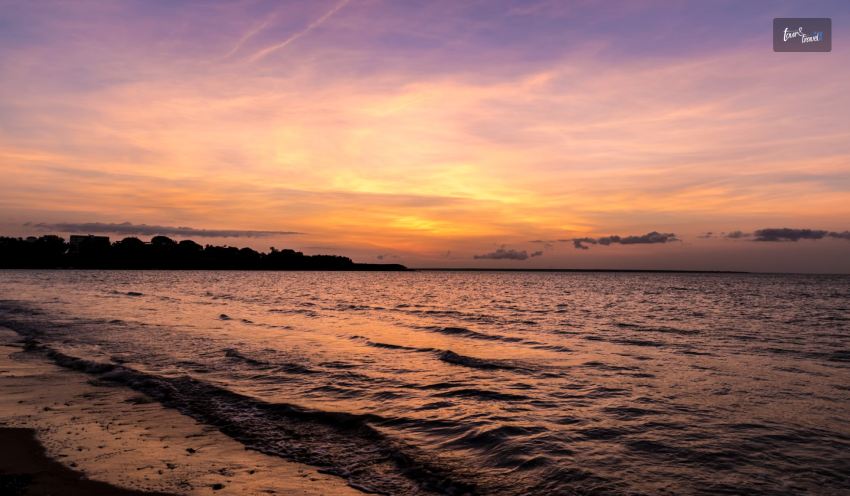
This place is much more than just a beach because there are several beach festivities that make the overall experience perfect. It is in Darwin’s Northern Territory of Australia, where you will get the complete local experience. This is also one of the best places to live in Australia

There is always something happening at this beach, be it runs and marathons, festivals, or markets. The Beach Sunset Market has several food stalls offering sizzling food. You can have delicious food while watching the beautiful sunsets at the beach.

All kinds of food stalls are available, including fruit and juice, seafood, Thai, Chinese, ice cream and sorbet, Sri Lankan, Bangladesh, Mexican, Indian, Turkish, and several others. Even the names of the food stalls are fun, such as Cheeky Cheeky Churros, Magic Cauldron, Petra’s Raw Cakes, Sunset Slushie, Fat Kebabs, FireBowls, Frozen Penguins, and several others.

9. Whitehaven Beach

If you love marine life, you must visit Whitehaven Beach, as it offers spectacular views. The stunning Whitsunday Islands are quite close to this beach, and you can enjoy the view with the turquoise water swirling together!

You can take a variety of cruises when you are on this beach! For accommodation, you can stay on Hamilton Island, which is about 30 minutes by boat.

Finishing Off…

To sum up, it is quite interesting to see that these beaches in Australia can offer some of the best experiences of life. You can make memories by clicking beautiful pictures, selfies, and portraits to remember these times.

You can also visit new places for eating and shopping, thus creating the perfect experience of a lifetime. In my opinion, it is an important way to relax or perform water activities while on the beach with your partners, family, or friends.

Comment on which beach is best in Australia according to you and why.

Learn More About:

Share on Social Media

Sagnika Sinha is a content writer who is passionate about writing travel vlogs, entertainment and celebrity articles and literature-based pieces. With a 4 years experience in teaching, she loves reading books. A procrastinator by nature, she loves travelling, listening to music, planting and gardening.

Leave a Reply

Your email address will not be published. Required fields are marked *

title-img Related

READ MORE best places to travel in Europe

OMG! These Best Places To Travel In Europe Are Amazing In Winter: 7 Must Visits

BY  Sibashree Nov 11, 2024

With the nip in the air and Christmas bells ringing, the best places to travel in Europe gears up for the visitors.  Also, the “Europe Winter Tourism Market” is massive, and Austria, Italy, Germany, and Switzerland are some of the key destinations or revenue earners in this regard.  Further, winter tourism in Europe is beyond indulging in the drizzles of snow and relishing the best food. It has a deeper economic significance in the continent. Did you know that the revenue from winter tourism in Europe is 1-2% of the GDP of European countries?  So, when you visit the best places to travel in Europe in winter, you contribute to the overall economy of the place and the country.  Moreover, winter brings out the best in Europe, with glimpses of the Northern Lights, skiing in the Alps, Christmas festivities, and many more!  You Cannot Miss The Best Places To Travel In Europe In Winter  A wintry day in Europe is blissful, and it’s a great time to travel to this continent if you want to avoid the crowd.  Furthermore, the beautiful landscape of Europe looks dreamier with the blanket of snow in winter.  So, let’s take a flight to the best places to travel in Europe in winter.  1. Rovaniemi, Finland  Best Place to Stay: Santa Claus Holiday Village  Finland Tourism Package from the USA: 1100-1500€ Ho! Ho! Ho! Winter comes with the invitation to fly to the official hometown of Santa Claus. It is the best place to indulge in Christmas festivities, and you will also love the reindeer farms here. Furthermore, you can participate in the following activities when visiting Rovaniemi in winter.  Ice skating Snow sledding Northern Light Safaris However, Rovaniemi will not disappoint you even if you want to spend a quiet winter vacation here. You can cozy up by the fire and have the best glogg ever. Are you a foodie like me? You can indulge in some smoky salmon and ice cream. The chef’s kiss will be watching the snow-clad forests through the windows of your hotel room.  2. Prague, Czech Republic Best Place to Stay: Hermitage Hotel Prague Czech Republic Tourism Package from the USA: 2000-3000€ With St. Nicholas Church as the center of attraction during winter and Christmas, Prague decks up with fresh coats. The Church of Our Lady before Týn and St. Vitus Cathedral are some other popular churches to visit in Prague during Christmas. Furthermore, Christmas has a different fervor in Prague, thanks to the Christmas markets here. It supposedly has the best Christmas Market in the world outside Germany. In the upcoming winter, Prague Christmas Markets will remain open from 30th November 2024 to  6th January 2025. You will get the best wooden toys, ceramics, and candles here. Looking for some gastronomic delight? Prague has Palatschinke and mulled wine that you will cherish.  3. Vienna, Austria Best Place to Stay: Hotel Sacher Wien Austria Tourism Package from the USA: 1500-2500€ Vienna, the winner of the “Most Livable City in the World,” is one of the best places to travel in Europe this winter. BBC conferred this title to Vienna three years in a row.  Further, in winter, Vienna transforms into a site of outdoor operas and hot chocolates. Attending the operas in the freezing cold is an experience, and with thousands of people attending the event, you will feel the palpable festive energy here.  Moreover, you can appease the connoisseur in you by attending the classical musical concerts here. Also, behold the snow-clad beauty of the St. Charles Church and Schönbrunn Palace. It’s dreamy and will offer you the best frames for capturing.  4. Tallinn, Estonia Best Place to Stay: Metropol Spa Hotel  Estonia Tourism Package from the USA: Around 4500€ Tallinn has an amazing location on the Baltic Sea and the most amazing historical centers. You can explore the following historical centers when in Tallinn.   Town Hall Square Olevsite Church Great Guild Hall Further, the turreted castles of Tallin stand tall with their unmatched architecture. Toompea Castle is probably the most famous castle among them. You will also love exploring Kadriog Palace and Pikk Herman. These castles are beautiful year-round. However, they appear to be straight from the pages of fantasy tales under the wrap of snow.  5. Zermatt, Switzerland Best Place to Stay: Hotel Firefly Switzerland Tourism Package from the USA: Around 2000€ Zermatt, at the foothill of the Matterhorn, becomes the paradise of skiers in winter. The coverage of fresh snow and the best scenic views make Zermatt everyone’s favorite, even on the chilliest days.  After you have a fulfilling winter day outdoors, you can indulge in the much-needed warmth and comfort in the spa of Hotel Firefly. Also, Zermatt is the ideal place to try Alpine cuisines and lemon martini.  Moreover, if you want to try outdoor pursuits other than skiing, you can try hiking. Even if you are not interested in hiking to the higher mountains, you can explore Zermatt and the surrounding villages.  You can even take a helicopter ride around Matterhorn to have the best views of the glaciers. If you are on the verge of ending your trip to Zermatt, don’t try to collect some handmade souvenirs.  6. Zagreb, Croatia Best Place to Stay: Garden Hotel Croatia Tourism Package from USA: Around 1500€ Zagreb exudes the quintessential Central European vibe and is a favorite of dark academia fans. Winter transforms it into a wonderland with the Advent in Zagreb festival. You will find the best brandy and homemade sausages here.  You also explore the Christmas markets and appreciate the lights galore throughout the entire locality to indulge in its festive fervor.  Are you looking for more adventure in Zagreb? You can plan a trip to the Plitvice Lakes National Park. It has waterfalls and 16 terrace lakes. In winter, all these waterbodies get frozen and offer you the most surreal view.  Moreover, with the Croatian National Theatre at the epicenter, Zagreb is important for the cultural landscape of Croatia and Europe. You must make a note that Croatian National Theatre is one of the most beautiful theatres in the world.  The Croatian Museum of Naive Art, Zagreb City Museum, and Maksimir Park are some other places of interest in Zagreb.  7. Bergen, Norway Best Place to Stay: Citybox Bergen Norway Tourism Package from the USA: 2600-6500€ Bergen has the ideal Norweigan vibe with colorful wooden buildings. You can enjoy the beautiful view of the fjords and harbor from these aesthetic buildings. And who does not know of the Northern Light in Norway in winter? Late November to January is the best time to experience the magic of Northern Light in Bergen, Norway. The longest nights become bright as you observe this astronomical wonder in the sky.  With your nights becoming lit with the Northern Lights, you can spend your daytime in Norway doing winter hiking, skiing, and sledding. You can even go on a Wildlife or Wild Safari and experience the wonder of nature.  Also read Why Include Whale Watching In Your LA Itinerary. Traveling On A Budget: Tips For Affordable Adventures. From Cocktails To Kickflips: Must-Try Activities In San Diego.

READ MORE

Do The Sand Dunes Come Alive At Kobuk Valley National Park?

BY  Sibashree Sep 11, 2024

Kobuk Valley National Park is surreal! Have you ever thought to meet sand dunes in the Arctic Circle? The unique geology of the park makes it possible. That’s not all! The Great Kobuk sand dunes stand here, along with the remains of the North American continental glaciers.  Three of the sand dunes in this national park are active or alive. The Great Kobuk Sand Dunes, Hunt River Dunes, and Little Kobuk Sand Dunes here cover a mesmerizing 20,000 acres of area in the park.   Today, hiking through these dunes is one of the most popular activities in the Kobuk Valley National Park.   While it is visually unusual or unexpected to see sand dunes in an Arctic National Park, you also need to understand that the Arctic region gets very little rainfall every year. So, this is also a desert region.   “Sand dunes in the Arctic landscape are not what you would expect. Since most people associate sand dunes with a hot desert environment, it is a visually unusual thing to see. In fact, what most people don't realize is that the Arctic is also a desert with very low levels of rainfall.”   - Christian, a Kobuk Valley National Park Worker  Having said that, how the sand dunes came to be here, and the experience of exploring them will be a great thing to discuss in this article.   This Is How The Kobuk Valley National Park Became The Land Of Sand Dunes   https://www.instagram.com/p/BWatGdVFuis/ Much of Alaska, including the Kobuk Valley National Park, falls in the Tundra region. Tundra, the coldest of the biomes, gets only around 150 to 250 mm of rainfall and snowfall yearly1. So, the national park has less rainfall than some of the most well-known deserts in the world.   Further, the sand dunes in the Kobuk Valley are as old as the Ice Age. Now, as the mighty glaciers moved forward and made a retreat, the rocks beneath got ground. Now, the blowing wind transported the sand into the empty and ice-free Kobuk Valley. The sand dunes in the park are up to 150 feet high, and they are the biggest, high-altitude, and most importantly, “active sand fields”  in the earth.   In The Land Of The Great Kobuk Sand Dunes  https://www.instagram.com/p/BgmZYDdAA_r/ Are you in the Sahara? No, you are around 35 miles above the Arctic Circle and still find the largest active sand dune field in the world. Today, it is a popular backpacking, hiking, and camping destination in the National Park. You must attend the Northwest Arctic Heritage Center to learn more about the outdoor pursuits in the land of sand dunes.  Let’s quickly look at why the Great Kobuk Sand Dunes is a preferred destination for camping, hiking, and backpacking.  The sand is steady enough for the landing of an aircraft with wheels.  You can put up your tent on any level surface.  Also, you can hike in any direction.  Further, you can board a float plane and reach the Kobuk River. From there, you can take a backpacking tour for around two miles and reach the dunes.  You must visit the Kotzebue Visitor Center if you have plans to take this backpacking journey to and from the Kobuk River.   There is no marked route for hiking.  In summer, the temperature in the sand dunes can reach up to 100 degrees Fahrenheit. Also, fall is the season to see caribou migration here.   However, there’s more to it! Let’s learn about the Great Kobuk Sand Dunes as relics of the Ice Age and how life thrived here.   Great Kobuk Sand Dunes: The Relics Of The Ice Age   https://www.instagram.com/p/BYwfdMYlr-0/ To know about the formation of the Great Kobuk Sand Dunes, we must go back to the Ice Age. Around 28000 years ago, glaciers in the mountains formed. I have already discussed how the glaciers ground the rocks and wind deposited them in the Kobuk Valley.   Further, approximately 14000 years ago, the glaciers made a massive retreat. As a result, there were 200,000 acres of sandy land formation on the river banks. Complex holocene activities and geomorphic preservations keep the sand dune field at the Kobuk Valley National Park active or alive. Along with the Kobuk Valley, small lakes in the park have also accumulated sand over thousands of years.   However, most of the landscape today is occupied by the vegetation of the national park, and the sand dune area consists of only 20,000 acres. The vegetation found here consists of the following varieties.  Wild rye  Grasses  Sedges  Kobuk locoweed  Wildflowers blooming occasionally  These species grow on the shifting sand, and they function as stabilizing agents. You can see shrubs, lichens, mosses, and algae following this vegetation. Finally, there are spruce, birch, and aspen trees covering the landscape.    The slopes of the Kobuk Valley sand dunes are the only place where Kobuk locoweeds grow. These plants belong to the pea family, and they are known for their purple flowers. If you want to see these flowers, you must visit the park in late June and July.   The inland dune field of Kobuk Valley National Park is surrounded by boreal forest.   Humans And Wildlife In The Great Kobuk Sand Dunes  https://www.instagram.com/p/Cv0EhpdLsJ5/ It’s amazing to see the Western Arctic Caribou walking through the Great Kobuk Sand Dunes. Fall and spring are the migration seasons for these animals. The north of Brook Range is the caribou herd’s calving ground, and they migrate to and from this place.   As the caribou herds pass through the sand dunes, their footprints remain in the ground for the longest time. According to National Park Service data, around 250,000 caribou pass through this national park annually.   No wonder that the Kobuk Valley National Park is one of the “last great migrations” remaining in the world. The table below gives you a brief idea about the animals and birds in the sand dunes.  Birds Sharp-shinned Hawk Golden Eagle Bald Eagle American Wigeon Northern Pintail Rough-legged Hawk Marsh Hawk Mammals Caribou Wolverine Muskox Snowshoe Hare Moose Gray Wolf Grizzly Bear Beaver Arctic Fox American Pine Marten Amphibians Wood Frog Fish Longnose Sucker Salmon* Northern Pike Alaska Blackfish Alaska Whitefish Humpback Whitefish Alaskan Stickleback Ninespine Stickleback  Human history in the Great Kobuk Sand Dunes is at least 8000 years old. They lived by the Kobuk River and were mainly focused on fishing, hunting, and trapping for survival. It is fascinating to visit the thousand-year-old hunting camps on the edges of the sand dunes.  The golden and shifting Great Kobuk Sand Dunes are located a few miles away from the Kobuk River. Further, the sand dunes soar up to 100 miles in the air.   Kobuk Valley National Park Is Also The Land Of Iñupiaq Subsistence  https://www.instagram.com/p/BWdjyOBl_Lw/ Human life, which started in the Great Kobuk Sand Dunes 8000 years ago, is still thriving with the mantra of subsistence. The Iñupiaq people here use the available natural resources to fulfil their physical needs and safeguard their spiritual and cultural requirements.   For example, they depend on caribou and salmon to feed themselves and their dogs. At the same time, caribou skin hide is extensively used to make parka jackets to combat Arctic winter. They also make mukluks or boots using reindeer skin to walk through the snow.   Further, the local people made baskets using birch and willow. Moreover, in darkness, caribou tallow or seal oil were the only ingredients to light up their stone lamps.   Irrespective of the trade with the coastal communities, the “customary, traditional and non-commercial” use of natural resources is still important in the park.   Iñupiat Ilitqusiat And Respecting The Ecosystem   https://www.instagram.com/p/CzjboNfsc4Y/ Aboriginal people in the Kobuk Valley National Park are committed to passing on their values from generation to generation. The Iñupiat Ilitqusiat value asks them to transfer the knowledge and skill of hunting and everything about life.  In addition, this transfer of knowledge helps to make the most of various seasons and subsistence opportunities. For example, the caribou season comes to this park after the salmon season.   Earlier, Noatak Valley was the destination for these people during the caribou season, and even today, some families move to Noatak Valley. Again, summer camping around the Kobuk River is common for fishing, especially catching salmon and whitefish.   Summer is also the season for harvesting berries and wild greens for the local people.  If you want to learn about the local people and their values, you must be respectful and understand their seasonal activities as a part of their subsistence practices.   Overall, the Kobuk Valley National Park is not just a place to see sand dunes and wildlife. It is a tapestry of human lives depending on nature.   Things To Know Before You Visit The Kobuk Valley National Park   For me, the sand dunes and Iñupiaq subsistence practices are the most fascinating things in the Kobuk Valley National Park. However, keep the following information handy if you are to pay a visit anytime soon.   Mode of Transport: Authorized air taxis from Kotzebue or Bettles  Visitor Center: Northwest Arctic Heritage Center  Entrance Fee: Free  Permits Required:  Commercial Use Authorization or CUA for commercial activities, Research Permits, Filming and Photography Permits  Activities to Do: Boating, fishing, camping and backpacking, hiking, flight-seeing and exploring nearby attractions  Best Time to Visit: June to July   Area: 1,750,000 Acres  Established: 2nd December, 1980  Number of Visitors: 17,616 (2023) (National Park Service Data)  Snowfall, downpours, and extreme weather conditions can occur in any season of the year. So, follow the instructions shared at the visitor center and keep your gear ready for survival!  

READ MORE Suva Fiji hidden gems

What Are The Suva Fiji Hidden Gems? Know The Underrated Places To Visit In Suva Fuji For Cultural Travelers 

BY  Sibashree Oct 24, 2025

I was standing near the mouth of the Rewa River to the east of the city. I was looking at the mangrove trees and how the villages nearby woke up with the first rays of the Sun touching the earth. People were busy collecting firewood, and some had already sailed in search of fish. Despite having such a distinct livelihood in Fiji, it also takes inspiration from multiple cultures and ethnicities. So, Fiji is said to have a culture of fruit salads. You will find people of Indian, Samoan, Micronesian, Solomon Island, Chinese, and Rotuman origins.  Furthermore, Fiji, fondly called Mini India, has taken another step to strengthen the connection. The Indian ship Kadmatt reached Suva in September 2025, and there have been ongoing discussions about maritime collaboration between the two countries.  With so many cultural aspects to explore, Suva, Fiji, also has many offbeat destinations. Here, we will discuss the Suva Fiji hidden gems, local cultural experiences, the nightlife, art scene, and more! Local Cultural Experience In Suva, Fiji: Know The Suva Fiji Hidden Gems I was at the Suva Curio Handicraft Center in Suva’s CBD area. I found the most amazing Fijian handicrafts and carvings.  The woven mats were beautiful. Furthermore, the wood earrings and necklaces, and the traditional Fijian clothes, or Tapa, caught my attention. However, these were not just souvenirs. Packed with symbolism, those told stories of Fijian traditions and Fijian families.  Along with this handicraft center, I also explored the Namosi Highlands, attended local storytelling events, and customs.  1. Village Visits And Attending Traditional Ceremonies  My cultural exploration in Suva, Fiji, started with Namosi Highlands. As I reached there, the villagers welcomed me with the Sevusevu custom. My guide has already told me. So, I carried some powdered kava root and handed it over to the chief, requesting an entrance to the village.  Then, I attended the vibrant meke dance performance. The male and female dancers in the performance depicted many historical and ancient legends.  Furthermore, the village chief asked me to be a part of the underground feast, or the Lovo. Here, the vegetables and meat were cooked in the ground using white-hot stones. I experienced the true magic of slow cooking there.  2. Kava Rituals Or Storytelling Events View this post on Instagram A post shared by Lomani Island Resort & Spa (@lomaniisland) A visit to Suva’s Cultural Center is another deep cultural encounter I had in Suva, Fiji. The elders here tell stories of Fijian values and myths. Thus, the oral tradition of storytelling remains alive in Fiji.  3. The Local Festivals In Suva, Fiji  View this post on Instagram A post shared by Fiji Sun (@fiji_sun) Music, food, religious ceremonies, community celebrations! The festivals in Suva, Fiji, are vibrant, and they give insights into the multicultural nature of the place. Here is a brief calendar of the major festivals in Suva, Fiji, with their timings.  Major Festivals in Suva, FijiTimingHibiscus FestivalAugustSouth Indian Fire Walking FestivalJuly-AugustDiwaliOctober-NovemberFiji Day:10th OctoberEasterGood Friday, Easter Sunday, and Easter Monday 4. Art & Creative Spaces In Suva Fiji View this post on Instagram A post shared by FIJI MUSEUM (@fijimuseum) There are many underrated places to visit in Suva Fiji, for cultural travelers. For example, the Fiji Museum Art Annex shows the work of the local artisans on a rotational basis.  Furthermore, the Veiqia Project Studio is a space to showcase the work of the indigenous women artists and tattoo traditions.  5. Street Art & Artisan Workshops View this post on Instagram A post shared by Asia Pacific Region Crafts (@worldcraftscouncil_asiapacific) I enjoyed a walk along Victoria Parade and saw the Fijian legends come to life through beautiful murals. Furthermore, if you want to learn the art of pottery and weaving, you can visit the Makoi Women’s Handicraft Centre.  6. Nightlife & Entertainment In Suva Fiji Traps Bar and O’Reilly’s became my favorite nighttime destinations in Suva, Fiji. They had amazing reggae music and the island jazz performances.  Also, the Fijian folk music and dance at O’Reilly’s was the biggest highlight.  7. Cultural Performances At Night The Pacific Cultural Nights at the Civic Centre were brilliant. These performances included fire shows, storytelling, and fire dance.  8. Food And The Hidden Eateries In Suva, Fiji  View this post on Instagram A post shared by Robinson Crusoe Island Fiji (@robinsoncrusoeislandfiji) I was bowled over by the Lovo feast at Namosi Highlands. Food in Fini is flavorful, and the culinary scene here is a wonderful fusion of local produce and multicultural culinary influences. Furthermore, the use of exotic tropical fruits adds the right amount of zest to the dishes.  Nevertheless, during my last visit to Suva, Fiji, I had a great time at these cafes and eateries. Café Thirty-One, just behind the Suva Library, made my day with the best coconut latte and banana bread.  My guide also took me to the Greenhouse Café, a vegan-friendly restaurant, serving amazing smoothie bowls made from local fruits. I loved the garden seating there.  However, if you want to try Fijian fusion cuisine and enjoy live music, you must visit the Bad Dog Café. Moreover, Cloud 9 Lounge is an ideal spot for sunset lounging and partying. 9. Suva Municipal Market View this post on Instagram A post shared by Phil Sami (@philsami) Suva Municipal Market, built in the 1950s, is the biggest market in the country. On a busy day, the market accommodates around 3500 vendors, and it is the best place to buy local specialties such as breadfruit, taro, and tapioca.  There is also a dedicated section for seafood and mussels. However, you must visit the market in the early hours. In the late hours, the market is rushed.  10. Take A walking Anti-Tour Of Suva, Fiji If you want to experience Suva beyond the typical “Bula”- fied version, you can join the “anti tour” walk of Peter Sipeli, a poet, LGBTQ+ activist, and cultural guide.  The tour he conducts is critical, and it does not match the glossy vibe of Fiji. Coming out as gay at the age of 17 and fighting for his rights after his return to Suva has given him enough stories to add layers of anecdotes and humor to this walking tour experience.  He conducts the tour through the city streets and the bustling markets so that you can see the beauty and inequality simultaneously.  Family-Friendly Hidden Gems In Suva, Fiji  View this post on Instagram A post shared by Jessy (@rocketjess) Suva Botanical Gardens and the Fiji Museum are two family-friendly hidden gems in Suva. The Botanical Gardens have easy hiking trails and are ideal for relaxing picnics.  On the other hand, the Fiji Museum's interactive exhibits are ideal for children and adults alike.  Suva Municipal Market in the early hours can be another family-friendly location for accessibility. It has wide aisles and ramps.  Seasonal Hidden Gems In Suva, Fiji View this post on Instagram A post shared by Nicole Golonka (@nicole.golonka) The dry and wet seasons in Suva, Fiji, give you the chance to explore the following hidden gems.  May to October, or the dry season, is ideal for hiking in Colo-i-Suva Forest Reserve and attending festivals such as the Hibiscus Festival, Fiji Day, and Diwali.  On the other hand, the wet season from November to April is ideal for visiting the lush forests and waterfalls and taking photographs.  Here is a breakdown of seasonal hidden gems in Fiji. MonthsSuitable Activities January-February• Rainforest Hikes• Waterfall ToursMarch-April• Kava Rituals• Cultural WorkshopsMay-June• Hiking• Art FestivalsJuly-August• Hibiscus Festival• Street ParadeSeptember-October• Snorkeling• Staying in Eco LodgesNovember-December• Diwali• Christmas• Easter Adventure & Sports Activities in Suva, Fiji Explore these lesser-known spots in Suva, Fiji, and try adventure activities such as kayaking, snorkeling, and advanced biking.  ActivitiesLocations• Kayaking with Mangrove ViewsLami Bay• Vibrant coral reef• SnorkelingNausori Reef• Colo-i-Suva TrailsAdvanced biking through rainforest terrains Offbeat Shopping Experiences In Suva, Fiji View this post on Instagram A post shared by Guided Walks Suva (@guided_tours_fiji) Suva Handicraft Centre is the best place for authentic masi (tapa cloth), wood carvings, and woven baskets. Furthermore, TappooCity Suva is home to local designers such as Rako Designs and KuiViti.  Furthermore, you will find ethically sourced jewelry and crafts in Suva.  Suva Fiji Hidden Gems Associated With Mythical Stories And Folklore  View this post on Instagram A post shared by Mai TV Fiji (@maitvfiji) Ratu Sukuna Park is a popular place in Suva, associated with mythical stories. The park is said to be protected by ancestral spirits.  Mount Korobaba is another place that was once a tribal outpost. Hiking to Mount Korobaba, the tallest mountain in Fiji (422 meters), is quite challenging due to its steep trails. However, the view from the top is rewarding.  Furthermore, you can ask your guide to coordinate a Suva ghost walk. There is no official ghost tour in the city. So, this tour will take you to places associated with mysteries or supernatural incidents.  Top Tourist Places You Should Avoid In Suva, Fiji (And Where To Go Instead) When it’s about the hidden gems, the touristy and “popular” spots are sheer disappointments. Also, you don’t want to waste your money, time, and resources visiting an overcrowded place.  Here are the tourist places you should avoid and their alternatives.  1. Suva Flea Market View this post on Instagram A post shared by The Journey FJ (@thejourneyfj) Suva Flea Market is often overcrowded. Thus, it often fails to offer the cultural shopping experience it promises. You will find mass-produced souvenirs here, and the inflated prices for tourists are a big turn-off.  You will get so busy bargaining that you will not notice anything taking place around you.  Makoi Women’s Handicraft Centre is a quieter, community-run space offering authentic, handmade crafts with fair pricing and cultural storytelling. 2. Colo-i-Suva Forest Park (Unguided) View this post on Instagram A post shared by Mike Duin (@mike_duin) Colo-i-Suva Forest Park has reported incidents of theft and assault on unguided trails. So, solo trips and late visits are risky here.  Get in touch with eco-certified guides for safety and provide cultural insights into the flora and fauna. 3. Victoria Parade At Night Victoria Parade is a popular nightlife strip. However, it can become unsafe after sundown due to petty crime, intoxicated crowds, and occasional scams targeting tourists. Cloud 9 Lounge or Traps Bar offers a more secure, well-managed nightlife with live music and local cocktails. 4. Suva Municipal Market (Late Hours) View this post on Instagram A post shared by DJKiwi (@djkiwinz) In the late afternoon, the Suva Municipal Market gets overcrowded. So, there are risks of overcrowding and overpricing.  Visit the market early in the morning and take a local guide with you to know where to shop safely.  Practices To Avoid While Exploring The Hidden Gems In Suva, Fiji Here are some more dos and don’ts while visiting Suva, Fiji.  Things to AvoidAlternativesTaking unlicensed taxi servicesHotel-booked or metered taxisOverpacked itinerariesFocus on 2–3 meaningful experiences per dayOver-negotiating at local shopsVisit fair trade shops such as Handmade Fiji and TappooCity Suva. Ignoring cultural etiquette at religious sitesJoin a cultural tour to learn about the spiritual and religious customs and beliefs of FijiMissing out Fiji’s rich culinary heritage and local food Try Kokoda, Lovo, and Roti Parcels Eco-Friendly Accommodations In Suva, Fiji Colo-i-Suva Eco Lodge: Nestled in the rainforest, this lodge uses solar power and rainwater harvesting. Rainforest Eco Retreat: Offers guided nature walks and supports local conservation efforts. Sustainable Travel Practices Use reusable water bottles and support community-based tourism. Choose locally owned transport services and farm-to-table eateries. A Hidden Gem Itinerary For Suva, Fiji View this post on Instagram A post shared by FIJI MUSEUM (@fijimuseum) Here are flexible 1, 3, and 5-day itineraries for exploring the hidden gems of Suva, Fiji.  Table 1: 1-Day Itinerary MorningVisiting Suva Market & Café Thirty-OneAfternoonExploring Fiji Museum & Thurston Gardens (Suva Botanical Gardens)EveningAttending a kava ceremony at the Cultural Centre Table 2: 3-Day Itinerary Days Activities Day 1• Colo-i-Suva hike• Eco-lodge stayDay 2• Art gallery tour• Dinner at a rooftop barDay 3• Village visit• Storytelling night Table 3: 5-Day Itinerary Days Activities Day 1• Colo-i-Suva hike• Eco-lodge stayDay 2• Art gallery tour• Dinner at a rooftop barDay 3• Village visit• Storytelling nightDay 4• Snorkeling at Nausori Reef• Folklore tourDay 5• Shopping at TappooCity A Budget Breakdown For Exploring Suva’s Hidden Gems An average 3-day trip in Suva, Fiji, will cost around FJD 500–800 or $220-352. Here is a quick breakdown of the expenses.  CategoryCost (FJD)NotesAccommodation80-150 (Per Night)• Boutique Hotels• Eco LodgesFood30-60 (Per Day)• Markets• Local CafesTransport20-40 (Per Day)• Buses• TaxisActivities50-100• Tours• WorkshopsSouvenirs30-70• Handicrafts• Art Travel Smart And Travel Deep: Exploring The Hidden Gems Of Suva, Fuji  Suva is a living museum of Fijian heritage, creativity, and community. Furthermore, it is a city of contrasts, with modern malls, colonial buildings, and bustling markets coexisting with serene gardens.  Furthermore, it is a melting ground of Indian, Chinese, Samoan, and other cultures. So, if you can keep your curiosity alive and respect the local culture, Suva will surprise you at every turn.  Suva Fiji Hidden Gems: Frequently Asked Questions (FAQs) Here are the frequently asked questions and answers about Suva Fiji hidden gems. 1. Is It Safe To Walk Around Suva At Night? The crime level in Suva, Fiji, is moderate. According to Numbeo, the cost of living here is 58.60. However, the rate of crime increase in the last 5 years is 70.12, which is high. So, it is better to avoid walking in Suva at night.  2. Why Is Fiji Called Mini India? The British brough indentured laborers from India in the 19th and early 20th centuries for working in sugar plantations. They stayed here for generations and preserved the Indian culture. Furthermore, today, a significant population here comes from the Indian origin. So, Indian festivals such as Diwali are celebrated here with great pomp.  3. Where Does Oprah Stay In Fiji?  The Laucala resort is a place frequented by the likes of Oprah Winfrey and George Clooney. Dietrich Mateschilz, the co-founder of Red Bull, has designed this resort.  Read Also: How To Plan A Kotor Montenegro Budget Travel? Cheap Ways To Travel To Kotor Montenegro For Backpackers  Luang Prabang Travel Guide: Why I Loved It? (Activities, Attractions, History, Itinerary, And More) Tucumán Argentina itinerary: What To See In The Smallest Province Of Argentina?