


Top 10 Beaches In Sydney You MUST VISIT! 

May 4, 2024

Last Updated on: Nov 4, 2025

Travel Blog

Everyone likes beaches! They are fun and relaxing! Beaches in Australia are treasured, along with the culture of creating a business around it. They are some of Australia’s biggest resources for economic development and growth regarding global recognition.  

Not just tourists but also locals love going to these beaches; surfers, scuba divers, swimmers, and other water sports are available. Here, I will share with you the different elements surrounding some of the top beaches in Sydney, along with how the coastal stretch of sand offers you a beautiful overall experience.  

Top 10 Beaches In Sydney You MUST VISIT!

When you visit Sydney, you will see that there are dozens of beaches in and around it! With its huge coastline, it is a perfect haven for beach lovers and surfers. Why don’t you read the blog as I prepare a list of the top 10 beaches you must visit when in Sydney?

Starting from busy beaches like Bondi and Bronte, remote beaches like Manly Beach offer solitude. With all the activities and eating places spread across you, you will not only relax but also make beautiful memories. Just like beaches in Melbourne, these beaches will create beautiful memories for you!

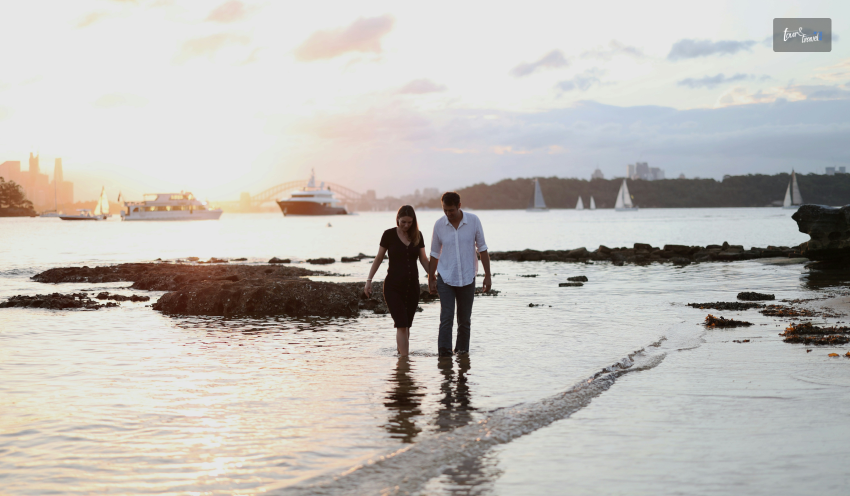
Apart from having the individual experience, you also learn to make memories by taking the beautiful visuals that nature creates on these beaches! Don’t forget to take that beach photo in your hot pink bikini or flaunt your white floral dress while enjoying the sunset!

Bondi Beach

Bondi Beach

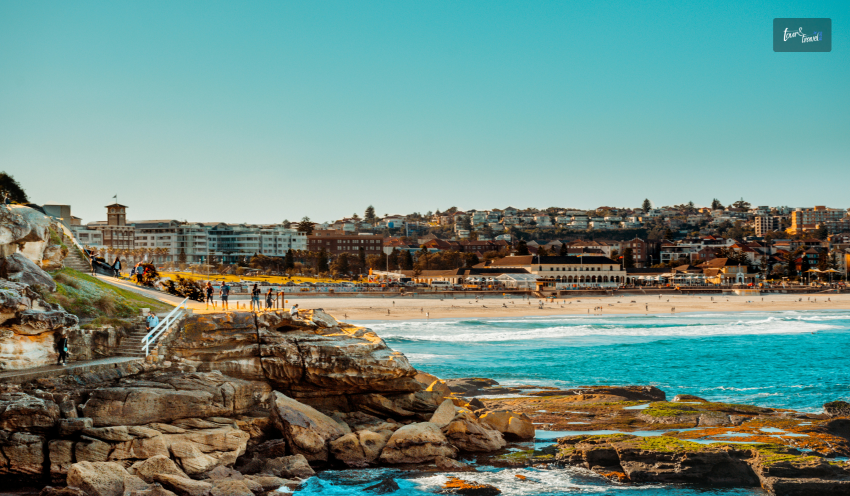
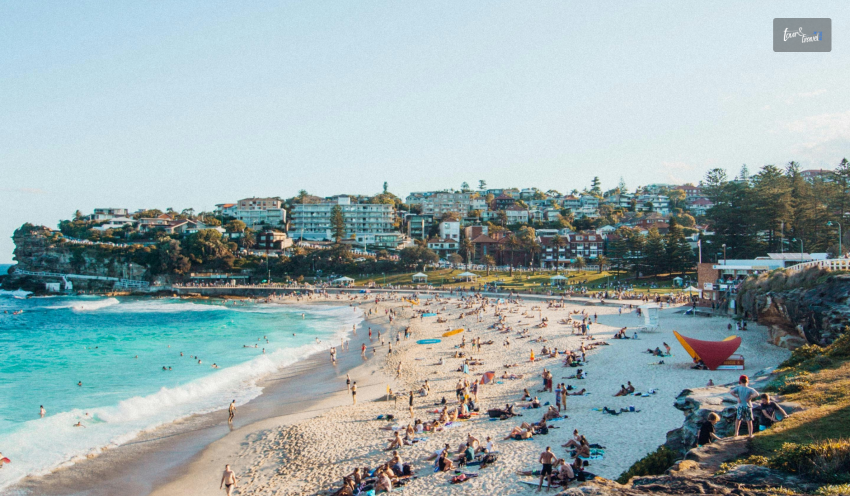
You must check out Bondi Beach, one of the most popular beaches in Australia; there is plenty to do and see. It is a busy beach when it comes to people enjoying the place for sunbathing, swimming, and surfing. The beach is quite central to Sydney’s business.

You must visit this beach if you want to experience the best of Australia. There are several restaurants, from bakeries to trendy cafes like Rockers, in the Bondi market, along with local crafts, art, vintage pieces, and handmade jewelry shops.

Of course, we all know about the restaurants in Australia serving delicious food! You can enjoy decadent lunches, cocktails, and delicious dishes in places like Panama House. It is the perfect place for family, friends, solo, and partners!

Coogee Beach

Coogee Beach

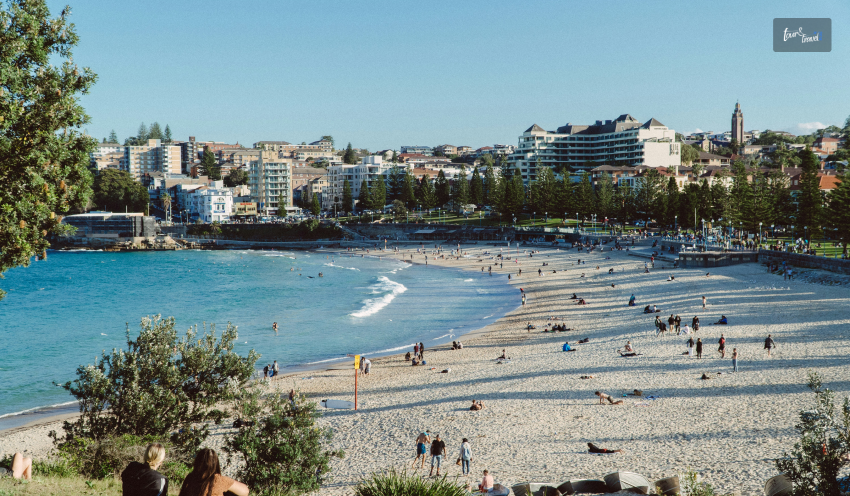
This beach is a perfect place to snorkel and swim. It has a 400-meter length of soft sand combined with beautiful water. Near this beach, there are several parks and historic buildings to explore. A 6km trail leads from Bondi Beach to Coogee Trail along the coast.

You can check out rock pools at the end of the beach! There are also Ladies Baths and Wylies Bath to the south of the beach for your convenience if you take a dip. This place is quite popular among families, especially because there is a lot of space for the children to run around.

Freshwater Beach

Freshwater Beach

You must travel to the northern region of Sydney to reach Freshwater Beach, a hub of different types of activities! From playing with your family members on the sand to surfing and swimming, this region is perfect for a day on the beach!

At the north end of the beach, there is a rock pool where you can practice your swimming laps! It is also a perfect place to have your picnic and barbeque parties. It is also a place for the people from the nearby reserve to use as their playground and enjoy their get-together parties.

Bronte Beach

Bronte Beach

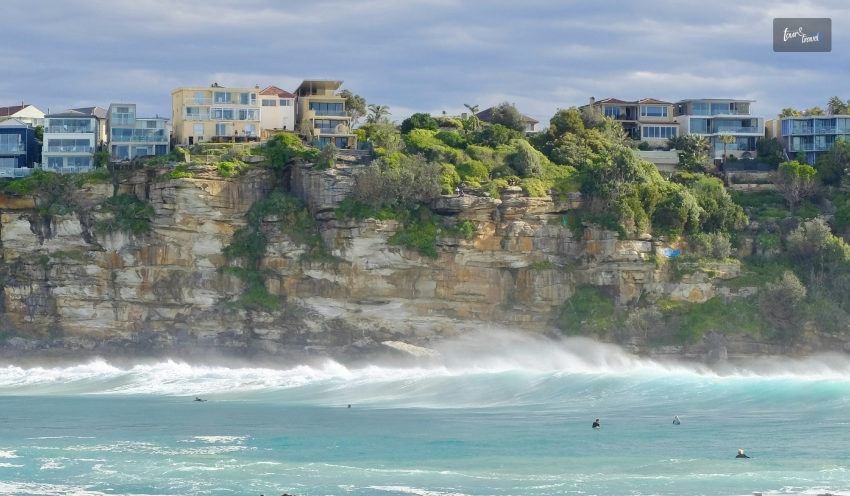
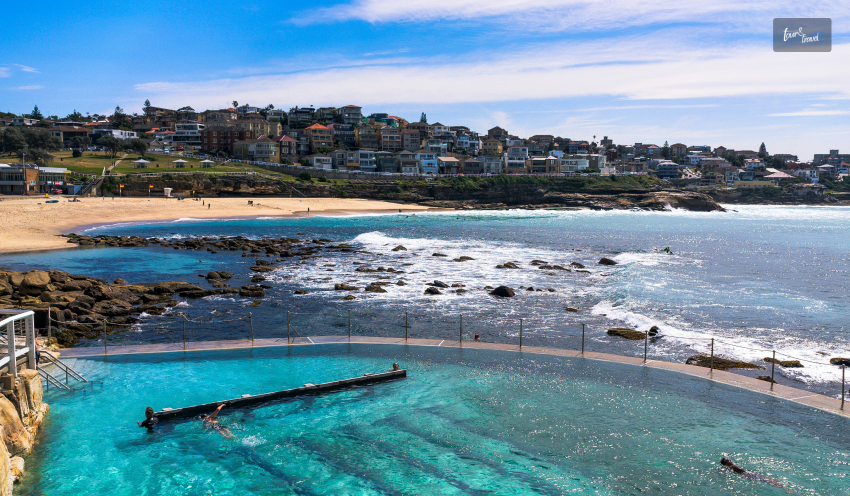
Bronte Beach is a picnic spot in the eastern suburbs of Sydney. There are adjacent parks where you can have barbeque activities, shaded areas to hang out with friends and family, and a playground where your children can play.

There are several spectacular rock pools right on the southern headland that you can access without paying any extra charge. You can check out the veggie burgers and homemade cakes at the Bogey Hole Cafe if you are a foodie.

Another popular restaurant in that area is Three Blue Ducks, which modernizes Australian lunches and breakfasts! The waves of this place are a little rockier, so be careful when surfing, especially if you are a beginner.

Marley Beach

Marley Beach

A heavenly abode, you can hang in solitude by strolling across the sands. If you visit this beach, it is worth the effort, especially because of the wild beauty of this beach, its rolling dunes, and cliffs. It creates a blend of crystal-clear waters and dunes, a passionate vision worth a visit.

There is no shortage of the things to do in Australia! To reach Marley Beach, you must walk about 4.5 kilometers along the scenic coastal path across the Bundeena trail. The beach is a further 20 minutes’ walk. It is not for you from this trail, so if you are not a fan of hiking or trekking.

I want to warn you about the strong currents on this beach; hence, it is not quite safe to go swimming!

Tamarama Beach

Tamarama Beach

I suggest you visit this beach in late October because they are organizing a sculpture during the sea festival. Remember that this beach is just a few hundred meters away from Bronte Beach; therefore, you can easily walk here as the sand is silky and soft.

The waves at this beach are amazing, and if you are a surfer, this is the place for you. There is also a park surrounding this area, so you can visit this place if you are with family or a partner. You can access a playground, a barbeque area, and a cafe.

The place is so glamorous that it has been named “glamarama,” and with its pristine shoreline, it was an amusement park with elephant rides and a roller coaster. I will advise against swimming at this beach because it is quite dangerous. You must heed the lifeguard warnings because it is quite serious.

Manly Beach

Manly Beach

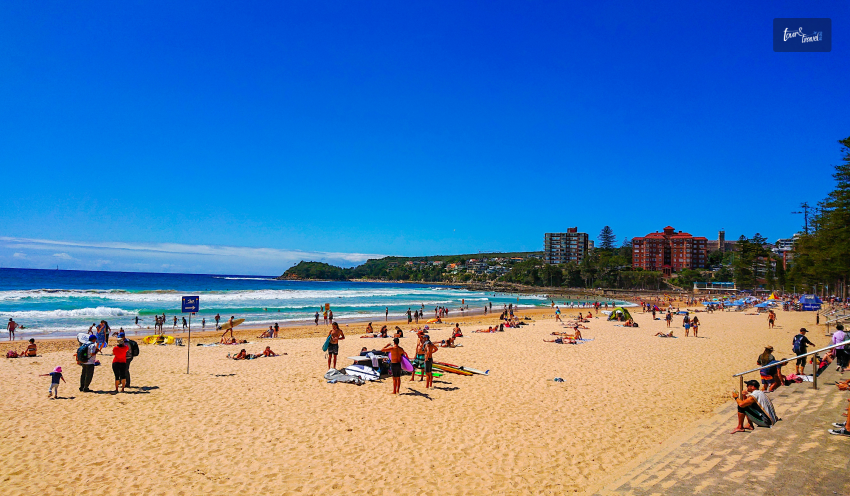
The beach is known for its surfing scene, so you can visit with your friends or partner to soak up some beach vibes and taste the local culture. Manly is known for hosting the Australian Open of Surfing competition in February.

You can chill around in the sand while you take local lessons to improve your surfing experience. If you don’t have experience, I wouldn’t ask you to go there and surf. There are other things that you can do, such as sunbathing, having a picnic, or enjoying a delicious Slurpee!

Nielsen Park

Nielsen Park

Nielsen Park is in the eastern suburbs of Sydney, close to the Vaucluse neighborhood. The beach is the perfect place to escape from your hectic everyday routine. You can access several facilities, such as toilets, sheltered sitting areas, and others.

There is a scenic walking trail along the foreshore that you can take with your partner. There are also shaded picnic areas where you can hang out with your family, friends, or partner.

Shelly Beach

Shelly Beach

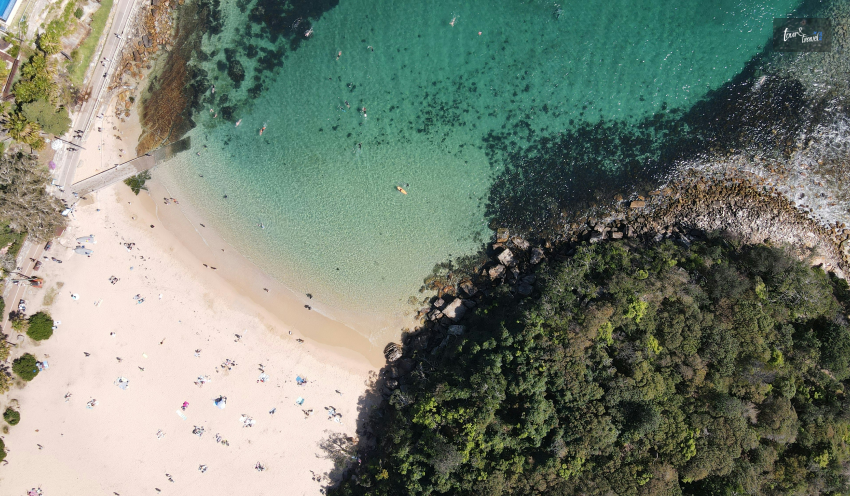
This is one of the top spots in Australia for diving and snorkelling! This beach is in the northern region of Sydney so that you will have some spectacular ocean views. There is a surf club at the end of the south end of Manly, so if you follow the coastline for about 15 minutes, you can reach it here.

If you snorkel, you should bring your snorkelling gear to explore the shallow cove and its clear water. The cove is protected within the marine reserve of Cabbage Tree Bay. Often, Surfers plan to go to the other side of the beach through “The Bower”,” a shallow-breaking surf wave.

You can easily have a barbecue party as there are facilities available, along with access to a restaurant, Le Kiosk.

Milk Beach

Milk Beach

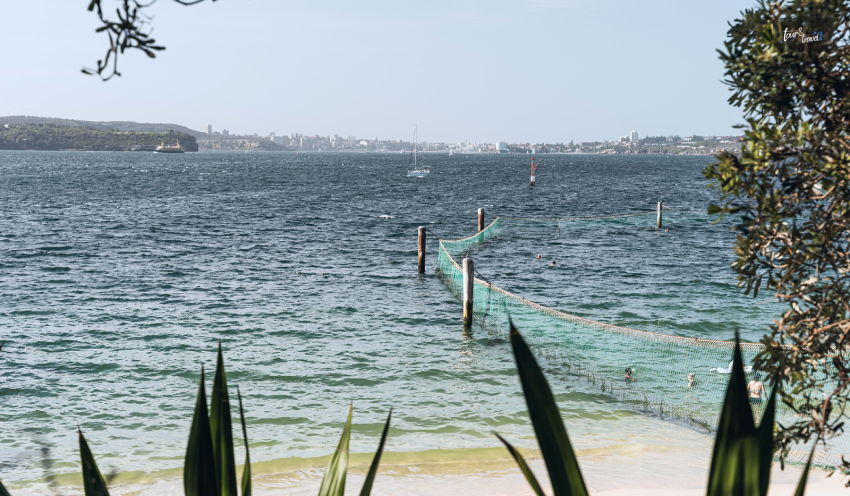
This beach is found in the eastern suburbs of Sydney; Milk Beach is a perfectly quiet and small gateway! It is a cool place to perform fishing, swimming, and snorkelling activities. There are also several rock formations just at the edge of the beach.

You will have a lovely sunset view with these rock formations if you see the Sydney skyline. There is, however, the issue of no facilities at the beach. You will not get any amenities or services. Hence, you must walk through Nielsen Park from Shark Beach to access toilets and picnic areas.

Let’s remember the Hermitage Foreshore trail, which, if you take a little hike or walk through, you can experience some of the stunning coastal views.

As you prepare to return home with these unique memories of the Sydney coast, a custom keyring featuring Milk Beach rocks, sunsets, or a scenic trail will be a truly memorable choice. It will transform the beauty and leisure of the seaside into a tangible, small blessing that will accompany you through your daily journey. 

Custom keyrings are available in a variety of materials, shapes, and colors, and can be shipped to you as quickly as possible after ordering. Hang the keyring on your bag or carry it with you, and whenever you see it, it will remind you of that precious travel memory.

Top 10 Beaches In Sydney You MUST VISIT! 

Finishing Off…

To sum up, the beaches I have made a list of are some of the coolest places you can explore and visit. This collection of beaches sports soft sand, translucent water, and significant international traffic. 

People want to learn about these places to plan a trip or spend time with their loved ones! If, after reading this blog, you visit one of these places we named here, you will be lucky.

Comment on which beach you want to go to and why.

Share on Social Media

Sagnika Sinha is a content writer who is passionate about writing travel vlogs, entertainment and celebrity articles and literature-based pieces. With a 4 years experience in teaching, she loves reading books. A procrastinator by nature, she loves travelling, listening to music, planting and gardening.

Leave a Reply

Your email address will not be published. Required fields are marked *

title-img Related

READ MORE custom itineraries

Are There Minimal Group Sizes Or Custom Itineraries?

BY  Sibashree Sep 5, 2025

If you’ve ever tried planning a trip with friends or family, you’ve probably asked the same thing: Do we even have enough people for this to count as a group? Or maybe the opposite: can we just make our own plan instead of sticking to theirs? Most companies draw the line somewhere around 8–10 people. That’s the usual cutoff for a group booking. Still, if you’ve got fewer folks, don’t stress.  Many operators will let you set up a custom plan—though, yep, it usually costs extra. That’s just the baseline, though. Everything shifts depending on what kind of trip you’re eyeing, where you’re headed, and even when you go. Those details can totally change the rules. So, if you are also wondering how custom itineraries help groups to plan for the perfect getaway, you are at the right place. In this blog, I am going to delve into the various aspects of custom itineraries for different group sizes. Looking into how they help and how to negotiate them. So, keep reading to know more! What Are Custom Itineraries? Unlike normal or fixed itineraries, custom itineraries refer to personalized travel plans that include a meticulously designed guide for trips. By covering how to travel, where to stay, and what to do, they provide the perfect tour guide. In addition to this, they consider the budget for the trip. So, the guide covers all the tour spots that can be managed within the budget range, which prevents overspending or going beyond the budget. Moreover, they are not generic and do not fit all. That is, based on your specific needs and demands, the itinerary is created with recommended activities, tickets, accommodation options, and more. So, it provides a completely tailored trip guide with detailed planning that meets your requirements. How Do Custom Itineraries Help Group Trip Planning? Generally, travel agents use custom itineraries while planning group trips for parties that do not fall within the size limits. So, they collect the necessary details from the group. Focusing on their budget, trip demands, accommodation needs, and activity plans. Moreover, they use the details to create a perfect group trip plan. Also, they recommend certain activities, trip destinations, and a comprehensive guide for the trip. In addition to this, solo travellers also use custom itineraries for travelling to their favorite places with their preferences. So, based on their destination plans and staycation ideas, they create the custom itineraries. Also, this helps in making the trip memorable and enjoyable without indulging in unnecessary activities, just because it is mentioned in the itinerary. How Do Group Size Requirements Vary By Trip Type? Not every trip plays by the same numbers. Adventure stuff—like safaris or hikes—tends to keep it small.  Sometimes just 4–6 people, which makes sense when you think about logistics (and honestly, it feels better that way). But if you’re talking about big bus tours or a cruise excursion, that number jumps. Think 15–20 people minimum just to make the math work out. Cultural things, like a city walking tour or even a cooking class, usually land in the middle. Around 6–8 people keep it personal but still cover costs. What Seasons Affect Group Size Requirements? Season matters—a lot. In busy tourist months, operators are usually chill because they can mash smaller groups together and still hit their targets.  Off-season? Totally different. They might stick to the rules harder or even raise the minimum just to cover expenses. There’s a silver lining, though. During shoulder seasons, many companies bend the rules a bit to pull in more bookings.  If you can travel, then you’ll probably find more flexibility (and better prices, too). What Hidden Costs Should You Consider With Custom Groups? Custom sounds amazing, right? But here’s the catch: it’s rarely just the base price. Extra fees sneak in. Private guide? Extra.  Special access after hours? Extra. Even behind-the-scenes admin costs for coordinating all the moving parts—yep, also extra. So, with the custom planning for the trips, there are always hidden costs associated with every activity and tour plan. Transport can be tricky too. Smaller groups split costs across fewer people, so per-person prices climb fast. And mid-sized groups?  They’re stuck in that awkward middle—too many for a small van but not enough to fill a full coach. In those cases, a van rental for 15 passengers is often the sweet spot. Oh, and some places add “exclusivity” charges if you want the space or service all to yourself. Always, always ask for a breakdown before you lock anything in. What Options Exist For Groups That Don't Meet Minimums? Didn’t hit the magic number? No big deal. A few workarounds exist. You could pay a small-group supplement (basically a surcharge for being fewer people).  Or, an easier option, join another group that’s already booked and running. Another route: check if the company offers “guaranteed departures.” That means the trip happens no matter what.  Downside is, you won’t usually get custom tweaks—it’s more of a fixed plan. But hey, at least you know the trip won’t get canceled. How Can You Negotiate Custom Itineraries? If you’re leaning toward a custom trip, here’s the trick: go in with a clear list of what really matters and what you can bend on. Operators are way more open to changes when you’re flexible. List out your must-haves (non-negotiable stuff) and your nice-to-haves (things you’d love but could swap).  Be ready to compromise on timing, hotels, or smaller activities. That balance—firm on priorities but loose on details—usually gets you the best outcome. Custom Itineraries For Group Trips So, where does that leave you? Well, step one is simple: jot down a wish list. Split it into “musts” and “maybes.”  When you bring that to an operator, you’ll not only save time but also make it easier for them to build something that actually works.  They see what’s important, and you still give them room to figure out the logistics. That’s how you get a trip that feels like yours without breaking all their rules. Read Also: Planning To Travel The World? How To Pack Up Your Life So It’s Ready For You When You Get Back Are You Planning A Trip To Osaka? This Is Your Quintessential Guide A Step By Step Guide On Planning A Luxury Travel Vacation

READ MORE Chilean wine country

A Journey Through Chile’s Wine Country: From The Andes To The Pacific

BY  Sibashree Aug 20, 2025

Okay, so, picture this: Chile laid out like a long ribbon—kind of wild, right? Mountains stacked on one side, waves crashing on the other, and somewhere in between, these sun-kissed vineyards doing their own thing. And not just recently, either. Some of these spots have been growing grapes longer than most countries have existed. When folks talk about wine in Chile, it’s no stuffy affair—honestly, it feels more like jumping headfirst into the whole shebang: the scents, the crazy landscapes, locals chatting about soil like it’s family gossip...and the wine isn’t just a drink. It’s, I dunno, almost like reading a diary of the land and weather and the winemaker’s mood last summer. Believe me, if you find yourself wandering around Central Valley’s endless stretches, or just chilling with a glass of something zippy and white right off the coast, the whole experience flips whatever you thought you knew about wine on its head. Here’s a rundown of how to, well, do it up right—and why Chilean wine country is totally underrated for anyone who actually cares what’s in their glass. Why Chile Belongs On Your Wine Travel List Let's be real. Chile’s geography, if you look at a map, is ridiculous. It's absurdly long and skinny—on one side, you’ve got the Andes looking dramatic, on the other, the Pacific just doing its endless thing.  That combo means you get all kinds of grapes—each with its wild backstory.  Sometimes, you’ll even wonder if the wine tastes different because of the wind or the fog, and honestly, maybe it does. Way back, some old Spanish guys brought over vines during the 1500s (imagine lugging grape plants on a boat…). Fast-forward: these days, Chile fires off everything from bold Cabernet to its famous Carmenère (which was basically lost everywhere else until they stumbled on it growing here), and while tradition is huge, they’re also not afraid to play around—mixing, blending, inventing. But don’t let the obsession with the grape fool you—traveling here, you’re in for high-energy Santiago, mind-blowing seafood in Valparaíso, classic farmhouses, and some wineries that look like spaceships landed in the vines. The Essential Wine Regions Of Chilean Wine Country Can’t see it all? Yeah, same. So here are the spots you wanna hit if you thrive on the good life: 1. Maipo VALLEY – The Bordeaux Of South America Jump in a car from Santiago and you’re basically in wine heaven before you’ve finished your podcast.  Maipo’s like Bordeaux if Bordeaux were dragged down to South America and given a tan. Their Cabs are everything—sun, altitude, crazy temperature swings. Here, you bounce between proper castles and tight-knit family farms. Pro tip: Say yes to barrel tastings, even if you don’t know what’s going on. Also, picnic in the vines? Yes, please. 2. Colchagua Valley – Bold Reds And Boutique Luxury Prefer your wine big and loud? Colchagua’s where it’s at. You get Carmenère, Malbec, and Syrah, all hedged in by mountains and dusty hills.  Out here, you can sleep in some bougie lodge, eat with a chef who got bored with Santiago, or hop on a horse and clop around feeling very, very far from home—or work. 3. Casablanca Valley – Cool-Climate Elegance Suddenly need something crisp? Casablanca’s like dipping your toes in the ocean, but with wine. The vibe? Super chill (temperature-wise too), close to Valparaíso, and heavy on Sauvignon Blanc and Chardonnay that somehow taste like the smell of fresh rain. And, weirdly, the buildings at some of these wineries—glass walls, clean lines—make you feel like you’re drinking inside a modern art painting. Not bad, right? 4. Aconcagua Valley – Tradition Meets Innovation Nose around north of Santiago, and you hit Aconcagua. This place is a mashup: grandad techniques next to bright-eyed winemakers pouring orange wine and talking about fermentation like it’s the new rock ’n’ roll.  Reds, whites, and all kinds of stuff in between. More Than Just Wine: Immersive Chilean Wine Country Experiences Let’s be honest for a second: even if wine’s great, no one wants just wine, all the time. Some add-ons you can’t miss: Gourmet Food: Loads of wineries double down with restaurants that’ll ruin you for regular meals—seafood, lamb, veggies, all paired so well you’ll start rating salad at home. Art and Architecture: Sometimes you come for the wine, and end up taking fifty photos of the cool ceilings or a painting hung next to barrels. Nature and Adventure: Think: hiking near volcanoes, pedaling past vines, even floating in a hot air balloon. Wild? Yes. Culture Stuff: Pick grapes with strangers, learn a dance and laugh at yourself, or poke around for cheese, olive oil, or crafts that weigh down your suitcase. When To Visit Chilean Wine Country Best part—Chile’s long enough that there’s always somewhere worth going. If you want the inside scoop: Harvest (March to May): Grapes everywhere, everyone’s busy, and there’s a good chance you’ll get roped into a festival—or grape-stomping contest. Spring (September to November): The Weather’s sweet, gardens and vines exploding, and not a tour bus in sight. Summer (December to February): Big sunshine, big crowds, big everything. Good if you want max hustle and bustle. Traveling In Style: Curated Luxury Wine Tours Hate planning logistics? Me too. Just get a fancy tour company and let them sweat the details—private tastings, cool places to crash, cars to get you from A to B, and guides who know when to hang back and when to start telling crazy stories about wine politics. Check out Into the Vineyard or anyone who actually answers their emails. They make sure you’re doing what you want, not what the last ten tourists did. One of the best ways to experience the breadth of Chile’s wine regions is with a specialized travel company like Into the Vineyard. A Sample Luxury Chile Wine Tour Itinerary Let’s imagine how a week goes down (give or take, you know?): Day 1 – Land in Santiago. Someone grabs your bags; you’re at a boutique hotel with a welcome drink before you even check Wi-Fi. Day 2 – Maipo Valley. Taste, eat, repeat. If the schedule says “vineyard lunch,” you’re in for at least three wines before dessert. Day 3-4 –  Colchagua Valley. Sleep in a posh lodge. Visit small-batch wineries. Maybe fall off a horse (hopefully not). Day 5 – Casablanca Valley. White wine and seafood until you need a nap. Then, go to Valparaíso for a night out. Graffiti, music, food, the works. Day 6 –  Aconcagua Valley. Get nerdy with organic wine folks. Learn that “biodynamic” isn’t just a buzzword. Day 7 –  Back to Santiago. Last gifts, one more meal, then gone. Insider Tips for the Perfect Chilean Wine Country Tour Here are some of the tips for travel. The travellers should follow these tips for a more immersive experience while visiting the place. Honestly, don’t drive yourself. Local drivers know where to go (and where to stop for the best empanadas). Try the funky grapes—País, Carignan, even that Riesling with the label you can’t pronounce. Book the good stuff early—boutique tours disappear quickly. Look for places with a pool or a hot tub. Thank me later. The Last Few Things To Keep In Mind Before Visiting Chile Chile’s not just another check on your wine passport. You’re standing with snow-capped Andes in the background, sipping a glass that could’ve been impossible anywhere else, and finishing your last meal by the ocean.  Mix in a little culture, art, and memories you can’t fit in a suitcase, and well, that’s what makes Chile a story you can drink. Read Also: With Popular Wineries, Learn the Things to Do in Mudgee! 5 Ideas For Wine Tours In Barcelona- Make It Happen Wineries You Should Visit In Winter

READ MORE Egadi Islands

Complete Guide To The Egadi Islands: What to See, Do, And Taste

BY  Sibashree May 16, 2025

Have you watched the documentary “Il Bianco nel Blu?”  This documentary ( titled Deep White Forests in English) highlights how Giovanni Chimienti, a National Geographic Explorer and marine explorer, has been conducting a scientific research project on the black corals in the waters of the Egadi Islands.  It is also astonishing to see how the Egadi Islands harbor so many mysteries. I mean, they have the potential to be the site of groundbreaking scientific research and a goldmine of archaeological treasures.  The latest archaeological discovery from the Egadi Islands has been a bronze rostrum. It was found at 80 meters under the water.  All these archaeological discoveries further establish the connection between the Egadi Islands and the Battle of the Egadi Islands in 241 BC. “The Egadi seabed is always a valuable source of information to add further knowledge about the naval battle between the Roman and Carthaginian fleets. Sebastiano Tusa’s intuition continues to this day to receive more and more timely confirmation, corroborating the archaeologist’s studies that had allowed the identification of the theater of the battle that sanctioned the dominance of the Romans over the Mediterranean.”Francesco Paolo Scarpinato, Regional Councillor for Cultural Heritage, Also, this archipelago, consisting of the three main islands of Favignana, Marettimo, and Levanzo, is just a boat ride away from Trapani. The crystal clear water of the Mediterranean Sea is also a huge attraction for tourists.  In addition, it is home to an extraordinary ecosystem and marine life. So, the Egadi Islands have been a part of the Egadi Islands Marine Protected Area since 1991.  And the list of attractions continues for the Egadi Islands! In this Tour and Travel Guide, we will explore the Egadi Islands and discuss why it is the ultimate location for a tropical vacation.  Egadi Islands: Understanding The Geography And Vividness The Egadi Islands are located off the western coast of Sicily. Further, these islands, nestled in the Mediterranean Sea, are often dubbed the “Best Well-Kept Secret” in Italy.  Along with its three major islands, it also has smaller islets such as Maraone and Formica. However, these islands display vividness in their natural features and characters.  For example, the largest island, Favignana, has rugged coastlines and almost flat terrain.  On the other hand, Marettimo is mountainous in nature, and the dramatic trails and scenic views here are a favorite of hikers.  Again, you will not find the quietness of Levanzo, the smallest among the Egadi Islands, anywhere else. It is also rich in Mediterranean vegetation.  Moreover, the dramatic cliffs, hidden coves, and sea caves add to the scenic beauty of the island.  Further, the beauty and vividness of the islands are also visible in the waters of the Egadi Islands.  You will find lush seagrass meadows of Posidonia oceanica in the waters. Also, you will see loggerhead sea turtles (Caretta caretta). So, it is a paradise for divers and snorkelers.  Egadi Islands: A Telltale Of Italian History And Culture The Egadi Islands have played a pivotal role in Mediterranean history for millennia.  One of the most significant events occurred just off these shores in 241 BCE. It was the final battle of the First Punic War between Rome and Carthage.  This decisive clash marked the beginning of Roman dominance in the western Mediterranean. Over the centuries, the islands fell under the control of various powers, including the Goths, Vandals, Arabs, and Normans, each leaving traces in the local culture and architecture.  Their strategic location made them a constant point of interest throughout ancient and medieval times. In the 19th century, the islands experienced a cultural and economic renaissance thanks to the Florio family, who modernized the traditional tuna fishery in Favignana.  Their innovations turned it into one of the most efficient operations in the Mediterranean and laid the foundation for the islands’ economic development. Today, the Egadi Islands are a living museum of their rich past.  On Levanzo, the Grotta del Genovese showcases prehistoric cave paintings estimated to be over 12,000 years old, including images of animals and human figures, making it one of the most important archaeological sites in the Mediterranean. Marettimo is home to Roman ruins known as the "Case Romane" and the Norman-built Castle of Punta Troia, which later served as a Bourbon prison.  In Favignana, the former Florio Tuna Factory has been transformed into a museum where visitors can explore the history and culture of tuna fishing in the region. Want Some Adventure? Try These Outdoor Activities In The Egadi Islands Whether you're an adventure seeker or a laid-back explorer, the Egadi Islands offer a wealth of outdoor activities set against breathtaking natural backdrops. Snorkeling And Scuba Diving Snorkeling and scuba diving are among the top attractions, thanks to the pristine underwater landscapes and thriving marine life.  Hiking For hiking enthusiasts, Marettimo is a dream come true, with scenic trails winding through rugged mountains and offering sweeping views of the open sea. Boat Tours  One of the best ways to experience the islands is by boat. Guided boat tours allow you to discover hidden coves, dramatic cliffs, and sea caves only accessible from the water.  Companies like Mare e Vento di Favignana offer daily and private boat tours around the Egadi Islands, with stops for swimming, snorkeling, and even onboard aperitifs.  Favorite destinations include: Cala Rossa Cala Azzurra Bue Marino on Favignana Cala Fredda and Cala Minnola on Levanzo Sea caves of Marettimo. Kayaking And Paddleboat Rentals  For those who prefer a more independent adventure, kayak and stand-up paddleboard rentals are a fantastic way to explore the coastline at your own pace and with minimal environmental impact.  Some boat excursions even include food tastings or traditional dinners on board. It is an unforgettable way to enjoy the fresh, local seafood while surrounded by nature. Exploring The Fishing Villages  Beyond the water, don’t miss a stroll through the charming fishing villages, where you can soak in the relaxed island vibe and get a feel for local life.  The Tuna Fishery Museum in Favignana offers a deep dive (pun intended!) into the cultural roots of the islands. Summer brings the islands to life with festivals and cultural events.  Highlights include the Feast of Saint Joseph in Marettimo and the Egadi Summer Festival, featuring live music, performances, and art across all three islands. What To Eat In The Egadi Islands And Indulge In Local Flavors? Food lovers, take note—the Egadi Islands are a culinary paradise where Sicilian tradition meets the bounty of the sea.  Here, the cuisine is deeply rooted in local fishing culture, and tuna takes center stage in many unforgettable dishes. Tuna is served in a variety of forms, both fresh and preserved. You’ll find it as bottarga (cured roe), lattume (tuna milt), mosciame (air-dried fillet), and in pasta dishes made with tender chunks of fresh tuna.  One local specialty not to miss is Ficazza, a type of cured tuna sausage that’s unique to the islands. Another must-try is the seafood couscous, a dish with North African roots that’s become a staple in Sicilian coastal kitchens. It's rich, aromatic, and often prepared with the catch of the day. The islands also offer a variety of local vegetables, sun-dried tomatoes, and fragrant capers from nearby Pantelleria.  And of course, no meal is complete without dessert. Look for classic Sicilian treats like cannoli filled with sweet ricotta, or cassatelle, deep-fried pastries filled with ricotta and chocolate, or chickpeas and cinnamon. For an unforgettable dining experience, head to some of the most beloved local restaurants.  In Favignana, top picks include SottoSale, A' Cialoma, and the charmingly named Quello Che C'è... C'è!. On Marettimo, Hiera, and Il Veliero serve up ultra-fresh seafood in scenic settings.  And in Levanzo, Ristorante Bar Romano is a local favorite for a relaxed meal with a view. Where To Stay In the Egadi Islands? Whether you're looking for seaside luxury or a cozy retreat immersed in nature, the Egadi Islands offer a wide range of accommodations to suit every travel style. Favignana, the largest and most developed of the three islands, features everything from boutique hotels and charming B&Bs to vacation rentals and resorts with sea views.  You'll find options that range from simple, budget-friendly stays to elegant, eco-conscious lodgings nestled among Mediterranean gardens. Marettimo, by contrast, is a peaceful haven for nature lovers.  Here, most accommodations are small-scale and family-run. Think of apartments and B&Bs either facing the picturesque harbor or tucked into the hills, surrounded by untouched landscapes. Levanzo is the quietest and most remote of the islands, ideal for those who want to truly disconnect.  The lodging options are more limited but full of charm: small vacation homes and guesthouses that offer a serene escape, often with stunning views and warm, local hospitality. Wherever you choose to stay, you'll find that the pace of life on the Egadi Islands is refreshingly slow, the service is personal, and the settings are unforgettable. Sustainable Travel: Protecting The Egadi Islands Paradise The Egadi Islands are more than just a scenic getaway—they're a model of environmental stewardship.  So, we must protect it from becoming another Italian destination fighting with overtourism. We already know what the Amalfi Coast, Rome, Venice, and Florence are facing.  As part of Europe’s largest marine protected area, the archipelago preserves its delicate ecosystem while welcoming travelers from around the world. Tourist activities here are carefully regulated to minimize impact on the natural environment.  Eco-friendly practices are common here, including using low-emission boats, recycling programs, and environmental education initiatives.  You'll even see signs throughout the islands reminding visitors to "leave no trace" and respect the fragile balance of land and sea. Ongoing conservation efforts include protecting the underwater meadows of Posidonia oceanica, which are vital for marine biodiversity, and monitoring populations of endangered species like sea turtles and groupers.  Anchoring in certain zones is restricted, and visitors are asked not to touch or collect protected flora and fauna. By choosing to travel responsibly—whether by kayaking instead of motoring, supporting local businesses, or respecting wildlife—you’ll help preserve the beauty and authenticity of the Egadi Islands for future generations. Make Your Trip To The Egadi Islands Memorable A trip to the Egadi Islands is not just about a tropical vacation. It is a destination that allows you to indulge in the slow rhythm of life.  Further, rich history, warm hospitality and the pristine beauty of nature make the Egadi Islands the ultimate Italian gem.  Also, the Egadi Islands are the land of Bella Vita, with you lounging by the sea and soaking in the Mediterranean Sun, enjoying a long lunch, and then watching the most dramatic sunset.  You can even nurture your adventurous side here by taking part in activities such as snorkeling, hiking, and boating tours around hidden coves.  Irrespective of the activity or experience you choose for yourself, you must be respectful of the local environment and culture.  Be careful about intruding on the protected areas, and connect with the community by supporting local artisans and family-run businesses.  Also, summer is the best time to visit the Egadi Islands. However, the beauty, authenticity, and natural abundance make the Egadi Islands a true Mediterranean gem to explore in any season.  READ MORE: Exploring the Virgin Islands: Must-See Spots You Can Visit by Boat and St John Rentals Bali Beyond The Beaches: Exploring The Hidden Gems Of The Island Seven Reasons To Visit The Stunning Greek Ionian Islands