Are you planning to visit Australia soon? Tell me it is on your bucket list, and you can’t wait to plan your itinerary. Let’s check out some of the coolest restaurants across Australia, mostly in Victoria, Sydney, Adelaide, and New South Wales.
In the article, you will learn about culinary experiences and planning a food walk or trip across Australia. In 2023, The Gourmet Traveller Team has compiled a list of some of Australia’s best restaurants, creating a winning experience. Their team of reviewers has evaluated several restaurants and made a perfect list!
If you are a foodie, you will learn so much more about the dining scene of the nation and have a comprehensive pleasure. In this article, you can find more details about the restaurants and learn about the culinary experience.
What Are The Restaurants In Australia Worthy To Have An Experience?
Let me share some of the best dining experiences these restaurants will offer you. You can read about some of Australia’s best restaurants right now! Several dining locations in Australia are quite in demand, such as Sydney, Gold Coast, Adelaide, Melbourne, and others.
If you love unique experiences, you can go to restaurants such as Sounds of Silence, Quay, and others. These restaurants are special because they use local produce and curated rare items; thus, they create a beautiful landscape of taste and deliciousness.
We must remember the cultural combination of food and the people’s culture. I will be sharing some of the best restaurants in Sydney, Australia. Let us get into details about the dishes served on the menu! What ingredients are used in the dishes will give you a better idea about the culinary experience.
Alberto’s
The restaurant Alberto’s Lounge is known for serving umami-rich sardines pate on crisp fried crostoli, which are the size of triangles. The snack is quite a popular one among the visitors! They also love the old-school feel of the trattoria, which gives you a beautiful feel with retro posters, personal services, spaghetti western lenses, and natural wines.
The restaurant is on Alberta Street in Sydney. Its head chef is Elizabeth Mitchell, who creates beautiful dishes and some eccentricities! I recommend that you make bookings before you visit the restaurant.
If you love Italian food, this is the perfect place. They offer delicious custom Italian dishes such as seared tuna with tomato-scented acqua pizza and hand-cut pappardelle coated with beef short-rib ragu. They also add red wine and saffron; imagine the deliciousness of it all!
Bar Heather
A Parisian-styled joint where the philosophy is wine first and then food! You will receive the menu from which you will order once you have ordered your first drink. Situated on the south side of Byron Bay, the rollicking joint might give an old-school and dim vibe, but every dish on their menu is a beauty.
The chicken broth is to die for, as it is quite in demand! Manchego cream with shaved local mushrooms and crisp potato also satisfies the customers who visit this restaurant. The restaurant is owned by Tom Sheer and James Audas, who serve their customers with wine that perfectly pairs with their delicious menu.
The chef of this restaurant, Ollie Wong-Hee, has created an interesting menu with Southeast Asian cuisine showcasing his amazing Chinese heritage. One of the knockout food items on his menu is grilled pork wrapped in a betel leaf with lettuce, charred pineapple-chilli sauce, and pickles, so you must try it!
Alta Trattoria
The restaurant is well known for its small touches, such as fried capers on vitello tonnato or pickled mushrooms! Alta Trattoria is an homage to the northwest region of Italy and its beauty. The chef, Mckay Wilday, brings together Piedmontese cuisine paired well with French, Australian, and Italian items.
For example, lemon and chestnut gnocchi and rabbit ragu tossed with tajarin are some of the restaurant’s landmark dishes. A group of industry professionals, along with McKay Wilday, the chef, creates the perfect menu to satisfy customers worldwide.
It is a delightful trattoria situated on the back street of Fitzroy in Australia. The restaurant is open from Saturday to Sunday for dinner; you can get lunch on Saturday and Sunday.
Attica
The name on the menu is weird, but the food is delicious as hell! The lasagna, “Eat the Problem,” combines buffalo, boar, and venison wrapped in green-ant-studded pasta sheets. You will get to eat Mud crabs and pikelets along with bunya-bunya cream and sea lettuce.
Playfulness is a part of a restaurant with beauty, as there is a backyard where you can sip your drink while watching a game. The dining spectrum of the restaurant is significant because, along with the food, the atmosphere is also beautiful. The restaurant is in Ripponlea and features a delightful menu!
They also use the cultural aspect of native Australia, as one of the dishes features a gorgeous flower-shaped wafer. The food is quite inventive, and the service is prompt!
Quay
Chefs Troy Crisante, Tim Mifsud, and Peter Gilmore have created a menu for this Australian restaurant that presents umami depth, a balance between crunch and cream, marine life, and other elusive ingredients. So why do you feel like this place is so magical?
The menu includes sweet scallops with shaved abalone, liquorice Kombu, and raw palm hearts with vinegar dressing. The richness of the dishes, such as confit pork jowl paired with smoked trotter broth, will leave you speechless.
Please make bookings before you go. You cannot miss the “white coral” dessert with a tart-sweet taste that creates an otherworldly feel!
Sounds Of Silence
A unique experience, Sounds of Silence creates a magical combination of sounds, sights, and tastes, creating an immersive experience. The background of this experience is the Uluru sunset, creating a fascinating field of light. It is one of the things to do in Australia!
You can go for a dinner date to the Uluru Kata Tjuta National Park, creating a beautiful environment where the music and wine start flowing. From entrees to desserts, you will find the inclusion of indigenous ingredients along with the drinks that accompany them.
Even when it comes to drinks, you can have a varied choice, starting from Aussie beer to chilled sparkling wine. Along with this beautiful experience in Uluru, you can have a star talker who talks about the mysteries of planets, zodiac signs, and constellations using a laser pen.
Fugazzi
A lively restaurant with New York-style Italian culture, Fugazzi has created a space perfect for neighborhood diners! You will find vintage posters along with red booth seating, which has created a cheekier charm.
There are several bowl options in their breakfast section, along with some decadent options such as Chorizo scramble croissant, salmon benedict, and Florentina benedict! You can definitely try handmade pasta and pizza which is their specialty. From mushroom tortellini to Wagyu Lasagna, they offer a diverse palate.
Culinary Experiences In Australia
One of the most unique experiences in Australia is the Aboriginal experience, as Aboriginal cuisine is an integral part of Australian cuisine. You cannot forget the significance of culture and the arts in influencing your perspective and choices of food!
You can try out ingredients such as native finger limes, spinach, Kakadu, quandongs, saltbush, and other herbs. Emu and Kangaroo give these spices and herbs a different flavor. You must remember the events and festivals in Australia, which are quite cool!
For example, the Canberra Beer & Cider Festival, Wild Harvest Seafood Festival, and other food events create a perfect culinary experience. Visiting Australia will allow you to experience culture, music, comedy, and art at different events where you can celebrate your nationality.
Planning A Foodie Trip In Australia
Let me give you some tips on exploring the dining scene along with the restaurants discussed in the article. How can you appreciate a foodie trip when making Australian-travel ideas? You can savor the Aboriginal Desert Feast while exploring Uluru; hence, you can add Tali Wiru to your checklist.
A blend of nature, cuisine, and culture is available where you can have a 4-course platter inclusive of wine. Some of the street foods in Australia are quite popular, such as! Local food markets in Australia are quite popular as they offer healthy and farm-based fresh produce.
Finishing Off…
To sum up, regardless of where you stay in Australia, you must visit these places to eat and experience the diverse culture of the country. I will emphasize the vibrant and diverse food culture of the country and encourage travelers to go on a food walk!
The art and awe of this experience are great attractions to local performances and events. After reviewing the article, you have picked up little details about the different restaurants and would look forward to making decisions.
Comment to let us know if you have already visited one of these restaurants, let us know how your experience was.
Mashum Mollah is the feature writer of Search Engine Magazine and an SEO Analyst at Real Wealth Business. Over the last 3 years, He has successfully developed and implemented online marketing, SEO, and conversion campaigns for 50+ businesses of all sizes. He is the co-founder of Social Media Magazine.
Canada, with its vast and diverse landscapes, offers some of the most stunning and unique boating experiences in the world.
From the enchanting archipelago of the Thousand Islands in Ontario to the remote and majestic Great Slave Lake in the Northwest Territories!
There is a boating adventure waiting for every kind of traveler. Let’s embark on a journey through Canada’s most picturesque waterways.
Sailing Through The Thousand Islands, Ontario
The Thousand Islands region, set on the Saint Lawrence River, is a boater's dream.
This region is a mosaic of over a thousand islands, each with its own character.
Boaters can navigate around these islands, discovering hidden coves and quaint island communities.
The Thousand Islands Marina is the ideal starting point for this exploration.
Here is an interesting tidbit.
The region is home to the famous Boldt Castle, a symbol of the area’s rich history.
Great Slave Lake, Northwest Territories: A Northern Adventure
Heading north, Great Slave Lake beckons with its deep, clear waters and stunning scenery.
Known for its tranquility and vastness, it’s a perfect spot for those seeking a more solitary boating experience.
The Hay River Marina is your gateway to this northern paradise.
As you sail, remember you’re on North America’s deepest lake, with depths reaching over 2,000 feet.
Tranquil Waters Of Lake Louise, Alberta
In the heart of the Canadian Rockies lies Lake Louise, a gem known for its turquoise waters set against a backdrop of majestic mountains.
The serene environment here is ideal for a peaceful day of boating.
The Fairmont Chateau Lake Louise Boathouse provides access to these pristine waters.
Fun fact: the lake was named after Princess Louise Caroline Alberta, the fourth daughter of Queen Victoria.
Navigating The Gulf Islands, British Columbia
Off the coast of British Columbia, the Gulf Islands offer a temperate climate, vibrant wildlife, and a strong artisan community.
Cruising through these islands, you might spot orcas, seals, and bald eagles.
Straddling the border of Ontario and Manitoba, Lake of the Woods is a captivating destination with its waterways, islands, and diverse wildlife.
With over 14,500 islands, it offers endless exploration possibilities.
Northern Harbour in Kenora is the perfect launch point for your journey across this vast lake.
Our journey starts at Montague Harbour Marine Provincial Park on Galiano Island, a popular launch spot for many explorers.
The Majestic Bras d'Or Lake, Nova Scotia
On the east coast, the large saltwater Bras d'Or Lake in Nova Scotia is a haven for boaters.
Known for its beautiful landscapes and excellent sailing conditions, Bras d'Or Lake has inspired many.
The famous inventor Alexander Graham Bell had a summer home here.
For easy lake access, head to the Baddeck Marine.
Georgian Bay, Ontario: A Freshwater Wonderland
Part of Lake Huron, Georgian Bay is celebrated for its rugged coastline and crystal-clear waters.
Boaters here can explore thousands of islands along the bay.
Beacon Bay Marina is a popular choice for starting this adventure.
A remarkable feature of Georgian Bay is that it contains the world’s largest freshwater archipelago, the Thirty Thousand Islands.
Lake Of The Woods, Ontario/Manitoba: A Boater’s Labyrinth
Straddling the border of Ontario and Manitoba, Lake of the Woods is a captivating destination with its waterways, islands, and diverse wildlife.
With over 14,500 islands, it offers endless exploration possibilities.
Northern Harbour in Kenora is the perfect launch point for your journey across this vast lake.
Canada’s diverse waterways offer an unparalleled experience.
These destinations not only provide stunning natural beauty but also a chance to connect with Canada’s rich maritime heritage.
Remember, when exploring these beautiful waters, it's important to prioritize safety and respect the local environment.
This ensures that these magnificent destinations continue to be enjoyed for generations to come.
So, grab your license and life jacket and set sail on an unforgettable journey through Canada's most picturesque waterways!
Read Also:
10 Best Things To Do In San Diego (USA)
10 Useful Tips For Planning A Trip That You Will Love
Everything great is happening in Valletta's tourism industry these days. 2025 has been a year of growth and recognition for Valletta, the small capital city of Malta, and a UNESCO World Heritage Site.
In the forest quarter of 2025 itself, Malta received more than 693,000 visitors according to the Tour and Travel World. It was an 18.9% rise from the same period in 2024. Furthermore, in the same period, the tourist spending reached €508.5 million.
This means tourism continues to offer opportunities for local and foreign entrepreneurs who come to set up companies in Malta, with the help of local specialists from BridgWest.
In addition, the World Travel $ Tourism Council has chosen Malta as the venue for the WTTC Global Summit, 2026. The 26th edition of the summit will take place in collaboration with the Ministry for Foreign Affairs & Tourism and the Government of Malta.
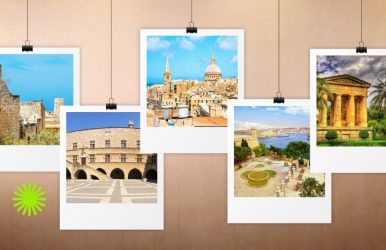
The prominent landmarks of Valletta, such as the Grand Harbour and St. John's Co-Cathedral, and activities such as exploring Victoria's Gate and trying some brilliant craft beer, and cultural richness, have helped Valletta enjoy such growth in numbers and global recognition.
I have been to Malta, and starting from exploring the fortified walls of Valletta to enjoying the serene charm of Valletta Grand Harbour Waterfront, the free things to do in Valletta were the highlights for me. On such a shoestring budget, I was able to enjoy the essence of a city, which even enjoyed the status of the European Capital of Culture 2018.
In this Tour and Travel Blog, I will, of course, talk about the free activities and other fun and interesting things to do in Valletta.
What Are The Things To Do In Valletta?
As I started exploring the city of Valletta, I noticed the signature "Pointed Cross" of the Knights protecting this ancient city from everything evil.
If this is something really spiritual, on the other hand, you will see history becoming alive with the post boxes, telephone booths, and British colonial architecture.
Nevertheless, these are the things to do in Valletta.
1. Visiting The St. John's Co-Cathedral
Address: Triq San Gwann, Il-Belt Valletta, Malta
Hours Open: 9 AM to 4:15 PM (Monday to Saturday)
Entry Fee: Adults: €15, Seniors: €12, Students: €12, Children (Under 12): Free when accompanied by an adult, €5 Extra for a Belfray Tour, Audio Tour Included
View this post on Instagram A post shared by St John's Co-Cathedral (@stjohnscocathedral)
The St. John's Co-Cathedral is the most prominent example of the Baroque-style architecture of Valletta. The Knights of the St. John built this conventional church for the order in the late 16th century.
You will know about the life of St. John the Baptist from the paintings by Mattia Preti on the ceiling of this cathedral.
Furthermore, there are eight chapels, dedicated to various languages, tapestries, marble floors, and gilded carvings. However, the main focus for me was the painting called "The Beheading of Saint John the Baptist."
This dramatic work, one of the few artworks signed by Caravaggio, is in the Oratory.
2. Exploring Fort St. Elmo And The National War Museum
Address: Mediterranean Street, Valletta, Malta
Hours Open: 9 AM to 5 PM
Entry Fee: Adults - €10.00, Senior Citizens (60+) and Youths (12-17 Years) - €7.50, Students - €7.50, Children (5-11 Years) - €5.00, Below 5 Years - Free
Fort St. Elmo stands as a witness to the Great Siege of Malta in 1565. It has military paraphernalia and many artefacts.
However, the major appeal of the fort is intangible, and it lies in the fact of how it became a refuge for the people of Malta during the attack of the Ottoman Empire under the leadership of Suleiman the Magnificent.
The Knights, only around 500 in numbers, defeated the 6000 strong army of the Ottoman Emperor.
Furthermore, the National War Museum inside the fort, spanning over seven sections, celebrates the 7000-year-old history of Malta. Some of the exhibits here date back to the Bronze Age (2,500 BC).
You can even request a guided tour of the museum.
Insider Tip:
2025 marked the 900th year of the Great Siege of Malta. A docu-drama called The Great Siege of Malta 1565 was released in 2025. This 45-minute docu-drama celebrates the bravery of the "Hospitalier Order of the Knights of St. John of Jerusalem."
3. Visiting The Grand Master's Palace
Address: St George's Square, Valletta
Hours: 9 AM to 5 PM
Entry Fee: €12 for Adults, €10 for Children Aged 12 to 17 Years and Seniors, Children (6-11): €8, Infants (1-5): Free
The Grand Master of the Order of St. John used to rule Valletta from the Grand Master's Palace. The armory here is the main attraction, and it has the accessories and outfits of the Knights.
Furthermore, the symbol of power, with its history of 450 years, is once again in the news with its recent renovation work.
It was also the "seat of the first constitutional parliament of Malta in 1921," and now it is the "Seat of the Office of the President of Malta."
4. A Guided Tour Of Casa Rocca Piccola
Address: 74 Republic Street, Valletta, Malta
Hours: Monday - Saturday: 10 AM to 5 PM
Audio Tours: From 10 AM
Guided Tours: From 10 AM to 4 PM (On An Hourly Basis)
View this post on Instagram A post shared by Casa Rocca Piccola (@casaroccapiccola)
Do you know that the 9th Marquis de Piro still lives in this 16th-century palace? Join the audio tours or the guided tours to see the swanky furniture and unique staircases.
However, for me, the Bomb Shelters were the main attraction. These are not dark tourism spots. These are the living history of World War II.
When 15 air raids took place in 1942, the people of Valletta saved their lives by hiding in these chambers. These shelters were part of the quarry of the 400-year-old house, and they were made from a solid rock foundation.
5. Know The WWII Stories Of Malta At Lascaris War Rooms
Address: Lascaris Ditch, Valletta VLT 2000, Malta
Hours: 10 AM to 4:30 PM
Entry Fee - Adults: €20, Seniors: €19, 5-15 Years Old: €7, Family: €35, Children below 5 Years: Free
I love history, and even if you don't, you cannot avoid knowing about WW1 and WW2. These two wars changed the course of human civilization.
At Lascaris War Rooms, you don't just see the exhibits. You live through the moments of war as you explore the tunnels and labyrinths used as protection from the Italian and German attacks during World War 2.
It's like getting transported to the 1940s within a minute.
Insider Tip:
I found the War Rooms more fascinating than the National War Museum at Fort St Elmo. Did you know that these War Rooms were used as the headquarters for the Invasion of Sicily or Operation Husky?
6. Visiting The National Museum Of Archaeology
Address: Auberge de Provençe, Republic Street, Valletta, Malta
Hours: 8 AM to 7 PM (Admission Closes at 6:30 PM)
Entry Fee: €5
View this post on Instagram A post shared by Heritage Malta (@heritagemalta)
I was at a loss for words at the National Museum of Archaeology, Valletta. It has everything you need to know about the prehistoric days of Malta.
Once I entered, the first room had exhibits showing how the earliest people settled here, even before the temple establishment period. It had "Red Skorba ornaments" and some "tools" they used in their everyday lives.
I also got to see exhibits from the Ghar Dalam phase (5200 BC), Tarxien phase (2500 BC), and Bronze Age.
Then, I reached the main hall of the museum. It had the Sleeping Lady and other astonishing sculptures and temple carvings.
Among the collectibles from the Temple Period, the Obsidian Core was the most impressive. It was a headless sculpture, in a seated posture.
Housed inside a Baroque building, this museum is now the main attraction of Auberge de Provençe, which was earlier the home of the Knights of the St. John.
Insider Tip:
If you are traveling from any other town in Malta, take a bus to the Valetta Bus Terminal. From there, it is a short distance on foot.
7. Visiting The Upper Barrakka Gardens
Address: 292 Triq Sant'Orsla, Il-Belt Valletta, Malta
Hours: 7 AM to 10 PM
Entry Fee: Free
Home to the Siege Bell War Memorial, the Upper Barrakka Gardens offer amazing views of the harbor and the three neighboring cities.
This 16th-century garden was built in the 16th century, and the Knights of the Saint John once used it as a private garden.
Once you are done strolling the Castille Square, you will find the Upper Barrakka Gardens nearby.
Insider Tip:
It's great to relax at the Upper and Lower Barrakka Gardens and have a sip of your favorite drink. However, at 12 PM and 4 PM, the officials of the Malta Heritage Society get dressed in military uniforms and fire the cannons at the Upper Barakka Gardens.
Now, I had a cup of hot coffee in my hand, and I was not ready for it. So, it fell out of my hand, and it was a mess.
Nevertheless, this tradition has been continued for more than 100 years, and once you attend it, you will know why it is worth it.
Also, you must use the Barakka Lift to travel between the upper and lower Barakka Gardens quickly.
8. Plan A Visit To The Lower Barrakka Gardens
Address: Lvant, Il-Belt Valletta, Malta
Hours: 7 AM to 10 PM
Entry Fee: Free
I know people do not talk much about the Lower Barrakka Gardens. However, that's a blessing in disguise. It is way less crowded than the Upper Barrakka Garden.
Now, despite having the name as "Gardens," it is actually a small-scale garden with a few minutes taken to complete the stroll.
However, there is a fort and a waterfront with Greek-style arches overlooking them. You can relax here, have your moments, and make the most of the photo ops.
9. Enjoying The Waterfront
The Baroque houses, surrounding the waterfront of Valletta, were earlier used for storing the essentials of the Grand Master. Now, they are bars and restaurants.
I found the promenade the perfect place to relax and cherish a drink with my eyes set on the ships cruising. The place is more magical after sundown, but there is a trick!
You have to find a cafe or restaurant that is not crowded by tourists. Find yourself a quiet corner.
10. Watching A Performance At The Manoel Theatre
Address: Old Theatre Street, Il-Belt Valletta, Malta
Capacity: 623
Opened In: 1732
View this post on Instagram A post shared by Teatru Manoel (@teatru.manoel)
At Manoel Theatre, as a performer of elocution and audio theater for the longest time, I had goosebumps. I was standing at the oldest working theater in Europe.
The wrap-around gallery was the highlight of the building, and I attended an opera performance by none other than Joseph Calleja.
Also, if you want to explore the grand architecture of Manoel Theatre, you can do so every Tuesday. During the summer months, the tours are conducted between 10:30 AM and 12 PM, and during the winter months, these tours continue from 11 AM to 3 PM. Tickets are available at 20.00 €.
11. Trying Local Food
Many people call Maltese ftira a "type of pizza." However, very few people know that it is a UNESCO intangible cultural heritage, with a history dating back to the 16th century, when it was first prepared in the ovens of the Knights of St. John.
Furthermore, it is a chosen food because of its versatile fillings and its role as an identity of Valletta and, by extension, of Malta. I also loved the coffee here. It was my best companion while taking a stroll across the roads.
Furthermore, if you are in Valletta, don't miss the Lampuki Pie or the signature fish pie.
How To Reach And Move Around Valletta?
Valletta is well-connected to the world through the Malta International Airport. It is around 9 km away from Valletta, and the short drive took me close to 20 minutes. I took the bus to the City Centre.
You can also book a shuttle in advance or take a taxi.
The city has a well-connected bus route, and it is a small city that you can cover on foot. However, the transport options are island-specific. You can take a Talinja Card or Flex Card for exploring Valletta and Malta.
Also, you can take a ferry service to the Grand Harbour of Valletta to and from Gozo and the Three Cities. You will even get a ferry service from Sliema to St. Paul's in Valletta.
Insider Tip:
I picked the "Gozo Standard Add-On" card for my day trip. I didn't have the time for so many trips. But you can use this add-on to enjoy unlimited tours to Gozo Island.
What Is The Best Time To Visit Valletta?
March to May and September to early November are the best seasons to visit Valletta. Valletta has so many historic landmarks and outdoor spaces. The temperature in the early 20s in these months offers you the ideal chance to explore Valletta.
Also, the crowd is quite manageable in these months.
Valletta, At A Glance: Why Does Valletta Offer Such A Rich Experience?
The best thing about Valletta is how compact it is! By compact, I mean it has a big heart, accommodating the best museums, well-preserved Baroque architecture, the Grand Harbour, stone walls, and stories.
From the stories of a 16th-century ghost to being the backdrop of many spy thrillers, such as "The Secrets of Malta" by Cecily Blench, and historical novels such as "The Hidden Palace" by Dinah Jefferies, have added stories to each key attraction of the city.
Also, the stories of the city's sustenance during World War II and the Great Siege by the Ottoman Turks in 1565 tell us about human resilience.
Location-wise, this Fortress City, with a soft honey hue, stands on the ocean. It is also the dream of a photographer with the Baroque architecture reaching the sky.
Despite being only 1 kilometer long and 600 meters wide, the city of Valletta is very compact, housing many museums, cobblestones, and architecture, and it became the "European Cultural Capital in 2018.
Valletta is very close to the famous Three Cities. These cities are Cospicua, Senglea, and Vittoriosa. The Grand Harbour separates these cities from Valletta.
Valletta was built by the Knights of St. John in 1565 after the Great Siege of Malta. It was one of the best fortified cities in Europe and was built in a very short span.
The city got its name from Jean Parisot de La Valette, who was the Grand Master of the Knights of St. John.
Where To Stay In Valletta?
When in Valletta, you must choose a hotel with an amazing rooftop view. The Embassy Valletta Hotel and Palazzo Ignazio are some of the best options to stay in.
The best areas for finding a hotel are the Valletta City Centre, Floriana, The Three Cities, etc.
The hotel charges will be around 300-500 Euros.
Is Valletta Really Worth It? An Honest Confession About The City
Yes, Valletta is a European Capital City with so many historic, religious, and cultural elements. This UNESCO World Heritage Site also has many stories, like the Great Siege of Malta or the attacks of World WW2.
However, the remnants of the British Colonial Rule, like the telephone booths and post boxes, were sore to my eyes and they are a mismatch with the beautiful Baroque architecture and century-old buildings.
Also, it is hard to find a quiet place in Valletta. So, that can be a problem for a solo traveler. Still, the great food and historic thrill of the city make it really worth it!
Even if you are in the city for one day, you can enjoy a stroll around the City Square and at least explore the St. John's Co-Cathedral to enjoy a slice of Maltese life.
Read Also:
A Kotor Montenegro Travel Itinerary For 3 Days: How To Travel Kotor Montenegro On A Budget?
“Winter Is Coming!” Where Is Hot In October? Explore Places To Visit In Europe
Best Summer Destinations In Europe Beach: Couples Get Ready!
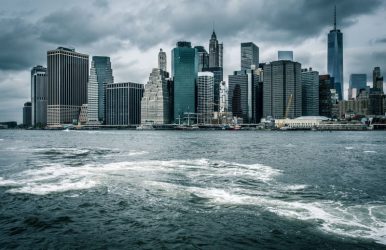
If you are among the few who are able to study in Manhattan, great!
Then you should consider yourself lucky because not everyone is able to afford it!
It is one of the biggest cities in which, if you are able to make it on your own, your life is set.
That will only start with a good education.
However, when you are in Manhattan, it all can’t be about the university and the studies!
What if you want to look around?
It is a marvelous city after all!
Plus, if this is a place you are finally deciding to settle, there are certain things that you should be aware of.
In this excerpt below, we will be discussing the top five places which you can visit in your free days.
Aka, the weekends once you are done with all your assignments!
But, before that, let us discuss a little about everything that you need to know before moving to Manhattan.
Everything You Need To Know Before Moving To Manhattan
So, you are moving to Manhattan for further studies.
Great!
Here is everything that you need to know in order to make a smooth transition from anywhere to Manhattan.
- Finding an affordable living space is very important before you decide upon anything. Click hericoll to find affordable studio apartments for your first move.
- New York City is very expensive, including food which is the second necessity in your stay. Thus, you should be prepared for this.
- Know the subway by heart. Cab fares are skyrocketing, and you wouldn’t be able to drive your car on the busy streets of Manhattan. Therefore, subways are the best thing you can do.
- It has one of the highest taxes in the United States Of America. Thus, if you are planning to find a job after your education, you must be aware of this.
Places To Visit In Your Off Time
During your off times, when you have nothing else to do!
You are caught up with all your studies and have some spare time then visit these places. They are great for some alone time or with a group of university friends.
1. Central Park
If you are in New York, why are you not visiting Central Park? Then what have you done!
It is the best place for a stroll alone or with your favorite group of people.
Plus, I swear every season has its own charm on Central park, but it is the best in Fall.
Some of the attractions here are Central park zoo, the Lake, and Strawberry Fields.
2. Metropolitan Museum Of Art
Not just one of the oldest and one of the pioneer museums in New York City, but it is also the place for the -
‘Met Gala!’
This is the best place to visit for anyone who is a fashion and art enthusiast. It has an interesting number of American & Egyptian art.
3. Broadway
Watching a Broadway show should be on your bucket list!
Now that you are in the city of Broadway take up each opportunity to go watch a Broadway show.
It could be the latest show which is the talk of the town, or a long-running classic which you have heard about all the time.
4. Empire State Building
Again another legendary site that you absolutely cannot miss.
Whenever I think about the Empire State Building, all I can think about is the climax of ‘Sleepless In Seattle.’
This 120 storeyed, 381-meter tall building is one of the tallest points in the city, and nothing can match that surreal feeling of getting a bird's eye view of the entire city.
Especially at night!
5. Times Square
It's busy!
It's chaotic!
It is the best attraction in New York!
Manhattan is Times Square!
With the two-storeyed billboards and the neon lights, there is always something new to see in Times Square.
New York! New York! New York!
The city that never sleeps!
A city where you always have something new to do!
This city will keep you busy. So, you made an excellent decision to choose this for your further studies.
Keep hustling, and New York will be your own!
Read Also:
Things To Do In Maryland – Free Places To Visit In Maryland
Best Time To Visit New York – Know All About New York Weather






 Related