Top 10 Airports In The USA: Navigating Excellence In Air Travel

Nov 20, 2023

Last Updated on: Sep 17, 2024

Destinations

The United States is home to some of the world’s most prominent and efficient airports, facilitating the journeys of millions of passengers annually. In this article, we’ll explore the top 10 airports in the USA, delving into their standout features and services.

1. Hartsfield-Jackson Atlanta International Airport (Atl)

Located in Atlanta, Georgia, ATL secures its spot as one of the largest and busiest airports globally. Renowned for its diverse array of shops and restaurants, Hartsfield-Jackson Atlanta International Airport is a hub of efficiency and convenience for travelers.

2. Denver International Airport (DEN)

Nestled in Denver, Colorado, DEN Airport captures attention not only for its operational efficiency but also for its distinctive architecture. The airport boasts multiple terminals, each contributing to a seamless and organized experience for passengers.

Denver International Airport Terminals:

A. Jeppesen Terminal

Jeppesen Terminal, the main terminal of DEN, welcomes passengers with its iconic peaked roof resembling the nearby Rocky Mountains. Housing check-in counters, baggage claim, and a variety of amenities, Jeppesen Terminal serves as the central hub for passenger services.

B. Concourse A, B, And C

Denver International Airport features three concourses, A, B, and C, each offering a range of gates and services. These concourses efficiently connect passengers to various domestic and international flights.

3. Los Angeles International Airport (Lax)

Known as the “Gateway to the Pacific,” LAX in Los Angeles, California, is a major international hub with modern facilities and a vast array of services for travelers.

4. O’Hare International Airport (ORD)

located in Chicago, Illinois, is a key player in the aviation landscape. As one of the busiest airports globally, ORD stands out for its extensive connectivity, serving as a major hub for both domestic and international flights. Travelers passing through O’Hare can experience a diverse range of amenities, including world-class shopping, dining options, and modern terminals designed to enhance the overall passenger experience. Renowned for its efficiency and strategic location, O’Hare International Airport continues to be a crucial gateway for air travel in the United States.

5. Dallas/Fort Worth International Airport (DFW)

Situated in Texas, holds a prominent position as one of the busiest airports globally. Recognized for its vast size and comprehensive facilities, DFW provides travelers with an array of services, including extensive shopping opportunities and diverse dining options. As a major hub, it plays a crucial role in connecting passengers to various destinations, both domestic and international. Known for its efficiency and commitment to passenger satisfaction, Dallas/Fort Worth International Airport continues to be a preferred choice for those traveling through the heart of Texas.

6. John F. Kennedy International Airport (JFK)

JFK in New York City is a crucial hub for international travel, known for its modern terminals and diverse array of airline services.

7. San Francisco International Airport (SFO)

SFO in California is renowned for its sustainable practices and state-of-the-art facilities, making it a preferred choice for travelers to the Bay Area.

8. Seattle-Tacoma International Airport (SEA)

SEA in Washington is celebrated for its efficiency and passenger-centric services, providing a smooth travel experience for those visiting the Pacific Northwest.

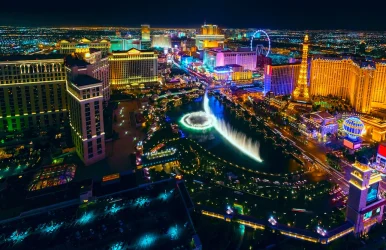
9. McCarran International Airport (LAS)

Situated in Las Vegas, Nevada, LAS is not only a gateway to the famous entertainment city but also stands out for its modern facilities and passenger-friendly services.

10. Orlando International Airport (MCO)

Located in Florida, it is a bustling gateway that serves as a major hub for domestic and international travelers. Renowned for its vibrant atmosphere, MCO provides a diverse range of amenities to cater to the needs of a broad spectrum of passengers. The airport boasts modern terminals, efficient check-in procedures, and an array of entertainment and dining options, making the travel experience enjoyable for visitors. As a key player in Florida’s transportation network, Orlando International Airport contributes significantly to the state’s reputation as a top tourist destination.

Aviation Industry Latest Trends

The aviation industry in the USA and other advanced countries in Europe. China, Brazil, and India are fast evolving in terms of management, induction of new technology, infrastructure development, and other points. The aviation industry in the USA is also quickly adopting new technology to compete internationally. Here, we discuss some of the latest aviation trends that these airports will adopt. So, let’s get started with the discussion.

The Arrival Of The Supersonic Passengers To Cut Time

Supersonic passenger aircraft can soon fill the space developed with time management. According to the latest trends, these supersonic flights are expected to cut the time by one-half. Some industry pundits even predict that these supersonic planes are expected to fly faster.  Some of the stakeholders are working continuously to attain the aim. 

Sustainable Fuel Will Be In The Forefront

Along with commuting bulk passengers and managing it within a short period of time, the stakeholders are looking to adopt sustainable fuel. While air travel accounts for roughly 2.5% of carbon emissions, it’s high time the stakeholders worked continuously to ensure they looked for sustainable fuels contributing to less emission. 

According to a study, the aviation industry emits quite a substantial amount, billions of tons of Carbon Dioxide every year.  Under the present condition, everyone involved with the mammoth industry ensures they reduce fuel intake. 

 But you may complain that all the developments restricting the burning of fossil fuels get restricted to the table. But it is not. Airbus has already committed that it will attain the commercial carbon networks by the year 2035. 

Autonomous Aircraft Can Indeed Revolutionize Cargo Delivery

Just as the automotive industry is moving fast toward driverless autonomous cars, the aviation industry is looking toward autonomous flights, too. Some commercial jets have autopilot technology. It allows handling of the aircraft movement via software.

Of Course, the pilot will oversee each and every aspect of the flight to ensure safety. Even the market is responding strongly to such developments. According to a study, the autonomous market is expected to be worth more than  $16 billion by 2027 and $24 billion in the next ten years. 

Conclusion

Feel free to expand on each airport, highlighting specific features and services that make them stand out.

Read Also:

Share on Social Media

Abdul Aziz Mondol is a professional blogger who is having a colossal interest in writing blogs and other jones of calligraphies. In terms of his professional commitments, he loves to share content related to business, finance, technology, and the gaming niche.

Leave a Reply

Your email address will not be published. Required fields are marked *

title-img Related

READ MORE Where Is Yokohama Bay

Where Is Yokohama Bay? What Is It Known For?  (Sunset, Snorkeling, Food, And More)

BY  Sibashree Jun 17, 2025

Is Yokohama Bay an active place for spirits? Lopaka Kapanui of Mysteries of Hawaii claims so! “It’s this limestone. It’s an unusual shape, and it’s the leaping place of spirits. So if you’re there at a certain time of the month, you may be able to witness a procession of people who have recently passed away who are walking toward that. Literally, you’ll see them climb on top of it, and you’ll see them run and take this leap. According to some witnesses, this window opens, receives them, and then shuts.” We are not sure whether Yokohama Bay houses the mystery of Hawaii or not! However, we are definitely interested in traveling to Yokohama Bay for its beautiful beaches, flora, and fauna. Where Is Yokohama Bay? Yokohama Bay Directions Yokohama Bay is located on the Island of Oahu. The bay, featuring a long stretch of sandy beach, is located at the western tip of Oahu, and it begins at Kaena Point. The area is also known as Keawaula Bay, and the entire bay features a coastline lined with white sand beaches and breathtaking scenic beauty. Yokohama Bay Hours To Travel & Exact Location Yokohama is located approximately one hour from the closest major city, Honolulu. The place has several parking spaces, which are ideal for parking your vehicles. To travel to Yokohama Bay first, then continue your journey on the Farrington Highway. The total distance from Honolulu to Yokohama Bay is approximately 40-42 Miles. The beach, which is located at the end of the Farrington Highway, is Yokohama Beach. Why Is Yokohama Bay Famous? The place offers some of the most unique terrains. The island is full of eroded shield volcano remnants, which have been formed over the course of millennia. The Island of Oahu is a place where volcanic mountains meet the ocean, creating some of the most breathtakingly beautiful scenery. The entire Island of Oahu is full of beaches, and Yokohama Bay is one of the most popular ones. The region is renowned for its stunning shores, where visitors can find some of the largest waves, making it an ideal spot for surfing. Where Did Yokohama Bay Get Its Name From? The place is known as Keawaula Bay. The word Keawaula refers to a red harbor in Hawaii. The locals say that once upon a time, massive schools of squids gathered in the shallow waters of the bay, and the locals call them muhee. Don’t you wonder why a Hawaiian place has a Japanese name? Well, there is an interesting story behind it. The place was named Yokohama, and a Japanese fisherman used to visit the place during the 1900s. Locals began casually referring to it as Yokohama Bay, and since then, the area has gained popularity under that name. Things To See In Yokohama There are multiple things to see and explore in Yokohama Bay, as the area offers one of the most incredible terrains and geographical features, making it an ideal destination for those who wish to explore:   1. The Diverse Flora and Fauna Of Yokohama Bay: The region provides sustenance for some of the world's finest flora and fauna. The place offers the basking grounds for the Hawaiian Monk Seals, one of the two remaining Monk Seal species, apart from the Mediterranean monk seal. The third species of Monk Seal is known as the Caribbean Monk Seal. The Monk Seals differentiate themselves with their unique looks. The Hawaiian Monk Seals are endemic to the Islands and are a highly endangered species; getting a sight of them can be a memorable moment. The beaches of the Yokohama Bay provide nesting grounds for the Green Sea Turtles. The turtles lay their eggs on the silver-sand beaches of Yokohama Bay. The island also holds the nesting grounds for other species, like albatross and several other birds and animals. Visitors should be especially careful to avoid harming the natural flora and fauna of the region. Human beings in the place often act irresponsibly, which damages the natural flora and fauna of the region. Why Is It Important To Care For The Flora And Fauna, Understanding With A Recent Example: Tourists should visit Yokohama and explore the flora and fauna of the region, but at the same time, it is important for them to care for nature and the species inhabiting the place. Here is an example of what can go wrong if human beings interact with nature irresponsibly: The Incident Of Two Women Cutting The Umbilical Cord Of A Newly Born Hawaiian Monk Seal Pup: Ironically, On The Same Day, The Pup Got Killed By Their Dogs. Two women working with the federal wildlife response team tamper wrongly with a newly born monk seal pup. The two women conducted a wrong medical procedure on a newly born pup, cutting its umbilical cord in the wrong way. Experts and advocates from around the world raise questions about the legitimacy of the action. The dogs of one of the women, later the same day, ironically kill the endangered seal pup. The incident took place in the north of Oahu Island. Yokohama Bay is also located on the same Island of Oahu. 2. Unique Geographic Features Of Yokohama Bay Yokohama Bay showcases some of the world's unique geographic features. When the millennia-old volcanic mountains meet the oceans, it becomes a scenic delight for your eyes. Visitors who enjoy both the ocean and the mountains will likely find this place to be their preferred destination. Travelers can hike as well as swim in the region. The Bay provides silver sand beaches, which are the perfect tropical paradise. The unique geographical features of the region provide the ideal conditions for the formation of tide pools. Marine life gets trapped in the tide pools during the low tides. Visitors, hence, should explore them. What To Do In Yokohama? It’s time for some serious adventure at Yokohama Bay! 1.  Yokohama Bay Snorkeling The shores of the Island provide some of the best snorkeling experiences. The place is full of vibrant underwater fauna, which gives you a memorable snorkeling experience. The shallow waters of multiple tide pools trap several kinds of sea life during the low tides and are one of the best places to explore diversity.          Yokohama is famous for several things, but most importantly, the place is well-known among surfers who want large waves. The place also provides silver sand beaches, and the underwater life of the region is the best for snorkeling and other activities. Tourists engage in several activities, including flying drones, kite surfing, and enjoying with friends and family in the region.  2)  Yokohama Bay Water Sports And Adventures The rough terrain and the shallow waters of Yokohama Bay create the largest waves in the ocean. These waves create the ideal conditions for successful water sports and other adventures. Yokohama Bay provides some of the best opportunities for adventure sports, where many can be seen kite surfing, jet skiing, and several other activities. Kayaking is also one of the most common activities for people. Tourists rent out the things from the local service providers. 3) Fishing At Yokohama Bay The Shallow waters of the tide pools of Yokohama Bay provide the ideal conditions for fishing. Fishers find some of the most unique species of fish in the oceans, and it is perfect for people to visit. Visitors should bring fishing equipment with them to enjoy the experience to the fullest. 4) Hiking At Yokohama Bay The region provides hiking trails with wonderful and unique views. One of the most popular hiking trails near Yokohama Bay is the trail to Ka’ena Point. The trail follows an old railroad bed and goes through a dirt road. The trail is an exciting and adventurous path to the western point of Oahu. Tourists should take the trail to reach Ka’ean Point Natural Area Reserve. The reserves contain sand dune habitats, which are unique to the islands. The reserves serve as homes to some of the native and unique plants and seabirds on the Islands. Tourists visiting the trail in the winter months can see the whales frequently visiting the shorelines. Visitors explore limestone reefs and sand dunes throughout the coastline, which are raised from the mostly flat shoreline. Is Yokohama Worth A Visit? Yokohama Bay is one of the most ideal places for you, and tourists of all kinds can visit the place irrespective of whether they like to relax at the beach or wish to explore hiking trails. Tourists can do anything they choose. Things To Keep in Mind While Visiting Yokohama Bay Yokohama Bay is located in a remote place from Oahu, and it can be difficult to find a network in the region. The place has a very limited number of places to eat. Tourists, hence, should pack their food. We at Tour & Travel encourage our guests to visit these places responsibly. We expect the members of the Tour & Travel to be vigilant regarding the environment. Tourists traveling to places like Yokohama Bay shall act responsibly, as these places are home to various species. The Earth does not belong to us, but we share it with other species, and it is crucial to care for all. Tourists visiting places like Yokohama Bay and other parts of Oahu should not harm the natural flora or fauna. We at Tour and Travel believe that we have not inherited this planet from our ancestors, but we have borrowed it from the next generation.  The dwellers of Earth, hence, should keep everything intact for the next generations. Yokohama Bay Frequently Asked Questions (FAQS) Here are some frequently asked questions and answers about Yokohama Bay. Can I Swim At Yokohama Bay? Yes, Yokohama Bay is perfect for swimming. However, during high tides, the ocean produces massive waves, making it essential to exercise caution. Why Is It Called Yokohama Bay? Around the 1900s, a Japanese man would come to the place to fish. The locals, therefore, began calling Yokohama casually from then on. The place is originally known as Keawaula Bay. The word Keawaula refers to a red harbor. Once upon a time, massive schools of squids gathered in the shallow waters of the bay; hence, it is called  Keawaula Bay.   Can You Drive To Yokohama Bay, Oahu? Yes, Yokohama Bay is located more than an hour's distance from Honolulu. Travelers should take the Farrington Highway to reach Yokohama from Honolulu. Is Yokohama Good For Tourists? Yokohama Bay is one of the most suitable places for tourists. The region provides tourists with the opportunity to explore some of the most iconic and unusual terrains. Tourists, therefore, can engage in various activities, including Snorkeling, surfing, and many others. However, tourists should be respectful of the local flora and fauna. Does Yokohama Have A Beach? Yokohama Bay has the largest beach on the entire island of Oahu and, hence, is one of the most popular destinations for visitors. Is Yokohama Expensive? According to the Tour & Travel Research Team, a budget of $1,400 to $1,600 per person is suitable for a week-long trip to Yokohama Bay and the surrounding areas in Oahu. Is Yokohama Friendly To Foreigners? Yes, people from different countries can visit the place Are there Yokohama Bay Restaurants? Yokohama Bay is located remotely. Travelers, therefore, often struggle to find places to eat due to the remote location of the area. However, tourists can find several eating spots throughout the Island. Tourists often find it challenging to access a reliable mobile network in the region due to a shortage of mobile towers in certain areas.The restaurants around the area are fewer in number. However, it is located a one-hour drive from Honolulu, and people can find good food there. Does It Snow In Yokohama Bay? No, it does not snow in Yokohama Bay, Hawaii. Located at Oahu’s Western Tip, Yokohama Bay enjoys a tropical climate. Snowfall is limited to the Mauna Loa and Mauna Kea peaks. Is The Yokohama Bay Sunset Beautiful? The Sunset from Ka‘ena Point in Yokohama Bay is beautiful and mesmerizing. Tourists should definitely visit Ka’ena Point. Read Next.. What is the Best Time to Visit Fiji for your Next Vacation?  Enjoying Your Holiday at the Bay of Biscay: 7 Considerations to Enjoy the Incredible Bilbao Hawaii Vs Bahamas Vacation: Which One Is The Better Spot For The Ultimate Tropical Experience?

READ MORE Buying A House In Bali

What Should I Consider When Buying A House In Bali?

BY  Ankita Feb 26, 2024

Buying a house in Bali offers a tropical lifestyle with an array of cultural attractions, a warm climate, and stunning natural beauty. However, prospective buyers should be aware of the unique property ownership laws in Indonesia, which may differ significantly from those in other countries. Navigating these regulations to find the ideal property requires a clear understanding of the available options for foreign investors, as well as knowledge of the legal framework surrounding land ownership and property rights in Bali. Explore Bali houses for sale with Exotiq Property to embark on your journey of discovering the perfect home in this captivating destination. When considering properties in Bali, it's important to assess various factors to ensure a sound investment. Location is paramount, as different areas offer distinct advantages depending on lifestyle preferences and investment goals. Property features, potential for appreciation, and proximity to amenities are also important considerations. Buyers should conduct thorough due diligence on the legalities of the transaction, including land titles, building permits, and zoning regulations, to ensure that their investment is protected. Understanding Property Ownership In Bali When considering the acquisition of property in Bali, it is imperative to grasp the various ownership titles offered under Indonesian property laws and the distinctive purchasing options available to foreigners. Equally crucial is understanding the legal procedures to ensure a secure transaction. Purchasing Options For Foreigners Foreigners interested in Bali real estate must navigate Indonesian property laws that are designed to protect local interests. The most common route is a leasehold property, which grants the right to use the land for a term that is usually 25 to 30 years and can be extended. Alternatively, a foreigner may invest in a PMA company, which can acquire property under a Hak Guna Bangunan title. Another option is to enter an agreement with a local nominee or Indonesian nominee system, although this method involves a higher degree of risk and is less favored. Necessary Legal Procedures Executing due diligence is paramount before purchasing property in Bali. This involves a thorough check of the land certificate and ownership certificate, ensuring that there are no discrepancies. It is advisable to work with a reputable notary and lawyer to conduct these verifications. The due diligence process includes confirming that the building permit (IMB), PBB tax payment (property tax), and NPWP (tax number) are all in order. Prospective buyers should also use a qualified real estate agent to aid in navigating the intricacies of Bali's property market. Read Also: Planning A Vacation To Bali? Read This Blog! Factors To Consider When Buying When looking to buy a house in Bali, potential homeowners need to carefully evaluate several critical aspects to ensure a sound investment. From the specific location to the financial aspects, each factor plays a crucial part in the purchasing process. Location And Accessibility The location of property in Bali is one of the most significant considerations. Popular areas such as Seminyak, Canggu, Ubud, Jimbaran, Uluwatu, Nusa Dua, and Sanur offer a range of options from bustling nightlife to tranquil beachfront. Proximity to beaches, zoning restrictions, road access, availability of electricity, internet, and accessibility to local communities like the Banjar (village council) is essential. For instance, Seminyak and Canggu are known for their lively scenes and surf culture, while Ubud captivates with its natural beauty and arts community. Popular Regions with Unique Features: Seminyak: Trendy, upscale area well-connected and with a high concentration of shops and eateries. Canggu: Known for cool cafes, vibrant nightlife, and surfing spots. Ubud: The cultural heart, surrounded by rice fields, and a hub for wellness. Jimbaran: Offers a calmer environment with seafood restaurants and sunsets. Nusa Dua: Well-organized resort area with pristine beaches. Sanur: Quieter pace with a mix of traditional and modern Bali, friendly for families. Environmental And Structural Concerns The dream of owning a tropical paradise comes with its environmental challenges. Bali's climate can contribute to rust, mold, termites, and pests, which potential homeowners should consider, especially when looking at an existing home. Swimming pools may need regular maintenance due to these issues. Assessing the land size, natural orientation and views, well access, flood risk, potential drainage problems, and any setbacks from the property boundaries is crucial before making a final decision. Environmental Factors to Check: Risk of flood or water damage Presence of mold or pests Adequate drainage systems Maintenance required for swimming pool and other amenities Financial Implications The financial side of buying property in Bali can be complex, particularly for foreign buyers. Understanding the types of leases and licenses required is paramount. The Bali real estate market also varies significantly, so gaining information on luxury property prices and average cost of living can inform your budget. When considering financing, options such as a mortgage from a local bank, developer financing, or making a cash payment should be reviewed. Moreover, if the purchase is for investment, evaluating potential rental income is essential. Conclusion When purchasing property in Bali, buyers must navigate Indonesian property laws and understand the types of property titles available to foreigners, such as Hak Pakai, Hak Milik, and Hak Guna Bangunan. It is imperative to conduct thorough due diligence, including legal checks and understanding market conditions. Considering the location and intended use of the property—whether for investment or residence—is critical. With adequate preparation and insight into the Balinese real estate market, investors can make informed decisions for successful property acquisition. Read Also: Tattoo Bali – Tips Before Getting A Tattoo Top 7 Places To Visit For An Asian Solo Traveler A Detailed Guide On Malaysia Bay – From Traveling To Outing

READ MORE Suva cultural guide

Suva Cultural Guide: Discover The Hidden Gems And Cultural Heart Of Fiji 

BY  Sibashree Jan 15, 2026

The common visuals about Fiji have sun-soaked resorts in Nadi and Denarau. Manicured lawns! The warm “Bula greetings!” And the polished facilities! However, if you want to experience the authentic Fijian life or feel the pulsating soul of the nation, you will have to travel east. It is the cultural heartbeat of the South Pacific. It is a sharp contrast if we compare the tourist polish of the West. You will feel that raw energy and colonial grandeur here. Also, it has a truly inclusive scenario with the Indo-Fijians and the indigenous Fijians constituting the majority of the population. Also, you will find part-Europeans, Chinese, and Caucasians. In this Suva cultural guide, I will talk about the raw energy of the city, its ancient seafaring legacy, vibrant markets, and living traditions. These are far from the poolside cocktails.  For more practical tips for a trip to Suva, you can read my Suva travel itinerary. Why Does Suva Claim The Cultural Capital Status?  Suva, despite being one of the most happening urban centers, has preserved its colonial history. Multiculturalism is another major factor in the cultural capital. Here is a deep dive into its history and transformation. Historical Shift To Powerhouse  Suva has not always been the seat of power. In 1882, the colonial leaders chose Suva as the capital over Levuka. The constraints for Levuka were the sea and the steep mountains. It was the beginning of the rise of a small and modest village as a power hub. However, the city, beginning its journey as an administrative epicenter, has now become a land with a multicultural tapestry. It has the headquarters of many regional organizations. It also has the University of the South Pacific, and a site where indigenous iTaukei traditions, Indo-Fijian commerce, and Chinese and European influences coexist. This diversity has solidified its status as the intellectual and artistic heart of the Pacific.  What Are The Top Cultural Attractions In Suva, Fiji? With the Suva Municipal Market, allowing everyone to have a slice of the Fijian life, the city also has many prominent cultural attractions. Also, the city is so particular about preserving its culture that there have been multiple acts and regulations surrounding it. 1. Fiji Museum And Thurston Gardens  View this post on Instagram A post shared by FIJI MUSEUM (@fijimuseum) The lush Thurston Gardens has the Fiji Museum, which preserves the 3700 years of Pacific history. The Fiji Museum Act (Cap 263) governs the operations and administrations of the museum for the curation and preservation of these artefacts. It also complements the Preservation of Objects of Archaeological and Palaeontological Interest Act (Cap 264), covering over 10,000 national heirlooms like traditional items central to Fiji's identity. Nevertheless, Ratu Finau, a massive 13-meter double-hulled canoe (drua), is the main attraction of the museum. It is a telltale of the rich maritime history of the nation. You will even find the Lapita pottery, the distinctive, stamped earthenware that allows archaeologists to trace the migration of the first Pacific Islanders.  Furthermore, the garden was built in the 1880s, and it has over 100 species of lilies and palm trees. 2. Suva Municipal Market  With the right Suva market guide, you will see how Suva comes to life from Thursday to Saturday. The Yaqona or Kava section on the second floor is the place where the city gets Kava roots and powders. Now, Kava is not just a drink. It is a social glue. When buying Kava (Yaqona) as a gift, ask for "Waka" (roots) rather than "Lewena" (stem) for higher respect/potency. On the other hand, the ground floor offers a kaleidoscope of taro (dalo), cassava, and jackfruit. These celebrate the city's Indo-Fijian roots. Furthermore, the air here smells of cumin and turmeric. Arrive from 6 AM to 10 AM on a Saturday to immerse yourself in a beautiful story of Fiji’s daily sustenance. 3. Government Buildings And Parliament Complex  The government buildings and parliament complex, showing the quintessential Art Deco style of the 1930s, face Albert Park. Albert Park is the place where Charles Kingsford Smith landed his Southern Cross in 1928. Here, you will also find the statue of Ratu Sir Lala Sukuna, the founding father of modern Fiji, whose legacy of land reform and indigenous rights still shapes the nation today.  Furthermore, the striking design of the parliament (after 1987) symbolizes unity. The National Trust of Fiji plays an important role in preserving these government buildings and the parliament complex. Suva Cultural Guide Of The Hidden Gems Off The Path  The Suva Fiji hidden gems are the telltale of the rich cultural and artistic legacy of the South Pacific. These are the places you need to explore. 1. USP Oceania Centre For The Arts  At USP, Epeli Hau'ofa's legacy lives. Catch Oceania Dance Theatre rehearsals, mesmerizing meke dances with stomping feet and ulu chants, or Red Wave Collective's bold canvases challenging colonial narratives. Live music, theatre, and talks pulse here, bridging ancient oral lore with contemporary fire. Free events draw locals and visitors alike. The Department of Heritage and Arts in Fiji plays a key role in safeguarding the nation's intangible cultural heritage, including traditional dances and music.  2. Draiba Cemetery And Sacred Heart Cathedral  Suva's Old Cemetery on Queen's Road whispers of pioneers and chiefs, graves oriented east for resurrection. It is a syncretic blend of Christianity and custom. Nearby, Sacred Heart Cathedral's French-imported sandstone vaults and stained glass offer humid respite. Dress modestly (shoulders and knees covered), remove hats, and absorb the choral echoes that define Fijian worship. 3. Fiji Arts Council Handicraft Centre  View this post on Instagram A post shared by Asia Pacific Region Crafts (@worldcraftscouncil_asiapacific) You will find certified "Fijian Made" masi barkcloth, kava bowls, and war clubs here. The Fiji Arts Council ensures authenticity, bolstering local artisans against imports. Perfect for ethical souvenirs tying into Heritage Department efforts. Cultural Etiquette: Honoring The Vanua  The Vanua, meaning the land and the kin, is sacred. In villages, offer sevusevu kava to the Turaga ni Koro for entry blessing. Wrap a sulu sarong modestly, men and women alike. Taboos: No head-touching (sacred seat of spirit), no hats indoors, ask before taking photos. The Department of Heritage and Arts safeguards these intangibles, such as dances, music, and pageantry, via UNESCO-aligned inventories, policies, and community revivals despite funding hurdles. A Flavorful Day: 1-Day Itinerary  Morning: Dawn at Municipal Market for produce frenzy, then Fiji Museum for historical grounding (allow 2 hours).  Lunch: Savor lovo, an earth-oven feast of taro, chicken, and palusami or fiery Indo curry at a hole-in-the-wall.  Afternoon: Oceania Centre for Art Pulse, then Colonial Walk: Government Buildings, Albert Park, Grand Pacific Hotel.  Evening: Kava bowl with locals, reflecting on Suva's layers. Total cost: Under $20 FJD sans taxis.  The Taste Of Suva  A Suva food tour will help you know how history flavors every plate of Suva. Fijian lovo buries sustenance in earth ovens; Indo-Fijian curries fuse cumin-heat with dalo; Chinese woks stir-fry cassava. Try kokoda (citrus-marinated fish) or fresh market seafood. Each bite traces the Girmitiya laborers, chiefly feasts, and fusion resilience.  Language Basics: A Suva Cultural Guide Bula! Hello/welcome.  Vinaka. Thank you.  Moce. Goodbye.  Tulou. Excuse me.  Ia bula vinaka? All good? (Ice-bo-la vi-nacka)  Sustainable Travel Tips  Fiji battles plastics  Bring reusables to markets  Support Heritage Department goals by choosing artisan crafts, minimizing footprint in rain-lashed paradise.  Expert Tips For Suva Cultural Travelers  Buy Authentic: Check the "Fijian Made" stamp at the Handicraft Centre.  Taxi Meter: Always ask the driver to turn on the meter. A ride within the city should rarely cost more than $5-$7 FJD.  Umbrella is Essential: Suva is the "rain capital." So, you will need an umbrella.  Respect Sundays: Sunday is a strict church/family time. Most shops are closed. So, you can plan a Suva Nature tour on Sundays.  Ask Before Clicking: Always ask permission before photographing locals, especially vendors in the market.  Suva Cultural Guide: Frequently Asked Questions (FAQs)  Here are the frequently asked questions and answers about the Suva cultural guide. 1. What Is The Best Way To Get Around Suva For Cultural Sites? Suva is very walkable. So, take a walk and explore the downtown heritage buildings. However, if you don’t want to walk and have a more relaxing experience, you can take a taxi, which is easily available and is cheap. 2. Is Suva Safe For Tourists? Yes, Suva is safe for tourists. According to Numbeo, it has a crime rate of 58.60. However, like any capital city or tourist place, it has its own share of challenges. You have to keep your valuables safe. Also, do not walk alone at night. 3. Do I Need Guide For The Fiji Museum? You can go for a self-guided tour of the Fiji Museum. It will take around 1-2 hours. However, if you want to know about human history and behind the scenes here, you will of course need a guide.For an overseas visitor, an entry to the museum costs around $20, and with an added guided tour, it will be $30. 4. What Should I Wear To The Sacred Heart Cathedral? You have to remove your hat while entering the cathedral, and your knees and shoulders must be covered.You can wear the traditional sarong or a maxi dress. Overall, your dress must be modest. 5. Can I Drink The Kava Offered To me? Yes, it is polite to accept. Clap once, say "Bula," drink in one go, and clap three times after. If you are trying the Kava for the first time, you must choose a low-tide of half a cup instead of a high-tide or a full cup.At first, you may feel like having peppery muddy water. However, the taste grows on you, and it has a mild sedative effect. 6. Where Can I See Traditional Fijian Dancing (Meke)? The Oceania Centre at USP often has rehearsals, or major hotels host distinct cultural nights. Furthermore, the Fiji Museum, being the cultural preservation hub, often hosts Meke. 7. What Currency Is Used At The Markets? Fijian Dollars (FJD) are used at the markets. Cash is king as local vendors do not take cards. However, you can shop with cards at TappooCity, and other large supermarkets accept cards. Also, many locals use an app called M-PAiSA for digital payments. 8. Is The Government House Open To The Public? No, the government house is not open to the public as it is the President's residence, but you can view the changing of the guard from the gate. The changing of the guard ceremony takes place in the first week of every month. 9. How Far Is Colo-I-Suva Forest Park From The City? Colo-I-Suva Forest is about a 15-20 minute taxi ride from the CBD. The journey through the Princes Road covers a distance of around 12 kilometers.You can also take a bus. However, it will take longer because of the multiple stops. 10. What Is The Significance Of The Tabua (Whale's Tooth)? It is the highest cultural token of respect in Fiji, often seen in museum displays but rarely handled by tourists. It is the polished tooth of the sperm whale, and in weddings, it is often the price offered to the family of the bride for asking her hand in marriage. Read Also: A Tucumán Historical Sites Guide: Independence, Incas & Jesuits In Northern Argentina Tucumán Nature Guide: Exploring The Yungas Rainforest And High Andes Tucumán Food Guide: The Capital Of The Empanada And Milanesa