San Francisco is one of the most iconic and diverse cities in the United States. It is a cultural, historical, and technological hub that attracts millions of visitors every year. But what is San Francisco known for?
In this article, I will explore 12 things that make San Francisco unique and memorable. So, if that is something you are interested in knowing, I have you covered!
So, keep on reading this blog till the end to learn more…
Top 12 Edition: What is San Francisco Known For?
As per Rudyard Kipling, San Francisco is a “mad city, full of perfectly insane people.” And don’t worry, this holds so true in the most loving ways.
From the colorful metropolis to its delicious streets, there are many things about San Francisco that make it popular!
Wondering what San Francisco is known for? Well, I have you covered! Here are the top twelve things that San Francisco is known for:
1. The Golden Gate Bridge
The Golden Gate Bridge is the most famous landmark in San Francisco and one of the most recognizable structures in the world.
It spans 1.7 miles across the Golden Gate Strait, connecting San Francisco to Marin County.
The bridge was completed in 1937 and was the longest and tallest suspension bridge then.
It has a distinctive orange-red color that contrasts with the blue water and sky.
The bridge offers stunning views of the city and the bay, and is a popular spot for walking, biking, and photography.
2. Alcatraz Island
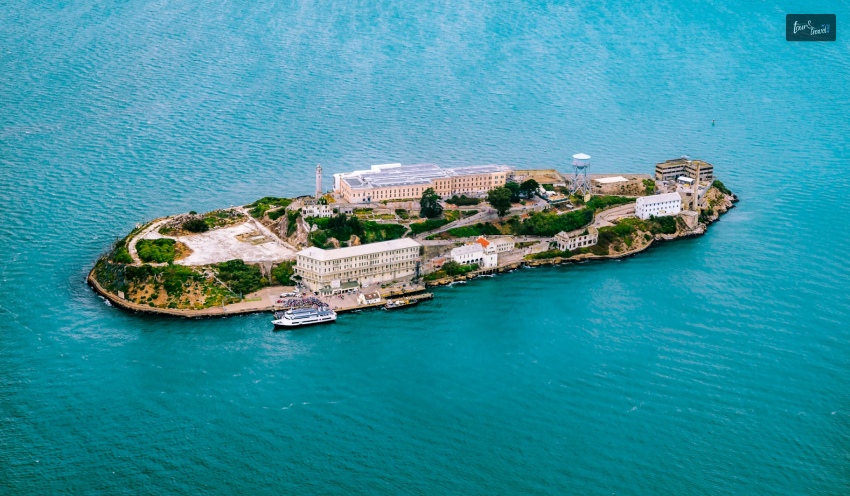
Alcatraz Island is a small island in the San Francisco Bay that was once a notorious federal prison.
From 1934 to 1963, Alcatraz housed some of the most infamous criminals in American history, such as Al Capone, Machine Gun Kelly, and Robert Stroud.
The prison had harsh conditions and high security, and no one ever escaped successfully.
Today, Alcatraz is a national park and a museum that attracts over a million visitors annually.
You can take a ferry to the island and explore the cell blocks, the lighthouse, and the gardens.
You can also listen to audio tours that narrate the stories of the inmates and the guards.
3. Cable Cars
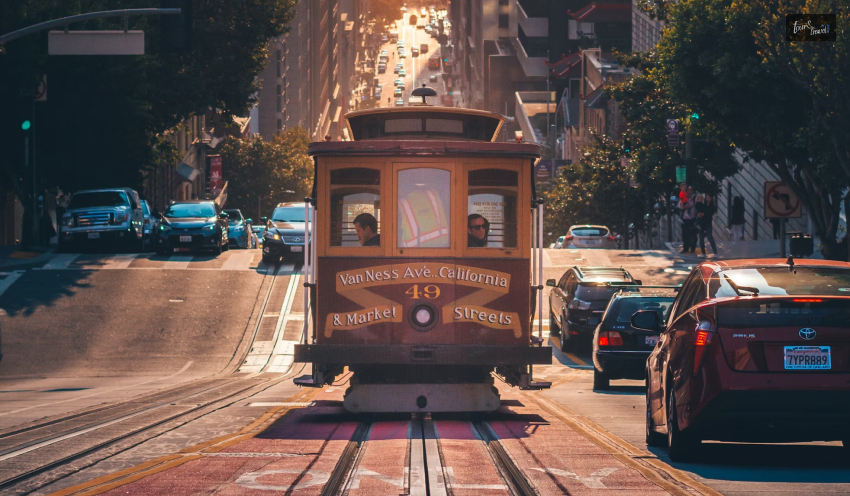
Cable cars are a symbol of San Francisco and a fun way to get around the city.
They are the world’s last manually operated cable car system. They have been running since 1873.
Cable cars are pulled by cables that run under the street. Also, they are operated by gripmen who use levers to control the speed and direction.
There are three cable car lines that serve different parts of the city, and each one has its own charm and scenery.
You can hop on and off at any stop or ride the entire route for a full experience.
Cable cars are also a great way to see some of the city’s famous hills, such as Nob Hill, Russian Hill, and Lombard Street.
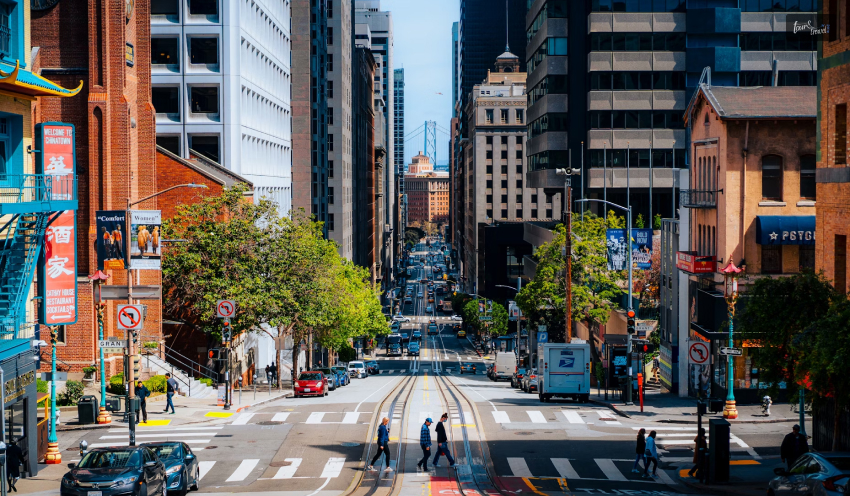
4. Chinatown
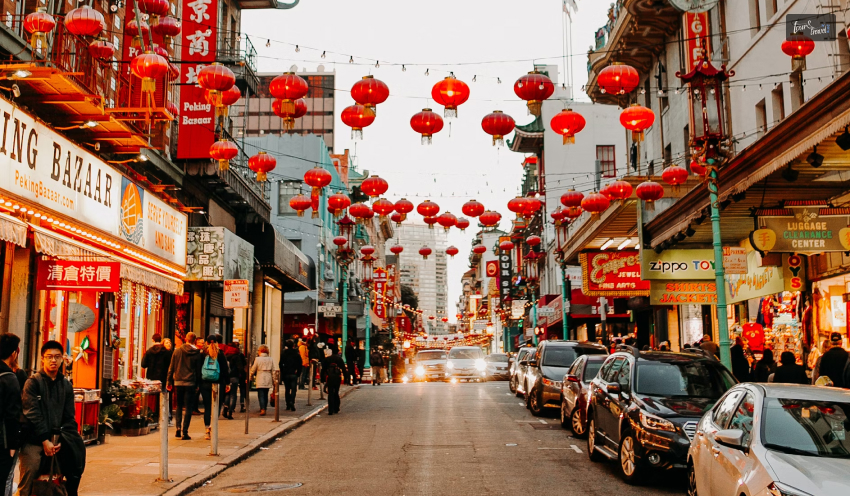
Chinatown is the oldest and largest Chinatown in North America, and one of the most vibrant and authentic neighborhoods in San Francisco.
It was established in the 1850s by Chinese immigrants who came to work on the railroads and the gold mines.
Chinatown is a cultural and historical treasure that preserves the traditions, languages, and cuisines of China.
You can walk along the colorful streets and alleys and see the ornate buildings, temples, and shops.
You can also sample some of the famous Chinatown delicacies, such as dim sum, noodles, and tea.
Chinatown is also home to many festivals and events, such as the Chinese New Year Parade, the Autumn Moon Festival, and the Dragon Boat Festival.
5. Fisherman’s Wharf
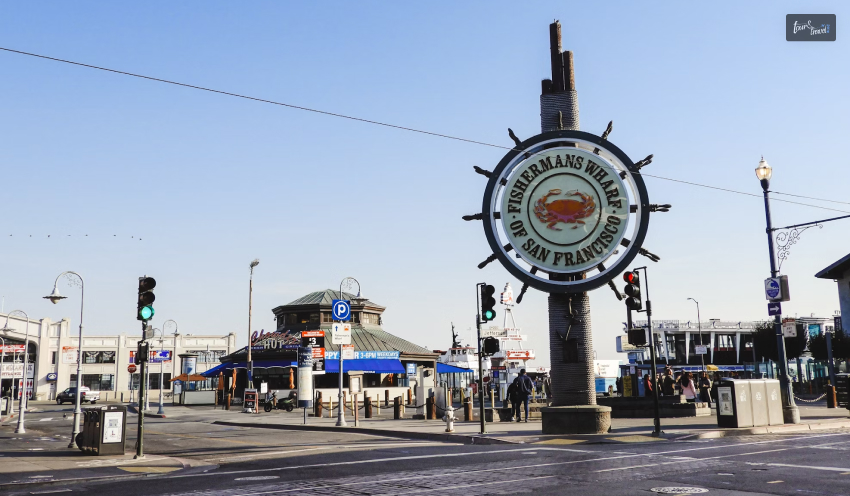
Fisherman’s Wharf is one of the most popular tourist attractions in San Francisco and a lively waterfront area that offers something for everyone.
It was once a working fishing port, and you can still see the fishing boats and the seafood stalls that sell fresh crab, shrimp, and clam chowder.
Fisherman’s Wharf is also a hub for entertainment, shopping, and dining.
It has attractions, such as Pier 39, Ghirardelli Square, Madame Tussauds, and the Aquarium of the Bay.
You can also enjoy the views of the bay and the city skyline, and watch the sea lions that lounge on the docks.
6. The Painted Ladies
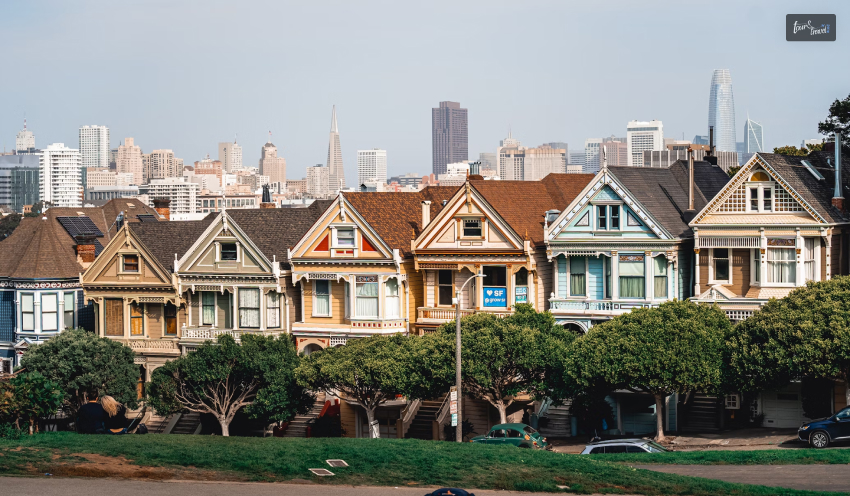
The Painted Ladies are a row of Victorian houses that are located on Steiner Street, across from Alamo Square Park.
They also have different names, such as the “Postcard Row” or the “Seven Sisters.” Furthermore, they are popular photography spots in San Francisco.
The houses date back to the period from 1892 to 1896. They feature different architectural styles, colors, and details.
They are a beautiful example of the city’s history and charm, and they contrast with the modern skyscrapers in the background.
The Painted Ladies are also famous for appearing in many movies and TV shows, such as Full House, Mrs. Doubtfire, and The Princess Diaries.
7. The Haight-Ashbury District
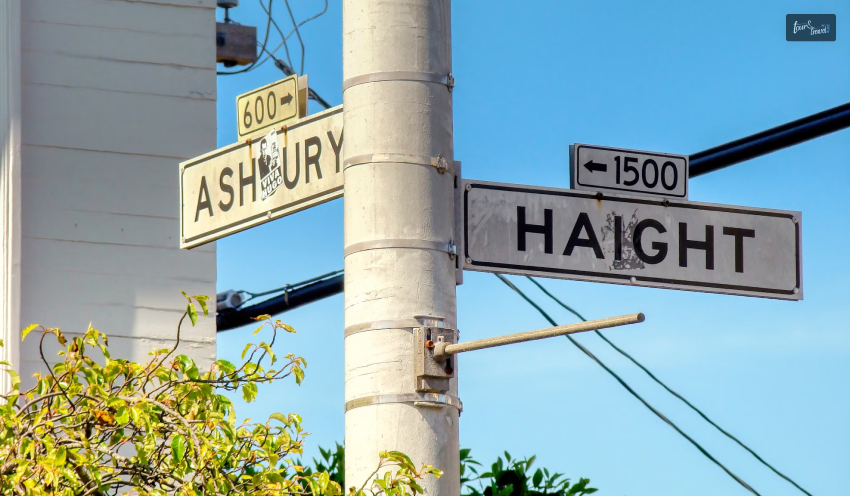
The Haight-Ashbury District is the birthplace of the hippie movement and the counterculture of the 1960s.
Young people gathered here to protest against the Vietnam War. They also experimented with drugs and music to create a new lifestyle and identity.
The Haight-Ashbury District is still a place of creativity and diversity.
You can see the influence of the hippie era in the colorful murals, the vintage shops, and the psychedelic art.
You can also visit some of the landmarks that remind us of hippie icons. Some examples are the Grateful Dead House, the Jimi Hendrix House, and the Janis Joplin House.
8. The Castro District
It was here that the gay rights movement began in the 1970s, led by the activist and politician Harvey Milk.
The Castro District is a place of pride and celebration.
You can see the rainbow flags, the pink triangle, and the Castro Theatre that symbolize the history and culture of the LGBTQ+ people.
You can also enjoy the nightlife, the restaurants, and the bars that cater to the diverse and friendly crowd.
The Castro District is also the host of many events and festivals, such as the Castro Street Fair, the Pink Saturday, and the Pride Parade.
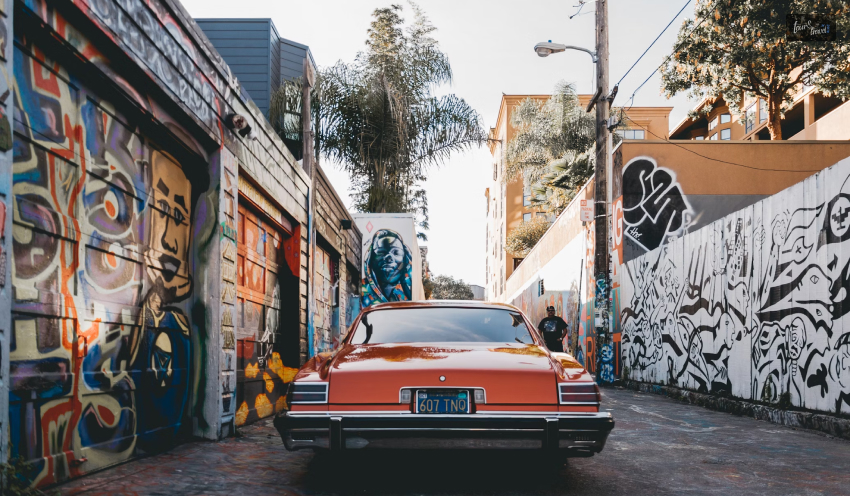
9. The Mission District
The Mission District is the oldest and the most eclectic neighborhood in San Francisco, and a melting pot of cultures, cuisines, and art.
It got its name from Mission Dolores. It was the oldest building, founded by the Spanish missionaries in 1776.
The Mission District has Hispanic and Latino heritage. You can see the influence of the Mexican and Central American immigrants in the food, the music, and the language.
You can also admire the stunning murals that cover the walls and buildings and depict the social and political issues of the community.
The Mission District is also a hotspot for entertainment, shopping, and dining, with many venues, such as the Roxie Theater, the Elbo Room, and the Tartine Bakery.
10. Lombard Street
Lombard Street is one of the most famous and crooked streets in the world, and a must-see attraction in San Francisco.
It is located on Russian Hill, and it has eight sharp turns that make it look like a zigzag.
Designed in 1922, it aimed to reduce the steepness of the hill and to make it safer for cars and pedestrians.
Lombard Street also has a distinct beauty and charm. Also, you will notice colorful flowers, trees, and houses along the road.
You can drive down the street, or walk along the sidewalk, and enjoy the views of the city and the bay.
11. The Palace of Fine Arts
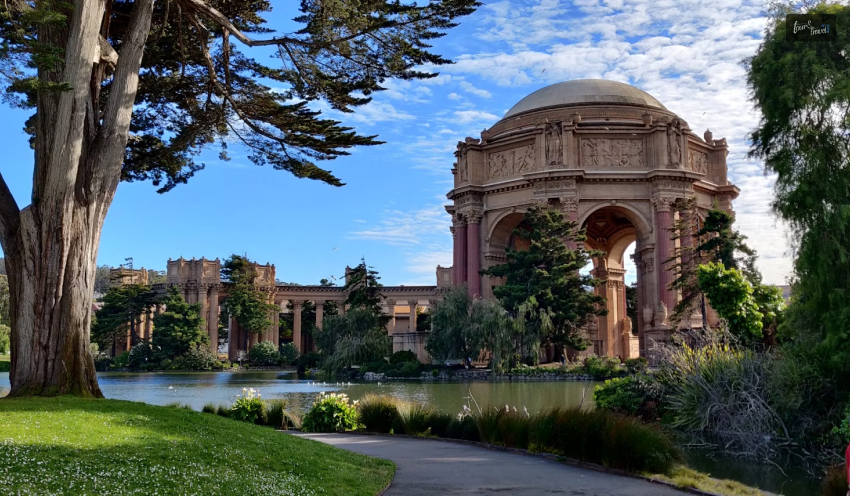
The Palace of Fine Arts is a stunning architectural masterpiece. It was built for the Panama-Pacific International Exposition in 1915.
It was designed by the architect Bernard Maybeck, who was inspired by the ancient Greek and Roman temples.
The palace features a large dome, a colonnade, a lagoon, and a garden, and it is a popular spot for weddings, concerts, and events.
The palace is also a museum that showcases the history and the art of the exposition, and the science and the technology of the present.
You can visit the palace and marvel at its beauty and elegance, and learn more about the city’s past and future.
12. The Golden Gate Park
The Golden Gate Park is the largest and the most diverse park in San Francisco, and one of the best places to relax and enjoy nature.
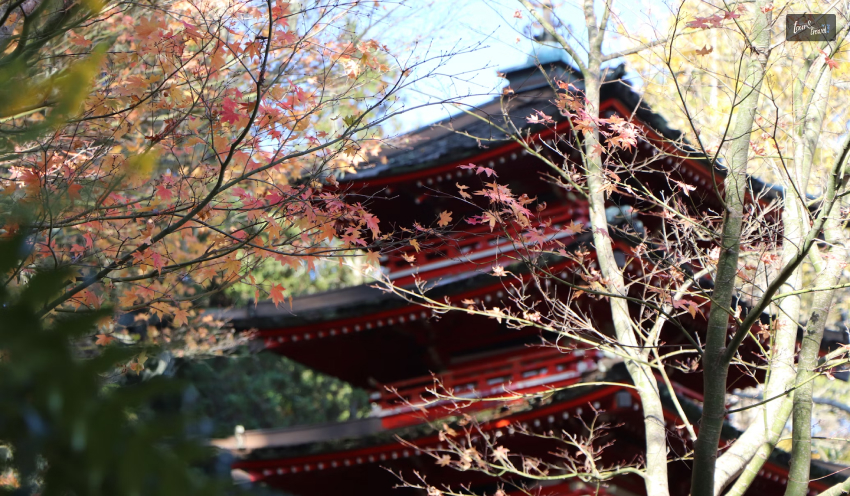
It covers over 1,000 acres of land, and it has something for everyone. You can explore the many attractions that the park offers, such as the Japanese Tea Garden, the Conservatory of Flowers, the California Academy of Sciences, and the De Young Museum.
You can also enjoy the outdoor activities, such as biking, hiking, boating, and golfing. The park is also home to many animals, plants, and flowers, and you can see the bison, the turtles, and the roses.
The park is also a venue for many events and festivals, such as the Outside Lands, the Hardly Strictly Bluegrass, and the Shakespeare in the Park.
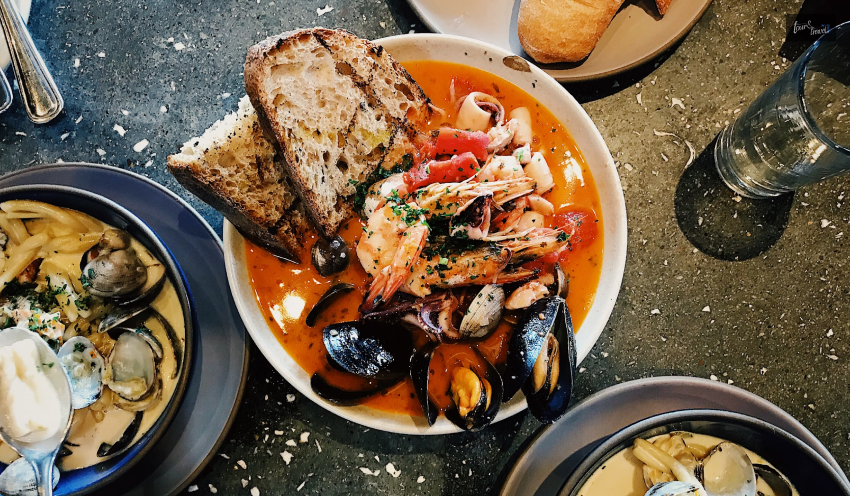
Bonus: San Francisco is a Foodie’s Delight!
San Francisco is a food lover’s paradise, with a variety of cuisines and restaurants to suit every taste and budget. Whether you are looking for a cozy brunch, a romantic dinner, or a casual bite, you will find something to satisfy your cravings in this vibrant city.
In this part of the blog, I will share with you my top 5 places to eat in San Francisco based on my personal experience and online reviews.
1. Zuni Café
https://www.instagram.com/p/Cx07GGIvvTw/?hl=en
Zuni Café is a San Francisco institution, located on Market Street near Civic Center.
It has been serving delicious food since 1979 and has won several awards, including a James Beard Award for Outstanding Restaurant in 2003.
The restaurant is famous for its slow-cooked, roasted chicken and bread salad. It takes about an hour to prepare, but is worth the wait.
The menu changes daily, featuring fresh, local ingredients and seasonal dishes.
The price range is moderate to high, with the chicken costing $62 for two people.
Other dishes that I recommend are the oysters, the Caesar salad, and the espresso granita.
State Bird Provisions is a Michelin-starred restaurant that offers a unique dim sum-style service.
You can choose from a variety of small plates from carts and trays, or order from the menu.
The dishes are eclectic and innovative, featuring dishes like fried quail, duck liver mousse, and sourdough pancakes.
The price range is moderate to high, with the dishes costing between $5 and $25 each.
You can also opt for the chef’s tasting menu for $95 per person.
The restaurant is located on Fillmore Street near Japantown and is very popular, so make sure to book in advance.
3. Sanraku
Sanraku is a cozy and authentic Japanese restaurant that serves high-quality sushi and sashimi, as well as other traditional dishes like donburi, udon, and tempura. The fish is fresh and the service is friendly.
https://www.instagram.com/p/C37lalmLJmH
Sanraku is a cozy and authentic Japanese restaurant that serves high-quality sushi and sashimi.
It also serves traditional dishes like donburi, udon, and tempura. The fish is fresh, and the service is friendly.
The price range is moderate, with the sushi rolls costing between $6 and $18 each.
The restaurant also has a happy hour from 5 to 7 pm, where you can get discounts on selected items.
The restaurant has three locations in San Francisco: on Sutter Street near Union Square, on Metreon near Yerba Buena Gardens, and on 4th Street near Moscone Center.
4. Honey Honey Café & Crepery
Honey Honey Café & Crepery is a casual and charming spot that serves delicious breakfast and brunch items, such as crepes, pancakes, omelets, and sandwiches.
The portions are generous and the prices are reasonable, with most items costing between $10 and $15. The restaurant also has drinks like coffee, tea, smoothies, and milkshakes.
The restaurant is located on Post Street near Nob Hill, and is open from 7 am to 9 pm daily.
5. Le Colonial
Le Colonial is a elegant and romantic restaurant that evokes the ambiance of French colonial Vietnam. The menu features dishes like pho, spring rolls, curries, and grilled meats, as well as exotic cocktails.
https://www.instagram.com/p/CsZpmdwyCwC/?hl=en
The price range is high, with the main courses costing between $25 and $40 each. The restaurant also has a lounge area, where you can enjoy live music and dancing.
The restaurant is located on Cosmo Place near Union Square, and is open from 5 pm to 10 pm from Sunday to Thursday, and from 5 pm to 11 pm on Friday and Saturday.
Best Time To Visit San Francisco And Getting Around
San Francisco has famously changeable microclimates.
Also, its hilly, spread-out layout means timing your trip and picking the right way to get around both make a real difference to how much of this list you can comfortably see.
Weather And Seasons
Unlike much of California, San Francisco does not really have a hot summer.
June through August often bring the city’s famous fog, with the Golden Gate Bridge and Twin Peaks sometimes disappearing into it by afternoon.
Also, the daytime highs commonly sit in the 60s.
The clearest, warmest weather usually arrives in September and October, when fog retreats, and temperatures can reach the mid-70s.
So, it is the best window for viewing the Golden Gate Bridge or spending a full day in Golden Gate Park.
Spring (March–May) is mild and a bit wetter, while winter (December–February) brings most of the city’s rain along with the mildest crowds at spots like Alcatraz and the Painted Ladies.
Because temperatures barely swing across the calendar, the real planning variable is fog, not heat, so layering up regardless of month is standard advice for anyone heading toward the water.
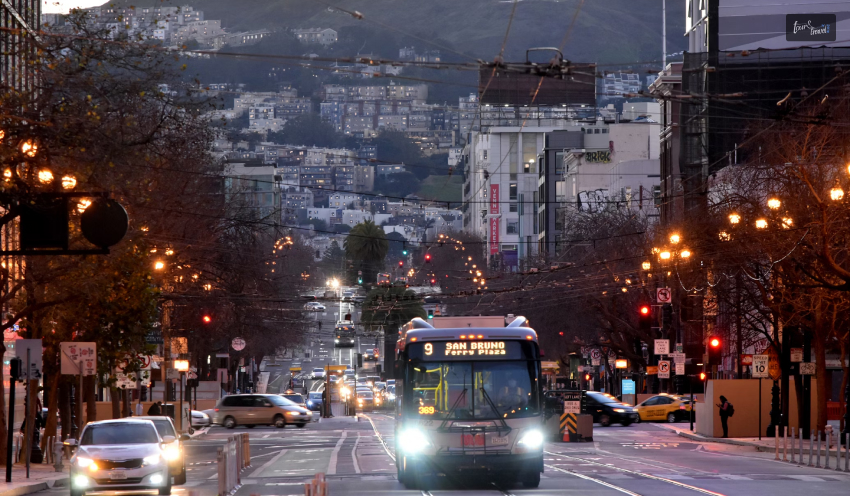
Getting Around: BART, Muni, And Cable Cars
San Francisco is compact enough to see a lot of this list without a car.
Also, driving is not the best option because of the hills, one-way streets, and scarce parking near spots like Lombard Street.
BART (Bay Area Rapid Transit) connects the airport and the East Bay to downtown stations.
On the other hand, Muni, the city’s own network of buses, light rail, and streetcars, covers most in-city neighborhoods. It also includes the Mission and Castro districts.
The cable cars mentioned earlier in this article are technically part of Muni too.
Also, a single cable car ride, a multi-day Muni Passport, or a Clipper Card with rides are all reasonable options.
Moreover, there are neighborhoods that sit apart from the main transit lines.
For example, for Haight-Ashbury District or the Palace of Fine Arts, walking or a short rideshare from the nearest Muni stop is usually the easiest last stretch.
San Francisco: Offering A Fusion Of History, Culture, Nature And Innovation
San Francisco is a city that has something for everyone.
From its iconic landmarks to its delicious cuisine, from its artistic scene to its social movements, San Francisco will surprise and delight you with its charm and creativity.
If you are planning to visit San Francisco, you can use this blog as a guide to explore some of the top things that the city is known for.
From its iconic landmarks to its delicious cuisine, from its artistic scene to its social movements, San Francisco will surprise and delight you with its charm and creativity.
If you are planning to visit San Francisco, you can use this blog as a guide to explore some of the top things that the city is known for.
And don’t forget to share your experiences and feedback with us in the comments section below. We would love to hear from you!
Ankita Tripathy loves to write about food and the Hallyu Wave in particular. During her free time, she enjoys looking at the sky or reading books while sipping a cup of hot coffee. Her favourite niches are food, music, lifestyle, travel, and Korean Pop music and drama.
We need to get the notion out of our heads that tropical island holidays are only for the rich and famous.
These are destinations that are available to everyone. It doesn’t have to cost an arm and a leg to get there. It is true to say that these are islands out in the ocean.
So, we need a particular form of transport to get to them. I suppose it's fair to say the rich and famous charter speedboats. They even own them to get where they want to go.
However, this doesn’t restrict the rest of us from enjoying the Tropical Island Vacation experience.
Getting Started With Your Tropical Paradise Vacation
We can always take advantage of the Koh Samui to Koh Phangan ferry. In other words, it will take us and our family members, and our vehicles as well.
This means we save significant amounts of money when we want to travel around the islands. Therefore, we have our very own transport.
If you’ve never really considered a tropical island vacation before now. If this has piqued your interest, here are some of the reasons. Due to this, you need to choose such a destination this year and every year.
10 most common tropical islands you must definitely consider visiting in 2024 are:
Rottnest Island, Australia
Trobriand Islands, Papua New Guinea
Australia’s Normanby Island
Savaii Island in Samoa
Fitzroy Island in Australia
Australia’s Bruny Island
Philipines’ Boracay Island
Maui in Hawaii
Solomon Islands
Okinawa in Japan
Tropical Island Vacation: The Beaches Are Amazing
The downside of going to a standard beach is that it is usually full of people and there isn’t any space to sit down and relax.
The wonderful thing about beaches on a tropical island is that they are incredibly secluded.
So, you'll find lovely pristine beach on which to put down your towel and let go of any stress and anxiety you're carrying.
From enjoying the mesmerizing beach view to experiencing a nomadic lifestyle, there’s so much more to enjoy on this vacation. So, make the most of it!
The Weather Is Great
One of the main selling points of a vacation in Thailand is that the climate is generally good year-round. Even in the rainy season, the heat is fantastic, so even if you get wet, you will be dry in moments.
We all know sunshine is good for the immune system, so your body gets what it needs to stay fit and healthy. Between 20 and 40℃ (70 to 105℉), the weather is pretty much perfect.
You can bask in the sun all day without worrying about getting a sunburn. July to October are the best months to travel on these islands.
There Are Many Different Activities To Enjoy
Because the island is surrounded by water, many of the activities involve the ocean itself, so you can learn to scuba dive or just go snorkelling to see the beautiful coral reefs and fish below the surface.
You'll find plenty of activities to choose from, so you won't get bored.
From wildlife patrols on a mini safari to archery at the campsite, there are endless fun activities to do here. Don't forget to rent a bicycle and explore every nook and cranny.
Tropical Islands You Must Visit Once In Your Lifetime
Remember how I talked about 10 tropical islands that deserve a trip in 2024? Well, adding to that, here’s a comprehensive list to give you a much better idea for Tropical Island Vacation:
1. Trobriand Islands
Located in Papua New Guinea, the Trobriand Islands are every traveler’s paradise. Dive deep into a tribal life where subsistence farming is the way of life.
Best time to visit: Mid-May to October.
Estimated expenses: $6,224 approx. for each person.
2. Rottnest Island, Australia
There’s no reason not to visit this hidden gem in Australia. From cute quokkas roaming the island to pleasant weather year-round, Rottnest Island is loved by all.
The best time to visit is June to August.
Estimated expenses: Trips start from $5,000/ person.
3. Egadi Island, Italy’s Camouflaged Jewel
Egadi Island is the epitome of Italy’s culture and traditions. It is a collection of three islands spreading across Sicily’s western coast. From snorkelling to sunbathing, there’s so much more to do in this strategic location.
Best time to visit: May-September.
Estimated expenses: Egadi is actually cheaper than its other counterparts.
4. Bohol, Philippines
Unlike other commonly visited Philippine islands, Bohol is not frequently visited. Firstly, because it is not very easily accessible. Secondly, it is a bit deserted.
But it can be one of your choices if you prioritize serenity over everything else.
The best time to visit is November to April.
Estimated expenses: Php 5,000.00 – 6,000.00.
5. Anami Oshima Islands
Wanna see Japan from a different angle? Anami Oshima’s tropical retreat is calling! Unless you visit it, you can never discover what it’s like to sit in the lap of nature- 1000 kms away from the hustle-bustle.
Best time to visit: Spring (March to April), Autumn (October to November)
Estimated expenses: 30,070 yen · 34,840 yen
Now you have reasons to book a tropical island holiday for you and your family this year and every year. You only get one family vacation every single year, so make the most of it and be sure to visit the beautiful Koh Samui and Koh Phangan and see what many don’t.
Concluding Words
Now you have reasons to book a tropical island holiday for you and your family this year and every year. You only get one family vacation every single year, so make the most of it.
Be sure to visit the beautiful Koh Samui and Koh Phangan and see what many don’t. So, what’s stopping you from booking your flight and travelling to an unknown land?
This comprehensive guide has all the details you will need. So save it, read it later, and start planning your trip now! Thank you for reading.
Read Also:
Check Out These Beaches That Are Closest To Tennessee’s Knoxville!
7 Best National Parks In Ohio You Should Know Before Going
Closest Beach To Nashville – Top 10 Beaches You Can Visit
Have you watched the documentary “Il Bianco nel Blu?”
This documentary is titled Deep White Forests in English.
It features Giovanni Chimienti, a National Geographic Explorer and marine explorer.
Moreover, it highlights how he has been conducting a scientific research project on the black corals in the waters of the Egadi Islands.
It is also astonishing to see how the Egadi Islands harbor so many mysteries.
I mean, they have the potential to be the site of groundbreaking scientific research and a goldmine of archaeological treasures.
The latest archaeological discovery from the Egadi Islands has been a bronze rostrum. It was found 80 meters underwater.
All these archaeological discoveries further establish the connection between the Egadi Islands and the Battle of the Egadi Islands in 241 BC.
“The Egadi seabed is always a valuable source of information to add further knowledge about the naval battle between the Roman and Carthaginian fleets. Sebastiano Tusa’s intuition continues to this day to receive more and more timely confirmation, corroborating the archaeologist’s studies that had allowed the identification of the theater of the battle that sanctioned the dominance of the Romans over the Mediterranean.”Francesco Paolo Scarpinato, Regional Councillor for Cultural Heritage,
Also, this archipelago consists of the three main islands of Favignana, Marettimo, and Levanzo.
It is just a boat ride away from Trapani. The crystal-clear water of the Mediterranean Sea is also a huge attraction for tourists.
In addition, it is home to an extraordinary ecosystem and marine life.
So, the Egadi Islands have been part of the Egadi Islands Marine Protected Area since 1991.
And the list of attractions continues for the Egadi Islands!
In this Tour and Travel Guide, we will explore the Egadi Islands and discuss why it is the ultimate location for a tropical vacation.
Egadi Islands: Understanding The Geography And Vividness
The Egadi Islands are located off the western coast of Sicily.
Further, these islands, nestled in the Mediterranean Sea, are often dubbed the “Best Well-Kept Secret” in Italy.
Along with its three major islands, it also has smaller islets such as Maraone and Formica.
However, these islands display vividness in their natural features and character.
For example, the largest island, Favignana, has rugged coastlines and almost flat terrain.
On the other hand, Marettimo is mountainous in nature.
Also, the dramatic trails and scenic views here are a favorite of hikers.
Again, you will not find the quietness of Levanzo, the smallest among the Egadi Islands, anywhere else.
It is also rich in Mediterranean vegetation.
Moreover, the dramatic cliffs, hidden coves, and sea caves add to the scenic beauty of the island.
Further, the beauty and vividness of the islands are also visible in the waters of the Egadi Islands.
You will find lush seagrass meadows of Posidonia oceanica in the waters. Also, you will see loggerhead sea turtles (Caretta caretta).
So, it is a paradise for divers and snorkelers.
Egadi Islands: A Telltale Of Italian History And Culture
The Egadi Islands have played a pivotal role in Mediterranean history for millennia.
One of the most significant events occurred just off these shores in 241 BCE.
It was the final battle of the First Punic War between Rome and Carthage.
This decisive clash marked the beginning of Roman dominance in the western Mediterranean.
Over the centuries, the islands fell under the control of various powers.
These included the Goths, Vandals, Arabs, and Normans, each leaving traces in the local culture and architecture.
Their strategic location made them a constant point of interest throughout ancient and medieval times.
In the 19th century, the islands experienced a cultural and economic renaissance thanks to the Florio family.
The family modernized the traditional tuna fishery in Favignana.
Their innovations turned it into one of the most efficient operations in the Mediterranean.
It also laid the foundation for the islands’ economic development.
Today, the Egadi Islands are a living museum of their rich past.
On Levanzo, the Grotta del Genovese showcases prehistoric cave paintings estimated to be over 12,000 years old.
These paintings include images of animals and human figures.
Also, it is one of the most important archaeological sites in the Mediterranean.
Marettimo is home to Roman ruins known as the "Case Romane" and the Norman-built Castle of Punta Troia.
The castle later served as a Bourbon prison.
In Favignana, the former Florio Tuna Factory has been transformed into a museum.
It is where visitors can explore the history and culture of tuna fishing in the region.
Want Some Adventure? Try These Outdoor Activities In The Egadi Islands
You can be an adventure seeker or a laid-back explorer.
The Egadi Islands offer a wealth of outdoor activities set against breathtaking natural backdrops.
Snorkeling And Scuba Diving
Snorkeling and scuba diving are among the top attractions, thanks to the pristine underwater landscapes and thriving marine life.
Hiking
For hiking enthusiasts, Marettimo is a dream come true.
It has scenic trails winding through rugged mountains and offering sweeping views of the open sea.
Boat Tours
One of the best ways to experience the islands is by boat.
Guided boat tours allow you to discover hidden coves, dramatic cliffs, and sea caves only accessible from the water.
Companies like Mare e Vento di Favignana offer daily and private boat tours around the Egadi Islands.
These also offer stops for swimming, snorkeling, and even onboard aperitifs.
Favorite destinations include:
Cala Rossa
Cala Azzurra
Bue Marino on Favignana
Cala Fredda and Cala Minnola on Levanzo
Sea caves of Marettimo.
Kayaking And Paddleboat Rentals
Do you prefer a more independent adventure?
Kayak and stand-up paddleboard rentals are a fantastic way to explore the coastline at your own pace.
It also causes minimal environmental impact.
Some boat excursions even include food tastings or traditional dinners on board.
It is an unforgettable way to enjoy the fresh, local seafood while surrounded by nature.
Exploring The Fishing Villages
Beyond the water, don’t miss a stroll through the charming fishing villages.
In these villages, you can soak in the relaxed island vibe and get a feel for local life.
The Tuna Fishery Museum in Favignana offers a deep dive (pun intended!) into the cultural roots of the islands.
Summer brings the islands to life with festivals and cultural events.
Highlights include the Feast of Saint Joseph in Marettimo.
It also includes the Egadi Summer Festival, featuring live music, performances, and art across all three islands.
What To Eat In The Egadi Islands And Indulge In Local Flavors?
Food lovers, take note!
The Egadi Islands are a culinary paradise where Sicilian tradition meets the bounty of the sea.
Here, the cuisine is deeply rooted in local fishing culture, and tuna takes center stage in many unforgettable dishes.
Tuna is served in a variety of forms, both fresh and preserved.
You will find it as bottarga (cured roe), lattume (tuna milt), and mosciame (air-dried fillet).
You will also love them in pasta dishes made with tender chunks of fresh tuna.
One local specialty not to miss is Ficazza, a type of cured tuna sausage that is unique to the islands.
Another must-try is the seafood couscous, a dish with North African roots that’s become a staple in Sicilian coastal kitchens.
It is rich, aromatic, and often prepared with the catch of the day.
The islands also offer a variety of local vegetables, sun-dried tomatoes, and fragrant capers from nearby Pantelleria.
And of course, no meal is complete without dessert.
Look for classic Sicilian treats like cannoli filled with sweet ricotta or cassatelle.
You can also have deep-fried pastries filled with ricotta and chocolate, or chickpeas and cinnamon.
For an unforgettable dining experience, head to some of the most beloved local restaurants.
In Favignana, top picks include SottoSale, A' Cialoma, and the charmingly named Quello Che C'è... C'è!.
On Marettimo, Hiera, and Il Veliero serve up ultra-fresh seafood in scenic settings.
And in Levanzo, Ristorante Bar Romano is a local favorite for a relaxed meal with a view.
Where To Stay In the Egadi Islands?
The Egadi Islands offer a wide range of accommodations to suit every travel style.
So, you will find seaside luxury or a cozy retreat immersed in nature.
Favignana is the largest and most developed of the three islands.
It features everything from boutique hotels and charming B&Bs to vacation rentals and resorts with sea views.
You will find options that range from simple, budget-friendly stays to elegant, eco-conscious lodgings in Mediterranean gardens.
Marettimo, by contrast, is a peaceful haven for nature lovers.
Here, most accommodations are small-scale and family-run.
Think of apartments and B&Bs either facing the picturesque harbor or tucked into the hills, surrounded by untouched landscapes.
Levanzo is the quietest and most remote of the islands, ideal for those who want to truly disconnect.
The lodging options are more limited but full of charm.
Small vacation homes and guesthouses offer a serene escape, often with stunning views and warm, local hospitality.
Wherever you choose to stay, you will find that the pace of life on the Egadi Islands is refreshingly slow.
Also, the service is personal, and the settings are unforgettable.
Sustainable Travel: Protecting The Egadi Islands Paradise
The Egadi Islands are more than just a scenic getaway.
They are a model of environmental stewardship.
So, we must protect it from becoming another Italian destination fighting with overtourism.
We already know what the Amalfi Coast, Rome, Venice, and Florence are facing.
As part of Europe’s largest marine protected area, the archipelago preserves its delicate ecosystem.
It does so while welcoming travelers from around the world.
Tourist activities here are carefully regulated to minimize impact on the natural environment.
Eco-friendly practices are common here.
So, you will find low-emission boats, recycling programs, and environmental education initiatives.
You will even see signs throughout the islands reminding visitors to "leave no trace" and respect the fragile balance of land and sea.
Ongoing conservation efforts include protecting the underwater meadows of Posidonia oceanica.
These meadows are vital for marine biodiversity, and monitoring populations of endangered species like sea turtles and groupers.
Anchoring in certain zones is restricted, and visitors are asked not to touch or collect protected flora and fauna.
Overall, when you choose to travel responsibly, you help preserve the authenticity of the Egadi Islands for future generations.
So, kayak instead of motoring, support local businesses, and respect wildlife.
Make Your Trip To The Egadi Islands Memorable
A trip to the Egadi Islands is not just about a tropical vacation.
It is a destination that allows you to indulge in the slow rhythm of life.
Further, rich history, warm hospitality, and the pristine beauty of nature make the Egadi Islands the ultimate Italian gem.
Also, the Egadi Islands are the land of bella vita.
You can lounge by the sea and soak in the Mediterranean Sun. Also, enjoy a long lunch and then watch the most dramatic sunset.
You can even nurture your adventurous side here.
Take part in activities such as snorkeling, hiking, and boating tours around hidden coves.
Irrespective of the activity or experience you choose for yourself, you must be respectful of the local environment and culture.
Be careful about intruding on the protected areas.
Also, connect with the community by supporting local artisans and family-run businesses.
Summer is the best time to visit the Egadi Islands.
However, the beauty, authenticity, and natural abundance make the Egadi Islands a true Mediterranean gem to explore in any season.
READ MORE:
Exploring the Virgin Islands: Must-See Spots You Can Visit by Boat and St John Rentals
Bali Beyond The Beaches: Exploring The Hidden Gems Of The Island
Seven Reasons To Visit The Stunning Greek Ionian Islands
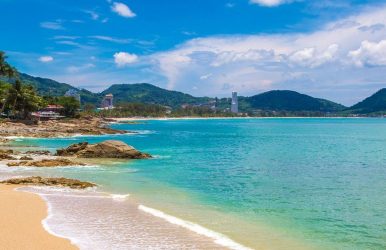
Situated on the western coast of Phuket, one of the most popular tourist attractions is Patong Beach. There is a range of activities with something for everyone.
You can party, relax at a spa, sample delicious food, enjoy the shopping, or indulge in water sports. It’s all there. The 3-km golden sand strip is very popular among beach lovers.
So, if you are looking for something similar, this article is the one for you. Read till the end and discover some hidden gems in Patong and which places you should avoid going in Thailand.
When to Visit Patong?
If you want ideal weather, then the best time to visit is from mid-December to the end of February. The peak month for tourism is January, when the weather is best.
Another peak is in July and August when many European travelers have vacations. May has the fewest visitors, and autumn is quieter, too, but Patong sees plenty of activity all year round.
May to October is the time to witness some large waves and scary swells, and nobody pays for such sights. Hence, visit it from November to April when the weather is pleasant.
Even during sunny days, it is important that you are careful on the beach and look for potential red flags.
Where To Stay In Patong?
There is plenty of excellent accommodation at Patong Beach. Prices may be generally higher than in Phuket city, but there is a wider selection of budget accommodation too.
Whatever your budget, you are sure to find a selection of hotels in Patong, Thailand that suit your needs and ensure a comfortable and enjoyable stay.
1. Hotel Clover Patong Phuket
4.8
(2,130 reviews)
#5 of 429 hotels in Patong
162/8-11 Taweewong Road Patong Beach, Patong, Kathu, Phuket 83150 Thailand
Hotel Clover Patong is the perfect place for you if you're looking for fun, comfort, and a responsible stay.
The hotel is designed as a modern surfing spot right in the heart of lively Patong Beach.
You can expect great service to ensure that you feel comfortable and happy during your stay.
Whether you enjoy exploring the city or relaxing on the beach, the amenities and activities are tailored to meet your needs.
Experience the perfect mix of fun, style, and excellent service at Hotel Clover Patong—where your stay will be truly memorable.
2. Burasari Phuket
4.4
(4,958 reviews)
#8 of 42 resorts in Patong
18/110 Ruamjai Road, Patong, Kathu, Phuket 83150 Thailand
Nestled on Ruamjai Road in Patong, this boutique resort offers a stylish and serene escape.
It is just minutes away from the vibrant beach, exciting shopping, and lively nightlife that Patong is famous for.
With its inviting swim-up bar and two refreshing pools, it’s the perfect spot to relax after exploring the area.
Burasari boasts 182 comfortable rooms, including the uniquely designed Mood Collection Rooms and convenient Pool Access Rooms.
Each room comes equipped with air conditioning, tea and coffee-making facilities, complimentary wireless internet, and a lovely balcony to soak in the views.
It’s truly a haven for anyone looking to unwind and enjoy a delightful getaway.
3. Andaman Embrace Patong
4.1
(1,190 reviews)
#15 of 42 resorts in Patong
2 Hadpatong Road, Patong Beach, Patong, Kathu, Phuket 83150 Thailand
00 66 76 370 000
Andaman Embrace Patong is located just a few minutes' walk from Patong Beach, known for its white sandy shore.
It is also conveniently located near many shopping areas, entertainment venues, and major tourist attractions.
The hotel offers 297 stylish guest rooms with modern furniture in warm colors, creating a calm atmosphere.
Guests can enjoy two beautiful swimming pools with swim-up bars, perfect for relaxing and unwinding.
4. Novotel Phuket Resort
4.5
(5,689 reviews)
#5 of 42 resorts in Patong
282 Phrabaramee Road, Patong, Kathu, Phuket 83150 Thailand
00 66 76 342 777
Novotel Phuket Resort is located on a hillside with views of Patong Bay.
It covers eight acres of beautiful gardens and is only a short walk from Patong Beach, nightlife, and shopping.
The resort features 217 modern rooms and a three-tiered pool facing the Andaman Sea.
You can enjoy traditional Thai restaurants and bars with stunning sea views.
There is also a kids’ area, a spa, a massage and fitness center, and a terrace for watching sunsets.
At Novotel Phuket Resort, everyone can enjoy simple pleasures.
5. Andaman Beach Suites Hotel
4.1
(844 reviews)
#67 of 429 hotels in Patong
60/12 Soi Rat Uthit 200 Pi 2, Patong, Kathu, Phuket 83150 Thailand
Andaman Beach Suites Hotel offers a stunning view of Patong Bay.
It is one of the few tall buildings on Patong Beach in Phuket. You can enjoy a beautiful landscape and feel the energy of Patong's famous beach, just a short 150-meter walk from where all the sun, sea, sand, and fun are.
You will find many shops, restaurants, bars, and spa centers nearby. After exploring, relax on the oceanfront and beachside promenade.
What Are Some Fun Activities To Do On Patong Beach?
Apart from chilling on the beach and clicking beautiful pictures, here are some other fun activities you can do in Patong Beach:
1. Sunbathing And Swimming
Patong is a great place for sunbathing, swimming, and even building sandcastles. The temperature of the water is perfect for swimming. Moreover, Patong receives bright sunny days, and it’s great for sunbathing, but don’t forget the sunscreen and take regular breaks in the shade.
2. Beach Massage
You will find plenty of masseurs on or near the beach who offer head massage, foot massage, or a Thai complete-body massage. Moreover, you can enjoy the sounds of the waves. Your worries will disappear completely.
3. Water Adventures
Patong is popular for a range of water sports, like windsurfing, parasailing, and even jet skiing. Licensed operators are common around Bangla Road. Always check that operators are genuine and that equipment like jet skis is licensed and insured.
4. Snorkeling
On the north side of the beach, you will find fantastic snorkeling spots and many vendors who offer equipment for snorkeling for rent. You can also go on tours to snorkeling to various reefs, caves, and also the islands located nearby.
5. Nightlife
Nightlife is mostly concentrated on Bangla Road. There, one can find many pubs, beer bars, dance clubs, and lounges. There is so much variation in nightlife that it can be indeed difficult to understand where to initiate.
6. Dining
Patong is perfect for foodies. You can get every type of major global culinary experience here. You will find Korean, Indian, German, Japanese, Chinese, Russian, Scandinavian, and many more international options.
There are also, of course, delicious and authentic Thai restaurants amongst the international cuisine that you must also try.
7. Shopping
Visitors are often surprised at the variety of shopping options available. At night, the town transforms itself into a massive marketplace. You will find stalls selling clothing, accessories, jewelry, beachwear, and much more.
Starting prices are high, so you have to negotiate hard. There are also plenty of shopping malls where you can find brand-name goods at reasonable prices.
Things To Consider Before Visiting Thailand
Thailand is one place laden with the most precious beauties of nature. Due to its natural and artificial marvels, it continues to woo the attention of people from different parts of the world.
Here are some things you need to consider before visiting Thailand. Let us begin with the discussion here so that you have a better understanding.
The Rainy Season Varires
Usually, the rainy season in Thailand ranges between June to October. It fetches heavy showers in central, north, and western Thailand.
But one can experience rainfall in the Gulf of Thailand and the Southern coast a bit later, usually from October. The rainy season travel denotes lower prices and, at the same time, the smaller crowds.
Look Out For The Recommended Vaccinations
If you are moving to Thailand without vaccination, your initial investments before landing there will be wasted. The protocols for tourists on the vaccination are stringent.
COVID-19 vaccine is a must, but at the same time, you can not leave behind vaccinations against tetanus and hepatitis. They are essential, and the authorities may ask you about them.
The Thailand Tourist Visa
Fetching a tourist visa for Thailand is quite simple for a listed citizen. It is because they offer a thirty-day visa exemption, mainly for countries like the USA, the UK, South Africa, Australia, and more.
Be sure to check out check out the list of countries. When you arrive with the visa exemption, you need to fill out an entry form for the sake of immigration. You should have proof of exit from the country.
It helps show that your stay in Thailand does not exceed thirty days.
What To Pack For Thailand?
Thousands of people visit Thailand every year. But the first question that is bound to strike you is the list of packing. The internet is flooded with the same question. Thailand is one country that lives with its traditions.
1. Outfits
Therefore, you should skip the tight-fitted clothing. But the smartest way to do it is to check out the weather forecasts and then strategize clothes packing. However, do not forget to keep the rain jacket under any conditions.
A pair of dresses for ladies and trousers for men if you are planning to hit a fancy restaurant.
Unisex polo shirts with collars.
Outfits that keep the knees and shoulders covered if you are visiting temples or archaeological sites.
Culottes/shirts.
Trunks or swimming costume if you have plans for snorkeling.
Sarong.
2. Footwear
Just like other Asian religious sites, taking off shoes is a must when visiting Thailand’s religious shrines. Hence, pack shoes that are practical and easy to put on and off. For example, consider packing:
Comfortable trainers, tennis shoes, or sketchers if you are planning to walk a lot.
Flip-flops for Patong and other adjacent beaches.
Loafers for hitting dinning destinations in and around Patong.
Places Not To Visit In Thailand
You may have heard a lot about the must-visit places in Thailand. But have you ever looked for the list of places that you must abstain from visiting? Some areas in Thailand are extremely crowded, and if you are not a lover of it, then you must subtract them from your list.
1. Krabi and Phi-Phi
You may have heard about some hot favorite places like Phi Phi and Krabi. Yes, these places have their popularity, but they lack the Thai authenticity you always seek when visiting Thailand. Independent travelers do not have much to explore on these islands.
2. Hua Hin
Hua Hin has recently become a retreat for retired Westerners. But it is quieter than Pattaya and Phuket, with almost no tourist destinations. Apart from a few markets, you wouldn’t find too many interesting sights to visit here. Hence, there’s no point in spending all this money on a quiet destination like Hua Hin.
3. Pai
This lovely destination set across rice fields was once a backpacker's paradise. But over-western influence and tourist saturation have left this place with some serious damage. You might find it difficult to find decent local food here, which is the basic criterion of traveling.
Frequently Asked Questions (FAQs)
1. What is Patong Beach famous for? Patong Beach is famous for its energetic nightlife and bustling atmosphere, featuring numerous bars, nightclubs, and go-go bars, particularly along Bangla Road. 2. How much is a taxi from Phuket Town to Patong? A taxi from Patong to Phuket Town will cost approximately 400-550 Baht (around $11.40 to $15.70 USD), but this can vary by season, negotiations, and whether you use ride-hailing apps like Grab or Bolt. 3. Is Patong Beach dirty? Patong Beach can be dirty, experiencing issues with rubbish washing ashore from boats and local pollution from high tourist numbers, especially in the low season.
Let Patong Beach Be Your Next Travel Destination
Patong Beach In Thailand has its attractions, which is why the place's popularity keeps increasing with time.
The beach is indeed beautiful, with myriad attractions. But apart from the beach, if you are looking forward to an exotic Thailand tour, the aforementioned points may help you out.
Having said that, here comes an end to this comprehensive guide. Patong Beach in Phuket is a must-visit destination once in everyone’s lifetime. So, what are you waiting for?
Go pack your bags now! Thank you for reading this one till the end!








 Related