

Savannah in Full Swing: What is the Best Time to Visit Savannah? [Season Explained]

Mar 6, 2024

Last Updated on: Sep 1, 2025

Travel Guides

Savannah, GA is a charming city that offers a rich history, beautiful architecture, and a vibrant culture. Whether you are looking for a romantic getaway, a family vacation, or a solo adventure, Savannah has something for everyone. But when is the best time to visit Savannah GA?

The answer depends on what you want to see and do in this southern gem. Savannah has four distinct seasons, each with its own pros and cons. In this article, I will explore the best places to visit and the best things to do in Savannah during each season. I will also give you some tips on how to plan your trip and make the most of your time in Savannah.

So, keep on reading this blog till the end to learn more…

Spring: The Season of Blooms and Festivals

Spring The Season of Blooms and Festivals

Spring is one of the most popular times to visit Savannah, GA. The weather is mild and pleasant, with average temperatures ranging from 60°F to 80°F. The city is adorned with colorful flowers, such as azaleas, magnolias, and dogwoods. The air is filled with the sweet fragrance of jasmine and honeysuckle.  

Spring is also the season of festivals in Savannah. The most famous one is the St. Patrick’s Day Parade, which is one of the largest and oldest in the country.

Additionally, the parade attracts hundreds of thousands of visitors who come to celebrate Irish heritage and culture. The parade features marching bands, floats, dancers, and of course, lots of green.

Another popular spring festival is the Savannah Music Festival, which showcases various musical genres, such as jazz, blues, classical, and world music. The festival features local and international artists who perform in various venues across the city. Furthermore, the festival also offers workshops, lectures, and educational programs for music lovers.

Best Places to Visit in Savannah in Spring:

Best Places to Visit in Savannah in Spring

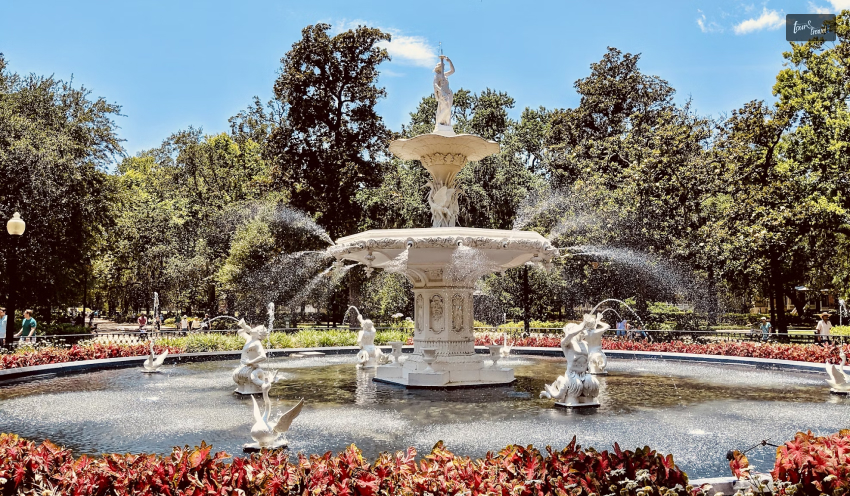
Forsyth Park

Firstly, Forsyth Park is the largest and most iconic park in Savannah. It covers 30 acres of green space and features a stunning fountain, a fragrant garden, a playground, and a cafe. It is a great place to relax, picnic, or enjoy a concert.

Bonaventure Cemetery

Secondly, the Bonaventure Cemetery is one of the most beautiful and historic cemeteries in the country. It dates back to the 18th century and is the final resting place of many famous Savannahians, such as poet Conrad Aiken, songwriter Johnny Mercer, and novelist Flannery O’Connor. Furthermore, the cemetery is known for its majestic live oaks, Spanish moss, and marble statues.

River Street

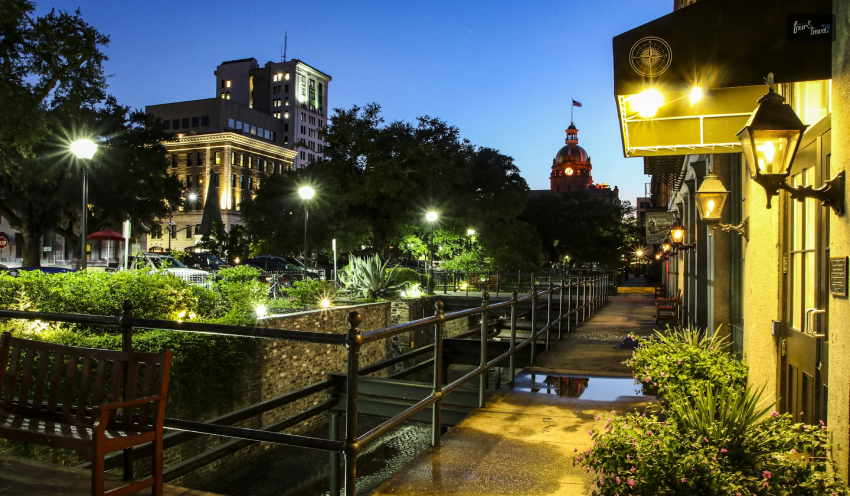
Lastly, River Street is the heart of Savannah’s waterfront. It is lined with shops, restaurants, bars, and galleries. It is a great place to stroll, shop, dine, or enjoy the views of the Savannah River. Moreover, it is the site of many events and festivals, such as the First Friday Fireworks, the Savannah Craft Brew Fest, and the Oktoberfest.

Best Things to do in Savannah in Spring:

Best Things to do in Savannah in Spring

Take a Trolley Tour

Firstly, taking a trolley tour is one of the best ways to see the highlights of Savannah. You can hop on and off at your own pace and explore the historic district, the squares, the mansions, and the museums. Furthermore, you can also learn about the history, culture, and legends of Savannah from your guide. 

Visit the Wormsloe Historic Site

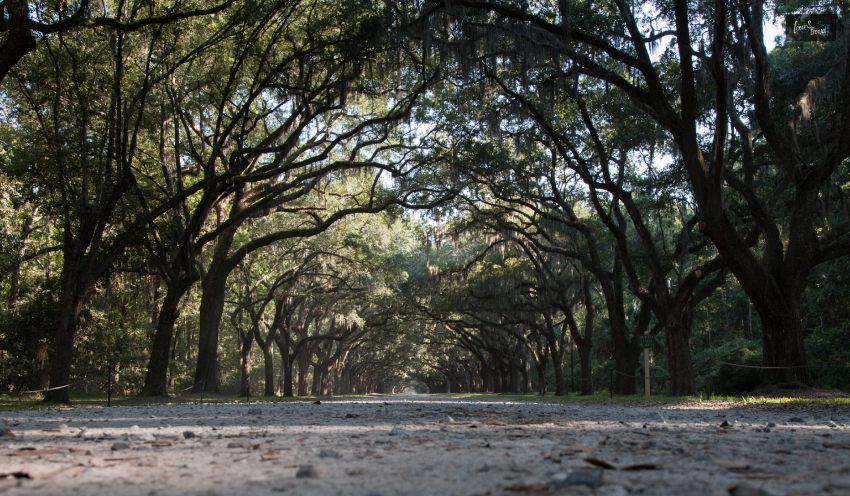
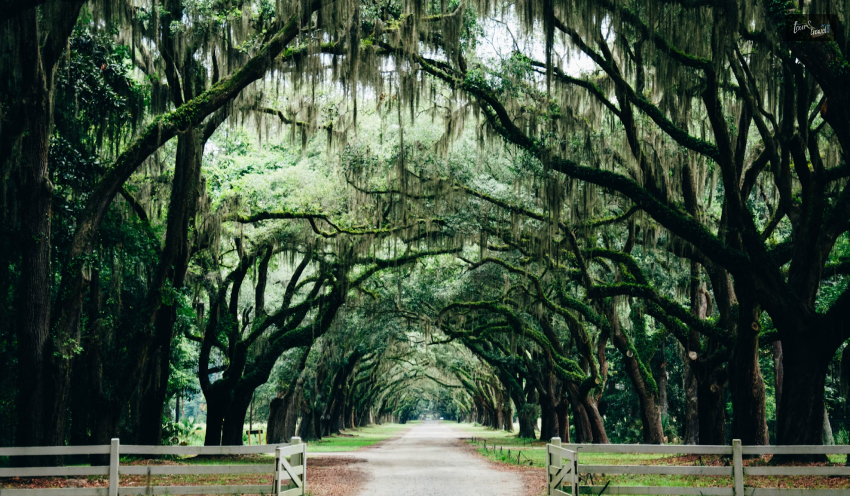
Secondly, the Wormsloe Historic site is the oldest standing structure in Savannah. It is also one of the most famous museums in Savannah. It was built by Noble Jones, one of the original settlers of Georgia, in the 1730s. This is a colonial estate that features a tabby ruin, a museum, a nature trail, and a live oak avenue. It is a must-see for history buffs and nature lovers.

Enjoy a Ghost Tour

Thirdly, Savannah is known as one of the most haunted cities in America. It has a dark and mysterious past that includes wars, fires, epidemics, and murders. You can join a ghost tour and visit some of the most haunted places in Savannah, such as the Sorrel-Weed House, the Mercer House, and the Colonial Park Cemetery. You can also hear some of the spooky stories and legends that haunt Savannah.

Summer: The Season of Heat and Beaches

Summer The Season of Heat and Beaches

Summer is the hottest and most humid time to visit Savannah, GA. The average temperatures can reach up to 90°F, with high humidity and frequent thunderstorms. The city can feel muggy and sticky, especially in July and August. However, summer also has its perks, such as lower prices, fewer crowds, and longer days.

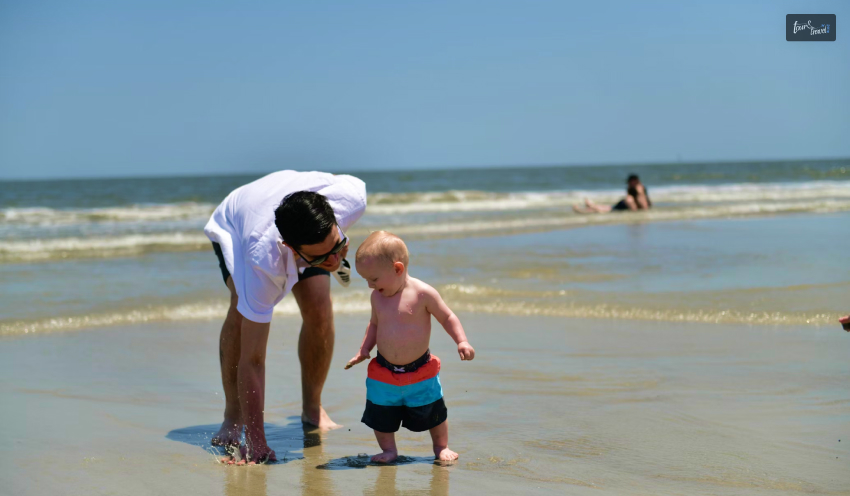
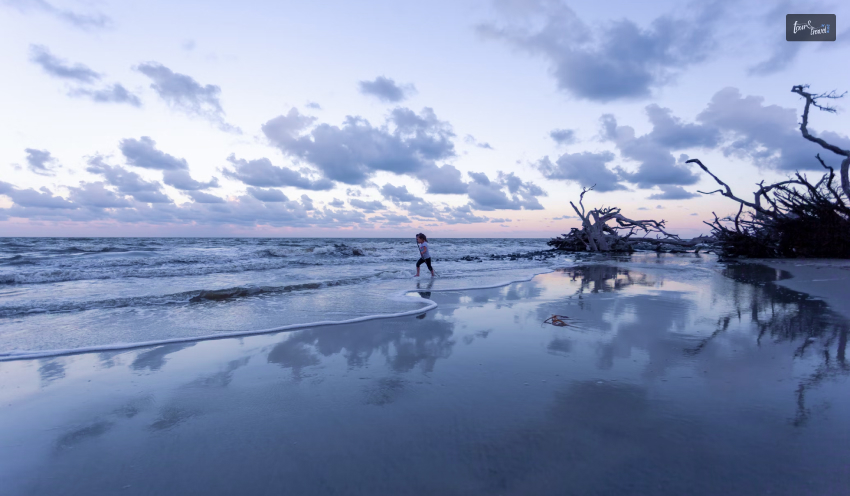
Summer is the best time to visit Savannah GA if you love beaches and water activities. Savannah is close to several beautiful beaches, such as Tybee Island, Hilton Head Island, and Jekyll Island. You can enjoy swimming, surfing, kayaking, fishing, or boating in the Atlantic Ocean. You can also visit some of the historic lighthouses, forts, and museums on the islands.

Best Places to Visit in Savannah in Summer:

Best places to visit in Savannah in summer

Tybee Island

Firstly, this is the closest and most popular beach destination to Savannah. It is only 18 miles away and offers a laid-back and family-friendly atmosphere. This island has five miles of sandy beaches, a pier, a pavilion, and a marine science center. It also has a historic lighthouse, a fort, and a museum.

Hilton Head Island

Secondly, the Hilton Head Island is something that you should visit. It is a more upscale and resort-like island, about 45 miles away from Savannah. It has 12 miles of pristine beaches, golf courses, tennis courts, bike trails, and spas. Furthermore, it also has a wildlife refuge, a coastal discovery museum, and a harbor town.

Jekyll Island

Thirdly, Jekyll Island is a more secluded and natural island, about 90 miles away from Savannah. It has 10 miles of unspoiled beaches, a historic district, a turtle center, and a water park. Additionally, it also has a golf club, a tennis center, and a bike path.

Best Things to do in Savannah in Summer:

Visit The Savannah Botanical Gardens

First one on this list is the Savannah Botanical Gardens. It is a hidden gem in Savannah that offers a tranquil and scenic escape from the heat. It covers 10 acres of land and features a rose garden, a camellia garden, a perennial garden, and a pond. Besides, it also has a historic farmhouse, a children’s garden, and a nature trail.

Explore The Savannah College of Art and Design (SCAD) Museum of Art

Secondly, do not forget to visit the SCAD Museum of Art. It is a modern and innovative museum that showcases the works of contemporary artists, designers, and students. It has a diverse collection of paintings, sculptures, photographs, and installations. Additionally, it also hosts exhibitions, lectures, and events throughout the year.

Cool off at The Savannah Rapids Park

Lastly, Rapids Park is a refreshing and fun place to visit in summer. It is located along the Savannah River and features a waterfall, a canal, and a bridge. Furthermore, it also has a visitor center, a playground, and a picnic area. You can rent a bike, a kayak, or a paddleboard and enjoy the water and the scenery.

Fall: The Season of Colors and Culture

Fall The Season of Colors and Culture

Fall is another great time to visit Savannah, GA. The weather is cooler and drier, with average temperatures ranging from 50°F to 70°F. Moreover, during this time, the city is decorated with autumn hues, such as red, orange, and yellow. The leaves change color and create a stunning contrast with the green moss and the white buildings.

Besides, fall is also the season of culture and art in Savannah. The most notable event is the Savannah Film Festival, which is one of the largest and most prestigious film festivals in the country. The festival showcases independent and international films, documentaries, and shorts. Furthermore, the festival also features celebrity guests, panel discussions, and workshops.

Apart from these, another notable event in fall is the Savannah Jazz Festival. This is the oldest and largest free jazz festival in the south. The festival celebrates the legacy and diversity of jazz music, with performances by local and national artists. Besides, the festival also offers educational programs, jam sessions, and blues nights.

Best Places to Visit in Savannah in Fall:

Best places to visit in Savannah in fall

City Market

Firstly, the City Market should be on your list! It is a four-block area that is the center of Savannah’s nightlife and entertainment. It has a variety of shops, restaurants, bars, and galleries. The market is a great place to enjoy live music, comedy, and art. Additionally, it is the site of many events and festivals, such as the Oktoberfest, the Halloween Bash, and the Christmas Tree Lighting.

Savannah Historic District

Secondly, the Savannah Historic District is the oldest and most famous part of Savannah. It covers 2.5 square miles and features 22 squares, each with its own history and charm. Additionally, this also has hundreds of historic buildings, monuments, and museums. It is a great place to admire the architecture, learn about the history, and experience the culture of Savannah.

Oatland Island Wildlife Center

This is a wildlife sanctuary that houses more than 150 animals, including wolves, cougars, bobcats, alligators, and birds of prey. Furthermore, it also has a heritage homestead, a barnyard, and a forest trail. It is a great place to see and learn about the native wildlife of Georgia.

Best Things to do in Savannah in Fall:

Best things to do in Savannah in fall

Take a Carriage Ride

Firstly, it is mandatory that you take a carriage ride. It is one of the most romantic and relaxing ways to see Savannah. You can ride in a horse-drawn carriage and enjoy the sights and sounds of the city. Besides, you can also choose from different themes, such as historic, haunted, or private.

Visit The Owens-Thomas House and Slave Quarters

Secondly, the Owens-Thomas House is one of the most important and impressive historic houses in Savannah. It was built in 1819 and is a masterpiece of neoclassical architecture. Additionally, it also has one of the earliest and most intact urban slave quarters in the south. Besides, you can take a guided tour and learn about the lives of the people who lived and worked in this house.

Enjoy a Picnic at Skidaway Island State Park

This is a scenic and serene park that offers a natural escape from the city. It has six miles of trails, a boardwalk, an observation tower, and a playground. Moreover, it also has picnic areas, campsites, and cabins. You can enjoy the views of the salt marsh, the forest, and the wildlife.

Winter: The Season of Lights and Holidays

Winter The Season of Lights and Holidays

Winter is the coldest and least crowded time to visit Savannah, GA. The average temperatures can drop to 40°F, with occasional frost and snow. The city is quieter and more peaceful, with fewer tourists and events. However, winter also has its charm, especially during the holiday season.

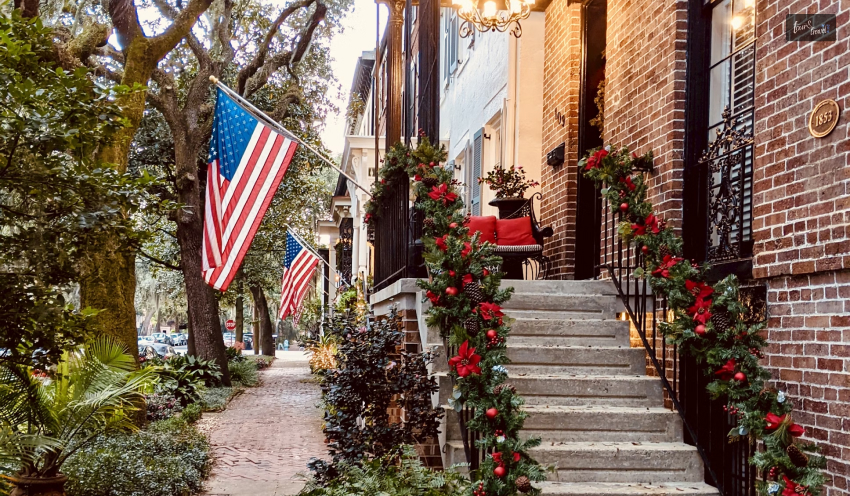
Additionally, winter is the best time to visit Savannah GA if you love lights and holidays. Savannah is a festive city that celebrates Christmas, Hanukkah, Kwanzaa, and New Year’s Eve with style and spirit. The city is illuminated with thousands of lights, candles, and decorations. The streets are filled with music, parades, and fireworks.

Best Places to Visit in Savannah in Winter:

Best places to visit in Savannah in winter

Broughton Street

This is the main shopping street in Savannah. It has a variety of stores, boutiques, cafes, and theaters. It is also the site of the annual Holiday Tree Lighting, which kicks off the holiday season in Savannah. The tree is a 50-foot-tall Norway spruce that is decorated with 10,000 lights and ornaments.

Savannah Theatre

This is the oldest continually operating theater in the country. It was built in 1818 and has hosted many famous performers, such as Oscar Wilde, W.C. Fields, and Lillian Russell. It is also the home of the Savannah Christmas Show, which is a musical extravaganza that features songs, dances, and comedy.

Savannah Riverboat Cruises

This is a unique and fun way to see Savannah from the water. You can board a riverboat and enjoy a cruise along the Savannah River. You can also choose from different themes, such as the Dinner Cruise, the Gospel Cruise, or the New Year’s Eve Cruise.

Best Things to do in Savannah in Winter:

Visit The Davenport House Museum

Firstly, you must visit the Davenport House Museum. It is a historic house museum that showcases the life and style of the early 19th century. It was built in 1820 by Isaiah Davenport, a prominent builder and architect. Moreover, it is also the site of the annual Holiday Evening Tours, which offer a glimpse of how the Davenport family celebrated Christmas in the 1820s.

Explore The Pin Point Heritage Museum

Secondly, do not forget the Pin Point Museum. It is a cultural museum that preserves and celebrates the history and traditions of the Gullah/Geechee people. The Gullah/Geechee are descendants of enslaved Africans who lived in the coastal regions of Georgia and South Carolina. The museum is located in a former oyster and crab factory and features exhibits, artifacts, and stories.

Enjoy a Hot Chocolate at The Gryphon Tea Room

Lastly, visit the Gryphon Tea Room. It is a cozy and elegant tea room that offers a variety of teas, coffees, pastries, and sandwiches. This tea-room is located in a former pharmacy building that dates back to 1926. It is a great place to warm up and relax after a day of sightseeing.

Bottom Line: The Best Time to Visit Savannah GA is Anytime

Savannah, GA is a city that has something to offer in every season. Whether you are looking for nature, culture, history, or fun, you will find it in Savannah. You can enjoy the blooms and festivals in spring, the beaches and water activities in summer, the colors and art in fall, or the lights and holidays in winter.

The best time to visit Savannah GA depends on your preferences and interests. You can choose the season that suits your budget, schedule, and mood. No matter when you visit, you will be welcomed by the hospitality, charm, and beauty of Savannah.

Savannah is a city that will captivate you and make you want to come back again and again. It is a city that will make you fall in love with the south. It is a city that will make you say, “Savannah, I’m in full swing.”

Read Also:

Share on Social Media

Ankita Tripathy loves to write about food and the Hallyu Wave in particular. During her free time, she enjoys looking at the sky or reading books while sipping a cup of hot coffee. Her favourite niches are food, music, lifestyle, travel, and Korean Pop music and drama.

Leave a Reply

Your email address will not be published. Required fields are marked *

title-img Related

READ MORE Winter Camping

Winter Camping In Canada: Tips For Cold-Weather Adventures

BY  Arnab Nov 20, 2023

There are many reasons to travel to Canada in winter. You might have heard people immigrating to Canada for business and job purposes. They provide better opportunity for the young generation with better life style. However, if you are focusing on that part, you need immigration advice before you take further steps. You can set off to iconic mountain resorts, visit a Christmas market, or spend time at an ice rink. At the same time, even more adventures await you if you are ready for winter camping.  The list of perfect cold-weather destinations in Canada is simply endless. Snow-covered Banff National Park in Alberta, untouched nature in the Northwest Territories, and mind-blowing Mont-Tremblant in Quebec to name a few. You will certainly appreciate the silent beauty of the snowy forest in February and January, especially at sunset or dawn.  So, it would be great to pick up a car rental in Toronto and go towards a winter fairy tale. A large selection of Toronto Airport car rental deals allows you to find the perfect vehicle for your needs. If you are traveling with family or friends, consider a more spacious option - car rental for 7 people will be a balanced solution for your icy ride.  However, winter camping in Canada is as dangerous as it’s exciting. Low temperatures can cause hypothermia and the most severe consequences for your body. Thus, such experience requires a particularly careful approach. Here are a few cold-weather adventure tips to keep in mind before embarking on such an outing.  1. Use a layered clothing strategy  When it's hot during the day and cold at night, you need to carry a variety of outfits with you to stay comfortable at all times. Layering is one of the best ways to stay dry and warm without overheating.  Layering is an art and once you master it, you can easily regulate your body temperature depending on your activity level and weather changes. Using layers correctly allows you to add or subtract layers throughout the day so you feel comfortable no matter what.  Start with wool or synthetic thermal underwear. Also, avoid cotton. Cotton absorbs moisture and loses all its insulating properties when you sweat, making you feel much colder. The job of thermal underwear is to wick sweat away from your body and keep you dry and warm.  Thus, apply insulating layers such as a fleece, light down jacket, or synthetic jacket as your middle layer to help keep you warm. The greater the middle layer retains heat, the better. Finally, cover the previous two layers with a windproof jacket with a waterproof membrane to keep you warm.  The outer layer also serves to remove moisture evaporated from the body. Don't skimp on a high-quality outer layer if you expect to encounter some serious wind and rain. If it doesn’t cope with its functions, you can become seriously hypothermic. 2. Make sure your sleeping bag can handle low temperatures  Canadian winter camping expeditions require a sleeping bag - this is the golden rule for a hassle-free overnight stay. The temperature label on your sleeping bag can be confusing. For example, if your sleeping bag can withstand +5°C, this doesn’t guarantee that you will feel warm at +5°C. The fact is that sleeping bags have two temperature conditions: a temperature at which a tourist should feel comfortable, and a lower temperature limit at which a sleeping man should feel comfortable.  Temperature values are approximate and depend on multiple factors. Just in case, take a sleeping bag rated for temperatures 5–10°C below expected degrees. You can also add an extra blanket over your sleeping bag to help keep you warm. 3. Select and prepare a place to pitch your tent  Setting up a camp in winter is much more difficult than in summer, so first of all, plan your time correctly - you should arrive at the overnight site at least 30 minutes before sunset. Then, choose the right campsite, prepare it, and set up the tent. Here are some important snow camping hacks to follow.  Place a tent in a sparse forest, on the edge, in a gentle depression between ridges  Remove snow from the area of the tent + 0.5 m around, remove the top layers or clear to the ground if the snow is not deep  Build snow walls around the camp, especially in open areas  Use special elongated winter pegs, which can be replaced with trekking poles  Make an entry from the leeward side 4. Bring all your essentials into the tent Be sure to bring shoes, a backpack with food, a first aid kit and hygiene products, and gas cylinders inside the tent. Plus, put things like your phone and power bank in your sleeping bag. This way you will better conserve charge. If your trekking socks are wet, dry them too.  5. Ventilate your tent The only thing worse than waking up frozen on a hike is waking up cold and wet. It may seem counterintuitive, but opening tent windows for cross-ventilation is among the top priority cold-weather camping essentials. How does it work? When warm, moist air in your tent or RV meets cold surfaces such as tent walls or car windows, condensation occurs. Small droplets of water form and everything becomes wet. Therefore, ensure air circulation in your tent and prevent condensation by opening entrances and windows slightly. 6. Warm up before going to sleep Before you go to bed, warm yourself by the fire or take a walk - whatever you can to warm up. Having a warm drink or snack before bed can also help keep you warm since the process of digestion warms you up from the inside. Just try not to sweat. Wet clothing quickly lowers your body temperature and can contribute to condensation in your tent or camper. Avoid storing wet clothes in the sleeping area and always change into dry clothes before going to sleep. 7. Go to sleep in a dry change of clothes  Advice on how to sleep in a sleeping bag goes to one extreme or the other: some say to wear everything you can, others recommend sleeping in just your underwear. And the correct option is in the middle.  Winter survival techniques claim that thermal underwear is optimal for sleeping in a tent, ideally if it contains merino wool. You need to wear socks on your feet (maybe two pairs), thin gloves on your hands, and a thin hat and/or buff on your head. Provided that the sleeping bag and mat are suitable for the weather, this set will often be sufficient. If not, you can insulate yourself additionally.  Important! All sleepwear should be dry. Thus, be sure to change into a spare set before going to bed, and store it in a waterproof bag while hiking. 8. Use heating pads  A heating pad is definitely a must-have on a winter hike! That's why we advise you to stock up on such items. They are lightweight, easy to use, and provide gentle heat (about 50°C). You can choose among the following options:  Chemical heating pads. They are disposable, with enough heat to last all night and even in the morning (about 12 hours overall).  Reusable heating pads. Such items can radiate heat for about 2 hours. Then, you need to charge it by simply boiling it in water. A more advanced option is electronic heating pads with USB charging. Ultimately, use our winter survival techniques for your camping trip to Canada. Also, don't forget to adjust your plans to the current weather. The forecast can be changeable during the off-season, and you should be prepared for everything. This is especially important when traveling in mountainous areas, where rain and snow can make roads impassable. Read Also: Jet-Set In Style: Unveiling The Monos Luggage Collection For Your Next Adventure This Is The Best Time To Visit The Seven Magic Mountains In Vegas! These Are The 30+ Things To Do In Mexico City That You Must Try!

READ MORE Holding Aircraft Makers Accountable For Aviation Accidents

Holding Aircraft Makers Accountable For Aviation Accidents

BY  Ankita Feb 1, 2024

Amidst the vast expanse of our skies, aviation accidents cast a chilling shadow. Thus, leaving a trail of human tragedy and societal impact. In the wake of these disasters, a crucial aspect comes to light – holding aircraft manufacturers accountable. This responsibility is paramount, not only for compensating victims but also for upholding safety standards and preventing future calamities. From flawed wing designs that compromise stability to faulty wiring sparking infernos. A manufacturer's misstep can trigger a domino effect of disaster. Weaving through meticulous investigations, forensic teams sift through the wreckage, scrutinizing maintenance records and dissecting blueprints with laser focus. Each bolt, each wire, each line of code becomes a potential clue in the hunt for the smoking gun. The evidence that definitively ties the accident to a manufacturer's error. Expert witnesses take the stand, demystifying technical jargon and translating the whispers of metal into a language. The jury can grasp, piecing together the tragic puzzle that led to the final, irreversible plunge. But the legal currents run deep and complex. Different jurisdictions, intricate treaties, and the shadow of the General Aviation Revitalization Act, shields manufacturers from certain responsibilities. It is more about for older aircraft, add layers of nuance to the pursuit of justice. It's a legal labyrinth where seasoned navigators, armed with meticulous evidence and unwavering resolve. This guide victims' families through the maze, seeking not just financial recompense. However, a deeper accountability that echoes beyond the courtroom walls. This is where the quest transcends mere compensation. Every life lost, every plane grounded, serves as a stark reminder of the responsibility aviation giants bear. Regulatory sanctions, mandatory design modifications, and the sting of public scrutiny push them to constantly innovate. They also prioritize safety, and strive for skies free from the specter of preventable tragedy. In holding them accountable, we send a resounding message! The safety of those who entrust their lives to these intricate machines cannot be compromised. Every flight, every passenger, every journey toward the boundless horizon deserves the unwavering commitment. The promise is to safety that only true accountability can foster. Building A Case For Accountability In the aftermath of an aviation disaster, grief hangs heavy, obscuring the path to justice. But beneath the shattered fuselage and the deafening silence, a meticulous dance begins. Forensic teams, like forensic archaeologists of the sky, descend upon the wreckage. Their mission etched in their gaze: to unearth the truth buried beneath the tangled steel and shattered dreams. Their tools are not trowels and brushes, but advanced scanners, meticulous record-keeping, and the keen eyes of trained investigators. Every scorched fragment, every twisted wire, every warped piece of metal becomes a cryptic message. Whispering clues about the final moments of the doomed flight. Maintenance records are devoured, and scrutinized for missed repairs or overlooked defects. Design blueprints are pored over, searching for potential flaws that may have escaped the initial scrutiny. But the truth rarely lies alone. Weather patterns, pilot actions, and unforeseen external factors can weave a tangled web of contributing factors. Expert witnesses, the alchemists of technical jargon, step into the fray. Through simulations and intricate analyses, they translate the whispers of engines. Additionally the groans of metal into a language the legal system can comprehend. It meticulously dissecting the symphony of events that led to the final, heartbreaking crescendo. Challenges Proving negligence, the legal cornerstone of manufacturer liability requires meticulous precision. According to the commercial airline accident lawyers at PSR, each piece of evidence. It must be a carefully placed tile in a mosaic of blame, demonstrating a direct link. It is between the manufacturer's misstep and the catastrophic outcome. Yet, the challenges loom large. Complex aircraft systems, the unpredictable nature of flight, and the potential for human error can cast long shadows of doubt, obscuring the manufacturer's role. In this intricate pursuit of accountability, no detail is insignificant. From a seemingly unremarkable bolt lodged in the wrong place to a misplaced decimal point in a software code, every anomaly holds the potential to be the missing piece, the key that unlocks the door to justice. It's a painstaking process, demanding tenacity, meticulous attention, and a relentless pursuit of the truth, no matter how obscured it may be by the fog of tragedy. Navigating The Legal Landscape The quest for manufacturer accountability in aviation accidents soars beyond the wreckage, traversing a complex legal landscape where international treaties, domestic statutes, and intricate regulatory frameworks intertwine. This labyrinthine domain is not for the faint of heart, demanding the skills of seasoned navigators equipped with unwavering resolve and a deep understanding of the legal currents that flow between airspaces. One cannot overstate the influence of international treaties, such asthe Montreal Convention, in shaping the legal terrain. These agreements establish the boundaries of manufacturer liability across borders, ensuring victims receive fair compensation regardless of where the tragedy unfolds. Yet, within these overarching frameworks lie domestic laws like the General Aviation Revitalization Act, which casts a protective shadow over older aircraft models, limiting the scope of potential liability. In the United States, navigating the intricacies of product liability law becomes paramount. Plaintiffs must meticulously weave a web of evidence demonstrating the manufacturer's negligence, proving that a design flaw, manufacturing defect, or inadequate warnings directly contributed to the accident. Expert testimony becomes the compass, guiding juries through the technical complexities and translating the whispers of engineering into a language they can comprehend. But the legal compass rarely spins unchallenged. Manufacturers, armed with teams of lawyers and technical experts, often invoke alternative explanations, casting blame on pilot error, unforeseen weather events, or even maintenance lapses. This legal tug-of-war demands meticulous attention to detail, a relentless pursuit of every shred of evidence, and the unwavering tenacity to stand firm against a formidable opponent. Read Also: The Promise Of Tomorrow As the echoes of accountability fade into the boundless expanse above, we stand at a crossroads. Behind us lies the wreckage of past tragedies, each a stark reminder of the responsibility we bear towards those who entrust their lives to the wings of aviation. But before us stretches a vast horizon, painted with the promise of a safer future, born from the tireless pursuit of justice and the unwavering commitment to prioritize humanity above all else. This journey wouldn't have been possible without the courage of victims' families who dared to stand against seemingly insurmountable odds, their voices rising above the din of grief to demand change. And lastly, it wouldn't have been possible without the unwavering resolve of the aviation industry itself, recognizing the transformative power of responsibility and embracing the need for continuous improvement. This collective effort, this symphony of change, serves as a powerful testament to the human spirit, its ability to rise from the ashes of tragedy and soar toward a brighter future. Read Also: 5 Reasons To Consider Solo Travel A Traveler’s Guide To Lutsen The Best Tips To Travel Around The World

READ MORE Traveling In The US

The Most Common Pitfalls To Be Aware Of When Traveling In The US

BY  Nabamita Mar 7, 2024

For 38.2% of Americans, dwindling spending power has become a major deterrent that is dampening their travel plans. If economic woes and rising prices are keeping you from vacationing overseas, why not consider exploring the US for a change of pace and scenery? Its sweeping terrain provides plenty of options, whether you’re looking to unwind at a sunny beach or go skiing on a snow-covered mountain. However, traveling in the US could expose you to various risks, just like overseas destinations. So, being mindful of them and taking extra precautions will go a long way in making your vacation enjoyable and worry-free. Common Pitfalls to Avoid When Traveling in the US Here are the safety hazards you stand to encounter during your US travels. Accommodation Scams  Fraudsters often impersonate well-known hotel operators to direct travelers to malicious websites. Such sites are usually set up to steal credit card and other personal information of anyone booking a room, which scammers could later use for financial fraud. Sometimes, the deceptive acts are much more subtle yet could leave you in equal despair. Consider for a moment an accommodation ad that provides exaggerated or inaccurate details or omits critical information to mislead you. This is a prevalent trick shady accommodation owners deploy to overcharge guests and secure bookings during off-peak travel seasons. Deceptive Tour Operators Scammers may offer promotional deals via online ads, messages, emails, and telemarketing calls in a bid to attract travelers hunting for bargains. But these promotions could quickly turn your dream vacation into a nightmare if you don’t watch out. Remember, malicious actors could use fabricated travel packages to steal both your money and personal data. Taxi Meter Fraud Dishonest taxi drivers could overcharge passengers by keeping the meter switched off. Sometimes, they may have the meter on but will reset it as soon as they reach the destination, preventing you from checking the distance and fare. Luggage Theft When dropping you off at the hotel or airport, fraudulent drivers could unload only part of your luggage and drive away with the rest. This type of theft can occur when you’re distracted or not paying close attention to your belongings. Rental Service Fraud Many Americans rent cars during domestic travel. Bad actors can make this an opportunity to charge them for pre-existing damage when they return the vehicle. Without proper documentation, it becomes difficult for clients to prove that the damage was already there, resulting in unfair charges. Shady Locals There are numerous ways fraudsters could make money around popular travel hotspots. One technique is taking the guise of friendly locals offering free personal tours and recommendations. But often, these con artists will take you to expensive shops and cafés that pay them a commission for bringing paying customers. They could also get you entangled in various scams under the pretext of helping you. Wi-Fi Hacking Cybercriminals frequently hack into unsecured networks to steal useful data, such as payment information and account passwords. If you’re in the habit of using public Wi-Fi, this is a critical threat you must guard against. How Can You Ensure Your Travel Safety in the US?  The cost and hassle of experiencing a scam or other travel hazard can make anyone weary of traveling. But you can avoid many of them by following the safety tips listed below. Seek Recommendations Whether you want to reserve a hotel room or rent a car, personal recommendations are essential for selecting legitimate service providers. Today, there are many authentic reviews online that could help you assess travel services and make informed decisions. Use Reputed Online Platforms If you’re using a well-known travel platform, type its website address in the search bar to avoid visiting spoofed websites. When you don’t know much about a vendor, make the reservation through a reputed travel booking site, such as hotel.com or booking.com. These platforms typically screen individuals and businesses before accepting their listings and have safety features to protect customers. Be Cautious About Unsolicited Promotions Emails, messages, phone calls, and social media ads are popular mediums for travel scams that imitate reputed businesses. Therefore, verifying their sources is important for detecting and avoiding fraud. For instance, check whether the email addresses match the ones used earlier by the relevant organizations. Reverse search phone numbers on Nuwber to confirm they’re related to the mentioned companies.  And if there are links or attachments, it’s best not to click on them. These could download malware and compromise your financial data security. Use a Ride-Hailing App This is the easiest solution to avoid taxi scams. Uber, Lyft, and similar apps can help you secure a fair price, find a safe driver, and take the fastest route to your destination. However, if you need to take a regular taxi, check whether the meter is on. If it’s not, find another cab. Watch Your Belongings  Whether you use a taxi or public transportation, keeping an eye on your luggage and other belongings is essential. Don’t forget to pack a light and leave your valuables at home. Check Before Renting When you are renting a vehicle or any other item during your travels, inspect it carefully before signing the rental agreement and providing a deposit. If you notice any dents, scratches, or other obvious damage, point it out to the rental service provider, take photos, and put it down in writing. Use Secure Internet Connections Mobile data is the safest option to avoid cyber threats associated with unsecured networks. When you need to log into public Wi-Fi, always select one protected by passwords. Plan Ahead Doing your homework before traveling is a must to minimize dependency on strangers. Research the destination and the travel spots you want to explore and learn about entrance fees, opening times, location, and special requirements. Also, note down their official contact numbers so you won’t need to rely on others for information. To Recap  Accommodation owners, tour operators, taxi drivers, rental service providers, shady locals, and even cybercriminals can target unsuspecting travelers in the US for various deceptive schemes. Some threats may have more severe consequences than others. However, they could all sap the joy out of your much-awaited vacation. So, be mindful of common hazards and take adequate precautions for your travel safety. Read Also: Traveling To Korea? Here’s Your Must-Try Korean Food Top 15 Restaurants In Colombia You Must Visit While Traveling Top 11 Outlets In Massachusetts You Can Visit While Traveling