


Unforgettable Moments In The Desert: Exploring Dubai’s Safari Trip

Jun 3, 2023

Last Updated on: Sep 18, 2024

Travel Guides

In this blog post we will take you on an extraordinary journey through the mesmerizing desert of Dubai. Join us as we unravel the unforgettable moments that await you on an exhilarating safari trip in this captivating city.

Dubai, known for its extravagant skyscrapers and modern marvels, offers a unique experience amidst the vast expanse of golden sand dunes.

Whether it’s the adrenaline rush of dune bashing, the serenity of a camel ride, or the enchantment of a traditional Bedouin camp, Dubai’s safari trip promises to leave an indelible mark on your memory.

Excitement of Sand Dashing: A Heart-Racing Expedition

Dune bashing is a heart-pounding activity where skilled drivers maneuver powerful 4×4 vehicles across the undulating landscape. Feel the rush as you slide and bounce over the sandy slopes, experiencing the thrill of each twist and turn.

This off-road adventure is a must-do for adrenaline junkies and offers a unique perspective of the desert’s raw beauty. With expert guides at the helm, you can rest assured that safety is paramount as you navigate the sandy rollercoaster.

Enchanting Camel Excursions: A Peaceful Ride across the Sands

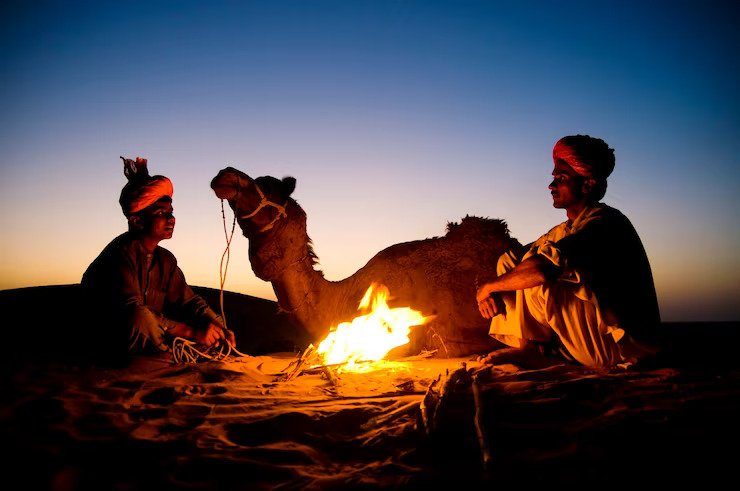
Travel back in history and experience the calmness of the desert while enjoying a grand camel journey. These kind animals have played a vital role in Arabian traditions for many generations. Climb aboard your trusty camel and sway gently as it gracefully carries you across the golden sands.

This slow-paced journey allows you to connect with nature, savoring every moment of the peaceful ride.

Under the guidance of skilled caretakers, you can unwind and fully embrace the breathtaking scenery of the desert as you ride the camels.

Sunset Splendor: Witness the Magical Colors of the Desert Sky

Prepare to be awestruck as the desert landscape transforms during the enchanting moments of sunset. As the sun begins its descent, the sky sets ablaze with a myriad of colors – from fiery oranges to soft hues of pink and purple. The shifting sands cast captivating shadows, adding to the surreal beauty of the scene.

Discover an ideal spot and marvel at the mesmerizing sight of the sun descending beneath the skyline, casting a spellbinding radiance over the desert. Capture this unforgettable moment in your heart and on your camera, as the desert reveals its true splendor during the twilight hours.

Arabian Nights: Experiencing the Bedouin Culture at a Traditional Camp

The Bedouin people, known for their hospitality, offer a glimpse into their way of life in this desert oasis. Step into a world of traditional music, captivating dance performances, and aromatic flavors as you enjoy an authentic Arabian feast.

Try your hand at traditional activities like falconry or get a henna tattoo, embracing the customs of this fascinating culture. It’s an evening of Arabian enchantment that will leave a lasting impression.

Exploring Desert Nature: Uncover the Intriguing Plants and Animals

Contrary to popular belief, the desert is teeming with life, each adaptation perfectly suited to survive in this arid environment. Discover the captivating plants and animals of the desert while exploring further into its expansive terrain. Discover resilient plants like the Arabian cotton bush and the desert hyacinth, which bloom in the most unlikely of conditions.

Keep your eyes peeled for glimpses of Arabian oryx, gazelles, and even the elusive sand fox. This encounter with desert wildlife provides a unique opportunity to appreciate the tenacity and beauty of nature in an unforgiving landscape.

Sandboarding: Glide Down the Dunes for an Exciting Desert Experience

Sandboarding is the sport for you if you’re looking for an adventurous journey on the slopes of the desert. Similar to the popular sport snowboarding, this activity lets you cut through the sand while feeling the wind’s surge against your face.

With the right technique and a sense of balance, you can conquer the dunes and experience an adrenaline-fueled thrill. Whether you’re a seasoned boarder or a first-timer, sandboarding promises excitement and a unique perspective of the desert landscape.

Arabian Cuisine: Indulge in Delicious Delicacies amidst the Desert Landscape

Set off on a food journey and indulge in the delicious tastes of Arabian dishes amidst the breathtaking desert scenery. Traditional Bedouin-style meals are a feast for the senses, showcasing a fusion of aromatic spices, tender meats, and flavorful rice dishes.

Delight your taste buds with succulent grilled meats, fragrant kebabs, and savory falafel. Sample traditional desserts like baklava and indulge in freshly brewed Arabian coffee. As you dine under the starry sky or in the cozy ambience of a Bedouin tent, you’ll experience the true essence of Arabian hospitality and culinary excellence.

Book Desert safari Dubai: desertsafaris-uae

Henna Art and Traditional Dress: Immerse Yourself in the Arabian Culture

Discover the beauty of Arabian traditions through intricate henna art and traditional dress. Adorn your hands with stunning henna designs, created using natural dye extracted from the henna plant.

Immerse yourself in the cultural experience by trying on traditional Arabian attire. You can feel the elegance and grace of these garments as you capture stunning photographs that capture the essence of Arabian culture and create lasting memories of your desert adventure.

Read Also:

Share on Social Media

Arnab is a professional blogger, having an enormous interest in writing blogs and other jones of calligraphies. In terms of his professional commitments, He carries out sharing sentient blogs.

Leave a Reply

Your email address will not be published. Required fields are marked *

title-img Related

READ MORE Pecos National Historical Park

Welcome To The Pecos National Historical Park: The Land Of The First American Revolution

BY  Sibashree Sep 12, 2024

I stood before the remnants of the South Pueblo walls, looking over the Mission Church on an autumn day last year. Looking at the archaeological site and standing below the blue fall sky, I was transported to the time of the American Revolution.  Further, I could hear the noise of a bustling trade fair with people from the Pecos Pueblo community doing business. However, the historical importance of the park is much beyond its association with the American Revolution. It is also related to the Civil War in New Mexico and the Independence of Mexico.  So, with centuries of human history etched in every corner, the Pecos National Historical Park is an intersection of past tales and nature. To be honest, The Pecos Pueblo and Santa Fe Trail were the biggest highlights for me when I was at the national park.  Therefore, my ode to the park will start with brief accounts of these places. Then, I will talk about the Glorieta Pass, again a site of historical importance in the park. Finally, you will have a quick look at the park's wildlife.  Pecos National Historical Park: A Land Of Historic Wars And Revolutions  The history of human lives in the Pecos National Historical Park goes back to the Preceramic Period or the 11,500 B.C.E. - 600 C.E. However, the Pecos Pueblo site in the park became a prominent place in the history of the American Revolution in the Early Colonial and Pre-Revolt era.  Spanish people started interacting with the Pueblo people. Further, thanks to the Franciscan Missions, the Spanish rule wanted to have command over the economic life and beliefs of the Pueblo people.  Thus, the first seeds of the American Revolution were sown. To combat the oppression of the Spanish people, the Pueblo Revolt took place on 10th August 1680. As a result, the Spanish Government and Franciscan Friars were expelled from the southwest under the leadership of  Po’pay from Ohkay Owengeh. The Spanish Mission Church, built in 1625, was also destroyed in the revolt of 1680.  However, in 1692, the Spanish People further reclaimed the Pecos Pueblo and many other pueblos. Finally, the Pueblo people declined in numbers in 1700. Before, during, and after the first American Revolution, The Pecos Pueblo emerged as an important location with significant events around it!  Further, around 200 years later (1821-1846 C.E.), another site in the park, the  Santa Fe Trail, witnessed travelers, settlers, and everyone else passing through it. The trail was opened in 1821 after Mexico gained its independence from Spain.  The remains of Pecos Pueblo stood there! By the 1830s, the migration of the Pubelo people was complete, and everyone had shifted to the Pueblo of Jemez and continued their traditions.  Moreover, in 1862, there was the “Battle of Glorieta Pass.” On 26th March 1862, this battle between the Union forces and Confederates occurred at a 700 feet elevation.  The Pecos Pueblo Site Today  https://www.instagram.com/p/Cto5MWnS5Oa/ The rise of the Pecos Pueblo site occurred between 1350 C.E. and 1838 C.E. The Pueblo site had two units, the north and south, and could accommodate around 2000 people. Further, it had 1000 rooms. Therefore, Pecos Pueblo thrived as a busy trading center with trade fairs involving people from Rio Grande Pueblos, Plains Nations, the Gulf of Mexico, and the Pacific Coast. The flint arrowheads and shells found here explain the expansive stretch of the route.  Nevertheless, with time, Pecos Pueblo became instrumental in eliminating Spanish oppression and rule. Still, a drop in the trade, Comanche attacks, and diseases deserted Pecos Pueblo. By 1838 C.E., the last resident of the Pueblo had left and joined the Pueblo of Jemez.  Today, the site stands as a relic from the past. However, it is still equally important for archaeologists and historians.  The Santa Fe Trail  Do you know what the Santa Fe Trail marker near Kozlowski's Trading Post says? It says,  Santa Fe Trail 1822-1879 Marked by the daughters of the American Revolution and the Territory of Nex Mexico.  With the independence of New Mexico and the western territories becoming an annexure to New Mexico, the Santa Fe Trail became the route or passage to the westward movement. Naturalists, journalists, travelers, aspirants, traders, and others took this passage as part of the American expansion. Colonel Henry Inman’s “Stories of the Old Santa Fe Trail,” published in 1881, describes the trail well. If you are a history buff, you must read this book well before visiting the Santa Fe Trail today!  “Kozlowski’s Stage Stop and Trading Post” is the highlight of this trail. You can spend some time here to visualize travelers from the past catching some rest after a long journey through the trail. When on the trail, you can explore the remains of the Pueblo and the Mission Church. You can even consider taking a guided tour of the Forked Lightning Ranch.  Glorieta Pass Battlefield Trail  https://www.instagram.com/p/B9xRKctnb3M/ Important Details About the Glorieta Pass Battle1. Reason for Conflict: Union forces and Confederates wanted to control the Glorieta Pass Route through the Sangre de Cristo mountains and the main supply center (Fort Union) for the passage of soldiers and supplies. 2. Contenders: The Confederates, with volunteers from Texas and under the leadership of General Shipley and the Union forces led by Colonel Canby, and soldiers from Fort Union, New Mexico, and Colorado. 3. Battle Begins: March 26, 18624. Reinforcements: 27th March, 18625. Battle Resumes: 28th March, 18626. Battle Ends: 29th March, 18627. Casualty: Death of 375 People 8. Consequence: The Union forces defeat the Confederates as they fail to ruin the Fort Union. Further, the Union forces maintain complete control over Southwest America.  The Glorieta Battlefield Trail is a popular hiking destination today in Pecos National Historical Park. It is a roundtrip loop, and you will have to cover a distance of 2.25 miles to complete your expedition. Further, the unpaved or graveled hiking route makes it moderately difficult for the hikers. In addition, there is an elevation gain of 152 meters.  You have to drive for around 7.5 miles from the main visitor center of the park. You will need to collect a gate code from the visitor center, which is your access code, to open the locked gate in front of the trail.  As you walk through the forest trail, you get to know more about the Civil War in New Mexico. Many infographics are installed throughout the trail, telling you tales from the past. In addition, there are wayside signs and 14 trail markers to explain the history of the battle on this pass in detail.  More About Hiking The Glorieta Pass Battlefield Trail  Time: Around 1 hour Refreshments (Hikers’ Favorites): Pecos Burger at El Maria Bonita (With a lot of meat and a smoky green chilly flavor!) and Chips and Salsa, of course! The Trail Guide you collect from the visitor center already keeps you hooked on the site's history. Indeed, this trail is less about hiking and more about flipping through the pages of the American Civil War in Mexico.  Let’s Hear It From Other Visitors To The Park  “Really nice park. Easy to find and it is free! Inside the visitor center, they had a really great exhibit that followed the pecos overtime. It was super informative and brought a lot more meaning to the actual park. After looking around the exhibit, you can take the trail up and around the park and church. It's amazing that the walls are still there. The view around the park is also beautiful. We spent about 2 hours here.” - Isabelle M. “I really enjoyed this park. My husband didn't care for it but I think it's really amazing what is still here. He thinks it's all recreation and I can't say if it is or not but I know the current Pecos people don't see it that way. It's pretty awesome that it's free to visit and the visitors center has a little museum that's also free! The trail starts near the restrooms. We accidentally started it from the end. But who cares. We saw everything and I recommend checking it out. Native people history is really cool.” - Lydia G. Exploring Wildlife At The Pecos National Historical Park https://www.instagram.com/p/CA-hAl8nrUW/ This historical national park is a hub of wildlife with a 6,500-acre expansion of forests, rivers, grasslands, and streams. The table below enlists the species that call the Pecos National Historical Park their home.  MammalsElk of Northern New MexicoColorado Chipmunk DeerRock SquirrelBirds*Steller’s JayMountain BluebirdBald EagleFish and AmphibiansRio Grande ChubLongnose DaceRainbow TroutBrown TroutNew Mexico Spadefoot ToadWoodhouse ToadTiger SalamanderPlains Leopard FrogReptilesShort-horned LizardNew Mexico Whiptail LizardBull SnakesGarter SnakesPrairie Rattlesnakes You will find the Prairie rattlesnakes along the trails. So, please exercise caution and inform the ranger if you come across one on your way.  A Quick Glance At Some Important Information About Pecos National Historical Park You must quickly look at the important information available about Pecos National Historical Park before you set in. Location: San Miguel County, New Mexico Established: 28th June, 1965 Area: 27 km² Highest Landscape: Truchas Peak, 3990 Meter Visitor Center: Pecos National Historical Park Visitor Center How to Reach: Via State Road 63  Entry Fee: Free Best Time to Visit: Autumn (Early September to Mid October) Also read Why Include Whale Watching In Your LA Itinerary. From Cocktails To Kickflips: Must-Try Activities In San Diego. Kootenay National Park Or The Land Of Ice And Fire (Experiencing Nature’s Game Of Contrasts)

READ MORE Horseback Riding Vacations

Saddle Up For The Adventure Of A Lifetime: Horseback Riding Vacations For Every Rider

BY  Abdul Aziz Oct 23, 2023

Are you an adventure seeker looking for a unique and stunning way to explore the great outdoors? Look no further than horseback riding vacations! You may be a seasoned equestrian or a complete beginner. However, horseback riding adventures offer a thrilling, immersive way to see the world from a new perspective. There's a horseback riding vacation for every type of traveler. It ranges from rugged safaris and rustic ranch stays to luxurious resort excursions. In this post, we'll explore the best horseback riding vacations out there and why you should saddle up for the adventure of a lifetime. Safari Horseback Riding Vacations: For the ultimate adrenaline-pumping adventure, consider a safari horseback riding vacation in some of the world's most exotic locations. From the savannas of Africa to the rainforests of South America, safari rides offer a chance to see wildlife up close and personal. Imagine riding alongside a herd of giraffes, zebras, and elephants, or spotting elusive predators like lions and cheetahs. Accommodations range from luxurious lodges to canvas tents, and excursions may include guided game drives, balloon rides, and cultural experiences. Related: The Blue Train: A Luxurious Expedition Across South Africa Ranch Horseback Riding Vacations: If the Wild West is more your style, ranch horseback riding vacations offer a chance to experience cowboy culture and rugged landscapes. Ranch stays may include cattle drives, cattle sorting, and trail rides through mountain scenery. Guests can also try their hand at roping, archery, or skeet shooting, or simply relax with a good book and the sounds of nature. Accommodations range from cozy cabins to luxury lodges, and meals often feature hearty ranch-style fare. Beach Horseback Riding Vacations: For a more laid-back but equally picturesque option, consider a beach horseback riding vacation. Galloping along the sand and through the surf is a dream come true for many riders. And beach rides offer stunning ocean views and opportunities for swimming or sunbathing. Some locations even offer sunset or moonlit rides for extra romance. Whether you're a seasoned rider or a beginner, beach rides offer a unique way to experience the beauty of the coast. Resort Horseback Riding Vacations: If you're looking for luxury and relaxation as well as adventure, a resort horseback riding vacation may be for you. Many resorts offer guided trail rides through stunning scenery, as well as amenities like spas, pools, and gourmet dining. Some even offer specialized riding programs for adults or kids, or opportunities for dressage or jumping instruction. Accommodations range from chic suites to private villas, and activities may include sightseeing or cultural experiences. Beginner Horseback Riding Vacations: Are you new to horseback riding but want to try it out in a safe as well as supportive environment? Consider a beginner horseback riding vacation. Moreover, many ranches and resorts offer lesson packages that include guided trail rides, as well as opportunities for horse care and grooming. Some locations even offer horse camps or clinics. Here, beginners can learn all about horsemanship and riding techniques. With patient instructors and gentle horses, beginner horseback riding vacations offer a fun and confidence-building way to get started with this unique activity. Conclusion: Horseback riding vacations offer a chance to explore some of the most beautiful as well as rugged landscapes in the world and to experience the thrill of riding a powerful and majestic animal. Whether you're a seasoned equestrian or a beginner looking to try something new, there's a horseback riding vacation for you. From adventurous safaris to rustic ranch stays and beach rides to luxurious resorts, there's no shortage of options for the ultimate horseback riding adventure. So why not saddle up and hit the trail? The journey is waiting for you. Read Also: Why Myrtle Beach Is The Ideal Summer Destination Top Ten Southern Africa Off-The-Beaten-Path Adventures Top 12 Amazing Sahara Desert Animals You Need To See

READ MORE

Do The Sand Dunes Come Alive At Kobuk Valley National Park?

BY  Sibashree Sep 11, 2024

Kobuk Valley National Park is surreal! Have you ever thought to meet sand dunes in the Arctic Circle? The unique geology of the park makes it possible. That’s not all! The Great Kobuk sand dunes stand here, along with the remains of the North American continental glaciers.  Three of the sand dunes in this national park are active or alive. The Great Kobuk Sand Dunes, Hunt River Dunes, and Little Kobuk Sand Dunes here cover a mesmerizing 20,000 acres of area in the park.   Today, hiking through these dunes is one of the most popular activities in the Kobuk Valley National Park.   While it is visually unusual or unexpected to see sand dunes in an Arctic National Park, you also need to understand that the Arctic region gets very little rainfall every year. So, this is also a desert region.   “Sand dunes in the Arctic landscape are not what you would expect. Since most people associate sand dunes with a hot desert environment, it is a visually unusual thing to see. In fact, what most people don't realize is that the Arctic is also a desert with very low levels of rainfall.”   - Christian, a Kobuk Valley National Park Worker  Having said that, how the sand dunes came to be here, and the experience of exploring them will be a great thing to discuss in this article.   This Is How The Kobuk Valley National Park Became The Land Of Sand Dunes   https://www.instagram.com/p/BWatGdVFuis/ Much of Alaska, including the Kobuk Valley National Park, falls in the Tundra region. Tundra, the coldest of the biomes, gets only around 150 to 250 mm of rainfall and snowfall yearly1. So, the national park has less rainfall than some of the most well-known deserts in the world.   Further, the sand dunes in the Kobuk Valley are as old as the Ice Age. Now, as the mighty glaciers moved forward and made a retreat, the rocks beneath got ground. Now, the blowing wind transported the sand into the empty and ice-free Kobuk Valley. The sand dunes in the park are up to 150 feet high, and they are the biggest, high-altitude, and most importantly, “active sand fields”  in the earth.   In The Land Of The Great Kobuk Sand Dunes  https://www.instagram.com/p/BgmZYDdAA_r/ Are you in the Sahara? No, you are around 35 miles above the Arctic Circle and still find the largest active sand dune field in the world. Today, it is a popular backpacking, hiking, and camping destination in the National Park. You must attend the Northwest Arctic Heritage Center to learn more about the outdoor pursuits in the land of sand dunes.  Let’s quickly look at why the Great Kobuk Sand Dunes is a preferred destination for camping, hiking, and backpacking.  The sand is steady enough for the landing of an aircraft with wheels.  You can put up your tent on any level surface.  Also, you can hike in any direction.  Further, you can board a float plane and reach the Kobuk River. From there, you can take a backpacking tour for around two miles and reach the dunes.  You must visit the Kotzebue Visitor Center if you have plans to take this backpacking journey to and from the Kobuk River.   There is no marked route for hiking.  In summer, the temperature in the sand dunes can reach up to 100 degrees Fahrenheit. Also, fall is the season to see caribou migration here.   However, there’s more to it! Let’s learn about the Great Kobuk Sand Dunes as relics of the Ice Age and how life thrived here.   Great Kobuk Sand Dunes: The Relics Of The Ice Age   https://www.instagram.com/p/BYwfdMYlr-0/ To know about the formation of the Great Kobuk Sand Dunes, we must go back to the Ice Age. Around 28000 years ago, glaciers in the mountains formed. I have already discussed how the glaciers ground the rocks and wind deposited them in the Kobuk Valley.   Further, approximately 14000 years ago, the glaciers made a massive retreat. As a result, there were 200,000 acres of sandy land formation on the river banks. Complex holocene activities and geomorphic preservations keep the sand dune field at the Kobuk Valley National Park active or alive. Along with the Kobuk Valley, small lakes in the park have also accumulated sand over thousands of years.   However, most of the landscape today is occupied by the vegetation of the national park, and the sand dune area consists of only 20,000 acres. The vegetation found here consists of the following varieties.  Wild rye  Grasses  Sedges  Kobuk locoweed  Wildflowers blooming occasionally  These species grow on the shifting sand, and they function as stabilizing agents. You can see shrubs, lichens, mosses, and algae following this vegetation. Finally, there are spruce, birch, and aspen trees covering the landscape.    The slopes of the Kobuk Valley sand dunes are the only place where Kobuk locoweeds grow. These plants belong to the pea family, and they are known for their purple flowers. If you want to see these flowers, you must visit the park in late June and July.   The inland dune field of Kobuk Valley National Park is surrounded by boreal forest.   Humans And Wildlife In The Great Kobuk Sand Dunes  https://www.instagram.com/p/Cv0EhpdLsJ5/ It’s amazing to see the Western Arctic Caribou walking through the Great Kobuk Sand Dunes. Fall and spring are the migration seasons for these animals. The north of Brook Range is the caribou herd’s calving ground, and they migrate to and from this place.   As the caribou herds pass through the sand dunes, their footprints remain in the ground for the longest time. According to National Park Service data, around 250,000 caribou pass through this national park annually.   No wonder that the Kobuk Valley National Park is one of the “last great migrations” remaining in the world. The table below gives you a brief idea about the animals and birds in the sand dunes.  Birds Sharp-shinned Hawk Golden Eagle Bald Eagle American Wigeon Northern Pintail Rough-legged Hawk Marsh Hawk Mammals Caribou Wolverine Muskox Snowshoe Hare Moose Gray Wolf Grizzly Bear Beaver Arctic Fox American Pine Marten Amphibians Wood Frog Fish Longnose Sucker Salmon* Northern Pike Alaska Blackfish Alaska Whitefish Humpback Whitefish Alaskan Stickleback Ninespine Stickleback  Human history in the Great Kobuk Sand Dunes is at least 8000 years old. They lived by the Kobuk River and were mainly focused on fishing, hunting, and trapping for survival. It is fascinating to visit the thousand-year-old hunting camps on the edges of the sand dunes.  The golden and shifting Great Kobuk Sand Dunes are located a few miles away from the Kobuk River. Further, the sand dunes soar up to 100 miles in the air.   Kobuk Valley National Park Is Also The Land Of Iñupiaq Subsistence  https://www.instagram.com/p/BWdjyOBl_Lw/ Human life, which started in the Great Kobuk Sand Dunes 8000 years ago, is still thriving with the mantra of subsistence. The Iñupiaq people here use the available natural resources to fulfil their physical needs and safeguard their spiritual and cultural requirements.   For example, they depend on caribou and salmon to feed themselves and their dogs. At the same time, caribou skin hide is extensively used to make parka jackets to combat Arctic winter. They also make mukluks or boots using reindeer skin to walk through the snow.   Further, the local people made baskets using birch and willow. Moreover, in darkness, caribou tallow or seal oil were the only ingredients to light up their stone lamps.   Irrespective of the trade with the coastal communities, the “customary, traditional and non-commercial” use of natural resources is still important in the park.   Iñupiat Ilitqusiat And Respecting The Ecosystem   https://www.instagram.com/p/CzjboNfsc4Y/ Aboriginal people in the Kobuk Valley National Park are committed to passing on their values from generation to generation. The Iñupiat Ilitqusiat value asks them to transfer the knowledge and skill of hunting and everything about life.  In addition, this transfer of knowledge helps to make the most of various seasons and subsistence opportunities. For example, the caribou season comes to this park after the salmon season.   Earlier, Noatak Valley was the destination for these people during the caribou season, and even today, some families move to Noatak Valley. Again, summer camping around the Kobuk River is common for fishing, especially catching salmon and whitefish.   Summer is also the season for harvesting berries and wild greens for the local people.  If you want to learn about the local people and their values, you must be respectful and understand their seasonal activities as a part of their subsistence practices.   Overall, the Kobuk Valley National Park is not just a place to see sand dunes and wildlife. It is a tapestry of human lives depending on nature.   Things To Know Before You Visit The Kobuk Valley National Park   For me, the sand dunes and Iñupiaq subsistence practices are the most fascinating things in the Kobuk Valley National Park. However, keep the following information handy if you are to pay a visit anytime soon.   Mode of Transport: Authorized air taxis from Kotzebue or Bettles  Visitor Center: Northwest Arctic Heritage Center  Entrance Fee: Free  Permits Required:  Commercial Use Authorization or CUA for commercial activities, Research Permits, Filming and Photography Permits  Activities to Do: Boating, fishing, camping and backpacking, hiking, flight-seeing and exploring nearby attractions  Best Time to Visit: June to July   Area: 1,750,000 Acres  Established: 2nd December, 1980  Number of Visitors: 17,616 (2023) (National Park Service Data)  Snowfall, downpours, and extreme weather conditions can occur in any season of the year. So, follow the instructions shared at the visitor center and keep your gear ready for survival!