
Want to know, Is Vancouver Safe for a Traveler? 

Mar 22, 2025

Last Updated on: Nov 24, 2025

Travel Guides

Vancouver has some iconic places that you must visit when you travel there. If you are still wondering, is Vancouver safe? The natural beauty of the city will draw you in but there are outdoor activities as well. It is one of the cheapest places to travel around the world in 2025!  

You must consider the safety considerations that we are sharing with you here. Be it the parks or museums, you must be aware of the policies. You have to be cautious of the wildlife when going on a hike or trail in the forests around Vancouver.  

The weather is a little unpredictable, so carry an umbrella and wear waterproof shoes. When you are walking or driving, you need to be careful if the conditions become too cold or falling snow. Read the article to know more about the safety tips to be careful and enjoy your trip to Vancouver.  

Want to know, Is Vancouver Safe for a Traveler?  

If you want to know if Vancouver is safe to visit, these are the safety tips that will help you in being aware. Knowing the safety tips will help you enhance the overall experience. Yes, there are some property crimes and petty theft in the city, however, the rest you can avoid if you are careful.  

You should try the basic personal awareness and safety tips necessary to keep yourself safe. If you are traveling with family, you should keep your children close and educate others to be aware of petty crimes.  

However, if you are alone, it is better if you can store your luggage in the online applications offering these services. You also need to know the essential safety supplies to pack on your backpacking trip.  

Safety Tips to Keep in mind when visiting Vancouver  

Safety Tips to Keep in mind when visiting Vancouver

Some of the tips that you must keep in mind when you first arrive in the city are here. In Vancouver, you will be blown by the scenic beauty, walking around and exploring the beautiful views of the ocean from the West End and the mountains downtown.  

However, be careful of aggressive thieves or attackers. Pickpockets are not prevalent however, if you visit crowded places like Granville Island, you might face one. So, be careful. Try to keep your bags close and not leave them unattended.  

When planning to visit Vancouver, you need to research the city, its streets, and its neighborhoods. You might not feel safe in Downtown Eastside however, other areas such as Kitsilano, Yaletown, and Downtown are perfectly safe, and quite a vibrant place to visit.  

Safe Accommodation in Vancouver  

Let me share with you some of the safest accommodation options that will keep you safe and give you the comfort you need. I will also try to keep the budget in mind when mentioning the places you must consider when booking your accommodation.  

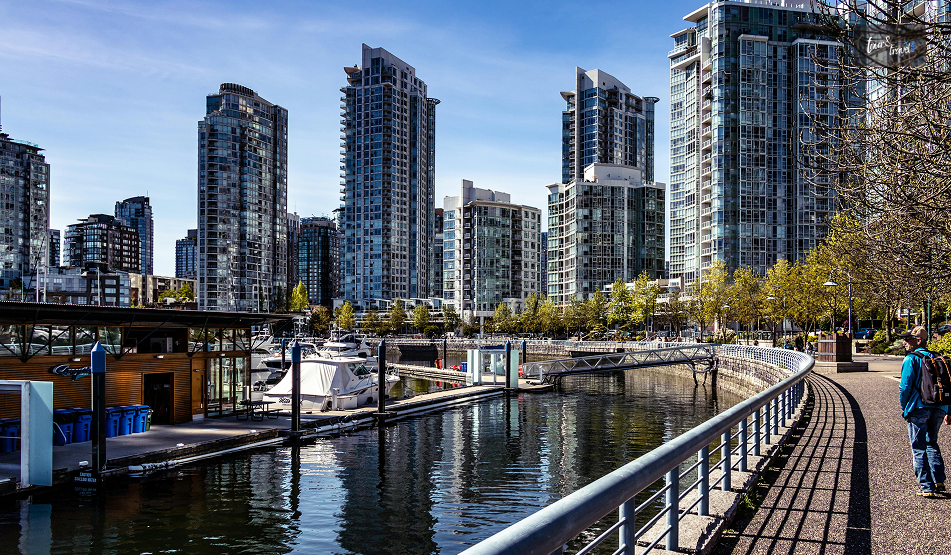
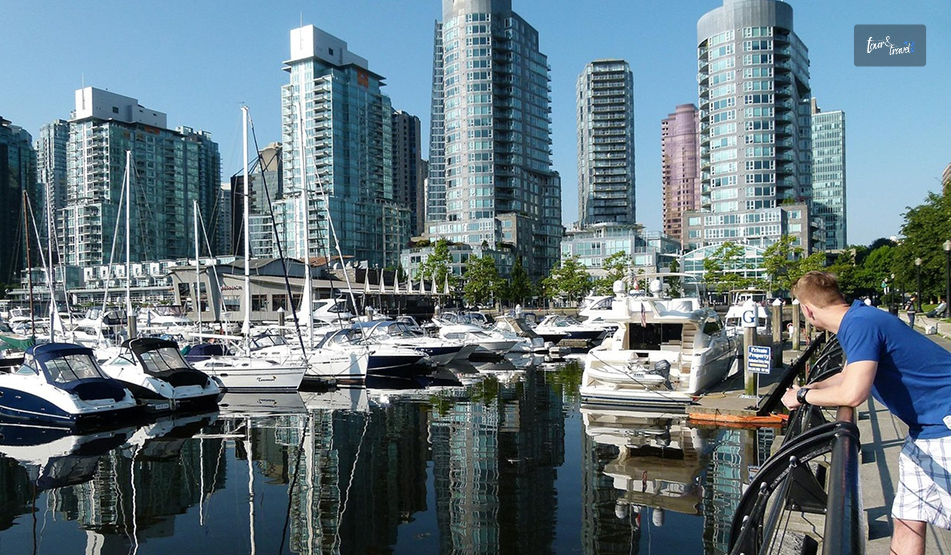
Yaletown – the waterfront views are to die for in this area, so if you are a nature person, this is the neighborhood for you. Additionally, the place gives off upscale vibes, being both stylish and safe for tourists.   

Yaletown

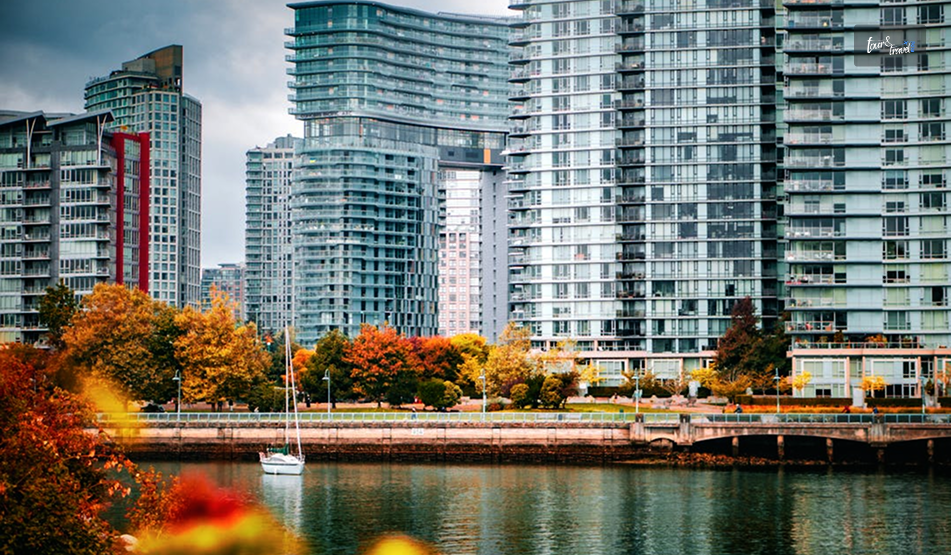
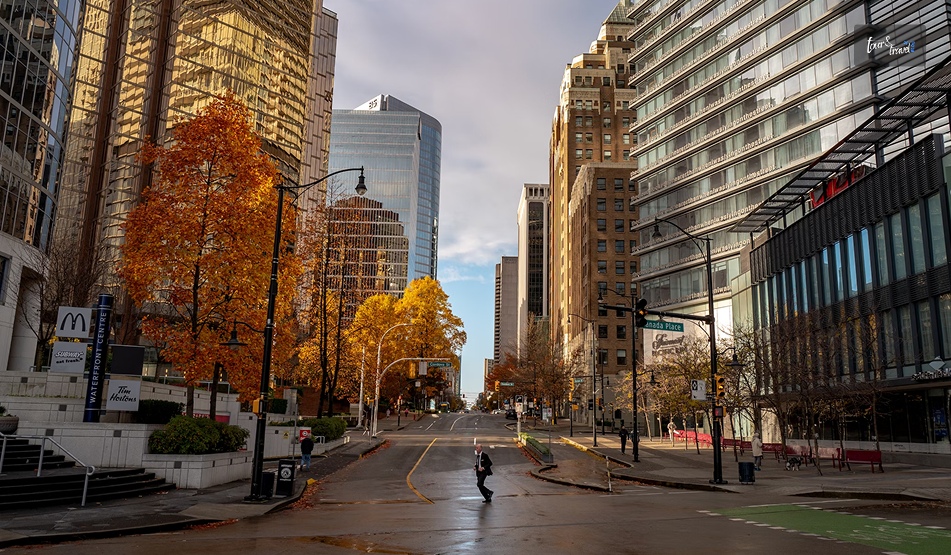
Downtown Vancouver – if you are traveling for the first time to Vancouver, I would suggest you book your accommodation here. It is ideal for first-time travelers as they can access the Vancouver City Center and other major attractions of Vancouver. The place is well-lit and well patrolled thus, you can easily come and go based on your itinerary.  

Downtown Vancouver

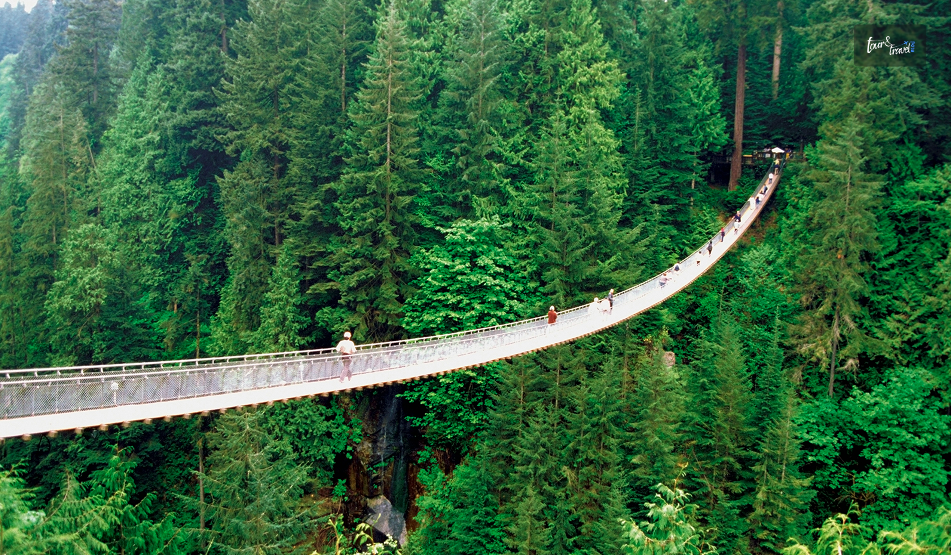
North Vancouver – if you love the outdoors, this place is perfect for you. This neighborhood is closer to forests and outdoors as you can easily go skiing or hiking from here. With a wide range of outdoor activities, you will enjoy the most in this area. You keep in mind the crucial hiking tips to ensure your safety while hiking.  

North Vancouver

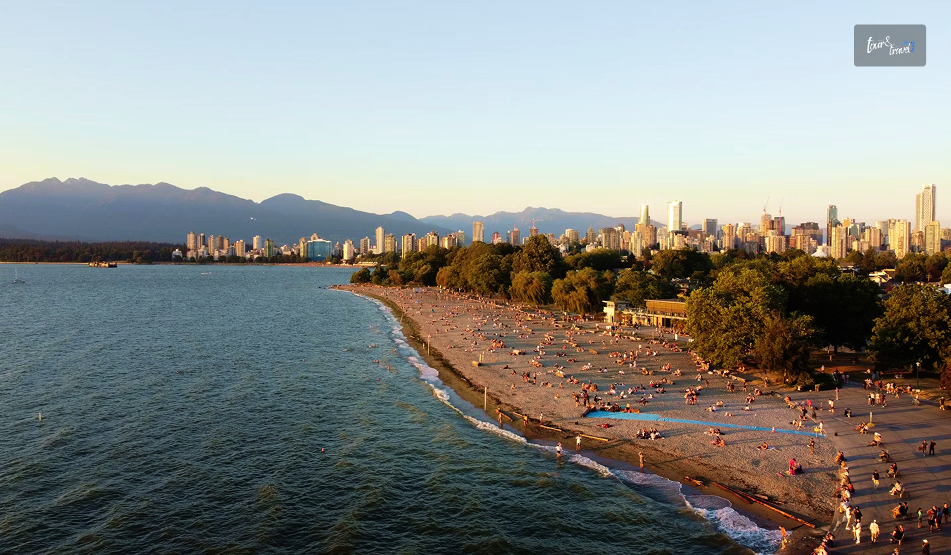
Kitsilano – the neighborhood is quite family-friendly hence; you can easily book rooms to stay here. The place is also quite close to the beaches so, with the laid-back atmosphere, you can relax here, and go on to enjoy your trip.  

Kitsilano

Awareness of the Cultural Changes  

Considering it is a different place; Vancouver is an amalgamation of several cultures. Hence, you need to be aware of the multicultural identity and the integration of progressive values, thus making it a better destination to visit. Learn about these tips here:  

Language – the primary language is English however, you might hear several other languages because there is a diverse population in the city. You must be respectful to all and not insult them, either by words, actions, or gestures.  

Etiquette – personal space and politeness are normal etiquette everywhere, not just in Vancouver. As an individual, you must be thankful for little gestures or help from strangers. Thus, holding the door or saying “thank you” will go a long way to make your stay safe and memorable.   

Scams – Scams are common everywhere, be it Vancouver or any other place. You must be conscious of your surroundings, and beware of unsolicited offers, especially in crowds. Also, don’t buy tickets or accept any services without a trustworthy source.  

Dress Code – The city is known for its unpredictable weather, so layering is the most important step. You will see a lot of locals doing the same hence, casual attire is quite acceptable. But try to wear clothing you are comfortable with and not force yourself into something uncomfortable.  

There is a municipal bylaw in Vancouver that prohibits people to smoke close, at least 6 meters from a window or doorway. Do not prefer smoking cigarettes or look down upon those who do. You must not smoke in public parks because locals might raise their voices against it.  

Safely Navigating the City  

Safely Navigating the City

When you are visiting Vancouver, let me share with you some of the easiest ways to get around safely. You need to explore the city safely following these guidelines. You can also consider these smart travel solutions so that you can enjoy your trip!  

Try to travel mostly by public transport because it is the safest, however, try to avoid empty stations at night. The TransLink operates SeaBuses, SkyTrains, and buses through which you can easily move around.  

Did you know Vancouver is a bike-friendly city? You can easily ride cycles when visiting Vancouver especially because there are dedicated bike lanes. There is an online application Mobi which offers bike-sharing services.  

During rush hours, Vancouver can easily be a difficult place with the traffic. Additionally, there are cyclists as well as pedestrians hence, if you are driving, you need to be a little careful.  

It can be worse when it comes to crossing the Lions Gate bridges or the Second Narrows, plus, at the weekends, it is worse. That is when you need to try either the Swartz Bay ferry or Vancouver Metro.   

Wrapping Up!  

Vancouver as a city is not dangerous, however, you need to be careful and attentive to any place you travel. There is a possibility of facing some of the poorest people around town so there might be a possibility of petty theft or crime. And yet, remarkably it is safer when it comes to violent crimes.  

Comment below on what you think about Vancouver or are you too scared to visit the place? Do you think I have missed any safety tips that might be helpful for others when visiting Vancouver as a traveler. 

Also read

Share on Social Media

Sagnika Sinha is a content writer who is passionate about writing travel vlogs, entertainment and celebrity articles and literature-based pieces. With a 4 years experience in teaching, she loves reading books. A procrastinator by nature, she loves travelling, listening to music, planting and gardening.

Leave a Reply

Your email address will not be published. Required fields are marked *

title-img Related

READ MORE Great Barrier Island beach guide

The Great Barrier Island Beach Guide: What Are The Best Beaches On The Great Barrier Island, New Zealand? 

BY  Sibashree Nov 17, 2025

The beaches add to the laid-back vibe and off-the-grid living of the Great Barrier Island, New Zealand. Surfing breaks, boating, canoeing, or just relaxing by the sea, the beaches are ideal for families, surfers, couples, nature seekers, and solo travelers.  Furthermore, it is the largest island of the Hauraki Gulf in the Auckland region, and it has protected the Auckland Harbour from the rampage of the Pacific Ocean and storms. It is now a Dark Sky Sanctuary and a boating paradise.  Also, while exploring the beaches of the Great Barrier Island, I saw a remarkable difference between the eastern and western beaches. The beaches on the eastern side have long white surf beaches and high cliffs. On the other hand, the beaches on the western side are way calmer and have deep, sheltered harbors.  Tryphena, on the southwestern side of the Great Barrier Island, is the largest settlement. The calmer and picturesque beaches of Tryphena are ideal for families. These are also ideal for spotting dolphins.  Whangaparapara Harbour, on the southeastern side, is another important beach location on the Great Barrier Island. I was fortunate enough to meet Tony & Carol Litherland, who have been living on a catamaran here since October 1979.  So, the top beaches to visit on Great Barrier Island, New Zealand, are beyond water and sand. They are the telltales of human history and home to distinct ecosystems.  In this article, I will share the Great Barrier Island beach guide, which will include the top beaches to visit on Great Barrier Island, including hidden gems, pet-friendly spots, and insider tips. What Are The Top Beaches To Visit On The Great Barrier Island?  The beaches of the Great Barrier Island get transformed into a planetarium after sundown. Being a dark sky sanctuary, it allows us to see the luminous arch of the Milky Way and the constellations.  While Medlands, Awana, and Kaitoke draw the crowds, the secluded beaches are the best for soaking in the real vibe of this nature-first island.  Nevertheless, let’s slip into a kayak and explore secluded coves, surfing beaches, and spot the most fascinating wildlife. 1. Medlands Beach Medlands Beach is also called Oruawharo Beach, named after the early settler family. It is ideal for surfers, and the Medlands Beach campground is one of the best camping spots on the Great Barrier Island. This campground is maintained by the Department of Conservation (DoC).  It is also home to Oyster catchers and Dotterels. The Medlands ecovision community group works hard to preserve the nesting community of birds here.  Furthermore, I saw many pet parents taking their dogs for a walk along Medlands Beach. The dogs are allowed off-leash at 100 meters south of the Lane Walkway. However, they have to stop at 100 meters north of the creek.  However, for me, the biggest attraction of the Medlands Beach has been the Good Heavens Dark Sky. In my Great Barrier Island travel tips, I have mentioned how the sunset moments were magical, adding to our anticipation for the stargazing moments.  2. Awana Beach The Awana Beach, on the eastern coast of the Great Barrier Island, is a popular surfing destination. The DoC campground on the northern end is a favorite spot for watching wetland birds.  Awana Beach is also a prominent location for wildlife tours in the Great Barrier Island for spotting marine life.  3. Kaitoke Beach On our way from Auckland to the Great Barrier Island, we met the long sandy stretch of Kaitoke Beach. Our flight overlooked the Kaitoke beach on its way to the runway.  It is a popular spot for watching hammerhead sharks and sting rays. 4. Whangapoua Beach Whangapoua Beach is a popular surfing spot, and it stands out thanks to the wonderful views of Rakitu Island and Hirakimata. Furthermore, the Whangapoua DOC campground, on the southern end of the beach, is a favorite of fishing and surfing enthusiasts.  In addition, the Northern end of the beach has the SS Wairaapa grave walkway. The grave has a white picket fence. Another major attraction of the beach is the Whangapoua to Harataonga coastal walkway.  5. Harataonga Beach Harataonga Beach has one of the most family-friendly hiking trails on the Great Barrier Island. It is a favorite spot for rock fishing and snorkeling.  You can reach the beach after a walk through the DoC campground. However, camping here is a little difficult, considering the gravel road leading to the campsite is quite bumpy for RVs and campervans.  6. Blind Bay Blind Bay, located on the western coast of the Great Barrier Island, is a lot calmer, and it is ideal for family vacations. Located in Okupu, this bay looks beautiful with the presence of magnificent pohutukawa trees.  What I loved the most about Blind Bay was how the dolphins came to the shore of the Okupu. You just need to get into a kayak and take a ride to spot the dolphins.  Furthermore, September to March is the ideal time for spotting Dotterel nests along the shoreline. Dogs are allowed on the Blind Bay. However, you have to keep them on the leash and ensure they only stick to the marked routes.  7. Gooseberry Flat & Pa Beach The Gooseberry Flat Beach is in the heart of the Great Barrier Island. It is around the corner from the Stonewall Village and the Pa Beach, below the Stonewall Village, is an ideal destination for a quaint boat ride.  However, the headland between these two beaches, featuring the most unique purple stone, is the highlight of this Gooseberry Flat & Pa Beach exploration.  Another fascinating thing on the beach is how sandbars have formed warm pools of water. Kids love to splash around these pools when the tide goes away.  From here, you can go to the southern end and take the walkway over to Mulberry Grove. 8. Mulberry Grove Beach The Mulberry Grove Beach on the Tryphena harbour is easily accessible. It is ideal for snorkeling, swimming, and boat launching.  Furthermore, the Mulberry Grove store behind the beach, a playground for young children, and the half pipe for skaters are some of the popular attractions of Mulberry Grove Beach.  You can also spot nesting native birds here. Moreover, indulging in an ice cream or fish and chips and watching the Sun go down with your family will be the most delightful moments on the Mulberry Grove Beach.  Camping And Eco Stays Near These Popular Camping Sites In Great Barrier Island, New Zealand The DoC campsites and eco-friendly lodges are the best options for staying near these beaches.  BeachesNearby AccommodationsMedlands Beach Campsite, Harataonga Beach Campsite, Awana Beach CampsiteDoC CampsitesMedlands BeachMedlands Beach Lodge• Address: Medlands Beach 149 Sandhills Road, Medlands, Tryphena 0961, New Zealand• Contact No: +64 9 429 0335 What Are The Best Beaches For Photography And Drone Footage? Kaitoke Beach is the ideal destination for sunrise photography. The beaches suitable for sunset photography are Blind Bay, Tryphena Bay, and Medlands Beach.  For drone photography during golden hours, use ND filters. Also, respect the privacy of the designated zones and ensure that flying birds are not harmed by flying drones.  What Is The Family-Friendly Beach Guide? Harataonga and Gooseberry Flat are the best options if you are on holiday on the Great Barrier Island with your family. These have shared areas, picnic tables, and toilets.  When exploring the family-friendly beaches of the Great Barrier Island, you will have to bring reef shoes, especially for hiking in the rocky areas. Moreover, determine the child safety zones by monitoring the tides.  What Are The Hidden Beaches And Local Secrets Of The Great Barrier Island? Yes, Kaitoke, Medlands, and Awana are the best crowd pullers of the Great Barrier Island. However, as I talked to the locals, they suggested some really cool hidden gems. These, with their unkempt beauty, helped us connect to the wild spirit of Aotea.  1. Puriri Bay North of the Tryphena Harbour, Puriri Bay is a quiet beach with a rocky shoreline. The low tide makes pockets of dark sand on the shore.  Puriri Bay is also famous for spotting dolphins in the summer season.  2. Schooner Bay Schooner Bay is another hidden gem near Tryphena. Visiting Schooner Bay is a bit of adventure and fun at the same time. You have to pass through a winding road to reach this spot.  It is a favorite for stargazers and couples, and with a cliffside landscape, it is one of the quietest beaches in the Great Barrier Island, New Zealand. The silence here is so powerful that the experience is almost spiritual.  3. Nagle’s Cove Nagle’s Cove is on the Northwest coast near Orama and Kawa. Framed by native bush and volcanic ridges, it exudes a remote and pristine vibe. You have to access it via a kayak or a boat, as there is no marked trail.  In addition, Motairehe Marae, affiliated with Ngātiwai Ki Aotea, is an important community center for weddings, social celebrations, and funerals.  Why These Hidden Beaches Are The Attractions You Must Not Miss? The hidden beaches of Great Barrier Island are beyond scenic. As cultural treasures or cultural taonga of the Great Barrier Island, New Zealand, they stand for the off-the-grid lifestyle.  They are also the telltale signs of the Māori heritage, and community spirit. To respect the local heritage and culture, you must stick to the following practices.  Avoiding Nesting Bird Zones  Leaving No Trace Staying on the Marked Path Cooperating with Biosecurity Measures  How To Explore These Hidden Beaches On The Great Barrier Island?  Renting an electric bike or a 4WD is the best way to explore the hidden beaches on the Great Barrier Island. Also, as always, it is best to take suggestions from the locals and cafe owners.  They can guide you to the best unnamed spots and directions where Google Maps fails or the network is unavailable.  Also, it’s unfortunate that we could not meet Benny Bellerby during our trip. But, he is like a wizard of the conservation process and stargazing on the Great Barrier Island. He is the adventure operator of Star Treks and is the most passionate about protecting the cultural and natural heritage of the island.  In addition, I have already mentioned Tony & Carol Litherland, who live on a catamaran on the Whangaparapara Harbour, epitomizing the signature hospitality of Great Barrier Island, New Zealand.  What Are The Adventure Add-Ons Near These Beaches Of The Great Barrier Island?  Glenfern Sanctuary, Windy Canyon, and the Kaitoke Hot Spring are the attractions near the beaches of the Great Barrier Island.  1. Glenfern Sanctuary Glenfern Sanctuary opens your door to the Kotuku Peninsula. It is located in the northwest of Great Barrier Island, and it takes us through nearby walking tracks such as the Cooper’s Castle Track. Aotea Track and Old Lady Track.  Furthermore, it is a must-visit to experience how biosecurity and the endeavors to protect the endangered plants, animals, and birds are essential for the Great Barrier Island.  2. Windy Canyon Windy Canyon and the Palmers Track, which continued from there, is one of the most picturesque hiking routes on the Great Barrier Island.  Along with being the route to Mount Hobson, it is also home to many rare species, such as black petrel and tomtit. Moreover, North Island robins are being reintroduced on this route. So, it is a wholesome hiking and birdwatching experience.  3. Kaitoke Hot Springs The walk to the sulphurous Kaitoke Hot Springs continues along the edge of the Kaitoke Swamp. It is one of the most accessible tracks with pushchairs, and the walk through the ancient shoreline continues through the Kaitoke wetlands and kānuka forest.  Furthermore, the umbrella fern and orchids near the creek keep the path filled with colors. Also, a nature soak after a long beach day feels very refreshing. What Are The Best Conservation And Safety Tips?  Aotea is not just a scenic destination. It’s a culturally rich and ecologically sensitive island with deep Māori heritage and a close-knit community. Respecting local customs and beach etiquette is essential for a positive experience and responsible tourism. 1. Respecting The Maori Heritage And Sacred Sites Avoid trespassing on private land or areas marked as tapu (sacred). Do not touch or move carvings, stones, or natural markers, as they may hold spiritual significance. Ask before photographing people or cultural sites, especially near marae (Māori meeting grounds). Learn basic greetings like “Kia ora” and show appreciation for local stories and traditions. 2. Being Mindful With Pets There are designated on-leash and off-leash areas on the Great Barrier Island, New Zealand. Furthermore, walking with the pets through the bird nesting areas, especially in the breeding season, is an absolute No-No.  Furthermore, after hiking, you have to clean your pet to stop soil transfer and prevent the resurgence of the Kauri Dieback disease. Proper disposal of the pets is also very important.  Moreover, you must be aware of the conservation and pet policies of the ferries and accommodations before taking them as your companions.  3. Leaving No Trace The Great Barrier Island does not have strategically placed dustbins. So, you will have to pack and carry all the biodegradable items, food scraps, and rubbish, especially when you are hiking and camping.  There is a dumping ground at Claris Landfill PDS at 70 Gray Road for cleaning the campervans and caravans. In addition, you cannot use detergent or soap when swimming on the beaches, as the practice can impact the marine life.  Moreover, staying on the marked trails while hiking is necessary to ensure protection of the flora and fauna from the Kauri Dieback Disease.  4. Respecting The Peace And Privacy If you are staying in eco lodges or near the residential areas, you have to keep your noise level in check, and you cannot play loud music. You have to be more mindful, especially when camping on the beaches.  In addition, be careful when using drones near the sacred sites and wildlife of the Great Barrier Island. You may need permission from local authorities for the same. 5. Being Safe During Swimming And Other Water Activities We could rarely find a lifeguard on the beaches of Aotea. Still, the western beaches of the Great Barrier Island are calmer and suitable for swimming. Also, you have to ensure that you are not blocking the surfing zones.  Stingrays and Jellyfish are common in the shallow waters of the Tryphena Harbour. So, be careful when swimming.  6. Supporting Local Sustainability Efforts We can support the local economy of the Great Barrier Island by shopping at the shops and businesses owned by the Island. Furthermore, you can protect marine life by wearing a reef-safe sunscreen.  Also, participate in beach cleanups and local cleanup activities. In addition, stick to the water conservation rules of the Great Barrier Island, as the supply of fresh drinking water is limited on the island.  7. Ask, Listen, And Learn You cannot know the Great Barrier Island unless you are talking to the locals. The island is the cradle of the incredible Maori heritage, and it is them who told us about Kupe, the mythical navigator and one of the first people to arrive on the Great Barrier Island.  The Okupu settlement or Ō-Kupe-Mai-Tawhiti is named after him.  8. Transport Tips Take a Barrier Air flight from Auckland to reach the Great Barrier Island in New Zealand. You can even take a SeaLink ferry and reach the Great Barrier Island from Auckland in 4.5 hours.  Also, once you reach the Great Barrier Island, you will have to rent a car, e-bike, or scooter to move across the rugged landscape of the island.  9. Embracing Local Culture Off-the-grid living is the essence of the Aotea Great Barrier Island, New Zealand. So, you will not find any banks or ATMs on the island.  You will have to pay by EFTPOS or credit card. However, sometimes the local businesses may refuse to take cards. So, carry enough cash to support your stay and other expenses on the Great Barrier Island.  Why The Beaches Of The Great Barrier Island Will Be On Your Bucket List?  Are you chasing waves, or are you seeking solitude and moments of introspection by the waters? The beaches of Great Barrier Island are ideal for both types of experiences. Add to that the rugged landscape and rich flora and fauna of the Great Barrier Island.  Before you plan your trip, you can read this Great Barrier Island beach guide to experience the magic of Aotea.

READ MORE Great Barrier Island stargazing guide

Great Barrier Island Stargazing Guide: Watching The Galaxy On The Great Barrier Island, NZ 

BY  Sibashree Nov 20, 2025

We were lying in the Medlands Beach with the Milky Way arching overhead. No city lights! Only the sound of the waves kept us connected to this physical world. For me, it was not just the sky full of stars and constellations. These stars were the roadmap for our ancestors, irrespective of the culture and country we belong to. They watched the stars to keep time and decide the time of the year ideal for agriculture, harvesting, fishing, and hunting. In the Maori culture, Tohunga kōkōrangi, or specialist priests, had this deep astronomical knowledge, and they shared the knowledge with others. Also, there are myths and ancient stories about the stars, like the one with the Matariki cluster. This cluster is associated with the anger of Tāwhirimātea, the God of wine and storms. Being furious, he tore his eyes and threw them into heaven. There, his eyes became the Matariki stars. Overall, for the Maori tribes, the stars and constellations have been beyond celestial bodies for observation. They were a mix of spirituality, science, stories, and a way of living life. So, when the Great Barrier Island, New Zealand, became a Dark Sky Sanctuary in 2017, it celebrated ancestral connections and the role of the sky as a roadmap. And I visited Great Barrier Island in 2022. So, nature had its own reboot during and post the COVID-19 era. So, we could see the clearest sky. In this Great Barrier Island stargazing guide, I will talk about the best stargazing spots, stargazing tips, conservation etiquette, and more. Let’s explore the magic of the Aotea Dark Sky Sanctuary. A Deep Dive Into Māori Astronomy (Tātai Aroraki) And Legends: A Combination Of Science, Spirituality, And Culture When on the Great Barrier Island, it is important to see the stars and celestial bodies through a Maori lens. Also, during our Maori-guided stargazing tour, our guide chanted waiata, and he even used carvings (whakairo) and told stories to make the experience more interactive. He made us familiar with the key celestial figures and their Maori names. Furthermore, he explained how Maori people perceive different celestial phenomena. Major Celestial Figures And Their Significance In Maori Tradition  It is fascinating to see how Maori people connect the stars and celestial bodies with their traditional beliefs and stories.  1. Te Kahui O Kahu  The Te Kahui O Kahu constellation is the guardian of the sea and land. The stories of this constellation are important for teaching us the importance of being respectful to nature and protecting natural resources. 2. Matariki Or Pleiades Star Cluster  Matarikin is the most celebrated Māori constellation. When Matariki gets visible in the sky at dawn, it announces the arrival of the Māori New Year. It is time to gather, share stories, and plan for the year ahead for this local tribe. Also, according to traditional beliefs, the brighter the Matariki constellation shines, the better the year for harvesting and fishing.  3. Tautoru Or Orion Constellation  Tautoru symbolizes protection and power. It was significant for hunters and warriors. 4. Ngā Rā  The Milky Way or Ngā Rā is believed to be the pathway of ancestors in the Maori tradition. The ancestors use this pathway to travel between the worlds. Furthermore, in many interpretations, this is the pathway through which the spirits guide the departed souls to the afterlife. 5. Tāwhirimātea Or The Southern Cross  Tāwhirimātea is worshipped as the protector of the sea. In ancient times, the Maori sailors depended on this constellation to guide them across the Pacific Ocean. 6. Auroras Maori people worship auroras as the spirit of their loved ones or ancestors. They even think that auroras bear significant messages from the spiritual realm.  7. Bright Planets (Venus And Jupiter)  The appearance of these bright planets was associated with the everyday life of Maori people. The appearance of these planets is predictable, and that is why they are associated with timing ceremonies and navigation. Why Great Barrier Island Is A Stargazer’s Paradise?  With exciting hiking trails, pristine beaches, and an eco-conscious and off-grid lifestyle, the Great Barrier Island, New Zealand, is an ideal stargazing destination. With no ATMs, footpaths, or banks, the island has maintained a quiet existence. Furthermore, with low air and light pollution, the stars, the Milky Way, and other celestial bodies shine bright in the sky once the Sun goes down. In addition, around 60% of the island is protected by the Department of Conservation (DoC). So, it is home to many endemic plants, animals, and birds. So, it is also a bucket-list destination for nature and wildlife lovers. Moreover, each islander thinks of themselves as a kaitiaki or caretaker. Thus, it has successfully emerged as a zero-waste island, and biosecurity measures with designated spots for camping, hiking, and cleaning have made this island a sanctorium of sustainable practices and natural preservation. What Makes Aotea A Dark Sky Sanctuary?  The International Dark-Sky Association (IDA) has scientifically measured the darkness of the sky of the Great Barrier Island. The IDA further offers principles to protect the night sky through awareness and restricted lighting. "To be a Dark Sky Sanctuary, you need an mpsas [magnitude per square arc second] of 21.5, and we had an average of 21.79. Every step on that scale is twice as dark; Auckland is 18, so you can see 10 times more stars here than you can in Auckland.”  Hilde Hoven, from Good Heavens Dark Sky Experiences.  Furthermore, the darkness of the night sky of the Great Barrier Island is measured every year, and the report is sent to the International Dark Sky Association. In addition, the local people choose low-intensity lighting indoors and outdoors to adhere to the light pollution standards of the dark sky sanctuary. In addition, there are no street lights, and the entire island practices off-the-grid living to preserve it as a Dark Sky Sanctuary.  What Are The Best Stargazing Spots On Great Barrier Island, New Zealand?  The Great Barrier Island is one of the best stargazing spots in NZ. I had the most beautiful stargazing experience at Medlands Beach. However, Awana Beach and the Mount Hobson Summit are two other prominent locations for stargazing. 1. Medlands Beach  I was fortunate enough to be a part of the Good Heavens group stargazing experience on the sand dunes above Medlands Beach. We all had access to an 8-inch telescope to get up close and personal with the stars and planets. Furthermore, each of us had binoculars, and our guide used a laser light to point at the stars and planets and share their stories with us. Far from urban areas, Medlands Beach offers the best views of the night sky, and the gentle waves reflect the stars and planets. Here is a dark Sky photography guide for you if you are at Medlands Beach. You can use the contrast between the dunes and the vast sky to create a perfect composition for your picture. 2. Awana Beach  Awana Beach, one of the best beaches in Great Barrier Island, New Zealand, is a natural planetarium. The shoreline here is secluded, making it even more suitable for stargazing. Offering a clear view of the southern sky, Awana Beach is the best place to see the Milky Way on the Great Barrier Island. Furthermore, Awana Beach is the meeting ground of amateurs and professional astronomers. The beach gets more visitors during the following celestial and planetary activities. Planetary Alignments  Occasional Auroras  Lunar Eclipses  In addition, the tranquility of the place is ideal for experiencing stargazing as something beyond a visual spectacle. 3. Mount Hobson Summit  A hike to the Mount Hobson Summit ensures a brilliant stargazing experience. The summit is at a height of 627 meters, and thanks to the height, it is free of the atmospheric interference at the sea level or lower altitudes. Also, once you reach the summit after a walk of 2-3 hours, you will get a 360-degree view of the night sky and the Great Barrier Island. Furthermore, the height allows you to observe the Orion Nebula and other deep-sky objects with binoculars. 4. Kaitoke Hot Springs Kaitoke Hot Springs fuses relaxation with a fascinating stargazing experience. Imagine you are soaking in warm sulfur water pools, and the stars are shining the brightest over your head. It is a multisensory experience, with the crisp air caressing you, the warm water offering comfort, and the night sky presenting the ultimate cosmic display. Just a small tip. You must bring a waterproof laser light to see the stars without ruining the clarity or the darkness measure. 5. Windy Canyon  Windy Canyon already has that drama on the verge of being surreal, thanks to its unique geological formation. So, stargazing here feels magical, with the canyon itself functioning as a natural observatory. The clarity of the sky is so high here that even the faintest celestial bodies become visible. In addition, the Windy Canyon is accessible for all types of visitors as the walk is short and easy. What Are The Top Stargazing Tours & Experiences?  The Good Heavens stargazing tours and experiences are the best on the Great Barrier Island. It offers the following stargazing tours on the Great Barrier Island. 1. Heavens Above - Private Dark Sky Experience  This private dark sky experience is organized at your accommodation with a telescope, hot chocolate, and bean bags arranged by Good Heavens. They can also take you to the nearby beach. The charge is $1560 for a group of 2 to 12 people, and beyond that, the price will be on request. 2. Moon Walk - Group Star Gazing Experience  Moon Walks happen for a week every month. During this time, the Moon looks the biggest in the sky, and the Milky Way is less visible. The tour charge is $130 for adults and $65 for children below 13 years. 3. Look Up And Get Lost - Group Dark Sky Experience  This is a deep sky experience, and the tour continues for 1.5 hours. The charge for this tour is $130 for adults and $65 for children under 13. How To Enjoy Dark Sky Sanctuary On Great Barrier Island Without A Tour?  Are you on an independent stargazing tour on the Great Barrier Island? Consider the following Aotea stargazing tips. 1. Checking Weather Conditions  Clear Moonless nights are the best for a stargazing experience on the Great Barrier Island. However, if you want to go for a Moonwalk, expect lesser visibility of the Milky Way and the stars. 2. Finding A Dark Sky Spot  The beaches of the Great Barrier Island, New Zealand, are ideal for the ultimate stargazing experience. Know the dark sky spots and drive away from urban life to see the best cosmic display. 3. Bringing The Right Gear  On guided stargazing tours, the tour operators provide binoculars, telescopes, and red laser lights. If you are on a DIY tour, you will have to carry these essentials. 4. Using Stargazing Apps And Tools  You must use stargazing tools and apps for the best stargazing experience. The best is the free NASA app, and Astrospheric is another app known for brilliant forecasting. Furthermore, you can bring a star chart to locate and identify the stars and constellations. Astrophotography Tips For Beginners  The Medlands Beach and Awana Beach are two of the best beaches for reflection shots on the Great Barrier Island. Furthermore, here are some ideas about the essential equipment and camera modes for astrophotography on the Great Barrier Island, New Zealand.  Camera Mode Manual Aperture \(f/2.8\) or \(f/4\) ISO 3200 or 6400 Shutter Speed 15-25 Seconds Or, Divide 500 by the Focal Length of Your Lens File Format RAW or RAW + JPEG to Retain Better Color Data for Editing White Balance Manually Setting The White Balance to 4000 Kelvin Tripod Carry a Sturdy Tripod for Image Stabilization.Focus Keep Your Lens Focus to Infinity.Trigger You Can Use a Remote Trigger or Set the 2-10 Seconds Self-Timer of the Camera to Avoid Jerking while Pressing the Shutter Button.Lens Wide Lens (At least 24mm) for Full-Frame Cameras 18mm or Wider for APS-C Cameras  Seasonal Stargazing Calendar: What To See & When  Know when to watch meteor showers, the Milky Way, and Aurora Australis in the Great Barrier Island, New Zealand.  Season / Months Meteor Showers (Peak Dates) Milky Way Core Visibility Aurora Australis Chances Summer (December–February)• Geminids – Dec 13–14 (best annual shower) • Ursids – December 22• Quadrantids – January 3–4 (short, intense) • Early Morning Visibility• Low on Horizon before Dawn The chances of Aurora Australis visibility are low as geomagnetic activity is subdued; occasional events only during strong solar storms.Autumn (March to May) • Lyrids – April 22–23 • Eta Aquariids – May 5–6• Core Visibility from 2 AM to 5 AM There are moderate chances of seeing the Aurora Australis. As the nights grow longer, the chances become higher, and equinox-related geomagnetic boosts the visibility chances.Winter (June to August) • Bootids – June 27 (variable)• Southern Delta Aquariids – July 28–30• It is the Best Season for Milky Way Photography.• You Can See the Core for Most of the Night. These months offer high chances of seeing the Aurora Australis due to high solar wind and longer nights. The chances of seeing the Aurora increase after the Equinox.Spring (September to November) • Draconids – October 8th • Orionids – October 21–22 • Leonids – November 17th–18th• The Core Visibility Becomes Less in this Season.The September equinox gives strong geomagnetic activity. So, this season offers moderate to high chances for Aurora visibility. Stargazing-Friendly Accommodation & Camping  Camping on the Great Barrier Island, New Zealand, is the best option for stargazing. There are Department of Conservation (DoC) campsites such as Medlands Beach, Akapoua Bay, Harataonga, Awana Beach, The Green, and Whangapoua. In addition, Stay High Island Camping Co. and the Great Barrier Island Campground are two privately-owned campgrounds on the Great Barrier Island. Furthermore, stargazing tour providers, such as Good Heavens, can offer all-inclusive packages, including eco-friendly accommodations such as XSPOT Cliff House.  Beach Etiquette & Conservation For Night Sky Lovers  When you listen to the Maori stories about stars and celestial bodies, you have to respect their tradition. Be sensible, as the stories are a part of their value system and spiritual beliefs carried through generations. Our guide asked us to remain quiet during storytelling and participate in some cultural traditions. The more respectful you are toward their culture, the more enriching your experience will be. In addition, you have to abide by the light pollution rules and wildlife protection norms. 1. Light Pollution Rules  Great Barrier Island, New Zealand, is a designated Dark Sky Sanctuary. So, the protection of the dark sky is very important. So, you have to avoid using bright lights, and even if you need to use light for safety, keep the intensity low. Furthermore, you need to allow your eyes to adapt to the darkness of the sky. Slowly, you will also discover the faint stars. You can use a red laser light and binoculars to enhance the stargazing experience on the Great Barrier Island, New Zealand. 2. Wildlife Protection  Stargazing goes hand in hand with the wildlife tours on the Great Barrier Island. The sound of black petrels kept us alert during our entire stargazing experience on Medlands Beach. To protect the wildlife on and around your stargazing location, you must avoid feeding the animals and birds. Maintain a safe distance and remain on the marked routes to avoid disturbing their habitats and soil transfer. Furthermore, do not trespass on any private property, and you must not leave any litter behind. Adventure Add-Ons: Glowworms, Hot Springs & Night Kayaking  You can combine the stargazing experience on the Great Barrier Island with night kayaking at the Hauraki Gulf Marine Park. As you kayak, you will notice the water of the Great Barrier Island transforming into a surreal landscape. Furthermore, if you are on the Great Barrier Island around February-March, you will see bioluminescence in the water on warm and calmer days. In addition, taking a bath in the Kaitoke Hot Springs after sunset is an experience that you will remeber for the rest of your life. Final Tips For Your Aotea Stargazing Adventure  You need to have some knowledge about the moon phase if you want to enjoy stargazing on Great Barrier Island, New Zealand. The New Moon or the Crescent Moon is the ideal day for observing the night sky. Also, even in the summer months, the temperature drops drastically after sundown. So, you will have to wear layered clothes.  Moreover, keep flashlights dimmed or the brightness of your phone screen low to avoid light pollution.

READ MORE Exploring Whistler, Canada

Guide To Exploring Whistler, Canada For A Memorable Getaway

BY  Arnab Nov 22, 2023

Whistler is unlike any other ski resort - boasting charming villages, phenomenal mountain biking trails, and breathtaking scenery, making this destination truly unforgettable. To see everything helps to have your own car. That way you can explore unique attractions (like the Train Wreck) further out of town. Canada is an expansive country, so having a clear itinerary prior to traveling there is essential. First, create your budget by dividing it amongst the days that you will spend there (plus any expenses such as meals). You can visit this site to learn more about current travel restrictions. Whistler is an outdoor enthusiast's paradise, featuring stunning ski spots, thrill-packed activities, and an idyllic European-style village. As one of North America's biggest ski resorts, it attracts visitors from across the globe. Whistler Blackcomb's grand scale becomes immediately evident as you drive into town from Vancouver via the Sea to Sky Highway. The trip takes travelers on a short bus ride from coastal mountains and rainstorms that quickly transition to snowflakes before reaching Whistler Blackcomb. This is the name for two mountains connected by one of the world's largest lift systems. Once in Whistler, visitors can explore its laidback mountain atmosphere on foot or bicycle. Or if they want something a bit more exciting, they can check out snowmobile tours from companies such as Canadian Wilderness Adventures or The Adventure Group; they offer thrilling snowmobile tours through Whistler's backcountry for adventure junkies! 1. The Village Whistler is best known as a mountain resort, yet its charming Euro-style village at its base also attracts many visitors. Curving stone walkways, little bridges and an abundance of trees create a pleasant setting in which to stroll or dine both summer and winter when its snow-dusted environs transform Whistler into a breathtaking winter wonderland. No matter your level of skiing experience, strolling down Whistler Village's main street is a must. You can click the link: wikihow for beginner skiing advice. Here you will find shops and restaurants ranging from casual bites to award-winning cuisine, plus great local breweries like Whistler Brewing Company and Coast Mountain Brewing that serve up amazing craft beers! Village life offers an engaging social hub, where you will experience locals' upbeat attitude in every shop, restaurant, and gathering spot. If you are in search of some fun nighttime action head over to Longhorn or Buffalo Bills for dancing while Elements offers live music. Take in the landscape from above with helicopter tours! Both outfitters offer tours tailored specifically for different experiences and confidence levels; you may spot bears while learning a great deal about regional ecology from your guide. There are also plenty of outdoor activities in the area for those not interested in flying. From climbing ski jumps or skiing with an Olympic medalist at the 2010 Winter Olympic Park (open all summer long); to bear-watching tours through lush forests to see an estimated fifty black bears that live here (from a safe distance, of course!), coyotes, western horny marmots, barred and great horned owls and more wildlife. 2. The Mountains Whistler is surrounded by rugged peaks, glaciers, and alpine forests that can be experienced both vibrantly green and covered in pristine snowfall. While exploring them on foot is one way of appreciating them fully, other methods exist such as taking advantage of helicopter tours that enable passengers to glide effortlessly over these magnificent landmarks and experience all that they have to offer. One such tour allows passengers to fly over coastal mountains while experiencing both their beauty and charm firsthand. These one-of-a-kind tours take passengers on an aerial journey over rugged peaks with gorgeous glaciers or lush alpine forests that are either vividly green or covered in fresh snowfall - both stunning from a high vantage point! If you are up for something more daring, Whistler offers plenty of thrilling adventures! Those looking for an adventure will find that bungee jumping off a bridge spanning the Cheakamus River is an exhilarating way to experience all its beautiful surroundings while getting some memorable photographs and videos of your visit here. Vallea Lumina provides a truly relaxing way to experience the mountains: a forest stroll at night! Join this unique tour and wander along forest trails illuminated with brilliant lighting displays; it is an excellent activity suitable for families and groups of all ages! Exploring Whistler's mountainous terrain by snowmobile is another exciting way to experience winter's breathtaking mountainscape. Tours can be booked outside the village, providing both beginner and experienced snowmobilers the chance to take in its sights. Or why not give heli-skiing a try - one of the most thrilling activities available during a visit to Whistler! 3. The Festivals Whistler is an all-year destination for outdoor enthusiasts. Boasting two majestic mountains connected by the PEAK 2 PEAK Gondola, Whistler provides access to breathtaking alpine terrain. At lower elevations, its coastal climate delivers lush vegetation as well as numerous lakes and trails in its lush coastal climate. Winter in Whistler brings many events. The Whistler Pride and Ski Festival follows in the footsteps of well-known snow sportsmen by following "go big or go home." Held annually during late January or early February, this festival showcases LGBTQI ski sports activities, parties at local night clubs, and arts and cultural activities. The Spring Mountain Trail Run is an annual marathon, and half marathon held each April, offering participants stunning scenic views of mountains, forests, lakes, and rivers surrounding this beautiful mountain town while at the same time testing their endurance. Furthermore, this festival showcases nature with various activities that celebrate it in all its beauty. Whistler Art on the Lake festival takes place annually at Alta Lake's sound end in August, drawing thousands to its gallery-style event that showcases over 30 Sea to Sky-based artists as well as arts and crafts for sale at this popular gallery-style festival. The Whistler Film Festival, an annual event that takes place each December, is a celebration of independent cinema. This festival features movie screenings, gala events, guest speakers, and artist spotlights as well as industry programs like filmmaker summits, talent programs, awards, and mentoring initiatives - an excellent chance for networking among fellow film professionals while enjoying Whistler. 4. The Food Set out on a Whistler Tasting Tour to experience some of its culinary secrets! From gourmet seafood and artisanal charcuterie to classic fondue, this culinary adventure will lead you through some of Whistler's premier dining spots. Whistler boasts a diverse food scene, from casual cafes to fine dining establishments and everything in between. If you are craving some fine dining, be sure to book a table at Araxi Restaurant; its Pacific Northwest-influenced dishes and unparalleled service are among its many accolades. Other top options include Mallard Pub & Grill, located at the base of Blackcomb with an incredible sun-drenched terrace, and seasonal menu options such as grilled elk with wild mushroom tartine and braised beef cheeks with Korean barbecue glaze as crowd pleasers. Furthermore, Sidecut Steakhouse recently underwent extensive renovations, boasting high-end cuts of meat (ranging from Four Seasons black label flat iron to Japanese A5 wagyu). Hunter Gather is an Australian-inspired bakery offering delicious pastries, sandwiches, and coffee that has quickly become a favorite among both locals and visitors. Function Junction, just 10 minutes south of Whistler Village, features shops, restaurants, and breweries clustered together for locals' enjoyment. Functional Pie offers New York and Detroit-style pizza that combines the thicker aesthetic of New York slices with the crunchiness you would find from Detroit slices - definitely worth checking out if you prefer your food without tourists around! Related: Winter Camping In Canada: Tips For Cold-Weather Adventures 5. The Art Whistler offers much more than snow and mountains; it also has a vibrant arts scene. Enjoy theatrical performances, art exhibits, music events, and musical shows throughout the year - and embark on an exploration journey of Whistler's cultural treasures from museums that chronicle its development to galleries that inspire your creativity! The Audain Museum is an architectural marvel with a spectacular collection of paintings and sculptures by regional Canadian artists, from Northwest Coast First Nations masks to postwar modernists such as Emily Carr as well as local Whistler talent. Take a self-guided tour through its galleries or participate in one of the many workshops such as yoga classes or summer art camps for kids! There are also a variety of galleries located throughout Whistler that specialize in local and emerging artists, including Adele Campbell Fine Art Gallery and Black Tusk Gallery; or visit Mountain Galleries inside Fairmont Chateau Whistler for further selection. Whistler's Aboriginal culture is an integral component of its identity and should not be neglected. The Squamish-Lil'wat Cultural Centre offers visitors an amazing way to learn about the history and traditions of both Squamish and Lil'wat First Nations as well as hosting dance classes, guided tours, artist talks, and summer art camps. Whistler's arts and culture scene adds another level to its already captivating destinations. Museums documenting its evolution, galleries igniting your imagination, and cultural centers celebrating heritage are all waiting to be explored. These cultural gems will leave lasting memories behind! Read Also: Aeolian Village Beach Resort: The Ultimate Destination For Relaxing Holidays This Is The Best Time To Visit The Seven Magic Mountains In Vegas! Best Tourism Villages In The World 2023