
Cheapest Places To Travel Around The World In 2025: Traveling On A Shoestring 

Dec 24, 2024

Last Updated on: Sep 9, 2025

Travel Blog

If you are an explorer and budget is your only constraint, the cheapest places to travel in the world can be the best destinations for you. They await you with an immersive and fulfilling experience. 

In addition, many of these places offer you the chance to enjoy pristine nature as camping or staying at quaint homestays are the best options there. 

Here, we have created a Tour and Travel Guide with destinations that will help you cut down on the luxurious resort fees and airfares. However, spending less will in no way impact your travel experience. 

In fact, today, most travelers look for a meaningful experience, and you gain the best when your pocket is not filled with dollars and you have to tread the extra mile.  

Cheapest Places To Travel Around The World | Traveling On A Budget

Cheapest Places To Travel Around The World  Traveling On A Budget

The cheap places to travel around the world will depend on the part of the world you are traveling from. Naturally, the currency and exchange rate will differ from one country to another.

So, we have curated here the cheapest places to travel around the world from the USA. We have also shared the USD exchange rate for the currency of those locations.

1. Hungary

Hungary has Budapest

1 USD = 389.30 Hungarian Forint

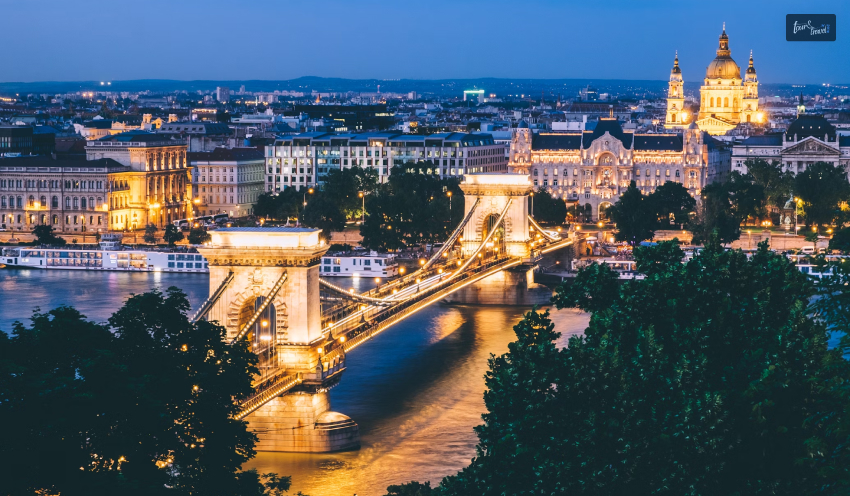
Hungary has Budapest, the capital city with history spilling its charm in every corner. Further, the architecture here will take you to a different era. 

The most famous architecture in Budapest are:

  • The Church of Our Lady of Buda Castle
  • Rumbach Street Synagogue
  • Hungarian State Opera, etc.

Moreover, don’t miss a walk through Andrássy Avenue. It is a UNESCO World Heritage Site in Budapest, Hungary. 

2. Mexico

Mexico

1 USD = 20.13 Mexican Peso

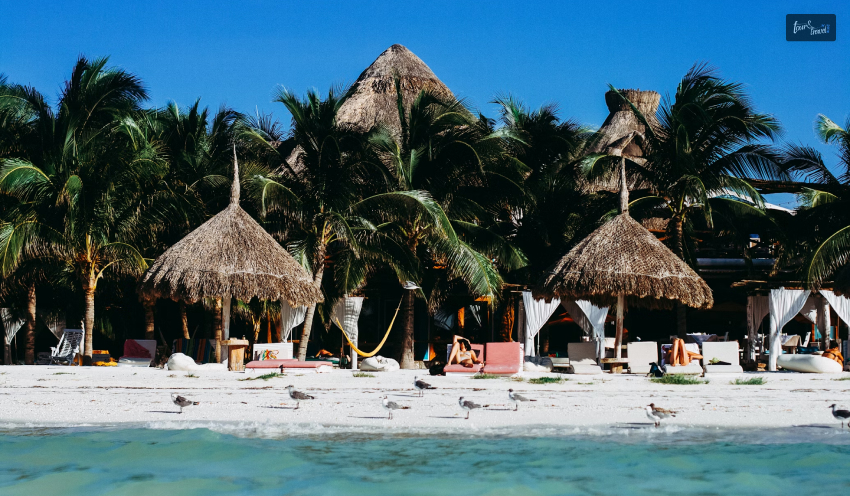
Very few people know that Mexico has the most serene beach scene. To have a most fulfilling beach holiday in Mexico, you have to plan a trip to Holbox. Further, Holbox has a rich marine life.

So, you will find here the most fascinating animals, like the manta rays, whale sharks, sea turtles, and eagle rays. 

Apart from exploring the fascinating marine life in the country, you can also enjoy a food trip here. Don’t forget to try items like Chilaquiles, tacos al pastor, and enchiladas here. 

3. South Korea

South Korea

1 USD = 1,435.45 South Korean Won (SKW)

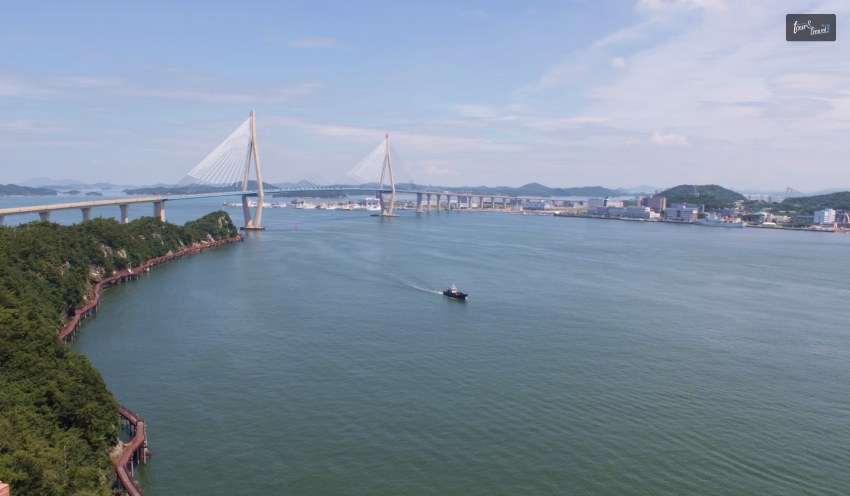
The port city of  Mokpo is our Tour and Travel favorite if you are traveling to South Korea. Biggest travel platforms like the Conde Nest Traveler are also in all praises for this location. Located at the southern tip of the Peninsula, Mokpo offers the best dining experience in South Korea

Some famous places for dining in South Korea are:

  • Dokcheon Sikdang

Address: 10-36, Honam-dong, Mokpo, Jeollanam-do, South Korea

Contact Number: +82 61-242-6528

  • Mokpo Yeonhee Nepocha

Address: Samhak-ro 92beon-gil Mokpo Port Pocha No. 9, Mokpo

Contact Number: +82 10-5294-8285

However, if you want to explore the food scenario of South Korea at its best, you will have to visit Seoul.

4. Vietnam

Vietnam

1 USD = 25,405.02 Vietnamese Dong

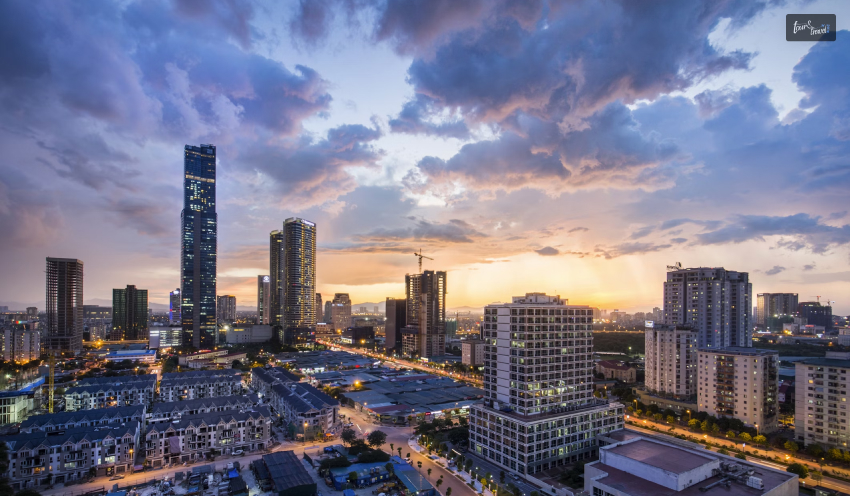
Vietnam has Hanoi, one of the cheapest places to travel around the world for a couple. However, you can also explore places like Phú Quốc island or the Ninh Van Bay if you want to have an offbeat experience here. 

Furthermore, Vietnam is a popular place for culinary tourism. The fresh food items served here are flavor bombs, and you can get them at an unbelievably low price.

Here, you can try slices of pork belly or bún chả. Other must-try dishes here are the crispy pancakes served with sweet and sour fish sauce.

Moreover, if you want to grab some quick snacks, you must obviously try the cao lầu noodles. 

5. South Africa

South Africa

1 USD = 17.85 South African Rand

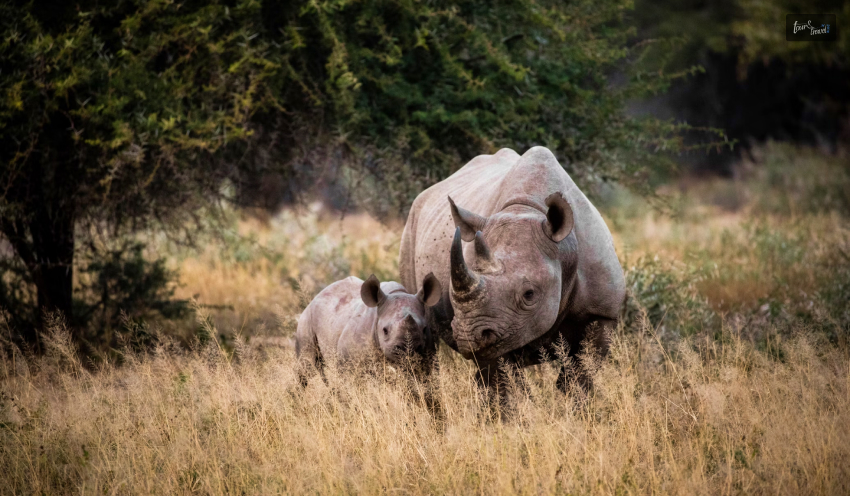
South Africa is home to the Kruger National Park and Boulders Beach Penguin Colony. So, it is the place where you encounter the best of wildlife. Further, if you are especially eager to know about elephants, you can visit the Knysna National Park here.

This is an interactive habitat for elephants and you can be up close and personal with them. Furthermore, you can visit the following places when you are in South Africa.

  • Robben Island Museum
  • Apartheid Museum
  • Cape Point Nature Reserve
  • Cape of Good Hope
  • Lion’s Head
  • Table Mountain

Moreover, South Africa is home to many tribes, including Hadzabe, Himba, Pedi, etc. So, you can expect a vivid and meaningful cultural experience in the country. 

6. Sri Lanka

Sri Lanka

1 USD = 289.65 Sri Lankan Rupee

One of the cheapest places to travel around the world, Sri Lanka will give you the most eclectic experience. We already know about the golden beaches and endless (200 miles) hiking trails. 

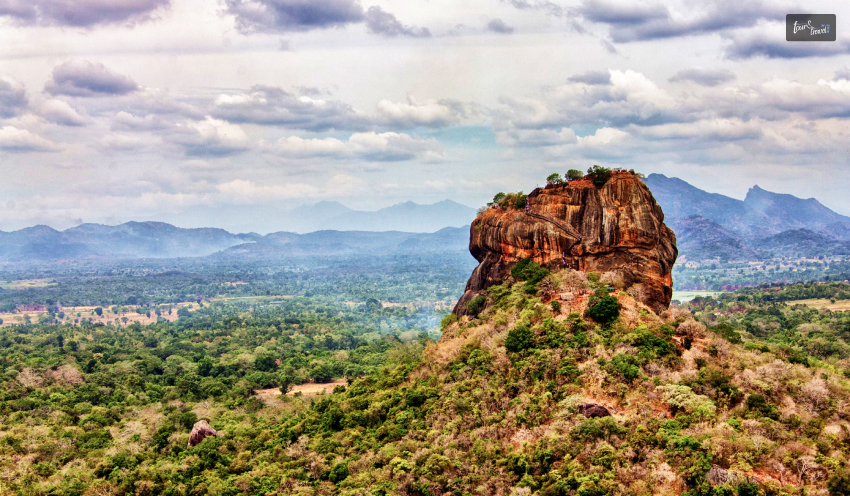
However, Sri Lanka is also a hub of cultural tourism with Buddhist monasteries and intangible heritage. Acknowledging the appeal and significance of the Sri Lankan heritage sites for the people of the world, UNESCO has marked 7 heritage sites in the country. 

Those are:

  • The old town of Galle and its fortifications
  • The ancient city of Sigiriya
  • The sacred city of Kandy
  • The ancient city of Polonnaruwa
  • The Golden Temple of Dambulla
  • The sacred city of Anuradhapura
  • The Sinharaja Forest Reserve

With the presence of the Sinharaja Forest Reserve, Sri Lanka is the country where you can see elephants, sloth bears, leopards, sambhurs, and many endemic species. You will also find many species of birds and reptiles here. 

7. Costa Rica

Costa Rica

1 USD = 503.16 Costa Rican Colón

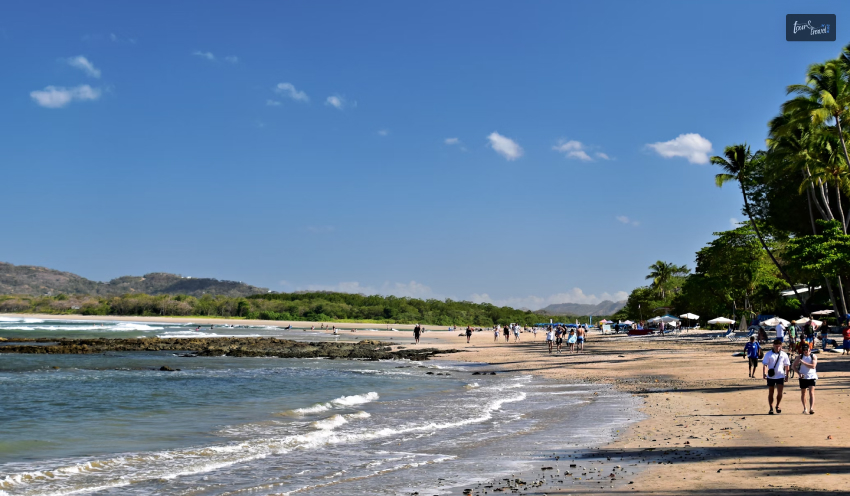
Costa Rica is synonymous with natural abundance. So, you don’t need to spend a fortune to explore the best of the country. There are tropical forests in the Alajuela Mountains, and these look dreamy with cloud overcasts.

Further, these forests are the biggest biodiversity hubs. You can find here more than 1000 species of plants, including orchids, ferns, and bromeliads. Moreover, the verdant landscape here looks velvety with the drape of epiphytes and mosses. 

So, once you are here, the feeling is transcendental. Moreover, if you are looking for outdoor pursuits, you can try surfing on the Peninsula Papagayo coasts. 

8. Philippines

Philippines

1 USD = 58.64 Philippine Peso

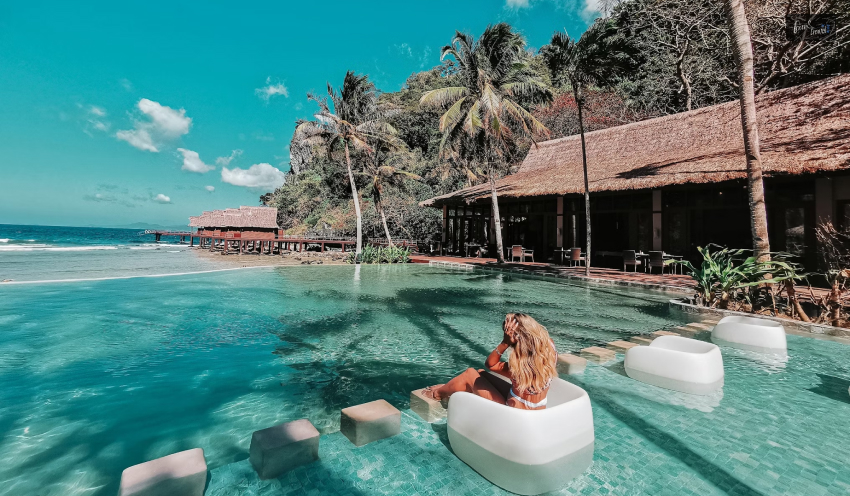
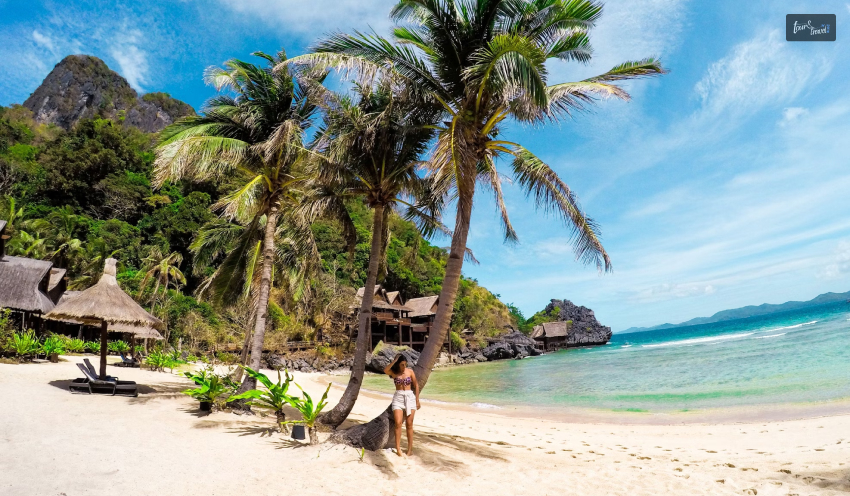
Home to more than 7000 islands, the Phillippines has been a travel hotspot in the global landscape for a long time. However, as a developing economy, the Philippines is one of the cheapest places to travel around the world. 

You can especially visit places like Siargao and Palawan when traveling on a shoestring. These places are also blessed with natural abundance. 

Even if you are planning to book  Shangri-La Boracay or other luxury resorts, the expense will not be more than $350 per night. 

Are you looking for more options regarding the cheapest places to travel around the world? You can plan a trip to countries like Malaysia, Egypt, North Macedonia and India. 

Also read

Share on Social Media

Meet Sibashree Bhattacharya, a travel enthusiast who has a decade-long experience in transcending virtual barriers with her words! Her deep love for travel is apparent from her travel escapades to the mountain, often taking her readers on a journey, her words acting as Portkey! Fun fact: Sibashree loves to dive deep into the history of the places she is about to visit, making her travels even more wholesome. If you were wondering how her articles are not short of time travel, this answers it!

Leave a Reply

Your email address will not be published. Required fields are marked *

title-img Related

READ MORE Katmai National Park

The Volcanic Landscape of Katmai National Park: Come Visit The “Ring of Fire” 

BY  Sibashree Jul 25, 2024

The wild heart of Katmai National Park harbors 14 active volcanoes. This national park of around 5 million acres surpasses the magnificence of the Grand Canyon National Park, and kayaking, canoeing, and hiking here are one-of-a-kind experiences.  One of the oldest national parks, Katmai National Park, was established in 1918. Novarupta Volcano eruption on 6th June 1912 was destructive, and preservation of the habitation around Mount Katmai was crucial.   The National Park Service website says,  “Lasting three days, the largest volcanic eruption of the twentieth century exploded June 6, 1912, from a new volcano, Novarupta. In the process, it created Katmai caldera and the Valley of Ten Thousand Smokes. Not only have the 1912 events remained scientifically important ever since, but also the 1912 deposits continue to provide insights about volcanic and magmatic processes that impact us and the land we live in.” (Source)  Today, this national park is a living account of human history, and it is the home for brown bears and salmons. It is also one of the most popular destinations for volcanologists because it’s still active. Further, it has a handsome number of visitors every year, and in 2023, the number of footfall was 33,763. (Source)  Do you also want to explore this magnificent volcanic landscape? Let me be your guide.  Why Are So Many Volcanoes In Katmai National Park?   With “50 discrete volcanic vents,” Katmai National Park is the center of attention of many. But why does it have so many volcanoes?  Volcanoes in the Aleutian volcanic arc and Katmai National Park are part of the Pacific Ring of Fire. “The Ring of Fire is home to 75% of the world's volcanoes and 90% of its earthquakes.” (Source)  Many call the Ring of Fire the Circum-Pacific Belt, and many tectonic plates meet here. Due to the constant movements of these plates (especially the subduction of the Oceanic Pacific Plate under the North American Plate every year), volcanic eruptions and earthquakes take place here.   Along with the eruption of  Novarupta-Katmai in 1912, there are also records of the eruption of Mount Trident from 1953 to 1974.   The latest volcanic eruption in Katmai happened with the venting of Fourpeaked Volcano in 2006. Here is an excerpt from a report published on the 2006 volcanic eruption of Fourpeaked Volcano.   “On September 17, 2006 Fourpeaked Mountain, a glacier-clad stratovolcano with no known Holocene activity, produced a plume of steam, ash, and SO2, which rose to 6000 m above sea level. The plume was observed by eye-witnesses, seen on weather radar, and also appeared in SO2-sensitive satellite imagery. Concurrent with the plume, regional seismic stations recorded a swarm of volcano-tectonic earthquakes while an atmospheric infrasound signal was recorded 800 km away. Air and ground reconnaissance revealed a linear series of vigorously steaming vents in the summit glacier, stretching about 1 km down the north flank of the volcano.”  So, are you ready to know about the active and rugged volcanoes in Katmai National Park. The next section gives you a detailed overview.   Know The Volcanoes In Katmai National Park  Volcanoes erupt for a short span if you study the entire timetable of a volcano. However, the eruption is only the outcome of activities that take place for years or even centuries. Similarly, the volcanoes in Katmai National Park have faced long intermittent periods between the occurrences of small and big eruptions.   Further, the volcanic activities and earthquakes taking place in Katmai due to tectonic movements have a major impact on human lives across generations.   Here, I present a brief overview of a few volcanoes out of the 14 in Katmai.  Mount Katmai  https://www.youtube.com/watch?v=UF79ozS_kFA&t=33s Mount Katmai has recorded the highest explosive incidents in the Katmai volcanic cluster. Active for over 70,000 years, the two cones of Mount Katmai were beheaded due to the caldera collapse in 1912.    The eruptive products of Mount Katmai are varied in their compositions, including basalt and rhyodacite.   Mount Griggs Mount Griggs, the tallest peak in the district, is 2,530 m tall. Despite having young lava flows, some of the deposits in Mount Griggs are 290,000 years old.   The volcano is still active and you will get to see the yellow sulfurous steam around its summit.   Trident Volcano https://www.youtube.com/watch?v=5rQVsdsWsIA Trident Volcano is one of the older volcanoes in Katmai. From 1953 to 1974, Trident Volcano had many eruptions. However, the highest and the central volcanic cone of Trident Volcano has been lying dormant for around 10000 years.   Mount Mageik  Mount Mageik has four discrete eruptive centers covered with snow. However, glaciers have caused severe decay in three of these lava centers. It is a younger volcano in Katmai, with its lava aged between 4,000 and 93,000.   The last eruption of Mount Mageik happened 2500 years ago. It caused a crater between two Mount Mageik summits. Today, the crater is filled with an acid lake, exuding steam curls.   Alagogshak Volcano  Alagogshak stands at the southwesternmost corner of the Katmai volcanic cluster. It is also the oldest in the Katmai family of volcanoes. The lavas in this volcano are 40,000-680,000 years old.   Peak 6875, Snowy Mountain   Peak 6875 is a young dome made of dacite lava. The scoop-shaped peak looks like a natural amphitheater.    Spectacular Landscapes Created By Volcanic Activities In Katmai National Park   The volcanoes in Katmai have created some interesting landscapes, and their activities have encouraged geologists to explore the possibilities. Nonetheless, the Valley of Ten Thousand Smokes is the most prominent volcanic landscape in Katmai.   It is the work of the largest volcanic eruption in the 20th century. The Novarupta Volcano eruption on 6th June 1912 created this valley.   There are various exciting destinations in the Valley of Ten Thousand Smokes. For the geologists and people studying volcanoes, Novarupta is the ultimate destination. The dome causing the massive eruption in 1912 still carries warm steam.   It is also the most colorful place in the valley, thanks to its kaleidoscopic views caused by the deposition of ash, pumice, and other minerals.   Another popular destination in the valley is the Buttress Range Ridge. Here, you will catch a glimpse of the extensive wildlife in Katmai. Along with the bears, you will also find ptarmigan, ground squirrels, and caribou.   Other fascinating spots to explore in this valley are Katmai Pass, Southwest Trident Lava Flows, Knife Creek Glaciers, Mount Katmai Caldera, Mageik Lakes, etc.   Did You Know?  Katmai has the largest population of protected brown bears in North America.  It is home to around 2000 creatures.  Robert F. Griggs, a botanist who named Valley of Ten Thousand Smokes, played an active role in designating Katmai as a national park.  Dumpling Mountain offers the best view of Katmai National Park.  The annual Fat Bear Week in Katmai is a tournament-style competition, and online visitors can choose the winner of the tournament through voting.  Katmai National Monument was established in 1918. The redesignation of the protected and expanded area as a National Park happened in 1980.   Final Words   Active volcanoes add to the spectacle of Katmai National Park, and they attract the most adventurous souls across the globe.   The volcanoes are part of the Pacific Ring of Fire, and they have an eruptive history, with the last incident occurring in 2006.   AOV, or the Alaska Volcano Observatory, is in charge of monitoring the activities of these volcanoes. It also records the incidents of eruptions from dedicated monitoring stations. Two webcams are also installed at Fourpeaked and Katmai for continuous vigilance of the volcanic landscape.   So, are you ready to visit Mount Griggs, Mount Katmai, and other volcanoes in Katmai National Park? Do you want to have an exciting encounter with wildlife? Don’t forget to share your experience with us!   Katmai National Park FAQs   How To Explore Katmai National Park?  You cannot reach Katmai National Park by road. You can take a floatplane from Kodiak, Anchorage, or Homer. Further, you can take a boat or floatplane from King Salmon.  Both routes lead to the Brooks Camp shore.   What Is Special About Katmai National Park?  Katmai National Park is known for its active and extensive volcanic landscape. It has 14 volcanoes. Further, it is the home to around 2000 species, including brown bears.   You can enjoy your time here by hiking through the trails or boating or canoeing.   What Type Of Volcano Is Katmai Mountain?  Katmai Mountain is a stratovolcano and it had two big cone-shaped volcanoes. The caldera collapse in 1912 beheaded the two cones.   What Wildlife Is In Katmai National Park?  Brown bears are the most popular animals in Katmai National Park. In fact, the national park has the largest population of protected brown bears in North America.   Moose, gray wolves, sea otters, and humpback whales are fascinating animals here. Overall, it is home to around 2000 species of creatures.   What Type Of Trees Are In Katmai National Park?  Sitka spruce, alder thickets, and willow are popular trees in Katmai. You will also find plants like lowbush cranberry, cow parsnip, labrador tea, and watermelon berries here.   Reference:  National Park Service: “Since 1916, the National Park Service has been entrusted with the care of our national parks. With the help of volunteers and partners, we safeguard these special places and share their stories with more than 318 million visitors every year. But our work doesn't stop there.”  Harvard University: “Harvard experts, researchers, and leaders all around the globe make contributions—from public health to conflict resolution—that transcend borders, forge connections, and strengthen communities.”  National Geographic: National Geographic is a “world leader in geography, cartography and exploration.”  Also read Plan A Day Trip to Dry Tortugas National Park: This Is How You Will Do It. Everglades National Park: The UNESCO Heritage Site With Its Quiet Beauty. Welcome To Biscayne National Park: Enjoy Kayaking and Canoeing At This Watery Wonder.

READ MORE family vacation planning

The Overthinker’s Guide To Getting Ready For A Family Vacation

BY  Sibashree Sep 18, 2025

Why does prepping for a family vacation feel like bracing for a storm? One moment you're picturing peaceful views, the next you're buried in packing spreadsheets and panic over airport snacks.  For overthinkers, trip planning can feel more like a stress test than a getaway. With school calendars, rising travel costs, and lingering travel anxiety from recent years, even a simple trip starts to feel complicated.  Still, with screen fatigue on the rise and more families choosing road trips over flights, places like Pigeon Forge, Tennessee, are becoming top picks for affordable, family-friendly escapes.  In this blog, we will share practical tips, small insights, and brutally honest truths to help overthinkers prepare for a family vacation without losing their minds. The Ultimate Family Vacation Planning Guide For An Overthinker  Do you need to see all the attractions of a place you are traveling to? NO. Do you have to care about everyone’s travel styles and choices? YES, but not at the cost of ruining the trip and making it all about doing this and that! So, while you need proper planning, you also need to leave some room for spontaneity.  1. Build The Itinerary, Then Burn Half Of It There’s nothing wrong with having a schedule. It helps manage expectations. But no itinerary has ever survived contact with a toddler meltdown or unexpected road construction. Make peace with flexibility. If you're heading somewhere with a mix of outdoor and indoor activities, like the Smoky Mountains region, you’ll want options.  Maybe the kids want to explore a nature trail, but get bored five minutes in. Or the weather flips, and your plans for a waterfall hike turn into a game of “how fast can we Google indoor fun.” This is where having a Smoky Mountains attraction like TopJump Trampoline & Extreme Arena on your list makes all the difference.  Located near all the main action, it gives kids a chance to bounce, climb, and burn energy while you sit, breathe, and wonder why you packed so many granola bars. It’s one of those rare spots that keeps the whole crew happy without anyone whining, “I’m bored.” 2. Stop Trying To Pack For Every Possible Future You are not a psychic. You cannot predict if your child will suddenly become allergic to sunscreen in Utah or develop a deep emotional need for a specific stuffed dinosaur you didn’t bring. Accept it. The sooner you do, the easier packing becomes. Overthinkers love to prepare for worst-case scenarios. This is why your suitcase has three backup chargers, two first-aid kits, and six pairs of socks per person.  But there’s a difference between being prepared and being controlled by the fear of inconvenience. Ask yourself this: Is this an actual need, or just a fear-based “what if”? If it's the latter, skip it. Focus on the basics. Clothes for the climate. Toiletries. Important medications. A few snacks that won’t melt into sticky crime scenes in your car seats.  That’s it. Stores exist in other places. You don’t have to bring your entire medicine cabinet just to feel okay about leaving the house. 3. Plan For Togetherness, But Not Constantly This is a family vacation, not a hostage situation. You do not need to spend every single second together. In fact, you shouldn’t. Overthinking parents often want the trip to “make up” for lost time. We pile in together for every meal, every outing, every moment.  But this is a fast track to tension. Let kids pick one activity without adult input. Let one parent sleep in while the other takes the early risers to breakfast. Your vacation doesn’t become less meaningful just because you took 90 minutes apart. Sometimes, the best memories come from those unstructured moments, like your partner getting too competitive in mini golf. Or your teen discovering they actually don’t hate breakfast food. The magic is in the mess, not the perfect plan. 4. Let Go Of Social Media Expectations You know what doesn't help overthinking? Trying to make everything look “Instagram-worthy.” Planning your family vacation like it’s a content shoot for a lifestyle brand only adds pressure. Spoiler alert: real life doesn’t come with a filter. Your photos might include crooked smiles, messy hair, or a popsicle that dripped on someone’s shirt five seconds in. That’s fine. You’re not building a brand. You’re building memories. Social media is fun, but it shouldn’t be the measuring stick for how well your trip is going. Also, if you’re filming every moment, you’re not in the moment. Take a few pictures, then put the phone down. Let your brain take the pictures for once. 5. The Food Doesn’t Need To Be Perfect Unless you’re traveling with a chef, the meals will be... fine. You will probably eat one amazing dinner, one very average lunch, and one breakfast that everyone talks about for the wrong reasons. Stop aiming for gourmet. Aim for edible and easy. Grocery stores are your friend. So are diners who don’t mind crayons on the floor. Lowering your food standards might be the most freeing thing you do. If your kid only eats fries and bread for three days, they’ll live. If the restaurant takes too long and you end up microwaving mac and cheese at the hotel, that’s okay. Travel is about shared experience, not Michelin stars. Overthinking Is Just Caring In Disguise: So, It’s Okay During Family Vacation Planning Let’s be honest. The reason you overthink is that you care. You want this to be good. You want your kids to remember this trip fondly. Moreover, you want your partner to be relaxed, and for the family to feel connected. There’s nothing wrong with that. But the caring doesn’t need to translate into anxiety. Trust that you’ve done enough. The plan will adapt. That the memories will come, not because everything went “perfectly,” but because you were all there together, trying. So pack the extra underwear, sure. But also pack some grace. For your family. For the weather. And, for the unexpected. And most of all, for yourself. Family vacations aren’t about escaping your real life. They’re about making space for the parts of life that get squeezed out in the daily rush. Laughter. Quiet. Curiosity. That weird energy kids get when they sleep in unfamiliar beds. The chance to look around and think, this is different, and that’s good. And if it all goes sideways? If the weather turns, or the reservations get canceled, or someone barfs in the rental car? It’s still a story. One that your family will retell, probably at Thanksgiving, and probably with exaggerated sound effects. Overthinkers, take heart. You don’t need to control the vacation to enjoy it. Just show up, pack a sense of humor, and leave room for the unexpected. That’s where the real adventure is. Read Also: Family Things To Do In Logansport Indiana: Everything You Must Know Thanksgiving Road Trips With Kids: Tips For A Fun And Safe Journey A Guide To Planning Your First Family Ski Trip

READ MORE

Everglades National Park: The UNESCO Heritage Site With Its Quiet Beauty

BY  Sibashree Jul 12, 2024

“A river of grass flowing imperceptibly from the hinterland into the sea.” That’s Everglades National Park, a paradise exuding the most pristine and tranquil vibe.  You know, you always don’t need something out-of-the-box to have an ever-lasting impression. The spiritual ones know that being present in the moment and soaking the energy can be the most fulfilling experience.  Similarly, Everglades National Park does not need snowclad mountains or glaciers to draw millions of visitors annually. A diverse ecosystem and the conservation of natural lives here thrive amidst the National Park’s quiet hub.  President Harry S Truman rightly pointed out, "Here is land, tranquil in its quiet beauty, serving not as the source of water, but as the last receiver of it. To its natural abundance we owe the spectacular plant and animal life that distinguishes this place from all others in our country." (Source) So, if you are heading to Florida and want the most immersive experience, plan a trip to Everglades National Park, a swampland just outside Miami. You will have sea turtles, alligators, manatees, Roseate spoonbills, and fish to welcome you.  Everglades National Park: Know The UNESCO World Heritage Site In the Brief Synthesis of Everglades National Park and its outstanding universal value, the UNESCO World Heritage Convention says,  “Everglades National Park is the largest designated sub-tropical wilderness reserve on the North American continent. Its juncture at the interface of temperate and sub-tropical America, fresh and brackish water, shallow bays and deeper coastal waters creates a complex of habitats supporting a high diversity of flora and fauna. It contains the largest mangrove ecosystem in the Western Hemisphere, the largest continuous stand of sawgrass prairie and the most significant breeding ground for wading birds in North America.” There are many other interesting factors adding to the outstanding value of this place. Let’s have a look at them. The Everglades has limestone substrate, which is one of the most active modern carbonate sedimentation areas. It is home to more than 400 species of birds. It is a major migration corridor for birds. Around 20 threatened, endangered, or rare species live in the Everglades. The Everglades was inscribed as a UNESCO World Heritage Site in 1979. Today, various federal, global, local, and tribal governments manage the Everglades, and they work in agreement to restore the sanctity of the place.  An Encounter With The Most Fascinating Wildlife At Everglades National Park  Spanning across 1.5 million acres over Florida’s southern part, Everglades National Park attracted 1,155,193 visitors in 2022 and 810,189 in 2023. Diverse wildlife is the major crowd-puller for this park.  About the Everglades, the UNESCO World Heritage Convention says, “The mixture of subtropical and temperate wildlife species is found nowhere else in the United States.” Animals You Will Encounter At Everglades National Park AmphibiansSouthern leopard frogFlorida cricket frogEastern narrow-mouth toadPig frogBirdsRoseate spoonbillBlack-bellied whistling-duckEurasian WigeonAmerican WigeonInsectsArachnidsMosquitoesBiting fliesCentipedesReptilesLizardsSnakesAmerican alligatorsAmerican crocodilesMammalsShort-finned pilot whale Atlantic bottlenosed dolphin White-tailed deerWest Indian manatees The biodiversity of the Everglades is very crucial for Flordia’s ecological benefits. The Comprehensive Everglades Restoration Plan has been there since 2000 to restore the ecosystem of the National Park.  ** The table does not furnish exhaustive details of the animals found in the Everglades. Only a few species are mentioned.  What’s More At Everglades National Park?  Along with having an encounter with the most diverse wildlife, you can take part in boating, camping, and guided tours at the Everglades. Let’s make the most of it.  Enjoy Guided Tours & Other Services You cannot help falling in love with the following guided tours at the Everglades. Shark Valley Tram Tour Everglades Institue Tours Permitted Tour Guides You can also take airboat tours to Coopertown, Everglades Safari Park, and Gator Park.  Are you in for boating tours? Go for Backcountry boat tours, Florida Bay boat tours, and Ten Thousand Islands boat tours.  Glamping Everglades Style You cannot just miss “glamping Everglades style” if you visit the National Park between November and April. Enjoy the best of wildlife with modern comfort during your stay in these tents equipped with fans, electricity, and other amenities.  Did you know that the Flamingo Eco-tents of Everglades National Park, Florida, was featured on the list of Best Glamping Spot of 2022, published by USA Today? Glamping service here begins at $109 per night. Enjoy A Serene Boating Experience  Being in the water at the Everglades will offer you the most versatile experience. As you paddle through the water, you will also meet amazing birds and fish.  Further, when you pass through narrow channels of mud and seagrass cut through the long banks, you will surely catch a whiff of adventure.   In addition, once you reach Ten Thousand Islands, you will be at a loss for words meeting the oyster reefs and sandbars. If you are a fan of boating and aquatic pursuits, you can also visit other National Parks in Florida, including  Dry Tortugas National Park and Biscayne National Park. Stay Safe At Everglades National Park Everglades National Park has well-chalked safety guidelines, including encounters with wildlife, managing your pets and children, and risks related to mosquitoes and poisonous plants. Don’t forget to check the National Park Service website to know and address safety concerns.  Further, the park provides detailed safety guidelines regarding your visit to the park in dry and wet seasons.   Staying Safe In Wet Season Afternoon downpours and heavy thunderstorms are common Mosquito bites and the attacks of flying bees will be more Weather will be hot (>100-degree F) and humid (over 90%) Wear loose-fitting, full-sleeved/full-length clothes and remain hydrated to beat uncomfortable heat and humidity. Also, use mosquito nets or repellents to avoid mosquito and insect bites.  Staying Safe In Dry Season  The temperature in the dry season is around 53-77 degrees F. Freezing conditions may occur occasionally. Biting flies and mosquitoes will still be present in some parts of the park. Bring a warm jacket, head nets, bug jackets, or mosquito repellents to avoid mosquito and insect bites. Also, wear lightweight and comfortable clothes to explore the place freely during the daytime.  Are You In?  Everglades National Park, the largest subtropical wilderness, is also a UNESCO World Heritage Site. It stretches over a massive two million acres across central and south Florida.  It’s a paradise for wildlife enthusiasts, with various species coexisting there and contributing to biodiversity. It is also a “noteworthy example of viable biological processes.” In addition, as one of the oldest national parks in America, it was designated in 1934 by the  U.S. Congress.  So, are you ready to surf through miles of water and witness how a tranquil wetland can emerge as the goldmine of natural vegetation and wildlife ecstasy? Pack your bag and count me in!    Everglades National Park FAQs  Why Is Everglades National Park So Famous? Everglades National Park is known for its extraordinary wildlife. It is the hub of rare birds, reptiles, amphibians, mammals, sea turtles, and other aquatic animals.  It also has Florida Panthers, one of the most endangered mammals. Further, you will meet the endangered West Indian manatee and the most adorable bottlenose dolphin. The place even has a diversity of vegetation. You will get to see sawgrass, cypress, mangrove trees, and orchids.  Why Is It Called Everglades National Park?  The Everglades had vast, grassy fields or glades. If you decipher the name, you will find it to be a combination of two words, “Ever” and “Glades.” Together, these two words mean open grass fields.  What Is The Best Month To Visit Everglades National Park? November to April, or the dry season, is the best or the safest time to visit the Everglades. The temperature at this place remains moderate in this season, and there are fewer attacks by insects and mosquitoes.  Thanks to the lack of rainfall in Florida during this season, you can also explore the wildlife better during this period.  Who Found The Everglades? John Gerard de Brahm, a British surveyor, found the Everglades while mapping the Florida coasts in 1773. He called them River Glades, and it was 1823 when the name “Everglades” first appeared on the map.  From 1851, everyone started calling it “Ever Glades.” Is The Everglades Salt Water? You will have fresh water and saltwater at Everglades National Park. Once you surf through the fresh water for hundreds of miles, you will reach salt water.  Earlier, this meeting of saltwater and freshwater used to form coastal bodies with partial enclosures. These places were dynamic and had the most productive environments.  What To Wear In The Everglades?  You have to pick your outfits and shoes based on the season in which you are visiting the Everglades. If you are at the National Park during summer or the rainy season, you must wear full-length pants and full-sleeve shirts to avoid mosquito bites and contact with poisonous plants. Don’t forget your rain jacket and shoes or boots you wear during rainy seasons.  In winter, you will need warm jackets, closed-toe shoes and full-length trousers.  Also read Pet-Friendly Destinations Worldwide. Beginner Tips For Your First Camino De Santiago. Guide To Visiting Hegra (Madain Saleh) And The Al Ula Valley.