
Smart Travel Solutions: Unexpected Car Accessories for Your Journey

Mar 29, 2024

Last Updated on: Nov 14, 2024

Travel Guides

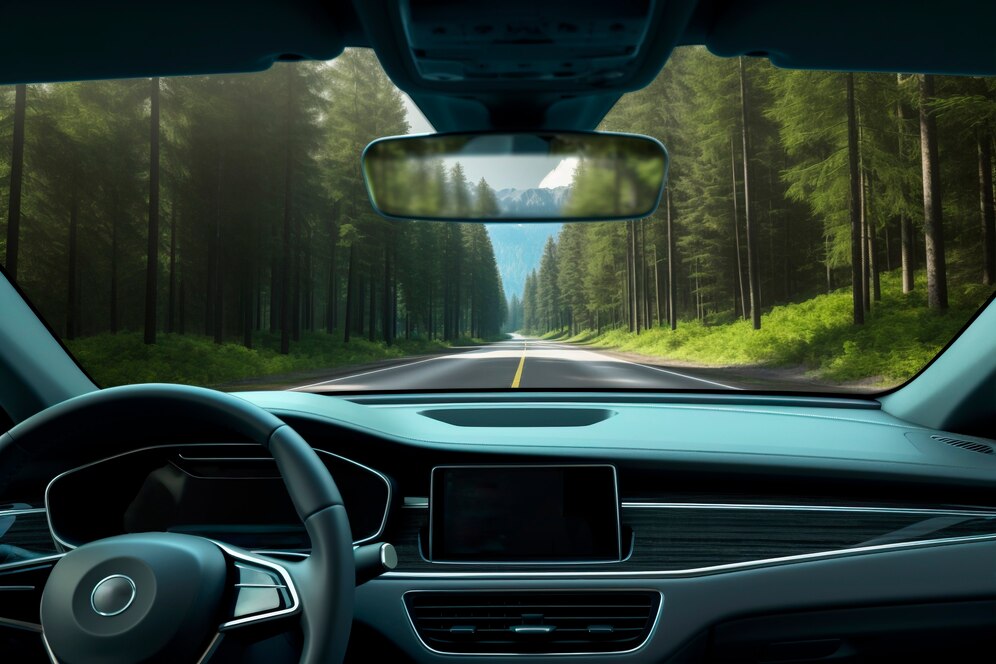
In a world where technology continuously evolves to make our experiences more convenient and enjoyable, the concept of smart travel solutions has gained significant traction.

While we often think of gadgets and accessories for airplanes or hotels, our cars can also benefit from innovative enhancements that can elevate our journeys. 

Yes, you heard that right! Our very own cards can also make our journeys better. In this article today, we will be discussing some essential accessories for your cars. From safety to entertainment, there are some surprising car accessories that can truly enhance your travel experience.

So, without further ado, let’s get started…

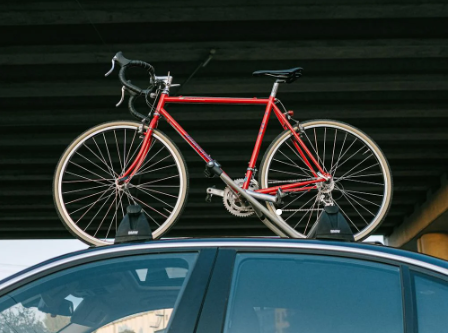
1. TopRide Bike Rack

TopRide Bike Rack

The bike rack is an indispensable accessory for travelers who wish to bring their bicycles along on their journeys and go on a biking trail.

So, if you already have a bike, it’s advisable to Purchase a Thule Bike Rack for your vehicle so you won’t have to spend money renting a bike at the destination.

Designed for easy installation on the roof of a vehicle, the TopRide rack securely holds your bike in place, freeing up interior space for passengers and luggage.

2. Organizational Accessories for Travel Essentials

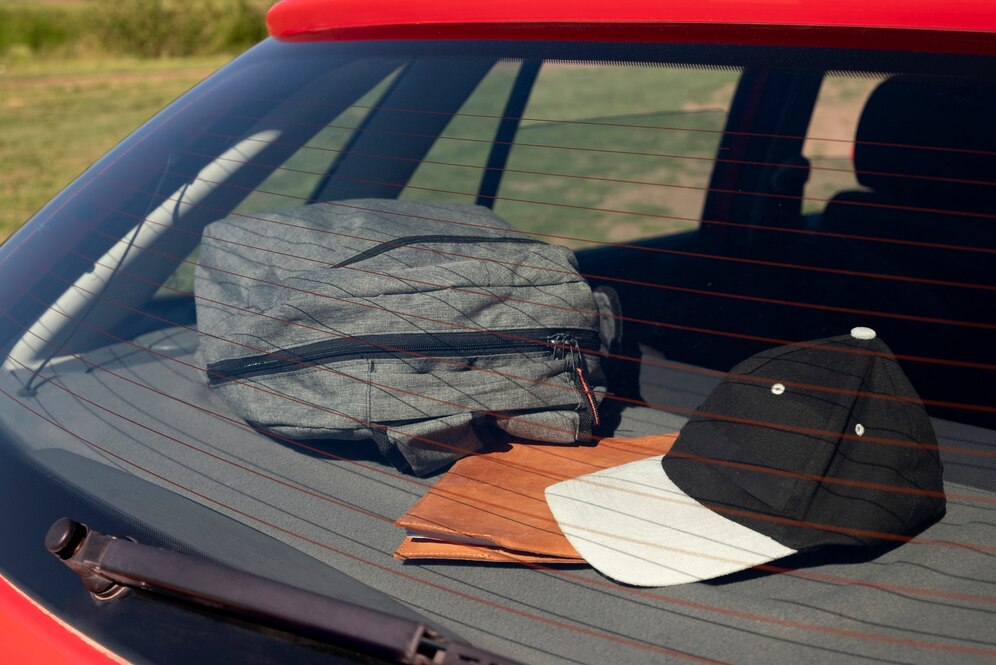
Efficiently organizing travel essentials can streamline packing and enhance convenience during the journey. From packing cubes for compartmentalizing clothes and document organizers for passports, tickets, and travel itineraries to multi-pocket car organizers attached to the back of seats for holding small items and snacks, travelers can manage space, minimize stress, and stay well-prepared for any adventure that awaits them at their destination.

3. Backseat Organizer with Tablet Holder

Traveling with kids can sometimes be challenging, especially on long car rides. A backseat organizer with a built-in tablet holder is a lifesaver for parents looking to keep their children entertained and organized on the road.

With multiple pockets and compartments for storing toys, snacks, and other essentials, it helps prevent clutter and ensures that everything stays within easy reach. The integrated tablet holder allows kids to watch movies or play games, keeping them occupied for hours on end.

4. Wireless Car Charger with Mount

One of the essential accessories for any road trip is a reliable phone charger. However, tangled wires and limited charging ports can be a hassle. Enter the wireless car charger with a mount.

This ingenious device not only keeps your phone charged without the need for cables but also securely holds it in place, allowing for hands-free navigation and communication. Whether you are traveling in rough terrains or going underwater diving, there’s nothing that can stop your car from getting charged. 

5. Inflatable Car Mattress

Inflatable Car Mattress

For travelers embarking on extended road trips or camping adventures, a comfortable sleeping solution is essential. An inflatable car mattress transforms your vehicle into a cozy sleeping space, providing a supportive surface for some relaxation.

With its lightweight and portable design, it easily fits into the trunk or backseat when deflated, making it ideal for spontaneous overnight stays or outdoor excursions. Whether you’re taking a break during a long drive or spending the night under the stars, this innovative accessory ensures that you rest easy wherever your travels take you.

6. Portable Espresso Maker

For coffee enthusiasts unwilling to compromise on their caffeine fix, a portable espresso maker designed for car use is a nin-to-have. Whether you’re embarking on an early morning road trip or in need of a pick-me-up during a long drive, this compact device allows you to brew delicious espresso right in your car. With just a few simple steps, you can enjoy barista-quality coffee on the go, ensuring that you stay alert and energized throughout your travels.

7. Bluetooth Tire Pressure Monitoring System (TPMS)

Proper tire maintenance is crucial for safe and efficient driving, but keeping track of tire pressure can be easily overlooked. A Bluetooth TPMS takes the guesswork out of tire maintenance by providing real-time monitoring and alerts directly to your smartphone.

By keeping you informed of any fluctuations in tire pressure, it helps prevent blowouts, improve fuel efficiency, and extend the lifespan of your tires, ensuring a smoother and safer journey.

Related: Can You Use Bluetooth On A Plane? – Know It All Here!

8. Collapsible Trash Can

Maintaining a clean and organized car interior is essential for a comfortable travel experience. A collapsible trash can is a simple yet effective solution for managing waste on the go.

With its compact design and durable construction, it easily fits into tight spaces and can be expanded to accommodate larger volumes of trash. Whether you’re disposing of snack wrappers, empty bottles, or other litter, having a designated trash can helps keep your car tidy and clutter-free.

9. Smartphone Heads-Up Display (HUD)

Navigation is key to any journey, but constantly looking down at your phone or GPS device can be distracting and unsafe. A smartphone heads-up display (HUD) projects essential driving information straight to your windshield.

It ultimately lets you maintain your eyes on the road while still receiving turn-by-turn directions, speed alerts, and other critical data. By minimizing distractions and enhancing situational awareness, it helps improve safety and navigation efficiency.

10. Innovative Rear-View Mirror

Innovative Rear-View Mirror

A very recent upgrade to modern cars is the intelligent rear-view mirror. It overlaps the usual rearview mirror and comes with a built-in camera. The driver gets a clear, uninterrupted view of the car’s back, which reduces the possibility of the car crashing. These mirrors are a life-savior if your view is blocked by cargo or passengers sitting at the back. 

The Bottom Line

From convenience and safety to comfort and entertainment, these surprising car accessories cater to a wide range of needs and preferences, ensuring that every trip is enjoyable, efficient, and memorable.

By embracing the latest advancements in automotive technology, you can transform your car into a smart and sophisticated travel companion, ready to accompany you on all your adventures.

So, are you all set to enhance your next car journey? Make sure to use these accessories to improve your overall traveling experience. This article comes to a conclusion now. Thank you for reading it till the end. If there’s something you would like to share, do comment below and let us know. Until then, happy reading. 

Read Also:

Share on Social Media

Ankita Tripathy loves to write about food and the Hallyu Wave in particular. During her free time, she enjoys looking at the sky or reading books while sipping a cup of hot coffee. Her favourite niches are food, music, lifestyle, travel, and Korean Pop music and drama.

Leave a Reply

Your email address will not be published. Required fields are marked *

title-img Related

READ MORE Kotor Montenegro budget travel

How To Plan A Kotor Montenegro Budget Travel? Cheap Ways To Travel To Kotor Montenegro For Backpackers 

BY  Sibashree Oct 22, 2025

“The cats protect the city from mice, and in return, the people feed them.” The local shopkeeper told me as I was walking toward a dozen cats sitting on the stone steps at a locality near the Old Town. On a backpacking trip to Kotor, Montenegro, I found cats on the ancient walls, in cafes, and everywhere! Stretching their bodies in the Sun and with their purrs, they indeed looked like the guardians of the city. And it is them who made me feel at home. However, it’s not just the cats that make Kotor in Montenegro an ideal budget travel destination for backpackers. It now features in the second spot as one of the most underrated budget backpacker destinations by Bamba Travel. Its medieval streets, historic architecture, hiking routes, and seafood offer the most affordable travel options for backpackers. Also, it is a less-crowded place than most hotspots in Western Europe. Is there more to a Kotor Montenegro budget travel experience? We will figure out the answer in this blog. We will also talk about how to reach Kotor, Montenegro, the modes of transportation for moving around and more. Let’s plan a trip to this UNESCO World Heritage Site. The Natural Beauty Of Kotor, Montenegro Speaks: Understanding Its Location  Another vivid memory I have of Kotor is how I started my hike to the Kotor Fortress before sunrise. I was halfway up, and nature was getting ready to be bathed with the first rays of the Sun. The chirpings of birds and that smell, a mix of the scent of an oven after a cake is freshly baked, and the dew-drenched leaves created an ambiance that was inexplicable. Nevertheless, a local shepherd offered some cheese and rakija (homemade brandy), and we talked about life. Then, the Sun illuminated the entire Kotor Bay. Now, if not this, what is magic for a backpacker or traveler? Now, thanks to the unique natural location of Kotor, Montenegro, you can encounter many such magical experiences. Located in the Bay of Kotor, Kotor is a coastal town of Montenegro, and it is a part of the Kotor Municipality. It sits between the Adriatic Sea and the Dinaric Alps and has a mountainous terrain. How To Reach Kotor, Montenegro? How Tourists From Different Parts Of the World Can Visit Kotor?  The easiest way to reach Kotor is to travel to the Tivat Airport. Located at a distance of around 7 km, it is the closest to Kotor. You have to travel the remaining route by local transport. Podgorica Airport (40 km) and Dubrovnik Airport (44km, Croatia) are the two other airports near Montenegro. You will get flights from major European cities to these airports, and buses also run from neighboring countries such as Croatia, Serbia, Bosnia and Herzegovina to Podgorica and Kotor. Furthermore, you can travel from Belgrade in Serbia to Podgorica in Montenegro and from Belgrade in Serbia to Bar in Montenegro. In addition, if you are traveling from Italy, you can take a ferry from Ancona on Italy’s eastern coast and take a ferry to Bar in Montenegro. You will have to make a journey of around 13 hours to reach your destination. Flights, Trains, Buses, And Other Modes of Transportation  For a backpacker, it’s a must to explore the Bay of Kotor in a boat. This boat takes you to many nearby towns and villages. However, for me, the trip to Perast was the highlight of these boat trips. The village has fewer than 300 people, and the quaint village offers some of the grandest views. Furthermore, if you want to move around and explore Kotor and its nearby localities by road, you will get car rentals, taxis, and shuttles. Why Is Kotor Montenegro, Budget Travel So Popular Among Backpackers?  While Greece and Croatia get all the attention on big tourism platforms, Montenegro in the Balkans is emerging as a favorite of the budget backpack travelers, thanks to the steady numbers. According to a report published by the International Trade Administration on 20th May 2024, tourism contributes 30% to Montenegro's GDP. Furthermore, the country is planning to boost its tourism prospects with a great focus on the following areas. Ecotourism  Cultural Tourism  Rural Tourism  Furthermore, another report published in ReportLinger suggests that the number of tourists to Montenegro is likely to reach 3.4 million by 2028. This is again a 2.8% rise from the number of 2.9 million tourists in 2023. Also, the tourism revenue is expected to reach $95 million by 2028. Now, in this scenario, Kotor is emerging as a sustainable tourism gem after a successful sustainability assessment by the Global Sustainable Tourism Council (GSTC). The Port of Kotor in Montenegro, Cruise Lines International Association (CLIA), and the Municipality of Kotor have done a successful assessment of the city. Vladimir Jokić, Mayor of Kotor, has commented, “As the Mayor of Kotor, I am pleased to say that Kotor is one of the few cities in the region that has undergone an important sustainability assessment process as a tourist destination. Together with the Global Sustainable Tourism Council (GSTC) and CLIA, we brought together various stakeholders from public life to gather their input. All participants from public life, city government bodies, state authorities, universities, the civil sector, the economy, and entrepreneurs took part in this process. The assessment results provided us with a clear insight into the impact of tourism on our city, which will help us develop effective strategies for sustainable tourism – that is, how we should move forward regarding tourism.”  So, Kotor today is a benchmark in sustainable tourism in the European region, and it is a budget-friendly travel destination among tourists for the following reasons. 1. Affordable Accommodation Options, Including Hostels And Guesthouses  Kotor has plenty of budget stays, from cozy guesthouses run by local families to hostels right inside the Old Town. Many include free Wi-Fi, breakfast, and kitchen access. Prices start at around €10–€15 per night during the off-season, and you’ll often meet other travelers sharing tips over morning coffee.  2. Stunning Natural Beauty With Mountains And The Adriatic Sea  Kotor sits where the rugged Dinaric Alps meet the calm Adriatic Sea. Whether you’re hiking up to the fortress or just wandering the waterfront, every corner feels like a postcard. The Bay of Kotor, often called Europe’s southernmost fjord, is perfect for swimming, kayaking, or just soaking in the sunset.  3. Rich Cultural And Historical Heritage In The Old Town  The Old Town is a maze of medieval lanes, Venetian palaces, and stone churches dating back to the 12th century. Walking here feels like stepping back in time and the best part is that exploring them is absolutely free! You can easily spend hours admiring its architecture and lively squares without spending a cent.  4. Numerous Free And Low-Cost Attractions  Many Kotor Montenegro activities are budget-friendly and free. Strolling along the Marina is the most relaxing experience I had at Kotor, Montenegro. Furthermore, the entrance fees to the museums and cathedrals here are very few. You need to just pay a few dollars. Overall, the magic of Kotor lies in exploring the city on foot or by boat the Kotor Bay. 5. Easy Access To Hiking Trails Like The Ladder Of Kotor  1350 Steps! Yes, you have to climb 1350 steps to complete the Ladder of Kotor hike. However, climbing up so many steps is a rewarding experience as the panoramic views of the city and the surroundings are breathtaking. 6. Budget-friendly Local Cuisine And Street Food  Kotor Montenegro food is comforting and simple, an extension of the simplicity of the city. I fell in love with sell burek or the savory pastries here. The filling in these pastries will remind you of your mother or grandmother who can create the biggest magic on the plate with the simplest ingredients. Furthermore, the family-run taverns or konobas here served the best grilled meat and seafood at the most affordable price.  7. Proximity To Other Balkan Destinations  You can easily include visiting places such as gems like Budva, Podgorica, or Dubrovnik in your Kotor Montenegro itinerary. Regional and international buses are available during the daytime and nighttime to explore these places on a budget. 8. Friendly Locals And A Welcoming Atmosphere  Montenegrins are hospitable, and language is never a barrier here. Many people here speak English. Especially the younger ones are well-versed in the language. So, it does not matter whether you are visiting Kotor for the first time or the last time. You will connect easily. 9. Vibrant Backpacker Community And Social Hostels  Kotor Montenegro hostels are beyond budget-friendly accommodations. These turn out to be the local social hub for solo travelers. Many of these hostels focus on activities such as:  Hiking Trips  Group Dinners  Local Events  Pub Crawling  So, you make new friends and earn new experiences with the locals guiding you. 10. Opportunities For Volunteering And Work Exchanges  Are you a digital nomad? Or, are you staying longer in Kotor? Many cafes, hostels and eco-projects in the city offer work-exchange programs or volunteer services. Explore platforms such as Worldpackers and Workaway to explore the listed job opportunities. Furthermore, there are many hostels and cafes where you can work for a few hours and get free accommodation and food in return. I have found several such listings on Worldpackers. You will have to work for 20 to 24 hours a week and have to shoulder working at receptions, administration, cleaning and housekeeping. You will get a shared dormitory and one meal in exchange for these services.  How To Plan The Kotor Montenegro Budget Travel For A Week? A week in Kotor can cost as little as $300–€400. Here is a quick breakdown. Montenegro Budget Travel Expenses Cost Breakdown Accommodation in Hostels $15–$25 per night Meals $5–$10 per meal at local eateries Kotor Montenegro Transport $10–$20 for buses and local travel Tours and Entrance Fees $5–$15 Total Average Daily Cost $35-60  Top Budget-Friendly Hostels In Kotor, Montenegro  Have a look at the table below for the list of budget-friendly hostels in Kotor, Montenegro. Staying in a hostel is one of the cheap ways to travel to Kotor Montenegro for backpackers.  Hostel Name Address Highlights Google Maps Montenegro Hostel 4U Bokeljskih brigada bb, Kotor • 30 Seconds from the beach• Great social vibe• Rooftop terraceClick HereHostel Pupa Njegoseva 254, Suranj, Kotor • Near the bus terminal and Old Town• Cozy common area Click HereOld Town Youth Hostel Stari Grad 284, Kotor • Inside Old Town• Party-friendly• Great for solo travelersClick HereHostel Centrum Stari Grad, Kotor • 2-minute walk from Old Town gate• Communal kitchenClick HereMontenegro Backpackers Home Old Town, Kotor • Great location• Excursions available• Well-equipped kitchenClick HereGuesthouse STEP Near Old Town, Kotor • Terrace Hiking • Access Budget-Friendly Click HereKotor Nest Coliving Kotor, Old Town • Ideal for digital nomads• Modern amenitiesClick Here Is Visiting Kotor Montenegro, Worth It?  I was walking through Old Town and stumbled upon a group of elderly men playing traditional Montenegrin music on guitars and accordions. Locals stopped, clapped, and danced spontaneously. They even invited me to join in. I learnt the local dances right there on the cobblestones. Now, this is the spirit of Montenegro, it’s about living life to the fullest and understanding the magic of minimalism. Furthermore, the main attractions such as the St. Tryphon Cathedral, the town of Perast, the Blue Cave, the Bay of Kotor, and the City Walls allow you to soak in its cultural heritage, history, and scenic beauty on a budget. Is Kotor, Montenegro, Struggling With Overtourism? Yes, like Venice, Barcelona, and many other major European cities, Kotor, the “Unsung” coastal beauty, is also struggling with the perils of overtourism. The rising number of cruises to the city is leading to this problem. As a result, the locals are now advocating for higher entrance fees. So, discussions are going on about raising the entrance fee, which is 1 Euro. This is justified because housing costs are rising due to the increase in tourism, and there are also environmental concerns. And it is not just homeowners who are worried about these growing numbers. The local shopkeepers and NGOs who work for community development and environmental issues are also concerned by the sudden boost in tourism. During my trip, I had the opportunity to meet Ms. Mandic, an environmental activist in the city. She said, “Hundreds of tourists are visiting the city every day. They are writing the city’s future, which will be irreversible.”  The Municipality of Kotor and the local tourism authorities will monitor the numbers to maintain the pristine charm of the coastal town. Montenegro Budget Travel: Frequently Asked Questions (FAQs)  Here are the frequently asked questions and answers about the Montenegro budget travel. 1. Are 4 Days Enough For Kotor, Montenegro?  Yes, 4 to 5 days are enough to explore the city of Kotor in Montenegro. You can walk through the Old Town, enjoy a boating tour in the Bay of Kotor, visit the nearby towns, and explore local life by having food at the family-run taverns in Kotor. 2. Is Kotor Or Budva Better?  Kotor and Budva both places are beautiful. However, Kotor is less touristy with its quaint cafes and the medieval Old Town, which stands as the eternal witness. Furthermore, Kotor is more suitable for budget-travelers as walking, hiking, cycling and biking are the best modes of knowing this city of Montenegro.  3. Which Language Is Spoken In Montenegro?  Montenegrin is the language of the people of Montenegro. However, Montenegrin is a part of the Serbo-Croatian language variety. So, it is similar to other languages such as Serbian, Croatian, and Bosnian.Furthermore, many people here, especially the younger ones speak in English.  4. Can You Drink Tap Water In Montenegro?  Yes, you can drink tap water in Montenegro. Furthermore, you will find fresh water springs around Lake Skadar and in the mountains. Furthermore, food in Montenegro is also checked in labs to ensure complete safety. 5. What Are The Common Crimes In Kotor? Burglary and theft are the most common crimes in Kotor, Montenegro. Along with pickpocketing and snatching of purses, these crimes also include theft at ATMs. Furthermore, these crimes increase in number during the peak tourist season or the summer months.Also, organized crimes, especially the ones related to drug smuggling, are quite common in Kotor. In fact, according to the United Nations Office on Drugs and Crime report “Montenegro-UNODC Strategic Partnership Framework (2024-2029),” “..., organized crime in Montenegro is mostly related to drugs smuggling. Montenegro is part of the ‘traditional’ opiate route from Afghanistan to Europe, or so called ‘Balkan Route’. In terms of trafficking routes, heroin is thought to come via road to Montenegro from Albania, Kosovo or Serbia and travel further towards Croatia and other European countries. 6. What Is The Best Time To Visit Kotor, Montenegro?  The summer months of July and August are the peak months for visiting Kotor in Montenegro. However, for budget friendly travelers, November to February is the ideal time for a visit to Kotor. Despite rainfall being a factor, these are the months for skiing and watersports in nearby mountains. Also, with the number of tourists being fewer in these months, the accommodation charges are lower than in the peak season.On average, your daily expenses in these months will be around $5 less than the peak summer months.

READ MORE best time to visit zanzibar

Zanzibar Unplugged: Best Time To Visit Zanzibar Zesty Escape

BY  Abdul Aziz Oct 27, 2023

Zanzibar is known for being sloppy when wet and extremely hot in the summer. The protracted rains bring heavy torrential downpours every day, causing high humidity and silty seas to occur between March and early May. With its dry and sunny peak season from June through October on the beach (and in Tanzania's game reserves if you're on a safari first), most vacations to Zanzibar outside of these periods will be nice. While November and December offer Zanzibar's shorter spells of rain, these typically are isolated showers that won't cause holiday washouts. January to March are likewise dry and hot but a lot quieter. The year-round average temperature is roughly 30°C. Due to the warm waters, minimal wind, and high visibility, the months between March and November are typically regarded as the best for diving and snorkeling. September through December is the prime time to see whale sharks, reef sharks, and manta rays. If you want to know more details on when is the best time to visit Zanzibar, this article will help you navigate those questions. Best Time To Visit Zanzibar Image Source: gumlet.assettype.com Strictly speaking, the dry seasons of December to February and June to October are the best times to visit the Zanzibar islands. But in general, the beaches on the southern and western parts of the islands are more protected from wind during these months. On the other hand, the wind typically comes from the southwest from June to October. This makes the northern and eastern coasts ideal for holidaying. But in the end, these islands remain at the whim of the ocean, and their weather can be erratic throughout the year. Even in the “dry” seasons, afternoon showers do occur, but they usually last only a few minutes and are refreshingly cool. It is not an entirely bad idea to travel to Zanzibar during the rainy season when the number of tourists declines, and you will likely find affordable trips and lodging (among those that are still open). The sunsets are known to be stunning. The rain, although severe, is not generally consistent, and delicious pineapples come into season! You might find it tricky to navigate the roads and buses, but things eventually settle. Wet and dry seasons are Zanzibar's prominent climates, which are influenced by the movements of the Indian Ocean’s rainy season. From November/December to February/March, the northeast monsoon winds, or kaskazi (in local parlance), blow. And from June to September/October, the southwest monsoon winds, also called kusi, blow. There is a brief rainy season (the vuli) in November in addition to the main rains (the masika), which last between mid-March to the end of May. Weather Image Source: www.holidaysplease.co.uk Although it can be reduced by the winds and sea breeze, humidity is relatively high throughout the year. The average daily temperature on Zanzibar Island is roughly 26°C (80°F) from June to October and around 28°C from December to February. However, during the latter period, humidity levels are frequently greater, making temperatures feel hotter. Pemba has a milder climate with a little more rainfall than Zanzibar Island. The islands are crowded with tourists from outside and expats from Nairobi and Dar es Salaam during major holidays like Christmas and Easter. You can expect crowded flights and increased hotel prices. On the other hand, life moves more slowly as many restaurants and shops close during the Islamic fasting month of Ramadan. The annual Zanzibar International Marathon takes place in the first few days of November. This can be a good incentive for sports enthusiasts, making it the best time to visit Zanzibar. Festivals Image Source: www.gallerytours.net The majority of Tanzania's public holidays are observed on the islands as well. On these days, companies and offices are typically closed, while some tour operators are still open. Some of the public holidays with set dates observed on the island are: 1 January – New Year 12 January – Mapinduzi ‘Revolution’ Day 7 April – Sheikh Abeid Amani Karume Day 26 April – Union Day: Zanzibar and Tanganyika 1 May – Workers’ Day 7 July – Saba Saba (Seven Seven) 8 August – Peasants’ and Farmers’ Day 14 October – Nyerere Day 9 December – Independence Day 25 December – Christmas Day 26 December – Boxing Day The Muslim holidays of Idd il Fitri, which marks the conclusion of Ramadan, and Idd il Maulidi (also known as Maulidi ya Mfunguo Sita), which commemorates Muhammad's birth, are widely observed and serve as public holidays. These festivals fall 11 or 12 days early each year and have dates that are determined by the lunar calendar. If you are planning to visit Zanzibar in 2024 and want to be a part of their Ramadan, it is set to start on 10 March through 8 April. Places To Visit Image Source: zanzibardestination.co.tz Zanzibar is one of those rare treasures you keep to yourself, as a secret, as a deeply significant memory, and as the most joyful days spent. Now that you know the best time to visit Zanzibar, if you want to know a few places you can check out while visiting, here are a few: Slave Trade Image Source: pbs.twimg.com The Slave Museum is a must-see for anybody interested in learning about Zanzibar's sordid past. The last active slave market in the world was shut down in 1873. You will pass by rooms where slaves were housed before being sold as you move around the museum. To work on plantations, hoards of Africans were first transferred to this island. Slave traffickers utilized the port at Zanzibar as their center of operations to transport slaves to countries including Egypt, Arabia, Persia, and the Ottoman Empire. Sunset Dhow Show Image Source: www.tanzaniatourism.com If you miss taking a Sunset Dhow Cruise on the translucent, emerald seas of the Indian Ocean, your journey to Zanzibar will remain incomplete. The busy bustle of a busy town gradually disappears as the sunset cruise departs the coast that gets replaced finally by the musicians' melancholy ballad of lost love and found romances or a tune played on a taraab, violin, or oud. The crew will provide you with crackers and your preferred brand of beer or soda. Sip on your drink while you bask in the exotic vibe on the cruise. Mnemba Atoll Image Source: www.andbeyond.com Explore the fascinating marine life at Zanzibar, which is host to more than 400 species of fish, turtles, nudibranchs, and many rare forms of coral, while scuba diving at Mnemba Atoll. If you are lucky, you might see reef sharks, manta rays, and whale sharks. Mnemba Atoll is one of Zanzibar's top locations for water sports while being a conservation area and marine reserve. Mid-February through mid-May, as well as mid-October to mid-December, are the best times to go scuba diving in Mnemba Atoll since the sea is quiet, and there is high visibility to enjoy the experience even better. Darajani Market Image Source: upload.wikimedia.org A market is a location where we meet new folks, socialize, and engage in addition to trading and selling items. One such location in Zanzibar is the Darajani Market, which serves as the town's main market. You can find merchants selling everything from Chinese toys and other trinkets to indigenous Zanzibar spices, kofias (Zanzibari hats), and dates while you take a stroll around the streets. You will have an amazing experience wandering the market's winding streets. Wrapping Up The best time for either a rustic vacation or participation in Zanzibar activities is during the months of June and October. These are the months of spring in Africa when the weather is mild and delightful. You can also visit this island paradise in the tropics during December and February. Zanzibar experiences hot, dry weather while it is winter in other countries. Are you planning a visit and want to know when the best time to visit Zanzibar is? Or have you been to Zanzibar recently? Did you like the island? How was your experience? If you have thoughts to share or questions to ask, please leave a comment below. We would love to hear from you! Read Also: This Is The Best Time To Visit Iceland & These Are The Things You Should Do! This Is The Best Time To Visit The Seven Magic Mountains In Vegas! THIS Is When You Should Visit Maldives!

READ MORE

The Glaciers of Wrangell-St. Elias National Park: Experience The Magnificence Of Nature 

BY  Sibashree Aug 9, 2024

Wrangell-St. Elias, a UNESCO World Heritage Site, is an icy wonderland. It is a place where active volcanoes and the largest glaciers, like Malaspina, coexist, making it “A Song of Ice and Fire.”  It also has some of the greatest mountain ranges in the world and mighty rivers. Further, unique geological features and weather conditions have made the national park a land of biodiversity and wilderness with a lot of mammals, birds, fish, and plants.  Let me take you on a tour of the Wrangell-St. Elias glaciers and everything the national park has to offer.   What Are The Notable Glaciers In Wrangell-St. Elias?  Nabesna Glacier, Malaspina Glacier, and Hubbard Glacier are the most notable ones in Wrangell-St. Elias National Park.   Along with these glaciers, you can also see glacier features like glacier caves, Jökulhlaups, and ice falls. Let’s briefly discuss the major glaciers and glacier features.   Malaspina Glacier Did you know that Malaspina Glacier is the “largest Piedmont glacier in the world?” Designated as a National Natural Landscape in 1968, it spans across 1,075,409 acres.   Further, its glacial mechanisms and fluctuations have made it a favorite of explorers. The glacier is also a favorite of space travelers as it looks vibrant from space.   In an article published by NASA Earth Observatory on 27th October 2023, we can find,  “The dark blueish-purple lines on the ice are moraines—areas where soil, rock, and other debris have been scraped up by the glacier and deposited along its edges. The zigzag pattern of the debris is caused by changes in the ice’s velocity. Glaciers in this area of Alaska periodically “surge” or lurch forward for one to several years. As a result of this irregular flow, the moraines can fold, compress, and shear to form the characteristic textures seen on Malaspina.”  Hubbard Glacier  Hubbard, “the sleeping giant,” is the largest when it comes to the tidewater glaciers in North America (75 miles long). The glacier gets its name from Gardiner Hubbard, National Geographic Society’s first president.   Also called the “Galloping Glacier,” it comes with tranquil blue ice. You can explore Hubbard Glacier through a cruise trip.   Visiting the Hubbard Glacier becomes more exciting as you meet the sea otters, whales, sea lions, and bears along the route.   Nabesna Glacier  With a length of 53 miles, Nabesna Glacier is the “longest interior valley glacier” in the world. However, there are concerns regarding the loss of ice mass in the glacier. A 2007 report says,  “Nabesna, the largest glacier in this region (˜1056 km2), lost mass four times faster during 2000–07 than during 1957–2000. Although accelerated, the mass change over this region is slower than in other glacierized regions of Alaska, particularly those with tidewater glaciers.”  Glacier Features In Wrangell-St. Elias  You will come across many fascinating glacier caves in Wrangell-St. Elias, especially near the Kennecott Mines National Historic Landmark.   Further, ice falls, or the fountains of the glacier, move very fast, and it’s fascinating to see how they form seracs or blocks.   Also, there are Jökulhlaups, or flooded glacier outbursts, adding to the various glacier features of the national park.    Amazing Glaciers of Wrangell-St. Elias National Park Facts  Mount  St. Elias, the largest peak of the national park, is the second-highest in the world.  Mount Wrangell, the only active volcano here, is one of the largest active volcanoes in North America.  It has Nabesna Glacier, Malaspina Glacier, and Hubbard Glacier, three of the largest in the world.   It is a part of the “world's largest international protected wilderness.”  Mid-May to mid-September is the best time to visit this park.   Wrangell-St. Elias: A UNESCO World Heritage Site  Home to countless glaciers and many high mountains, Wrangell-St. Elias National Park enjoys the status of a UNESCO World Heritage Site, with Kluane, Glacier Bay, and Tatshenshini-Alsek.   Also, Wrangell-St. Elias National Park is a part of the “largest non-polar icefield in the world.” You will find Dall's sheep, grizzly bears, caribou, and many other animals roaming in this part of the world.   Further, certain geographical and biological factors and “protection and management requirements” make this national park a place of outstanding universal value. Let’s discuss them in detail.   Rich In Biodiversity  The scenic beauty and geological diversity in the park are outstanding. It has sea mammals and other aquatic animals. Further, you can see many land mammals, birds, and different types of trees in this park.   The table below mentions some of the most popular birds, trees, and animals you can see here.   Land Mammals Brown Bears Polar Bears Black Bears Mountain Goats Dall Sheep Bison Coyotes Wolverine Porcupine Sea Mammals and Other Marine Creatures Whales Sea Lions Porpoises Harbor Seals Sea Otters Plants (936 Vascular Plant Species) Sedge Family Grass Family Sunflower Family Trees Willows Various Introduced Species Birds Bald Eagles Canada Geese Trumpeter Swans Wilson's Warblers American Robins  Home to boreal forest, Wrangell-St. Elias has one of the largest ecosystems in the world. Diverse geological features and unique weather conditions support this sprawling ecosystem or biodiversity.   Comes With Topographical Diversity   This national park is one of the most diverse in its topographical features. It has glaciers, rivers, river canyons, volcanoes, snow-capped mountains and whatnot!   Geomorphological features like hanging valleys, moraines, craters, and calderas also make this national park unique.   A Hub Of Active Tectonic, Volcanic, Glacial, And Fluvial Natural Processes   Like the entire Alaska, Wrangell-St. Elias is also in an area where tectonic, volcanic, glacial, and fluvial natural processes are common.   So, it has active and inactive volcanoes, the largest glaciers, and some prominent fluvial landforms. It has the mighty Copper River, Rivers of Life, and braided rivers formed of glacier water.   Final Words   Wrangell-St. Elias National Park has the highest glacier coverage among all national parks in America. It also has the active Mount Wrangell volcano, rivers, and wetlands, making it a place of geological interest.   Exploring the glacier caves and the ice falls here is a one-of-a-kind experience, and it’s wonderful to see how the richest biodiversity with mammals, birds, aquatic animals, and trees thrives here.   So, come and experience the brilliance of nature as you explore the largest glaciers of the world’s largest glaciers, such as Malaspina and Hubbard.   Or have you already been to this land of volcanoes and glaciers? Don’t forget to share your experience of the glaciers of Wrangell-St. Elias National Park tours.    Wrangell-St. Elias National Park FAQs   How Many Glaciers Are In Wrangell-St. Elias National Park?  Like the entire Alaska, Wrangell-St. Elias is filled with glaciers. According to the latest count of the National Park Service (NPS), the Wrangell-St. Elias National Park has 3,121 glaciers. Further, these glaciers cover a whopping “6,757 square miles of land.”  So, Wrangell-St. Elias has glaciers that cover 60% of all the glacier coverage in American National Parks. Glacier Bay in Alaska is the distant second to Wrangell-St. Elias. The glacier coverage at Glacier Bay is just 1/5th of Wrangell-St. Elias.  In addition, Malaspina, Hubbard, and the Bering glaciers, located along the park’s southern margin, are three of the largest glaciers in the world.   Having said that, glacier coverage in Alaska is shrinking, and  Wrangell-St. Elias is not an exception. From 1985 to 2020, it has already experienced a 5% reduction in its glacier coverage.   How many People Visit Wrangell-St. Elias National Park Each Year?  The National Park Service has a record of visitors to Wrangell-St. Elias National Park since 1982. Since then, this park has been enjoying thousands of footfalls every year.  2023 was one of the topmost years in terms of number of people visiting  Wrangell-St. Elias. It had 78,305 visitors in 2023.  In 2020 (the Covid-19 era), the park had 16,655 visitors. From 2021, the number of visitors has increased consistently. (Source)  What Is Unique About Wrangell-St. Elias National Park?  With the largest glaciers and volcanoes in the world, Wrangell-St. Elias is unique because of its geographical features. It is also one of the most prominent hubs of biodiversity. Thanks to its extensive glacier and volcanic coverage and rich wildlife, it has earned the status of a UNESCO World Heritage Site.  Among glaciers, Hubbard (one of the largest in the world and the largest tidewater glacier in North America) and Malaspina Glacier demand a special mention.   The Mount Wrangell volcano in this park is still active, and some other volcanoes here are Mount Drum, Capital Mountain, Skookum Creek Volcano, etc.  Further, it has an endangered sea mammal, Steller Sea Lion, and other marine animals. Bears, mountain goats, and sheep are common land mammals roaming here.   Also, you will find birds like the American robins, Wilson's warblers, and dark-eyed junco in this national park.   What Is The Highest Peak In Wrangell-St. Elias?  Mount St. Elias is the highest peak in Wrangell-St. Elias. With a height of 18,008 feet, it is also the second-highest peak in North America.   Having said that, Wrangell-St. Elias National Park celebrates the presence of four major mountain ranges in the world. It has the eastern part of the Alaskan Range, St. Elias, Chugach, and Wrangell.   Why Is Wrangell-St. Elias Protected?  Wrangell-St. Elias is protected to “preserve and protect ecological integrity and heritage resources of a vast ecosystem in south-central Alaska, while providing for public use in a wilderness setting.”  So, it is protected to preserve the local geology and diversity of the landscape with glaciers, volcanoes, and wetlands. It is also a measure to preserve wildlife and its inhabitants. Also read Ultimate Guide to Your Next Family Vacation in Israel. Paris Transforming Historical Sites Into Olympic Venues. Whales And Sea Lions! Exploring Wildlife At Kenai Fjords National Park.