

6+ Fascinating And Fun Travel Destination Ideas In Africa For Vacation: Africa Tourism Guide

Mar 30, 2022

Last Updated on: Jul 8, 2025

Adventure

Africa is notable for its rich culture, exciting history, and extraordinary creativity of its people. Many people mistake Africa for a single country rather than an incredible continent of over 54 countries. Little did they know about the vast and exciting variations in the topography, landscape, culture, and activities of the people in this region.

With over 54 countries inhabited by billions of people calling Africa a home, there is a lot to see, enjoy, and explore in this geographical location.

Suppose you want to create unforgettable memories, unique culture, and visit heritage sites; it’s time to step beyond the boundaries of Europe, Asia, and America. Let’s dig into the fascinating and fun travel destinations in Africa where you can explore for vacations.

You Must Explore These Travel Destination Ideas In Africa

You Must Explore These Travel Destination Ideas In Africa

May to October is the best time to explore the fun travel destination ideas in Africa. These months are especially suitable for wildlife safaris. Further, during these months, you will find the animals hurdling near the water bodies.

However, if you are planning a beach holiday in Africa, you must try it between November to March.

Furthermore, exploring marine life, or watching whales is a fun activity to do in Africa. June to November is the ideal time for the same. 

Are you all set to explore the fun travel destination ideas in Africa? Here are the Tour and Travel top picks.

1. Explore the Serenity in the Sahara and Sea of Tunisia

Explore the Serenity in the Sahara and Sea of Tunisia

Tunisia is notable for being the most northern country in Africa. Hence, it is a sun-soaked destination with a gorgeous blend of European and Arab influences. It is a suitable destination for Europeans seeking to enjoy the winter sun and Arabs looking to feel the calming effect of the Mediterranean Sea.

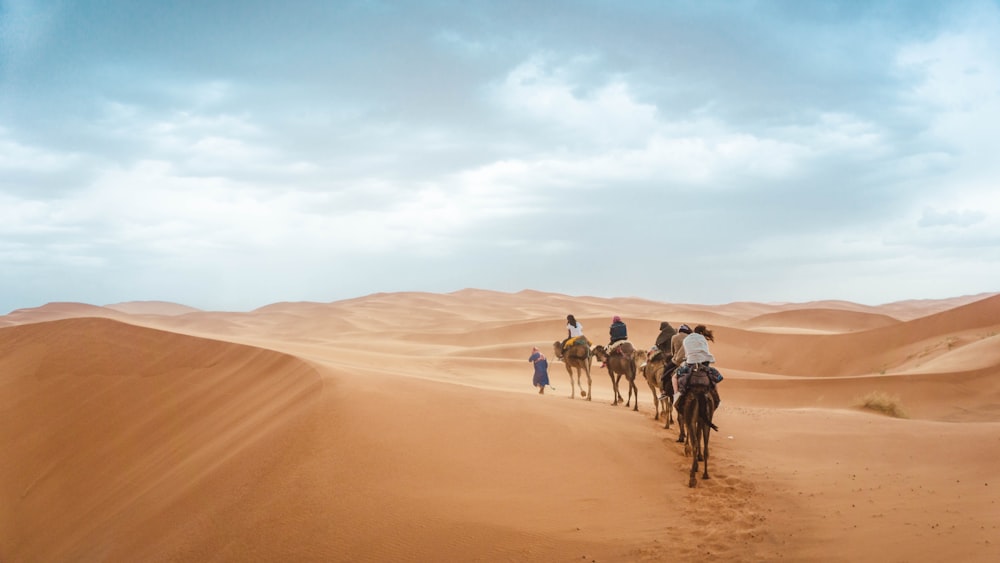
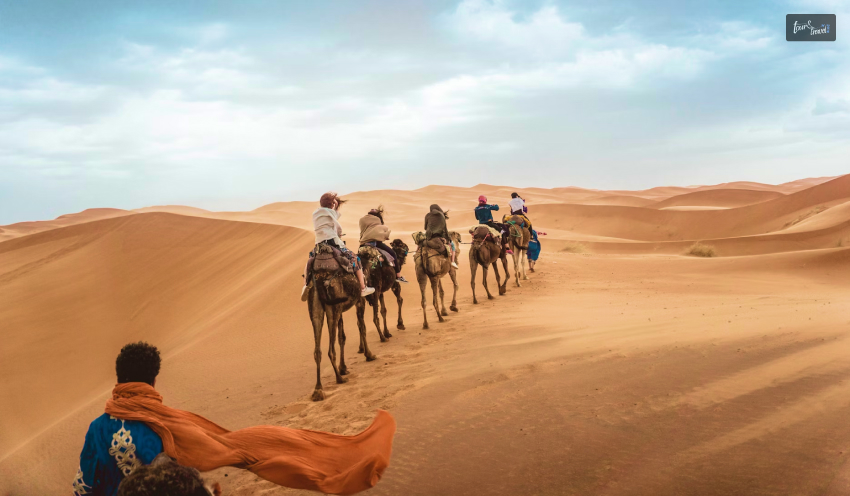
You can explore the unique feel of the Island Djerba before venturing into the unique scenery of the Sahara desert. You will find the rolling sea of orange sand in the Grand Erg Oriental region. You can sightsee this region on foot or camel’s back.

2. Visit Mount Kilimanjaro (Tallest Mountain in Africa) In Tanzania

Visit Mount Kilimanjaro In Tanzania

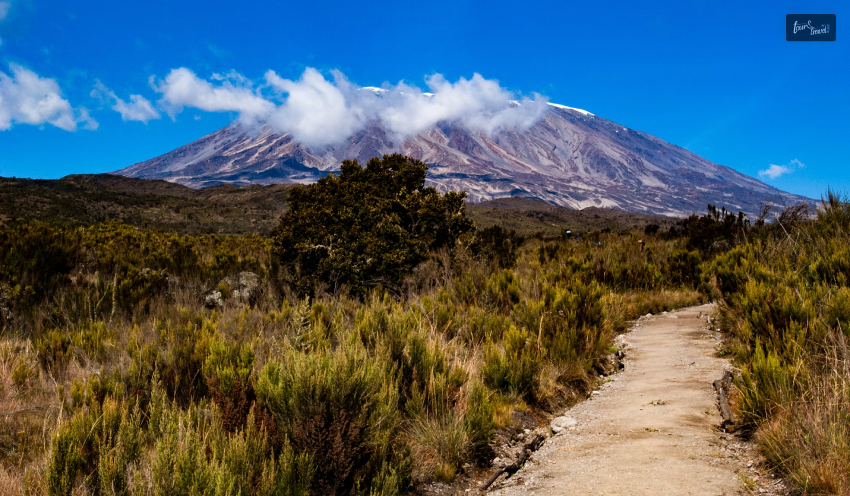
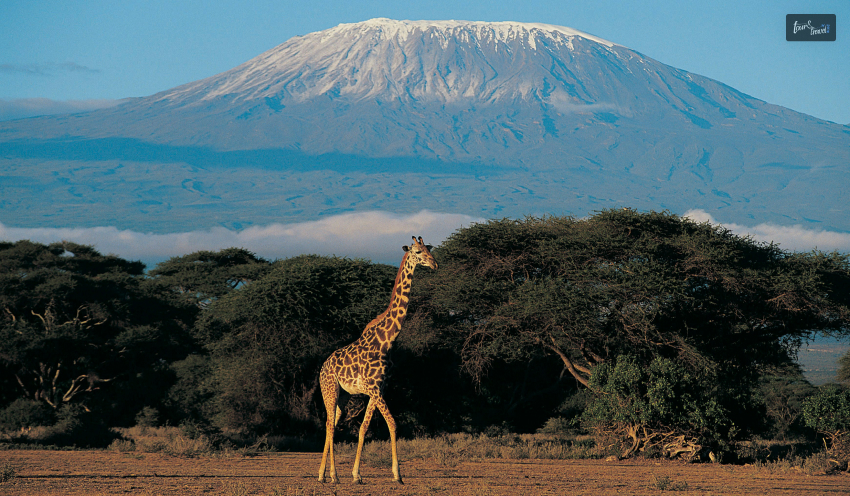
Several landmarks and natural elements in Africa, but Mount Kilimanjaro claims a spot as one of the unique places. With a height of about 19,341 feet, it is undoubtedly the most elevated mountain in Africa and one of the tallest in Africa. Besides this unique height, this spot in Tanzania is also a fantastic backdrop for wildlife safaris.

You can join the list of people who visit Tanzania to climb Mount Kilimanjaro to the summit. Interestingly, you won’t have to battle any harsh weather typical for other similar heights. However, you will get the best of this region when you go on a guided excursion.

3. Amaze Yourself With Various Spots In Cape Town, South Africa

Amaze Yourself with Various Spots in Cape Town, South Africa

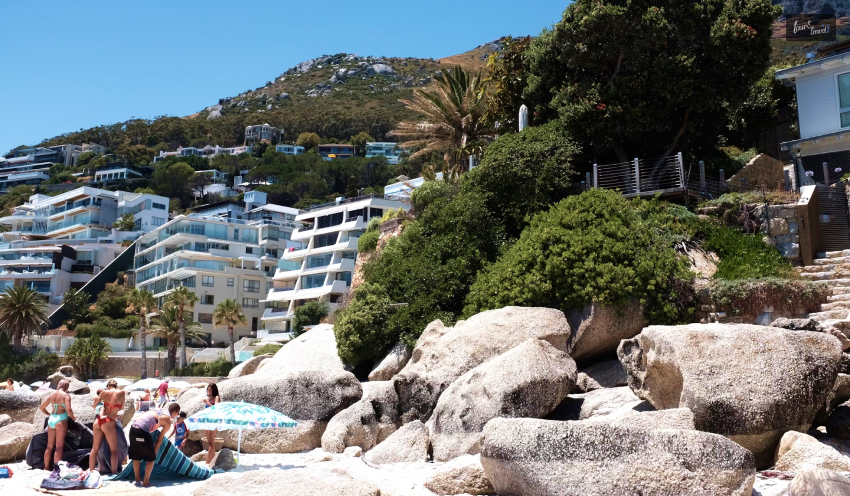
Cape Town sits at the Southern tip of southern Africa, and it is one of the places that will get you to fall in love with Africa even on your first visit. You will also explore the Cape of Good Hope, where the Atlantic Ocean meets the Indian Ocean.

The confluence of these two majestic oceans gave rise to gorgeous beaches with crystal shiny white sand. This beach is made even better by casting the 12 apostle rocks. Besides the beaches, there are also several other things to explore. You can watch the sunrise at the top of the lion’s head mountain and feel the historical heritage in museums and galleries.

4. Find Your Way To The Historical Pyramid Of Giza, Egypt

Find Your Way to The Historical Pyramid of Giza Egypt

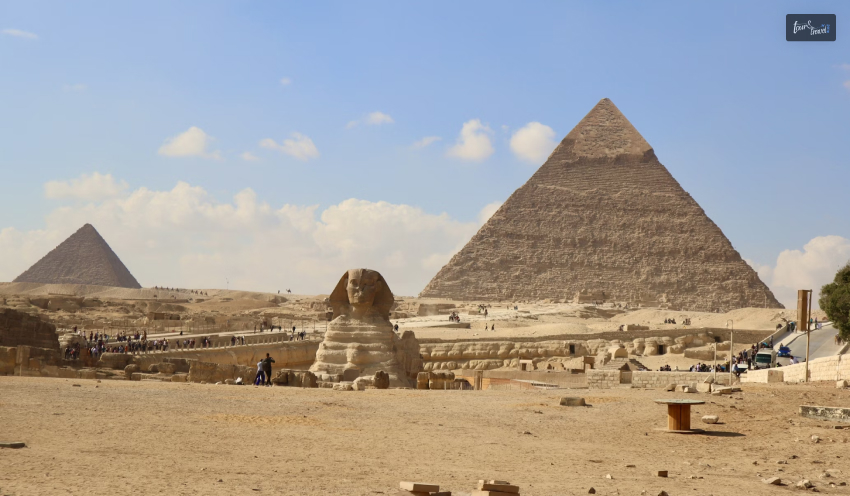
Egypt is one of the countries with the wealthiest culture in Africa, and the country is also notable for being the seat of the earliest civilization in Africa.

The pyramid of Giza is one of the iconic spots, and the pyramid dates as far back as the 26th century BCE, and the Sphinx will offer experiences you will never forget. Moving around this area on the back of a camel and watching the sunset at the top of the pyramid are experiences to remember.

Besides the pyramid itself, you will also have direct access to Cairo, the capital city of Egypt. You will also get a fantastic view of the iconic river Nile to enjoy the chaotic and buzzy feel of the wind.

5. Explore A Combine Trip To Zimbabwe and Zambia

Explore the Serenity in the Sahara and Sea of Tunisia

Do you wish to hunt down two birds with a single stone? Consider a double swoop of Zimbabwe and Zambia on your trip to Africa. Get a feel of the “Smoke that Thunders’ when you visit Victoria Falls during the rainy season. The Victoria fall is located between the borders of Zambia and Zimbabwe, and it is heavily protected as a UNESCO World Heritage Site.

Victoria waterfall has an impressive height (Over 300 feet) that makes the sound of the waters rumble like thunder and its 1.7-kilometer length. If you are brave enough, you can explore both Zambia and Zimbabwe’s sides of the fall.

6. Masai Mara National Reserve, Kenya

Masai Mara National Reserve, Kenya

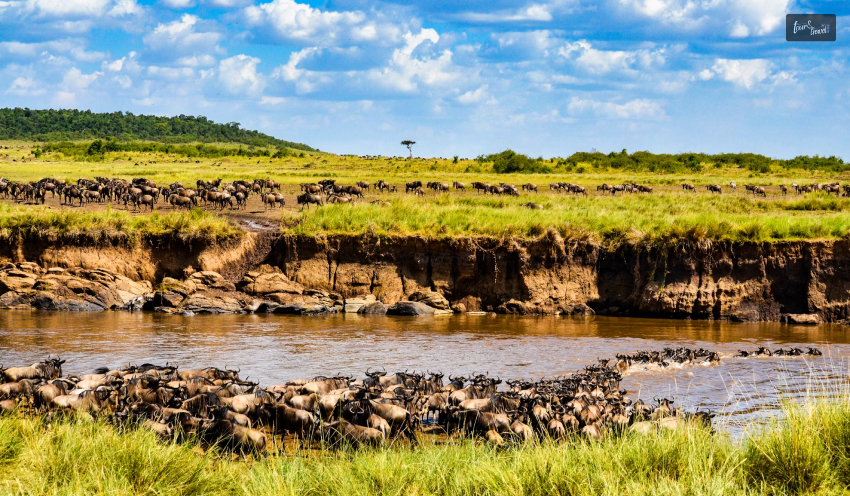
With an area of more than 373,000 acres, the grasslands of Masai Mara National Reserve are one of the best places to explore the wildlife of Africa.

It is on our list of fun travel destination ideas in Africa because it is home to home to lions and elephants. Further, you will meet cheetahs and hippos here. 

Also, you can try a ride on horseback or a hot balloon ride if you want some serious adrenaline rush. 

July to August is the best time to visit Masai Mara National Reserve if you want to spot the big five animals, including hippos, lions, leopards, rhinos, and buffaloes. Furthermore, you will encounter many migratory animals in these months.

Tour And Travel Tip

While going on a safari in the Masai Mara National Reserve, you must take guides certified by the Kenya Professional Safari Guides Association. 

7.  Seychelles, East Africa

Seychelles, East Africa

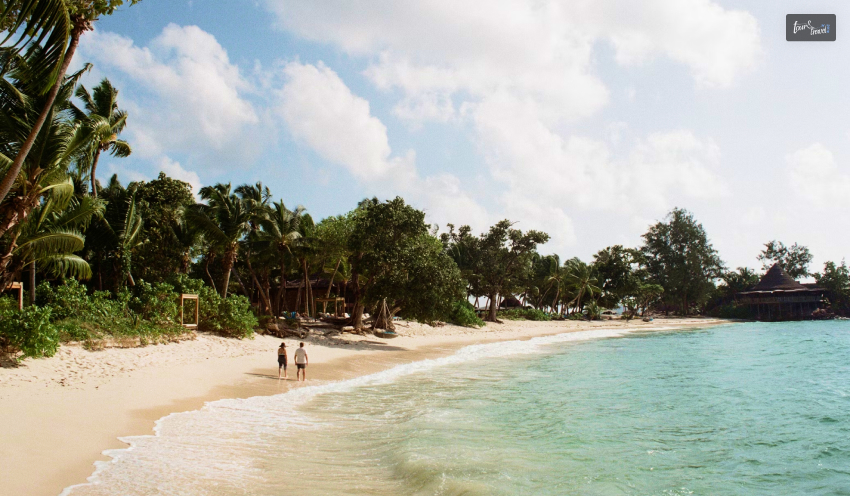
Seychelles is one of the off-beat travel destination ideas in Africa. However, this small country in East Africa is made up of 115 islands in the Indian Ocean. Also, it is your ideal getaway if you want to relax and soak in the pristine beauty of nature.

Beaches like Anse Lazio and Anse Source D’Argent do not get much crowd. So, you can have your me-time while travelling solo. These are great places for lounging even if you are travelling with your family. 

However, the biggest draw of this country is the Vallée de Mai Nature Reserve. It is a UNESCO World Heritage Site.

Tour And Travel Tip:

Finding lodging here is not easy because of limited options and they are also very expensive. However, you can avoid the extra charges by booking your lodging in advance.

Fun Travel Destination Ideas In Africa: The Land Of Wall Arts And Souvenirs

Africa is a great destination to explore, with several spots to visit. The sites above are one of the many hot spots in Africa waiting to receive you. Regardless of where or when you visit Africa, it is best to let the memory live with you. There are several ways to carry these memories and feelings, but one of the best ways is exploring African wall arts.

Africa wall arts will help you preserve the unique feeling and vibe of this location. Even if you’ve not been to Africa, you can still integrate these wall arts into your space to create fantasy and keep the desire. Besides, African wall arts improve the décor of your space, create focal points, and add color.

Read Also

Share on Social Media

Abdul Aziz Mondol is a professional blogger who is having a colossal interest in writing blogs and other jones of calligraphies. In terms of his professional commitments, he loves to share content related to business, finance, technology, and the gaming niche.

Leave a Reply

Your email address will not be published. Required fields are marked *

title-img Related

READ MORE trekking in Nepal

10 Tips For Trekking In Nepal: A Beginner’s Guide

BY  Sibashree Mar 21, 2025

Nepal has remained one of the best trekking destinations in the world, catering to every kind of adventurer. From the famous Everest Base Camp to the famous Annapurna Circuit and the much-demanding Kanchenjunga Base Camp trek, the trekking routes in Nepal are also the litmus taste for the most seasoned trekkers.  So, preparation is very crucial to make your trekking expedition safe and enjoyable. In this Tour and Travel Blog, we will quickly touch upon some helpful tips for your treks in Nepal. Best Tips For Trekking In Nepal: Approved By Local Guides And Seasoned Trekkers  Trekking in Nepal is like a dream come true moment for mountain lovers and adventure seekers.  Further, with a renewed focus on sustainability, Nepal is now committed to offering the best trekking experience that aligns with environmental values.  Along with the beauty of the mountains, the trekking routes here are pathways to learning about local culture, heritage, and diverse wildlife.  Nevertheless, the bounty or the fruit of the treks does not come easily to you. In fact, the trekking routes will throw you challenges.  So, you need to do the following preparations before you hit the mountains.  1. Choose The Right Trek Trekking in Nepal is ideal for trekkers across all expertise ranges. They welcome beginners and the ones with years of experience.  However, if you are a beginner, the Everest Base Camp Trek helicopter return and the Annapurna Circuit treks are not for you. These are for the most seasoned and the fittest hikers.  Rather, you can focus on the Langtang Valley treks, Helambu Trek, and Ghorepani Poon Hill Trek.  So, assess the altitude, trek duration, and difficulty of a trek route to make the right choice.  2. Train Before You Go For Trekking In Nepal Physical and mental training can make your body used to the long hours of travel and walking for days or weeks. Further, you must start training for the trek at least two to three months before you start trekking. During physical training, you must focus on your muscles and leg strength.  Also, you must practice carrying extra weight so that trekking with your backpack becomes easier.  These exercises or practices will help you adjust to what you’ll experience on the trails.  Moreover, working on your weight and getting in better shape will reduce fatigue and make your trek much more enjoyable. 3. Pack Smart And Light For Trekking In Nepal Packing light and wise is the ultimate tip for trekking in Nepal. Make sure that you only carry the things you need to avoid carrying extra baggage.  Check out the table below to have some ideas about the things you need. ClothingFootwearWeather ProtectionWarmthAdditional ItemsBreathable, long-sleeved shirtsLightweight trekking pantsFleece pullover or jacketThermal socks for colder areasStrong, waterproof hiking bootsGaiters for snowy or muddy trailsWaterproof jacketFleece or wool beanieSunglasses with side shieldsSleeping bag and linerInner gloves or thermal glovesNotebook and penSun hatLip balm SunscreenTowel In addition to the essentials mentioned in the table, you need to carry a small kit with bandages, blister treatment, pain relievers, and personal medications. Further, you will need soft flasks or reusable water bottles. You can even choose insulated water bottles, and don’t forget to keep the purification filters and tablets handy.  Moreover, you will need a headlamp with extra batteries, and your backpack must have a solid frame with multiple compartments and adjustable straps.  4. Get The Necessary Permits When you plan a trek in Nepal, you have to bring the right permits.  Most trekking routes require a Trekking Information Management System (TIMS) card. You’ll also need entry permits for national parks or conservation areas like Everest, Annapurna, or Langtang.  These permits not only ensure your safety but also support local communities.  Further, If you’re heading to restricted areas such as Upper Mustang or Dolpo, a special permit is mandatory.  Get these permits, carry your passport, visa copies, and passport-size photos. Moreover, hire a guide from a registered agency if you are doing solo trekking in Nepal.  5. Hire A Guide Or Porter For Trekking In Nepal A local guide shares valuable knowledge about the culture and trails, and porters can help by carrying heavy loads, allowing you to trek comfortably. Further, on remote and high-altutde routes, you will need a guide and porter for safety.  Moreover, by hiring a guide or porter, you can support the community and promote sustainable tourism. Overall, having a guide or porter enhances your trekking experience while positively impacting the region. 6. Acclimatize Properly When Trekking In Nepal Trekking in Nepal comes with the risk of altitude sickness. To stay safe, you have to follow the ‘climb high, sleep low’ rule. The rule means ascending during the day and sleeping at a lower altitude. This is essential for a successful peak climbing experience. For example, during your Everest Base Camp trek, you can acclimatize at Namche Bazaar and ensure a successful peak climbing experience. Further, staying hydrated is crucial while trading the high-altitude routes. So, drink four liters of water every day.  7. Respect Local Culture When Trekking In Nepal As you pass through the local villages during trekking, you must be respectful of local traditions. Greeting people with “Namaste” is a warm and respectful way to say hello!  Be polite and show interest in their in their way of life. Dress modestly, covering your shoulders and knees, especially in religious areas. Further, always ask for permission before photographing locals or sacred sites. Respect customs such as removing shoes to enter temples and walking clockwise around stupas.  These small acts of respect go a long way in your relationship with the locals.  8. Be Environmentally Responsible Keep Nepal’s trails clean and beautiful, and follow simple eco-friendly habits. Always carry a reusable water bottle to cut down on plastic waste.  Further, you must dispose of trash and use biodegradable soap to protect water sources. Stick to marked trails to avoid harming plants and animals. Also, avoid using single-use plastics and choose lodges that support sustainable practices.  In addition, you have to be respectful to the local community by preserving cultural sites and keeping the noise levels low. 9. Prepare For Unpredictable Weather Trekking in Nepal will surprise you with changing weather conditions. A moment you can see bright sunlight and the next moment everything can be covered in snow, fog and rain, making it very difficult for you to trek.  The change of weather conditions is also crucial if you want to go for a mountain view helicopter tour. Further, to stay warm, you must dress in layers and carry a rain jacket.  10. Enjoy The  Trekking Journey Enjoy your journey to the fullest when trekking in Nepal. Indulge in the scenic views and immerse in the local culture and hospitality.  Make the trek or the journey all about acquiring meaningful experiences and just being present in the moment. 

READ MORE Traveling

Traveling On A Budget: Tips For Affordable Adventures

BY  Abdul Aziz Mar 7, 2024

Embarking on a budget-friendly adventure doesn't mean compromising on experiences or settling for less. With strategic planning and savvy choices, you can make the most of your travels without breaking the bank. Here's an in-depth guide on how to travel on a budget, covering essential tips and tricks for securing affordable accommodations, flights, activities, dining, transportation, and more. 1. Strategic Planning for Savings The key to successful budget travel lies in meticulous early preparation. Start your planning well in advance to capitalize on the best deals. Early research and booking of lodgings, flights, and activities is recommended since early bird discounts and promotions are available. By doing so, you not only secure lower prices but also have a more comprehensive range of choices, ensuring that you get the best value for your money. Explore various travel platforms, compare prices, and consider bundling options for additional savings. 2. Timing Matters: Booking on a Budget Understanding the optimal times to book flights and accommodations is crucial for budget-conscious travelers. Airlines and hotels often offer discounted rates during specific periods, such as off-peak seasons or promotional events. Use online tools and platforms to monitor price fluctuations, and aim to make your bookings during periods when prices are typically lower. Flexibility in your trip dates also results in significant savings. Consider scheduling mid-week flights and skipping busy travel days to get better discounts. 3. Avoiding Pricey Guided Tours While guided tours provide convenience, they often come with a hefty price tag. Explore alternative ways to experience your destination without compromising on the richness of your adventure. Utilize local transportation, embark on self-guided walking tours, and research points of interest in advance. Engaging with the local community can uncover hidden gems and unique experiences that might be missed on a standard guided tour. Take advantage of technology, such as travel apps and audio guides, to enhance your self-guided exploration. 4. Embrace Off-Peak Travel Traveling during the off-season offers numerous advantages for budget-conscious explorers. Off-peak periods often translate to lower costs for accommodations, flights, and attractions. Additionally, you'll encounter fewer crowds, allowing for a more immersive and tranquil experience. Research the off-peak seasons for your desired destinations and plan your travels accordingly to maximize savings. Enjoying popular tourist spots without the hustle and bustle not only saves money but also provides a more authentic and serene experience. 5. Smart Accommodation Choices Navigating the world of budget-friendly accommodations requires careful consideration. Beyond traditional hotels, explore options like hostels, guesthouses, and vacation rentals. Websites and apps dedicated to budget travel can help you discover unique lodging options that cater to your preferences and budget. Don't shy away from unconventional choices – they can enhance your travel experience while keeping costs down. Prioritize accommodations that offer kitchen facilities, enabling you to prepare some of your meals and further reducing expenses. For additional insights into making intelligent accommodation choices, consider exploring resources like the headquarters location. It will help find details for Hotels like Marriott, IHG, Hilton, Holiday Inn Express Corporate Office, Phone number, Business Email etc. Such resources provide valuable information about reputable accommodations. 6. Savoring Affordable Local Cuisine Delve into the world of budget-friendly dining, from street food markets to local eateries. One of the joys of travel is experiencing the local cuisine, and you don't have to break the bank to do so. Explore local markets, food stalls, and smaller restaurants where you can sample authentic dishes at a fraction of the cost of upscale establishments. Engage with locals to discover hidden culinary gems and take advantage of happy hour deals for both food and beverages. 7. Budget-Friendly Transportation Hacks Uncover strategies for cost-effective travel, including budget airlines, public transit, and rideshare services. While it might be tempting to rent a car, consider the affordability and convenience of public transportation in many destinations. Budget airlines often offer significantly lower fares, especially when booked in advance. Rideshare services can be more economical than traditional taxis, particularly for short distances. Research transportation options in your destination and plan your itinerary accordingly to minimize expenses. Related: 5 Things You Can Carry For An Amazing Trip On A Budget 8. Maximizing Free and Low-Cost Activities Learn to make the most of free attractions, parks, and cultural events at your destination. Many cities offer a wealth of free activities, from museums with free entry on certain days to outdoor concerts and festivals. Plan your itinerary around these opportunities to enjoy a rich cultural experience without spending a dime. Explore local parks, historical sites, and architectural landmarks that don't require admission fees. Utilize apps and websites that highlight free events happening in the area during your visit. 9. Packing Light for Savings Master the art of packing efficiently to avoid extra baggage fees and streamline your travel experience. Pack adaptable clothing pieces that can be combined and matched to minimize the need for additional packing. Invest in tiny travel-sized toiletries to comply with airline restrictions while saving room. To save money on your trip, take a reusable water bottle and food. Packing light not only saves money but also enhances your mobility and reduces the stress of lugging around heavy baggage. 10. Leveraging Travel Rewards and Loyalty Programs Discover how loyalty programs and travel incentives may drastically reduce your total travel expenditures. Many airlines, hotels, and credit card firms have reward systems that award points or miles for every purchase. These points can be used for reduced or free airfare, lodging, and other travel-related costs. To optimize discounts, research and join up for reward programs that are relevant to your trip plans. Additionally, consider travel credit cards that offer perks such as waived annual fees, travel insurance, and exclusive access to airport lounges. In conclusion, embarking on a budget-friendly adventure requires a combination of careful planning, intelligent choices, and a willingness to explore alternatives. With these tips and tricks, you can enjoy memorable and enriching travel experiences without exceeding your financial limits. Whether you're a seasoned budget traveler or new to the concept, embracing these strategies will not only save you money but also enhance the authenticity of your journey. So, pack your bags, embrace the spirit of adventure, and make the most of every budget-friendly moment on the road. FAQs!!! Q1: Can I still find affordable accommodations if I'm planning a last-minute trip? Ans: While planning is ideal, last-minute travelers can still find budget-friendly accommodations. Look for last-minute deals on hotel booking websites, consider alternative lodging options, and be flexible with your location and amenities preferences. Q2: How can I save on transportation costs during my budget-friendly travels? Ans: To save on transportation, consider using budget airlines, public transit, or rideshare services. Booking in advance, being flexible with travel dates, and exploring local transportation options can significantly reduce your overall transportation expenses. Q3: Are loyalty programs and travel rewards worth the effort? Ans: Yes, loyalty programs and travel rewards can be highly beneficial for budget travelers. Accumulating points or miles through credit card purchases or frequent travel can lead to discounted or free flights, accommodations, and other travel-related perks, making it a valuable investment in the long run. Q4: How do I find budget-friendly dining options while traveling? Ans: To find budget-friendly dining options, explore local markets, street food stalls, and smaller restaurants. Engage with locals for recommendations, take advantage of happy hour deals, and consider preparing simple meals if your accommodation provides kitchen facilities. This way, you can savor local cuisine without overspending. Read Also: How Do I Keep My Child Occupied When Traveling? 9 Tips On How To Make The Most Of Your Wildlife Travel Best Restaurants In Honduras To Visit While Traveling

READ MORE River rafting in India

Best Places For River Rafting In India

BY  Mashum Oct 22, 2021

Undoubtedly adventure-packed, River rafting in India is one of the popular adventure sports in India. One needs to try atleast once in a lifetime. There are a vast number of rivers in the country. In their swift-flowing form, descending down the snowy peaks of the Himalayas or lush summits of Western Ghats, the rivers provide many thrilling stretches for rafting.  The thrill of riding untamed waters appeals to adventure enthusiasts from all over the world. If you are thinking of trying out the sport in India, you surely have plenty of choices. Here is our compiled list of the best places for river rafting in India. 10 Best Places For River Rafting In India India is a county of rivers. The water adventure sports are quite famous here. But among all types of water sports, river rafting In India is becoming a sensational adventure sport. The fast and tough mountain river and spots are becoming an international tourist spot. Here is the name of the most popular places for river rafting in India. 1. Indus River, Ladakh Originating in Tibet, the Indus River flows through Ladakh. It is one of the exciting river rafting spots in India. Raft on the city water passing through breath-taking canyons and various monasteries. The permissible time for rafting is between June and September.  These expeditions are available for one day or three-four days. Rapids on the Indus range from grade 1-2 at some places and 3-5 at some places. The most challenging route for river rafting lies between Alchi and Khalsi, where true adventure aficionados thrive. 2. River Beas, Kullu Manali A fun combination of adventure amid scenic beauty, River Beas in Kullu Manali is next on our list of the best places for river rafting in India. The 14 km rafting stretch from Pirdi to Jhiri has grade 1-4 rapids perfect for the novice as well as the daredevils. Kullu Manali is one of the popular river rafting routes near Delhi. There are also long stretches that need extreme training. This adventure sport is refreshing for all ages. River rafting combines the thrill and picturesque scenery. Many of the enthusiastic travelers are asking about the best time for river rafting in Manali. River rafting is available throughout the year except during the period from 15-July to 15-September. 3. River Ganga, Rishikesh The Ganga at Rishikesh is not just India’s but one of the world’s best rivers to raft. The rafting stretch (16-34 km) is blessed with whirlpools and rapids, from grade 1 to grade 4. The high on adrenaline activity has a blissful side, camping on the beautiful white-sand river beaches with Kumaon Mountains in the backdrop. This is just magnificent. The best season to plan a trip is from September to June. River rafting in Rishikesh December is almost impossible because of the chilling cold wind, but if you are cold protective, it is possible. Do not miss river rafting in the Ganga. It is definitely one of the best adventure things to do in India. 4. Tons River, Uttarakhand Known for the wildest rapids, Toms River is one of the best adventure sports in India for river rafting. Rising from the Bandarpoonch Mountain range at 20,720 ft. in Uttarakhand, the river has grades 3-4 and even some grade 5 rapids. Tons River is one of the most challenging whitewater rafting rivers to flow in the country. The 18 adrenalin-rising rapids make this an ultimate adventure! April to June and October to December are the best seasons to plan your quest. 5. Kameng River, Arunachal Pradesh In the serene North East, the Kameng River in Assam is one of the amazing river rafting In India. It is quite implausible to believe how one river can have so many forms, wild with strong currents as some places, languid at others. It is a thrilling experience.  Whether an amateur or an expert rafter, Kameng River offers rapids of Grade 1-4. The thrilling adventure sport can be teamed with camping, nature walks, and other activities. It is an ultimate feat of adventure amid nature. 6. Spiti River, Himachal Pradesh Spiti is known for adventure, and white water rafting is a recent addition. The river flows through one of the most wonderful locations in the country, and white water rafting here is an experience to cherish. The rafting stretch is almost 77 km which takes 5-6 days.  From easy to the wildest rapids, the river has surprises. Float, whirl, and spin, Spiti River rafting is surely not easy to forget. Enjoy not just the thrill but the mesmerizing beauty of Himachal in its undisturbed form. The grades range between 1 and 3. 7. Zanskar River, Ladakh Zanskar River in Ladakh is one of the best places for river rafting in India. Flowing at 12, 000 feet above sea level, through the land of high passes, the icy-cold waters offer thrilling river rafting. This is the experience of rafting in the Zanskar River Ladakh. The rapids are of Grade 3 and Grade 4. Rafting is held between Padum and Zimo regions, with mighty mountains rising to hundreds of feet on both sides passing through some of the most isolated regions in Ladakh. The best time to plan an expedition is during the months of July to August. 8. River Bhagirathi, Uttarakhand Bhagirathi River, the main tributary of River Ganga, offers an excellent adventure of white river rafting. Flowing right through the heart of the Himalayas, the adventure sport also provides the chance to see nature at its very best.  The river has almost 150 km of rafting stretch, with rapids of grades 3-5. October to June, choose any season for the adventure. With a dose of thrill, plan a trip where you can enjoy nature camping. River rafting in Bhagirathi is one you must definitely try on his/her travel to India. 9. Kundalika River, Maharashtra Coming to the south of the Himalayas, the Kundalika River is the fastest river in South India. It is one of the excellent river rafting destinations in India. Flowing through the lush Sahyadri Mountains in Maharashtra, the almost 15-kilometer stretch of the river has easy to challenging rapids, Grades 3-4. Kundalika river raft in Maharashtra is popular, and it is also The nearest river rafting in Mumbai. The best time for rafting is in the months of the monsoon has fed the river bed. But for the mountain region rivers, this monsoon comes with a harsh river attire. The beauty of the region, apart from the thrilling adventure, is equally responsible for luring thrill-seekers. 10. Brahmaputra River Rafting, Arunachal Pradesh Brahmaputra River in India is known for its nurturing nature but what is lesser-known is, it’s full of thrill. It is one of the best places for river rafting in India. As the Brahmaputra River finds its way into Arunachal Pradesh, the river takes its challenging form after passing the Greater Himalayas.  Rafting here is rated at Level 4 -6, some of the most difficult in the world. The almost 180 km stretch can be covered in a week-long expedition. The best time to plan your rafting exploit is from November to March. Frequently Asked Questions (FAQs) Which place is famous for river rafting? Rishikesh is considered to be the best place for river rafting. The river Ganga flows fast while it is surrounded by Gharwal Himalayas. This combination makes river rafting a thrilling experience.  Is river rafting safe? Well, statistically it is. There are fewer cases of accidents in river rafting than swimming and bicycling. If you have chosen a rafting company, that has its reputation, then rafting can be very thrilling and fun. Is river rafting safe for non-swimmers? Yes! Absolutely it is. You don’t need strong swimming skills, because if you have fallen from the raft, you surely won’t be doing freestyle right? All you need at that time is to stay afloat.  How expensive is white water rafting? For a single person, for a full-day and half-day charges 30 dollars to 350 dollars USD. Full day for kids starts from 130 to 200 dollars and for adults 120 to 350 dollars.  Wrapping It Up: During the rainy season, this mountain river is so tough and fearful hence there is a chance to enjoy any adventure sports. June, July, and October are the most appropriate time to go to have some fun on rivers. River rafting In India is quite popular among the youths. And if you are planning to go for adventure sports like river rafting and kayaking, Indian rivers should be on your top priority list. Do not forget to share your adventure traveling and river rafting experiences in the comment section. Read also: Five Tips for First Time Traveler to India 5 Immensely Popular Travel Applications that India Loves