





Sorting Out Christmas Vacation: 11 Best Places To Visit On Christmas This Year!

Dec 8, 2023

Last Updated on: Nov 13, 2025

Travel Guides

Do you have any Christmas vacation plans for this year? This article will assist you in locating the world’s top places to visit on Christmas if you are unsure of where to celebrate. 

We will transport you on a fantastical voyage to some of the most captivating places to visit on Christmas so you can truly feel the spirit of the festival.

These places offer a distinctive and remarkable way to enjoy this joyous season, from colorful festivals and customs to snow-covered landscapes. Here are the world’s best places to spend your Christmas vacation. These are the top tropical getaways for Christmas this year for an unforgettable holiday getaway!

Places To Visit On Christmas | Top Destinations For A Christmas Vacation Getaway

Christmas is the time to bond with your family and loved ones. A Christmas vacation further gives you the opportunity to strengthen your bond with your family, kids, partner, and parents. 

So, if you want to spend quality time with your people and travel to the most desired destination, this guide is perfect for you. 

Destinations For A Christmas Vacation
Image Source: cloudfront-us-east-2.images.arcpublishing.com

Here are the top destinations you cannot miss:

  1. Mexico
  2. Philippines
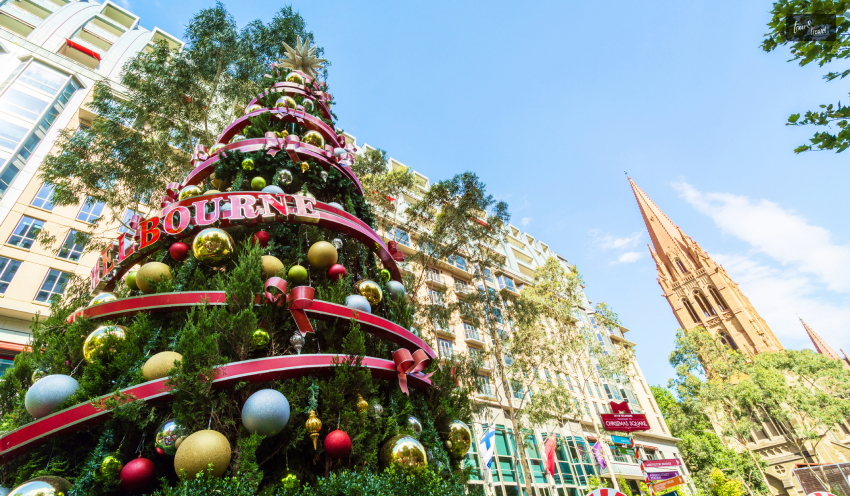
  3. Australia
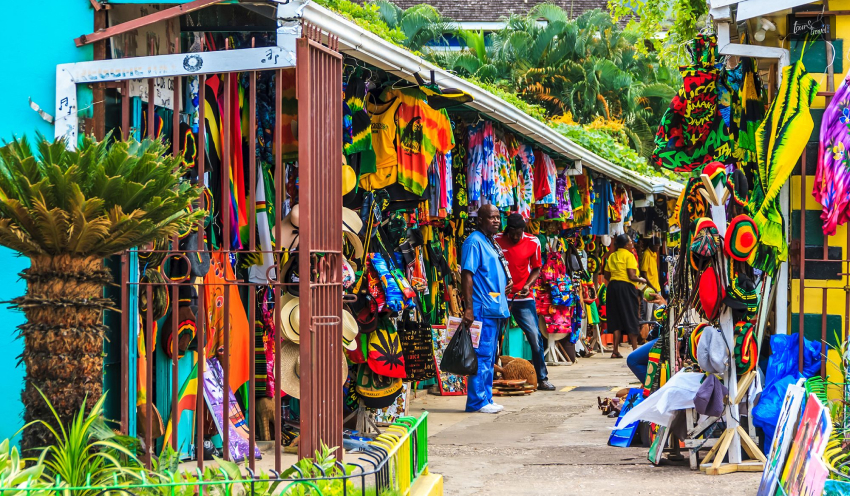
  4. Jamaica
  5. Puerto Rico
  6. Thailand
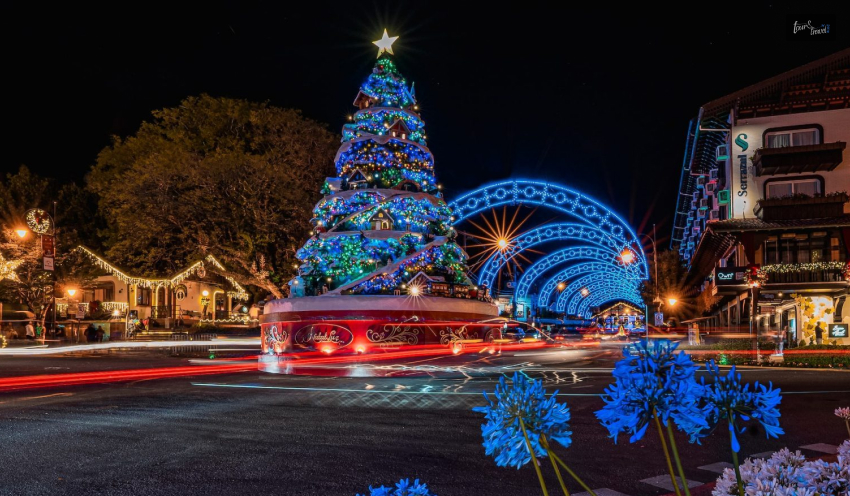
  7. Brazil
  8. Malaysia
  9. Vietnam
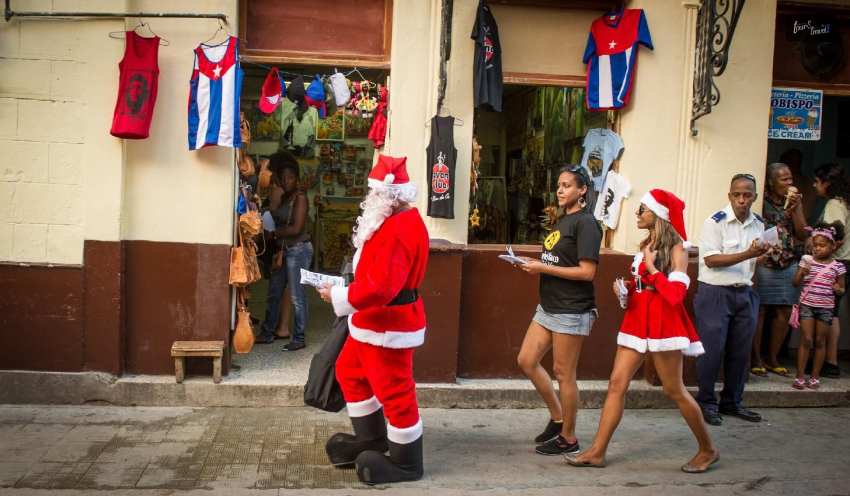
  10. Cuba

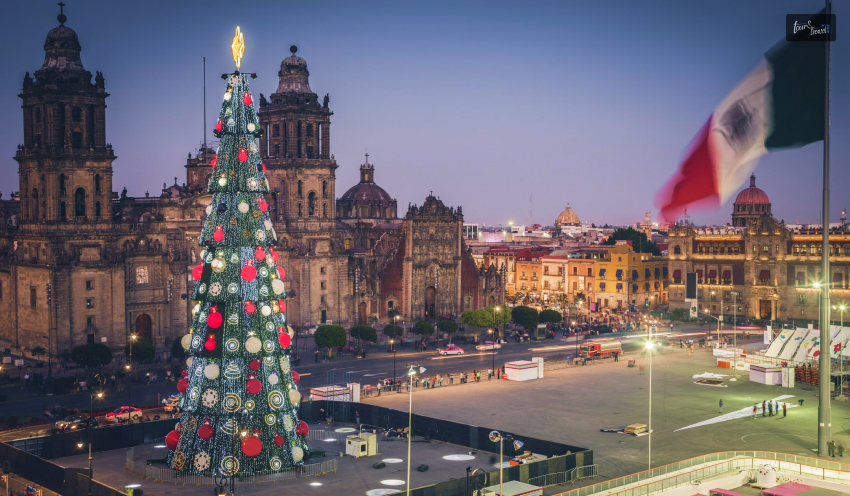
Mexico

Mexico
Image Source: saltandwind.com

This country welcomes tourists throughout the year. But when they celebrate, which is often, anyone is welcome to join in. The celebration of Christmas begins on December 12 with a festival called Las Posadas.

On January 6, the holidays come to an end in honor of Joseph and Mary’s trip from Nazareth to Bethlehem. Christmas Eve, Nochebuena, is a much bigger day than Christmas Day when processions through the streets are held in observance of Las Posadas.

On Nochebuena, they celebrate with a formal dinner and fireworks before heading to mass. Mexico offers fantastic tropical beaches where you can sip on a cocktail during the holiday season. You can surround yourself with soft, white sand, the Caribbean Sea, and palm trees.

In Mexico, time seems to stop for a split second as you get a very distinct Christmas vibe. And when it comes to pietas, cocktails, and festive food, Mexicans are the best.

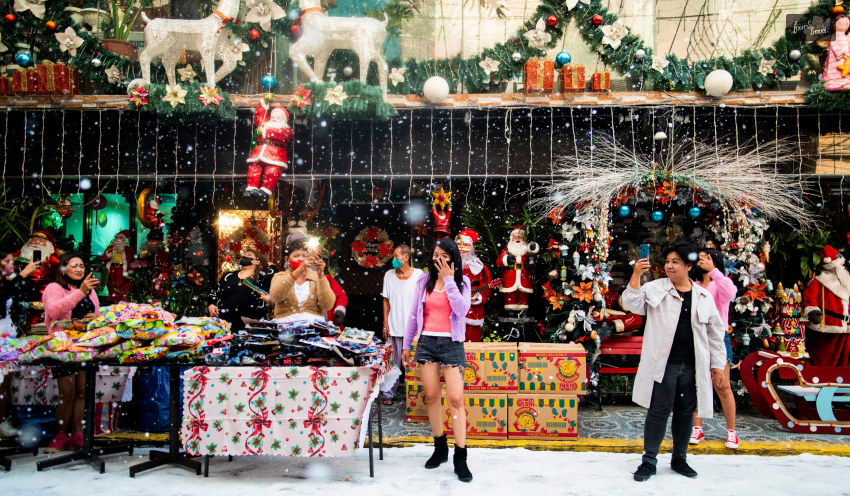
Philippines

Philippines
Image source: cloudfront-us-east-2.images.arcpublishing.com

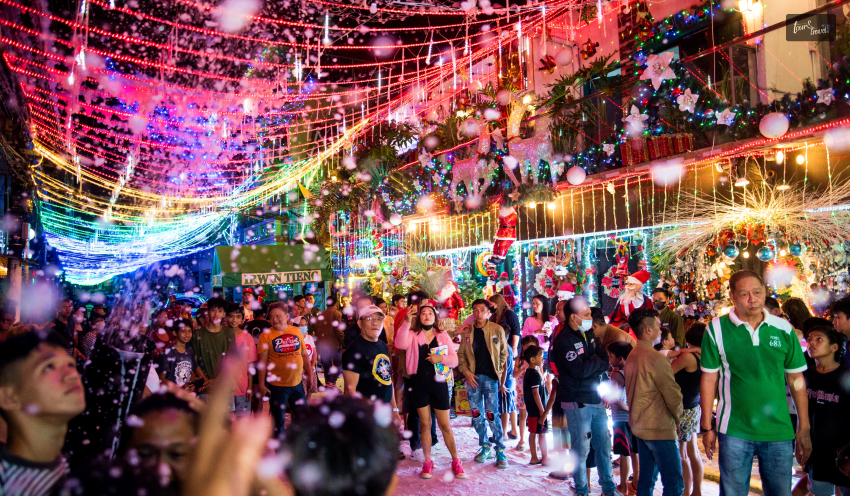
Christmas is celebrated for three months in the Philippines! They can be proud that their Christmas celebrations are among the longest in the world. All things considered, the Philippines is a beautiful country, but San Fernando, Pampanga, has the most beautiful lantern festival.

The colorful lanterns that line the festival’s streets were all handmade by the locals. During the parade, music and dancing fill the streets. Another suggestion to become the culinary center of the Philippines is San Fernando. Though it’s not your usual Christmas meal, things could be worse.

For beach lovers, Boracay is the place to go. It is known for having the most beautiful beaches in the Philippines. Travelers staying in Philippine hostels are also very busy during this time as they plan a special celebration among themselves.

If you want something a little closer to home, Vigan is a great place to go. Vigan still has cobblestone streets from the Spanish era.

Australia

Australia
Image Source: cf.ltkcdn.net

Therefore, you can be certain that you won’t have a white Christmas. But one of the highlights of many backpackers’ lives is celebrating it in Australia. It qualifies as a bucket list item, in a way.

It would be possible to spend Christmas Day snorkeling in the Great Barrier Reef, followed by an all-day party on Boxing Day, and then take a road trip across Queensland. This year, the Christmas season falls during the summer.

Australia follows the holiday traditions of most Western cultures in a way. December 25 is still the day for Christmas Day, Christmas Eve, Boxing Day, New Year’s Day, and so forth.

But it’s not gloomy, dark, or cold. Everyone is having a good time with the holiday spirit and summertime. One enjoys cold beer by the seaside. Barbecues light up all over the country, sometimes along with shrimp. Everywhere you look, there are gatherings in progress.

Jamaica

Jamaica
Image Source: www.beaches.com

The island of Jamaica is located in the Caribbean Sea. This is the first image you should visualize. It offers a lot to families, couples, and solo travelers in the winter months. Whether you are on a holiday or not, Jamaica is always one of the greatest Caribbean destinations.

They celebrate Christmas considerably earlier in Jamaica than it is in the majority of other countries. Though music strongly influences Jamaican culture, Christmas carols play as early as October. You could listen to the holiday songs all year long because they are so great.

They decorate with lights, decorations, and holiday touches all around! One of the traditional ornaments used in Jamaica is bright red poinsettias. Even the taxis in Jamaica are decorated for the holidays.

Puerto Rico

Puerto Rico
Image source: cdn.destguides.co

Puerto Rico offers island life and is the perfect all-around destination for a tropical Christmas. Families, lone travelers, and even couples will find it ideal. People usually assemble at the plaza to partake in lively living, music, dancing, and delicious food, and festive drinks.

The classic holiday dish is pig roast, which isn’t very vegetarian-friendly, but then again, neither is turkey, right? If you choose to spend Christmas in Puerto Rico, don’t miss the San Sebastian festival in Old San Juan.

Over the four days, a large number of vendors will be selling food and drinks. There are also a lot of artists and musicians.

Thailand

Thailand
Image Source: static.vecteezy.com

Thailand is predominantly a Buddhist country, so Christmas is not a public holiday. To locate Christmas celebrations, make friends with expats and other travelers. For single vacationers looking for some company, this is ideal. It’s easy to find travel companions in Thailand.

Traditional Christmas roast options are available at many hotels and restaurants. Better yet, try dining somewhere new and local. Christmas is not a holiday, so things continue as normal. If you choose to spend Christmas vacation in Thailand, you can be sure of fantastic weather. December is Thailand’s peak season. It is usually dry and can reach temperatures above thirty degrees Celsius.

Brazil

Brazil
Image Source: traveltomorrow.com

Brazil is an unforgettable destination for a tropical Christmas getaway. With a big dash of spice and lime, Christmas comes with warm, sunny weather throughout December. Brazil celebrates Christmas as a religious holiday, which is marked by enjoying local food and drinks and quality time with loved ones.

Since it is a Catholic country, a lot of people go to the Missa do Galo, or midnight mass on Christmas Eve. Brazil is decked out for the holidays with lights and Christmas trees, and fireworks are lit every night. Brazilian carols abound, nativity scenes are on display, and Santa Claus—known as Papai Noel in Brazil—is occupied with giving the kids presents.

Malaysia

Malaysia
Image Source: ik.imagekit.io

Even though Muslims make up the majority of the population, Malaysia observes Christmas as a public holiday. It is a rather unique interpretation of Christmas and the ideal beach vacation. If you want to get the most out of your tropical Christmas vacation, you should go to Malaysia’s stunning white-sand beaches.

Take up water sports like snorkeling and scuba diving, or simply cool off by jumping into the glistening clear water. Plenty of family-friendly activities and roomy accommodations are available on the island.

Have fun island hopping and discover what’s going on on the other islands. There is live entertainment and delicious food. Take some time to embark on strenuous jungle treks so you can explore the rainforest and see waterfalls.

Vietnam

Vietnam
Image Source: static.vinwonders.com

Vietnam is a Buddhist country. Thus, Christmas is not a national holiday there. Despite this, Vietnamese people celebrate Christmas with a variety of festivals and gatherings.

Nevertheless, Vietnamese people value Christmas Eve celebrations more than Christmas Day celebrations.

The massive statues of Jesus, Mary, and Joseph in the nativity scenes demonstrate how strongly French culture has impacted Christmas customs.

For a taste of vibrant Vietnamese culture, head to Hanoi’s Old Quarter, which is brimming with street food vendors, charming coffee shops, and clothing stalls. After placing your order, you can people-watch from the sidewalk.

Cuba

Cuba vacation
Image Source: images.myguide-cdn.com

Cuba celebrates Christmas in a less festive manner than other nations. Christmas was outlawed in Cuba from 1969 until 1998, so the people there became accustomed to not celebrating it. Their past has been quite challenging.

If you are looking for a place to spend your Christmas vacation that isn’t overly commercialized, look no further. Christmas trees and decorations may still be found in hotels built with tourists in mind, but you won’t see them as much when you are out and about. Have fun on your Caribbean Sea voyage.

Havana will undoubtedly be on your itinerary when visiting Cuba. Salsa music and culture are widely accessible. Get a real mojito from the place where it originated.

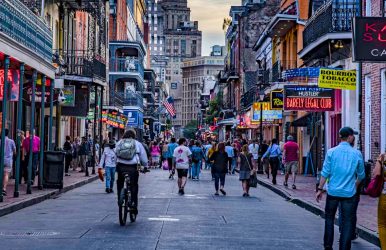
Bruges, Belgium 

Bruges Belgium

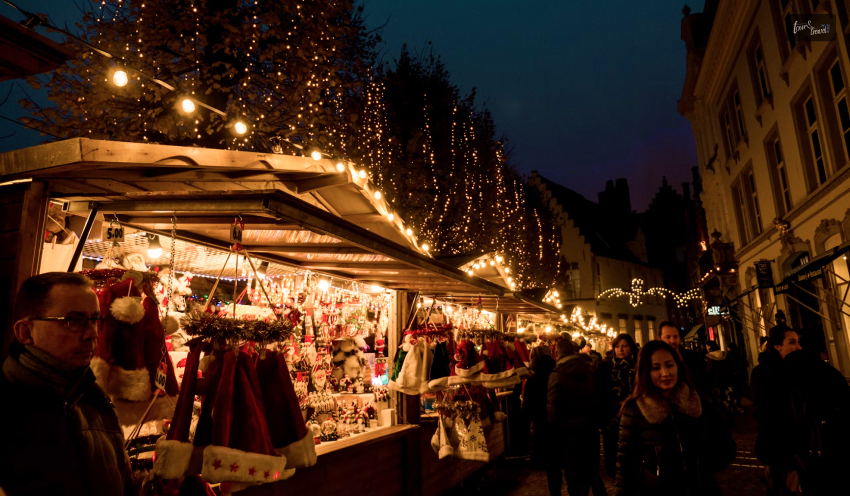
During Christmas and winter holidays, Bruges in Belgium exudes the quintessential charm of a medieval town. It is also one of the best places to visit on Christmas for dark academia fans, as its cobblestone streets and the cafes serving the best Belgian chocolate coffee have an unmatched allure. 

Moreover, when you choose Bruges as one of the best places to visit on Christmas this year, you can follow the Winter Glow light trail. The trail will take you to at least 10 of the city’s iconic historical destinations. 

Moreover, if you have the budget, you can find your accommodation at the Grand Hotel Casselbergh near the market. It has the vibe of a 16th-century cellar, and rooms look quaint with exposed wooden beams. 

You can even warm yourself up by the fireplace. 

Wrapping Up

So, where will you be going for your Christmas vacation? When organizing your next trip, don’t forget to take into account the top Christmas celebration locations around the globe, as listed above.

Take advantage of these incredible worldwide holidays and experience the celebration like never before. By putting together your preferences, you can also have your itinerary customized.

Read Also:

Share on Social Media

Abdul Aziz Mondol is a professional blogger who is having a colossal interest in writing blogs and other jones of calligraphies. In terms of his professional commitments, he loves to share content related to business, finance, technology, and the gaming niche.

Leave a Reply

Your email address will not be published. Required fields are marked *

title-img Related

READ MORE Yacht Crew

How Much Does Yacht Crew Make

BY  Arnab Jun 30, 2023

Embarking on a luxurious yacht journey is an experience like no other, and behind the scenes, a dedicated crew works tirelessly to ensure guests have an unforgettable voyage. You're not alone if you've ever wondered how much these hardworking yacht crew members make. In this comprehensive guide, we'll delve into the fascinating world of yacht crew salaries, exploring factors influencing their income, such as yacht size, experience, location, and various roles within the crew. From captains to deckhands, we'll uncover the earning potential in this alluring industry and shed light on additional compensation, like tips and bonuses. So, you may start to rent a yacht and set sail with us as we navigate the rewarding waters of yacht crew salaries. Yacht Staff Departments Their Roles and Salaries Luxury yachting is synonymous with opulence, relaxation, and unforgettable experiences. However, behind the scenes, a dedicated team of yacht staff members works tirelessly to ensure that every aspect of the voyage runs smoothly. This article will explore the various departments on a yacht and each staff member's vital role in creating a seamless guest experience and their salaries. 1. Deck Department The deck department is responsible for maintaining the yacht's exterior, ensuring its safety, and assisting with navigation. Key roles within the deck department include: Captain The captain is in charge of the overall operation and safety of the yacht. They oversee the entire crew, manage the yacht's itinerary, and ensure compliance with maritime laws and regulations. Their salaries can range from $48,000 to $180,000 annually, depending on yacht size, experience, and location. Small yachts (up to 24 meters or 79 feet): $48,000 - $84,000 Medium yachts (24-50 meters or 79-164 feet): $72,000 - $120,000 Large yachts (over 50 meters or 164 feet): $96,000 - $180,000 First Officer The first officer, the chief mate or chief officer, assists the captain with navigation, safety procedures, and crew management. They are second-in-command and assume the captain's responsibilities in their absence. The size of the yacht is a significant determinant of the salary range for Chief Officers and First Mates. Small yachts: $3,100 - $6,500 per month Medium yachts: $5,000 - $9,800 per month Large yachts: $7,000 - $14,200 per month Deckhands Deckhands are responsible for the upkeep of the yacht's exterior, including cleaning, painting, and varnishing. They also handle docking procedures, assist with water sports activities, and help with tender operations. Their estimated salaries range from $24,000 to $48,000 annually. Small yachts: $24,000 - $30,000 Medium yachts: $30,000 - $42,000 Large yachts: $36,000 - $48,000 2. Engineering Department The engineering department ensures the smooth operation of all mechanical, electrical, and plumbing systems on board the yacht. Read this article if you are an engineer and are interested in becoming a yacht engineer. Key roles within the engineering department include: Chief Engineer and Assistant Engineer:  The chief engineer is responsible for maintaining and repairing the yacht's engines, generators, air conditioning systems, and other critical equipment. They also oversee fuel consumption and ensure the yacht complies with environmental regulations. Assistant engineers support the chief engineer by performing routine maintenance tasks and assisting with necessary repairs. The estimated salaries for engineers can range from $36,000 to $120,000 per year, depending on their role, yacht size, experience, and location. Small yachts: $36,000 - $60,000 (Assistant Engineer) Medium yachts: $48,000 - $84,000 (Assistant Engineer); $60,000 - $96,000 (Chief Engineer) Large yachts: $72,000 - $120,000 (Chief Engineer) 3. Interior Department The interior department is responsible for providing exceptional guest service and maintaining the cleanliness and presentation of the yacht's interior spaces. Key roles within the interior department include: Chief Steward/Stewardess:  The chief steward or stewardess leads the interior crew and ensures that guests receive top-notch service throughout their stay. They oversee housekeeping, laundry, and meal service, as well as manage inventory and provisioning. Stewards and stewardesses assist the chief steward/stewardess in providing exceptional guest service. Their duties include serving meals, cleaning guest cabins, and attending to guests' needs. Their estimated salaries can range from $37,000 to $84,000 annually. Small yachts: $37,000 - $48,000 Medium yachts: $42,000 - $60,000 Large yachts: $48,000 - $84,000 4. Galley Department The galley department is responsible for preparing delicious and visually appealing meals for guests and crew members. Key roles within the galley department include: Executive Chef/ Sous Chef The executive chef oversees menu planning, preparation, and ensuring that all meals meet guests' dietary requirements and preferences. They also manage the galley staff and maintain food safety standards. The sous chef assists the executive chef in preparing meals and managing the galley staff. The crew cook prepares meals for the yacht's crew members, ensuring they have nutritious and satisfying meals. Their estimated salaries can range from $36,000 to $96,000 annually. Small yachts: $36,000 - $60,000 Medium yachts: $48,000 - $72,000 Large yachts: $60,000 - $96,000 It's essential to note that these salary estimates are subject to change based on market fluctuations, individual performance, and other factors. Yacht crew members may also receive tips, bonuses, and other benefits that can significantly boost their overall income. Final Thoughts In conclusion, the estimated salaries of yacht crew members can be rewarding and vary based on factors such as experience, yacht size, and location. With the potential for additional compensation through tips and bonuses, a career in the luxury yachting industry can be financially lucrative while offering the opportunity to work in a unique and exciting environment. Read Also: Yachting In Dubai – A Memorable Experience 10 Reasons Why You Should Get A Yacht In 2022

READ MORE Great Barrier Island camping tips

The Best Great Barrier Island Camping Tips: Ultimate Guide To The Best Camping Spots On Great Barrier Island, New Zealand 

BY  Sibashree Nov 17, 2025

Spotting the burrows of the black petrels at Glenfern Sanctuary and the hillside was like magic! The burrows had eggs in a cream shade with tan freckles. They almost looked like the eggs of a hen, though slightly larger. Also, some chicks were chirping their hearts out inside the burrows. They looked like those squishy dog toys. Now, spotting birds is one of the most fulfilling activities when you are camping on Great Barrier Island, New Zealand. Furthermore, if days were about hiking and spotting the birds, the nights were about indulging in the surreal beauty of the celestial bodies at this designated Dark Sky Sanctuary. Moreover, camping in Great Barrier Island is a true off-grid and remote experience. No Streetlight!  No Public Rubbish Bins!  And, No Powered Camping Sites!  It’s just you, the camping tent, and the rugged beauty of New Zealand’s Hauraki Gulf. Hi, in today’s blog, I will talk about the Great Barrier Island camping tips. Here, you will learn about the must-book DOC sites, the non-negotiable biosecurity rules, and everything else you need to plan your adventure.  Camping In Aotea, Great Barrier Island: Setting The Right Mindset For Biosecurity And Sustainability View this post on Instagram A post shared by Department of Conservation (@docgovtnz) Aotea isn't a place that just hands you its beauty. It's a place that makes you earn it. It's a true adventure that rewards you for being self-sufficient.  It's the thrill of waking up to the raucous call of a Kākā parrot, not an alarm clock. It's the magic of watching the Milky Way rise over the dunes at Medlands Beach, and the peace of having a rugged, white-sand cove all to yourself.  Also, it is one of the rare islands that serve as sanctuaries, and with 60% of its area protected by the Department of Conservation, Great Barrier Island demands the utmost care for biosecurity and the adoption of sustainable practices. So, before you want to explore the best camping spots on Great Barrier Island New Zealand, you have to build your mindset. This is your invitation to join a small community of travellers who value wild, authentic, and responsible adventure.  1. Offering The True Off-Grid Experience  The campsites of the Great Barrier Island are exactly what the island is. They are not powered, and they have basic amenities. Furthermore, open fire is not allowed in these campsites. So, you will have to bring fuel-powered or gas cookers. Furthemore, the Department of Conservation camping sites have only a specific number of tents. So, you need to make the booking well in advance. Contact the Department of Conservation (DoC) at 0800 275 362. 2. The Golden Rule: "Pack In, Pack Out”  Zero waste and recycling are important for the sustainability and environmentally friendly practices of the Great Barrier Island. However, the island does not have public rubbish bins. So, whatever you carry to the island, you will have to take it back. You must use the official Orange Council bags with stickers for trash disposal. 3. Biosecurity Is Most Important  Protecting the Kauri trees from the infamous “Kauri Dieback disease” and the island's endemic animals requires a high level of biosecurity. So, when you leave for the Great Barrier Island from Auckland, you will have to check for ants and rats. Also, when you leave Great Barrier Island, check the tents and packs for skinks. In addition, the Phytophthora Agathidicida attack on the kauri trees has been a serious concern. Stopping the soil movement is crucial to stopping the attack of this dieback disease. Soil movement can happen through pigs, footwear, and vehicles. Therefore, the Department of Conservation (DoC) cleaning stations play an important role in cleaning and removing soil from your gear and footwear before entering a kauri forest on Great Barrier Island, New Zealand. In addition, you have to stick to the marked routes when hiking through the best Great Barrier Island hiking trails. 4. How To Book The Camping Sites: DOC Vs. Private  If you are camping in any of the DoC sites, you have to make the booking online well in advance. Private camping sites can be booked directly. Here is the step-by-step guide for booking a DoC Campsite on the Great Barrier Island. First, visit the Department of Conservation site for the particular campsite. For example, let’s talk about the Akapoua Bay Campsite. On the dedicated Akapoua Bay Campsite page, you will get to know about the campsite and the fees. The fees for the Akapoua Bay Campsite are $18 per night for adults, $9 per night for children ages 5 to 17, and $0 per night for infants ages 0 to 4. In addition, you can book a campsite pass from the Department of Conservation of New Zealand. It will give you access to all the bookable and non-bookable campsites in the country. If you need any assistance in booking the campsite pass, you can avail of that at a service tax of $10. For adults, the camping pass will cost $295.00 (365 nights), and for children between 5 and 17 years, the pass will cost $147.50. Moreover, for children below 5 years, the camping pass is free. If you need any assistance regarding the booking of the 1-year campsite pass or a pass for any specific site, you can contact Whakatū/Nelson Visitor Centre at +64 3 546 9339 or email them at nelsonvc@doc.govt.nz. The Kauaeranga Visitor Centre (+64 7 867 9080/kauaerangavc@doc.govt.nz) also offers the same assistance. What Are The Best Camping Spots On Great Barrier Island New Zealand?  View this post on Instagram A post shared by Department of Conservation (@docgovtnz) Digital detox has been a trending thing these days, and if you want to truly experience that and shut all the noise in your head, the camping spots on the Great Barrier Island will be the best for you. Further, the real magic of camping on Aotea starts after sunset. You haven't lived until you've watched the Milky Way rise over your tent from the dunes at Medlands. However, along with the Medlands Beach, there are 5 other DoC campsites in the Great Barrier Island, New Zealand. Here are the details. 1. Akapoua Bay Campsite  The sheltered waters of Port FitzRoy have a beautiful camping ground, which is like a gateway to the many walking tracks of the Great Barrier Island, New Zealand. From waking up with a 60-second dash of a cold shower to exploring the paths graced by the pohutukawa trees, the Akapoua Bay Campsite will offer you a peaceful and off-the-grid experience. The maximum number of campers on this site can be 75. Moreover, the camp is hosted from Christmas to the end of January. 2. Harataonga Campsite  This campground is very close to Harataonga Beach. So, it is an ideal camping site for swimmers and snorkeling enthusiasts. It can accommodate 120 campers, and this campsite is surrounded by bush and farmland. and camping takes place between Christmas and mid-February. Harataonga is for the romantic escape. 3. Awana Beach Campsite  The Awana Beach Campsite is a surfer’s dream. It has beautiful dunes and farmlands around. It can accommodate 120 campers, and the campground remains open from Christmas to the end of January. The only problem with this camping site is mosquitoes. So, you have to carry mosquito repellents. 4. Medlands Beach Campsite  The sound of the waves at Medlands. This is the music you will listen to when you go to sleep or wake up at the Medlands Beach Campsite. Medlands is like an all-rounder. It is ideal for families and surfers alike. The campsite remains open from Christmas to mid-February, and it can accommodate 120 campers. 5. The Green Campsite  You can boat in or walk in the Green Campsite, which remains open from 1st December to the end of February. With a capacity of accommodating only 30 campers, this campsite has a rich history associated with whaling, kauri logging, and timber milling. The waters of the Whangaparapara Harbour make it an idyllic retreat, and it is also the base of the Aotea Track. 6. Whangapoua Campsite  The Whangapoua Campsite is a surfer’s paradise, and it is located on the edge of the Whangapoua estuary. It is also a favorite camping site for fishing. With an accommodation capacity of 150 people, this campsite remains open from Christmas to the end of February. However, the biggest highlight of this camping site is the views of Rakitu Island and Mount Hirakimata. A Comparison Summary Table Of The DoC Camping Sites On The Great Barrier Island, New Zealand  DoC Campsite Access Landscape Facilities Activities Dog Access Fees Akapoua Bay Campsite Campervan, Car and Caravan Coastal Boat Launching, Cooking Shelter, Cold Shower, Non-Flush Toilets for Men and Women Boating, Fishing, Walking, and Tramping No Adults: $18 per night, Children of 5-17 years, $9 per night, and Children below 5 years: free Harataonga Beach Campervan, Car and Caravan Coastal Cooking Shelter, Cold Shower, Non-Flush Toilets for Men and Women Swimming, Snorkeling, Fishing No Adults: $18 per night, Children of 5-17 years, $9 per night, and Children below 5 years: free Awana Beach Campsite Campervan, Car and Caravan Coastal Cooking Shelter, Cold Shower, Non-Flush Toilets for Men and Women Kayaking and Canoeing No Adults: $18 per night, Children of 5-17 years, $9 per night, and Children below 5 years: free Medlands Beach Campsite Campervan, Car and Caravan Coastal Boat Launching, Cooking Shelter, Cold Shower, Non-Flush Toilets for Men and Women Fishing, Surfing, Swimming No Adults: $18 per night, Children of 5-17 years, $9 per night, and Children below 5 years: free The Green Campsite Boat, Foot Coastal Cooking Shelter, Non-Flush Toilets for Men and WomenHiking, Boating No Adults: $18 per night, Children of 5-17 years, $9 per night, and Children below 5 years: free Whangapoua campsite Campervan, Car and Caravan Coastal Cooking Shelter, Cold Shower, Non-Flush Toilets for Men and WomenFishing, Surfing No Adults: $18 per night, Children of 5-17 years, $9 per night, and Children below 5 years: free  Insider Tips For Camping At DoC Campsites On The Great Barrier Island If you are camping in a caravan or campervan, remember that the gravel roads leading to the camping sites, especially the Harataonga Campsite, are steep and winding. Also, the sites are off-the-grid. Furthermore, the campervans are not usually allowed on the beaches. The Best Private & Unique Camping Options On The Great Barrier Island View this post on Instagram A post shared by Department of Conservation (@docgovtnz) 1. Great Barrier Island Campground  The Great Barrier Island Campground, spanning over an area of 12 square acres, is an ideal camping ground for access to different beach activities. The camping site is located at a distance of just 200 meters from the beach. The camping fee at the Great Barrier Island Campground is $10 per person per night. You can contact them at 021 298 8905 for booking. 2. Mickeys Place  The O'Shea Family farm in Awana houses the Mickey's Place camping ground. It is a family-friendly camping site with the following facilities. A Communal Cooking Area  Flush Toilets  Showers  Patrick, Sean, and Mickey are the hosts of this campsite, and you can contact them at 09 4290 140. 3. Stray Possum  Stary Possum in Tryphena is an ideal camping site for backpackers. If you are camping here, you will have access to the kitchen, toilets, and showers of the adjacent Stray Possum Lodge. This camping site has 14 tents, and you can call 09 4290 109 for booking details. 21 Essential Great Barrier Island Camping Tips  I promised you tips, and here they are. Do not go to Great Barrier Island without reading this checklist.  • Packing And Food  1. Bringing a Gas Cooker  Open fires are banned in the Camping sites of the Great Barrier Island. So, you will have to bring a gas burner for preparing your food. 2. Packing Your Food  Groceries are not available everywhere, and they are even very expensive. So, it is better to collect and pack the groceries you will need before leaving Auckland. 3. Bringing a Good Chilly Bin  You will need this insulated chest for storing warm and cold food items. 4. Bringing a Red-Light Torch  The island is a Dark Sky Sanctuary. A red torch lets you stargaze without ruining your night vision.  5. Bringing Cash  EFTPOS (debit) is unreliable, and many camping sites only accept cash. 6. Packing Warm Clothes  The weather can suddenly become cold, even on summer days. So, you will have to pack layered clothes.  7. Carrying Mosquito and Insect Repellent  Sandflies and mosquitoes are notorious on Great Barrier Island. So, you will have to carry an insect repellent.  • On-Site & Facilities  8. Cold Showers  Most shower stations on the Great Barrier Island are cold water shower stations. This is great as the dash of cold water in the morning, literally works as the eye opener. 9. Long-Drop Toilets  The long-drop toilets are basic and waterless. Using these pit toilets can be challenging for some campers. 10. Drinking Water  The tap water available at these sites is not ideal for drinking unless it is purified or boiled. 11. Pet-Friendly  The DoC camping grounds are not accessible to dogs. This is crucial for the protection of wildlife, the safety of the pets, and soil movement, causing the resurrection of pets and parasites affecting the local flora and fauna. 12. Booking  The slots for camping sites such as Medlands, Akapoua get sold more than 6 months in advance for the Christmas and New Year periods. So, it is indeed a year-long planning. 13. Alcohol Rules  The consumption of alcohol can be banned in various camping sites, especially during the peak seasons. So, check with the camping site authority. • Transport & Logistics  14. Having a Vehicle  Having a vehicle is a must for moving around the rugged and large Great Barrier Island. You cannot walk between the sites.  15. Renting a 4WD (or 4WD-Capable)  The roads to various campsites are challenging. The road to Harataonga, especially, is very difficult. So, you will have to rent a 4WD-capable vehicle. 16. The Motorhome/Campervan Reality  The gravel roads are narrow, steep, and winding, and if you are planning to camp in a large RV, you will definitely struggle. 17. The Dump Station Nightmare  There is only one dump station in Claris, and it is only for black water or toilet waste. You will have to carry your grey water or sink with you. 18. Freedom Camping  Freedom camping on the Great Barrier Island, New Zealand, is a fascinating idea. However, the reality is quite different. It is heavily restricted, and sticking to the DoC sites is the best option.  • Safety & Etiquette  19. Using a Paper Map  Mobile network and GPS will not function in various parts of the Great Barrier Island. So, you will have to carry a paper map. 20. Tell Someone Your Plans  If you are hiking on the Great Barrier Island, you have to keep someone informed. The wilderness and remote locations of the hiking trails can throw many challenges, despite having an easy to moderately difficult level.  21. Being a Good Neighbour  You must respect the quiet, off-grid, and nature-first vibe of the Great Barrier Island. So, you have to keep the noise level down. How To Reach The Aotea Great Barrier Island With Your Camping Gear? For campers, especially the ones with campervans, traveling by the ferry from SeaLink is the best option. It is the only mode of transportation in which passengers and cars are both transported. It is a 4.5-hour picturesque journey from Auckland. Your Great Barrier Island Camping Adventure Is Calling Camping on the Great Barrier Island, New Zealand, is the right mix of adventure, soaking in nature, and cherishing the off-the-grid living of the island. However, it’s not going to be easy with the amenities at the campsites being basic, and even the gravel roads posing challenges for the big RVs and campervans. Also, you will have to take care of biosecurity and all the sustainability guidelines to ensure that the island, a sanctuary of wildlife, does not get impacted negatively. Conservation as a pristine sanctuary is the reason why camping in the Great Barrier Island allowed us to see a billion more stars and birds than I have ever seen in my life.

READ MORE natural drug detox

Nature’s Healing: How Camping Can Aid Drug Detoxification

BY  Sibashree Oct 22, 2025

I’ve got to say that recovering from any kind of addiction is a messy business. It’s never just about flushing things out of your system. It’s about fighting your thoughts, your habits, and all those little triggers.  Lately, I’ve noticed more people stepping outside to heal. Camping, of all things, has become one of those hidden gems in detox. Being out there, far from traffic noise and glowing screens, surrounded by trees and honest silence? It hits differently. Some even find it just as helpful as staying in a structured facility like the detox clinic. The Therapeutic Power Of Nature Have you ever stepped outside and just felt your shoulders drop? Nature does that.  Science loves to back this up, and Harvard even found that twenty minutes in fresh air can lower cortisol, the nasty stress hormone that spikes during detox. And honestly, that relief matters. Stress is like gasoline poured straight on withdrawal. When you’re camping, you can’t help but notice how calm things get. No alarms, no rush. Just breathing, listening, thinking.  It’s almost strange how fast you start noticing yourself again. For folks coming out of a storm of substance use, that reconnection to your emotions, your body, your thoughts isn’t just nice, it’s necessary. Camping Facilitates Natural Drug Detox By Improving Sleep Cycles  Camping improves your internal body clock as you are continuously exposed to the natural light cycle. So, by regulating your internal clock, you will get more sleep.  Furthermore, during camping, you remain busy with physical activities. You are hiking through trails, setting up the tent, cooking, and doing other recreational activities or survival chores. This is also crucial for improving your sleep cycle and quality.  Moreover, when camping in remote areas, you cannot use your phone, and you are also away from the daily stressors. With no pressure of deadlines and ETAs and all the chaos in your head vanishing in the thin air, you actually get a better sleep.  Community And Support There’s something wild about how people open up under the stars. I’ve seen it, how those late-night talks by a campfire, voices crackling right alongside the flames, do the magic. That’s a real connection, and it’s gold during detox. A big part of healing is not doing it alone. Most programs preach about support networks, but in the woods, that happens naturally.  You gather wood together, laugh over burnt marshmallows, and share your stories without judgment.  The National Institute on Drug Abuse even says social support can make or break recovery. Makes sense as feeling seen keeps you anchored when cravings hit or the loneliness creeps in. No clinic room can fully replace that kind of bond. Physical Activity And Mindfulness Camping gets your body moving, whether you plan it or not. You set up a tent, haul water, and climb a hill.  Little things that make you tired in a good way. That movement pumps out endorphins, which do wonders for mood, especially when detox brings anxiety or sadness along for the ride. Then there’s the quiet stuff, too. You find yourself being mindful without calling it that! Staring at a lake, flipping fish over a grill, sitting in silence until time just fades! It grounds you.  That kind of focus pulls you away from cravings and teaches you how to ride emotions instead of running from them. Funny how stillness can feel like a workout for your mind. Disconnecting From Technology Let’s be honest. We live glued to screens now. Scrolling when we’re bored, anxious, lonely, or anytime you name it. But camping forces a break.  The first few hours feel weird, almost twitchy without your phone, then a calm sets in. You start talking more, thinking more. Maybe even remembering what silence sounds like. People in recovery deal with enough mental noise already, and research shows that too much screen time can make anxiety and depression worse.  So, cutting that off, even for a weekend, resets something inside you. Suddenly, you’re aware of how addicted we all are to distraction more than anything else. Structured Activities And Goal Setting Some camping programs add a bit of structure, such as goal setting, small group reflections, maybe even creative tasks.  It’s not rigid like rehab, just guided enough to keep you focused. When done right, it helps you rebuild a sense of direction. There’s actually data from the American Psychological Association saying people who set specific, meaningful goals reach them more often.  And out there, surrounded by nature, those goals feel a bit more real. People talk about dreams they’d forgotten or things they want back in life. It’s refreshing—and it sticks. Camping: Setting The Rick Backdrop For Healing After Addiction Recovery Camping won’t magically erase struggle, but it changes the backdrop in a way that makes healing possible. It mixes nature’s quiet strength with genuine community and gentle self-discipline. It is kind of the opposite of everything that fed addiction in the first place. For many who’ve tried both, it’s a beautiful complement to formal detox options like those at the Detox Clinic.  Out there, in the dirt and sunlight, recovery starts to feel less clinical and more human again. Maybe that’s why so many find clarity under a canopy of stars instead of beneath a roof. Furthermore, camping boosts your self-sufficiency. If you are a solo backpacker, you have to dig the soil and set up the tent, light the fire, and do everything else. So, camping is a great confidence booster. You understand that you survive on your own and how strong you are.  All these help us create a positive image of ourselves in our minds. So, you don’t need to rely on any external stimulator or drugs anymore.  In addition, an inclination toward drugs arises from negative thoughts about our capabilities. Camping helps us overcome logistical and physical challenges. So, we become more confident about our abilities.