
6 Reasons Why Yachts Are So Expensive

Oct 25, 2023

Last Updated on: Nov 4, 2025

Travel Guides

Yachting is among the experiences that make the blue ocean come alive. As Yacht IN rightly states, where ordinary ends, yachting begins. The yachts are expensive, but their beauty do not just grace the ocean but our minds as they are objects of our dreams and fantasies.

Yachts are perfect for a holiday getaway; they offer one of the most fascinating ways to explore the numerous sea treasures.

But have you ever wondered why this floating paradise comes at a price almost as large as the sea? You are not alone in thought – This post answers that while answering the big question, is it worth it? While a yacht presents an unforgettable experience, it comes at a rather expensive price.

Here are some reasons for that;

Mesmeric looks and craftsmanship

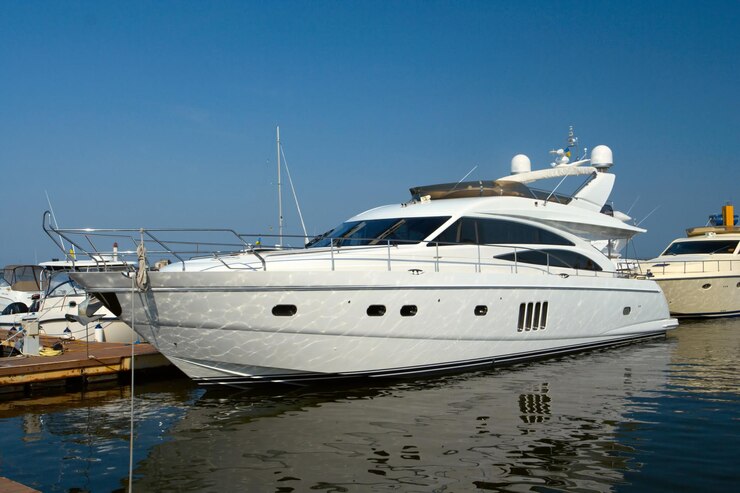
Yachts in Croatia especially come in unique, sleek, and breath-taking designs. It takes a lot of luxurious and exotic materials to create these aquatic marvels. And Just like it is with the finest cars and homes, the commitment to detail, grace and luxury drives the cost up.

So while the price may be on the higher side, yachts are not mere boats but a magnificent work of art!

yachts are expensive! You can customize Them

One of the most astounding allures of owning a yacht is the ability to tailor it to suit your specific desires. Whether you are looking for yachts in Dalmatia or other less secluded landscapes, you could get one that matches your taste. From its interior design, choice of artwork, or the cabin configuration you decide what you want!

Many yacht owners desire a unique vessel that reflects their rich tastes and lifestyle, and this customization often comes with a premium price tag.

Size

Yacht Size

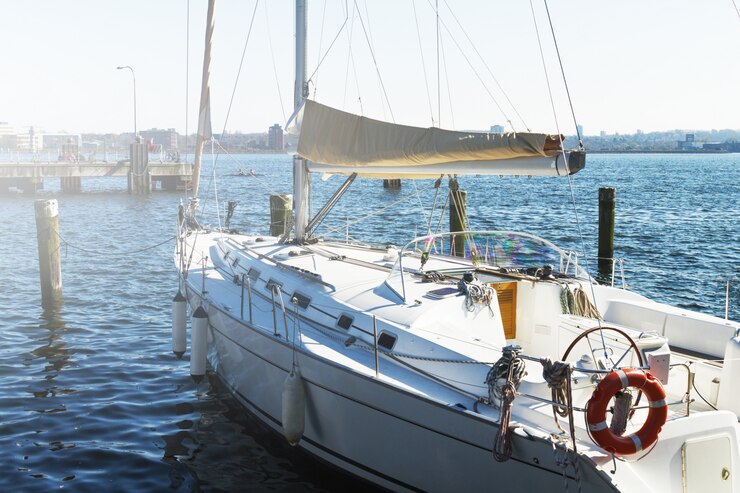
The larger the size, the higher the price. Yachts come in various sizes, from pocket-sized sailboats to colossal superyachts. These superyachts could stretch over a football field. They are associated with wealth and abundance, equipped with amenities even the most luxurious resorts struggle to get.

Massive vessels require extensive design and construction, which increases complexity and expense.

yachts are expensive For their Advanced tech

Yachts of today are known to be a harbinger of technological innovations. They are equipped with satellite connectivity, radar, GPS, underwater sonar equipment, communication systems, and all modern-day entertainment facilities.

Some yachts even feature energy-efficient systems to make them eco-friendly and compliant with international maritime regulations. All these add up to increase the cost of yachts.

The captain and his crew members

Yachts, especially the grand superyachts, require a highly skilled and experienced workforce to bring them to life. A yacht would be of no use without expert crew members to operate and maintain them.

Seasoned captains, engineers, chefs, and stewards are all part of the equation. Their specialized expertise is always in demand and can drive up labor costs. Financial Times agrees that luxury and designs balance the cost. 

Cost of Ownership

Purchasing a yacht

Purchasing a yacht might be the first step, but maintaining it is a vital piece of the puzzle. The expenses of yacht ownership go beyond the initial purchase price. Maintenance, fuel, insurance, docking fees, crew salaries, and annual upgrades all contribute to the overall cost.

For larger yachts, these expenses can quickly mount to millions of dollars annually, making yacht ownership a pursuit exclusively for the world’s wealthiest.

Are yachts worth their expensive price tag?

Yachts present a captivating invitation to explore the open sea in unmatched style. While no price tag could cover the memories, adventures, and luxury they offer, their worthiness relies on;

  • Personal use
  • Frequency of use
  • Your financial situation
  • Resale value

So in summary only you can decide if it’s a worthy buy!

Key Benefits Of Owing Yacht 

If you want to spend some quality time after a week of hard work, yacht sailing is one of the most precious experiences you can cherish. There are some of the key benefits of using Yachts. Let’s try to understand them here.

You Are In Complete Control 

With the help of a yacht, you can completely control your boating adventure. Moreover, you get to explore your world on your terms. This will assist you in discovering some of the new places.  Also, if you own one, you can completely tailor your needs according to your needs and likings.

It’s A Long Term Investment 

Owning a yacht is a critical financial decision. It must be analyzed with the utmost keenness. Moreover, these yachts are highly sturdy, and you can enjoy them for a long time. These long-lasting memories will remain in your bosom forever.

Spending Quality Time With The Loved Ones

Yachting experiences are highly specialized, and at the same time, they allow you to have a quality experience. With the Yacht, you can set out for an outing with your family. When you buy a boat, you can easily enjoy the desired time with your friends and nearby ones. At the same time, you can put your yacht up for rent. Yes, you can have a great source of earnings. 

Perfect Venue For The Social Gathering 

The yacht is a perfect place to host the unofficial meeting with the parties and friends.  If you want to own a yacht, you can get it in different price tags.  The facilities that you want in your superboats depend on the price. But if you invest in them, it’s indeed worth it.  The well-trained expert can guide you on the art of operating the yacht.  Overall, the social gathering experience will be precious, and you can cherish it for your lifetime. 

Conclusion

The yachts are highly specialized boats and serve the people’s diverse needs. These superboats are loaded with hi-tech features that will surely give you a rich experience you can cherish forever. So try to explore your boundaries and enjoy life to the fullest with these brilliant yachts. 

Share on Social Media

Arnab is a professional blogger, having an enormous interest in writing blogs and other jones of calligraphies. In terms of his professional commitments, He carries out sharing sentient blogs.

Leave a Reply

Your email address will not be published. Required fields are marked *

title-img Related

READ MORE Great Barrier Island camping tips

The Best Great Barrier Island Camping Tips: Ultimate Guide To The Best Camping Spots On Great Barrier Island, New Zealand 

BY  Sibashree Nov 17, 2025

Spotting the burrows of the black petrels at Glenfern Sanctuary and the hillside was like magic! The burrows had eggs in a cream shade with tan freckles. They almost looked like the eggs of a hen, though slightly larger. Also, some chicks were chirping their hearts out inside the burrows. They looked like those squishy dog toys. Now, spotting birds is one of the most fulfilling activities when you are camping on Great Barrier Island, New Zealand. Furthermore, if days were about hiking and spotting the birds, the nights were about indulging in the surreal beauty of the celestial bodies at this designated Dark Sky Sanctuary. Moreover, camping in Great Barrier Island is a true off-grid and remote experience. No Streetlight!  No Public Rubbish Bins!  And, No Powered Camping Sites!  It’s just you, the camping tent, and the rugged beauty of New Zealand’s Hauraki Gulf. Hi, in today’s blog, I will talk about the Great Barrier Island camping tips. Here, you will learn about the must-book DOC sites, the non-negotiable biosecurity rules, and everything else you need to plan your adventure.  Camping In Aotea, Great Barrier Island: Setting The Right Mindset For Biosecurity And Sustainability View this post on Instagram A post shared by Department of Conservation (@docgovtnz) Aotea isn't a place that just hands you its beauty. It's a place that makes you earn it. It's a true adventure that rewards you for being self-sufficient.  It's the thrill of waking up to the raucous call of a Kākā parrot, not an alarm clock. It's the magic of watching the Milky Way rise over the dunes at Medlands Beach, and the peace of having a rugged, white-sand cove all to yourself.  Also, it is one of the rare islands that serve as sanctuaries, and with 60% of its area protected by the Department of Conservation, Great Barrier Island demands the utmost care for biosecurity and the adoption of sustainable practices. So, before you want to explore the best camping spots on Great Barrier Island New Zealand, you have to build your mindset. This is your invitation to join a small community of travellers who value wild, authentic, and responsible adventure.  1. Offering The True Off-Grid Experience  The campsites of the Great Barrier Island are exactly what the island is. They are not powered, and they have basic amenities. Furthermore, open fire is not allowed in these campsites. So, you will have to bring fuel-powered or gas cookers. Furthemore, the Department of Conservation camping sites have only a specific number of tents. So, you need to make the booking well in advance. Contact the Department of Conservation (DoC) at 0800 275 362. 2. The Golden Rule: "Pack In, Pack Out”  Zero waste and recycling are important for the sustainability and environmentally friendly practices of the Great Barrier Island. However, the island does not have public rubbish bins. So, whatever you carry to the island, you will have to take it back. You must use the official Orange Council bags with stickers for trash disposal. 3. Biosecurity Is Most Important  Protecting the Kauri trees from the infamous “Kauri Dieback disease” and the island's endemic animals requires a high level of biosecurity. So, when you leave for the Great Barrier Island from Auckland, you will have to check for ants and rats. Also, when you leave Great Barrier Island, check the tents and packs for skinks. In addition, the Phytophthora Agathidicida attack on the kauri trees has been a serious concern. Stopping the soil movement is crucial to stopping the attack of this dieback disease. Soil movement can happen through pigs, footwear, and vehicles. Therefore, the Department of Conservation (DoC) cleaning stations play an important role in cleaning and removing soil from your gear and footwear before entering a kauri forest on Great Barrier Island, New Zealand. In addition, you have to stick to the marked routes when hiking through the best Great Barrier Island hiking trails. 4. How To Book The Camping Sites: DOC Vs. Private  If you are camping in any of the DoC sites, you have to make the booking online well in advance. Private camping sites can be booked directly. Here is the step-by-step guide for booking a DoC Campsite on the Great Barrier Island. First, visit the Department of Conservation site for the particular campsite. For example, let’s talk about the Akapoua Bay Campsite. On the dedicated Akapoua Bay Campsite page, you will get to know about the campsite and the fees. The fees for the Akapoua Bay Campsite are $18 per night for adults, $9 per night for children ages 5 to 17, and $0 per night for infants ages 0 to 4. In addition, you can book a campsite pass from the Department of Conservation of New Zealand. It will give you access to all the bookable and non-bookable campsites in the country. If you need any assistance in booking the campsite pass, you can avail of that at a service tax of $10. For adults, the camping pass will cost $295.00 (365 nights), and for children between 5 and 17 years, the pass will cost $147.50. Moreover, for children below 5 years, the camping pass is free. If you need any assistance regarding the booking of the 1-year campsite pass or a pass for any specific site, you can contact Whakatū/Nelson Visitor Centre at +64 3 546 9339 or email them at nelsonvc@doc.govt.nz. The Kauaeranga Visitor Centre (+64 7 867 9080/kauaerangavc@doc.govt.nz) also offers the same assistance. What Are The Best Camping Spots On Great Barrier Island New Zealand?  View this post on Instagram A post shared by Department of Conservation (@docgovtnz) Digital detox has been a trending thing these days, and if you want to truly experience that and shut all the noise in your head, the camping spots on the Great Barrier Island will be the best for you. Further, the real magic of camping on Aotea starts after sunset. You haven't lived until you've watched the Milky Way rise over your tent from the dunes at Medlands. However, along with the Medlands Beach, there are 5 other DoC campsites in the Great Barrier Island, New Zealand. Here are the details. 1. Akapoua Bay Campsite  The sheltered waters of Port FitzRoy have a beautiful camping ground, which is like a gateway to the many walking tracks of the Great Barrier Island, New Zealand. From waking up with a 60-second dash of a cold shower to exploring the paths graced by the pohutukawa trees, the Akapoua Bay Campsite will offer you a peaceful and off-the-grid experience. The maximum number of campers on this site can be 75. Moreover, the camp is hosted from Christmas to the end of January. 2. Harataonga Campsite  This campground is very close to Harataonga Beach. So, it is an ideal camping site for swimmers and snorkeling enthusiasts. It can accommodate 120 campers, and this campsite is surrounded by bush and farmland. and camping takes place between Christmas and mid-February. Harataonga is for the romantic escape. 3. Awana Beach Campsite  The Awana Beach Campsite is a surfer’s dream. It has beautiful dunes and farmlands around. It can accommodate 120 campers, and the campground remains open from Christmas to the end of January. The only problem with this camping site is mosquitoes. So, you have to carry mosquito repellents. 4. Medlands Beach Campsite  The sound of the waves at Medlands. This is the music you will listen to when you go to sleep or wake up at the Medlands Beach Campsite. Medlands is like an all-rounder. It is ideal for families and surfers alike. The campsite remains open from Christmas to mid-February, and it can accommodate 120 campers. 5. The Green Campsite  You can boat in or walk in the Green Campsite, which remains open from 1st December to the end of February. With a capacity of accommodating only 30 campers, this campsite has a rich history associated with whaling, kauri logging, and timber milling. The waters of the Whangaparapara Harbour make it an idyllic retreat, and it is also the base of the Aotea Track. 6. Whangapoua Campsite  The Whangapoua Campsite is a surfer’s paradise, and it is located on the edge of the Whangapoua estuary. It is also a favorite camping site for fishing. With an accommodation capacity of 150 people, this campsite remains open from Christmas to the end of February. However, the biggest highlight of this camping site is the views of Rakitu Island and Mount Hirakimata. A Comparison Summary Table Of The DoC Camping Sites On The Great Barrier Island, New Zealand  DoC Campsite Access Landscape Facilities Activities Dog Access Fees Akapoua Bay Campsite Campervan, Car and Caravan Coastal Boat Launching, Cooking Shelter, Cold Shower, Non-Flush Toilets for Men and Women Boating, Fishing, Walking, and Tramping No Adults: $18 per night, Children of 5-17 years, $9 per night, and Children below 5 years: free Harataonga Beach Campervan, Car and Caravan Coastal Cooking Shelter, Cold Shower, Non-Flush Toilets for Men and Women Swimming, Snorkeling, Fishing No Adults: $18 per night, Children of 5-17 years, $9 per night, and Children below 5 years: free Awana Beach Campsite Campervan, Car and Caravan Coastal Cooking Shelter, Cold Shower, Non-Flush Toilets for Men and Women Kayaking and Canoeing No Adults: $18 per night, Children of 5-17 years, $9 per night, and Children below 5 years: free Medlands Beach Campsite Campervan, Car and Caravan Coastal Boat Launching, Cooking Shelter, Cold Shower, Non-Flush Toilets for Men and Women Fishing, Surfing, Swimming No Adults: $18 per night, Children of 5-17 years, $9 per night, and Children below 5 years: free The Green Campsite Boat, Foot Coastal Cooking Shelter, Non-Flush Toilets for Men and WomenHiking, Boating No Adults: $18 per night, Children of 5-17 years, $9 per night, and Children below 5 years: free Whangapoua campsite Campervan, Car and Caravan Coastal Cooking Shelter, Cold Shower, Non-Flush Toilets for Men and WomenFishing, Surfing No Adults: $18 per night, Children of 5-17 years, $9 per night, and Children below 5 years: free  Insider Tips For Camping At DoC Campsites On The Great Barrier Island If you are camping in a caravan or campervan, remember that the gravel roads leading to the camping sites, especially the Harataonga Campsite, are steep and winding. Also, the sites are off-the-grid. Furthermore, the campervans are not usually allowed on the beaches. The Best Private & Unique Camping Options On The Great Barrier Island View this post on Instagram A post shared by Department of Conservation (@docgovtnz) 1. Great Barrier Island Campground  The Great Barrier Island Campground, spanning over an area of 12 square acres, is an ideal camping ground for access to different beach activities. The camping site is located at a distance of just 200 meters from the beach. The camping fee at the Great Barrier Island Campground is $10 per person per night. You can contact them at 021 298 8905 for booking. 2. Mickeys Place  The O'Shea Family farm in Awana houses the Mickey's Place camping ground. It is a family-friendly camping site with the following facilities. A Communal Cooking Area  Flush Toilets  Showers  Patrick, Sean, and Mickey are the hosts of this campsite, and you can contact them at 09 4290 140. 3. Stray Possum  Stary Possum in Tryphena is an ideal camping site for backpackers. If you are camping here, you will have access to the kitchen, toilets, and showers of the adjacent Stray Possum Lodge. This camping site has 14 tents, and you can call 09 4290 109 for booking details. 21 Essential Great Barrier Island Camping Tips  I promised you tips, and here they are. Do not go to Great Barrier Island without reading this checklist.  • Packing And Food  1. Bringing a Gas Cooker  Open fires are banned in the Camping sites of the Great Barrier Island. So, you will have to bring a gas burner for preparing your food. 2. Packing Your Food  Groceries are not available everywhere, and they are even very expensive. So, it is better to collect and pack the groceries you will need before leaving Auckland. 3. Bringing a Good Chilly Bin  You will need this insulated chest for storing warm and cold food items. 4. Bringing a Red-Light Torch  The island is a Dark Sky Sanctuary. A red torch lets you stargaze without ruining your night vision.  5. Bringing Cash  EFTPOS (debit) is unreliable, and many camping sites only accept cash. 6. Packing Warm Clothes  The weather can suddenly become cold, even on summer days. So, you will have to pack layered clothes.  7. Carrying Mosquito and Insect Repellent  Sandflies and mosquitoes are notorious on Great Barrier Island. So, you will have to carry an insect repellent.  • On-Site & Facilities  8. Cold Showers  Most shower stations on the Great Barrier Island are cold water shower stations. This is great as the dash of cold water in the morning, literally works as the eye opener. 9. Long-Drop Toilets  The long-drop toilets are basic and waterless. Using these pit toilets can be challenging for some campers. 10. Drinking Water  The tap water available at these sites is not ideal for drinking unless it is purified or boiled. 11. Pet-Friendly  The DoC camping grounds are not accessible to dogs. This is crucial for the protection of wildlife, the safety of the pets, and soil movement, causing the resurrection of pets and parasites affecting the local flora and fauna. 12. Booking  The slots for camping sites such as Medlands, Akapoua get sold more than 6 months in advance for the Christmas and New Year periods. So, it is indeed a year-long planning. 13. Alcohol Rules  The consumption of alcohol can be banned in various camping sites, especially during the peak seasons. So, check with the camping site authority. • Transport & Logistics  14. Having a Vehicle  Having a vehicle is a must for moving around the rugged and large Great Barrier Island. You cannot walk between the sites.  15. Renting a 4WD (or 4WD-Capable)  The roads to various campsites are challenging. The road to Harataonga, especially, is very difficult. So, you will have to rent a 4WD-capable vehicle. 16. The Motorhome/Campervan Reality  The gravel roads are narrow, steep, and winding, and if you are planning to camp in a large RV, you will definitely struggle. 17. The Dump Station Nightmare  There is only one dump station in Claris, and it is only for black water or toilet waste. You will have to carry your grey water or sink with you. 18. Freedom Camping  Freedom camping on the Great Barrier Island, New Zealand, is a fascinating idea. However, the reality is quite different. It is heavily restricted, and sticking to the DoC sites is the best option.  • Safety & Etiquette  19. Using a Paper Map  Mobile network and GPS will not function in various parts of the Great Barrier Island. So, you will have to carry a paper map. 20. Tell Someone Your Plans  If you are hiking on the Great Barrier Island, you have to keep someone informed. The wilderness and remote locations of the hiking trails can throw many challenges, despite having an easy to moderately difficult level.  21. Being a Good Neighbour  You must respect the quiet, off-grid, and nature-first vibe of the Great Barrier Island. So, you have to keep the noise level down. How To Reach The Aotea Great Barrier Island With Your Camping Gear? For campers, especially the ones with campervans, traveling by the ferry from SeaLink is the best option. It is the only mode of transportation in which passengers and cars are both transported. It is a 4.5-hour picturesque journey from Auckland. Your Great Barrier Island Camping Adventure Is Calling Camping on the Great Barrier Island, New Zealand, is the right mix of adventure, soaking in nature, and cherishing the off-the-grid living of the island. However, it’s not going to be easy with the amenities at the campsites being basic, and even the gravel roads posing challenges for the big RVs and campervans. Also, you will have to take care of biosecurity and all the sustainability guidelines to ensure that the island, a sanctuary of wildlife, does not get impacted negatively. Conservation as a pristine sanctuary is the reason why camping in the Great Barrier Island allowed us to see a billion more stars and birds than I have ever seen in my life.

READ MORE Kotor Montenegro budget travel

How To Plan A Kotor Montenegro Budget Travel? Cheap Ways To Travel To Kotor Montenegro For Backpackers 

BY  Sibashree Oct 22, 2025

“The cats protect the city from mice, and in return, the people feed them.” The local shopkeeper told me as I was walking toward a dozen cats sitting on the stone steps at a locality near the Old Town. On a backpacking trip to Kotor, Montenegro, I found cats on the ancient walls, in cafes, and everywhere! Stretching their bodies in the Sun and with their purrs, they indeed looked like the guardians of the city. And it is them who made me feel at home. However, it’s not just the cats that make Kotor in Montenegro an ideal budget travel destination for backpackers. It now features in the second spot as one of the most underrated budget backpacker destinations by Bamba Travel. Its medieval streets, historic architecture, hiking routes, and seafood offer the most affordable travel options for backpackers. Also, it is a less-crowded place than most hotspots in Western Europe. Is there more to a Kotor Montenegro budget travel experience? We will figure out the answer in this blog. We will also talk about how to reach Kotor, Montenegro, the modes of transportation for moving around and more. Let’s plan a trip to this UNESCO World Heritage Site. The Natural Beauty Of Kotor, Montenegro Speaks: Understanding Its Location  Another vivid memory I have of Kotor is how I started my hike to the Kotor Fortress before sunrise. I was halfway up, and nature was getting ready to be bathed with the first rays of the Sun. The chirpings of birds and that smell, a mix of the scent of an oven after a cake is freshly baked, and the dew-drenched leaves created an ambiance that was inexplicable. Nevertheless, a local shepherd offered some cheese and rakija (homemade brandy), and we talked about life. Then, the Sun illuminated the entire Kotor Bay. Now, if not this, what is magic for a backpacker or traveler? Now, thanks to the unique natural location of Kotor, Montenegro, you can encounter many such magical experiences. Located in the Bay of Kotor, Kotor is a coastal town of Montenegro, and it is a part of the Kotor Municipality. It sits between the Adriatic Sea and the Dinaric Alps and has a mountainous terrain. How To Reach Kotor, Montenegro? How Tourists From Different Parts Of the World Can Visit Kotor?  The easiest way to reach Kotor is to travel to the Tivat Airport. Located at a distance of around 7 km, it is the closest to Kotor. You have to travel the remaining route by local transport. Podgorica Airport (40 km) and Dubrovnik Airport (44km, Croatia) are the two other airports near Montenegro. You will get flights from major European cities to these airports, and buses also run from neighboring countries such as Croatia, Serbia, Bosnia and Herzegovina to Podgorica and Kotor. Furthermore, you can travel from Belgrade in Serbia to Podgorica in Montenegro and from Belgrade in Serbia to Bar in Montenegro. In addition, if you are traveling from Italy, you can take a ferry from Ancona on Italy’s eastern coast and take a ferry to Bar in Montenegro. You will have to make a journey of around 13 hours to reach your destination. Flights, Trains, Buses, And Other Modes of Transportation  For a backpacker, it’s a must to explore the Bay of Kotor in a boat. This boat takes you to many nearby towns and villages. However, for me, the trip to Perast was the highlight of these boat trips. The village has fewer than 300 people, and the quaint village offers some of the grandest views. Furthermore, if you want to move around and explore Kotor and its nearby localities by road, you will get car rentals, taxis, and shuttles. Why Is Kotor Montenegro, Budget Travel So Popular Among Backpackers?  While Greece and Croatia get all the attention on big tourism platforms, Montenegro in the Balkans is emerging as a favorite of the budget backpack travelers, thanks to the steady numbers. According to a report published by the International Trade Administration on 20th May 2024, tourism contributes 30% to Montenegro's GDP. Furthermore, the country is planning to boost its tourism prospects with a great focus on the following areas. Ecotourism  Cultural Tourism  Rural Tourism  Furthermore, another report published in ReportLinger suggests that the number of tourists to Montenegro is likely to reach 3.4 million by 2028. This is again a 2.8% rise from the number of 2.9 million tourists in 2023. Also, the tourism revenue is expected to reach $95 million by 2028. Now, in this scenario, Kotor is emerging as a sustainable tourism gem after a successful sustainability assessment by the Global Sustainable Tourism Council (GSTC). The Port of Kotor in Montenegro, Cruise Lines International Association (CLIA), and the Municipality of Kotor have done a successful assessment of the city. Vladimir Jokić, Mayor of Kotor, has commented, “As the Mayor of Kotor, I am pleased to say that Kotor is one of the few cities in the region that has undergone an important sustainability assessment process as a tourist destination. Together with the Global Sustainable Tourism Council (GSTC) and CLIA, we brought together various stakeholders from public life to gather their input. All participants from public life, city government bodies, state authorities, universities, the civil sector, the economy, and entrepreneurs took part in this process. The assessment results provided us with a clear insight into the impact of tourism on our city, which will help us develop effective strategies for sustainable tourism – that is, how we should move forward regarding tourism.”  So, Kotor today is a benchmark in sustainable tourism in the European region, and it is a budget-friendly travel destination among tourists for the following reasons. 1. Affordable Accommodation Options, Including Hostels And Guesthouses  Kotor has plenty of budget stays, from cozy guesthouses run by local families to hostels right inside the Old Town. Many include free Wi-Fi, breakfast, and kitchen access. Prices start at around €10–€15 per night during the off-season, and you’ll often meet other travelers sharing tips over morning coffee.  2. Stunning Natural Beauty With Mountains And The Adriatic Sea  Kotor sits where the rugged Dinaric Alps meet the calm Adriatic Sea. Whether you’re hiking up to the fortress or just wandering the waterfront, every corner feels like a postcard. The Bay of Kotor, often called Europe’s southernmost fjord, is perfect for swimming, kayaking, or just soaking in the sunset.  3. Rich Cultural And Historical Heritage In The Old Town  The Old Town is a maze of medieval lanes, Venetian palaces, and stone churches dating back to the 12th century. Walking here feels like stepping back in time and the best part is that exploring them is absolutely free! You can easily spend hours admiring its architecture and lively squares without spending a cent.  4. Numerous Free And Low-Cost Attractions  Many Kotor Montenegro activities are budget-friendly and free. Strolling along the Marina is the most relaxing experience I had at Kotor, Montenegro. Furthermore, the entrance fees to the museums and cathedrals here are very few. You need to just pay a few dollars. Overall, the magic of Kotor lies in exploring the city on foot or by boat the Kotor Bay. 5. Easy Access To Hiking Trails Like The Ladder Of Kotor  1350 Steps! Yes, you have to climb 1350 steps to complete the Ladder of Kotor hike. However, climbing up so many steps is a rewarding experience as the panoramic views of the city and the surroundings are breathtaking. 6. Budget-friendly Local Cuisine And Street Food  Kotor Montenegro food is comforting and simple, an extension of the simplicity of the city. I fell in love with sell burek or the savory pastries here. The filling in these pastries will remind you of your mother or grandmother who can create the biggest magic on the plate with the simplest ingredients. Furthermore, the family-run taverns or konobas here served the best grilled meat and seafood at the most affordable price.  7. Proximity To Other Balkan Destinations  You can easily include visiting places such as gems like Budva, Podgorica, or Dubrovnik in your Kotor Montenegro itinerary. Regional and international buses are available during the daytime and nighttime to explore these places on a budget. 8. Friendly Locals And A Welcoming Atmosphere  Montenegrins are hospitable, and language is never a barrier here. Many people here speak English. Especially the younger ones are well-versed in the language. So, it does not matter whether you are visiting Kotor for the first time or the last time. You will connect easily. 9. Vibrant Backpacker Community And Social Hostels  Kotor Montenegro hostels are beyond budget-friendly accommodations. These turn out to be the local social hub for solo travelers. Many of these hostels focus on activities such as:  Hiking Trips  Group Dinners  Local Events  Pub Crawling  So, you make new friends and earn new experiences with the locals guiding you. 10. Opportunities For Volunteering And Work Exchanges  Are you a digital nomad? Or, are you staying longer in Kotor? Many cafes, hostels and eco-projects in the city offer work-exchange programs or volunteer services. Explore platforms such as Worldpackers and Workaway to explore the listed job opportunities. Furthermore, there are many hostels and cafes where you can work for a few hours and get free accommodation and food in return. I have found several such listings on Worldpackers. You will have to work for 20 to 24 hours a week and have to shoulder working at receptions, administration, cleaning and housekeeping. You will get a shared dormitory and one meal in exchange for these services.  How To Plan The Kotor Montenegro Budget Travel For A Week? A week in Kotor can cost as little as $300–€400. Here is a quick breakdown. Montenegro Budget Travel Expenses Cost Breakdown Accommodation in Hostels $15–$25 per night Meals $5–$10 per meal at local eateries Kotor Montenegro Transport $10–$20 for buses and local travel Tours and Entrance Fees $5–$15 Total Average Daily Cost $35-60  Top Budget-Friendly Hostels In Kotor, Montenegro  Have a look at the table below for the list of budget-friendly hostels in Kotor, Montenegro. Staying in a hostel is one of the cheap ways to travel to Kotor Montenegro for backpackers.  Hostel Name Address Highlights Google Maps Montenegro Hostel 4U Bokeljskih brigada bb, Kotor • 30 Seconds from the beach• Great social vibe• Rooftop terraceClick HereHostel Pupa Njegoseva 254, Suranj, Kotor • Near the bus terminal and Old Town• Cozy common area Click HereOld Town Youth Hostel Stari Grad 284, Kotor • Inside Old Town• Party-friendly• Great for solo travelersClick HereHostel Centrum Stari Grad, Kotor • 2-minute walk from Old Town gate• Communal kitchenClick HereMontenegro Backpackers Home Old Town, Kotor • Great location• Excursions available• Well-equipped kitchenClick HereGuesthouse STEP Near Old Town, Kotor • Terrace Hiking • Access Budget-Friendly Click HereKotor Nest Coliving Kotor, Old Town • Ideal for digital nomads• Modern amenitiesClick Here Is Visiting Kotor Montenegro, Worth It?  I was walking through Old Town and stumbled upon a group of elderly men playing traditional Montenegrin music on guitars and accordions. Locals stopped, clapped, and danced spontaneously. They even invited me to join in. I learnt the local dances right there on the cobblestones. Now, this is the spirit of Montenegro, it’s about living life to the fullest and understanding the magic of minimalism. Furthermore, the main attractions such as the St. Tryphon Cathedral, the town of Perast, the Blue Cave, the Bay of Kotor, and the City Walls allow you to soak in its cultural heritage, history, and scenic beauty on a budget. Is Kotor, Montenegro, Struggling With Overtourism? Yes, like Venice, Barcelona, and many other major European cities, Kotor, the “Unsung” coastal beauty, is also struggling with the perils of overtourism. The rising number of cruises to the city is leading to this problem. As a result, the locals are now advocating for higher entrance fees. So, discussions are going on about raising the entrance fee, which is 1 Euro. This is justified because housing costs are rising due to the increase in tourism, and there are also environmental concerns. And it is not just homeowners who are worried about these growing numbers. The local shopkeepers and NGOs who work for community development and environmental issues are also concerned by the sudden boost in tourism. During my trip, I had the opportunity to meet Ms. Mandic, an environmental activist in the city. She said, “Hundreds of tourists are visiting the city every day. They are writing the city’s future, which will be irreversible.”  The Municipality of Kotor and the local tourism authorities will monitor the numbers to maintain the pristine charm of the coastal town. Montenegro Budget Travel: Frequently Asked Questions (FAQs)  Here are the frequently asked questions and answers about the Montenegro budget travel. 1. Are 4 Days Enough For Kotor, Montenegro?  Yes, 4 to 5 days are enough to explore the city of Kotor in Montenegro. You can walk through the Old Town, enjoy a boating tour in the Bay of Kotor, visit the nearby towns, and explore local life by having food at the family-run taverns in Kotor. 2. Is Kotor Or Budva Better?  Kotor and Budva both places are beautiful. However, Kotor is less touristy with its quaint cafes and the medieval Old Town, which stands as the eternal witness. Furthermore, Kotor is more suitable for budget-travelers as walking, hiking, cycling and biking are the best modes of knowing this city of Montenegro.  3. Which Language Is Spoken In Montenegro?  Montenegrin is the language of the people of Montenegro. However, Montenegrin is a part of the Serbo-Croatian language variety. So, it is similar to other languages such as Serbian, Croatian, and Bosnian.Furthermore, many people here, especially the younger ones speak in English.  4. Can You Drink Tap Water In Montenegro?  Yes, you can drink tap water in Montenegro. Furthermore, you will find fresh water springs around Lake Skadar and in the mountains. Furthermore, food in Montenegro is also checked in labs to ensure complete safety. 5. What Are The Common Crimes In Kotor? Burglary and theft are the most common crimes in Kotor, Montenegro. Along with pickpocketing and snatching of purses, these crimes also include theft at ATMs. Furthermore, these crimes increase in number during the peak tourist season or the summer months.Also, organized crimes, especially the ones related to drug smuggling, are quite common in Kotor. In fact, according to the United Nations Office on Drugs and Crime report “Montenegro-UNODC Strategic Partnership Framework (2024-2029),” “..., organized crime in Montenegro is mostly related to drugs smuggling. Montenegro is part of the ‘traditional’ opiate route from Afghanistan to Europe, or so called ‘Balkan Route’. In terms of trafficking routes, heroin is thought to come via road to Montenegro from Albania, Kosovo or Serbia and travel further towards Croatia and other European countries. 6. What Is The Best Time To Visit Kotor, Montenegro?  The summer months of July and August are the peak months for visiting Kotor in Montenegro. However, for budget friendly travelers, November to February is the ideal time for a visit to Kotor. Despite rainfall being a factor, these are the months for skiing and watersports in nearby mountains. Also, with the number of tourists being fewer in these months, the accommodation charges are lower than in the peak season.On average, your daily expenses in these months will be around $5 less than the peak summer months.

READ MORE best time to visit savannah ga

Savannah in Full Swing: What is the Best Time to Visit Savannah? [Season Explained]

BY  Ankita Mar 6, 2024

Savannah, GA is a charming city that offers a rich history, beautiful architecture, and a vibrant culture. Whether you are looking for a romantic getaway, a family vacation, or a solo adventure, Savannah has something for everyone. But when is the best time to visit Savannah GA? The answer depends on what you want to see and do in this southern gem. Savannah has four distinct seasons, each with its own pros and cons. In this article, I will explore the best places to visit and the best things to do in Savannah during each season. I will also give you some tips on how to plan your trip and make the most of your time in Savannah. So, keep on reading this blog till the end to learn more... Spring: The Season of Blooms and Festivals Spring is one of the most popular times to visit Savannah, GA. The weather is mild and pleasant, with average temperatures ranging from 60°F to 80°F. The city is adorned with colorful flowers, such as azaleas, magnolias, and dogwoods. The air is filled with the sweet fragrance of jasmine and honeysuckle.   Spring is also the season of festivals in Savannah. The most famous one is the St. Patrick's Day Parade, which is one of the largest and oldest in the country. Additionally, the parade attracts hundreds of thousands of visitors who come to celebrate Irish heritage and culture. The parade features marching bands, floats, dancers, and of course, lots of green. Another popular spring festival is the Savannah Music Festival, which showcases various musical genres, such as jazz, blues, classical, and world music. The festival features local and international artists who perform in various venues across the city. Furthermore, the festival also offers workshops, lectures, and educational programs for music lovers. Best Places to Visit in Savannah in Spring: Forsyth Park Firstly, Forsyth Park is the largest and most iconic park in Savannah. It covers 30 acres of green space and features a stunning fountain, a fragrant garden, a playground, and a cafe. It is a great place to relax, picnic, or enjoy a concert. Bonaventure Cemetery Secondly, the Bonaventure Cemetery is one of the most beautiful and historic cemeteries in the country. It dates back to the 18th century and is the final resting place of many famous Savannahians, such as poet Conrad Aiken, songwriter Johnny Mercer, and novelist Flannery O'Connor. Furthermore, the cemetery is known for its majestic live oaks, Spanish moss, and marble statues. River Street Lastly, River Street is the heart of Savannah's waterfront. It is lined with shops, restaurants, bars, and galleries. It is a great place to stroll, shop, dine, or enjoy the views of the Savannah River. Moreover, it is the site of many events and festivals, such as the First Friday Fireworks, the Savannah Craft Brew Fest, and the Oktoberfest. Best Things to do in Savannah in Spring: Take a Trolley Tour Firstly, taking a trolley tour is one of the best ways to see the highlights of Savannah. You can hop on and off at your own pace and explore the historic district, the squares, the mansions, and the museums. Furthermore, you can also learn about the history, culture, and legends of Savannah from your guide.  Visit the Wormsloe Historic Site Secondly, the Wormsloe Historic site is the oldest standing structure in Savannah. It is also one of the most famous museums in Savannah. It was built by Noble Jones, one of the original settlers of Georgia, in the 1730s. This is a colonial estate that features a tabby ruin, a museum, a nature trail, and a live oak avenue. It is a must-see for history buffs and nature lovers. Enjoy a Ghost Tour Thirdly, Savannah is known as one of the most haunted cities in America. It has a dark and mysterious past that includes wars, fires, epidemics, and murders. You can join a ghost tour and visit some of the most haunted places in Savannah, such as the Sorrel-Weed House, the Mercer House, and the Colonial Park Cemetery. You can also hear some of the spooky stories and legends that haunt Savannah. Summer: The Season of Heat and Beaches Summer is the hottest and most humid time to visit Savannah, GA. The average temperatures can reach up to 90°F, with high humidity and frequent thunderstorms. The city can feel muggy and sticky, especially in July and August. However, summer also has its perks, such as lower prices, fewer crowds, and longer days. Summer is the best time to visit Savannah GA if you love beaches and water activities. Savannah is close to several beautiful beaches, such as Tybee Island, Hilton Head Island, and Jekyll Island. You can enjoy swimming, surfing, kayaking, fishing, or boating in the Atlantic Ocean. You can also visit some of the historic lighthouses, forts, and museums on the islands. Best Places to Visit in Savannah in Summer: Tybee Island Firstly, this is the closest and most popular beach destination to Savannah. It is only 18 miles away and offers a laid-back and family-friendly atmosphere. This island has five miles of sandy beaches, a pier, a pavilion, and a marine science center. It also has a historic lighthouse, a fort, and a museum. Hilton Head Island Secondly, the Hilton Head Island is something that you should visit. It is a more upscale and resort-like island, about 45 miles away from Savannah. It has 12 miles of pristine beaches, golf courses, tennis courts, bike trails, and spas. Furthermore, it also has a wildlife refuge, a coastal discovery museum, and a harbor town. Jekyll Island Thirdly, Jekyll Island is a more secluded and natural island, about 90 miles away from Savannah. It has 10 miles of unspoiled beaches, a historic district, a turtle center, and a water park. Additionally, it also has a golf club, a tennis center, and a bike path. Best Things to do in Savannah in Summer: https://www.instagram.com/p/CwQV_W0Rc9D/?img_index=1 Visit The Savannah Botanical Gardens First one on this list is the Savannah Botanical Gardens. It is a hidden gem in Savannah that offers a tranquil and scenic escape from the heat. It covers 10 acres of land and features a rose garden, a camellia garden, a perennial garden, and a pond. Besides, it also has a historic farmhouse, a children's garden, and a nature trail. Explore The Savannah College of Art and Design (SCAD) Museum of Art Secondly, do not forget to visit the SCAD Museum of Art. It is a modern and innovative museum that showcases the works of contemporary artists, designers, and students. It has a diverse collection of paintings, sculptures, photographs, and installations. Additionally, it also hosts exhibitions, lectures, and events throughout the year. Cool off at The Savannah Rapids Park Lastly, Rapids Park is a refreshing and fun place to visit in summer. It is located along the Savannah River and features a waterfall, a canal, and a bridge. Furthermore, it also has a visitor center, a playground, and a picnic area. You can rent a bike, a kayak, or a paddleboard and enjoy the water and the scenery. Fall: The Season of Colors and Culture Fall is another great time to visit Savannah, GA. The weather is cooler and drier, with average temperatures ranging from 50°F to 70°F. Moreover, during this time, the city is decorated with autumn hues, such as red, orange, and yellow. The leaves change color and create a stunning contrast with the green moss and the white buildings. Besides, fall is also the season of culture and art in Savannah. The most notable event is the Savannah Film Festival, which is one of the largest and most prestigious film festivals in the country. The festival showcases independent and international films, documentaries, and shorts. Furthermore, the festival also features celebrity guests, panel discussions, and workshops. Apart from these, another notable event in fall is the Savannah Jazz Festival. This is the oldest and largest free jazz festival in the south. The festival celebrates the legacy and diversity of jazz music, with performances by local and national artists. Besides, the festival also offers educational programs, jam sessions, and blues nights. Best Places to Visit in Savannah in Fall: City Market Firstly, the City Market should be on your list! It is a four-block area that is the center of Savannah's nightlife and entertainment. It has a variety of shops, restaurants, bars, and galleries. The market is a great place to enjoy live music, comedy, and art. Additionally, it is the site of many events and festivals, such as the Oktoberfest, the Halloween Bash, and the Christmas Tree Lighting. Savannah Historic District Secondly, the Savannah Historic District is the oldest and most famous part of Savannah. It covers 2.5 square miles and features 22 squares, each with its own history and charm. Additionally, this also has hundreds of historic buildings, monuments, and museums. It is a great place to admire the architecture, learn about the history, and experience the culture of Savannah. Oatland Island Wildlife Center This is a wildlife sanctuary that houses more than 150 animals, including wolves, cougars, bobcats, alligators, and birds of prey. Furthermore, it also has a heritage homestead, a barnyard, and a forest trail. It is a great place to see and learn about the native wildlife of Georgia. Best Things to do in Savannah in Fall: Take a Carriage Ride Firstly, it is mandatory that you take a carriage ride. It is one of the most romantic and relaxing ways to see Savannah. You can ride in a horse-drawn carriage and enjoy the sights and sounds of the city. Besides, you can also choose from different themes, such as historic, haunted, or private. Visit The Owens-Thomas House and Slave Quarters Secondly, the Owens-Thomas House is one of the most important and impressive historic houses in Savannah. It was built in 1819 and is a masterpiece of neoclassical architecture. Additionally, it also has one of the earliest and most intact urban slave quarters in the south. Besides, you can take a guided tour and learn about the lives of the people who lived and worked in this house. Enjoy a Picnic at Skidaway Island State Park This is a scenic and serene park that offers a natural escape from the city. It has six miles of trails, a boardwalk, an observation tower, and a playground. Moreover, it also has picnic areas, campsites, and cabins. You can enjoy the views of the salt marsh, the forest, and the wildlife. Winter: The Season of Lights and Holidays Winter is the coldest and least crowded time to visit Savannah, GA. The average temperatures can drop to 40°F, with occasional frost and snow. The city is quieter and more peaceful, with fewer tourists and events. However, winter also has its charm, especially during the holiday season. Additionally, winter is the best time to visit Savannah GA if you love lights and holidays. Savannah is a festive city that celebrates Christmas, Hanukkah, Kwanzaa, and New Year's Eve with style and spirit. The city is illuminated with thousands of lights, candles, and decorations. The streets are filled with music, parades, and fireworks. Best Places to Visit in Savannah in Winter: Broughton Street This is the main shopping street in Savannah. It has a variety of stores, boutiques, cafes, and theaters. It is also the site of the annual Holiday Tree Lighting, which kicks off the holiday season in Savannah. The tree is a 50-foot-tall Norway spruce that is decorated with 10,000 lights and ornaments. Savannah Theatre This is the oldest continually operating theater in the country. It was built in 1818 and has hosted many famous performers, such as Oscar Wilde, W.C. Fields, and Lillian Russell. It is also the home of the Savannah Christmas Show, which is a musical extravaganza that features songs, dances, and comedy. Savannah Riverboat Cruises This is a unique and fun way to see Savannah from the water. You can board a riverboat and enjoy a cruise along the Savannah River. You can also choose from different themes, such as the Dinner Cruise, the Gospel Cruise, or the New Year's Eve Cruise. Best Things to do in Savannah in Winter: https://www.instagram.com/p/CwVs26XA1kD/ Visit The Davenport House Museum Firstly, you must visit the Davenport House Museum. It is a historic house museum that showcases the life and style of the early 19th century. It was built in 1820 by Isaiah Davenport, a prominent builder and architect. Moreover, it is also the site of the annual Holiday Evening Tours, which offer a glimpse of how the Davenport family celebrated Christmas in the 1820s. Explore The Pin Point Heritage Museum Secondly, do not forget the Pin Point Museum. It is a cultural museum that preserves and celebrates the history and traditions of the Gullah/Geechee people. The Gullah/Geechee are descendants of enslaved Africans who lived in the coastal regions of Georgia and South Carolina. The museum is located in a former oyster and crab factory and features exhibits, artifacts, and stories. Enjoy a Hot Chocolate at The Gryphon Tea Room Lastly, visit the Gryphon Tea Room. It is a cozy and elegant tea room that offers a variety of teas, coffees, pastries, and sandwiches. This tea-room is located in a former pharmacy building that dates back to 1926. It is a great place to warm up and relax after a day of sightseeing. Bottom Line: The Best Time to Visit Savannah GA is Anytime Savannah, GA is a city that has something to offer in every season. Whether you are looking for nature, culture, history, or fun, you will find it in Savannah. You can enjoy the blooms and festivals in spring, the beaches and water activities in summer, the colors and art in fall, or the lights and holidays in winter. The best time to visit Savannah GA depends on your preferences and interests. You can choose the season that suits your budget, schedule, and mood. No matter when you visit, you will be welcomed by the hospitality, charm, and beauty of Savannah. Savannah is a city that will captivate you and make you want to come back again and again. It is a city that will make you fall in love with the south. It is a city that will make you say, "Savannah, I'm in full swing.” Read Also: Island Paradise Unveiled: Best Time To Visit The Philippines Zanzibar Unplugged: Best Time To Visit Zanzibar Zesty Escape This Is The Best Time To Visit Iceland & These Are The Things You Should Do!