


Is Cabo San Lucas Safe? – Let’s Find Out!

Jun 26, 2023

Last Updated on: Aug 26, 2025

Travel Guides

Are you considering making travel plans to visit Cabo San Lucas? The ultimate destination for adventurers can be dangerous because of the harsh weather and increasing crime rates. Want to know is cabo san lucas safe?

Cabo San Lucas is 20 meters above sea level, while the geographical location is 22.88 degrees North and 109.90 degrees West. Thomas Ritchie founded the place in 1828. The climate of Cabo is a tropical thorn forest. However, there is a certain desert terrain spread.

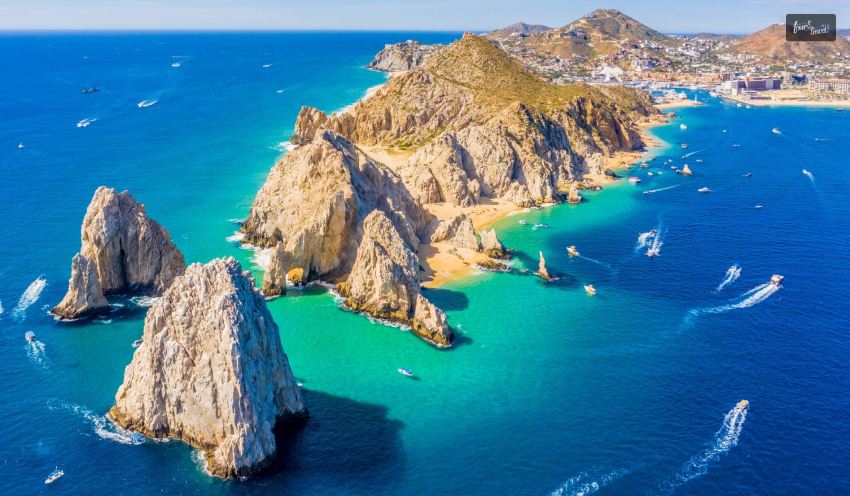
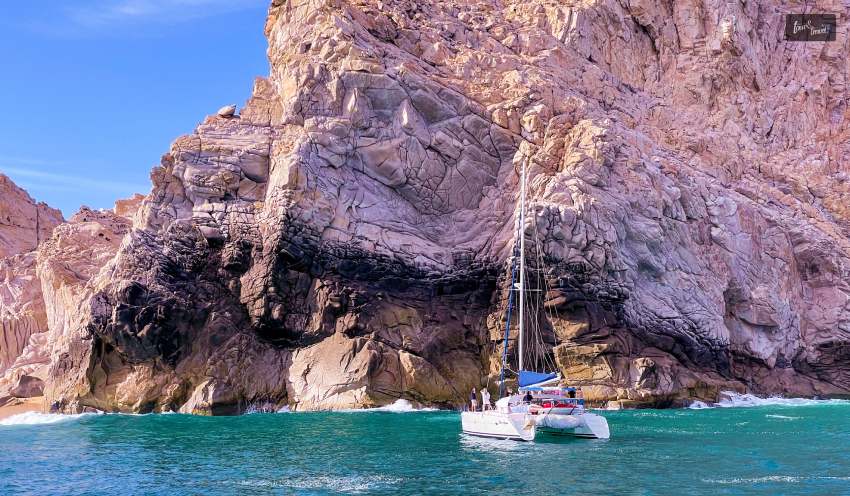
A critical icon can be found in the area, The Arch. In Spanish, “El Arco” is the natural stone arch that is well known worldwide and a symbol of Cabo San Lucas. Read the article to learn more about it.

Also Read: How To Find The Best Ontario Cocaine Rehab Center?

Is Cabo San Lucas Safe? Let’s Find Out!

Cabo San Lucas Safe or not

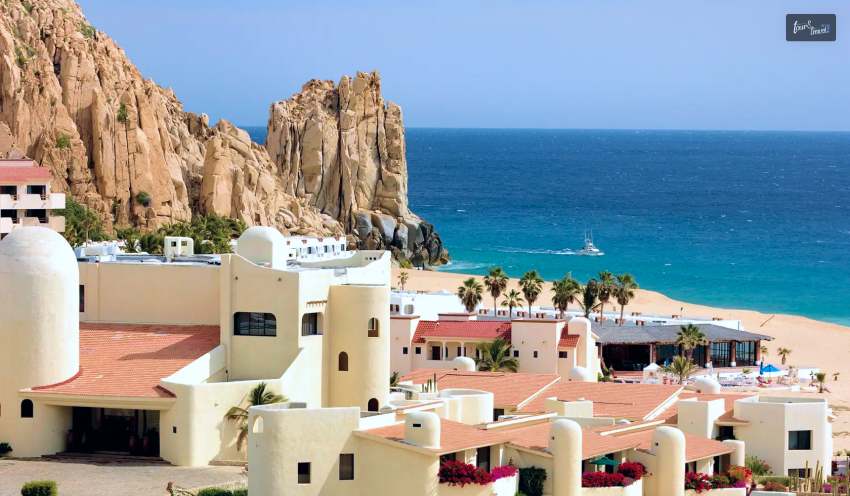
Cabo San Lucas is situated in Mexico with picturesque beaches. It is a popular tourist destination rich in culture and boasting sumptuous local food. Almost 2.8 million travelers visit Cabo annually, and there are repeat visitors.

The coastal life experience that Cabo San Lucas offers is quite beautiful at a meager price as compared to many other popular tourist destinations. The place is more alluring than other beach destinations, and the good annul the bad regarding tourism.

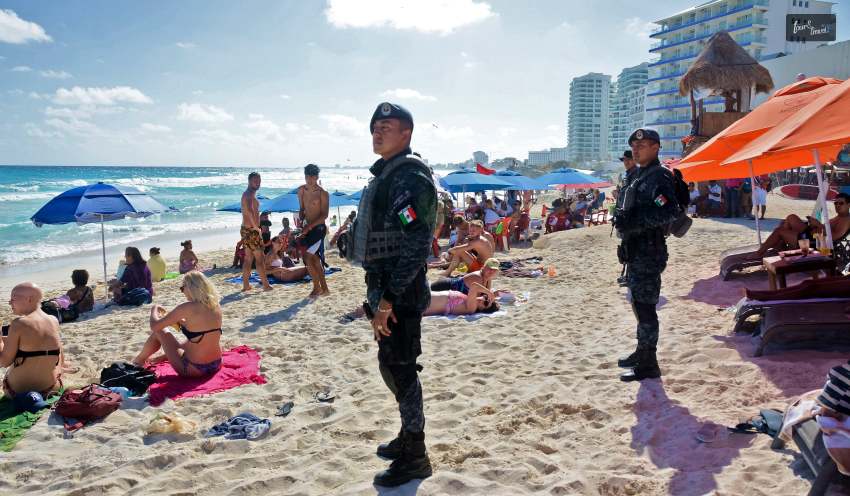
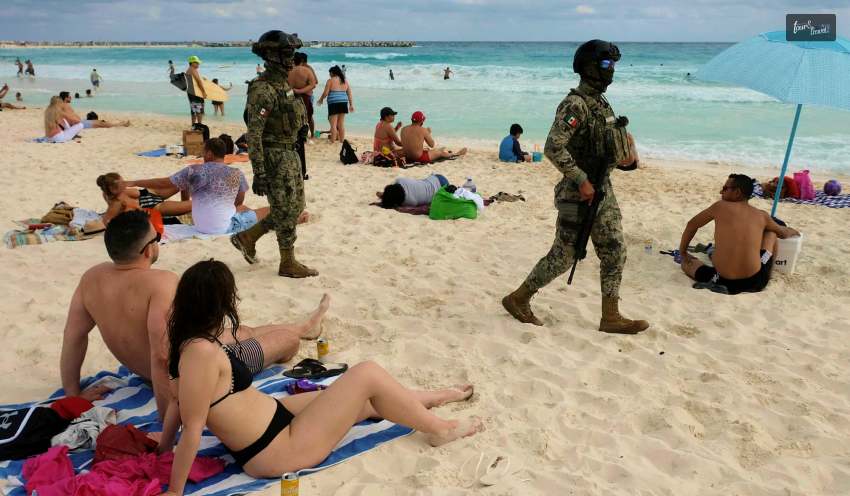
The question arises Cabo San Lucas is safe because in recent times. The country of Mexico is going through a crisis of cartel warfare and drug-related violence. The U.S. government has issued a warning regarding the travel advisories in Mexico, and Cabo has been excluded.

Cabo is a popular tourist spot and is considered safe for visitors. Yet some issues might put tourists at risk in recent times.

Where Is Cabo San Lucas Situated?

Cabo San Lucas is situated in the Baja California peninsula on the West Coast of Mexico at the southern tip. The overall positioning of the place is in the southeast of California, USA.

Tourism In Cabo San Lucas

Tourism in Cabo San Lucas

The tropical weather in Cabo is perfect for visitors. The white sandy beaches and glistening blue waters create the perfect backdrop for tourists walking barefoot. Thousands of tourists frequent Cabo every month.

There are certain things that you need to consider when you are traveling to Cabo, such as you should only buy bottled water, always staying in groups, and don’t dress up too flashy.

As a visitor, you must know that there are no lifeguards. Hence, you should always have local contacts who can help you. You must book with trusted sources for accommodations.

How To Reach Cabo San Lucas?

How to reach Cabo San Lucas?

The time to reach Cabo San Lucas by flight from New York, Vancouver, Canada, and Chicago is 5 hours, while from Seattle and Atlanta, it takes 4 hours.

Traveling from San Francisco to Cabo will take 3 hours, while from Dallas and Los Angeles, your flight will be two and a half hours long.

Crime In Cabo

Crime in Cabo

Certain crimes are active in Cabo, and Interpol is working hard to prevent them. The Interior is performing criminal investigations and spearheading spontaneous crackdowns to stop crime. The concerns that are identified in Cabo are as follows:

  • Drug Use and Sale
  • Gang Activity
  • Carjacking
  • Scams
  • Robbery
  • Homicide
  • Pickpocketing

The total population of Cabo is 202,694, and most crimes are happening against the locals. The crimes are severe, so the authorities are taking a solid stand to curb the crime. The crime rate has increased to 80.29% in 2023. Thus, safety is a concern.

The vibrant sceneries, nightlife, and natives are the attraction of Cabo, yet visitors might feel reluctant due to safety issues. Considering Cabo is right on the edge of the coastline, it is easy for drugs to pass from Mexico to other countries.

It does contribute to more gang violence and drug-related crime in Cabo. It would be best if you stayed away from the coastal regions late at night as tourists and visitors. There is a higher risk of getting mugged.

Venturing into tourist habited places such as shopping centers, tourist attractions, bars, and restaurants is a better idea to enjoy your trip. The most convenient transportation choices are Uber, Lyft, and Shuttle.

Safety Concerns

Safety Concerns

Cabo has topped the list of scams and frauds, making it difficult for the authorities. Before and after the peak season, the issues further increase. In 2022, at least 800 reported cases of fraud and scams.

Kidnapping is another concern where the perpetrators ask for money after abducting loved ones. In Cabo, there are risks of tourists getting kidnapped in vehicles that pretend to be taxis but are not. The tourist destination ranks third in the statistics of kidnapping.

The municipality of Cabo San Lucas has a negative image regarding managing crimes for locals and visitors. The center of Cabo has the best hotels, attractions, beaches, and accommodations where crime is controlled. Unfortunately, the back alleys and the side roads are not so safe.

Los Cangrejos And Las palmas

The neighborhood has some safety concerns, which are pretty high for crimes and theft. People are constantly falling victim.

Santa Rosa In San Jose del Cabo

Santa Rosa in San Jose del Cabo

Armed robbery, vehicle robbery, and assault crimes are common in Santa Rosa. Visitors must be careful of hot spots. This location has accommodations and tourist attractions, making it straightforward for visitors to fall victim. It would be best if you kept the windows of the cars locked.

You must continue on the way if any strangers are asking for help or a lift. The reported crimes in this location are based on gas stealing. The neighborhood around the airport is primarily rural, which is considered dangerous.

City Center

The area is crowded, making it the perfect place for mugging and pickpocketing. Every day, twenty crimes are reported. Therefore, visitors must avoid congested areas. There is a high chance of losing your belongings because stealing is common.

Conclusion

Please read the article to learn the answer to is cabo san lucas safe and why you should be careful before you visit it.

Comment below regarding your traveling preferences and whether you would like to visit Cabo someday.

Read Also:

Share on Social Media

Sagnika Sinha is a content writer who is passionate about writing travel vlogs, entertainment and celebrity articles and literature-based pieces. With a 4 years experience in teaching, she loves reading books. A procrastinator by nature, she loves travelling, listening to music, planting and gardening.

Leave a Reply

Your email address will not be published. Required fields are marked *

title-img Related

READ MORE container shipment in Hawaii

What You Need to Know About Regulations for Container Shipping to Hawaii

BY  Sibashree Feb 22, 2025

Shipping goods to Hawaii is a rather complicated process that requires understanding state and federal regulations. This article covers all bases on container shipping to Hawaii-whether from the shipping basics to regulations to factors affecting cost.  Understanding the Basics of Container Shipping to Hawaii  Container shipping to Hawaii of goods from the beginning to the end involves sea transportation in large shipping containers. As an island chain, Hawaii is more dependent on sea freight transport than most U.S. states, as shipping lines regularly run between the mainland and Hawaii.   Goods are usually loaded into a container at the port of origin, transported across the Pacific Ocean, and unloaded at a port in Hawaii.  To ensure your shipment is properly handled, it is important to understand the preparation and what to expect from the shipping situation.   There are regulations to be observed beyond selecting a shipping provider; should any of these regulations not be followed, your shipment might encounter delays and penalties.   Laws Affecting Shipping Containers, Permits, and Building Code Requirements in Hawaii  Shipping containers in Hawaii give rise to a different set of zoning laws, permits, or building code requirements, which can be very limited if one is interested in retrofitting or dairy goods in containers on the islands.   Good knowledge of these laws is essential because they are meant to maintain the state's safety, aesthetics, and environmental balance.  Zoning Laws  The zoning law in Hawaii would regulate the areas for placement of containers in residential, commercial, or industrial properties. Some places restrict the use of shipping containers for storage or habitation.   Local zoning ordinances differ from one county to another, and thus, it is very important for you to check on what sites have requirements for where you intend to ship or store your containers. Violating zoning law could cause you to be fined or have your containers removed.   Permits  In many instances, shipping containers need to be permitted before use on private property, specifically for commercial or construction purposes, as we have maintained.   For example, a building permit will almost certainly be necessary if containers are to be used for storage or adapted for habitation.   It is best to establish that your shipping containers require permits for usage and to be prepared to submit plans for approval with the local authority.   Building Code Requirements  Hawaii’s building codes are in place to ensure safety and guarantee that structures conform to specified environmental standards.   Shipping containers turned into living quarters and/or workplaces must abide by these codes.   Areas covered include structural integrity, ventilation, electrical wiring, plumbing, and insulation. Fines or dismantlement may come consequently if building code laws are violated.   State and Federal Regulations  Besides local regulations regarding container shipping to Hawaii, state and federal regulations govern the smooth coordination of shipping containers. They include:  USDA and APHIS Regulations  The U.S. Department of Agriculture and Animal and Plant Health Inspection Service enforces standards for preventing the introduction of invasive species. Upon entering any container in Hawaii, inspection for pests and dirt will be mandatory.   Customs and Border Protection (CBP)  The Customs and Border Protection (CBP) will be able to inspect containers to ascertain whether they fit the federal import requirements.   Goods into Hawaii from any foreign country must comply with U.S. Customs. Ignoring these regulations can lead to serious legal consequences and shipment rejections.  Environmental Considerations  Hawaii is home to some of the most delicate ecosystems. Because of environmental protection laws, certain items may be prohibited from shipping here.   Tips for Compliance with Hawaii's Regulations  Additional value is given to these tips to put the shippers at ease while bypassing costly delays and fines:   Contact the Local Authorities  Interrogating the local authorities regarding arrival or intended container placement in Hawaii is also wise; it could be the county building department or the zoning office that can assist with the permits and inspections needed and requirements for shipping container use.  Prepare your Documentation  Good documentation will rule the waves. Your bill of lading, inspection records, shipping receipts, and permits should be assembled before the shipment so that no unexpected delays or issues arise on arrival.   Work with Licensed Contractors  Work with licensed contractors knowledgeable of Hawaii's building codes if you intend to convert a container into a structure, such as a house or office, to help ensure that your project follows the law and has all relevant documentation.   Factors Determining Cost of Shipping  Several factors determine the cost of shipping containers to Hawaii. An understanding of these factors would ensure proper budgeting on your part.  Origin of Shipment  The origin location of your container shipment may influence pricing. Moving cargo from the mainland United States is less expensive than moving cargo from foreign countries; this is due to distance, as well as customs necessities.  Moving/ Shipping Services Taken  The services you select, including door-to-door delivery or terminal-to-terminal shipping, will also affect the price. If you need additional services such as unpacking or installation, be ready to pay more.   Accessibility of Sites  Shipping costs may increase if your destination is in a more remote area in Hawaii or parts of the state with limited port access due to transport challenges.   Containers may need to be moved off the freight ship onto smaller vessels or trucks for delivery to the destination.  Weight of Shipment  A heavier shipment means it will be more expensive to ship. So, watch out for the weight of your container and try to minimize it by packing wisely.  Shipping Item Types  Some items may require special handling and/or permits, such as hazmat shipping and heavy-moving machinery, which costs extra. Always check restricted categories for your items.  Things You Cannot Ship in Your Container to Hawaii  Hawaii has very strict prohibitions under their regulations on certain things for environmental, health, and safety reasons. Some of the things you cannot ship:   Soils and plants: They are very strict about any invasive species; therefore, soil, plants, and plant products are strictly restricted.   Pests and insects: All the containers must be inspected for pests, and any of those that have carried insects or any other harmful organism will be refused entry.  Fresh Produce: Some fresh fruits and vegetables can also be banned because pests are introduced.  Animals and animal products: Certain animals or animal products can be very strict when imported into Hawaii.   Final Thoughts  Shipping to Hawaii involves a thorough understanding of local and federal regulations. You can smooth your shipment and any associated projects by following all zoning laws, obtaining relevant permits, and adhering to building codes.   Always seek local authorities’ assistance, prepare required documentation, and work with licensed professionals as necessary.   Remember, shipment origin, weight, and type of service will cause your costs to fluctuate, so it is wise to plan. Knowing what you can and cannot ship will help you avoid unnecessary hold-ups so your container shipment to Hawaii can go as planned. READ MORE: 7 Benefits Of Staying At A Beach Hotel The Stairway To Heaven Hawaii: Hiking Adventure’s Hidden Gem Nurturing Young Explorers: The Benefits Of Beach Camps In Nurturing Curiosity And Resilience

READ MORE New York

Must See Places In New York |  Can You Guess The Names | New York Makes A Comeback

BY  Mashum Jan 30, 2020

With a change in tourist behaviors, New York is all set to exceed the tourism records of pre-pandemic days. This upward graph in tourism numbers has been visible since 2023. In the same year, footfalls in New York crossed the 62 million mark.  Now, regarding the must see places in New York, the iconic ones like the Statue of Liberty, the Metropolitan Museum of Art, and the High Line continue to cast their charm.  However, breaking the tourism lulls of the pandemic days, tourists are now eager to explore beyond Manhattan. Further, they want to experience the “Real New York City,” away from maddening crowds.  So, in this Tour and Travel guide, I have highlighted the most popular destinations in New York, along with some unique hotspots. It’s like the Frank Sinatra song, “I want to be a part of it, New York, New York Your vagabond shoes, they are longing to stray And step around the heart of it, New York, New York…” Must See Places In New York | Iconic Landmarks In New York  New York remains a dynamic hub for tourism, with a significant increase in visitors and visitor spending. In 2024, the number of tourists to New York City was close to 65 million, which was the second-highest number in the city’s history. “With nearly 65 million visitors this year — the second highest figure in our city’s history — New York City has once again solidified its position as the premier destination in the nation and one of the top travel spots in the world.”Eric Adams, Mayor, New York City So, the city is ready to make a massive economic recovery, with the tourism sector making a strong and steady comeback.  Further, the following must see places in New York remain the heartbeats of the city’s tourism.  1. Central Park | A Quiet Retreat Amidst The Bustling New York City Embed: https://www.instagram.com/p/C5WYDY2IRu0/ Entry: Free Hours Open: 6 AM to 1 PM Christo and Jeanne-Claude’s “The Gates” is making a comeback to Central Park. I was just checking out the Central Park Conservancy website and was elated to find that this transcendental art installation in saffron hue is once again ready to tell the tales of a park reborn. The Shed, a non-profit cultural organization, will be hosting an exhibition called “Christo and Jeanne-Claude: The Gates and Unrealized Projects for New York City.”This exhibition will open on 12th February 2025, marking the 20th anniversary of “The Gates.”  Once home to the Indigenous Lenape people, Central Park became what it is today with the craftsmanship of Calvert Vaux and Frederick Law Olmsted. Walking, e-scooter tours or biking through the trails are the best ways to explore the manicured, yet natural-looking vistas of the park.  Moreover, Central Park is full of attractions, including the Strawberry Fields, a tribute to John Lenon, the Conservancy Garden, Bow Bridge, Belvedere Castle, etc.  2. The Statue Of Liberty | The Symbol Of Freedom  Entry Fee: Free Ferry Charges: Free for Children below 4 Years, $16.50 for Children Aged 4-12, $25.50 for the Age of 13+, $22.50 for Seniors (62+) Hours Open: 9 AM to 5 PM The Statue of Liberty was a gift by France, built-in 1886. It is among the most popular symbol of freedom and one of the greatest icons in America. Standing at 152 feet tall, it is one of the tallest statues in the world and weighs around 450,000 pounds. Battery Park offers a great view of the statue from the land. However, the best way to see this statue is by taking a short ferry trip to Liberty Island. You can get up close, take a stroll around the ground and pedestal. And, if you make advanced reservations, you can even go up to the crown. When you take the ferry, you will also stop at Ellis Island and can explore the Immigration Museum. 3. Metropolitan Museum Of Art | Housing 5000 Year Old Artwork Entry Fee: $30 for Adults, $22 for Seniors and Visitors with a Disability, $17 for Students, Free for Children below 12 Years Hours Open: Monday, Tuesday, Thursday and Sunday - 10 AM to 5 PM, Saturday and Sunday - 10 AM to 9 PM, Wednesday - Closed Metropolitan Museum of Art, also famously known as MET, was established in 1870. It is one of the most popular museums in the United States of America. The center has an extensive collection of over 2 million artworks, some of which date back to 5000 years. It has three sites. However, Met Fifth Avenue is the centerpiece of the museum. If you are a fan of art and history, this is a place that you should not miss out on. American arms and armors, decorative arts, Egyptians arts, photographs, musical instruments, etc. are some of the many items that you get to explore here. 4. The High Line | The Changed West Side Elevated Line After An Ideas Competition High Line was once a rail line, which has now become a popular tourist attraction of the city. The rail line has now been transformed into a walking trail over the city streets. The linear public park has a wide range of trees and plants. Further, The High Line, or the linear public park, has a wide range of trees and plants. The High Line you visit today survived a demolition order from Mayor Giuliani in 1999. However, four years later, the “ideas competition” hosted by Friends of the High Line highlighted the potential of this “ugly eyeshore” to get transformed into one of the must see places in New York. So, today, the 1.45-mile-long greenway with over 500 species of plants reminds me of the headline on the front page of the New York Times. It read, “Frog of a Railroad to Become Prince of a Park.” Moreover, glass railings line the park, which gives it a more natural feel. From here, you get an amazing view of the bustling city of New York. You can access the high Line on different points from Gansevoort to 34th Street. Some of the access points only provide stairs, whereas others have elevators as well. 5. Times Square | At The Crossroads Of The World Exhibiting tall, bright billboards and displays, Times Square is one of the must-visit places in New York. While it is exciting at any time of the day, it truly livens up in the evening. This is the site where New York celebrates its New Year's Eve and where the Ball Drop happens at midnight. It is a busy street, which is always crowded with people, but still has a unique character to it. Bleachers are installed on the other end of where you can sit and admire the hustling scene. Time Square got its name in the year 1904, and before that, it was known as Longacre Square. Also, if you are looking to find the best food trucks in NY, then I would recommend visiting vstreetfood.com/food-trucks/new-york/. New York is considered the city that never sleeps, and it is true. No matter what time of the day it is, there is something you can do or explore here. Above are some of the places that you must visit in New York. And while you explore these destinations, you will come across a bunch of others on your way because they all are closely connected. Also, when in Times Square, you must not forget to explore the best food trucks in NY, especially vstreetfood.com/food-trucks/new-york/. The Must See Places In New York | Hidden Gems You Will Fall In Love With  As promised, here, I will discuss some hidden gems in New York. These must see places in New York are eclectic and they represent the true spirit of the city beyond the glitz and glamor of Manhattan.  Here we go! Theodore Roosevelt Birthplace National Historic Site https://www.instagram.com/p/DBo43aGy2u9/?img_index=1 Hours Open: Wednesday – Sunday:10:00 AM to 4:00 PM Entry Fee: Free Theodore Roosevelt Birthplace National Historic Site is the boyhood home of the first US president born in the USA.  Today, this historic site offers a 45-minute tour guided by a ranger or volunteer. Stone Street Historic District  In the Financial District of Manhattan, Stone Street has created a world of its own. This cobblestone street or the Stone Street is one of the oldest in New York and a simple stroll through it is an experience for the dark academia fans.  Further, Stone Street will take you back to 1658, when the residents of the area petitioned this street.  Museum At Eldridge Street https://www.instagram.com/p/DEN06khzba7/?img_index=1 Hours Open: Sunday - Friday: 10 AM – 5 PM, Saturday: Closed Entry Fee: Adults: $15, Students & Seniors: $10, Children 5 - 17: $8, ‘Pay What You Wish’ (Mondays and Fridays) Located in the historic Eldridge Street Synagogue, the Museum At Eldridge Street symbolizes the realization of immigrant dreams. The Eastern European Jewish immigrants built this synagogue in 1887, and it was the first grand synagogue (purpose-built) in the USA.  Today, the museum stands out with its architectural excellence and unique exhibits.  Morgan Library https://www.instagram.com/p/DDSHkw8o6um/?img_index=4 Hours Open: Tuesday, Wednesday, Thursday, Saturday, and Sunday from 10:30 Am to 5 PM, and Friday from 10:30 AM to 8 PM Entry Fee: Free for Children below 12, $13 for Students, $17 for Seniors, $25 for Adults The Morgan Library and Museum is a treasure trove of rare books, prints, manuscripts, and prints.  Located in Madison Avenue, the library and museum has an opulent setup with the collections of financier Pierpont Morgan. Ground Zero Museum Workshop https://www.instagram.com/p/CTwub4yLFU1/?img_index=1 Hours Open: Thursday, Friday, and Saturday: 12:30-2:30 PM, Sunday: 1-2:30 PM, Wednesday: 1:30-3:15 PM, Monday and Tuesday: Closed Entry Fee: Children (Ages 4-12) - $25.00, Adults (Ages 12+) - $32.00, Seniors (Ages 65+) - $25.00 Ground Zero Museum Workshop is the best place to find the most realistic account of the Ground Zero “Recovery Period.” You will find images, artifacts, and 100s of exhibits to take you through what happened at Ground Zero and how everyone recovered from that. Further, today, the Ground Zero Museum Workshop is one of the best places for dark tourism in the USA. Read Also: 12 Things That Everyone Should Try In Mexico 5 Backpacking Tips for an Unforgettable Euro-Trip

READ MORE how far is savannah from atlanta

Atlanta to Savannah: A Scenic Road Trip Adventure That You Can’t Miss!

BY  Ankita Mar 21, 2024

Atlanta and Savannah are two of the most popular and exciting cities in Georgia. They are both rich in history, culture, and entertainment. But they are also very different in many ways. Atlanta is a modern and bustling metropolis, while Savannah is a charming and historic coastal town. How can you experience the best of both worlds? By taking a road trip from Atlanta to Savannah! But how far is Savannah from Atlanta? How long does it take to drive from Atlanta to Savannah? What are the best routes to take from Atlanta to Savannah? What are the best places to visit along the way from Atlanta to Savannah? In this article, I will answer these questions and more. I will show you the best tips and tricks to plan and enjoy your road trip from Atlanta to Savannah. I will also show you the top 10 sights that you simply can't miss on your road trip from Atlanta to Savannah. Let's get started! How Far is Savannah from Atlanta? The first question that you might have is: how far is Savannah from Atlanta? The answer is: it depends on the route that you take. There are several routes that you can take from Atlanta to Savannah, each with its own advantages and disadvantages. Of course, these are not the only routes that you can take from Atlanta to Savannah. Also, you can customize your own route, depending on your preferences, your budget, and your time. You can use online tools, such as Google Maps, Roadtrippers, or Furkot, to plan and optimize your route. You can also check the traffic, the weather, and the road conditions before you start your trip, and adjust your route accordingly. Also, you can be flexible and spontaneous and take detours or shortcuts as you go along. The important thing is to have fun and enjoy the journey! Having said that, here are some of the most common routes that you can choose from: The Fastest Route This route takes you from Atlanta to Savannah via I-75 S, I-16 E, and I-516 E. This route is the shortest and the quickest, as it covers about 248 miles and takes about 3 hours and 45 minutes to drive. However, this route is also the most boring and the most crowded, as it does not offer much scenery or attractions along the way. You will mostly see highways, traffic, and billboards. This route is best for those who are in a hurry and want to get to Savannah as soon as possible. The Scenic Route This route takes you from Atlanta to Savannah via US-441 S, US-129 S, US-341 S, GA-57 S, and US-80 E. This route is the longest and the slowest, as it covers about 310 miles and takes about 5 hours and 30 minutes to drive. However, this route is also the most scenic and the most interesting, as it offers a lot of scenery and attractions along the way. You will see mountains, lakes, rivers, forests, farms, and small towns. You will also pass by some of the historic and cultural sites of Georgia, such as the Ocmulgee National Monument, the Jarrell Plantation, the Georgia Sports Hall of Fame, and the Georgia Music Hall of Fame.  This route is best for those who are not in a hurry and want to enjoy the beauty and the diversity of Georgia. The Alternative Route This route takes you from Atlanta to Savannah via I-20 E, US-25 S, and US-17 S. It is a good compromise between the fast and the scenic routes, as it covers about 270 miles and takes about 4 hours and 15 minutes to drive. This route is not as boring as the fast route, but not as scenic as the scenic route. You will see some scenery and attractions along the way, but not as much as the scenic route. You will also pass by some of the major cities and towns of Georgia, such as Augusta, Waynesboro, and Statesboro. This route is best for those who want a balance between speed and scenery, and who want to see some of the urban and rural aspects of Georgia. The Top 10 Sights to See on Your Road Trip from Atlanta to Savannah Now that you have chosen your route and planned your trip, you might wonder: what are the best sights to see on your road trip from Atlanta to Savannah? There are so many places to visit and things to do along the way that it can be hard to decide. To help you out, I have selected the top sights that you simply can't miss on your road trip from Atlanta to Savannah. These are the sights that will make your road trip memorable and enjoyable. Here they are: 1. Stone Mountain Park Stone Mountain Park is a 3,200-acre park that is located 15 miles east of Atlanta. It is home to the largest bas-relief sculpture in the world, which depicts three Confederate leaders: Jefferson Davis, Robert E. Lee, and Stonewall Jackson. The park also offers various attractions and activities, such as a cable car, a train, a museum, a golf course, a lake, and a campground. You can also enjoy hiking, biking, fishing, and picnicking in the park. Stone Mountain Park is a great place to start your road trip, as it gives you a glimpse of the history and the nature of Georgia. 2. Madison Madison is a small town 60 miles east of Atlanta. It is one of the most charming and historic towns in Georgia, as it has over 100 antebellum homes and buildings that are listed on the National Register of Historic Places. You can take a walking tour, a driving tour, or a carriage tour of the town, and admire the architecture and the atmosphere. You can also visit some of the museums, shops, and restaurants in the town. Madison is a perfect place to stop for a break, as it offers a relaxing and romantic experience. 3. Milledgeville Milledgeville is a city that is located 90 miles southeast of Atlanta. It is the former capital of Georgia, and the birthplace of the famous writer Flannery O'Connor. You can visit some of the historic and cultural sites of the city, such as the Old Governor's Mansion, the Georgia's Old Capital Museum, the Andalusia Farm, and the Lockerly Arboretum. You can also enjoy some of the outdoor activities, such as kayaking, fishing, and biking, that are available in the city. Milledgeville is a fascinating place to visit, as it shows you the heritage and the creativity of Georgia. 4. Macon Macon is a city that is located 85 miles south of Atlanta. It is known as the "Heart of Georgia", as it is located in the geographic center of the state. It is also known as the "Song and Soul of the South", as it has a rich musical history and culture. You can visit some of the musical landmarks of the city, such as the Otis Redding Museum, the Allman Brothers Band Museum, and the Georgia Music Hall of Fame. You can also visit some of the other attractions of the city, such as the Ocmulgee National Monument, the Hay House, and the Cherry Blossom Festival. Macon is a fun place to visit, as it offers a lot of entertainment and excitement. 5. Dublin Dublin is a city that is located 120 miles southeast of Atlanta. It is a friendly and festive city, that celebrates its Irish heritage and culture. You can visit some of the Irish-themed attractions of the city, such as the Dublin-Laurens Museum, the Shamrock Bowl, and the St. Patrick's Day Parade. You can also visit some of the other attractions of the city, such as the Market on Madison, the Theatre Dublin, and the River Bend Wildlife Management Area. Dublin is a delightful place to visit, as it offers a lot of charm and cheer. 6. Statesboro Statesboro is a city that is located 55 miles northwest of Savannah. It is a college town, as it is the home of the Georgia Southern University, the largest public university in Georgia. You can visit some of the campus attractions, such as the Georgia Southern Museum, the Center for Wildlife Education, and the Botanic Garden. You can also visit some of the other attractions of the city, such as the Averitt Center for the Arts, the Statesboro Farmers Market, and the Splash in the Boro Water Park. Statesboro is a lively place to visit, as it offers a lot of culture and fun. 7. Savannah National Wildlife Refuge Savannah National Wildlife Refuge is a wildlife refuge that is located on the border of Georgia and South Carolina, along the Savannah River. It is a 31,551-acre refuge that protects and preserves various habitats and species, such as marshes, forests, wetlands, and islands. You can see animals such as alligators, deer, otters, bobcats, and over 300 species of birds. You can also enjoy hiking, biking, fishing, hunting, and photography in the refuge. Savannah National Wildlife Refuge is a great place to visit, as it offers a chance to experience the wildlife and the nature of Georgia. 8. Tybee Island Tybee Island is a barrier island that is located 18 miles east of Savannah. It is a popular destination for beach lovers, who can enjoy swimming, surfing, kayaking, fishing, and boating. The island also has a pier, a pavilion, a lighthouse, a museum, and a marine science center. Tybee Island is a wonderful place to visit, as it offers a relaxing and enjoyable experience. 9. Historic District The historic district is the heart and soul of Savannah. It is the largest National Historic Landmark District in the US, and it features over 20 squares that are filled with monuments, fountains, gardens, and statues. You can also see some of the most beautiful and historic buildings in the city, such as the Cathedral of St. John the Baptist, the Mercer Williams House, and the Davenport House. You can take a guided tour, hop on a trolley, or simply walk around and admire the architecture and the atmosphere of the historic district. 10. River Street River Street is a lively waterfront area that offers a variety of shops, restaurants, bars, and entertainment. You can browse the boutiques, sample the local cuisine, listen to live music, or watch the ships go by. You can also take a riverboat cruise, a ferry ride, or a water taxi to see the city from a different perspective. River Street is especially festive during the holidays and the events, such as the St. Patrick's Day Parade, the Fourth of July Fireworks, and the Oktoberfest. Wrapping It Up! A road trip from Atlanta to Savannah is a scenic and adventurous way to explore the diverse and beautiful attractions of Georgia. You can see the stunning scenery, the historic landmarks, the quaint towns, and the fun activities that lie between the two cities. Also, you can enjoy the flexibility, the convenience, and the adventure of driving your own car. You can stop whenever and wherever you want, and discover the hidden gems that you might otherwise miss. By following the tips and tricks that I have provided in this article, you can plan and enjoy your road trip from Atlanta to Savannah. I hope that this article has given you some ideas and inspiration for your road trip itinerary. Have a great time on your road trip from Atlanta to Savannah!. Read Also: From Hiking To Stargazing: The Top 10 National Parks In Utah! The Best Mountain Getaways In Washington: Where To Stay, What To Do, And How To Relax A Guide To Adventure And Nature: The Best Things To Do In Moab Utah For Outdoor Enthusiasts