


Alsi Resort – Overview, Reviews, Pros, And Cons

Jun 26, 2023

Last Updated on: Aug 29, 2025

Travel Guides

If you are planning a family trip away from the hustle and bustle and bustle of daily life, then Bayshore, Newport, is the place to go. The Alsi Resort hosts the best place for your leisurely holiday with a variety of amenities.

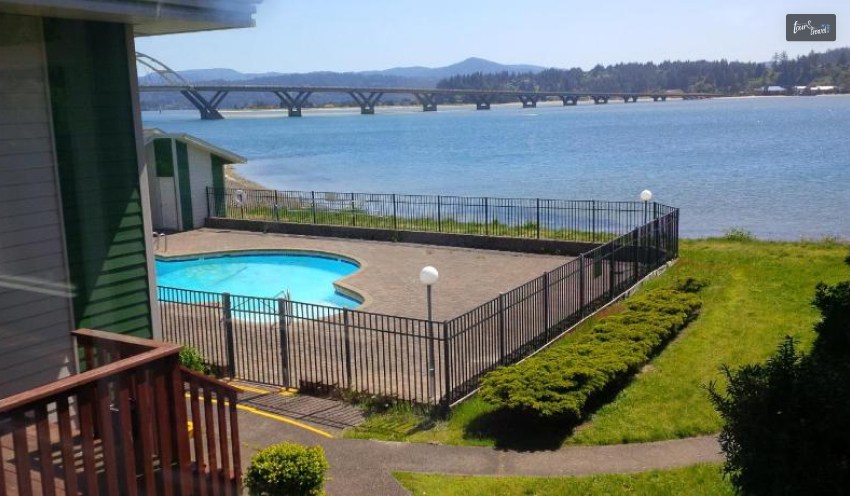
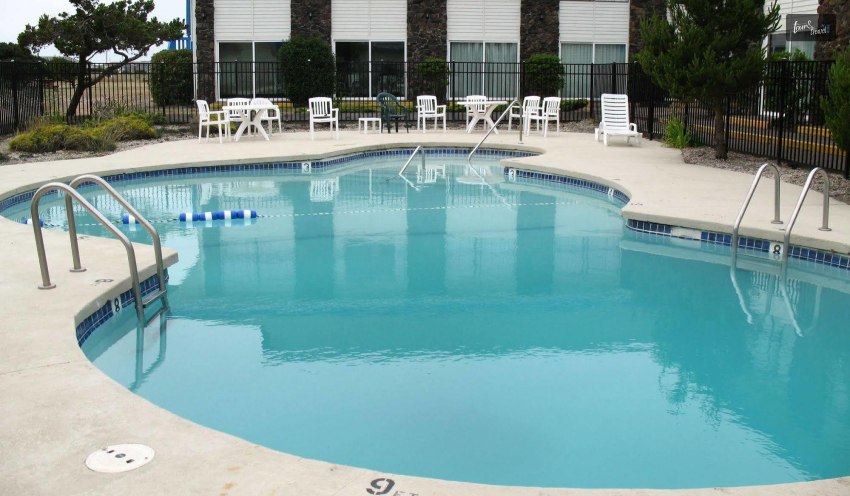
They have a seasonal outdoor pool, bay-front property, Jacuzzi Suites, and, most importantly, Barbeque ( who doesn’t love barbeques?).

Bayshore, in New York City, is a good place for a small holiday of a day or two. You can visit the Sagtikos Manor, The Himes Museum, and other attractions of the sight.

So, when making a small trip to Bayshore, why should you choose Alsi? Well, that is what this review is for. Here you will learn about Alsi Resort and the amenities it has to offer, its locations and more.

About Alsi Resort

About Alsi Resort

Alsi Resort runs on passion. The resort is a family-owned resort, and they pay attention to lots of things, starting from assuring you are having the best food, a better sustainable living practice, spiritual development, and the sense of being part of a community.

All of the different principles of this resort add up to make up for the idea it stands for – the idea of the Alsi Native Indians and their philosophy. The Alsi Native Indians were the early settlers of the land on which the resort is built now.

It is the place where the peaceful waters of the Alsea River meet the strong wave of the Pacific Ocean. It is where the headstrong part of nature meets the calming, bringing balance to the world and to your mind. The word Alsi means peace. If you want to find harmony in a life stormed by both the calm and the noise, this is the place where you can find it.

The bridge view and a serene look at the coastal mountains will surely give you a sense of peace.

Also, the food is something to look forward to.

What’s Nearby!

If you are visiting Bayshore, you should be aware of the closest places. Here are some of them –

  • Historic Alsea Bay Bridge Interpretive Center – 4 min drive
  • Holly Beach – 4 min drive
  • Waldport Heritage Museum – 5 min drive
  • Oregon Coast Trail – 4 min drive
  • Big Stump Beach – 6 min drive

Alsi Resort Amenities

Alsi Resort Amenities

The amenities of the resort are something to look forward to. Why? Here is why –

Internet

It is hard to live without the internet. Alsi Resort does not make your life harder by taking away the internet. They offer free internet through Wi-Fi in all the living rooms and in the public areas. So, you will not miss any tweet from Elon Musk or any internet personality you follow.

Parking

Alsi Resort offers free self-parking on the site. You can park your car and enjoy the different services that come with the amenities. Some of them would be –

  • Free self-parking on site
  • Coach/Motorhome/lorry parking (free) on-site.
  • On-site parking with off-street options
  • Return airport shuttle (surcharge)

Things To Do

You are not running out of things to do at the Alsi resort. Here are some fun things to do there –

  • Access to the nearby health club
  • Hiking/biking trails
  • Fishing
  • Seasonal outdoor pool

Family Friendly

When it comes to family friendliness, this resort has you shorted. You will love their Laundry facilities, Seasonal outdoor pool. They also have a microwave and mini fridge you can use. The property amenities include a lot more, including Guest services, business services, outdoors, accessibility, games, smoke-free property, romance packages, and more.

Room Amenities

Bedroom amenities offer bed sheets, blackout drapes, and heating. In the bathroom, you have free toiletries, a hair drier, a private bathroom, shampoo, soap, toilet paper, towels, a shower/combination and more. You have a 27-inch TV for entertainment and satellite channels.

Alsi Resort Policies

Alsi Resort Policies

Also, they have some reassuring check-in and check-out policies. The general time for checking in is between 4:00 PM – 10:00 PM. Also, the guests can check out before 11:00 AM. They have a staffed front desk making sure you can access them easily. Most interestingly, Alsi Resort allows you to take pets; even service animals are allowed here. But you cannot keep them unattended.

Alsi Resort Review:

Here are some reviews of this resort –

When I made a mistake in my reservation, the management was quick to respond, helpful, and pleasant to work with. While I didn’t end up staying this time, I’ve enjoyed the “bay view” on pre-COVID stays. (Note on “Overall Rating” I did not stay here, but a rating is required for a review”)

DryWit

Very run down. No restaurant is open, so there is no free breakfast. Pool was green and dirty. Luxury rooms, don’t think so. Torn screens, no bed skirts on beds, no blankets, no cable tv, hot water ran out after a minute in shower. Door to additional room had broken lock. Only thing was a comfy bed but small pillows. More like a motel six rather than a “resort”. And the thing is, none of this was told to me when I arrived. When it was booked, things were good. I heard new owners, but I’d say keep on traveling.

John S

News Update

When checking in, guests must present a photo ID and credit card. Please be aware that there may be additional fees and that all special requests are subject to availability. This property has implemented additional safety and sanitation measures in response to the coronavirus (COVID-19). Due to the coronavirus, food and beverage services at this property might be restricted or nonexistent (COVID-19). This property is taking precautions to help ensure the safety of both guests and staff due to the coronavirus (COVID-19).

As a result, some facilities and services might be scaled back or eliminated. The property’s reception and service operating hours have been shortened due to the coronavirus (COVID-19). Please let the Alsi Resort Hotel know when you plan to arrive. When making a reservation, use the Special Requests box. Alternatively, use the contact information on your confirmation to get in touch with the property directly. Just dogs are allowed on the property, please. It is required for guests bringing pets to reserve a pet-friendly room.

Frequently Asked Questions (FAQs)!!!:

Here are some common questions people ask about Alsi Resort. The answers might be helpful.

1. Does Alsi Resort Allow Pets?

Yes, pets are allowed in the Alsi resort. They welcome service animals, and they are exempted from any fees. Also, you cannot leave pets unattended. But, you need to book pet-friendly rooms during the time of booking your reservation at the Alsi resort.

2. What Time Does Alsi Open?

Alsi has its own time for checking in and checking out. They keep the front desk open from Sunday to Tuesday. However, according to the ratings on Tripadvisor, visitors have the best experience during Mar-May and Sep-Nov.

3. When Is The Check-In Time At Alsi Resort?

Alsi Resort’s check-in policy sets the check-in time at 4:00 PM – 10:00 PM. The minimum age for check-in is 18. Guests can check out before 11 AM.

Bottom Line

If you are visiting Bayshore, you can make your stay at the Alsi Resort. Their services are quite affordable. The different policies and amenities are up to the mark for a recommendation. If you read this review, you should have an idea regarding your booking.

I hope this review was helpful. In case you have any further queries, please contact us through the comment section.

Read Also:

Share on Social Media

Shahnawaz is a passionate and professional Content writer. He loves to read, write, draw and share his knowledge in different niches like Technology, Cryptocurrency, Travel,Social Media, Social Media Marketing, and Healthcare.

Leave a Reply

Your email address will not be published. Required fields are marked *

title-img Related

READ MORE Winter Camping

Winter Camping In Canada: Tips For Cold-Weather Adventures

BY  Arnab Nov 20, 2023

There are many reasons to travel to Canada in winter. You might have heard people immigrating to Canada for business and job purposes. They provide better opportunity for the young generation with better life style. However, if you are focusing on that part, you need immigration advice before you take further steps. You can set off to iconic mountain resorts, visit a Christmas market, or spend time at an ice rink. At the same time, even more adventures await you if you are ready for winter camping.  The list of perfect cold-weather destinations in Canada is simply endless. Snow-covered Banff National Park in Alberta, untouched nature in the Northwest Territories, and mind-blowing Mont-Tremblant in Quebec to name a few. You will certainly appreciate the silent beauty of the snowy forest in February and January, especially at sunset or dawn.  So, it would be great to pick up a car rental in Toronto and go towards a winter fairy tale. A large selection of Toronto Airport car rental deals allows you to find the perfect vehicle for your needs. If you are traveling with family or friends, consider a more spacious option - car rental for 7 people will be a balanced solution for your icy ride.  However, winter camping in Canada is as dangerous as it’s exciting. Low temperatures can cause hypothermia and the most severe consequences for your body. Thus, such experience requires a particularly careful approach. Here are a few cold-weather adventure tips to keep in mind before embarking on such an outing.  1. Use a layered clothing strategy  When it's hot during the day and cold at night, you need to carry a variety of outfits with you to stay comfortable at all times. Layering is one of the best ways to stay dry and warm without overheating.  Layering is an art and once you master it, you can easily regulate your body temperature depending on your activity level and weather changes. Using layers correctly allows you to add or subtract layers throughout the day so you feel comfortable no matter what.  Start with wool or synthetic thermal underwear. Also, avoid cotton. Cotton absorbs moisture and loses all its insulating properties when you sweat, making you feel much colder. The job of thermal underwear is to wick sweat away from your body and keep you dry and warm.  Thus, apply insulating layers such as a fleece, light down jacket, or synthetic jacket as your middle layer to help keep you warm. The greater the middle layer retains heat, the better. Finally, cover the previous two layers with a windproof jacket with a waterproof membrane to keep you warm.  The outer layer also serves to remove moisture evaporated from the body. Don't skimp on a high-quality outer layer if you expect to encounter some serious wind and rain. If it doesn’t cope with its functions, you can become seriously hypothermic. 2. Make sure your sleeping bag can handle low temperatures  Canadian winter camping expeditions require a sleeping bag - this is the golden rule for a hassle-free overnight stay. The temperature label on your sleeping bag can be confusing. For example, if your sleeping bag can withstand +5°C, this doesn’t guarantee that you will feel warm at +5°C. The fact is that sleeping bags have two temperature conditions: a temperature at which a tourist should feel comfortable, and a lower temperature limit at which a sleeping man should feel comfortable.  Temperature values are approximate and depend on multiple factors. Just in case, take a sleeping bag rated for temperatures 5–10°C below expected degrees. You can also add an extra blanket over your sleeping bag to help keep you warm. 3. Select and prepare a place to pitch your tent  Setting up a camp in winter is much more difficult than in summer, so first of all, plan your time correctly - you should arrive at the overnight site at least 30 minutes before sunset. Then, choose the right campsite, prepare it, and set up the tent. Here are some important snow camping hacks to follow.  Place a tent in a sparse forest, on the edge, in a gentle depression between ridges  Remove snow from the area of the tent + 0.5 m around, remove the top layers or clear to the ground if the snow is not deep  Build snow walls around the camp, especially in open areas  Use special elongated winter pegs, which can be replaced with trekking poles  Make an entry from the leeward side 4. Bring all your essentials into the tent Be sure to bring shoes, a backpack with food, a first aid kit and hygiene products, and gas cylinders inside the tent. Plus, put things like your phone and power bank in your sleeping bag. This way you will better conserve charge. If your trekking socks are wet, dry them too.  5. Ventilate your tent The only thing worse than waking up frozen on a hike is waking up cold and wet. It may seem counterintuitive, but opening tent windows for cross-ventilation is among the top priority cold-weather camping essentials. How does it work? When warm, moist air in your tent or RV meets cold surfaces such as tent walls or car windows, condensation occurs. Small droplets of water form and everything becomes wet. Therefore, ensure air circulation in your tent and prevent condensation by opening entrances and windows slightly. 6. Warm up before going to sleep Before you go to bed, warm yourself by the fire or take a walk - whatever you can to warm up. Having a warm drink or snack before bed can also help keep you warm since the process of digestion warms you up from the inside. Just try not to sweat. Wet clothing quickly lowers your body temperature and can contribute to condensation in your tent or camper. Avoid storing wet clothes in the sleeping area and always change into dry clothes before going to sleep. 7. Go to sleep in a dry change of clothes  Advice on how to sleep in a sleeping bag goes to one extreme or the other: some say to wear everything you can, others recommend sleeping in just your underwear. And the correct option is in the middle.  Winter survival techniques claim that thermal underwear is optimal for sleeping in a tent, ideally if it contains merino wool. You need to wear socks on your feet (maybe two pairs), thin gloves on your hands, and a thin hat and/or buff on your head. Provided that the sleeping bag and mat are suitable for the weather, this set will often be sufficient. If not, you can insulate yourself additionally.  Important! All sleepwear should be dry. Thus, be sure to change into a spare set before going to bed, and store it in a waterproof bag while hiking. 8. Use heating pads  A heating pad is definitely a must-have on a winter hike! That's why we advise you to stock up on such items. They are lightweight, easy to use, and provide gentle heat (about 50°C). You can choose among the following options:  Chemical heating pads. They are disposable, with enough heat to last all night and even in the morning (about 12 hours overall).  Reusable heating pads. Such items can radiate heat for about 2 hours. Then, you need to charge it by simply boiling it in water. A more advanced option is electronic heating pads with USB charging. Ultimately, use our winter survival techniques for your camping trip to Canada. Also, don't forget to adjust your plans to the current weather. The forecast can be changeable during the off-season, and you should be prepared for everything. This is especially important when traveling in mountainous areas, where rain and snow can make roads impassable. Read Also: Jet-Set In Style: Unveiling The Monos Luggage Collection For Your Next Adventure This Is The Best Time To Visit The Seven Magic Mountains In Vegas! These Are The 30+ Things To Do In Mexico City That You Must Try!

READ MORE container shipment in Hawaii

What You Need to Know About Regulations for Container Shipping to Hawaii

BY  Sibashree Feb 22, 2025

Shipping goods to Hawaii is a rather complicated process that requires understanding state and federal regulations. This article covers all bases on container shipping to Hawaii-whether from the shipping basics to regulations to factors affecting cost.  Understanding the Basics of Container Shipping to Hawaii  Container shipping to Hawaii of goods from the beginning to the end involves sea transportation in large shipping containers. As an island chain, Hawaii is more dependent on sea freight transport than most U.S. states, as shipping lines regularly run between the mainland and Hawaii.   Goods are usually loaded into a container at the port of origin, transported across the Pacific Ocean, and unloaded at a port in Hawaii.  To ensure your shipment is properly handled, it is important to understand the preparation and what to expect from the shipping situation.   There are regulations to be observed beyond selecting a shipping provider; should any of these regulations not be followed, your shipment might encounter delays and penalties.   Laws Affecting Shipping Containers, Permits, and Building Code Requirements in Hawaii  Shipping containers in Hawaii give rise to a different set of zoning laws, permits, or building code requirements, which can be very limited if one is interested in retrofitting or dairy goods in containers on the islands.   Good knowledge of these laws is essential because they are meant to maintain the state's safety, aesthetics, and environmental balance.  Zoning Laws  The zoning law in Hawaii would regulate the areas for placement of containers in residential, commercial, or industrial properties. Some places restrict the use of shipping containers for storage or habitation.   Local zoning ordinances differ from one county to another, and thus, it is very important for you to check on what sites have requirements for where you intend to ship or store your containers. Violating zoning law could cause you to be fined or have your containers removed.   Permits  In many instances, shipping containers need to be permitted before use on private property, specifically for commercial or construction purposes, as we have maintained.   For example, a building permit will almost certainly be necessary if containers are to be used for storage or adapted for habitation.   It is best to establish that your shipping containers require permits for usage and to be prepared to submit plans for approval with the local authority.   Building Code Requirements  Hawaii’s building codes are in place to ensure safety and guarantee that structures conform to specified environmental standards.   Shipping containers turned into living quarters and/or workplaces must abide by these codes.   Areas covered include structural integrity, ventilation, electrical wiring, plumbing, and insulation. Fines or dismantlement may come consequently if building code laws are violated.   State and Federal Regulations  Besides local regulations regarding container shipping to Hawaii, state and federal regulations govern the smooth coordination of shipping containers. They include:  USDA and APHIS Regulations  The U.S. Department of Agriculture and Animal and Plant Health Inspection Service enforces standards for preventing the introduction of invasive species. Upon entering any container in Hawaii, inspection for pests and dirt will be mandatory.   Customs and Border Protection (CBP)  The Customs and Border Protection (CBP) will be able to inspect containers to ascertain whether they fit the federal import requirements.   Goods into Hawaii from any foreign country must comply with U.S. Customs. Ignoring these regulations can lead to serious legal consequences and shipment rejections.  Environmental Considerations  Hawaii is home to some of the most delicate ecosystems. Because of environmental protection laws, certain items may be prohibited from shipping here.   Tips for Compliance with Hawaii's Regulations  Additional value is given to these tips to put the shippers at ease while bypassing costly delays and fines:   Contact the Local Authorities  Interrogating the local authorities regarding arrival or intended container placement in Hawaii is also wise; it could be the county building department or the zoning office that can assist with the permits and inspections needed and requirements for shipping container use.  Prepare your Documentation  Good documentation will rule the waves. Your bill of lading, inspection records, shipping receipts, and permits should be assembled before the shipment so that no unexpected delays or issues arise on arrival.   Work with Licensed Contractors  Work with licensed contractors knowledgeable of Hawaii's building codes if you intend to convert a container into a structure, such as a house or office, to help ensure that your project follows the law and has all relevant documentation.   Factors Determining Cost of Shipping  Several factors determine the cost of shipping containers to Hawaii. An understanding of these factors would ensure proper budgeting on your part.  Origin of Shipment  The origin location of your container shipment may influence pricing. Moving cargo from the mainland United States is less expensive than moving cargo from foreign countries; this is due to distance, as well as customs necessities.  Moving/ Shipping Services Taken  The services you select, including door-to-door delivery or terminal-to-terminal shipping, will also affect the price. If you need additional services such as unpacking or installation, be ready to pay more.   Accessibility of Sites  Shipping costs may increase if your destination is in a more remote area in Hawaii or parts of the state with limited port access due to transport challenges.   Containers may need to be moved off the freight ship onto smaller vessels or trucks for delivery to the destination.  Weight of Shipment  A heavier shipment means it will be more expensive to ship. So, watch out for the weight of your container and try to minimize it by packing wisely.  Shipping Item Types  Some items may require special handling and/or permits, such as hazmat shipping and heavy-moving machinery, which costs extra. Always check restricted categories for your items.  Things You Cannot Ship in Your Container to Hawaii  Hawaii has very strict prohibitions under their regulations on certain things for environmental, health, and safety reasons. Some of the things you cannot ship:   Soils and plants: They are very strict about any invasive species; therefore, soil, plants, and plant products are strictly restricted.   Pests and insects: All the containers must be inspected for pests, and any of those that have carried insects or any other harmful organism will be refused entry.  Fresh Produce: Some fresh fruits and vegetables can also be banned because pests are introduced.  Animals and animal products: Certain animals or animal products can be very strict when imported into Hawaii.   Final Thoughts  Shipping to Hawaii involves a thorough understanding of local and federal regulations. You can smooth your shipment and any associated projects by following all zoning laws, obtaining relevant permits, and adhering to building codes.   Always seek local authorities’ assistance, prepare required documentation, and work with licensed professionals as necessary.   Remember, shipment origin, weight, and type of service will cause your costs to fluctuate, so it is wise to plan. Knowing what you can and cannot ship will help you avoid unnecessary hold-ups so your container shipment to Hawaii can go as planned. READ MORE: 7 Benefits Of Staying At A Beach Hotel The Stairway To Heaven Hawaii: Hiking Adventure’s Hidden Gem Nurturing Young Explorers: The Benefits Of Beach Camps In Nurturing Curiosity And Resilience

READ MORE How to Choose the Perfect Yacht for Your Charter

How to Choose the Perfect Yacht for Your Charter

BY  Sibashree Jan 16, 2025

Renting a perfect yacht for your charter is a thrilling opportunity to enjoy luxury, freedom, and adventure. Travel on the surface of the blue ocean is unlike anything you want to experience during the holidays. The different amenities available on the board give you an experience unlike anything else. You can charter an airplane for a fun and joyful ride. But there’s something else when it’s a yacht.  However, selecting the ideal yacht can seem overwhelming, with so many options available.  Whether you’re a seasoned sailor or a first-time renter, here’s a step-by-step guide to help you choose the perfect yacht for your trip.  1. Define Your Vacation Style Think about the type of experience you want. Are you looking for a romantic escape, a family-friendly adventure, or a lively party with friends? Your vacation style will guide you in selecting the right type of yacht.  Sailing Yachts: Ideal for those who love the authentic experience of navigating with sails. Motor Yachts: Perfect for luxury, speed, and comfort. Catamarans: Spacious and stable, great for families or groups. Gulets: Traditional wooden vessels, perfect for laid-back cruising with a touch of charm. At 12 Knots Yacht Rentals, you’ll find a variety of yachts tailored to your preferences. Choosing the best yacht for your vacation depends on your cruising style and how you want to sail. The type of luxury experience you want depends on your desire and the experience you are looking for. You’ll choose the perfect yacht for your charter depending on that. So, first, set your expectations and the above parameters should help you identify what you are looking for in the yacht.  2. Consider Your Group Size How many people will join you? Yachts come in different sizes, from intimate vessels for two to spacious yachts that can accommodate large groups. Ensure there’s enough room for everyone to sleep, dine, and relax comfortably. There are different sizes of yachts, and each size has a capacity to accommodate a specific number of people.  Get a small yacht, and you can have 4 to 12 people onboard. Now, if you want a grand and luxury wedding on a yacht, you’ll need from 100 to 300 people. That’s when you need a large yacht. Also the need for safety guides and features also change with the number of people you want to have onboard for the charter.  3. Choose the Right Destination The destination often influences the type of yacht you should choose. For example: In the Caribbean, a catamaran might be ideal for shallow waters and island hopping. For the Mediterranean, a motor yacht provides the speed and style needed to explore glamorous coastal towns. A luxury yacht in the Maldives ensures you travel comfortably across atolls. So, choosing the right destination for a yacht charter is also an integral part of finding what works for you. Think of the location you want to visit on your yacht and choose accordingly.  Visit 12 Knots to explore available yachts by destination.  4. Decide on Crew vs. Bareboat Crewed Yachts: Perfect for a hands-off, luxurious experience. The crew handles everything from navigation to meals, leaving you free to relax. Bareboat Charters: Great for experienced sailors who want full control of the yacht. You’ll need the appropriate certifications to rent these. If you want the experience of charting a yacht, it’s great to go for a bareboat charter. If you are a skilled sailor and have significant experience handling a yacht in the ocean, nothing is stopping you from getting a bareboat charter. You must have the necessary certifications and licenses for charting bareboat yachts. So, keep your personal safety and legal procedures in mind when deciding between a crew or a bareboat charter.  5. Set a Budget Yacht rentals often have significant differences in pricing depending on the size, type, and location. Keep in mind additional costs, such as fuel, docking fees, and provisioning. Many charters offer transparent pricing, making it easier to stick to your budget.  But, typically, in the budgeting part, the key areas of consideration come down to the charting fees and the APA (Advance Provisioning Allowance).  The advance provisioning allowance for the additional expenses such as drinks, food, delivery, re-delivery fees, and the average cost for smaller yachts.  Depending on your requirement for a luxury yacht charter, you’ll have to spend a specific amount. A small yacht chartering will cost you $10,000 per week. On the other hand, a large sized luxury yacht will cost $150,000 per week. So, set your budget depending on whatever type of experience you are looking for.  6. Check the Amenities Think about the facilities you’ll need: Spacious cabins and bathrooms Air conditioning Onboard kitchen or chef Wi-Fi and entertainment systems Equipment for water sports like snorkeling, paddle boarding, or jet skiing Explore yachts on 12 Knots to compare amenities and find your ideal match. 7. Understand the Season Different destinations have peak seasons. For example, the Mediterranean is best in summer, while the Caribbean shines in winter. Booking in advance ensures you get the yacht you want at the best price. 8. Read Reviews and Consult Experts Look for reviews from past renters and seek advice from yacht rental professionals. At 12 Knots, their experienced team is ready to help you make the best choice for your trip. Several listing websites online allow you to comparent types of yachts and luxury riding experiences.  You can compare prices, features amenities on those websites before making a decision. In addition, different clients also leave their own reviews and testimonials about specific rentals. You can check those before making a decision.  Conclusion  Renting a yacht is a fantastic way to elevate your vacation, but the key to an unforgettable experience is choosing the right yacht. You can ensure a seamless and enjoyable trip by considering your vacation style, destination, group size, and budget. You can take the advice we have given in this article to make your selection a worthwhile one. On the other hand, if you are a travel enthusiast, read other articles we have on our website.  Ready to start planning? Explore the best yachts for your dream destination at 12 Knots Yacht Rentals and embark on the adventure of a lifetime! Also read Why Include Whale Watching In Your LA Itinerary. Traveling On A Budget: Tips For Affordable Adventures. From Cocktails To Kickflips: Must-Try Activities In San Diego.