










Sandals Curacao – Resort Reviews, Location, Price And Ambience

Jan 16, 2023

Last Updated on: Jul 16, 2025

Travel Blog

If you are traveling to the Caribbean, then the best place you should check out was the Sandals Curacao resort, which is now finally open and is welcoming tourists and guests.

All sorts of possible amenities and services are available for vacationers to utilize and take advantage of. The resort is like a global Caribbean gem on a beautiful island.

If you are from a European country, then the resort is like a beautiful European city on the beautiful Caribbean Island, the resort has a beautiful old-European city. So if you want to book a room then hurry up, as the resort is getting filled up faster than ever.

Sandals Curacao’s Basic Travel Information

If you are planning to visit Sandals Curacao resort, then here are a few pieces of information about the Sandals royal curacao. These information will be going to help you to know more about the surrounding area.

Where Is Curacao?

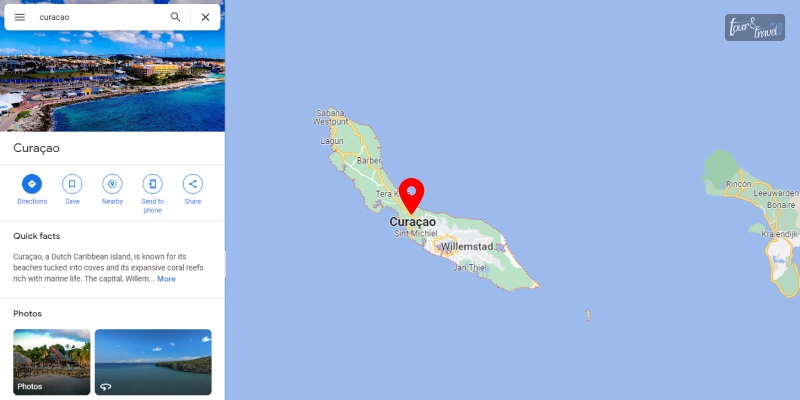
The Sandals Curacao is an island in the Caribbean, on the coast of Venezuela. Curacao island is among the “ABC” island, which are Aruba, Bonaire, and Curacao, the island lies in the western Leeward Antilles.

Recently, we were there on vacation doing some much-needed soul searching about a new business I’ve been planning to start. The only obstacle? An offshore merchant account. It was on my vacation that I found the help for starting an offshore merchant account – and for that reason Curacao will always remain special.

Closest Airport

If you are going to The Sandals Curacao, then the nearest airport that you may reach is about 15 miles away from the resort. A round-trip to the airport is included in your resort booking as well.

Best Time To Visit

If you are going to visit the island then you should definitely avoid the hurricane season, as hurricanes can be very dangerous and devastating. But other than the hurricane season, the whole year is perfect for you to visit.

Sandals All-Inclusive Resort Amenities

In the Sandals Royal Curacao resort, there are a lot of room options and other luxury amenities that are available in the resort.

So when you check out their website and click on book now, then you will be able to see all the detailed information about the amenities offered.

If you wanna know a few of the luxury amenities that are offered by the resort then, they are given down below.

Room Options

In the Sandals Curacao Resort, you will find 24 separate room options, and it has two newer signature suites along with the already three category levels. These three different categories are Butler, Club, and Luxury.

Top Picks For Honeymooners

If suppose you are celebrating certain special occasions like your anniversary or honeymoon, here at the Sandals Curacao resort, then there are special rooms for you as well. Romantic seaside or poolside bungalows.

We also have, “Love Nest” suites which are one-bedroom, with an all-inclusive luxury butler service.

New Butler Bungalows

The newer Awa Seaside Butler Bungalow and the Kurason Island Poolside Butler Bungalows are built which provide even more privacy and other luxury amenities.

Like 24-hour room service, a private patio, a sun deck, sun loungers, a personal butler, soaking tubs, and many more.

Top Picks For One-The-Go Travelers

If you are the type of person who loves to travel around and visit all the hotspots, then there are beautiful beaches, tropical gardens, and pools that you can visit and enjoy your time.

Activities At Sandals Curacao Royals

So now that you have decided of going to the Sandals Curacao Resorts, then you should know the activities that you can take part in while you are exploring the island.

Here are a few activities that you can explore in the Curacao resort, here are a few of them listed down below.

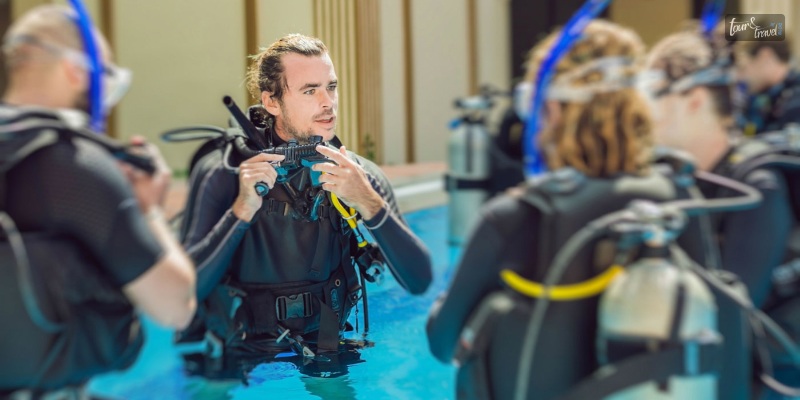
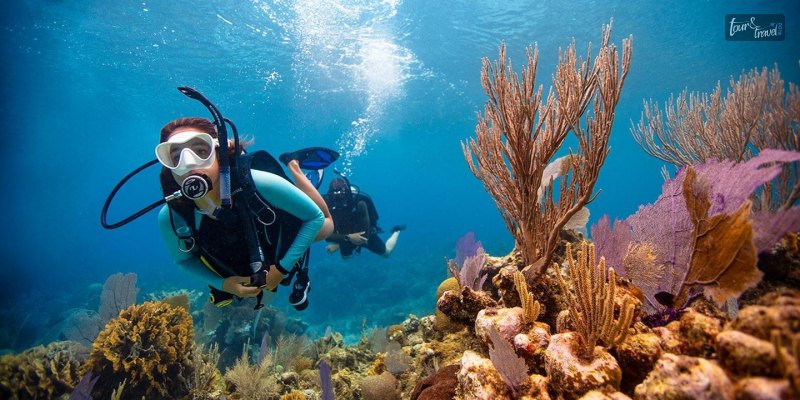
Get Scuba Certified

You can easily get to purchase a “PADI eLearning course,” they are available if you want a scuba diving lesson.

Scuba Diving

Here at the Sandals Curacao resort, you get an all-inclusive scuba diving program, but first, you need a scuba diving certificate for that, which is also available here.

Special Butler Bungalows: Mini Cooper

If you are looking forward to exploring the beautiful island then we have a car service available, where you can get your own Mini Cooper for 3 ½ hours. The service includes gas, a guide map, and a beautiful picnic basket prepared by the resort.

Sandals Red Lane Spa

No resort experience is complete without a spa treatment. Here at Sandals Curacao, we have a salt stone massage, couples massage, and many more of you to enjoy.

Wrapping Up!

So now that you have planned to visit the Sandals Curacao resort, then by now, you should check out the official website of the resort.

There you will be able to find out more details of the resort, that is more specific. But if you liked this article, then give us a like and comment down below, that when would you like to visit the sandals Curacao?

Read Also:

Share on Social Media

Nabamita Sinha loves to write about lifestyle and pop-culture. In her free time she loves to watch movies and TV series and experiment with food. Her favourite niche topics are fashion, lifestyle, travel and gossip content. Her style of writing is creative and quirky.

2 responses to “Sandals Curacao – Resort Reviews, Location, Price And Ambience”

  1. Greetings to all, because I have really enjoyed reading the blog posts on this site and I look forward to your next post. It has a lot of good material in it.

  2. Because the administrator of this website is working hard, there is no doubt that very fast it will be famous owing to the high quality of the information that it contains.

Leave a Reply

Your email address will not be published. Required fields are marked *

title-img Related

READ MORE Rio de Janeiro Travel Guide

Rio de Janeiro Travel Guide: What Your Brazilian Real Gets You

BY  Sibashree Sep 20, 2025

Rio de Janeiro sweeps you up the moment you arrive. Golden beaches stretch for miles, samba rhythms spill from bars in Lapa, and cable cars glide up Sugarloaf Mountain for some of the best views on Earth.  Life here is colorful and fast-moving, and part of slipping into that rhythm is knowing how far your Brazilian real will take you - from a chair on Ipanema beach to a plate of feijoada in a neighborhood café. Before we go on, here is a quick Rio de Janeiro travel guide. Just a quick note: exchange rates and prices don’t stay still. At the moment, 1 US dollar equals about 5.4 Brazilian reais, but it’s best to check the latest rates and costs before you travel. Rio de Janeiro Travel Guide: What To Expect? Rio de Janeiro is one of the best cities you can explore. It is one of those few places that has a care-free energy and will make you feel alive. The beaches, food, and major attractions will draw you to it without even trying too hard. Here is a simple Rio de Janeiro travel guide. Beaches - Rio’s Living Rooms The beaches of Copacabana and Ipanema are more than postcards - they’re part of daily life. Locals jog along the promenade in the morning, families gather for a swim, and groups of friends set up for impromptu games of beach volleyball or footvolley. Tourists blend right in, renting chairs and umbrellas from vendors for around R$10-15 per piece. Snacks come to you. Vendors walk the sand offering everything from ice-cold coconuts (R$8-10) to grilled queijo coalho (cheese skewers) for about R$12. You can even try a caipirinha mixed fresh on the spot, usually for R$15-20. These are usually cash-only transactions, and the small notes feel like part of the ritual - bargaining isn’t common, but handing over a few reais feels easy and authentic. Spend an afternoon at Arpoador, the rocky point between Copacabana and Ipanema, and you’ll see why locals gather here at sunset. It doesn’t cost more than a bus ride (R$5) to get there, and yet it’s one of the richest experiences you’ll take home. Food: From Street Bites to Sit-Down Meals Rio has a huge range of food. Starting from some humble bakeries to some fancy rooftop restaurants, Rio has it all. Start with breakfast like a local: pão de queijo (cheese bread) and strong coffee, often no more than R$10-15.  Step into a juice bar and you’ll find tropical flavors like passion fruit, guava, or the ever-popular açaí bowl, usually under R$20 for a generous portion. At lunchtime, the prato feito is king. This “set plate” of rice, beans, salad, and a protein such as beef, chicken, or fish costs R$25-35 and will keep you full all day.  You will get various self-service buffets that charge by weight. You will get roasted meats, vegetables, and farofa, and you will have to pay around R$30-40. For dinner, you can choose what you prefer. You can try something casual or something fancy. If you prefer a mid-range seafood meal along with drinks, it will cost somewhere around R$80-100 per person.  However, a proper night out in Ipanema at a fancy fine-dining spot might cost around R$200-250.  You can even visit Churrascarias, which is a Brazilian steakhouse. It is an event in itself. They have endless skewers of grilled meats, side dishes, and salad bars. You can expect to pay somewhere around R$120-180 per person. However, this does not include drinks. All these places accept cards, but it is better to keep some cash handy for bakeries and street food. Attractions: Big Names And Hidden Gems There are various major icons in Rio, and those are actually worth it. You can take the Sugarloaf Mountain cable car for around R$150, and the ride itself is a major part of the thrill. The glass walls will give you a 360-degree view of the way from above the city. You can visit Christ the Redeemer, resting on Corcovado Mountain, for R$100. The moment you stand at its feet and see the city from there, you get an amazing view. You can carry cards as both attractions accept payment in cards. However, it is better to carry some cash for small vendors, tacos, or snacks. Rio is also filled with a lot of gems that you can see for free or for a low cost.  The Selarón Steps, covered in colorful tiles from around the world, cost nothing to climb. A stroll through Santa Teresa’s narrow streets will take you past murals, studios, and cafés where you can pause for a R$12 espresso. At night, head to Lapa to experience samba at its source. Entry to some clubs is around R$30-50, and drinks inside range from R$15-25. Smaller bars may only accept cash, especially if you’re outside the main tourist drag. Getting Around Rio is quite a big city, but it is not difficult once you understand the system. You can take the metro, it's quite safe and clean, and a single ride costs around R$5.  Moreover, if you have a rechargeable RioCard, it will save you a lot of time and work. You will be able to use it for different types of transport, including trains and buses.  You can take a bus, which goes almost to the city, and the fare is quite similar to the metro. Here, you can get taxis for around R$6, and cross-town trips generally range around R$40-60. Also, Uber and other apps like these are popular, and often offer rides at a cheaper rate than a taxi. If you want, you can pay in-app with the card, and that way, you will not have to use cash for payment.  For day-trips outside the city, you will get intercity buses. This will help you explore the outskirts within a budget. If you are planning to visit the historic mountain town, Petropolis, you can explore it for around R$40-50. Moreover, if you are planning to take a longer ride to Búzios, the beach town, you will be able to visit it for around R$70-80. You can get the bus tickets online or from the bus station as well.  How Much To Budget You need to prepare a budget for a trip. However, the budget depends on the kind of trip you want to have. Budget travel: It will cost you around R$200-250 for a day, including hostels, street food, public transport, and free attractions. Mid-range: It will cost you around R$600. You will get comfortable hotels, visit some of the major landmarks, and have some casual as well as sit-down meals. High comfort: This will cost you around R$1000 and above. You will get four-star hotels, fine dining, and guided tours at this range.  However, the prices in Rio rise during any carnival or New Year’s, and this also varies depending on the neighborhood.  Ipanema and Copacabana are some of the premium places that tourists visit, but there are some block islands that will offer the same charm but at a lower price range. Spend Smart In Rio Start your trip with at least a little Brazilian real in your wallet. It will cover your first taxi or ride-share, snacks, or that first fresh coconut without delay. From there, cards will carry most of your expenses, but having R$100-200 in cash each day is wise for small payments. Stick to ATMs inside banks or malls when you need to withdraw. They’re safer and usually give fair rates. Avoid exchanging money at the airport - the rates are often poor, and the fees stack up quickly. Think about how you balance cash and cards. Use your card for hotels, restaurants, and tours, and keep your reais for buses, bakeries, street snacks, and tips. It’s a system that works well in Rio and lets you move through the city without stress. Enjoy Your Journey Landing in Rio with a Rio de Janeiro travel guide and Brazilian real already in hand saves you time and makes the city easier to navigate. You’ll breeze through those first transactions - a cab, a snack, a metro ride - and step right into the energy of the city. Rio rewards travelers who embrace both the big icons and the small everyday moments. The real you spend on a chair at the beach, a cup of coffee, or a bus ride across town is more than just money - it’s your ticket into the rhythm of the city.  As mentioned before, exchange rates and prices may change, but the value of those moments never does.

READ MORE Travel with an Electric Bike

Travelling With Your E-Bike: How To Prepare For A Trip Or A Flight

BY  Sibashree Aug 28, 2025

Taking your e-bike on a trip sounds awesome, right? Whether you’re heading off on a cycling holiday, taking your electric bike to explore new trails, or simply bringing it along for a weekend away, travelling with your ride can open up exciting possibilities. Travellers love to travel. However, ironically, travelling causes carbon emissions. Therefore, people should ensure that they travel without harming nature. Nature lovers often stay in this dichotomy while travelling. They often fear that the toll of their travel will fall on nature. However, when you travel with an electric bike, you stay confident that no matter what happens, you will not be emitting carbon.  But, yeah… there’s a catch. Traveling with one can be a bit of a headache. Batteries, packing, weight limits, all that stuff. Still, if you plan ahead just a little, it’s not so bad.  Moreover, your bike will get there in one piece, and you’ll be ready to ride without drama. Let’s go over what actually matters. Understand The Rules Before You Go First thing—rules. Every airline, ferry, train company, you name it—they’ve all got their own take on e-bikes, especially the batteries. Lithium packs are where the real limits are. Some places want them off the bike, others only allow certain sizes.  And here’s the kicker: it changes country to country. Something fine in Spain might be banned in Canada. The only safe bet? Ask your carrier before you go. Better yet, get their answer in writing.  Saves you from awkward moments at check-in where they suddenly say “nope.” The cargo companies and other subjects subject Lithium batteries to scrutiny and regulation, as there is always a chance of these battery packs catching fire. Hence, the travellers should get everything checked in the first place, as it will prevent any sudden problems while shipping. Thus, travellers should get everything on paper while they travel with an Electric Bike. 1. Preparing Your E-Bike for Travel Think of this as a quick health check. Brakes—good? Tyres inflated? Chain oiled? Electronics behaving? If something feels off, fix it now, not halfway through your holiday. For the battery, don’t leave it full or empty—half-ish charged (30–60%) is the sweet spot. Most travel rules want it removed anyway. Moreover, strip off extras like mirrors, lights, bells… anything that sticks out. And honestly, give the bike a quick clean. Dirt might seem harmless, but some countries are strict on biosecurity. Moreover, the last thing you want is customs giving you grief over a muddy tyre. Plan out the spots for charging and halts while you travel on your bike. 2. Packing Your E-Bike Safely How you pack decides how your bike comes out on the other end. Hard-shell case? Best protection, but heavier. Soft padded bag? Lighter and easier to stash, just not quite as bombproof.  Moreover, inside, pad everything. Wrap delicate bits, lock down the bars, pedals, and wheels so nothing shifts. Tape or foam is your friend here. Don’t forget to tag it with your name and number, maybe toss on a “Fragile” sticker. Won’t guarantee gentle handling, but hey—it’s worth trying. Gentle handling at the airport has always been a super myth. However, people should ensure that they get plenty of padding to prevent their bikes from getting unnecessarily damaged.  3. Tips For Travelling By Car Or Train Road and rail are a bit easier. For cars, you’ll need a rack strong enough for e-bike weight (don’t assume a cheap one will do). If it’s exposed, cover it.  Rain, dust, and even little stones from the road can mess things up. Inside a car? Strap it down so it doesn’t bounce around. Trains… well, they’re hit or miss.  Moreover, some have bike spots, some don’t. Check before you get to the station—it’s no fun trying to squeeze an e-bike into a crowded carriage last minute. Cover your e-bike when it is exposed to a car. Moreover, you should not depend on the weather.  4. Flying With Your E-Bike Flying’s the tricky part. Airlines are strict about batteries. Big ones often aren’t allowed in checked luggage.  Sometimes you can carry it separately, sometimes you need to ship it. Either way, don’t wing it—talk to the airline weeks ahead, not days.  Pack the bike in a proper travel case, keep it under their weight limits, and protect every part. Once you land, take your time putting it back together.  Better to double-check than to find out a brake cable snapped on your first ride. 5. Extra Gear To Bring Along A few small tools can save your trip. Toss in a multitool, tyre levers, mini pump, maybe a spare tube or two.  Charger’s a must, plus an adapter if you’re heading abroad (easy to forget). A little cleaning cloth or kit helps too, especially after rainy rides.  Nothing fancy—just enough to keep things running smoothly. Moreover, ensure that the entire thing remains in control so that your trip does not get ruined just because of a missing spare. Travelling with an electric bike always demands carrying extra spares with you to ensure proper safety. 6. Common Mistakes To Avoid The stuff people forget is usually simple. Don’t leave your battery fully charged before storing—it wears it out faster.  Watch those weight limits; e-bikes aren’t light. Skip insurance? Big mistake. And honestly, the worst habit is last-minute packing.  Moreover, you rush, something gets left behind, or worse, you break something trying to jam it in. Seen it happen more than once. Remember This Before You Travel With An E-Bike  Bringing your e-bike along is worth it—you get to explore new places on your own wheels. Yeah, it takes some planning, but once you’ve done it, it feels easy.  Moreover, a bit of prep now means a smooth trip later, and you’ll roll off ready to ride instead of stressing about what survived the journey. However, travelling with an e-bike is cost-effective. Hence, the travellers leverage the liberty to go anywhere at any point in time. People should understand that they get some of the best results while travelling. Read Also: 8 Things You Need To Know About Using E-Bikes For Your Hunting Adventures Maximizing Thrill: Expert Advice On Off-Road Motorcycle Rentals

READ MORE

Amazing Things To Do At Yosemite National Park | Action Tour Guide

BY  Sibashree Oct 28, 2024

Yosemite National Park comes with great news for the explorers. The park has ended its reservation season early in 2024. So, for the rest of the year, you can enjoy a drive through the park without reservation.  In a social media post, Yosemite National Park authority has mentioned “ending the 2024 reservation season after this weekend (October 13)."  With no stress about getting a reservation, Yosemite National Park will surely be the destination for trekkers and wildlife lovers. However, before you plan a trip to the park, you must have a detailed idea of what to do there.  Best Things To Do At Yosemite National Park Yosemite National Park allows you to explore many activities, from camping to hiking. Therefore, setting the itinerary right can be a little taxing, with many options available.  So, here, I will discuss the outdoor pursuits in the park, with special emphasis on hiking, wildlife exploration, and stargazing.  Yosemite National Park is a UNESCO World Heritage Site, inscribed in 1984.  Hiking In Yosemite National Park This park has more than 750 miles of hiking trails. Further, if you want to explore the park’s ecology, wildlife, and geological formations closely, hiking is the best way out.  So, you can try these most popular hiking trails in Yosemite National Park.  Upper Yosemite Falls Trail Trekking Length: More than 10 Kms Difficulty Level: Hard Pet Friendly: No Time Of Trekking: Around 6 Hours  How about exploring a hiking trail that takes you to the top of the tallest waterfall in America?  You will also love the best views from Columbia Rock as you advance in your expedition.   Mirror Lake Loop Trekking Length: 8 Km Difficulty Level: Easy Pet Friendly: Yes  Time Of Trekking: 2 Hours The beautiful trekking route takes you to Mirror Lake and Tenaya Creek. Further, the calm water of the lake shows the most beautiful reflections of the surrounding cliffs.  However, often, the lake does not have adequate water, and then it looks like a meadow with sandy areas and grasses. So, it is also known as Mirror Meadow.  Nevada Fall Via The Mist Trail Trekking Length: Around 10 Km Difficulty Level: Hard Pet Friendly: No Time Of Trekking: 4 Hours   Nevada Fall Via The Mist Trail is a signature hike, allowing you to explore many spectacular views scattered around it.  Located on the Merced River, the water in the fall has a misty appearance. Further, falling from a height, the water of the cascade looks like an avalanche.  Lower Yosemite Falls Trail  Trekking Length: 2 Km Difficulty Level: Easy Pet Friendly: Yes Time Of Trekking: 30 Minutes   A deafening sound of water will fill your ears as you complete the Lower Yosemite Falls Trail trek and stand on the footbridge. This hiking trail is the best for enjoying beautiful views of Yosemite Falls and creeks. Further, throughout the trek, you will learn about the park’s culture and history.  Exploring Wildlife At Yosemite National Park “Approximately 95% of the park is designated wilderness. The entire park is surrounded by four national forests, several adjacent portions of which are designated wilderness areas, thereby providing connectivity with the larger landscape.” - UNESCO World Heritage Convention. Surrounded by forests and extensive wilderness, Yosemite National Park is home to around 90 mammal species. Further, this park has many amphibians, reptiles, birds, insects, and fish. I will talk about the birds and fish in detail shortly. So, here is a brief overview of the mammals, amphibians, reptiles, and insects found here.  Mammals Black BearsBighorn SheepPacific FisherRed FoxBatsMountain LionsDeerGrizzly BearAmphibians Sierra NewtPacific TreefrogCalifornia Red-Legged FrogYosemite ToadsReptilesSierra Fence LizardSierra Alligator LizardsWestern Pond TurtleSierra GartersnakeSierra Mountain KingsnakeNorthern Pacific Rattlesnake (It is the only venomous snake out of the 13 species of snakes found here.)InsectsElderberry Longhorn BeetleCaddisfliesGrasshoppersBristletails Among the species found here, grizzly bears, foothill yellow-legged frogs, and California red-legged frogs are the ones on the verge of extinction. Fragmentation of habitat, air pollution, and the invasion of non-native species are the primary reasons behind this process of eradication.  Stargazing In Yosemite National Park  The minimal light pollution and extensive wilderness make Yosemite National Park a great space for stargazing. Further, from July to October, this park is a great space to observe the Milky Way.  In addition, there are multiple hotspots in the park for stargazing. So, check out the table below to know where to enjoy the starry affair the most. Stargazing Location In The ParkBest Spots Yosemite ValleyEl Capitan MeadowCook's MeadowSwinging BridgeTunnel ViewGlacier PointGlacier Point OverlookWashburn PointTioga RoadTenaya LakeOlmsted Point Wawona is another popular stargazing location in the park, and it offers a peaceful experience.  Stargazing Experiences You Cannot Miss As you set out to stargaze in Yosemite National Park, you will encounter many unique sights. However, watching the moonbows or climber’s headlamps are the two most common stargazing experiences in the park.  Climber’s Headlamps During spring and fall, many climbers spend their nights on the cliffs of Yosemite Park. As they notice the first star coming out, they turn on their headlamps.  Moonbows April to June is the waterfall season in the park. On full moon nights in that season, the moonlight creates a rainbow in the mist of Yosemite Falls.  Even if your eyes cannot catch the colors, your camera surely will.  Birdwatching In Yosemite National Park  This national park is a favorite of birders, considering the presence of 262 species. Among them, 165 are habitat and migratory species, while the remaining one are transient species.  Further, the elevation of the park ranges between 2000 to 13000 feet. So, you will notice massive changes in the behaviors and features of the birds found here.  Yosemite Conservancy birdwatching outing and Christmas Bird Count are some of the programs that you can join if you want to locate the local, migratory, and transient ones.  Some common species of birds found here are the Great gray owl, American dipper, spotted owl, and Western tanagers.  A park-wide census of willow flycatchers has been conducted in the park. The report shows that these species do not breed in the park anymore.  Rock Climbing In Yosemite National Park  Yosemite National Park is a hub of rock climbers. Rock climbing here is beyond big wall climbs or conquering the cliffs. Further, almost every big wall in the park has a distinct ecosystem for you to explore.  Some popular rock climbing spots in the park are Merced River Canyon and Tuolumne Meadows. However, climbing the El Capitan is the most adventurous outdoor pursuit you can try in the park. The Oscar-winning movie Free Solo has further put this rock-climbing destination under the spotlight.  Water Activities At Yosemite National Park  Swimming, boating, rafting, and fishing are the best water activities in Yosemite National Park.  Swimming You can swim in almost any water body in the park. However, swimming is prohibited in the following water bodies. Dana Fork of the Tuolumne River Lake Eleanor Reservoir Wawona Domestic Water Intake Hetch Hetchy Reservoir Emerald Pool  Silver Apron Further, for the best cooling-off experience, you can try swimming in the Merced River.  Boating And Rafting  The best locations for boating and rafting in Yosemite National Park are Merced River, South Fork Merced River, and Tenaya Lake.  Rafting in the Merced River is a popular summer activity in the park. So, you can rent a raft or try kayaking here.  Further, you must wear a personal floatation device for kayaking and rafting in the South Fork Merced River or Tenaya Lake.  Fishing In Yosemite National Park  Are you over 16? Then, you will need a California fishing license to fish in the park. Further, you must abide by the California and Yosemite Park regulations about fishing.  Nevertheless, the best places for fishing in the park are: Merced River South Fork Merced River  Frog Creek Adair Lake Hanging Basket Lake Sacramento pikeminnow, California roach, and riffle sculpin are some native fish species in the national park. Furthermore, trout is the most common non-native species in the region.  Yosemite National Park At A Glance Location: California, United States Highest Point: Mount Lyell (3,997 Meters) Area: Around 1,200 Square Miles Operating Hours: 24*7 Origin of Name: Uzumate, meaning Grizzly Bear Visitor Centers: Yosemite Valley Welcome Center, Yosemite Exploration Center, Valley Wilderness Center, etc. How To Reach: Visit the park from the west through Highways 41, 140, and 120. However, to reach the park easily, you will have to take Highway 120. Further, please note that the Tioga Pass Entrance remains closed from November to May or June.  Best Time to Visit: May to June Also read Why Include Whale Watching In Your LA Itinerary. Travelling On A Budget: Tips For Affordable Adventures. From Cocktails To Kickflips: Must-Try Activities In San Diego.