

From Gatwick To Sunshine: Straightforward Tricks For Cheaper Holidays

Aug 28, 2025

Last Updated on: May 25, 2026

Travel Blog

Flying out of Gatwick should feel exciting, not stressful. A bit of planning turns a pricey trip into a fair one. 

The goal here is simple: spend less on the boring parts and more on the fun parts. These tips keep things calm, clear, and friendly to your wallet, whether the destination is Spain, Greece, or a city break in Europe.

In this Tour and Travel blog, we will share the best advice for Gatwick to Sunshine travel and smart tips. 

What Is The Best Advice For Gatewick To Sunshine Travel? 

A cheaper holiday is not about luck. It is about small choices made early. Pick calm travel dates, set a firm budget, and search with a plan. 

Pack light to dodge bag fees, carry snacks to stop impulse buys, and sort travel to the airport before booking.

Keep documents in one place and arrive with time to spare. 

At the destination, choose simple, local options and enjoy the free parts first. Do these steps and the flight from Gatwick leads straight to the good part: warm sun, clear days, and a trip that feels smart from start to finish.

Here are more practical tips to follow. 

1. Book At The Right Moment Without Overthinking It

Prices move all the time. Looking too early can mean paying more, and leaving it too late can do the same. A steady plan works best. 

Watch fares for a couple of weeks, set a clear budget, and move when the price fits the plan.

Midweek flights often cost less than weekends because fewer people can travel then. 

Early morning and late evening flights also tend to be cheaper, and they can help you fit more daylight into your first or last day away.

School breaks push prices up around the UK, especially at Gatwick where many families fly. 

If travel must fall in a busy week, focus on the first or last days of the break, when demand can dip.

Flexibility by even one day can save a surprising amount.

2. Know Where To Hunt For Fair Prices

Know Where To Hunt For Fair Prices

Search tools help, but the trick is to use them with a plan. Compare a few dates at once rather than chasing a single day. 

Check nearby airports too—Stansted, Luton, and even Birmingham or Bristol can be cheaper for the same destination. 

If a package is easier than DIY, one handy thing to do is check out Cheap Holidays through reputable websites.

This keeps options in one place so less time is spent opening dozens of tabs.

Set clear rules before searching. Decide the top price that feels right, pick three date ranges, and choose a shortlist of destinations.

This stops scrolling for hours and avoids the “maybe it will be cheaper tomorrow” trap.

3. Trim Bag Costs Before Pressing “Pay”

Bags are where budgets go missing. Many low-cost fares include only a small personal item. Measure the bag at home. 

If a wheeled carry-on is needed, add it during booking; buying it at the airport is usually the most expensive option. 

Weigh the case after packing and leave a little space for souvenirs.

Two people can share one checked bag instead of paying for two.

Rolling clothes saves space, and packing cubes stop shirts from getting crumpled.

Liquids go in small bottles under the limit, and solid versions of shampoo or soap can reduce hassle.

A light rucksack keeps hands free, which helps when moving through busy train platforms on the way to Gatwick.

4. Be Smart With Seats, Extras, And Food

Seat choice looks cheap at first, then adds up. If the plane is short-haul and the group can sit near each other without picking exact seats, skip the fee. 

For families with young children, airlines often seat at least one adult next to a child.

Extra-legroom seats are nice, but a short flight does not always need them. 

Bring a small snack from home and refill a water bottle after security to avoid paying airport prices.

A simple sandwich packed the night before costs less and saves time in queues.

Travel insurance should not be an afterthought. Pick a basic policy that covers bags and delays. It costs far less than replacing a suitcase or missing a connection.

Print or save the policy and booking codes to the phone wallet so everything is in one place.

5. Choose The Best Route To The Terminal

Getting to Gatwick can be almost as costly as flying. Trains are usually faster and often cheaper than parking, especially if travelling alone or as a pair. 

Off-peak tickets help, and railcards can cut a third off many fares.

If a car is needed, book parking early. Official long-stay or trusted off-site car parks give better value than turning up on the day. 

For a very early flight, a simple hotel near the airport can make sense. Sometimes a “park, sleep, fly” bundle beats buying those parts on their own.

6. Keep Documents Tidy And Move Through The Airport With Ease

Put passports, boarding passes, insurance, and hotel details in one folder or a secure phone wallet. 

Follow the signs, keep pockets empty at security, and place electronics in the tray as asked.

Once airside, check the gate early but do not crowd it. Boarding happens in groups.

7. Stretch The Budget At The Destination

Transfers from the airport are a classic money trap. Public buses and trains are cheaper than taxis in many places, and many cities sell simple day passes. 

If a taxi is needed, use the official rank or a trusted app from the country. For hotels, paying for breakfast is not always the best value. 

Local bakeries often cost less and taste better. Refill water where it is safe to do so.

Museums, parks, and city walks are free or low-cost and fill a day nicely.

The cheapest option is not always the one shouted by the person with the loudest voice. 

Read a few recent reviews, check the time they pick up, and stick to plans that leave room for rest.

8. Make Family Travel Simple

Small habits help families save. Pack one small entertainment pouch for each child: crayons, a short book, headphones, and a snack.

For buggies, check the airline rules; many allow them to the gate, which saves renting one on arrival.

If a child gets tired in queues, breathing games and counting steps keep minds busy and moods steady.

9. Stay Healthy And Safe Without Stress

Sun trips need sunscreen, hats, and water. Buy travel-size sunscreen at a local shop if carry-on liquid rules make it tricky. 

A tiny first-aid kit with plasters and pain relief avoids a hunt for a pharmacy. 

Keep a backup of documents in cloud storage in case a phone is lost. Clear information saves 

10. Skip common Traps That Raise The Bill

Dynamic pricing can make the same flight cost more on a second look. Use a fresh browser window or a different device when ready to book. 

Do not click every add-on in a hurry. Airport currency desks rarely give fair rates; a fee-free card or withdrawing a small amount from an ATM at the destination often works out better. 

Roaming charges can be high, so check the network’s roaming bundles before leaving.

Download maps for offline use to avoid data use on the move.

Gatwick-Focused Tips That Make A Difference

Know which terminal the flight uses and head there from the start.

South Terminal and North Terminal have different security areas, shops, and lounges. 

The shuttle between them is quick, but changing terminals at the last minute eats up time.

If the flight leaves early, pick up breakfast after security to save money. 

Many gates at Gatwick open closer to boarding time, so waiting near the screens keeps the group flexible.

Keep chargers handy; seats near windows often have sockets that help top up a phone before the flight.

If returning to Gatwick late at night, check train schedules in advance.

Some services finish earlier, and replacement buses can be slower. A backup plan saves from being stuck on a platform in the cold.

Read Also:

Share on Social Media

Sibashree is a travel, culture, and leisure writer who has been writing since the age of 12 and professionally since 2014. With more than a decade of travel writing experience and journeys across India and several parts of the world, she brings a deeply personal and thoughtful perspective to her work. A student of English Literature and Mass Communication, Sibashree has always viewed travel as more than movement — for her, it has been a way of understanding people, cultures, and herself. Her passion for spiritual exploration has also led her to many unusual and meaningful destinations over the years. Outside of writing, Sibashree enjoys watching European cinema, reading about global politics, and reflecting on the stories hidden within everyday places.

Leave a Reply

Your email address will not be published. Required fields are marked *

title-img Related

READ MORE national parks in utah

From Hiking to Stargazing: The Top 10 National Parks in Utah! [A Travel Checklist]

BY  Abdul Aziz Feb 23, 2024

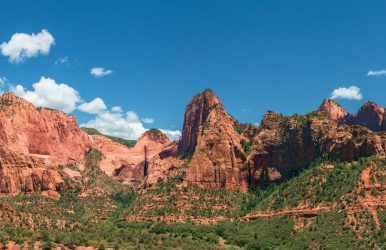
Welcome to the country of red rock canyons, expansive views framed by arches and sandstone spires. Spreading national forests, vast wilderness areas, quaint state parks, and five national parks in Utah make up more than seventy-five percent of its land area that is open to the public. The southern portion of Utah is home to all the state's national parks. The "Mighty Five" are worth the hype, from the breathtakingly steep yet sublime Zion Canyon to the mind-blowing hoodoos of Bryce and the famous Delicate Arch. Additionally, these parks offer at least a dozen hidden gems, peaceful trails, and less-traveled roads for every must-see highlight. How, then, can one outwit the masses? The easiest solution is to leave when other people aren't. This may mean a trip in the winter, when the temperatures are much more bearable than in the sweltering summer, and the snow adds an extra magical quality to the hoodoos. Since all national parks in Utah are accessible year-round, you can schedule a stargazing expedition or a sunrise tour. However, bear in mind that the hours of local eateries and visitor centers change if you visit during the off-season, which runs roughly from November to February. Despite this, you can find cheaper lodging during this time. Here, being proactive pays off very well. Popular hikes have permits that sell out months in advance. The most sought-after lodges and campgrounds (particularly those inside the park) frequently have a year-long waiting list. You can make a lot of these reservations at www.recreation.gov. The top attractions of the national parks in Utah, listed from east to west, include must-see locations, undiscovered treasures, and insider advice for maximizing each trip. National Parks in Utah How many national parks in Utah, you ask? The answer is easy because they call it the “Mighty 5” for a reason. Here, we are listing all the state parks in Utah that you could plan a visit to. We are also going to help you with all the stuff you must pack when planning a trip. Zion National Park With its soaring canyon walls and hanging gardens, Zion National Park, the first of the national parks in Utah and the 13th in the United States, is a popular destination on many people's bucket lists. The park's main road now closes to private vehicles during peak season (March to October) due to its increasing popularity, requiring visitors to take a shuttle. One advantage is that you can bike this almost flat, picturesque drive. You can rent bikes and e-bikes in nearby Springdale (check out Zion Cycles). Two to six months in advance of your trip, you must apply for a permit if you plan to hike the popular Angels Landing trail. If possible, stay at Zion Lodge or in neighboring Springdale. Make reservations up to 13 months in advance for any lodging in or around Zion. Explore the park's Kolob Canyons area or the more sedate paths off Kolob Terrace Road when you're ready to forgo the tourist traps. Bryce Canyon National Park At Bryce, the main draw is the bizarre spires that have been formed over millions of years. Ultimately, this location has the highest concentration of these hoodoos worldwide. The best (and quickest) way to satisfy your thirst for hoodoo views is to take the main park drive and take the Navajo Loop from Sunset Point or the Queen's Garden Loop from Sunrise Point. Try a portion of the 23-mile Under-the-Rim Trail or one of those trails down to Fairyland Loop for a more immersive hike. Take the back entrance into Bryce Amphitheater via Tropic Trail from the small town of Tropic to have some hoodoos all to yourself. While there, you can also have lunch at i.d.k. Barbecue a state favorite. Bike the dirt Thunder Mountain Trail or the paved Red Canyon Path to discover a more sedate hoodoo landscape. The historic Lodge at Bryce Canyon is the perfect base camp for exploring the park; however, if reservations are unavailable, consider lodging at one of the nearby hotels in Bryce Canyon City. We also think Under Canvas Bryce's campsites are great. Capitol Reef National Park The quietest of the national parks in Utah boasts a magnificent environment that is attributed to the Waterpocket Fold, a 100-mile geologic wrinkle in the earth. Petroglyphs and the historic Fruita Orchards, which the park still cares for, are two of the area's unique attractions. Try the fresh pies at Gifford Homestead, which is close to the park entrance and made with local fruit, such as apples or peaches.  Take a leisurely stroll along the former main highway through Capitol Gorge. Or brave the steep trail to Cassidy Arch, where there are rumors, that Butch Cassidy escaped the law. If you have a decent 4WD car, you, too, can escape (from other travelers). Notom-Bullfrog Road intersects with Burr Trail Road, another backcountry route, and leads to Lake Powell. Burr Trail leads to Boulder, the starting point for Grand-Staircase Escalante National Monument and the location of Hell's Backbone Grill, possibly the best restaurant in Utah. It stays open in spring through fall. You should make reservations in advance. If you stay in one of the lodges in this small town that is only five minutes from the park, Boulder is close, but Torrey is closer. Canyonlands is divided into five distinct districts, each providing a unique experience. Island in the Sky is a place of expansive vistas. Don't miss Mesa Arch or Shafer Trail Viewpoint. The Needles District is a great place to go hiking. It's only about 20 miles south of the Island in the Sky as the crow flies (two hours drive). One of the best hiking routes is the action-packed Cave Spring Trail. It features a replica of an 1880s cowboy camp and mushroom-like rock formations. Canyonlands National Park Get lost in the Maze. Other worthwhile stops in this backcountry district are Chocolate Drops and the Land of Standing Rocks. See amazing petroglyphs, including floating "holy ghosts," by traveling to the non-contiguous Horseshoe Canyon unit. For a rafting adventure, head to the River District, which is at the base of the canyons formed by the Colorado and Green Rivers. The best place to stay for most of the park's district is Moab, which provides quick access to the park's rivers, the Needles, and Island in the Sky. Arches National Park Arches, the inspiration behind Ed Abbey's famous Desert Solitaire, has evolved significantly since 1968. Because of its increased activity, the park service is currently testing a timed entry system that will require reservations in advance from April to October 2023. However, it is possible to avoid a Disneyland experience. If you arrive before sunrise or remain past sunset, you will be rewarded with quieter trails and golden light that casts a glow over the arches. Be an early bird or a night owl. This is feasible because Moab's closest lodging options are situated sufficiently near the park's entrance. If you would prefer not to get up early, reserve a campsite at Devils Garden up to six months in advance or take a ranger-led tour to see the Fiery Furnace area, which is accessible only with a permit. Travel Checklist When Visiting the National Parks in Utah Planning a trip to the national parks in Utah is as fun as it is a massive plan to come up with. You must be well prepared for the weather you will be subject to both in the day as well as night. The few days that you will spend here will be nothing short of an adventure. Here is a list of things that you must have with you if your destination includes the national parks in Utah. Hardy Water Shoes The red desert dirt in Utah can be extremely sticky. You should invest in good water shoes if you intend to go river rafting, canoeing, or kayaking. When participating in water activities, flip-flops are not advised. They will become stuck in the mud and either break or get sucked down the river.  Your feet will be safe if you hike the rocky Virgin River through the Narrows in Zion National Park wearing rubber-toed shoes covered with firm soles. (Near Zion's Springdale entrance, you can rent an entire dry gear outfit, including shoes.) Blacklight Flashlight Scorpios are nocturnal creatures that hide during the day. Use your black light to identify them; the light from it causes these odd creatures to glow. Don't worry too much about scorpions because there is only one species in the Southwest that is thought to be deadly. Sun Protection The strength of the Utah sun only needs to be experienced once, especially in the desert, where there isn't much shade to be found. There will be certain hikes you take or picnic tables you sit at where there isn't a single spot to hide from the sun and heat of the desert. If possible, bring a wide-brimmed hat to cover your entire face. That would be better than a baseball cap. Next, cover all exposed skin, including the back of your neck, with sunscreen. Don't forget to wear sunglasses for eye protection. Polarized lenses will improve your vision and shield your eyes from burns. Recall that at 8,000 feet, you are closer to the sun than you are at sea level. If you're going to be on the water, get some sunglasses straps. It's annoying to watch your new shades drift away with you. Rain Jacket You might wonder, who takes rain jackets into the desert? Yes, we do. Each time we come to town. Even the desert experiences occasional, albeit brief, bursts of rainfall. You want a jacket that will keep you dry and warm when it pours, and the temperature drops. Hiking Boots Bring a pair of supportive, water-resistant, and breathable hiking boots to maximize your experience. These will make it easy for you to travel both dry and wet trails, allowing you to go farther than you otherwise could have. They also shield your feet from trail stones, cactus needles, and maybe even snakebites. Here's a staff member who can't stop gushing about his Sportiva Synthesis Mid GTX to get you started on your research. Vasque Skywalks GTS was highly appreciated by our friends at Backpacker.   Water Bottle Carry a sizable water bottle that you can fill with your garden hose prior to packing if you intend to go camping. With the jug, you can travel with water wherever you go. This means you can cook, stay hydrated, and make coffee in the morning even if you find yourself at a campsite without water. A water pump is typically available at campsites so you can replenish as needed. Hydration The air in the desert is so dry that perspiration quickly evaporates. Often, sweating is invisible to you. By staying hydrated, you can prevent dehydration, which can cause headaches as well as more severe ailments like heat stroke and cramps. Make a drinking plan of 5 to 1 liter for each hiking hour. Make sure to continue drinking even when you are not recreating. You are hydrated if your urine is clear. We adore carrying our CamelBak with us so we can continue to sip while we’re out and about. If you find yourself severely dehydrated or in need of quick hydration recovery, mobile IV therapy in Houston or at any needed location can be a lifesaver. These services offer on-site hydration solutions that can help replenish your body's fluids and electrolytes efficiently while you're still enjoying your outdoor activities Warm/Cool Clothes Temperatures in the national parks in Utah desert can vary by up to 30 degrees in a single day. So, pack light clothing for the day and warm clothing for the evenings. Include a winter hat for when the sun sets, and the cooler air moves in. As for national parks in Utah, this is particularly crucial in the fall, winter, and spring. Temperatures here can drop sharply after precipitation and sunset. Maps There are an amazing variety of trails and overlooks in each of Utah's five national parks. Having a map is beneficial. You can either get your maps in advance and get them now, or you can wait until a park ranger hands you one at the entrance station. Get the NatGeo Utah National Parks Map Pack, which includes detailed topographic maps, at REI.com or download free PDF maps. Star Chart/App The national parks in Utah have some of the darkest skies. You can recognize some of the formations you might not have noticed otherwise with the help of a star chart. Particularly so if you are traveling from an urban area. Alternatively, you can make use of technology and download the SkyView app for Android or iPhone. This app allows you to point your phone at objects to identify stars and other objects. In contrast to the 500 stars in an urban sky, you might be able to see up to 15,000 stars in a desert. It's a long way off! Tablecloth The little things add up to a significant impact. Pull out your tablecloth when you stop for lunch at the weathered picnic table by the side of the road, and you'll go from rustic to elegant in an instant. Additionally, by avoiding leaning against the table, you'll prevent difficult-to-remove splinters. Bug Spray Rather than swatting insects, spend more time taking in the beauty. These days, there are many bug sprays made from natural ingredients that are safer for kids to use if you don't want to use harsh chemicals. Our choice is the Sawyer 20% Picaridin Insect Repellent, which is great for families. According to Consumer Reports, this formula offers the best defense against mosquitoes. In addition to being highly effective against ticks and biting flies, Sawyer's insect repellent won't harm tools or equipment. Wrapping Up The national parks in Utah serve as a living example of the amazing natural beauty and geological marvels that abound in the American Southwest. These protected landscapes preserve the natural heritage of the area. They also provide an opportunity for visitors to engage with the profound forces that have shaped the Earth over millions of years. The terrain ranges from the majestic red rock formations of Arches and Canyonlands to the captivating canyons of Zion and Bryce Canyon. The national parks in Utah invite us to discover, value, and safeguard the delicate wonders that make our planet truly remarkable. They serve as entry points to adventure, education, and environmental stewardship. In addition to creating lifelong memories, experiencing Utah's breathtaking scenery also helps to continue the legacy of conservation, guaranteeing that these natural treasures will be appreciated for many years to come. If you have thoughts to share or questions to ask about national parks in Utah, please leave a comment below. We would love to hear from you! Read Also: From Festivals To Spas: The Top Things To Do In Park City Utah From Museums To Parks: The Top Attractions In St George Utah A Guide To Adventure And Nature: The Best Things To Do In Moab Utah For Outdoor Enthusiasts
READ MORE Annapurna Base Camp vs. Ghorepani Poon Hill

Annapurna Base Camp Vs. Ghorepani Poon Hill: Should You Go All The Way?

BY  Sibashree Apr 2, 2026

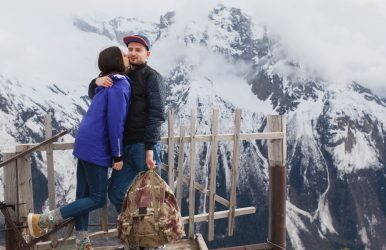
I remember staring at photos of the Himalayan sunrise and thinking, “I want to experience this.....but am I actually fit enough to try this adventure of reaching the base camp?”  If you’re new to the trekking world, it is a very common question everyone asks themselves.  And if I have learned anything from my journey of trekking, I would say that this question is completely normal.  Can you guess what else is pretty normal and inevitable? The Annapurna Base Camp vs Ghorepani Poon Hill Debate.  The Annapurna region is widely regarded as one of the finest trekking destinations for beginners. I think one of the most prominent reasons is that it provides both short, easy hikes. Also, it gives a lot more immersive journey.  But guess what the real dilemma was that I faced? Yes, it is Annapurna Base Camp vs. Ghorepani Poon Hill. It is the one I mentioned earlier.  Basically, it is whether to choose something safe or quick, or push yourself even further. But I was sure of the fact that I was in for a deeper experience and connection.  Both of these journeys offer very rewarding experiences. However, they provide very different levels of connection with the mountains.  Firstly, a shorter trek gives you comfort and accessibility. On the other hand, a longer trek gives you immersion. Also, it gives you a stronger sense of achievement.  The choice is not about which is better overall. Rather, it is more about how much time and effort it takes.  Additionally, I also needed to assess the challenges I was willing to take on as a beginner. Annapurna Base Camp Vs. Ghorepani Poon Hill: Which One Is The Winner Here? To reach an end to this debate, we must analyse all the segments in detail. Ready for a tour? Let’s do this! 1. Poon Hill: The Teaser Experience My first image of Ghorepani Poon Hill was simple. But it was beautiful. Also, it was pretty efficient and suitable for first-time trekkers.  This trek is usually short. Additionally, you can surely complete this in around 4 days. Firstly, it will take you through charming villages. In addition, you will get to see all the forests filled with peaceful vibes. Finally, you will arrive at the famous sunrise viewpoint.  I remember when I was watching golden light hit peaks like Annapurna South and Dhaulagiri. Trust me, it is unforgettable. Also, I am sure you already know that it is one of the best treks in Nepal.  If you want to complete the trek in a short period of time, or if you are unsure about your physical fitness, it is very comfortable.  However, there is a clear disadvantage or limitation.  You are viewing the mountains from the foothills rather than being surrounded by them. Therefore, this means the experience feels more like a scenic introduction than a full Himalayan journey.     2. Annapurna Base Camp: The Full Immersion The moment I entered the Annapurna Sanctuary, everything changed.  Also, I would like to mention that the experience is nothing like Poon Hill. There, I could view the mountain from a distance. However, the Annapurna Base Camp trek takes you deep into the heart of the Himalayas.  By the time you reach 4,130 meters, you are surrounded by towering peaks. So, this creates a powerful sense of presence. Also, I treat this as a natural amphitheater.  Here, you will see mountains like Machhapuchhre rising dramatically around you. Therefore, this makes the experience more valuable and unreal.  It is quieter, more impressive, and emotionally more rewarding, giving you a strong sense of achievement that goes far beyond just the views. 3. The Real Comparison: Difficulty & Fitness This is the part where most beginners start to hesitate.  The main challenge of the Annapurna Base Camp Trek is not just the distance. But also the terrain, with long uphill and downhill sections and steep stone steps near Ulleri.  Compared to the other gentler trails of Poon Hill, it requires more physical effort and endurance. On the other hand, the key to a successful trek is not speed but a constant pacing. You do not need to be highly athletic. You just need to walk consistently, taking breaks, and allowing your body to adjust. With proper acclimatization and hydration, the trek becomes more manageable, and many beginners complete it every year. 4. The Smart Shortcut: Heli Return Option One of the advantages that makes the Annapurna Base Camp trek more accessible is the Helicopter return.  Instead of trekking all the way back down, you can directly fly from the base camp, saving time and reducing physical strain. This is especially useful for those who are concerned about fatigue or have limited time.  This hybrid approach allows you to enjoy the full journey up while avoiding the most tiring part of the trek. For many first-timers, it removes the biggest obstacle of the trek and makes the overall trek more enjoyable, and the experience feels much more achievable. What I’d Recommend As A Beginner? If I have to point out which trekking destination is better for the beginner as a neutral, I would look at the choice of itinerary here.  The biggest mistake that I have seen beginners make is choosing an itinerary that’s too rushed.  I have seen my friends make many such plans where they tried to complete Annapurna Base Camp in about seven days. Guess what I saw next? These plans often led to exhaustion. Also, they had way less time to properly enjoy the journey. Therefore, I always prefer and suggest that you go for a slow itinerary of around ten days. This makes a significant difference.  Additionally, it allows better acclimatization. Also, you will get a more comfortable pace. In fact, you will also be able to have a much more enjoyable overall experience, especially for first-time trekkers. Annapurna Base Camp Vs Ghorepani Poon Hill: Which One Wins? You see, when I was first planning my trip, my main goal was to simply see a Himalayan sunrise. So, if you too have the same goal, I would say Ghorepani Poon Hill is a great choice.  To justify my claim, I would say that it is quick and scenic. Also, it is really beginner-friendly.  Additionally, it offers a rewarding experience without requiring too much time. In fact, you will need the bare minimum physical effort. Now, let’s say you are willing to spend much more time in the Himalayas. Also, maybe you want to go a little further. Then I think the Annapurna Base Camp trek offers something far more immersive.  Also, it is not just about the views. Rather, I believe it is more about the adventure and the challenge. In fact, I really think that the real goal is to have the feeling of standing in the heart of the Himalayas. Just looking at them from a distance cannot simply cut it.  Read Also: From Himalayan Peaks to Cultural Experiences: The Ultimate Guide to Everest Base Camp and Manaslu Circuit Trek Best Time To Visit Himachal Pradesh – Himachal Pradesh Guide Top Reasons To Do Everest Trekking – Himalaya View Treks

READ MORE card-img

Plan A Day Trip to Dry Tortugas National Park: This Is How You Will Do It 

BY  Sibashree Jul 10, 2024

A day trip to Dry Tortugas National Park can be the best staycation plan in Miami. Like the Biscayne National Park, it also witnesses a handsome footfall yearly. In 2023, 84,285 people visited this National Park despite its remote location.   Located around 70 miles west of Key West, it sits pretty at the end of the reef that stretches from Miami to the gulf.   The first time I heard about this place from a friend and went through the photos she had clicked, I got goosebumps. I know it sounds hackneyed, but how can I not give in to the tranquility of the turquoise ocean and the quaint appeal of the small islands?  Further, the best thing is that it is less crowded than many other national parks, such as  Everglades National Park, which had more than 8 million visitors in 2023, according to the National Park Service data. So, much of its pristineness is still there.  However, they say you have to put a little extra effort into taking the path less trodden by. So, planning a day trip to Dry Tortugas National Park will be elaborate, and there will be a lot of factors to consider.  Should we start planning? Let’s begin with a discussion of why a visit to this National Park is absolutely worth it!   Know Dry Tortugas National Park: Why Is It Famous? Dry Tortugas is a group of seven small coral islands in the Mexican Gulf. Juan Ponce de León discovered this bunch of islands, and he named them as Tortugas or turtles.   He got the idea from the large number of sea turtles that were habitating there. He got to see a hundred of them there. The “Dry” part was added to the name because of the unavailability of fresh water there.   So, when you visit the National Park, you get a whiff of history, a close encounter with wildlife, and the most unadulterated experience of life in the water.   Sooty terns and brown noddy terns regularly nest on these islands, especially on Bush Key, making the National Park a must-visit for birders. However, you may experience a seasonal closure from July to August to not create any disturbance to the breeding birds. The best time to visit this National Park is from November to April.   Also, you will have sea turtles, colorful schools of fish, and various water creatures as your host as you step into the National Park.  Further, you cannot just miss the best fusion of artificial and natural architecture in the forms of Fort Jefferson and colorful coral reefs.   So, despite a remote location and some concerns regarding connectivity, a visit to this National Park is completely worth it.   How To Reach Dry Tortugas National Park?  You can reach Dry Tortugas by boat or seaplane. You will first arrive at Garden Key. From there, you can take a ride to Dry Tortugas National Park in your personal boat or through charters and permitted tours, such as The Yankee Freedom Ferry or Key West seaplane charters.   If your budget is not a constraint, you can choose the private boat or seaplane options. The first one will give you more flexibility, and you will be in charge of how you want to explore the National Park. Further, traveling by seaplane for wildlife spotting and sightseeing will save you time in transportation.  The most cost-effective mode of traveling, however, is taking the Yankee Freedom Ferry.   Planning The Perfect Day Tripping To Dry Tortugas National Park  You need to know the places you can visit and the things to do if you want to plan a perfect day trip to Dry Tortugas National Park. Let’s know the wonders waiting for us at the National Park.  Places You Can Visit At Dry Tortugas National Park  Various places in Dry Tortugas National Park await to offer you a rich cultural and wildlife experience. Be it the Fort Jefferson or the swimming beaches, there is much for you to explore!  Fort Jefferson  Fort Jefferson on Bush Key Island houses the National Park visitor center. Built in the 1800s, it is a tell-tale symbol of the historical importance of the National Park and its islands. Very few people know that in that era, it was the largest fortification  in the US.   The fort also shows how it has stood the passage of time, hit by storms and waves.   Garden Key  Garden Key is the go-to place for snorkeling and scuba diving at Dry Tortugas. It also has campgrounds, a visitor center, and the park headquarters.   The historic Fort Jefferson is on this island, and you already know how important it is as a landmark at Dry Tortugas and in Florida.   Bush Key  Are you a lover of pristineness? Bush Key should be on your mind thanks to its unadulterated sub-tropical vibe. It is also the home to the rarest snooty terns and brown noddy terns.   Loggerhead Key  Loggerhead Key is the largest island or key at Dry Tortugas. You cannot miss the lighthouse and the previous site of the Carnegie Laboratory for Marine Ecology. Also, the sea turtles will welcome you as you visit the island.   Swimming Beaches   Getting in the water is the best pursuit at Dry Tortugas National Park. Along with scuba diving, kayaking, and canoeing, you can also indulge in swimming.   However, there is no lifeguard facility available. So, you have to be careful of the current and coral reefs.   Things To Do At Dry Tortugas National Park  You are bound to get dumbstruck when you visit a place that is kind of a miniature of the entire universe. It has the historic Fort Jefferson, serene blue water, rare and vibrant birds, coral reefs, and the most amazing marine life.   So, once you are at this National Park, you can paddle through the open water, take part in snorkeling and scuba diving, go kayaking, and explore wildlife. Are you looking for something leisurely? How about fishing?  Another thing that makes the trip to Dry Tortugas National Park amazing is the Junior Ranger Program. It is for kids and people who are young at heart. This program includes snorkeling and many other activities that allow you to be a member of the National Park Service as a junior ranger.   The Perfect Dry Tortugas Day Trip: Make A Note Of These Things   Thanks to the remote location of Dry Tortugas National Park, your trip planning to the place will require a lot more emphasis on your food, accommodation, and safety measures. If you are especially traveling with your family or kids, these are the aspects you need to be particular about.  My friend was saying how even an ill-fitted pair of shoes can create major issues in outdoor activities or, specifically, pursuits in the water. I think that it’s true for a visit to Katmai National Park or any other National Park for that matter.  Nonetheless, for now, Dry Tortugas National Park is the focus. So let’s prepare well to make the most of the adventures there.   Food And Accommodation   A trip to Dry Tortugas National Park is not your regular luxury vacation. So, you will get very limited services there. You will not even find any food and beverage stall or service at the National Park.   Bring your own meal and water! It’s as simple as that! Amenities YOU WILL NOT GET at this National Park are:  Restaurants  Hotels  Fuel Centers  Gas Stations  Marine Supplies  Other Gear  However, once your ferry is docked at Garden Key, you can buy some sodas and snacks onboard. You can set up your accommodation in the primitive areas of Garden Key. Also, if you have a private boat, you can spend your night in the vessel, anchored in the right place.   Safety Measures   You must not compromise with your safety while indulging in the beauty of ocean wilderness. Remember, you will have to travel around 68 miles through the open sea by seaplane or boat.   Further, the conditions at this National Park are primitive, with no facilities for snacking, restrooms, or public telephones. So, commit to a day trip if you are physically fit and able to bring all the essentials with you. Be particular to carry your medicines, protective clothing, gears, sunscreen, etc.   In addition, there will be various safety guidelines for various activities like snorkeling, kayaking/ canoeing, and exploring wildlife and marine activities. Also, there will be seasonal restrictions due to weather changes and other natural conditions. As a responsible visitor, you must abide by all these.   Moreover, if you want to plan ahead, you can visit the National Park Service website to be familiar with the safety guidelines.   Make Your Plan Right!   Dry Tortugas National Park is one of the newest American National Parks, earning the designation in 1992. In terms of experience, it offers a mixed bag as you can encounter history and the most exotic marine life at this park.  Visitors love day trips to this National Park, and this needs a lot of planning regarding the safety measures, food and accommodation, and places and activities. However, if you are in for more excitement, you can stay overnight at Dry Tortugas National Park by camping at Garden Key.   That’s it! You know what you can expect at the National Park and what should be on your itinerary plan. It’s time to gear up and set in for Dry Tortugas.   Dry Tortugas National Park FAQs   Why Is Dry Tortugas National Park Famous?  Dry Tortugas National Park is famous for the diverse experiences and activities it offers. You will meet sea turtles, rare sooty terns, and various aquatic creatures here.   Further, the coral reefs and Fort Jefferson add to the allure of this mesmerizing place.   What Country Owns The Dry Tortugas?  The United States of America owns the Dry Tortugas. It is located in the Gulf of Mexico, around 70 miles from the West Key.  Why Are Dry Tortugas Not Visited?  Dry Tortugas National Park has fewer visitors because of its remote location and primitive conditions. You can only take a boat or a seaplane to get there.  Also, you have to carry your food, snacks, gear, and all other essentials, as the park does not have snacking or beverage services. Further, camping is the only way out if you want to stay there as there are no hotels or lodges around.   Who Was The Most Famous Prisoner At Dry Tortugas?  Dr. Samuel Mudd was the most famous prisoner at Dry Tortugas. The US army abandoned him in 1878.   Can You Swim In Dry Tortugas?   Yes, you can swim Dry Tortugas along with taking part in other water pursuits like scuba diving, kayaking and fishing. Loggerhead Key has the calmest water around. So, it can be the best place to enjoy your time in the water.   You can also take the North, South, and East Beach of Garden Key to access open water for swimming. However, there is no lifeguard facility at Dry Tortugas. So, beware of how far you are going into the water. Further, you must be aware of the current and coral reef positions.