



Free And Cheap Things To Do In Phoenix, Arizona | Phoenix Travel Guide On A Shoestring

Nov 21, 2024

Last Updated on: Jul 2, 2025

Travel Guides

People love Arizona, and our economy is growing because of it. Tourism supports critical services for Arizonans, and our work to build an Arizona for everyone translates to more visitors and more jobs for our great state.” Katie Hobbs, Governor of Arizona.

You will find an echo of the governor’s words in the statement shared by Lisa Urias. She is the CEO of the Arizona Office of Tourism. She has mentioned that Arizona’s diversity, amazing beauty, and hospitality are behind the growth of the tourism industry in the state. 

Now, there is enough market data to corroborate the claims of the governor and the CEO of the Arizona Office of Tourism. In 2023, 86% of the tourists in Arizona were repeat visitors, and the $1.15 billion tourism tax collected in 2023 was 10% of the state’s operating budget. 

Phoenix, of course, plays a crucial role in the state’s tourism development. Along with unique desert beauty, Arizona has the best urban landscapes and the warmth of southwest culture. 

In addition, the cheap and free things to do in Phoenix, Arizona, make the city a popular tourist destination. 

So, do you want an overview of Phoenix, Arizona’s free and cheap tourist attractions? Let’s explore. 

You Can’t Miss These Free And Cheap Things To Do In Phoenix, Arizona

You Can’t Miss These Free And Cheap Things To Do In Phoenix, Arizona

Phoenix, Arizona, has a pricey vibe. However, don’t be fooled by that vibe as a tourist. Participating in cultural activities is one of the best things to do in Phoenix, Arizona, for free. Also, people in Arizona are perennially in love with outdoor activities. 

You just need to set your itinerary right to enjoy a mix of outdoor pursuits, cultural tours, and more. 

Did You Know?

Phillip Duppa, an Englishman, was a friend of Jack Swilling. Now, Jack Swilling was one of the city’s founding fathers, and Phillip Duppa named the city Phoenix.

The city was named to symbolize rebirth. The idea was that  Phoenix would rise from the ashes of the natives and it would become prosperous in the land of irrigation. 

1. Explore The Heritage Square

Downtown Phoenix bustles with modern vibes. However, Heritage Square is a place that complements its modern vibes with its old-world charm from the Victorian era.

Also, the Heritage Square is known as the “National Register of Historic Places.” Many of the buildings here are restored, and exploring the interiors of these buildings is one of the cheapest but meaningful things to do in Phoenix, Arizona. 

For example, the Rosson House Museum stands here, and you just need to pay a fee of $15 for admission. 

Heritage Square, Phoenix, Buildings
The Burgess Carriage HouseThe Thomas HouseThe Stevens HouseThe Burgess Carriage HouseThe Rosson House Musuem, etc. 

2. Visit Arizona Capitol Museum

Visit Arizona Capitol Museum

Open Monday through Friday, 9 AM to 4 PM, Saturday, 10 AM to 2 PM

With an “Entry is Always Free” promise, the Arizona Capitol Museum is a big draw in the state. Let me put it directly. If you want to know about the history and culture of the state, you have to visit the Arizona Capitol Museum.

The museum also offers in-depth insight into the state’s political scenario. 

Further, if you plan to visit Arizona in a few days and have included a visit to the Arizona Capitol Museum as one of the best things to do in Phoenix, Arizona, you must not miss the new Merci Train Exhibition.

The museum now celebrates the 75th anniversary of the train’s arrival. Some of the most prominent exhibits at the museum are:

  1. USS Arizona: Flagship of the Fleet
  2. Arizona Takes Shape
  3. The Struggle for Universal Sufferage – Voting Rights Timeline
  4. The U.S.S Arizona Artifact Collection, etc. 

You can even be a part of the “Arizona Capitol Museum Guided Tour Survey” for educational purposes. 

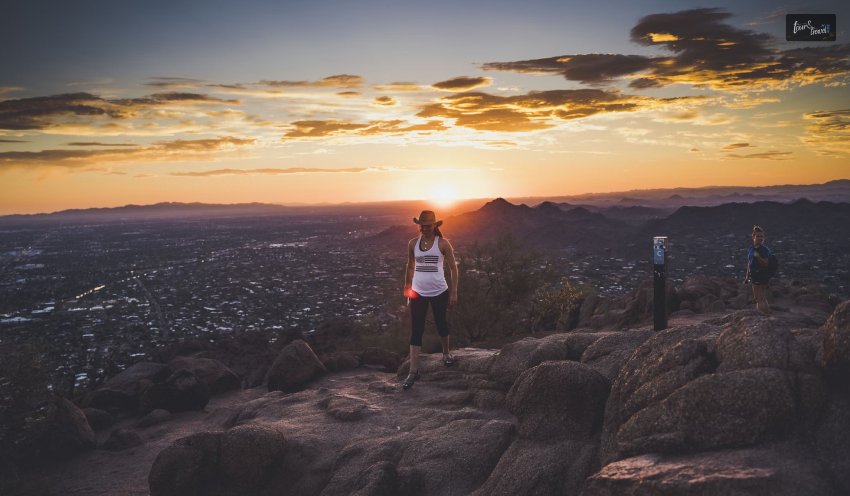
3. Hike At Camelback Mountain

Hike At Camelback Mountain

Before I get into the details of hiking at Camelback Mountain, I must tell you that it’s difficult and very strenuous. So, if you are not a seasoned hiker at the peak of your fitness, this is not one of the best things to do in Phoenix, Arizona, for you.

Still, Camelback Mountain and its Cholla and Echo Canyon trailheads have millions of visitors every year. The current trailhead hours are from sunset to sunrise. 

Further, this 2704 feet mountain gets its name from its double humps. Its terrains are uneven with boulders, and the elevation gains are difficult to cope with.

However, once you reach the summit, you will get the best views of the Valley of the Sun. 

Tour And Travel Highlight

Camelback Culture Community, led by Jes Dobbs, is a local group of hikers. Under the leadership of Jes Dobbs, a graphic designer, the group is making an effort to make Camelback Mountain safer.

They have launched a timely petition to improve the safety of the mountains in time, considering the death and rescue of three hikers from the Echo Canyon Trail. All of them died due to heat exhaustion.
Phoenix experienced record heat waves this season, and the rising temperatures were additional perils for the hikers.

Nevertheless, the Camelback Culture Community has made two demands in their petitions.
Extension of Trail Hours ( With An Extended Timing Of 4 AM to 8 PM)Installation of Automated Gates At The Trailheads of Camelback and Other Mountains

The petition already has 1,900 signatures and in the words of Jes Dobbs,

“I believe having trailheads with year-round, consistent opening and closing times will enable locals and visitors to hike in the cooler hours of the day legally and when their lives allow. 
Many hard-working people don’t have the option to take a midday hike. They deserve access to exercise and nature during their limited free time – before and after work.

4. Visit Phoenix Art Museum

Visit Phoenix Art Museum

Thanks to the “Pay-What-You-Wish Wednesday,” visiting the Phoenix Art Museum is one of the cheapest things to do in Phoenix, Arizona. Your entry fee is voluntary after 3 PM. 

Further, the evening sessions or AfterHours are free, and you can enjoy entertainment events and live music. You can attend these events four times a year. 

Family FunDays is another great event to visit the museum for, and it happens four times a year. These events take place on Sundays, and on these days, you can enter the museum for free and attend events for all ages. 

Tour And Travel Tip

The Western Gallery is the highlight of this museum. Here, you will find artwork from the pioneers and some exemplary works by the modernists. 

One thing is common in all these artworks. They show the prominent influence of the beautiful landscape of Arizona. 

5. Visit The Historic Heard Museum

Does the life of American Indian tribes in the Southwest part of the country intrigue you? The Historic Heard Museum is your go-to destination. Along with the life of the tribes, you will also get to know about their culture and art.

When you are at the Historic Heard Museum, the following are going to be your highlights. 

  • Films
  • Ethnographic Displays
  • Kids’ Exhibit

However, for me, the main attraction at this museum is Hopi Kachinas. It is an unbelievable collection of spirit dolls. Most of the dolls are gifts from Barry Goldwater, the  Presidential nominee. 

Visiting the Historic Heard Museum is one of the best things to do in Phoenix, Arizona. For free entry, you can plan a visit to the museum on the first Friday of every month (except March). The museum operates between 4 PM to 8 PM.

Furthermore, Indian fairs, hoop dancing, and competitions are some popular events taking place in the museum. 

6. Visit The Desert Botanical Garden

Visit The Desert Botanical Garden

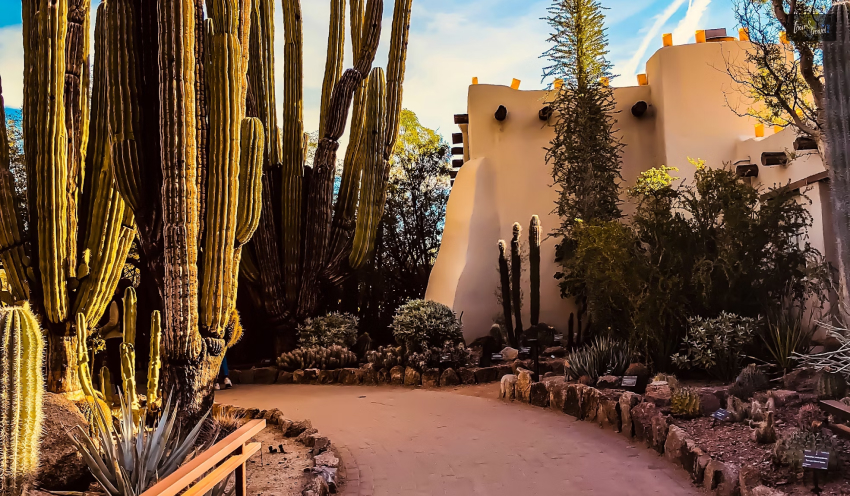
Entry to Desert Botanical Garden in Arizona is free on the Community Day or every second Tuesday of the month. Spanning over 55 acres, this botanical garden has flowers, cactus, and trees from across the globe.

The best time to visit the botanical garden is between March to May. During these months, you will find Mexican gold poppies and bluebells in full glory throughout the Desert Wildflower Loop Trail. 

The garden is well-maintained. Also, as you visit the desert denizens arranged according to theme, you learn a lot about the desert plantation. 

Tour And Travel Tip 

You have to book the tickets for Desert Botanical Garden in advance if you want to pay a visit on Community Day.

7. Take A Walk In Art Walk

Phoenix has the “First Friday Art Walk” on the first Friday of the month between 6 to 10 PM. It is one of the biggest self-guided art walks in the city. Further, you can take the light rail plying through downtown Phoenix and connecting to various art districts of Phoenix. 

Also, as you explore the art spaces, galleries, and event venues of the city, you become familiar with the local vibe. 

Artlink, a nonprofit organization, started this art walk, and it is still the organizer of the event. Today, this free art event has become the uniting space for people of all age groups.
Artists, vendors, and musicians take part in this event to soak in the cultural vibe of Downtown Phoenix. 

To explore the best free and cheap things to do in Phoenix, Arizona, you need to find comfortable accommodation first. The table below has the names and details of the best hotels in Phoenix, Arizona. 

Hotels In Phoenix, ArizonaPhone Number
DoubleTree by Hilton Phoenix North+1 602-997-5900
Great Wolf Lodge, Scottsdale+1 480-948-9653
Best Western North Phoenix Hotel+1 602-395-0900
Hotel Valley Ho+1 480-376-2600
The Clarendon Hotel and Spa+1 602-252-7363
The Scottsdale Resort and Spa, Curio Collection by Hilton+1 (480) 991-9000
Arizona Biltmore, LXR Hotels & Resorts+1 602-955-6600
Embassy Suites by Hilton Phoenix Scottsdale+1 602-765-5800
Fairmont Scottsdale Princess+1 480-585-4848

Also read

Share on Social Media

Meet Sibashree Bhattacharya, a travel enthusiast who has a decade-long experience in transcending virtual barriers with her words! Her deep love for travel is apparent from her travel escapades to the mountain, often taking her readers on a journey, her words acting as Portkey! Fun fact: Sibashree loves to dive deep into the history of the places she is about to visit, making her travels even more wholesome. If you were wondering how her articles are not short of time travel, this answers it!

Leave a Reply

Your email address will not be published. Required fields are marked *

title-img Related

READ MORE Luang Prabang itinerary planner

What Is The Ultimate Luang Prabang Itinerary Planner For Solo Travelers? How To Explore Laos’ Cultural Gem In 3–7 Days? 

BY  Sibashree Nov 3, 2025

In my Luang Prabang travel guide, I last wrote about my travel experience and shared a 5-day itinerary. However, I wanted to go more in-depth about the cultural exploration of the Laotian gem and a UNESCO World Heritage Site. Also, Luang Prabang, with its commitment toward sustainable tourism, has emerged as a leader of responsible tourism in Southeast Asia. Furthermore, the recent win of the “Green Destinations Silver Certification” has confirmed how Luang Prabang is dedicated to cultural conventions. In fact, Luang Prabang has achieved a harmony between cultural heritage and nature. The mountains, rivers, and temples reflect a lifestyle that is deeply connected to the environment. Thus, Luang Prabang shows how traditional practices and values can thrive alongside modern sustainability practices. Hi, in this Luang Prabang itinerary planner blog, I will talk about how you can explore the cultural gems of Luang Prabang in three to seven days. Why Visit Luang Prabang?  As I was saying, the Green Destinations organization, accredited by the Global Sustainable Tourism Council, has awarded Luang Prabang with the Green Destinations Silver certification for 2025–2027. The certification conferred at the Sustainable Destinations Forum 2025 in Dubai on 28-29 October now inspires this UNESCO World Heritage Site to aim for a gold certification in 2026. So, learning how this city in Laos is evolving the sustainable tourism landscape can be a reason to visit it these days. Furthermore, its location between the Nam Khan and Mekong Rivers and the presence of Mount Phousi make Luang Prabang a natural treasure trove. Kuang Si Falls is another major natural attraction here. Historically, it is significant as the capital of the ancient Laotian Kingdom. Also, due to the 19th-20th century colonial influence, the city shows a wonderful fusion of the traditional Lao urban architecture and English colonial architecture. Moreover, the city’s well-preserved temples, monasteries, and colonial villas make it a living museum of Southeast Asian heritage.  In addition, Luang Prabang has beautiful temples such as Wat Xieng Thong, and its Night Market is a vibrant hub for local crafts, textiles, and street food. What Is The Best Time To Visit Luang Prabang?  The best time to visit Luang Prabang depends on the experience you want. For example, if you want to enjoy clear weather conditions and your time outdoors, you can plan a visit between November and February. April and May are the hottest months in Luang Prabang, with the highest temperature hitting around 35 degrees Celsius. January is the coolest month, with an average temperature of 14-28 degrees Celsius. However, attending the local festivals is a major part of a holistic cultural exploration. So, if you want to attend any specific celebration, you can check the table below. Festivals in Luang Prabang Timing Boun Pi Mai Lao, or the Lao New Year Mid-April Boun Suang Huea, or the Boat Racing Festival September Boun Lai Heua Fai, or the Festival of Lights October That Luang Festival at the That Luang Stupa November Haw Khao Padap Din, A Festival Honoring Ancestors September  How To Reach Luang Prabang? I reached Luang Prabang by flying to Luang Prabang International Airport (LPQ) via Bangkok. However, there are also boat, train, and bus options. Mode Of Transportation DetailsBy Flight• Airport: Luang Prabang International Airport (LPQ)• Airport Connected to: Bangkok, Hanoi, Chiang Mai, and Vientiane• Laos Offers Visa on Arrival Facilities for Many Countries.Slow Boat from Thailand • This 2-Day Journey from Huay Xai via Pakbeng along the Mekong River is beautiful.• It is Ideal for Photographers and Slow Travelers.Train • You Can Travel to Luang Prabang via the China-Laos Railway.• This Railway Connects Luang Prabang with Vientiane and Boten.• This Route is Scenic, Fast, and Affordable.Buses • Travel in a Long Distance Bus to Luang Prabang from Vientiane, Vang Vieng, and Other Lao Cities. • For More Comfort, Choose Overnight VIP Buses. Where To Stay In Luang Prabang?  I stayed in a hostel, which cost me around $20 per night. However, you will also find mid-range and luxury hotels, as well as eco-lodges suitable for families. 1. Budget Hostels In Luang Prabang  Name Amenities Location Mad Monkey Hostel • Clean • Centrally Located Click HereY Not Laos Hostel • Ideal for Solo Travelers and Digital Nomads Click Here 2. Mid-Range Accommodation In Luang Prabang  Name Amenities Location Villa Chitdara • Stands Out with Its Colonial Charm Near the Local Market Click HereMy Dream Boutique Resort • Lush Gardens• Riverside Views Click Here 3. Luxury Accommodation  Name Amenities Location Satri House • A Former Royal Residence Turned Into A Boutique HotelClick HereAvani+ Luang Prabang • It Offers Modern Luxury with A Colonial Touch Click Here 4. Family-Friendly & Eco-Lodges  Name Amenities Location Zen Namkhan Resort • Eco Conscious• River Views• Family Bungalows Click HereThe Namkhan Ecolodge • Nature Activities• Farm-to-Table Dining Click Here A 3-Day Luang Prabang Itinerary Here is a brief 3-day itinerary for a trip to Luang Prabang.  Days ActivityDay 1 • Visiting Wat Xieng Thong, Wat Mai, and the Royal Palace Museum in the Morning• Strolling through Old Town and Having the Best Coffee at Saffron Café• Sunset Trek to Mount Phousi• Exploring the Night Market for Street Food and Collecting Souvenirs Day 2 • Visiting Kuang Si Falls (30 km away) in the Morning.• Swimming in Turquoise Pools and Visiting the Bear Rescue Center in Late Morning.• Stopping by the Kuang Si Butterfly Park and Having a Picnic Lunch in the Afternoon. • Back to the Town and Having a Lao Massage.Day 3 • Attending a Lao Cooking Class at Tamarind or Bamboo Tree in the Morning.• Taking a Boat Trip to Pak Ou Caves, Filled with Thousands of Buddha Statues.• A Sunset Cruise on the Mekong River with Local Drinks and Snacks. A 4-Day Luang Prabang Itinerary If you are in Luang Prabang for another day, you can plan a day trip to Nong Khiaw. It is a 3-hour drive from Luang Prabang. It has beautiful limestone cliffs and caves, and it is ideal for kayaking. A 7-Day Luang Prabang Itinerary With the activities for your first four days sorted, you can now try the following activities/attractions for the last 3 days. Days Activities Day 5 • Learning Traditional Rice Farming Techniques and Plowing with Water Buffaloes in the Morning.• Cooking Sticky Rice in the Afternoon.Day 6 • Visiting Tad Sae Waterfalls & Ziplining in the Morning.• A Trip to the MandaLao Elephant Conservation in the Afternoon.Day 7 • A Visit to Wat Pa Phon Phao and A Meditation Retreat.• Spending the Night at the Khmu Village. A Family-Friendly Itinerary For Luang Prabang  Here is a 5-day family-friendly travel itinerary for Luang Prabang. I have kept the itinerary relaxed to suit multi-generational travel. Furthermore, even if the itinerary keeps you busy, don’t forget to bring drawing books and journals for your children. Days Activities Day 1 • Arrive and Check in to Your Hotel• Visit the Royal Palace Museum and Take a Walk Along the Old Town• Climb Mount Phousi• Dinner at a Riverside Restaurant Day 2 • Attending the Alms Giving Ceremony or Tak Bat. • Breakfast at a Local Cafe. • Visiting the Elephant Conservation Center• Return to Luang Prabang• Dinner at a Restaurant With a View of the Nam Khan River Day 3 • Attending a Family-Friendly Cooking Class with Children, Helping with the Preparations. • Attending Dyeing and Weaving Workshops at Ock Pop Tok Living Crafts Centre.• Dinner at Utopia Café.Day 4 • A Visit to Kuang Si Waterfall.• Exploring the Butterfly Park.• A Visit to the Free the Bears Rescue Center.• Shopping at the Night Market Day 5 • Visiting the UXO Visitor Center to Learn About Laos’s History and Demining Efforts (Especially Suitable for Children)• Souvenir Shopping• Off to the Airport  What Are The Best Cultural Experiences In Luang Prabang?  The recent That Chomsi Stupa ceremony at Luang Prabang from 5th to 6th October 2025 has once again highlighted the strong cultural tourism aspect of the city. Built during the reign of King Anourouth in 1804, this stupa blends history with spirituality. Today, it also demonstrates the sincerity of Luang Prabang and Taos in preserving heritage. Moreover, the Chomsi Stupa ceremony emerges as an important landmark here to attract travelers who seek authentic experiences, want to understand community development, and the essence of Buddhism. So, visiting this Stupa is a unique cultural experience in Luang Prabang. Another important aspect is the Alms-Giving Ceremony, where monks are offered fresh food for their worldly sustenance. In addition, for holistic wellbeing and energy alignment, you can try a traditional Lao Massage. Also, visit the Ock Pop Tok Living Crafts Centre or attend traditional bamboo weaving and rice farming workshops to understand the livelihood and the true essence of Luang Prabang. What Are The Hidden Gems In Luang Prabang?  Wat Pa Phon Phao temple on a hill southwest of Luang Prabang is a hidden gem in Luang Prabang. It is one of the central places for Vipassana meditation. The single pagoda has an octagonal structure. It has a peaceful ambiance, and it is an ideal place for introspection. Local Cafes And Art Galleries In Luang Prabang  Don’t miss a visit to these places if you want to sink into the community vibe and have an excellent cultural understanding.  1. Saffron Coffee  View this post on Instagram A post shared by Saffron Coffee (@saffroncoffee) Saffron Coffee is one of the best cafes in Luang Prabang, and it is a great contributor to sustainable tourism. It sources the coffee beans ethically from local farmers. The coffee here is grown organically. Furthermore, Saffron Coffee is known for its profit-for-purpose policy. It reinvests its profit to benefit the individual farming family. 2. L’Etranger Books & Tea  View this post on Instagram A post shared by 노바투어(NOVA TOUR Co.,Ltd) (@novatour_official) What should I say? L’Etranger Books & Tea is a cafe, a bookstore, and a community center to read and exchange books. Furthermore, the attic room of L’Etranger Books & Tea hosts a film screening at 7 PM every evening. It was the city's first licensed bookshop.  3. Project Space Gallery  Located at Pha Tad Ke Botanical Garden, Project Space Gallery is a non-profit multifunction space. It hosts contemporary art exhibitions and events. Culinary Tourism In Luang Prabang: A Food And Drink Guide View this post on Instagram A post shared by Mike Prince (@mikeprince85) Some must-try dishes in Luang Prabang are Khao Soi or Northern Lao noodle soup with tomato and pork, minced meat salad with herbs and lime, or Laap and Or Lam, or a spicy soup with buffalo meat and eggplant. Furthermore, grilled meats, coconut pancakes, mango sticky rice, and fruit shakes are popular street foods, and you can cherish them at the Night Market. Manda de Laos, Dyen Sabai, and Tamarind are some renowned restaurants in Luang Prabang. Budget For A Luang Prabang Trip  Here is a daily cost estimate for a solo trip to Luang Prabang. Budget Type Daily Cost (USD) Inclusions Budget \$25–\$40 • Hostel • Street Food • Tuk-tuks Mid-Range \$50–\$100 • Boutique • Hotel Restaurants • Tours Luxury \$150+ • 4–5 Star Hotels • Private Guides • Fine Dining  Travel Tips For A Luang Prabang Trip Luang Prabang is safe to travel to. However, you can face connectivity issues. So, you must collect Unitel and Lao Telecom SIMs at the airport. Also, drink bottled water and use mosquito repellent. Moreover, you must adhere to the sustainability norms and follow local customs for a seamless experience.  Luang Prabang Itinerary Planner: Frequently Asked Questions (FAQs) Here are the frequently asked questions and answers about the Luang Prabang Itinerary Planner. 1. How Long Should You Stay In Luang Prabang?  Three to five days are enough for a cultural exploration in Luang Prabang. However, if you want a deeper cultural experience with nearby day trips and attending cooking, farming, or weaving workshops, plan a vacation of 7 days. 2. Is Mount Phousi Worth It?  Yes, Mount Phousi is a wonderful destination for a sunrise or sunset hike. Once you reach the top, you will enjoy wonderful views of the city and the surrounding hills. Moreover, the Wat Chom Si Stupa is located at the top of Mount Phousi. It is an important spiritual, historical, and cultural landmark of Luang Prabang. 3. Is Luang Prabang Better Than Vientiane? Vientiane is the current capital of Laos, and Luang Prabang was the ancient capital of Laos. Today, Vientiane is a more popular destination thanks to better national and international connectivity. However, if you ask me, Vientiane lacks the cultural vibrancy and scenic beauty of Luang Prabang.

READ MORE how far is savannah from atlanta

Atlanta to Savannah: A Scenic Road Trip Adventure That You Can’t Miss!

BY  Ankita Mar 21, 2024

Atlanta and Savannah are two of the most popular and exciting cities in Georgia. They are both rich in history, culture, and entertainment. But they are also very different in many ways. Atlanta is a modern and bustling metropolis, while Savannah is a charming and historic coastal town. How can you experience the best of both worlds? By taking a road trip from Atlanta to Savannah! But how far is Savannah from Atlanta? How long does it take to drive from Atlanta to Savannah? What are the best routes to take from Atlanta to Savannah? What are the best places to visit along the way from Atlanta to Savannah? In this article, I will answer these questions and more. I will show you the best tips and tricks to plan and enjoy your road trip from Atlanta to Savannah. I will also show you the top 10 sights that you simply can't miss on your road trip from Atlanta to Savannah. Let's get started! How Far is Savannah from Atlanta? The first question that you might have is: how far is Savannah from Atlanta? The answer is: it depends on the route that you take. There are several routes that you can take from Atlanta to Savannah, each with its own advantages and disadvantages. Of course, these are not the only routes that you can take from Atlanta to Savannah. Also, you can customize your own route, depending on your preferences, your budget, and your time. You can use online tools, such as Google Maps, Roadtrippers, or Furkot, to plan and optimize your route. You can also check the traffic, the weather, and the road conditions before you start your trip, and adjust your route accordingly. Also, you can be flexible and spontaneous and take detours or shortcuts as you go along. The important thing is to have fun and enjoy the journey! Having said that, here are some of the most common routes that you can choose from: The Fastest Route This route takes you from Atlanta to Savannah via I-75 S, I-16 E, and I-516 E. This route is the shortest and the quickest, as it covers about 248 miles and takes about 3 hours and 45 minutes to drive. However, this route is also the most boring and the most crowded, as it does not offer much scenery or attractions along the way. You will mostly see highways, traffic, and billboards. This route is best for those who are in a hurry and want to get to Savannah as soon as possible. The Scenic Route This route takes you from Atlanta to Savannah via US-441 S, US-129 S, US-341 S, GA-57 S, and US-80 E. This route is the longest and the slowest, as it covers about 310 miles and takes about 5 hours and 30 minutes to drive. However, this route is also the most scenic and the most interesting, as it offers a lot of scenery and attractions along the way. You will see mountains, lakes, rivers, forests, farms, and small towns. You will also pass by some of the historic and cultural sites of Georgia, such as the Ocmulgee National Monument, the Jarrell Plantation, the Georgia Sports Hall of Fame, and the Georgia Music Hall of Fame.  This route is best for those who are not in a hurry and want to enjoy the beauty and the diversity of Georgia. The Alternative Route This route takes you from Atlanta to Savannah via I-20 E, US-25 S, and US-17 S. It is a good compromise between the fast and the scenic routes, as it covers about 270 miles and takes about 4 hours and 15 minutes to drive. This route is not as boring as the fast route, but not as scenic as the scenic route. You will see some scenery and attractions along the way, but not as much as the scenic route. You will also pass by some of the major cities and towns of Georgia, such as Augusta, Waynesboro, and Statesboro. This route is best for those who want a balance between speed and scenery, and who want to see some of the urban and rural aspects of Georgia. The Top 10 Sights to See on Your Road Trip from Atlanta to Savannah Now that you have chosen your route and planned your trip, you might wonder: what are the best sights to see on your road trip from Atlanta to Savannah? There are so many places to visit and things to do along the way that it can be hard to decide. To help you out, I have selected the top sights that you simply can't miss on your road trip from Atlanta to Savannah. These are the sights that will make your road trip memorable and enjoyable. Here they are: 1. Stone Mountain Park Stone Mountain Park is a 3,200-acre park that is located 15 miles east of Atlanta. It is home to the largest bas-relief sculpture in the world, which depicts three Confederate leaders: Jefferson Davis, Robert E. Lee, and Stonewall Jackson. The park also offers various attractions and activities, such as a cable car, a train, a museum, a golf course, a lake, and a campground. You can also enjoy hiking, biking, fishing, and picnicking in the park. Stone Mountain Park is a great place to start your road trip, as it gives you a glimpse of the history and the nature of Georgia. 2. Madison Madison is a small town 60 miles east of Atlanta. It is one of the most charming and historic towns in Georgia, as it has over 100 antebellum homes and buildings that are listed on the National Register of Historic Places. You can take a walking tour, a driving tour, or a carriage tour of the town, and admire the architecture and the atmosphere. You can also visit some of the museums, shops, and restaurants in the town. Madison is a perfect place to stop for a break, as it offers a relaxing and romantic experience. 3. Milledgeville Milledgeville is a city that is located 90 miles southeast of Atlanta. It is the former capital of Georgia, and the birthplace of the famous writer Flannery O'Connor. You can visit some of the historic and cultural sites of the city, such as the Old Governor's Mansion, the Georgia's Old Capital Museum, the Andalusia Farm, and the Lockerly Arboretum. You can also enjoy some of the outdoor activities, such as kayaking, fishing, and biking, that are available in the city. Milledgeville is a fascinating place to visit, as it shows you the heritage and the creativity of Georgia. 4. Macon Macon is a city that is located 85 miles south of Atlanta. It is known as the "Heart of Georgia", as it is located in the geographic center of the state. It is also known as the "Song and Soul of the South", as it has a rich musical history and culture. You can visit some of the musical landmarks of the city, such as the Otis Redding Museum, the Allman Brothers Band Museum, and the Georgia Music Hall of Fame. You can also visit some of the other attractions of the city, such as the Ocmulgee National Monument, the Hay House, and the Cherry Blossom Festival. Macon is a fun place to visit, as it offers a lot of entertainment and excitement. 5. Dublin Dublin is a city that is located 120 miles southeast of Atlanta. It is a friendly and festive city, that celebrates its Irish heritage and culture. You can visit some of the Irish-themed attractions of the city, such as the Dublin-Laurens Museum, the Shamrock Bowl, and the St. Patrick's Day Parade. You can also visit some of the other attractions of the city, such as the Market on Madison, the Theatre Dublin, and the River Bend Wildlife Management Area. Dublin is a delightful place to visit, as it offers a lot of charm and cheer. 6. Statesboro Statesboro is a city that is located 55 miles northwest of Savannah. It is a college town, as it is the home of the Georgia Southern University, the largest public university in Georgia. You can visit some of the campus attractions, such as the Georgia Southern Museum, the Center for Wildlife Education, and the Botanic Garden. You can also visit some of the other attractions of the city, such as the Averitt Center for the Arts, the Statesboro Farmers Market, and the Splash in the Boro Water Park. Statesboro is a lively place to visit, as it offers a lot of culture and fun. 7. Savannah National Wildlife Refuge Savannah National Wildlife Refuge is a wildlife refuge that is located on the border of Georgia and South Carolina, along the Savannah River. It is a 31,551-acre refuge that protects and preserves various habitats and species, such as marshes, forests, wetlands, and islands. You can see animals such as alligators, deer, otters, bobcats, and over 300 species of birds. You can also enjoy hiking, biking, fishing, hunting, and photography in the refuge. Savannah National Wildlife Refuge is a great place to visit, as it offers a chance to experience the wildlife and the nature of Georgia. 8. Tybee Island Tybee Island is a barrier island that is located 18 miles east of Savannah. It is a popular destination for beach lovers, who can enjoy swimming, surfing, kayaking, fishing, and boating. The island also has a pier, a pavilion, a lighthouse, a museum, and a marine science center. Tybee Island is a wonderful place to visit, as it offers a relaxing and enjoyable experience. 9. Historic District The historic district is the heart and soul of Savannah. It is the largest National Historic Landmark District in the US, and it features over 20 squares that are filled with monuments, fountains, gardens, and statues. You can also see some of the most beautiful and historic buildings in the city, such as the Cathedral of St. John the Baptist, the Mercer Williams House, and the Davenport House. You can take a guided tour, hop on a trolley, or simply walk around and admire the architecture and the atmosphere of the historic district. 10. River Street River Street is a lively waterfront area that offers a variety of shops, restaurants, bars, and entertainment. You can browse the boutiques, sample the local cuisine, listen to live music, or watch the ships go by. You can also take a riverboat cruise, a ferry ride, or a water taxi to see the city from a different perspective. River Street is especially festive during the holidays and the events, such as the St. Patrick's Day Parade, the Fourth of July Fireworks, and the Oktoberfest. Wrapping It Up! A road trip from Atlanta to Savannah is a scenic and adventurous way to explore the diverse and beautiful attractions of Georgia. You can see the stunning scenery, the historic landmarks, the quaint towns, and the fun activities that lie between the two cities. Also, you can enjoy the flexibility, the convenience, and the adventure of driving your own car. You can stop whenever and wherever you want, and discover the hidden gems that you might otherwise miss. By following the tips and tricks that I have provided in this article, you can plan and enjoy your road trip from Atlanta to Savannah. I hope that this article has given you some ideas and inspiration for your road trip itinerary. Have a great time on your road trip from Atlanta to Savannah!. Read Also: From Hiking To Stargazing: The Top 10 National Parks In Utah! The Best Mountain Getaways In Washington: Where To Stay, What To Do, And How To Relax A Guide To Adventure And Nature: The Best Things To Do In Moab Utah For Outdoor Enthusiasts

READ MORE card-img

Exploring Sikkim

BY  Abdul Aziz Feb 16, 2023

Sikkim is a state in northeastern India, bordered by Bhutan to the east, Tibet to the north, and Nepal to the west. It is the second smallest state in India but is known for its stunning natural beauty, rich cultural heritage, and diverse landscape, which includes the Himalayas, rolling hills, and lush forests. Some of the popular tourist destinations in Sikkim include the capital city of Gangtok, which is known for its vibrant street markets, delicious street food, and stunning views of the surrounding mountains. Other popular destinations include the famous Nathula Pass, which offers breathtaking views of the Himalayas and the surrounding landscapes, and the Tsomgo Lake, a high-altitude glacial lake surrounded by stunning mountain scenery. Sikkim is also home to a number of historic monasteries and temples, including the Rumtek Monastery, one of the largest and most important monasteries in the region, and the famous Tashiding Monastery, which is considered one of the holiest sites in Sikkim. Overall, Sikkim is a must-visit destination on Northeast tour packages for those interested in natural beauty, culture, and history, and offers a truly unique and unforgettable experience for visitors to the region. Gurudongmar Gurudongmar Lake is a high-altitude freshwater lake located in the northeastern Indian state of Sikkim. It is one of the highest lakes in the world and is considered to be one of the most sacred sites in the region by both Hindus and Buddhists. The lake is located at an altitude of over 17,000 feet and is surrounded by the stunning peaks of the Himalayas. Despite its high altitude and harsh climate, the lake remains a popular destination for both tourists and pilgrims, who come to experience its natural beauty and spiritual significance. Gurudongmar Lake is named after Guru Padmasambhava, a revered Tibetan Buddhist saint who is said to have blessed the lake and made its waters holy. According to local legend, the lake never freezes, even in the harshest of winters, due to the blessing of Guru Padmasambhava. Visitors to the lake can take a challenging but rewarding trek through the mountains to reach the lake, or they can take a drive along a rough road to reach the lake's shores. Regardless of how they reach it, the lake offers breathtaking views of the surrounding landscapes and is a must-visit destination on Northeast tour packages for those interested in natural beauty and spirituality. Yumthang Valley The Yumthang Valley is a stunning mountain valley located in the northeastern Indian state of Sikkim. It is known for its incredible natural beauty and is often referred to as the "Valley of Flowers" due to its lush and colorful landscape. The Yumthang Valley is situated at an altitude of over 11,000 feet and is surrounded by the towering peaks of the Himalayas. During the spring and summer months, the valley is blanketed in a vibrant carpet of wildflowers, including rhododendrons, primulas, and poppies, making it a truly awe-inspiring sight. The valley is also home to the Yumthang Hot Springs, which are believed to have healing properties and are popular among visitors for their therapeutic benefits. Additionally, the valley offers a variety of outdoor activities, including trekking, hiking, and horseback riding, making it a popular destination for adventure-seekers and nature enthusiasts on Sikkim tour packages. Overall, the Yumthang Valley is a must-visit destination for those interested in natural beauty and is a truly unique and unforgettable experience for visitors to Sikkim. Namgyal Institute Of Tibetology The Namgyal Institute of Tibetology is a research center and museum located in the city of Gangtok in the northeastern Indian state of Sikkim. It is dedicated to the study and preservation of Tibetan culture, religion, and history, and is considered one of the leading institutions of its kind in the world. Founded in 1958, the Namgyal Institute of Tibetology is home to a vast collection of Tibetan manuscripts, artifacts, and works of art, including ancient texts, religious objects, and rare manuscripts. The museum also houses a large collection of Tibetan religious masks, sculptures, and paintings, making it a must-visit destination for those interested in Tibetan art and culture. In addition to its museum, the institute also operates a library and research center, which is dedicated to the study of Tibetan culture, religion, and history. The library is considered one of the most comprehensive collections of Tibetan literature and is an important resource for scholars and researchers from around the world. Visitors to the Namgyal Institute of Tibetology can take a guided tour of the museum and view the incredible collection of artifacts, as well as attend lectures and workshops on Tibetan culture and history. Overall, the institute is a fascinating destination that offers a unique glimpse into the rich culture and history of Tibet and is a must-visit destination for those interested in the region. Zuluk Zuluk is a small village located in the Eastern Himalayas in the Indian state of Sikkim. It is situated at an altitude of around 10,000 feet and is known for its stunning views of the surrounding mountains and rolling hills. Zuluk is becoming a popular destination among tourists and adventure-seekers, thanks to its unique location and breathtaking scenery. The village is located on a historic trade route that was once used by traders traveling between Tibet and India, and its winding roads offer spectacular views of the surrounding landscapes. One of the main attractions in Zuluk is the Zuluk Loop, a stunning mountain road that offers breathtaking views of the surrounding landscape. The loop is a popular destination for road trips, and visitors can take a drive through the mountains to experience the incredible scenery and views of the Himalayas. Zuluk is also home to a number of historic monasteries and temples, including the Tukla Monastery, which is one of the oldest and most important monasteries in the region. Visitors can attend prayer ceremonies and learn about the rich cultural and spiritual heritage of the area. Overall, Zuluk is a must-visit destination for those interested in natural beauty, culture, and history, and offers a truly unique and unforgettable experience for visitors to the region. Do-Drul Chorten Do-Drul Chorten, also known as the Stupa of Reality, is a Buddhist stupa located in the city of Gangtok in the northeastern Indian state of Sikkim. It is one of the most important religious and cultural landmarks in the region and is considered a sacred site by the local Buddhist community. The Do-Drul Chorten was built in 1945 by the head of the Nyingma order of Tibetan Buddhism and is considered one of the most important centers of Buddhism in Sikkim. The stupa is surrounded by 108 prayer wheels, which are turned by visitors as a form of meditation and prayer. The Do-Drul Chorten is also home to a number of Buddhist shrines and statues, including images of the Buddha, Guru Rinpoche, and other important figures in Buddhist history. Visitors can attend prayer ceremonies and learn about the rich cultural and spiritual heritage of the area. Overall, the Do-Drul Chorten is a must-visit destination for those interested in Buddhism and the culture of the region and offers a unique and fascinating glimpse into the spiritual beliefs of the local community. Whether you are a spiritual seeker or simply interested in the rich history and culture of the region, a visit to the Do-Drul Chorten is sure to be a memorable and enriching experience. Read Also: Exploring The Unexplored: Which Is The Best Time To Visit Darjeeling? Top 5 Best Tourist Places In Coimbatore – Travel Guide Best Places For River Rafting In India