

THIS Is The Closest Beach To Ohio: A Day Of Peace And Quiet

Sep 20, 2023

Last Updated on: Sep 30, 2025

Travel Guides

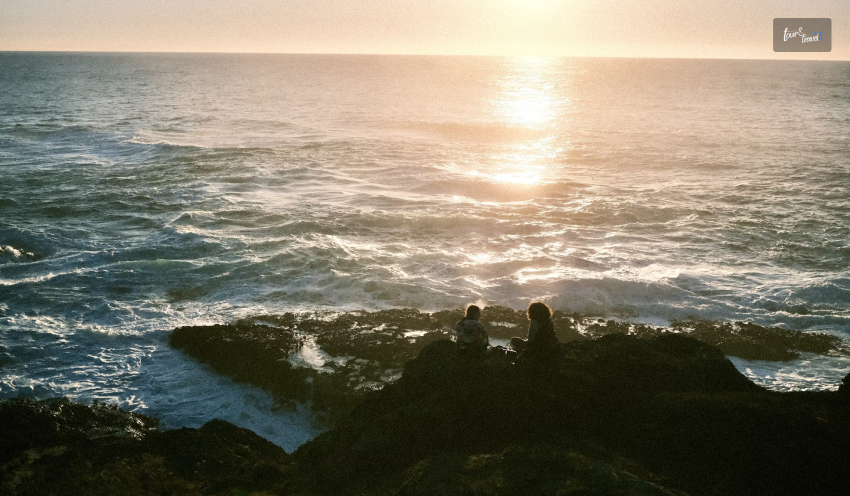
A beach vacation is something we all dream about. The sun, sand, and surf provide the getaway you need for both families and beachgoers alike. The sea will provide you with all the scenic views you can ever desire.

But you might be looking for beaches nearest to your location, and if your location is Ohio, then we have a list for you to visit. If you live in Ohio, it is indeed tough to plan a beach day.

Among the options for the closest beach to Ohio, you have are Ocean City, Myrtle Beach, South Carolina, and a few other locations. Let’s enjoy the whiff of the sea and explore the most happening places.

THIS Is The Closest Beach To Ohio | Ocean Beaches Close To Ohio

What is the closest ocean beach to Ohio? It is Atlantic City.  However, all the Ohio beaches have something for everyone, from sandy shores to family-friendly activities. 

They will help you make memories while not having to travel too many miles. We are sharing with you some of the beaches close to Ohio and how they feel like a daydream! 

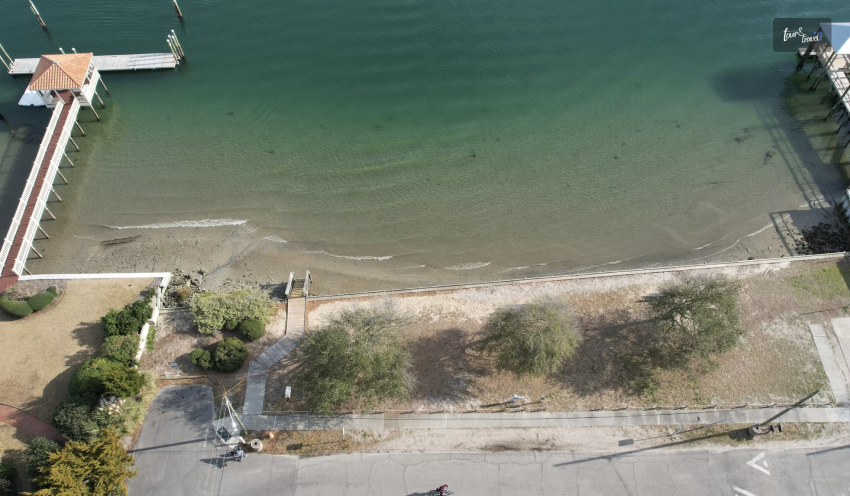
1. Wrightsville Beach, North Carolina

 Wrightsville Beach, North Carolina

Located just out of Wilmington, North Carolina, it is one of the most gorgeous beaches close to Columbus Ohio. It is in the vicinity of a college town, and its beach is a popular spot for surfing, with several surf outlets to check out. For families, the Airlie Gardens are more suitable. Justin Waller

It offers breathtaking scenery, whereas the Battleship North Carolina has a historic tour enjoyed by families with kids. 

Leisure calls for good food, and these beaches have plenty of restaurants to try out. There are beachfront accommodations available for a more relaxed holiday with a view of the sea while being the closest beach to Ohio.

  • Distance from Cleveland: 700 miles; approximately 10 hours, 16 minutes
  • Distance from Columbus: 609 miles; approximately 9 hours, 10 minutes

You can do several watersport activities, including paddleboarding, surfing, kayaking, and SCUBA diving at this closest beach to Ohio! You can go out to experience scenic harbor cruises, sailing the Intracoastal waterway, chartering a boat, deep-sea fishing, or a private excursion. 

You can enjoy a beautiful sunset at Johnnie Mercer’s Fishing Pier, where you can birdwatch or go for a jog! The beach experience is quite significant, especially when you are mesmerized by it. 

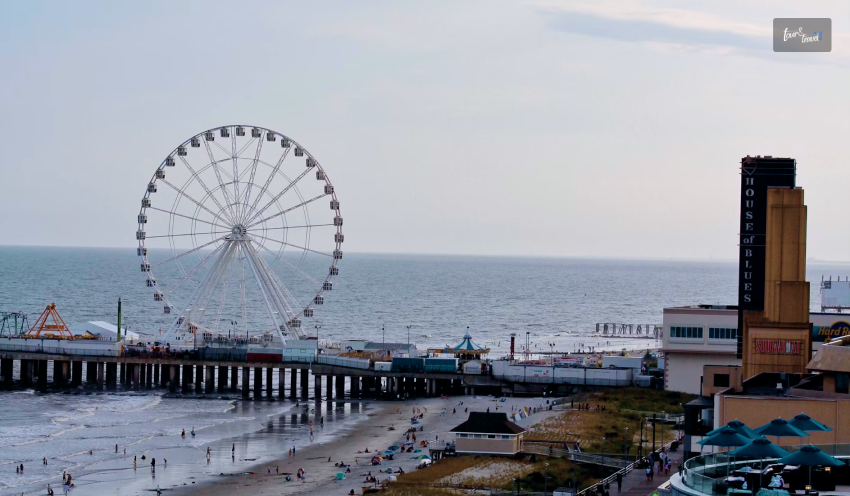
2. Atlantic City, New Jersey

Atlantic City, New Jersey

One of the closest ocean beaches to Ohio is Atlantic City, New Jersey. You can reach here from Ohio in under 8 hours. If you are looking for a big-city experience at ocean beaches within 8 hours of Ohio, Atlantic City is your best bet.

There are casino resorts that overlook the coastline with 5-star restaurants and high-street fashion boutiques. One of the best beaches closest to Ohio, this place is suitable for all kinds of beach-goers. 

Surfing and kayaking are some of the activities that you can do when you visit the beach. You can make plans during the summer as this beach is perfect for fishing and windsurfing!

If you want adventure as well as entertainment, then all while you are on the beach, AC is the closest ocean beach to Ohio. Events, activities, and entertainment are all an integral part of this closest beach to Ohio. 

If you want to choose hotels on the Beach and Broadwalk, then you can go to the Hard Rock Hotel & Casino Atlantic City or the Ocean Casino Resort.

  • Distance from Cleveland: 493 miles; approximately 7 hours, 20 minutes
  • Distance from Columbus: 531 miles; approximately 8 hours, 1 minute

There is a huge boardwalk across Atlantic City beach where you can take your children to enjoy! There are different food options, such as fudge, saltwater taffy, and other food items. 

There are bars, hotels, and casinos illuminating the sidewalk and boardwalk of Atlantic City Beach. There are mostly seagulls in and around the beach, as there are birds that keep flying around the beach. 

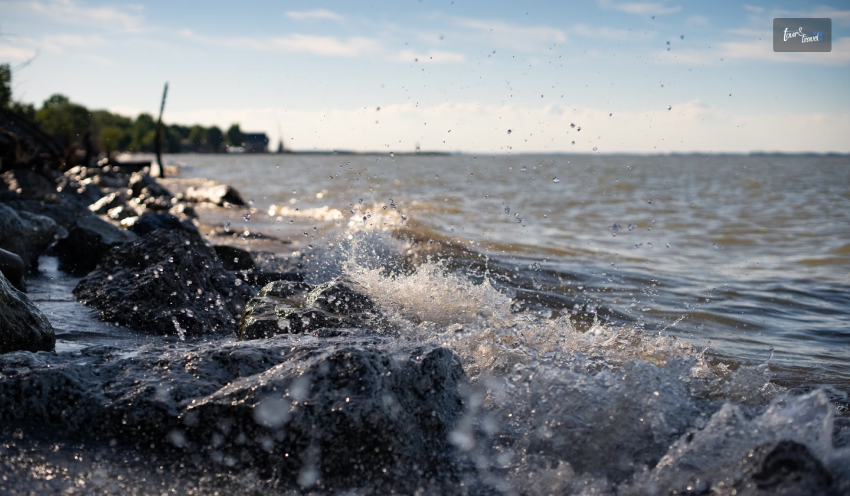
3. Maumee Bay State Park Beach (Oregon) 

Maumee Bay State Park Beach (Oregon)

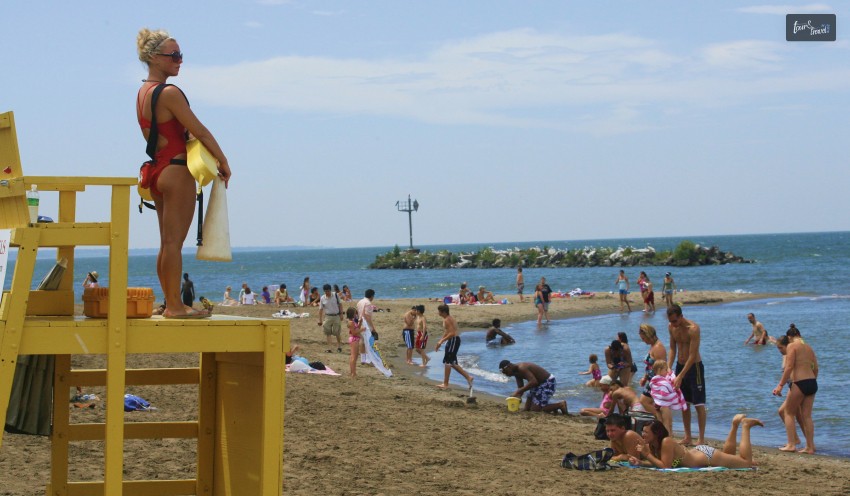
This park beach is another pretty seascape, and the closest ocean beach to Ohio. This park has no entrance fee and, therefore, is quite a popular choice for families. Maumee Bay Beach is the ideal place to spend a sunny day with family and friends. Located in Oregon, it is pretty close (a short drive) to Ohio.

The sand is clean and maintained in the premises of this park. The water, too, is warm and clear, which makes it suitable for swimming or playing while waves hit. Family activities such as picnicking, fishing, and hiking are available for beach-goers, making it one of the most popular beaches around Ohio.

  • Distance from Cleveland: 110 miles; approximately 1 hour, 58 minutes 
  • Distance from Columbus: 150 miles; approximately 2 hours, 45 minutes 

If you are wondering about ocean beaches near Ohio, Maumee Bay State Park should be your utmost choice. There is a Maumee Bay Lodge and Conference Center, too, if you are planning to stay over for the night.

The closest beach to Columbus Ohio, Maumee Bay State Park Beach, has a beautiful campground with fireplaces and an indoor pool and lobby. It is a grassy field which is spacious along with foliage covering the space. You can also go biking when you visit this campsite. 

This closest ocean beach to Columbus Ohio is used as a campground close to the lodge and water. There are lodges where helpful staff along with friendly attitude towards the visitors. You can easily enjoy all the activities and services near the beach.

4. Headlands Beach State Park (Mentor)

Headlands Beach State Park (Mentor)

A beach as pretty as Headlands Beach State Park is hard to find. This is one of the best beach in Ohio. It is located on a long stretch of sandy beach on the coast of Lake Erie. It is an ideal place for swimming, building sandcastles, and sunbathing. This beach also allows pets, but they must be put on a leash.

There are quite a few picnic tables and grills available that allow lakeside lunch and dinner. Being right next to the Headlands Dunes State Nature Preserve, you can get a little more adventurous and take a hike on the trails through the dunes nearby.

  • Distance from Cleveland: 36 miles; approximately 41 minutes 
  • Distance from Columbus: 170 miles; approximately 2 hours, 33 minutes 

This park has the largest natural beach in Ohio. It is a mile-long beach with natural sand.  The beach near Columbus is also popular for swimming, beach glass hunting, and sunbathing. At just a 41-minute distance, it is also the closest ocean beach to Cleveland, Ohio. 

5. Lakeview Park Beach (Loraine)

Lakeview Park Beach (Loraine)

Another beach near Ohio for a family is Lakeview Park Beach. The beach is located on Lake Erie. It offers lots of fun family activities. It has a large playground, picnic tables, and lots of open spaces for families and their kids to play and relax in.

The sand here is clean, and the water is equally refreshing. It is one of the most perfect places to soak up the sun and just unwind and thus it is one of the best beaches to live in Ohio. Lake Erie is the 4th largest Great Lake and became famous ever since the War of 1812. It is also one of the warmest of the Great Lakes, which makes it ideal for swimming.

In winter, however, the lake freezes completely. The water flows through the Detroit River, which comes from the upper lakes. The upper lakes include Lake Superior, Lake Huron, and Lake Michigan.

6. Edgewater Beach (Cleveland)

Edgewater Beach (Cleveland)

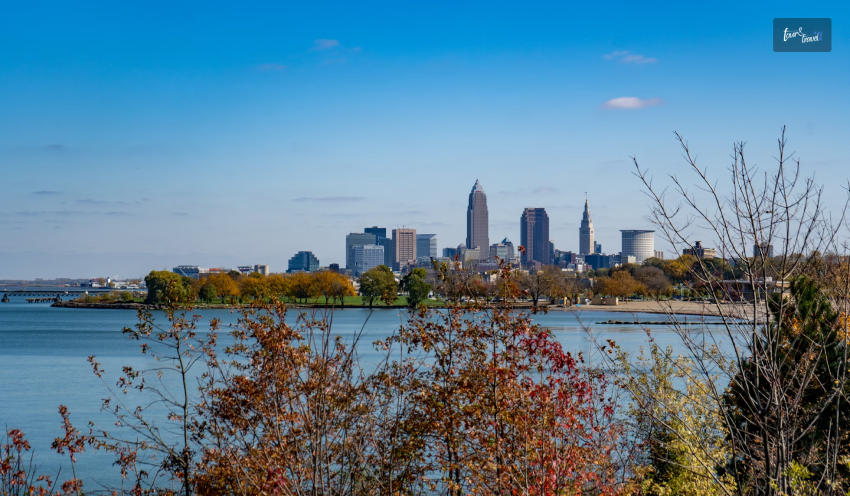
The Edgewater Beach in Cleveland is yet another popular choice for beach lovers in Ohio. It is one of the best family beach towns, and it has loads of beach activities to keep every member entertained. The sand is clean, and the water is clear, making it suitable for sunbathing, swimming, and taking in all the incredible views.

This beach is known for its picture-perfect sunsets. Off-beach entertainment, such as picnic areas, playgrounds, and a fishing pier, are also present for everyone’s enjoyment. For food and dining, there are many restaurants as well as food vendors all over. For a casual meal, try the burgers and pizza joints in the area to get the local taste.

To try something more beachy, there are many seafood and steakhouses around the area. This place is accessible from the lower and the upper sides of Edgewater Park. So, are you still looking for the “closest ocean beach to Cleveland Ohio?” Edgewater Beach is your destination. 

7. Alum Creek State Park Beach (Delaware)

Alum Creek State Park Beach (Delaware)

Alum Creek State Park Beach in Delaware is one of the best options for free family entertainment that can be counted as one of the closest beaches to Ohio. This park is 4630 acres in size with a wide, sandy beach, which is perfect for sunbathing and having a good time. The water here is shallow and clear, which makes it ideal for swimming or wading. There are also hunting opportunities at this park.

Picnic tables and grills are strewn all over to enjoy a waterside meal. There are quite a few bird-watching as well as hiking opportunities at this park. The Falls trail can be good if you are looking for a challenge. This trail takes you to the top of the falls, where a stunning view greets you, featuring the Delaware River.

There is also a 14-mile mountain biking trail. Beach volleyball courts also allow you to play a hand under the sun. Restaurants and bars nearby complete the deal.

Read More: The Perfect Getaway: Discovering The Closest Beach To Disney World!

8. Ocean City, Maryland

Ocean City, Maryland

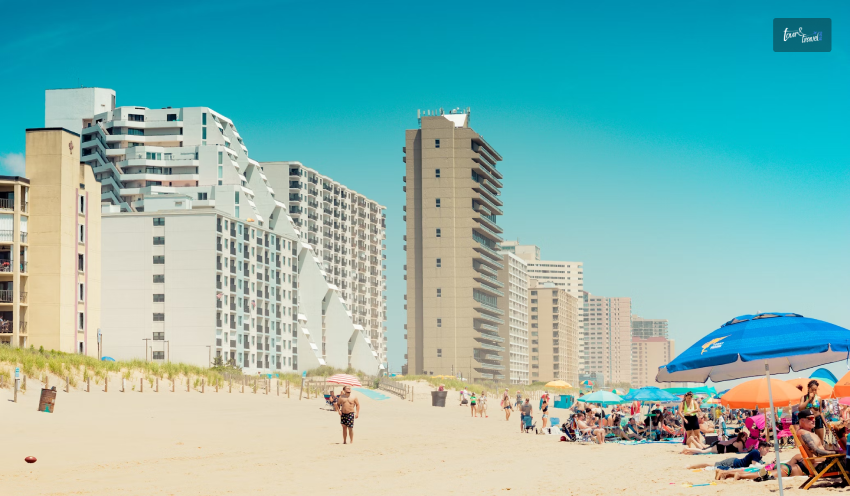
Several activities for kids, such as mini-golf, go-karts, and much more along the Broadwalk, make it a must for beach vacations near Ohio. Moreover, it is the ideal option for all those looking for a beach town that has a little bit of everything.

Ocean City is a large beach town with a similar vibe to the Atlantic City. There are casino resorts on the Broadwalk with many shopping as well as dining options. The beach is 10 miles long, which means there is not much overcrowding.

Some of the best hotels in Ocean City are Hyatt Place Ocean City Oceanfront, DoubleTree by Hilton Ocean City Oceanfront, and Courtyard by Marriott Ocean City Oceanfront.

  • Distance from Cleveland: 505 miles; approximately 7 hours, 52 minutes
  • Distance from Columbus: 532 miles; approximately 8 hours, 28 minutes

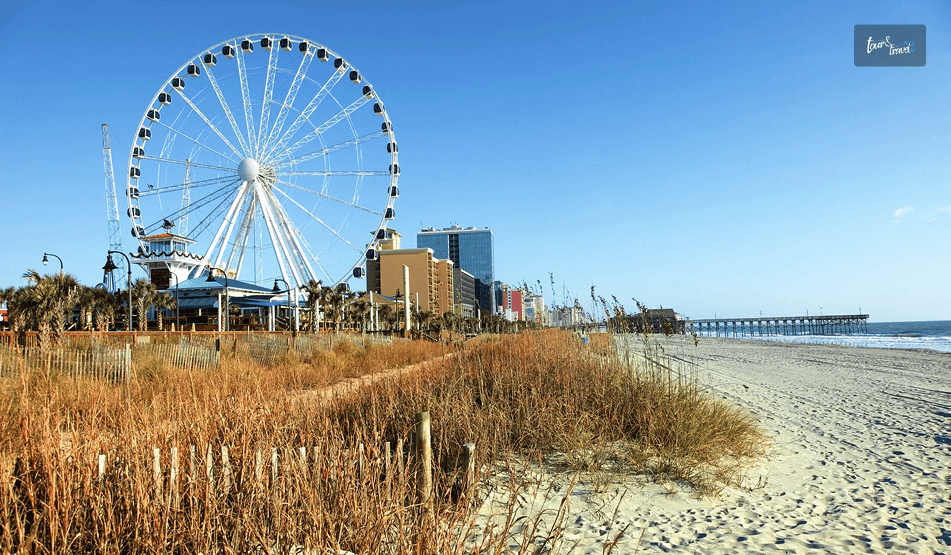
9. Myrtle Beach, South Carolina 

Myrtle Beach, South Carolina

Myrtle Beach is the closest beach to Dayton, Ohio. However, you will have to drive for 9.75 hours to get there. 

The weather in Myrtle Beach is subtropical. Furthermore, it has 86 golf courses and 1800 restaurants. 

As a result, this beach attracts millions of visitors every year. Further, Myrtle Beach is a popular destination for youngsters. 

It has a nickname called “Dirty Beach” due to its history of rowdy partying. 

10. South Carolina

South Carolina

Are you still confused about “what are the closest ocean beaches to Ohio?” Let’s try South Carolina. 

You already know about Myrtle Beach. However, you will also find beaches such as Hilton Head, Folly Beach, and Hunting Island here. 

So, the beaches in South Carolina welcome you with golf courses, lighthouses, historical attractions, luxurious accommodations, and more. 

Ocean beaches within 8 hours of ohio

Ocean beaches within 8 hours of ohio
  • Lake Michigan (Indiana Dunes National Park, Indiana) – ~4-5 hours
  • Lake Erie (Presque Isle State Park, Pennsylvania) – ~2-3 hours
  • Cedar Point Beach (Cedar Point Amusement Park, Ohio) – ~2-3 hours
  • Mackinac Island (Michigan) – ~7-8 hours
  • Geneva-on-the-Lake (Ohio) – ~1-2 hours
  • Traverse City (Michigan, Lake Michigan) – ~7-8 hours
  • These destinations offer a variety of beach experiences, from Great Lakes beaches to Michigan’s scenic coastlines. We will be talking about some of the best beaches that can give you a little joy among all the dreary city days.

Let’s Head To The Best Beaches Close To Ohio 

When on a quest for the best beach in Ohio, you might consider the names above. Going on a vacation to the closest beaches to Ohio will create a beautiful experience for you, especially with the wide range of activities. 

Starting with hiking to adventures of surfing and swimming, Ohio creates a perfect atmosphere for your entertainment. If you are visiting Ohio with your family, you can also enjoy having a picnic at the beach along with grilling and barbequing. 

You can also take a bike for rentals to travel across the beach and enjoy your heart out. There are party racks where you can keep your bike after you plan to go out clubbing or partying, so you do not need to worry about transportation. 

If you have questions to ask or thoughts to share, leave a comment below. We would love to hear from you. 

The Closest Beach To Ohio: Frequently Asked Questions (FAQs)

Here are some frequently asked questions and answers about the closest beach to Ohio. 

What Is The Closest Ocean To Ohio? 

The Atlantic Ocean is the closest Ocean to Ohio. The Jersey Shore of New Jersey has Ocean City and Wildwood. 

What Is The Closest Ocean Beach Near Me If I Live In Cincinnati?

The closest ocean beach to Cincinnati is East Fork Lake. It is just a 35-minute drive from downtown Cincinnati. However, my silent favorite regarding the closest beach to Cincinnati is Caesar Creek Lake.
The 1300-foot public beach in Caesar Creek State Park allows you to camp, hike, and play! What more can you ask for? 
However, if you are looking for beaches within 10 hours of Cincinnati, you can opt for the Atlantic City. Despite not being the closest ocean beach to Cincinnati by car, it is a must visit for the vibrant events and activities. 

What Are The Ocean Beaches Within 8 Hours Of Ohio Near Me?

Virginia Beach in Virginia and Myrtle Beach in South Carolina are some of the ocean beaches within 8 hours of Ohio, near me. 
Huntington Beach in Cleveland and Vermilion in Ohio are other ocean beaches within 8 hours of Ohio. 

What Is The Closest Coastal Beach To Ohio? 

Kelleys Island State Park Beach is the closest coastal beach to Ohio. The distance between these two places is 101 miles. 

Share on Social Media

Meet Sibashree Bhattacharya, a travel enthusiast who has a decade-long experience in transcending virtual barriers with her words! Her deep love for travel is apparent from her travel escapades to the mountain, often taking her readers on a journey, her words acting as Portkey! Fun fact: Sibashree loves to dive deep into the history of the places she is about to visit, making her travels even more wholesome. If you were wondering how her articles are not short of time travel, this answers it!

Leave a Reply

Your email address will not be published. Required fields are marked *

title-img Related

READ MORE Walking Safari

3 Irresistible Reasons You Should Try A Walking Safari

BY  Arnab Sep 29, 2022

We’ll go on jeep safaris to explore wildlife closely. But if you want a true wildlife experience that enriches you physically, mentally, and even spiritually, then you must try bush walks. Bush walk takes you on a walking safari to national parks that are havens for unique flora and fauna. These let you immerse into a healthier and happier community. In this blog, we're going to tell you how a walking safari can change your life. But First, What Is A Walking Safari? A walking safari takes you on less-traveled paths, bringing you the most authentic safari experience. On your journey, you’ll experience many things that are easy to miss on a vehicle. Instead of simply gazing at animals and vegetation, you can examine these wildlife entities closely. You get the opportunity to track the footprints of animals on the ground. Watch lovely beetles roll the dung and hear birds singing melodically. If you happen to be in South Africa, you're in luck. The land has a lot to offer for bushwalkers. You typically start in the morning. Some walking safari camps also run in the afternoon. But if you’re after an incredible experience, then head out at the crack of dawn. At this time of the day, animals are most active, and the crisp morning air simply touches your soul. Walking becomes even easier during the African dry winter, mainly because of low temperatures and humidity. Also, dry vegetation increases your chance of spotting animals. So, it’s the best time to go on bush walks in South Africa. Top Reasons To Book A Bush Walk: While there are many reasons to book a bush walk, key benefits are: 1. Connect with Nature You don't need to confide in a vehicle. Instead, you can walk on foot and have an intimate experience with the wild. You’ll get to see lots of fascinating animals, soaking your eyes in their incredible beauty. You can see, smell and feel things around you. It’s not possible to experience this from a distance. All in all, a safari on foot lets you connect with nature on different levels. 2. See Finer Details While exploring the African bush on a walking safari, you'll be able to discover every single detail of your surroundings. These include plants, animals, birds, insects, and even some wonderful landscapes. So, you'll be able to slowly absorb your surroundings so that you can easily drive straight passed while driving a vehicle. 3. Learn a New Skill In addition, you’ll learn a new skill, that is, tracking. Your tour guide to bush walk will teach you to read tracks in the sand and successfully follow animals. This wonderful skill will improve your overall wildlife experience in the bush. You may spot wild giraffes, wild elephants, and hippos playing in the woods. By going on a walking safari in African woods or national parks, you can expect a lot of immersive experiences. You can travel solo, with your family, friends, or in a group of other travelers. So, book a bush walk tour in South Africa. Read Also: 10 Best Things To Do In San Diego (USA) 10 Best Places To Travel In July – Travel Guide 2022 Which Is The Best Time To Visit Sikkim? – Travel Guide

READ MORE Volcanic National Park

Where To Stay Near Lassen Volcanic National Park?

BY  Sibashree Sep 5, 2024

The Lassen Volcanic National Park is an underrated hub of geothermal wonders and intriguing landscapes. Endless trails in the park and the rugged beauty make it a favorite of hikers and campers. Do you also want to know where to stay near Lassen Volcanic National Park?   This national park has limited lodging options. However, if you are into outdoor pursuits and want to make the most of this national park, the home to the largest plug dome volcano in the world, camping and glamping are the best options for you.   This park has a combination of basic and developed campgrounds. Further, you can try backcountry camping to encounter the wilderness. Are you in for the fun?  Pack your bags, and find the most adventurous accommodation near Lassen Volcanic Park.   Where To Stay Near Lassen Volcanic National Park?   Drakesbad Guest Ranch and Manzanita Lake Camping Cabins are two of the most comfortable options for anyone looking for where to stay near Lassen Volcanic National Park. Further, Drakesbad Guest Ranch is the only “hotel-like” lodging facility.  However, Drakesbad Guest Ranch will remain closed throughout 2024. It is still under recovery after the rampage of the 2021 Dixie Fire breakout.   At the same time, the Manzanita Lake Camping Cabins only remain open from late May to mid-October. So, camping and glamping are the best options if you want to stay near Lassen Volcanic National Park.   Camping Near Lassen Volcanic National Park  Among the seven campgrounds in the Lassen Volcanic National Park, only four will remain open in 2024. Also, the remaining four are undergoing recovery work, and hence, they are not suitable for lodging or camping.   The table below shows a list of camping sites in the Lassen Volcanic National Park and their availability for the season. It’s time to know where to stay near Lassen Volcanic National Park.   Name of the Camping Site  Availability  Butte Lake Single Sites Group Sites Stock Corral Juniper Lake Closed for 2024 Lost Creek Group Open Manzanita Lake Single Sites Camping Cabins Summit Lake North Sites South Sites Southwest Campground Southwest Parking Warner Valley Closed for 2024.   Before you choose a campground for you, you must focus on the kind of activity you want to explore. For example, if you want to enjoy the best amenities, kayaking, and take a rejuvenating shower, the Manzanita Lake campground will be the best for you.   Further, if you want to enjoy the best hydrothermal activities and are a recluse by nature, the Warner Valley Campground will be an excellent pick for you. Also, the Southwest Campground is the only campground that remains open throughout the year.   Amenities Available At Lassen Volcanic Park Camping Sites   You can divide the amenities available for Lassen Volcanic Park camping into four categories. So, let’s have a look at the chart below to learn about the amenities in detail.  Amenities & Services  Availability  Campsite Picnic Table Fire Ring Bear-Resistant Storage Locker Hard-Sided Vehicle Campground Spigots (Except Juniper Lake) Drinking Water Sinks (Except Juniper Lake) Flush Toilets Utility Sinks for Dish Washing Trash Receptacles/Recyclables  Camper (Manzanita Lake Area) Laundromat Showers Food Supplies Souvenirs from Mid-May through Mid-October Dump Station Accessibility (Manzanita Lake A32 and B9, Butte Lake A6, and North Summit Lake A-1) Wheelchair Restrooms   You can get additional camping services at Kohm Yah-mah-nee Visitor Center near the Southwest Campground. Here, you will find camping services, food, and souvenirs.   Further, you can get laundromat and shower facilities in the Warner Valley Areas and Juniper Lake from the town of Chester.   Backcountry Camping Near Lassen Volcanic Park   The major part of the Lassen Volcanic Park  is a “designated wilderness.” You will need a wilderness permit to camp in these locations. Further, you will have to follow the “Leave no Trace Principles” to minimize human impact on these camping grounds and keep their natural conditions unadulterated.   Under these “Leave No Trace” principles, you must ensure that:  You need to do advanced and detailed planning for the backcountry camping.  Also, traveling and camping are only allowed on surfaces that are durable.  You must dispose of your waste properly.  You cannot litter.  Avoid touching historical statues and artifacts.  Ensure that the campfires you lit have minimized impacts.  Be respectful to wildlife.  Respect other visitors.  Along with adhering to these Leave No Trace Principles, you will also have to abide by the backcountry camping rules and regulations.   If you are carrying firearms or weapons, you will have to carry the California Concealed Weapons Permit. You cannot hunt or use Bear Spray in this park.  You can use a bear-resistant storage container to keep these wild animals at bay. Moreover, you cannot use a woodfire, bicycles, or pets for backcountry camping. Also, keep your group smaller (less than 10 people) to get permission for backcountry camping.   Glamping Near Lassen National Park    With changing amenities, camping near Lassen National Park has become more glamorous. There has been a new concept of glamping. It allows you to encounter wilderness with all the amenities indoors.   Let’s have a look at the glamping accommodations available.   Little House In The Big Woods   This is a humble 5-acre glamping accommodation for people who want to know where to stay near Lassen Volcanic National Park. This glamping station has potable water, toilets, and camping facilities.   The tariff here starts from $99 per night.   Camp Almanor At Big Springs   https://www.instagram.com/p/CrCmRT-r2Y0/ Camp Almanor at Big Springs is one of the most luxurious accommodations where your pets can accompany you. As the name suggests, you can cherish the pristine beauty of Lake Almanor from this camp. Further, it has toilets and potable water facilities.  However, the rent for this glamping accommodation is quite high, and the tariff starts from $175 per night.   Camp Becausewecan  In Quincy, California, it is one of the pet-friendly glamping accommodations near Lassen Volcanic Park. Further, this 17-acre private property also has amenities like campfires and potable water.   The rent for this accommodation starts from $40 per night.   Story Creekside Retreat   It is one of the most reasonable glamping accommodations near Lassen Volcanic Park. The best thing about this accommodation is that it has Warner Creek running through it.   It is a pet-friendly glamping site, with a tariff starting from $25 per night.   Final Words   Is there anything else you want to know about where to stay near Lassen Volcanic National Park? Put up a camp or try glamping to make the most of this national park, boasting unique hydrothermal features.   You will find all four types of volcanoes here. Also, meadows, forests, and mountain lakes will present the most versatile landscape in front of you.   So, get ready to admire the rugged beauty of the park during the daytime and its tranquil beauty at night. Once you come back, don’t forget to share your camping experience with us!   Where To Stay Near Lassen Volcanic National Park (FAQs)  Can You Camp Free In Lassen Volcanic National Park?   No, you cannot camp free in Lassen Volcanic National Park. You will have to pay around $1 to $21 to put up camps at any of the chosen campgrounds. Dry campgrounds without basic amenities like water or flushing toilets come at a cheaper rate.  However, if you are looking for free campsites, you must explore the dispersed camping options at the Lassen National Forest.   These camping sites do not offer standard amenities. Further, you must adhere to the “No Trace Policy” while leaving the campsites.   How Long Should You Stay At Lassen Volcanic Park?   You can stay from one to three days in Lassen Volcanic Park based on what kind of trekker or explorer you are. However, if you want to minutely observe the diverse landscape of the park, the entire expedition may take you around a week.   On the first day, you can try hiking on the Bumpass Hell Trail. You will encounter various hydrothermal activities on this trail, which is the largest geothermal area in the park. The geothermal water here is green or emerald blue in color. Further, the rocks and soil here have orange or yellow colors because of the minerals present in the hydrothermal water.  On the second day, you can visit Kings Creek Falls and enjoy an immersive experience at Lake Manzanita. In addition, you can reserve the night for some essential spiritual and psychological activities such as stargazing.  Are you a seasoned hiker? You can keep your third day in the park hiking the Lassen Peak Trail. Also, you can dedicate the 3rd day to know the exotic wildlife at this national park. Remember that it’s home to around 300 species of vertebrates.   Do You Need A Permit For Lassen Volcanic Park?   You will not need a permit to stay in the Lassen Volcanic Park, provided you are camping on the established campgrounds. Also, a permit is not required when you are hiking in the park.   However, if you have plans for backcountry camping, you will need a permit. To collect the wilderness permit, you will have to visit the recreation.gov website. It is the only channel for obtaining the wilderness permit.   Further, for the wilderness permit, you will have to pay a non-refundable amount of $6 as an administration fee to recreation.gov. Also, if you are over 16 years old, you will need to pay $5 for each trip.   Also read Top 10 Most Popular Paraguay Food That You Must Try. Top 13 Famous Wonders Of India That You Must Visit! [Updated 2024]

READ MORE Great Barrier Island wildlife tours

Aotea Great Barrier Island Wildlife: The Ultimate Tours & Spotting Guide (New Zealand)

BY  Sibashree Nov 12, 2025

There are three instances I clearly remember from our trip to the Great Barrier Island, New Zealand. The best thing about the Great Barrier Island wildlife tours is that they begin even before you board the ferry.  Here, I will start with some fun moments we had while exploring the wildlife of Great Barrier Island, then gradually discuss the details. So, let’s examine the rugged, predator-free paradise in New Zealand's Hauraki Gulf.  My Great Barrier Island Wildlife Tours: Some Stories That Have Stayed With Me With around 60% of the Great Barrier Island being a conservation area, the Aotea Great Barrier Island in New Zealand shines with sustainability certificates and its commitment to preserving the indigenous flora and the rare and endemic fauna of the island.  1. The Biosecurity Check  We were about to board the ferry to the Great Barrier Island. The Auckland Regional Council and the Ministry for Primary Industries (MPI) people did thorough biosecurity checks of our bags, and we had to clean our boots. Thus, they make a visitor part of the island's conservation effort.  This check is mandatory, and this is the reason the pāteke and kākā are thriving on the island. 2. The Dark Sky Sanctuary And The Great Barrier Island Wildlife Tours  Great Barrier Island’s designation as a Dark Sky Sanctuary has enhanced the wildlife tour experiences. We went out to see the Milky Way at night, and we stood quietly and listened to the sound of silence.  Suddenly, we were startled by the more-pork cry of the Ruru birds. Also, we saw the black petrels or Tākoketai coming back to their burrows.  3. Did I See A Chevron Skink? Did I Not? See, Chevron Skink also feels like a mythical species. These nocturnal species are the masters of camouflage. So, honestly, we did not see them with our naked eyes.  However, we could listen to the squeaks and grunts of the Chevron Skinks. It was thrilling knowing that we were walking through their only habitat in the world, which is protected by sanctuaries like Glenfern.  Why Is Aotea Great Barrier Island A Paradise For Wildlife Tours?  Afar, a US-based travel media brand, has named Aotea Great Barrier Island one of the top 25 off-the-beaten-track destinations in the world.  Aotea, Great Barrier Island in the Hauraki Gulf, is a designated dark sky sanctuary. So, it is ideal for spotting and listening to the nocturnal birds and animals.  Furthermore, the Department of Conservation (DOC) maintains 60% conservation land on the Aotea Great Barrier Island. As a result, it is the island of Firsts" and "Lasts.” It means that the island has birds such as North Island kākā and pāteke (brown teal), which are found nowhere else in the world.  In addition, the "Predator-Free" Secret of the Island is truly special. In the absence of stoats, possums, weasels, or deer, the rare and endemic species here have been able to thrive.  Along with all these endeavors, the Great Barrier Island has been successful in community-led conservation efforts, maintaining biodiversity and species protection. Here are the details.  1. Aotea Great Barrier Island Environmental Trust “The principle activities of the Trust are in protecting, enhancing, developing and maintaining habitats for New Zealand native and endemic species on Aotea Great Barrier Island, with a particular focus on pest management…” Founded in 2002, this trust has been an advocate for conservation policies, has coordinated many conservation efforts, and earned funding for local conservation projects.  2. Aotea Conservation Park  The 2,000-hectare Aotea Conservation Park with walking tracks, DOC huts, and campsites makes the island an ideal destination for exploring the wildlife.  3. Marine Conservation  The Aotea Great Barrier Environmental Trust’s Tai Timu Tai Pari” or “Sea Change” initiative aims to protect the marine ecosystem of the Hauraki Gulf. Furthermore, the Department of Conservation (DOC) has proposed to build a large marine conservation area in the northeast corner of the island.  In addition, beach clean-ups and educational programs have been effective local endeavors to preserve the marine life of the island.  4. Biodiversity And Species Protection  The island is a critical nesting ground for the black petrels. The Department of Conservation takes care of the nesting ground.  Furthermore, around 60% of the pāteke population in New Zealand is present on the Great Barrier Island. These birds are frequently spotted in places such as Kaitoke Wetlands.  You can visit the Kaitoke Wetlands just before dusk. Park at the end of the road, walk the flat boardwalk, and wait quietly by the main pond. You will almost certainly see and hear the rare pāteke (brown teal) as they come out to feed. Chevron skink, 13 different types of lizards, banded rail, and North Island Kaka are some other native species that exist on the Great Barrier Island.  What Are The Must-See Wildlife Attractions On The Aotea Great Barrier Island In New Zealand?  The Glenfern Sanctuary, Aotea Track, Kaitoke Hot Springs, and the coastal areas are ideal for spotting the unique and rich wildlife of the Great Barrier Island, New Zealand.  1. The Pāteke (Brown Teal) Pāteke is one of the rarest ducks in the world. The Great Barrier Island is a stronghold for these ducks, and you will find them in the Kaitoke Wetlands.  The Department of Conservation and Predator Free NZ Trust are two important bodies taking care of the conservation efforts to protect these birds. Habitat management and predator control are two main elements of protecting the Pāteke birds.  Now, you understand why biosecurity is so crucial for these adorable ducks on the Great Barrier Island.  2. The Black Petrel (Takoketai) This seabird breeds only on the Great Barrier and Little Barrier islands. They nest in burrows high in the mountains. The Glenfern Sanctuary protects a key colony of these birds.  However, the main breeding colony on Aotea is at Mount Hobson/Hirakimata. According to the Department of Conservation, around 900-1000 pairs of birds stay there.  These birds are featured on the IUCN Red List as a vulnerable species. Furthermore, they are identified as “Nationally Vulnerable” in New Zealand.  Moreover, there has been a conservation monitoring going on since 1995 to assess the population of these birds and how they are declining.  3. The Chevron Skink (Niho Taniwha) This large, rare lizard is found only on the Great Barrier and Little Barrier. It is almost like a mythical animal, and spotting it is very unlikely.  However, they mostly stay in the Stream-side forests. It is listed as nationally vulnerable by the Threat Classification System of the Department of Conservation.  The sightings of these lizards are so important that DOC asks you to report to the local office or call at +64 9 429 0044 whenever you spot one.  4. The North Island Kākā It is a large, intelligent, and noisy native parrot. It is famous for the loud "screech" and "chatter. I saw a few of them high in the forest canopy along the Mt Hobson track.  The Glenfern Sanctuary is another spot where you will find these parrots. The Great Barrier Island is an important habitat for these birds as it offers a predator-free environment.  5. Dolphins And Marine Life Aotea’s location on the edge of the Hauraki Gulf Marine Park, the national park of the sea, makes it rich in marine life. The Hauraki Gulf and the Great Barrier Island were both formed due to massive volcanic activity at the end of the Ice Age.  In 1769, James Cook named the island because of how it protected the Hauraki Gulf.  The water of the Hauraki Gulf Marine Park has 22 species of marine mammals. Bottlenose and common dolphins are often seen from the ferry or playing in bays like Okupu (Blind Bay) and Whangaparapara Harbour. You may even spot Bryde's whales there.  Furthermore, seabirds are important members of the Marine Park. Black petrels are, of course, the most common among them.  Coastal camping is the best outdoor experience if you want to explore the marine life of the Great Barrier Island, New Zealand. Here are some popular coastal campsites.  Akapoua Bay Campsite Near Port Fitzroy, Ideal for Spotting Pohutukawa Trees and Fishing Awana Beach Campsite, Ideal for Surfers Harataonga Campsite, Great for Swimming and Snorkeling Medlands Beach Campsite, Surfing and Picnic Spot  The Green Campsite at Whangaparapara Harbour, Ideal for a Serene Walk and as a Secluded Retreat Whangapoua Campsite, a Popular Surf-Break.  A Guide To Aotea Great Barrier Island Wildlife Tours: Species, Sanctuaries, And Different Types Of Wildlife Tours  During the wildlife tours, our primary concern was how to spot native birds on Great Barrier Island. Little did we know that we would hear them before actually seeing them flapping their wings.  We heard the screeching call of kākā as we were hiking through the Mount Hobson Track. Then, we saw a cloud of birds passing over our heads.  Nevertheless, it’s not just about the birds. Aotea, Great Barrier Island in New Zealand, is home to endless endemic species.  1. Specialist Day Tours & Sanctuary Visits The Glenfern Sanctuary of the Great Barrier Island is a haven for the endangered and rare species. It is an 83-acre regional park, and it functions as the “gateway to the 240-hectare Kotuku Peninsula of the north-west coastline of the Great Barrier Island.” Furthermore, the Glenfern Sanctuary Trust is committed to the preservation of the endangered flora and fauna and their habitats as you walk through the 2km loop track through a native bush to spot the birds and native species.  The black petrels and the ancient Kauri trees are the biggest highlights of this tour. The sanctuary remains open 7 days a week and from sunrise to sunset.  Moreover, you must hike through the Sanctuary and Loop Track to explore nature, wildlife, and the unique culture of the Great Barrier Island.  Sanctuary And Loop Track The Glefern Loop Track is one of the easiest Great Barrier Island hiking tracks. Here, you will have to walk along the Aotea stream and through the remnants of an ancient native bush.  The bush is protected by the Queen Elizabeth II National Trust of New Zealand, and it is rich in bird life. So, here, you will spot black petrels, Kaka, and Pāteke.  You can contact the regional office at 09 4290 091 to know about the further details.  2. The All-Inclusive Multi-Day Guided Walk If you want a more immersive wildlife experience, you must choose the all-inclusive multi-day guided walks. MoaTours and Go Great Barrier Island Tourism are two such services taking care of your accommodation, food, expert guides, and transport.  They focus on the best tracks, like the Aotea Track, Mt Hobson, and Kaitoke Wetlands. Furthermore, the guides are flora and fauna experts. For example, you can try the “Let’s Go Wild,” “The Aotea Track” package of the Great Barrier Island. Two of the main highlights of this tour are the wetlands and the unique wildlife.  It is a 3-day hiking experience, and the charge per person (adults) will be $541 (Standard Route) or $596 (The Windy Canyon Route).  MoaTours, on the other hand, organizes a 5-day Great Barrier Island small group tour, covering areas such as the Medlands Beach and Tryphena Harbour. The charges will be   $4,390 NZD for solo travelers and $3,890 NZD for twin travelers.  3. Self-Guided Great Barrier Island Wildlife Tours  The self-guided tours to explore the wildlife of the Great Barrier Island are ideal for an independent traveler. For example, you can go for the Glefern Sanctuary self-guided walks and learn about the biodiversity of the sanctuary, its conservation efforts, and more.  You can contact Steve, the manager of the sanctuary, at 0210826670 to be a part of these tours.  Furthermore, you can create your own Great Barrier Island wildlife tours by planning a visit to the Kaitoke Wetlands, Mt Hobson (Hirakimata) Track, Medlands Beach & Onetangi, and Windy Canyon.  How To Spot Native Birds On Great Barrier Island? A DIY Guide For Wildlife Tours  I have already mentioned the Glefern Sanctuary self-guided walks. Along with that, you can visit any of these areas for a perfect wildlife exploration on the Great Barrier Island.  1. Kaitoke Wetlands The Glefern Sanctuary offers a guided tour to the Kaitoke Hot Springs, located on the Mount Hobson Track. You can access the track from the Whangaparapara Road.  Furthermore, you will find a series of geothermal pools on the Kaitoke Hot Springs track. This area, maintained by the Department of Conservation (DoC), is a treasure hub for native birds.  Here, we had to walk through an easy boardwalk and gravel road to encounter pāteke and spotless crakes. And thanks to the new Kai swing bridge here, the route has now become wheelchair and buggy accessible.  Even when we were swimming in the geothermal pools, we could listen to the calls of the pātekes.  2. Mt Hobson (Hirakimata) Track The Peach Tree Track to Mount Hobson is the best route for spotting native birds and the wildlife of the Great Barrier Island. The route passes through regenerating forests, and these forests are home to a lot of native bird species, such as: Kākā Tūī: Tomtit (Miromiro) North Island Robin (Pītoitoi) Black Petrel (Takoketai) You can spot these birds in the dense native bush. Also, you can see them in large numbers near the high slopes and close to the summit. In addition, the 360-degree view of the island is a bonus you will love to count on.  3. Medlands Beach & Onetangi Medlands Beach and Onetangi are famous for coastal and nearshore wildlife like the paradise shelducks and little blue penguins.  Furthermore, wekas are common in these locations, and these are chosen as the reintroduction programs of the North Island brown kiwi.  4. Windy Canyon On the Windy Canyon hiking route, you will find conservation centers such as the Kiwi Park Queenstown. Here, you will find native species such as tuatara and Kiwi.  Furthermore, throughout the route, you will listen to the buzzing cicadas.  The Best Tips For Spotting The Birds On The Great Barrier Island  Dawn and dusk are the best hours of the day for spotting birds on the Great Barrier Island. “Dawn Chorus” is a real experience on the Great Barrier Island.  Once you reach the spot, be patient and wait quietly, as patience is a virtue for bird watching.  Keep your ears open. You'll hear the tūī's "click-whirr-gurgle" and the kākā's "screech" before you see them. Going nocturnal is a great trick for watching the native birds of the Great Barrier Island. That is why being a Dark Sky Sanctuary is crucial for the Aotea Great Barrier Island.  Carry a red-light torch and be alert about the "more-pork" call of the Ruru to spot the birds in the dark.  Talk to the staff of the hotel or the owner of the homestay you are staying in. They will have the best local tips about birdwatching on the Great Barrier Island.  How To Plan The Great Barrier Island Wildlife Tours?  There are three main aspects of planning Great Barrier Island wildlife tours. 1. How To Reach The Great Barrier Island? You can take a Barrier Air flight from Auckland to reach the Great Barrier Island in 45 minutes. You can even take the SeaLink ferry and complete a journey of 4.5 hours to reach the Great Barrier Island.  2. How To Move Around The Great Barrier Island? Renting a car or a bike is the most convenient option to move around the island. Furthermore, kayaking is an excellent way to explore the bays, caves, and diverse marine life of the island.  3. What Is The Best Time To Visit The Great Barrier Island Wildlife? From September to November, or the spring season, is the ideal time to visit the wildlife of Great Barrier Island. This is the nesting season for most birds on the island.  So, these months are the best for listening to the chorus of the dawn and the dusk.  Being A Responsible Tourist To Protect The Wildlife Of The Great Barrier Island Biosecurity is the most important aspect of the Great Barrier Island wildlife tours. The wildlife of the island is thriving as it is maintained as a sanctuary. So, by cooperating with the biosecurity checks at the DoC-approved facilities and cleaning stations, we have to be a part of the conservation effort.  The 3C policy of the biosecurity checks on the Great Barrier Island is: Check Clean Check We have to check our bags, gear, and shoes for pests (rats, mice, insects) and seeds before they leave the mainland.  Your Great Barrier Adventure Awaits The Aotea Great Barrier Island is a nature lover’s dream, with every nook awaiting a surprise with the native birds and their playful chirps. Furthermore, the Glenfern Sanctuary, Mount Hobson Track, and the wetlands on the Great Barrier Island, New Zealand, are a stronghold for rare and endemic birds and animals.  So, the birds are calling. Are you ready to answer?