

Read All About Things to Do in Manila! 

Mar 29, 2025

Last Updated on: Nov 24, 2025

Travel Guides

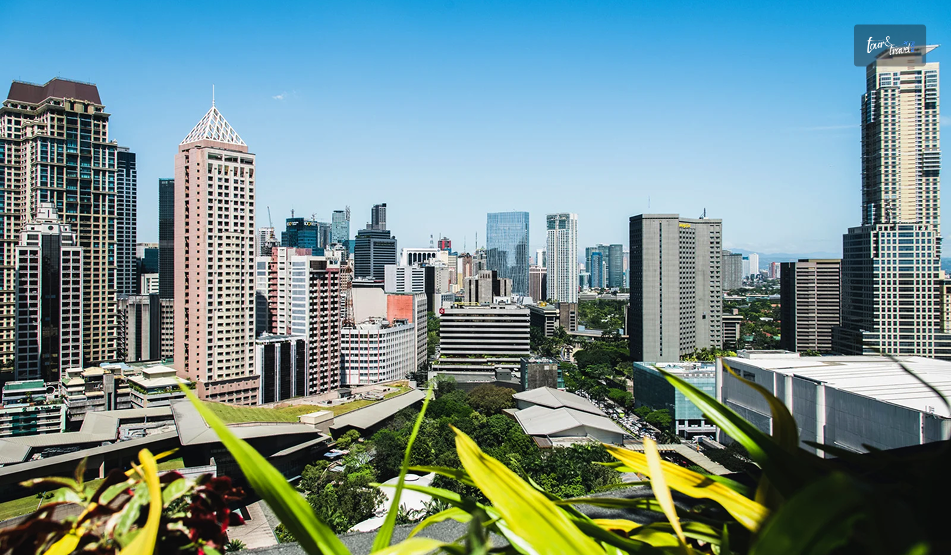
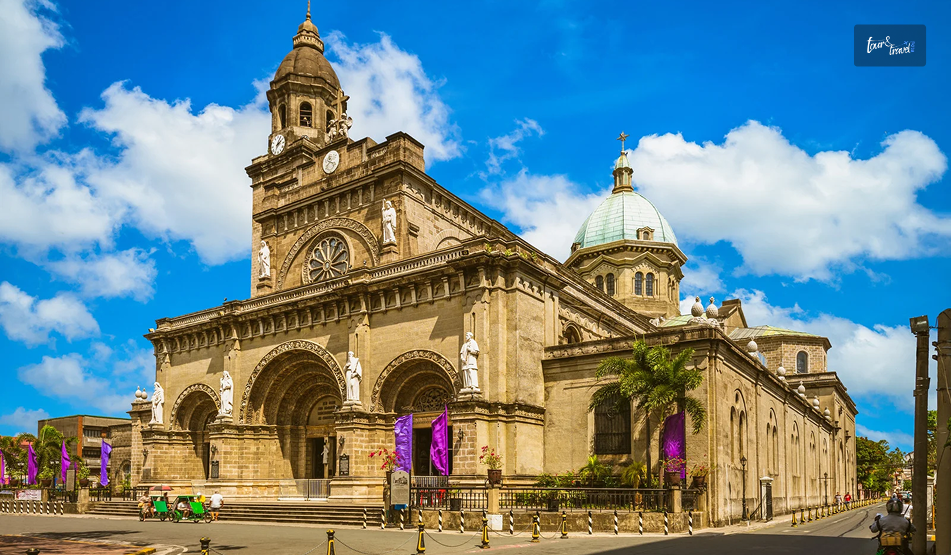
With the beautiful Spanish culture spread across Manila, there are a lot of places to visit. There are a lot of things to do in Manila which I will highlight in this blog so that you can plan your trip accordingly.  

Starting from contemporary museums to art scene, the place is the home of the oldest Chinatown across the world. Let me share with you several elements that will help you explore the place, both the old and the new.  

I think Manila is one of the best places to visit in February especially because the weather is dry and pleasant. You can easily explore the city during this time.  

Read All About Things to Do in Manila!  

Read All About Things to Do in Manila!

If you are wondering about the things to do in Manila, let me share with you some of the coolest places to visit. The nightlife is good here, but I am more of a museum and art scene girlie. It is the home of several parks and museums that will express history to you.  

Several elements will make you feel that you have come to a previous era. Additionally, several places offer entertainment and fun to people of all ages.   

Rizal Park  

Rizal Park

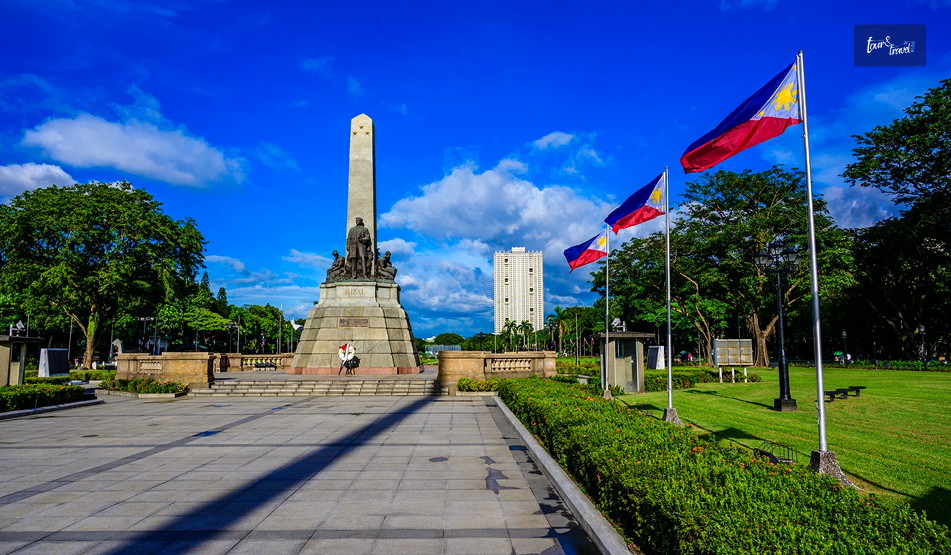
A beautiful park, open from Monday to Sunday. It is mostly open from 5 am to 10 am and 11 am to 8 pm. When you visit the park, entry is completely free. There are several gardens, laws, and other outdoor events organized across the 57-hectare park.  

There is also a statue of hero Jose Rizal, commemorating him, and the name of the park is given. The hero has contributed to the wellbeing of the city hence, you get to see a lot of him and his commemoration in and around the city and places to visit.  

There are a lot of places where you can go shopping once you explore the city. Henceforth, if you are traveling alone, carry the best travel credit card you possess.  

Fort Santiago  

Fort Santiago  

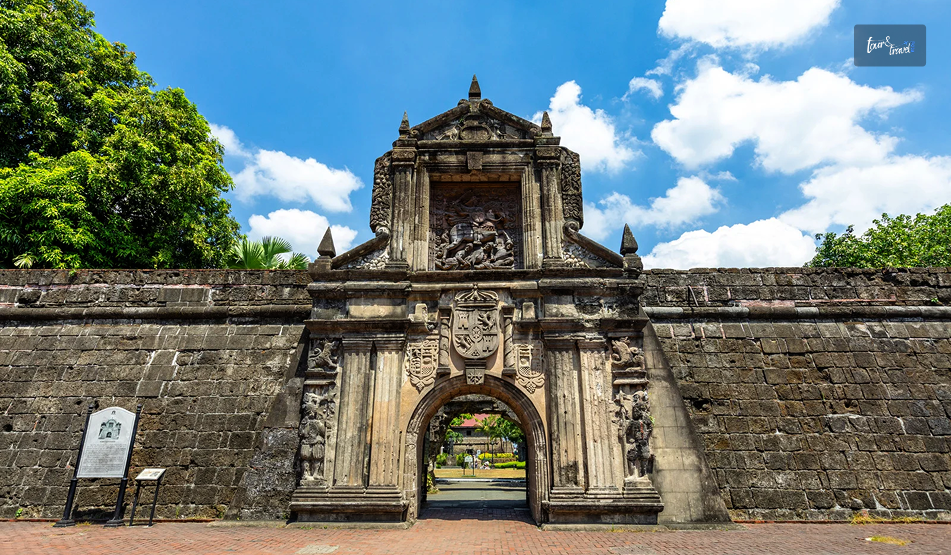
It is a landmark in Manila which is open from Monday to Sunday, from 8 am to 11 pm. The place is a defensive fortress which has a museum exhibiting many arts and sculptures. The national hero, Jose Rizal is commemorated through the exhibits of the museum.  

In 1571, the Spanish governor and navigator, Miguel Lopez de Legazpi built the castle or the citadel. The city of Manila was newly established by then and is currently one of the oldest fortifications.  

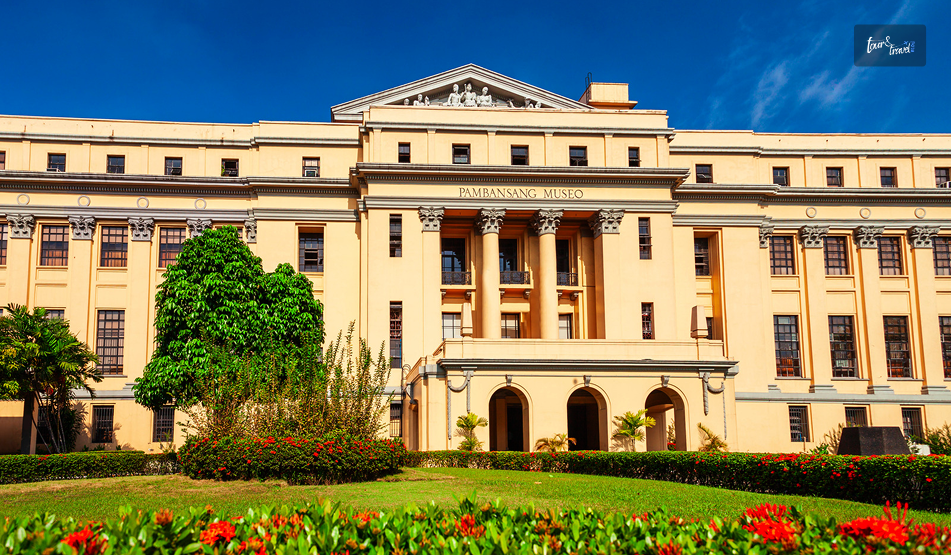
National Museum of Fine Arts  

National Musuem of Fine Arts

A massive museum, the place is a collection of fine art, botany, natural history and archaeology related to Filipino culture. The museum is open from Sunday to Monday from 9 am to 6 pm.  

As the home of 29 galleries and exhibitions in the hallway, it comprises national artists and Filipo masters of the 19th century.  

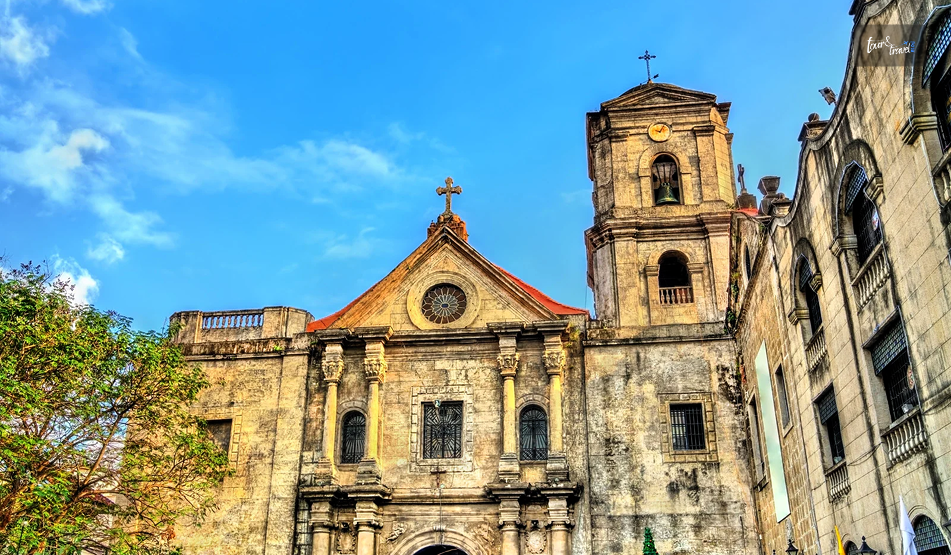
San Agustin Church  

San Agustin Church

A beautiful place to visit, this historic place was constructed in the 16th century. The San Agustin Church is open from Monday to Sunday from 8 am to 5 pm. The ceilings are vaulted while the church exhibits detailed frescoes.  

It is a Roman Catholic church which is located in the intricate walled city of Intramuros in Manila. The church functions under the auspices of the Order of Saint Augustine. Furthermore, when you visit you get to see Baroque art in the church.  

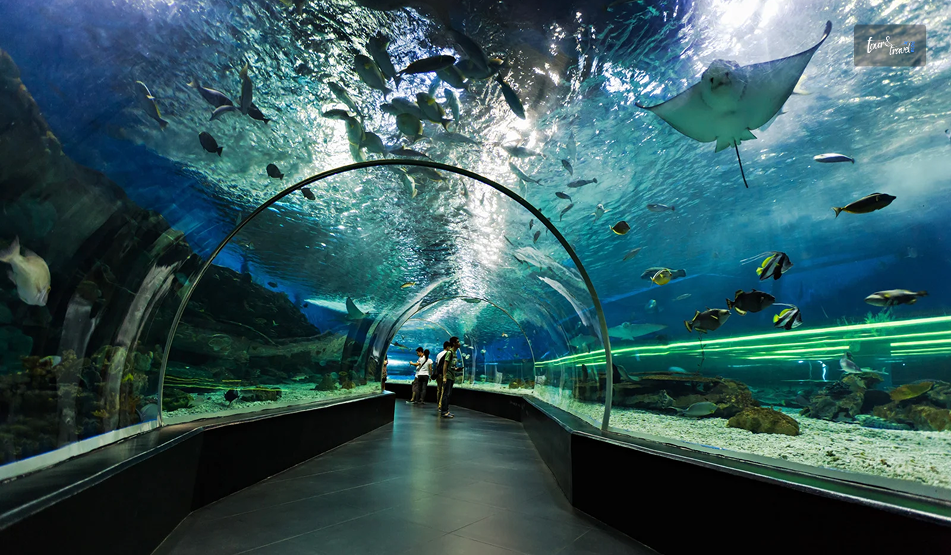
Manila Ocean Park  

Manila Ocean Park  

More of an aquarium if you ask me, the Manila Ocean Park is open from Sunday to Monday from 10 am to 6 pm. The theme park is owned by China Oceanis Philippines Inc. and it has evolved into the perfect holiday destination for tourists.  

It is an aquatic theme park which you will have both fun and knowledge when you check it out. Additionally, it is a perfect place for you, if you are traveling with your kids. It is one of the best places to travel with kids.  

It is also an educational facility that features live shows, an oceanarium, and hands-on activities. There are all-star Bird shows, Sea lion shows and many more giving you the perfect experience and offering you the thrill of the ocean.  

Intramuros  

Intramuros

The meaning of the term, Intramuros, is the “Walled City” which is the oldest district in Manila. It looks like a fortified city which was one of the most important places for Spanish governor during earlier times of colonial times.  

If you are a lover of history, this is the place for you. The culture of the place has been heavily influenced by the colonial rule and the impact it has on ordinary people.   

Paco Park  

An urban park which offers you serenity when you visit it between 6 am to 5 pm from Monday to Sunday. The park has been developed on a cemetery site which is walled of course. There are shaded paths for people to walk along with areas dedicated for gardens.  

The cemetery is under the maintenance of municipality, and it was built by the Dominicans. During the Spanish colonial period, it was built and filled within it are interred remains of city figures.  

Ayala Museum  

Another amazing museum that you must visit if you are going on a trip to Manila is Ayala Museum. It is open from Sunday to Monday from 10 am to 6 pm. The museum has a modern touch exhibiting Filipino archeological exhibits.  

Starting from history to modern and cultural artifacts and exhibits are available here. There is also a research library that is quite important for you if you are writing a research paper on the history of Spanish colonial period.  

The place is run by the Ayala Foundation privately. It houses several ethnographic, archaeological and cultural exhibits and art. You will be fascinated to know that the place exhibits the Surigao treasure of the indigenous tribe?  

Arroceros Forest Park  

Another urban park that you must visit is Arroceros Forest Park as things to do in Manila. There are a wide variety of plants and trees in the park along with a riverside walkway and a fishpond! A perfect combination of nature and modern practices will enhance your overall experience.  

The park is open for you to visit from Sunday to Monday from 8 am to 5 pm. The lush green forest is filled with greenery. Did you know this place is also known as “Last Lung of Manila”? Spread across 2.2 hectares, the park is a home of many flora and fauna species.  

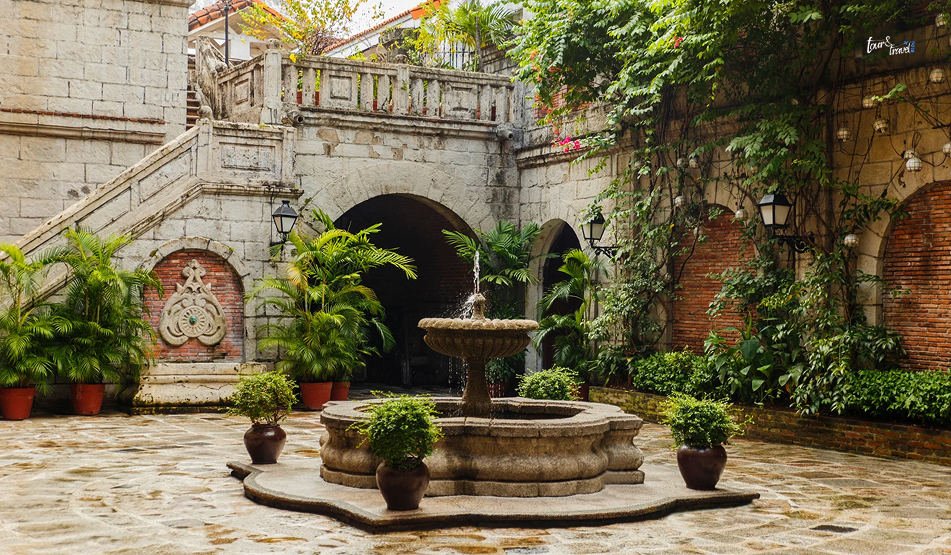
Casa Manila  

Casa Manila

The Casa Manila is a house that now serves as a museum which is open from Sunday to Monday from 9 am to 6 pm. The house was built in the 1850s and is not restored to exhibit art, architecture, and colonial furniture of the Spanish colonial rule.  

It is often called the living museum which features the way a well to do affluent Filipino family will live. The lifestyle of this family is depicted through the arrangements of furniture, art and architecture.  

The colonization had severely impacted Manila and this is how we can see when we enter the museum. It is a must-do list of things to do in Manila.  

Wrapping Up!  

In conclusion, now that you have gone through the things to do in Manila, I am sure you are already planning on what to do. When you visit the place, I am sure you will experience the ancient practices and instances of the Spanish colonization of the Philippines.  

Comment below on which place is your favorite to visit when you to Manila. You also need to share with us if you think we have missed something on the things to-do list. 

Also read

Share on Social Media

Leave a Reply

Your email address will not be published. Required fields are marked *

title-img Related

READ MORE influence of heat and humidity on traveler

How Heat And Humidity Affect Travelers More Than They Realize

BY  Sibashree Oct 3, 2025

Summer trips always look amazing online! The sunshine, beaches, and iced lattes in some cute café. But the part people don’t talk about? Heat and humidity hit way harder than most of us expect.  They drain energy, shift moods, and sometimes completely disrupt plans. I’ve had days where I thought, “oh, it’s just jet lag,” but nope… it was the sticky weather knocking me down.  With a little prep, though, what feels like a nightmare can be manageable, even fun. In this article, we will take a look at the influence of heat and humidity on traveler, which might help you to combat heat on your next trip!  The Hidden Strain: Influence Of Heat And Humidity On Traveler When the temperature rises, your body essentially goes into overdrive. Sweat is meant to cool us down, but in humid air, it just clings to our skin. Gross, right?  So instead of cooling off, you’re trapped in your own little sauna. I’ve felt exhausted just dragging a carry-on across a station. Why it matters when traveling: Energy tanks way quicker than usual. That “ugh, I can’t keep my eyes open” feeling might be an early sign of heat stress. Risk of heat exhaustion creeps up faster than you’d think. Planning ahead honestly makes or breaks a trip. Humidity: The Unseen Travel Companion Humidity isn’t just annoying—it feels like the air’s sitting on your chest. Breathing gets heavier, and if you’ve got asthma or any heart issues, it’s even worse. Here’s what I’ve noticed in sticky climates: Walking tours feel like a marathon. Clothes stay damp and clingy, which is just irritating. People (me included) get cranky way quicker. Best trick? Save the big stuff for morning or later in the evening. Midday sightseeing in humid spots is just asking for misery. Dehydration: The Traveler’s Silent Enemy This one sneaks up on everyone. We usually think, “I’ll drink when I’m thirsty.” Nope—that’s already too late in hot, humid weather. Watch out for: Headaches or dizzy spells Random fatigue or snapping at people Dark pee (it’s a massive clue) Weird muscle cramps What’s helped me: Chug more water before flying out. Load up on hydrating foods, such as melons, cucumbers, and even peppers. Toss electrolyte packets in your bag. Keep salty snacks on hand for balance—nuts, crackers, etc. How Heat And Humidity Disrupt Travel Plans The influence of heat and humidity on traveler can be massive. Extreme heat and high humidity majorly disrupt travel plans by causing delays, cancellations, and affecting health risks across air, road, and rail transportation.  The combination of both heat and humidity can create a dangerous condition for both infrastructure and human health.  Even a perfect itinerary gets scrambled when it’s too hot or sticky. Travel FactorWhat HappensSafety HackFlightsPlane air dehydrates you + hot landings zap energyDrink more before/after flightsSightseeingWalking tours drain twice as fastTake shade breaks every hourHealth IssuesStuff like asthma or high BP can flareKeep meds handy + stay coolSafety RisksHeat exhaustion sneaks in suddenlyLearn the early warning signs Skipping crowded spots at noon isn’t “being lazy.” Honestly, it’s just being safe. So, How Can You Prepare For Travel In Hot And Humid Weather? First things first, you have to check and monitor the conditions. Always try to check the weather forecasts for your destinations. As for the other routes, consider adjusting your itineraries to avoid the peak heat.  Secondly, you have to stay hydrated. Drink water as much as possible. On the other hand, you have to avoid excessive alcohol and caffeine. These two can often lead to major dehydration issues.  Thirdly, you have to dress properly. Always try to wear lightweight, loose-fitted, and breathable clothing. Wear sunscreen and a hat.  After that, you have to be heat-conscious. If you are traveling to a significantly hotter climate, acclimate yourself by limiting strenuous activity during the hottest parts of the day. Lastly, you must check your vehicle. This is not tough. You just have to perform preventative maintenance on your car's cooling system, tires, and AC to prevent breakdowns. Hyperhidrosis And Travel Discomfort Here’s something that doesn’t get talked about much—hyperhidrosis. Essentially, it means your body sweats excessively. In humid places? Brutal. A museum tour or even standing in line feels like torture. I came across the Center for Hyperhidrosis, and they’ve got solid tips. Simple stuff like packing breathable fabrics, always having water on hand, or even knowing where to duck into AC can totally change the game. Packing Smart For Hot And Humid Destinations Your suitcase can save you or make things worse. I’ve learned (the sweaty way) to pack light and practically. Loose, light-colored clothes A wide hat + UV-blocking sunglasses Cooling towel (seriously, it helps) Reusable water bottle Electrolyte tabs or coconut water Lightweight long sleeves for the sun without roasting Spending five minutes thinking about this before you fly saves you days of “ugh why didn’t I bring that?” later. Practical Strategies For Staying Safe To avoid the influence of heat and humidity on traveler, a little tweak in the planning would do the job. Traveling in the heat doesn’t mean canceling fun! Here’s what you can do!  Get used to the heat a bit before the trip. Don’t cram every minute—build in shady pauses. Sunscreen, always (sunburn makes cooling harder). Listen to your body—dizzy? Nauseous? Stop. Avoid peak crowds; they trap heat like ovens. Recognizing Emergencies Before They Escalate Heatstroke isn’t just being “too hot.” It’s serious and can get dangerous fast. Here are the signs that you must watch out for!  Red flagsIf it happensConfusion or faintingFast heartbeat out of nowhereHigh temp but no sweatJust feeling your body shut offGet shade immediatelyUse water, cold cloths, whatever’s handyCall for medical help—don’t wait it out Traveling Smart Despite The Heat Heat and humidity are part of summer travel; no escaping them. But they don’t have to wreck the trip. The influence of heat and humidity on traveler can be devastating.  So, hydrate, pace yourself, dodge the worst midday sun, and you can still love every moment—whether that’s hiking, exploring ruins, or wandering city streets. At the end of the day, it’s not just where you go—it’s how well you prep to actually enjoy it without the heat knocking you flat.

READ MORE things to do in rome

Roman Revelations: Unforgettable Things to Do in Rome, The Heart of Italy!

BY  Abdul Aziz Dec 27, 2023

Rome is unlike any other place. Here are some of the best things to do in Rome, as recommended by locals, whether this is your first or 20th visit. This is a city where narrow streets lead to stunning temples, the mound serves pasta, and there are endless opportunities to people-watch. There's a reason it's one of the most well-known cities in the world, but you can only truly appreciate its allure if you visit. Things To Do In Rome It's important to have a plan because Rome is much larger than you may have imagined. Archaeological finds, famous art collections, and an abundance of culture can all be found here, making you want to visit again and again. But don't worry, you still have plenty of time to enjoy an aperitif outside in the warm sunshine and digest your lunchtime pasta. Vatican Museums And Sistine Chapel Across 54 galleries, courtyards, and hallways, the Vatican Museums, established by Pope Julius II in the sixteenth century, are home to one of the greatest and most significant art collections in the world. The Sistine Chapel is home to thousands of prehistoric sculptures, Raphael pieces, and, of course, Michelangelo's frescoes. Get tickets to explore the Vatican Gardens, which are home to fountains, plants, and a recreation of the Our Lady of Lourdes Grotto, as well as the Vatican Necropolis, which is beneath St. Peter's Basilica, if you have the time and can arrange well in advance. The Colosseum The Colosseum is a must-see when visiting Rome, of course. Rome's crown jewel is this magnificent building—you know, the kind of thing you see on postcards—and it's even more amazing in person than you could have imagined. It is the world's largest amphitheater, with a capacity of 80,000 people, and was constructed between 72 and 80 AD. This used to be much more peaceful, with local Romans coming to watch animal hunts or bloody gladiator fights. Because of the sometimes insane lines, we advise purchasing tickets in advance. However, the 360-degree view over the theater on the fifth level makes it well worth the climb. Castel Sant’Angelo Hadrian, the Roman Emperor, constructed the striking cylindrical fortification known as Castel Sant'Angelo, or "The Castle of Angels," on the banks of the Tiber River in the second century AD. The popes used it as a castle and fortress after it was first inaugurated as a mausoleum for Hadrian and his family. It even has a hidden escape route connecting the building to Vatican City. These days, it's a museum featuring rooms decorated with frescoes, a display of medieval weapons, and expansive views of Rome and the neighboring St. Peter's Basilica. Inside is a small cafe where you can have a drink or some snacks while taking in views of the Vatican. The Pantheon One of the best-preserved ancient structures is the Pantheon, which was constructed by Emperor Hadrian in 125 AD. With a diameter of 142 feet, its dome is the biggest in the entire globe. This is a must-see in Rome, and if you're visiting the city over Pentecost weekend, you're in for a treat. This tops every tourist's list of things to do in Rome. To commemorate the occasion, tons of rose petals are dropped from the oculus during Sunday Mass. It's quite a sight. The Pantheon is free to enter as of the time of publishing (May 2023), but there are plans to charge visitors an admission fee of €5. Galleria Borghese Originally built in the sixteenth century, Cardinal Scipione Borghese showcased his extensive art collection under its roof. It is still regarded as one of Rome's top museums. Expect to find extraordinary creations within, as the Cardinal was an ardent art collector who was also a big fan of Caravaggio's works and an early patron of Gian Lorenzo Bernini. Highlights of the museum include Caravaggio's Boy with a Basket of Fruit, Canova's Paolina Bonaparte, and Bernini's Apollo and Daphne. Take a stroll through the park after your visit to the "pleasure palace," which was once a suburban villa submerged in the vast gardens of Villa Borghese. Domus Aurea The opulent Domus Aurea (Golden House) of Emperor Nero is a rare window into Rome's underground world and is regarded as one of the most magnificent homes of its era. It was constructed as an opulent amusement venue close to the Colosseum between 64 and 68 AD, covering numerous historic hills in Rome. It was then devastated by the city's destructive fire in 64 AD. Every Friday, Saturday, and Sunday, guests can participate in guided tours. A virtual reality tour is also available, which helps recreate the villa's former splendor. Read Also: Eternal Elegance: A Guide To The Best Hotels In Rome Capitoline Museums The Capitoline Museums are housed in three buildings on the trapezoidal Piazza del Campidoglio, which Michelangelo created in the sixteenth century. Known as the world's first public museums, they hold Renaissance marble statues and Roman bronzes, including the Capitoline Wolf, a symbol of Rome's founding, and the Equestrian statue of Marcus Aurelius. An underground tunnel through the Galleria Lapidaria connects the two buildings of the museum. Visitors can also enjoy a superb view of the Roman Forum. Make time to spend a few hours perusing the collection, and don't forget to pay a visit to Piazzale Caffarelli's hidden garden, which is tucked away right behind the square. Gianicolo Rome sometimes referred to as the "city of seven hills," is renowned for its picturesque viewpoints and abundance of terraces that provide breathtaking views of the cityscape. Gianicolo, the highest point in Rome with a panoramic view over the Eternal City, is worth the trek even though it isn't technically one of the fabled hills. It is situated above the Trastevere neighborhood. Nearby is the magnificent Fontana dell'Acqua Paola, which was featured in La Grande Bellezza's opening scene. Its majesty will astound you. Testaccio Market The Testaccio neighborhood is the epicenter of Rome's culinary traditions, making it a must-visit destination for foodies and daring diners alike. The region was once home to the biggest slaughterhouse in Europe, and workers were typically compensated with leftover animal parts, known as the “quinto quarto,” or fifth quarter. The Testaccio Market, a bright and modern structure full of enticing stalls, serves everything from freshly made pasta and craft beers to tripe stews and artichoke sandwiches. It is one of the best things to do in Rome while enjoying the varied cuisine and delicious street food. Wrapping Up Rome, with its two millennia of architecture, art, and culture, is an outdoor museum and one of the most visited cities in the world for good reason. You can lose hours discovering historical marvels, traveling between sites, or searching for the best gelato, but insiders use guided tours and skip-the-line entrance tickets to beat the crowd. Hop-on, hop-off tours let travelers quickly check off items on their lists of things to do, but group excursions to the Vatican Museums, Roman Forum, and Colosseum provide a deeper experience. If you have thoughts to share or questions to ask about things to do in Rome, please comment below. We would love to hear from you! Read Also: The Italian Train Group FS Will Launch A New “Night Train Like Hotel”: Rome To Dolomites Tips For Planning The Perfect Getaway In A Rental Villa In Italy How Much Time To Spend In Italy

READ MORE travel ideas

Budget-Friendly Travel Ideas in Australia You Did Not Know About

BY  Mashum Feb 26, 2019

The cost-of-living caps the fantastic landscape and culture that Australia has to offer and explore.  For many tourists and Australians, it is much cheaper to travel abroad and explore other countries. However, traveling around Australia is incredible and can cost you minimal amounts if you are aware of the budget-friendly travel ideas in Australia.  So, before you plan a trip to Australia, learn the art of sticking to a budget. Budget-Friendly Travel Ideas in Australia The cost of traveling should never be a constraint if you want to explore the beautiful land of Australia. Let’s head straight to the most practical and budget-friendly travel ideas in Australia. 1. Stay In Hostels This tip is more relevant to Australia even though it applies to all parts of the world. Most hotels in Australia are costly, mainly if you are operating on a budget. If you wish to have a less luxurious sleep, you will save a lot of money.  2. Camp You can even try camping if you want to be more adventurous. It will help you save a lot of money. The cheapest way to explore Australia is by getting around and camping at different campsites.  There are several free camping spots around Australia, although there will be areas where you will need to pay for your campsite. Even then, the fees may be as little as $5 per person. You will get access to showers and toilets, which aren’t always available on the open road. 3. Prepare Your Meals Even if you decide to eat in a fast-food joint in Australia, it will not give you much change from $10. Besides, you can bring havoc to your body by substituting main meals with fries and burgers.  Make sure that you are getting food that will support healthy living. You can achieve this objective by preparing your food. It is much cheaper than relying on ready-made food.  Most parks in Australia provide public BBQ facilities free of charge. All you need to do is buy some veggies or meat from the local supermarket and get some grilling.  If grilling every day is not your thing, make good use of the available kitchens in the hostels. Use them to prepare your meals. You will realize a significant difference in your bank account.  4. Purchase Your Booze Bottle-O Bottle-O refers to the liquor shop or bottle shop. This store sells alcohol at a lower price than the ordinary bars. You will get affordable liquor deals in this place. Most budget drinkers like to go for the Goon, which is a cheap boxed wine.  5. Use A Private Vehicle to Commute  In Australia, you must get around by car if you want to explore the country. You can do it either by purchasing a vehicle temporarily or hiring a car for your travels. However, these two options can be slightly expensive.  You can use comparison sites such as Car Rental Buddy or Car Hire Choice to find and compare vehicles. Alternatively, you can opt for campervan hire from Camper Champ. You will not fail to get a cheap deal when it comes to commuting in Australia. 6. Travel On Greyhound Bus Most backpackers like to use this option as their preferred means of transport. It is among the cheapest modes of transportation in Australia.  You can get a travel pass for approximately $500. It will allow you to hop off and on as many times as you would like. It is an excellent way to view the fantastic scenery of Australia. The good news is that you will not spend so much on these journeys.  7. Participate In Homestays or Couch Surfing Accommodation in Australia is expensive, even for backpackers. So, if you want to explore Australia cheaply, take advantage of staying at homestays or even Couch-surfing in people’s homes. It will help you get free accommodation in exchange for cultural learning and community interaction. 8. Purchase A Campervan This option is best if you are traveling as a group. It will help you to spit the gas among yourselves. Driving via Australia is exciting, but you can still make your trip more enjoyable.  One way is to purchase a campervan in Cairns and then drive down to Melbourne or the other way around. Even though driving is more expensive than flying, you will stop anywhere you wish. Besides, if you have a big campervan, you can still use it for accommodation.  9. Have Fun by Participating in Active Hobbies Australians (particularly in the north) are known for their outdoor lifestyle. Therefore, you can join them and have a lot of fun outdoors. You will not spend lots of money when you pursue your hobby.  You can try scuba diving, snorkeling, skiing, bungy jumping, and a lot more, thanks to its vivid landscape and coexistence of various geologies. 10. Spend Most of Your Time with Nature Australia has so much when it comes to natural beauty, and this offers a free experience. You can get into the botanical gardens in Melbourne for free. Also, you will not pay anything to visit the beach.  You can also hike via the Royal National Park or Sydney’s Blue Mountains. You will not spend even a single cent when interacting with nature.  11. Hiking  There are several scenic walking trails in Australia that you can explore. Do you want to hike along the Australian coastline and admire the beaches? Or do you want to hike up mountains to get a view of the Australian landscape? You will be able to find an abundance of exciting hiking trails for your adventure. You will get excellent hiking opportunities at no cost in Australia.  12. Check out the Galleries and Museums Unlike the rest of the world, the galleries and museums of Australia are free to get in. Therefore, if you are tired of the outdoor experience and want to get a feel for the culture, museums are your best bet.  The best place to start is the National Gallery of Victoria. You can also try out the Art Gallery of New South Wales. Both locations will give you fantastic opportunities to tour Australia at budget-friendly rates.  13. Cycling In some cities, there are cycling initiatives that you can take advantage of while visiting Australia. In Brisbane, it is possible to cycle for up to half an hour for free using their city hire bike scheme. There are several cycling trails that you can also explore around the city. 14. Swimming At the Beach  Australia boasts thousands of kilometers of coastline where you can go swimming and enjoy yourself at the beach. Whether you decide to stop in a major city like the Gold Coast or head to a quieter town such as Airlie Beach, there will be an option for you. 15. Fishing  If you can get yourself some fishing rods, you can go fishing at a local creek, dam, river, or beach. 16. Barbecues One thing that is unanimous with all Australians is their love for an excellent outdoor grill. Having a barbecue meal with your travel group is also one of the most budget-friendly travel ideas in Australia. You can head to the supermarket and buy a loaf of bread and sausages for a tonner. You will enjoy a barbecue in the company of friends. Conclusion  These are just a few of the budget-friendly travel ideas in Australia. You don’t have to break the bank to have a good time. There are plenty of things to see and do in Australia. You must be open to the different experiences the region has to offer. From Kangaroo Island to the Barossa Valley, Australia has scenic beauty that you can soak in without burning a hole in your pocket. So, make a budget and stick to it to have a happy and hearty journey! Read Also : Travel Tips to Help You Out In Asia 4 Tips for First-time Travelers to Bali