








Coastal Bliss: Top Things To Do In Bournemouth

Nov 7, 2023

Last Updated on: Aug 26, 2025

Travel Guides

If you’re looking for a perfect family-friendly beach getaway, Bournemouth should definitely be on your list. You can explore the coastline and visit the famous Boscombe Pier by joining a hop-on-hop-off bus tour. For nature lovers, a trip to Hengistbury Head nature reserve can be a great experience. If you love being on the water, you can take a cruise around Poole Harbor and its islands, which can be a memorable afternoon excursion.

And last but not least, enjoying fish and chips on the beach is a must-try experience. This destination is ideal for families with kids who enjoy spending time around boats. There are two Blue Flag beaches in the area, Durley Chine and Alum Chine, which are perfect for children. They have soft white sand, beach huts, and playgrounds, making it an exciting place for them to explore.

In this article, we will explain some of the most exciting things to do in Bournemouth.

Bournemouth: An Overview

Bournemouth_ An Overview

Although there is something magical about escaping to the British coast in autumn. Of course, the obvious time to visit is summer. But the peak months offer a more relaxed pace away from the busy crowds. It has unobstructed sea views, refreshing freshness in the air, and plenty of activities and events to enjoy.

If you’re looking for something away from the coastline, why not check out the Bournemouth Arts Festival? It runs from October 14th to 21st and features a variety of performances in dance, music, film, theater, literature, and visual arts. One of the highlights is Hydromania, a show that promises to be both surprising and delightful.

With over 50 events taking place throughout the city’s unique locations, the ‘Indian Summer’ offers an exciting artistic experience. For those seeking more active activities, Boscombe Pier is a great spot for mini-golf. And for the thrill-seekers, zip-lining from Bournemouth Pier to the beach is a must-try adventure. During New Year’s Eve, the coastal and woodland walks in Dorset are perfect for relaxation.

You can enjoy strolls along the beautiful beaches or wander through the 3km of Grade II listed Victorian gardens in the city center, which turn into a kaleidoscope of autumn colors. There’s even a guided Tree Trail sheet to help you learn more about each species as you explore the gardens. This seaside escape is affordable, starting at just £450 for 4 midweek nights on the beach.

Top Things To Do In Bournemouth

Top Things To Do In Bournemouth

Whether you’re traveling with young children or older kids, seaside destinations in the UK offer something for everyone. Bournemouth is rich in local culture, history, adventure, and breathtaking sea views. Check out our top picks for a fun-filled beachy getaway.

1. Bournemouth Beach

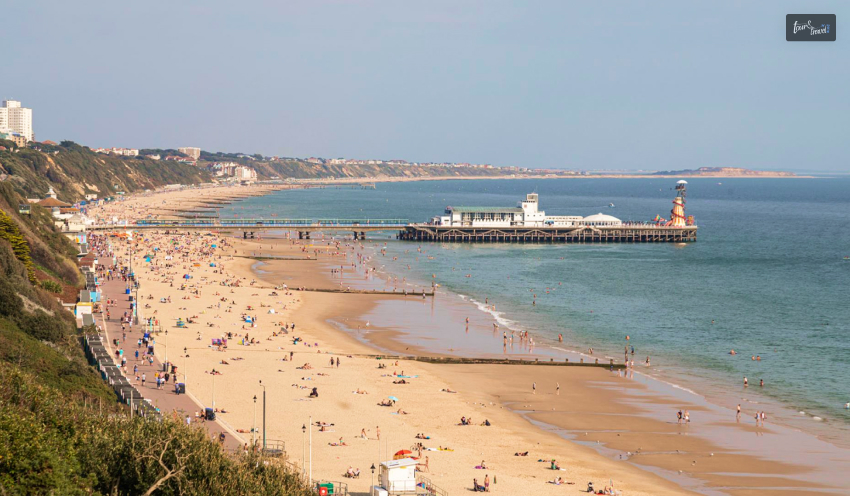
Bournemouth Beach

Experience the epitome of nautical bliss at Bournemouth Beach, where golden sand stretches for miles, inviting you to relax, sunbathe, and enjoy a refreshing dip in the glistening waters of the English Channel.

“Beautiful beach easily accessible, fantastically clean, good facilities. Great beach. Plenty of things to do amusements, oceanarium, Bournemouth wheel. Plenty of places to eat can recommend Aruba bar serves food all day, reasonably priced.”

– Deb

2. Stroll Through Bournemouth Gardens

Stroll Through Bournemouth Gardens

Immerse yourself in the peaceful beauty of Bournemouth Gardens as you stroll along winding paths surrounded by lush greenery, vibrant flower beds, and tranquil ponds, offering a peaceful escape from the busy city.

“A lovely area of grass and shade that separates the Bournemouth beach from the shops. It goes along the back of the Pavillion and BH2 is just off it.

Some nice live music was playing one evening.

A relaxing place to people watch.”

– ADPW62

3. Oceanarium

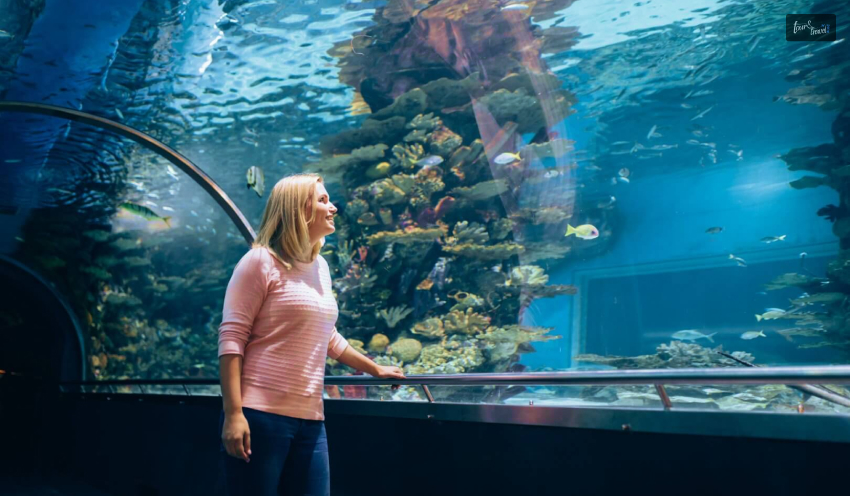
Oceanarium

Immerse yourself in a world of aquatic wonders at the Oceanarium, where you can admire fascinating marine life, meet fascinating creatures from around the world, and learn about the importance of protecting the oceans.

“We had such a fantastic day at Oceanarium! There are so many different things to see and the areas are set up really well. Lunch was also really good in the cafe and a fair price. We would definitely return to Oceanarium in a few months.”

– Georgie James

4. Russell-Cotes Art Gallery And Museum

Russell-Cotes Art Gallery And Museum

Step into the treasure trove of art and history at the Russell-Cotes Art Gallery and Museum. Admire stunning artwork, explore fascinating exhibits, and dive into the lives of the Victorian collectors who once called this enchanting mansion home.

“Really interesting and cultural place to visit whilst in Bournemouth. The volunteer guide was very knowledgeable and friendly. Good value at £7.50 entrance, you would need an hour or two to see all the rooms and gardens. Perhaps not that interesting for young children. There is a nice cafe inside for coffee after your visit.”

– gurux101

5. RockReef Pier Zip Line

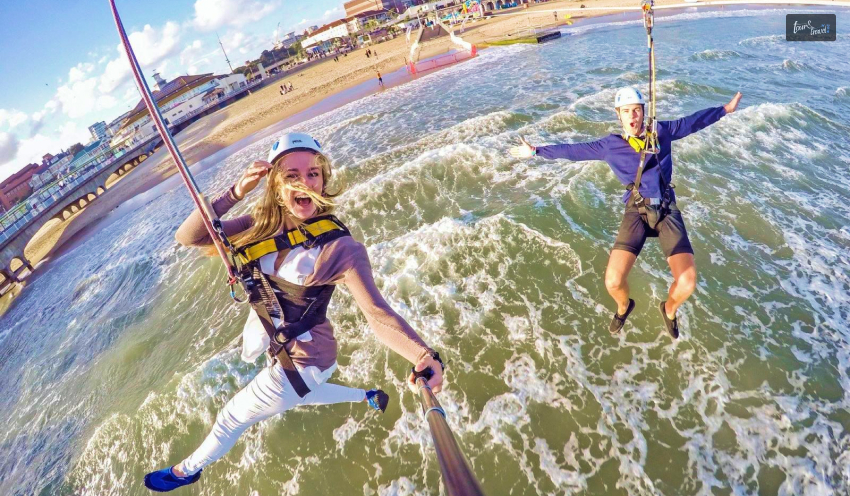
RockReef Pier Zip Line

Feel the adrenaline rush as you float over the waves from RockReef’s exciting pier. Enjoy panoramic views of the coast and enjoy the thrill of this unique and unforgettable experience.

“Highly recommend this as part of a family day out, we participated in climbing with our kids (7 & 9). Had much longer than our session because they were not fully booked. Young staff team were really good.”

— Experience154700

6. BIC (Bournemouth International Centre)

BIC (Bournemouth International Centre)

Enjoy entertainment at the Bournemouth International Center (BIC), a premier venue for a variety of events, including concerts, conferences, and exhibitions, ensuring there is always something exciting going on.

“We went to see The War of the Worlds. Oh what a show, it was fantastic. The BIC is a brilliant place to watch a show. We were lucky to have good seats near the front, but if you were to sit anywhere in the theatre you would have a good view of the stage.”

– Geraldineoz

7. Smugglers Cove Adventure Golf

Smugglers Cove Adventure Golf

Go on a pirate-themed adventure at Smugglers Cove Adventure Golf. Go through challenging paths full of obstacles, caves, and waterways and create a fun experience for all ages.

“A brilliant way to spend some time. Beautiful views of the sea whilst you play crazy golf. We, two adults, enjoyed ourselves thoroughly and it was lovely to see families also having a huge amount of fun.”

– Emily S

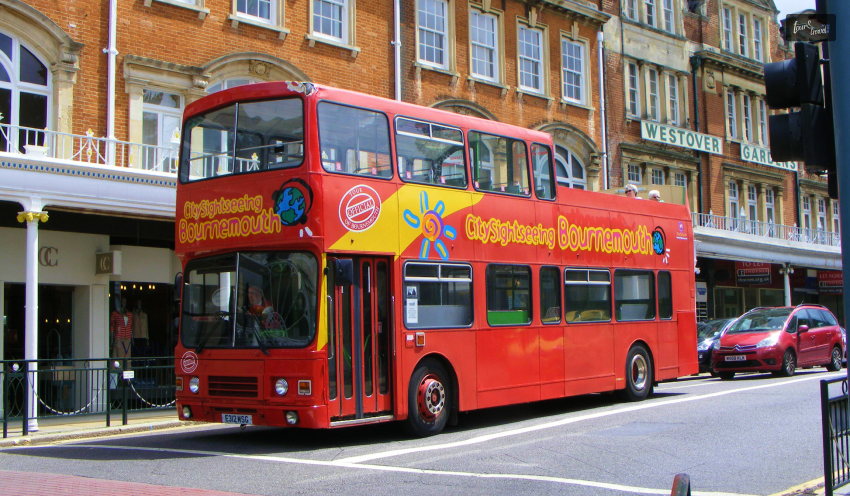
8. City Sightseeing Bournemouth Hop On Hop Off Tour

City Sightseeing Bournemouth Hop On Hop Off Tour

Discover the city’s highlights on a Bournemouth City Sightseeing Tower Tour. Explore at your own pace, hopping on and off the iconic red buses to visit attractions, landmarks, and scenic viewpoints.

“Booked bus tour and boat cruise, was looked after by staff on both the bus and boat. Not the best weather but really enjoyed. Good local knowledge via commentary.”

– SimonMLincoln

9. VR Center

VR Center

Immerse yourself in the exciting world of virtual reality at Center VR. From epic gaming experiences to mind-blowing simulations, this state-of-the-art attraction offers tech lovers a unique and immersive adventure.

“Firstly we were very impressed with the service we received from the staff throughout. From booking the experience over the phone, to arrival and starting the game, even chatting to staff after the game they were friendly, knowledgeable, helpful and generally a pleasure to deal with.”

– Paul T

10. Mr. Mulligans

Mr. Mulligans

Unleash your competitive spirit with Mr. At Mulligans, a fantastic venue offering indoor adventure golf, interactive games, and a lively atmosphere. Perfect for a fun day out with friends or family.

“Booking was easy and, I think, reasonably priced. Staff very friendly and it was very clean. We were lucky it was very quiet when we went so we didn’t feel rushed or crowded. Fun and imaginative courses.”

– Mandy W

Wrapping Up

Immerse yourself in the enchanting beauty of Bournemouth, an enchanting seaside town on the edge of Dorset. Its amazing beaches, thriving nightlife, and endless charm make it worth a visit.

If you have thoughts to share or questions to ask on things to do in Bournemouth, please leave a comment below. We would love to hear from you!

Read Also:

Share on Social Media

Abdul Aziz Mondol is a professional blogger who is having a colossal interest in writing blogs and other jones of calligraphies. In terms of his professional commitments, he loves to share content related to business, finance, technology, and the gaming niche.

Leave a Reply

Your email address will not be published. Required fields are marked *

title-img Related

READ MORE Eco-Tourism

Eco-Tourism In The UK: Top 10 Sustainable Stays

BY  Ankita Nov 20, 2023

Have you ever thought that tourism harms the environment? The carbon footprint, inefficient use of resources, and pollution from non-recyclable trash affect the nature around us. Fortunately, today the entire travel industry has realized this and is taking decisive steps to counteract it.  For example, when you're traveling to the UK and want to pick up a Birmingham Airport car hire, companies provide electric and hybrid vehicles that reduce emissions. You can find these cars at Birmingham Airport via Rental24.co.uk.  The same goes for hotels. Green or environmentally friendly hotels are those whose activities don’t affect (or have virtually no effect on) nature. Plus, their style of work actively promotes sustainable education and responsible tourism.  So, if you’re planning to visit or move for a while on an island and take part in environmental initiatives, choose a hotel accordingly. Here are the Top 10 sustainable stays in the United Kingdom. Daylesford Organic Farm, Gloucestershire  Daylesford Organic Farm began as a simple passion for organic produce and has grown to become one of the most sustainable farms in the UK. Covering an area of 2,500 acres, it sits in the county of Gloucestershire.  Daylesford is the perfect place for a nature-friendly getaway with the whole family. Here you can find charming stone cottages, stylish modern country houses, and cozy luxury rooms for two. By the way, the hotel often hosts interesting events, such as tasting evenings with sommeliers, master classes on cooking organic dishes, book clubs for intellectuals, and wellness yoga retreats.  Atlantic View Lodges, Widemouth Bay, Bude  Providing a calm and secluded holiday by the water, Atlantic View is also among the eco-friendly hotels in the UK. The picturesque coastline begins just a few steps from the cottages. At the same time, green cottages are surrounded by high cliffs and decorate the Cornish coastline. Perhaps their main feature is the comfortable terraces overlooking Widemouth Bay and the endless Atlantic Ocean.  All Atlantic View cottages are designed with the environment in mind. It uses solar thermal panels as well as energy-efficient air pump systems. One more sustainable feature of the houses is their green roofs, which fit perfectly into the hilly landscape of the area. They create an atmosphere of maximum unity between guests and nature. One Aldwych, London  This eco-friendly option has all the qualities for environmentally responsible travel in the UK. As a five-star hotel, One Aldwych has adopted green living in almost every area. It includes a vacuum drainage system, energy-saving LED solutions, and a chlorine-free swimming pool. It also has eco-friendly materials used in the interiors and exteriors.  Staying at this hotel takes you on an amazing journey into environmental reality. It gets you thinking about the many ways you can reduce your emissions - just like One Aldwych does. Located in the prestigious area of Westminster, this prestigious hotel clearly demonstrates that luxury and tradition can be completely nature-friendly. The Grove, Hertfordshire  Located near to London, this five-star hotel deservedly joins the list of green accommodations in the UK. It occupies 300 acres of woodlands in Hertfordshire and is a member of The Leading Hotels of the World.  The Grove recently received the Green Apple Environment Award for its contributions to sustainability and environmental protection. Its signature highlight is its 18-hole top-class golf course. You can also enjoy on-site outdoor and indoor swimming pools, the Sequoia Spa with excellent service, and rooms with stunning countryside views. The Ritz London  The Ritz-Carlton hotel chain took on a responsible attitude towards nature back in 1983. The legendary Ritz in Piccadilly breeds bees of the old English breed Buckfast. They collect nectar in Hyde Park and the gardens of Buckingham Palace. Also, they replaced almost all the lamps with LEDs and reduced the consumption of electricity, gas, and water. One more important step they take towards preserving the planet is recycling waste. They do it so that nothing ends up in a landfill.  It makes a hotel even more pleasant to feel like a crowned person in the exquisite rooms. Especially when you know that the hotel is scrupulously and conscientiously adhering to its green policy. The Ritz also helps reduce its carbon footprint, earning it a Green Tourism Gold certification. The Scarlet Hotel, Magwan Porth  Hidden between ribbed cliffs, the Cornish coastline, which is home to The Scarlet Hotel, is one of the UK's eco-tourism destinations. With many coves and bays around, it offers a sophisticated setting for a luxurious stay. Not to mention the nearby Scilly archipelago, consisting of many small cozy islands.  The Scarlet strives to provide guests with maximum relaxation and tranquility while being in the heart of this English wilderness. The Ayurvedic spa, which attracts visitors from all over the country, features an outdoor terrace overlooking the sea, a log hot tub, and a natural pool carved into the rocks.  In addition, the hotel is completely environmentally friendly: all interior elements are made only from natural or recycled materials. Plus, the owners try to use rainwater, and electricity comes exclusively from renewable energy sources. The Cavendish London Hotel  As a rule, premium hotels have little to do with the environment. However, Cavendish and its staff won over with their commitment to resource- and energy-saving technologies and consistency in green actions throughout the hotel.  Low-flow showers and taps, energy-saving light bulbs, sensor-activated hallway lighting, and hydrocarbon-filled refrigerators are just some of the environmentally friendly features at the Cavendish Hotel. In addition, the local restaurant recycles 100% of its waste, practices sustainable food consumption, and supports local farmers and producers with orders. Heckfield Place, Hampshire  An ancient 18th-century English estate and biodynamic organic food and flower farm sits in Hampshire, just an hour's drive from London. The local farm employs a team of experts who hand-grow grains, harvest organic fruits, herbs, and vegetables, and produce dairy products, which they then serve in the local restaurant.  It took the Chen family almost ten years to turn the estate into a luxury hotel. While working on the interior, they tried to restore the former Georgian appearance of the building and adapt it to modern needs. Now, Heckfield Place has won several awards for its commitment to sustainability and supporting eco-tourism in the UK. Its owners try to make maximum use of alternative energy production methods, rainwater, and natural materials, and also reduce daily waste. The Gleneagles Hotel, Perthshire  Opened in 1924, The Gleneagles is a grand private country estate set in 850 acres of beautiful valley land. Here nature has been preserved untouched, in its original form. Everything around breathes true history: the mighty mountains, the vast expanses, the golf courses, and the main hotel building itself.  At Gleneagles, luxury and impeccability coexist harmoniously with a pleasant, relaxed atmosphere created by friendly and courteous staff. In addition, they are attentive to nature: the hotel uses pellets for heating, organic cleaning and washing products, and LED lamps for lighting. Chewton Glen Hotel, Hampshire  In Hampshire, you can stay in a hotel located right in a tree! Set in the New Forest National Park, this luxury country accommodation with spa facilities as well as large grounds is the perfect place to reconnect with nature.  Each of these houses hovers high above the ground, while panoramic windows as well as spacious terraces allow guests to observe amazing views from each luxury room. The suites have a compact kitchenette, plus every morning you will enjoy breakfast delivered from the main part of the hotel. So, are you ready for sustainable travel in the United Kingdom? Choose one of the above hotels for a nature-friendly stay. Also, follow the basic rules of eco-responsible travel to continue the life of our planet! Read Also: Top 10 Airports In The USA: Navigating Excellence In Air Travel 9 Tips For Authentic Travel Experiences 20 Of The Best Places To Travel In Africa In 2024

READ MORE Which Is Colder Minus 40°C or Minus 40°F

Minus 40°C Or Minus 40°F: What To Know Before Planning Your Next Mountain Escapade?

BY  Barsha Feb 3, 2026

Which is colder: Minus 40°C or Minus 40°F? The question appears simple, at least at a glance. But if you think about it, it does open an interesting window into the dynamic world of temperature, rather, how we tend to measure temperature.  Moreover, it also gives insight into why different people use different measurement systems across the globe.  The most fascinating part? How do these systems even relate to extreme temperatures?  The answer might actually surprise you. -40°C and -40°F are exactly equal. Yep! That’s right - it is the point of meeting for the two temperature scales.  On that note, let’s dissect and unpack why this even happens.  More importantly, what else do you need to know about the two temperature scales before you can plan your next mountain escapade.  Celsius Vs Fahrenheit: What’s The Difference? To make things super easy for you to understand, I have laid out the difference between Celsius and Fahrenheit in simple terms below: AspectsCelsiusFahrenheitOriginAnders Celsius, a Swedish astronomer, developed the Celsius scale in 1742. Daniel Gabriel Fahrenheit, a German physicist, developed the Fahrenheit scale in 1724.Definition“of or using a scale of temperature in which water freezes at 0° and boils at 100°.” (Oxford Dictionary)“of or using a scale of temperature in which water freezes at 32° and boils at 212°.” (Oxford Dictionary)Used InMost places in the world, including Europe, Australia, Africa, Asia, and most scientific work. Primarily in the United States of America and some Caribbean countries.Conversion Formula°F = (°C × 9/5) + 32°C = (°F − 32) × 5/9 So, Which Is Colder: Minus 40°C or Minus 40°F? I already answered this question in the very beginning - both are the same! It is the point at which the two scales meet.  So, if you use the conversation formula I have listed above, then: -40°C × 9/5 + 32 = -40°F Also, this is the only point where Fahrenheit and Celsius readings match.  Then, why does it confuse all of us? It is mainly because of three primary reasons, as per my understanding:  Most individuals don’t really encounter extreme weather conditions. So, they do not really come across this overlap point.  Secondly, in most countries, the education system teaches only one scale. As a result, there is little or no intuitive comparison.  Finally, Fahrenheit readings are usually larger for both outdoor and room temperatures. For example, 50°F is equivalent to 10°C. This automatically makes most individuals assume that the two scales don’t match.  Where Does It Hit -40 On Earth? Places like Greenland, Northern Canada, Siberia, and some regions of Scandinavia go down to -40 regularly during the winter months.  For example: In February 2021, temperatures dipped to -43°C in Sweden.  Siberia, Canada, and Yukon also experience these levels regularly.  In these regions, both Fahrenheit and Celsius are the same - you will shiver equally.  In this context, I have a fun fact about the coldest temperatures recorded on Earth: In 1983, Vostok Station, located in Antarctica, recorded −128.6°F (-89.2°C) (Source: Britannica)  That is literally double what you will feel at -40°. More importantly, it is a real-world reminder that extreme weather conditions and environments exist on Earth.  How Cold Does It Feel At -40°? The truth is that whether it is -40°F or -40°C, you will feel the same. And trust me, I’m not kidding - you will literally shiver!  In February 2021, I experienced -40°C in Yukon. My thermometer read -40°F, and I experienced frostbite risk within minutes. Whether it’s -40°C or -40°F, the result is the same: Your skin will freeze within minutes without the right protection.  Vehicles might not even start. Metal will stick to the skin.  Your eyelashes might freeze.  At -40°, it is dangerously cold regardless of what scale you are using.  Also, the wind is so chilly that you will shiver and can fall sick or even die without the right gear and equipment.  How -40° Feels On The Human Body? So, I can’t just keep telling you guys that it is going to be dangerously cold.  Instead, it is much better to give you all the real picture of how the human body is bound to react at sub-zero temperatures:  Temp (°F/°C)Impact On The Human Body-76°F/-60°CIt is painful to even breathe. Also, exposed body parts, including eyes, will freeze.-40°F/-40°CSkin will freeze in two minutes. Also, metal will stick to the skin. -22°F/-30°CExposed and unprotected skin, including eyelashes, will freeze in ten minutes. -4°F/-20°CNumbness begins to set in, with an increasing risk of frostbite. 14°F/-10°CThe skin begins to sting, with a risk of frostnip if exposed. 32°F/0°CBreathing becomes visibly tough. Also, fingers stiffen in a few minutes.  Even without any chilly winds, subzero temperatures are hazardous, especially if you are not prepared.  At -40°, both Fahrenheit and Celsius, there is only one brutal truth: without protection and preparation, it is dangerous and life-threatening.  Winter Hiking Hazards You Should Know About: Winter can alter any landscape radically, striking a balance between mesmerizing beauty and quirky dangers.  And while it is impossible to talk about all hazards in detail, I’ve compiled all the possible winter hiking hazards and their mitigation strategies below: Winter Hiking HazardMitigation StrategyFrostbite & HypothermiaCheck the weather, pack extra clothes, and layer well.Slip & FallUse microspikes or crampons and trekking poles.Getting LostUse a compass, maps, and a GPS. Also, try mapping your route.Fatigue & DehydrationEat frequently, stay hydrated, and pack extra food (and water).Falling Into Ice or WaterAlways test the ice and be careful while crossing icy terrains. CornicesAvoid walking under or on the edges of ridges. Equipment FailureKeep electronics warm. Also, carry gear repairs and physical maps. Tree WellsIn deep snow, avoid the base of trees. AvalanchesCheck forecasts for avalanches. Also, avoid steep terrains. Short Daylight HoursStart early, carry spare batteries, and definitely wear a headlamp. In addition, I’ve touched upon the common (but very dangerous) hiking hazards that you can come across at sub-zero temperatures in the mountains in detail: 1. Ice: Of course, you need to worry about ice! In the winter months, melt-freeze cycles turn hiking trails into slippery ice. Similarly, this can also happen on popular tourist routes where snow is compressed over a long period of time.  If you slip on these icy trails, it will lead to bruises and bumps. Moreover, a bad slip and fall can lead to serious wrist, ankle, or back injuries.  As a result, it is best to carry metal-tipped trekking poles and traction for additional stability in such conditions.  2. Avalanches: In the United States, avalanches (as per avalanche.org) kill between 25 and 30 people every winter. Moreover, the injury rates are much higher.  Most victims are ice climbers, snowmobilers, snowboarders, and backcountry skiers. However, oblivious hikers do get caught in avalanches occasionally.  The worst part? Nearly 95% of avalanches begin on slopes that are between 30 and 45 degrees in steepness.  However, the snow ends up traveling down to the flat terrain - and it even appears to be safe to an untrained eye.  As a result, it is vital to consult topo maps, check trip reports, and talk with local experts before you set out. That is your best shot at safety in the face of an avalanche.  3. Glaciers: Many of the iconic summits in the United States are guarded by glaciers.  While there are several snowfields across the western part of the United States - mostly misnamed as glaciers - you will find true glaciers mostly in the Pacific Northwest and in the far north.  Moreover, these are active glaciers that moves around, forming cracks with time. As a result, these fissures, A.K.A crevasses, lie under the snow, hidden from the human eye. Naturally, fatal falls - and unexpected ones - become a major possibility.  So, it’s best not to step out on glaciated terrain unless you have some experience in both glacier navigation and snow travel. This also includes improving your fissure-rescue skills.  4. Steep Snow: The challenge and adventure of climbing snow-covered, steep slopes is certainly thrilling.  Recently, I had the opportunity to try out snow climbing, and while it was thrilling, I can’t overstate the importance of safety and experience.  It’s so much more technical than it appears visually - if you slip even once, you can slide down the steep slope. Also, you have to know: How can you assess the snow conditions around you? Use crampons.  Take a fall with the help of an ice axe.  Additionally, it is best to be familiar with avalanches and safety first. Because a majority of snow climbs will require you to cross terrain prone to avalanches.  What To Know Before Planning Your Next Mountain Escapade? 9 Tips That Can Keep You Safe! Safety in weather extremes, especially in the mountains, requires careful preparation, specialized equipment, and a constant awareness of your body’s condition.  Moreover, the combination of high winds, rapid changes in weather, and freezing temperatures leads to life-threatening conditions. And that too in minutes.  This includes the risk of both frostbite and hypothermia. Moreover, preparing for freezing temperatures is incomplete without strict layering, high-calorie nutrition, and waterproof gear. And still it’s not enough - surprised? Well, don’t be! Instead, scroll down for the internet’s most comprehensive list to prepare for survival in freezing temperatures in the mountains. 1. Stay Hydrated: Problem: Dehydration is very common in freezing temperatures, much like hotter regions with arid weather conditions.  How? The cold weather conditions can easily suppress thirst. But the dry air in the mountains and high levels of physical activity will make your body dehydrated - and this will happen faster than you can possibly imagine.  Moreover, dehydration can lead to dizziness, fatigue, and headaches.  Solution: As a result, you should try carrying a thermos with herbal teas (like chamomile, tulsi, or ginger) or just warm water with lemon and honey. These can hydrate you, keep you warm from the inside, and boost immunity.  Also, on this note, avoid caffeine or any caffeinated drinks since they will dehydrate you faster.   2. Nourish Yourself: Problem: Your body will burn a lot of calories to stay warm in freezing temperatures.  As a result, even if you think that a bowl of hot Maggi seems like an appealing meal for the mountains, it is crucial to balance comfort and nutrition.  Solution: So, you should focus on energy-dense and high-calorie food items like seeds, whole grains, and roasted nuts to ensure high energy levels in the body.  Moreover, you can consider adding warming ingredients to your food. Ingredients like turmeric, garlic, and ginger can fight cold and improve digestion.  Also, if you do end up eating a steaming bowl, then add boiled eggs or vegetables for a healthy, protein-packed version.  On that note, here’s a list of things you can eat: Beef jerky.  Trail mix. Nuts. Milk chocolate. Pretzels or chips. Cheese and deli meat. Tortillas or crackers. Pizza slices. Pumpkin or banana bread. Peanut butter sandwiches. 3. Protect Your Lips And Skin From Dryness: Problem: Cold and dry air is not good for the skin - it strips the skin of moisture. And this in turn leads to dry hands, irritated skin, and cracked lips.  This is highly uncomfortable and causes skin damage if you don’t address it within minutes.  Solution: As a result, always use a moisturizer that is thick and nourishing before stepping out. Moreover, while doing so, focus on different areas like your face, neck, and hands, which are prone to getting exposed.  Also, do not forget to apply lip balm on your lips - and ensure the lip balm comes with SPF for protection against the UV rays of the sun and the cold, both of which are strong at high altitudes.  In addition, eat food items that have a high percentage of omega-3s. This includes flaxseeds and walnuts, both of which are perfect for hydrating your skin from within.  4. Stay Active For Proper Blood Circulation: Problem: When you are absolutely stationary in freezing temperatures, your blood circulation will slow down. This, in turn, makes you feel colder.  Solution: The only solution here is not to sit in the same spot for too long.  So, try out light activities such as walking, stretching, or even a few squats to ensure proper blood circulation. Also, it feels good to do light physical activities after a long day of trekking.  5. Take Care Of Your Altitude Sickness: Problem: At high altitudes, you can expect oxygen levels to fluctuate and drop. This, in turn, can cause fatigue, nausea, or dizziness.  Solution: You should give enough time to your body - that way, your body will be able to adjust. As a result, it is best to take it easy on day 1.  Moreover, drink lots of water and eat food items that are rich in antioxidants. This includes berries, nuts, and fresh fruits. That way, your body will be able to fight the stress and pressure of altitude.  If you are feeling unwell at any point, don’t push too hard. Rest is very important.  6. Support Your Body’s Immune System: Problem: The blend of altitude and cold weather can easily weaken your body’s immune system. This, in turn, will make you prone to illnesses.  Solution: Incorporate food items that are rich in Vitamin C, like amla or oranges, in your daily diet in the mountains to boost your body’s immune system.  Moreover, warm soups are also great - but ensure these have vegetables, lentils, or even chicken stock. Why? Because it offers warmth, hydration, and nourishment together.  Also, ensure you can sleep well - a good sleep cycle will recharge your body.  7. Look After Your Feet: Problem: Remember that cold or wet can lead to chilblains, frostbite, and lots of discomfort. Solution: Invest in insulated and waterproof boots. Moreover, you can consider wearing thick woollen socks to ensure your feet are dry and warm.  Also, don’t forget to carry an additional pair of dry socks - that way you can change socks if your feet feel too damp. In addition, you can try massaging your feet with a nice, warm balm. Why? It will prevent dryness and improve circulation.  8. Breathe Smartly For Avoiding Cold-Air Effects: Problem: If you directly breathe in icy, cold air, then it will irritate your lungs.  Trust me on this one! It has happened to me. And then you will start coughing. Some people also feel a tightness in their chests.  Solution: When you start feeling chilly, try to breathe through your nose and avoid doing it through your mouth. This will keep you warm, moisturizing the air even before it can reach your lungs. Also, this will help you to keep respiratory problems at bay.  9. Prioritize Mental Wellness: Problem: The beautiful solitude of the mountains can be very peaceful. However, at times it can get very overwhelming. As a result, staying healthy mentally is just as crucial as looking after yourself physically.  Solution: Take some time for yourself so that you can practice mindfulness - and while doing so, don’t forget to appreciate the beauty around you.  Moreover, you can consider carrying a journal for jotting down your reflections and thoughts.  Also, it is healthy to count on your group to stay connected. Why? Sharing experiences together can motivate everyone and lift spirits. 

READ MORE Traveling With Children Essential Vaccinations For Young Adventurers

Traveling With Children: Essential Vaccinations For Young Adventurers

BY  Ankita Feb 13, 2024

Traveling opens up a world of adventure, especially for younger explorers. But before you book your tickets and board the plane, it’s important to know that proper immunization is critical to ensure your child's health and safety abroad. Are you equipped with the essential vaccinations for your young adventurer? Key Takeaways Vaccinations are critical for safe travel. A tailored immunization schedule is necessary. Proper administration and aftercare of vaccines protect young adventurers. Fundamental Concepts Of Vaccination When planning trips for young adventurers, it is crucial to understand how vaccines protect against diseases by boosting immunity, and the processes that ensure their safety and efficacy. Understanding Immunity And Vaccines Your immune system is your body's defense against infections. When exposed to disease-causing organisms, your body produces antibodies to fight the invaders. Vaccines are biological preparations that provide this immunity without causing the disease itself. They contain weakened or killed forms of the microbes or their parts, stimulating your immune system to recognize and combat the actual disease if you're exposed in the future. Types of Vaccines: Live, attenuated vaccines Inactivated vaccines Subunit, recombinant, polysaccharide, and conjugate vaccines Toxoid vaccines Common Vaccines for Kids: Measles, Mumps, and Rubella (MMR) Diphtheria, Tetanus, and Pertussis (DTaP) Polio (IPV) Hepatitis B Vaccine Development And Safety The development of vaccines is a rigorous process. It involves several stages of testing for effectiveness and safety before they can be approved by regulatory bodies such as the CDC and the American Academy of Pediatrics. After a vaccine is released, it continues to be monitored for adverse side effects. Vaccine safety is a priority, and side effects, when they occur, are mostly mild, such as a sore arm or low-grade fever. More serious side effects are very rare. You need to be aware of the recommended vaccine schedule for kids to ensure they are protected against preventable diseases during their travels and beyond. Vaccination Schedule And Recommendations It's crucial to adhere to recommended vaccination schedules for different stages of life to ensure protection against various diseases. Childhood Vaccination Guidelines Your childhood immunization schedule starts from infancy. The CDC and American Academy of Pediatrics (AAP) outline that infants should receive multiple doses of vaccines such as DTaP, which protects against diphtheria, tetanus, and pertussis. It's important to keep a record and follow up with your pediatrician to stay on track. Birth to 6 years Vaccine Schedule Summary: AgeKey ShotsBirthHepatitis B1-2 MonthsHepatitis B, DTaP, Rotavirus, Hib, PCV, Polio4 monthsDTaP, Rotavirus, Hib, PCV, Polio6 monthsHepatitis B, DTaP, Rotavirus, Hib, PCV, Polio12-15 monthsHib, PCV, MMR, Varicella4-6 yearsDTaP, Polio, MMR, Varicella Adolescent Immunization Needs As you transition into your teen years, additional vaccinations are necessary to maintain immunity. Adolescents should receive the Tdap vaccine, a booster for tetanus, diphtheria, and pertussis, typically around 11-12 years old. The HPV vaccine series should also begin at this age to protect against human papillomavirus-related diseases. 7-18 years Vaccine Schedule Summary: AgeKey Shots11-12 yearsTdap, HPV series start, Meningococcal16 yearsMeningococcal booster Vaccines For Specific Age Groups Young adults should ensure they are up to date with vaccinations, especially if they haven't completed the HPV vaccine series or haven't received a Tdap booster in their adolescence. As you age, vaccines like the annual influenza shot and potential travel-related vaccines become pertinent based on your lifestyle and destinations. Always consult with a healthcare professional to tailor your immunization plan to your specific needs and to assess whether you need any catch-up vaccines. 19-26 years Vaccine Checkpoints: Annual: Influenza As needed: HPV series completion, Tdap, Travel-specific vaccines (Hepatitis A, Hepatitis B, Typhoid, etc.) Protection Against Specific Diseases As you prepare for your adventures, ensuring you are vaccinated is a key step in protecting your health. This section covers essential routine and travel-related vaccines and guidance for disease outbreaks and seasonal vaccinations that are critical for young adventurers. Routine And Travel-Related Vaccines Your vaccination schedule should begin with routine vaccines that protect against common diseases. These include: Measles, Mumps, Rubella (MMR): A combined vaccine providing immunity to these three diseases. Diphtheria, Tetanus, Pertussis (DTaP): Protects against these bacterial infections; a booster is needed every 10 years. Polio: Typically given in childhood but check your status as it's vital for travel to certain regions. Varicella (Chickenpox): Important if you haven't had the disease in childhood. For hepatitis A and hepatitis B, vaccines offer long-term protection, particularly important in regions with higher incidence rates. As for travel-specific vaccinations, they depend on your destination: Yellow Fever: Required for entry into certain countries; check if it's necessary for your itinerary. Typhoid and Hepatitis A: Recommended for travelers to most parts of the world, including Southeast Asia. Vaccine Shots for Southeast Asia: shots for Japanese encephalitis and typhoid are needed, along with malaria pills for protection against the mosquito-borne disease. Rabies and cholera shots should be considered as well. Disease Outbreaks And Seasonal Vaccinations Be aware of disease outbreaks in your travel destinations. This requires staying informed about current health threats which may necessitate additional vaccinations or precautions. For seasonal vaccinations, the yearly flu shot is recommended for all travelers to maintain health and minimize disruptions to their plans. Additionally, consider vaccines for: Meningococcal disease: Especially if you're visiting areas where outbreaks are common or live in close quarters with others (e.g., hostels). Human papillomavirus (HPV): Recommended to protect against various cancers and diseases caused by HPV. Rotavirus: Particularly for young children, as this vaccine is part of the routine immunization schedule. Always consult with a healthcare provider or a travel medicine clinic well in advance of your trip to ensure you receive all necessary vaccinations for safe travels. Vaccine Administration And Aftercare Ensuring proper vaccine administration and managing aftercare can significantly enhance the benefits of immunization, such as reducing the risk of hospitalization due to vaccine-preventable diseases. Read Also: Bali Beyond The Beaches: Exploring The Hidden Gems Of The Island Preparing For Vaccination When preparing for vaccination, it is crucial to consult with your pediatrician to understand which vaccines are appropriate for your kid. Your healthcare provider will recommend the necessary doses, including if a booster shot is needed. For example, the COVID-19 vaccine regimen may consist of more than one dose. Make sure you are aware of: The vaccination schedule, including the timing between doses. Possible pre-vaccination requirements: such as an allergy test for severe allergic reactions. Managing Possible Side Effects Post-vaccination, it's common to experience minor side effects such as redness, pain, swelling, and soreness at the injection site. To manage these: Apply a clean, cool, wet washcloth over the area to alleviate discomfort. Use your arm regularly to improve blood flow and reduce pain. For side effects that persist or if you experience symptoms of a severe allergic reaction (e.g., difficulty breathing, hives, swelling of the face and throat), seek medical attention immediately. Keep in mind that the benefits of vaccines, like the prevention of serious illness, often outweigh these temporary discomforts. Conclusion Your children’s health is paramount. Adhering to recommended vaccinations significantly reduces your risk of contracting travel-associated illnesses. Stay informed, be proactive with their health, and consult healthcare professionals for appropriate vaccines before embarking on your travels. Read Also: Yachting In Dubai – A Memorable Experience 5 Reasons Why People Love Morning Desert Safari In Dubai? Unforgettable Moments In The Desert: Exploring Dubai’s Safari Trip