



A Guide To National Parks In Arkansas – Latest Guide

Sep 1, 2021

Last Updated on: Sep 17, 2024

Travel Guides

The foothills of the Arkansas ranges are full of natural abundance and historical places. The national parks in Arkansas are not only famous for their unique beauty and the forest. These national parks have a vibrant historical background. The national parks in Arkansas are the favorite traveling places among popular hikers and explorers. Along with the natural beauty, travelers can experience the good American civil war history.

For the campers and the hikers, these Arkansas national parks are like a gem. Every hiking trail has a rich history. The natural grace and the mesmerizing beauty of the national parks in Arkansas are making their solid place on the favorite list of travelers.

7 Best National Parks In Arkansas

These foothill’s rich historical background and unique abundance of the place are turning these national parks in Arkansas maps into a great option to explore. Every age of travelers can taste it. When you are in the birthplace of the American leader and the national river is flowing under the bridge. Undoubtedly this place is turning out to be a magnificent place to explore.

Here are the seven best picks for you to explore the Arkansas foothills.

1. Buffalo National Riverside

Buffalo National Riverside

This river has a unique history, the Buffalo River. The River is floating from right in the middle of the national parks in Arkansas. This is America’s first national river. The 135 miles long free-flowing river has a rich history and unique natural beauty within it.

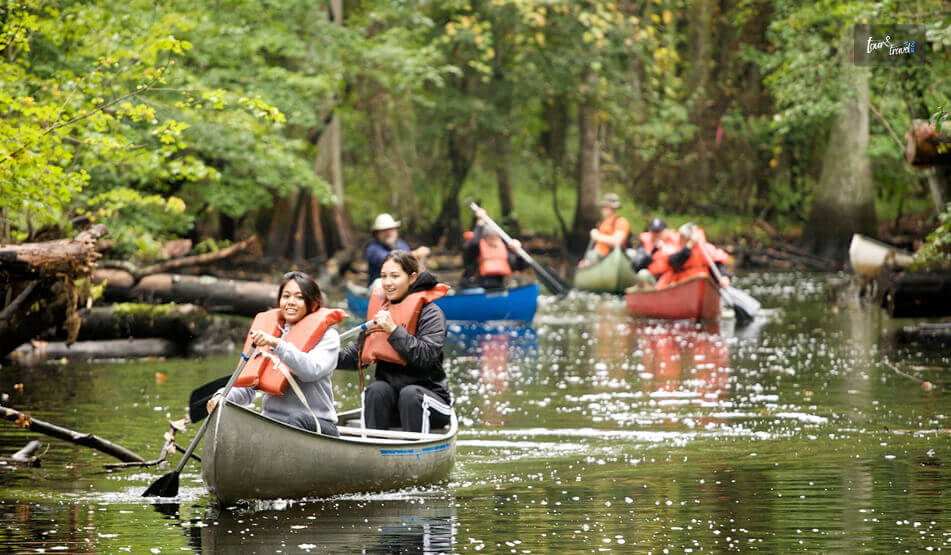
The buffalo river banks are the perfect area to start the campfire. Take a boat and start exploring the place by boat. The free-flowing barrier-free smooth river is the best place for river floating. The international dark sky park is the greatest attraction of the Buffalo river banks.

2. Fort Smith National Historic Site

 Fort Smith National Historic Sit

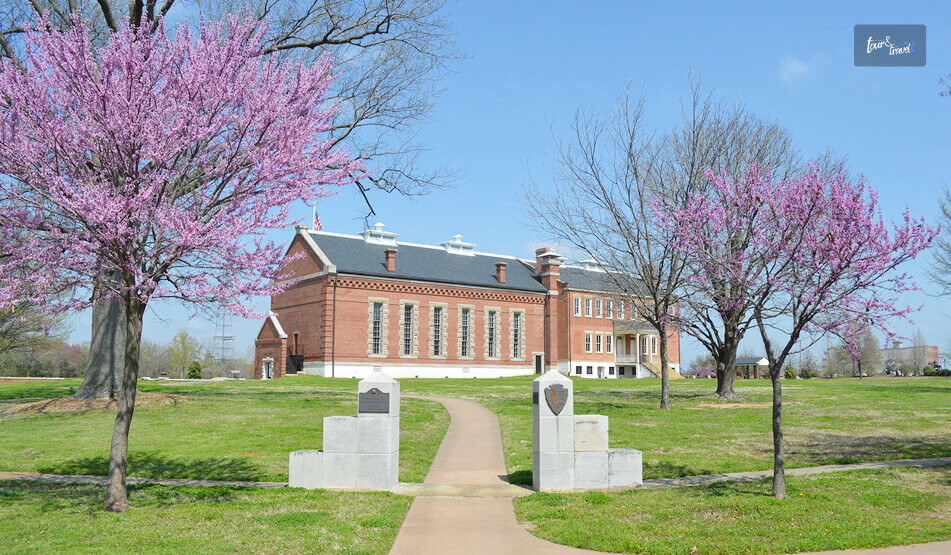
The fort smith hometown city has a vibrant history along with the mountain town’s natural beauty. The site is just in the middle of Oklahoma and Arkansas. The Fort Smith national historic site has many historical buildings which were constructed during the civil war.

Visiting the historical courtrooms is a chilling experience. You can see the hanging of Judge Parker’s courtroom. And the historical gallows where almost a hundred men are executed as the death penalty verdict by the judge. Many hiking trails lead to the historic town and the national historical officer’s garden. Take any trail from the Buffalo River and reach your destination.

3. National Park Of Hot Springs 

National Park Of Hot Springs

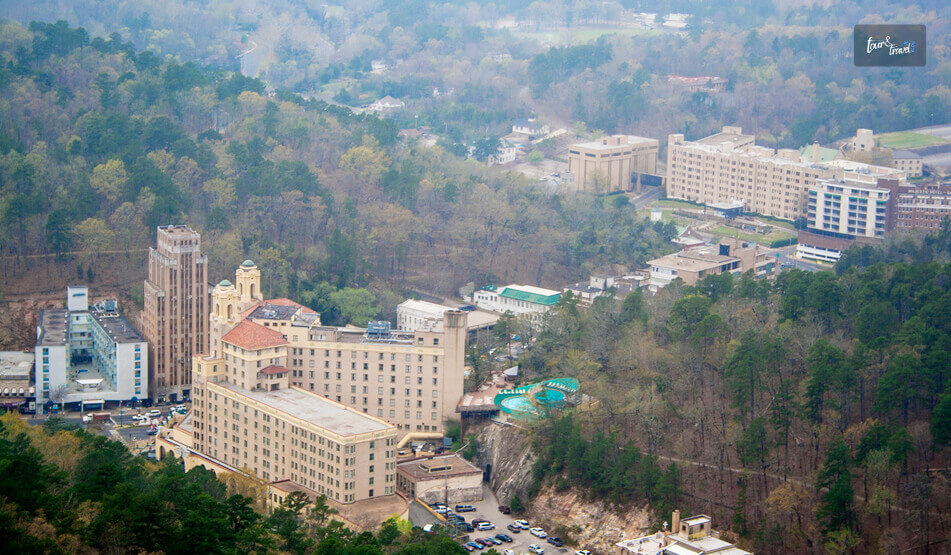
The hot spring national park is an excellent camping choice among all the national parks in  Arkansas. Apart from the national sites, the hot spring park is a charming place for every age of travelers. In addition, the Hot Spring National Park’s are leading many hiking trails towards the Ouachita Mountains.

Rent and camping arrangements are all available for the tourists. However, if you want to enjoy the hot springs, you have to go camping beside the springs. Although the historical vibes are all present, the hot springs are the greatest attraction of the area. There are many bathhouses present as the hot springs water has many healing benefits.

4. Little Rock National Historic Site

Little Rock National Historic Site

The little rock national historic site has constructive historical vibes. When you are right in the middle of the national parks in Arkansas, you will get plenty of options to enjoy the places. The best part is these national parks do not have heavily dense forests. And each of the hiking trails leads to a mountain town, and the little rock national historic site is one of these places.

The little rock high school has ancient buildings and structures. The forced desegregation of the nine black students in 1957 is making this school famous. In the remembrance of these brave nine black students, the school is making the place highly valuable in the integration crisis of 1957.

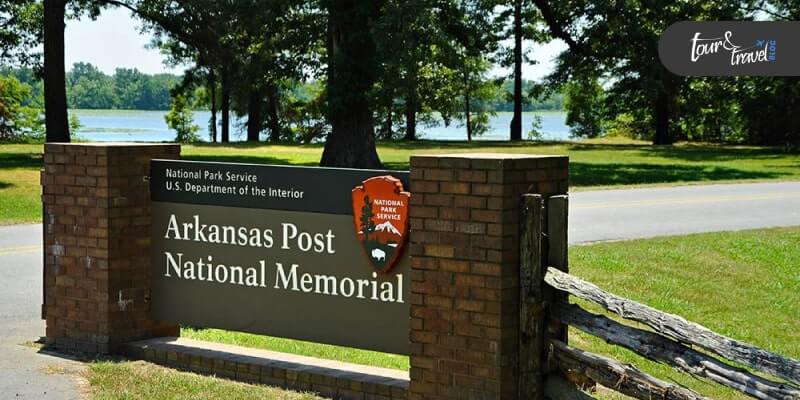
5. Arkansas Post War National Memorial

Arkansas Post War National Memorial

The lower Mississippi is the first place where the Europeans first established themselves. Since 1686 the place has become a popular European establishment. This was the first post, and the history of the Arkansas posts is quite long. When you are planning to visit the national memorial of the Arkaskans, take time to book for the historical tour as the place has several iconic historical buildings.

Late summer and the early spring is the right time to visit the place. Take a time out to visit the place. The Arkansas towns are the perfect home of the many plants and the different kinds of flora and fauna. The natural beauty in the time of spring and the summer is outstanding to explore. Always take a leap to visit the place in these seasons.

6. President William Jefferson Clinton Birthplace

President William Jefferson Clinton Birthplace

The Arkansas map is full of many different historic places and natural abundance. And among all the national parks in Arkansas have some sort of historical smell. This place is the perfect definition of an American leader born in the woods and makes some revolutionary movements. President William Jefferson Clinton Was born in the Town of Hope from the Arkansas ranges.

The precedent spends his first four years here. The property is still in good condition. Take a walk on the property. Then take a tour in the town of hope. And feel the historical vibes of the place. From the buffalo riverside, you can reach your destination with your personal vehicles.

7. Trail Of Tears

Trail Of Tears

The national parks in Arkansas all have great historical value. Trail of tears is like the other areas. The historical value of the trails is pretty touching and in the memory of the Native Indian tribes and the Cherokee people. The trail of tears is a historical trail that is 5,043 miles long. The track stretches from the southern Appalachian mountains to the westside.

This single historical trail crosses over nine USA states. The heart-touching facts are attached to this trial. In 1830 seventeen Cherokee groups were removed from the homelands. And the painful consequences are determining the faith of these people. For the remembrance of the sacrifice of the people, this historical path is called the trail of tears.

Wrapping It Up:

All these seven popular national parks in Arkansas are good travel destinations for people of all ages. If you are looking for a good travel option that has historical value. This is the best choice. For adventure lover travelers, this is the best choice to spend the entire day on the side of the Buffalo River. You can visit the nearest places from the river banks, and all the hiking trails are leading towards a town. So most often there is less chance of getting lost. But morning and the day time is the most suitable time to explore the place. So what is your next travel plan? Do not forget to share your experience with us in the comment sections.

Read More:

Share on Social Media

Abdul Aziz Mondol is a professional blogger who is having a colossal interest in writing blogs and other jones of calligraphies. In terms of his professional commitments, he loves to share content related to business, finance, technology, and the gaming niche.

Leave a Reply

Your email address will not be published. Required fields are marked *

title-img Related

READ MORE White Water Rafting

8 Tips For A Fun And Memorable White Water Rafting Experience

BY  Arnab Dec 27, 2023

White water rafting delivers a thrilling experience, balancing stunning natural vistas with adrenaline-fueled excitement. If you're new to this adventure, you likely have queries and considerations regarding what to expect and how to prepare for maximizing your thrill.It might surprise you, but white-water rafting can be equally thrilling for beginners and experienced adventurers, provided you choose the right location and know what to expect. Here Are Eight Prime Ideas For A Fun And Memorable White Water Rafting Experience In this blog post, we'll provide eight essential tips and insights to ensure your first expedition is both enjoyable and safe, leaving a memorable impact. 1. Choose the Right Attire Staying in your boat for the entire duration of the outdoor adventure won’t stop you from getting wet. Anticipate getting wet on your journey, and don waterproof and anti-chafing garments that can serve as a barrier between you and the raft. Fabrics such as cotton and wool take an extended period to dry and draw heat away from your body, potentially leaving you feeling cold. Ideally, you want to go for synthetic materials that dry quickly and don’t absorb a lot of water. When picking shoes, choose those that have laces. Flip flops and sandals can easily get lost if you happen to lose balance or fall into the water. Depending on the weather forecast and expected temperatures, you can wear a wetsuit. It will offer extra buoyancy and protect you from temperature drops that characterize the colder months. 2. Always Bring a Helmet Safety is of key concern whenever you go on an outdoor adventure and rafting is not an exception. Make sure you have all your safety equipment, including a helmet. White water rafting rivers often have rocks, branches, and logs lining the bottom and you may not notice them from your sitting position in the boat. If you happen to fall into the water, hitting your head against one of these could leave you with severe injuries that you want to avoid. Always keep your helmet on to stay on the safe side. 3. Know What to Do if You Fall Out of the Raft You may take every precautionary measure but even your guide may not stop you from falling into the water. In the eventuality of it occurring, your subsequent actions could carry significant weight. Upon entering the raft, ensure to don your life vest and maintain its presence until disembarking from the boat. If you fall into the water, stay calm swim towards the vessel, and grab the outside safety line. Call out to the guide or rafting mates and wait for someone to pull you back in. If you can’t swim towards the raft, call out to a rafting mate and they will toss you the throw bag and a paddle that you can hold onto. If neither of these is possible, lie in the whitewater swimming position and wait for a guide to reach you. 4. Listen to Your Guide White water rafting guides are experienced in handling the wilderness and river terrain. Whether you're a first-timer or an experienced rafter, it's crucial to heed instructions attentively when they are given. These directives will provide essential information for navigating challenging waters, including what to avoid, where to swim, and when to paddle. They may seem like simple instructions but they dictate the speed, direction, and weight balance of your vessel. 5. Master the T-Grip The T-grip is an important aspect of white water rafting as it is the only way to ensure that the paddle does not slip out of your hands. The T-grip is the end part of the paddle-shaped like a “T” and is made of hard plastic. Most white water rafting guides will always show you the T-grip before you set out. Essentially, you need to keep one hand at the base of the paddle on the shaft while the other holds firmly over the T-grip. This ensures that you have control of the paddle and cushion any blows to you or your rafting mates in case of anything. 6. Practice Your Swimming Like we said before, you cannot stop yourself from falling into the water when you go white water rafting. Understanding the different swimming techniques such as aggressive and defensive swimming can be a lifesaver if you find yourself in the water. Rivers meant for white water rafting have high currents so you need to be sure with what you are doing. If you choose to swim to the banks, make sure you only go for the banks and avoid standing still in the water even if you need time to think. Standing still or walking in the river could cause foot entrapment which could be dangerous. 7. Research Your Destination Different rafting sites offer different experiences. You could find a beautiful river headed up by a dam that allows for scheduled water releases like the Pigeon River. A Yellowstone whitewater rafting day trip, on the other hand, will bring with it the excitement of Class II and Class III white water rapids allowing you to relax and enjoy the pristine wilderness. Taking time to familiarize yourself with the destination allows you to prepare in terms of choosing attire and packing guides. You want to go with a guide who has sailed the same waters for a while. 8. Avoid Carrying Electronics White water rafting is nothing like riding in a fishing boat or a yacht. The waves will constantly toss you around in the raft and some water will definitely get in potentially damaging your electronics. At the very worst, your device could fall into the water and get lost in case of an accident. Even then, white water rafting is not one of those adventures where you can pull out your phone to snap a quick photo. It is an activity that requires you to stay fully engaged and attentive to the paddling patterns and commands from your guides. Some companies will provide you with photographers so they can capture every memorable moment. Endnote You will definitely have lots of fun when you go rafting so make sure you do it with a group of people you are close to. The adrenaline rush will be a source of new memories you will cherish. However, make sure you follow your guide’s instructions to stay safe especially if it is your first time. Read Also: 10 Best Things To Do In Prague Five Tips for First Time Traveler to India

READ MORE Guide To Indiana National Parks

A Guide To Indiana National Parks – Latest Guide

BY  Mashum Aug 2, 2021

Indiana state is famous globally as the “Covered Bridge Capital” because there are 32 covered bridges alone in Historic Parke County, which are discoverable through a road trip. Apart from the Indiana national parks, the state is also famous by the name of “great lakes state” since it shares 40 miles of shoreline with Lake Michigan.  The four national parks in Indiana are renowned as outdoor adventure destinations, namely the Indiana Dunes National Park, President Lincoln’s Boyhood Cabin, George Roger Clark, and the Lewis and Clark Historic Trail. Of the four national parks, Indiana Dunes National Park is a must-see destination. Indiana Dunes National Park and George Rogers Clark National Historical Park are national parks in the term's true meaning. And, the other two national parks in Indiana, i.e., Lincoln’s Boyhood National Memorial and Lewis and Clark National Historic Trail, are the two memorial sites in Indiana, recognized for their routes of historical significance or original trails by the National Historic Trails. Let’s check more details about each of the national parks in Indiana and see how we can spend our day if we plan a trip there. The Four Noted Indiana National Parks 1. Indiana Dunes National Park:  Of the four celebrated Indiana national parks, this one is an unmissable destination if you are in the state. The national park shares 15 miles with the southern shore of Lake Michigan. Indiana Dunes National Park is spread over 15,000 acres and has a lot to offer.  Your search for rare species of birds will end here, along with 1,100 native plant species and the fun of flying kites on the sandy beach. You will feel enchanted with every step you take in this national park as this place is among the most biologically rich areas in the nation.   The park offers 50 miles of trails over rugged dunes, sunny prairies, mysterious wetlands, peaceful forests, and meandering rivers for hikers. Shall we now check out basic information about the national park to plan our tour accordingly? Directions To The Park: You can access Indiana Dunes National Park through Interstate 94, the Indiana Toll Road, U.S. Highway 12 & 20, Indiana State Road 49, and several other local roads. To visit the Indiana Dunes Visitor Center, you need to take Indiana State Road 49, between U.SD. Highway 20 and Interstate 94. Operating Hours Of The National Park: This Indiana national park has general areas that are open throughout the year but have specific hours of operation. The standard working hours of the general areas of the national park are Monday to Sunday from 06:00 am to 11:00 pm. The entrance to the Indiana Dunes National Park is through the west beach. The hours of operation of this portion of the park is Monday to Saturday from 07:00 am to 09:00 pm. Weather News: Usually, July is the warmest month in the national park, and January is the coldest month. June month witnesses the heaviest rainfall with 4.66 inches of rain on average. Entrance Fees To The Park:  West Beach - Standard Entrance Fee $6.00, Senior Pass Entrance Fee $3.00, Access Pass Entrance Fee $3.00, Bus Entrance Fee $30.00. Dunewood Campground - Standard Camping Fee $25.00, Senior Pass Camping Fee $12.50, Access Pass Camping Fee $12.50. This campground is 1.5 miles from the beach and boasts 67 campsites made for both RVs and tent camping.  One-half of the site is open for reserve, and the other half is given on a first-come-first-served basis. You will find showers and restrooms at the campground but no water or electric hookups.  Indiana Dunes Visitors Centers:  Dorothy Buell Visitor Center - This Indiana national park visitor center is open on all days except New Year’s Day, Thanksgiving Day, and Christmas Day. The operation hours are 09:00 am to 04:00 pm Central Time (Due to covid-19). At Dorothy Buell, you will view lobby displays, read brochures about Porter County, Dunes State Park, Indiana, and Indiana Dunes National Park. You can also shop in the Eastern National Bookstore and enjoy watching educational displays and two short orientation videos. Paul H. Douglas Center For Environmental Education - This visitor center is open from 09:00 am to 05:00 pm Central Time during Summers and from 09:00 am to 04:00 pm during Winters. This center is your gateway to the magnificent Paul H. Douglas Trail via Miller Woods. You will find a natural environment all through the center through its hands-on educational exhibits, animals, lectures, Nature Play Zone, ranger-guided hikes, and crafts. Popular Activities To Do At The National Park: Hiking. Picnic at the beach. Birding. Swimming. Fishing and Paddling. Geocaching. Horse Riding on the equestrian trails. Camping (Between April 1st to October 31st). Biking. Snowshoeing and cross country skiing. Shuttle Bus Services: During the summer period, on weekends, you can take the services of free shuttle buses from the Dunewood Campground to the beaches. You can stop at sites like the Miller Train Station, Marquette Park, Lake Street Beach, and The Douglas Center.  Pet Friendliness: Indiana Dunes National Park is completely dog-friendly. You can take your pet to almost all trails and other parts of the park, besides a few exceptions. For example, you cannot take your pets on Glenwood Dunes Trail’s equestrian part, in the lifeguard area of the West Beach, and the Pinhook Bog Trail. You can enjoy a free public wi-fi facility at the Indiana Dunes Visitor Center. 2. George Rogers Clark National Historical Park:  Located on Southwest Indiana and beside the Wabash River, George Rogers Clark National Historical Park is one of the small Indiana national parks, which has a few monuments, a picnic spot, statutes, and a visitor center as its main center of attraction. The national park is about an hour tour in total.   Why Was George Rogers Clark National Historical Park Built? George Rogers Clark National Park was built in the 1920s in memory of an American Colonel named George Rogers Clark, who captured Fort Sackville in 1779 and his army with help from French residents of the Illinois country. The capture of the fort guaranteed the United States a claim to the frontier, which is approximately an area as big as the original 13 states. The National Park is a memorial built to commemorate Clark’s success for his unmatchable success for the revolutionary war’s 150th anniversary. When you visit this national park’s visitor center, you will discover the fort’s history, how it was built, and how it felt living in the Pullman District. In addition, at the national park, you will be shown a 30-minute short film on the life of George Rogers Clark. Things To Do At The George Rogers Clark National Park A short walk around the nearby town of Vincennes will offer you the following things to do at this small Indiana national park: Dine at restaurants. Camping at Campgrounds. The Old Cathedral. State Historic Sites. Shops to shop. Antique Stores. There are particularly no campgrounds at George Rogers Clark National Park. But, visitors can find campgrounds for RV and tent camping at the Ouabache Trails Park, located in Vincennes.  Space For Pets: Your leashed pets can accompany you on the walkways around the Memorial and the visitor center, but their entry inside any buildings is strictly prohibited. Operating Hours: The park is open for visitors on all seven days of the week. At the same time, it is closed on most of the federal holidays except Independence Day, Labor Day, and Memorial Day. Timings for the Park District: George Rogers Clark Memorial is from 09:00 am to 04:45 pm on demand. Weather At The Park: The weather inside the national park is very much typical for the Midwest. Summer months can be hot and humid, and winters quite cool. Entrance Fees To The Park: For a George Rogers Clark National Park tour, there is no entrance fee charged.  The Visitors Centers To Visit: This Indiana national park has one visitor center with the same name as the national park. This center has a small exhibit area. You will be shown a short 30-minute introductory movie titled “Long Knives,” which tells about the backstory of George Rogers Clark and his military campaign. No drinks or food are allowed at the visitor center or Memorial. Services offered here are charging stations, restrooms, bookstores, and drinking fountains. 3. Lincoln Boyhood National Memorial:  In the southern part of Indiana and Lincoln City, you will find the third Indiana national park, named Lincoln Boyhood National Memorial. This is where former President Abraham Lincoln grew from youth to manhood before becoming the 16th President of the United States of America. Operating Hours Of The Lincoln Boyhood National Park: All visitors are allowed to tour the national park grounds and visit all the outside areas daily, between sunrise and sunset. Once you arrive at the park, there are plenty of things that you can do, such as two miles of trails, watching the sculptured panels on the outside of the Lincoln Memorial Visitor Center, visiting the Cabin-Site Memorial, the Pioneer Cemetery, and the Living Historical Farm. Unfortunately, the park is closed on almost all federal holidays. Weather At The Park: The climate in Southern Indiana is moderate, with a touch of warmness and moistness. The summers are warmer and winters cooler. It rains the most during Spring. Visitor Center At The Park: The Lincoln Boyhood park has a Memorial Visitor Center built in 1943 with two memorial halls and a connecting cloister. In the Memorial Court, you will find the works of E.H. Daniels and five sculptured panels that mark significant periods in Abraham Lincoln’s life. Taking a tour of the whole Memorial will take up to 30 to 60 minutes. There is also an orientation film shown at the visitor center every half an hour from 08:00 am to half an hour before the day’s closing. The Museum artifacts and exhibits speak about Abraham Lincoln’s life.  This national park is all about Lincoln’s family, boyhood, and frontier life in this Indiana national park area. During summers, the visitor center is open on all seven days from 09:00 am to 04:00 pm except for the federal holidays. And, at the time of the Fall season, the timings are 07:00 am to 03:00 pm. Place For Pets At The Park: Visitors are permitted to bring in their pets inside the park, but with certain restrictions. The pets must be restrained at all times on a leash, which should not be longer than six feet in length.  The pets are only allowed on the 2 miles of hiking trails and roads in the park and barred from entering public buildings. Things You Can Do At The Park: It will take at least two hours to complete a tour of the whole park. The indoor activities at the park include: Watching the Park Film at the Memorial, titled Forging Greatness and Lincoln in Indiana, which is 14 minutes in length. Paying a visit at the Lincoln in Indiana Museum, which would take around 15 to 30 minutes. The outdoor activities include: Hike the Trail of Twelve Stones, a type of front-country hiking of 20 minutes. Hike the Boyhood Trail, which is another front-country hike of 10 to 15 minutes. Visiting the Lincoln Living Historical Fa, you'll find a re-created homestead with outbuildings, log cabins, field crops, gardens, livestock, and split rail fences.  For kids of 05 years and above, there is a Junior Lincoln Boyhood Ranger Program. Lincoln Spring, which is an obscure waterway. The entry to the Lincoln Boyhood Indiana national park is free. 4. Lewis And Clark National Historic Trail:  The Lewis and Clark National Historic Trail is nearly 4,900 miles long, starting from Pittsburgh, Pennsylvania, to the Columbia River mouth, which is near the present-day Astoria, Oregon. This Indiana national park follows the historic incoming and outgoing routes of the Lewis and Clark Expedition along with the preceding section initiating from Pittsburgh, Pennsylvania, to the Wood River in Illinois. This Trail connects 16 U.S. States and many Tribal lands. Today, visitors are allowed to explore the whole Trail using varied transportation methods and interpretive means, following the approximate route of the Corps of Discovery, i.e. Lewis and Clark Expedition Members.  Places To Visit In Lewis And Clark National Park:  Lewis and Clark National Historic Trail Visitor Centers and Museums: At Lewis and Clark Historic Trail Museums and Visitor Centers and Cultural Centers, visitors can learn more about the expedition and experience blissful and diversified landscapes and communities on the Trail. Directions To The National Park: You will find the Lewis and Clark Indiana national park visitor center inside the DOI, National Park Service. Weather At The Park: The summers are sweltering, so you must drink plenty of water and wear sunscreen when stepping out for a tour of the Trail. The winters are icy, with ice settling on trails and sidewalks. Since this Trail covers 16 U.S. states, you must watch the weather prediction of the state you are planning to visit. The Final Thoughts We hope that the above comprehensive guide on Indiana national parks is a one-stop solution and a valuable guide for you if you plan a trip to any of the four national parks and trails. From serenity to beautiful natural landscapes, from magnificent and ancient monuments to rare species of animals, you will find every part of each of the four national parks surprising. More Resources: A Guide To National Parks In Georgia – Latest Guide 8 Best Bachelor Party Destinations To Visit In 2021 A Guide To National Parks In Michigan – Latest Guide 2021

READ MORE things to do in salt lake city

The Ultimate Guide To Things To Do In Salt Lake City!

BY  Abdul Aziz Dec 28, 2023

If you are planning to visit, the first thing you may do is look for the best things to do in Salt Lake City. With more than 220 sunny days annually, it is a popular destination for week-long vacations. Of course, in addition to all the amazing ski resorts that are nearby. As a result, the growth of extremely posh high-end hotels, resorts, and other establishments over time is not surprising. Nowadays, Salt Lake City has an abundance of great dining options, secret speakeasies, salt flats, double-feature drive-ins, and family-friendly attractions. It's a great place to go on a romantic getaway or a family vacation with the kids. Of course, the Utah Olympic Park is at the top of our list. If you're more of an outdoorsy type, feel free to explore this list indefinitely. Things To Do In Salt Lake City If you want to explore Salt Lake City, there is nothing better than its parks and natural beauty. Here are your best options when visiting this beautiful city. These are some of the best things to do in Salt Lake City. The Great Salt Lake The Great Salt Lake is the largest natural saltwater lake in the Western Hemisphere, measuring about 35 miles wide by 75 miles long. The name of the lake derives from the characteristics of its water. Salty mineral deposits are left behind by the evaporation process, which is the only way out of the lake. Both locals and tourists appreciate Salt Lake City's many hiking trails, plenty of picnic areas, and swimming, boating, and fishing options. One access point that's close to the city is Great Salt Lake Park, which is only 20 miles west. There is a marina, a short beach trail, and restrooms, concessions, and showers available for visitors. Northwest of the city is a state park called Antelope Island, which is another well-liked access point. Antelope Island offers a similar landscape to Great Salt Lake Park, but there's also a lot of wildlife (bison and antelope) to see. The Fielding Garr Ranch House, a home built in the 1800s on its original foundation, is also located there. The only way to get to the island is to drive around the southeast shore of the lake and take exit 332 off of Interstate 15. It's roughly a sixty-mile drive each way. FamilySearch Library The largest library of its kind in the world, the FamilySearch Library is located in Temple Square. It contains millions of genealogical records that profile over three billion deceased people. It was meant to help members of the Church of Jesus Christ of Latter-day Saints source their family history. The library was established in the late 19th century. These days, guests are welcome to look through the carefully kept records. They may perhaps even locate some of their own ancestors. Reviewers praised the amazing resources and the friendly, super helpful staff. They say this is a must-visit location for anyone interested in genealogy. Monday through Saturday from 9 a.m. to 6 or 8 p.m., depending on the day, is when the FamilySearch Library is open. It is free to enter. The library advises you to make a plan, gather any family history you already have, and decide what you're looking for. The reference consultant will find it simpler to assist you with your search as a result. This Is The Place Heritage Park This is The Place Heritage Park presents live history. At more than fifty historic houses and other structures, historical interpreters bring the past to life. The webpage's The 1,300-mile Mormon Trail, which was traveled by Mormons in their quest for a peaceful place to live, ends at this monument. Numerous interactive experiences are available, such as train rides, pony rides, splash pads, Native American villages, and mining activities. There are also several restaurants. The trail and horseback riding experience proved to be especially popular with recent visitors. Many valued the opportunity to learn about Mormon and Utah history as well. The vast site is clean and well-maintained, according to visitors. Ensign Peak Nature Park The Bonneville Shoreline Trail and Ensign Peak are connected by Ensign Peak Nature Park. It has historical significance as well because, not long after arriving, Brigham Young's party stopped here to survey the Salt Lake City valley. Each way, the hike is roughly one mile long. It provides stunning views of the surrounding mountains and Salt Lake City. Because this region serves as a habitat for numerous animal and bird species, visitors may see local wildlife. These peaks are one of the best things to do in Salt lake City. It is best enjoyed on a nice day with clear skies so you can enjoy the expansive views from the top. Liberty Park Enjoy a variety of outdoor activities on the 80 acres of Liberty Park if you want to get outside without going outside the city limits. In addition to playgrounds, rides, bike paths, concession stands, picnic areas, volleyball, and tennis courts, there is a pond. Along with just taking in the peace and quiet, Liberty Park has an aviary and a swimming pool, both of which recent visitors recommend. Families can also visit this park because it offers a plethora of kid-friendly activities. This lovely park is located in the heart of Salt Lake. Every day, it opens at around 8 a.m. and closes at 11 p.m. Admission is free, though using some of the sporting facilities costs a small fee. Liberty also holds a number of yearly gatherings all through the year. Park City Park City is another one of the things to do in Salt Lake City. It is a sweet spot for Powder Hounds. Park City, located roughly thirty miles southeast of Salt Lake City, is home to two significant alpine ski resorts that cover countless acres of mountainous terrain. All ability levels of skiers and snowboarders are welcome to enjoy the well-maintained trails, powder-filled bowls, and terrain parks at Park City Mountain Resort. Additionally, Deer Valley Resort only accommodates skiers (you cannot snowboard), providing several on-site eateries in addition to groomed and gladed runs. Whether it's through kids' ski school, group instruction, or private lessons, all resorts have knowledgeable instructors on hand to help you on the slopes. Even those who aren't big skiers can find activities. Visitors will find many museums and art galleries in Park City to enjoy. In the meantime, visitors can visit the Park City Golf Club or browse the local farmers' markets as the ski resorts convert their runs into hiking and biking paths in the spring and summer. Wrapping Up A significant portion of your time can go into touring Temple Square, which serves as the official location of the Church of Jesus Christ of Latter-day Saints. In addition to magnificent religious structures like the Salt Lake Temple, this walled neighborhood in the city's center is home to verdant gardens and towering sculptures. There are many beautiful trails in the Wasatch National Forest nearby. For a thrilling day trip, consider visiting the nearby Snowbird Ski Resort. If you have thoughts to share or questions to ask about the best things to do in Salt Lake City, please leave a comment below. We would love to hear from you! Read Also: Albuquerque Ambiance: Top Hotel Picks For Every Traveler Houston Hospitality: The Top Hotels You Need To Experience Here Are The 25+ Best Hotels In Mexico City That You Must Visit!