
Why Is Kalutara So Famous? Know The Best Things To Do In This Historic Coastal Town 

Visit Kalutara if you are not already smitten by the whiff of fresh tea and cinnamon together; you must visit Kalutara. 

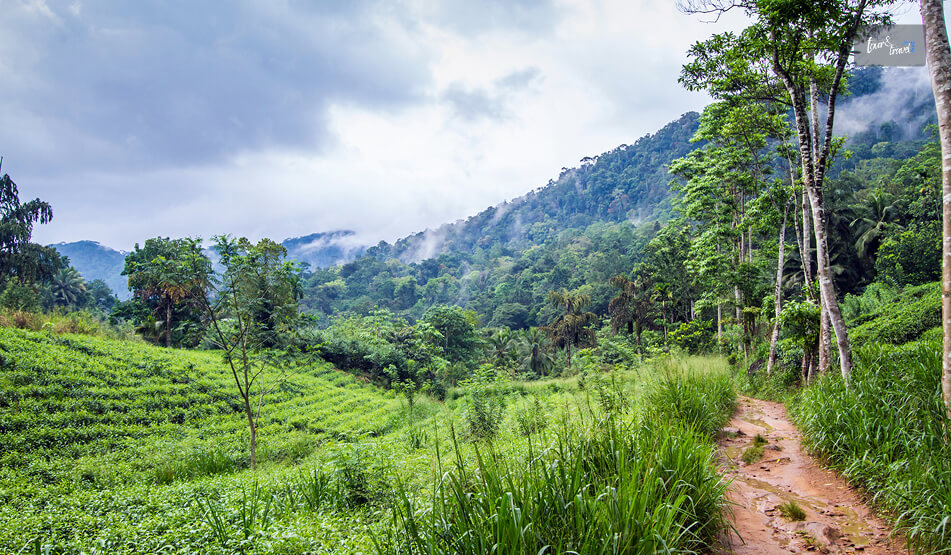
The Kalu Ganga river, the fertile tropical soil, and the proximity to the Indian Ocean have made the region ideal for the cultivation of tea, rubber, and cinnamon since British rule. 

So, when I reached Kalutara, I saw women wearing colorful sarees plucking fresh tea leaves and storing them in the hessian sacks hanging on their backs. 

Furthermore, the iconic Richmond Castle, at a short distance from the Kautara City, and many architectural features here are remnants of colonial heritage in this historical town. 

In this article, I will talk about the location of Kalutara, how to travel to it, why it is so famous, the things to do, and more. I will also share my experience filled with the visuals of cinnamon peelers and rubber tappers and the salty fragrance of the Indian Ocean. 

Where Is Kalutara? 

At a distance of around 42 kilometers from Colombo, the capital of Sri Lanka, Kalutara is on the western coast of Sri Lanka. 

You reach this coastal town after a drive of 1 to 1.5 hours from Colombo. 

Furthermore, Kalutara is the gateway to popular beach towns like Galle and Bentota. 

Kalutara is most revered for the Kalutara Bodhiya Stupa, and the sweet purple mangosteen fruits here are another signature of the coastal town. 

How To Reach Kalutara? 

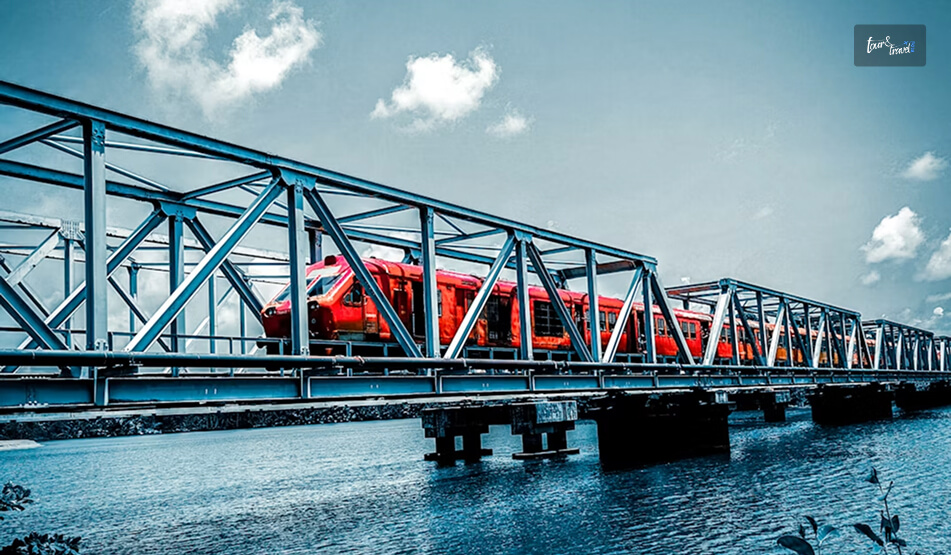
The journey to Kalutara from Colombo on the southern railway line is one of the most beautiful train journeys in Sri Lanka. 

Furthermore, you will get public and private buses for the journey, and you can even book a private vehicle for the transit. 

Here are more details about the transport options. 

1. Colombo To Kalutara By Train

Colombo To Kalutara By Train

You will get many trains from Colombo Fort to Galle, Kalutara South, and Matara. Trains are available throughout the day and from as early as 5:39 AM. 

Furthermore, the last train for the day to Kalutara departs Colombo Fort at 9:36 PM. Also, the travel time is between 48 minutes and 1 hour and 20 minutes. 

In addition, the ticket price for travel in a third-class coach is LKR 480. 

2. By Bus 

Public, private, and air-conditioned buses are available from Colombo to Kalutara. These buses run on the Galle Road. 

These buses take around 3 hours and 30 minutes, and the ticket price is approximately LKR 600.

3. By Private Transport 

The short distance between Colombo Fort and Kalutara is ideal for travel by car. The travel time will be around an hour, and the cost will be between LKR 3500 and LKR 4500. 

You can either take the Galle Road for the commute or the Southern Expressway ( E01) as a faster alternative. 

4. Moving Around In Kalutara 

Kalutara is very much walkable, or you can take a tuk-tuk to move around. Furthermore, you can rent a bike or bicycle for a day to explore the coastal town at your own pace. 

The rental charge will be around LKR 2500 to 3500 per day, and the rental agency will help you with the local driving license or other permit you need. 

Why Is Kalutara So Famous? 

Why Is Kalutara So Famous

The city of mangosteen and home to the Gangatilaka Vihara, the only hollow Buddhist Stupa in the world, Kalutara awaits with an air that is heavy with history, spirituality, and the stories of the bonding between humans and nature. 

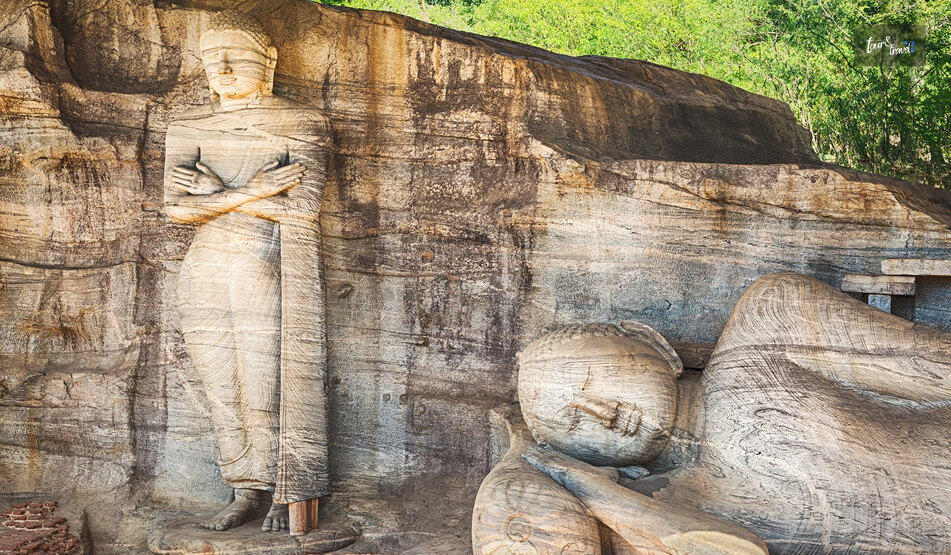
I have been to the Dambulla Royal Cave Temple and the Gal Vihara in Polonnaruwa. Kalutara felt like an extension of my visits to those places. 

1. The Gangatilaka Vihara

My jaw dropped as I stepped out of the humid coastal air and into the echoing, cool interior of the Gangatilaka Vihara. 

The massive dome soared above me, and I found the inner walls covered in 74 intricate, vibrant murals depicting the life of the Buddha.

Also, as I was inside the Gangatilaka Vihara, the traffic on the busy Galle Road got transformed into a soft hum, and the air was filled with the gentle chanting of pilgrims clad in white.

2. The Secrets Of The Sacred Tree

I left the giant stupa and found the Kalutara Bodhiya just across the road. I felt the high energy instantly and was staring at the massive, ancient Bodhi tree. 

A friendly local devotee named Anura noticed me, and she confirmed the facts I had read. This tree grew from one of the original 32 saplings of the Jaya Sri Maha Bodhi in Anuradhapura, linking it back over two millennia.

Also, as I sat close to the tree, I found drivers stopping their vehicles in the middle of the bustling highway, stepping out just long enough to drop a few coins into a donation box for a blessing before driving on.

Then, I performed the common ritual by pouring a small clay pot of water over the sacred roots. 

The sheer energy of hundreds of people whispering prayers in unison under the rustling leaves gave me goosebumps.

3. The Magnificence Of A Coastal Castle 

Kalutara is also about colonial opulence. This castle is on a 42-acre estate, and it was built in 1896. 

This feels like a grand British manor house dropped straight into a Sri Lankan spice forest.

As I walked through the grand banquet hall, I was amazed by the blend of Indian and British architecture. 

The caretaker pointed out the intricate timber work, bragging that the wood had been imported all the way from Burma. 

Standing on the sweeping balconies, looking over the sprawling grounds, it was easy to picture the extravagant, high-society parties that once took place here during the height of the rubber boom.

Sunsets, Straw Hats, And Purple Fruit

The natural geography of Kalutara also makes it stand out. The Calido Beach, especially, is magical in the late afternoon. 

This is a narrow spit of land where the freshwater Kalu Ganga (Black River) runs parallel to the crashing saltwater waves of the Indian Ocean.

Then, I sat on the sand and watched the local fishermen battling the currents where the river meets the sea, the sky turning a brilliant shade of bruised purple.

On my way back, I stopped at a roadside stall where an elderly artisan was weaving palm leaves into a vibrant sun hat.

Remember that Kalutara is Sri Lanka’s “basket capital,” and watching her fingers fly was hypnotizing.

Also, before I left the stall, she handed me a magosteen and a dark purple fruit. 

I cracked open the thick, leathery rind to reveal snowy, delicate segments. 

The taste was an explosive mix of sweet and tangy, a perfect edible summary of Kalutara itself: bright, surprising, and utterly unforgettable.

What Are The Other Things To Do In Kalutara?

Along with the iconic landmarks that make Kalutara famous, some other attractions and activities await you in Kalutara. 

1. Finding An Escape In The Brief Garden

The Brief Garden was the former residence of Brevis Bawa, one of the most iconic architects of Sri Lanka. 

It stands out with its artistic beauty, and that artistry blends well with the rich flora and fauna and fascinating sculptures. 

I enjoyed a stroll in this delightful garden. 

While walking through the hidden alleys and nooks, I enjoyed every bit of the artistic ambiance. 

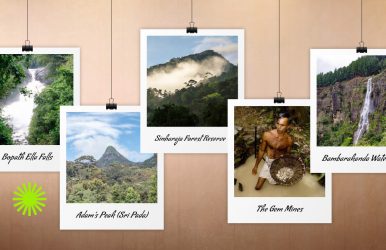
2. Going For A Guided Hike In The Sinharaja Forest Reserve

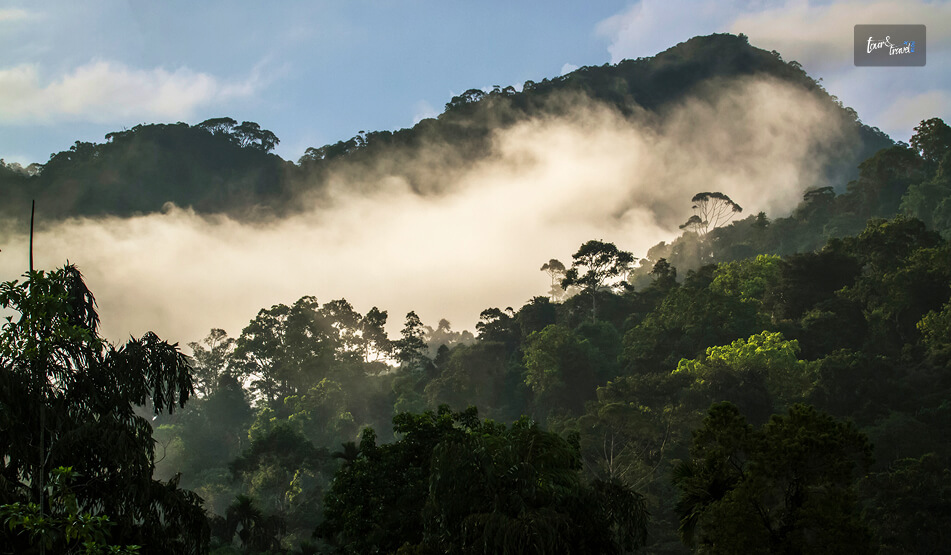
Going For A Guided Hike In The Sinharaja Forest Reserve

The Sinharaja Forest Reserve is a UNESCO World Heritage Site. UNESCO designated this as a heritage site in 1998. 

About the forest reserve, the UNESCO World Heritage Convention further mentioned, 

More than 60% of the trees are endemic and many of them are considered rare. 

There is much endemic wildlife, especially birds, but the reserve is also home to over 50% of Sri Lanka’s endemic species of mammals and butterflies, as well as many kinds of insects, reptiles and rare amphibians.

Moreover, the forest reserve has more than 450 species of trees. It even has hidden waterfalls forming clear streams. I could even spot the most vibrant tree orchids. 

The nature trails here are well-maintained, and the hiking experience becomes all the more delightful with the chirping of the birds. 

So, if you are planning a trip to Sri Lanka and want the best wildlife experience, you must add the Sinharaja Forest Reserve to your itinerary, along with the Yala National Park, Delhiwala Zoo, etc. 

3. Spotting The Nesting Turtles At Kosgoda Turtle Hatchery

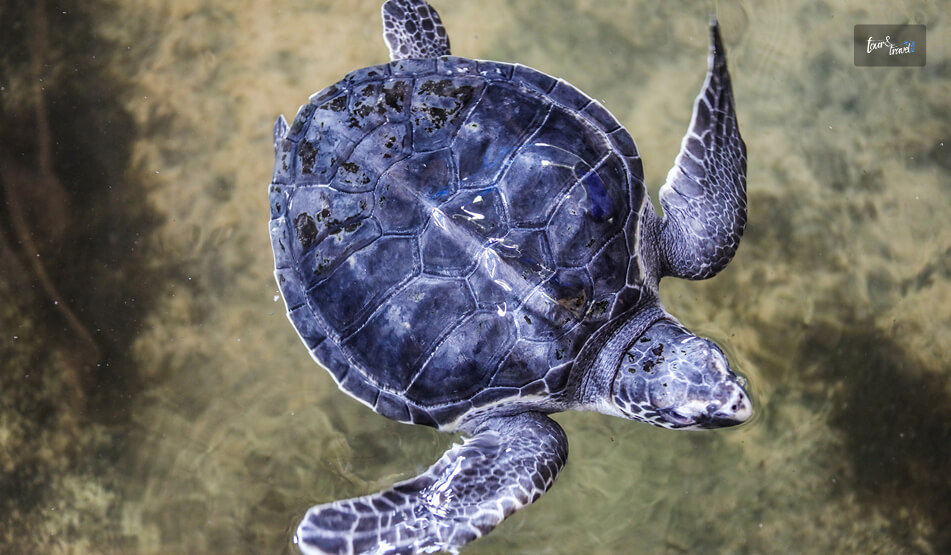
Spotting The Nesting Turtles At Kosgoda Turtle Hatchery

The Kosgoda Sea Turtle Conservation Project, founded by Dudley Perera, is located approximately 27.7 kilometers south of Kalutara along the Galle Road (A2).

It took around 40 minutes for me to reach the spot on a bike. 

This project has been dedicated to monitoring the sea turtles here for three decades. They work to preserve these endangered animals and want to spread awareness about them. 

The remarkable hatchery here focuses on collecting and rescuing eggs and storing them in a haven. 

Furthermore, after the eggs are hatched, the turtles are only released into the ocean when they can fight the predators. 

4. Trying The Spicy Local Cuisine 

Kalutara has a rich history of spice trading. So, as expected, Kalutara has a culinary culture worth exploring. 

Furthermore, every dish stands out with a perfect balance of zest, sweetness, and spice. Rice and curry, freshwater fish baked in banana leaves with coconut, tamarind, and mustard paste are some of the best dishes to try. 

5. Exploring The Handunugoda Tea Plantation

Do you want to extend your travel plans in the Handunugoda Tea Plantation a little? Then, you can travel for around 1 hour and 30 minutes and reach the Handunugoda village. 

This tea plantation is famous for producing the “Virgin White Tea.” 

Moreover, you can take a guided tour of the tea plantation and see the tea pluckers in action. 

A Trip To Kalutara: Know The Perfect Itinerary 

A Trip To Kalutara Know The Perfect Itinerary

Two to three days are enough if you want to have an immersive experience in Kalutara. So, here is a 3-day itinerary for you. 

DaysTimeActivityKey Highlights and Cultural Insights
Day 1MorningVisiting the Gangatilaka ViharaThe only hollow Buddha Stupa in the world. 
Late MorningKalutara Bodhiya and Sacred TreeThis tree grew from one of the original 32 saplings of the Jaya Sri Maha Bodhi in Anuradhapura. 
LunchTrying Spicy Local CuisineEnjoy a traditional rice and curry lunch. 
Taste local freshwater fish baked in banana leaves with coconut, tamarind, and mustard paste.
AfternoonVisiting Richmond CastleExplore this grand 1896 Edwardian mansion built on a 42-acre estate. 

Marvel at the blend of Indian and British architecture and the Burmese timber work.
Late AfternoonVisiting Calido Beach and Watching Palm WeavingWalk the narrow coastal spit where the Kalu Ganga meets the sea. 
Watch artisans weave vibrant straw hats from palm leaves and sample fresh, sweet mangosteens.
Day 2MorningVisiting the Brief Garden by Bevis BawaTake a stroll through the former residence of iconic architect Bevis Bawa. 
Explore hidden alleys, rich flora, and fascinating sculptures blended into nature.
AfternoonLearning Experience at Kosgoda Sea Turtle HatcheryTake a 40-minute ride south along Galle Road to Dudley Perera’s conservation project. 
See how endangered sea turtle eggs are rescued, incubated, and safely released.
EveningSunset and Coastal RelaxingHead back up the coast to Kalutara for a quiet seaside evening, taking in the purple-hued sunset away from the busier commercial beach crowds.
Day 3Full Day (Option A)Hiking in the Sinharaja Forest ReserveEmbark on a guided nature trek through this UNESCO World Heritage Site. 
Spot endemic birds, rare butterflies, wild orchids, and hidden forest waterfalls.
Full Day (Option B)A Visit to the Handunugoda Tea PlantationTravel 1.5 hours south to visit the famous home of “Virgin White Tea.” 
Take a guided estate tour, see tea pluckers in action, and learn about the delicate processing.

From modest homestays to luxury hotels and resorts such as Avani Kalutara, Kalutara has diverse modes of accommodation. 

These will cost around LKR 5000 to 50000 per person per night.

Share on Social Media

Sibashree is a travel, culture, and leisure writer who has been writing since the age of 12 and professionally since 2014. With more than a decade of travel writing experience and journeys across India and several parts of the world, she brings a deeply personal and thoughtful perspective to her work. A student of English Literature and Mass Communication, Sibashree has always viewed travel as more than movement — for her, it has been a way of understanding people, cultures, and herself. Her passion for spiritual exploration has also led her to many unusual and meaningful destinations over the years. Outside of writing, Sibashree enjoys watching European cinema, reading about global politics, and reflecting on the stories hidden within everyday places.

Leave a Reply

Your email address will not be published. Required fields are marked *

title-img Related

READ MORE What to do in Shinjuku

What To Do In Shinjuku As A First Time Traveler? 10+ Attractions You Cannot Miss In 2026 

BY  Sibashree Mar 31, 2026

Shinjuku is a very diverse part of Tokyo with a lot of activity and some rebelliousness, but it’s completely different in style and design compared to the other areas of Tokyo.  As far as contrasts go, Shinjuku is the most contrasting area of Tokyo. You can look at commercial 3D billboards within a couple of minutes’ walk to find very old traditional garden spaces. Shinjuku Station, as the busiest train station worldwide, could be described as a crazy madman's labyrinth for a first visit.  Yet, stepping outside into the bright neon lights of the Shinjuku area exposes a bright, fascinating area to play.  To help you get started, below is a list of “What to do in Shinjuku” as a first timer.  What To Do In Shinjuku As A First Timer?  Shinjuku is a city within a city. It’s loud, it’s crowded, and it’s occasionally a little messy. However, that’s exactly what makes it the most authentic urban experience in Japan.  Here are the things if you are feeling clueless about what to do in Shinjuku.  1. Retro Vibes At Kitamura Camera Kitamura Camera isn't a store. It's a vertical museum built around film cameras.  Rows of vintage gear line the floors, including rare glass lenses and models from the 1930s.  The place hums with quiet energy, untouched by digital noise.  It's tucked into Musashino Street, a lively area where shops mix with daily life. Even pros who shoot in RAW find it worth visiting for its raw craftsmanship and calm atmosphere. 2. The Roar Of Godzilla Road You'll see the Godzilla head before you hear it.   Its massive form stretches over Toho Cinemas, like a guardpost at the entrance to Godzilla Road.  The statue is a fixture in Shinjuku, visible from most sidewalks. Also, Hotel Gracery has rooms shaped like the monster itself. The Toho building bears the giant head of Godzilla, towering over the street corner.  That image sets the tone for everything around it, the kind of visual that sticks in your memory long after you leave.  Hotel Gracery offers themed rooms that let fans step into their favorite scenes.  The area feels unfiltered! Neon signs flash at odd hours, crowds surge during rush times, and alleys smell like food carts and rainwater mixing on pavement. 3. Sky-High Views (For Free!) Most of Tokyo's observation decks are rather expensive, but the Tokyo Metropolitan Government Building provides a magnificent view of the city for exactly zero yen.  The queue is very fast at that point. On a clear day, you may be lucky enough to see the famous Mount Fuji.  Even on a cloudy day, you will still enjoy the amazing view of the city.  Insider Tip: Definitely visit the cafe on the top floor. The matcha desserts there go very well with the sunset view of the skyline. 4. The World’s Largest Projection Mapping Show It's all about timing.  If you can, leave the Metropolitan Government Building just when the Sun goes down so that you can see a projection mapping show that has entered the Guinness World Records.  A huge skyscraper's side gets turned into a screen for colorful animations.  The Pac-Man sequence, which was a throwback to the arcade game, was the highlight of architectural lighting during our visit.  It was as if the entire building was a giant glowing game of Pac-Man. 5. The Shinjuku 3D Cat Forget about Hachiko. If you come near Shinjuku Station East Exit and lift your eyes, you will spot a Giant 3D Cat.  This digital masterpiece "resides" on a curved billboard, and its antics include playful meowing and looking down at the crowd of commuters.  It is remarkably realistic and even more enchanting when it shines under the night lights. 6. The Neon Labyrinth Of Kabukicho Welcome to the largest red-light district in Japan.  Kabukicho is a sensory overload in the most enjoyable way. Moreover, it is a center of entertainment that is always alive with bars, restaurants, and the newly changed Samurai Restaurant Time (formerly the renowned Robot Restaurant).  Though it has a somewhat rough image, it is a place that anyone who wishes to see the "Blade Runner" side of Tokyo should definitely go to. 7. Sing Your Heart Out At Karaoke Kan You haven't truly felt Japanese social rhythm until you're in a private booth at Karaoke Kan.  There, you rent a high-tech room with friends instead of singing to strangers like in Western bars.  Moreover, the selection is vast, thousands of songs in English and Japanese, and it's probably the most common cultural milestone for young adults. 8. A Natural Escape: Shinjuku Gyoen National Garden When the neon lights get overwhelming, head to Shinjuku Gyoen.  It's huge, with an area of more than 100 acres, and you might spend hours wandering through traditional gardens with French, English, and Japanese influences.  Moreover, the paths change shape every few minutes. So, you'll likely lose track of time. Must Try: Muroya offers real sweets or a cute sushi set inside the garden.  This place has been going strong for generations. It's more or less certain that your parents were here too, decades back. 9. Breakfast At St. Marc Cafe St. Marc Cafe is better than chains for local flavor.  Furthermore, their ChocoCro is flaky, buttery, and tends to draw long lines.  Also, breakfast sets cost under $10 and keep people energized during long city walks. 10. Nostalgia In Omoide Yokocho (Memory Lane) Tucked away near the tracks is a narrow alleyway known as Omoide Yokocho.  Years ago, it earned the nickname "Piss Alley," but today it’s a charming, albeit cramped, destination for yakitori and beer.  Moreover, the smoke from dozens of small grills creates a nostalgic atmosphere that feels miles away from the modern skyscrapers nearby. 11. Exploring Musashino Street While walking toward the camera shops, you'll likely find yourself on Musashino Street. It’s a delightful shopping district that feels exceptionally safe and welcoming. Shopping Tip: Look for the specialized Don Quijote here. Moreover, unlike the massive, chaotic branches, this one focuses specifically on products popular with tourists, making it a "souvenir shortcut." Yoi ryokō o, guys!  Read Also: What Are The Things To Do In Jimbocho Book Town? Visit The Best Book Stores And Cafes What Are The Things To Do In Nara? How To Plan A Two-Day Trip? What Is Oshino Hakkai Famous For? How To Visit It And More

READ MORE Jaffna beach guide

The Ultimate Jaffna Beach Guide: What Are The Best Beaches Near Jaffna, Sri Lanka? 

BY  Sibashree Jan 9, 2026

The northernmost major city of Sri Lanka is famous for its beautiful Hindu temples, such as the Nallur Kandaswamy Kovil and Naguleswaram Temple (Keerimalai). It also stands out with its unique sculptural scenario and great food.  However, very few people talk about the beautiful beaches of Jaffna, such as Kankesanthurai and Casuarina. During my trip to Jaffna, I loved the white sands, calm shallow waters, and Palmyra trees. Also, the Jaffna beaches are a paradigm shift from beach towns like Mirissa.  You will not get the vibrant nightlife or the maddening crowd. The vibe is pristine and slow. And with the Sri Lanka Tourism Development Authority (SLTDA) focusing on Jaffna now for the diversification of the country’s tourism profile, these beaches are going to play a vital role.  In this Jaffna beach guide, I will talk about the most prominent beaches, the amenities, expert tips, and more.  What Are The Best Beaches Near Jaffna Sri Lanka? The beaches in Jaffna show a contrasting vibe in comparison to the beaches near Colombo, such as Bentota or Unawatuna. The Colombo beaches are touristy and offer watersport activities such as parasailing, diving, and surfing.  On the other hand, the shallow water of Jaffna is ideal for swimming. Also, the golden sands of the Colombo beaches are replaced by the soft white sands.  Overall, the beaches in Jaffna focus more on tranquility and show the slow-paced vibe of the city. You know Jaffna Siesta is a real thing!  1. Casuarina Beach (Karainagar) Casuarina Beach Entrance Fee: 500 LKR (Foreigners), 50 LKR (Locals) Distance from Jaffna: 21 Kms As you reach the Casuarina Beach, a wide stretch of casuarina trees, creating a canopy over your head, welcomes you. The beach gets its name from these trees.  The stretches of the soft white sand of the beach are also surrounded by palm trees. Furthermore, the west-facing is known for beautiful sunset views.  What Are The Things To Do In Casuarina Beach?  Casuarina Beach is a place to relax. The shallow water here is ideal for swimming. You can go to the middle of the ocean, where you will find fishermen in action.  The fishermen ride in a raft-like boat. You can join them and have a conversation about their daily lives and how they survive the sea. For me, it was pretty much the “Riders to the Sea Moment.” Also, Kamban, a middle-aged fisherman of Jaffna, shared something about the impact of the Civil War here. He reminded me of a Reuters report published many years back. It talked about how the Puthumathalan beach, around 113 km from Jaffna, was filled with broken medicine bottles, pieces of clothes, and rusty cooking pots as the aftermath of the civil war.  Nevertheless, Kamban said, “You know, we did not have any food. We could not go out for fishing, and we never knew who would be the next to take a bullet.  We are now recovering and getting tourists. Still, we need more support, and the fear will remain among people of my generation and the next one.” Today, Casuarina Beach has some beach clubs and resorts offering water sports activities such as snorkeling and jet skiing.  Still, I feel, it’s a place to relax and ponder over how the locals are showing resilience to maintain the glory of a city devastated by the Sri Lankan Civil War.  Also, the Casuarina Beach is the place to try the authentic food of Jaffna. I loved the crabs and vadai here.  How To Reach Casuarina Beach From Jaffna?  The most convenient way to reach the Casuarina Beach is to take a private taxi to Jaffna. The cost will be around 1200 LKR.  2.  Kankesanthurai (KKS) Beach Entry Fee: Free Distance from Jaffna: 19 Km How to Reach: Take Tuk-Tuks from Jaffna The Kankesanthurai is a navy-maintained beach with sparkling blue water. It is also just 10 minutes away from the Keerimalai Freshwater Springs, one of the iconic landmarks in the spiritual and cultural landscape of Jaffna. Also, the nearby Thalsevana Resort is a place to relax and try authentic Jaffna cuisine while indulging in the beauty of the pristine beach.  You can swim in Kankesanthurai. However, you need to be careful about the current. However, this beach is more popular for the snorkeling activities and is famous for the Keerimalai to Kankesanthurai Walk.  Kankesanthurai (KKS) Beach Snorkeling  Kankesanthurai, with its shallow water and some marine life and corals visible, is a decent snorkeling site. I saw some sea turtles while swimming at Kankesanthurai beach.   The water here is warm, and the calm conditions make it beginner-friendly. May to September is the best time for snorkeling in Kankesanthurai.  However, there is no established snorkeling facility here. So, you need to bring your own gear, including fins and masks.  So, if you want a proper snorkeling experience, you can explore alternative locations in Sri Lanka, such as the Nilaveli Beach of Pigeon Island, which also has the Pigeon National Park.  The Coral Island of Trincomalee and the southern coastal spots such as Hikkaduwa & Mirissa are some of the best locations to try snorkeling in Jaffna.  Keerimalai To Kankesanthurai Walk The distance between Keerimalai and Kankesanthurai is just around 2 km. So, when you start from Keerimalai and walk north toward Kankesanthurai, you will reach your destination in 25-30 minutes.  There is no marked beach trail for the walk. However, as you proceed, you will experience amazing coastal views and fishing activities, especially near the pier and shorefront.  However, if you want to beat the heat, you can take a tuk-tuk to reach the beach from Keerimalai. Manalkadu Sand Dunes: The Hidden Gems Near Jaffna  Manalkadu sand dunes are the ideal location for an off-the-grid camping experience in Jaffna. Also, at times, I want absolute silence around me. Being an introvert, too many interactions and activities often drain me.  Stargazing in those moments works like a therapy for me. If you are also like me and want the world around you to “Shut Up,” you must try stargazing at Manalkadu.  The long chain of sanddunes here stretches to meet the sea, and this is a geologically striking feature. The desert-like setup and the sand dunes offer some “interesting perspectives” for photography, especially while watching the sunset.  And the best way to experience stargazing at Manalkadu? Try off-grid camping here.  Camping At Manalkadu And Stargazing  I set up my tent on the Manalkadu beach, and the wild, open area with almost no light pollution offered the best stargazing experience. Of course, it was not as vivid as stargazing in Great Barrier Island.  Still, the spontaneity and simplicity won me over. However, Manalkadu is not a formal camping or stargazing site. So, you will need to bring your tent, telescope, red light, water, and other essentials.  Also, we spotted some fishing huts on the beach. We sought their permission, and they happily agreed. In fact, they shared their meal with us, allowing me to spend more time stargazing and enjoying the silence. Things To Pack For Camping At Manalkadu  Manal Kadu means sand jungle in the Tamil Language. True to its name, it is a pristine place where desert, jungle, and the sea co-exist.  Also, it is called the “Swimming Pool of the North.” Nevertheless, since it has a primitive setup, you need to carry some essentials.  Tent Sand Anchors or Stakes Plenty of Food and Water Nearby Portable Stove Cooking Gear Headlamp or Lanterns First-Aid Kit Power Banks Trash Bags The Quiet Alternatives: Jaffna Beaches Do you want to enjoy a sunset stroll by the water with no one around? Visit the quieter alternatives such as the Charty Beach and Akkarai Beach. 1. Charty Beach The Charty Beach is on Velanai Island, and it is a 15 km drive from Jaffna City. You will reach the beach from the city within 30 minutes after a journey through the Jaffna–Pannai–Kayts Road.  The warm water here is ideal for swimming, and you can even try near-shore paddling. Changing Facility• Nearby Huts• Rest ShadesFood And Snacks• Local EateriesAccomodation• AC and Non-AC Rooms at Charty Beach ResortLifeguard• Not Available Ideal Season • May to SeptemberBest Time to Visit in a Day• Early Morning• Late Afternoon 2. Akkarai Beach  Take a drive for around 30-40 minutes to reach the Akkarai Beach in Thondamanaru. Lying along the Palk Strait, it stretches toward the Indian coastline.  It is very close to the Lord Murugan Temple and the Thondamanaru Bridge.  Parking FeeFreeResting AreasBenches and Shaded SpotsWashroomFreshwater Wash AreasSwimming ConditionNear-Shore Swimming with the Sandy Bottom Deepening GraduallyLifeguardsNot Available. So, Don’t Swim when the Current is Strong.  Best Months May to SeptemberBest Time to Visit in a Day• Early Morning• Late Afternoon Beach Amenities And Safety Guide Once again, the Jaffna beaches are not the luxury tropical getaways you are looking for. So, you must have a clear idea about what to expect at these pristine beaches.  Also, learn about the safety infrastructure before getting into the water.  1. Basic Beach Amenities  Casuarina Beach has paid changing rooms. However, other beaches have no makeshift provisions for changing and resting.  So, you must carry beach umbrellas and folding chairs if you don’t want to sit on the sand.  There is no official presence of a lifeguard or support on these beaches. Network coverage is decent. However, you can face connectivity issues if the weather deteriorates.  The beaches in Jaffna are accessible from Jaffna City by tuk-tuk and other vehicles. However, in Casuarina Beach, you will have to pay a small fee for entrance and parking your vehicle.  2. Safety And Norms Do not go very far into the ocean water, as there can be strong currents, and there is no formal lifeguard support.  Also, be careful while walking barefoot on the sand,d as there can be seashells and seaweeds.  In addition, dress modestly, shorts and T-shirts are fine! Also, do not leave trash behind.  Exploring The Jaffna Coastline: Know The Expert Tips  Want to explore the coastal beauty of Jaffna to the fullest? Follow these expert tips.  1. Go On Weekdays You will find local buses packed around the Casuarina Beach, and the noise of loud music can be an annoying factor.  Choose a Monday or Tuesday for your ocean visit to spend some moments of quietude. 2. Bring Reef Shoes The Charty and KKS beaches have sharp dead coral very close to the water's edge. So, your feet may get a cut if you don’t wear reef shoes.  3. Have Navy Food  When you are visiting the Kankesanthurai (KKS) beach, you don’t need to eat at a beach shack. You can walk into the Thalsevana Holiday Resort run by the military.  Enjoy a hygienic and tasty lunch and cold beer there while enjoying the ocean view. 4. Riding On Manalkadu? You Will Need A 4X4  You can drive a scooter to Manalkadu. However, you have to park it on the hard road. You cannot take it to ride onto the sand dunes, and the wheels will get stuck.  5. Morning Is The Best Time For The Beach Visit  You cannot visit a beach in Jaffna at noon. The Northern Sun is scorching. So, plan a visit between 7 AM and 8 AM or after 4 PM.  6. You Can Wade In Akkrai But Cannot Swim  The water at the Akkarai Beach is usually knee-deep. So, you can wade through the water of this beautiful beach.  However, swimming does not look like an ideal activity here.  7. Changing Rooms Are Basic The Casuarina Beach has changing rooms. However, these rooms are just concrete stalls with a bucket of water.  You will have to bring your towel and toilet paper.  8. Respect The Fishermen Most beaches in Jaffna are like a workspace for the fishermen. So, there will be fishing boats and nets on the shore.  You cannot step on or lie on them. Do not tamper with them.  9. Drink Thambili To Stay Hydrated  Jaffna beaches do not have places serving fancy cocktails. The best refreshment is to drink the King Coconut or Thambili water.  It replenishes the micronutrients, and it is a must-have when the Sun is scorching. What Are The Authority Voices On Jaffna Beaches And Coastline?  “Casuarina Beach is named after the shady trees that line it, offering a rare respite from the scorching Northern sun. It’s the closest Jaffna gets to a holiday vibe.” - The Lonely Planet.  “Don’t expect the polished tourism of the South. Jaffna’s beaches are raw, working coastlines where fishermen outnumber tourists—and that is their charm.” - Rough Guides.  Jaffna Beach Guide: Frequently Asked Questions (FAQs)  Here are the frequently asked questions and answers about the Jaffna beaches.  1. Can Foreigners Swim In Jaffna Beaches? Yes, foreigners can swim in Jaffna beaches. Casuarina and KKS beaches get many foreign visitors. The KKS beach offers free entry. However, for the Casuarina Beach, the entry fee is 50 LKR for locals and 500 LKR for foreigners. Also, the amenities at the Jaffna beaches are basic. So, a foreigner looking for a luxury beach experience or the resort vibe can feel disappointed.  2. Is It Safe To Wear A Bikini At Jaffna Beaches? There is no formal restriction regarding wearing bikinis at Jaffna beaches. However, the social setup of Jaffna is conservative. So, there can be stares, and you may feel out of place. So, wear shorts and T-shirts while swimming. 3. Are There Sharks In Jaffna?  You will rarely see sharks in the waters of Jaffna. However, you will find sea turtles and coral reefs in the waters here. The water here is very shallow.  4. Which Is The Cleanest Beach In Jaffna?  Kankesanthurai (KKS) is a navy-maintained beach, and it is the cleanest in Jaffna. It also has the Thalsevana Holiday Resort, run by the military. You can have food and drink here.  5. Can I Surf In Jaffna? No, you cannot surf in Jaffna. The water here is shallow and calm like a lagoon. If you want to surf in Jaffna, you can go to Arugam Bay on the East Coast.  6. Are There Hotels On The Beaches Of Jaffna?  Yes, though not frequently, there are some hotels on the beaches of Jaffna. For example, KKS has the Thalsevana Holiday Resort and the Charty Beach has the Tilko Charty Beach Resort. Furthermore, there are smaller guesthouses near the Casuarina beach.  7. What Is The Best Time Of Year To Visit Jaffna Beaches?  May to September is the ideal time for exploring the northeastern beaches of Jaffna. Jaffna has dry weather conditions in these months, and the calm water is ideal for swimming and snorkeling. Jaffna experiences heavy rainfall from October to December. So, avoid these months.

READ MORE things to do in arugam bay

What Are The Things To Do In Arugam Bay? Know Why A Visit To Arugam Bay Is Worth It

BY  Sibashree May 29, 2026

Golden sands, world-class surf breaks, and a distinct bohemian charm!  All these make Arugam Bay, another southeastern coastal gem of Sri Lanka, stand out.  This sleepy fishing village wakes up with the swelling of the ocean. Also, the destination creates an expert balance between a high-energy aquatic sports culture and a deeply relaxing and off-the-beaten-path atmosphere.  You can even be an experienced longboarder ready to ride an iconic right-hand point break. You are also an enthusiast of slow travel, looking to explore ancient temples in the jungle or pristine national parks.  Arugam Bay offers an unforgettable tropical escape for all types of travelers.  Moreover, since Arugam Bay is not as busy as the traditional central southwestern travel loop of Sri Lanka, it still has a raw and authentic identity.  So, in this article, I will discuss the things to do in Arugam Bay and my experience there.  What Are The Things To Do In Arugam Bay?  Arugam Bay is not the usual idyllic coastal getaway you are looking for.  From being an adventure hub for surfers across all expertise levels to climbing the Elephant Rock and hiking to the Ancient Kudumbigala Monastery, it is a versatile destination for backpackers, solo travelers, and families.  1. Learn To Surf The Legendary East Coast Waves  The local coastline is home to a happening surf community, and the dotting crescent bays offer optimal wave conditions for every tier of experience.  Moreover, as I walked through the main street, I found an abundance of surf shops offering professional instruction and gear rental.  Surfing For Beginners At Arugam Bay  If you are a beginner, you have to stick to the main crescent of Arugam Bay Beach.  Furthermore, the sandy bottom here is incredibly forgiving. So, if you are a beginner, you can pay 2,000 to 3,500 LKR to a local instructor for a 1.5-hour lesson.    Moreover, the board rentals are highly economical, and you have to pay around 400 to 800 LKR for a board rental for a day.  If You Are An Intermediate Or Advanced Surfer  You can take a short tuk-tuk ride north to Pottuvil Point or Whiskey Point.  Furthermore, if you are seeking maximum power, you must visit the Main Point or venture south to the secluded A-frame waves at Peanut Frame.  2. Relaxing At Arugam Bay Beach The central beachfront of Arugam Bay is one of the most beautiful shorelines in Sri Lanka.  The golden sand and leaning coconut palms welcome you to relax at the end of a multi-day itinerary.  Enjoy a fresh king coconut, lay out a towel, or rent a dedicated sunbed from popular beachside establishments like Friends Indeed or the Upali Beach Resort. Moreover, you can enjoy a refreshing swim, and if you don’t want to navigate around surfboard traffic, you can walk to the right-hand side of the bay. 3. Watching The Sunset From The Elephant Rock  Elephant Rock is the best location to watch the sunset in Arugam Bay. I just took a short drive for 20 minutes from the town to reach this massive natural rock formation.  This rock formation stands at the end of the unpaved track where the jungle meets the sea.  The Climb  After reaching the trail, I had to take a steep 10-minute walk to reach the top of the Elephant Rock.  From the top of the rock, you will enjoy a 360-degree view of the wild coastline and watch surfers in action. Wildlife Precautions  At the base of the rock, there is a tidal lagoon, and it is a known habitat of wild crocodiles.  So, you must not wade into this water.  Moreover, elephants roam through this corridor during twilight frequently. So, you must come down from the rock and depart the place before darkness.  Cost  A tuk-tuk ride from Elephant Rock to Arugam Bay costs between LKR 800 and 1000. 4. Hiking To The Ancient Kudumbigala Monastery  The Kudumbigala Monastery is located at a distance of around 30 kilometers from Arugam Bay. This monastery was built in 246 BC during the reign of King Devanampiyatissa. This was a sweeping rock monastery, which was a sanctuary for the Buddhist monks who wanted to retreat from urban centers.  The site is expansive, and here, you will see around 200 ancient caves beneath monolithic boulders.  I trekked up a series of carved stone stairs through dense jungle canopy to reach the summit.  There stands the Belumgala Stupa, the only surviving cylindrical stupa of Sri Lanka. Moreover, from here, you can enjoy an uninterrupted view of the Kumana National Park's emerald forests extending all the way to the Indian Ocean. However, this area is a wild animal migration path. So, you have to exercise caution or hire an experienced local driver while exploring the area.  5. Wilderness Safari In Kumana National Park If you are done exploring the southwestern reserves, you can head to Yala East or the Kumana National Park.  Very close to the south of Arugam Bay, it offers an intimate environment for a wilderness safari as it receives a low volume of tourist jeeps.  Furthermore, this national park stands out as the sanctuary of many migratory birds, which mostly visit between April and July.  Also, on a usual 3-hour drive in the morning or afternoon, you will spot wild Sri Lankan elephants roaming the marshes, mugger crocodiles, wild boars, golden jackals, and, if fortune favors you, an elusive leopard.  Moreover, the national park remains open from 6 AM to 6 PM, and you can easily arrange private 4x4 game drives through experienced local services like Arugambay Agenda or Budget Arugam Bay Tours & Safari on the main strip. 6. Marveling At The Seaside Muhudu Maha Viharaya Stupa The Muhudu Maha Viharaya is amidst the sand dunes of Pottuvil Beach. It is a fascinating historic site, and it is known as the “Temple of the Ocean.”  Moreover, the history of the stupa goes back 2000 years, and this peaceful white stupa has many statues. 7. A Peaceful Pottuvil Lagoon Safari  If you want a non-motorized, tranquil experience, you must take a boat ride through the Pottuvil Lagoon's mangroves, operated by local fishermen. Moreover, this is an amazing activity to spot wildlife such as elephants, water buffalo, and monitor lizards up close.  You must join a local community-based tour of 2 hours here. The tour will cost 2,000 LKR ($6 USD) per person. Read Also: What Are The Places To Visit In Matara? A Southern Sri Lankan Commercial Hub With Dutch Colonial Heritage What Are The Best Places To See In The Sacred City Of Anuradhapura, Sri Lanka? Why Is Habarana Beyond Just A Gateway To The Cultural Triangle Of Sri Lanka?