

Best Cruises If you are Single and Ready to Mingle!

Feb 26, 2025

Last Updated on: Nov 24, 2025

Travel Guides

Best singles cruises to hook up: When we are talking about being single, it is not just about being lonely! It is neither about being alone nor all by yourself. Being solo and looking for good company is the goal of these cruises. If you are someone who loves traveling, this is the perfect place to meet new people.  

Why don’t I share with you some of the best single cruises to hook up? I don’t mean hooking up as in just passing time but enjoying your experience. When you go on a cruise as a single with several other singles, like-minded, fun, and intellectually arousing travelers, you will have the best of time.  

Let us explore some of the coolest cruise lines that will offer you the perfect itinerary for you as a single. If you are looking for the best places to travel solo female in the US, you can check them here.  

If you have recently gone through a breakup, instead of traveling someplace alone, why don’t you take a cruise with other single people who can make the experience an immersive happy one?  

Best Cruises If You Are Single and Ready to Mingle!  

Best Cruises If You Are Single and Ready to Mingle!

If you are on a traditional solo trip, it might be a little difficult for you to meet someone new and hook up! Instead, if you book your trip on a solo cruise, it is easier for you to meet people. Additionally, several onboard activities will help you relax around strangers.  

Fostering camaraderie and sailor relationships is quite easier when traveling on the best singles cruises to hook up. I am sure you will leave the voyage after making new friends. You will find sailors of all ages, above 18+ if you are booking an adults-only cruise line.  

Are you at that stage in your life where you want companionship without any commitment? Have you recently gone through something serious like a breakup and want to distract your mind from all that overthinking and loneliness?  

You can cruise solo as several voyages cater to singles with a collection of entertainment options, both onboard and offboard, helping you meet others. Let’s explore more and learn about these cruise lines so that you can choose which one you want to go for booking.  

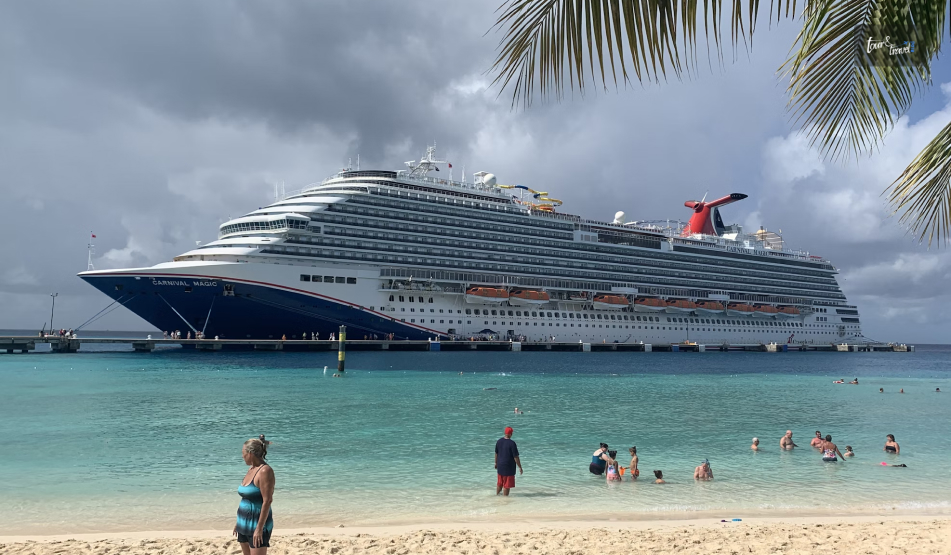
1. Carnival Cruise  

Carnival Cruise

An international cruise line, Carnival Cruise, is based out in the headquarters in Doral, Florida. A subsidiary of the cruise line is a part of Carnival Corporation & plc. The logo has a funnel-shaped look with the tail of a whale with the colors, blue, white, and red. If you are looking for February vacation ideas, this is it!  

Founded on 11 March 1972, the president of the cruise company is Christine Duffy. The company offers cruises to the Caribbean, Bermuda, and the Bahamas for singles! According to the reviews, it is one of the coolest ways to meet new people, make new friends, hook up, or recharge.  

If you book trips on some of the best cruises for families, it might be difficult for you to meet other single people. It is better to choose itineraries that are custom-made for singles. There are suites and cabins available on the cruise to suit the needs of singles.  

Of course, they are more expensive especially because the per-person double occupancy rates increase when it comes to single supplement. If you are looking for a “fun” experience with amazing food, this is your cruise.  

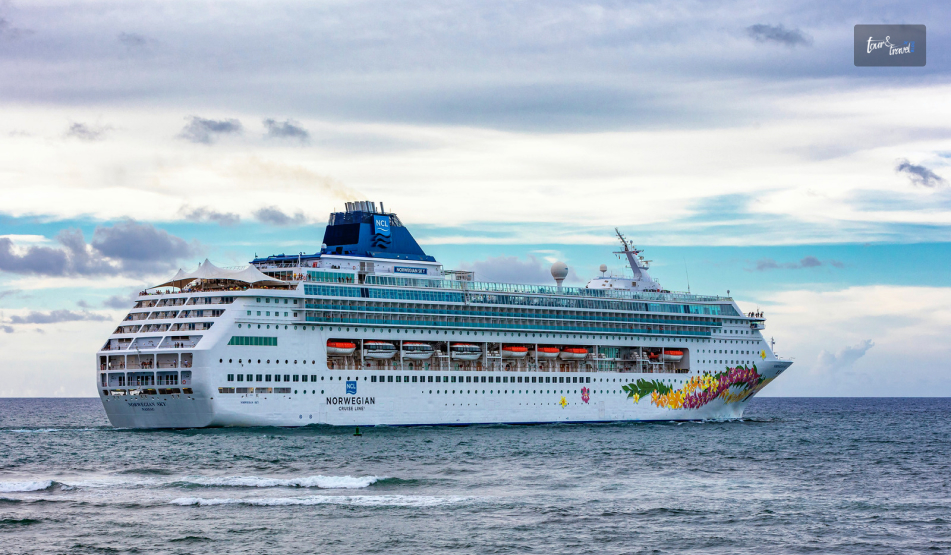
2. Norwegian Cruise Line  

Norwegian Cruise Line

If you are looking for a cruise where you can experience casual cruising along with meeting new people, you cannot go wrong with Norwegian Cruise. Founded in 1966, the cruise line has its headquarters based out in Miami. Another of the exotic places to travel, you can check it out.  

Furthermore, you will get a lot of discounts and promotional deals when you book your trip with them. The cruise itinerary for solo travelers makes sure that you get more freedom and enjoy your time with fellow single travelers.  

They have introduced fun innovative ways in which strangers can bond and might choose to hook up! They have doubled the number of solo staterooms on their ships thus accommodating the freestyle approach for dining and meeting others.  

Even the lounges and cabins have been designed in such a way that single people can mix and meet with others. I would say, it is a compelling option to choose especially when they are customizing a perfect environment for you to have the time of your life.  

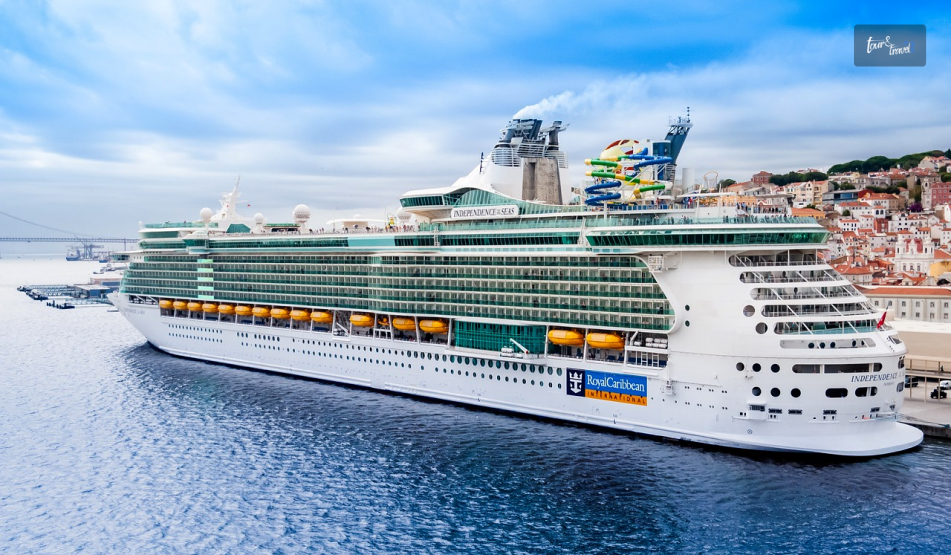
3. Royal Caribbean  

Norwegian Cruise Line

Another significantly cool cruise company, Royal Caribbean makes sure you have the time of your life if you are looking for the best singles cruises to hook up. They have been organizing single cruises since 1991 targeting singles who want to meet new people and hook up!  

With adult-only experience, the cruise company customizes mixers that are perfect for singles. There are selected ships on which singles can book staterooms but only on specific ships, especially if someone is cruising alone.  

Two specific ships, Oasis Class and Quantum are available for single occupants. In my opinion, Quantum is better if you are a solo traveler looking to meet new people. The overall effort by Royal Caribbean can be appealing to different solo travelers, especially with the various ships available.  

4. Margaritaville at Sea  

Operating two cruises, Margaritaville at Sea is an adult-only cruise creating an innovative itinerary. Built in 1991, the cruise is good for singles looking to relax and worth the money. The cruises are organized from Bahamas gateways to Caribbean voyages which offer you adventure.  

The ships explore places such as Key West, Florida, Bahamas, Freeport, and Nassau. If you are single and are looking for a 4 to 7 days week cruise, it is perfect for you. There are room services available, so for a single sailor, it is the perfect place to entertain someone they have met in their rooms.  

Additionally, there are also dining options where you have several options, be it for yourself or you and your partner, the one you are spending time with. You can try to have one of the best travel credit card while traveling, it is a good backup!  

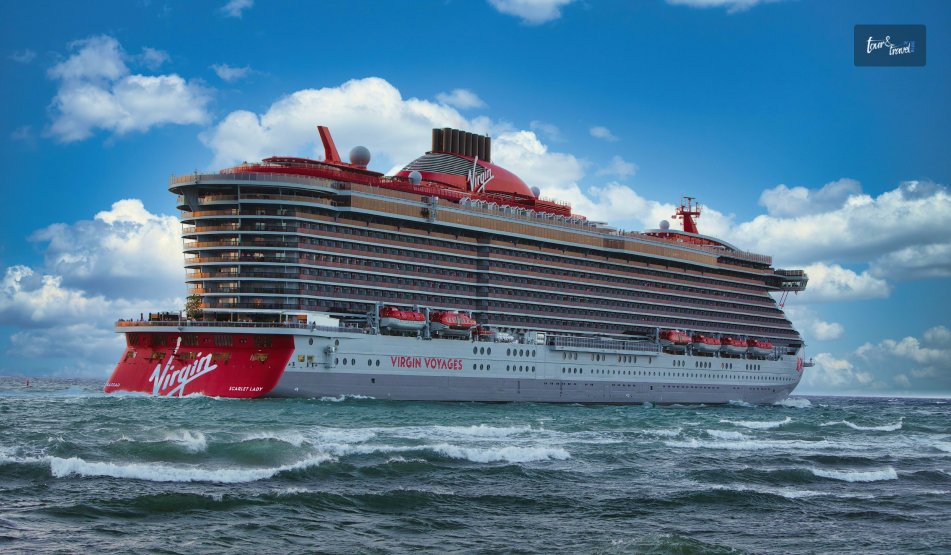
5. Virgin Voyages  

Virgin Voyages

The cruise line is not an exclusive singles-only ship, however, it is an adult-only cruise line. Virgin Voyages do cater to the needs of solo travelers and sailors, who are looking to create connections as adults. The environment of the ships is created to meet the needs of single individuals.  

Several factors influence the environment, be it the restaurant or bar atmosphere. You will also find several entertainment options starting with the lighting or the way music is used to amp up the environment. The lighting is perfect to set the mood of cabins and suits for single mature adults!  

Based on a lot of reviews, many individuals reminiscing about the amazing time they have spent on one of these cruises. They have memorable moments with strangers, and they have kept in touch. Most of these singles love traveling, which amps up their experience of meeting new people!  

Single Travelers Meet New People!  

In conclusion, single travelers should book some of the best single cruises to hook up to make the best of their trip! Be it the Caribbean, Europe, Alaska, or the Bahamas, you will find several cruise specials and weekend gateways creating the perfect cruise experience for singles.  

Additionally, you will also get to do several activities onboard the cruise. I have provided you with some of the best cruise lines, providing you the solo trips and delivering amazing travel packages.  

Comment below on which one you want to go to. Is there a specific location where you want to travel alone but with fellow single travelers and have the time of your life? Let us know in the comments. 

Also read

Share on Social Media

Sagnika Sinha is a content writer who is passionate about writing travel vlogs, entertainment and celebrity articles and literature-based pieces. With a 4 years experience in teaching, she loves reading books. A procrastinator by nature, she loves travelling, listening to music, planting and gardening.

Leave a Reply

Your email address will not be published. Required fields are marked *

title-img Related

READ MORE Hokkaido Beach

The Viral Hokkaido Beach: Where Snow, Sand, And Sea Meet

BY  Sibashree May 16, 2025

As fantasy is a driving force in Haruki Murakami’s work, the astonishing Hokkaido Beach in Western Japan is nothing short of a dream! It is the land where snow, sand, and sea meet. It’s surreal when you see snow-covered sand dunes appearing before your eyes against the backdrop of the sea. Also, the blocks of ice or jewelry ice in the Tokachi River mouth attract a lot of visitors in the winter.  And that’s not all! The beach has sandbars, volcanoes, coasts, and valleys.  Further, located inside the San’in Kaigan Geopark (a UNESCO Global Geopark since 2010), Hokkaido beach Japan, sits pretty between the eastern Kyogamisaki Cape in Kyoto, and western Hakuto Kaigan Coast in Tottori.  Do you also want to see Hokkaido beach snow and other unique attractions? You will find all the details in this Tour and Travel Blog.  What Is The Best Time To Visit Hokkaido Beach?  Hokkaido beach weather remains pleasant throughout the year. So, it’s a year-round destination.  However, if you want to witness the golden moments where the sea, sand, and snow meet, you have to plan a trip from December to February.  And let me spill the beans for you, Hokkaido Beach is not located in Hokkaido. Moreover, if you especially want to see the phenomenon of ice, snow, and sand meeting, you have to travel to the main island of Honshu. Why Does Hokkaido Beach Have So Much Snow? Hokkaido Beach has so much snow because strong wind blows and shift ice to the beach from late January to February.  This ice comes from the frozen chunks of freshwater from the Amur River. Further, during January and February, you will find icebergs in the water and on the beach. How To Reach Hokkaido Beach From Tokyo? The distance between Tokyo and San’in Kaigan Geopark, the home of Hokkaido Beach, is around 657 km.  The best way to reach San’in Kaigan Geopark from Tokyo is by taking a bullet train.  Take a bullet train from the Tokaido Shinkansen to Shin-Osaka Station. It will take around 2 hours and 30 minutes.  Then, travel on the Super Hakuto limited express train for 2 hours and 30 minutes to reach Tottori Station. Finally, you can take a bus from the Tottori Station to Hokkaido Beach. However, if you want to really enjoy the scene of ice, sand, and sea meeting, you have to take a cruise ride from Monbetsu, Rausu, and Abashiri.  Everything will appear before your eyes as an impossible dream as you see the Hokkaido Beach from the shore or an icebreaker.  Do you want some more adventure while exploring the beautiful Hokkaido Beach? You can go for a guided ice walk from Shiretoko.  And as you walk toward the beach, you will meet the most fascinating wildlife of the area. The sea eagles and white-tailed eagles, especially, will cross your path many a time.  You will see a real-life example of how the food chain in nature works as these birds prey on fish before your eyes.  Having said that, you will have to wear a dry suit and snowshoes for the walk. You will rent snowshoes from the Shiretoko National Park Nature Center.  Shiretoko National Park Nature Center: A UNESCO World Heritage Site On Your Way To Hokkaido Beach Shiretoko Peninsula, a UNESCO World Heritage Site and a national park, is a favorite of hikers. You can go for a hike through the Furepe Waterfall Trail.  The trail passes through a forest, and it opens in a meadow looked over by Mount Io, Mount Rausu, and Mount Tenchosan.  Finally, the trail ends with a fascinating cliff-side view of Furepe Waterfall. It looks the most fascinating during the winter season.  Due to extreme cold temperatures, the water of the waterfall gets transformed into blueish ice.  Exploring San’in Kaigan Geopark: Home To The Hokkaido Beach San’in Kaigan Geopark is a celebration of the Earth's heritage. Stretching over 245,844 hectares, this Geopark is also home to the Genbudo Cave, “known as the place where the term of Quaternary geomagnetic reversal polarity was first proposed with basalt.” **“The San’in Kaigan UNESCO Global Geopark is home to a diversity of geological sites related to the formation of the Sea of Japan, including granite outcrops formed when Japan was part of the Asian continent (70 million years ago), as well as sedimentary and volcanic rocks accumulated when Japan rifted away from Asia (25 to 15 million years ago) to form the Sea of Japan, a geological process still on-going today.”**- UNESCO Further, due to the unique geological features, the park is also home to diverse flora and fauna. You will find rare plant species such as Ciconia boyciana, Pseudolysimachion ornatum, and Ranunculus nipponicus here.  Moreover, you will be able to see many marine animals and avian creatures in the park. During the winter season, especially, you will spot marine animals such as: Steller sea lions Sea eagles Seals The Steller sea lions come here from the Kuril Islands in the south as the ice starts drifting toward the Hokkaido Beach.  Again, irrespective of the season of your visit, you will meet Blakiston’s fish owl in San’in Kaigan Geopark. It is an endangered species.  In addition, the nearby mountains here have some of the biggest mammals in Japan. You will find here “Ezo red foxes,” “Ussuri brown bears,” and “Ezo silka deer.” Hokkaido Beach Frequently Asked Questions (FAQs) Here are the frequently asked questions and their answers about Hokkaido Beach.  Does Hokkaido Have A Beach? Yes, Hokkaido, the northernmost island of Japan, has many beaches. The beaches and coastlines along the Sea of Japan, the Pacific Ocean, and the Sea of Okhotsk show diversity in their characters.Nevertheless, some popular beaches in Hokkaido are Shimamui Beach, Shiretoko Beach, Otsu Beach, and Otaru Dream Beach.  Why Is Hokkaido So Famous? Hokkaido is famous in the world for its milk and dairy products. It is also the land of inspiration behind many of Haruki Murakami’s work. Further, Hokkaido has a vibrant food scene with specialties such as Sapporo ramen and crab and scallop delicacies. Also, it has geological wonders such as Mount Asah volcano in the Daisetsuzan National Park and geothermal spots such as Noboribetsu Onsen.  Where Is The Beach Where Snow, Sand, And Sea Meet? Hokkaido Beach is the place where snow, sand, and sea meet. It is located in western Japan and it stretches between the eastern Kyogamisaki Cape in Kyoto, and the western Hakuto Kaigan Coast in Tottori. 

READ MORE 5 Popular 2 Week Treks in Nepal

5 Popular 2 Week Treks in Nepal

BY  Sibashree Mar 21, 2025

Nepal, a land of majestic peaks and fresh natural air is a dream destination for Trekkers around the World. Nepal holds the world's most prominent mountains and provides lasting trekkers with refreshing journeys through forests, tri-level fields, and snow-covered paths across its varied natural landscapes.  Nepal's many short trek routes like EBC, ABC, Manaslu Circuit Trek, Upper Mustang Trek and Annapurna Circuit Trek, let's all adventurous explore nature and culture in no amount of days. These five enjoyable Nepal treks below provide an excellent hiking experience over  just the time of two weeks.  1. Everest Base Camp Trek No journey can compare to the allure of Everest Base Camp Trek, one of Earth's most attractive hiking trails. As you travel up on this famous Moderate to Challenging difficulty level trail towards the heart of Khumbu, each step brings you closer to the world's highest mountain, Mount Everest. After landing in Lukla, travelers penetrate the Sherpa towns and dense rhododendron forests prior to crossing high altitude, glacier areas. As we move forward, Hikers reach Namche Bazaar, a lively mountain settlement with its delightful sights of prayer flags and teasing Everest views alongside Lhotse and Ama Dablam.  After this segment, the trail goes to Tengboche Monastery which preserves an old Buddhist heritage offering amazing views of Himalayan peaks. Starting the journey to Everest Base Camp tests your strength but promises you an icy and memorable encounter with High Mountain wilderness that carves into your memory. The Everest Base Camp trek runs for as little as a 12 day period even despite its steep environment and altitude. Spring (March-May) and autumn (September-November) represent ideal times for this trek as the stable weather in this time frame lets you see the mountains in their best light. If you want to skip some days to get aerial view of the Himalayas, you can take Everest Helicopter Tour which gives you 30 minute of stunning mountain views including the Everest. 2. Annapurna Circuit Trek The Annapurna Circuit route leads trekkers across Nepal's diverse landscapes, from subtropical forests bottoms then high-elevation meadows then ending at the edge of the Himalayan range. The route circles Annapurna Massif, offering awe-spiring views of peaks like Annapurna Dhaulagiri, and Machapuchare. The highlight of the trek is one of the world's highest trekking passes, Thorong La Pass (5,416m). The ascent here is tough, but despite the steep climb people reach the top feeling proud, enjoying breathtaking views across the horizon. While walking along the trails, hikers discover villages influenced of  Hindu and Tibetan Buddhist traditions blended, experiencing the warmth of the Gurung’s, Thakali, and Manang communities. Let’s not forget about Tatopani's natural hot springs. A dip here makes People experience relief from their tired muscles prior to heading to Poon Hill to witness one of the world's stunning sunrises over the Himalayas. This trek can be as long as 30 days, but we also have a 13 days route for this moderate to challenging Circuit trek. Advisable time periods would be March to May and September to November for an experience that is undisturbed by nature. 3. Manaslu Circuit Trek If you want to explore more remote and undisturbed trekking trails the Manaslu Circuit trek package stands out as a preferred route. The trek routes of the eight highest peaks in the World, Mount Manaslu (8163 meters) guides travelers through glacier rivers and scenic high-altitude passes. Unlike Everest and Annapurna, The Manaslu trail stands apart for it’s uncrowded and peaceful nature providing hikers perfect space for immersion in Nepal's unspoiled nature. The path follows original paths used by salt traders taking you through small Tibetan villages that have stayed true to their traditional ways since time immemorial. The most hard but fulfilling part is Passing through Larkya La La (5,106 meters) that requires physical fitness and endurance which results in incredible mountain views of Manaslu, Hiking Himal and neighboring peaks.  Trekkers find supreme enjoyment on the challenging Manaslu Circuit Trek. You need 14 days to complete this adventure and the advisable time period which offers optimal conditions would be from March to May and September to November. 4. Upper Mustang Trek This moderately difficult Upper Mustang Trek leads adventurers to Nepal's hidden land where trekkers encounter a stark contrast to Nepal's typical lush hillside regions. Also known as the “Last Forbidden Kingdom”, Mustang exists below the Annapurna range rain shadow, creating a beautiful desert-like landscape with deep canyons, eroded cliffs, and ancient caves. This trek feels like stepping in the past. This Ancient Tibetan territory holds centuries of Buddhist culture. Its many old monasteries, chorten temples, and traditional brick houses line its landscape. The walled fortress of Lo Manthang shows its whitewashed houses and royal palaces beside colorful fluttering prayer flags. The distinct features of this destination go beyond its special landscape. Mustang stayed hidden to foreign visitors until 1992, when they finally opened it to the public. The trek generally takes 14 days. The best experience would be between spring and autumn months, when the skies are clever and the weather dances mild. 5. Annapurna Base Camp Trek When seeking a quick but dazzling hiking adventure, the Annapurna Base Camp Trek represents an excellent choice.  In 14 days this trek brings trekkers deep into Annapurna Sanctuary, where a glacial amphitheater hosts Annapurna's peaks, including its main summit and four surrounding giants, Annapurna I, Annapurna South, Machapuchare, and Hiunchuli. The Annapurna region's lower slopes start with trails that run through cultivated fields, passing bamboo patches and traditional Gurung communities. Before the final ascent to the Annapurna Base Camp, hikers often stop to visit the Jhinu Danda for its natural hot springs.  This Moderate difficulty trek is indeed a little tough, but the 360-panorama view you'll get from here, that makes it all worth it.  The road to Annapurna Base Camp frequently links to Poon Hill, where trekkers enjoy the sunrise views above Annapurna and Dhaulagiri ranges. The trek is suitable for both intermediate and advanced walkers. To make the Hike even more memorable, advised seasons to visit would be Spring and autumn. Final Say No other nations on earth have trekking routes that match the legacy of the Himalayan routes of Nepal. Whether you dream of the mighty Everest Base Camp, wish to explore the hidden routes and valleys of Mount Manaslu and Upper Mustang, or want to dive into the rich culture of Annapurna region. There's a trek for it all. All these treks mentioned are perfect for the time saving Travelers who want an unforgettable Himalayan exploration during their brief vacations. Each one can be completed within two weeks. A short adventure that leaves a long and lasting impact on your memorial lane.

READ MORE Raja Ampat marine life guide

Raja Ampat Marine Life Guide: What Marine Species To See In Raja Ampat, Indonesia?  

BY  Sibashree Dec 29, 2025

Have you ever been to a place where the clarity of the water feels like liquid air? Yes, you have heard it right. I am talking about the waters of Raja Ampat in Indonesia. Also, the dense coral reefs here look like a kaleidoscope in motion.   Its strategic location in the Coral Triangle in West Papua has also blessed it with a diverse marine life. Did you know that Raja Ampat has “75% of the known coral species” and more than 1,320 species of reef fish (Source: UNESCO)?   No wonder it is called the Amazon of the Seas. Also, with UNESCO designating it as a Biosphere Reserve on 27th September, 2025, it is now one of the just two places on the earth to have the distinction of being a UNESCO Global Geopark and Biosphere Reserve at the same time.   So, consisting of four islands (Raja Ampat means Four Islands), Waigeo, Salawati, Batanta, and Misool, Raja Ampat is like the biological "bullseye” as the most diverse marine habitat on the planet.   Hi, in this Raja Ampat marine life guide, I will be talking about what marine species to see in Raja Ampat Indonesia.   Also, if you want to make the most of the underwater wonderland of Raja Ampat, check out our Raja Ampat diving trips.   With an unbelievable marine life and rock formations that go back to 400 million years, Raja Ampat is the “living laboratory” of marine conservation according to UNESCO.   So, when the water here has more than a thousand species to spot, let’s find out the Big 5 of the water here. These creatures are unique, and they are majestic. They also represent the mystery of water.   1. Manta Rays (Oceanic Manta And Reef Manta)  Raja Ampat is one of the rarest places in the world to have oceanic and reef Manta Rays. You can even spot them at the same time at the same cleaning station.   Oceanic Manta Vs Reef Manta   Reef Mantas, with even a massive 5-meter wingspan, are smaller than the Ocean Mantas. The wingspan of the Ocean Mantas is close to 7 meters.   Furthermore, Reef Mantas stay in large, social groups, while the Oceanic Mantas are pelagic wanderers.   Also, Oceanic Mantas feature a “T” shape on their shoulders. On the other hand, you can identify Reef Mantas from the “Y” or “V” shapes on their back.  What Are The Best Sites For Spotting Manta Rays In Raja Ampat?  Manta Sandy in the Dampier Strait and Magic Mountain in Misool are the best places for spotting Manta Rays.  In the Dampier Strait is a quintessential cleaning station for Reef Mantas. The site is shallow, and you will find the Reef Mantas moving over the "bommes" with cleaner wrasse doing their work.  Furthermore, Magic Mountain is the place where you will find both species. So, it looks like a Manta Ballet against the backdrop of the dark blue water. 2. Walking Shark Raja Ampat (Epaulette Shark) And Where To Find Them The Walking Shark, or the Epaulette Shark, is the mascot of Raja Ampat. These are called walking sharks because they can use their pectoral and pelvic fins like legs. So, they do not swim and “walk” across the sea floor.  These are nocturnal hunters, strictly. If you are going night snorkeling at Sawinggrai or Arborek, you will spot them walking past your mask. It’s a surreal experience, I must say! 3. Wobbegong Sharks The Wobbegong Sharks usually rest on the seabed. They also remain tucked under a coral ledge.  Wobbegong Shark Sightings: Spotting The Masters Of Camouflage  These sharks are also known as “Carpet Sharks.” They have mottled and ornate patterns. So, they can disguise themselves well. You will also spot a beard of fleshy tassels around their mouths.  You will often mistake these predators for a piece of weed-covered reef. Sardine Reef in the Dampier Strait and various areas around Misool to find the Wobbegong Sharks.  4. Pygmy Seahorses Pygmy Seahorses in Raja Ampat come in various species, such as Bargibant’s, Denise’s, and Pontoh.  Bargibant’s is the most popular, and they have pinkish nodules, which match the color of their host coral. Bargibant also hides in the Gorgonian fans. They never leave their specific host fan, spending their entire lives blending into its polyps. Denise’s pygmies are slender, and the whitish Pontoh pygmies are found on hydroids and algae.  Pygmy Seahorse Habitats In Raja Ampat  You will love exploring the top Raja Ampat dive sites in search of the Pygmy Seahorses. Dampier Strait, especially sites such as Cape Kri, Blue Magic, and Misool, are the best sites to spot these adorable marine creatures.  5. Cetaceans (Whales And Dolphins) The archipelago has deep-water trenches and powerful currents. So, the water is an important highway for marine animals.  Spotting The Whales And Dolphins The Dampier Strait is a primary migration corridor. So, you will frequently spot Spinner and Bottlenose Dolphins near your diveaboards in Raja Ampat.  Furthermore, you will find Pilot Whales, Sperm Whales, or Orcas in the deep channels between the islands.  Rare & Macro Critters: A Photographer’s Dream Raja Ampat coral diversity and the macro critters make it a favorite of photographers. You will come across diverse, bizarre animals in the reef.  1. Nudibranchs And Flatworms: The Living Jewels Underwater Nudibranchs or sea slugs are vibrant, and they shine like jewels in the deep blue water of Raja Ampat, thanks to their neon shades.  You will find various species of nudibranchs and flatworms in the waters of Raja Ampat. Chromodoris is the most common species, and they look unreal. They feel like they're straight from the pages of sci-fi movies.  You will find them in Misool areas such as Nudi Rock and Lalosi in the Dampier Strait.  2. Blue Ringed Octopus And Cuttlefish The tiny and lethal marine wonders, blue-ringed octopuses, come with a brown body. They pulse with glowing blue rings when they feel threatened.  Another marine wonder is the Broadclub Cuttlefish. They use their skin as a television screen. So, you will notice changing colors and patterns in seconds.  Misool, Dampier Strait, and water near Mioskon Island are the best places to find these macro marine creatures.  3. Wonderpus And Mimic Octopus  You will find Mimic Octopus mainly in sandy areas. As the name suggests, they can impersonate other sea animals such as lionfish and sea snakes.  Wonderplus has long and slender arms. Also, Wonderplus has intricate white patterns on its rusty brown body.  Spot these stunning marine animals in the water of Misool, Waigeo, and Batanta.  Marine Life By Habitat: Where To Look The best diving and snorkeling site for you in Raja Ampat will depend on the marine experience/animals you want to encounter.  So, you have to understand the habitat.  1. The Blue Water Mangroves The Blue Water Mangroves are in the Passage or near Gam Island. These are not usual muddy mangroves.  The water here is crystal clear, and it functions as a juvenile fish nursery where you can see soft corals growing on tree roots. It is a rare phenomenon.  2. The Seamouts Magic Mountain or Sardine Reef are the seamouts, and they are the main action spots because of their position in the path of strong currents.  The strong current here attracts many pelagic species. So, you will find "walls" of Bigeye Trevally, schools of Grey Reef Sharks, and thousands of Barracuda.  3. The Muck  Muck diving is a technical term, and it means exploring the sandy bottoms of the water. It is wrong to consider this place as empty, as you will find the rarest critters, such as Bobtail Squid, Seahorses, and Frogfish, here.  These critters usually remain hidden in plain sight.  Raja Ampat Marine Life Calendar Do you have some must-see species in mind when exploring the Raja Ampat marine life? You have to know the ideal season for spotting them, as the marine life of Raja Ampat changes with each season. MonthWater ConditionsManta SightingsHighlightsOctober - NovemberCalm seasModerateWhale shark season (Cendrawasih)December - FebruaryPeak calmVery HighPeak Manta season; large schoolsMarch - MayGlassy waterModerateGreat for Cetaceans (Whales/Dolphins)June - SeptemberWindy/ChoppyLowBest for Macro and Nudibranchs Snorkeling Vs. Diving In Raja Ampat: What Can You See? The reefs of Raja Ampat are healthy, and the water is crystal clear. So, even if you are not a professional diver, you can see most of the marine life in the top 5-10 meters of water. In other words, the marine life of Raja Ampat is equally accessible to a snorkeler and a diver.  Still, here is a quick breakdown of the experience you can expect during snorkeling and diving.  1. What You Can See In Snorkeling See blacktip reef shark pups, green turtles, and massive giant clams, just a few meters from the beach. Furthermore, you will spot Manta Rays at Manta Sandy from the surface.  Other icons to spot for snorkelers are the Wobbegong Shark and the endemic Papuan Walking Shark under the jetties or in the shallow reef flats.  The Blue Water Mangroves are the ideal spots for snorkeling if you are looking for unique habitats. Here, you will find vibrant corals growing on mangrove roots.  However, if you are looking for an aquarium effect, you have to snorkel near village jetties such as Arborek or Sauwandarek. These jetties function as artificial reefs. So, you have to just look down from the pier to find massive schools of batfish, fusiliers, and giant clams. 2. What You Can See During Diving  Pygmy Seahorses or Wobbegong Sharks typically hide at depths of 15–30 meters. So, divers can easily access them, and a snorkeler may not find them easily.  While snorkelers see the "greatest hits," divers get access to the sheer scale and the "hidden" details of the Coral Triangle. Also, as a diver, you can sit at the corner of a reef, such as Cape Kri, with strong currents, to find the Grey Reef Sharks, Giant Trevally, and Barracuda hunting in the deep blue. Furthermore, sites such as Friwen Wall or Melissa’s Garden offer dramatic drop-offs where you can see the transition from sun-drenched hard corals to deep-water Gorgonian sea fans. Moreover, divers can enjoy the underwater mystery at night to the fullest. Spot panish Dancers, Eels, and Crustaceans that hide in the deep crevices of the reef.  "The Nocturnal Shift": Why Night Diving Is Mandatory After sundown, the waters of Raja Ampat transform into a completely different landscape. The reef looks surreal.  Night is the only time to spot the Walking Sharks hunting.  Furthermore, once the Sun sets, marble shrimps, slipper lobsters, and sponge crabs come out from the cracks in the coral. So, it is like a crustacean explosion.  Want to see the bioluminescence? Just turn your dive light off and wave your hands. You will find the bioluminescent plankton sparkling in the water.  Quick Comparison: Snorkeling Vs. Diving FeatureSnorkelingScuba DivingEffortLow Effort: Jump in from the beach or boat.High Effort: Gear setup and boat transit.VisibilityBest in the top 5m (sunlight).Great at all depths (up to 30m+).Best ForCoral gardens, Turtles, and reef sharks.Pygmy seahorses, Drift dives, Walls.Main AdvantageUnlimited time; "unplugged" feel.Observing behavior; seeing tiny life.ConstraintLimited by surface weather/choppiness.Limited by "no-decompression" time. Conservation And Responsible Interaction A collective conservation effort between the visitors and local communities helps to maintain the fragile beauty of Raja Ampat.  The Raja Ampat Marine Park Entry Tag (PIN): All visitors must pay an entry fee. This "PIN" supports the patrol boats that prevent illegal fishing and funds community health and education programs. Rules for Manta interaction: To keep the Mantas coming back, there are strict rules. No touching, no chasing, and no flash photography at cleaning stations. Always stay lower than the Mantas and give them plenty of space to fly. Lens Guide For Photographers: Capturing The Marine Life Of Raja Ampat  Raja Ampat is a real test for photographers as the marine life is happening and unpredictable.  If you want to capture the Mantas, schools of fish, and the stunning reefs, you can use the Wide Angle (10mm - 24mm).  On the other hand, if you want to shoot the Pygmy seahorses, shrimps, and Nudibranchs, you must use the 60mm/100mm macro lenses.  Raja Ampat Marine Life Guide: Expert Tips Check the Current: The "split current" at Cape Kri brings the most action. You have to dive with the current.  Look for Gorgonians: Stop swimming and stare at a Gorgonian fan to find the pygmy seahorses. The bumps, looking out of place, indicate their presence.  Don't Ignore the Jetty: The pillars under Arborek Jetty are world-class. They are covered in soft corals and schools of Batfish. Night Snorkeling is Safe: Don't be afraid! Shallow night snorkeling or night diving is the best way to see the Walking Shark. Manta Hygiene: At cleaning stations (like Manta Sandy), stay low and don't exhale bubbles directly under a Manta; it can startle them. Mangrove Magic: Visit the "Blue Water Mangroves" near Gam. The water is crystal clear, showing soft coral growing on tree roots. Reef Hook Etiquette: Only hook onto dead rock. Never hook onto live coral or sponges. The "60-Minute" Rule: Keep your camera battery 100% charged, as many sites are shallow and dives can last over an hour.  Watch the Triggerfish: Titan Triggerfish are aggressive when nesting. If they raise their dorsal fin, you must swim away horizontally. Listen Underwater: In the Dampier Strait, you can often hear the clicks of dolphins before you see them. Listen To The Authority Voices: A Raja Ampat Marine Life Guide  Want to know what the authorities are saying about the Raja Ampat Marine Life? I have curated their take on the Raja Ampat waters and marine life from their various interviews and insights.  1. Mark Erdmann, The VP Of Marine Asia-Pacific, Conservation International Overtourism remains a concern for the conservation of the Raja Ampat marine life. In a Raja Ampat Research & Conservation Centre Report, Mark Erdmann mentioned, “If there is nothing else done to further control and limit the growth of tourism in Raja Ampat, there is no doubt that within five years we are going to see major problems in places like the Dampier Strait, where it is already reaching the carrying capacity.” He also said,  “Misool represents one of the most pristine reef systems left on earth — one of only a handful of places in the universe where biodiversity is improving rather than declining.” 2. Sylvia Earle (Oceanographer & Explorer) She has designated the Coral Triangle (specifically the Birds Head Seascape) as a "Hope Spot," calling it one of the most important places for marine biodiversity on Earth. Dr. Sylvia Earle designated the Misool Marine Reserve in South Raja Ampat as a “Mission Blue Hope Spot” in 2017.  Max Ammer (Pioneer Of Diving In Raja Ampat) Max Ammer has veen always vocal about the resilience of Raja Ampat’s reefs against coral bleaching. That is why it is stronger than the Great Barrier Reef.  Raja Ampat Shows How Vibrant And Resilient The Ocean Can Be  You can be a first-time snorkeler or a seasoned diver. You will feel a rare and strong connection to the marine world in Raja Ampat. The “Amazon of the Seas” continues to thrive, and with the conservation guidelines and respect intact, it balances the presence of macro and micro marine life.  Plan at least a diving expedition for 7 days, especially in the Dampier Strait region in central Raja Ampat, to meet the Big Five and more. Raja Ampat Marine Life Guide: Frequently Asked Questions (FAQs) Here are the frequently asked questions and answers about the Raja Ampat marine life guide. 1. What Is The Most Famous Marine Animal In Raja Ampat? The Raja Ampat Walking Shark, the Carpet Sharks, Pygmy Seahorses, and Manta Rays are some of the most famous and big marine animals in Raja Ampat.However, the colorful corals and endless schools of fish here, along with the macro critters, create an unforgettable marine experience. Raja Ampat became a Shark Sanctuary in 2013. So, you will see different species of sharks here, including: • Wobbegong (Carpet) Sharks• Whale Sharks:• Blacktip & Whitetip Reef Sharks:• Walking Sharks• Grey Reef SharksAlso, barring some minor threats from the Wobbegong sharks (because of their hiding nature), no major threat is observed or reported from the sharks in Raja Ampat.  2. Are There Sharks In Raja Ampat? Are They Dangerous? December to March is the best time to see Manta Rays in Raja Ampat. The plankton blooms are highest in these months, and you will find Manta Rays following each other, creating a train. The northwest monsoon winds create deep-water upwellings, leading to the higher visibility of Manta Rays.  3. Can I See Marine Life If I Only Snorkel? Yes, you can see marine life in Raja Ampat if you snorkel in areas such as Blue Water Mangroves, Friwen Wall, and Arborek Jetty. Within 5 to 10 meters of water, you will find marine life such as Giant Clams, Sea Turtles, Manta Rays, and diverse schools of fish. 4. Is Raja Ampat Safe For Beginner Divers? Yes, Raja Ampat has sites such as Arborek or Sawardarek, which are ideal for beginners. Also, many dives are simple drift dives where the current carries you once you jump into the water. However, you must not overlook the down-welling nature, strength, and unpredictability of the Raja Ampat waters. So, you will need expert guides. 5. What Are Walking Sharks? The Epaulette Sharks or Walking Sharks are harmless carpet snacks. Their movement looks like a walk thanks to their pectoral and pelvic fins, like legs. These endemic species are spotted best at night when they are out hunting.  6. Do I Need A Wetsuit For Raja Ampat? Wearing a wetsuit is not mandatory if you are a snorkeler in Raja Ampat. However, you can wear a 1mm to 2mm thick wetsuit to float effortlessly and provide sun protection. If you are a scuba diver, you will need a 3mm wetsuit even when swimming in the Raja Ampat waters, with an average temperature of 28 to 30 degrees Celsius. The wetsuit ensures that your body remains warm in the water. Also, it protects your body from tiny stinging planktons and hydroids. 7. Are There Whales In Raja Ampat? Yes, there are various species of whales in Raja Ampat. You can spot varieties such as Bryde’s Whales, Pilot Whales, Sperm Whales, Omura’s Whales, and Killer Whales. The Dampier Strait and the Sagawin Strait, to the south of Batanta Island, are the best places to spot these whales. 8. What Is The Visibility Like In Raja Ampat Water? The average visibility in the water of Raja Ampat is around 15 to 25 meters. However, the visibility of the water depends on multiple factors, such as the presence of plankton and nutrients, and the season. In the peak or dry season, between October and April, the visibility is around 15 to 30 meters. On the other hand, in the windy season, from June to September, the visibility is around 10 to 20 meters.  9. Are There Saltwater Crocodiles In Raja Ampat? Yes, there are saltwater crocodiles in Raja Ampat. However, the sightings are rare, and you will find them in areas such as Blue Water Mangroves, The Passage, and remote islands such as Batanta.