


How Many Days in Venice Do you really Need to Complete your Trip?

May 20, 2024

Last Updated on: Nov 12, 2025

Travel Guides

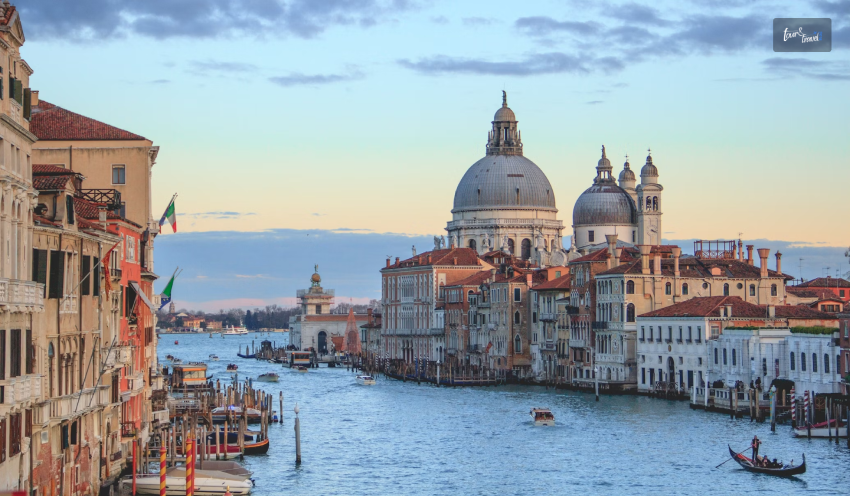
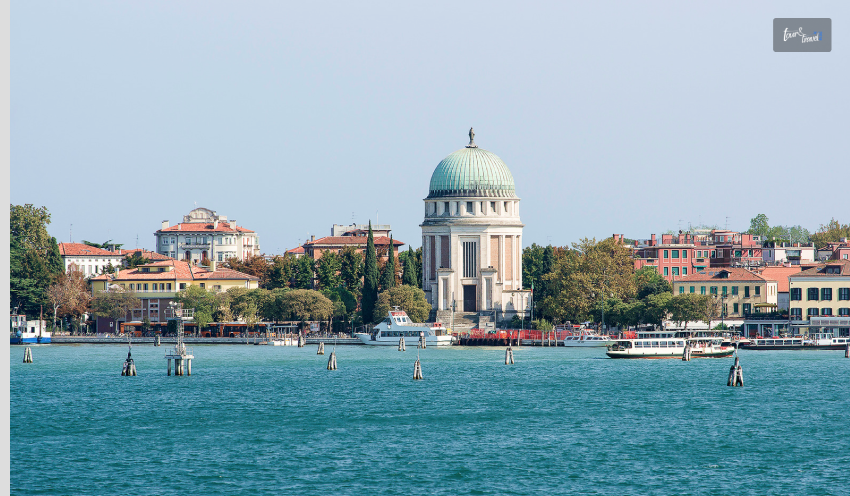
Are you going to Europe? If Venice is in your plans, let me share some of the plans that will be perfect for you. So, how many days in Venice are you planning for the trip? The capital city of northern Italy, Venice, is built on 100 small islands in a lagoon in the Adriatic Sea.

Moreover, there are hardly any roads, only canals through which you can travel using gondolas. The place is filled with buildings that represent the Renaissance and Gothic periods. You will love the ambiance and surroundings if you are an old soul like me. So, are you wondering best places to go in Italy?

You must also experience delicious food in Venice and visit these beautiful locations. It is very important to check out local food when you visit a place so that you can experience its culture.

Factors to Consider When Visiting Venice!

Factors to Consider When Visiting Venice

So, let me share with your certain aspects influencing your decision to plan your trip. The first thing you need to consider is the best time to visit! You must consider two things. If you are someone who does not like crowds, you can visit Venice during winter.

However, if your plan extends for a few days, summer is the best time to visit Venice. Furthermore, you need to consider mobility issues because they will impact how long it will take you to travel across Venice.

Apart from these factors, another important aspect is the Italian Itinerary! Your Itinerary will include the different places in Venice and the amazing eateries and restaurants. Accommodations come into the picture once you have decided on the places you must visit.

A Few Hours in Venice

A Few Hours in Venice

There are several options based on the number of days. Accordingly, you can decide how long you want to stay in Venice and how to plan it. If you are only in Venice for a few hours, you should concentrate on St. Mark’s Square. So, how many days in Venice?

It is one of the most popular places in Venice, as it is the main public square of the city! Apparently, Napolean claimed that this was the world’s most beautiful drawing room. The place is also known as Piazza San Marco, and it has a quite old history.

There is quite an open space, with several trees lining the place. There are several government buildings and facilities in this square. Now, if you are hungry, you can go to Bacarandino, a warm and welcoming Veneziano restaurant. You can find gluten-free options, as well as vegetarian and vegan options!

Another one is Osteria Numero 1, another Italian restaurant. It is a peaceful experience where you can spend a romantic evening with your partner enjoying delicious food. If you are craving Pasta, you can get hand-made Pasta here all year round. Very similar to some of the most romantic restaurants in Rome!

You can take a vaporetto and travel to the Grand Canal, the major water traffic corridor in the city! A public water bus is a Venetian beauty, and you can enjoy several locations as there are about 19 scheduled lines. Then you can visit Rialto Bridge, which is an architectural genius.

Another amazing place to visit is St Mark’s Basilica. It is quite close to Piazza San Marco! So, once you have indulged in delicious food, you can take a stroll and visit the religious and political center of the Republic of Venice.

One Full Day in Venice

One Full Day in Venice

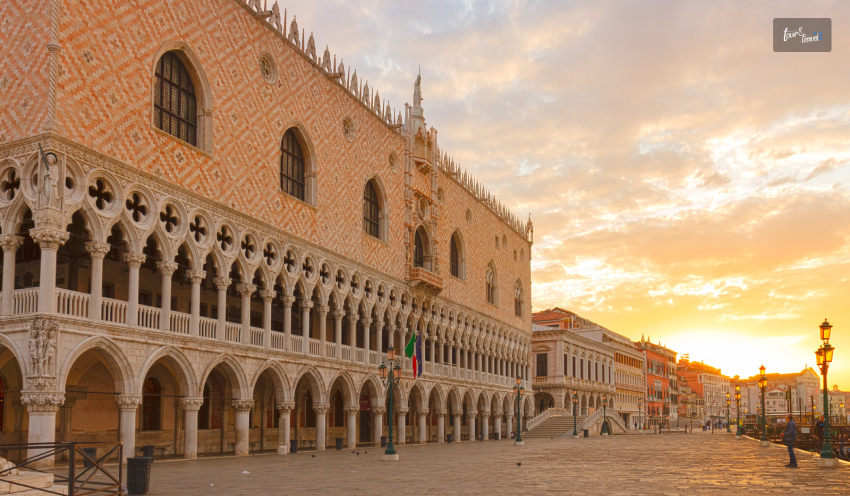
If you have a full day to spend, I will ask you to visit St. Mark’s Basilica first and then go to Doge’s Palace once you are done with the church. The church is significantly important for its religious relativity because it is the resting place of Saint Mark.

If you want to check out some grandiose gothic architecture, Doge’s Palace is a great place. Apparently, it houses one of the largest oil paintings in the world on canvas called The Glory of Paradise. The painting by Jacopo Tintoretto.

Several masterpieces, including sculptural decoration and Gothic architecture, are exhibited here. The artists who are exhibited here are Veronese, A-Vittoria, Titian, and Tiepolo.

Now that you are hungry, you can quickly go to Tuttinpiedi. A popular place in Venice, it serves food that feels like homemade street food pasta with different seasonings like wine or fish. Continue walking in the back streets after your lunch.

Later in the day, you can take a gondola ride through the canals of Venice.

Two Days in Venice

Two Days in Venice

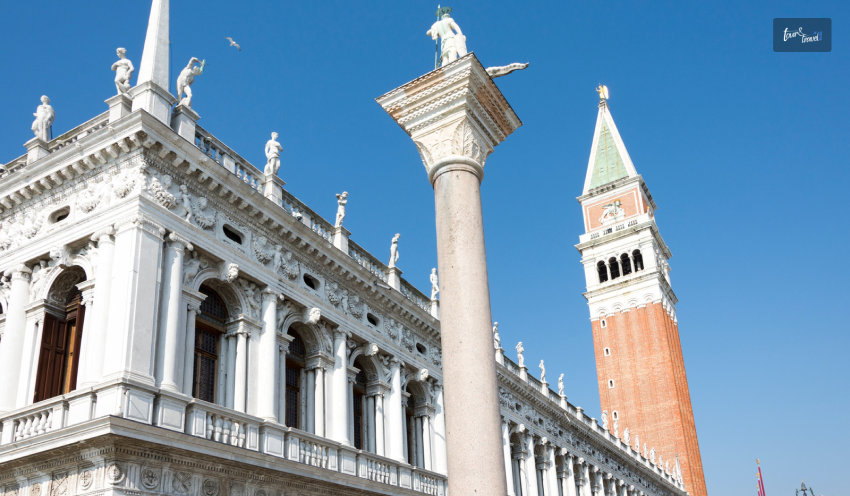
If your plans allow you to spend two days in Venice, I have the perfect Itinerary for you. Please make sure to visit St Mark’s Campanile. The bell tower is quite popular among tourists as people climb up to the tall structure and enjoy the beautiful views of the city from this bell tower.

You can go anywhere in the city and see the tall structure from there. Entry costs 12 euros. You must visit this place, as it is one of the most picturesque places in Venice. If you have a problem climbing the stairs, do not worry; there is also a lift to the top.

Nearby, there is also Ponte Dell’ Accademia, which you can visit. The Grand Canal of Venice is quite popular, and one of the four bridges on this canal is Ponte Dell’ Academia. It is at the southern end of the canal. If you or your partner dislike crowded areas, you can explore Cannaregio.

When you visit Cannaregio, you will experience an authentic side of Venice. With reasonable glass pieces, you can enjoy your time with food and friends. Furthermore, after you plan a day for it, you can go on a walk to visit Museo Fortuny and Ca Rezzonico.

You cannot miss Il Paradiso Perduto, where you can enjoy delicious traditional Venetian dishes. If you want to visit an opulent place to enjoy delicious food, you can go to Oro Restautant in the Cipriani hotel. It is quite extravagant and chic, so you can have a romantic lunch date with your partner.

Three Days in Venice

Three Days in Venice

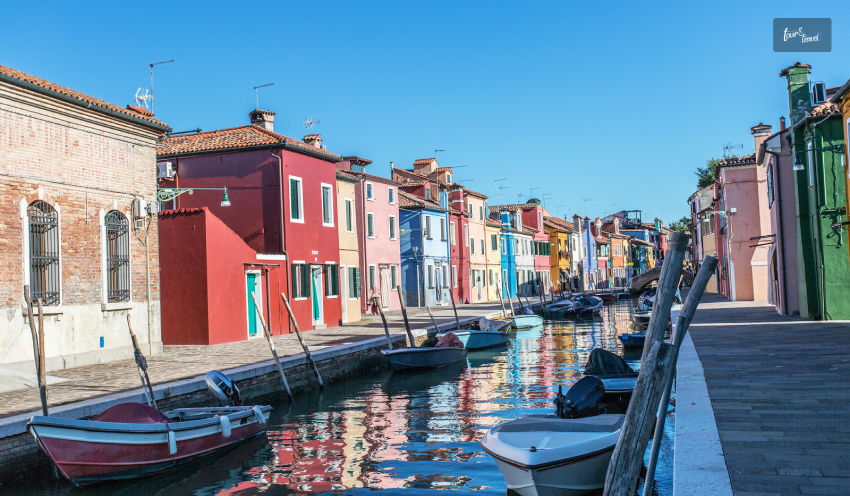
If you have three days to spend in Venice, I have an amazing plan for you! The first thing to do is head to the Murano and Burano Islands. The islands have the shape of a small Venice and are joined by bridges. They are quite popular for products such as lace, glass, and others.

There are also colorful buildings across these islands, so they are a perfect heaven for photographers and visitors. Burano is quite a popular place for risotto and fresh fish, and you must taste meat, delicious desserts, and fresh fish in Murano.

You can also take a gondola ride across the canals of Venice. It is one of the most romantic activities in life. Of course, you must visit St. Mark Square because, near it, you can visit different places such as St. Mark’s Basilica, the National Archaeological Museum of Venice, and The Doge’s Palace.

If you are a museum lover, you must go to Museo Correr! With its 18th-century interior, you will lose your breath. With an extensive collection of architecture and art illustrating the history of Venice, you will experience some of the best art in life.

Four or More Days in Venice

Four or More Days in Venice

This is one of the most wholesome days when planning an itinerary for Venice. If you want some beach time, go to Lido. There are also several beaches hence, there are many things to do in Venice Beach! A hamlet of the city, the water and the sand are quite gorgeous with limited crowds.

For a beautiful siesta with a book, this is a perfect place to enjoy yourself and relax. A one-day trip to Padua or Verona is an ideal way to spend the second day in Venice. With the names, I am sure you will realize it is from the famous Shakespeare novel Romeo and Juliet!

 There are many things to do with its gorgeous architecture, old-world charm, and quiet nightlife! If you like walking or taking a stroll when you visit a beautiful and romantic place like Venice.

There is a Jewish Ghetto, which you must explore when you have time. This place shows you the culture of the place; however, it is a place where the government is forcing the Venetian people to live there.

It would be best if you did not miss watching an opera at the Teatro le Fenice. An experience of a lifetime, the opera experience will stay with you forever.

Conclusion

In conclusion, we have provided several options based on the number of hours and days! If you are wondering how many days you will be in Venice, I am sure you have got your plan. You can decide on the places you will visit and the food you will enjoy when you visit Venice. Even though you will see a lot in Venice, it is packed a lot in a small space.

Apart from the crowds of tourists, there are picturesque canals, medieval alleyways, charming cafes, and beautiful streets to walk. Starting from St. Mark’s Basilica, the Central Square, and Piazza San Marco, you must cover all of it.  

Comment on how many days you plan to stay in Venice and which plan suits you the best! 

Learn More Also:

Share on Social Media

Sagnika Sinha is a content writer who is passionate about writing travel vlogs, entertainment and celebrity articles and literature-based pieces. With a 4 years experience in teaching, she loves reading books. A procrastinator by nature, she loves travelling, listening to music, planting and gardening.

Leave a Reply

Your email address will not be published. Required fields are marked *

title-img Related

READ MORE Chios Greece travel guide

Chios Greece Travel Guide: How To Explore Chios Beyond Santorini? 

BY  Sibashree Oct 29, 2025

Afternoon siesta is a cherished luxury where I come from. Thousand miles away, I did not expect to experience something similar in Chios, Greece. I was driving through Mesta, and the faint, sweet-spicy scent of mastic trees overtook me.  I noticed one strange thing! Not a single shop was open, and even the ATMs were closed, despite it being a weekday. Curious, I asked my guide, and he said,  “We loved our naptime in the afternoon. The shops are closed from 2 to 5 PM. We value our food and rest! There is nothing to rush!” This is the moment I felt at home in Chios.  Chios in the eastern Aegean was hit by one of the largest wildfires of recent times in June and August 2025. These incidents were a major blow to the mastic trees and the entire region, with many trees destroyed by the wildfire.  However, a few months down the line, Chios, Greece, is experiencing a positive rebound in its tourism landscape. Despite being a relatively new name compared to Santorini or the Amalfi Coast, it is gaining attention for its genuine charm.  Despite an increase in interest, the tourism model here is focusing more on sustainability. Also, it is avoiding mass tourism to preserve its cultural heritage.  In terms of accessibility, Chios is going to get a new airport very soon. Also, for hospitality, this eastern Aegean island depends heavily on family-run lodges. Moreover, the island is capitalizing on its natural beauty and medieval villages to stay true to the official theme of “Experience Chios.”  Hi, in today’s blog, I will talk about the Chios, Greece travel guide that takes you to local artisan workshops, cooking classes, adventurous places, and more. Exploring The Local Artisan Workshops And Experiences  The mastic resin is the signature product of the region. The Pistacia lentiscus var. chia trees produce this resin. These are called the “tears” of Chios. The aroma is faint, but it lingers just like the most beautiful melody of a flute. My mastic harvesting tour was already set, and the experience I had will stay with me forever. We talk about environmental protection and sustainability. The people of Chios practice it in their lives.  Nevertheless, along with the mastic harvesting tours, attending the weaving workshops, pottery classes, and distillation plants were the best local experiences in Chios. I also enjoyed my time at the local tavernas.  1. Mastic Harvesting Tours In Mastichochoria Pyrgi, Mesta, or other villages in the south are ideal for farm tours. These have cooperatives and farms, where harvesting takes place during August and September. I was lucky to be in Chios in August.  The farmers here “wound” the trees so that they weep, and the tears are collected. Then, the tears are cleaned using a process called “Kefalari,” and watching the entire process is an immersive slow travel experience.  I talked to an old man in Mesta who was collecting the resin by hand. As I approached him, he said, “We treat the trees like family. If one dies, we plant another. We also pass on these trees to our future generations.”  Standing there, I could almost hear my grandfather, who used to say the same things about the trees he planted.  In Mesta and Pyrgi, I saw the soil getting hardened wherever the resin had fallen. Children love collecting those.  If you want to learn more about mastic harvesting in Chios, you can visit the Chios Mastiha Growers Association (CMGA). It now has around 4500 members from the 20 primary cooperatives spread across 24 villages.  2. Weaving Workshops In Pyrgi The houses in Pyrgi look wonderful, with distinct black geometric decorations. On some walls, I saw diamond shapes; others had stripes, and some even featured crisscross patterns. There is also a personalized touch in these geometrical shapes. I was standing near a house appreciating the diamond-shaped designs on the walls. An old lady peeped, and I asked her whether she had done the design or not! She started giggling like a little girl and said, “I have hidden the name of my husband in these diamond designs. It was a lot of fun when I asked him to spot his name for the first time.”  Once again, I felt that emotions are universal and the art of finding joy in little things.  The village also has a tradition of weaving. Explore the traditional looms and try your hand at the craft.  3. Pottery Classes In Armolia Armolia is the epicenter of pottery traditions in Chios, Greece. It is like a kingdom of brightly colored ceramics. Kefalakia, a one-necked Chian ceramic jug, is a must-buy.  I tried my skills at a hands-on pottery class, and I must say that I was not so proud of what I made!  4. Soap-Making And Herbal Distillation Chios has the best flowers and herbs. So, you will find many small family-run businesses here, including soap-making and herbal distillation. They also make local olive oil, mastic oil, and distilled water.  These small businesses have kept alive the heritage of natural wellness in Chios.  5. Getting Lost In The Alleys Of Mesta At Night View this post on Instagram A post shared by ᴍᴇꜱᴛᴀ ᴄʜɪᴏꜱ (@mesta.chios) It may sound a little scary, but it was fun for me. Mesta is like a labyrinth, and exploring this fortified village was like a treasure hunt. Indeed, it was planned this way to confuse the pirates who wanted to rob the town.  After my dinner at the guesthouse, I wanted to take a quick stroll around, and after half an hour, I was clueless about the road to take.  The alleys twisted and turned until I stood before a stone archway and a dead-end courtyard filled with vines. I could listen to my footsteps on the cobblestone road, and after a few minutes, I sat on a rock.  Suddenly, something magical appeared before the eyes. The stars over the Aegean were unreal, and the absence of light pollution made it look like I could reach them by stretching my arm.  I cannot tell you how long I waited there, and suddenly a call from my guesthouse broke my trance. The receptionist asked me to wait for a while and sent a guide from the guesthouse to guide me back.  6. Eating And Drinking At A Local Taverna Most tavernas I visited during my stay on Chios did not have a printed menu. That’s actually good, considering the menu is decided based on the fresh produce available on that day.  My guide used to ask “Ti echete simera?” or “What do you have today?” The waiter used to read from the list of items that were offered for the day.  Wellness And Retreat Travel In Chios, Greece  View this post on Instagram A post shared by Royal Pearl Island Chios Hotel & Spa (@royalpearlisland) Chios opened its first luxury wellness retreat, Pearl Island Chios Hotel & Spa, last year. Nevertheless, Chios has been celebrating its unique wellness tradition for years now.  1. Mastiha And The Herbs Of Chios Furthermore, Chios has been harvesting mastiha for more than 2500 years, and this natural product has medicinal properties. In fact, this knowledge of cultivating mastiha has been identified as an Intangible Cultural Heritage of Humanity by UNESCO.  Mastiha gum has anti-inflammatory properties, it helps heal wounds, and it improves oral health and the digestive system.  However, mastiha is not the only herbal ingredient grown here. The region also has chamomile, sage, thyme, and oregano. Furthermore, Souma, a traditional fig-based spirit is a crucial element in the wellness tradition of mastic oil and mastiha, the signature of Chios.  2. Holistic Healing In Chios  The holistic healing facilities in Chios include meditation sessions near Mavra Volia beach. Furthermore, you can look for yoga retreats in secluded coastal villas and thermal spa visits in nearby Volissos.  Away from the crowd, the thermal spa visit near Amani was the ultimate rejuvenation for me after a busy day.  Cooking Classes And Culinary Tour In Chios, Greece I visited a cafe called Citrus Memories inside an old estate near Chios town. They served a citrus drink made with local fruits grown in Kampos.  The juice was not very sweet. In fact, the hint of bitterness in the drink was the kick. The garden of the old estate had orange trees and stone walls around. So, it was like being in a different era.  The citrus smell of the oranges offered the most refreshing olfactory experience, while the sound of cicadas was somehow felt healing. This was one of the best experiences of food and beverage in Chios, Greece.  1. Mastic Liqueur Tastings I tasted mastic liquor at a local taverna in Mesta. My guide told me that having the mastic liquor after food helps with faster digestion.  The one I tasted had just the right hint of anise. However, it did not overpower the drink's citrusy finish. The texture of the drink was clean, and it cleansed my palate.  2. Cheese-Making Workshops I took a guided tour of the Sinanis' family's traditional cheese workshop. You will notice a wonderful fusion of modern and traditional techniques in cheese-making. Furthermore, you will get to taste their cheese along with other local produce.  3. Traditional Bread Baking In Wood-Fired Ovens Making bread in wood-fired ovens is one of the most cherished culinary traditions of Chios. I was fortunate enough to visit the Klossas bakery in the village of Volissos.  Started in 1955, it is still run by the same family. The setup still has a traditional setup without windows, and they bake a limited variety of bread.  4. Farm-To-Table Cooking Classes With Local Chefs Many local chefs organize a farm-to-table cooking class using locally produced olive oil, citrus fruits, and seafood. I learned to make ipovrihio, a special sweet made using mastic. It is a flavored sugary paste served in cold water.  5. Festivals Celebrating The Food Of Chios  I was lucky enough to be in Chios in the month of August. I could attend many festivals celebrating the local food.  FestivalsSignificanceTimingSouma Festival• Celebrates the Souma spirit made from figs• Celebrated with local delicacies and traditional dance • First two weeks of AugustMountain and Livestock Festival• A three-day festival in Pityos• Vendors selling local produce directly to the public• July or early AugustAmateur Fishermen's Festival• Celebrated in Mesta• Kakavia, or fish soup, is served as part of the marine tradition• AugustPanagia Festival and Saint Markella Festival• Food and drink are shared at the village square • August and July, respectively Moreover, festivals celebrating local saints, such as the Feast of Agios Ioannis the Theologian, are ideal for enjoying local food and beverages. Goat or hake delicacies are served at the end of the religious ceremonies.  Adventure Activities Beyond Hiking The diverse geography of Chios makes it an ideal place for nature walks and hiking. However, it offers many unique adventures. For example, swimming in the tiny coves near Vroulidia and Agia Dynami was the best experience for me.  I started swimming at Agia Dynami early in the morning. The water was so clear that it felt like glass. I could see schools of tiny fish flickering like silver confetti.  Also, after the swim, I went to the taverna up the hill. The owner there served grilled fresh sardines. The dog under the table, taking a nap, made the picture perfect.  Nevertheless, sea kayaking, rock climbing, cave exploration, and mountain biking are some adventure activities in Chios, Greece. 1. Sea Kayaking Along Volcanic Beaches The southern coast around Emporios and Mavra Volia of the Black Pebble Beach is dramatic. The clear water here creates the perfect contrast with the dramatic volcanic beach.  I loved kayaking here and explored the surreal geological formations that we cannot reach on foot.  2. Rock Climbing In Kambia Climbing the limestone cliffs in Kambia offers serious adventure. The crowd here is smaller. Also, you will enjoy the most amazing views of the Aegean from the cliff top.  3. Cave Exploration In Olympoi Olympoi Cave is an active sinkhole. It has a unique geological formation surrounded by stalagmites and stalactites. It is a cooler retreat from the summer Sun, and every formation here tells the stories of the rich geological past of Chios, Greece.  4. Mountain Biking In The North The Amani Forest and the northern mountain ranges have many trails challenging the skills of a mountain biker. As the biker winds through the pine forests, they get to see the panoramic views of the surroundings.  Hidden Historical Sites In Chios, Greece If you are a history buff, you can explore the following locations in Chios, Greece.  • Daskalopetra (Homer’s Stone)  View this post on Instagram A post shared by Hidden Chios (@hiddenchios) Daskalopetra, or the stone formation at the center of this archaeological site near Vrontados, is said to be the birthplace of Homer. The ancient poet of the Iliad and the Odyssey.  Steeped in mythology, the place looks over the sea. It offers moments of quietude and looks the most beautiful during the sunrise hours.  • Anavatos Ghost Village  The location of the Anavatos Ghost Village on a sheer granite cliff itself looks surreal. Also known as the “Mistress of the Wind,: Anavatos has been lying vacant since the 1822 Chios Massacre.  I was walking through its alleys just before the sunset hours, and I felt history coming alive and the island celebrating its resilience at the same time.  • Phanai Archaeological Site  The Phanai Archaeological Site is at the southern tip of the island. It has the ruins of an ancient temple dedicated to the God Apollo.  This site does not receive many visitors. So, exploring the remnants of the Hellenic civilization was quite thrilling. The beautiful coastal views add to its appeal.  • Byzantine Churches  Everyone talks about the UNESCO-listed Nea Moni Monastery. However, in search of something lesser known but equally meaningful, I reached Byzantine churches in the mountain villages of the north. These offer stunning iconography and architectural details, often overseen by a single, welcoming caretaker ready to share local lore. Interactive Cultural Places In Chios, Greece If you are traveling with your family, you can explore the following interactive cultural places. These are ideal for multigenerational tourists.  1. Chios Mastic Museum Hours Open: 1st March to 15th October (10 AM to 6 PM) and 16th October to 28th February (10 AM to 5 PM) Entry Fee: Standard Ticket - €3, Concession Ticket: €1.5, Free on Specific Days Such as 18th May, 5th June, and the Last Weekend of September View this post on Instagram A post shared by Çeşme - Chios Ferry Tickets (@sunrise_lines) The Chios Mastic Museum celebrates the tradition of mastic production, an intangible UNESCO heritage. Located in the Pyrgi Village, the museum is inside an eco-friendly building.  This museum focuses on the uniqueness of mastic as a versatile product. Further, it shows how cooperatives have played an important role in the production of mastic products in the recent past.  2. Chios Castle Hours Open: 8 AM to 3:30 PM (Tuesday Closed) Entry: Free View this post on Instagram A post shared by Nazli Usta Lazaris (@yunanistandannotlar) Located in the north of the town center, Chios Castle used to be the fortified core of the town, starting from the Genoese period. Spanning over an area of 180,000 m2, the castle is still inhabited.  3. Giustiniani Palace Inside the Chios Castle, the Giustiniani Palace was the headquarters of the Genoese administration. As a museum, it holds archaeological and art exhibitions.  4. Chios Archaeological Museum Hours Open: 8 AM to 7 PM (Closed on Mondays in Winter) (Temporarily Under Renovation) Entry Fee: 10€ The Archaeological Museum of Chios has art exhibits from the Neolithic period to the Roman era. Furthermore, sculptures from the Prehistoric settlements, coins, inscriptions, mosaics, and more are exhibited in the museum.  5. Chios Maritime Museum Hours Open: 9 AM to 2 PM (Tuesday, Wednesday, and Thursday) Standard Fee: €3.00 Concession Fee: €2.00 Nestled in a neoclassical building, Chios Maritime Museum celebrates the rich maritime history of the island. It has nautical artifacts and ship models.  Beaches In Chios, Greece  Agia Dynami will always be my favorite with its calmness and the absence of any loud beach amenities.  However, Mavra Volia is a more touristy one, with its dramatic black pebbles and sapphire water.  Elinda Beach is another beach on the west of the island. It has a hidden cover, and it is famous for amazing sunset views of the Aegean.  A 5-Day Itinerary In Chios, Greece They say that 3-4 days are enough in Chios. However, for me, even the five days I spent here were not enough.  This is how I spent the days. DaysActivitiesDay 1• Mastic Harvesting Tour• Pottery Class in Armolia• Sea Kayaking near Mavra Volia• Attending the Souma Festival• Dinner at a TavernaDay 2• Early Morning Swim in Agia Dynami• Exploring Pyrgi and its Weaving Scene• Visiting the Mastic Museum• Visiting the Phanai Archaeological Site• Attending a Bread Baking ClassDay 3• A Trip to Daskalopetra and the Byzantine Churches• Visiting the Chios Castle• Exploring the Anavatos Ghost Village before Sunset Hours• Feasting at the Amateur Fishermen's Festival • An After-Dinner Stroll and Getting Lost in the Alleys of ChiosDay 4• Visiting the Chios Archaeological Museum• Mountain Biking near Kambia• Attending a Soap Making ClassTaking a tour of the Sinanis' Family's Traditional Cheese Workshop• Back to Chios in the Evening• Thermal Spa Visit near AmaniDay 5• Attending A Farm-to-Table Cooking Class• Collecting Olive Oil and Mastic Products• Off to the Airport Things To Remember For A Trip To Chios, Greece Here are some essential things you need to keep in mind for a trip to Chios, Greece.  Family Travel Tips• Visit shallow beaches like Agia Fotini• Choose kid-friendly tavernas with playgrounds.• Visit interactive museums and farms Eco-Tourism & Sustainability Tips• Stay in an eco-lodge• Visiting the Amani Forest and its protected eco trailsEco-Lodges and Sustainable Travel• Mastic Eco Retreat• Volissos Earth Homes• Amani Forest CabinsPhotography Spots & Sunrise/Sunset Locations• Sunrise at Daskalopetra• Sunset over Volissos Castle• Colorful alleys of Pyrgi• Black pebble beach of Mavra Volia• Panoramic views from Anavatos How To Reach Chios, Greece?  You have to reach Chios by air or sea. Here are the details. Also, many people include Chios as an extension of the coastal tour of Turkey, which is just a 30-45 minute ferry ride away.  Nevertheless, here are the details. By Air• Route: Direct flights from Athens International Airport (ATH).• Airlines: Aegean Airlines/Olympic Air and SKY Express.• Duration: The flight takes only 50 minutes.By Ferry• Route: Piraeus Port (Athens) to Chios Town Port (or sometimes Mesta Port)• Operator: Primarily Blue Star Ferries.• Duration: 7.5 - 10.5 Hours.From Turkey• Route: Çeşme, Turkey to Chios Town Port.• Duration: An incredibly short 30–45 minutes by high-speed ferry. Taking a car rental is the only way to explore Chios. However, if you drive, make sure that you can manage driving on the cobblestone streets.  What Is The Best Time To Visit Chios, Greece? April to October is the best time to visit Chios, Greece. Furthermore, April to June is the ideal time for adventures, and July and August are the ideal time for mastic harvesting tours, hitting the beaches, and taking part in the festivals.  September onward, the crowd becomes less, and you can enjoy the beauty of the quiet autumn here till October. November onward, the island does not have many tourists, and many facilities also shut down during these months.  Budget For The Chios Trip My trip to Chios cost me around $2000. However, that does not mean that Chios is a very expensive place. Here is a quick breakdown of the expenses.  ExpensesCostFlights$1200Accommodation for 4 Nights$180Food and Drink$150Local Transport$75Activities$150Total $1755 So, get ready to experience offbeat Greece and the most authentic Chios. Kaló taksídi! Chios Greece Travel Guide: Frequently Asked Questions (FAQs) Here are the frequently asked questions and answers about Chios, Greece. 1. Is Chios A Nice Island? Less than an hour away from Turkey’s coast, Chios is the fifth-largest island of Greece. It is a nice island with a pristine vibe and a rich heritage around mastic production, natural healing, pottery, and weaving. Furthermore, its historical ruins have many stories to share about the vivid past of the island.  2. Does It Snow In Chios? No, it does not snow in Chios because the air is typically around 62% humid. However, temperatures drop significantly in the months of January and February, and the temperature is around 6 to 12 degrees Celsius.  3. What Is Chios Food? Chios food is an extension of what is available as local produce. So, you will find the use of citrus fruits such as mandarin, local cheese such as mastelo, fish, and mastic resin. Furthermore, despite its distinct culinary heritage, food here shows an influence of the nearby Asia Minor. 

READ MORE natural drug detox

Nature’s Healing: How Camping Can Aid Drug Detoxification

BY  Sibashree Oct 22, 2025

I’ve got to say that recovering from any kind of addiction is a messy business. It’s never just about flushing things out of your system. It’s about fighting your thoughts, your habits, and all those little triggers.  Lately, I’ve noticed more people stepping outside to heal. Camping, of all things, has become one of those hidden gems in detox. Being out there, far from traffic noise and glowing screens, surrounded by trees and honest silence? It hits differently. Some even find it just as helpful as staying in a structured facility like the detox clinic. The Therapeutic Power Of Nature Have you ever stepped outside and just felt your shoulders drop? Nature does that.  Science loves to back this up, and Harvard even found that twenty minutes in fresh air can lower cortisol, the nasty stress hormone that spikes during detox. And honestly, that relief matters. Stress is like gasoline poured straight on withdrawal. When you’re camping, you can’t help but notice how calm things get. No alarms, no rush. Just breathing, listening, thinking.  It’s almost strange how fast you start noticing yourself again. For folks coming out of a storm of substance use, that reconnection to your emotions, your body, your thoughts isn’t just nice, it’s necessary. Camping Facilitates Natural Drug Detox By Improving Sleep Cycles  Camping improves your internal body clock as you are continuously exposed to the natural light cycle. So, by regulating your internal clock, you will get more sleep.  Furthermore, during camping, you remain busy with physical activities. You are hiking through trails, setting up the tent, cooking, and doing other recreational activities or survival chores. This is also crucial for improving your sleep cycle and quality.  Moreover, when camping in remote areas, you cannot use your phone, and you are also away from the daily stressors. With no pressure of deadlines and ETAs and all the chaos in your head vanishing in the thin air, you actually get a better sleep.  Community And Support There’s something wild about how people open up under the stars. I’ve seen it, how those late-night talks by a campfire, voices crackling right alongside the flames, do the magic. That’s a real connection, and it’s gold during detox. A big part of healing is not doing it alone. Most programs preach about support networks, but in the woods, that happens naturally.  You gather wood together, laugh over burnt marshmallows, and share your stories without judgment.  The National Institute on Drug Abuse even says social support can make or break recovery. Makes sense as feeling seen keeps you anchored when cravings hit or the loneliness creeps in. No clinic room can fully replace that kind of bond. Physical Activity And Mindfulness Camping gets your body moving, whether you plan it or not. You set up a tent, haul water, and climb a hill.  Little things that make you tired in a good way. That movement pumps out endorphins, which do wonders for mood, especially when detox brings anxiety or sadness along for the ride. Then there’s the quiet stuff, too. You find yourself being mindful without calling it that! Staring at a lake, flipping fish over a grill, sitting in silence until time just fades! It grounds you.  That kind of focus pulls you away from cravings and teaches you how to ride emotions instead of running from them. Funny how stillness can feel like a workout for your mind. Disconnecting From Technology Let’s be honest. We live glued to screens now. Scrolling when we’re bored, anxious, lonely, or anytime you name it. But camping forces a break.  The first few hours feel weird, almost twitchy without your phone, then a calm sets in. You start talking more, thinking more. Maybe even remembering what silence sounds like. People in recovery deal with enough mental noise already, and research shows that too much screen time can make anxiety and depression worse.  So, cutting that off, even for a weekend, resets something inside you. Suddenly, you’re aware of how addicted we all are to distraction more than anything else. Structured Activities And Goal Setting Some camping programs add a bit of structure, such as goal setting, small group reflections, maybe even creative tasks.  It’s not rigid like rehab, just guided enough to keep you focused. When done right, it helps you rebuild a sense of direction. There’s actually data from the American Psychological Association saying people who set specific, meaningful goals reach them more often.  And out there, surrounded by nature, those goals feel a bit more real. People talk about dreams they’d forgotten or things they want back in life. It’s refreshing—and it sticks. Camping: Setting The Rick Backdrop For Healing After Addiction Recovery Camping won’t magically erase struggle, but it changes the backdrop in a way that makes healing possible. It mixes nature’s quiet strength with genuine community and gentle self-discipline. It is kind of the opposite of everything that fed addiction in the first place. For many who’ve tried both, it’s a beautiful complement to formal detox options like those at the Detox Clinic.  Out there, in the dirt and sunlight, recovery starts to feel less clinical and more human again. Maybe that’s why so many find clarity under a canopy of stars instead of beneath a roof. Furthermore, camping boosts your self-sufficiency. If you are a solo backpacker, you have to dig the soil and set up the tent, light the fire, and do everything else. So, camping is a great confidence booster. You understand that you survive on your own and how strong you are.  All these help us create a positive image of ourselves in our minds. So, you don’t need to rely on any external stimulator or drugs anymore.  In addition, an inclination toward drugs arises from negative thoughts about our capabilities. Camping helps us overcome logistical and physical challenges. So, we become more confident about our abilities. 

READ MORE Langkawi RORO Ferry

Langkawi RORO Ferry: Your Gateway To Island Paradise

BY  Ankita Jan 30, 2024

Langkawi RORO offers a wide range of on-board ferry services to passengers for their ferry trip to Langkawi. The ferry operator company is constantly making efforts to provide a reliable and speedy service for passengers. Langkawi Kedah RORO Service has trained staff who have been providing services to passengers for a long period of time. Book your Langkawi RORO ferry tickets and enjoy a fantastic sail experience between Kuala Kedah and Langkawi Jetty.  Langkawi RORO Ferry Ticket Online Booking Langkawi, a captivating island located in Malaysia's Kedah state. It is a sought-after travel destination that attracts tourists with its beautiful beaches, stunning landscapes, and lively culture. The most effective method to get to this paradise is to take the LK Roro Ferry. The greatest part about this ferry is probably the fact that you will be able to board it along with your cars. The Langkawi Kedah RORO Management Sdn. Bhd. is completely committed to offering extraordinary travel experiences to our loyal customers. Their focus is on providing an unrivaled passenger ferry that bridges Langkawi and the mainland. It operates all day and every day of the year. With more than two decades of experience in the field of ferry, Langkawi RORO ferry remains constant. Its commitment to maintaining the highest safety standards throughout every ferry operation. Amenities on the Langkawi RORO Ferry Services The Langkawi Kedah RORO ferry can accommodate a capacity of 400 passengers. They aim to reduce delays and wait times to ensure a relaxing environment for all of our guests. The ferry is designed to meet all demands for cargo and freight of passengers! catering completely to commercial and non-commercial needs. The journey by boat to Langkawi is distinguished by luxury and comfort. The vessels are outfitted with modern conveniences, which ensure the smoothest and most enjoyable trip. Popular Langkawi RORO Ferry Services Routes Kuala Kedah-Langkawi, as well as Langkawi-Kuala Kedah, is the most well-known route that is served using the RORO ferry. The Kuala Kedah Jetty has been serving as the beginning point for your Langkawi excursion. The busy jetty is a bustling hub, brimming with tourists eager to discover the island. Kuala Kedah to Langkawi : Travel Duration The length of your trip to Kuala Kedah to the Langkawi Jetty is contingent on a variety of elements, such as weather conditions and ferry speed. In general, the Kuala Kedah to Langkawi ferry ride takes between 1 45 minutes and 1 hour, giving you plenty of time to take in the views from the beach and prepare for the exciting experiences that lie ahead in Langkawi. Langkawi RORO Ferry Schedule 2023 Planning is the key to organizing a trip that is well-organized. This is also true for Langkawi travel. The timetable you check in advance lets you align your travel plans to the ferry schedule, which will ensure that you have a smooth experience. Langkawi RORO ferry departs daily at 01:30 pm. Langkawi RORO ferry sets off every day at 01:30 pm and departs from Kuala Kedah Jetty to get to Kuala Kedah on its Langkawi journey. The ferry leaves at 9:15 AM at the Langkawi Tanjung Lembung Port for the return trip via Langkawi up to Kuala Kedah. For more info, contact: Kuala Perlis: 604-985 1899 / 604-9852539 / 604-985 2690Langkawi: 604-966 1125 / 604-966 1126. Getting to Langkawi By Air If you are coming to the island from Singapore, traveling by air is your safest and most hassle-free choice. It will take a mere hour and a half if you take a direct flight in order to reach the island. You have the option of Air Asia and Scoot. They both offer direct as well as affordable flights from Singapore to Langkawi each day of the week. If you do not have a problem with connecting flights, Malaysia Airlines and Malindo Air both stop at Kuala Lumpur International Airport. Getting to Langkawi By Road There are no roads connecting Langkawi. But you can drive from the Malaysian mainland, such as Kuala Lumpur, using a car or a bus to any of the following spots.  Ferry Terminal in Kuala Kedah is located on the northwestern coast of Malaysia. If you are planning to ride along the North-South Expressway, you must take the exit at Alor Setar Selatan and then follow the road signs. It could take around 6 hours to reach Kuala Kedah via a car from Kuala Lumpur. The ferry terminal at Kuala Perlis, which is further up, will take you about an hour longer.  The regular coaches and buses are available between KL and Kuala Perlis, and it takes about 8 hours. The buses usually leave from the Pudu Sentral bus station or even the Hentian Duta bus station in KL. You will find the bus stand within walking distance from the ferry clock at Kuala Perlis.   Getting To Langkawi By Train If you're traveling from Kuala Lumpur, it's advisable to book an ETS (Electric Train Service) ticket to Arau. Being the royal capital of Perlis, Arau is regarded as the starting point for the journey to Langkawi and Thailand, where every adventurer begins their journey to the island via Kuala Perlis Ferry Terminal. Choosing Arau as your final stop is recommended as it is closer to the port, and the ferry ride's duration will be shorter.  The journey takes approximately four hours and 49 minutes and is considered the fastest inter-state train service in Malaysia. If you want to enjoy a picturesque journey and are not in a hurry to reach your destination, this is a great travel choice. Ticket prices range from RM72 to RM92, and you can book your journey on the official website. Upon arriving at your destination, you can hire a Grab car or a taxi to reach the ferry terminal, which operates from 7 am to 7 pm. Wrapping Up You must have a passport that is valid for at least 6 months, and you will need one blank page to make an entry of the immigration stamp. Furthermore, you will not need a visa to enter the country. You could be visiting for business or pleasure for a period of 90 days or less, and still, you wouldn’t need a visa. If you have thoughts to share or questions to ask, please leave a comment below. We would love to hear from you! Read Also: 5 Best Temples To Visit In Bangkok Top 5 Reasons Why You Should Travel A Country By Ferry The Reasons To Choose A Tropical Island Vacation Every Year