


Best Mediterranean Cruises 2025 Destinations Right Here!

Feb 25, 2025

Last Updated on: May 27, 2025

Travel Guides

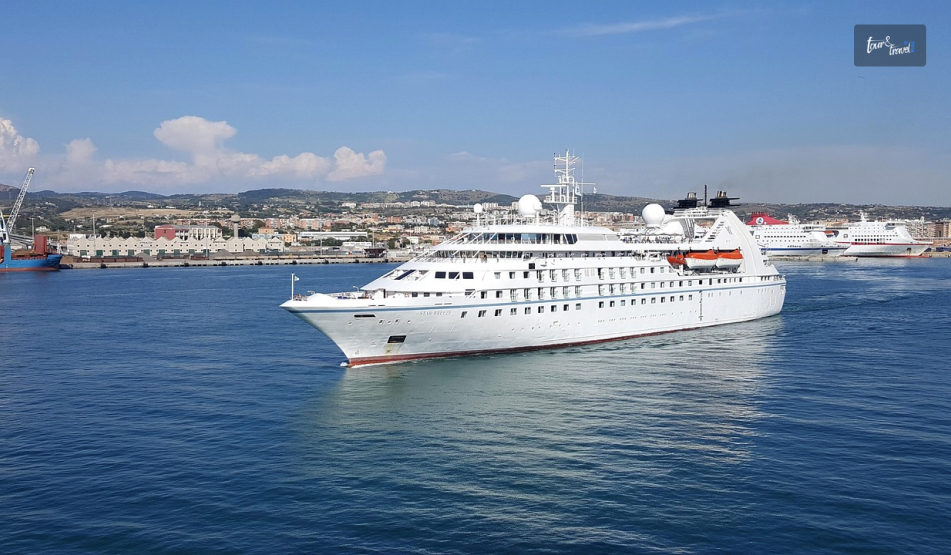
If you are planning a relaxing and luxurious vacation, you must book a cruise! Imagine having all kinds of amenities such as restaurants, pools, entertainment, and fun areas in a floating hotel or resort. Well, that is how you will feel when you book your spot on the best Mediterranean cruises 2025!  

Yes, you might face some issues if you have motion sickness especially if the sea or the ocean is choppy. However, in most cases, cruise ships are so big that there is minimal movement along with recent times technology, the stabilization technology.  

Let us explore more about some of the best cruises if you are making plans for February vacation ideas. Furthermore, you can choose a bit of both worlds, some adventurous activities and some leisure time!  

Best Mediterranean Cruises 2025 Destinations Right Here!  

If you are planning to go on a cruise vacation, nothing better than the Mediterranean cruises! Celebrity cruises bring you the perfect combination of beautiful scenery, dazzling ports, glamorous activities, and delicious cuisine in the form of Mediterranean cruises.  

If you are planning to immerse yourself in the historical culture of the Greeks, Romans, Persians, and others, this is the one way to go about it. What is more? Fruits, vegetables, grains, wheat, and olive oil represent the Mediterranean like no other!  

Have you always wanted to visit the Parthenon in Athens or the Colosseum in Rome? Well, what are you waiting for, book yourself a romantic holiday on the best Mediterranean Cruises. Discover the beautiful scenic views and experience the exotic locales and cuisine.  

1. Greece Cruises  

Greece Cruises  

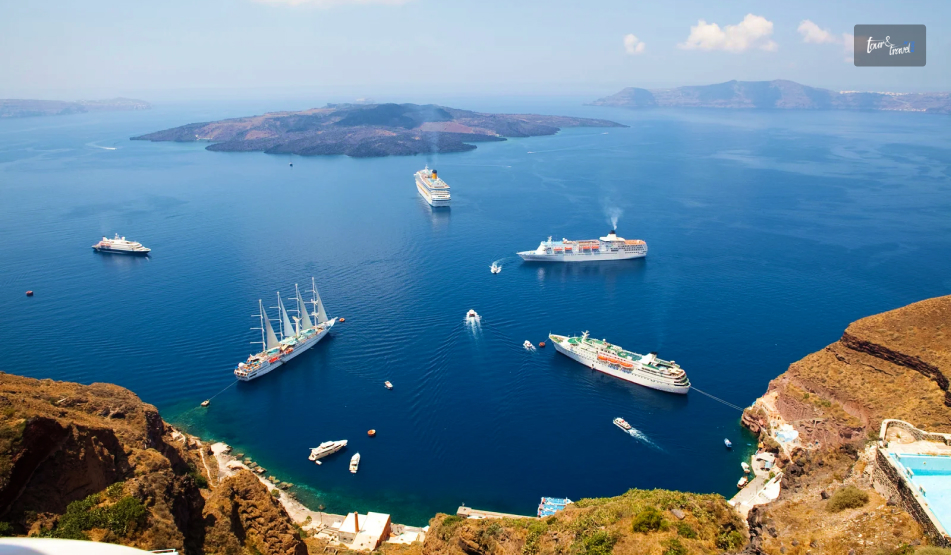
Want to explore the turquoise-blue waters along the white beaches? After all, Greece and the Greek Islands have some of the best views that nature can offer. Additionally, the historical and cultural heritage of the destination is known worldwide attracting visitors everywhere.  

You can explore a UNESCO World Heritage Site, Rhodes, visit the temple of Athena Lindia, or walk across the ruins of Kamiros. If you are someone who loves palaces and old historical places, you have gotta go to the Palace of Knossos and the Palace of Phaestos.  

Simultaneously, how can you miss visiting the Acropolis in Athens? Of course, there are several beautiful beaches adjoining small coastal towns offering you picturesque harbors in Mykonos, Santorini, and Corfu.  

2. Spain Cruises  

Spain Cruises

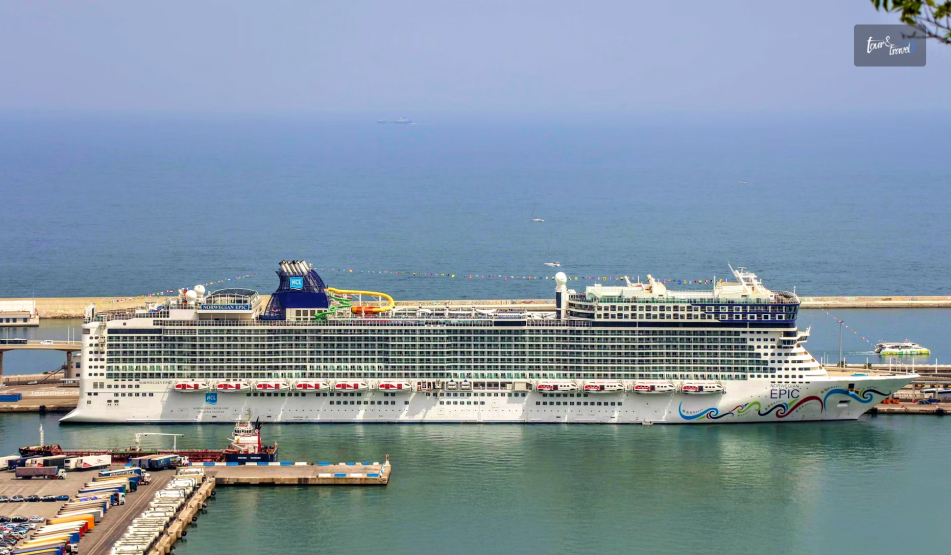
You can visit Barcelona, a place known for its football and cuisine while on the Spain Cruise. Departing from the US, one of the cruise companies, Celebrity Cruises, will take you on the ride of a lifetime. The trip will mostly be anywhere from seven to sixteen days itinerary.  

Furthermore, you can explore Portugal along with Spain on some cruises, so decide and accordingly make bookings. The cultural diversity you will experience when you get off the cruise for day trips or excursions will blow your mind.  

Additionally, the architectural heritage at the Giralda in Seville and the Alhambra in Granada will win your heart. Making a memory for a lifetime, you can go on exciting hikes around the active volcanoes and the calderas in the Canary Islands.  

3. Croatia Cruises  

Croatia Cruises  

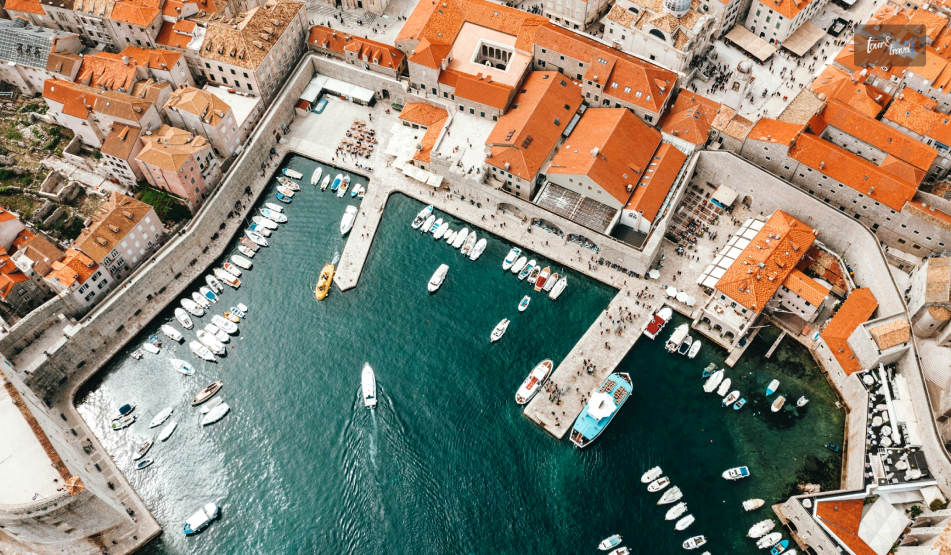
If you want both mountains and oceans together, I have the perfect destination for you, especially when you are booking some of the best Mediterranean cruises 2025. The city, Dubrovnik, is a UNESCO World Heritage Site which you must visit.  

With charming streets flanked by mountains on one side and on the other side, the Mediterranean. There is Modra Spilja Cave and Rector’s Palace in the location which you can visit once the cruise docks at the port.  

Simultaneously, the cruise will also take you to Split, an ancient Roman city. The seafront businesses and cafes are perfect for you if you love spending time looking at beautiful views and eating local cuisine such as Arabasici, Dalmatinska Pasticada, and Soparnik.  

4. France Cruises  

France Cruises

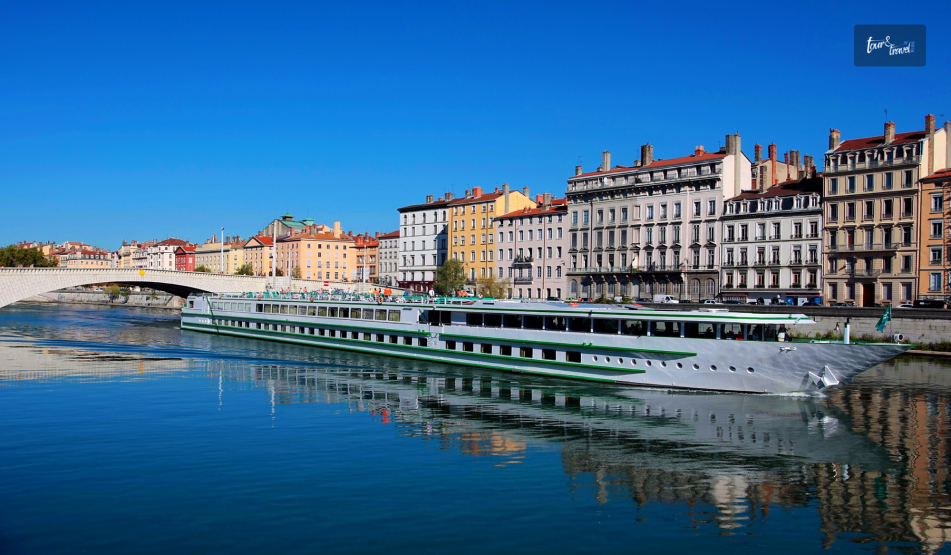
The minimum days for which you can go on a French cruise is three days, and it can go up to seven days. There are a few companies that function in the French Riviera namely Princess, Avalon Waterways, Viking, and others.   

Are you someone who enjoys architecture? Then you must go for one of these best Mediterranean cruises 2025. You must visit the 19th-century Romanesque-Byzantine Basilica, Notre Dame de la Garde, on your tour to Marseille.  

If you are an art lover, how can you forget the Mona Lisa at the Louvre? You can visit when you are on the cruise with France as your destination. Apart from taking a stroll across the open-air market and art galleries in towns like St. Paul-de-Vence and Baux-de-Provence.  

Lastly, you must visit the delicious bakeries offering you flaky croissants and creamy cheese-filled cakes. Known for their patisserie shops, you must try out those pastel-colored macarons.  

5. Rome Cruises  

Rome Cruises

Rome is known as the “Eternal City” for travelers all around the world! Starting from the port of Civitavecchia. The Rome cruise organizes beautiful trips including excursions where you will get immersed in the culture and the practices.  

Whether it is the Baroque Trevi Fountain or the ancient Roman Colosseum, you must experience these beautiful places. After all, Rome Cruises is not just historically perfect but inspiring if you want to book one of the best cruises for families.  

Do you know anything about the Cappella Sistina by Michelangelo? You can see that as well if you visit Vatican City with the beautiful Vatican museums! After all the place is known for its art scene. Are you someone who likes taking strolls on the streets when visiting a new place?  

When your cruise docks at the port, you can take a walk along the Tiber. Additionally, you can check out the Sant’Angelo castle.  

6. Israel and Egypt Cruises  

Israel and Egypt Cruises

One of the best Mediterranean cruises in 2025, if you have any plans to go on a cruise, this should be it for you. Nile and Egypt are known for their splendor with ancient wonders like Luxor’s Valley of Kings, Kom Ombo’s temples, and the High Dam.  

There are bustling markets in Egypt and Israel where you can go for strolling! There are other exciting port cities and museums, which you can visit when you are going on the excursion from the cruise. You will be getting a relaxed environment along with diverse cuisine and a lot of activities!  

7. Malta Cruises  

Malta Cruises

You can book the Norwegian Cruise Line (NCL) to visit Valletta, Malta, offering you a beautiful view of the world. You will fall in love with the place when exploring the museums, and historic sites such as St. John’s Co-Cathedral and check out the Baroque art.  

There are several limestone architectures as the Mediterranean Sea surrounds it with the sun shining all year round. When you travel on the cruise, you will love the view along with enjoying yourself on the sandy beaches. You can go swimming, sunbathing and hiking on these beaches.  

You can also visit the Grandmaster’s Palace while you can see the Grand Harbor from your cruise. If you know kayaking or want to learn about it, it can be an adventure for you when you go on a cruise trip.  

8. Italy Cruises  

Italy Cruises

The Mediterranean cruises that take you to Italy offer natural and cultural opportunities for all. The long coastline is one of the most beautiful places and the cruises will cover several well-known cities such as Rome, Venice, Naples, Siracusa, Genoa, and others. It is one of the best places to travel in Europe!  

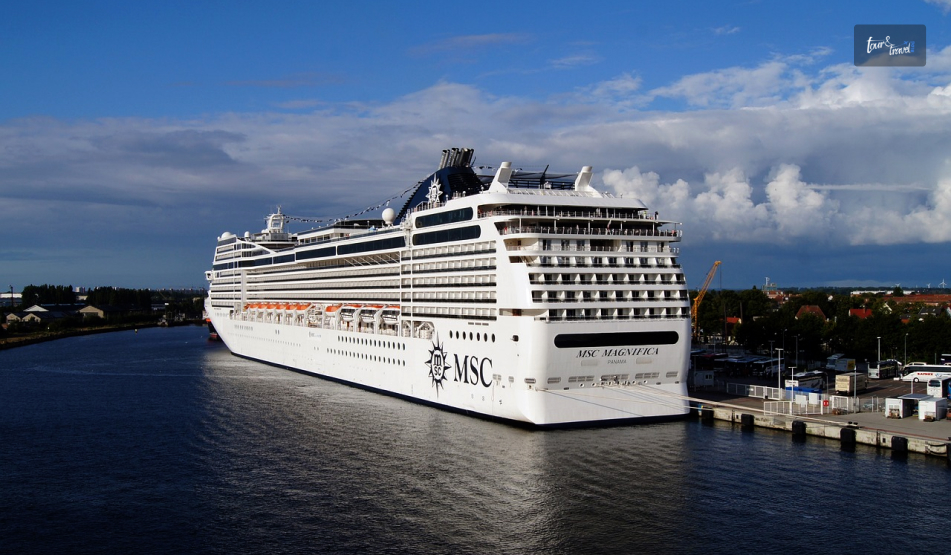
For example, there is a cruise company, MSC Cruises, that creates your tour package including land excursions apart from traveling by sea. So, the cruise takes you to Trieste along with Miramare Castle, Lecce, Matera, and Alberobello in Basilicata Puglia and others.  

You cannot miss visiting the gateway to Florence along with Pisa. Whether you want to travel to the best places to visit in February or try to book some of the best cruises for Couples, you must include Italy in your itinerary as a destination.  

Let’s Pack our Bags and Go…  

After all, when you are done packing your bags and booking your cruise, I am sure you will make a list of things you want to do. When returning from any one of these continents, be it Greece France, or Italy, you will always remember them.  

Comment below about which one of the cruises you are going to book when making travel plans. Additionally, you can also share with you cruise trips that have won your heart. 

Share on Social Media

Sagnika Sinha is a content writer who is passionate about writing travel vlogs, entertainment and celebrity articles and literature-based pieces. With a 4 years experience in teaching, she loves reading books. A procrastinator by nature, she loves travelling, listening to music, planting and gardening.

Leave a Reply

Your email address will not be published. Required fields are marked *

title-img Related

READ MORE things to do in santo domingo

What Are The Unique Things To Do In Santo Domingo, Dominican Republic? (The Site Of The First Cathedral In The Americas)

BY  Sibashree Sep 8, 2025

Santo Domingo, “The Capital” of the Dominican Republic, harbors the most happening Caribbean city life along with architecture that goes back centuries.  Further, with the whiff of cigars, the art galleries, and the most happening gastronomic scene, Santo Domingo offers the most vibrant experience.  However, in this Tour and Travel Blog, we will discuss the Zona Colonial or the Colonial City of Santo Domingo, its unique attractions, and the things to do in Santo Domingo.  The Key Areas Covered Are:What Is Santo Domingo Most Famous For? What Are The Unique Things To Do In Santo Domingo? My Ultimate Bucket List1. Visiting The Ozama Fortress2. Exploring The Colon Park3. Visiting Columbus Lighthouse4. Exploring The Ladies Street5. Feeling The Connection At Our Lady Of The Incarnation6. A Session With History At The Cathedral MuseumA Food Tour: Where To Eat In Santo Domingo?Is It Worth Visiting Santo Domingo?Things To Do In Santo Domingo: Frequently Asked Questions (FAQs) What Is Santo Domingo Most Famous For?  Santo Domingo is most famous for its Colonial City of Santo Domingo. It was inscribed as a UNESCO World Heritage Site in 1990.  Christopher Columbus arrived here in 1492, and after that, it became the “site of the first cathedral, hospital, customs house and university in the Americas.”  It was established as a colonial town in 1498, and it is called the “First permanent establishment of the New World.”  Moreover, the Dominican Republic got its capital, Santo Domingo de Guzmán, from the Colonial City of Santo Domingo.  Also, with its Plaza Mayor and the unique grid pattern, it became the benchmark of new American cities. The establishments, which have especially served as the model, are: Palace of the Viceroy Real Audiencia (Royal Court of Justice) Chancery  Cathedral Moreover, Santo Domingo is the place where Leyes de Indias, or the first laws of the West Indies, were first proclaimed.  In addition, the social fabric, traditional architecture, and the symbolic value of the architecture and the Colonial City of Santo Domingo are well-preserved even today, standing the test of time.  What Are The Unique Things To Do In Santo Domingo? My Ultimate Bucket List Visiting Santo Domingo has now become easier than ever with direct flight connectivity to Las Americas International Airport (SDQ) in Santo Domingo from CDMX or Ciudad de México.  So, there will not be annoying stopovers, and the journey will be more comfortable. Nevertheless, once you reach the first city of the New World, you can explore the following iconic landmarks.  1. Visiting The Ozama Fortress A Spanish architecture built under the guidance of Fray Nicolás de Ovando, the Ozama Fortress has a quintessential medieval vibe.  Many people refer to this as the “Walled Fortress,” as it is, of course, the “first permanent military structure in America.”  The 21-meter central tower of the fortress stands tall, while the canons facing the Ozama River, which were used to drive the pirates away, are still inside the fortress.  2. Exploring The Colon Park Parque Colón or the Plaza de Mayor is the epicenter of the Colonial City of Santo Domingo. It has an impressive statue of Columbus in the middle, and it is surrounded by the iconic architecture of the Colonial City, such as the Cathedral of Santo Domingo and the Cathedral Museum. Every corner of this place is Insta-worthy.  3. Visiting Columbus Lighthouse El Faro a Colón or the Columbus Lighthouse is a 37-meters high architecture, honoring Christopher Columbus, the man who discovered America.  The cross-shape of this lighthouse refers to America’s Christianization.  John Paul II inaugurated this structure in 1992, and today it is a museum and a popular venue for conferences and temporary exhibitions.  4. Exploring The Ladies Street Las Damas Street or Ladies Street has the distinction of being the “first street of the colonial city.” The government of Nicolás de Ovando built this street.  It got its name as ladies used to walk here, and today, the street has notable locations such as the Trampolín Museum, House of Hernán Cortés, and the Cocoa Museum.  5. Feeling The Connection At Our Lady Of The Incarnation The Minor Basilica of Santa María de la Encarnación, or the Primate Cathedral of America, Our Lady Of The Incarnation Cathedral, impresses with its unique Gothic architecture.  Inside the church, you will find Pagan, Christian, and Apostolic details.  6. A Session With History At The Cathedral Museum The Cathedral Museum celebrates the history of the First Cathedral of America through exhibits and objects related to the cathedral.  This museum has candelabras, paintings, and many other exhibits dating from the 16th to the 19th century. The museum also has a souvenir shop for collectibles.  A Food Tour: Where To Eat In Santo Domingo? View this post on Instagram A post shared by Ajualä (@ajualard) Santo Domingo has many cafes and eateries, especially around the Plaza Mayor. However, if you are looking for a fine dining experience, you can try the following places.  Places to Eat in Santo DomingoAddress and Contact DetailsSpecialtyMorisoñandoAddress: Las Américas Int'l Airport, Route 66, Cargo CityPhone: +1 829-659-5555 / Dominican Cuisines such as Travesía Callejera and Lambi. AjualäAddress: Calle Andrés Julio Aybar 13, Santo DomingoTelephone: +1 829-545-7503• Creole Duck• Kingfish Eyes• White Fish with Wild MushroomsLarimarAddress: Torre Altri Tempi , Av. Roberto Pastoriza 412, Santo DomingoTelephone: +1 849-449-1394• Shrimp Rice and Crab• “Black Truffle Cream with Mushroom Threads” Is It Worth Visiting Santo Domingo? Yes, Santo Domingo is worth visiting. There is something astonishing about how the city, with its colonial past in its heart, grows as one of the vibrant epicenters of Caribbean life.  Today, the Colonial City of Santo Domingo stands as the guardian angel, who watches over the city and adds wind beneath its wings to have modern infrastructure developments, the swankiest mall, restaurants, and hotels.  So, for anyone interested in the Colonial past or the history of America, Santo Domingo is a must-visit. Things To Do In Santo Domingo: Frequently Asked Questions (FAQs) Here are the frequently asked questions and answers about things to do in Santo Domingo.  1. Do They Speak English In Santo Domingo? Yes, many people in Santo Domingo, especially in tourist areas, speak English. However, Spanish is the official language of the Dominican Republic.  2. Is It Safe To Walk Around Santo Domingo At Night? While Santo Domingo is not dangerous at night, there have been instances of crime against tourists at night. So, stick to exploring areas such as Zona Colonial and use apps such as Cabify and Uber for a safe ride.  3. Can You Drink The Water In Santo Domingo?  The Santo Domingo Tourism has confirmed that you cannot drink tap water in Santo Domingo. You have to drink water from packaged bottles available at local shops, hotels, and restaurants.  4. Can You Wear Shorts In Santo Domingo? The Dominican Republic Tourism says that you should wear shorts at the beach. However, for casual strolling across the city or visiting its important landmarks, you must wear regular casual daytime wear. Also, Dominicans love to dress up, and especially in the evening, you will notice everyone decked up in nice outfits.  5. Does Santo Domingo Have A Nightlife? Yes, Santo Domingo has a vibrant nightlife. The Zona Colonial, with its old heart, is the epicenter of all nighttime fun. Furthermore, you will find upscale clubs in Avenida Venezuela, and Maleco is the place where you can catch stunning live performances.  6. What Is The Best Time To Visit Santo Domingo? December to April is the best time to visit Santo Domingo. Lower humidity, less rainfall, and moderate temperatures make these months ideal for tourists.  Read Also: Unique Things To Do In Montreal: Things You Must Not Miss In Canada’s Cultural Capital Unique Things To Do In Tuscany: What Is A Must-See In Tuscany? Valladolid Mexico: Exploring The City That Was Built In 1543

READ MORE

Do The Sand Dunes Come Alive At Kobuk Valley National Park?

BY  Sibashree Sep 11, 2024

Kobuk Valley National Park is surreal! Have you ever thought to meet sand dunes in the Arctic Circle? The unique geology of the park makes it possible. That’s not all! The Great Kobuk sand dunes stand here, along with the remains of the North American continental glaciers.  Three of the sand dunes in this national park are active or alive. The Great Kobuk Sand Dunes, Hunt River Dunes, and Little Kobuk Sand Dunes here cover a mesmerizing 20,000 acres of area in the park.   Today, hiking through these dunes is one of the most popular activities in the Kobuk Valley National Park.   While it is visually unusual or unexpected to see sand dunes in an Arctic National Park, you also need to understand that the Arctic region gets very little rainfall every year. So, this is also a desert region.   “Sand dunes in the Arctic landscape are not what you would expect. Since most people associate sand dunes with a hot desert environment, it is a visually unusual thing to see. In fact, what most people don't realize is that the Arctic is also a desert with very low levels of rainfall.”   - Christian, a Kobuk Valley National Park Worker  Having said that, how the sand dunes came to be here, and the experience of exploring them will be a great thing to discuss in this article.   This Is How The Kobuk Valley National Park Became The Land Of Sand Dunes   https://www.instagram.com/p/BWatGdVFuis/ Much of Alaska, including the Kobuk Valley National Park, falls in the Tundra region. Tundra, the coldest of the biomes, gets only around 150 to 250 mm of rainfall and snowfall yearly1. So, the national park has less rainfall than some of the most well-known deserts in the world.   Further, the sand dunes in the Kobuk Valley are as old as the Ice Age. Now, as the mighty glaciers moved forward and made a retreat, the rocks beneath got ground. Now, the blowing wind transported the sand into the empty and ice-free Kobuk Valley. The sand dunes in the park are up to 150 feet high, and they are the biggest, high-altitude, and most importantly, “active sand fields”  in the earth.   In The Land Of The Great Kobuk Sand Dunes  https://www.instagram.com/p/BgmZYDdAA_r/ Are you in the Sahara? No, you are around 35 miles above the Arctic Circle and still find the largest active sand dune field in the world. Today, it is a popular backpacking, hiking, and camping destination in the National Park. You must attend the Northwest Arctic Heritage Center to learn more about the outdoor pursuits in the land of sand dunes.  Let’s quickly look at why the Great Kobuk Sand Dunes is a preferred destination for camping, hiking, and backpacking.  The sand is steady enough for the landing of an aircraft with wheels.  You can put up your tent on any level surface.  Also, you can hike in any direction.  Further, you can board a float plane and reach the Kobuk River. From there, you can take a backpacking tour for around two miles and reach the dunes.  You must visit the Kotzebue Visitor Center if you have plans to take this backpacking journey to and from the Kobuk River.   There is no marked route for hiking.  In summer, the temperature in the sand dunes can reach up to 100 degrees Fahrenheit. Also, fall is the season to see caribou migration here.   However, there’s more to it! Let’s learn about the Great Kobuk Sand Dunes as relics of the Ice Age and how life thrived here.   Great Kobuk Sand Dunes: The Relics Of The Ice Age   https://www.instagram.com/p/BYwfdMYlr-0/ To know about the formation of the Great Kobuk Sand Dunes, we must go back to the Ice Age. Around 28000 years ago, glaciers in the mountains formed. I have already discussed how the glaciers ground the rocks and wind deposited them in the Kobuk Valley.   Further, approximately 14000 years ago, the glaciers made a massive retreat. As a result, there were 200,000 acres of sandy land formation on the river banks. Complex holocene activities and geomorphic preservations keep the sand dune field at the Kobuk Valley National Park active or alive. Along with the Kobuk Valley, small lakes in the park have also accumulated sand over thousands of years.   However, most of the landscape today is occupied by the vegetation of the national park, and the sand dune area consists of only 20,000 acres. The vegetation found here consists of the following varieties.  Wild rye  Grasses  Sedges  Kobuk locoweed  Wildflowers blooming occasionally  These species grow on the shifting sand, and they function as stabilizing agents. You can see shrubs, lichens, mosses, and algae following this vegetation. Finally, there are spruce, birch, and aspen trees covering the landscape.    The slopes of the Kobuk Valley sand dunes are the only place where Kobuk locoweeds grow. These plants belong to the pea family, and they are known for their purple flowers. If you want to see these flowers, you must visit the park in late June and July.   The inland dune field of Kobuk Valley National Park is surrounded by boreal forest.   Humans And Wildlife In The Great Kobuk Sand Dunes  https://www.instagram.com/p/Cv0EhpdLsJ5/ It’s amazing to see the Western Arctic Caribou walking through the Great Kobuk Sand Dunes. Fall and spring are the migration seasons for these animals. The north of Brook Range is the caribou herd’s calving ground, and they migrate to and from this place.   As the caribou herds pass through the sand dunes, their footprints remain in the ground for the longest time. According to National Park Service data, around 250,000 caribou pass through this national park annually.   No wonder that the Kobuk Valley National Park is one of the “last great migrations” remaining in the world. The table below gives you a brief idea about the animals and birds in the sand dunes.  Birds Sharp-shinned Hawk Golden Eagle Bald Eagle American Wigeon Northern Pintail Rough-legged Hawk Marsh Hawk Mammals Caribou Wolverine Muskox Snowshoe Hare Moose Gray Wolf Grizzly Bear Beaver Arctic Fox American Pine Marten Amphibians Wood Frog Fish Longnose Sucker Salmon* Northern Pike Alaska Blackfish Alaska Whitefish Humpback Whitefish Alaskan Stickleback Ninespine Stickleback  Human history in the Great Kobuk Sand Dunes is at least 8000 years old. They lived by the Kobuk River and were mainly focused on fishing, hunting, and trapping for survival. It is fascinating to visit the thousand-year-old hunting camps on the edges of the sand dunes.  The golden and shifting Great Kobuk Sand Dunes are located a few miles away from the Kobuk River. Further, the sand dunes soar up to 100 miles in the air.   Kobuk Valley National Park Is Also The Land Of Iñupiaq Subsistence  https://www.instagram.com/p/BWdjyOBl_Lw/ Human life, which started in the Great Kobuk Sand Dunes 8000 years ago, is still thriving with the mantra of subsistence. The Iñupiaq people here use the available natural resources to fulfil their physical needs and safeguard their spiritual and cultural requirements.   For example, they depend on caribou and salmon to feed themselves and their dogs. At the same time, caribou skin hide is extensively used to make parka jackets to combat Arctic winter. They also make mukluks or boots using reindeer skin to walk through the snow.   Further, the local people made baskets using birch and willow. Moreover, in darkness, caribou tallow or seal oil were the only ingredients to light up their stone lamps.   Irrespective of the trade with the coastal communities, the “customary, traditional and non-commercial” use of natural resources is still important in the park.   Iñupiat Ilitqusiat And Respecting The Ecosystem   https://www.instagram.com/p/CzjboNfsc4Y/ Aboriginal people in the Kobuk Valley National Park are committed to passing on their values from generation to generation. The Iñupiat Ilitqusiat value asks them to transfer the knowledge and skill of hunting and everything about life.  In addition, this transfer of knowledge helps to make the most of various seasons and subsistence opportunities. For example, the caribou season comes to this park after the salmon season.   Earlier, Noatak Valley was the destination for these people during the caribou season, and even today, some families move to Noatak Valley. Again, summer camping around the Kobuk River is common for fishing, especially catching salmon and whitefish.   Summer is also the season for harvesting berries and wild greens for the local people.  If you want to learn about the local people and their values, you must be respectful and understand their seasonal activities as a part of their subsistence practices.   Overall, the Kobuk Valley National Park is not just a place to see sand dunes and wildlife. It is a tapestry of human lives depending on nature.   Things To Know Before You Visit The Kobuk Valley National Park   For me, the sand dunes and Iñupiaq subsistence practices are the most fascinating things in the Kobuk Valley National Park. However, keep the following information handy if you are to pay a visit anytime soon.   Mode of Transport: Authorized air taxis from Kotzebue or Bettles  Visitor Center: Northwest Arctic Heritage Center  Entrance Fee: Free  Permits Required:  Commercial Use Authorization or CUA for commercial activities, Research Permits, Filming and Photography Permits  Activities to Do: Boating, fishing, camping and backpacking, hiking, flight-seeing and exploring nearby attractions  Best Time to Visit: June to July   Area: 1,750,000 Acres  Established: 2nd December, 1980  Number of Visitors: 17,616 (2023) (National Park Service Data)  Snowfall, downpours, and extreme weather conditions can occur in any season of the year. So, follow the instructions shared at the visitor center and keep your gear ready for survival!  

READ MORE things to do in rome

Roman Revelations: Unforgettable Things to Do in Rome, The Heart of Italy!

BY  Abdul Aziz Dec 27, 2023

Rome is unlike any other place. Here are some of the best things to do in Rome, as recommended by locals, whether this is your first or 20th visit. This is a city where narrow streets lead to stunning temples, the mound serves pasta, and there are endless opportunities to people-watch. There's a reason it's one of the most well-known cities in the world, but you can only truly appreciate its allure if you visit. Things To Do In Rome It's important to have a plan because Rome is much larger than you may have imagined. Archaeological finds, famous art collections, and an abundance of culture can all be found here, making you want to visit again and again. But don't worry, you still have plenty of time to enjoy an aperitif outside in the warm sunshine and digest your lunchtime pasta. Vatican Museums And Sistine Chapel Across 54 galleries, courtyards, and hallways, the Vatican Museums, established by Pope Julius II in the sixteenth century, are home to one of the greatest and most significant art collections in the world. The Sistine Chapel is home to thousands of prehistoric sculptures, Raphael pieces, and, of course, Michelangelo's frescoes. Get tickets to explore the Vatican Gardens, which are home to fountains, plants, and a recreation of the Our Lady of Lourdes Grotto, as well as the Vatican Necropolis, which is beneath St. Peter's Basilica, if you have the time and can arrange well in advance. The Colosseum The Colosseum is a must-see when visiting Rome, of course. Rome's crown jewel is this magnificent building—you know, the kind of thing you see on postcards—and it's even more amazing in person than you could have imagined. It is the world's largest amphitheater, with a capacity of 80,000 people, and was constructed between 72 and 80 AD. This used to be much more peaceful, with local Romans coming to watch animal hunts or bloody gladiator fights. Because of the sometimes insane lines, we advise purchasing tickets in advance. However, the 360-degree view over the theater on the fifth level makes it well worth the climb. Castel Sant’Angelo Hadrian, the Roman Emperor, constructed the striking cylindrical fortification known as Castel Sant'Angelo, or "The Castle of Angels," on the banks of the Tiber River in the second century AD. The popes used it as a castle and fortress after it was first inaugurated as a mausoleum for Hadrian and his family. It even has a hidden escape route connecting the building to Vatican City. These days, it's a museum featuring rooms decorated with frescoes, a display of medieval weapons, and expansive views of Rome and the neighboring St. Peter's Basilica. Inside is a small cafe where you can have a drink or some snacks while taking in views of the Vatican. The Pantheon One of the best-preserved ancient structures is the Pantheon, which was constructed by Emperor Hadrian in 125 AD. With a diameter of 142 feet, its dome is the biggest in the entire globe. This is a must-see in Rome, and if you're visiting the city over Pentecost weekend, you're in for a treat. This tops every tourist's list of things to do in Rome. To commemorate the occasion, tons of rose petals are dropped from the oculus during Sunday Mass. It's quite a sight. The Pantheon is free to enter as of the time of publishing (May 2023), but there are plans to charge visitors an admission fee of €5. Galleria Borghese Originally built in the sixteenth century, Cardinal Scipione Borghese showcased his extensive art collection under its roof. It is still regarded as one of Rome's top museums. Expect to find extraordinary creations within, as the Cardinal was an ardent art collector who was also a big fan of Caravaggio's works and an early patron of Gian Lorenzo Bernini. Highlights of the museum include Caravaggio's Boy with a Basket of Fruit, Canova's Paolina Bonaparte, and Bernini's Apollo and Daphne. Take a stroll through the park after your visit to the "pleasure palace," which was once a suburban villa submerged in the vast gardens of Villa Borghese. Domus Aurea The opulent Domus Aurea (Golden House) of Emperor Nero is a rare window into Rome's underground world and is regarded as one of the most magnificent homes of its era. It was constructed as an opulent amusement venue close to the Colosseum between 64 and 68 AD, covering numerous historic hills in Rome. It was then devastated by the city's destructive fire in 64 AD. Every Friday, Saturday, and Sunday, guests can participate in guided tours. A virtual reality tour is also available, which helps recreate the villa's former splendor. Read Also: Eternal Elegance: A Guide To The Best Hotels In Rome Capitoline Museums The Capitoline Museums are housed in three buildings on the trapezoidal Piazza del Campidoglio, which Michelangelo created in the sixteenth century. Known as the world's first public museums, they hold Renaissance marble statues and Roman bronzes, including the Capitoline Wolf, a symbol of Rome's founding, and the Equestrian statue of Marcus Aurelius. An underground tunnel through the Galleria Lapidaria connects the two buildings of the museum. Visitors can also enjoy a superb view of the Roman Forum. Make time to spend a few hours perusing the collection, and don't forget to pay a visit to Piazzale Caffarelli's hidden garden, which is tucked away right behind the square. Gianicolo Rome sometimes referred to as the "city of seven hills," is renowned for its picturesque viewpoints and abundance of terraces that provide breathtaking views of the cityscape. Gianicolo, the highest point in Rome with a panoramic view over the Eternal City, is worth the trek even though it isn't technically one of the fabled hills. It is situated above the Trastevere neighborhood. Nearby is the magnificent Fontana dell'Acqua Paola, which was featured in La Grande Bellezza's opening scene. Its majesty will astound you. Testaccio Market The Testaccio neighborhood is the epicenter of Rome's culinary traditions, making it a must-visit destination for foodies and daring diners alike. The region was once home to the biggest slaughterhouse in Europe, and workers were typically compensated with leftover animal parts, known as the “quinto quarto,” or fifth quarter. The Testaccio Market, a bright and modern structure full of enticing stalls, serves everything from freshly made pasta and craft beers to tripe stews and artichoke sandwiches. It is one of the best things to do in Rome while enjoying the varied cuisine and delicious street food. Wrapping Up Rome, with its two millennia of architecture, art, and culture, is an outdoor museum and one of the most visited cities in the world for good reason. You can lose hours discovering historical marvels, traveling between sites, or searching for the best gelato, but insiders use guided tours and skip-the-line entrance tickets to beat the crowd. Hop-on, hop-off tours let travelers quickly check off items on their lists of things to do, but group excursions to the Vatican Museums, Roman Forum, and Colosseum provide a deeper experience. If you have thoughts to share or questions to ask about things to do in Rome, please comment below. We would love to hear from you! Read Also: The Italian Train Group FS Will Launch A New “Night Train Like Hotel”: Rome To Dolomites Tips For Planning The Perfect Getaway In A Rental Villa In Italy How Much Time To Spend In Italy