
Tips To Help Plan For Your Wedding & Honeymoon In Northern Beaches

Dec 13, 2023

Last Updated on: Jun 13, 2025

Travel Guides

For the vast majority of people in Australia, their wedding day is a pretty big deal, and it is something that they have been thinking about for most of their life.

Due to its importance, it is a day that needs an incredible amount of planning, and many would-be brides start planning the moment that their partner proposes to them.

This is an incredibly important day for both the bride and groom, but it is equally important for all of the guests that you are going to invite to celebrate your big day. If you have been lucky enough to have been proposed to quite recently, then you should know that planning should start straight away.

Starting Off With The Wedding Plan…

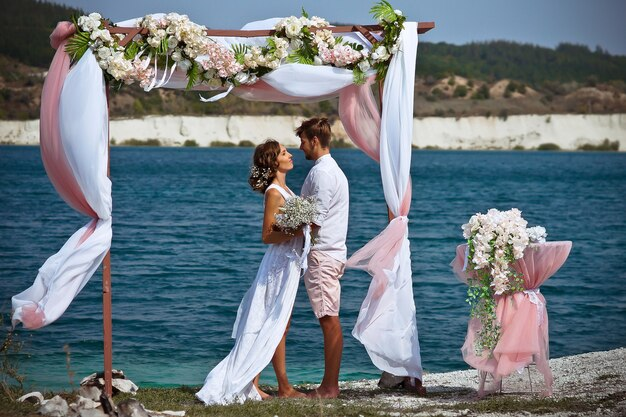
One of the first things that you have to make sure that you get right is finding the right venue, and lucky for you, there are a number of quality wedding venues in Northern Beaches.

Don’t try to do everything by yourself and so turn to your family members and friends to help you plan out everything. It is going to be a very exciting time, but it is also going to be stressful as well, and so the following are just some of the top tips that will help you to plan your wedding & honeymoon.


Why Is It Important To Plan Your Wedding And Honeymoon? 


They say, “failing to plan is a plan of failing,” which is quite right. Especially when it comes to the most important event of your life – the wedding. It doesn’t matter how long you have been planning your wedding and honeymoon- it always falls short. Thus, the best thing to do is to plan early. 


Exactly like your wedding, the honeymoon is another important phase. It helps to set the tone for the new life that’s coming forward. These are the first personal moments between a couple, which should never be wasted. And to ensure your honeymoon is a big success, planning is very essential. 


Tips To Plan Your Honeymoon And Wedding Efficiently


There can never be the “right” way of planning your wedding and honeymoon in Northern Beaches. These are some of the special days in life, and they must be unique, just like your relationship. So, here are a few tips to strategize about your big day:

Begin making plans today –

If you and your partner have decided on a date and it’s at least one year away, then you might think that there is lots of time, so there is no need to worry. This is a mistake that many couples make, and they go on to regret it when they have nothing decided upon and the wedding is just around the corner.

Start planning today, and you get to take advantage of booking it early and maybe getting yourself some much-needed discounts. Many venues get booked up rather quickly so don’t make the mistake.

Plan the wedding together –

Wedding

Some brides are guilty of taking on the reins of responsibility and running with them without asking their other half about their opinions. This can make the other person feel very left out and so the day isn’t as special to them as it should be.

Talk together and make sure that all wedding plans are made together, and that includes the destination for your honeymoon. Disagreements are very common while planning such an important thing in life. Embrace it, move on, and settle on a common choice. That’s the key to happiness as you embark on a new journey of life. 

Go see the venue yourself –

You should never look at any wedding venue based on what you have heard or what you see on their website. Many in the hospitality industry use photographs from when it was first done up and maybe the pictures that you’re looking at are from 10 to 15 years ago.

Go see the venue in person, and then you know exactly what you are getting into. However, this is something you should do in advance. Because if you don’t like the venue, you can simply skip it and move on to a better one!

Discover Your Vision –

Ever since we were kids, we have been planning our wedding. As we continue to age, the plans improve and new elements are added. But the vision remains the same. We plan to marry in this particular month or in this particular location. Make sure you discover your unique vision and stick to it. 

Doing so eventually makes you prepare for several backup plans in case something goes wrong. And the same is true for honeymoon, too. Remember the first place that comes to your mind when you think of this romantic journey! Stick to it and plan a proper budget for that. 

Don’t Forget To Capture These Memories –

Most people are after this- we are so busy capturing memories that we forget to create one. Don’t let that happen. You are out there with a person you have chosen as your life partner- make the most of your time. 

Go on picturesque beaches, romantic dinners, and exotic getaways. Take millions of pictures together- but most importantly, learn to live in the moment, too. Nothing truely matches the feeling of coming home to tons of your special memories. For the wedding party, hire a professional photographer to get away with the work yourself. 

Parting Thoughts

Your wedding is the most special thing that can ever happen to you. Hence, ensure that you do not waste it just like that. These are some excellent tips that will help you to plan the best wedding & honeymoon ever. Never lose sight of the fact that this is for both of you, but remember that you will have guests also. 

With this, we put this article to an end. If your big day is approaching, make sure to implement these tips to have a successful wedding day. Thank you for reading till the end. Communicate your thoughts in the comment box below. 

Read Also:

Share on Social Media

Shahnawaz is a passionate and professional Content writer. He loves to read, write, draw and share his knowledge in different niches like Technology, Cryptocurrency, Travel,Social Media, Social Media Marketing, and Healthcare.

Leave a Reply

Your email address will not be published. Required fields are marked *

title-img Related

READ MORE Traveling In The US

The Most Common Pitfalls To Be Aware Of When Traveling In The US

BY  Nabamita Mar 7, 2024

For 38.2% of Americans, dwindling spending power has become a major deterrent that is dampening their travel plans. If economic woes and rising prices are keeping you from vacationing overseas, why not consider exploring the US for a change of pace and scenery? Its sweeping terrain provides plenty of options, whether you’re looking to unwind at a sunny beach or go skiing on a snow-covered mountain. However, traveling in the US could expose you to various risks, just like overseas destinations. So, being mindful of them and taking extra precautions will go a long way in making your vacation enjoyable and worry-free. Common Pitfalls to Avoid When Traveling in the US Here are the safety hazards you stand to encounter during your US travels. Accommodation Scams  Fraudsters often impersonate well-known hotel operators to direct travelers to malicious websites. Such sites are usually set up to steal credit card and other personal information of anyone booking a room, which scammers could later use for financial fraud. Sometimes, the deceptive acts are much more subtle yet could leave you in equal despair. Consider for a moment an accommodation ad that provides exaggerated or inaccurate details or omits critical information to mislead you. This is a prevalent trick shady accommodation owners deploy to overcharge guests and secure bookings during off-peak travel seasons. Deceptive Tour Operators Scammers may offer promotional deals via online ads, messages, emails, and telemarketing calls in a bid to attract travelers hunting for bargains. But these promotions could quickly turn your dream vacation into a nightmare if you don’t watch out. Remember, malicious actors could use fabricated travel packages to steal both your money and personal data. Taxi Meter Fraud Dishonest taxi drivers could overcharge passengers by keeping the meter switched off. Sometimes, they may have the meter on but will reset it as soon as they reach the destination, preventing you from checking the distance and fare. Luggage Theft When dropping you off at the hotel or airport, fraudulent drivers could unload only part of your luggage and drive away with the rest. This type of theft can occur when you’re distracted or not paying close attention to your belongings. Rental Service Fraud Many Americans rent cars during domestic travel. Bad actors can make this an opportunity to charge them for pre-existing damage when they return the vehicle. Without proper documentation, it becomes difficult for clients to prove that the damage was already there, resulting in unfair charges. Shady Locals There are numerous ways fraudsters could make money around popular travel hotspots. One technique is taking the guise of friendly locals offering free personal tours and recommendations. But often, these con artists will take you to expensive shops and cafés that pay them a commission for bringing paying customers. They could also get you entangled in various scams under the pretext of helping you. Wi-Fi Hacking Cybercriminals frequently hack into unsecured networks to steal useful data, such as payment information and account passwords. If you’re in the habit of using public Wi-Fi, this is a critical threat you must guard against. How Can You Ensure Your Travel Safety in the US?  The cost and hassle of experiencing a scam or other travel hazard can make anyone weary of traveling. But you can avoid many of them by following the safety tips listed below. Seek Recommendations Whether you want to reserve a hotel room or rent a car, personal recommendations are essential for selecting legitimate service providers. Today, there are many authentic reviews online that could help you assess travel services and make informed decisions. Use Reputed Online Platforms If you’re using a well-known travel platform, type its website address in the search bar to avoid visiting spoofed websites. When you don’t know much about a vendor, make the reservation through a reputed travel booking site, such as hotel.com or booking.com. These platforms typically screen individuals and businesses before accepting their listings and have safety features to protect customers. Be Cautious About Unsolicited Promotions Emails, messages, phone calls, and social media ads are popular mediums for travel scams that imitate reputed businesses. Therefore, verifying their sources is important for detecting and avoiding fraud. For instance, check whether the email addresses match the ones used earlier by the relevant organizations. Reverse search phone numbers on Nuwber to confirm they’re related to the mentioned companies.  And if there are links or attachments, it’s best not to click on them. These could download malware and compromise your financial data security. Use a Ride-Hailing App This is the easiest solution to avoid taxi scams. Uber, Lyft, and similar apps can help you secure a fair price, find a safe driver, and take the fastest route to your destination. However, if you need to take a regular taxi, check whether the meter is on. If it’s not, find another cab. Watch Your Belongings  Whether you use a taxi or public transportation, keeping an eye on your luggage and other belongings is essential. Don’t forget to pack a light and leave your valuables at home. Check Before Renting When you are renting a vehicle or any other item during your travels, inspect it carefully before signing the rental agreement and providing a deposit. If you notice any dents, scratches, or other obvious damage, point it out to the rental service provider, take photos, and put it down in writing. Use Secure Internet Connections Mobile data is the safest option to avoid cyber threats associated with unsecured networks. When you need to log into public Wi-Fi, always select one protected by passwords. Plan Ahead Doing your homework before traveling is a must to minimize dependency on strangers. Research the destination and the travel spots you want to explore and learn about entrance fees, opening times, location, and special requirements. Also, note down their official contact numbers so you won’t need to rely on others for information. To Recap  Accommodation owners, tour operators, taxi drivers, rental service providers, shady locals, and even cybercriminals can target unsuspecting travelers in the US for various deceptive schemes. Some threats may have more severe consequences than others. However, they could all sap the joy out of your much-awaited vacation. So, be mindful of common hazards and take adequate precautions for your travel safety. Read Also: Traveling To Korea? Here’s Your Must-Try Korean Food Top 15 Restaurants In Colombia You Must Visit While Traveling Top 11 Outlets In Massachusetts You Can Visit While Traveling

READ MORE Suva Fiji hidden gems

What Are The Suva Fiji Hidden Gems? Know The Underrated Places To Visit In Suva Fuji For Cultural Travelers 

BY  Sibashree Oct 24, 2025

I was standing near the mouth of the Rewa River to the east of the city. I was looking at the mangrove trees and how the villages nearby woke up with the first rays of the Sun touching the earth. People were busy collecting firewood, and some had already sailed in search of fish. Despite having such a distinct livelihood in Fiji, it also takes inspiration from multiple cultures and ethnicities. So, Fiji is said to have a culture of fruit salads. You will find people of Indian, Samoan, Micronesian, Solomon Island, Chinese, and Rotuman origins.  Furthermore, Fiji, fondly called Mini India, has taken another step to strengthen the connection. The Indian ship Kadmatt reached Suva in September 2025, and there have been ongoing discussions about maritime collaboration between the two countries.  With so many cultural aspects to explore, Suva, Fiji, also has many offbeat destinations. Here, we will discuss the Suva Fiji hidden gems, local cultural experiences, the nightlife, art scene, and more! Local Cultural Experience In Suva, Fiji: Know The Suva Fiji Hidden Gems I was at the Suva Curio Handicraft Center in Suva’s CBD area. I found the most amazing Fijian handicrafts and carvings.  The woven mats were beautiful. Furthermore, the wood earrings and necklaces, and the traditional Fijian clothes, or Tapa, caught my attention. However, these were not just souvenirs. Packed with symbolism, those told stories of Fijian traditions and Fijian families.  Along with this handicraft center, I also explored the Namosi Highlands, attended local storytelling events, and customs.  1. Village Visits And Attending Traditional Ceremonies  My cultural exploration in Suva, Fiji, started with Namosi Highlands. As I reached there, the villagers welcomed me with the Sevusevu custom. My guide has already told me. So, I carried some powdered kava root and handed it over to the chief, requesting an entrance to the village.  Then, I attended the vibrant meke dance performance. The male and female dancers in the performance depicted many historical and ancient legends.  Furthermore, the village chief asked me to be a part of the underground feast, or the Lovo. Here, the vegetables and meat were cooked in the ground using white-hot stones. I experienced the true magic of slow cooking there.  2. Kava Rituals Or Storytelling Events View this post on Instagram A post shared by Lomani Island Resort & Spa (@lomaniisland) A visit to Suva’s Cultural Center is another deep cultural encounter I had in Suva, Fiji. The elders here tell stories of Fijian values and myths. Thus, the oral tradition of storytelling remains alive in Fiji.  3. The Local Festivals In Suva, Fiji  View this post on Instagram A post shared by Fiji Sun (@fiji_sun) Music, food, religious ceremonies, community celebrations! The festivals in Suva, Fiji, are vibrant, and they give insights into the multicultural nature of the place. Here is a brief calendar of the major festivals in Suva, Fiji, with their timings.  Major Festivals in Suva, FijiTimingHibiscus FestivalAugustSouth Indian Fire Walking FestivalJuly-AugustDiwaliOctober-NovemberFiji Day:10th OctoberEasterGood Friday, Easter Sunday, and Easter Monday 4. Art & Creative Spaces In Suva Fiji View this post on Instagram A post shared by FIJI MUSEUM (@fijimuseum) There are many underrated places to visit in Suva Fiji, for cultural travelers. For example, the Fiji Museum Art Annex shows the work of the local artisans on a rotational basis.  Furthermore, the Veiqia Project Studio is a space to showcase the work of the indigenous women artists and tattoo traditions.  5. Street Art & Artisan Workshops View this post on Instagram A post shared by Asia Pacific Region Crafts (@worldcraftscouncil_asiapacific) I enjoyed a walk along Victoria Parade and saw the Fijian legends come to life through beautiful murals. Furthermore, if you want to learn the art of pottery and weaving, you can visit the Makoi Women’s Handicraft Centre.  6. Nightlife & Entertainment In Suva Fiji Traps Bar and O’Reilly’s became my favorite nighttime destinations in Suva, Fiji. They had amazing reggae music and the island jazz performances.  Also, the Fijian folk music and dance at O’Reilly’s was the biggest highlight.  7. Cultural Performances At Night The Pacific Cultural Nights at the Civic Centre were brilliant. These performances included fire shows, storytelling, and fire dance.  8. Food And The Hidden Eateries In Suva, Fiji  View this post on Instagram A post shared by Robinson Crusoe Island Fiji (@robinsoncrusoeislandfiji) I was bowled over by the Lovo feast at Namosi Highlands. Food in Fini is flavorful, and the culinary scene here is a wonderful fusion of local produce and multicultural culinary influences. Furthermore, the use of exotic tropical fruits adds the right amount of zest to the dishes.  Nevertheless, during my last visit to Suva, Fiji, I had a great time at these cafes and eateries. Café Thirty-One, just behind the Suva Library, made my day with the best coconut latte and banana bread.  My guide also took me to the Greenhouse Café, a vegan-friendly restaurant, serving amazing smoothie bowls made from local fruits. I loved the garden seating there.  However, if you want to try Fijian fusion cuisine and enjoy live music, you must visit the Bad Dog Café. Moreover, Cloud 9 Lounge is an ideal spot for sunset lounging and partying. 9. Suva Municipal Market View this post on Instagram A post shared by Phil Sami (@philsami) Suva Municipal Market, built in the 1950s, is the biggest market in the country. On a busy day, the market accommodates around 3500 vendors, and it is the best place to buy local specialties such as breadfruit, taro, and tapioca.  There is also a dedicated section for seafood and mussels. However, you must visit the market in the early hours. In the late hours, the market is rushed.  10. Take A walking Anti-Tour Of Suva, Fiji If you want to experience Suva beyond the typical “Bula”- fied version, you can join the “anti tour” walk of Peter Sipeli, a poet, LGBTQ+ activist, and cultural guide.  The tour he conducts is critical, and it does not match the glossy vibe of Fiji. Coming out as gay at the age of 17 and fighting for his rights after his return to Suva has given him enough stories to add layers of anecdotes and humor to this walking tour experience.  He conducts the tour through the city streets and the bustling markets so that you can see the beauty and inequality simultaneously.  Family-Friendly Hidden Gems In Suva, Fiji  View this post on Instagram A post shared by Jessy (@rocketjess) Suva Botanical Gardens and the Fiji Museum are two family-friendly hidden gems in Suva. The Botanical Gardens have easy hiking trails and are ideal for relaxing picnics.  On the other hand, the Fiji Museum's interactive exhibits are ideal for children and adults alike.  Suva Municipal Market in the early hours can be another family-friendly location for accessibility. It has wide aisles and ramps.  Seasonal Hidden Gems In Suva, Fiji View this post on Instagram A post shared by Nicole Golonka (@nicole.golonka) The dry and wet seasons in Suva, Fiji, give you the chance to explore the following hidden gems.  May to October, or the dry season, is ideal for hiking in Colo-i-Suva Forest Reserve and attending festivals such as the Hibiscus Festival, Fiji Day, and Diwali.  On the other hand, the wet season from November to April is ideal for visiting the lush forests and waterfalls and taking photographs.  Here is a breakdown of seasonal hidden gems in Fiji. MonthsSuitable Activities January-February• Rainforest Hikes• Waterfall ToursMarch-April• Kava Rituals• Cultural WorkshopsMay-June• Hiking• Art FestivalsJuly-August• Hibiscus Festival• Street ParadeSeptember-October• Snorkeling• Staying in Eco LodgesNovember-December• Diwali• Christmas• Easter Adventure & Sports Activities in Suva, Fiji Explore these lesser-known spots in Suva, Fiji, and try adventure activities such as kayaking, snorkeling, and advanced biking.  ActivitiesLocations• Kayaking with Mangrove ViewsLami Bay• Vibrant coral reef• SnorkelingNausori Reef• Colo-i-Suva TrailsAdvanced biking through rainforest terrains Offbeat Shopping Experiences In Suva, Fiji View this post on Instagram A post shared by Guided Walks Suva (@guided_tours_fiji) Suva Handicraft Centre is the best place for authentic masi (tapa cloth), wood carvings, and woven baskets. Furthermore, TappooCity Suva is home to local designers such as Rako Designs and KuiViti.  Furthermore, you will find ethically sourced jewelry and crafts in Suva.  Suva Fiji Hidden Gems Associated With Mythical Stories And Folklore  View this post on Instagram A post shared by Mai TV Fiji (@maitvfiji) Ratu Sukuna Park is a popular place in Suva, associated with mythical stories. The park is said to be protected by ancestral spirits.  Mount Korobaba is another place that was once a tribal outpost. Hiking to Mount Korobaba, the tallest mountain in Fiji (422 meters), is quite challenging due to its steep trails. However, the view from the top is rewarding.  Furthermore, you can ask your guide to coordinate a Suva ghost walk. There is no official ghost tour in the city. So, this tour will take you to places associated with mysteries or supernatural incidents.  Top Tourist Places You Should Avoid In Suva, Fiji (And Where To Go Instead) When it’s about the hidden gems, the touristy and “popular” spots are sheer disappointments. Also, you don’t want to waste your money, time, and resources visiting an overcrowded place.  Here are the tourist places you should avoid and their alternatives.  1. Suva Flea Market View this post on Instagram A post shared by The Journey FJ (@thejourneyfj) Suva Flea Market is often overcrowded. Thus, it often fails to offer the cultural shopping experience it promises. You will find mass-produced souvenirs here, and the inflated prices for tourists are a big turn-off.  You will get so busy bargaining that you will not notice anything taking place around you.  Makoi Women’s Handicraft Centre is a quieter, community-run space offering authentic, handmade crafts with fair pricing and cultural storytelling. 2. Colo-i-Suva Forest Park (Unguided) View this post on Instagram A post shared by Mike Duin (@mike_duin) Colo-i-Suva Forest Park has reported incidents of theft and assault on unguided trails. So, solo trips and late visits are risky here.  Get in touch with eco-certified guides for safety and provide cultural insights into the flora and fauna. 3. Victoria Parade At Night Victoria Parade is a popular nightlife strip. However, it can become unsafe after sundown due to petty crime, intoxicated crowds, and occasional scams targeting tourists. Cloud 9 Lounge or Traps Bar offers a more secure, well-managed nightlife with live music and local cocktails. 4. Suva Municipal Market (Late Hours) View this post on Instagram A post shared by DJKiwi (@djkiwinz) In the late afternoon, the Suva Municipal Market gets overcrowded. So, there are risks of overcrowding and overpricing.  Visit the market early in the morning and take a local guide with you to know where to shop safely.  Practices To Avoid While Exploring The Hidden Gems In Suva, Fiji Here are some more dos and don’ts while visiting Suva, Fiji.  Things to AvoidAlternativesTaking unlicensed taxi servicesHotel-booked or metered taxisOverpacked itinerariesFocus on 2–3 meaningful experiences per dayOver-negotiating at local shopsVisit fair trade shops such as Handmade Fiji and TappooCity Suva. Ignoring cultural etiquette at religious sitesJoin a cultural tour to learn about the spiritual and religious customs and beliefs of FijiMissing out Fiji’s rich culinary heritage and local food Try Kokoda, Lovo, and Roti Parcels Eco-Friendly Accommodations In Suva, Fiji Colo-i-Suva Eco Lodge: Nestled in the rainforest, this lodge uses solar power and rainwater harvesting. Rainforest Eco Retreat: Offers guided nature walks and supports local conservation efforts. Sustainable Travel Practices Use reusable water bottles and support community-based tourism. Choose locally owned transport services and farm-to-table eateries. A Hidden Gem Itinerary For Suva, Fiji View this post on Instagram A post shared by FIJI MUSEUM (@fijimuseum) Here are flexible 1, 3, and 5-day itineraries for exploring the hidden gems of Suva, Fiji.  Table 1: 1-Day Itinerary MorningVisiting Suva Market & Café Thirty-OneAfternoonExploring Fiji Museum & Thurston Gardens (Suva Botanical Gardens)EveningAttending a kava ceremony at the Cultural Centre Table 2: 3-Day Itinerary Days Activities Day 1• Colo-i-Suva hike• Eco-lodge stayDay 2• Art gallery tour• Dinner at a rooftop barDay 3• Village visit• Storytelling night Table 3: 5-Day Itinerary Days Activities Day 1• Colo-i-Suva hike• Eco-lodge stayDay 2• Art gallery tour• Dinner at a rooftop barDay 3• Village visit• Storytelling nightDay 4• Snorkeling at Nausori Reef• Folklore tourDay 5• Shopping at TappooCity A Budget Breakdown For Exploring Suva’s Hidden Gems An average 3-day trip in Suva, Fiji, will cost around FJD 500–800 or $220-352. Here is a quick breakdown of the expenses.  CategoryCost (FJD)NotesAccommodation80-150 (Per Night)• Boutique Hotels• Eco LodgesFood30-60 (Per Day)• Markets• Local CafesTransport20-40 (Per Day)• Buses• TaxisActivities50-100• Tours• WorkshopsSouvenirs30-70• Handicrafts• Art Travel Smart And Travel Deep: Exploring The Hidden Gems Of Suva, Fuji  Suva is a living museum of Fijian heritage, creativity, and community. Furthermore, it is a city of contrasts, with modern malls, colonial buildings, and bustling markets coexisting with serene gardens.  Furthermore, it is a melting ground of Indian, Chinese, Samoan, and other cultures. So, if you can keep your curiosity alive and respect the local culture, Suva will surprise you at every turn.  Suva Fiji Hidden Gems: Frequently Asked Questions (FAQs) Here are the frequently asked questions and answers about Suva Fiji hidden gems. 1. Is It Safe To Walk Around Suva At Night? The crime level in Suva, Fiji, is moderate. According to Numbeo, the cost of living here is 58.60. However, the rate of crime increase in the last 5 years is 70.12, which is high. So, it is better to avoid walking in Suva at night.  2. Why Is Fiji Called Mini India? The British brough indentured laborers from India in the 19th and early 20th centuries for working in sugar plantations. They stayed here for generations and preserved the Indian culture. Furthermore, today, a significant population here comes from the Indian origin. So, Indian festivals such as Diwali are celebrated here with great pomp.  3. Where Does Oprah Stay In Fiji?  The Laucala resort is a place frequented by the likes of Oprah Winfrey and George Clooney. Dietrich Mateschilz, the co-founder of Red Bull, has designed this resort.  Read Also: How To Plan A Kotor Montenegro Budget Travel? Cheap Ways To Travel To Kotor Montenegro For Backpackers  Luang Prabang Travel Guide: Why I Loved It? (Activities, Attractions, History, Itinerary, And More) Tucumán Argentina itinerary: What To See In The Smallest Province Of Argentina?

READ MORE Gates of the Arctic National Park

Explore Human History And Wildlife With Backcountry Camping In Gates Of The Arctic National Park

BY  Sibashree Aug 12, 2024

Gates of the Arctic National Park is where the Brooks Range and the Tundra landscape come to life with wilderness and vivid topography. This national park is a place of topographical diversity with the coexistence of mountains, glaciers, rivers, lakes, and marshy lands.  A home to nomadic people for more than 13,000 years, the Gates of the Arctic is a prominent example of how human lives can be dependent on wilderness or nature. Many visitors love backpacking and trekking in this national park. Further, many stay in camps in the backcountry to experience its rich wildlife despite the challenges. Do you want to know why camping in the backcountry is worth the hardship? Does the national park have camping sites? Find the answers to all your questions in this guide.  Knowing The Gates Of The Arctic National Park (Why Camping Here Is A Great Experience) The Gates Of The Arctic National Park is a paradise for wilderness travelers. The intriguing land of Tundra, embraced by jungles, mountains, and rivers, makes camping in the backcountry worth all the effort.  Gates Of The Arctic Geography You can explore the arctic geography of this national park by trekking or by air. Tundra peaks and the Schwatka Mountains region of the Brooks Range ensure a humbling experience. You trek to Mount Igikpak, a glacier-carved peak with an 8,510-foot elevation. Another mountain to have glaciers in this region is Mount Arrigetch. Even backpacking and trekking to Mount Doonerak have a distinct charm, as the mountain is the quintessence of wilderness and unadulterated beauty.  Further, this national park has six designated wild rivers. Those are: Alatna River John River Kobuk River Noatak River North Fork of the Koyukuk River Tinayguk River Alatna and Noatak are great for canoeing. If you want more adventurous pursuits, you can try rafting in Nigu (to the north) and Kobuk (to the west).  Gates Of The Arctic Wildlife  The Gates of the Arctic is home to many mammals and birds. The Alaska Department of Fish and Game says,   “Forested southern foothills rise to limestone and granite peaks more than 7,000 feet high in this remote wilderness park. North of the peaks, clear water rivers run through glacier-carved valleys; and Tundra, covered with wildflowers during the brief northern summer, stretches toward the Arctic Ocean. Many of the nearly 500,000 member Western Arctic caribou herd migrate through the park each fall. Brown and black bear, wolf, Dall sheep, lynx, moose, wolverine, and red fox live here year-round. In the spring, the park hosts migratory birds from Europe, South America, Asia, tropical archipelagos, and the continental U.S.” Other animals found in this national park are grizzly bears, Dall sheep, and musk oxen. Among the birds, Tundra swans, common loons, and golden eagles are the most common.  Further, if you enjoy the playfulness of aquatic animals, watch out for graylings, trouts, sheefish and salmon.  Gates Of The Arctic And Human History  The Gates of the Arctic is a prominent place for archaeological research. The study and interpretations of the museum collections depict how people have been surviving in the Brooks Range for around 13000 years now.  Along with Inupiat, Nunamiut, and Athapaskan descendants, you will also find many non-native Alaskan people in this region. These people have always been dependent on fishing and hunting. The wilderness of the Gates of the Arctic is the foundation of their livelihood.  What Is The Best Camping Near Gates Of The Arctic National Park? With marshy lands and tussocks, Arctic Tundra has a vulnerable landscape and it is difficult to find a steady spot for setting up camps or tents. Also, the existence of wildlife in a remote location and dense vegetation make the space unsuitable for camping.  So, there is NO CAMPING SITE in the Gates of the Arctic National Park. There are designated areas in the backcountry for camping. However, you will have to strictly adhere to the rules and regulations of the national park when putting up a tent.  You must also attend the orientation program and be particular about the gear, food, and safety essentials to be carried.  With permission from the park authority and the National Park Service, you can set up tents near the Arctic Interagency Visitor Center in Coldfoot or around Wiseman and Bettles communities.  However, while camping in the backcountry, you will have to keep the following factors in mind.  Be respectful to the local communities like the Koyukon Athabascan Indians or Nunamiut. Their livelihood depends on the wilderness.  There are no provisions for running water, a dump station, or restrooms. Your phone network will be unavailable in this location. You have to carry all your trash back as you leave the camping site. You cannot adulterate the pristineness of the location.  If you have plans for camping in the backcountry near the Gates of the Arctic, summer is the best season. The temperature is a little moderate on these days, and sunnier days make all outdoor pursuits in the park easier for you.  Did You Know?  The Gates of the Arctic National Park is the second-largest national park in the USA. It stretches over 13,000 square miles. You can see aurora borealis from this park if you visit between November and March.  July and August are the best months to visit Gates of the Arctic National Park for hiking and backpacking.  Bob Marshall, a wilderness advocate, named this national park “Gates of the Arctic.” Final Words  Unlike popular national parks like the Biscayne National Park or the Kenai Fjords National Park, the Gates of the Arctic National Park does not have many visitors yearly. In 2023, only 11,045 tourists flocked to this place. (Source) With a diversity in topography and wildlife and an association with human history, this park has much to explore. However, the extreme trekking conditions and wilderness make it far from an easy excursion or trekking experience. Despite the absence of campgrounds in this park, you can camp in the backcountry at the designated spots in the fields. However, only an experienced backpacker should try it with proper orientation and extra safety measures. Have you ever been to this wild and intriguing national park? Do you have any camping experience in the backcountry? Don’t forget to share your experience with us!  Gates Of The Arctic National Park FAQs  Can You Camp In The Arctic National Wildlife Refuge? Only backcountry camping is possible in the Arctic National Wildlife Refuge. The absence of roads, villages, or facilities makes this area unsuitable for having designated campsites. Backpacking and hiking are the best ways to explore this vast landscape with rich wildlife and geographical interests.  Can You Stay In Gates Of The Arctic National Park? You can stay or try backcountry camping near the Gates of the Arctic National Park. Undefined terrains, wilderness, and a lack of modern amenities make it risky to put up camps in the national park. Even to camp in the backcountry, you will need the highest outdoor survival skills. The arctic ecosystem, topography, and weather conditions are different, and if you are confident enough to stay in the backcountry, plan in advance and get in touch with the Park and Preserve authorities for updates and advisories.  How Much Does It Cost To Visit The Gates Of The Arctic National Park? You don’t have to pay entry fees to visit the Gates of The Arctic National Park. However, you must attend the backcountry orientation program at any of the visitor centers.  In this way, the Gates of The Arctic National Park is different from other national parks as most of them demand an entrance fee.  How Difficult Is It To Get To The Gates Of The Arctic National Park? The Gates of the Arctic is a wilderness park. So, as you enter the park, hiking is the best way to explore. Remember, it is home to the Schwatka Mountains region of the Brooks Range and the highest peak here is Mount Igikpak with an 8,510-foot elevation.  So, exploring the national park is not going to be a cakewalk. A lack of established trails further makes hiking difficult.  Further, there are six designated rivers, including Koyukuk and Dietrich, in this national park. So, you will have to pass through multiple meandering river crossings. The water levels of these rivers keep fluctuating throughout the season. They are furious throughout the spring season. Tussocks, marshy lands and dense vegetation are other hurdles to your fast movement while trekking.  Do you want to visit the backcountry? You can take a bush plane operated by permitted pilots with knowledge of the region.  What Is Special About Gates Of The Arctic? The Gates of the Arctic is special because of its geographical uniqueness, rich wildlife, and significance in human history. The glacier-carved valleys, rivers, and ancient trails make the Gates Of The Arctic a favorite destination for backpacking and hiking. Thanks to its geographical typicalness, you will meet many animals and birds. The adorable grizzly bears will be seen feeding, and the musk oxen are another unique animal you must watch out for. If you are a birder, you will love watching the golden eagles, Tundra swans, or common loons.  Near the Nigu River or throughout the park, you will find stone fences and camping rings. These are a testament to how Inland Eskimos or Nunamiut have lived in this region for thousands of years. They survived on fishing and hunting.  In addition, as I pen this guide, I must tell you that the Gates Of The Arctic National Park is going to celebrate its 45th anniversary of designation next year. First, it became a national monument on 1st December 1978. In 1980, it became a national park and preserve. Also read Italy: Is Florence flat or hilly? Ultimate Guide to Your Next Family Vacation in Israel. The Glaciers of Wrangell-St. Elias National Park: Experience The Magnificence Of Nature.