
Why Is Kalutara So Famous? Know The Best Things To Do In This Historic Coastal Town 

Visit Kalutara if you are not already smitten by the whiff of fresh tea and cinnamon together; you must visit Kalutara. 

The Kalu Ganga river, the fertile tropical soil, and the proximity to the Indian Ocean have made the region ideal for the cultivation of tea, rubber, and cinnamon since British rule. 

So, when I reached Kalutara, I saw women wearing colorful sarees plucking fresh tea leaves and storing them in the hessian sacks hanging on their backs. 

Furthermore, the iconic Richmond Castle, at a short distance from the Kautara City, and many architectural features here are remnants of colonial heritage in this historical town. 

In this article, I will talk about the location of Kalutara, how to travel to it, why it is so famous, the things to do, and more. I will also share my experience filled with the visuals of cinnamon peelers and rubber tappers and the salty fragrance of the Indian Ocean. 

Where Is Kalutara? 

At a distance of around 42 kilometers from Colombo, the capital of Sri Lanka, Kalutara is on the western coast of Sri Lanka. 

You reach this coastal town after a drive of 1 to 1.5 hours from Colombo. 

Furthermore, Kalutara is the gateway to popular beach towns like Galle and Bentota. 

Kalutara is most revered for the Kalutara Bodhiya Stupa, and the sweet purple mangosteen fruits here are another signature of the coastal town. 

How To Reach Kalutara? 

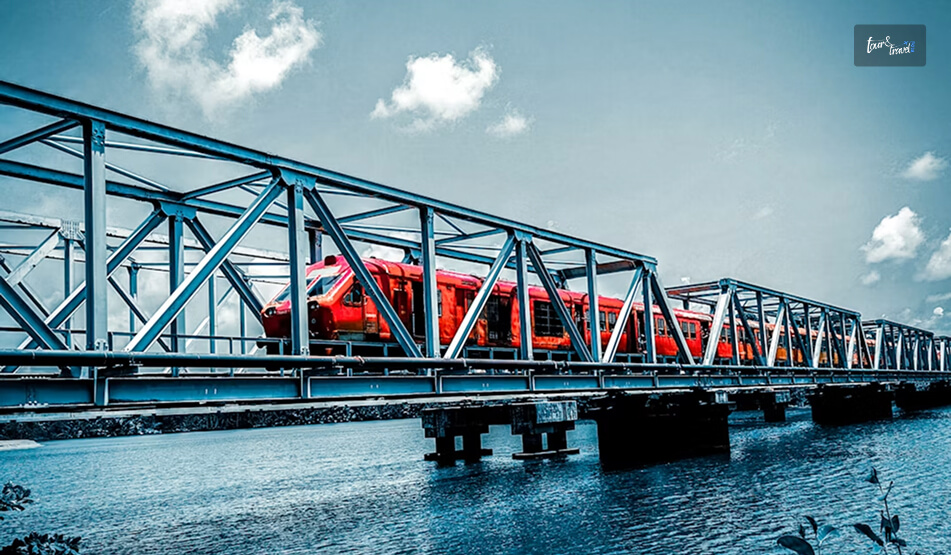
The journey to Kalutara from Colombo on the southern railway line is one of the most beautiful train journeys in Sri Lanka. 

Furthermore, you will get public and private buses for the journey, and you can even book a private vehicle for the transit. 

Here are more details about the transport options. 

1. Colombo To Kalutara By Train

Colombo To Kalutara By Train

You will get many trains from Colombo Fort to Galle, Kalutara South, and Matara. Trains are available throughout the day and from as early as 5:39 AM. 

Furthermore, the last train for the day to Kalutara departs Colombo Fort at 9:36 PM. Also, the travel time is between 48 minutes and 1 hour and 20 minutes. 

In addition, the ticket price for travel in a third-class coach is LKR 480. 

2. By Bus 

Public, private, and air-conditioned buses are available from Colombo to Kalutara. These buses run on the Galle Road. 

These buses take around 3 hours and 30 minutes, and the ticket price is approximately LKR 600.

3. By Private Transport 

The short distance between Colombo Fort and Kalutara is ideal for travel by car. The travel time will be around an hour, and the cost will be between LKR 3500 and LKR 4500. 

You can either take the Galle Road for the commute or the Southern Expressway ( E01) as a faster alternative. 

4. Moving Around In Kalutara 

Kalutara is very much walkable, or you can take a tuk-tuk to move around. Furthermore, you can rent a bike or bicycle for a day to explore the coastal town at your own pace. 

The rental charge will be around LKR 2500 to 3500 per day, and the rental agency will help you with the local driving license or other permit you need. 

Why Is Kalutara So Famous? 

Why Is Kalutara So Famous

The city of mangosteen and home to the Gangatilaka Vihara, the only hollow Buddhist Stupa in the world, Kalutara awaits with an air that is heavy with history, spirituality, and the stories of the bonding between humans and nature. 

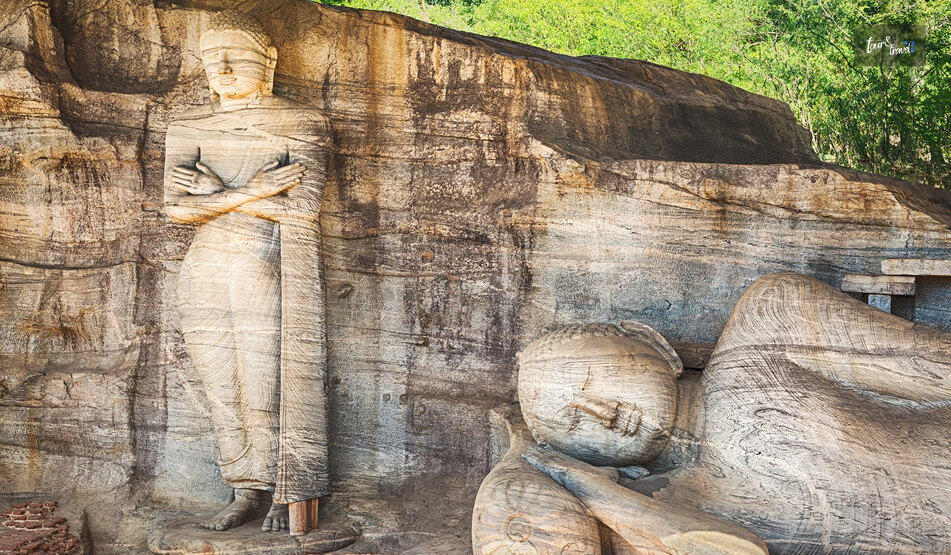
I have been to the Dambulla Royal Cave Temple and the Gal Vihara in Polonnaruwa. Kalutara felt like an extension of my visits to those places. 

1. The Gangatilaka Vihara

My jaw dropped as I stepped out of the humid coastal air and into the echoing, cool interior of the Gangatilaka Vihara. 

The massive dome soared above me, and I found the inner walls covered in 74 intricate, vibrant murals depicting the life of the Buddha.

Also, as I was inside the Gangatilaka Vihara, the traffic on the busy Galle Road got transformed into a soft hum, and the air was filled with the gentle chanting of pilgrims clad in white.

2. The Secrets Of The Sacred Tree

I left the giant stupa and found the Kalutara Bodhiya just across the road. I felt the high energy instantly and was staring at the massive, ancient Bodhi tree. 

A friendly local devotee named Anura noticed me, and she confirmed the facts I had read. This tree grew from one of the original 32 saplings of the Jaya Sri Maha Bodhi in Anuradhapura, linking it back over two millennia.

Also, as I sat close to the tree, I found drivers stopping their vehicles in the middle of the bustling highway, stepping out just long enough to drop a few coins into a donation box for a blessing before driving on.

Then, I performed the common ritual by pouring a small clay pot of water over the sacred roots. 

The sheer energy of hundreds of people whispering prayers in unison under the rustling leaves gave me goosebumps.

3. The Magnificence Of A Coastal Castle 

Kalutara is also about colonial opulence. This castle is on a 42-acre estate, and it was built in 1896. 

This feels like a grand British manor house dropped straight into a Sri Lankan spice forest.

As I walked through the grand banquet hall, I was amazed by the blend of Indian and British architecture. 

The caretaker pointed out the intricate timber work, bragging that the wood had been imported all the way from Burma. 

Standing on the sweeping balconies, looking over the sprawling grounds, it was easy to picture the extravagant, high-society parties that once took place here during the height of the rubber boom.

Sunsets, Straw Hats, And Purple Fruit

The natural geography of Kalutara also makes it stand out. The Calido Beach, especially, is magical in the late afternoon. 

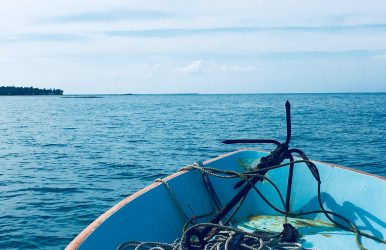
This is a narrow spit of land where the freshwater Kalu Ganga (Black River) runs parallel to the crashing saltwater waves of the Indian Ocean.

Then, I sat on the sand and watched the local fishermen battling the currents where the river meets the sea, the sky turning a brilliant shade of bruised purple.

On my way back, I stopped at a roadside stall where an elderly artisan was weaving palm leaves into a vibrant sun hat.

Remember that Kalutara is Sri Lanka’s “basket capital,” and watching her fingers fly was hypnotizing.

Also, before I left the stall, she handed me a magosteen and a dark purple fruit. 

I cracked open the thick, leathery rind to reveal snowy, delicate segments. 

The taste was an explosive mix of sweet and tangy, a perfect edible summary of Kalutara itself: bright, surprising, and utterly unforgettable.

What Are The Other Things To Do In Kalutara?

Along with the iconic landmarks that make Kalutara famous, some other attractions and activities await you in Kalutara. 

1. Finding An Escape In The Brief Garden

The Brief Garden was the former residence of Brevis Bawa, one of the most iconic architects of Sri Lanka. 

It stands out with its artistic beauty, and that artistry blends well with the rich flora and fauna and fascinating sculptures. 

I enjoyed a stroll in this delightful garden. 

While walking through the hidden alleys and nooks, I enjoyed every bit of the artistic ambiance. 

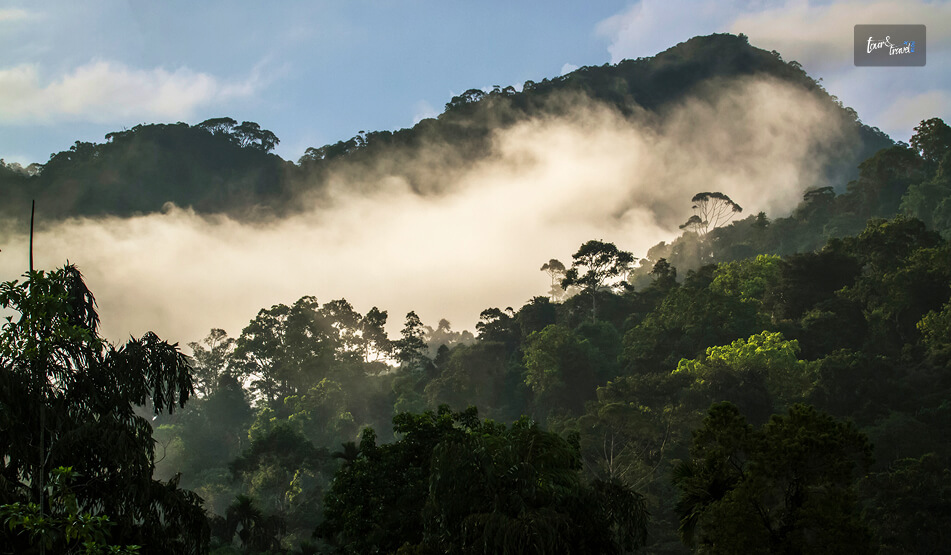
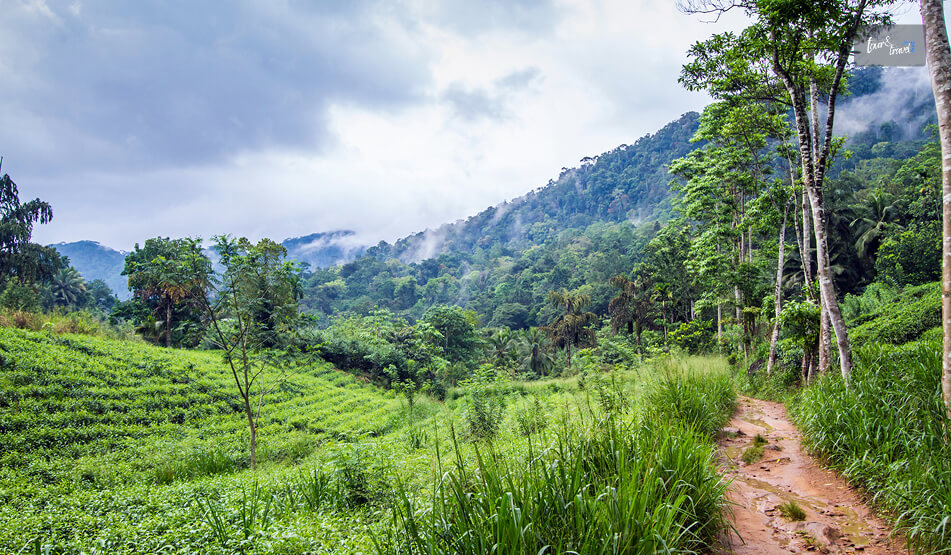
2. Going For A Guided Hike In The Sinharaja Forest Reserve

Going For A Guided Hike In The Sinharaja Forest Reserve

The Sinharaja Forest Reserve is a UNESCO World Heritage Site. UNESCO designated this as a heritage site in 1998. 

About the forest reserve, the UNESCO World Heritage Convention further mentioned, 

More than 60% of the trees are endemic and many of them are considered rare. 

There is much endemic wildlife, especially birds, but the reserve is also home to over 50% of Sri Lanka’s endemic species of mammals and butterflies, as well as many kinds of insects, reptiles and rare amphibians.

Moreover, the forest reserve has more than 450 species of trees. It even has hidden waterfalls forming clear streams. I could even spot the most vibrant tree orchids. 

The nature trails here are well-maintained, and the hiking experience becomes all the more delightful with the chirping of the birds. 

So, if you are planning a trip to Sri Lanka and want the best wildlife experience, you must add the Sinharaja Forest Reserve to your itinerary, along with the Yala National Park, Delhiwala Zoo, etc. 

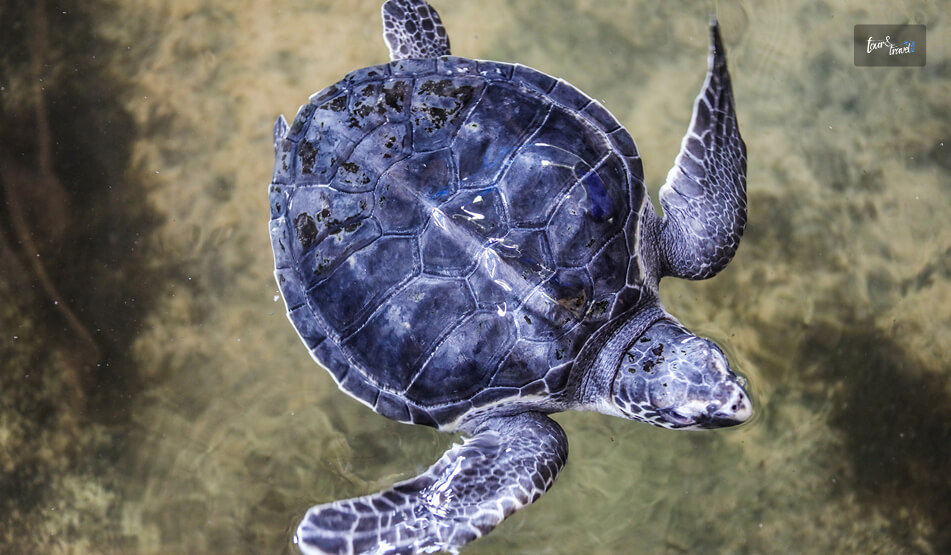
3. Spotting The Nesting Turtles At Kosgoda Turtle Hatchery

Spotting The Nesting Turtles At Kosgoda Turtle Hatchery

The Kosgoda Sea Turtle Conservation Project, founded by Dudley Perera, is located approximately 27.7 kilometers south of Kalutara along the Galle Road (A2).

It took around 40 minutes for me to reach the spot on a bike. 

This project has been dedicated to monitoring the sea turtles here for three decades. They work to preserve these endangered animals and want to spread awareness about them. 

The remarkable hatchery here focuses on collecting and rescuing eggs and storing them in a haven. 

Furthermore, after the eggs are hatched, the turtles are only released into the ocean when they can fight the predators. 

4. Trying The Spicy Local Cuisine 

Kalutara has a rich history of spice trading. So, as expected, Kalutara has a culinary culture worth exploring. 

Furthermore, every dish stands out with a perfect balance of zest, sweetness, and spice. Rice and curry, freshwater fish baked in banana leaves with coconut, tamarind, and mustard paste are some of the best dishes to try. 

5. Exploring The Handunugoda Tea Plantation

Do you want to extend your travel plans in the Handunugoda Tea Plantation a little? Then, you can travel for around 1 hour and 30 minutes and reach the Handunugoda village. 

This tea plantation is famous for producing the “Virgin White Tea.” 

Moreover, you can take a guided tour of the tea plantation and see the tea pluckers in action. 

A Trip To Kalutara: Know The Perfect Itinerary 

A Trip To Kalutara Know The Perfect Itinerary

Two to three days are enough if you want to have an immersive experience in Kalutara. So, here is a 3-day itinerary for you. 

DaysTimeActivityKey Highlights and Cultural Insights
Day 1MorningVisiting the Gangatilaka ViharaThe only hollow Buddha Stupa in the world. 
Late MorningKalutara Bodhiya and Sacred TreeThis tree grew from one of the original 32 saplings of the Jaya Sri Maha Bodhi in Anuradhapura. 
LunchTrying Spicy Local CuisineEnjoy a traditional rice and curry lunch. 
Taste local freshwater fish baked in banana leaves with coconut, tamarind, and mustard paste.
AfternoonVisiting Richmond CastleExplore this grand 1896 Edwardian mansion built on a 42-acre estate. 

Marvel at the blend of Indian and British architecture and the Burmese timber work.
Late AfternoonVisiting Calido Beach and Watching Palm WeavingWalk the narrow coastal spit where the Kalu Ganga meets the sea. 
Watch artisans weave vibrant straw hats from palm leaves and sample fresh, sweet mangosteens.
Day 2MorningVisiting the Brief Garden by Bevis BawaTake a stroll through the former residence of iconic architect Bevis Bawa. 
Explore hidden alleys, rich flora, and fascinating sculptures blended into nature.
AfternoonLearning Experience at Kosgoda Sea Turtle HatcheryTake a 40-minute ride south along Galle Road to Dudley Perera’s conservation project. 
See how endangered sea turtle eggs are rescued, incubated, and safely released.
EveningSunset and Coastal RelaxingHead back up the coast to Kalutara for a quiet seaside evening, taking in the purple-hued sunset away from the busier commercial beach crowds.
Day 3Full Day (Option A)Hiking in the Sinharaja Forest ReserveEmbark on a guided nature trek through this UNESCO World Heritage Site. 
Spot endemic birds, rare butterflies, wild orchids, and hidden forest waterfalls.
Full Day (Option B)A Visit to the Handunugoda Tea PlantationTravel 1.5 hours south to visit the famous home of “Virgin White Tea.” 
Take a guided estate tour, see tea pluckers in action, and learn about the delicate processing.

From modest homestays to luxury hotels and resorts such as Avani Kalutara, Kalutara has diverse modes of accommodation. 

These will cost around LKR 5000 to 50000 per person per night.

Share on Social Media

Sibashree is a travel, culture, and leisure writer who has been writing since the age of 12 and professionally since 2014. With more than a decade of travel writing experience and journeys across India and several parts of the world, she brings a deeply personal and thoughtful perspective to her work. A student of English Literature and Mass Communication, Sibashree has always viewed travel as more than movement — for her, it has been a way of understanding people, cultures, and herself. Her passion for spiritual exploration has also led her to many unusual and meaningful destinations over the years. Outside of writing, Sibashree enjoys watching European cinema, reading about global politics, and reflecting on the stories hidden within everyday places.

Leave a Reply

Your email address will not be published. Required fields are marked *

title-img Related

READ MORE Bentota

Why Is Bentota Beach, Sri Lanka, Famous? Know About Bentota Beach, River Safari, And More

BY  Sibashree Jul 7, 2026

With the One Love Reggae Festival returning to Bentota Beach, Sri Lanka is now preparing to be a vibrant cultural stage for music lovers from around the world.  The event is slated from 7th to 9th August, and with a laid-back coastal atmosphere, will function as a major tourism catalyst for Bentota.  Nevertheless, Bentota Beach has always been a popular, idyllic destination in Sri Lanka due to the calm waves of the Indian Ocean and soft golden sands.  Furthermore, it is a gateway to the Sinharaja Forest Reserve, a UNESCO World Heritage Site, and another UNESCO World Heritage Site, Galle Fort.  However, for me, the most striking thing about Bentota was the safari on the Bentota Ganga. With dramatic landscapes and surrealism awaiting you in every nook, this was one of the highlights of my trip to Sri Lanka.  Also, very close to Colombo, just a 2-hour drive away, this beach stands out even if tourists show more interest in popular variations such as Tangalle Beach and Mirissa Beach.  Here is more about why Bentota Beach is worth visiting and what the top attractions are.  What Are The Things To Do In Bentota?  The heavenly sunset views of Bentota Beach, the most anticipated boat safari on Bentota Ganga, and a relaxing experience in the Ayurveda Herbal and Spice Garden! Furthermore, if you want an adrenaline rush, you can take part in activities such as parasailing, banana boating, jet skiing, and more! 1. Water Sports At Bentota Beach Bentota has many beaches, such as the Ventura Beach or the Moragalla Beach, where the ocean meets the Bentota Ganga River.  However, together, they are known as the Bentota Beach, and together they look like a long stretch of fine white sand.  A specific stretch of sand is parallel to Bentota Lagoon, which is more commonly called the Bentota Ganga.  It is known as the Paradise Island, looking like a narrow and long peninsula stretching out into the ocean.  Also, it is ideal for the following watersports.  Windsurfing Waterskiing Diving Canoeing Snorkeling Fishing Moreover, centers such as Diyakawa Water Sports and Sunshine Water Sports Center help with the best gear, training, and guidance.  2. Visiting The Kosgoda Sea Turtle Conservation Project I mentioned the Kosgoda Sea Turtle Conservation Project when visiting Kalutara.  However, it is way closer to Bentota, and it is situated at a distance of just 9 km. So, it is just a road journey of 9 km or 15 minutes south by road.  It remains open from 8:30 AM to 6:30 PM, and the ticket price is LKR 500 for locals and LKR 1000 for foreigners.  It is a vital wildlife sanctuary on the southwestern coast of Sri Lanka. Established in 1981, it aims to protect endangered sea turtles from extinction caused by poaching and habitat loss. The hatchery monitors local beaches to rescue vulnerable eggs.  It buries them safely in protected sand nests until they hatch. Impressively, the project cares for all five sea turtle species that visit Sri Lanka. The Green Turtles Loggerhead Turtles Hawksbill Turtles Olive Ridley Turtles Leatherback Turtles.  The sanctuary also rehabilitates turtles injured by fishing nets. However, for me, the most exciting experience in the sanctuary was releasing newborn hatchlings into the Indian Ocean at sunset.  This hands-on experience funds the project while raising global awareness about marine conservation. Overall, it was a great experience learning about the marine ecosystem and how these adorable marine creatures play an important role in maintaining the balance.  If you want to watch and study them further, Sri Lanka has many other destinations such as the Dalawella Beach, Dickwella Beach, and Mount Lavinia Beach.  3. The River Safari On Bentota Ganga  While many people are more excited about the watersports, I visited Bentota for the water safari.  It was late afternoon, and the Sun was getting mellower. Fortunately, the hotel I was staying in had the provision for booking a boat safari.  The boat progressed through the jungle. Also, I could spot eagles flying high and some snakes in the water.  I was looking for crocodiles, but this time, I did not find one.  Moreover, the roots of the trees got entangled, and the roots created some eerie formations that looked straight out of Apocalypse.  Having said that, the river safari was not just an opportunity to spot the wildlife. I also saw the traditional fishing techniques and prawn farming in the wetlands surrounded by mangrove forests.  Another interesting stop was the Cinnamon Island. I spotted old and young men cutting sleek sticks of cinnamon. I bought a few bottles of cinnamon oil from them.  It was a 1.5-hour safari, and it cost around LKR 2500.  4. Exploring The Bentota Market  The Aluthgama town is around 3 km away from Bentota, and the Monday market here is amazing.  I had a talk with Manjula, a college student and a local vendor who helps her mother, Hiruni.  “People from different parts of the southwest coast come here. This is a market mostly dominated by women. So, I love being a part of the market.  The vendors sell various products, including clothes, vegetables, groceries, and other knick-nacks.  I also found the place to be a great spot for socializing. Women were interacting with each other when buying exotic fruits and fresh vegetables.  Moreover, I collected some cinnamon sticks, spices, and clothes as souvenirs.  5. Enjoying The Benefit Of Herbal And Spice Treatment  Bentota is famous for traditional Ayurveda and health treatment. The oils and massage solutions here have spices and local herbs.  The medicines and solutions also have cardamom, cinnamon, seeds, fruits, bark, and leaves.  So, if you want to enjoy the ultimate Sri Lankan spa experience, Bentota is the ideal place.  The big hotels and resorts have spas offering traditional treatments and therapies. Furthermore, there are some specialized Ayurveda centers.  Where To Stay In Bentota Beach?  From budget guesthouse Hotel Hemadan to 5-star hotel Taj Bentota Resort, the accommodation options in Bentota are diverse.  Furthermore, if you want an artistic and boutique experience, you can choose options such as Taj Bentota Resort and NH Bentota Ceysands.  Based on the accommodation you choose, the cost of staying in Bentota will be between LKR 13000 and 60000 per night. 

READ MORE where to stay in yala national park

Where To Stay In Yala National Park? Know The Best Accommodations 

BY  Sibashree Jun 3, 2026

The Yala National Park is the ideal place for a dawn safari. As the first rays of golden light pierce through the canopy and the untamed bush comes to life, you will enjoy an acoustic and raw symphony.  You will listen to the rumble of wild elephants and the exotic birdcalls. Furthermore, you will spot crocodiles gliding into still lagoons.  You will also find monkeys scampering through the treetops, and if you are extremely lucky, you can even see a Sri Lankan leopard.  So, no wonder that Yala National Park is a bucket-list destination when you are on a trip to Sri Lanka.  However, finding the right accommodation, the ultimate sweet spot to explore the Yala National Park, can be a daunting task.  You can find a wide range of accommodations here, including the avant-garde ones and the bush camps.  Furthermore, there are some family-run guesthouses and luxurious canvas cocoons. So, in this guide, I will discuss where to stay in Yala National Park.  Where To Stay In Yala National Park? Pick The Zone Based On The Experience You Want  Before you choose an accommodation for yourself, you must decide on the area you want to stay in.  You need to especially understand the entry points of Yala National Park and the surrounding regions.  It is more so because the logistics of your safari will depend on the base and the entry point to the national park you are choosing.  1. Tissamaharama Or Tissa Tissa is just a distance of 20 minutes from the Palatupana Gate, or the main gate of the Yala National Park.  So, this historic lakeside town serves as the primary gateway to the park. Also, here, you will get to indulge in a sense of wilderness paired with civilization.  Moreover, the town has strong infrastructure, such as  Pharmacies Small Restaurants ATMs Cafes  Moreover, you may not find massive architectural buildings, but you will get boutique lakeside hotels offering easy evenings, proper amenities, and strolling along the water.  2. Kirinda And The Palatupana Coast The Palatupana coast is located to the south of Tissa. Also, it is the place where the jungle collides with the crashing waves of the Indian Ocean. The Palatupana Coast further stretches into Kirinda. Kirinda has the most opulent coastline, with elephants wandering down onto the sand.  Furthermore, here, you will find the ultra-luxurious and specially designed eco resorts.  Also, staying here means that you are very close to the national park.  3. Inside The Buffer Zone  If you want the most immersive experience in the Yala National Park, you can choose one of the high-end camps within the protected buffer zones of Yala.  You will stay in canvas tents here, and you will love the experiences such as open-air dining, lantern-lit pathways, and dawn wake-up calls from wild peacocks. Moreover, you can find many other wildlife roaming around your tents.  The cost of staying in these high-end tents can be on the higher side. However, the experience of sitting around a campfire while the unseen jungle hums around you is unforgettable. 4. Katagamuwa And Kataragama Katagamuwa is on the quieter northern perimeter of Yala. It is a culturally rich and slower alternative to other accommodation zones in Yala.  Furthermore, Katagamuwa backs onto a multi-religious pilgrimage site, rarely visited by Western tourists.  If you choose to stay here as a backpacker, you will enjoy the morning wildlife safaris with a visit to historic sites in the evening.  The camps in these sectors are smaller. However, it is run by locals who have endless tales to share. Also, the camps here offer a highly personalized experience.  So, the warmth and the thrill of knowing the unknown stories about the historic places, more than make up for the lack of luxury.  Where To Stay In Yala National Park?  I have divided the best places to stay in and around the Yala National Park into three categories.  Luxury Accommodations Mid-Range Accommodations Budget-Friendly Stays  The Best Luxury Accommodations In Yala  If you want a perfect safari country reimagined, you can plan a stay at any of the luxury accommodations in Yala.  Here, you will find copper bathtubs and canvas tents beneath wild palms.  These luxury accommodations will offer you unmatched luxury without breaking your connection to the world.  Wild Coast Tented Lodge The Wild Coast Tented Lodge is a definitive and flagship safari lodge in Sri Lanka. It is located at a place where the jungle kisses the ocean.  Furthermore, this tented lodge has an otherworldly feel. The copper-toned canvas "cocoons" are scattered amidst the scrubs.  So, when the Sun is up, these tents look like giant desert beetles.  Moreover, inside the tent, you will find a fusion of colonial and contemporary aesthetics. There are leather campaign chairs, teak floors, canvas walls, and freestanding copper bathtubs.  Best Mid-Range Accommodations In Yala It is okay if you do not want to bear the premium price tags of the accommodations in Yala. The mind-range accommodations in Yala offer you immersive nature experiences, beautiful swimming pools, and superb tracking options.  Cinnamon Wild, Yala Cinnamon Wild is an amazing mid-range accommodation in Yala. It is right inside the active buffer zone of Yala.  Furthermore, its location between a crocodile-frequented freshwater lagoon and the ocean makes it more fascinating.  Also, elephants here stroll through the grounds regularly, and the 68 rustic chalets raised on stilts offer simple timber interiors and comfortable bedding.  Moreover, the property has a rooftop bar that looks across the forest canopy. So, this is ideal for sundowners.  In addition, the restaurant here serves authentic lagoon crab curry.  The Best Budget-Friendly Accommodations In Yala  You don’t need to spend a fortune if you want to experience the magic of Yala Safari. You will get amazing hospitality, clean rooms, and authentic experiences at these budget-friendly accommodations in Yala.  Mahoora Yala You can experience the genuine thrill of a buffer zone in Mahoora Yala.  The glamping camps here come without the price markup.  Furthermore, the safari tents are practical and well-equipped, featuring king beds, fans, and private ensuite bathrooms. Moreover, the camp is directly on the boundary of the park. As a result, the safari trucks will get you deep into leopard territory early in the morning.  Thus, you will be able to avoid the heavy line of the day tourists in the town. Read Also: What Are The Places To Visit In Matara? A Southern Sri Lankan Commercial Hub With Dutch Colonial Heritage Where To Stay In Mirrissa, Sri Lanka In 2026? Know The Best Accommodation Options What Are The Best Sri Lanka Travel Tips? Things You Need To Know

READ MORE Uppuveli Beach

Where Is Uppuveli Beach, Trincomalee? What Are The Best Things About The Beach?

BY  Sibashree Mar 24, 2026

After spending time in the northern city of Jaffna exploring everything it has to offer, I was looking forward to relaxing.  Jaffna has some beautiful temples, and despite being a slow travel destination, the rich Tamil culture and history offered a fulfilling experience.  However, I needed a place where I could relax and soak in the memories I have collected there. I intended to enjoy just those "beachy" times when I arrived at Trincomalee, and that is exactly what I found on the Uppuveli Beach.  This was the ultimate "holiday within my backpacking trip," and completely different from the beaches in Jaffna. Where Is The Uppuveli Beach? Uppuveli Beach is in Trincomalee. On the northeastern coast of Sri Lanka, it is further the epicenter if you are exploring the things to do in Trincomalee.  The distance between the Uppuveli Beach and the Trincomalee city center is just 6 kilometers. So, you can reach within a drive of just 15 minutes.  Moreover, it is famous for the beauty of the Bay of Bengal, and from here you can explore nearby attractions such as the Pigeon Island Marine National Park and Swami Rock. How To Reach Uppuveli Beach From Trincomalee? The Blue Bus Experience? You can travel from Jaffna to Trincomalee by bus like me. Trincomalee, anyway, is a major transport hub.  Furthermore, it is well-connected to Colombo, Kandy, and even Habarana, which is the major gateway to many other things to see in Sri Lanka, such as the Hurulu Eco Park, Sigiriya Rock, the Pidurangala Rock, and the Kaudulla National Park.  I reached Trincomalee from Jaffna by bus within 4 hours and 50 minutes. However, our driver, Ahoy, said that on days of dense traffic, it can take up to 5 hours and 30 minutes.  Travel From Jaffna To Trincomalee By Bus The blue buses from Jaffna to Trincomalee are the cheapest mode of transport. The ticket cost roughly 1100 LKR.  From Trincomalee To Uppuveli Beach  From the Trincomalee Bus Station, I took a tuk-tuk to the Uppuveli Beach. The tuk-tuk driver charged me 500 LKR.  The Experience At Uppuveli Beach  Uppuveli Beach is the place that offers you simplicity, and here, you will forget keeping track of your time.  You can swim, sunbathe, or just soak in the beauty of the golden hour, or just soak in the beauty of golden hour or count the waves like me.  The Golden Hour See a sunset on the beach while it’s still dark out.  Uppuveli faces the east, and it offers an amazing view of the Bay of Bengal when the sun rises.  The sky looks like it’s on fire with shades of pink and gold lighting up the clouds.  The Waves The waves were huge when I was there in July. The waves here rise really high above your head and can definitely knock you over if you don’t pay attention to them when swimming.  If you can catch the waves just right, they are also great for body surfing. As always, be respectful of the Indian Ocean.  What Are The Things To Do At Uppuveli Beach? Uppuveli offers a serene alternative to the more crowded southern beaches.  Boasting breathtaking turquoise waters and palm trees swaying in harmony with one another, Uppuveli is a welcoming community that exudes a sense of calm. 1. Marine Adventures At Pigeon Island Marine National Park The number one attraction in Uppuveli is Pigeon Island Marine National Park.  A 20-minute boat ride from the beach will take you to Pigeon Island, a protected sanctuary surrounded by colorful and lively coral reefs.  Pigeon Island is famous as one of the three places in the world where you can see black-tip reef sharks and giant sea turtles in the shallow waters (up to 12 feet).  You may also dive deeper by visiting several local dive shops that operate daily excursions to the Uppuveli Pinnacles and the famous shipwrecks in and around Uppuveli.  Local dive shops also provide excursions between March and September to boat watch for blue whales and pods of spinning dolphins. 2. Visit The Cultural Landmarks Of Swami Rock You may take a short tuk-tuk ride to the Swami Rock Temple located in Trincomalee town.  Swami Rock is perched on a cliff and provides some of the best views of the ocean as you look towards the Koneswaram Hindu Temple, which is located in the middle of the cliff and overlooks Trincomalee Harbor. The temple is dedicated to Shiva and is a great example of intricate Dravidian-style architecture.  In addition to the temple at Swami Rock, you will also see Lover’s Leap, which is nearby and steeped in local folklore. 3. Visit Fort Frederick And Find Spotted Deer On your way to the Koneswaram Temple, be sure to visit Fort Frederick. It is a 17th-century fortress built by the Portuguese.  Fort Frederick today is a peaceful area. It has many spotted deer, and you can see them roaming freely between colonial buildings and massive banyan trees. 4. Kanniya Hot Water Springs For something unique, head inland to the Kanniya Hot Water Springs.  There are seven stone wells here, each producing water at a slightly different temperature.  It’s a traditional site for ritual bathing. Also, people believe that water here has healing properties. Moreover, at Uppuveli Beach, you can have the best dining and drinking experience thanks to places such as Fernando’s Bar, Rice 'n' Curry, and Cafe on the 18th. Also, you will find Wanderers Hostel and other budget-friendly places to stay near the Uppuveli Beach.  When Is The Best Time To Visit Uppuveli Beach?  The best time to visit Uppuveli Beach is between February and August, and July is the peak month.  From August, the ocean starts getting a little rougher.  Moreover, as I have mentioned, it is best to hit the beach when it is still dark. Thus, you can enjoy the magic of the sunrise.  Also, if you want a drink by the sea, 3:30 PM to 4 PM will be the best. As you gulp down some cold Lion Lager, the Sun prepares to go to rest for the day.