
Why Is Bentota Beach, Sri Lanka, Famous? Know About Bentota Beach, River Safari, And More

With the One Love Reggae Festival returning to Bentota Beach, Sri Lanka is now preparing to be a vibrant cultural stage for music lovers from around the world. 

The event is slated from 7th to 9th August, and with a laid-back coastal atmosphere, will function as a major tourism catalyst for Bentota. 

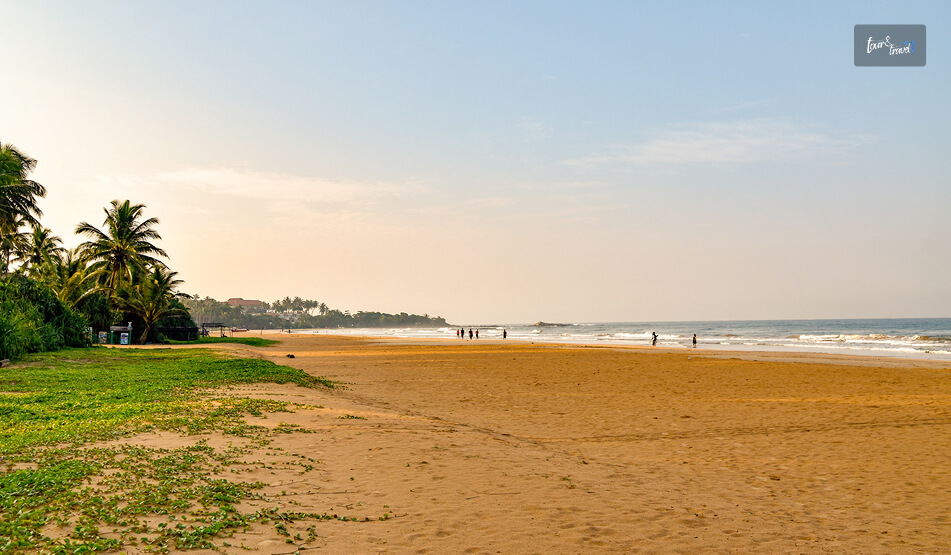
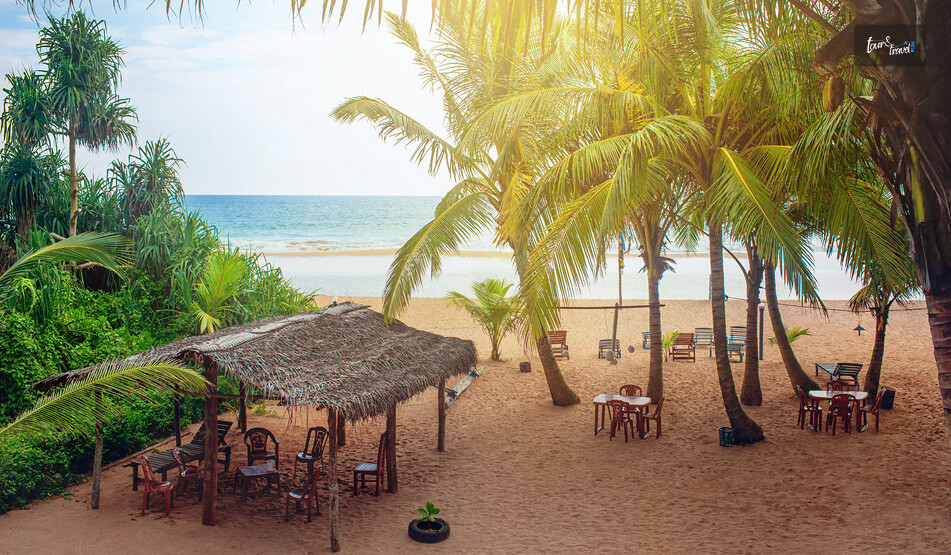
Nevertheless, Bentota Beach has always been a popular, idyllic destination in Sri Lanka due to the calm waves of the Indian Ocean and soft golden sands. 

Furthermore, it is a gateway to the Sinharaja Forest Reserve, a UNESCO World Heritage Site, and another UNESCO World Heritage Site, Galle Fort

However, for me, the most striking thing about Bentota was the safari on the Bentota Ganga. With dramatic landscapes and surrealism awaiting you in every nook, this was one of the highlights of my trip to Sri Lanka

Also, very close to Colombo, just a 2-hour drive away, this beach stands out even if tourists show more interest in popular variations such as Tangalle Beach and Mirissa Beach

Here is more about why Bentota Beach is worth visiting and what the top attractions are. 

What Are The Things To Do In Bentota? 

The heavenly sunset views of Bentota Beach, the most anticipated boat safari on Bentota Ganga, and a relaxing experience in the Ayurveda Herbal and Spice Garden!

Furthermore, if you want an adrenaline rush, you can take part in activities such as parasailing, banana boating, jet skiing, and more!

1. Water Sports At Bentota Beach

Water Sports At Bentota Beach

Bentota has many beaches, such as the Ventura Beach or the Moragalla Beach, where the ocean meets the Bentota Ganga River. 

However, together, they are known as the Bentota Beach, and together they look like a long stretch of fine white sand. 

A specific stretch of sand is parallel to Bentota Lagoon, which is more commonly called the Bentota Ganga. 

It is known as the Paradise Island, looking like a narrow and long peninsula stretching out into the ocean. 

Also, it is ideal for the following watersports. 

  • Windsurfing
  • Waterskiing
  • Diving
  • Canoeing
  • Snorkeling
  • Fishing

Moreover, centers such as Diyakawa Water Sports and Sunshine Water Sports Center help with the best gear, training, and guidance. 

2. Visiting The Kosgoda Sea Turtle Conservation Project

Visiting The Kosgoda Sea Turtle Conservation Project

I mentioned the Kosgoda Sea Turtle Conservation Project when visiting Kalutara. 

However, it is way closer to Bentota, and it is situated at a distance of just 9 km. So, it is just a road journey of 9 km or 15 minutes south by road. 

It remains open from 8:30 AM to 6:30 PM, and the ticket price is LKR 500 for locals and LKR 1000 for foreigners. 

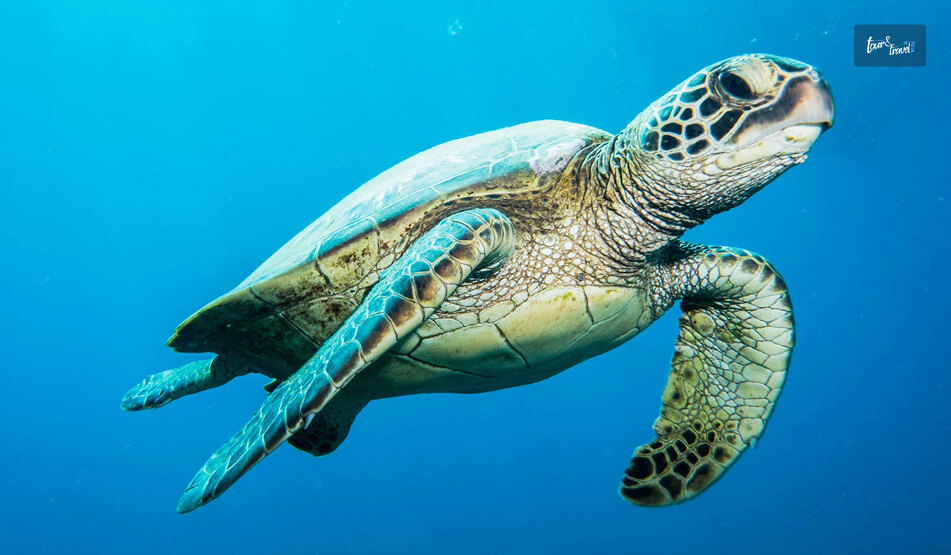
It is a vital wildlife sanctuary on the southwestern coast of Sri Lanka. Established in 1981, it aims to protect endangered sea turtles from extinction caused by poaching and habitat loss.

The hatchery monitors local beaches to rescue vulnerable eggs. 

It buries them safely in protected sand nests until they hatch. Impressively, the project cares for all five sea turtle species that visit Sri Lanka.

  • The Green Turtles
  • Loggerhead Turtles
  • Hawksbill Turtles
  • Olive Ridley Turtles
  • Leatherback Turtles. 

The sanctuary also rehabilitates turtles injured by fishing nets.

However, for me, the most exciting experience in the sanctuary was releasing newborn hatchlings into the Indian Ocean at sunset. 

This hands-on experience funds the project while raising global awareness about marine conservation.

Overall, it was a great experience learning about the marine ecosystem and how these adorable marine creatures play an important role in maintaining the balance. 

If you want to watch and study them further, Sri Lanka has many other destinations such as the Dalawella Beach, Dickwella Beach, and Mount Lavinia Beach

3. The River Safari On Bentota Ganga 

While many people are more excited about the watersports, I visited Bentota for the water safari. 

It was late afternoon, and the Sun was getting mellower. Fortunately, the hotel I was staying in had the provision for booking a boat safari. 

The boat progressed through the jungle. Also, I could spot eagles flying high and some snakes in the water. 

I was looking for crocodiles, but this time, I did not find one. 

Moreover, the roots of the trees got entangled, and the roots created some eerie formations that looked straight out of Apocalypse. 

Having said that, the river safari was not just an opportunity to spot the wildlife. I also saw the traditional fishing techniques and prawn farming in the wetlands surrounded by mangrove forests. 

Another interesting stop was the Cinnamon Island. I spotted old and young men cutting sleek sticks of cinnamon. I bought a few bottles of cinnamon oil from them. 

It was a 1.5-hour safari, and it cost around LKR 2500. 

4. Exploring The Bentota Market 

Exploring The Bentota Market

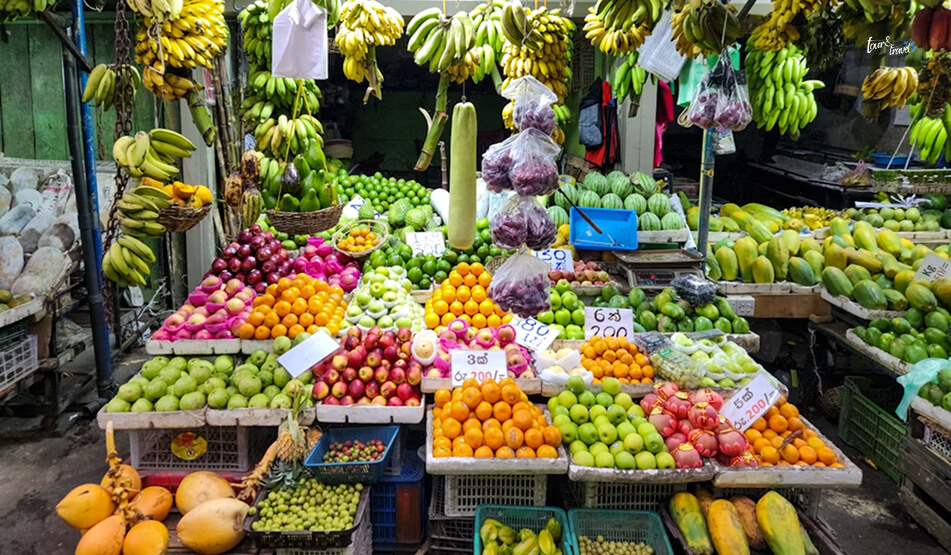
The Aluthgama town is around 3 km away from Bentota, and the Monday market here is amazing. 

I had a talk with Manjula, a college student and a local vendor who helps her mother, Hiruni. 

“People from different parts of the southwest coast come here. This is a market mostly dominated by women. So, I love being a part of the market. 

The vendors sell various products, including clothes, vegetables, groceries, and other knick-nacks. 

I also found the place to be a great spot for socializing. Women were interacting with each other when buying exotic fruits and fresh vegetables. 

Moreover, I collected some cinnamon sticks, spices, and clothes as souvenirs. 

5. Enjoying The Benefit Of Herbal And Spice Treatment 

Bentota is famous for traditional Ayurveda and health treatment. The oils and massage solutions here have spices and local herbs. 

The medicines and solutions also have cardamom, cinnamon, seeds, fruits, bark, and leaves. 

So, if you want to enjoy the ultimate Sri Lankan spa experience, Bentota is the ideal place. 

The big hotels and resorts have spas offering traditional treatments and therapies. Furthermore, there are some specialized Ayurveda centers. 

Where To Stay In Bentota Beach? 

Where To Stay In Bentota Beach

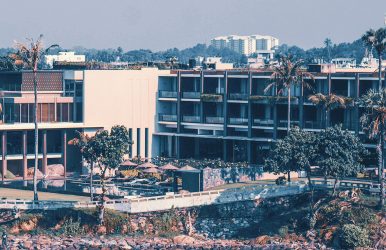
From budget guesthouse Hotel Hemadan to 5-star hotel Taj Bentota Resort, the accommodation options in Bentota are diverse. 

Furthermore, if you want an artistic and boutique experience, you can choose options such as Taj Bentota Resort and NH Bentota Ceysands. 

Based on the accommodation you choose, the cost of staying in Bentota will be between LKR 13000 and 60000 per night. 

Share on Social Media

Sibashree is a travel, culture, and leisure writer who has been writing since the age of 12 and professionally since 2014. With more than a decade of travel writing experience and journeys across India and several parts of the world, she brings a deeply personal and thoughtful perspective to her work. A student of English Literature and Mass Communication, Sibashree has always viewed travel as more than movement — for her, it has been a way of understanding people, cultures, and herself. Her passion for spiritual exploration has also led her to many unusual and meaningful destinations over the years. Outside of writing, Sibashree enjoys watching European cinema, reading about global politics, and reflecting on the stories hidden within everyday places.

Leave a Reply

Your email address will not be published. Required fields are marked *

title-img Related

READ MORE Polonnaruwa

What Are The Best Things To Do In Polonnaruwa? [Ultimate Travel Guide]

BY  Sibashree Jun 3, 2026

Polonnaruwa is filled with ancient structures, shrines, and temples. So, it draws the attention of people who are interested in visiting a place of great historical importance. In this article, I will give you some important tips and talk about the places, sites, and the history of the place that drew my attention. A Brief History Of Polonnaruwa Before getting into other details, we should take a look at the history of the place. Furthermore, knowing the history of Polonnaruwa will make the trip more interesting. Polonnaruwa was the second major capital of Sri Lanka, which came to prominence after the destruction of Anuradhapura in 993 AD. Moreover, it was the most important commercial and religious center of that time. Polonnaruwa reached its golden age in the 12th century under King Parakramabahu I.  The Chola Period (10th Century To 11th Century) The South Indian Chola dynasty conquered the ancient capital of Anuradhapura and made Polonnaruwa their new capital. Moreover, they renamed the city Jananathamangalam and built several Brahmanical monuments like the Siva Devale temple. Furthermore, the Cholas chose Polonnaruwa over Anuradhapura as the capital because it was positioned strategically in the heart of Sri Lanka. Additionally, the position of the city also gave them protection against the rebellion of the Ruhunu Sinhalese kingdom. Sinhalese Golden Age (11th Century To 12th Century) The strategically positioned capital couldn't stay protected from the Sinhalese. Eventually, in 1070, the Sinhalese King Vijayabahu I defeated the Cholas and restored Sinhalese rule. He also kept Polonnaruwa as the capital of the Sinhalese kingdom. The city reached its highest glory under his successors: King Parakramabahu 1 (1153 to 1186): King Parakramabahu 1 is often called the Great. He turned the city into a beautiful garden city during his rule. Additionally, he built Vaijayanta Pasada (Royal Palace) and intricate temples like the Lankatilaka Temple. Moreover, he built a massive 25-square-kilometer artificial lake known as Parakrama Samudra to secure water for his people. King Nissanka Malla (1187 to 1196): King Nissanka Malla also tried to match his predecessors' construction projects. In trying to do so, he ended up bankrupting the kingdom. Decline And Rediscovery (13th Century Onwards) There were several invasions and turmoils going on because of which the city’s resources and administrative system collapsed in the early 13th century.  The capital moved to the southwestern side of the island, and gradually, the jungle spread through Polonnaruwa. Finally, archeologists rediscovered the ruins of Polonnaruwa in 1860, and the forgotten city stands as a UNESCO World Heritage Site. Places To Visit In Polonnaruwa Polonnaruwa is a place of historical significance. The ancient structures, shrines, and temples draw the attention of visitors.  What amazed me was the well-preserved ancient remains. Moreover, I feel that a bicycle is an amazing option for traveling through the city. Places I found most amazing in Polonnaruwa are: The Gal Vihara The Gal Vihara is four giant Buddha statues, which are carved out of a large granite gneiss rock. The images consist of a large seated figure, another smaller seated figure inside an artificial cavern, a standing figure, and a reclining figure. Additionally, King Parakramabahu I fashioned this rock structure in the 12th century. Moreover, there is a story regarding this rock structure, which is one of the four statues, that isn't actually Buddha. Many people say that it is one of his grieving apprentices. The Polonnaruwa Vatadage Remaining unnoticed for several centuries, the excavation of Polonnaruwa Vatadage started in 1903. Many people believe that Parakramabahu 1 built this place to hold the relic of the tooth of Buddha. Moreover, another group of people believes that King Nissanka Malla built this place to hold the alms bowl used by Buddha. Additionally, the structure has two stone platforms decorated with stone carvings. You can enter the lower platform through a single entrance, which is facing the north. You can enter the second platform through four doorways facing four cardinal points. Hatadage Hatadage is another place that I found very fascinating. This place is found next to the Vatadage. This place holds a historical importance for tourists. Hatadage is located in the ancient city of Polonnaruwa. According to historians, King Nissanka Malla built this place. Moreover, Nissanka Malla built this place as a shrine to keep the relic of the tooth of the Buddha. Furthermore, many people say that the place holds sixty relics. I found this place very fascinating to visit. The Lankatilaka Temple The Lankatilaka Temple is another interesting place to visit. The temple is located on Panhalgala Rock in Udunuwara. Moreover, King Bhuvanekabahu 4 constructed this temple. Additionally, the temple has beautiful stonework, rock inscriptions in both Sinhala and Tamil, and a striking dragon arch. The walls of the temple reach 17 meters in height and have a large statue of Buddha. Furthermore, the design of the stairways of the temple drew my attention. Every step of the stairway is only 10 centimeters wide. So, it is difficult to climb. Moreover, with such short steps, the only way to climb down is sideways. While climbing down this manner, you won't be able to turn your back towards the statue of Buddha, which is also considered disrespectful. Rankoth Vehera Stupa The Rankoth Vehera Stupa is the largest stupa in the ancient city of Polonnaruwa. King Nissanka Malla built it. The fascinating part of the stupa is that it is built entirely of brick, and it is set upon a large square terrace. When you walk around the stupa, you will get to know how big it is. How To Go Around Polonnaruwa? There are several ways to go around Polonnaruwa. The two most convenient ways are: Bicycle According to me, the best way to see Polonnaruwa is by bicycle. Moreover, there are many ruins spread out throughout Polonnaruwa, and a bicycle will let you move freely from one place to another. Furthermore, there are many hotels and shops in Polonnaruwa from where you can rent a bicycle. Finally, renting a bicycle will make your trip convenient and budget-friendly. Tuk Tuk  Tuk-tuk is also a good option for going around in Polonnaruwa. Moreover, hiring a tuk tuk will also provide you with a driver as a guide, which is very amazing to see the ancient city. Furthermore, you should choose a tuk-tuk if you are in a hurry. Though I prefer renting a bicycle. How To Reach Polonnaruwa? I will give a few routes for Polonnaruwa with cost and travel time. You can choose the convenient one for you. From Sigiriya To Polonnaruwa Bus: Sigiriya – Inamaluwa – Polonnaruwa – Kaduruwela | After a short tuk-tuk journey from Sigiriya to Inamaluwa, jump on the bus to Kaduruwela. Cost: Tuk-tuk from Sigiriya to Inamaluwa 500 LKR, ($2.8) | Bus from Inamaluwa to Polonnaruwa 200 LKR, ($1) per person Travel time: 1.5 hours From Dambulla To Polonnaruwa Bus: Dambulla – Polonnaruwa – Kaduruwela | Take a direct bus that heads for Kaduruwela from the Dambulla Main bus stop. The bus leaves every 20-30 minutes starting from 7 am. Cost:  Bus from Dambulla to Kaduruwela – 220 LKR ($1) per person Travel time: 1.5 to 2 hours From Trincomalee To Polonnaruwa Bus: Trincomalee – Habarana – Polonnaruwa | A quite difficult journey. From Trincomalee, take a bus heading for Dambulla or Colombo. Tip: Before entering, ask if the bus driver stops in Habarana and if there is a connection to Polonnaruwa. Generally, you’ll find buses that stop in Polonnaruwa at the Habarana Junction. Cost: Bus from Trincomalee to Habarana – 120 LKR, ($0.70) | Bus from Habarana to Polonnaruwa – 80 LKR, ($0,50) Travel time: 4 hours From Colombo To Polonnaruwa Train: Colombo Fort – Polonnaruwa | A rough journey that is packed and heads out to the east coast of Sri Lanka. Personally, I recommend visiting Kandy and Sigiriya in between. Cost: 2nd class: 350 LKR ($2) per person, 3rd class: 200 LKR ($1) per person Travel time: 6.5 hours What To Eat In Polonnaruwa? In Polonnaruwa, you should always go for authentic Sri Lankan rice and curry. I will mention some of the best dishes according to my choice: Traditional Rice And Curry There are many places in Polonnaruwa where you can get an authentic Sri Lankan platter or buffet. In this platter, you will get 10 to 30 freshly made vegetable and meat curries. Moreover, this will be served on a lotus leaf. String Hoppers String hoppers are a breakfast and dinner dish. It is made of steamed rice flour noodles. Additionally, they serve it with spicy coconut sambal (Pol Sambol) and dal (Lentil) curry. Polos (Young Jackfruit) Curry It is a green jackfruit curry. It is cooked slowly and looks like meat. Additionally, they cook it with regional spices, which enhance the taste of the dish. Where To Eat In Polonnaruwa There are some places you can go to get high-quality, authentic Sri Lankan food. I will share some places that I liked. Jaga Food It is a good place you can go to have your Sri Lankan buffet prepared in a traditional clay pot. Moreover, this is a place with an excellent outdoor seating arrangement. Priyamali Gedara It serves authentic, high-quality local home-cooked curries. Tree Hut Restaurant I found this place amazing because of its blend of traditional local dishes with Chinese-inspired options.

READ MORE Jaffna Cultural Guide

A Jaffna Cultural Guide: How To Experience Tamil Culture In Jaffna? 

BY  Sibashree Jan 6, 2026

With the Sri Lanka Tourism Development Authority (SLTDA) planning to diversify the tourism offerings, Jaffna, the northernmost part, comes into the limelight. Jaffna is the place to know about the local Tamil culture and heritage of the country.  Jaffna has beautiful temples, and the Jaffna temple etiquette shows how the people here are sincere about their customs and traditions. Also, major festivals such as the Nallur Annual Festival are celebrated around the temples here.  On the other hand, the Jaffna food scene is a celebration of locally-sourced ingredients such as fresh seafood, palm flour, and roasted spices.  SLTDA is proactively improving the infrastructure without compromising the sustainability aspect. Thus, in 2026, Jaffna is going to emerge as an eco-tourism leader, which promotes its culture and heritage.  Also, during my last visit, I found Jaffna to be a rhythm. I woke up with the sound of temple bells at 5 AM and the smell of jasmine and roasted curry powder. As I crossed the Elephant Pass, it was a paradigm shift from the greens of the Sinhalese South. Suddenly, I was in a sun-drenched, rugged terrain of palmyrah palms and limestone.  The humble and soft curves of the Buddhist Stupas were replaced by the towering Gopurams of the Hindu temples.  Life moves at a gentle pace here, and everyone works together, keeping a century-old tradition and heritage alive.  In this Tour and Travel Blog, I will talk about how to experience Tamil culture in Jaffna, every day, through festivals, temple visits, and more.  How To Experience Tamil Culture In Jaffna? Reading The Streets And Daily Rituals  Taking a walk down the streets of Jaffna is the best way to learn about the local Tamil culture. And the best part is the inclusivity.  It does not matter the social strata you belong to. The customs, festivals, and temples are accessible to all. Nevertheless, these are the daily rituals and road customs that offer insights into the culture of Jaffna. 1. The Kolam (Doorstep Art) I walked along the lanes of Jaffna at dawn and saw women sweeping their doorsteps and drawing intricate geometric patterns with white rice flour. It is called the Kolam.  Kolam has deeper spiritual and environmental implications. Kolam at the doorstep is a gesture of non-violence or Ahimsa. Also, the design is made using rice flour, which ants and birds eat. Thus, the first act of the day becomes about giving.  Furthermore, during a special festival or wedding in the house, the white lines are bordered with Kaavi (red brick powder). The red lines offer spiritual protection from evil eyes.  Also, if you see a house with no Kolam for many days, it means that the family is mourning. It signifies that the rhythm of joy has paused for a certain period for the family. 2. The Pottu And Vibuthi (Forehead Markings) Pottu and Vibuthi are two different types of forehead markings, and these are the visual language of faith. a. Vibuthi (The Ash) Vibuthi means three horizontal lines drawn on the foreheads of the devotees of Shiva. It means the burning away of the ego and the impermanence of life.  Also, the followers of Lord Shiva often smear ash on their forehead after a morning temple visit.  b. The Sandalwood Paste It is a yellow dot made of sandalwood paste. Many people even smear the sandalwood paste on the entire forehead. It signifies mental clarity and cooling. c. Pottu (The Dot) Pottu, often red (vermillion), the dot symbolizes the "third eye" or the seat of Shakti (divine power). It means that a woman is married.  You will also notice black dots (with Kajal/Kohl) on the forehead of young children as a mark to ward off evil eyes.  3. The Home Visit Etiquette And Tamil Hospitality Customs The Tamil hospitality customs are warm and welcoming. However, when you visit a Jaffna home, you have to follow certain social norms.  Follow The Evil Eye Or Drishti Rule  You cannot praise the beauty and health of a child excessively when visiting their home. It is considered a bad omen or an act of jealousy. If you want to adore a child, praise them briefly and share your good wishes.  The Plate Rule Of Eating  It does not matter how much you liked the food. You cannot polish your plate. Contrary to Western culture, here, leaving a polished plate means that you are still hungry or the host failed to provide enough.  The custom is to leave a tiny, symbolic amount of food on the plate. It shows that you have been provided with an abundant amount of food. 4. Caste & Conservatism: Managing Expectations In my Jaffna travel guide, I have talked about the cultural richness of the Sri Lankan northern city. However, beyond the cosmopolitan buzz of Colombo, a socially conservative vibe reigns in this region of Sri Lanka.  So, PDA or public displays of affection, even holding hands, can draw uncomfortable stares from the older generation.  Furthermore, you cannot wear short skirts or shorts in public. Your clothing has to be modest, and usually your knees and shoulders should be covered.  Temple Culture Beyond Sightseeing: A Jaffna Cultural Guide The Nallur Kandaswamy Kovil is the majestic spiritual and cultural heart of the city. However, the village kovils or the smaller temples are the places where local communities gather, and the atmosphere is very intimate.  The Archana Basket Ritual At The Temples  You can buy a small wicker basket near the temple entrance. It contains bananas, a coconut, flowers, and betel leaves.  Once you enter the temple, you have to hand it over to the priest at the inner sanctum. He will offer the basket to the deity and chant a blessing.  Furthermore, the priest will return with a flaming lamp (Aarti). Hover your hands over the flame and then touch your eyes to receive the light’s blessing. The Temple Sound: Nadaswaram And Thavil When you are in Jaffna, you don’t have to look for music. The music will find you. The sound of Nadaswaram or a long wind instrument exudes a piercing and soulful melody.  Then, the Thavil or drum has a thundering sound, and it is heard during every major temple festival. Nallur Festival Traditions And Jaffna Festival Calendar FestivalMonthWhat to ExpectThai PongalJanuaryA harvest festival where "Pongal" (rice and milk) is boiled until it spills over, symbolizing abundance.Nallur FestivalAugustA massive 25-day celebration culminating in a grand chariot procession where thousands of men pull the deity's carriage.DeepavaliNovemberThe Festival of Lights; homes have oil lamps, and the city exudes the scent of traditional sweets. Immersive Cultural Experiences For an immersive cultural experience, you must meet a traditional weaver in Inuvil and see how artisans create the most intricate textiles on hand-operated looms from cotton and palmyrah fibers.  Also, you must give the restaurants a miss for the day. Visit a local homestay where you can have cooking lessons. Grind spices using a stone grinder or Miris Gala and feel the aroma.  Do you love Bharatanatyam Dance? Visit an art school like the Jaffna Kalai Thoothu. You can watch students rehearse this ancient, highly disciplined classical dance form. You can even join sessions such as the Vibrant Rhythms of Jaffna, where you can also try some moves.  The Authority Voices On The Jaffna Cultural Guide Anuk Arudpragasam (Booker Prize Shortlisted Author): “Jaffna is a place of memory. The culture here isn't just performed; it is held onto tightly as a way of surviving history.” (Context: Discussing the resilience of Tamil culture post-war). The "Jaffna Boy" (Local Cultural Blogger): “To know Jaffna, you must wake up before the sun. The culture lives in the sweeping of the front yard and the drawing of the Kolam before the heat sets in.” Serious Eats (Culinary Authority): “The hospitality in Jaffna is aggressive in the best way possible. You do not just 'eat' here; you are fed.” A Jaffna Cultural Guide: Know The Expert Tips  “Saptingala” or “Have you eaten?” This is the common term I have heard from the locals I encountered. Seldom have I come across a city where people are so caring, even in casual greetings.  However, it’s safe to say “Yes.” Otherwise, they will feel obligated to feed you. Apart from these gestures, some other things you need to keep in mind when you are in Jaffna. 1. Don’t Touch The Head The head is the most sacred part of the body. So, you cannot pat a child on the head. Furthermore, you cannot touch a priest or monk randomly.  2. Use Your Clean Right Hand  You have to keep your right hand clean. You must use your right hand for shaking hands, eating, giving money and gifts, and pointing.  3. Men And Shirts  You will often find older men not wearing a shirt in their house. There is nothing offensive about the custom. In the hot and humid north, it is a tradition that ensures comfort.  4. Don’t Photograph Women Bathing In Holy Places Keerimalai Springs is a holy bathing place, and local women often take a bath in sarees at public wells. You must not photograph them.  It is a daily ritual for them and not meant for any tourist show.  5. The Quintessential Jaffna Siesta  Most shops and house doors are closed between 1 PM and 4 PM. It is the Jaffna Siesta time. It once again shows how life in Jaffna moves at a different pace than the rest of the world.  6. Gold Is Security  Women in Jaffna roam around wearing massive amounts of gold jewelry. It is their financial security. Also, Thattam or the gold coin jewelry is especially famous here.  It is disrespectful if you ask a woman whether the ornaments she is wearing are real or not. It is always real.  7. The Jasmine Rule  During my stay in Jaffna, I always wore a string of fresh jasmine flowers in my hair. It was one of the reasons why I connected with the local people very quickly.  A Jaffna Cultural Guide: Frequently Asked Questions (FAQs) Here are the frequently asked questions and answers about the Jaffna cultural guide.  1. What Is The Main Religion In Jaffna?  Hinduism is the main religion in Jaffna. Furthermore, people here are mostly devotees of Lord Shiva and Murugan. The religious beliefs of the people here impact the local culture, food, and daily rhythm. 2. Can I Shake Hands With Local Women? The Jaffna society is conservative. So, most women here will not be comfortable shaking hands with you at the first meeting. You can fold your hands and say “Vanakkam” with a smile for a perfect greeting.  3. What Language Do The People In Jaffna Speak? Tamil is the primary language in Jaffna. People here rarely speak the Sinhalese language.Furthermore, you will find people speaking in English in hotels and other facilities. However, as you explore the villages, you will find very few people speaking English.  4. Is Jaffna Culture Similar To India?  Yes, the culture of Jaffna is very similar to that of Tamil Nadu in South India. In fact, if you visit Jaffna from Colombo, you will experience a huge cultural shift. The Tamil people in Jaffna are very protective and proud of their distinct identity, cuisine, and dialect.  5. Can I Enter A Home In Jaffna If I Am Invited? Yes, it is a huge honor to visit a home in Jaffna on invitation. Just remember to take off your shoes at the gate or door. Furthermore, when you visit a home in Jaffna, you can carry flowers and sweets as gifts. You must not carry alcohol as a gift if you are visiting a home in Jaffna for the first time. 6. Why Is Vegetarian Food So Common In Jaffna?  Vegetarian food is very common in Jaffna due to the strong Hindu influence. Many locals are vegetarians here due to religious beliefs. Also, many local Tamil families here follow the custom of eating vegetarian food on Tuesdays, Fridays, and other holy days. 7. Is It Rude To Leave Food On My Plate In Jaffna? No, it is not rude to leave food on your plate when you are eating in Jaffna. In fact, when you leave a little amount of food on your plate, in Jaffna, it means that the host has served you an abundant amount of food. If you polish your plate off completely, the host may serve you another mountain of rice, considering you are not full yet. 

READ MORE Luang Prabang travel guide

Luang Prabang Travel Guide: Why I Loved It? (Activities, Attractions, History, Itinerary, And More)

BY  Sibashree Oct 21, 2025

2022 had taken me to the less frequented Luang Prabang in Northern Laos. Now, thanks to the place I call home, I have heard many stories about the Mekong River, and it has always been on my bucket list.  So, a trip to Luang Prabang was a dream-come-true moment for me.  Three years passed by, and today, before writing this Luang Prabang travel guide, I was researching updates about this UNESCO World Heritage Site. I found out that in the Smart Travel Asia Best in Travel Poll 2025, it has been voted as one of the best vacation destinations in Asia.  Furthermore, it has won third place in the Destination Management category of the 2025 Green Destinations Top 100 Story Awards at ITB Berlin. It is a recognition of how Luang Prabang follows a sustainable tourism practice.  So, the Tour and Travel World data looks very convincing about the arrival of 3,061,928 international tourists to Luang Prabang in the first eight months of 2025, recording a 15 percent clear growth YoY.  Nevertheless, beyond the numbers and accolades, Luang Prabang remains in my heart as a beautiful story that I will share in this Tour and Travel Blog.  Luang Prabang Location And Geography: An Overview  Luang Prabang is on a peninsula at the confluence of the Mekong and Nam Khan rivers. It is designated as a UNESCO World Heritage Site for being an “outstanding example of the fusion of traditional architecture and Lao urban structures with those built by the European colonial authorities in the 19th and 20th centuries.” Here are the important geographical data and statistics about Luang Prabang.  Rivers• Nam Khan and MekongPopulation• 47378 (Source: World Population Review)Primary Ethnic Group• The Kmhmu or KhmuMountains• Phou Nang, Phou ThaoForests• Luang Prabang Montane Rain Forests EcoregionDry Season• November to AprilWet Season â€˘ May to OctoberAverage Annual Rainfall â€˘ 1,600 MM (Source: North-Vietnam.com)Average Humidity• 70% (Source: North-Vietnam.com)Waterfalls• Kuang Si, Phu Fa WaterfallNatural Vulnerabilities• Landslides• Floods• DraughtsSpecial Geographical Feature• Mount Phousi, a Central High Hill with an Altitude of 150 MetersArea• 16,875 Square KilometersNatural Vegetation• Oak• Beech• Dipterocarpus• Bamboo• Laurel How To Reach Luang Prabang? I took a flight to the Luang Prabang International Airport (LPQ) via Bangkok. You can also take a connecting flight from Singapore. As the main gateway to the town, LPQ gets flights from the Suvarnabhumi and Don Mueang airports in Bangkok, Siem Reap, Hanoi, and Chiang Mai. After reaching the airport, I took a tuk-tuk to reach the town center. It cost me around $5 per person.  What Is The History Of Luang Prabang?  The legends and stories about Luang Prabang never end, and I can attest to that. Every time I visited a Vietnamese coffee shop or talked to my homestay owner, a new story came up.  Here are the key facts about the history of Luang Prabang.  The archaeological evidences suggest that the history of inhabitation in Luang Prabang goes back to 8000 B.C.  The city was initially known as Muang Sua, and by 1357, it was renamed as Maung Xieng.  Further, in the 14th century, Luang Prabang was home to the first Lao Kingdom, Lane Xang, built by King Fa Ngum.  After the city got a new name, it received a Phra Bang, or a golden image of Lord Buddha, from the Khmer monarchy. Thus, it got its current name, Luang Prabang.  Luang Prabang served as the ancient capital of Lane Xang till 1560. After that, King Setthathirath shifted the capital to Vientiane. During the rule of King Surigna Vongsa (late 17th century), Luang Prabang had its first interactions with the Western emissaries.  In 1694, after the demise of King Surigna Vongsa, Lane Xang was divided into three parts: Luang Prabang, Champasak, and Vientiane.  In the 19th century, the city witnessed much destruction by the black flag pundits.  Major restoration work by King Sisavang Vong took place during the span of 1904 and 1959.  It is said that Lord Buddha used to rest here on his pilgrimage route, smiling to indicate the future prosperity of the city.  Major Attractions in Luang Prabang, Laos In the recent annual Lighted Boat Festival, Luang Prabang grabbed all the limelight with its beautifully crafted boat and lighting, celebrating the 30th anniversary of its designation as a UNESCO World Heritage Site.  Along with the Old Town, these are other major attractions in Luang Prabang.  1. Kuang Si Falls I reached the Kuang Si Falls after visiting the Tat Kuang Si Bear Rescue Centre. The layered pools are the most amazing features of Kuang Si Falls.  After swimming in the pools, I took a walk along the bridge for stunning photos. The entry fee to Kuang Si Falls is around 60,000 KIP.  2. Mount Phousi Trekking to Mount Phousi was not as difficult as I thought. I wanted to take it a little slow and reach the top of Mount Phousi in less than an hour. The steps were not that steep.  The entry fee was 20,000 KIP, and it was almost sunset when I reached the Golden Stupa at the top of Mount Phousi. The red lights falling on the Golden Stupa looked magical, and the panoramic view was beautiful.  3. Royal Palace Museum Timing: 8 AM -11:30 AM and 1:30 PM to 4 PM The Royal Palace Museum stands as a testament to the opulence and royal grandeur of Laos in the pre-Communist era. Among the artefacts, the Phra Bang Buddha statue is the main attraction.  The former royal residence also stands out because of its fusion of Laotian and French architecture.  4. Wat Xieng Thong Hours Open: 8 AM to 5 PM Entry Fee: 30.000 Kip/Person Built in 1560, Wat Xieng Thong is one of the most revered temples in Laos. Setthatirath built this temple, and I loved the glass murals here.  5. Pak Ou Caves To explore more Luang Prabang temples, I reached Pak Ou Village. The tuk-tuk ride to the caves costs around 400000 KIP, and I reached the caves after a long boat ride. The journey was beautiful. The temples and Pak Ou caves with statues of Lord Buddha are the highlights of my Luang Prabang trip. The entry fee was 20000 KIP.  6. Luang Prabang Night Market Hours: 5 PM to 10 PM The Luang Prabang Night Market was a real surprise. Honestly, I did not expect this much fun. Hundreds of vendors were selling clothes, handicrafts, ornaments, ceramics, tea, and coffee.  I bought some textiles, bags, and ceramics. One thing - you have to be at the A game of your negotiation. Some vendors are really pushy.  7. Tad Sae Waterfall Hours: 8 AM to 7 PM Tickets: 15000 Kip for Locals and 30000 KIP for Foreigners (Free for Children below 8 Years) While Kuang Si is a more popular choice, it is bigger. However, I loved the Tad Sae Waterfall more. It is more relaxing, and for me, the nearby elephant park was an added attraction.  One of the best Luang Prabang waterfalls, Tad Sae Waterfall, is layered with crisscrossing decks. 8. Traditional Arts and Ethnology Centre Hours: 8 AM to 5 PM (Monday Closed) Entry Fee: Fee for Locals, 25000 KIP for Foreigners  View this post on Instagram A post shared by TAEC Museum | Shop | Cafe (@taeclaos) The board on the wall of the Traditional Arts and Ethnology Center sums up what experience you can expect here. You can combine your Mount Phousi trek with this Ethnology Centre visit.  It was a brilliant curation of more than 600 artefacts from over 20 ethnic groups in Laos.  9. Wat Mai Suwannaphumaham Hours Open: 8 AM to 5 PM Tickets: 10.000 Kip/Person Wat Mai Suwannaphumaham is one of the closest temples to the city center. It was built in 1796, and a major restoration work took place in 1821 under the leadership of King Manthathourath.  The temple has beautiful murals and sculptures on the wall, along with the golden statue of Lord Buddha.  10. Alms Giving Ceremony Some activities in Luang Prabang are free but priceless in terms of experience and learning. Giving alms to monks is a part of the social and religious practice of the place I belong to. Furthermore, giving alms to monks is like sharing your resources with the community.  I reached near the Joma Bakery Cafe on the Sakkalaine Road to take part in this ceremony.  The monks were happy with whatever they received. However, due to cultural differences, many tourists do not understand the significance or the courtesy of giving alms. 11. Ock Pop Tok Living Crafts Centre View this post on Instagram A post shared by Ock Pop Tok (@ockpoptok) Just around 2 km from the Night Market, Ock Pop Tok Living Crafts Centre is a place to learn about traditional Laoian textiles and craftsmanship. I took the free tuk-tuk ride from the Night Market to this crafts center.  Tuk-tuk services are available from 8 AM to 8 PM. 12. Phosi Market Hours: 7 AM to 5 PM View this post on Instagram A post shared by Mas El Mundo (@the_slowtraveller) Phosi Market is the biggest market in Luang Prabang, and the air here is heavy with the whiff of fresh produce and spices.  I talked to the local vegetable gardeners here and bought some local spices. Honestly, exploring the local markets is one of the best things to do in Luang Prabang Laos for solo travelers.  13. UXO Lao Visitor Center Hours Open: Monday to Friday - 8 AM to 11:30 PM and 1 PM to 7 PM Entry: Free View this post on Instagram A post shared by Raja Ray (@raja.ray) I took a 15-minute walk from the City Center to reach the UXO Lao Visitor Center. The center tells you that Laos has been the most heavily bombed nation, according to a per capita calculation.  Some of the bombs have not exploded, and they remain on the earth. They continue to create human casualties.  The documentary I saw here was heart-wrenching, and the survivor stories gave me goosebumps.  14. Whisky Village View this post on Instagram A post shared by LUCA CURTI GIALDINO (@lukectfd) I reached Whisky village in search of the authentic Lao rice whisky. The settlement of Whisky Village or Ban Xang Hai is quaint. Almost every bottle has an encapsulated reptile.  I finally could not muster the courage to buy a bottle. Instead, I collected some silk textiles with intricate weavework.  Is Luang Prabang For Every Traveler? Who Will Love It The Most? Luang Prabang is more suitable for solo travelers and couples.  Having immersive cultural and spiritual experiences with museum and temple visits is one of the best things to do in Luang Prabang Laos for solo travelers. I thoroughly enjoyed it as a solo traveler, be it a visit to Wat Xieng Thong or exploring the markets.  Furthermore, Luang Prabang celebrates romance like quiet luxury. A sunset cruise on the mighty Mekong River or a bath in the turquoise pools of Kuang Si Falls are some of the most romantic things to do in Luang Prabang, Laos.  However, Luang Prabang is versatile in terms of the types of travelers it caters to. Most importantly, it teaches the art of slow and meaningful tourism in which you build connections and garner experiences that last a lifetime.  Here is a quick breakdown of different places in Luang Prabang catering to different types of travelers.  Types of TravelersPlaces to Visit in Luang PrabangHistory Buffs• Wat Xieng Thong• Old Quarter• Wat Mai Suwannaphumaham• Wat Visounnarath• Pak Ou CavesNature Lover• Mount Phousi• The Mekong River• The Forest AreaWildlife Enthusiast• Luang Prabang Wildlife Sanctuary• Elephant Village Sanctuary• MandaLao Elephant Conservation:• Manifa Elephant CampBackpackers and Budget Travelers• Tad Sae Waterfalls• Kuang Si FallsCulture and Local Life Experience• Luang Prabang Old Quarter• Luang Prabang Night Market However, beyond everything, Luang Prabang continues to be the spiritual heart of Laos.  Luang Prabang And A Unique Spiritual Experience  A BBC report suggests that Luang Prabang has the highest per capita monk population of anywhere else in the world. However, the Buddhist heritage of the city is impacted by the rapid surge of tourists after the opening of the Laos-China Railway in 2021.  The significant customs, such as alms giving, have now become more commercialized, losing their community and spiritual experience.  To combat this commercialization, Anat Khamphew and many other former monks are setting up tour guiding companies such as Spirit of Laos and Orange Robe Tours.  These companies will help establish an authentic experience where significant spots and devotional symbols are not turned into backdrops for selfies and Instagram photos, and where monks do not receive leftovers and junk food as alms. It’s all about traveling the monk’s way. Budget And Expenses For The Luang Prabang Trip I was traveling solo, and the expense was around $30–$50 or 6,52,832.40 to 10,88,054.00 Laotian Kip per day. The entry fees are a little higher, considering the local currency.  My daily expenses included: Hostel Charge: $20 Per Night (Mid-range hotels available at around $50-80 per day) Food: $5-10 Travel: $5 Entry Fee: $5 What Is The Best Time To Visit Luang Prabang?  November to February is the best season to visit Luang Prabang. Just after the October rainfall ends, the city enjoys clear weather conditions with mild temperatures. So, it is the ideal time to explore the outdoor things to do in Luang Prabang, Laos.  Luang Prabang experiences heavy rainfall from June to October, and March to June is stuffy and hot.  Here is a breakdown of temperatures in Luang Prabang by month. (Source: National Oceanic and Atmospheric Administration, NOAA).  MonthsHighest Temperature (Degree Celsius)Lowest Temperature(Degree Celsius)January2814February3216March3419April3522May3524June3424July3324August3224September3323October3221November3018Decemeber2815 Luang Prabang Food And Customs I Loved Furthermore, food in Luang Prabang is fresh and wholesome, just as the city is. I fell in love with \(Mok\) \(Pa\), which is fish steamed and cooked in banana leaves. I also tried \(Laap\), a national Laotian dish, and I chose the version with minced meat.  Furthermore, I lost count of the coconut cakes I had in Luang Prabang. It was subtle, sweet, and hearty.  The markets are the best place to explore the local specialties of Luang Prabang. However, the food scene of the city came alive after sunset.  Also, I was quite happy with the experience of the places I ate, such as the Tamarind Restaurant and Bouang Asian Eatery.  Luang Prabang’s culture is deeply rooted in Theravada Buddhism. The daily alms-giving ceremony at dawn is a sacred tradition.  Locals wear traditional Lao sinh and celebrate festivals like Pi Mai (Lao New Year) and the Festival of Lights. You have to dress modestly, remove shoes before entering temples, and respect local customs. Luang Prabang Travel Guide: The Dos And Don’ts Here is a detailed checklist of the things to do and things to avoid in Luang Prabang. Have a look at the table below.  Checklist for Traveling to Luang Prabang, LaosMistakes to Avoid When Traveling to Luang Prabang, Laos• You will need a valid passport and a Laos visa (eVisa or visa on arrival).• Get your money converted to local currency (Lao Kip) or USD.• Have travel insurance and keep the documents handy.• Dress modestly for temple visits. Use a reusable water bottle. â€˘ Wear sunscreen and insect repellent.• Choose comfortable walking shoes.• Carry a rain poncho or umbrella (especially in the wet season).• Buy a local SIM card and have an offline map when exploring the city and beyond. â€˘ Be respectful toward local customs such as alms giving. â€˘ Check the license of the driver for scooter rentals, as incidents of scooter accidents are common. â€˘ Negotiate and agree upon the fare before the tuk-tuk ride starts. â€˘ Visiting during the burning season (March–April) due to poor air quality• Arriving without USD for visa fees• Overestimating travel time between attractions• Not booking transport in advance during holidays.• Visiting over-crowded areas, petty thefts are common.  My 5-Day Travel Itinerary In Luang Prabang I stayed in Luang Prabang for 5 days. The best thing about Luang Prabang is that it will not push you to rush. So, my five-day stay here was one of the most relaxed experiences I had. Here is what I did on those five days.  DaysItineraryDay 1: Arrival and Cultural Experience• Reaching the Luang Prabang International Airport• Checking into my hostel• Evening walk in the city center• Having authentic Laotian food at Tamarind Restaurant• Exploring the Night Market Day 2: Temple Visits and Spiritual Immersion• Alms Giving ceremony at sunrise• Breakfast Saffron Coffee• Visiting Wat Xieng Thong, Wat Mai Suwannaphumaham, and the Royal Palace Museum• Lunch at Bouang Asian Eatery• Climbing Mount Phousi for sunset viewsDay 3: Nature and Adventure• Day trip to Kuang Si Falls, visiting the Bear Rescue Center, and swimming in the turquoise pools. â€˘ Lunch at Kuang Si Butterfly Park Café• Back to the town and enjoying a sunset cruise on the Mekong River. â€˘ Dinner at Utopia BarI chose Utopia Bar as it is great for solo travelers. The live music and yoga sessions were the highlight. Day 4: Exploring Culture and Craft• Visiting the Traditional Arts and Ethnology Centre• Visiting the Ock Pop Tok Living Crafts Centre and taking a weaving class• Lunch at Coconut Garden• Afternoon visit to Phosi Market• Cooking class at Tamarind Cooking School in the eveningDay 5: Offbeat Exploration and Departure• Half-day boat trip to Pak Ou Caves• Whisky Village en route• Lunch on the boat• Last-minute shopping at Night Market• Departure from Luang Prabang International Airport Tips For A Seamless Travel Experience In Luang Prabang  Stay near the night market for easy access to food and shopping. Join a walking tour to meet fellow travelers and learn local history. Rent a scooter or join a shared tuk-tuk to Kuang Si Falls. Cultural workshops are great for solo bonding and learning. Book an airport transfer in advance to avoid last-minute stress. Is Luang Prabang Worth A Visit?  Luang Prabang is definitely worth a visit, and its charm as a spiritual hub is matchless. It’s like that quiet afternoon of an autumn when you see the golden light of the Sun caressing your windows and floors.  Furthemore, it is a blend of natural attractions, wildlife, religious centers, cultural heritage, markets, and a vibrant food scene. The UNESCO World Heritage site is also a friendly and affordable place to be for solo travelers.  There is a reason why National Geographic praises its spiritual ambiance and well-preserved heritage, or Discovery Travel emphasizes its cultural richness, eco-tours, and artisan tours.  Moreover, it epitomizes the tourism slogan of Laos, “Simply Beautiful!” It is the place where you have to experience and not just travel.  Luang Prabang Travel Guide: Frequently Asked Questions (FAQs)  Here are the frequently asked questions and answers about the Luang Prabang travel guide.  1. What Cultural Events Or Festivals Happen In Luang Prabang? Boun Pi Mai Lao, or the Lao New Year, is the biggest festival in Luang Prabang. It takes place around mid-April. Boun Suang Huea, or the Boat Racing Festival, in September, and Boun Lai Heua Fai, or the Festival of Lights in October, are also celebrated with great pomp. Furthermore, November is the month of the That Luang Festival at the That Luang Stupa. It is celebrated with a trade fair and religious ceremonies.  2. Is 2 Days Enough In Luang Prabang? While you can cover some important landmarks of Luang Prabang in two days, I think that you will need at least 2-3 days more to immerse yourself in the local cultural and spiritual experience.However, if you are in Luang Prabang for two days, you can explore the City Center, the National Museum, the Royal Palace, and the temples near the City Center on day 1. On day 2, you can plan a trip to the Pak Ou Caves and Kuang Si Falls.  3. When To Avoid Luang Prabang? Late February to April is the time to avoid visiting Luang Prabang. Extreme heat and stuffy weather make the days uncomfortable for outdoor exploration. June to October is another season to avoid due to heavy rainfalls and calamities such as landslides. Read Also: A Comprehensive Guide To The Main Types Of Asian Food That You Can Find In Singapore Sunrise Spots in Vietnam: Top Places to Catch the Best Morning Views 5 Must-Visit Places In Thailand: Should I Go To Phuket Or Krabi?