
What Are The Things To Do In Japan? Know Why Gen Z Travelers Love Japan The Most  

Japan is now approaching Golden Week, and everyone will have their own list of things to do in Japan. 

From 29th April to 6th May, Japan will have the most colorful parades and horse races.

This Golden Week celebration is important to hail the rich culture of Japan. And it is this rich culture and a distinct sensory experience that make Japan a favorite among young people, especially Gen Z travelers. 

Also, on the Berkshire Hathaway Travel Protection list, Japan has been consecutively securing the 9th position as the safest country in the world for the last 2 years. 

Nevertheless, as I was saying, the things to do in Japan that make the country a favorite place to visit are not the same as the run-of-the-mill lists you see on the internet. 

So, here, I have tried to keep it honest, based on the places I have visited and tried to decode in respect to those places why Japan is the France of the 21st century. 

What Are The Things To Do In Japan? 

Japan slowly grows on you. It’s not nuclear power; it has one of the largest domestic energy products (around 40% according to the International Energy Agency). 

On the contrary, as Joseph Nye, a political scientist at Harvard, has pointed out, it is the soft power that has helped Japan to emerge as an idea, mode of entertainment, or aesthetics. 

Can you call a sushi just Japanese these days? Or, a bowl of ramen? All these are very much present in our daily lives. 

So, while exploring authentic local cuisine remains one of the best things to do in Japan, here are more activities you cannot miss. 

Also, you can check whether Japan is expensive to visit or not, and the entire cost breakdown.

1. Visiting The Japanese Shrines

Visiting The Japanese Shrines

The Japanese shrines practice the local Shinto religion of Japan. Furthermore, these shrines are places for worshipping Kami, the spirit of nature. 

These shrines can be easily identified by the Torii gates. Furthermore, once you enter the Torii gates, you will find the worship hall and the inner sanctum. 

Moreover, the most popular Japanese shrines are the Fushimi Inari Shrine in Kyoto, Meiji Shrine in Tokyo, Toshogu Shrine in Nikko, and Itsukushima Shrine in Miyajima. 

2. Exploring The Japanese Temples

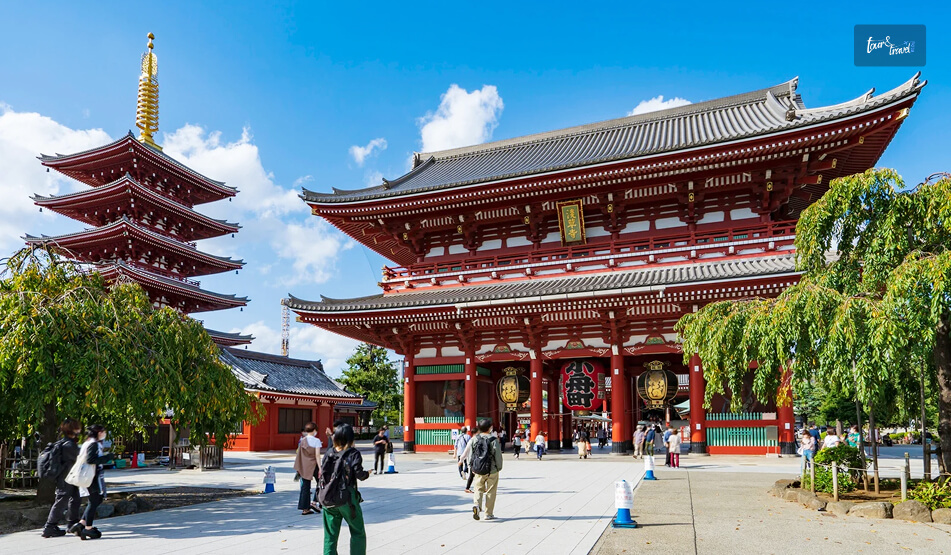
Buddhism and the rise and fall of various sects across centuries have shaped the famous Japanese temples

Furthermore, these temples are defined by architectural features such as pagodas, lecture halls, bellfries, and cemeteries. 

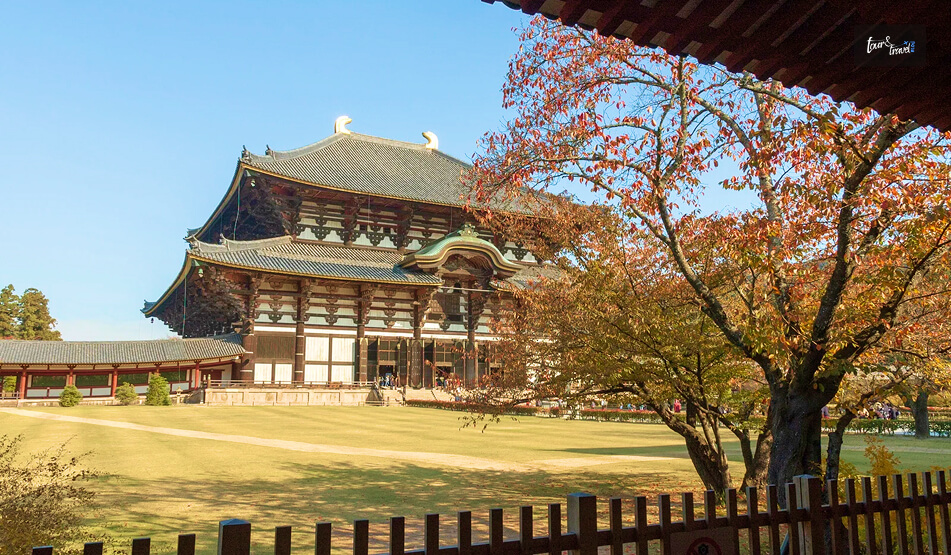
While Todai-ji Temple in Nara remains the most popular temple to visit in Japan, the other temples to visit in Japan are the Senso-Ji Temple in Kyoto, Sanbutsu-Ji Temple in Misasa, Daisho-In Temple in Miyajima, etc. 

3. Experiencing Shinjuku

Experiencing Shinjuku

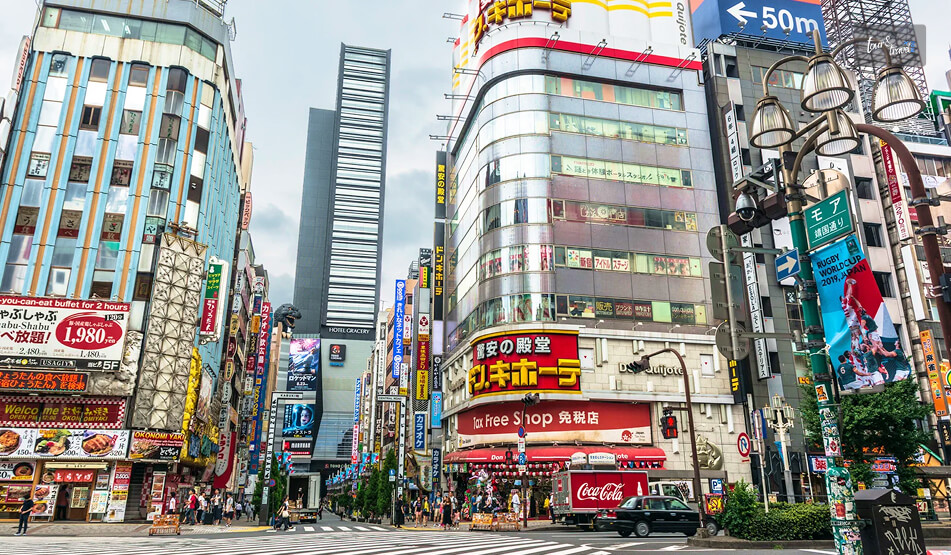
Shinjuku was very different from the other parts of Japan I visited. It offered an eclectic fusion of retro vibes and high-tech experiences. 

Especially, thanks to the Godzilla Road, exploring Shinjuku is one of the best things to do in Japan if you are traveling with kids. 

Along with the roar of Godzilla at the Godzilla Road, the Shinjuku 3D Cat near the Shinjuku Station East Exit is another major attraction for kids here. 

Read more about what to do in Shinjuku

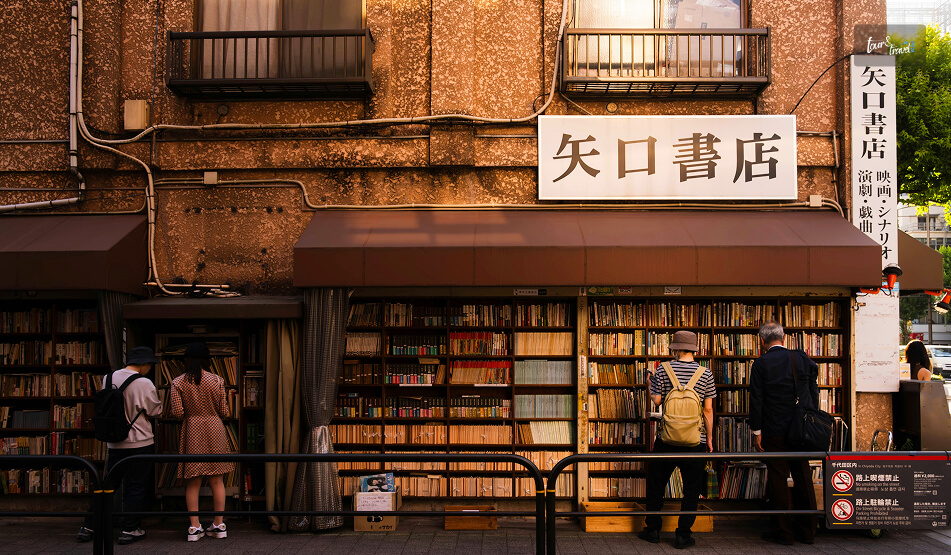
4.  Enjoying The Ultimate Dark Academia Fan Moment At Jimbocho Book Town

Enjoying The Ultimate Dark Academia Fan Moment At Jimbocho Book Town

Uttered with an equal respect as the “Kaifeng and China book towns,” the Jimbocho Book Town is the ultimate place to visit for Dark Academia fans in Japan. 

This town started booming when many law schools were established here in the late 19th century and early 20th century. 

Today, it has more than 400 book stores, selling vernacular and foreign-language books. 

Furthermore, every year, this book town holds the Aozora Kohon Ichiba or the Kanda Used Book Festival from Late October to early November. It is an attraction for book lovers around the globe.

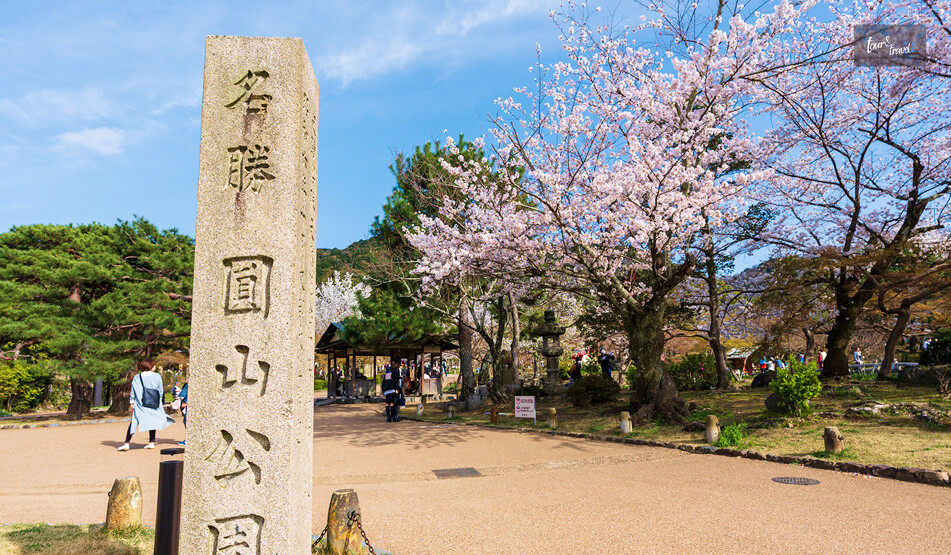
5. Enjoying The Cherry Blossom Season In Kyoto

Enjoying The Cherry Blossom Season In Kyoto

If you want to experience romance in Japan, you have to be present during the cherry blossom season in Kyoto

The Philosopher’s Walk is the most popular place to experience the cherry blossom scene here. If you are done soaking in the meditative vibe here, you can next head to the Shimbashi Street. 

It is the most beautiful street in Asia. 

The Kiyomizu-Dera Temple and Maruyama Park are other amazing places to see cherry blossoms in Kyoto. 

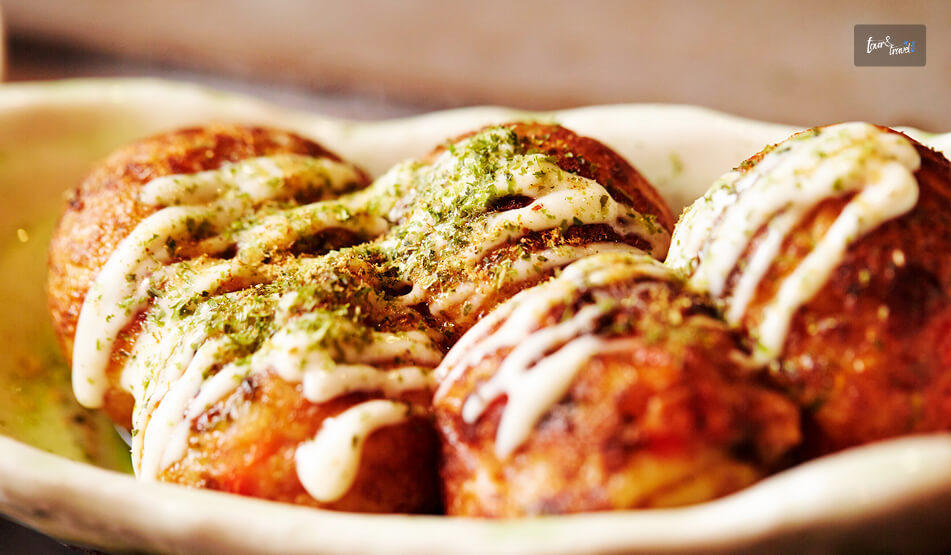
6. Trying Osaka Food

Trying Osaka Food

Osaka Food now represents Japanese cuisine worldwide, and it has left Tokyo behind in this regard. Thus, it fully justifies its nickname of “Japan’s Kitchen.” 

Furthermore, Dotonbori is the epicenter of the best Osaka food and street stalls. 

Takoyaki, Daifuku Mochi, Okonomiyaki, and the staples, Sushi and Ramen, are some of the must-try items here. 

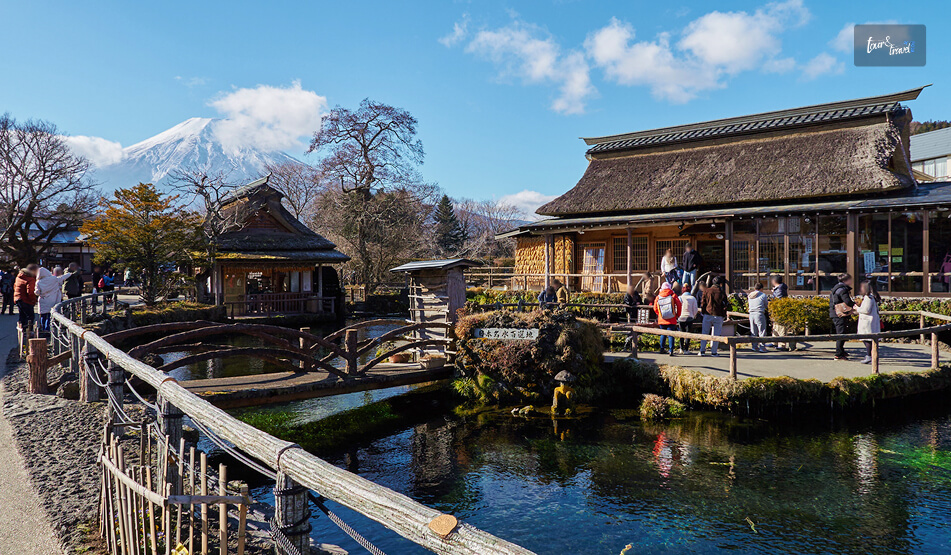
7. Visiting Oshino Hakkai

Visiting Oshino Hakkai

Sensory seeking is one of the biggest reasons why young travelers seek Japan, and there has been a 1300% surge in the bookings of young and Gen Z travelers from 2019, according to a report by American Express. 

Furthermore, the Instagrammable places in Japan, such as Oshino Hakkai, have played a major role in satisfying this sensory quest. 

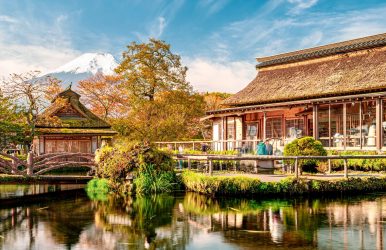
Now, as I have mentioned in my Oshino Hakkai guide, it is a place I got to know about from Instagram. 

You can see the snow-capped peaks of Mount Fuji from Oshino Hakkai, and the eight sacred ponds here were the highlights of my Tokyo to Mount Fuji day trip. 

Furthermore, the Wakuike Pond is one of these eight ponds, and its water was carried to space in the Space Shuttle Challenger in 1983 to conduct an experiment on snowmaking in space. 

8. Planning A Two-Day Trip To Nara

Planning A Two-Day Trip To Nara

Do you know why Japan attracts anxious young travelers? It kind of strikes a balance. How? 

When places in Japan feel like the future, think of Tokyo or the speed of the bullet trains. Some parts of the country bring back the order of the past. 

One such place is Nara, the first permanent capital of Japan and home to 8 UNESCO World Heritage Sites. The Todai-ji Temple is the most famous among them. 

Before Kyoto became the country’s capital in 794 AD, it served as the seat of power. 

Along with the Todai-Ji Temple, you must also visit Kasuga Taisha, Mt. Wakakusa, and the Heijo Palace in Nara. 

Read my complete guide on things to do in Nara to understand why you cannot miss a 2-day trip here. 

9. Visiting Hokkaido Beach And Sapporo

Visiting Hokkaido Beach And Sapporo

The Hokkaido Beach is in Western Japan, and it looks straight out from the works of Hakura Murakami. 

It’s surreal to see the coexistence of the snow-capped peaks and dunes, and it’s only possible in Hokkaido. 

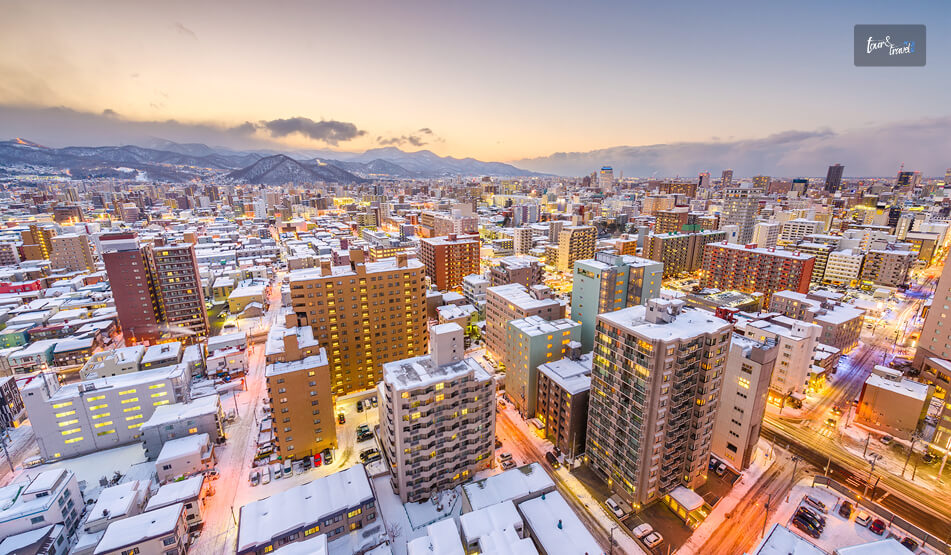
Along with the Hokkaido Beach, Sapporo, the capital of Hokkaido, also stands out with its green parks and shrines like the Sapporo Suitengu Shrine. 

So, when you are next in Japan, plan a Tokyo to Hokkaido trip. 

10. Visiting Hakone 

Visiting Hakone 

The things to do in Hakone are all about soaking in the quiet moments that are most powerful. 

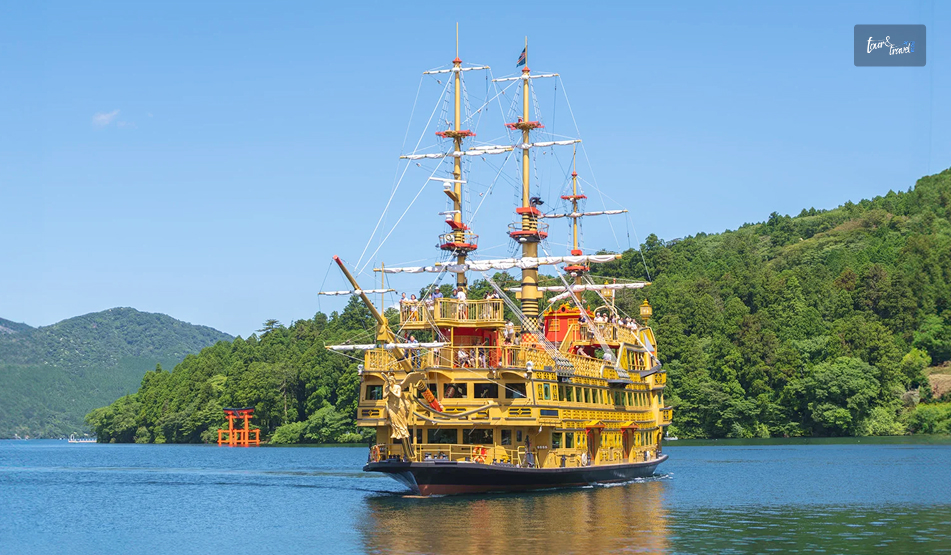
I am glad that I did not follow the usual loop, including the train, cable car, and ship circuit. 

If the Open Air Art Museum with 100 sculptures is the highlight of my Hakone visit, the Choan-ji Shrine, with small stone statues of monks, is what will stay with me forever. 

Also, another fun part here was washing my money at the Fukazawa Zeniaria Benzaiten Shrine. 

I have not got a bigger return yet, but there is no harm in believing in a custom that locals have been following for so many years. 

Moreover, if you are in Hakone, don’t forget to take a bath in the Onsen or hot springs.

Furthermore, you can relive history by taking a ride on the Hakone Tozan Railway here. 
So, it is no wonder that visiting Hakone is one of the best day trips from Tokyo you can plan.

Share on Social Media

Meet Sibashree Bhattacharya, a travel enthusiast who has a decade-long experience in transcending virtual barriers with her words! Her deep love for travel is apparent from her travel escapades to the mountain, often taking her readers on a journey, her words acting as Portkey! Fun fact: Sibashree loves to dive deep into the history of the places she is about to visit, making her travels even more wholesome. If you were wondering how her articles are not short of time travel, this answers it!

Leave a Reply

Your email address will not be published. Required fields are marked *

title-img Related

READ MORE Dambulla Royal Cave Temple

Dambulla Royal Cave Temple: History, Entrance Fee, And More About This UNESCO Heritage Site 

BY  Sibashree Apr 10, 2026

The Dambulla Royal Cave Temple is gearing up for the much-acclaimed “Walk for Peace” which will start from 21st April, 2026.  Respected Paññakāra Thero and 12 other monks from the Maha Sangha will lead the walk.  Furthermore, this walk, originating in the United States, will spread the teachings of Lord Buddha, “Caratha bhikkhave carikam bahujana hitaya bahujana sukhaya lokanukampaya.” It can be roughly translated as a monk should always wander forth out of their compassion for the world and for the happiness and well-being of many.  After the inauguration of the event at Anuradhapura and special observations at Ruwanweliseya premises, the walk will start from the Dambulla Royal Cave Temple, and then it will slowly proceed to Kandy to continue the walk.  Now, it is no wonder that the Rangiri Dambulla Cave Temple has been chosen as the starting point for the walk.  With a history that goes back to the 3rd century BCE, and home to the Buddhist mural paintings and 157 statues, it remains one of the most important Buddhist landmarks in Sri Lanka.  Here is a detailed guide on my experience at Dambulla Royal Cave Temple, its significance, history, entry fee, and more!  The Dambulla Royal Cave Temple: Quick Facts  “Dambulla is an important shrine in the Buddhist religion in Sri Lanka, remarkable for its association with the long-standing and wide-spread tradition of living Buddhist ritual practices and pilgrimage for more than two millennia.” UNESCO World Heritage Convention.  Here are some quick facts about the most well-preserved and largest cave-temple complex in Sri Lanka. Number of Sanctuaries 5Buddhist Mural PaintingsAcross an Area of 2,100 m2Number of Statues157HistorySince the 3rd Century BCEThe Current Interior FormsBuilt in the 18th CenturyType of SculpturesPolychromeOwnership The Asgiriya Chapter of Buddhist monksMonument Protection “Protected Monument under the legal protection of the Department of Archaeology of the Government of Sri Lanka, which administers the Antiquities Ordinance of 1940 (rev. 1998) at the national level.”Entry Fee2000 LKRHours Open7 AM to 7 PM (The Ticket Counter Closes at 5 PM)Steps 300Average Climbing Time20 Minutes  Where Is The Dambulla Royal Cave Temple? (Along With Some Nearby Attractions) The Dambulla Royal Cave Temple is in Dambulla Town. Now, Dambulla itself is the gateway to many places to visit in Sri Lanka.  For example, the Hurulu Eco Park is just a distance of 45 minutes from Dambulla. On the other hand, it is just 52 minutes away from the Kaudulla National Park.  Furthermore, the distance between Dambulla and Kandy is around 73 km. So, many people include a visit to the Dambulla Royal Cave Temple in their itinerary of the things to do in Kandy.  Moreover, Sigiriya is just 17 km away. So, you can plan a combined trip of a visit to the Royal Cave Temple with a hike to the  Sigiriya Rock and Pidurangala Rock.  In addition, you will have a similar experience of exploring an ancient Buddhist monastery and its remains at the Ritigala Forest Monastery, at a distance of 35 km.  Also, if you are a cricket buff like me, don’t miss a visit to the Dambulla International Cricket Ground.  How To Reach The Dambulla Royal Cave Temple? Even if you are not staying in Dambulla, Habarana, or Sigiriya can be your base.  Habarana is just 22 km away from Dambulla, and Sigiriya is just 17 km away.  From both locations, you can take a private taxi or tuk-tuk ride to reach Dambulla Town, which has the Dambulla Royal Cave Temple in the heartland.  Furthermore, from Habarana, you will get Sri Lanka Transport Board - SLTB ICT buses to Dambulla.  Nevertheless, I took a tuk-tuk from Sigiriya to Dambulla, and it cost me around 2500 LKR.  What Is The History Of The Dambulla Royal Cave Temple? As I have mentioned, the history of the Dambulla Royal Cave Temple goes back to the 3rd Century BCE.  Buddhist monks started living here, and these natural caves started functioning as monasteries.  Furthermore, in 100 BCE, King Vattagamani Abhaya (Valagamba) fled his capital and took refuge here for 15 years.  Then, out of his gratitude, he built this majestic Dambulla Royal Cave Temple.  However, most of its constructions, including the sculptures and murals, are from the Anuradhapura and Polonnaruwa periods.  Also, the current interior we see is the outcome of the renovation in the 18th century. In addition, it was designated as a UNESCO World Heritage Site in 1991. Today, it is a part of the prestigious Cultural Triangle of Sri Lanka, along with Anuradhapura, Polonnaruwa, and Sigiriya Rock Fortress.  My Experience Of Visiting The Dambulla Royal Cave Temple (Things To See And Top Attractions) Before I get into the details of my experience at the Dambulla Royal Cave Temple, I want to give you a clear idea about the five main caves.  The Caves of The Dambulla Royal Cave TempleNamesMain Attractions Cave 1Devaraja LenaIt is the Temple of the King of Gods. The reclining Buddha statue here is mesmerizing.Cave 2 Maharaja LenaThis one is the largest among all caves, and it has 56 statues. Moreover, it is the Temple of the Great Kings, and don’t miss the sacred pot with the dripping water here. Cave 3Maha Alut ViharayaThe Maha Alut Viharaya is a wonderful example of 18th-century art. Furthermore, as the Great New Temple, it is home to 18th-century Kandyan-style paintings and statues.  Cave 4Paschima ViharayaIt is the western temple. Cave 5Devana Alut ViharayaIt is the second new temple in the temple complex.  However, to see these caves, you have to take 300 steps. You will not feel the fatigue anyway, as you will love the views and spotting the groups of macaques jumping through branches.  Also, once you reach the top, you will need to take off your shoes and further walk to the cave.  Here are some of the highlights of my visit to the Dambulla Royal Cave Temple.  1. Before Entering The Caves  I entered the cave temple complex, and a massive courtyard opened before my eyes. On one side of the courtyard, there was the shrine and the Bodhi Tree.  Furthermore, on the other side, there is the rock and the cave temples.  The Engraving Of Kirti Nissankamalla I found the engraving of the Kirti Nissankamalla before entering the first cave. Dated to the 12th century, it narrates the contributions of King Nissankamalla to Buddhism.  The engraving, however, is in ancient Sinhalese. So, you can ask a local guide or a local person to help you understand the details.  Or, you can read the translation of the engraving next to it.  2. The Caves  I have already introduced the caves to you. However, everywhere you look, you will find Buddhist murals, depicting the important figures and myths of Buddhism.  Furthermore, there are golden statues of Lord Buddha along the walls, and the lifelike paintings of Buddha-like figures evoke awe.  Moreover, with repeating patterns, the ceilings look kaleidoscopic.  However, the first time I experienced magnificence in these caves was when I saw the reclining Buddha statue.  The Reclining Buddha Statue (1st Cave) The reclining Buddha statue inside the first cave of the complex reminded me of the Lord Vishnu idol of Sree Padmanabhaswamy Temple in Kerala, India.  In fact, in some traditions of the Hindu religion, Buddha is the ninth of the ten Avatars or incarnations of Lord Vishnu. Here, the connection felt real.  The serene expression of Lord Buddha with his head resting on a pillow made me feel peaceful. I offered some fresh lily flowers that I bought on the way up the steps.  Furthermore, the lotus flowers drawn on Lord Buddha’s feet or Buddhapada symbolize spiritual awakening, and these are among the 108 holy marks that represent the holy journey of Buddha on the earth.  The Natural Spring (The Second Cave) It was amazing to find a natural spring in the second cave, and even in the dry season, it has water.  The water of the spring drips through the ceiling, and the drops are collected in a vessel.  Furthermore, it has 56 Buddha statues, and it is the most aesthetic with stunning murals and paintings.  The Series Of Buddha Statues (The Second Cave) Again, inside Cave 2, I found a series of similar Buddha statues in a seated position, and the next one was always a bit bigger than the previous one.  However, instead of the Dhyana mudra or the meditation gesture, the statues here were seated in a Bhumisparsha mudra or as the earth witness. Thus, these statues stare directly into your eyes.  These statues looked more vibrant, and with an earthy tone, they complemented the overall aesthetics of the cave temples.  Also, don’t miss the little lily pond just outside cave 2.  The Stupa Inside The Cave (The Second Cave) The second cave has an entire Stupa built inside it.  Furthermore, the stupa is adorned with an orange robe. Various statues of Lord Buddha in a seated position surround the stupa, and these are accompanied by nagas.  These nagas or snakes play the role of a protector or guardian when Lord Buddha is meditating. Moreover, they symbolize the subjugation of worldly desires and spiritual awakening.  The 3rd cave also has many statues, and the fourth one is smaller with a stupa inside. After exploring the 3rd, 4th, and 5th caves, I finally approached the end of the cave.  You know what stayed with me, that the temples are still alive and they have made people from a different millennium, with humans of today in the same row with the thread of devotion, peace, and love.  Once again, with non-violence and peace having so much power, the current geopolitical situations only look like futility.  3. The Viewpoint  As I got out of the caves, I found a quaint viewpoint behind the entry counter. I saw many young tourists flocking there, and the views from there were simply amazing.  I stopped and took some snaps.  4. The Golden Buddha Statue  I consciously chose a different route while getting down from the caves. I found many aesthetic lampposts along the way.  However, I did not follow the lamp posts and took the left to walk down, and the road was quite steep.  However, the reward I got at the end of the road was absolutely worth it.  There was a magnificent golden Buddha statue on the elaborately designed building of the museum complex.  I could not explore the museum due to a time crunch, and I did not want to dilute what I saw and how I felt at the cave temples. What Is The Best Time To Visit The Dambulla Royal Cave Temple? In a day, early mornings, from 7 AM to 9 AM, or late afternoons, after 4 PM, are the best hours for visiting the Dambulla Royal Cave.  Furthermore, December to February are the best months for visiting these cave temples due to dry and pleasant weather conditions.

READ MORE ella hotels

What Are The Best Ella Hotels? Where Can You Stay In Ella? 

BY  Sibashree Mar 31, 2026

From enjoying a train ride on the Nine Arch Bridge to Ella Rock, Ella has endless adventures to offer.  Exploring the things to do in Ella is also easier as the Ella Hotels offer the most comfortable and safe accommodations.  As a backpacker, I chose to stay in a hostel on my first visit. However, you can find many budget, mid-range, and luxury hotels in this beautiful hill country town.  So, here is a list of the best hotels to stay in Ella.  What Are The Best Ella Hotels?  I have divided the best Ella hotels into three different categories. So, you will find a good mix of luxury hotels, mid-range hotels, and budget hotels. Furthermore, I have also included the hostels and the eco-stays here.  And here are the details.  1. Luxury Ella Hotels There's a quiet magic when birds sing in the morning, and mist hangs on the tea bushes.  Moreover, Ella has upgraded its luxury offerings, blending colonial roots with modern sustainable design. • Nine Skies: Colonial Elegance Just outside Ella in Demodara, Nine Skies is a five-bedroom tea bungalow restored from old stock.  Furthermore, it sits like a piece of the English Lake District transplanted into the tropics.  Also, you begin your day with a Sri Lankan breakfast and then swim in an infinity pool that stretches over endless tea fields.  Moreover, the lifestyle is classic tea country, wrapped in a dream-like hotel setting. • 98 Acres Resort And Spa: Eco-Luxury Overlooking Little Adam's Peak, 98 Acres stands out as the region's top hotel.  Furthermore, the chalets use upcycled railway sleepers and local granite, with genuine, hands-on design.  Moreover, their spa features treatments with herbs grown on-site. Just a 15-minute walk from the Nine Arch Bridge, it's ideal for morning shots.  So, what else is there to say about this place? • Hide Ella: Modern Panoramic Views Hide Ella sits right into a 60-degree slope.  Every room faces the Ella Gap with clear, sweeping views.  The pool dips into the trees like you are floating through the canopy. It's a clean, sharp design, with no frills. Furthermore, it offers just pure view-focused living.  Why would anyone want anything else in Ella? 2. Mid-Range Ella Hotels For a bed that works, a shower that flows, and a balcony with real views, without the honeymoon price!  Ella's mid-range picks offer the best trade-off. Most focus on the view, which is Ella's strongest selling point. • Chill Ville Viewpoint Hotel It is set into the mountainside, and it is the most welcoming.  Cabins are clean, modern, with wood and concrete finishes.  They even include Yoga mats for stretching in the morning light.  If you want to go early to the Nine Arch Bridge, this is your only real shot, and it's just 800 meters away.  It seems like a good fit for quiet travelers who value space and scenery. • Country Homes Ella  It looks more like apartments than hotels.  Warm pine decor gives each suite a cozy feel.  The wide valley view from your room makes it hard to leave. In particular, when you know breakfast is often brought right to your balcony by the owners.  You get coffee at the same time clouds drift through the gap, arguably one of the most consistent perks in town. • Boutique Vibes: Morning Dew, EKHO, And Tip Top It seems to be a recurring motif in Ella. These hotels offer really amazing views and somewhat old-fashioned rooms.  Morning Dew, EKHO Ella, and Tip Top Boutique Hotel are, to some extent, this kind of hotel.  The furnishings in these places might give the feeling of the 1990s, but the rooftop pools and jacuzzis with a stunning view of Ella Rock offer a 5-star experience.  One of the advantages of choosing Tip Top is that you get the opportunity to see the train passing the Nine Arch Bridge from your private balcony. 3. Budget-Friendly Ella Hotels  Guesthouses once pulsed with life in Sri Lankan tourism.  Staying with a local family still gives the truest view of Ella.  You learn how daily routines move through the village. Nobody makes curry like a Sri Lankan grandmother. • Rowinrich Cottages: The Jungle Hideaway These loft-style cottages sit above a valley wrapped in jungle.  Backpackers find them ideal, glamping without dorm-sharing.  Forest sounds carry through at night.  Sunrises stretch across your terrace each morning. Just be warned: the road up is narrow and full of potholes. It's not easy to drive. • The Original Homestays: Idyll And Chamodya Idyll Homestay opened early in town.  Anil, who once worked on tea plantations, now manages one of Ella's most trusted homes.  Chamodya offers a clear view of Ravana Falls.  Both serve breakfasts packed with string hoppers, dhal, and fresh fruit, more than enough for hiking up Ella Rock. 4. The Hostels In Ella: The Most Happening Social Hubs  Like my trip to Jaffna, I also chose a hostel to stay in Ella.  The hostel scene in Sri Lanka has really taken off over the past few years.  Nowadays, staying in a hostel is not only about finding a cheap bed; it is also about experiencing a community, having superfast Wi-Fi, and going on shared adventures.  • Bunk Station A fairly new place in a peaceful and friendly atmosphere.  It's a quiet location away from the noise, but you can still walk to the town in ten minutes.  • Hangover Hostel Being part of a well-known chain of hostels in Sri Lanka, it is the best place to experience a social atmosphere. You will get AC rooms here, and the location is very central near the train station. • Backpacker's Paradise  If you are looking for the genuine "simple life" experience, you can camp in tents that are set up under thatched roofs.  Moreover, it is a very basic, cheap option, and they even have their own little dogs as residents.  So, what else do you need? 5. Eco-Friendly Stays In Ella  Ella is a place that feels like home.  Furthermore, Ella's environment is delicate, and these eco-friendly stays are actively preserving it. • Living Heritage Koslanda It lies halfway between Ella and Horton Plains.  Over the years, they've restored the forest and prioritized hiring local women, often left out of tourism jobs.  The place feels like a quiet, natural escape. • Arana Eco-Lodge And Yoga Center The lodge sits just ten minutes from town.  Rooms are treehouses built around living trunks.  Moreover, it operates like a forest monastery.  Also, electronics are minimal here. So, you can take part in sessions of Kundalini yoga and meditation here.  Moreover, vegan Sri Lankan meals take center stage here. You disconnect from Main Street noise and return to the wild.

READ MORE Jimbocho Book Town

What Are The Things To Do In Jimbocho Book Town? Visit The Best Book Stores And Cafes 

BY  Sibashree Mar 30, 2026

Jimbocho Book Town is a massive book district or book town with more than 400 book stores.  It is one of the oldest and biggest in the world and is often uttered with respect equal to the Kaifeng and China book towns.  Also, it is a great place for dark academia fans, students, and readers, as they will find most of the second-hand books in Japan here.  Furthermore, it’s not just about the love for the book and the “intellectual” aspect of it.  Time Out has named it the best neighborhood in the world in 2025.  But do you know about the best book stores and cafes in the Jimbocho Book Town? Here is a detailed list.  However, let’s talk about the history, accessibility, and the best things to do in this book town.  Jimbocho Book Town: A Neighborhood That Survived World War II The Kanda-Jinbōchō area started getting many law schools in the late 19th century and early 20th century, and this is how the book town came.  Many bookshops opened then, and students of the law schools often sold their old books to these shops at a cheaper rate. Thus, this concept of second-hand books came.  New students used to buy these books because they were cheaper.  Furthermore, it is nothing short of a miracle that this book town survived the bombing and destruction during World War II.  Jimbocho started flourishing as a book town once World War II was over, and today, it is the most fascinating place for bibliophiles.  Furthermore, Shūeisha (Jump Manga Magazines), Iwanami, and many other leading publication houses have their headquarters in the Jimbocho Book Town.  Moreover, the curry restaurants and cafes here have been hosting the most famous authors for the longest time.  I must mention Ladrio in this context. It was built in 1949 as the reading room of a bookstop. It was also the first place that brought Viennese coffee to Japan.  Now, it was more than an elevation in the texture and flavor. The whipped cream helped to keep the coffee warm for longer as the intellectuals here took part in debates and hot discussions.  How To Reach The Jimbocho Book Town?  The central location of Jimbocho in Tokyo makes it easy to visit. You can take a ride on the Subway network to make this commute.  Reach Jimbocho Book Town By Subway  The nearest subway station is the Jimbocho Station. You will take the subway to the station on the following lines.  Toei Mita Line Tokyo Metro Hanzomon Line And, Toei Shinjuku Line Moreover, once you reach the subway station and exit from A5 or A6, you can find the book stores along Yasukuni-dori.  Reach Jimbocho Book Town From Shinjuku And Shibuya The journey through the Toei Shinjuku Line from Shinjuku Station is the easiest way to reach the Jimbocho Book Town. It does not need any transfer.  Furthermore, the travel time is about 15 minutes.  On the other hand, from Shibuya Station, you can take a ride through the Tokyo Metro Hanzomon Line to reach Jimbocho Station within 20 minutes. Reach Jimbocho Book Town From Tokyo Station From Tokyo Station, you have to take a Rapid ride on the R Chuo Line and reach Kanda Station.  Then, you have to reach the Toei Mita Line or the Toei Shinjuku Line to complete the journey in 5 minutes. Shopping For Old And Rare Books And Magazines: The Best Thing To Do In Jimbocho Book Town  From antiquarian books and documents to specialized books and first editions, you will find all the books in the Hakusan-dori and Yasukuni-dori intersections of the Jimbocho Book Town.  Starting from the Meiji Era(1868-1912) to today, it has been a book town par excellence.  Furthermore, the Aozora Kohon Ichiba, or the annual Kanda Used Book Festival, draws book lovers across the globe to the Jimbocho Book Town.   This festival is held in late October or early November, and it was celebrated from October 24th to November 3rd in 2025.   What Are The Book Stores You Must Visit In The Jimbocho Book Town?  Do you think that the Jimbocho Book Town only has Japanese books? You will get books in various languages in the book stores here.  Here are the book stores you must visit.  1. Kitazawa Book Store  The Kitazawa Book Store is the best book store to find English books and classics in the Jimbocho Book Town.  It started in 1902 and has thus completed more than 125 years in serving as a beacon of Western literature connoisseurs in Jimbocho Book Town.  You will mostly find foreign and humanities-related books here.  2. Magnif Zinebocho Magnif Zinebocho is a paradise for readers and lovers of retro magazines. You will mostly find lifestyle and fashion magazines from the last few decades here.  Though it mostly sells Japanese retro magazines, you will also find magazines that overcome language barriers.  Furthermore, the Mondrian artwork on the bookstore’s facade is really impressive, and you will find retro magazines such as Olive and Relax. 3. Books Tokyodo Built in 1890, Books Tokyodo is one of the oldest book stores in the Jimbocho Book Town. Here, you will find books of different genres from the bygone eras and modern times.  Furthermore, it is one of the book stores that has helped to create a community of book lovers, and that is the most cherished thing about it.  4. Komiyana Tokyo The history of Komiyana Tokyo goes back to 1939. It is a dedicated 4-story building with each floor offering distinct attractions to book and art lovers.  You will find here books on history, Japanese art, Western art, and fashion.  Furthermore, it has the widest collection of photo books, and most of them are by the original photographers or painters.  Also, watch out for the weekend “Garage Sale” behind the shop.  You never know when you can find a diamond.  5. Bohemian’s Guild  The Bohemian’s Guild is a great place to find vintage books on visual art and design.  Furthermore, the bookstore has been there since the Taisho era (1912-1926). The first floor of the store has all the books and a warm lighting that, along with the brown wooden floor, creates an inviting atmosphere.  Furthermore, on the second floor, the book gallery allows you to explore the lithographs, paints and prints.   What Are The Best Cafes To Visit In The Jimbocho Book Town?  Kissaten, or the coffee house culture of Japan, is unique. The best cafes in the Jimbocho Book Town allow you to get familiar with that.  Furthermore, the cafes here celebrate the history and origin of the book town. So, here are my favorites. 1. Sabouru With an origin in 1955,  Sabouru stands out with its unique Showa-era charm and nostalgic vibe.  You must try the cream soda here, and it is available in seven colors. They also make an excellent strawberry juice smoothie.  Moreover, the adjacent Sabouru 2 is a popular place here to have classic “Japanese Napolitan Spaghetti.”  2. Milonga Nuova Built in 1953, Milonga Nuova is a paradise for Tango lovers.  Furthermore, the charcoal-roasted coffee here hits different, and that is often accompanied by the signature desserts.  Moreover, you will find more than 30 varieties of imported beers here.  Along with these cafes, Jimbocho Book Town also has various curry restaurants. From Mandala to Bondy, these restaurants celebrate the tradition started in the Meiji era.  The book lovers found it very convenient to eat curry with one hand while the other hand was busy holding the book or flipping the pages.  Read Also: Is The Japan Rail Pass Worth It In 2026? Should I Buy Or Avoid It As A Conscious Tourist? Cherry Blossom Kyoto Japan: 2026 Season And The Top Viewing Spots Osaka Food: Know What To Eat In The Streets Of Osaka