
What Are The Things To Do In Nara? How To Plan A Two-Day Trip?

A trip to Nara was long overdue, and as the first permanent capital of the country, it is a must-visit. 

Furthermore, this Japanese capital, before 794 AD (then Kyoto became the capital), has many UNESCO World Heritage Sites. 

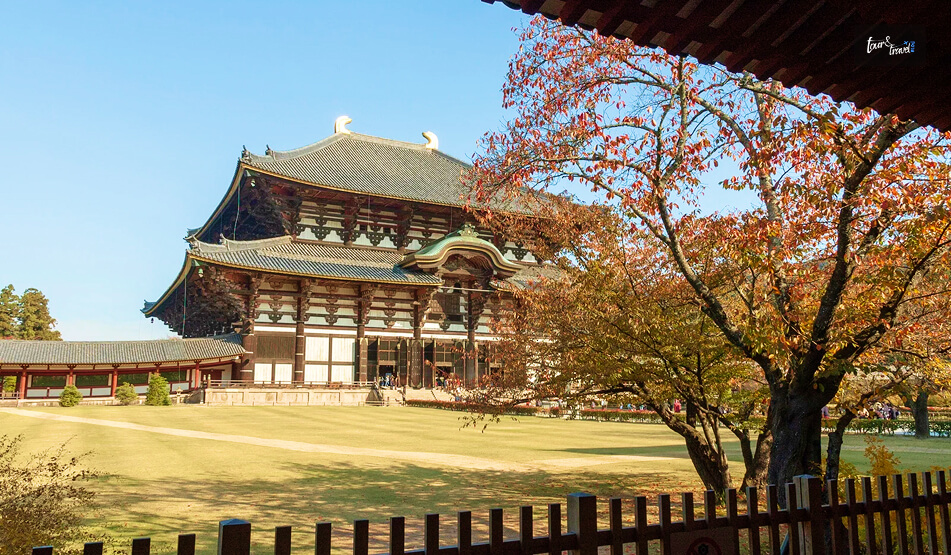
The Todai-ji Temple is the most famous among these 8 UNESCO World Heritage Sites. You will find one of the largest Buddha statues in the country here, and the statue is made of bronze. 

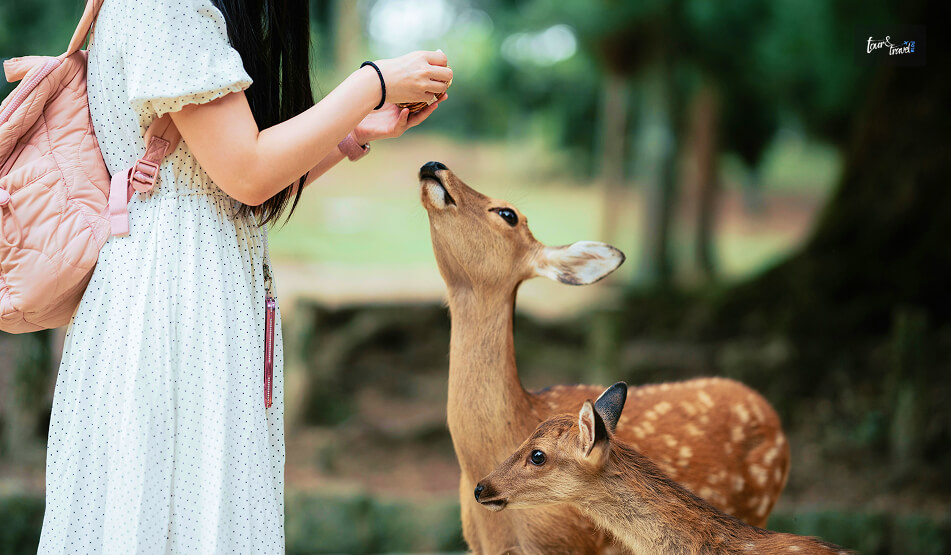
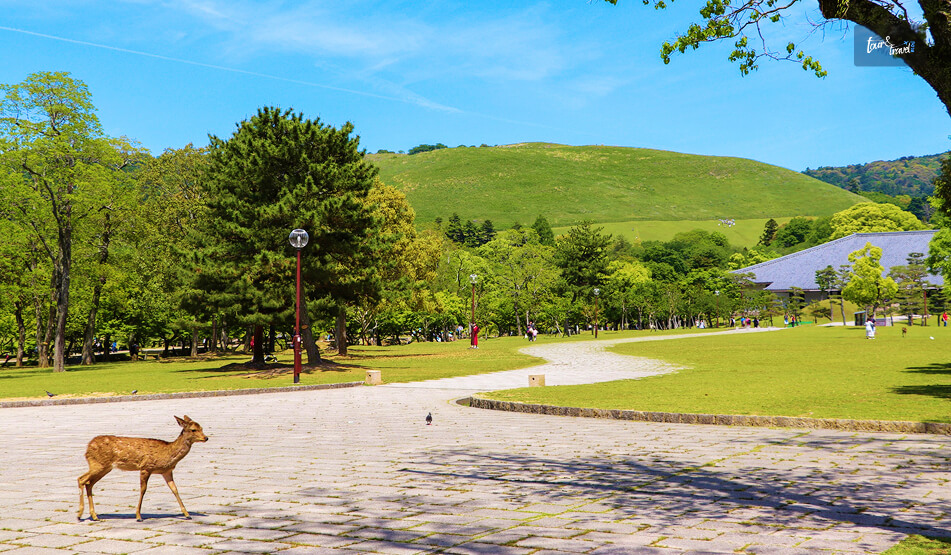
Of course, the deer roaming in the city are beautiful, and you feel like getting transported to a bygone era. 

It reminded me of one of the most famous literary works in our country, Shakuntalam Abhigyan, an immortal love story between King Dushyanta and Shakuntala, written by Kalidasa in Sanskrit. 

Also, this is a place that will ask you to come back, and most people plan a day trip to experience its historical charm and natural beauty. 

But, smitten by its beauty, I chose a 2-day trip, and here is the list of things to do in Nara. Also, I will discuss how I can get to Nara. 

How To Reach Nara? 

How To Reach Nara

Nara is easily accessible from Kyoto, which is also famous for its history and cherry blossom season

You can also visit Nara from the Osaka prefecture.

So, overall, a visit to Nara can fit well into your itinerary of visiting the Kansai region of Japan.  

Also, the robust railway system of Japan makes it easy and budget-friendly to visit Nara. A Japan Railway Regional Pass will be the best for traveling across Nara, Kyoto, Osaka, and Kobe, and the entire Kansai Region. 

Also, when in Osaka, don’t forget to explore the street food stalls and have the best Osaka food, including Mochis and seafood delicacies. 

Here is how you can travel from Kyoto to Nara.

1. Traveling From Kyoto To Nara Through The JR Nara Line

You will get an express train or a local train from Kyoto to Nara every hour. 

Furthermore, if you opt for the Miyakoji Rapid Service on this line, you will reach Nara within 45 minutes, and the ticket price will be 720 JPY. 

Also, the local train services, with the same ticket price, will take about 70 minutes. 

Once you reach the JR Nara station, you will get buses to the Nara Park and other top attractions in Nara. 

2. Take The Kintetsu Railway To Reach Nara From Kyoto

This is the most convenient way to reach Nara from Kintetsu Railway Station. 

The train journey is the fastest, and the journey takes about 35 minutes by the express trains, and the ticket price is 1280 JPY. 

Also, the regular trains take about 45 minutes to complete the journey. The ticket price is 760 JPY. 

What Are The Things To Do In Nara? 

From a visit to the Nara Park to exploring Heijo Palace and the temples, there are many things to do in Nara. 

Here are the things I did during my 2-day stay. 

1. Day 1 In Nara: Exploring The Nara Park 

With deer passing by, Nara Park, the home to the main attractions in Nara, is a place you cannot simply miss. 

The park is free to enter, and it remains open for 24 hours. 

However, many attractions in the park close after 5 PM. So, you have to be early when visiting it. 

Also, here are the attractions you will come across in the Nara Park, along with the deer passing by. 

• Kasuga Taisha

Kasuga Taisha

One of the UNESCO World Heritage Sites in Nara, Kasuga Taisha, takes us back to the Nara Period from 710 to 794 AD. 

It is the most revered shrine among the Fujiwara clan as the tutelary shrine. 

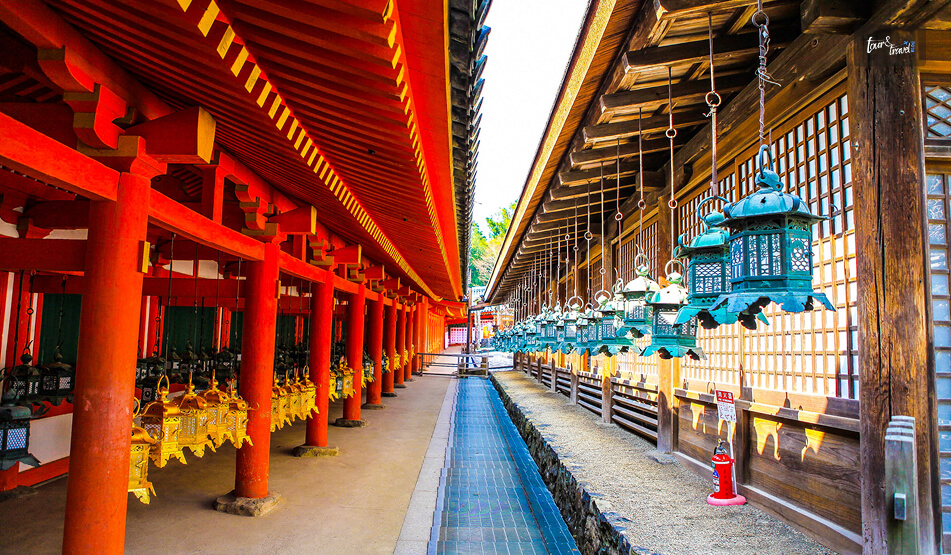
Furthermore, the main attraction of the shrine is the “Hall of Lanterns.” There, I saw many bronze lanterns illuminating the darkness. 

During the special festivals, Setsubun Mantoro in February and Chugen Mantoro in August, all these lanterns are lit. 

Moreover, you will find a cider tree in the inner shrine, and it is 1000 years old. 

• Mt. Wakakusa

Mt. Wakakusa

I took the back road from Kasuga Taisha on the way to the Todai-Ji temple. 

I came across many small shrines there. However, the highlight was Mt. Wakakusa. 

This hill between the two shrines has a height of 350 meters. Also, on the 4th Saturday of January, it becomes the venue for the Wakakusa Yamayaki celebration. 

People burn dead grass on the slopes, and this is a ritual that has been celebrated since the 18th century. 

• Todai-Ji

Todai-Ji

Todai-Ji is another UNESCO World Heritage Site, and one of the “Historic Monuments of Ancient Nara.”

It was built in 752 AD, and it was the head of all the temples in the province. It even had a strong influence on the royal family. 

In fact, with Todai-Ji being the seat of control even in the royal decisions, the emperor decided to move the capital to Nagaoka in 784 AD. 

However, the main attraction of the Todai-Ji Temple is the massive Buddha statue, or Daibutsu.  

A depiction of Dainichi Nyorai,  it represents the primordial Buddha in the orthodox East Asian Buddhist philosophy. 

You will also find two similarly sized Bodhisattva statues here. 

However, the temple and statues you see today were burned down, and they were rebuilt during the Edo period (1603–1868). 

2. Things To Do In Nara: Day 2

I visited the Heijo Palace and many other temples of Nara on day 2. 

• Visiting The Heijo Palace 

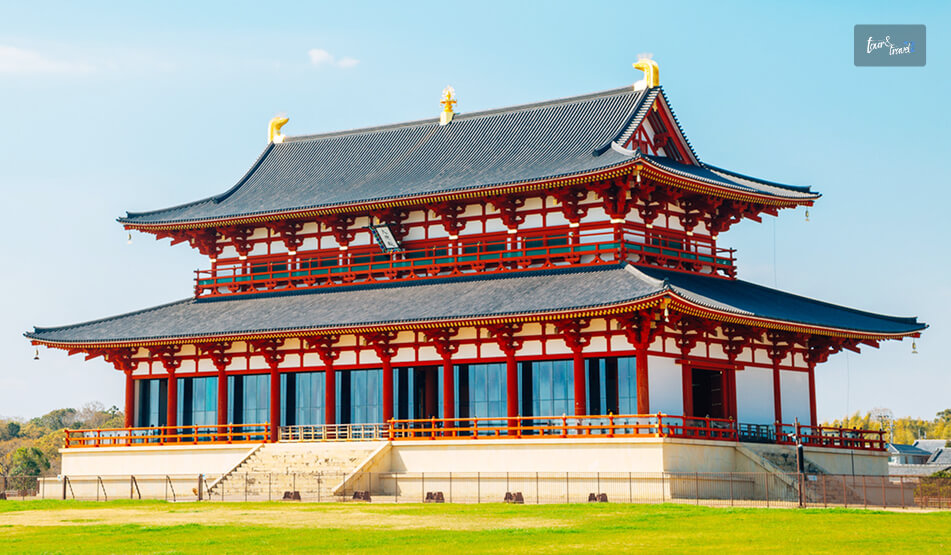
Visiting The Heijo Palace

When Nara was the capital, the Heijo Palace was the seat of power for the chrysanthemum throne. 

It had a dimension of 1 kilometer, considering the other palaces and architecture of that time. 

However, the remains of this UNESCO World Heritage Site in Nara are now at the Toshodai-ji Temple, nearby. 

However, since the 1950s, archaeologists have been studying the remains of the Heijo Palace, and this has evoked further public interest. 

That is why you can now see many placards there and read about the history and legacy of the site. 

Moreover, the audience hall and two other parts of the palace were rebuilt. The restoration of the largest part, the audience hall, happened in 2010. 

It was an ode to the 1300th anniversary of Nara as the capital of Japan. 

• Toshodai-Ji

As I have mentioned, the Toshodai-ji Temple has the remains of the Heijo Palace. 

This temple dates back at least a millennium. Ganji, a Chinese monk, built this temple in 759 AD. 

Monk Ganji brought Buddhism to Japan, and the Toshodai-Ji today is a UNESCO World Heritage Site. 

• Yakushi-Ji

It is a UNESCO World Heritage Site, and people here worship Lord Buddha as Yakushi Nyorai or the Medicine Buddha. 

The dual main halls here have unique architecture, and each has a dedicated 3-story pagoda. 

• Horyu-ji 

Horyu-Ji is older than most temples in the Nara region, and Prince Shotoku founded it in 607. 

Furthermore, this UNESCO World Heritage Site stands out with its wooden edifices, which are some of the oldest in Japan.

This time, I missed many attractions such as Asuka, Omiwa Shrine, and Mount Yoshino. Some day for sure! 

And till then, Sayōnara, guys!

Share on Social Media

Meet Sibashree Bhattacharya, a travel enthusiast who has a decade-long experience in transcending virtual barriers with her words! Her deep love for travel is apparent from her travel escapades to the mountain, often taking her readers on a journey, her words acting as Portkey! Fun fact: Sibashree loves to dive deep into the history of the places she is about to visit, making her travels even more wholesome. If you were wondering how her articles are not short of time travel, this answers it!

Leave a Reply

Your email address will not be published. Required fields are marked *

title-img Related

READ MORE Hiriketiya Beach

Hiriketiya Beach, Sri Lanka: Location, How To Reach, Things To Do And More 

BY  Sibashree Mar 23, 2026

Hiriketiya Beach is a place that can disrupt your travel plans completely.  You may arrive with plans for a two-night stay and end up spending 3 weeks developing a routine of mornings spent surfing, drinking coconut coffee, and watching the sun set down on the jungle.  This tucked-away cove in Sri Lanka’s southern coast, nicknamed by its community of surfers and digital nomads as "Hiri", is a textbook example of tropical aesthetics.  The cove is well-formed, with water that is surrounded by palm trees, and has a jungle so dense behind it that you will hear monkeys scurrying through the tree tops of your surfboard as they find their way there.  Hiri feels like a secret to be shared, but is just being revealed to people in the surrounding towns of Weligama and Mirissa.  Hiriketiya has developed to become a more sophisticated version of Weligama and Mirissa. The "vibe" of Hiriketiya is not just another phrase used by hipsters. It is the currency used by locals. Here is more about this beautiful coastal gem in Sri Lanka.  The Evolution Of Hiriketiya Beach: Why You Need To Go Now Hiriketiya has experienced an incredible transformation over the last few years.  Only a few years ago, this sleepy little fishing village had only a few guesthouses and one small roti shop. It is quite similar to the beaches in Jaffna in that way.  Now, it's become a vibrant hub, and even though it has lost some of its "untouched" charm. Moreover, this infusion of new energy has produced world-class specialty coffee shops, beautiful state-of-the-art Yoga studios, and a co-working scene. But despite these rapid changes, the spirit of this village remains.  The Surf At Hirikeya Beach: A Wave For Every Soul The horseshoe shape and the unique geography of the Hirikeya Beach make it ideal for every type of surfer.  Here is a quick breakdown. Surf LocationDetails The Beach Break (Right Side)- Beginner-Friendly- Sandy Bottom- Gentle WavesThe Middle- Ideal for Longboarders- Offers a Mellow RideThe Point Break (Left Side)- Ideal for Professionals- Shallow Reef Board rentals are standardized at 1000 LKR per hour.  If the Hirikeya Beach is very busy, you can go 3.5 km east and find Kudawella Beach.  Where Is Hirikeya Beach? How To Reach It?  Hiriketiya is located off the main highway along the coast, about one mile away from the town of Dickwella.  Since Hiriketiya is not on a major transit route, you will have to use Dickwella as your transit point. 1. Traveling To Hiriketiya Beach From Colombo The best way to get there is by taking the train from Colombo Fort to Matara, which takes approximately four hours.  From Matara, you can take a local bus to Dickwella or take a tuk-tuk taxi. You can also take a highway express bus from Colombo to Matara and arrive in about three hours. 2. Traveling To Hiriketiya Beach From Ella You can catch the #31 bus at the intersection of the Ella-Passara Road as you travel through tea country.  It is approximately four hours to the coast on a winding road. Just tell the conductor you want to go to Dickwella. 3. Traveling To Hiriketiya Beach From Arugam Bay If you are traveling from the East Coast surf to the surf in the South, there is a direct bus leaving from Pottuvil every day around 6:30 AM, arriving at Dickwella approximately six hours later. What Are The Things To Do At Hirikeya Beach? (Beyond Surfing) Hiri has just as much gravitational force to attract chill seekers. So, here are the things to do beyond surfing.  1. Walk To Blue Beach Island If you're looking for a little adventure, try the 2.5km (1.5-mile) walk to Nilwella.  You'll be walking through peaceful local neighborhoods when you find a beautiful natural sandbar that links the mainland with a small island.  Moreover, walking over a sandbar with breaking waves on both sides of you is something you will remember long after leaving Hiri.  Also, it is the best place to watch the sunset. 2. Sip In Style At Smoke And Bitters Believe it or not, one of the 50 Best Bars in Asia is hidden deep in a coconut grove.  Furthermore, the menu at Smoke and Bitters is based on the smokehouse method of cooking, using local Sri Lankan ingredients with cooking methods from around the globe.  Moreover, you must try the smoked harissa pumpkin and the pork ribs as they are WOW!!  Every cocktail created at Smoke and Bitters is a work of art. The price of a drink here, compared to what you would expect to pay in Sri Lanka, may seem high. However, when you want to treat yourself, there is no better place to go. 3. Become A Culinary Master With Rosie Rosie's cooking class experience is the ultimate rite of passage in Hiri.  While she prepares the dishes during your cooking class, you will also hear many personal stories of her life and how she made some special Sri Lankan spice combinations. Moreover, it costs 6000 LKR, and the 4-hour feast is the ultimate attraction.  The Digital Nomad And Yoga Scene At Hirikeya Beach  Hiriketiya has become a cornerstone of the "work-from-anywhere" lifestyle.  Places like Dots Bay House and Salty Pelican provide the infrastructure (and the caffeine) needed to hit deadlines. Moreover, when it comes to physical and mental well-being, Arise is unparalleled.  So, they provide a variety of classes to choose from, including Muay Thai, ecstatic dance, and Reiki, as well as many types of Vinyasa yoga.  Additionally, their Salt House location offers stunning rooftop yoga classes where you can do yoga while listening to the waves below. Where to Stay In Hiriketiya? Hiriketiya offers a versatile range of accommodation. Here are some places you can try.  1. Salt House  This upscale beach hotel has a boutique feel.  Located 5 minutes away from the beach, the hotel has spacious, minimalistic rooms opening directly to its central pool and open-air cafe.  Moreover, on-site yoga classes every day attract those interested in wellness. Room rates begin at about 21000 LKD per night. 2. Dots Bay House  Located next to the surfing area, 'Dots', the centre of Hiri's social scene, offers accommodation options ranging from dormitories to high-end private rooms.  Moreover, facilities include an on-site co-working space, swimming pool, and popular bar which features the best live music acts in town. Prices start at approximately 7000 LKD per night. 3. Hiriketiya White House  A charming, family-owned guesthouse hidden away in the jungle, offering an excellent option for visitors who want authentic experiences at affordable prices.  Also, the double rooms come with beautiful contemporary bathrooms and balconies where guests can enjoy watching monkeys play overhead. Moreover, the prices start from about 5500 LKD per night.  When To Visit Hiriketiya Beach? Due to offshore winds and consistent swell during the "High Season", November to April is the best time for surfers to be out on the ocean.  Moreover, December to February is the busiest time of year, with hot and dry weather as well as a lot of activity happening around town.  However, there are two downsides. The first is that accommodation prices rise significantly, and the second is that line-ups at the ocean can be extremely crowded. Where To Eat In Hiriketiya? As an enthusiast of TheLowDownUnder Travel and genuine experiences, I felt compelled to sample the local cuisine at Hirikeya. So, here are a few recommendations for places to check out. 1. Lemon Grass Café Considered the benchmark for rice and curry in Sri Lanka, this family-run establishment is modest yet impactful.  Moreover, for 1000 LKR, you’ll enjoy a generous array of at least four different vegetable curries, rice, and dessert, with unlimited refills. 2. Kingsley’s Kitchen Another gem in the area, Kingsley is a well-known figure in the village who serves outstanding home-cooked meals.  Dinner operates on a pre-order basis, so be sure to stop by during the day to reserve your meal.  Moreover, it’s one of the most budget-friendly spots in the bay, with a vegetarian curry priced at 750 LKR. 3. Dahami Situated at the Dickwella intersection, this is where the locals dine. Furthermore, it’s a straightforward buffet offering a mountain of rice and curry for just 450 LKR. Moreover, for those seeking specialty cafés and a beach atmosphere, options like Duni’s Hoppers Café, MOND Café, and La Playa are worth considering.

READ MORE cherry blossom kyoto japan

Cherry Blossom Kyoto Japan: 2026 Season And The Top Viewing Spots 

BY  Sibashree Mar 27, 2026

The cherry blossom season has arrived in Japan. The Japan Meteorological Agency has announced the arrival of the most coveted season in the country on 19th March, 2026.  The somei-yoshino tree of the Yasukuni Shrine had more than 60 blossoms open then, and that prompted the announcement.  So, the recent warm weather has caused the arrival of the cherry blossom season earlier than last year.  However, the season of cherry blossom in Kyoto arrived a few days later on 23rd March, 2026. So, currently, the fervor around the cherry blossom Kyoto Japan is at its peak.  With the country now becoming irresistible with the blooms taking over the parks and roads, here is more about the cherry blossom season in Kyoto and the best viewing points.  When Is The Cherry Blossom Kyoto Season? Timing a trip to the cherry blossom Kyoto season or to see Sakura is a crucial exercise. The beauty and charm of these flowers are fleeting.  So, the when part of it is equally important as the where part.  Check out the table below for an idea about when the cherry blossom season arrives in Kyoto and how it progresses.  Cherry Blossom Season Months Budding and Blooming of Cherry Blossoms Kaika or the First Blossoms Late March Early April Mankai or Full Blooms by 7th AprilMid-AprilPetals Start to Fall and Create Petal Carpets Everywhere However, like 2026, the season can arrive early or even a little late.  The variation happens because the present temperature impacts the budding and blossoming of flowers.  If the weather is warmer, the flowers will blossom earlier than the average season. On the other hand, if there is a cold snap, the flowers will arrive late.  However, Kyoto has an advantage in this regard thanks to its diverse microclimates. Also, it boasts different cherry blossom tree varieties spread across different elevations.  So, even if you miss the cherry blossom scene at any of the shrines in Kyoto, you may find the flowers at any other place.  What Are The Places To See Cherry Blossom In Kyoto? Kyoto and all of Japan celebrate the cherry blossom season. It is enriching to witness such a deep bond between the people there and nature.  They love clicking pictures of flowers, picnicking under the trees, and just soaking in the happiness and beauty the flowers bring.  However, if you want to experience the best of the cherry blossom scene, you need to know about the places with the best views.  1. The Philosopher’s Walk (Tetsugaku-No-Michi) The Philosopher’s Walk is a canal-side stone walkway winding its way along the base of Hikoshiyama (Eastern Mountain Range). I began my day here.  The name has significance, and legend has it that Professor Kitaro Nishida of Kyoto University (an early 20th-century philosopher) walked this route daily for meditative purposes. Thus, it’s now known as the “Philosopher’s Walk.”  When I first set foot on the Philosopher’s Walk, I could see why he was always walking there each day.  The entire length of the pathway is lined with hundreds of cherry trees leaning above the water, creating a ceiling of pale pink blooms.  I found myself continually distracted while walking to the shop, eat, or visit the small shrines draped throughout the landscape.  Even with hundreds of people visiting this site daily, I felt as if I were walking alone, contemplating life.  There is nothing that compares to the silence created by having cherry blossoms fall off branches and drift gently down into the slow-moving canal below.  I felt as if I had achieved a moment of peace, not as a tourist but rather as an individual taking time out of their busy lives to think quietly, like all the others on the path. 2. Maruyama Park (Maruyama-Kōen) The Philosopher's Walk is for reflection, and Maruyama Park is the place to be to party!  The number of people in the park and how electric the atmosphere felt, I have to believe it is the most popular place to view blossoms in all of Kyoto.  It serves as a hub of hanami (flower-viewing) culture within the city. A huge, famous weeping cherry tree serves as the main attraction of the park.  Seeing the tree in person was an overwhelming experience for me because its branches seemed to flow downwards like water from a fountain.  The portion of the park that surrounded the tree became a festival site.  I saw blue tarps lying all over the park, and the universal sign of hanami gatherings with friends and family, eating, drinking, and just being together under the flowers.  The edge of the park had many food stalls offering various foods like yakitori and sweet dango. 3. Shimbashi Street (Shirakawa-Dori) Later, as I headed to find Shimbashi Street in the Gion neighborhood, my guidebook boldly said that Shimbashi was the “most beautiful street in Asia.” When you first step into Shimbashi, you feel the essence of Kyoto’s refined beauty throughout the street.  Cherry trees line the street and form a thick canopy above the walkways, and beside the traditional wooden buildings, streams flow gently through the area.  Many of the wooden buildings along the way hold exclusive ryotei (expensive) restaurants, and the whole atmosphere feels as if it were pulled from a time before us.  The most exciting thing for me was the ‘parade’ of kimonos that I observed as I strolled.  Locals and couples routinely have their picture taken in a kimono (professional photo), and the vibrant colours of the silk kimono against the soft pastel cherry blossom trees made a beautiful visual transition from the past to the present.  I ended up discovering a small bistro at the end of Shimbashi Street that had cherry blossoms providing a tunnel effect above.  Eating lunch (al fresco) under the blooming tunnel while watching the many young couples walk past in traditional clothing was certainly the highlight of my time in the city.  It was both romantic and timeless and contained an ideal balance between the two. 4. To-ji Temple With the sunlight fading, I headed to the To-ji Temple.  The To-ji Temple is known for its five-story pagoda, which has the tallest wooden tower in Japan. However, what I was more excited to see was the massive, beautiful, weeping cherry tree. A trip to To-ji Temple in the evening is highly recommended.  They flood the entire grounds with bright white flood lights when it gets dark outside.  The weeping cherry tree illuminated with pink lighting is stunning against the night sky and the outline of the ancient pagoda.  Also, the weeping cherry took up most of the memory on my camera.  I spent a fair amount of time walking around the grounds. There are many other cherry blossom trees around the grounds that also have the same beautiful effect from the lights at night as well. They take on an almost ghostly, pearl-like quality that you can only get from external lighting at night. 5. Kiyomizu-Dera Temple No visit to Kyoto would be complete without going to see the Roji temple, aka the "Pure Water Temple."  However, viewing it in cherry blossom season looks like such a different experience from what I saw.  The main hall has a huge terrace about 97 feet long, which is one of the best places I found to view it. As I looked down from this height, I could see all across the surface of the mountain, where there were many different types of cherry trees blooming or not blooming along the slopes.  The pink blossoms (the cherry trees' flowers) create a nice light-coloured contrast with the dark, weathered wood of the temple architecture.  When I walked down the ramp toward the exit, I noticed there were more clusters of trees planted near the pond at the end of the flower field.  I saw the reflection of trees on the surface of the pond.  The temple complex is enormous, and the scale of the cherry tree blossoms in this area is impressive.  6. Arashiyama Last, I traveled to the far west side of the city to Arashiyama. It is about 8 km from downtown and is a really refreshing and beautiful area filled with nature. While standing just north of the Togetsu and looking up at the mountain beside me, I could see a dense tapestry of hundreds of cherry trees interlaced with evergreen trees. They made a perfect background for the Hozu River below me, with its many small boats full of people renting out their time to experience the beauty of the flowers from the water's side.  I was envious that I had not scheduled more time to experience this part of Japan.  I also thought that this (the hills full of flowers) was very similar to the Yoshino slopes.  On my way out of the area, I stopped at the Tenryū- ji Temple. I saw some incredibly large, mature cherry trees. These, along with the well-kept Zen gardens, appeared to be glowing against each other. Walking through Kyoto in the spring taught me that the cherry blossom isn't just a flower. It’s a vibe that settles over the entire city.  Is Osaka Or Kyoto Better For Seeing Cherry Blossom?  It’s difficult to pick a favorite between Osaka and Kyoto for the cherry blossom season. The vibes are very different.  While Kyoto has these iconic spots for seeing cherry blossoms, Osaka also has the Osaka Castle Park.  Furthermore, the scene in Kyoto is more traditional with temples, historical atmosphere, and the weeping cherry trees.  On the other hand, Osaka is more about picnics and exploring amazing food stalls.  However, Osaka is less crowded than Kyoto in the cherry blossom season. That is one advantage.  Also, Osaka is less expensive than Kyoto.  So, if you want less crowd and you are on a budget travel, Osaka will be your go-to place. Read Also: Is The Japan Rail Pass Worth It In 2026? Should I Buy Or Avoid It As A Conscious Tourist? What Are The Best Day Trips From Tokyo? Most Popular Ones You Will Love Is an Mt Fuji Day Trip From Tokyo Worth It? How To Plan It?

READ MORE things to do in srilanka

What Are The Things To Do In Sri Lanka? Beaches, Cities, Rocks, Wildlife And Colonial Architecture 

BY  Sibashree Mar 25, 2026

“Love Sri Lanka, Always.” This has been the new campaign of Sri Lanka. Also, this campaign, coming at the time of the ongoing Gulf War, looks quite bold.  It projects the island country as a place that needs constant discovery.  And Sri Lanka has reaped the benefits of launching a bold campaign. It has crossed the mark of 100,000 tourists within the “first 18 days of the March in 2026.” Furthermore, while the marketing campaign has brought Sri Lankan tourism global visibility, the diversity of attractions makes it a powerhouse.  For example, I have been so much in love with Sri Lanka that I have made multiple visits and sometimes to the same place, years apart.  With the changes and developments, the country has still maintained its warmth, lush greenery, and human resilience. The sheer grit of the country has helped it win over the natural disasters such as the Tsunami, Cyclone Ditwah, and endless civil wars.  However, with diverse offerings, it may be difficult to choose the things to do in Sri Lanka. So, here are the places I loved the most.  What Are The Things To Do In Sri Lanka?  Keeping the spirit of the Indian Subcontinent alive, Sri Lanka beautifully portrays an inclusive picture.  For example, its southern and northern zones show a difference in language and culture. However, both are connected through the way of life, sunshine, and more.  Also, Sri Lanka has places such as the Ambuluwawa Tower, which is within a multireligious complex, showing how respectful the country is toward every religion.  1. Exploring The Tamil Culture And Temples In Jaffna Jaffna was the first place I visited in Sri Lanka as a backpacker. It is a hub of strong Tamil culture in Sri Lanka.  Furthermore, Jaffna has beautiful Hindu temples such as the Nallur Kandaswamy Kovil, the Naguleswaram Temple, the Nainativu Nagapooshani Amman Temple, etc.  Also, the beaches in Jaffna showcase the beauty of Northern Sri Lanka.  Moreover, the food in Jaffna is spicier than in any other part of Sri Lanka.  Overall, Jaffna is a world in itself where slow living and staying true to the roots are the best ways.  2. Hiking The Ritigala Forest Monastery Out of all my experiences in Sri Lanka, hiking the Ritigala Forest Monastery has been my silent favorite.  The history of the Ritigala Forest Monastery takes us to the 1st century BC. It has more than 70 caves and was once the abode of the monks of the “Pansukulika” sect.  Furthermore, located inside the Ritigala Forest Reserve, the remains of the ancient monastery are now surrounded by around 96 species of medicinal plants.  The presence of the medicinal plants further makes its association with the Ramayana stronger. 3. Visiting Uppuveli Beach, And Other Attractions In Trincomalee Trincomalee has the famous Uppuveli Beach. However, it would be wrong to assume that the things to do in Trincomalee are limited to beach activities.  You can visit the Thirukoneswaram Kovil Temple, Fort Frederick, Trincomalee Maritime and Naval History Museum, and the Trincomalee Market.  4. Visiting Mount Lavinia Beach The Mount Lavinia Beach is very close to Colombo, the capital of Sri Lanka. This beach has a leisurely vibe with the local folks playing cricket and people taking a sun bath.  However, the main attraction here was the Sea Turtle Conservation Centre. It is located by the beach, and it buys eggs from the locals to hatch them.  5. Climbing Up The Ambuluwawa Tower At the top of the Ambuluwawa Mountain, the Ambuluwawa Tower is an important cultural landmark in Sri Lanka.  Its location is in the Ambuluwawa Biodiversity Complex, in Gampola. Also, it is just 20 km away from Kandy.  You can climb up its spiral stairs to reach the top of the tower and enjoy a panoramic view of the surroundings.  6. Exploring The Cultural Capital, Kandy Kandy, the cultural capital of Sri Lanka, has the beautiful Kandy Lake at the epicenter.  Furthermore, it is fighting with the aftermath of the Cyclone and Ditwah and remains crucial in the political and economic landscape of the country.  The most fascinating things to do in Kandy are visiting the Udawattakele Forest Reserve, bowing before the Bahirawakanda Vihara Buddha Statue, and visiting the Temple Of The Tooth.  7. Climbing Up The Sigiriya Rock The Sigiriya Rock is famous for its mythological significance and history, and its association with Buddhism.  King Kashyapa made the Sigiriya Rock his seat of power in 477-499 AD.  However, before that, it was a Buddhist monastery which later shifted to the Pidurangala Rock.  Also, it has a long history of archaeological discovery, and in 1982, it was designated as a UNESCO World Heritage Site.  8. Climbing Up The Pidurangala Rock The Pidurangala Rock has a history that goes back two millennia. After King King Kashyapa made the Sigiriya Rock his seat of power, the Pidurangala Rock became their refuge on the king’s order.  Furthermore, it has a 1500-year-old Buddha Statue, and it is a protected ancient cave.  Moreover, from the Pidurangala Rock, you will get the best views of the Sigiriya Rock.  9. A Train Ride On The Nine Arch Bridge A train ride on the Nine Arch Bridge is the most iconic experience you can have in Sri Lanka. Also known as the Ella Odyssey, it has been praised by the BBC and Lonely Planet.  Built in 1921, this bridge is a prominent example of the Colonia-era architecture, and it does not have any metal in its construction.  10. Hiking To The Diyaluma Waterfall Hiking to the Diyaluma Waterfall from Poongala is one of the most popular hiking expeditions in Sri Lanka.  Once you reach the Upper Diyaluma Waterfall, you can relax and enjoy a swim in the infinity pools.  From the upper fall, you have to take a further trek of 30 minutes down to reach the Lower Diyaluma Waterfall.  Furthermore, the Diyaluma Waterfall is associated with the tragic love story of a King who fell in love with a lady from a lower caste.  Knowing about their love, the villagers chased them, and the lady fell into the waterfall and died.  11. Visiting The Dehiwala Zoo Since 1936, the Dehiwala Zoo in Sri Lanka has been a favorite spot for a thrilling wildlife experience.  Along with housing monkeys, elephants, fish, and birds, the zoo also has a dedicated section for reptiles.  Moreover, it has always been famous for the animal shows, and it has a Leopard Trail for guided night safari.  12. Spending A Day In Hurulu Eco Park The Hurulu Eco Park near Habarana is one of the best places in Sri Lanka to learn the art of slow traveling.  In the North Central Province of Sri Lanka, it is a great place for spotting elephants.  This dry evergreen is ideal for seeing elephants because it is the corridor between the Kaudulla National Park and the Minneriya National Park.  Take an afternoon safari to enjoy wildlife spotting and your time in nature.  13. Visiting Nuwara Eliya, The Coldest Place In Sri Lanka  Nuwara Eliya, the coldest place in Sri Lanka, is located at an altitude of 1,889 meters. Furthermore, it carries a nickname, “New England,” from the British Era.  Nuwara Eliya is a place of juxtapositions. There are Tudor-style homes, Victorian-style post offices, waterfalls, and jungles, showing the contrast in the landscape and cityscape.  Furthermore, it has natural attractions such as Gregory Lake, Victoria Park, and the Lovers Leap Waterfall.  Also, don’t forget to spend a day in Horton Plains National Park, a UNESCO World Heritage Site.  14. Experiencing A Scenic Train Ride And More In Ella Though Ella has changed in the last 10 years due to rapid development, it has maintained the serene charm with its mountains, rail line, and lush greenery.  Furthermore, it is the place to share a seat with Sir Thomas Lipton and understand how tea runs as the lifeline of the nation.  Also, the Ravana Falls is the place where Ravana hid Sita after abducting her.  Other iconic things to do in Ella are visiting the Nine-Arch Bridge, enjoying a Kandy to Ella train ride, climbing the Ella Rock, watching sunset from the top of the Little Adam’s Peak, etc.  15. Exploring The Galle Fort  Galle is dreamy, and it looks like a movie frame in sepia tone.  However, the Galle Fort, a UNESCO World Heritage Site, is at the epicenter of this once impenetrable trading post.  Walk to the Galle Fort and explore this living museum of art, architecture, and history.  Also, watching the sunset from the Galle Fort is a magical experience.  More things to do in Galle include exploring the beaches beyond the fortress wall.  Also, don’t forget to enjoy a drink in a bar in the cobblestone streets of Galle.  Overall, Galle is a place that unfolds with time. The fortress, the streets, and the colonial buildings make history palpable in every nook of Galle.  In a way, it summarizes the true spirit of Sri Lanka. Visiting the country is not about ticking the bucket-list destinations.  It’s about understanding the culture and soaking in the local vibe.  16. Visiting The Hiriketiya Beach  Hiriketiya Beach is the latest addition to the tourism attractions in Sri Lanka. It is a favorite destination for backpackers and digital nomads.  Furthermore, it is a popular surfing beach with zones dedicated to surfers of different expertise levels.  Here, you can walk to the Blue Island, enjoy great food and beer at Smoke and Bitters, and learn how to cook with Rosie.