


Atlanta to Savannah: A Scenic Road Trip Adventure That You Can’t Miss!

Mar 21, 2024

Last Updated on: Aug 26, 2025

Travel Guides

Atlanta and Savannah are two of the most popular and exciting cities in Georgia. They are both rich in history, culture, and entertainment. But they are also very different in many ways. Atlanta is a modern and bustling metropolis, while Savannah is a charming and historic coastal town. How can you experience the best of both worlds? By taking a road trip from Atlanta to Savannah!

But how far is Savannah from Atlanta? How long does it take to drive from Atlanta to Savannah? What are the best routes to take from Atlanta to Savannah? What are the best places to visit along the way from Atlanta to Savannah?

In this article, I will answer these questions and more. I will show you the best tips and tricks to plan and enjoy your road trip from Atlanta to Savannah. I will also show you the top 10 sights that you simply can’t miss on your road trip from Atlanta to Savannah. Let’s get started!

How Far is Savannah from Atlanta?

Savannah to Atlanta

The first question that you might have is: how far is Savannah from Atlanta?

The answer is: it depends on the route that you take. There are several routes that you can take from Atlanta to Savannah, each with its own advantages and disadvantages.

Of course, these are not the only routes that you can take from Atlanta to Savannah. Also, you can customize your own route, depending on your preferences, your budget, and your time.

You can use online tools, such as Google Maps, Roadtrippers, or Furkot, to plan and optimize your route. You can also check the traffic, the weather, and the road conditions before you start your trip, and adjust your route accordingly.

Also, you can be flexible and spontaneous and take detours or shortcuts as you go along. The important thing is to have fun and enjoy the journey!

Having said that, here are some of the most common routes that you can choose from:

The Fastest Route

This route takes you from Atlanta to Savannah via I-75 S, I-16 E, and I-516 E. This route is the shortest and the quickest, as it covers about 248 miles and takes about 3 hours and 45 minutes to drive.

However, this route is also the most boring and the most crowded, as it does not offer much scenery or attractions along the way. You will mostly see highways, traffic, and billboards.

This route is best for those who are in a hurry and want to get to Savannah as soon as possible.

The Scenic Route

This route takes you from Atlanta to Savannah via US-441 S, US-129 S, US-341 S, GA-57 S, and US-80 E. This route is the longest and the slowest, as it covers about 310 miles and takes about 5 hours and 30 minutes to drive.

However, this route is also the most scenic and the most interesting, as it offers a lot of scenery and attractions along the way. You will see mountains, lakes, rivers, forests, farms, and small towns.

You will also pass by some of the historic and cultural sites of Georgia, such as the Ocmulgee National Monument, the Jarrell Plantation, the Georgia Sports Hall of Fame, and the Georgia Music Hall of Fame. 

This route is best for those who are not in a hurry and want to enjoy the beauty and the diversity of Georgia.

The Alternative Route

This route takes you from Atlanta to Savannah via I-20 E, US-25 S, and US-17 S. It is a good compromise between the fast and the scenic routes, as it covers about 270 miles and takes about 4 hours and 15 minutes to drive.

This route is not as boring as the fast route, but not as scenic as the scenic route. You will see some scenery and attractions along the way, but not as much as the scenic route. You will also pass by some of the major cities and towns of Georgia, such as Augusta, Waynesboro, and Statesboro.

This route is best for those who want a balance between speed and scenery, and who want to see some of the urban and rural aspects of Georgia.

The Top 10 Sights to See on Your Road Trip from Atlanta to Savannah

Road Trip from Atlanta to Savannah

Now that you have chosen your route and planned your trip, you might wonder: what are the best sights to see on your road trip from Atlanta to Savannah?

There are so many places to visit and things to do along the way that it can be hard to decide. To help you out, I have selected the top sights that you simply can’t miss on your road trip from Atlanta to Savannah.

These are the sights that will make your road trip memorable and enjoyable. Here they are:

1. Stone Mountain Park

Stone Mountain Park

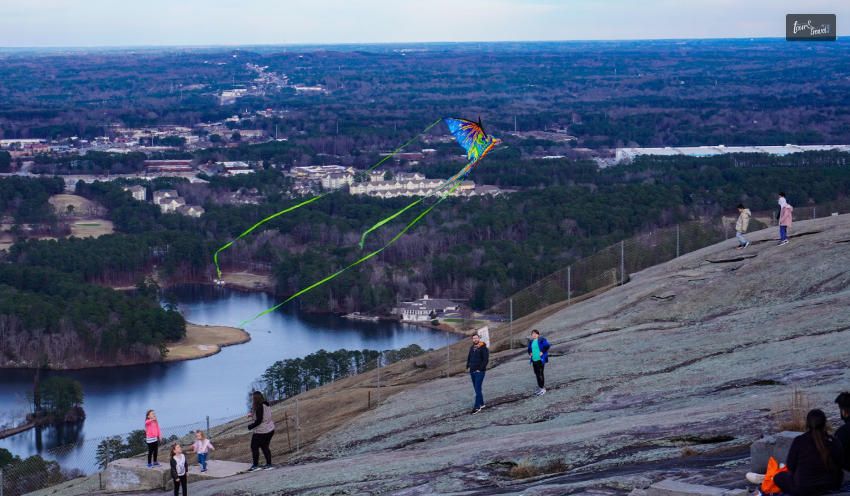
Stone Mountain Park is a 3,200-acre park that is located 15 miles east of Atlanta. It is home to the largest bas-relief sculpture in the world, which depicts three Confederate leaders: Jefferson Davis, Robert E. Lee, and Stonewall Jackson.

The park also offers various attractions and activities, such as a cable car, a train, a museum, a golf course, a lake, and a campground. You can also enjoy hiking, biking, fishing, and picnicking in the park.

Stone Mountain Park is a great place to start your road trip, as it gives you a glimpse of the history and the nature of Georgia.

2. Madison

Madison is a small town 60 miles east of Atlanta. It is one of the most charming and historic towns in Georgia, as it has over 100 antebellum homes and buildings that are listed on the National Register of Historic Places.

You can take a walking tour, a driving tour, or a carriage tour of the town, and admire the architecture and the atmosphere. You can also visit some of the museums, shops, and restaurants in the town.

Madison is a perfect place to stop for a break, as it offers a relaxing and romantic experience.

3. Milledgeville

Milledgeville is a city that is located 90 miles southeast of Atlanta. It is the former capital of Georgia, and the birthplace of the famous writer Flannery O’Connor.

You can visit some of the historic and cultural sites of the city, such as the Old Governor’s Mansion, the Georgia’s Old Capital Museum, the Andalusia Farm, and the Lockerly Arboretum.

You can also enjoy some of the outdoor activities, such as kayaking, fishing, and biking, that are available in the city.

Milledgeville is a fascinating place to visit, as it shows you the heritage and the creativity of Georgia.

4. Macon

Macon is a city that is located 85 miles south of Atlanta. It is known as the “Heart of Georgia”, as it is located in the geographic center of the state.

It is also known as the “Song and Soul of the South”, as it has a rich musical history and culture. You can visit some of the musical landmarks of the city, such as the Otis Redding Museum, the Allman Brothers Band Museum, and the Georgia Music Hall of Fame.

You can also visit some of the other attractions of the city, such as the Ocmulgee National Monument, the Hay House, and the Cherry Blossom Festival.

Macon is a fun place to visit, as it offers a lot of entertainment and excitement.

5. Dublin

Dublin is a city that is located 120 miles southeast of Atlanta. It is a friendly and festive city, that celebrates its Irish heritage and culture.

You can visit some of the Irish-themed attractions of the city, such as the Dublin-Laurens Museum, the Shamrock Bowl, and the St. Patrick’s Day Parade.

You can also visit some of the other attractions of the city, such as the Market on Madison, the Theatre Dublin, and the River Bend Wildlife Management Area.

Dublin is a delightful place to visit, as it offers a lot of charm and cheer.

6. Statesboro

Statesboro is a city that is located 55 miles northwest of Savannah. It is a college town, as it is the home of the Georgia Southern University, the largest public university in Georgia.

You can visit some of the campus attractions, such as the Georgia Southern Museum, the Center for Wildlife Education, and the Botanic Garden.

You can also visit some of the other attractions of the city, such as the Averitt Center for the Arts, the Statesboro Farmers Market, and the Splash in the Boro Water Park.

Statesboro is a lively place to visit, as it offers a lot of culture and fun.

7. Savannah National Wildlife Refuge

Savannah National Wildlife Refuge is a wildlife refuge that is located on the border of Georgia and South Carolina, along the Savannah River.

It is a 31,551-acre refuge that protects and preserves various habitats and species, such as marshes, forests, wetlands, and islands.

You can see animals such as alligators, deer, otters, bobcats, and over 300 species of birds. You can also enjoy hiking, biking, fishing, hunting, and photography in the refuge.

Savannah National Wildlife Refuge is a great place to visit, as it offers a chance to experience the wildlife and the nature of Georgia.

8. Tybee Island

Tybee Island image

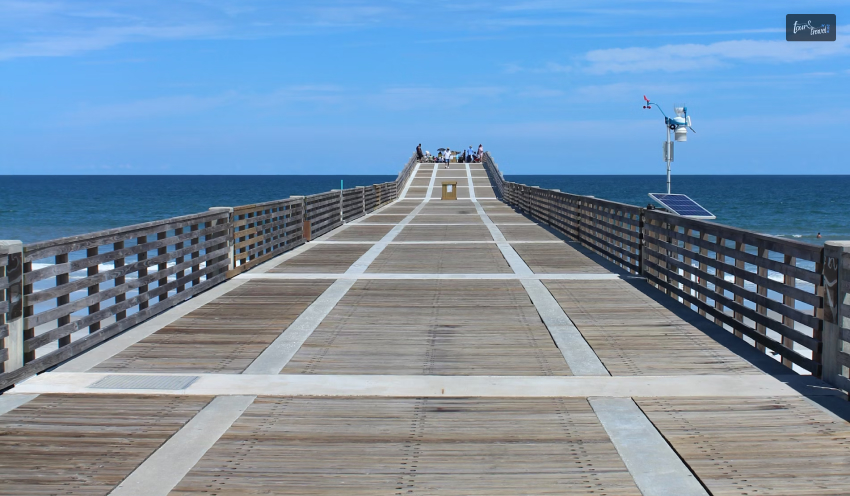
Tybee Island is a barrier island that is located 18 miles east of Savannah. It is a popular destination for beach lovers, who can enjoy swimming, surfing, kayaking, fishing, and boating.

The island also has a pier, a pavilion, a lighthouse, a museum, and a marine science center. Tybee Island is a wonderful place to visit, as it offers a relaxing and enjoyable experience.

9. Historic District

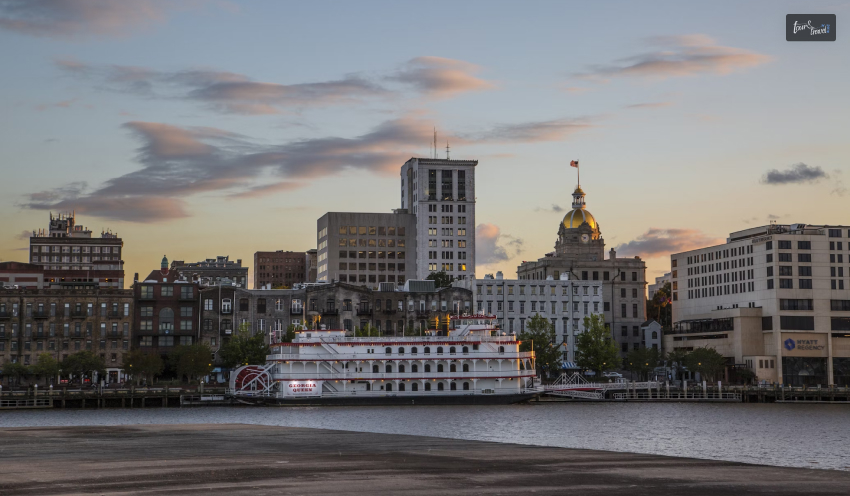
Historic District

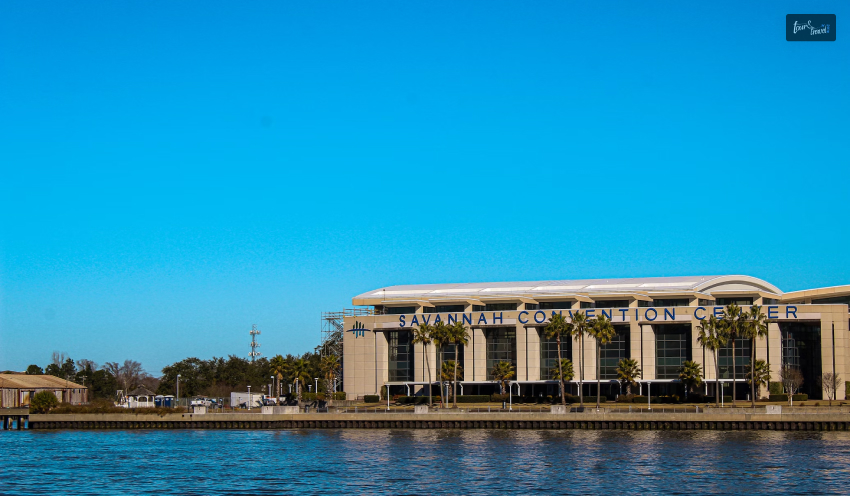
The historic district is the heart and soul of Savannah. It is the largest National Historic Landmark District in the US, and it features over 20 squares that are filled with monuments, fountains, gardens, and statues.

You can also see some of the most beautiful and historic buildings in the city, such as the Cathedral of St. John the Baptist, the Mercer Williams House, and the Davenport House.

You can take a guided tour, hop on a trolley, or simply walk around and admire the architecture and the atmosphere of the historic district.

10. River Street

River Street

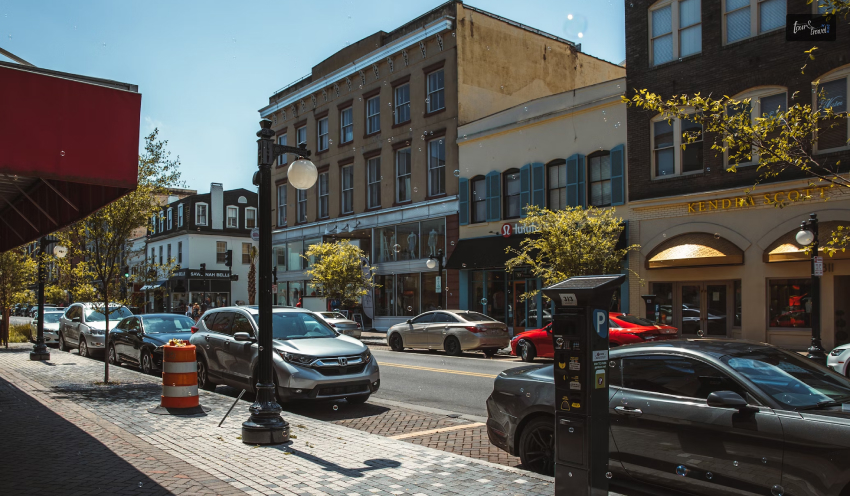
River Street is a lively waterfront area that offers a variety of shops, restaurants, bars, and entertainment.

You can browse the boutiques, sample the local cuisine, listen to live music, or watch the ships go by.

You can also take a riverboat cruise, a ferry ride, or a water taxi to see the city from a different perspective.

River Street is especially festive during the holidays and the events, such as the St. Patrick’s Day Parade, the Fourth of July Fireworks, and the Oktoberfest.

Wrapping It Up!

A road trip from Atlanta to Savannah is a scenic and adventurous way to explore the diverse and beautiful attractions of Georgia. You can see the stunning scenery, the historic landmarks, the quaint towns, and the fun activities that lie between the two cities.

Also, you can enjoy the flexibility, the convenience, and the adventure of driving your own car. You can stop whenever and wherever you want, and discover the hidden gems that you might otherwise miss.

By following the tips and tricks that I have provided in this article, you can plan and enjoy your road trip from Atlanta to Savannah. I hope that this article has given you some ideas and inspiration for your road trip itinerary.

Have a great time on your road trip from Atlanta to Savannah!.

Read Also:

Share on Social Media

Ankita Tripathy loves to write about food and the Hallyu Wave in particular. During her free time, she enjoys looking at the sky or reading books while sipping a cup of hot coffee. Her favourite niches are food, music, lifestyle, travel, and Korean Pop music and drama.

Leave a Reply

Your email address will not be published. Required fields are marked *

title-img Related

READ MORE card-img

The Best Great Barrier Island Camping Tips: Ultimate Guide To The Best Camping Spots On Great Barrier Island, New Zealand 

BY  Sibashree Nov 17, 2025

Spotting the burrows of the black petrels at Glenfern Sanctuary and the hillside was like magic! The burrows had eggs in a cream shade with tan freckles. They almost looked like the eggs of a hen, though slightly larger. Also, some chicks were chirping their hearts out inside the burrows. They looked like those squishy dog toys. Now, spotting birds is one of the most fulfilling activities when you are camping on Great Barrier Island, New Zealand. Furthermore, if days were about hiking and spotting the birds, the nights were about indulging in the surreal beauty of the celestial bodies at this designated Dark Sky Sanctuary. Moreover, camping in Great Barrier Island is a true off-grid and remote experience. No Streetlight!  No Public Rubbish Bins!  And, No Powered Camping Sites!  It’s just you, the camping tent, and the rugged beauty of New Zealand’s Hauraki Gulf. Hi, in today’s blog, I will talk about the Great Barrier Island camping tips. Here, you will learn about the must-book DOC sites, the non-negotiable biosecurity rules, and everything else you need to plan your adventure.  Camping In Aotea, Great Barrier Island: Setting The Right Mindset For Biosecurity And Sustainability View this post on Instagram A post shared by Department of Conservation (@docgovtnz) Aotea isn't a place that just hands you its beauty. It's a place that makes you earn it. It's a true adventure that rewards you for being self-sufficient.  It's the thrill of waking up to the raucous call of a Kākā parrot, not an alarm clock. It's the magic of watching the Milky Way rise over the dunes at Medlands Beach, and the peace of having a rugged, white-sand cove all to yourself.  Also, it is one of the rare islands that serve as sanctuaries, and with 60% of its area protected by the Department of Conservation, Great Barrier Island demands the utmost care for biosecurity and the adoption of sustainable practices. So, before you want to explore the best camping spots on Great Barrier Island New Zealand, you have to build your mindset. This is your invitation to join a small community of travellers who value wild, authentic, and responsible adventure.  1. Offering The True Off-Grid Experience  The campsites of the Great Barrier Island are exactly what the island is. They are not powered, and they have basic amenities. Furthermore, open fire is not allowed in these campsites. So, you will have to bring fuel-powered or gas cookers. Furthemore, the Department of Conservation camping sites have only a specific number of tents. So, you need to make the booking well in advance. Contact the Department of Conservation (DoC) at 0800 275 362. 2. The Golden Rule: "Pack In, Pack Out”  Zero waste and recycling are important for the sustainability and environmentally friendly practices of the Great Barrier Island. However, the island does not have public rubbish bins. So, whatever you carry to the island, you will have to take it back. You must use the official Orange Council bags with stickers for trash disposal. 3. Biosecurity Is Most Important  Protecting the Kauri trees from the infamous “Kauri Dieback disease” and the island's endemic animals requires a high level of biosecurity. So, when you leave for the Great Barrier Island from Auckland, you will have to check for ants and rats. Also, when you leave Great Barrier Island, check the tents and packs for skinks. In addition, the Phytophthora Agathidicida attack on the kauri trees has been a serious concern. Stopping the soil movement is crucial to stopping the attack of this dieback disease. Soil movement can happen through pigs, footwear, and vehicles. Therefore, the Department of Conservation (DoC) cleaning stations play an important role in cleaning and removing soil from your gear and footwear before entering a kauri forest on Great Barrier Island, New Zealand. In addition, you have to stick to the marked routes when hiking through the best Great Barrier Island hiking trails. 4. How To Book The Camping Sites: DOC Vs. Private  If you are camping in any of the DoC sites, you have to make the booking online well in advance. Private camping sites can be booked directly. Here is the step-by-step guide for booking a DoC Campsite on the Great Barrier Island. First, visit the Department of Conservation site for the particular campsite. For example, let’s talk about the Akapoua Bay Campsite. On the dedicated Akapoua Bay Campsite page, you will get to know about the campsite and the fees. The fees for the Akapoua Bay Campsite are $18 per night for adults, $9 per night for children ages 5 to 17, and $0 per night for infants ages 0 to 4. In addition, you can book a campsite pass from the Department of Conservation of New Zealand. It will give you access to all the bookable and non-bookable campsites in the country. If you need any assistance in booking the campsite pass, you can avail of that at a service tax of $10. For adults, the camping pass will cost $295.00 (365 nights), and for children between 5 and 17 years, the pass will cost $147.50. Moreover, for children below 5 years, the camping pass is free. If you need any assistance regarding the booking of the 1-year campsite pass or a pass for any specific site, you can contact WhakatĹŤ/Nelson Visitor Centre at +64 3 546 9339 or email them at nelsonvc@doc.govt.nz. The Kauaeranga Visitor Centre (+64 7 867 9080/kauaerangavc@doc.govt.nz) also offers the same assistance. What Are The Best Camping Spots On Great Barrier Island New Zealand?  View this post on Instagram A post shared by Department of Conservation (@docgovtnz) Digital detox has been a trending thing these days, and if you want to truly experience that and shut all the noise in your head, the camping spots on the Great Barrier Island will be the best for you. Further, the real magic of camping on Aotea starts after sunset. You haven't lived until you've watched the Milky Way rise over your tent from the dunes at Medlands. However, along with the Medlands Beach, there are 5 other DoC campsites in the Great Barrier Island, New Zealand. Here are the details. 1. Akapoua Bay Campsite  The sheltered waters of Port FitzRoy have a beautiful camping ground, which is like a gateway to the many walking tracks of the Great Barrier Island, New Zealand. From waking up with a 60-second dash of a cold shower to exploring the paths graced by the pohutukawa trees, the Akapoua Bay Campsite will offer you a peaceful and off-the-grid experience. The maximum number of campers on this site can be 75. Moreover, the camp is hosted from Christmas to the end of January. 2. Harataonga Campsite  This campground is very close to Harataonga Beach. So, it is an ideal camping site for swimmers and snorkeling enthusiasts. It can accommodate 120 campers, and this campsite is surrounded by bush and farmland. and camping takes place between Christmas and mid-February. Harataonga is for the romantic escape. 3. Awana Beach Campsite  The Awana Beach Campsite is a surfer’s dream. It has beautiful dunes and farmlands around. It can accommodate 120 campers, and the campground remains open from Christmas to the end of January. The only problem with this camping site is mosquitoes. So, you have to carry mosquito repellents. 4. Medlands Beach Campsite  The sound of the waves at Medlands. This is the music you will listen to when you go to sleep or wake up at the Medlands Beach Campsite. Medlands is like an all-rounder. It is ideal for families and surfers alike. The campsite remains open from Christmas to mid-February, and it can accommodate 120 campers. 5. The Green Campsite  You can boat in or walk in the Green Campsite, which remains open from 1st December to the end of February. With a capacity of accommodating only 30 campers, this campsite has a rich history associated with whaling, kauri logging, and timber milling. The waters of the Whangaparapara Harbour make it an idyllic retreat, and it is also the base of the Aotea Track. 6. Whangapoua Campsite  The Whangapoua Campsite is a surfer’s paradise, and it is located on the edge of the Whangapoua estuary. It is also a favorite camping site for fishing. With an accommodation capacity of 150 people, this campsite remains open from Christmas to the end of February. However, the biggest highlight of this camping site is the views of Rakitu Island and Mount Hirakimata. A Comparison Summary Table Of The DoC Camping Sites On The Great Barrier Island, New Zealand  DoC Campsite Access Landscape Facilities Activities Dog Access Fees Akapoua Bay Campsite Campervan, Car and Caravan Coastal Boat Launching, Cooking Shelter, Cold Shower, Non-Flush Toilets for Men and Women Boating, Fishing, Walking, and Tramping No Adults: $18 per night, Children of 5-17 years, $9 per night, and Children below 5 years: free Harataonga Beach Campervan, Car and Caravan Coastal Cooking Shelter, Cold Shower, Non-Flush Toilets for Men and Women Swimming, Snorkeling, Fishing No Adults: $18 per night, Children of 5-17 years, $9 per night, and Children below 5 years: free Awana Beach Campsite Campervan, Car and Caravan Coastal Cooking Shelter, Cold Shower, Non-Flush Toilets for Men and Women Kayaking and Canoeing No Adults: $18 per night, Children of 5-17 years, $9 per night, and Children below 5 years: free Medlands Beach Campsite Campervan, Car and Caravan Coastal Boat Launching, Cooking Shelter, Cold Shower, Non-Flush Toilets for Men and Women Fishing, Surfing, Swimming No Adults: $18 per night, Children of 5-17 years, $9 per night, and Children below 5 years: free The Green Campsite Boat, Foot Coastal Cooking Shelter, Non-Flush Toilets for Men and WomenHiking, Boating No Adults: $18 per night, Children of 5-17 years, $9 per night, and Children below 5 years: free Whangapoua campsite Campervan, Car and Caravan Coastal Cooking Shelter, Cold Shower, Non-Flush Toilets for Men and WomenFishing, Surfing No Adults: $18 per night, Children of 5-17 years, $9 per night, and Children below 5 years: free  Insider Tips For Camping At DoC Campsites On The Great Barrier Island If you are camping in a caravan or campervan, remember that the gravel roads leading to the camping sites, especially the Harataonga Campsite, are steep and winding. Also, the sites are off-the-grid. Furthermore, the campervans are not usually allowed on the beaches. The Best Private & Unique Camping Options On The Great Barrier Island View this post on Instagram A post shared by Department of Conservation (@docgovtnz) 1. Great Barrier Island Campground  The Great Barrier Island Campground, spanning over an area of 12 square acres, is an ideal camping ground for access to different beach activities. The camping site is located at a distance of just 200 meters from the beach. The camping fee at the Great Barrier Island Campground is $10 per person per night. You can contact them at 021 298 8905 for booking. 2. Mickeys Place  The O'Shea Family farm in Awana houses the Mickey's Place camping ground. It is a family-friendly camping site with the following facilities. A Communal Cooking Area  Flush Toilets  Showers  Patrick, Sean, and Mickey are the hosts of this campsite, and you can contact them at 09 4290 140. 3. Stray Possum  Stary Possum in Tryphena is an ideal camping site for backpackers. If you are camping here, you will have access to the kitchen, toilets, and showers of the adjacent Stray Possum Lodge. This camping site has 14 tents, and you can call 09 4290 109 for booking details. 21 Essential Great Barrier Island Camping Tips  I promised you tips, and here they are. Do not go to Great Barrier Island without reading this checklist.  • Packing And Food  1. Bringing a Gas Cooker  Open fires are banned in the Camping sites of the Great Barrier Island. So, you will have to bring a gas burner for preparing your food. 2. Packing Your Food  Groceries are not available everywhere, and they are even very expensive. So, it is better to collect and pack the groceries you will need before leaving Auckland. 3. Bringing a Good Chilly Bin  You will need this insulated chest for storing warm and cold food items. 4. Bringing a Red-Light Torch  The island is a Dark Sky Sanctuary. A red torch lets you stargaze without ruining your night vision.  5. Bringing Cash  EFTPOS (debit) is unreliable, and many camping sites only accept cash. 6. Packing Warm Clothes  The weather can suddenly become cold, even on summer days. So, you will have to pack layered clothes.  7. Carrying Mosquito and Insect Repellent  Sandflies and mosquitoes are notorious on Great Barrier Island. So, you will have to carry an insect repellent.  • On-Site & Facilities  8. Cold Showers  Most shower stations on the Great Barrier Island are cold water shower stations. This is great as the dash of cold water in the morning, literally works as the eye opener. 9. Long-Drop Toilets  The long-drop toilets are basic and waterless. Using these pit toilets can be challenging for some campers. 10. Drinking Water  The tap water available at these sites is not ideal for drinking unless it is purified or boiled. 11. Pet-Friendly  The DoC camping grounds are not accessible to dogs. This is crucial for the protection of wildlife, the safety of the pets, and soil movement, causing the resurrection of pets and parasites affecting the local flora and fauna. 12. Booking  The slots for camping sites such as Medlands, Akapoua get sold more than 6 months in advance for the Christmas and New Year periods. So, it is indeed a year-long planning. 13. Alcohol Rules  The consumption of alcohol can be banned in various camping sites, especially during the peak seasons. So, check with the camping site authority. • Transport & Logistics  14. Having a Vehicle  Having a vehicle is a must for moving around the rugged and large Great Barrier Island. You cannot walk between the sites.  15. Renting a 4WD (or 4WD-Capable)  The roads to various campsites are challenging. The road to Harataonga, especially, is very difficult. So, you will have to rent a 4WD-capable vehicle. 16. The Motorhome/Campervan Reality  The gravel roads are narrow, steep, and winding, and if you are planning to camp in a large RV, you will definitely struggle. 17. The Dump Station Nightmare  There is only one dump station in Claris, and it is only for black water or toilet waste. You will have to carry your grey water or sink with you. 18. Freedom Camping  Freedom camping on the Great Barrier Island, New Zealand, is a fascinating idea. However, the reality is quite different. It is heavily restricted, and sticking to the DoC sites is the best option.  • Safety & Etiquette  19. Using a Paper Map  Mobile network and GPS will not function in various parts of the Great Barrier Island. So, you will have to carry a paper map. 20. Tell Someone Your Plans  If you are hiking on the Great Barrier Island, you have to keep someone informed. The wilderness and remote locations of the hiking trails can throw many challenges, despite having an easy to moderately difficult level.  21. Being a Good Neighbour  You must respect the quiet, off-grid, and nature-first vibe of the Great Barrier Island. So, you have to keep the noise level down. How To Reach The Aotea Great Barrier Island With Your Camping Gear? For campers, especially the ones with campervans, traveling by the ferry from SeaLink is the best option. It is the only mode of transportation in which passengers and cars are both transported. It is a 4.5-hour picturesque journey from Auckland. Your Great Barrier Island Camping Adventure Is Calling Camping on the Great Barrier Island, New Zealand, is the right mix of adventure, soaking in nature, and cherishing the off-the-grid living of the island. However, it’s not going to be easy with the amenities at the campsites being basic, and even the gravel roads posing challenges for the big RVs and campervans. Also, you will have to take care of biosecurity and all the sustainability guidelines to ensure that the island, a sanctuary of wildlife, does not get impacted negatively. Conservation as a pristine sanctuary is the reason why camping in the Great Barrier Island allowed us to see a billion more stars and birds than I have ever seen in my life.
READ MORE egypt tour

Planning Your Egypt Tour: Expert Answers to the Most Common Traveler Questions

BY  Sibashree Oct 27, 2025

If you’ve been dreaming of standing before the Great Pyramids, sailing the Nile, or exploring ancient temples, you’re not alone. Egypt continues to rank among the world’s top travel destinations — a land where history, culture, and adventure come together like nowhere else. To help you plan your perfect Egypt tour, we’ve compiled answers to the most common questions travelers ask before booking. Whether you’re wondering about the best month to visit, safety, cost, or ideal itineraries — this guide will help you make confident, informed choices for your Egypt adventure. What Is the Best Tour Company for Egypt? The best tour company for Egypt depends on the experience you’re seeking. If you’re looking for luxury, cultural depth, and expert-guided itineraries, Delta Tours Egypt stands out as one of Egypt’s top-rated operators. With over 40 years of experience in Egypt travel, Delta Tours Egypt offers fully customizable Egypt tours — from classic Nile cruises and desert adventures to private luxury experiences with five-star accommodations and certified Egyptologists. Which Is the Best Tour Operator for Egypt? When choosing a tour operator, focus on expertise, licensing, and reputation. Delta Tours Egypt is licensed by the Egyptian Ministry of Tourism and has earned excellent reviews for professionalism and personalized service. They offer seamless coordination, English-speaking guides, air-conditioned transport, and curated itineraries that include must-see attractions like Luxor, Aswan, Abu Simbel, and the Grand Egyptian Museum. What Is the Best Way to Tour Egypt? The best way to explore Egypt is to combine land and river experiences. Most travelers start in Cairo, visiting the Pyramids of Giza, the Sphinx, and the Grand Egyptian Museum, then fly or take a sleeper train to Luxor or Aswan for a Nile cruise. A 4- or 5-day cruise between Luxor and Aswan allows you to visit iconic temples such as Karnak, Hatshepsut, Kom Ombo, and Philae, all while relaxing on a luxury vessel — a signature part of the Egyptian travel experience. What Is the Average Cost for a Trip to Egypt? A typical 8–10 day Egypt tour ranges between $1,200 and $3,000 USD per person, depending on your travel style: Luxury tours: From $2,500+ (5-star hotels, Nile cruise, private guide) Mid-range tours: Around $1,500 (4-star hotels, group tours) Budget tours: As low as $1,000 (shared tours, standard hotels) Flights, meals, and optional activities like hot air balloon rides in Luxor or Abu Simbel excursions may add to your total cost. What Is the Best Month to Tour Egypt? The best months to visit Egypt are October to April, when the weather is cooler and sightseeing is comfortable. December and January are especially popular — ideal for Cairo, Luxor, and Aswan exploration. During these months, you can enjoy pleasant daytime temperatures (20–28°C / 68–82°F), perfect for outdoor touring and Nile cruises. How Many Days Are Ideal for an Egypt Trip? A 10-day Egypt itinerary allows you to experience the country’s highlights without rushing: Days 1–3: Cairo – Pyramids, Sphinx, Grand Egyptian Museum Days 4–7: Nile Cruise – Luxor, Edfu, Kom Ombo, Aswan Days 8–10: Abu Simbel or Hurghada (Red Sea relaxation) For those with limited time, even a 5–7 day Egypt tour can deliver an unforgettable experience. What Not to Do in Egypt as a Tourist Egypt is welcoming, but cultural respect goes a long way. Avoid the following: Don’t ignore dress codes in mosques and rural areas — dress modestly. Avoid political discussions or taking photos of military sites. Don’t drink tap water; stick to bottled water. Avoid scams by booking with verified tour operators like Delta Tours Egypt. Small gestures of respect ensure a smoother, more authentic Egypt experience. What Month Is the Cheapest to Visit Egypt? For travelers on a budget, the cheapest months to visit Egypt are May, September, and early October — part of the “shoulder season.” Hotel rates drop by 20–30%, and popular attractions are less crowded. If you can handle warmer weather, you’ll find unbeatable value in your Egypt tour packages during these months. What Are the Hottest Months in Egypt? The hottest months are June, July, and August, when temperatures can exceed 40°C (104°F) in southern cities like Luxor and Aswan. While still safe to visit, sightseeing is best done early morning or late afternoon. However, beach destinations like Hurghada and Sharm El Sheikh remain comfortable thanks to Red Sea breezes — perfect for travelers who enjoy sun and sea. Which Is the Best Month to Visit Egypt? If you want the best combination of weather, crowd levels, and pricing, November, February, and March are ideal. These months offer mild temperatures and fewer crowds than the December peak. You can enjoy the Grand Egyptian Museum, Pyramids, Nile Cruise, and Abu Simbel Temple at their most comfortable. What Month Is Best to Visit the Pyramids? The Pyramids of Giza are spectacular year-round, but for the most pleasant experience, visit between October and April. Morning visits offer cooler temperatures and better lighting for photography. Arrive before 9:00 AM to beat the tour buses and enjoy the Sphinx and Pyramid Plateau in peace. How Much Money Will I Need for Two Weeks in Egypt? For a two-week Egypt tour, budget between $2,000–$4,000 USD per traveler, covering accommodation, transportation, entrance fees, meals, and guided tours. A two-week itinerary might include: Cairo & Giza Luxor & Aswan (Nile Cruise) Abu Simbel Hurghada or Sharm El Sheikh Luxury travelers can expect to spend more, while budget adventurers can comfortably manage with $1,500–$2,000. Is It Safe for Americans to Travel to Egypt Right Now? Yes, Egypt is generally safe for American tourists. The country’s main tourist areas — Cairo, Giza, Luxor, Aswan, and the Red Sea resorts — are secure and heavily monitored. As with any international travel, it’s wise to exercise standard precautions: stay with reputable tour companies, follow local advice, and avoid remote desert areas without a guide. Delta Tours Egypt ensures traveler safety by coordinating with licensed guides, trusted drivers, and official tourist authorities. Why Egypt Should Be Your Next Adventure Egypt isn’t just a destination; it’s an encounter with civilization itself. From the majesty of the Grand Egyptian Museum and the timeless grandeur of the Pyramids of Giza, to the spiritual calm of Philae Temple and the golden sands of the Valley of the Kings, every corner of Egypt tells a story thousands of years old. Whether you’re seeking luxury or adventure, there has never been a better time to book your Egypt tour. With new attractions like the Grand Egyptian Museum opening and enhanced tourist infrastructure, Egypt welcomes visitors with open arms. Plan Your Journey with Delta Tours Egypt Experience Egypt like never before with Delt Tours Egypt — a family-founded agency with decades of expertise in luxury, classical, and custom Egypt tours. From the first hello at Cairo Airport to your farewell on the Nile, every detail is crafted with care, professionalism, and passion. Plan your journey today and see why travelers call Delta Tours Egypt “the heart of Egyptian hospitality.

READ MORE Family Tours To Israel

Family Tours To Israel: Explore The Rich History And Culture Of The Holy Land

BY  Abdul Aziz Mar 29, 2024

Looking for a perfect destination to hang out with your family for a few days? Israel can be a good place to visit with your family. Family tours to Israel will provide you with a captivating experience of a journey through history and culture. Along with that, the jeeping journey can make the whole tour adventurous for you.  Being in the heart of the Middle East part, Israel is the hub for diverse cultures, rich ancient history, and awe-inspiring landscapes. With the perfect blend of history, education, relaxation, and adventure, family tours to Israel will surely become a unique travel memory. This article will help you to know Israel better by shedding light on the exclusivity of family tours to Israel.  Why Family Tours to Israel are Exclusive? There are several reasons for Israel being the perfect destination for a family trip. Touring in Israel, especially on four wheels, goes beyond a typical family trip experience. It’s a whole new world of adventure and excitement.  Rich Cultural Significance:  Israel is a place rich with a history of thousands of years. The mixture of people from different cultures has enriched the place and enhanced its value to a great extent. You can meet people from different cultures and have a huge variety of food which is difficult to get in other places. It opens up opportunities for great family experiences.  Educational Value:  The rich history and culture of the place will allow you to gain knowledge about ancient history. People from all age groups can learn and enrich their moral values by visiting this place.  Recreational Opportunities:  Apart from its rich history and culture, Israel also has places where you can relax with your family and relieve your stress. For example. Tel Aviv has beautiful and relaxing beaches that are perfect for recreational activities.  Safe and Secure Atmosphere:  Israel tourism maintains a strict focus on safety standards, and its tourist facilities are top-notch. So, you do not need to continuously worry about your family’s safety and security while you are on a trip. The people are also welcoming and hospitable, which will give you a comfortable experience.  Best Places to Visit With Family  Israel has a wide number of tourist places with historical values and natural beauty. However, I am going to recommend some of the places that are perfect for family visits. So, if you have limited time for the trip, make sure to cover these places first.  1. Jerusalem Well, you can not miss the most historically rich place in Israel, which also has a great religious significance.  Here you can explore the old streets and markets. Also, don’t miss the interactive activities of “Bloomfield Science Museum”. This historical place is not only a holy land for Christians but also for any other religion in the world.  Start your tour with Yad Vashem, which is a memorial dedicated to individuals dying in the Holocaust. The Golden Dome Mosque is another great attraction that boasts thousands of tourists every day. Some people also come here to visit the Western Wall, which overlooks it.  2. Tel Aviv Is Carmel Market something you want to see? Then, head over to Tel Aviv or take a leisurely stroll at Sharona. The latter is the oldest modern village in Israel even today and it offers epic sunsets. Along with that, you can visit beaches like the Banana, Frishman and Gordon beaches and rejuvenate yourself.  As I have mentioned previously, Tel Aviv is a great place to relax and recreation. Apart from beautiful beaches and museums, you can also enjoy water sports with your family. Tel Aviv is particularly famous for its nightlife because the place literally comes to life at dusk. 3. Haifa The outdoor lover inside you will call you out to visit Haifa. There are so many extraordinary places to eat and casually hang out that you will be simply mesmerized. Due to its strategic location, the port city lures large tourist gatherings. From promenades to monasteries, this place is a total blowout.  Now, let’s talk about places in Haifa that are worth visiting. The list begins with Stella Maris Carmelite Monastery, where you can bask in the Mediterranean’s lap. Then, move on to the Artistic Village of Ein Hod to check out some amazing art galleries. BatGalim Beach is another extraordinary location where kiteboarding and windsurfing can be enjoyed.  4. Dead Sea  Explore the beauty of nature while effortlessly floating on the Dead Sea. Situated 400m approx below sea level, the Dead Sea is the heart of Israel. It is the true wonder of nature with sweeping landscapes and untouched charm. Those visiting Israel can never end the trip without actually visiting this.   Additionally, there are a number of resorts here that provide family-friendly activities suitable for all age groups. There’s Dead Sea Resthouse, Qumran Caves, and Adventure City Fun Park. Apart from these, you can also visit Mujib Nature Reserve and the infamous Masada Mountains. The water body in the Dead Sea has a higher density with super saline water.  5. Eilat Last but not least, we have the water wonder or “Eilat.” This infamous beach lies to the South of Isreal and is a top tourist spot where enormous marine life can be witnessed. One might try a range of watersports such as scuba diving and snorkeling. There are other cultural tours along with wildlife parks that are certainly unmissable.  Eilat Bird Sanctuary and Coral Beach Nature Reserve are some popular destinations that are popularly referred to as the Big 3 Park Tour. You will see most of Eilat here, along with planning a hiking session in the mountains.  Parting Thoughts Israel, the prized jewel of the entire Middle East, deserves a place on your holiday list. It is quite significant for all religious people since they get to see an overall new version of ethnicity. With the above tips, you will be able to visit the most extraordinary places in Israel.  That marks the end of this article. If there’s anything you would like to add to the list, do comment below and let us know. Thank you for reading. Keep following us to read more such content.  Read Also: Israel Government Declares War: Multiple Flights Cancelled Kenya Is Targeting 5.5M Tourist Arrivals By 2028