





A Guide to Adventure and Nature: The Best Things to Do in Moab Utah for Outdoor Enthusiasts

Feb 22, 2024

Last Updated on: Nov 16, 2024

Travel Guides

Every kind of traveler can find something to do in Moab, and there are so many must-see locations that you’ll want to come back time and time again. Every time you visit, new magic will reveal itself. To help you plan your trip to the American West better, don’t forget to carry a map of the surrounding parks. Let us know which Moab tours spiked your interest the most.

While most things to do in Moab Utah take place in the spring, summer, and fall, winter is often the ideal season to visit this region. During that time, there is less traffic from tourists. Hence, this makes it simpler to stray into local areas and start a conversation with locals. The Moab region is less crowded than other well-known locations during the snow season. It provides an excellent opportunity for winter sports participation.

These days, a growing number of people are discovering the mystical beauty of the American West. Moab, Utah, has emerged as one of the top travel destinations for those seeking an outdoor atmosphere. Activities in Moab include hiking in Canyonlands National Park and taking a picturesque drive to the La Sal Mountains.

You can raft down pure, wild rivers through the area’s famous red rock canyons and go mountain biking through the breathtaking Arches National Park. If you’re ready to start looking into Moab activities, then here is a guide to set you up for an incredible Western adventure. 

Things To Do in Moab Utah

Moab Utah

Moab’s ability to amaze is as varied as its visitor’s taste in adventure. There is a lot more than just visual attraction in Moab. It offers two national parks, whitewater rafting, a zipline, off-road adventures, scenic drives, and rock climbing. Whether you want to spend your time charting the rugged terrain or take a more aesthetic tour, Moab will leave you spoiled for choice.

Arches National Park

Arches National Park

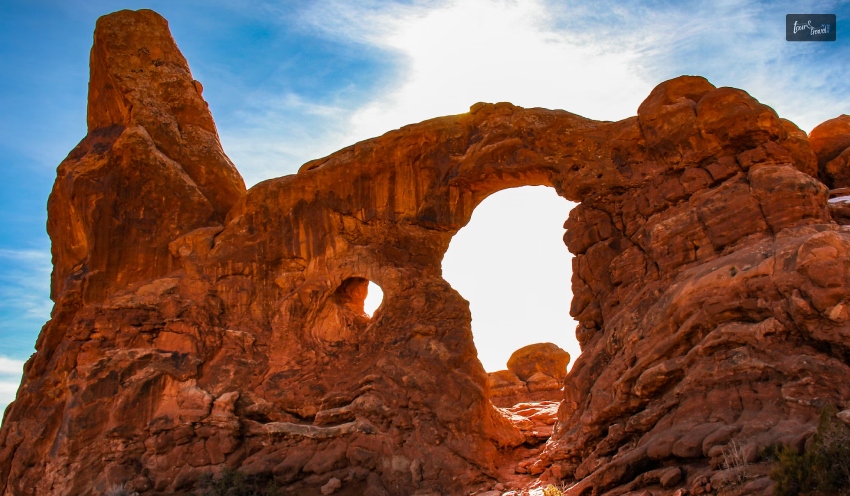
For good reason, Arches National Park is one of the most well-liked national parks in the union and one of the best things to do in Moab Utah. In addition to many other fascinating rock formations, the park is home to over 2,000 naturally occurring stone arches. Popular summertime activities in this area include hiking and camping but remember to pack plenty of water because summer temperatures can soar.

Both inside the park and near Moab, there are many campgrounds. If you’re more of a cabin person than a tent camper, there are even some stunning locations in the La Sal Mountains.

It is impossible to visit Moab, Utah, and not take in Arches National Park. Just off the highway, you can easily explore many of the park’s iconic features. Moreover, you can take a guided van tour in the morning or evening or go for a solo drive. A guided van tour also has several benefits. You can get away from the wheel so you can look around the park and have a good time.

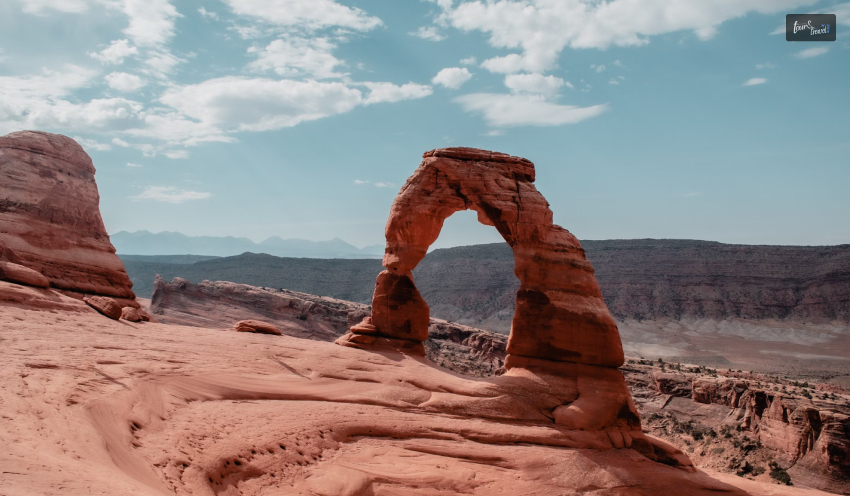
Your guide will interpret what you see along with pointing you in the direction of some of the greatest locations for pictures. You will witness places such as Turret Arch, Balanced Rock, Double-O Arch, and more. It’s a very satisfying experience to venture a little further on your own towards Delicate Arch. But be advised that it takes some planning and preparation in addition to the usual stroll through the National Park.

Dead Horse Point State Park

Dead Horse Point State Park

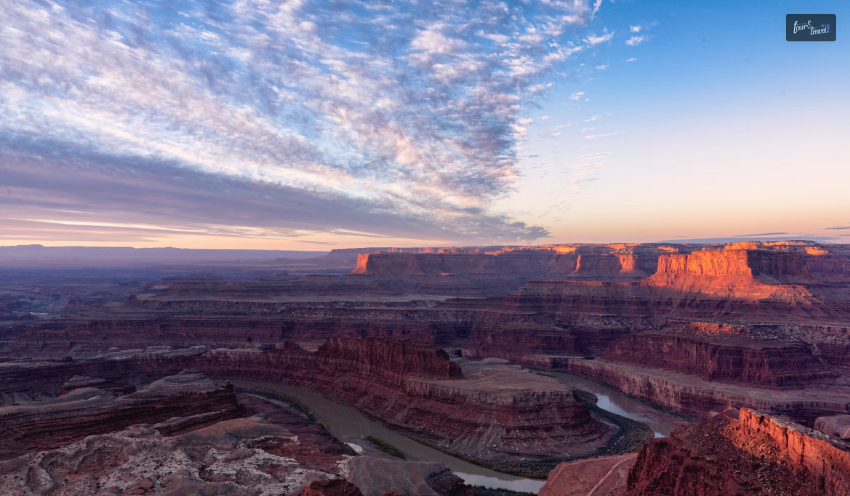
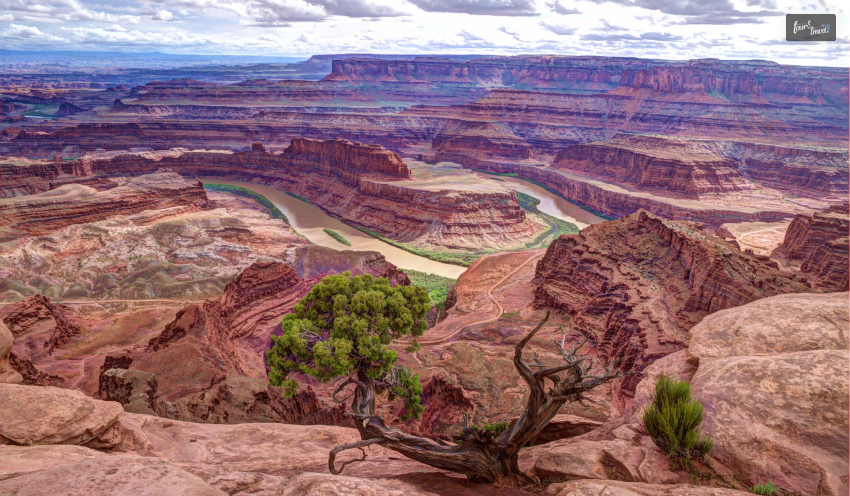
Anybody who enjoys the outdoors should visit Dead Horse Point State Park. Beautiful views of the Colorado River and Canyonlands National Park can be seen in the park. You will be astounded by the enormous “loop” that thousands of years of rushing water have chiseled out of the rock from Dead Horse Point’s grand viewpoint. One of the most well-liked activities in Moab these days is going to this area.

The area is named after the way 19th-century cowboys used the point’s distinctive formation to create a natural corral. It required minimal barricading for the single entrance and exit. The irony was that many of the horses perished from heat exhaustion and dehydration. They were only a few thousand feet away.

Canyoneering

Canyoneering

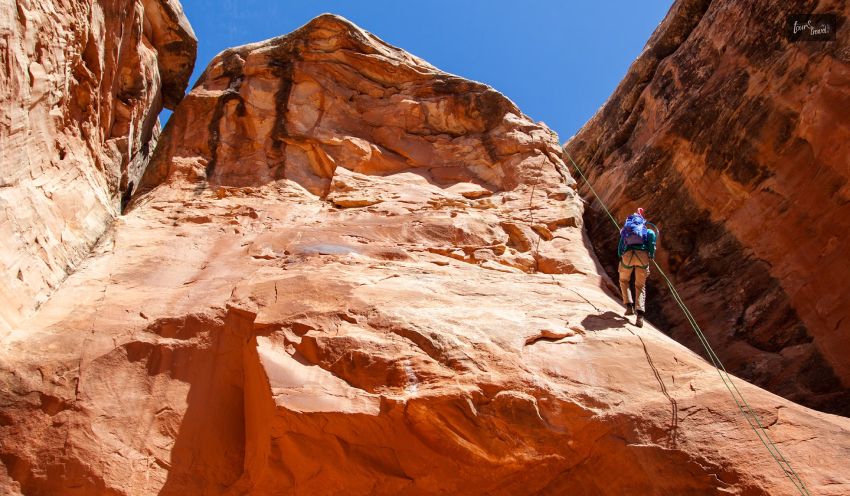
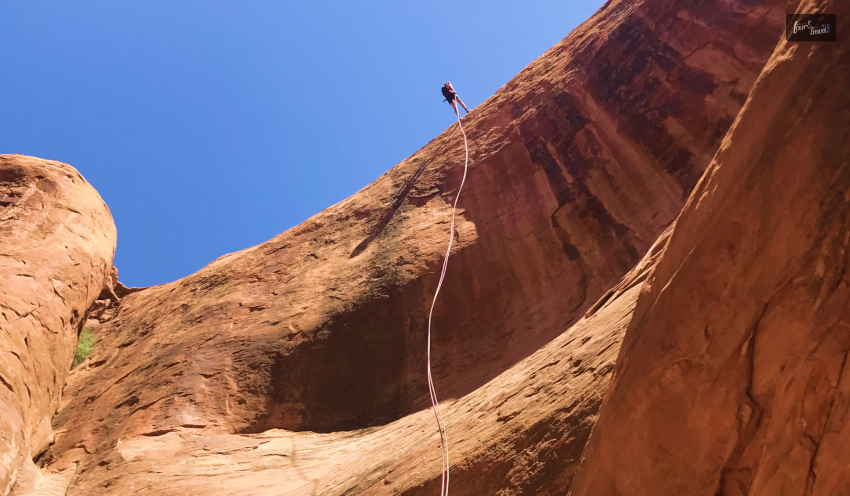
One of the most popular things to do in Moab Utah, is canyoneering, which is made possible by the thousands of cliffs and canyons to explore. If you’re new to the sport, make sure to hire a guide. It can be dangerous without the right knowledge and gear. Our two favorites, the San Rafael Swell and Robbers Roost offer breathtaking slot canyons to explore. Which areas are ideal for beginners and where to go if you want a more technical experience can be determined with the aid of a good guide.

Jeep/Off-roading

Jeep Off-roading

Driving a Jeep is one of the greatest things to do in Moab Utah. A lot of companies offer off-roading tours, or you can rent a Jeep and go exploring on your own. Just make sure you stick to the paths that are designated, as some are very far away and hard to get to. When it’s not too hot or too snowy, spring and fall are the ideal seasons to visit. You can let a guide show you the best of Moab, or you can explore on your own by going on the Aztec Butte Trail and visiting the Gemini Bridges.

Sunset Hummer Safaris on the Hell’s Revenge Trail are among the greatest activities to undertake on a summer evening in Moab. When the sun sets farther to the west, everything in Moab takes on a more intense hue of red, pink, or orange. You will be riding over some of the most unusual terrains on Earth in a rock-steady Hummer. Driven by knowledgeable guides, you can take in this kaleidoscope of colors falling upon the Slickrock. Possibly the most well-known 4×4 trail in the world, Hell’s Revenge Trail is undoubtedly one of the best things to do in Moab Utah.

Hiking

Hiking

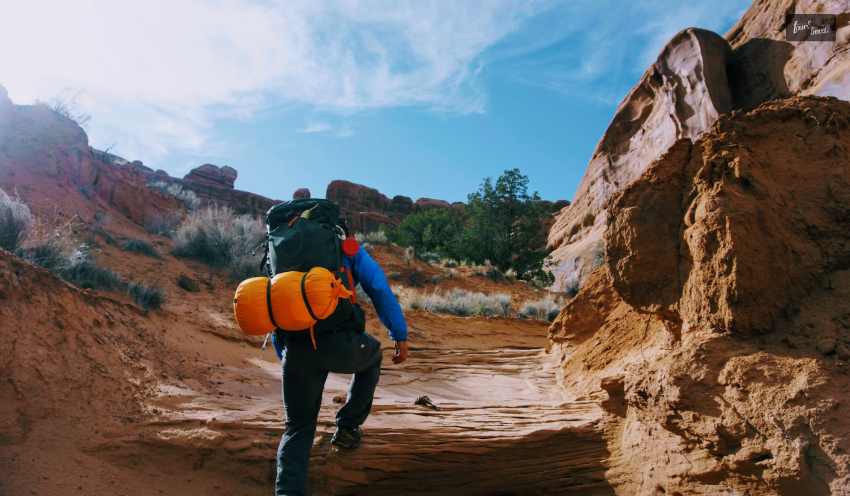
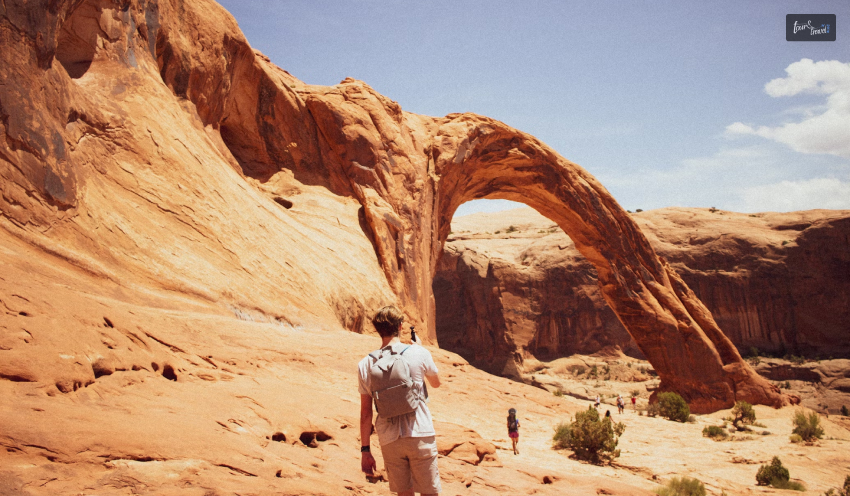
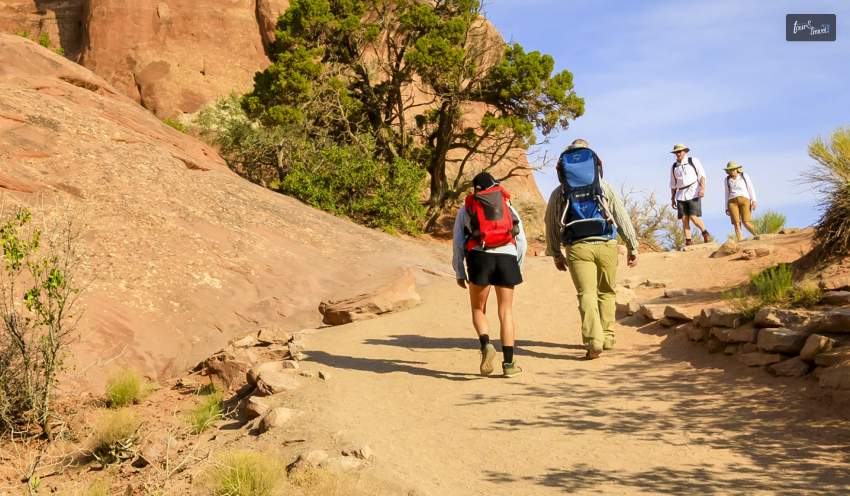
Since hiking is one of the top things to do in Moab Utah, why not incorporate some Creekside trails, arches, and hidden grottoes into your hike? Hikers frequently scale the Grandstaff Canyon in search of some shade and unusual desert flora beside a bubbling stream. But they eventually return to the trailhead at the base.

When canyoneering in Moab, the adventure starts at the uppermost point of Grandstaff Canyon. Equipped with expert canyoneering guides as well as ropes, you can go down into Ephedra’s Grotto. You can then traverse the enormous yet concealed Morning Glory Arch. You are now at the very top of the breathtaking Grandstaff Canyon. That looks like the start of a hike in Moab!

Hike to Delicate Arch/Landscape Arch

Hike to Delicate Arch Landscape Arch

Moab offers many opportunities to explore its rock features, both inside and outside National Parks. You might be asking yourself if it makes sense to hike up to three miles from the parking lot just to see another. It’s a valid point since there are so many amazing features and viewpoints. It will be a beacon for a leisurely stroll and some window shopping. However, if you want to hike Delicate Arch/Landscape Arch, you might want to factor in a half-day for your trip.

Equip yourself with appropriate footwear, coats, water, and a high-quality camera. A poor camera will still be able to capture a stunning image of Delicate Arch. Its breathtaking position, background, and sun angle are what make it so famous for Olympic Torch parades, license plates, and countless postcards. You can’t help but wonder if this landscape is better known as “Landscape Arch” because it is so visually appealing.

The real Landscape Arch appears to defy gravity with its fragile, slender, and, well, delicate profile. It is an easy hike but much harder to fit in a camera frame. These two visually stunning and somewhat strenuous arches are well worth the hike.

Hike To Fisher Towers

Hike To Fisher Towers

From certain vantage points within Castle Valley below, these enormous towers seem like they belong to a National Park or monument. They rise almost a thousand feet above the desert floor. Rock climbing is a hugely popular activity in Moab, and experienced climbers can enjoy a demanding and rewarding view from the Fisher Towers. In Moab, beginner climbs are advised elsewhere. It’s breathtaking enough to hike the winding trail at the base of the towers.

Ropes are not necessary to enjoy this breathtaking view! It truly gives you the impression that you have been somewhere deserving of the moniker “The West.” The way the area glows at dusk, and the silhouettes of notable rock castles in the valley below are awe-inspiring. In the afternoon and evening, there’s not much shade, so be sure to pack water for the hike.

Ride the Moab Zip Line

Ride the Moab Zip Line

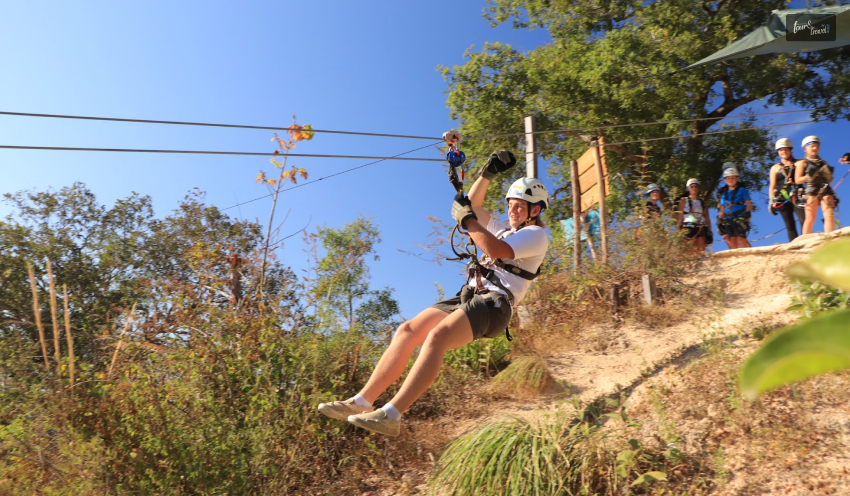
You can soar like a raven from domes, sandstone ledges, and fins across a vast desert rimmed by snow-capped mountains. Zipline tours are always fun, no matter where you are. Better yet, you can easily reach this incredibly entertaining activity in Moab from the northern end of Main Street. A wild 4×4 ride up the mountainside will take you above the town and onto the edge of a completely different landscape. It is otherwise blinded from view. These tours take place nearly all day, so you can schedule them around a lot of the other Moab activities we’ve already covered.

Overlook the Dead Horse Point

Overlook the Dead Horse Point

Undoubtedly, one of the best things to do in Moab, Utah, is to take in the expansive view from this conveniently located overlook during the morning or evening hours. This State Park will inspire you even in the flat midday sun. As the Colorado River approaches the deeper maze of gorges in Canyonlands National Park, its goosenecks flow hundreds of feet below. It includes the Cataract Canyon. Consider going on a guided mountain biking tour on the easy-to-moderate trails. They circle the Dead Horse Point area if you’re looking for an enjoyable activity to do while you’re here. There are several breathtaking scenic overlooks on the tour.

Rent a Jeep to Remote Parts

Rent a Jeep to Remote Parts

In Moab, driving a Jeep seems natural. Cars are perfectly adequate for getting around. But there is something about the big, bristly Yokohama tires, the satellite radio, and the ice-filled cooler in the back. It just makes you want to explore. Moab is a haven for off-road adventure seekers. There are odd dirt roads in the area around Moab. They go in all directions without going anywhere. But there are many breathtaking viewpoints along the way! The early 1950s and 1960s uranium mining boom left Moab with an abundance of these “off-road” (or dirt roads) routes that lead nowhere.

Rock Climbing

Rock Climbing

Yosemite Valley and El Capitan are not the only well-known locations among rock climbers. Known as a tributary of Canyonlands National Park, Indian Creek features some of the most sought-after crack climbs in the world. The summit of the Fisher Tower is a momentous occasion commemorated in many TV commercials and gear catalogs. Some of them are Castleton Tower or the Titan.

Grandview Point in Canyonlands National Park

Grandview Point in Canyonlands National Park

It’s difficult not to recommend visiting Mesa Arch while at Dead Horse Point. It is barely minutes from Dead Horse Point State Park and lies just beyond the border of Canyonlands National Park. Mesa Arch, which frames the scene with a massive arch, offers a similar incredible view as Dead Horse Point however, from a different angle that faces east.

For the classic shot of the early light glowing under the arch, photographers swarm to this conveniently located overlook. However, if you happen to visit on a Sunday afternoon and appear to be alone, you may feel so reverent that you may want to take off your shoes. However, you should probably wait to do that until you’ve located a seat.

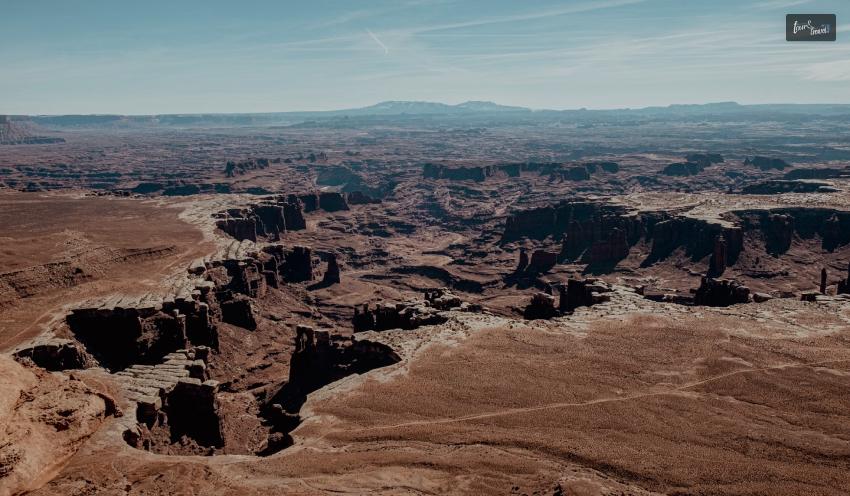
Consider heading south on Grandview Point Road to the road’s namesake point at the end if you want to turn it into a Sunday drive. It really is quite grand. You will wonder what lies beneath those depths and around the corner. You should also consider another exciting way to explore the stone wilderness that lies in front of you.

Multi-Day Rafting Trip

Multi-Day Rafting Trip

If you are serious about getting off the beaten path while in Moab, then you must consider an overnight expedition-level rafting trip. These multi-day whitewater rafting experiences transport you to and from isolated dir airstrips. It is as far-flung as an Alaskan bush plane could travel. Imagine spending four or five days floating nearly 100 miles. Then, you could come back to Moab to complete whatever else is on your Moab bucket list. You will be a different person after participating in these “expedition-level” whitewater rafting experiences. Suddenly, you will know more about Moab and, more significantly, about yourself! 

Wrapping Up

Moab is one of the world’s most breathtaking travel destinations. It promises breathtaking views at every turn, with deep canyons, tall mountains, and roaring rivers among its many natural features. It is imperative that this priceless area be preserved for future generations. When visiting, always stick to the trails and show respect for wildlife. Leave historic sites and rock art alone, and always take what you bring with you.

If you have thoughts to share or questions to ask about things to do in Moab, Utah please leave a comment below. We would love to hear from you!

Read Also:

Share on Social Media

Abdul Aziz Mondol is a professional blogger who is having a colossal interest in writing blogs and other jones of calligraphies. In terms of his professional commitments, he loves to share content related to business, finance, technology, and the gaming niche.

Leave a Reply

Your email address will not be published. Required fields are marked *

title-img Related

READ MORE Cabo San Lucas

Exploring Cabo San Lucas? Here’s Your Guide to Getting Around

BY  Shahnawaz Dec 15, 2023

Nestled on the Baja Peninsula's southern tip, Cabo San Lucas, is a sun-soaked paradise renowned for its breathtaking beaches, vibrant nightlife, and exciting activities. As a traveler, one of the key aspects to consider is getting around Cabo San Lucas. This comprehensive guide provides insights into various transportation options, ensuring an effortless and enjoyable travel experience. Before You Go: Understanding the Layout of Cabo San Lucas Cabo San Lucas is a lively Mexican town with beaches, shops, and vibrant nightlife. The main area downtown contains endless restaurants, bars, and shops. The marina is a hub for boat tours and water activities.  The beaches stretch along the coast, offering sunbathing and water sports. Resorts dot the shoreline, offering luxury stays with ocean views. Streets are easy to navigate, and taxis are readily available.  The iconic Arch of Cabo San Lucas marks the tip of the peninsula. Enjoy stunning sunsets from the beaches or viewpoints. The town blends Mexican culture with modern amenities. Overall, Cabo is lively, beachy, and filled with fun! 8 Ways to Get Around Cabo San Lucas 1. Walking: The Best Way to Explore the Town One of the most enjoyable ways of getting around Cabo San Lucas is on foot. The downtown areas of both Cabo San Lucas and San Jose del Cabo are compact and walkable. From delightful taquerias to Italian restaurants, you'll find a medley of eateries within a few blocks. Walking allows you to immerse yourself in the local culture, with the added benefit of being cost-effective and eco-friendly. While walking is generally safe, it's advisable to remain cautious, especially at night. Stick to well-lit tourist areas and avoid venturing into unfamiliar neighborhoods. Cabo is as safe as any other tourist hotspot, but it's always wise to stay alert and aware of your surroundings. 2. Public Bus: An Affordable Option If you're considering public transportation, the Ruta del Desierto bus service is a convenient and inexpensive option. These purple and orange buses run along the Tourist Corridor between Cabo San Lucas and San Jose del Cabo. The bus service, though not the fastest, is a reliable mode of transportation, with buses running every 15 to 30 minutes. Bus conditions can vary - some are air-conditioned, while others may be stuffy. Don't be surprised if you encounter a freelance guitarist hoping for a tip from passengers. The local bus service is a cost-effective way of getting around Cabo San Lucas, with fares as low as 40 pesos (less than $2.50 USD a person). 3. Renting a Car: Freedom to Explore Renting a car offers the freedom and flexibility to explore Los Cabos at your own pace. Several car rental agencies operate in Los Cabos, offering competitive deals. However, keep in mind that you will need to purchase a car insurance policy, as your existing insurance may not cover you in Mexico. While driving in Cabo is generally safe, it's crucial to exercise caution. Try to avoid driving at night, particularly during weekends and holidays. The highways are well-maintained, but it's advisable to use a GPS or reliable map as road signs can be inadequate. 4. Taxis: A Convenient Option Taxis offer convenient transportation due to their availability and ease of access. They can be found easily throughout the town, making them accessible for travelers. With numerous taxis circulating, getting around becomes swift, especially for short distances or when navigating within the town's central areas.  They provide a hassle-free option for visitors unfamiliar with the town's layout or those looking for a quick and direct mode of transportation. Taxis also cater to different group sizes and offer a comfortable way to explore various attractions and beaches, making them a reliable and convenient choice for getting around Cabo San Lucas. 5. Uber: A Comfortable and Affordable Alternative Uber serves as a fantastic option for navigating Cabo San Lucas due to its ease, cost-effectiveness, and safety. It offers a convenient app-based platform, allowing travelers to request rides and track their drivers in real-time.  Transparent pricing ensures fair fares without negotiation hassles. Additionally, Uber provides a sense of security through driver information and trip tracking, especially for tourists. It's a reliable alternative, especially during peak times or when taxis might be scarce.  With a familiar interface and English-speaking drivers, Uber has become an accessible choice for visitors seeking a comfortable, affordable, and dependable means of transportation. 6. Airport Shuttle Service: Smooth and Hassle-free Transportation to and from Cabo Airport can be simplified with an airport shuttle service. This pre-arranged transportation service can escort you from the airport to accommodations or other destinations and can include shuttles, private cars, or vans arranged beforehand or through resorts/hotels.  They ensure a smooth transition upon arrival, minimizing travel stress. Generally booked in advance, shuttle services offer convenience, reliability, and often personalized experiences. They eliminate the need to navigate transportation options upon landing, providing a seamless journey to hotels or resorts.  Shuttles can be tailored to suit individual preferences, offering comfort, safety, and sometimes added perks like refreshments or guided information about the area. Related: Is Cabo San Lucas Safe? – Let’s Find Out! 7. Water Taxis: A Unique Mode of Transportation Water taxis in Cabo San Lucas offer a scenic and unconventional way to travel. They ferry passengers between beaches and landmarks. These vibrant boats cruise along the coastline, providing picturesque views of the town.  With their colorful designs and open-air setting, they offer a memorable and enjoyable ride. Passengers can hop on for quick transfers or scenic tours around the famous Arch and Lover's Beach. The experience adds an adventurous touch to exploring Cabo San Lucas's coastal beauty. 8. Renting Bikes: Great for Short Excursions Bikes are fantastic for short trips in Cabo San Lucas due to the town's bike-friendly streets and compact layout. They offer a fun, eco-friendly way to explore, especially for shorter distances. The Marina area is perfect for biking, allowing riders to cruise along the waterfront, enjoy scenic views, and stop at various eateries or shops.  Medano Beach, with its flat terrain, is ideal for biking along the coastline, taking in the beach vibes and maybe stopping for a refreshing dip. Additionally, the bike path leading to El Arco provides breathtaking views of the iconic landmark and a chance to explore the natural beauty of the coastline.  Read Also: 10 Best Places To Travel In May – Travel Guide 2022 6 Things To Consider While Booking A Vacation Rental 10 Useful Malayalam Words To Learn Before Traveling To Kerala

READ MORE

Connemara National Park: Where Guglielmo Marconi Invented The First Full Duplex Radio 

BY  Sibashree Sep 10, 2024

Connemara National Park has been an important Irish national park, having won the Green Flag Award in 2018. This international benchmark shows its worth as a green space and park. Further, in 2021, it also sought the New Heritage Site Accreditation, which shows the quality of the national park and how it is maintained in a sustainable way.   Moreover, this park is even rich in geology and houses many historical and archaeological sites. In addition, as an outdoor enthusiast, you can explore its various hiking and walking trails.   So, want to tour this Irish national park, which has a dash of history, culture, natural abundance, and more? Here is a complete guide for you.   Important Information About Connemara National Park  Visiting Time: 9 am to 5:30 pm  Entry Fee: Free  Closed On Christmas Day, St. Stephen’s Day, and Red and Orange Weather Alert Days  Amenities: Education Center, Visitor Center, Playground, Cafe, Toilets and Picnic Areas  How to Reach: You can reach this national park by train, car, or bus. You have to reach Galway City first and then take a bus (or private car) to reach the park.  Main Access Point: Near Letterfrack along the N59  Pet Friendliness: Dogs are Welcome to Walk the Trails   Fascinating Geology Of Connemara National Park  The national park is a part of the Twelve Ben area. So, the park also has underlying metamorphic rocks. The sediments forming these rocks are aged between 700 to 550 million years.   Further, you will find schists and gray marbles around the edges of the rocks. Moreover, at the top, you will see quartzite. In addition, it is astonishing to know that the final shaping of the park took place around 10000 years ago or during the last ice age.  The park has a rocky formation with boulder clay and a deposit of sand and gravel. The distinct geological features have contributed to the type of vegetation found in this area.   What Animals Are In Connemara National Park? Which Plants Does This Park Have?  The International Union for Conservation of Nature, or IUCN, has marked Connemara National Park as a Category II Protected Area. So, there is a constant endeavour to safeguard the landscape, wildlife, and ecology of the park unadulterated.   The park has many heritage breeds along with a wide range of protected flora and fauna. In addition, there are some conservation projects to protect the flora and fauna. The table below shows the details.  Birds* Stonechats Wrens Robins Peregrine Falcon Merlin Sparrowhawk Kestrel Mammals Nocturnal Animals  Pine Marten Bats Foxes Badgers  Diurnal Animals   Pygmy Shrews Red Deer Wood Mice Otters Hares Stoats Connemara Ponies Other Fauna Freshwater Pearl Mussel Salmon Trout Smooth Newt Common Frog Rare and Protected Plants and Other Flora Sundews Butterwort Purple Moor Grass Roseroot Purple Saxifrage Starry Saxifrage Pale Butterwort Lesser Twayblade Mountain Sorrel St. Patrick’s Cabbage St. Daboec’s Heath Heritage Breeds Connemara Ponies Cladoir Sheep Moiled Cattle Old Irish Goats Galway Sheep Conservation Projects** Control of Rhododendron Mweelin Exclosure New Found Wood Connemara Pony Cladoir Sheep Preservation Committee Irish Moiled Cattle & Conservation Grazing  *The national park has a large number of birds in the winter. Many native birds of Ireland, such as woodcock, song thrush, mistle thrush, snipe, and starling, increased in numbers in this season.   Moreover, fieldfare, redwing, and many other birds from Northern Europe flock to this park in great numbers during winter.   **The conservation projects in the park are designed to maintain biodiversity. These also try to eradicate the negative impacts on the rare and protected flora and fauna of the park.   Habitats Of Connemara National Park  Connemara National Park has wet boglands and uplands as its habitats. Further, the extremely wet boglands are the hubs of various vegetation. However, the uplands have drier mountain bog communities.  Boglands   Boglands are found in the low-lying areas of the park. Further, in these wet boglands, you will find the western blanket bog. In addition, purple moor grass surrounds this western blanket bog, and thus, it has a grass-like appearance.   In the national park, you will find these boglands near the pool surface, slope inclines, flat lands, and flushes. However, these boglands can appear on your route if you're hiking off trails, and there can be swallow pools. So, be careful!  Uplands   The mountainous and rocky uplands also house a wide variety of vegetation. The grasslands and heather here are also home to some rare and endangered animals, such as red deer and Old Irish Goats.  Moreover, the heathlands here are drier due to a higher altitude.  Hiking And Walking At Connemara National Park  For hikers, all roads in the Connemara National Park lead to the Diamond Hill summit. , panoramic views of Letter Hill or Tully Mountain. Twelve Bens and Kylemore Abbey are also visible from the mountain summit. However, the national park has three more major hiking trails. Check out the table below.  Name of the Trail Difficulty Level Distance (in Km) Upper Diamond Hill Difficult 3.7 Lower Diamond Hill Moderate 3 Sruffaunboy Trail Easy 1.5 Ellis Wood Nature Trail  Easy 0.5  If you are planning to complete a multi-day hiking trip in the national park, you can consider camping here. However, you have to abide by the Wild Camping Code and the regulations related to the Camping Exclusion Zone.   Moreover, you can take a walk (self-guided) through the Tree Trail in the park. It begins from the Car Park Kiosk, and throughout the trail, you will meet tree varieties such as holly, hazel, oak, and Scots’ Pine.   Did You Know?  Through the Connemara National Park West Center and the Letterfrack Village, you can have a thought-provoking walk. The trail you will take is known as the Poetry Trail. Further, in various locations along the path, you will find nine poems by eminent Irish poets like Mary O’Malley and Moya Cannon, which are placed on plaques.   In addition, it is a one-of-a-kind experience for poetry lovers. Some of these nine poems talk about the park and its importance in Irish history. Further, the remaining ones are more generic in nature.   Exploring History At Connemara National Park  The archaeological and historical sites at Connemara National Park tell the tales of human lives and the history of the park for thousands of years. The park’s two megalithic tombs (West and East Tomb) in the park were already popular. However, thanks to the surveys of Helen Riekstins, an archaeologist and national park guide, we have 13 other sites that add to the importance of the park.   Among these 13 sites, six further have been visited by NMS or the National Monuments Service and Department of Housing, Local Government and Heritage. Here are the visited sites.  A standing stone  A cairn  Enclosures  A pre-bog wall  Nearby hut  A house  Further, the other seven sites are to be a part of the Record of Monuments and Places (RMP) review for inclusion.   The pre-bog wall is likely to be associated with neolithic farming. On the other hand, the hut sites and standing stones are believed to be from the Bronze Age.   Connemara National Park has sites that are 10000 years old. These sites existed as coastal middens and belonged to the Mesolithic or Stone Age.  Many archaeological and historical sites are found near Diamond Hill, Letterfrack, and Mweelin.   The megalithic tombs in the park are around 4000 years old.   Connemara National Park is a twin historic site with Terra Nova National Park in Newfoundland. These twinning sites speak for the cultural bond between Ireland and Canada.  Guglielmo Marconi, who received the patent for two-way radio in 1912, is associated with the place. Between Diamond Hill and Mweelin, he suspended the wires, and the current site of Bunaboghee Bog and Park Office had the second line. Here, he invented the first Full Duplex Radio.   So, the presence of various archaeological sites and the association with famous personalities make this park a delightful site for history lovers. Moreover, the Letterfrack Industrial School (1890) is a site important in modern history. Further, the school’s graveyard here tells the grave tales of injustices to the boys resting there.   Final Words   Located in County Galway, Connemara National Park covers around an area of 2,000 hectares. The park opened its door to visitors in 1980, and since then, it has been a place of attraction with its scenic beauty, geological variety, rich wildlife, and hiking trails.   The park also hosts many events like the Summer Evening Lecture Series and Heritage Week Celebration. Moreover, stargazing has become a popular activity in the park, and adults and children over 7 years of age can participate in the star-watching event. You can also check the National Parks website for the latest events at Connemara National Park.  So, are you planning a visit to this historically and naturally rich Irish national park anytime soon? Or have you already been to this wonderful place? Don’t forget to share your experience with us!  Also read Why Include Whale Watching In Your LA Itinerary. From Cocktails To Kickflips: Must-Try Activities In San Diego. Lake Clark National Park And Preserve: Very Few Know How It Preserves The Alaskan Spirit And Culture.

READ MORE Thailand

Treat Yourself To A Wellness Retreat In Thailand

BY  Shahnawaz Feb 1, 2024

While going about our busy modern lives we have a tendency to push ourselves too hard, and then push ourselves some more! We feel we have to in order to keep up with the breakneck pace modern society runs at, as well as to meet all the financial demands it forces on us. It really can get to be too much, and we should remember to take a break once in a while before we suffer a breakdown! But how? Let’s learn more about Thailand’s wellness retreat and how you can satisfy your hunger for traveling. Relaxation Practices To Enjoy In Thailand One of the best possible things we can do for our physical and mental well-being is to go get away from it all, and I mean far away! How far?  Our top recommendation for the ultimate in self-healing and relaxation is for you to experience a wellness retreat in Thailand where you can rejoice and recuperate in peace and serenity while being pampered by the charming staff who know just what you need!  To entice you further, let’s take a look at some of the delights that await you on your personal journey to tranquillity! There is a wellness retreat for any need, so you can pick and choose what suits you the most! Yoga Practise–  Yoga is one of the most popular activities on offer at a wellness retreat, and there are many good reasons why!  This ancient Eastern tradition is quite at home in Thailand, where it is one of the most well-regarded methods for attaining a perfect balance of physical health and mental stability.  Yoga is very popular among world travellers because of a great many healthy effects associated with its practice- here are just a few to consider: Pain Relief – Yoga’s gentle stretching and healing poses are an excellent way to relieve the chronic pain in the back and neck we so often suffer from.  Physique Improvements –  The slow movements and deep breaths that yoga teaches us help to increase the flow of blood and warm up tight muscles, improving our flexibility while simultaneously giving us more stamina and building our strength. Healthy Heart – Practicing yoga has significant beneficial effects on the heart by reducing stress levels and decreasing inflammation. Yoga is a very efficacious tool in the prevention of heart disease. Increased Energy – Yoga gives us a refreshing feeling of increased physical and mental energy, as well as boosting our mood, helping us fight the ravages of stress and depression. Spa Treatments – No wellness retreat would be complete without enjoying the amazing relaxation and sense of well-being that spa treatments can provide! Here are just a couple of the many health-promoting pleasures that await you: Herbal Body Wrap – This soothing experience begins with the body being gently wrapped in towels, followed by a layer of herbal oil-infused linen sheets, topped off by a warm blanket.  As you rest in this heavenly healing wrap, your body will reap the benefits of these medical herbs, so you will emerge feeling refreshed with your energy replenished. Aromatherapy Massage – Of course, traditional Thai massage is rightfully famed as one of the world’s best and most effective examples of this ancient healing art, so take that and add the healing element of essential oils drawn from aromatic herbs to create a truly outstanding spa treatment!  The lovely scents of chamomile, lavender, mint, lemon balm, sage, lemongrass, basil, and more all work alone or together in combination to relax your body and soothe you through your sense of smell.  Tell your therapist what you wish to achieve, and they will provide you with the scent that fits you the best! Weight Management Program –  What better way to manage your weight than to do it while enjoying the peace and privacy that a wellness retreat provides? Here are some of the tried and true methods the weight management experts at your wellness retreat will treat you to: Healthy Menu –  Everybody hates to go on a diet, but you will hardly know you are on one thanks to the delicious, health-conscious menu of traditional Thai food that awaits you! You will feel fulfilled as you enjoy the great taste of these wonderful dishes, which will help you decrease that unwanted extra weight naturally! Physical Fitness Fun –  Why should exercise be drudgery? You will be able to engage in a variety of fun physical fitness techniques like beach volleyball, hiking, and swimming! Feeling great and getting fit has never been this fun! Reasons To Delve Into A Wellness Retreat In Thailand Now that we know the different ways to dive into Thailand’s wellness retreats, check out some reasons to do so. From physical to mental well-being, these relaxing spaces often immerse you in a different space.  Tranquil Beauty of Thailand Is there any question about the natural backdrop of Thailand? It is simply mesmerizing. Who doesn’t love to wake up to the pleasing sound of waves crashing to the coasts?  The best part about spending your resources on wellness retreats is that they give you a great sense of the tropical climate. You can exercise outdoor yoga that will strengthen your bond with the outside world.  Conventional Yoga Experiences Thailand offers you a surreal yoga experience that you get nowhere else. Due to its age-old tradition, the nation has been attracting people from all over the world.  With the help of experienced yoga teachers, you can learn multiple asanas that calm both the human body and mind. Skilled instructors help you learn different breathing exercises and meditation.  Holistic Wellness Retreats also offer comprehensive health experiences that nurture your spirit, mind, and body. Different activities like yoga and meditation will attract you to the country.  Daily meditation sessions, Thai massages, healthy meals, and Ayurvedic treatments promote renewal and self-care. So, if you want comprehensive care of your body, you shouldn’t miss this out! The Bottom Line The Global Wellness Institute lists Thailand as one of the best destinations for wellness retreats.  Thailand’s mild climate and easy-going people make it the perfect destination for anyone who needs to really get away from it all and treat themselves to some healthy me-time!  Don’t wait any longer; pack your bags and come visit us here in Thailand today; we guarantee you won’t just feel better; you will feel fantastic! Read Also: 5 Reasons To Consider Solo Travel A Traveler’s Guide To Lutsen The Best Tips To Travel Around The World