
Is San Francisco Safe? THIS is What You Should Know!

Dec 21, 2023

Last Updated on: Aug 27, 2025

Travel Guides

Overall Crime Rate54 per 1,000 (high)
Most Common CrimePetty theft
Worst NeighborhoodTenderloin
Safety TipDon’t go out at night or walk alone

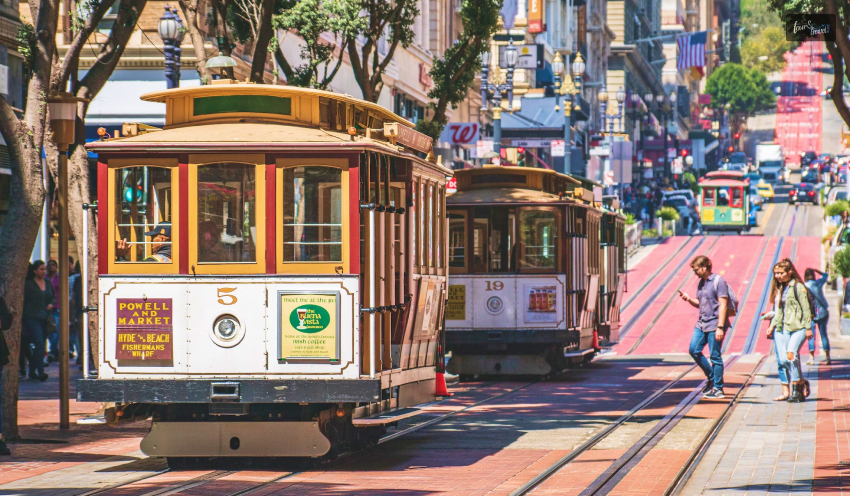
Is San Francisco safe? With over 14.8 million visitors in 2021, San Francisco is one of the most popular tourist destinations in the country. As they explore the city’s landmarks and neighborhoods, tourists may find themselves overcome by the beauty, history, and attractions of the city.

The city’s language, culture, topography, and steep hills can make it somewhat difficult to get around on your own. This is all the information one should have before visiting San Francisco for the first time.

For example, San Francisco’s Mission District is one of the best neighborhoods. Another location that is suggested to visitors is North Beach.

Although San Francisco is a lovely and friendly city, first-time visitors should be cautious and aware of their surroundings. There are a few important things travelers should know before departing for San Francisco. They are the safest neighborhoods for first-time visitors.

Is San Francisco Safe?

Is San Francisco Safe or not

So, is San Francisco safe? In comparison to other large metropolitan areas, San Francisco is generally a safer city due to its low rate of violent crime.

Having said that, it’s crucial to exercise caution always and pay attention to your surroundings, particularly when traveling through unknown territory.

Petty crime is the main threat in San Francisco, so if you want to be as safe as possible, you should stay away from some parts of the city. But you can simply avoid any dangerous areas if you have a basic understanding of the city and its neighborhoods.

Mission District

Mission District

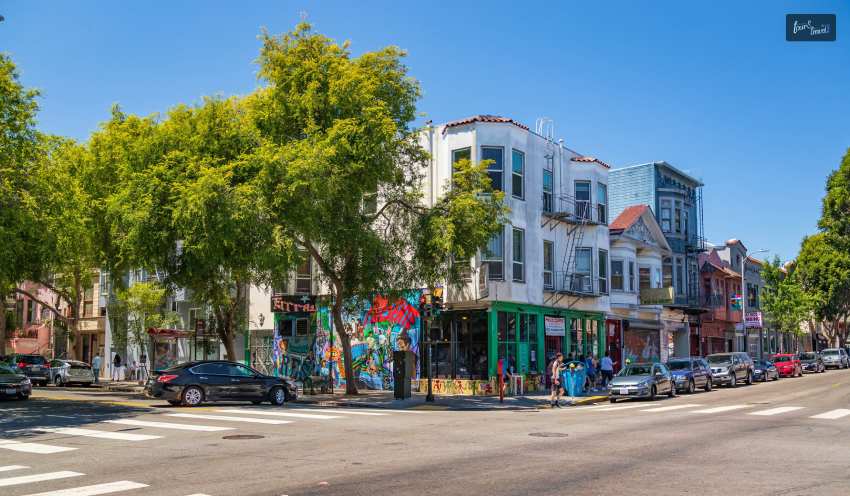
One of the most fantastic place to begin your exploration of San Francisco is the Mission District. It’s conveniently located and teeming with art, culture, mouthwatering cuisine, and amiable locals. Travelers should always be mindful of their possessions because pick-pocketing can occur in busy places.

North Beach

North Beach

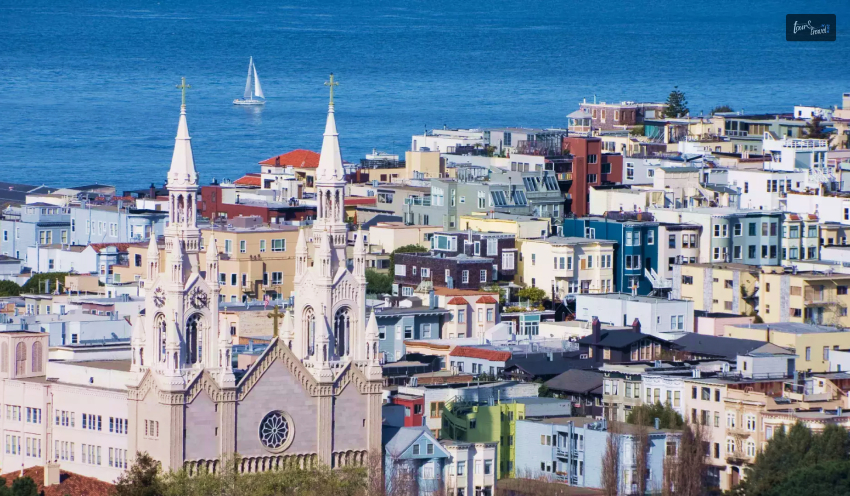
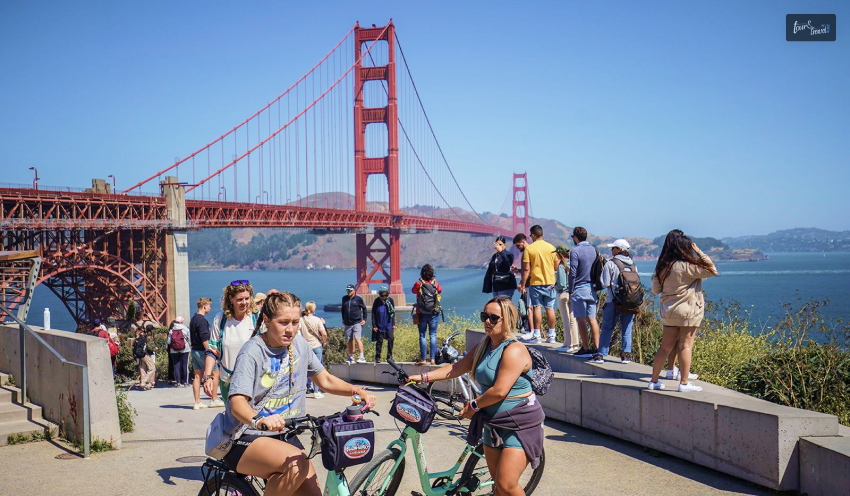
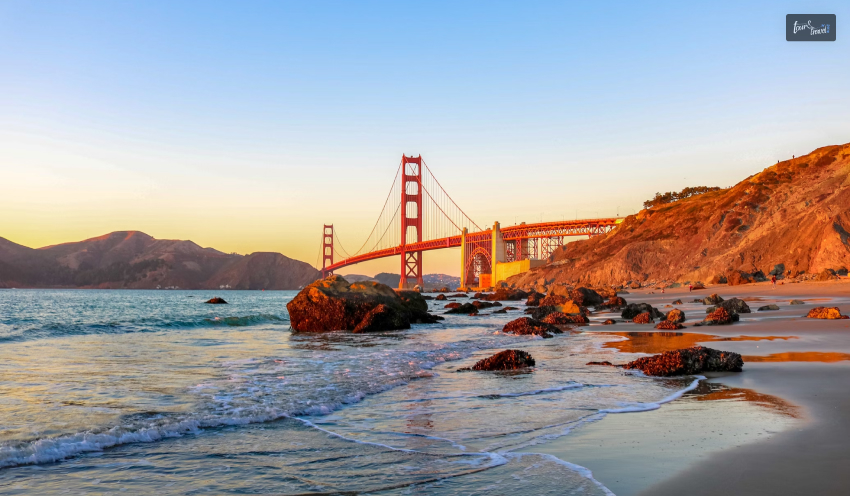
Another fantastic neighborhood with lots to offer is North Beach. Due to its proximity to Fisherman’s Wharf and the Golden Gate Bridge, tourists particularly visit this area. Once again, visitors should be aware of their belongings in crowded areas, and they should be fine.

The Haight-Ashbury neighborhood is well-known for its hippie history, but it’s also a great place to find unique shops, cafĂ©s, and bars. Visitors should just use common sense when visiting this area as it can get more crowded than others, and they should be fine.

Nob Hill

Nob Hill

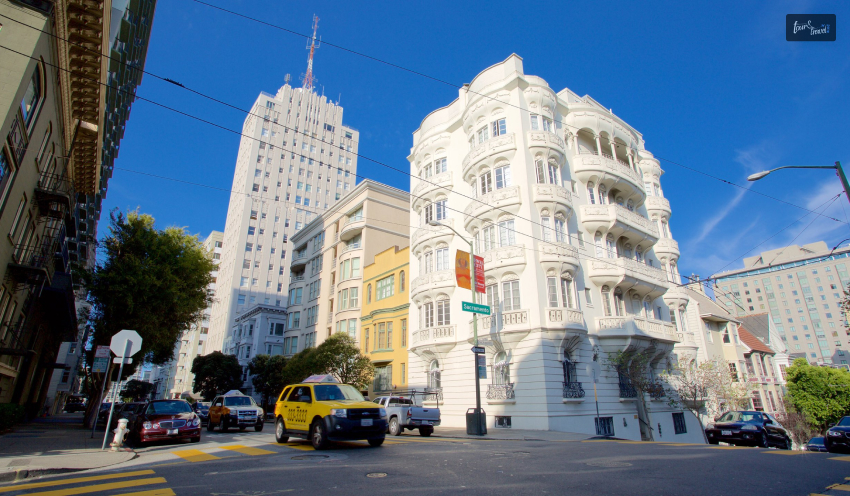
Another charming neighborhood with breathtaking city views is Nob Hill. Although the hilly streets are generally safe, visitors should exercise caution when walking on them in the rain. It is advised to stay in these neighborhoods because they are conveniently located near public transportation and in the heart of the city.

On the other hand, tourists seeking a more suburban atmosphere can find it in Nob Hill. While there is much to see and do in San Francisco, a visitor can get a good idea of where to begin with this list.

Crimes In San Francisco

Crimes In San Francisco

Most often, when people ask, “is San Francisco safe?” the issue is with thieves. Robbery and theft are the most common crimes in San Francisco. Due to the perception that they are more likely to carry cash and valuables, tourists are frequently the target of harassment.

Pickpocketing and other small-time theft are prevalent in crowded places like marketplaces, public transportation, and tourist attractions.

Additionally, robberies may happen, particularly in places where tourists are known to congregate. Always be mindful of your surroundings and make sure your possessions are safe.

The likelihood of having your car broken into has also gone up in San Francisco over the last few years. When valuables are left in plain sight in the trunk or on car seats, this happens more frequently.

Read More: Is Cabo San Lucas Safe? – Let’s Find Out!

Things To Avoid In San Francisco

Things To Avoid In San Francisco

Steer clear of the city at night when you’re alone. It is not advisable for visitors to visit convenience stores and ATMs late at night.

Although San Francisco is a beautiful and distinctive city, there are risks involved. Here are some things you should not do when in San Francisco.

Visitors should use caution when strolling through some neighborhoods after dark. San Francisco is safe as long as you stay alert.

While it’s safe to stroll around most of San Francisco after dark, there are certain areas you should avoid. These include portions of the Mission district and the Tenderloin district. It is essential to seek guidance from locals or hotel staff if you are unsure about a particular area.

Additionally, extreme caution should be exercised when using public transit late at night. While San Francisco’s public transit system is excellent during the day, it can be dangerous at night. It is safer to stay in well-lit areas and avoid traveling alone whenever possible if one must use public transportation late at night.

In general, especially after dark, ATMs and convenience stores are not safe locations to visit in San Francisco. It is advisable to arrange ahead of time and take out cash during the day.

Because there are many hills and stairs in San Francisco, jogging can be an excellent exercise. Joggers should, however, always be conscious of their surroundings, particularly if they are going alone.

To stay alert, they must stay in well-lit areas and refrain from wearing headphones.

Best Time To Visit San Francisco

Best Time To Visit San Francisco

The best time of year for most visitors to San Francisco is between September and November. Fall and winter are safer seasons in the city because there are fewer homeless people living there.

The months of September through November are the greatest times to visit San Francisco. Cooler weather generally results in fewer homeless people being visible on the streets, making it a safer time of year for tourists.

Nevertheless, San Francisco is a popular vacation spot in the spring and summer because of the pleasant weather in comparison to other Southern California cities.

But it’s important to keep in mind that San Francisco has a Mediterranean climate, with a rainy season that runs from November through March. The early spring is when it will rain the most, which can make for a wetter and colder vacation.

Still, the city is breathtaking every single day of the year. You might want to think about taking this day trip to Yosemite from San Francisco.

Wrapping Up

Is San Francisco safe? Short answer: visitors to San Francisco only need to take standard safety precautions when visiting. Although many other developed cities worldwide are still safer than San Francisco, the city may rank among the safest in the United States (London, Paris, Sydney, and Tokyo, to name but a few in the world).

Read Also:

Share on Social Media

Abdul Aziz Mondol is a professional blogger who is having a colossal interest in writing blogs and other jones of calligraphies. In terms of his professional commitments, he loves to share content related to business, finance, technology, and the gaming niche.

Leave a Reply

Your email address will not be published. Required fields are marked *

title-img Related

READ MORE Suva nature guide

Suva Nature Guide: Exploring The Hidden Waterfalls, Peaks And Coastal Gems In The Green Heart Of The Pacific

BY  Sibashree Feb 12, 2026

Suva has the nickname of “The Green Heart of the Pacific,” and there is a reason behind that. It is more than government buildings and rich cultures. It is a rainforest city. Also, the city has Naitasiri and Rew adventure zones in the surrounding. Moreover, with an annual rainfall of 3000 millimeters, it has natural wonders such as the Colo-i-Suva Forest Park and urban places such as the Thurston Gardens and Albert Park. In addition, the city is home to a “Healthy City” initiative. Newer and greener pedestrian paths, parklands, and improved waste management systems of the city are the major parts of this initiative. Hi, in today’s blog, I will talk about the Suva nature guide. The topics discussed here are:  The best natural places to visit in Suva, Fiji  Suva nature guide tips from experts  Things to know to travel like a local  FAQs. Suva Nature Guide: What Are The Best Natural Places To Visit In Suva? Located on a hilly peninsula on the southeast coast of Viti Levu, Suva is incredibly blessed with lush greenery. Also, starting from Colo-i-Suva Forest Park, to the hidden nature spots in Suva, Fiji, there are many places to explore. 1. The Crown Jewel: Colo-I-Suva Forest Park  Do you know how the locals of Suva pronounce Colo-I-Suva Forest Park? They call it tholo-ee-soo-va. This rainforest has an area of 2.5 square kilometers. Also, this lush green forest oasis serves as the primary green lung of the city. The Upper Vs. Lower Pools  The two pools, the upper and lower pools of Suva, are divided by the main road. On each side, you will have a distinct experience. The Upper Pools Nature lovers and hikers love the steep and well-maintained trails of the Upper Pools.  Also, here it is less about the splash of swimmers. The focus is more on the symphony of the forest. The Lower Pools The Lower Pools have swimming holes and a rope swing that has seen decades of use. Daring travelers and local families love this area. Also, these are the ideal places if you want to cool off after a humid trek. Birdwatching Guide In Colo-I-Suva Forest Park  Suva's rainforests are a symphony of endemic species. Keep your binoculars ready for the scarlet robin and pink-billed parrotfinch. You must not miss the dawn chorus as it is the best birdwatching experience you can have in Suva. Safety And Practical Tips For Colo-I-Suva Forest Park  While the park is beautiful, it requires common sense. Security guards are usually stationed at the main pools and trailheads. It is wise to stick to the populated trails and avoid hiking alone late in the afternoon. Slippery paths are a guarantee, and Suva's high rainfall means the clay-heavy soil is perpetually slick. Wear shoes with aggressive tread, not flip-flops.  2. Hidden Waterfalls And Swimming Holes (Within 20 Mins) If you find that Colo-i-Suva is very curated, you can choose a more local or secret experience and know the rugged side of Fiji.  Here are the best waterfalls and swimming holes of Suva. These are just 20 minutes away from the city.  Korolailai Waterfall (Wailoku) The Korolailai Waterfall in Wailoku is a favorite of the locals. Use the Sikh Temple in Wailoku as your landmark, and the trail starts from here.  The trail passes through local farms and secondary forest.  Also, the main fall features a flat rock ledge directly behind the curtain of water. You can sit there and let the weight of the waterfall pound your shoulders. It’s the best free spa treatment in the Central Division. Navakavu Blue Hole Take a short drive toward the Lami side of the bay to reach the Navakavu coastline.  A short drive toward the Lami side of the bay brings you to the Navakavu coastline. This area is a protected tabu (sacred/restricted) site under the local Iqoliqoli (customary fishing grounds). So, you have to check with the village headman or local guides before entering the village.  Moreover, "Blue Hole" is a stunning turquoise indentation in the reef flats, perfect for snorkeling during high tide. 3. Hiking Suva: From Peaks To Reserves Are you looking for some elevation and solitude? Do you have the fitness to explore heights? Hike these peaks and explore these reserves.  • Mount Korobaba Summit Hike It is the best Suva hike experience you can have. Mount Korobaba rises above the Lami harbor, and from the mountain, you can enjoy a panoramic view of the Suva peninsula and Laucala Bay.  This trekking trail starts behind the Lami Cement Factory. So, the start is humble, but it is worth the grand view.  However, the hike is strenuous, and a return trip will take at least 2 to 3 hours. Also, here, you have to be very careful about the mud warning.  If it rains, the trail will become muddy and act like a vertical natural slide. Nevertheless, there are ropes in some sections to help you haul yourself up.  • Savura Forest Reserve Savura Forest Reserve is like a hidden gem, and it is a quiet academic zone that you would love to explore. It is a vital area for the water supply of Suva.  Furthermore, because it has fewer tourists, the biodiversity of the place remains almost intact. Overall, the condition is meditative and peaceful.  4. Coastal And Island Nature To cherish the coastal beauty and Island nature of Suva, you must visit the Nukulau Island and My Suva Park & The Seawall. At these places, you will understand the relationship of Suva with its marine landscape. So, leave the mainland and walk the southern edge.  • Nukulau Island The Nukalau Island is small, but it has a long history. It has served as a quarantine station and a prison. However, ironically, today, it is not a dark tourism site anymore.  In fact, it is now a peaceful place for a picnic.  Sandbank, And The History Of Nukulau Island  When there is a low tide, you will notice a massive stretch of sandbank here. The sandbank is ideal for wading.  You will also find here the remnants of many old structures. Thus, you can blend history with a beach day.  Nukulau Island Boat Logistics  The boats in the Nukulau Island leave from the Suva Wharf or the Vatuwaqa area. Charter a long boat and enjoy a breezy ride across the lagoon for 20 minutes.  A longboat is a fiverglass boat with an outboard motor. • My Suva Park And The Seawall You don’t always need a boat to see the coastal beauty of Suva. You can visit My Suva Picnic Park and explore the rehabilitated mangrove walkways.  Here, you will find the most intricate root systems that protect the shoreline from decay.  On the other hand, the Suva Seawall is the social hub of Suva City. Here, you will enjoy the sunset views over the peaks of Joske’s Thumb.  Also, don’t miss the view of Mount Korobaba in the distance.  During the sunset, the sky has the most fiery shade of violet, and looking at that, you can end a day of exploration on a perfect note.  5. Urban Greenery: Thurston Gardens Suva Botanical Gardens, or the Thurston Gardens, is an urban green space. The place got its name in 1976 after Sir John Bates Thurston, the founder of this botanical garden and the fifth governor of the city.  You can see diverse fauna in this botanical garden. It has water lilies, colorful gingers, ferns, and palms. It is also home to a prominent bat colony. In this context, you must know that bats are the only native mammals of Suva.  Currently, the Fiji Museum maintains this urban park, and other historical landmarks in the park are the bandstand and the Clock Tower.  These were built to commemorate the first mayor of the city.  Suva Nature Guide And Tips From Experts  Now, only the locals and taxi drivers know that Mt. Korobaba, "Pacific Cement Limited" factory in Lami, is better than the "Korobaba trailhead."  You can start your hike behind the factory fence. Now, this is what makes all the difference. The local and expert tips always help to enhance your Suva travel itinerary.  Do you want to know more such tips? Follow the details here.  1. Avoid Heavy Rain Days The weather in Suva is either wet or very wet. So, while it’s not practical to wait for a sunny morning and you must embrace the rainforest bath, you cannot trade the day of or after a heavy rainfall.  When it rains, the trails and forest tracks of Suva become natural and dangerous mudslides.  2. Take The Bus To Colo-i-Suva If You Are Traveling On A Budget  You don’t need to take a taxi for $15 if you are traveling to Colo-i-Suva from the city.  As a budget traveler, you can take the Sawani Bus from the main bus station and ask the driver to drop you at the park gate. The ticket price will be just $2.  3. Suva Keeps It Quiet On Sundays  Sundays are great for exploring the natural spots of Suva. These places are less crowded on Sundays.  Quite a surprise compared to the Western standards.  However, there is a catch! Public transport options are very limited on Sundays. So, you must pre-book a taxi for a smooth experience.  4. Follow The Sulu Rule  Suva is very particular about its customs and traditions.  Suppose you are visiting a secluded nature spot and you have to walk through a village, such as Korolailai, to reach that place.  Then, you will have to cover your legs with a sarong as a gesture of respect for the local community.  5. Be Aware Of Leptospirosis The pools and natural swimming places in Suva have tropical water. So, you cannot swim in them if you have open cuts.  Tropical water carries bacteria, and if you swim in the water with open injuries, you may have Leptospirosis.  6. Use Your Skills To Negotiate  You cannot just agree to whatever the boat owner asks you to pay for a ride to Nukulau. You must negotiate the boat fee at the Suva Carrier Stand, which is near the Suva Market.  If you are taking a private fiberglass boat, a return trip will cost you around $80-$100 FJD.  7. Wear Mosquito Repellent  My Suva Park in Suva, or the mangrove areas and rainforest, has mosquitoes. Also, Dengue is a serious concern here.  So, you have to wear mosquito repellent, and you need to spray to get rid of the mosquitoes.  8. Stay Hydrated  The humidity percentage in Suva Rainforest is more than 90%. So, when you are hiking, sweating will be profuse.  If you are hiking for 1 hour or more, you need to carry around 2 liters of water.  Things To Know In Suva, Fiji, If You Want To Travel Like A Local  You have to embrace Suva, Fiji, as it is, if you want to travel like a local. Also, there are some stories, or rather facts, that only locals know. For example, the Dakua trees are native to this place. However, the Mahogany Trees were later introduced to stabilize the soil.  Here is more about the reality checks, about the weather quirks, and the food of Suva if you soak in the true spirit.  1. The Reality Of The Rain Capital  The precipitation of around 3000 millimeters in a year, or a wet tropical climate, makes Suva the rain capital of Fiji.  In Fiji, it rains for more than 200 days a year.  So, if you want to explore Suva, you cannot wait for the Sun to shine bright. You have to embrace the rainforest swimming.  It means that you can get wet while it rains while exploring the rainforest, and do not waste time waiting for the Sun.  2. Picnic Like A Local In Suva, Fiji  If you are on a Suva food tour and want to indulge in the real flavors, you will have to picnic like a local.  Once you are tired after a long swimming session, you must buy a Bhuja or a spicy mix and have it with a long loaf as a snack.  Quirks And Cultural Hidden Gems Of Suva, Fiji Talking about the cultural hidden gems of Suva, Fiji, the first story that comes to my mind is about the Liuliu.  Liulius are the guardians of the waterfalls.  So, when you visit these waterfalls, you must not shout or scream. The guardians can be angry, and they can curse you if you shout and disturb them.  Along with this myth about the Liuliu or guardians, Suva is also known for its Lami vibe. It is at the base of the Mt Korobaba. It is the town that has the perfect fusion of a silent natural retreat and an industrial town.  In addition, the dark past of Nukulau is very intriguing in Suva, Fiji. It was once a quarantine island and later became a prison for coup leaders.  Moreover, this place has a stark contrast between the beautiful sandy beaches and a turbulent past. Thus, it has all the potential of becoming a dark tourism destination.  Do you want to learn more about the culture of this Fijian capital? Read my Suva cultural guide.  Discovering The Real Suva  The primal beauty of Viti Levu, the amber pools of Colo-i-Suva, the mud-slicked trails of Mt. Korobaba, and finding peace in the hidden Korolailai basin!  Also, the Fijian capital asks you to be a little dirty. So, wear your reef shoes, pack your mosquito repellent, and step off the pavement.  Moreover, allow the trees to embrace you and show you the real Suva.  Suva Nature Guide: Frequently Asked Questions And Answers (FAQs) Here are the frequently asked questions and answers about the Suva nature guide.  1. Is It Safe To Swim In Colo-i-Suva? Yes, you can swim safely in the freshwater pools of the Colo-i-Suva Forest Park. The pools here are in an inland rainforest, and they are not connected to the ocean. So, there will be no saltwater hazards.However, like other natural pools, these pools also vary in depth, and the surfaces can be rocky or slippery. So, you have to exercise caution when swimming in the natural pools here.  2. How Long Is The Mt. Korobaba Hike? The Mt. Korobaba hike is around 6 Kilometers or 3.7 miles long. It is a challenging hike, and the elevation gain is around 404 meters. Furthermore, the red clay path is challenging, and the clay route often gets muddy. Also, based on your pace, you will be able to complete the trek in 2 to 3 hours.  3. Are There Crocodiles In Suva’s Rivers?  Unlike many other islands of the Pacific Ocean, the rivers of Suva do not have crocodiles. However, you can spot saltwater crocodiles in Suva, and these crocodiles come from the nearby Solomon Islands or Papua New Guinea. They visit the region due to the strong oceanic currents. However, their sightings are very rare.  4. Do I Need A Guide For The Hikes In Suva? No, it is not mandatory to have a guide if you're hiking in the Colo-I-Suva forest or areas near Suva. However, the trails can be slippery, and the presence of wildlife in Suva is abundant. Also, often the major trails are linked to minor trails, and staying on the right tracks becomes difficult. So, it is better to have a local guide for safety purposes, and they will also guide you about the flora and fauna.  5. How Much Is The Entry Fee For Colo-I-Suva? The entry fee for Colo-I-Suva is around $1 FJD for the local adults and $0.50 FJD for children. However, if you are a foreign visitor, you will have to pay $5 FJD for adults and $1 FJD for children. 6. Can I Camp On Nukulau Island? Yes, you can camp on Nukulau Island, but you need a permit from the Department of Environment in Suva City beforehand. The permit will cost you around $2 for 24 hours. Also, the island has a shade for camping. However, you will have to bring your own tent, food, and water. 7. What Wildlife Will I See In Suva, Fiji? Suva is rich in wildlife. Places such as the Suva Botanical Gardens and Colo-i-Suva Forest Park are ideal for watching the birds, mammals, and amphibians. Birds to see in Suva are the Collared Lory (Kula), masked shining parrots, Fiji Goshawk, and blue-crested Broadbill. You will also find amphibians such as the Pacific Boa, Fiji Tree Frog, and Fiji Banded Iguana. Furthermore, while bats are the only native mammals of Suva, you will also find the Samoan Flying Fox, the Fijian Monkey-faced Bat, and the Mongoose. Moreover, Spinner & Bottlenose Dolphins, Banded Sea Krait, Spinner & Bottlenose Dolphins and Reef Sharks are the prominent marine animals found in Suva, Fiji. 8. Is Korolailai Waterfall Free? Yes, the Korolailai Waterfall is free to visit. However, there is a border of a settlement around the waterfall. You can pay a small donation of around $2-5 as a polite gesture. Also, you will have to pay a taxi fee of FJ$15–FJ$25 to reach the Korolailai Waterfall from Suva City.  9. What Is The Best Time For Birdwatching In Suva? Early morning is the best time of day for birdwatching in Suva. If you start birdwatching between 5 and 5:30 AM, you will find birds such as the Slaty Monarch, Fiji White-eye, and fruit dove. Season-wise, May to October is the best time for birdwatching. Especially, mid-August 10. Where Can I See Mangroves In Suva?  You will find the mangrove trees along the coastal areas of Suva. The easiest zone to access from the city is, of course, the Suva Seawall & Queen Elizabeth Drive. Another easy zone is the Rewa River Delta. It is around 25 km from Suva. It has an extensive stretch of mangroves. You can take a boat ride from Nausori to explore the area. Furthermore, Kalokolevu Village is a local community that proactively conserves the mangroves and is very particular about the restoration efforts. Moreover, the areas near the University of the South Pacific campus have mangroves. Low tide is the best time of the day to explore the mangrove forests. This is the best time for noticing the intricate root systems and the wildlife in the mangrove zone. 

READ MORE Essential Safety Supplies To Pack On Your Backpacking Trip

Essential Safety Supplies To Pack On Your Backpacking Trip

BY  Nabamita Feb 3, 2024

Embarking on a backpacking trip can be an exhilarating experience, immersing yourself in nature's beauty and embracing the wilderness. However, safety should always remain a top priority amidst the excitement of exploration. Whether you're a seasoned backpacker or a novice venturing into the great outdoors, the injury lawyers in Chicago note that packing the right safety supplies for any situation can make all the difference in ensuring a smooth and secure journey. If you are wondering what the essentials that should be in your travel backpack are, we have you covered! Here's a comprehensive guide to essential safety supplies that should be in your backpack before hitting the trails. Backpacking TripPack Rightly: Things You Must Include In Your Backpacking Trip Ready to explore the sky-pointing peaks? Make sure to pack all the essential items, or you can ruin your entire journey. Given below are a few essential things you must never forget on your travel backpack. Check them out: First Aid Kit A well-stocked first aid kit is non-negotiable for any backpacking excursion. It should include bandages, adhesive tape, gauze pads, antiseptic wipes, tweezers, scissors, pain relievers, blister treatment, and any personal medications you may need. It is recommended that your kit be based on the length and location of your trip, ensuring you're prepared to handle common injuries and ailments that may arise on the trail. Navigation Tools Getting lost in the wilderness can quickly turn a thrilling adventure into a nightmare. Always carry reliable navigation tools such as a map, compass, or GPS device, and make sure you know how to use them effectively. Familiarize yourself with the terrain and plan your route to minimize the risk of getting off track. Emergency Shelter Unforeseen circumstances like sudden changes in weather or unexpected delays can leave you stranded outdoors. Pack lightweight emergency shelter options such as a tent footprint, emergency bivvy, or space blanket to provide protection from the elements and retain body heat in case you need to spend an unexpected night in the wilderness. Fire Starter Kit Fire can be a lifesaving resource in survival situations, providing warmth, light, and a means to cook food. Pack waterproof matches, a lighter, or a fire starter tool to ensure you can easily ignite a flame even in damp conditions. Additionally, carry some fire accelerants like cotton balls soaked in petroleum jelly for reliable fire starting. Water Purification System Access to clean water is vital for staying hydrated and healthy during your backpacking trip. Invest in a reliable water purification system such as a portable water filter, water purification tablets, or a UV water purifier to treat water from natural sources like streams and lakes safely. Avoid drinking untreated water to prevent waterborne illnesses. Multi-Tool A multi-tool is a versatile gadget that combines several essential tools into one compact package. Opt for a quality multi-tool that includes features like a knife, scissors, screwdriver, pliers, and bottle opener. Products like the Microtech Ultratech knives can come in handy for various tasks, from preparing food to hard use. Therefore, these qualities automatically make such a tool an indispensable item for any backpacker. Emergency Communication Device In remote wilderness areas, cell phone reception may need to be more reliable and present, making it challenging to call for help in case of an emergency. Carry an emergency communication device such as a satellite phone, personal locator beacon (PLB), or two-way radio to summon assistance if you encounter a serious injury or other life-threatening situations. Sun Protection For Your Backpacking Trip Exposure to the sun's harmful rays can lead to sunburn, heat exhaustion, and dehydration, particularly at higher altitudes. Do not forget to carry some essential sun protection products like sunscreen that carries a high SPF rating, sunglasses with UV protection, a broadly-brimmed hat, and lightweight clothing that covers your skin to shield yourself from the sun's intense glare. Insect Repellent Insect bites and stings can not only be irritating but also carry the risk of transmitting diseases such as Lyme disease or West Nile virus. Apply insect repellent containing DEET or picaridin to exposed skin and clothing to ward off mosquitoes, ticks, flies, and other pesky bugs that inhabit outdoor environments. Emergency Whistle In situations where verbal communication may be difficult or impossible, an emergency whistle can serve as a simple yet effective signaling device to attract attention and alert others to your presence. Keep it easily accessible on your backpack or person, and use short bursts to signal for help if needed. Read Also: The Ultimate Guide To Hassle-Free Sightseeing In Rome How To Choose The Right Backpack For Your Trip? When it comes to choosing the right backpacking trip, two things have to be considered. First is its fit, and second is its volume. I know you got the least idea when I said this. That’s why here is a brief idea about how to pick the right backpack: Fit As functional as a backpack should be, it must be comfortable, too. And it all begins with a proper fit. Various packs come in either two or three sizes, thus indicating the pack’s length. Do not forget to visit your local store and enquire about the different fit they are providing. Volume  Secondly, your backpack’s volume should be large enough so that it can hold everything you carry. However, don’t buy something extravagant and carry unnecessary weight. Backpacking carryons are usually measured in terms of liters, so be sure to pack something only in the range of 40-70 liters. Parting Thoughts While the allure of the wilderness beckons with its promise of adventure and exploration, it's essential to prioritize safety when venturing into the great outdoors. By packing these essential safety supplies on your backpacking trip, you'll be better prepared to handle emergencies, navigate challenging terrain, and enjoy a memorable outdoor experience with peace of mind. Remember, preparation is key, so take the time to plan and pack accordingly before setting out on your next backpacking adventure. That was all about packing the important supplies for your backpacking trip and ensuring a seamless journey. Comment your thoughts below and tell us what you think about it. Thank you for reading! Read More: How to Choose A Backpack 10 Best Places To Visit In Europe Top 3-Week Itineraries For A Perfect Tour Of Europe

READ MORE Parcel Forwarding

Parcel Forwarding For Travelers And Ex-Pats Explained

BY  Arnab Jun 20, 2023

Few experiences compare to traveling or living abroad. The thrill of immersing yourself in a vibrant new culture or experiencing the lifestyle of a different country is unrivaled. But despite the sheer joy of these adventures, many travelers and ex-pats will miss certain home comforts from time to time. Whether it’s your favorite snack or a specific brand of skincare you’ve always used, there are always things we miss when we’re abroad. But getting your hands on your favorite products when you’re abroad can be a challenge. Local international shops have limited options, and international fees can quickly get expensive. The good news is there’s a simple solution — parcel forwarding services. If you’re an ex-pat or a globetrotter looking to buy products from home, you’re in the right place. We’ve put together everything you need to know about parcel forwarding in one place. Understanding Parcel Forwarding At its core, parcel forwarding is a pretty straightforward concept- pretty much like what Canada shipping companies do. It’s a service designed to make international shopping easier and give access to a wider range of products. We’ll dig into the specific steps of how it works later, but here’s roughly how it works: Go to your favorite eCommerce store and shop as you usually would When it comes to ordering the products, you use a local delivery address that your parcel forwarding service has provided. The parcel forwarding service receives your order, usually at a warehouse where it will be processed. The company will ship your parcel to you wherever you are in the world. Essentially, the parcel forwarding service gives you a local address and then takes care of getting your parcel to you. Plus, they often offer parcel consolidation, so you can order from multiple places and just pay one shipping fee. The Benefits Of Parcel Forwarding Obviously, the biggest benefit of parcel forwarding is you can order from anywhere in the world without having to worry about shipping restrictions. But the benefits go well beyond that: Consolidation Of Multiple Purchases One of the significant benefits of parcel forwarding services is the ability to consolidate multiple purchases into a single shipment. This not only simplifies the tracking process but can also save substantially on international shipping costs. Reduced Shipping Rates Parcel forwarding companies have contracts with leading courier companies, which allow them to negotiate lower shipping rates. These reduced rates are passed on to customers, making international shipping more affordable. Reliable And Secure Parcel forwarding services are known for their reliability and security. They ensure your packages are safely stored and securely shipped to your destination. In many cases, insurance is also available for added protection. Flexible Delivery Options Whether you need express delivery, standard shipping, or other specialized shipping methods, you can select the best option for your situation. Efficient And Time-Saving Parcel forwarding takes the hassle out of international shipping. They manage all aspects, including customs documentation, which can save customers a significant amount of time. Your Step-By-Step Guide To Parcel Forwarding Now you understand what parcel forwarding is and why it's a fantastic tool for international shoppers, let's dive into how to make the most of it: Step 1: Choose Your Parcel Forwarding Service Start by selecting a parcel forwarding service provider aligned with your needs. Look for a company with a good reputation, transparent pricing, excellent customer service, and flexible shipping options. Step 2: Setting Up Your Account Once you've selected a service, the next step is to set up an account. During this process, you'll provide essential details such as your contact information, shipping address, and payment details. Step 3: Time To Shop! Now comes the fun part — shopping! When you're ready to checkout, simply use the address provided by your parcel forwarding service. Step 4: Handling Your Parcels Once your items arrive at the forwarding service's warehouse, they'll notify you. At this stage, you can choose to consolidate multiple packages or select your preferred shipping method. Step 5: Forwarding Your Parcels Finally, your items are forwarded to your current location. Choose your preferred shipping method, pay the associated costs, and wait for your package to arrive! Tips And Tricks For Parcel Forwarding Just like any process, there are a few tips and tricks to make parcel forwarding a breeze: Merge your packages — If you're shopping from multiple stores, take advantage of your service's package consolidation feature. This can significantly reduce your overall shipping costs. Check prohibited items — Always check the shipping restrictions of your current country before making a purchase. A good parcel forwarding service should have a comprehensive list of prohibited items for reference. Repackaging options — Look for parcel forwarding services offering repackaging to reduce shipping weight and subsequent costs. As a traveler or ex-pat, parcel forwarding is a fantastic tool for maintaining access to your favorite products without the hassle and high costs of international shipping. So the next time you crave a taste of home or spot a must-have item, don't let shipping restrictions hold you back. Read Also: Why Myrtle Beach Is The Ideal Summer Destination 6 Best Family Holiday Destinations In India A Traveler’s Guide To Lutsen