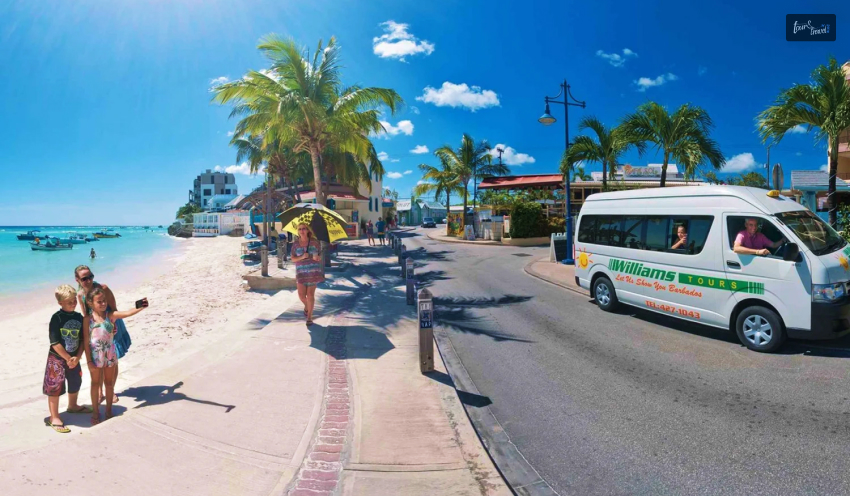








Is Barbados Safe? Why Do People Question The Safety In Barbados?

Dec 21, 2023

Last Updated on: Sep 1, 2025

Travel Guides

If you’re interested in obtaining a Bajan visa and taking a vacation there, this post is ideal for you. Barbados is one of the Caribbean’s most stunning islands. It boasts the most beautiful scenery, amazing natural beauty, and a very real culture. You’ll be shocked to learn about the numerous fascinating facts about Barbados.

This island, which seems like heaven, is one of the most popular tourist destinations. Before taking a vacation to another country, everyone does some research on things like safety, Instagrammable locations to visit, the country’s climate, etc.

Before visiting Barbados, do a little research to help you plan your trip and get the answers to common questions like where is Barbados, is Barbados safe for travel, and when is the best time to travel there.

Is Barbados Safe For Travel?

Is Barbados Safe For Travel

One of the most crucial considerations before visiting any country is safety. Barbados is no different. So, is visiting Barbados a safe option? Although Barbados is a safe travel destination, you should exercise caution and refrain from doing certain things to avoid getting into trouble.

Not only is it applicable to Barbados, but you should always be aware of crucial safety precautions before visiting any nation. You can feel safe knowing that Barbados is not a dangerous place for tourists, according to the US State Department. There are certain things you need to exercise caution with. For example, you should not stroll alone on dimly lit streets or beaches.

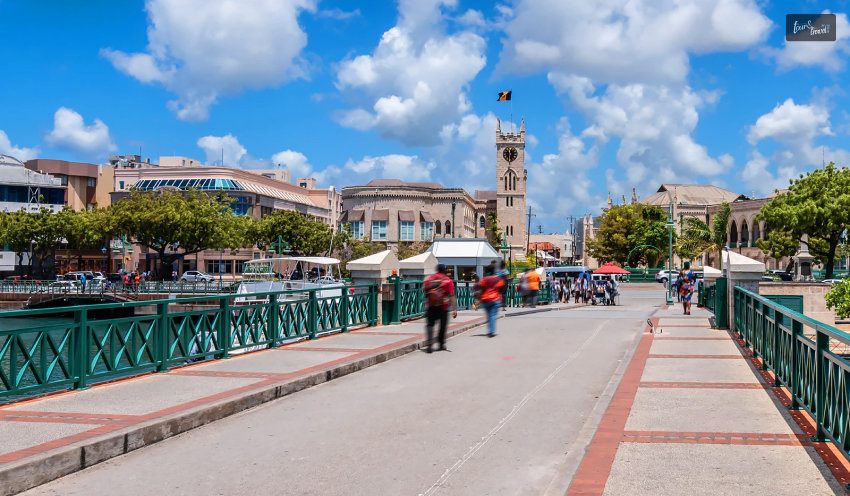
Certain parts of Bridgetown, the capital city of Barbados, like Baxter’s Road and Nelson Street, should be avoided at all costs. It makes sense to visit popular tourist destinations, and Barbados offers a wide variety of secure lodging options. Traveling to Barbados is safe, the answer to that question is clear-cut.

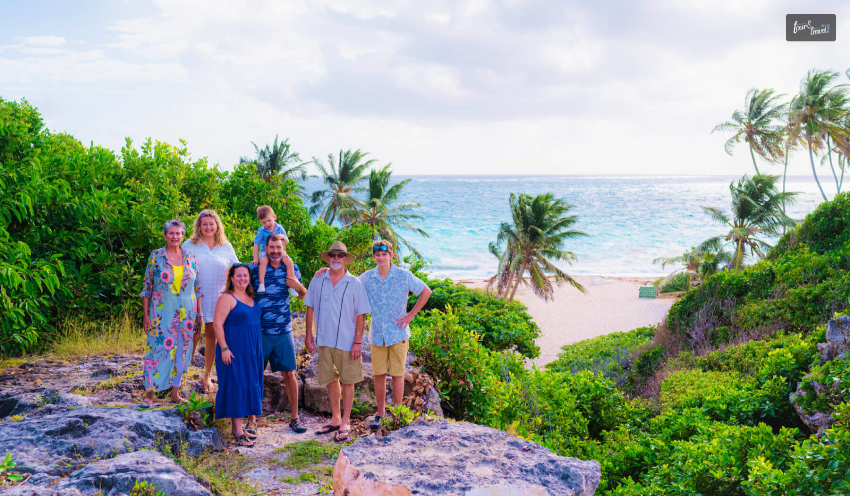
Is Barbados Safe To Travel For Families?

Is Barbados Safe To Travel For Families

Barbados is a fantastic destination for a family vacation. There is a great deal of family-friendly lodging available all over the island, with all those resorts, villas, condos, and mid-range hotels. Barbados is a family-friendly destination, even though it’s not always the cheapest place to travel, particularly if you have kids with you.

But people do ask, is Barbados safe?

It’s crucial to remember that not all lodging is designed with kids in mind. Some resorts and hotels. The majority of the island’s beaches are suitable for play on beach days. Not all, though, are secure for swimming. Swim only in areas where lifeguards are present. Children and inexperienced swimmers should avoid the east coast due to the strong offshore currents.

When traveling to Barbados with kids, the island’s natural environment can be a little frightening. First of all, mosquitoes can be more than just a nuisance—they can also pose a threat to kids. Protect yourself and your loved ones from mosquito bites by wearing protective clothing and applying repellent.

Things To Do In Barbados

Things To Do In Barbados

One thing you will regret not trying is Oistins’ Friday Fish Fry. This is the best place to go in Barbados if you want to see the island’s nightlife and eat some mouthwatering fried fish. Visit the Barbados Wildlife Reserve if you’re interested in the island’s wildlife and animals.

There, you can see iguanas, parrots, turtles, snakes, and famous green monkeys, among many other amazing creatures. In general, there are many stunning locations in Barbados that you ought to see. To ensure you see the majority of the attractions and locations on your vacation, try to compile a list of them before you leave.

One of the more surprising facts about Barbados may be that it is the birthplace of the alcoholic beverage rum. The Bajans have been making rum for more than 350 years. It’s among the world’s best and strongest rums. One of the best rum tours in Barbados might be an interesting thing for you to do if you’re wondering what to do there.

For instance, the oldest operating rum distillery is Mount Gay Rum Centre. Production at this distillery commenced in 1703. You can sample some of the best rum in the world and witness the rum-making process in action at the center. Around the island, there are a lot of vibrant rum shops. You can always go up there and shoot the locals.

Best Time To Visit Barbados

Barbados visit

It’s possible that you’re wondering when is the ideal time to visit Barbados. Barbados boasts a fantastic climate that is especially enjoyable for visitors. All year long, the weather is pleasant and sunny but not oppressively hot. This is the ideal weather for sunbathing on the beaches and swimming in the ocean.

It gets a little chilly at night. On the island, there is also rain, though it usually falls in the form of showers. This is very typical of Barbados, which you are probably aware of. So when would be the ideal time to visit Barbados? Traveling to Barbados is most enjoyable in the months of December through April.

The term “dry season” refers to this period of reduced precipitation. In addition, the weather is nicer because it’s not as hot as it is in other months. Remember, though, that going to Barbados is best done whenever you feel like it.

Night Life In Barbados

Night Life In Barbados

See the incredible nightlife of Barbados if you enjoy going out to clubs and pubs and generally taking in the nightlife. You can see amazing dinner shows, take a cruise, visit nightclubs, and do a lot of other interesting things. The majority of Barbados’ nightclubs are found in St. Lawrence Gap.

They provide live entertainment both on the weekends and during the week. One of the best places to visit in Barbados if you enjoy calypso and reggae and are looking for something fun to do while there is no doubt about it.

Drug Laws In Barbados

Drug Laws In Barbados

It’s crucial to familiarize yourself with Barbados’ drug laws before visiting. Barbados’ laid-back and laid-back culture may lead you to believe that drug use is acceptable there, but that is untrue. On the island, cannabis use for recreational purposes is still illegal. Nonetheless, a sizable population consumes cannabis, which comes from St. Vincent and Jamaica. The law permits registered Rastafarians to use cannabis for both medicinal and spiritual purposes.

Bajan Culture

Bajan Culture

British and West African elements heavily influence Barbados’ culture. When you visit Barbados, you can observe these influences in the language, architecture, food, and many other areas. One of the key areas where the British influence is most obvious is architecture.

From 1625 until 1966, Barbados was a colony of Great Britain. For this reason, British influence is evident, particularly in its culture. Perhaps the most colorful times to visit Barbados are during the island’s festivals. Numerous museums, art galleries, exhibitions, and libraries can be found in Barbados’ capital city of Bridgetown.

Barbados’ national sport is cricket, which the islanders take very seriously. If you’re interested in visiting Barbados, you should learn more about its history and culture.

Bajan Cuisine

Bajan Cuisine

One of the most exciting things to experience while visiting other nations is food. We recommend that you try all the dishes that you may have never tried before. Barbados’ native cuisine, known as Bajan cuisine, is influenced by a variety of cultures, including African, Portuguese, British, Irish, and others.

Meals that are typically made with meat and fish and seasoned with various regional herbs and spices are very common. Barbados’ two main dishes are cou-cou and fried flying fish. Try those two things without a doubt if you’re wondering what to do in Barbados.

Is Barbados Safe But Expensive?

Is Barbados Safe But Expensive

Barbados is not too expensive to visit. However, a lot relies on your personal preferences. Either select opulent accommodations, vehicles, and dining establishments or select more affordable lodging options and less expensive dining establishments. There are steps you can take to make your trip to Barbados more affordable if you’re on a tight budget.

Prior to the start of your vacation, you can purchase your airline tickets quite early. Barbados offers a wide variety of affordable, high-quality dining establishments. In particular, Oistins Fish Market is a well-known and reasonably priced restaurant serving fried fish.

Rather than taking a taxi, you can go anywhere using a bus. Barbados offers a good public transportation system. You will save money by using it instead of a taxi.

Wrapping Up

Ultimately, it is crucial to travel only after thorough research. Make sure you are interacting with other online travelers, looking for suitable lodging and people with whom you can socialize.

Is Barbados safe? Barbados is safe as long as you know how to tread the path as a visitor. If you have thoughts to share or questions to ask, please leave a comment below. We would love to hear from you!

Read Also:

Share on Social Media

Abdul Aziz Mondol is a professional blogger who is having a colossal interest in writing blogs and other jones of calligraphies. In terms of his professional commitments, he loves to share content related to business, finance, technology, and the gaming niche.

Leave a Reply

Your email address will not be published. Required fields are marked *

title-img Related

READ MORE Holding Aircraft Makers Accountable For Aviation Accidents

Holding Aircraft Makers Accountable For Aviation Accidents

BY  Ankita Feb 1, 2024

Amidst the vast expanse of our skies, aviation accidents cast a chilling shadow. Thus, leaving a trail of human tragedy and societal impact. In the wake of these disasters, a crucial aspect comes to light – holding aircraft manufacturers accountable. This responsibility is paramount, not only for compensating victims but also for upholding safety standards and preventing future calamities. From flawed wing designs that compromise stability to faulty wiring sparking infernos. A manufacturer's misstep can trigger a domino effect of disaster. Weaving through meticulous investigations, forensic teams sift through the wreckage, scrutinizing maintenance records and dissecting blueprints with laser focus. Each bolt, each wire, each line of code becomes a potential clue in the hunt for the smoking gun. The evidence that definitively ties the accident to a manufacturer's error. Expert witnesses take the stand, demystifying technical jargon and translating the whispers of metal into a language. The jury can grasp, piecing together the tragic puzzle that led to the final, irreversible plunge. But the legal currents run deep and complex. Different jurisdictions, intricate treaties, and the shadow of the General Aviation Revitalization Act, shields manufacturers from certain responsibilities. It is more about for older aircraft, add layers of nuance to the pursuit of justice. It's a legal labyrinth where seasoned navigators, armed with meticulous evidence and unwavering resolve. This guide victims' families through the maze, seeking not just financial recompense. However, a deeper accountability that echoes beyond the courtroom walls. This is where the quest transcends mere compensation. Every life lost, every plane grounded, serves as a stark reminder of the responsibility aviation giants bear. Regulatory sanctions, mandatory design modifications, and the sting of public scrutiny push them to constantly innovate. They also prioritize safety, and strive for skies free from the specter of preventable tragedy. In holding them accountable, we send a resounding message! The safety of those who entrust their lives to these intricate machines cannot be compromised. Every flight, every passenger, every journey toward the boundless horizon deserves the unwavering commitment. The promise is to safety that only true accountability can foster. Building A Case For Accountability In the aftermath of an aviation disaster, grief hangs heavy, obscuring the path to justice. But beneath the shattered fuselage and the deafening silence, a meticulous dance begins. Forensic teams, like forensic archaeologists of the sky, descend upon the wreckage. Their mission etched in their gaze: to unearth the truth buried beneath the tangled steel and shattered dreams. Their tools are not trowels and brushes, but advanced scanners, meticulous record-keeping, and the keen eyes of trained investigators. Every scorched fragment, every twisted wire, every warped piece of metal becomes a cryptic message. Whispering clues about the final moments of the doomed flight. Maintenance records are devoured, and scrutinized for missed repairs or overlooked defects. Design blueprints are pored over, searching for potential flaws that may have escaped the initial scrutiny. But the truth rarely lies alone. Weather patterns, pilot actions, and unforeseen external factors can weave a tangled web of contributing factors. Expert witnesses, the alchemists of technical jargon, step into the fray. Through simulations and intricate analyses, they translate the whispers of engines. Additionally the groans of metal into a language the legal system can comprehend. It meticulously dissecting the symphony of events that led to the final, heartbreaking crescendo. Challenges Proving negligence, the legal cornerstone of manufacturer liability requires meticulous precision. According to the commercial airline accident lawyers at PSR, each piece of evidence. It must be a carefully placed tile in a mosaic of blame, demonstrating a direct link. It is between the manufacturer's misstep and the catastrophic outcome. Yet, the challenges loom large. Complex aircraft systems, the unpredictable nature of flight, and the potential for human error can cast long shadows of doubt, obscuring the manufacturer's role. In this intricate pursuit of accountability, no detail is insignificant. From a seemingly unremarkable bolt lodged in the wrong place to a misplaced decimal point in a software code, every anomaly holds the potential to be the missing piece, the key that unlocks the door to justice. It's a painstaking process, demanding tenacity, meticulous attention, and a relentless pursuit of the truth, no matter how obscured it may be by the fog of tragedy. Navigating The Legal Landscape The quest for manufacturer accountability in aviation accidents soars beyond the wreckage, traversing a complex legal landscape where international treaties, domestic statutes, and intricate regulatory frameworks intertwine. This labyrinthine domain is not for the faint of heart, demanding the skills of seasoned navigators equipped with unwavering resolve and a deep understanding of the legal currents that flow between airspaces. One cannot overstate the influence of international treaties, such asthe Montreal Convention, in shaping the legal terrain. These agreements establish the boundaries of manufacturer liability across borders, ensuring victims receive fair compensation regardless of where the tragedy unfolds. Yet, within these overarching frameworks lie domestic laws like the General Aviation Revitalization Act, which casts a protective shadow over older aircraft models, limiting the scope of potential liability. In the United States, navigating the intricacies of product liability law becomes paramount. Plaintiffs must meticulously weave a web of evidence demonstrating the manufacturer's negligence, proving that a design flaw, manufacturing defect, or inadequate warnings directly contributed to the accident. Expert testimony becomes the compass, guiding juries through the technical complexities and translating the whispers of engineering into a language they can comprehend. But the legal compass rarely spins unchallenged. Manufacturers, armed with teams of lawyers and technical experts, often invoke alternative explanations, casting blame on pilot error, unforeseen weather events, or even maintenance lapses. This legal tug-of-war demands meticulous attention to detail, a relentless pursuit of every shred of evidence, and the unwavering tenacity to stand firm against a formidable opponent. Read Also: The Promise Of Tomorrow As the echoes of accountability fade into the boundless expanse above, we stand at a crossroads. Behind us lies the wreckage of past tragedies, each a stark reminder of the responsibility we bear towards those who entrust their lives to the wings of aviation. But before us stretches a vast horizon, painted with the promise of a safer future, born from the tireless pursuit of justice and the unwavering commitment to prioritize humanity above all else. This journey wouldn't have been possible without the courage of victims' families who dared to stand against seemingly insurmountable odds, their voices rising above the din of grief to demand change. And lastly, it wouldn't have been possible without the unwavering resolve of the aviation industry itself, recognizing the transformative power of responsibility and embracing the need for continuous improvement. This collective effort, this symphony of change, serves as a powerful testament to the human spirit, its ability to rise from the ashes of tragedy and soar toward a brighter future. Read Also: 5 Reasons To Consider Solo Travel A Traveler’s Guide To Lutsen The Best Tips To Travel Around The World

READ MORE Travel Health

Travel Health: Which Vaccinations Should You Get Before You Travel?

BY  Shahnawaz Feb 1, 2024

Traveling is liberating; it’s one of the most celebrated hobbies in the world. However, your celebration can be masked by distress and more severe consequences if you don’t travel safely. Traveling safely means always updating your vaccination chart before you set out on your latest adventure.  Your travel plans should always have your travel vaccination on top right after the destination you are choosing to travel to. When planning your travel health, your destination plays a considerable role. Whichever part of the world you are choosing to explore next, make sure you have a list of vaccinations handy and checked before you set out on your travels. Here are some of the most common vaccinations one needs to take care of before setting out to explore the world and its many wonders.  Before You Travel Are your plans made? Have you decided where you are heading to? Here’s what you need right after you have made and set your goals: get your vaccination up-to-date. The easiest way to get your vaccination is to make an appointment with your healthcare professional and discuss your vaccination needs in light of the destination you are traveling to.  Travel vaccinations vary from routine vaccinations. When traveling to underdeveloped countries, you have to be extra careful with your vaccinations. For more information, you can even visit the embassy page of your destination to check their vaccination requirements. These protective measures are highly recommended to keep travelers safe from fast-spreading and deadly viruses like Yellow Fever, typhoid, etc.  Your healthcare professional will help you get up-to-date with destination-specific vaccines, preventive medication, and other materials you may need to keep your travel health in check.  Apart from that, make sure you ask as many questions as you can regarding general health concerns, itineraries, and planned activities when traveling to underdeveloped countries.  Pro Tip: Many vaccinations like COVID-19 require multiple doses, so make sure you seek medical attention as soon as you are sure about traveling.  Apart from vaccinations, discuss preventive medication such as medicines that prevent malaria; these are great for keeping you healthy and protecting you from fevers during your travel. Reasons Why You Should Get Vaccinated To Ensure Travel Health Travel health must be one of the core considerations for an individual. If the individual fails to keep healthy, they will disrupt the entire tour, especially if it is a family-oriented or business tour. You do not have the right to make life difficult for others. Therefore, you must have adequate protection against the issues. However, here we discuss some of the issues that are strictly related to travel. So, let us get started with the discussion so that you have a better understanding of safety concerns. In this section, we discuss why you need to be vaccinated.  The Vaccine Prevented Disease Still Persists Even Today  As we mentioned and discussed below, vaccination is considered one of the major issues linked to the individual; some of them still exist. They pass on to another individual, especially to one who is not vaccinated. The person suffers, being unguarded. Travel health is one of the major concerns; therefore, you need protection to save yourself from these diseases. That's the major problem associated with the spread of disease. Vaccines Will Help You Maintain Your Health When you go to a new place, there is a high chance of getting affected by the deadly virus. If you suffer from physical health disruption, it may harm your schedule badly. You must, therefore, understand the value of travel health, vaccinate yourself with the requirements of the government in that country, and also adhere to the norms of the individual.  Additionally, exploring the use of preventative treatments such as rapamycin can provide further protection against age-related diseases and improve your resilience while traveling. When you skip the vaccines, it will leave you vulnerable, especially on foreign soil. Let me give you a warning here: you might not know that shingles, HPV, and the flu lead to the cause of cancer.  Vaccines Are Important From The Point Of View Of Overall Health.  One of the most complex issues that harm an individual at this point is obesity. A healthy lifestyle is essential to keeping you fit and fighting bacteria and viruses. There has been wide-scale awareness of maintaining good health with regular health check-ups.  Just like it, you need to keep up-to-date with the latest vaccination requirements so that you can be healthy, fit, and fine. It is one of the safest preventives that is available to you.  Vaccines: A Must For Travel Health Different studies on the internet indicate the need for more tourists' adaptability in inclement weather conditions. Moreover, there are hundreds of instances of tourists affected by the deadly viruses succumbing to death when they return to their own country.  In a way, vaccination draws the line between life and death. So, touring without vaccination is antithetical to travel health, and you remain vulnerable in the new destinations. According to a study, around 50000 adults died from COVID-19 viruses.  The Vaccines Are Safe And Secure Making these vaccines took great effort, and they are standardized after many successful trials. Even the licenses were made stringent for the vaccines. They helped the common people and not the travelers.  They can also take them as they are one of the must-haves while traveling to another country. Hence, travelers must not doubt vaccinations and conform to travel health requirements.  Where To Get The Vaccination From? Always get your vaccinations from authorized entities; you can ask your primary healthcare provider as well.  Some of the most common vaccinations to keep in check before you travel are,  COVID-19 Chickenpox Cholera  Flu (Influenza) Hepatitis A Hepatitis B Japanese encephalitis MMR (Measles, Mumps, Rubella) Meningococcal Pneumococcal Polio Rabies Shingles Tdap (Tetanus, Diphtheria, Pertussis) Typhoid Yellow fever You may not need all of these, as some of these vaccinations are destination-specific. However, to be sure, have a lengthy chat with your primary healthcare provider.  Conclusion Whether you are traveling alone, with kids or with senior citizens, vaccination should be your priority. You wouldn’t want the happiness of your travels dampened by an unforeseen event like contracting a severe virus. Travel safe, get vaccinated, and conquer all your trips.  Read Also: Spring Travel And Eye Health Tips The Ultimate Business Traveler’s Guide To Bangkok 5 Reasons To Travel When You Retire

READ MORE natural drug detox

Nature’s Healing: How Camping Can Aid Drug Detoxification

BY  Sibashree Oct 22, 2025

I’ve got to say that recovering from any kind of addiction is a messy business. It’s never just about flushing things out of your system. It’s about fighting your thoughts, your habits, and all those little triggers.  Lately, I’ve noticed more people stepping outside to heal. Camping, of all things, has become one of those hidden gems in detox. Being out there, far from traffic noise and glowing screens, surrounded by trees and honest silence? It hits differently. Some even find it just as helpful as staying in a structured facility like the detox clinic. The Therapeutic Power Of Nature Have you ever stepped outside and just felt your shoulders drop? Nature does that.  Science loves to back this up, and Harvard even found that twenty minutes in fresh air can lower cortisol, the nasty stress hormone that spikes during detox. And honestly, that relief matters. Stress is like gasoline poured straight on withdrawal. When you’re camping, you can’t help but notice how calm things get. No alarms, no rush. Just breathing, listening, thinking.  It’s almost strange how fast you start noticing yourself again. For folks coming out of a storm of substance use, that reconnection to your emotions, your body, your thoughts isn’t just nice, it’s necessary. Camping Facilitates Natural Drug Detox By Improving Sleep Cycles  Camping improves your internal body clock as you are continuously exposed to the natural light cycle. So, by regulating your internal clock, you will get more sleep.  Furthermore, during camping, you remain busy with physical activities. You are hiking through trails, setting up the tent, cooking, and doing other recreational activities or survival chores. This is also crucial for improving your sleep cycle and quality.  Moreover, when camping in remote areas, you cannot use your phone, and you are also away from the daily stressors. With no pressure of deadlines and ETAs and all the chaos in your head vanishing in the thin air, you actually get a better sleep.  Community And Support There’s something wild about how people open up under the stars. I’ve seen it, how those late-night talks by a campfire, voices crackling right alongside the flames, do the magic. That’s a real connection, and it’s gold during detox. A big part of healing is not doing it alone. Most programs preach about support networks, but in the woods, that happens naturally.  You gather wood together, laugh over burnt marshmallows, and share your stories without judgment.  The National Institute on Drug Abuse even says social support can make or break recovery. Makes sense as feeling seen keeps you anchored when cravings hit or the loneliness creeps in. No clinic room can fully replace that kind of bond. Physical Activity And Mindfulness Camping gets your body moving, whether you plan it or not. You set up a tent, haul water, and climb a hill.  Little things that make you tired in a good way. That movement pumps out endorphins, which do wonders for mood, especially when detox brings anxiety or sadness along for the ride. Then there’s the quiet stuff, too. You find yourself being mindful without calling it that! Staring at a lake, flipping fish over a grill, sitting in silence until time just fades! It grounds you.  That kind of focus pulls you away from cravings and teaches you how to ride emotions instead of running from them. Funny how stillness can feel like a workout for your mind. Disconnecting From Technology Let’s be honest. We live glued to screens now. Scrolling when we’re bored, anxious, lonely, or anytime you name it. But camping forces a break.  The first few hours feel weird, almost twitchy without your phone, then a calm sets in. You start talking more, thinking more. Maybe even remembering what silence sounds like. People in recovery deal with enough mental noise already, and research shows that too much screen time can make anxiety and depression worse.  So, cutting that off, even for a weekend, resets something inside you. Suddenly, you’re aware of how addicted we all are to distraction more than anything else. Structured Activities And Goal Setting Some camping programs add a bit of structure, such as goal setting, small group reflections, maybe even creative tasks.  It’s not rigid like rehab, just guided enough to keep you focused. When done right, it helps you rebuild a sense of direction. There’s actually data from the American Psychological Association saying people who set specific, meaningful goals reach them more often.  And out there, surrounded by nature, those goals feel a bit more real. People talk about dreams they’d forgotten or things they want back in life. It’s refreshing—and it sticks. Camping: Setting The Rick Backdrop For Healing After Addiction Recovery Camping won’t magically erase struggle, but it changes the backdrop in a way that makes healing possible. It mixes nature’s quiet strength with genuine community and gentle self-discipline. It is kind of the opposite of everything that fed addiction in the first place. For many who’ve tried both, it’s a beautiful complement to formal detox options like those at the Detox Clinic.  Out there, in the dirt and sunlight, recovery starts to feel less clinical and more human again. Maybe that’s why so many find clarity under a canopy of stars instead of beneath a roof. Furthermore, camping boosts your self-sufficiency. If you are a solo backpacker, you have to dig the soil and set up the tent, light the fire, and do everything else. So, camping is a great confidence booster. You understand that you survive on your own and how strong you are.  All these help us create a positive image of ourselves in our minds. So, you don’t need to rely on any external stimulator or drugs anymore.  In addition, an inclination toward drugs arises from negative thoughts about our capabilities. Camping helps us overcome logistical and physical challenges. So, we become more confident about our abilities.