


Battista’s Hole In The Wall – Restaurant Info, Ratings & Reviews

Aug 24, 2023

Last Updated on: Nov 15, 2024

Travel Guides

Do you want to taste the authentic taste of Italian dishes while traveling in Vegas? Vegas is like a paradise for food lovers. You get hundreds of options in Vegas. But if you want to taste homemade Italian food, Batista’s Las Vegas is the most desired destination for you.

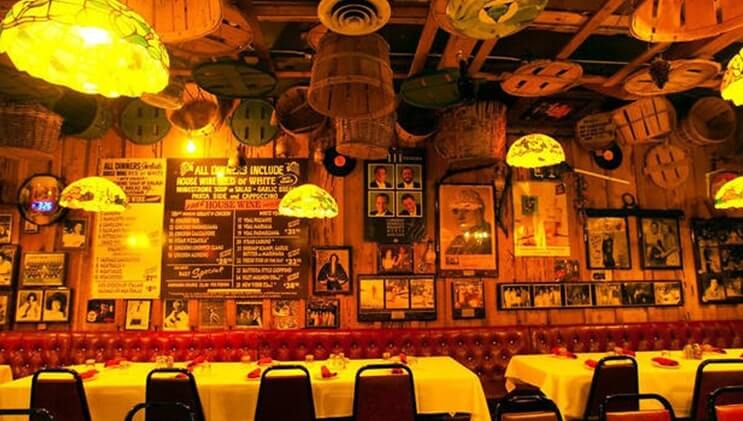
When you see Battista’s hole in the wall, you will feel the past like a time machine travel. Batista Restaurant Las Vegas is the best suitable place for Italian food lovers. And Battista Italian las vegas is not only the favorite destination among food lovers. This heritage old restaurant is carrying the past onto its wall. From the exterior to the interior, everywhere you can see the glorified history of the restaurants.

Las Vegas is a giver when it comes to cheese! It is amazing with the slice of history and the delicious food that Batista Restaurant Las Vegas has successfully established as a business. There are chefs, servers, food and owners who are always ready to give you a good time.

History Of The Battista Italian Las Vegas

Battista Locatelli

The Battista hole on the wall started their journey in 1970. Battista Locatelli came to Las Vegas in 1949. After 21years, he focuses on building a big restaurant in Las Vegas. At last, he bought a dive behind Flamingo and started a big restaurant. 

The restaurant is becoming very famous for its authentic taste of Italian food and nice good ambiance. If you want to see the authentic Italian restaurant ambiance. Battista restaurant Las Vegas is the perfect historical spot where the interior design maintains its accurate balance and the food.

The heritage restaurant keeps all the interiors as the past. Every dish has complimentary wine. Batista’s hole-in-the-wall menu is entirely authentic, and with the authentic taste of Italian dishes, you will taste the house-made wine. All the foods of Batista’s vegas taste like your mama’s kitchen made.

When you visit the restaurant, you will always be greeted with a wide smile and warm attitude. Battista’s vibe has been relaxed and you will enjoy yourself when you visit. I bet it will turn your head with the crazy decor!

The Honest Ratings & Reviews Of Battista’s Hole In The Wall

Batista Restaurant Reviews

This exterior of the place is just outstanding. From the outside of the restaurant, you are going to see the orthodox gesture. And the outside of Batista restaurant Las Vegas looks like old-time Italian restaurants even if you are a new visitor. You feel a little curious when you are going to see how the interior of the place remains in the same position as the past. 

Like Batista’s las vegas menu, the exterior and infrastructure convey a clear message of Italian authenticity. In our opinion, We score five out of five ratings because of the legacy and nice delicious meals, especially for the complementing wine.

When I visit the heritage place it is so outstanding you are going to feel the past. All the walls of the Battista’s hole in the wall are filled up with hundreds of pictures. The wall is loaded with many Hollywood celebrity pictures. These pictures are holding the impression of the past.

If you want to see the restaurant’s glorious history, the wall is the best place where you are going to get all types of information about Battista Italian Las Vegas. Battista’s Las Vegas menu is outstanding as they offer authentic Italian food.

Any contemporary food is not available here. Each and every dish offers house-made red and white wine along with the dishes. The wines are complementary to each dish. The dishes are customised which are specific to this restaurant! This proves the significance of their customer care!

Also Read: Top 10 Most Popular Paraguay Food That You Must Try

Batista’s Hole In The Wall Menu Review:

Batista’s Hole In The Wall Menu

We ordered spaghetti and meatballs for dinner. The meatballs were very juicy, and the tangy taste of the homemade tomato sauce was adding more flavor to the dish. The grated parmesan cheese was looking beautiful on top of the meatballs. One thing we agree on is that the red tomato sauce is the best red sauce we have ever tasted. 

The balance of the herbs and spices is unique there. The gingerbread is tasted and smells very fresh. The bread almost looks like it was recently coming out from the baking tray. Ginger Man cookies are all-time the best cookies of our childhood days. 

And when you are going to taste the Batista restaurant Las Vegas gingerbread, the memories of your childhood days will come back to life. Because the taste of the food is not like the restaurant-made food, they taste like homemade Italian foods.

When you are going to order the foods for your dinner or lunch. Do not forget to order a glass of red wine with the dish because we order Chianti(Castello di Poppiano) as the spaghetti’s side drink. The combination is really tasty, and the taste of meatballs and wine are complimenting each other.

Is Battista’s Hole In the Wall Currently Taking Reservations?

Yes, you can make a reservation by choosing a day, occasion, and party size. Battista’s Hole in the Wall is a town best served in Las Vegas since 1970. Immerse yourself with Batista’s old-time Las Vegas memorabilia and the nicest authentic Italian food.

All banquets involve  Minestrone Soup or Italian Salad, Garlic Bread, Pasta Side, FREE House Wine (Red or White) with Dinner, and a Homemade Cappuccino for dessert. Settled just off the strip next to the Linq and High Roller Observation Wheel.

The bar is closed until further notice

Dining Room Hours: not available right now 

Sunday through Thursday 5pm to 9:15pm

Friday and Saturday 5pm to 9:30pm

Reservations by phone from 12pm Pacific Time to 9pm Pacific Time

Carry out available

How Is Battista’s Hole In The Wall Rated?

Battista’s Hole In The Wall has 3.5 stars. People who visit Batista in Las Vegas surely visit the restaurant for its exquisite taste of Italian food and complimentary wine. The ambiance of the restaurant is nothing like today’s ambiance in a restaurant, where everything is fancy and expensive.

The style Batista holds is purely vintage. People who are a bit old-fashioned come to this place and enjoy themselves to the fullest. Who wouldn’t? When you have the amazing gingerbread in one hand and red wine in the other?.

Rumours Of Closing!

If the grapevines are to be believed, there can be a chance that the restaurant might close! It is one of the beloved restaurants in Las Vegas where people constantly go for new food and entertainment. This restaurant has the capability of increasing further prospects of the hotel Caesars!

Yet there is a chance that there are monetary issues. There have been issues before regarding the lease when the owner was not able to pay the amount demanded from him. Apart from that, the bar is colorful enough however, it does require maintenance.

In the history of Las Vegas, the restaurant is one of the best in the past three decades. The restaurant if closed will be a severe issue with regards to regular patrons.

Wrapping It Up:

Battista’s hole in the wall is the best place where you are going to see the historical ambiance. And you can enjoy the taste of the delicious meals with tasty house-made wine. But one thing, we must say to you if you are searching for any contemporary taste food and little mixed ambiance along with the infrastructures. This is not the right place for you. 

Everything here is just very Italiano food, drink, and ambiance. And do not forget to order the original cappuccino and cream as the desert. So choose your menu wisely as all the food items are quite affordable. And do not forget to share your experiences with us in the comment box.

Battista’s Hole In The Wall

Timings – Dinner: 5:00pm – 9:30pm

Address: 4041 Linq Lane (Audrie St.)

Las Vegas, NV 89109

Contact No. 702-732-1424

You May Also Like: 

Share on Social Media

Sagnika Sinha is a content writer who is passionate about writing travel vlogs, entertainment and celebrity articles and literature-based pieces. With a 4 years experience in teaching, she loves reading books. A procrastinator by nature, she loves travelling, listening to music, planting and gardening.

11 responses to “Battista’s Hole In The Wall – Restaurant Info, Ratings & Reviews”

  1. Greetings! I know this is kinda off topic but I was wondering which blog platform are you using for this site?

    I’m getting sick and tired of WordPress because I’ve had problems with hackers and I’m looking at alternatives
    for another platform. I would be great if you could point me
    in the direction of a good platform.

  2. I take pleasure in, result in I found just what I was
    looking for. You have ended my 4 day long hunt!
    God Bless you man. Have a nice day. Bye

  3. It’s difficult to find knowledgeable people about this topic, but you sound like you know what you’re talking about!
    Thanks

  4. My spouse and I stumbled over here from a different page and thought
    I might check things out. I like what I see so now i am following you.
    Look forward to checking out your web page yet again.

  5. Attractive section of content. I simply stumbled upon your
    web site and in accession capital to assert that I get
    actually loved account your blog posts. Any way I’ll
    be subscribing on your augment or even I fulfillment you access constantly fast.

  6. Hi, I do believe this is an excellent site. I stumbledupon it 😉 I will return yet again since I book marked it.
    Money and freedom is the greatest way to change, may you be rich and continue to guide others.

  7. Nice post. I learn something new and challenging on sites I stumbleupon everyday.

    It’s always useful to read content from other writers and practice a little something from their web sites.

  8. I needed to thank you for this wonderful read!!
    I definitely loved every little bit of it.

    I have got you bookmarked to look at new stuff you post…

Leave a Reply

Your email address will not be published. Required fields are marked *

title-img Related

READ MORE Lisbon To Porto Distance

Lisbon To Porto Distance: Different Ways To Travel, Accommodation Options, And More

BY  Sibashree May 26, 2025

Welcome to Lisbon, where Fado music fills the air, and places such as Jerónimos Monastery, São Jorge Castle, and the Belém Tower tell stories from the past.  Further, at the recently held ExpoVacaciones 2025, Lisbon stood tall with this tourism message. The focus was on the city's rich culture, heritage, sustainability, and gastronomy.  Also, with a handsome tourist inflow from various European countries, Lisbon is now ready to explore Asian and other international markets.  Vera da Cunha Serrão, the representative of the Touristic Promotion of Lisbon at ExpoVacaciones, said,  “We’re proud to show what others saw in us. This is vital in understanding the global Portugal story.” However, around 314 km from Lisbon, Porto is another important location in the tourism landscape of Portugal.  The historic center of Porto, along with the Monastery of Serra do Pilar and the Dom Luís I Bridge, is a UNESCO World Heritage Site.  Moreover, the Lisbon to Porto journey, especially by train, is the most beautiful experience you can have. However, you can also enjoy a bus or car ride and take a flight to travel the distance.  In this Tour and Travel Guide, we will discuss the various modes of transportation from Lisbon to Porto, the journey, food, accommodation, and more!  What Is Porto Famous For? The “Rival” Of Lisbon Porto, with a touch of humor, is often called the “Rival of Lisbon.” And this comparison is beyond the origin of “Murder in Porto,” a craft beer that can blow your mind. If you still have doubts about “Is Porto Portugal worth seeing?” here are the reasons why it’s a must-visit destination in Portugal.  1. Port Wine Isn’t Porto famous for its port wine? Oh, Yes! The porthouses by River Douro sell the best wine and they also tell tales that go back to 1200s.  Local traders built these port houses or impressive buildings in the 1200s when the bishop of Porto introduced unfair taxes.  2. Historical Attractions Furthermore, if you are a history buff, you will get lost in the historic center of Porto, a UNESCO World Heritage Site.  Palácio da Bolsa, or the Stock Exchange Palace, is a prominent landmark in the historical center.  3. The Most Beautiful Book Store In The World Porto also has Livraria Lello, which was built in 1906. Housed in a neo-Gothic architecture building, the bookstore has wooden staircases and red velvet carpets spread on the floor.  Once you reach here, you will know why it introduces itself as “The Most Beautiful Bookstore in the World.”  And the “Little Birdie” here says that J.K.Rowling took inspiration from the interior of the bookstore.  4. Cruising Along The River Douro You can enjoy a cruise ride in Rabelo or the traditional boats in Porto to enjoy a different perspective of the city.  These traditional vessels were earlier used to transport port wines from the Douro Valley to Porto. 5. A Trip To The Douro Valley The Douro Valley is home to historical Fonseca and Crofts vineyards. You can have there the most amazing white port wine.  For a  more serene experience, you can visit the small town of Pinhao and enjoy a ride in the Rabelo boat for two hours.  What Is Lisbon Famous For? What Are The Best Attractions In Lisbon? Food, history, cultural heritage, and the love for Fado music come together in Lisbon. The Portuguese capital is now looking to achieve the perfect blend of heritage charm with modern amenities.  Furthermore, the city is now aiming to grow as a people-focused destination with a dynamic ambiance for local travelers.  Nevertheless, these are the top tourist attractions in the city. The Best Attractions in LisbonDetailsBelém TowerIt is a UNESCO World Heritage Site, and this medieval fortress overlooks the Tagus River. Jerónimos MonasteryJerónimos Monastery is another UNESCO World Heritage Site in Lisbon. It stands out with its rich history and grand architecture. Alfama DistrictDo you want to listen to Fado Music and take a leisurely stroll along narrow alleys?The Alfama District, the oldest in Lisbon, will offer you all these opportunities. Oceanário de LisboaVisit Oceanário de Lisboa, an aquarium with diverse marine animals.  Furthermore, when you are in Lisbon, you must not miss a ride on Tram 28 from Martim Moniz to Campo de Ourique. Tram services are available from 6 AM to 10:30 PM, and the ticket charge is 3.10 euros. What Is The Lisbon To Porto Distance? The distance from Lisbon to Porto by road is 314 km. The journey by bus or train takes less than 3 hours.  What Is The Best Way To Go From Lisbon To Porto? Know The Modes Of Transportation You can take a train ride from Lisbon to Porto for the most beautiful journey. However, you can also take a bus ride or a flight to travel the distance.  Travel By Train From Lisbon To Porto  Twenty eight trains run between Lisbon to Porto on a daily basis. The train departs from the Gare do Oriente station in Lisbon and arrives at the Campanha Station in Porto.  The distance between these two places by train is 274 km and the journey takes between 2 hours 49 minutes and 3 hours 14 minutes based on the type of train you have boarded.  The Alfa Pendular trains are the fastest, and the regular intercity trains take a little longer to cover the distance.  You can book the train tickets online or by visiting the railway station. The ticket prices start from $30.  Also, the earliest train departs from Lisbon at 6:39 AM, and the last train departs at 10:09 PM.  Is It Worth Taking The Train From Lisbon To Porto? Yes, it is absolutely worth taking the train from Lisbon to Porto. The journey gives you the opportunity to explore the beauty of the Atlantic Coast to the fullest.  Further, trains are frequently available between these two cities, and they are more reliable and comfortable as a mode of transportation.  Moreover, they consume less time than the buses, and the railway stations in Lisbon and Porto offer easy access to city centers and all important locations.  Can You Go To Porto For The Day From Lisbon By Bus? Yes, you can travel from Lisbon to Porto by bus. The journey takes around 4-5 hours, and you can book the bus tickets online on platforms such as redBus.  RedBus daily runs 112 buses from Lisbon to Porto, and the buses take 3 hours and 36 minutes to cover the journey.  Traveling from Lisbon to Porto is a budget-friendly option as the ticket price on redBus starts from only EUR 4.99. Buses depart from the Lisboa Oriente Terminal in Lisbon and reach Porto Garagem Atlantico in Porto.  Moreover, the earliest departure time of the bus is 12:15 AM and the last bus from Lisbon departs at 11 PM.  Traveling From Lisbon To Porto By Car If you are traveling from Lisbon to Porto by car, the journey of 314 km will take around 3 hours.  You can take the main motorway A1 for the journey. However, if you want a more scenic road trip experience, you can choose routes such as A29, A17, or A8.  All the roads have tolls, and they offer excellent driving conditions.  Furthermore, during the road trip, you can stop by beautiful towns such as Figueira da Foz, Coimbra, Alcobaça, Pombal, and Nazaré.  Travel From Lisbon To Porto By Plane If you want to save more time and you are willing to spend some extra Euros during your travel, you can take a flight from Lisbon to Porto.  The journey takes around 2 hours and 30 minutes and the ticket prices range from €30 - €120.  Flights depart from the Humberto Delgado Airport in Lisbon and reach the Francisco Sá Carneiro Airport in Porto.  What Is The Best Time To Visit Lisbon And Porto? April to May or the spring season and September to October or the fall season are the best times to visit Lisbon and Porto. Spring is the season of flowers. Further, the average temperature of 60-70 degree F make it ideal for exploring the outdoors.  Moreover, the Liberation Day Celebration on 25th April is one of the major reasons to visit Lisbon and Porto during the spring season.  On the other hand, the fall season, especially October, is the time of grape harvesting near the Douro Valley. You will also love birdwatching in October.  View this post on Instagram A post shared by Gemma Hadley | Wine Writer & Communicator (@gemmakatehadley) What Are The Accommodation Options In Porto And Lisbon? The accommodations, especially the boutique hotels in Lisbon, match the quintessential European vibe of the city. You will also get Airbnbs in Lisbon. While these Airbnbs are great for budget travelers and larger groups, they fail to replicate the charm of boutique hotels.  Nevertheless, these are some well-known boutique hotels in Lisbon.  The Vintage Lisbon Lisbon Wine Hotel Memmo Alfama — Design Hotels On the other hand, the accommodations in Porto offer a cozier vibe, and there is something very quaint about the hotels and townhouses in this port city.  However, if you want to stay in a boutique hotel in Porto, you must explore options such as Wine & Books Porto Hotel, Bloom House By Sweet Porto, and PortoBay Teatro. What Is Porto Famous Food? If you love seafood and stew, Porto is the best location in Portugal for the ultimate gastronomic delight.  Tripas à Moda do Porto, or the triple stew, is hearty here, while the fresh seafood, especially cod, will allow you to indulge in coastal delight.  You can even try Francesinha or the sandwich here with melted cheese and layers of meat. However, the kick of this sandwich is the spicy beer-based sauce.  Moreover, if you have a sweet tooth, don’t forget to try Tarte de Amendoa or almond tart in Porto.  Also, don’t forget to try Cachorrinhos, Porto’s answer to an American hot dog, Bifana sandwich, Alheira sausage, and pastéis de bacalhau, a type of croquette.  Why Do People Like Porto More Than Lisbon? Which Is Prettier, Porto Or Lisbon? Lisbon is the most popular city in Portugal, and it should be the national capital. Also, the city's sunny vibe and quintessential European charm make it stand out.  However, if you want a cozier experience and you want to experience the old Portuguese vibe, Porto will be the go-to place.  Also, the port wine, wineries, and port houses around the Douro River have built a way of life that is unmatched, and the only reference here can be the history books or the stories you have heard.  Moreover, Porto has a unique visual appeal with well-preserved historic buildings and buildings adorned with azulejo or tile work. So, I find Porto prettier than Lisbon, and Porto would be my silent favorite if I had to choose between these two cities.  However, the choice will depend on your sense of aesthetics and the kind of experience you want to have in Portugal. Lisbon To Porto Frequently Asked Questions (FAQs) Here are some frequently asked questions and answers about the Lisbon to Porto distance and journey. 1. Is Porto Worth A Day Trip From Lisbon? Yes, Porto is worth a day trip from Lisbon. The journey by train, bus, or car allows you to explore the beauty of the Atlantic Coast. Further, if you are traveling by car, you can stop by towns such as Figueira da Foz, Coimbra, Alcobaça, Pombal, and Nazaré. 2. How Many Days In Porto Is Enough? Three to five days are enough if you want to explore the best of Porto. You can see the Douro River, visit the Ribeira district, and Livraria Lello during your stay. Further, you must not miss exploring nearby attractions such as Guimarães and Braga 3. Is Porto An Expensive City? No, Porto is not an expensive city. The prices of hotels and other accommodations during the peak summer season can be higher. However, the hotel charges, transportation costs and overall standard of living here are less costlier than many other European cities, including Lisbon. 4. Should You Spend More Time In Porto Or Lisbon? The choice depends on your choice. If you want to experience the vibe of a cosmopolitan European City, Lisbon will be your ideal destination in Europe. However, Porto, by the Douro River, offers you a more laid-back vibe, and it has the best port wine in the world. 5. How Long Is The Train Ride From Lisbon To Porto? The duration of your train ride from Lisbon to Porto will depend on the kind of train you take. The Alfa Pendular trains are the fastest, and they cover the distance within 2 hours and 49 minutes. On the other hand, the regular intercity trains take a little longer to cover the distance and take 3 hours and 14 minutes.  Up Next... Best Mediterranean Cruises 2025 Destinations Right Here! Best Summer Destinations In Europe Beach: Couples Get Ready! Easiest Countries To Get Citizenship In 2025: Let’s Know The Names

READ MORE

The Glaciers of Wrangell-St. Elias National Park: Experience The Magnificence Of Nature 

BY  Sibashree Aug 9, 2024

Wrangell-St. Elias, a UNESCO World Heritage Site, is an icy wonderland. It is a place where active volcanoes and the largest glaciers, like Malaspina, coexist, making it “A Song of Ice and Fire.”  It also has some of the greatest mountain ranges in the world and mighty rivers. Further, unique geological features and weather conditions have made the national park a land of biodiversity and wilderness with a lot of mammals, birds, fish, and plants.  Let me take you on a tour of the Wrangell-St. Elias glaciers and everything the national park has to offer.   What Are The Notable Glaciers In Wrangell-St. Elias?  Nabesna Glacier, Malaspina Glacier, and Hubbard Glacier are the most notable ones in Wrangell-St. Elias National Park.   Along with these glaciers, you can also see glacier features like glacier caves, Jökulhlaups, and ice falls. Let’s briefly discuss the major glaciers and glacier features.   Malaspina Glacier Did you know that Malaspina Glacier is the “largest Piedmont glacier in the world?” Designated as a National Natural Landscape in 1968, it spans across 1,075,409 acres.   Further, its glacial mechanisms and fluctuations have made it a favorite of explorers. The glacier is also a favorite of space travelers as it looks vibrant from space.   In an article published by NASA Earth Observatory on 27th October 2023, we can find,  “The dark blueish-purple lines on the ice are moraines—areas where soil, rock, and other debris have been scraped up by the glacier and deposited along its edges. The zigzag pattern of the debris is caused by changes in the ice’s velocity. Glaciers in this area of Alaska periodically “surge” or lurch forward for one to several years. As a result of this irregular flow, the moraines can fold, compress, and shear to form the characteristic textures seen on Malaspina.”  Hubbard Glacier  Hubbard, “the sleeping giant,” is the largest when it comes to the tidewater glaciers in North America (75 miles long). The glacier gets its name from Gardiner Hubbard, National Geographic Society’s first president.   Also called the “Galloping Glacier,” it comes with tranquil blue ice. You can explore Hubbard Glacier through a cruise trip.   Visiting the Hubbard Glacier becomes more exciting as you meet the sea otters, whales, sea lions, and bears along the route.   Nabesna Glacier  With a length of 53 miles, Nabesna Glacier is the “longest interior valley glacier” in the world. However, there are concerns regarding the loss of ice mass in the glacier. A 2007 report says,  “Nabesna, the largest glacier in this region (˜1056 km2), lost mass four times faster during 2000–07 than during 1957–2000. Although accelerated, the mass change over this region is slower than in other glacierized regions of Alaska, particularly those with tidewater glaciers.”  Glacier Features In Wrangell-St. Elias  You will come across many fascinating glacier caves in Wrangell-St. Elias, especially near the Kennecott Mines National Historic Landmark.   Further, ice falls, or the fountains of the glacier, move very fast, and it’s fascinating to see how they form seracs or blocks.   Also, there are Jökulhlaups, or flooded glacier outbursts, adding to the various glacier features of the national park.    Amazing Glaciers of Wrangell-St. Elias National Park Facts  Mount  St. Elias, the largest peak of the national park, is the second-highest in the world.  Mount Wrangell, the only active volcano here, is one of the largest active volcanoes in North America.  It has Nabesna Glacier, Malaspina Glacier, and Hubbard Glacier, three of the largest in the world.   It is a part of the “world's largest international protected wilderness.”  Mid-May to mid-September is the best time to visit this park.   Wrangell-St. Elias: A UNESCO World Heritage Site  Home to countless glaciers and many high mountains, Wrangell-St. Elias National Park enjoys the status of a UNESCO World Heritage Site, with Kluane, Glacier Bay, and Tatshenshini-Alsek.   Also, Wrangell-St. Elias National Park is a part of the “largest non-polar icefield in the world.” You will find Dall's sheep, grizzly bears, caribou, and many other animals roaming in this part of the world.   Further, certain geographical and biological factors and “protection and management requirements” make this national park a place of outstanding universal value. Let’s discuss them in detail.   Rich In Biodiversity  The scenic beauty and geological diversity in the park are outstanding. It has sea mammals and other aquatic animals. Further, you can see many land mammals, birds, and different types of trees in this park.   The table below mentions some of the most popular birds, trees, and animals you can see here.   Land Mammals Brown Bears Polar Bears Black Bears Mountain Goats Dall Sheep Bison Coyotes Wolverine Porcupine Sea Mammals and Other Marine Creatures Whales Sea Lions Porpoises Harbor Seals Sea Otters Plants (936 Vascular Plant Species) Sedge Family Grass Family Sunflower Family Trees Willows Various Introduced Species Birds Bald Eagles Canada Geese Trumpeter Swans Wilson's Warblers American Robins  Home to boreal forest, Wrangell-St. Elias has one of the largest ecosystems in the world. Diverse geological features and unique weather conditions support this sprawling ecosystem or biodiversity.   Comes With Topographical Diversity   This national park is one of the most diverse in its topographical features. It has glaciers, rivers, river canyons, volcanoes, snow-capped mountains and whatnot!   Geomorphological features like hanging valleys, moraines, craters, and calderas also make this national park unique.   A Hub Of Active Tectonic, Volcanic, Glacial, And Fluvial Natural Processes   Like the entire Alaska, Wrangell-St. Elias is also in an area where tectonic, volcanic, glacial, and fluvial natural processes are common.   So, it has active and inactive volcanoes, the largest glaciers, and some prominent fluvial landforms. It has the mighty Copper River, Rivers of Life, and braided rivers formed of glacier water.   Final Words   Wrangell-St. Elias National Park has the highest glacier coverage among all national parks in America. It also has the active Mount Wrangell volcano, rivers, and wetlands, making it a place of geological interest.   Exploring the glacier caves and the ice falls here is a one-of-a-kind experience, and it’s wonderful to see how the richest biodiversity with mammals, birds, aquatic animals, and trees thrives here.   So, come and experience the brilliance of nature as you explore the largest glaciers of the world’s largest glaciers, such as Malaspina and Hubbard.   Or have you already been to this land of volcanoes and glaciers? Don’t forget to share your experience of the glaciers of Wrangell-St. Elias National Park tours.    Wrangell-St. Elias National Park FAQs   How Many Glaciers Are In Wrangell-St. Elias National Park?  Like the entire Alaska, Wrangell-St. Elias is filled with glaciers. According to the latest count of the National Park Service (NPS), the Wrangell-St. Elias National Park has 3,121 glaciers. Further, these glaciers cover a whopping “6,757 square miles of land.”  So, Wrangell-St. Elias has glaciers that cover 60% of all the glacier coverage in American National Parks. Glacier Bay in Alaska is the distant second to Wrangell-St. Elias. The glacier coverage at Glacier Bay is just 1/5th of Wrangell-St. Elias.  In addition, Malaspina, Hubbard, and the Bering glaciers, located along the park’s southern margin, are three of the largest glaciers in the world.   Having said that, glacier coverage in Alaska is shrinking, and  Wrangell-St. Elias is not an exception. From 1985 to 2020, it has already experienced a 5% reduction in its glacier coverage.   How many People Visit Wrangell-St. Elias National Park Each Year?  The National Park Service has a record of visitors to Wrangell-St. Elias National Park since 1982. Since then, this park has been enjoying thousands of footfalls every year.  2023 was one of the topmost years in terms of number of people visiting  Wrangell-St. Elias. It had 78,305 visitors in 2023.  In 2020 (the Covid-19 era), the park had 16,655 visitors. From 2021, the number of visitors has increased consistently. (Source)  What Is Unique About Wrangell-St. Elias National Park?  With the largest glaciers and volcanoes in the world, Wrangell-St. Elias is unique because of its geographical features. It is also one of the most prominent hubs of biodiversity. Thanks to its extensive glacier and volcanic coverage and rich wildlife, it has earned the status of a UNESCO World Heritage Site.  Among glaciers, Hubbard (one of the largest in the world and the largest tidewater glacier in North America) and Malaspina Glacier demand a special mention.   The Mount Wrangell volcano in this park is still active, and some other volcanoes here are Mount Drum, Capital Mountain, Skookum Creek Volcano, etc.  Further, it has an endangered sea mammal, Steller Sea Lion, and other marine animals. Bears, mountain goats, and sheep are common land mammals roaming here.   Also, you will find birds like the American robins, Wilson's warblers, and dark-eyed junco in this national park.   What Is The Highest Peak In Wrangell-St. Elias?  Mount St. Elias is the highest peak in Wrangell-St. Elias. With a height of 18,008 feet, it is also the second-highest peak in North America.   Having said that, Wrangell-St. Elias National Park celebrates the presence of four major mountain ranges in the world. It has the eastern part of the Alaskan Range, St. Elias, Chugach, and Wrangell.   Why Is Wrangell-St. Elias Protected?  Wrangell-St. Elias is protected to “preserve and protect ecological integrity and heritage resources of a vast ecosystem in south-central Alaska, while providing for public use in a wilderness setting.”  So, it is protected to preserve the local geology and diversity of the landscape with glaciers, volcanoes, and wetlands. It is also a measure to preserve wildlife and its inhabitants. Also read Ultimate Guide to Your Next Family Vacation in Israel. Paris Transforming Historical Sites Into Olympic Venues. Whales And Sea Lions! Exploring Wildlife At Kenai Fjords National Park.

READ MORE

Do The Sand Dunes Come Alive At Kobuk Valley National Park?

BY  Sibashree Sep 11, 2024

Kobuk Valley National Park is surreal! Have you ever thought to meet sand dunes in the Arctic Circle? The unique geology of the park makes it possible. That’s not all! The Great Kobuk sand dunes stand here, along with the remains of the North American continental glaciers.  Three of the sand dunes in this national park are active or alive. The Great Kobuk Sand Dunes, Hunt River Dunes, and Little Kobuk Sand Dunes here cover a mesmerizing 20,000 acres of area in the park.   Today, hiking through these dunes is one of the most popular activities in the Kobuk Valley National Park.   While it is visually unusual or unexpected to see sand dunes in an Arctic National Park, you also need to understand that the Arctic region gets very little rainfall every year. So, this is also a desert region.   “Sand dunes in the Arctic landscape are not what you would expect. Since most people associate sand dunes with a hot desert environment, it is a visually unusual thing to see. In fact, what most people don't realize is that the Arctic is also a desert with very low levels of rainfall.”   - Christian, a Kobuk Valley National Park Worker  Having said that, how the sand dunes came to be here, and the experience of exploring them will be a great thing to discuss in this article.   This Is How The Kobuk Valley National Park Became The Land Of Sand Dunes   https://www.instagram.com/p/BWatGdVFuis/ Much of Alaska, including the Kobuk Valley National Park, falls in the Tundra region. Tundra, the coldest of the biomes, gets only around 150 to 250 mm of rainfall and snowfall yearly1. So, the national park has less rainfall than some of the most well-known deserts in the world.   Further, the sand dunes in the Kobuk Valley are as old as the Ice Age. Now, as the mighty glaciers moved forward and made a retreat, the rocks beneath got ground. Now, the blowing wind transported the sand into the empty and ice-free Kobuk Valley. The sand dunes in the park are up to 150 feet high, and they are the biggest, high-altitude, and most importantly, “active sand fields”  in the earth.   In The Land Of The Great Kobuk Sand Dunes  https://www.instagram.com/p/BgmZYDdAA_r/ Are you in the Sahara? No, you are around 35 miles above the Arctic Circle and still find the largest active sand dune field in the world. Today, it is a popular backpacking, hiking, and camping destination in the National Park. You must attend the Northwest Arctic Heritage Center to learn more about the outdoor pursuits in the land of sand dunes.  Let’s quickly look at why the Great Kobuk Sand Dunes is a preferred destination for camping, hiking, and backpacking.  The sand is steady enough for the landing of an aircraft with wheels.  You can put up your tent on any level surface.  Also, you can hike in any direction.  Further, you can board a float plane and reach the Kobuk River. From there, you can take a backpacking tour for around two miles and reach the dunes.  You must visit the Kotzebue Visitor Center if you have plans to take this backpacking journey to and from the Kobuk River.   There is no marked route for hiking.  In summer, the temperature in the sand dunes can reach up to 100 degrees Fahrenheit. Also, fall is the season to see caribou migration here.   However, there’s more to it! Let’s learn about the Great Kobuk Sand Dunes as relics of the Ice Age and how life thrived here.   Great Kobuk Sand Dunes: The Relics Of The Ice Age   https://www.instagram.com/p/BYwfdMYlr-0/ To know about the formation of the Great Kobuk Sand Dunes, we must go back to the Ice Age. Around 28000 years ago, glaciers in the mountains formed. I have already discussed how the glaciers ground the rocks and wind deposited them in the Kobuk Valley.   Further, approximately 14000 years ago, the glaciers made a massive retreat. As a result, there were 200,000 acres of sandy land formation on the river banks. Complex holocene activities and geomorphic preservations keep the sand dune field at the Kobuk Valley National Park active or alive. Along with the Kobuk Valley, small lakes in the park have also accumulated sand over thousands of years.   However, most of the landscape today is occupied by the vegetation of the national park, and the sand dune area consists of only 20,000 acres. The vegetation found here consists of the following varieties.  Wild rye  Grasses  Sedges  Kobuk locoweed  Wildflowers blooming occasionally  These species grow on the shifting sand, and they function as stabilizing agents. You can see shrubs, lichens, mosses, and algae following this vegetation. Finally, there are spruce, birch, and aspen trees covering the landscape.    The slopes of the Kobuk Valley sand dunes are the only place where Kobuk locoweeds grow. These plants belong to the pea family, and they are known for their purple flowers. If you want to see these flowers, you must visit the park in late June and July.   The inland dune field of Kobuk Valley National Park is surrounded by boreal forest.   Humans And Wildlife In The Great Kobuk Sand Dunes  https://www.instagram.com/p/Cv0EhpdLsJ5/ It’s amazing to see the Western Arctic Caribou walking through the Great Kobuk Sand Dunes. Fall and spring are the migration seasons for these animals. The north of Brook Range is the caribou herd’s calving ground, and they migrate to and from this place.   As the caribou herds pass through the sand dunes, their footprints remain in the ground for the longest time. According to National Park Service data, around 250,000 caribou pass through this national park annually.   No wonder that the Kobuk Valley National Park is one of the “last great migrations” remaining in the world. The table below gives you a brief idea about the animals and birds in the sand dunes.  Birds Sharp-shinned Hawk Golden Eagle Bald Eagle American Wigeon Northern Pintail Rough-legged Hawk Marsh Hawk Mammals Caribou Wolverine Muskox Snowshoe Hare Moose Gray Wolf Grizzly Bear Beaver Arctic Fox American Pine Marten Amphibians Wood Frog Fish Longnose Sucker Salmon* Northern Pike Alaska Blackfish Alaska Whitefish Humpback Whitefish Alaskan Stickleback Ninespine Stickleback  Human history in the Great Kobuk Sand Dunes is at least 8000 years old. They lived by the Kobuk River and were mainly focused on fishing, hunting, and trapping for survival. It is fascinating to visit the thousand-year-old hunting camps on the edges of the sand dunes.  The golden and shifting Great Kobuk Sand Dunes are located a few miles away from the Kobuk River. Further, the sand dunes soar up to 100 miles in the air.   Kobuk Valley National Park Is Also The Land Of Iñupiaq Subsistence  https://www.instagram.com/p/BWdjyOBl_Lw/ Human life, which started in the Great Kobuk Sand Dunes 8000 years ago, is still thriving with the mantra of subsistence. The Iñupiaq people here use the available natural resources to fulfil their physical needs and safeguard their spiritual and cultural requirements.   For example, they depend on caribou and salmon to feed themselves and their dogs. At the same time, caribou skin hide is extensively used to make parka jackets to combat Arctic winter. They also make mukluks or boots using reindeer skin to walk through the snow.   Further, the local people made baskets using birch and willow. Moreover, in darkness, caribou tallow or seal oil were the only ingredients to light up their stone lamps.   Irrespective of the trade with the coastal communities, the “customary, traditional and non-commercial” use of natural resources is still important in the park.   Iñupiat Ilitqusiat And Respecting The Ecosystem   https://www.instagram.com/p/CzjboNfsc4Y/ Aboriginal people in the Kobuk Valley National Park are committed to passing on their values from generation to generation. The Iñupiat Ilitqusiat value asks them to transfer the knowledge and skill of hunting and everything about life.  In addition, this transfer of knowledge helps to make the most of various seasons and subsistence opportunities. For example, the caribou season comes to this park after the salmon season.   Earlier, Noatak Valley was the destination for these people during the caribou season, and even today, some families move to Noatak Valley. Again, summer camping around the Kobuk River is common for fishing, especially catching salmon and whitefish.   Summer is also the season for harvesting berries and wild greens for the local people.  If you want to learn about the local people and their values, you must be respectful and understand their seasonal activities as a part of their subsistence practices.   Overall, the Kobuk Valley National Park is not just a place to see sand dunes and wildlife. It is a tapestry of human lives depending on nature.   Things To Know Before You Visit The Kobuk Valley National Park   For me, the sand dunes and Iñupiaq subsistence practices are the most fascinating things in the Kobuk Valley National Park. However, keep the following information handy if you are to pay a visit anytime soon.   Mode of Transport: Authorized air taxis from Kotzebue or Bettles  Visitor Center: Northwest Arctic Heritage Center  Entrance Fee: Free  Permits Required:  Commercial Use Authorization or CUA for commercial activities, Research Permits, Filming and Photography Permits  Activities to Do: Boating, fishing, camping and backpacking, hiking, flight-seeing and exploring nearby attractions  Best Time to Visit: June to July   Area: 1,750,000 Acres  Established: 2nd December, 1980  Number of Visitors: 17,616 (2023) (National Park Service Data)  Snowfall, downpours, and extreme weather conditions can occur in any season of the year. So, follow the instructions shared at the visitor center and keep your gear ready for survival!