The humble place of my pen-friend (or email-friend 📧) was more than an accommodation for me.
First of all, he has a lovely family, with his wife, a CA, and his business partner in this venture, and his children, kindergarten students.
They were very warm, and I grew especially close to the children, and we played with cats.
Furthermore, I saw a humble hostel turning into a most happening social hub in the evening.
Everyone, from hikers to local business owners and artists, gathered there to talk about life, the next hiking trip, and what’s new in the city.
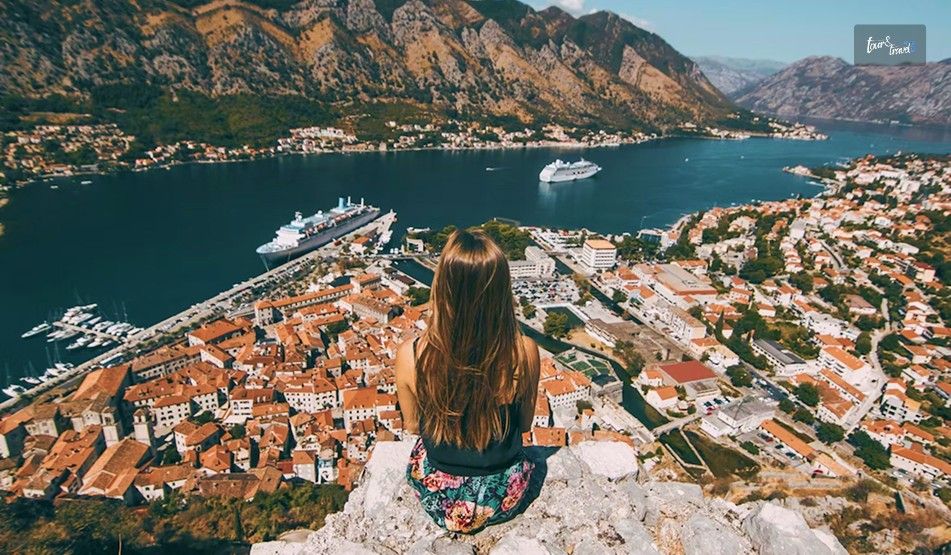
Now, Kotor is replete with such hostels, and some of them are so famous that people know them by name.
In this Kotor, Montenegro, hostel guide, I will discuss these hostels, their rates, and some essential tips.
Why Did I Stay In A Hostel?
First things first. For me, Montenegro was a trip of more than 1000 kms.
And I thought about visiting Montenegro mostly because I learned about it from my friend there.
So, staying at my friend’s hostel, while traveling solo, was the safest option for me.
The next thing was the budget. It was $20 per night and well within my budget limit.
Furthermore, as Petar, my friend, had promised, I met many people with common interests there.
It was like an annual meet for backpackers and digital nomads.
Also, almost everything about the hostel stay was spontaneous.
Somebody would say, “Let’s go for a walk on this route tomorrow,” and everything would get planned accordingly.
The next day, I would discover that I was hiking on one of the most beautiful routes near Kotor, Vrmac Ridge.
Someone else would bring hot pastries and share them with all the hostel members.
So, my Kotor, Montenegro travel itinerary was like a community activity, where locals and visitors met for the first time.
Everyone had the common goal of indulging in the most immersive experience in Kotor, Montenegro.
A Kotor Montenegro Hostel Guide: Top Budget Hostels In Kotor
If you want to know about the most amazing free activities in Kotor, Montenegro, the hostels can function as the best information centers.
These will also help you know about the best local eateries and transport tips.
Nevertheless, here are the top budget-friendly hostel options in Kotor, Montenegro, that you must try.
1. Old Town Hostel
Address: Stari Grad 284, Kotor 85339, Montenegro
The Old Town Hostel offers the perfect fusion of budget-friendly living and historical charm.
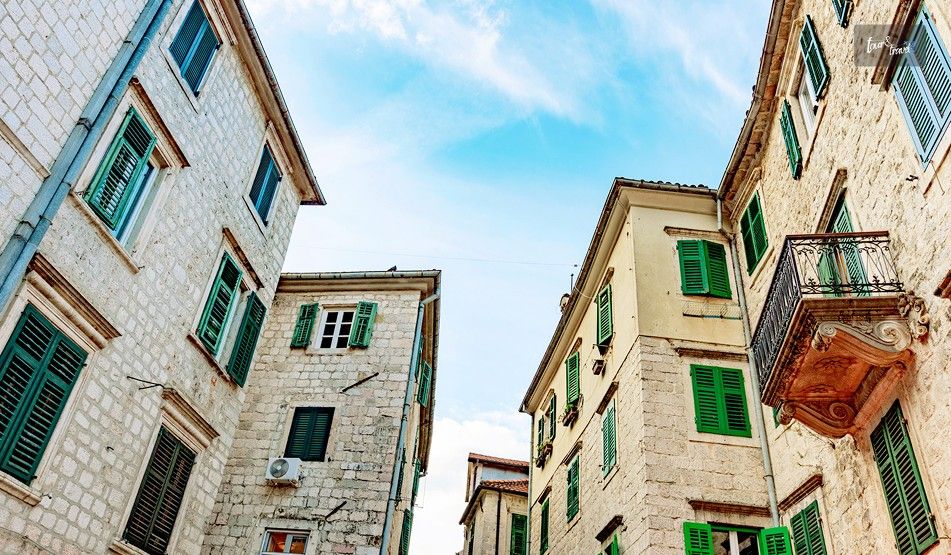
Being housed in a 13th-century building, this hostel will win you over with its stunning exterior and interior.
The location of the hostel in the heart of Kotor’s Old Town further makes it a popular choice.
The price of staying at this hostel is around $15-25 per night.
Furthermore, the amenities at this hostel include pub crawls, a kitchen, and free Wi-Fi. In addition, it conducts tours of North and Great Montenegro.
2. Montenegro Hostel 4U
Address: Dobrota Donji Put BB, Kotor 85330, Montenegro
If you want a quiet accommodation away from the hustle and bustle of city life, Montenegro Hostel 4U offers the best vibe.
It has a beachfront location.
So, you will have to walk for just 5 minutes from the hostel to reach the beach to soak in the Sun.
Also, the nearby bakeries, supermarkets, and restaurants ensure that you have access to everything you need.
This hostel has amenities such as bike rentals and a community kitchen for cheap eats in Kotor, Montenegro.
The tariff for staying at this hostel is around $12-22 per night.
3. Hostel Pupa
Address: 254 Njegoševa, Kotor 85330, Montenegro
How about staying in a hostel inside a 150-year-old stone house?
It was renovated in 2017, and today, it has six big bedrooms, two large shared bedrooms, and two lounge areas.
This hostel is especially suitable for couples and solo travelers.
Furthermore, it is a favorite among foodies, as it is close to six restaurants serving the best seafood and authentic local cuisine.
Moreover, the hostel has free air conditioning and free Wi-Fi.
In addition, you will love the bay views from the outdoor terrace of this hostel.
4. Freedom Hostel Budva
Address: 21, Old Town, 85310 ME, Cara Dušana, Budva, Montenegro
Freedom Hostel Budva stands out with its rustic charm.
I was taking a stroll and found it beside the fourth gate of the Old Town of Budva.
The hostel comes with a bicycle rental facility.
Also, the guy at the reception told me that they offer tours of the Old Town and the nearby beach.
The tariff here is around $15-20 per night.
5. Centrum Hostel
Address: Stari Grad 458, Kotor 85339, Montenegro
Centrum Hostel is a popular choice if you are a Dark Academia fan or a history buff who wants to enjoy the views of the Medieval Town Square.
It is most suitable for digital nomads as it has stable Wi-Fi connectivity, and it exudes a fun coworking vibe.
The price for staying at this hostel is $14-22 per night.
The hostel offers special amenities such as live music nights, bike tours, and AC rooms.
6. Stranger Tides Hostel
Address: Dobrota 220, Kotor 85330, Montenegro
Stranger Tides Hostel is one of the most family-friendly hostels in Kotor, Montenegro.
You will love the most beautiful view of the Fjord of Boka Bay from this hostel.
Its quaint charm is hard to avoid, as it is located inside a 1000-year-old stone house.
Furthermore, walking to the beach from the hostel, with a downhill journey of around 150 meters, is a delightful experience.
The famous beaches located near this hostel are Bajova Kula, Plavi Horizonti, and Orahovac.
The price of staying at this hostel is around $12-20 per night.
7. Montenegro Backpackers Home
Address: 390 TRG OD Muzeja, Kotor 85330, Montenegro
The Montenegro Backpackers Home is all set to welcome travelers after a full renovation for the 2026 season.
The dormitories of the hostel are air-conditioned, yet they never fail to exude the most authentic vibe.
A shared kitchen, adequate luggage storage, and organized walking tours are the main amenities offered by the hostel.
The tariff of the hostel is around $15-23 per night.
8. Old Town Homestel
Address: Stari Grad, Kotor, Kotor Municipality, Montenegro
Old Town Homestel is a unique boutique-style hostel perfect for couples.
The tariff of this hostel is around $16-24 per night.
The hostel is located near St. John’s Fortress and other major attractions of the city.
It is also close to Kotor Bay, St. Tryphon Cathedral, and the Maritime Museum.
9. Guesthouse STEP
Address: Put I Bokeljske Brigade, Dobrota, Montenegro
It is a party-friendly location and famous for hosting BBQ nights.
The stay price at this hostel is around $14-$21 per night.
Also, it has a beautiful terrace and a communal kitchen, which is like the heart of the hostel.
10. Kotor Nest Coliving
Address: 444, Kotor 85330, Montenegro
With networking events, a dedicated workspace, and fast internet, Kotor Nest Coliving is the ultimate hostel designed for remote workers.
The tariff here is $20-$30 per night.
Comparing The Best Hostels In Montenegro: A Summary Table
Here is a quick comparison between the best hostels in Kotor.
Hostel Name
Address
Price per Night (USD)
Key Features and Amenities
Why Choose It?
Old Town Hostel
Stari Grad 284, Kotor 85339
$15-25
• Pub Crawls
• Kitchen
• Free Wi-Fi
• Tours of North & Great Montenegro
• Located in a 13th-century Building.
• It is at the Heart of Kotor Old Town
Montenegro Hostel 4U
Dobrota Donji Put BB, Kotor 85330
$12-22
• Beachfront
• Bike Rentals
• 5-Minute Walk to Beaches.
• Close to Bakeries, Restaurants and Supermarkets.
Hostel Pupa
254 Njegoševa, Kotor 85330
$16-24
• Free Wi-Fi
• Outdoor Terrace with Bay Views
• Housed in a 150-Year-Old Stone House
• Close to 6 Restaurants Renovated in 2017
Freedom Hostel Budva
21, Old Town, 85310 ME, Cara Dušana, Budva
$15-20
• Bicycle Rental
• Tours of Old Town & Nearby Beach
• Unique Rustic Charm
• Located beside the Fourth Gate of Budva Old Town
Centrum Hostel
Stari Grad 458, Kotor 85339
$14-22
• Live Music Nights
• Bike Tours
• Medieval Town Square Views
• Suitable for Digital Nomads
• Dark Academia Vibe
Stranger Tides Hostel
Dobrota 220, Kotor 85330
$12-20
• Family-friendly
• Amazing Fjord Views
• Located inside a 1000-Year-Old Stone House
• Near Bajova Kula, Plavi Horizonti, Orahovac Beaches 150 Meters Downhill to the Beach
Montenegro Backpackers Home
390 TRG OD Muzeja, Kotor 85330
$15-23
• Air-Conditioned Dorms
• Walking Tours
• Recently Renovated for the 2026 Season
• Authentic Hostel Experience for Backpackers
Old Town Homestel
Stari Grad, Kotor, Kotor Municipality
$16-24
• Boutique Style
• Perfect for Couples
• Near St. John’s Fortress, Kotor Bay, St. Tryphon Cathedral, and Maritime Museum
Guesthouse STEP
Put I Bokeljske Brigade, Dobrota
$14-21
• Party-Friendly
• BBQ Nights
• Happening Social Atmosphere
Kotor Nest Coliving
444, Kotor 85330
$20-30
• Dedicated Workspace
• Networking Events
• Designed for Remote Workers and Digital Nomads
What Are Basic Amenities Offered By The Hostels In Kotor, Montenegro?
Do hostels have amenities?
Yes, many people reach out to me with this question.
Well, the budget hostels in Kotor will surely change your ideas about what hostels offer.
I have divided the amenities offered by the hostels into three sections.
The first section covers the room and general amenities, the second, the shared facilities, and the third, the other facilities.
1. Room And General Amenities In Kotor Hostels
•Seamless Connectivity:
These hostels have free Wi-Fi in public areas and private rooms.
So, these are very helpful for business travelers and digital nomads who have to balance work and travel.
•Comfort:
The budget hostels in Montenegro offer basic comforts such as air conditioning, soundproofing, and heating.
•Bedding
You will get pillows, towels, blankets, and linens from the hostel staff.
•Security
You can keep your personal belongings in the lockers.
2. What Are The Shared Facilities In The Kotor Hostels?
•Bathrooms:
Shared bathrooms with showers are available in the budget hostels.
•Shared Kitchen:
You will find shared kitchens with utensils, appliances, and other equipment in these hostels, such as Montenegro Backpackers Home Kotor.
However, some hostels like Hostel Pupa, Montenegro Hostel Kotor, and Hostel Old Town have a kitchenette and en-suite kitchen options.
•Lounge:
If you want to interact with the digital nomads, expats, or the volunteers of the hostels, you have to spend some time in the lounge areas.
These lounge areas usually have TVs and proper seating arrangements for socializing.
•Laundry:
Most hostels in Kotor offer laundry facilities. Centrum Hostel, Montenegro Backpackers Home Kotor, and Old Town Youth Hostel list laundry services in their list of amenities.
•Dining Facilities:
Most hostels offer complimentary coffee and tea.
However, Hostel Old Town Kotor, Montenegro Hostel 4U, and Old Town Homestel have breakfast facilities.
3. What Are The Other Facilities Offered By The Hostels In Kotor?
Some hostels also offer bike rentals and organized tours.
Furthermore, Old Town Hostel Kotor and Hostel Pupa are known for organizing pub crawl activities.
Also, Montenegro Hostel 4U and Centrum Hostel offer airport transfers and shuttle services.
Beyond The Basic Amenities: What Do The Best Hostels In Kotor, Montenegro Offer?
The budget hostels are also an extension of the cultural identity of Kotor.
These play a vital role in fostering an interactive social atmosphere and community growth.
In other words, when a traveler stays in a hostel, they get a chance to interact with the local culture and different cultures of the fellow boarders.
Thus, people exchange tips and ideas and develop friendships, which are the key takeaways of any backpacking experience.
Furthermore, hostels are often located inside historic buildings and usually near iconic cultural attractions.
For example, the Old Town Hostel is housed inside a 13th-century historic building.
It is also inside the UNESCO-protected Old Town.
Hostels like these encourage a longer stay, and with the tariff being affordable, that does not put much pressure on the budget of a backpacker.
Thus, they become important hubs for authentic and deep cultural immersion and catalysts for a slow travel movement.
So, overall, the budget hostels in Montenegro promote the following.
Communal Development
Development of Social Hubs
Connectivity
Cultural Immersion
Slow Tourism
Sustainable Practices
Thus, a stay in these hostels allows you to be more than a transient visitor.
It allows you to take a slice of Kotor with you.
What Are The Best Neighborhoods For Hostel Stays?
The most suitable locations for the hostels depend on the kind of experience you want.
Primarily, the Old Town, Dobrota area, and Muo area are the best locations for staying in the budget-friendly hostels of Kotor.
On the other hand, the Dobrota area is ideal for beach access.
Finally, the Muo area, with its quiet charm and scenic beauty, is an ideal location for hostels.
1. Old Town Of Kotor
Staying in a budget hostel in the Old Town of Kotor gives you access to a historic and walkable area.
So, you don’t have to rely much on paid transportation services.
Walking through the cobblestone streets of the Old Town or walking to the fortress walls are free and budget-friendly activities for budget travelers.
You will also get affordable meals at street food stalls and takeaway centers.
2. Dobrota Area
The main attractions of Kotor are within walking distance from the Dobrota Area.
Furthermore, there is a high concentration of self-catering buildings in the Dobrota Area.
So, you can stay there and cook your meals, saving more money.
Furthermore, despite the southern part of Dobrota being very close to Kotor Old Town, it is a calmer locality and is less crowded.
Also, there are many supermarkets, cafes, and restaurants in the Dobrota Area.
So, you will not have to travel far to get enough supplies.
Moreover, because of the proximity to the Kotor Old Town, you don’t need to rely heavily on paid transportation services.
3. Muo Area
The Muo Area, closer to the sea, also has a promenade.
You can walk through this promenade to reach the Old Town and Dobrota. You will love this scenic walk for 20-30 minutes.
In addition, some budget hostels and affordable vacation homes in this area offer a beautiful view of the Kotor Bay.
What Is The Seasonal Pricing & Booking Hacks For Kotor Hostels?
Pricing Hacks
Details
Average Price Range
• Dorm Beds: $14–$25 Per Night • Private Rooms: $35–$70 Per Night.
(The Price May Vary During High Seasons and Holidays.)
High Season
• June to August • Price is 30–50% Higher in the Summer Season. • Reserve at least 4-6 Months Before Your Visit
Shoulder Season
• April to May and September to October • Price is 20–30% Less than the Summer Season.
Off-Season
• November to March • Price is $ 10- $ 15 per night. • Look for long-stay discounts.
What Are The Booking Hacks For Kotor, Montenegro Hostels?
Explore platforms such as Hostelz.com to compare hostel prices.
Book hostels with free cancellation policies.
Try to find and use promo codes or seasonal codes for hostel booking.
Last-minute booking, especially during the peak season, can cost more.
Insider Tips For Budget Travelers
You have to take care of four aspects if you are traveling to Kotor on a budget. These four aspects or areas are:
Accommodation
Activities and Transportation
Money Management and General Affairs
Food and Drink
Check out the table below for a detailed understanding.
Factors to Consider for Budget Travelers
Insider Tips
Accommodation
• Choose hostels as your accommodation.
• Book one located outside the Kotor Old Town for a lower tariff.
• Book a hostel in the shoulder seasons for discounts and the best deals.
Activities and Transportation
• Choose free activities such as walking through the Old Town or hiking to the fortress.
• Be a part of a guided walking tour to know about the history of the city on a low budget.
• Rely on the Public Bus System to travel cheaply. Join hostel-organized tours for discounts.
Money Management and General Affairs
• Carry cash for shopping from small shops and local markets.
• Make sure you are meeting visa requirements.
Food and Drink
• Buy meals from street food stalls or local bakeries.
• Choose a hostel that offers complimentary breakfast.
Safety Tips For Solo Travelers In Kotor, Montenegro
The Global Peace Index 2025 has appreciated the improvement of Montenegro in the Safety and Security domain.
It recorded an improvement of 2.3 per cent in 2024.
Furthermore, Montenegro has scored 1.962 in the Societal Safety and Security domain, establishing it as a peaceful country.
Moreover, in the Global Peace Index 2025, Montenegro, with a score of 1.685, has gone up five places to secure the 34th position among 163 countries.
Sibashree is a travel, culture, and leisure writer who has been writing since the age of 12 and professionally since 2014. With more than a decade of travel writing experience and journeys across India and several parts of the world, she brings a deeply personal and thoughtful perspective to her work. A student of English Literature and Mass Communication, Sibashree has always viewed travel as more than movement — for her, it has been a way of understanding people, cultures, and herself. Her passion for spiritual exploration has also led her to many unusual and meaningful destinations over the years. Outside of writing, Sibashree enjoys watching European cinema, reading about global politics, and reflecting on the stories hidden within everyday places.
Indiana Dunes National Park At A Glance
Location: 1100 North Mineral Springs Road, Porter, IN 46304
Visitor Center Contact Number: 219 395-1882
Hours Open: 6 AM to 11 PM
Time Required: 1 Full Day
Fees: $15-25 (Standard Pass), $45 (Annual Pass), and Free-$80 (America the Beautiful Pass, including Senior Passes)
Area: More than 15000 acres
Designation: National Lakeshore (1966) and National Park (15th February 2019)
Famous For: Being the birthplace of American ecology, Housing 30% of the rare, endangered, threatened, and special concern plants of Indiana
Best Time to Visit: April and May and Late September to October
Best Way to Reach: Take the South Shore Train, having multiple stops in the park
Unique Things Do In Indiana Dunes National Park | Plan Your Day Activities
Indiana Dunes National Park is a year-round attraction. So, every season offers the visitors something unique to do.
Let’s explore what wonders await at this national park, rich in biodiversity.
1. Swimming And Beach Activities
https://www.instagram.com/p/DCK-9ndvTKl/?img_index=1
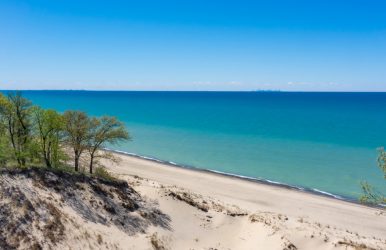
Many of the recreational things to do in Indiana Dunes National Park center around the miles of beaches in the park. The southern tip of Michigan and the beaches there are ideal for swimming and various beach activities.
Beaches In Indiana Dunes National ParkPorter BeachWest BeachDunbar BeachKemil BeachCentral Avenue BeachLake View BeachMount Baldy Beach
Even if you don’t want to take part in adventurous activities, you can just enjoy a sunrise or sunset stroll along the beaches.
2. Biking
https://www.instagram.com/p/C7wSPbEP6Dk/
You can bike through the 37 miles trail of the Indiana Dunes National Park and explore the dunes, historical spots, and wildlife of the park.
Further, the park has gravel and paved biking trails at various distances. So, you can choose a trail according to your level of expertise.
Biking Trails In Indiana Dunes National ParkDunes Kankakee Bike TrailCalumet Bike TrailPrairie Duneland Bike TrailPorter Brickyard Bike TrailOak Savannah Bike TrailMarquette Bike Trail
3. Geocaching
Geocaching is one of the most unique things to do in Indiana Dunes National Park. This treasure hunt game is played by geocachers.
These geocachers have to collect geocaches or hidden containers. So, if you are a geocacher or a participant in the game, you will have a smartphone with a free geocaching app and a GPS device.
Further, at Indiana Dunes National Park, you will be able to do four types of geocaching. You can try traditional or the most traditional geocaching at Chellberg Farm.
You can even try EarthCaching at Kemil Beach, Mount Baldy, and West Beach. Moreover, other types of geocaching in the park are Lab Caches at Portage Lakefront and Riverwalk and Virtual Caching at A Century of Progress Historic District.
4. Bird Watching
The park, nestled on the southern tip of Lake Michigan, attracts a lot of migrating birds. It is especially delightful with the sounds of the migrating songbirds in autumn.
So, you can be a beginner or an avid birdwatcher. You will be able to spot waterfowl or other wetland birds easily.
Moreover, this park hosts the Indiana Dunes Birding Festival on the 3rd weekend of May. This is a four-day event, and the more than a dozen birdwatching spots in the park are amazing.
5. Camping
Camping is one of the best things to do in Indiana Dunes National Park if you want to explore the park at your own pace.
Moreover, the park campground has 66 campsites for tents and 53 RV sites. The campground here does not have electric hookup facilities.
Furthermore, campsites 15, 30, 41, and 55 are wheelchair accessible. However, camping facilities in the park are seasonal, and for the winter season, the camping ground will remain closed till 31st March.
Moreover, the camping fee per night at the park is $25.
6. Hiking
https://www.instagram.com/p/C7rInRWoYm6/
You can explore the dunes of the park, rare plants, and diverse species of birds and animals by hiking. Further, many trails take you to the historic places in the park.
For example, you can hike through the Bailly Homestead Trail and enjoy the presence of oak, maple, basswood, and beech trees.
You can even hike to the Chellberg Farm, Mnoke Prairie Trails, and Little Calumet River.
Overall, the park has 15 trails with varying difficulty levels. So, irrespective of your expertise, you can choose the one most suitable for you. Moreover, the trails can take you from 20 minutes to 4 hours to conquer.
Some moderate trails in the park are Calumet Dunes Trail, Cowles Bog Trail, Dune Ridge Trail, etc.
Furthermore, West Beach Trails and Mount Baldy Beach Trail are some of the toughest hiking trails for you to complete in the park.
7. Visiting Historic Sites
https://www.instagram.com/p/DBj7rf8vx3y/
Exploring the historic sites is one of the most meaningful things to do in Indiana Dunes National Park. Did you know that the park has more than 60 historic sites?
The most important landmarks of the park are Chellberg Farm, Good Fellow Youth Camp, and Bailly Homestead. Moreover, you can visit the Cypress Log Cabin, House of Tomorrow, Florida Tropical House, and many other 1933 World’s Fair Century of Progress Homes.
8. Stargazing
https://www.instagram.com/p/DA7De5iC5G_/
Despite being very close to the urban area. Indiana Dunes National Park is a hotspot for stargazing. The lakeshores of the park, especially, create an ideal ambiance for getting lost in celestial activities.
Furthermore, the sky over the footprint of Lake Michigan is darker, creating a deeper sense of intrigue. Kemil Beach is the best place in the national park for stargazing. Also, it is the “7th designated International Dark Sky Community.”
9. Horseback Riding
https://www.instagram.com/p/CwAuqi-I4q3/
You can enjoy horseback riding in the park along the Glenwood Dunes trail. The trailhead is on Brummitt Road, Chesterton and it is the only equestrian trail in the Indiana Dunes National Park.
Further, the trail remains open from 16th March to 14th December.
Moreover, you can opt for the best guided tours in the park. Every year, the park offers over 500 guided tours. So, you can get in touch with the park's visitor center before planning a day out.
See you there!
Also read
Top 10 Most Popular Paraguay Food That You Must Try.
Top 13+ Famous Wonders Of India That You Must Visit.
We all talk about hidden gems! But how about finding a place that truly very few people know about?
That’s Yukevalo Island for you. Raw and untouched!
Located in a remote Pacific region, Yukevalo Island offers the right blend of nature, adventure, and cultural extravaganza.
Furthermore, it can be a case study in promoting sustainable tourism with eco-friendly stays. Moreover, the Island is a place that I would love to visit as it allows you to build a connection and have the best time in nature.
let’s unfurl the various aspects of Yukevalo Island.
Yukevalo Island: A Quick Snapshot Before Planning Your Trip
Best Season The Dry Season, or May through OctoberGetting ThereFly into Rivertown International or Pacific City International.Then Connect by Seaplane or Ferry.Trip Length3 to 5 DaysAverage Budget - $50–$80/Day for Backpackers- $160–$280/Day for Mid-Range StaysTop Highlight- Volcanic Crater Lagoons- Coral Reef Diving- Local Homestays
So, if you want untouched nature without giant high-rise resorts blocking the view, this island delivers.
What Is The Origin Of Yukevalo Island?
Mythical may it may sound, Yukevalo Island has a history and soulful story to share. Furthermore, being a volcanic island suggests an ancient origin.
The age-old craters have become beautiful lagoons, and they look beautiful with the lush greenery in the backdrop. Furthermore, the wind passing through the rocky cliffs tells the stories of a time immemorial.
Furthermore, the name Yukevalo, with a Polynesian root, indicates the volcanic origin of the island. Just as myths like this can be brought to life through creative visuals made with an AI video generator, Yukevalo’s story continues to inspire imagination. While Yukevalo is a fusion of two words, Yuke meaning heat or fire. Valo, on the other hand, refers to a guardian.
So, an easy interpretation of the Yukevalo Island name will be “Guardian of Fire.” Moreover, many historians believe that the island got its name from a mythical figure who saved the people of the island from volcanic eruptions and other natural disasters.
An Island With A Volcanic Origin
The volcanic origin of the island is as old as the Pleistocene epoch. So, the origin of the island is estimated to be between 1.8 million and 11,700 years ago.
Underwater eruptions propelled the magma and helped it come out through the Earth’s crust.
Then, with this repeated process, a small piece of land broke into the ocean, and the island we see today is a result of plant inhabitation, erosion, and ecological succession over millions of years.
Layers of ash deposits and basaltic rocks on the island show that the island was formed from multiple eruptions.
Moreover, the island is still active geologically, as tectonic plate movements have been noticed in the surrounding areas.
Yukevalo Island And The First Trace Of Life
People of Melanesian or Polynesian origin came to the island from the neighboring islands. The tools, potteries, fragments, and ceremonial altars of 1200 years are telltale of human lives on the island.
Further, people here practiced terrace farming and dug fish ponds. To them, the Yukevalo Island was not just a place to live. It was a place of sacred and spiritual connection.
So, in the ancient culture of Yukevalo Island, you will find a mention of Yukevalo, sea spirits, and sky gods. People even worshipped the movements of the stars.
Yukevalo Island Caught The Attention After A European Contact
A Spanish navigator recorded the first European encounter with the Yukevalo Island in the late 1600s. Over the next 200 years, many missionaries, traders, and explorers traveled to this place.
As a result, the island changed culturally, economically, and socially. However, there is still something very pristine about life on the Island.
Having said that, Yukevalo Island now exports handicraft products to global markets, and community-led tourism is the biggest draw to this place. Moreover, from eco-lodges to cruise trips, the diversity of offerings makes it a tourist hotspot.
Reality Check: What You Need To Know Before Booking
Flight schedules to smaller island hubs change frequently based on weather,
So, you should never book your local ferry or seaplane seat on a tight 1-hour layover. Give yourself at least a 3-hour buffer at the main airport.
Also, mobile signal drops off once you leave the main port area, so download offline maps while you're still in Rivertown or Pacific City.
How To Visit Yukevalo Island?
Rivertown International or the Pacific City International Airport is the closest to Yukevalo Island.
Rivertown International Airport has daily flights from many major cities around the world, such as:
Dubai
Tokyo
Sydney
London
New York
Alaska Airlines, Spirit Airlines, and Frontier Airlines are the major airline operators on this route.
From the airport, you can take a seaplane ride or a ferry ride to reach Yukevalo Island.
When To Go To Yukevalo Island: Weather And Seasons?
Yukevalo Island sits in a tropical marine zone. So, weather patterns split the year into two clear seasons.
That is why timing your trip matters here.
SeasonsMonthsWhat to ExpectBest ForDry Season (Peak)May to October- Clear Skies- Minimal Rainfall- Ocean Visibility up to 30 Meters- Diving- Hiking- Clear Seaplane FlightsShoulder SeasonApril and November- Occasional Rain - Lower Accommodation Prices- Fewer Travelers- Budget Travelers- PhotographersWet SeasonDecember to March- Heavy Tropical Downpours- High Humidity- Possible Ferry Delays- Lush Foliage
What Is Yukevalo Island Famous For?
Yukevalo Island is famous because it has managed to retain its local identity. Moreover, today, it is famous for its unique cultural identity and geographical features.
1. Cultural Heritage
Local traditions and social practices are the telltale of a rich cultural heritage. Even today, all the local festivals here center around marine life, historical events, and agriculture.
Furthermore, culinary delights, dance, and music are the main attractions at these events. As a tourist, you can participate in these events.
Moreover, you will find amazing textiles, handicrafts, pottery, and handmade jewelry here.
2. The Rich Flora And Fauna
Thanks to its volcanic origin, Yukevalo Island has many plant species. Ferns and wildflowers here are amazing, and you will spot majestic raptors or songbirds flying over the trees and wildflowers.
Further, the coral reef here with various schools of fish and a rich marine life makes it an ideal destination for snorkeling and scuba diving.
So, Why Do Travelers Love Yukevalo Island? A Quick Summary
Diverse ReasonsHighlights and AttractionsCulture and Festivals- Local Celebrations Based on Marine Life, Farming, and History- Interactive Dance, Music, and Culinary Experiences. Local Crafts- Authentic Local Handicrafts- Handmade Jewelry- Traditional Pottery- Unique Hand-Woven TextileTerrestrial Nature - Rich Plant Life- Ferns and Wildflowers Born in Volcanic Soil- Premium Destination for Birdwatching with Diverse Species of Raptors and SongbirdsMarine Eco-Tourism- Thriving Coral Reefs with Diverse Schools of Fish- Prime Destinations for Scuba Diving and Snorkeling
Moreover, Yukevalo Island offers the most authentic cultural experience if you choose the homestays run by local communities.
I loved Takalu. The dish has smoked fish, and the flavors and aroma come from the forest herbs.
In addition, when you interact with the village elders, you will get to learn the Kiri-Kiri dance from them.
What Are The Places To Visit In Yukevalo Island?
Yukevalo Island has many beaches, wildlife hotspots, and hiking trails. Furthermore, for a cultural exploration, you can visit the local villages.
These villages are ideal for finding local handicrafts and the best cuisine. Moreover, the ancient ruins, temples, and monuments here speak of their glorious past.
What Are The Things To Do In Yukevalo Island?
You can participate in various outdoor activities and cultural explorations based on the kind of experience you want.
Outdoor Activities In Yukevalo IslandMain AttractionsWildlife Spotting • Migrating Birds• Whales• DolphinsWater Activities• Paddleboarding• Snorkeling• KayakingHiking and Nature Walks• Lush Forests• Coastal Paths• Hidden Waterfalls
Furthermore, the best cultural activities on this island are:
Cultural Activities on Yukevalo IslandMain Attractions Culinary Tours• Attending Cooking Classes and Food Tours• Tasting Fresh SeafoodCultural Museums• Know about the Island’s History and Rich Art HeritageConventional Craft Workshops• Participate in weaving, pottery, and painting.
Where To Stay?
You can choose luxury resorts, eco-friendly accommodations, hostels, and guesthouses to plan a stay in the Island.
Types of AccommodationExamplesLuxury Resorts• The Coral Pearl Retreat• Azure Bay Resort & Spa• Yukevalo Grand ResortHostels and Guesthouses• Sunset Guesthouse:• Yukebalo Beach HostelEco-friendly Accommodations• Ocean Breeze Eco-Stay• The Jungle Retreat• Green Haven Lodge
Real Cost Breakdown: What Will You Spend?
The prices of the accommodations will vary. Furthermore, the overall cost will depend on food and travel expenses.
Here is the tentative budget for each person.
Budgeting ElementsExpenseAccommodation- Budget Travel: $45 (Example: Sunset Guesthouse, Yukevalo Beach Hostel)- Mid-Range: $90-$160 (Example: Ocean Breeze Eco-Stay, The Jungle Retreat)- Luxury Nightly Stay: $350 – $650+ (Example: Coral Pearl Retreat, Azure Bay Resort & Spa)Daily Meals- $15 – $25 (Local Cafes and Markets)- $40 – $70 (Seafood Spots)- $100 – $180 (Resort Dining)Local Transport- $10 (Public Buses and Walks)- $30 – $50 (Shared Boats)- $150+ (Private Boat Charter)
What To Eat In Yukevalo Island?
Seafood and seafood! This is what you must eat on Yukevalo Island. Seafood with grilled vegetables is pure love.
Furthermore, you can try meat stews with seasonal herbs. The street food stalls and cozy cafes of the Island are the best places to try local delicacies.
A 3-Day Itinerary For Yukevalo Island
Are you planning to spend a few days on Yukevalo Island? Here is the cleanest route you can take to cover the key spots without rushing.
DaysSuggested ActivitiesDay 1Morning: Catch an early ferry or seaplane from Pacific City International Airport. Check into your lodge.Afternoon: Walk the coastal trails near the volcanic crater lagoons. The basalt formations right by the water are easy to reach on foot.Evening: Grab dinner at a local spot. Try the smoked fish (Takalu) prepared with forest herbs.Day 2Morning: Head out early with a local boat guide to the outer coral reef for snorkeling or diving.Afternoon: Visit one of the traditional villages. Many local craft workshops let you see hand-woven textiles and pottery being made.Evening: Stick around for evening music and traditional dance performances hosted by community elders.Day 3Morning: Hike the inland forest routes to spot native raptors and tropical plant life growing out of the old volcanic soil.Afternoon: Spend a quiet few hours on the quieter western beaches.Evening: Head back to the main ferry pier for your departure transfer or final seafood dinner by the water.
Local Etiquette And What To Pack Before You Visit Yukevalo Island?
While visiting the villages, you need to wear clothes that cover your shoulders and knees.
Keep swimwear for the beach, and cover up with a light shirt or wrap when walking through local villages.
Also, seek permission from the locals before taking photos of them or their houses.
Most importantly, protect the coral. So, use reef-safe sunscreen as standard chemical sunscreens damage the fragile local marine life.
What To Pack For A Visit To Yukevalo Island?
You need specific footwear and electronic essentials while traveling to Yukevalo Island.
In footwear, pack water shoes for rocky volcanic shores and sturdy trail sneakers.
Also, carry a waterproof dry bag and a high-capacity power bank, as power cuts can happen during the tropical storms.
Moreover, bring enough local currency from the main airport as ATMs on smaller islands are rare and frequently run out of cash.
Yukevalo Island: More Things You Need To Know About This Volcanic Island
Here are some more things you need to know about the Yukevalo Island.
1. Which Is The Secret Island In The World?
North Sentinel Island in the Bay of Bengal is the secret island in the world. The local people, or the Sentinelese here, do not encourage interactions with the outside world, and they want to preserve their way of living at any cost.
2. Which Island In India Kills Visitors?
There are rumors about the North Sentinel Island in India killing visitors. However, the truth is that they are resistant to the outside world.
Also, they are scared that mixing with people from outside the world, as they do not want to come into contact with modern-day diseases.
3. Does Ghost Island Exist?
A temporary mud formation by volcanoes is referred to as the Ghost Island. It first appeared in the Caspian Sea.
Furthermore, there is an island called Pulau Hantu in Singapore. In the Malay language, it means Ghost Island.
4. Which Island Is Haunted?
Poveglia Island in the Venetian Lagoon, Italy, is a haunted island. The island is associated with paranormal activities, and its dark history centers around a mental asylum and a quarantine station for plague victims.
5. How To Get To Yukevalo Island?
Pacific City International Airport is the closest airport to Yukevalo Island. You can visit the nearest port from there and take a ferry to Yukevalo Island.
You can even board a seaplane for a more luxurious experience.
You ever feel like life’s just looping on repeat? Same mornings, same coffee, same everything.
At some point, most of us start craving something that shakes that pattern, and we need something raw and real. That’s where adventure holidays sneak in.
They don’t just change your surroundings, they mess (in a good way) with how you see yourself. For anyone coming out of alcohol rehabilitation centres, that shift can mean the world.
It’s like flipping a switch, a chance to rebuild confidence, piece life together again, and actually feel alive instead of just existing.
Here is more on how transformative travel experiences help us.
The Psychology Of Adventure
Adventure does something strange to your mind. It wakes it up. Think hiking in the Himalayas or rafting wild rivers in New Zealand. It’s not just adrenaline. It’s therapy in disguise.
A study by the University of Northampton found that roughly 90% of people felt stronger, more fulfilled after “residential outdoor trips on nature connectedness.”
That’s almost everyone. Makes sense, though! When you’ve climbed that mountain, or even survived that one terrifying wave, something in your head just changes.
Most folks find that once they’re out there, facing new challenges, limits stretch. You go from “I can’t” to “wait, maybe I can.”
And that’s where growth lives. Especially for anyone recovering from addiction, every small win whispers, see, change is real. It’s not easy, but it’s honest work, and that’s the beauty of it.
Examples Of Adventure Holidays
Are you looking for transformative travel experiences? You can explore the following activities and adventures.
1. Trekking In Patagonia
Now this one’s stunning. Honestly, otherworldly! Glaciers that glow blue, winds that test your patience, and trails that humble you real quick. There’s something about being surrounded by that much untamed beauty that resets your brain.
2. Surfing In Costa Rica
It is not your average beach trip. Warm waves, laughter echoing off the water, and even falling feels kind of freeing.
Learning to surf teaches patience. You wipe out a dozen times, but when you finally ride that wave — yeah, it changes something inside you.
3. Safari In South Africa
There’s silence out there that words can’t touch. Watching a lion cross the grasslands or an elephant just being! Time slows down. And for a moment, you’re reminded how big life actually is.
4. Mountain Biking In The Alps
It’s chaos and calm rolled into one. The climbs are brutal, the paths unpredictable, but man, those views. Finishing a tough trail feels like winning back a part of yourself you didn’t even know you’d lost.
5. Kayaking In The Norwegian Fjords
This one’s magic. Paddling between steep cliffs that look carved by gods is a one-of-a-kind experience.
It’s almost too quiet. The rhythm of your paddle turns into a kind of meditation. You start thinking, really thinking, about where your life’s going next.
Transformative Travel Experiences And Building Connections And Community
The Funniest thing about adventure trips is that you show up thinking you’re doing it for yourself, but you end up building these unexpected friendships.
People you’ve never met start to feel like family after a few shared challenges (or shared blisters). Late-night talks, bad coffee, shared laughs! That’s the stuff you remember.
On a trek route, when a shepherd you meet or your guide shares a slice of cheese with you or pours a cup of coffee, you know you have met the divine.
And especially for folks fresh out of rehab, that connection? It’s gold. Suddenly, you’re not alone.
You’re with people who get it. Who nods instead of judging you. Those friendships stick even long after the trip’s done. Sometimes, they’re the reason you keep pushing forward later on.
When you are straight out of rehab, all you seek is getting included or becoming accepted. These things often become difficult when you are back amidst your family and friends. Back in their minds, they somehow go completely prejudice-free.
However, when you are meeting new people on a journey, these new people do not know you, and they accept you as who you are at present.
Embracing Change And Personal Growth Through Transformative Travel Experiences
Adventure is messy. You can plan every detail and still have everything go sideways, and that’s the point. It forces you to adapt, breathe, and trust yourself again.
Somewhere between the scrapes, the missed turns, and the quiet sunsets, you find clarity. You remember what you want.
For people healing from addiction, that moment hits deeper. Stepping outside, feeling tested but not defeated, it rewrites your story.
You’re not “recovering” anymore, and you’re living. And the things you pick up out there, including patience, grit, and gratitude, they stay long after you’re back home.
At the end of it all, adventure holidays aren’t really about travel. They’re about renewal. They crack open the shell of routine and let the light in again.
Whether you’re trekking Patagonia’s wild path or gliding through Norway’s fjords, you don’t just move through landscape. They move through you.
So yeah, if life’s been feeling heavy or stuck, maybe it’s time to pack a bag. The world’s out there, waiting with rough edges and all. And if you let it, adventure might just hand you back the best version of yourself.
Transformative Travel Experience: More Than A Buzzword
“What that transformation is will be different for every traveller: some will be about traversing exterior landscapes, and some will be about traversing interior landscapes.” -
Arnie Weissman, the Editor-in-Chief of Travel Weekly, said this in a report on the BBC. So, while connecting with new people and new locations, you are actually taking a step forward and soaking in every experience mindfully.
However, to indulge in a transformative travel experience, make sure that you don’t overestimate your travel plans. You must keep it spontaneous and slow-paced so that you have enough time for journaling, taking photos, drawing a picture or whatever makes your travel moments unforgettable.
Moreover, with transformative travel experiences, you can free yourself from self-pity. While meeting new people, you will know that many are living under conditions worse than yours. So, you will be thankful for what you have right now.





 Related