Imagine strolling through streets lined with historic sites, exploring contemporary art in bustling galleries, unwinding in grandiose homes turned into museums, or sipping coffee in quaint little nooks. Yes, THAT is Savannah for you!
A city where the old and the new blend together, like honey, Savannah’s diverse offerings range from serene gardens to lively beaches. It ensures every moment is packed with potential. But what are the things to do in Savannah, GA?
If that is something that you are interested to know, I have you covered! In this guide, I’ll talk about Savannah’s top experiences and provide tips to craft your ideal visit. Ready to explore? Keep on reading this blog till the end to learn it all…
Best Things to Do in Savannah, GA in 2024!
Savannah is a hidden gem. There is absolutely no doubt about that! But did you know that the gorgeous city of Savannah is rated number 18 TripAdvisors’ Travelers’ Choice Best of the Best Destinations for 2024?
Yes, you heard that right!
That is exactly why it would be best if you booked a flight to explore the southern charms of the city. Here is a list of the things to do in Savannah, GA that should be on your bucket list:
1. Explore the Historic District
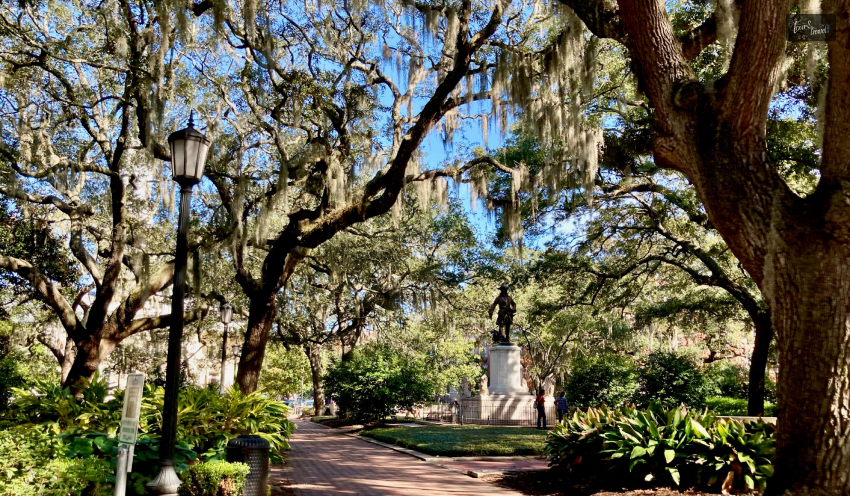
The first thing to do in Savannah, GA is to take a walk through the old parts of the town. It’s a big area with lots of old and important buildings. You’ll see different styles of houses and other cool things like squares with fountains and statues.
There are some really special places you should see. For instance, the big church called the Cathedral of St. John the Baptist, the Mercer Williams House, and a few others that are famous in Savannah.
You can check out this area by walking, riding a bike, taking a trolley, going on a carriage ride, or joining a tour group. It’s a fun way to see a lot of neat stuff in Savannah.
2. Stroll Along River Street
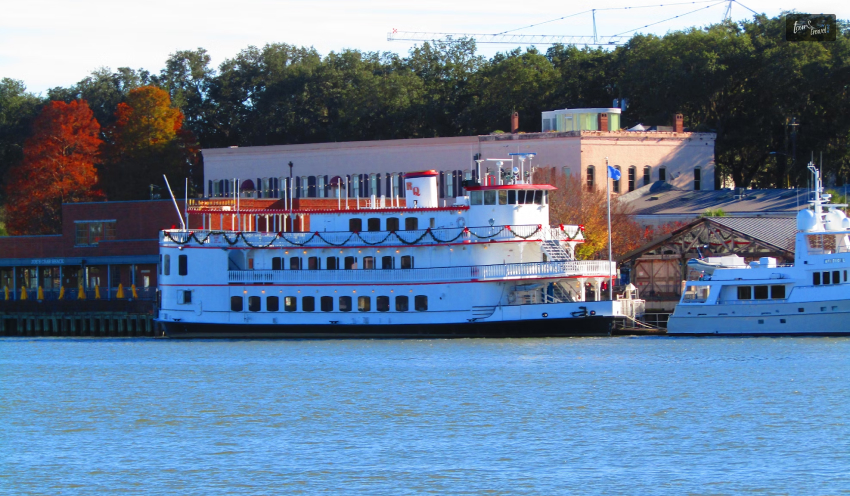
Secondly, another must-do thing in Savannah, GA is to stroll along River Street, which is a lively waterfront promenade that runs along the Savannah River.
This place is lined with some of the most popular restaurants, bars, galleries, and hotels that serve the convenience of the visitors. But that is not all! One of the best things about River Street is that this place offers a great view of the river and the ships that pass by.
So, when you are here, you can enjoy the local cuisine, browse the souvenirs, watch the street performers, and listen to live music.
Additionally, you can join the festivities during the annual events, such as the St. Patrick’s Day Parade, the Fourth of July Fireworks, the Oktoberfest, and the Christmas on the River. River Street is also a great place to catch a ferry, a riverboat cruise, or a dolphin tour.
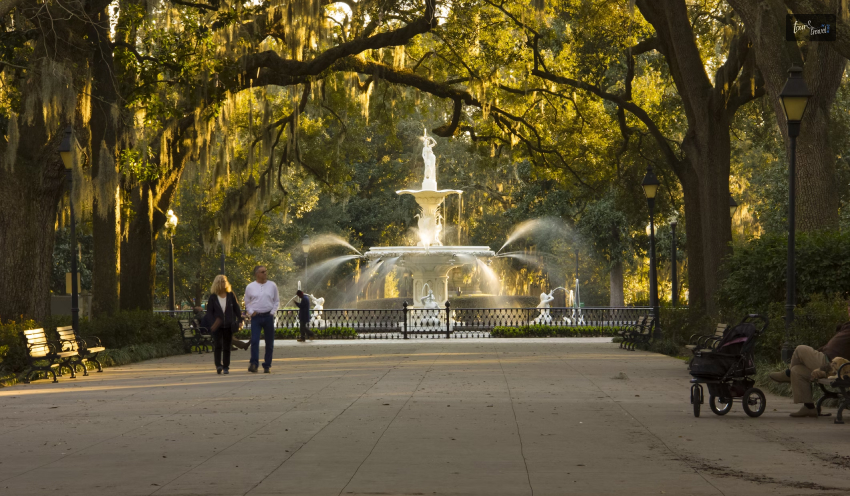
3. Visit the Forsyth Park
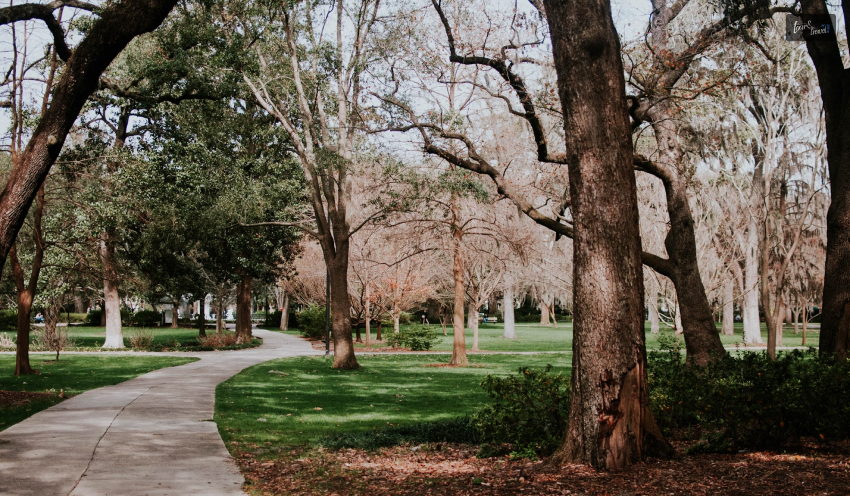
Thirdly, if you are looking for a relaxing and scenic spot in Savannah, you should visit Forsyth Park. It is a 30-acre park in the heart of the city.
Famous for its iconic fountain that literally takes the breath away, this park was built in the year 1818. Visitors often gawk at the beauty of this place which resembles the one in Paris’s Place de la Concorde.
And you know what? There is everything that you need at a park here! It features a fragrant garden, a children’s playground, a lovely cafe, and a visitor center. Additionally, a large open space for picnics, sports, and concerts also adds to the charm of the park!
Pro Tip: Do not forget to enjoy the seasonal events that take place in the park. These include the Forsyth Farmers’ Market, the Savannah Jazz Festival, the Picnic in the Park, and the Sidewalk Arts Festival.
4. Discover the Bonaventure Cemetery
Fourthly, the bucket list for the best things to do in Savannah, GA will be incomplete without this one! If you are interested in the history and culture of Savannah, you should visit the Bonaventure Cemetery, which is a 100-acre cemetery that dates back to 1846.
Bonaventure Cemetery is not only a resting place for some of Savannah’s most notable citizens, such as Johnny Mercer, Conrad Aiken, and James Oglethorpe.
Additionally, it is also a stunning example of the Southern Gothic style, with its elaborate tombstones, statues, mausoleums, and live oaks draped with Spanish moss.
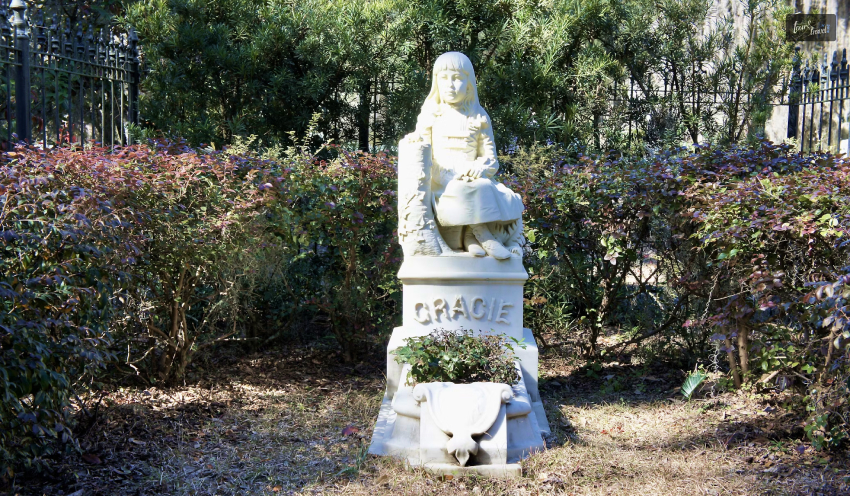
You can also find the grave of the “Bird Girl.” It is the statue featured on the cover of the best-selling book “Midnight in the Garden of Good and Evil”. You can explore the cemetery on your own or join a guided tour.
5. Enjoy the City Market
Are you looking for a fun and lively place in Savannah? Well then, you should enjoy the City Market. It is a four-block area that has been the social and commercial hub of the city since the 18th century.
The City Market is home to a variety of shops, restaurants, bars, galleries, and studios, where you can find everything from local arts and crafts to gourmet food and drinks.
You can also enjoy the entertainment options, such as live music, comedy shows, karaoke, and trivia nights.
The City Market is also a great place to experience Savannah’s nightlife, as it hosts many events and parties throughout the year.
6. See the Wormsloe Historic Site
Suppose you want to see one of Savannah’s most picturesque and historic sites. In that case, you should see the Wormsloe Historic Site, which is a former plantation that was established by Noble Jones, one of the first settlers of Georgia, in 1736.
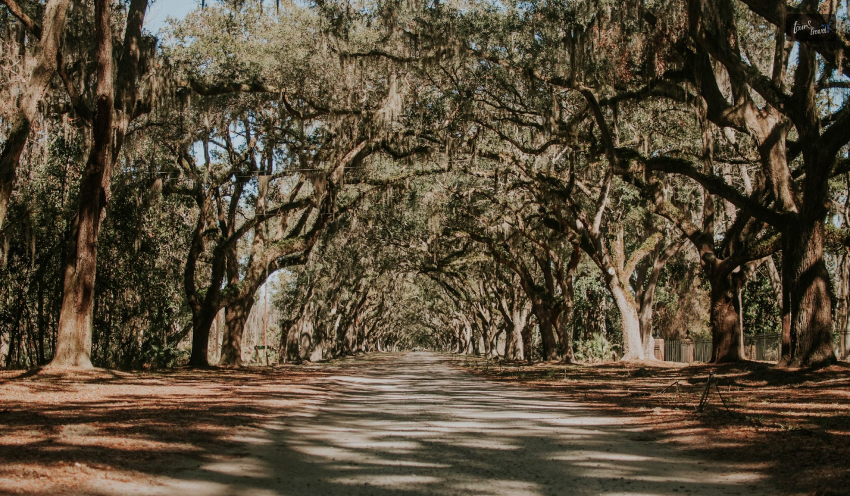
The Wormsloe Historic Site is famous for its majestic avenue of live oaks that leads to the ruins of the colonial estate, where you can see the tabby walls, the museum, and the interpretive center.
You can also explore the site’s nature trails, marshes, gardens, and wildlife. You can visit the Wormsloe Historic Site on your own or join a guided tour.
7. Experience the Savannah College of Art and Design
Are you a fan of art and design? In that case, you should experience the Savannah College of Art and Design, a prestigious private university that has campuses in Atlanta, Savannah, Hong Kong, and France.
The Savannah College of Art and Design (SCAD) offers more than 40 majors and 60 minors in various fields of art and design. For instance, some of them are architecture, animation, fashion, film, graphic design, photography, and more.
You can visit the SCAD Museum of Art, which showcases the works of contemporary artists and designers and the historic buildings that house the SCAD classrooms, studios, and galleries.
You can also attend some of SCAD’s events and exhibitions, such as the SCAD Fashion Show, the SCAD Film Festival, the SCAD Sidewalk Arts Festival, and the SCAD deFINE ART.
8. Relax at the Tybee Island
If you are looking for a beach getaway near Savannah, you should relax at Tybee Island, a barrier island located 18 miles east of the city.
Tybee Island is a popular destination for locals and tourists alike. They come to enjoy the sandy beaches, the warm waters, the fresh seafood, and the laid-back atmosphere.
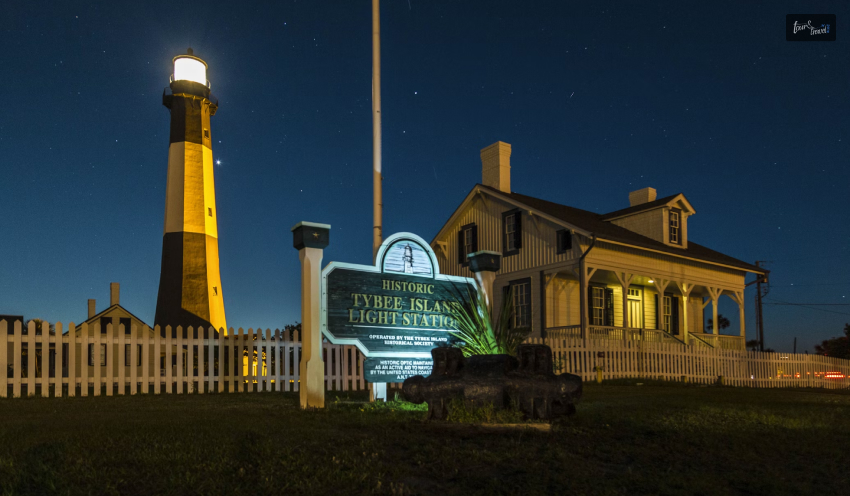
You can also visit some of the attractions on the island. For example, firstly visit the Tybee Island Light Station, which is the oldest and tallest lighthouse in Georgia. Secondly, you can visit the Tybee Island Marine Science Center. It offers educational programs and exhibits on the local marine life. Lastly, you Fort Pulaski National Monument, which is a historic fort that played a role in the Civil War.
You can also join some of the activities on the island, such as kayaking, fishing, surfing, biking, or birdwatching.
9. Learn at the Georgia State Railroad Museum
Are you someone who is interested in things related to history? Well, in that case, you should learn at the Georgia State Railroad Museum. Visiting this is one of the best things to do in Savannah, GA.
This a museum located in the former Central of Georgia Railway Savannah Shops and Terminal Facilities.
The Georgia State Railroad Museum is a National Historic Landmark and features the country’s largest collection of historic railroad buildings.
You can see the locomotives, cars, and machinery that were used in the railroad industry, as well as the workshops, offices, and roundhouses that were part of the complex.
Additionally, you can ride on a steam or diesel train, operate a handcar, and learn about the railroad’s history and operation. You can visit the museum on your own or join a guided tour.
10. Taste the Savannah Bee Company
Suppose you are a fan of honey and bees. In that case, you should taste the Savannah Bee Company, which was founded in 2002 by Ted Dennard, a passionate beekeeper and honey enthusiast.
The Savannah Bee Company produces and sells various honey products, such as raw honey, whipped honey, honeycomb, honey straws, honey butter, honey soap, honey lotion, and more.
You can visit the Savannah Bee Company stores in various locations in Savannah, sample the flavors and varieties of honey, and learn about the benefits and uses of honey and beeswax.
You can also join some of the events and workshops the Savannah Bee Company offers, such as the Honey Tasting Experience, the Mead Tasting, the Bee Garden Tour, and the Beekeeping 101.
11. Watch the Savannah Theatre
If you are looking for a cultural and entertaining experience in Savannah, you should watch the Savannah Theatre. It is a historic theater that was built in 1818 and is the oldest continually operating theater in the United States.
The Savannah Theatre has hosted many famous performers and shows, such as Oscar Wilde, W.C. Fields, Lillian Russell, and Porgy and Bess. Today, the Savannah Theatre presents a variety of musicals, comedies, and concerts, featuring talented local and regional artists.
12. Shop at the Broughton Street
Looking for a shopping spree in Savannah? You should shop at Broughton Street, the city’s main shopping street. Broughton Street offers a mix of local and national stores, ranging from clothing and accessories to books and antiques.
You can find some of the most popular brands, such as Banana Republic, J.Crew, Urban Outfitters, and Anthropologie, as well as some of the most unique boutiques, such as The Paris Market, The Salt Table, and The Book Lady.
Moreover, you can also enjoy the cafes, bakeries, and restaurants that line the street, such as Leopold’s Ice Cream, The Coffee Fox, and The Collins Quarter.
13. Tour the Old Fort Jackson
You should tour Old Fort Jackson if you want to learn more about Savannah’s military history. It is a historic fort that was built in 1808. At present, it is the oldest brick fort standing in Georgia.
The Old Fort Jackson played a role in the War that took place in 1812, the Civil War, and the Spanish-American War, and was used as a training camp during World War I and World War II.
You can see the original cannons, barracks, and ramparts, as well as the exhibits and displays that tell the story of the fort and its soldiers.
You can also watch the daily cannon firings, musket demonstrations, and flag ceremonies and participate in some of the fort’s interactive programs and events.
14. Admire the Telfair Museums
If you love art and culture, you should admire the Telfair Museums, a trio of museums that showcase the art and history of Savannah and the world.
The Telfair Museums consist of the Telfair Academy, the Jepson Center, and the Owens-Thomas House and Slave Quarters.
The Telfair Academy is a historic mansion that was built in 1819 and houses a collection of 19th and 20th-century American and European art, including works by Mary Cassatt, Frederic Remington, and Childe Hassam.
The Jepson Center is a modern building that opened in 2006 and features a collection of contemporary art, including works by Jasper Johns, Roy Lichtenstein, and Nick Cave.
The Owens-Thomas House and Slave Quarters is a historic house built in 1816 and a National Historic Landmark showing the life and legacy of the wealthy and enslaved residents of the antebellum South. You can visit the Telfair Museums on your own or join a guided tour.
15. Eat at the Mrs. Wilkes Dining Room
Wondering where to get the best taste of the Southern cuisine in Savannah? Look no further and head over to the Mrs. Wilkes Dining Room. This one is a legendary restaurant that was established in 1943 by Sema Wilkes. She is a self-taught cook who opened her boarding house to the public.
The Mrs. Wilkes Dining Room serves a family-style lunch Monday to Friday, featuring dishes like fried chicken, meatloaf, macaroni and cheese, collard greens, black-eyed peas, cornbread, and peach cobbler.
You can enjoy the food in a communal setting, sharing a table with other guests and passing the platters around. Additionally, you can also buy some of the cookbooks and souvenirs that the restaurant sells.
16. Visit the Pin Point Heritage Museum
The next thing to do in Savannah, GA is to visit the famous Pin PointMuseum. If you want to discover the African American culture and heritage of Savannah, this is the place to go. It is a museum that is in the previous A.S. Varn & Son Oyster and Crab Factory.
The museum tells the story of the Pin Point community. The community was founded in the 1890s by the descendants of freed slaves who worked in the seafood industry.
You can see the original equipment, tools, and products used in the factory. You can also see the exhibits and videos depicting the history and traditions of the Pin Point people.
Additionally, you can meet some of the former workers and residents of the community, who share their stories and experiences.
17. Play at the Savannah Children’s Museum
Traveling with kids in Savannah? Then you should play at the Savannah Children’s Museum. It is a museum that is located in the old Central of Georgia Railway Carpentry Shop.
The Savannah Children’s Museum is a fun and educational place for children of all ages. It features a variety of indoor and outdoor exhibits and activities that encourage learning through play.
You can explore the sensory garden, the maze, the climbing wall, the art studio, the water play area, the reading nook, and more.
You can also join some of the programs and events the museum offers. For instance the Toddler Tuesdays, the STEAM Studio, the Story Time, and the Family Free Day.
18. Drink at the Moon River Brewing Company
If you are looking for a refreshing and exciting drink in Savannah, you should drink at the Moon River Brewing Company, a brewery and pub founded in 1999 and located in the former City Hotel.
The Moon River Brewing Company produces and serves a variety of beers, such as the Swamp Fox IPA, the Slow-vannah Pale Ale, the Dixie Kristal Tripel, and the Captain’s Porter.
You can also enjoy the food menu, which features pub classics, such as burgers, wings, nachos, and salads.
Furthermore, you can experience the haunted side of the brewery. It is said to be one of the most haunted places in Savannah. You can join some of the ghost tours and investigations that the brewery hosts.
19. Walk the Savannah Botanical Gardens
If you are looking for a peaceful and beautiful place in Savannah, walk the Savannah Botanical Gardens, a 10-acre garden on the city’s south side.
The Savannah Botanical Gardens are open to the public and free of charge. It features a variety of plants, flowers, trees, and shrubs, as well as a pond, a waterfall, a rose garden, a camellia garden, a fern garden, a herb garden, and a children’s garden.
You can also see the Reinhard House. It is a historic farmhouse built in 1840 and furnished with antiques and artifacts. You can visit the Savannah Botanical Gardens on your own or join a guided tour.
20. Learn at the Savannah History Museum
In case you want to learn about the history of Savannah, you should visit the Savannah History Museum, which is located in the former Central of Georgia Railway Passenger Station.
The Savannah History Museum showcases the history of Savannah from 1733 to the present, featuring more than 10,000 artifacts, documents, and photographs, as well as interactive exhibits and displays.
You can see some of the highlights of the museum, such as the bench from the movie “Forrest Gump,” the uniform of General Casimir Pulaski, the carriage of Girl Scouts founder Juliette Gordon Low, and the locomotive of the Central of Georgia Railway.
Additionally, you can watch the film “Savannah the Survivor.” It narrates the story of the city’s survival through wars, fires, and epidemics.
21. Eat at the Olde Pink House
If you tried to search for the best things to do in Savannah, GA on the internet, you must have come across blogs talking about the Olde Pink House!
When it comes to a fine dining experience in Savannah, you should eat at the Olde Pink House, a historic mansion built in 1771 and one of the city’s oldest buildings.
The Olde Pink House is a restaurant that serves traditional Southern cuisine with a contemporary twist. It features dishes such as shrimp and grits, fried green tomatoes, she crab soup, and pecan-crusted chicken.
You can enjoy the food in one of the elegant and cozy dining rooms, each with its own fireplace and decor, or in the basement tavern, which offers live music and a casual atmosphere.
You can also enjoy the haunted side of the restaurant. Most people say that the ghost of James Habersham Jr., the house’s original owner, haunts the house.
22. Relax at the Skidaway Island State Park
If you are looking for a natural and serene place near Savannah, relax at the Skidaway Island State Park, which is on Skidaway Island 15 miles southeast of the city.
Skidaway Island State Park is a 588-acre park that offers a variety of outdoor activities and amenities, such as hiking, biking, camping, picnicking, fishing, boating, and birdwatching.
You can also visit some of the attractions in the park, such as the observation tower, the interpretive center, the nature trails, and the boardwalk.
You can also see some wildlife inhabiting the park, such as deer, raccoons, alligators, and egrets.
23. Eat at the Zunzi’s
There is no trip that is complete without good food! If you want to have a unique and delicious food experience in Savannah, you should eat at the Zunzi’s.
It is a restaurant that was founded in 2005 by Johnny and Gabriella Debeer, who are from South Africa and Switzerland, respectively.
Zunzi’s serves a fusion of African, European, and American cuisine, featuring sandwiches, salads, wraps, bowls, and sauces made with fresh and local ingredients. You can try some of the signature dishes, such as the Godfather, the Conquistador, the Oliver’s Lunch, and the Shit Yeah Sauce.
You can also enjoy the friendly and casual atmosphere of the restaurant, which has a takeout window and a rooftop deck.
24. Drink at the Ghost Coast Distillery
And lastly, if you are looking for a craft and spirits experience in Savannah, you must drink at the Ghost Coast Distillery. It is a distillery that was founded in 2017 and is the first distillery in Savannah since the prohibition.
The Ghost Coast Distillery produces and sells a variety of spirits, such as vodka, whiskey, bourbon, gin, and rum, using local and organic ingredients.
You can visit the distillery and take a tour of the production facility, where you can see the stills, the barrels, and the bottling line, as well as learn about the history and process of distilling.
You can also visit the tasting room, where you can sample the spirits and cocktails, as well as buy some of the merchandise and souvenirs.
Wrapping it Up!
I hope that you found this blog on all the things to do in Savannah helpful. This is a wonderful city that offers a lot of attractions and activities for all kinds of travelers.
Whether you are into history, culture, nature, or entertainment, you will find something to suit your taste and interest in Savannah.
So, what are you waiting for? Book your trip to Savannah today and discover the charm and beauty of this Southern gem. And yes, don’t forget to have a great time!
Ankita Tripathy loves to write about food and the Hallyu Wave in particular. During her free time, she enjoys looking at the sky or reading books while sipping a cup of hot coffee. Her favourite niches are food, music, lifestyle, travel, and Korean Pop music and drama.
Hiking has been a phenomenon for hundreds of adventure lovers.
Well, it was invented during the eighteenth century for spiritual purposes. At that time, people used to walk long distances to mitigate their spiritual thirst.
But the concept changed a lot over time, and the word became more popular with adventure lovers. Now it's only to experience the beauty of our world. No matter where you plan to go, make sure you are firm with the plans. Planning a multi-day hike will be hard.
Well, these days, travel agents are fixing all the itineraries for adventure lovers. But if you have decided to explore some routes where people still don't go now and then, you must follow some DIY instances.
If you are taking responsibility, you have to take it properly. Undoubtedly, you will enjoy the whole trail, but hiking is mostly on foot, so you need to take care of your health as well.
From choosing the locations wisely to keeping all the gears, you need a wholesome plan to manage the whole adventure without difficulty.
Be Prepared For Your Multi-Day Hiking Trip.
If you are preparing for a multi-day hiking trip, ensure that you have managed to take care of all these below-mentioned hiking essentials.
These will help you to get rid of falling into difficult situations. Going on an adventure is simple but planning before it is difficult. If you miss the planning part, it's sure that you are going to be in trouble every now and then.
Remember, it's not a one-day trek, but it's a multi-day hike. Time is important, and when you have more than one day to follow your trail, you also have better planning chances.
1. Decide The Location Wisely
It's not a one-day trail that you can easily go by listening to your friends. If you are going to multi-day hiking, make sure that you like the location. It's not about one location, but hiking is more about the adventure than the destination.
So, after taking suggestions, it's your time to sit and search through the internet to decide the whole path of hiking. Do not just stick to a particular place or area; you can decide to go through water and mud on the same trail.
Don't let your soul put its finger on your face after you come back from the trail, not being satisfied fully.
2. Test Your Gears
Multi-day hiking is not the purpose of using new gear. In fact, it's time to use gears that are tried and tested properly.
For instance, if you are carrying a new stove and on the first day, you see that the stove is not lit, it's simply the end of your adventure.
It's not the time to use a new smartwatch that you have not unpacked yet. In the morning, when the trial is going to start, if you see that the watch is not working properly, there will be no chance to replace it immediately, and that might make you more upset than using an old smartwatch.
The only solution is to keep all the gears that you have used properly in practical situations. Well, you might not have some gear that you might need to buy for this trail but make sure that you buy it in advance and use it before bringing it to the hiking.
3. Keep Lightweight Gears
This is an essential part of your hiking. When you are going on a multi-day trip, it's clear that you have to carry more things than a usual small adventure.
On the other hand, you don't want to miss the adventure part due to the lack of itineraries. In a multi-day trip, people usually consider a location with lakes beside the mountains.
Coming back without sailing to the lake can be dissatisfying. On the other hand, sometimes, you may need to cross small rivers to continue to a beautiful hiking trail.
So what’s the solution?
Well, you can simply go with inflatable sailboats, which are lightweight, and you can keep them by breaking them into small parts when not in need.
If you are confused about where you will find such inflatable boats, you can have a look at some inflatable sailboats for sale.
They bring the best quality with the particular product you want. So, it will not be a problem for you to find the particular inflatable boat to bring life to your multi-day hiking adventure.
4. Make Plans For Staying Hydrated
This is a crucial step to take. Taking care of your health is a prominent step, and you need to take care with proper planning. Make sure that you are planning for a healthy diet, including minerals.
Keep fruits, water, and electrolyte with you all through the trail. When you are walking, you lose more energy, and you need constant delivery of water and things that can help you be hydrated.
It's time to take care of your health if you want to complete the multi-day hiking with ease.
5. Keep Reliable Navigation
Keeping reliable navigation materials with you is necessary.
So, don't forget to keep such gears that will help you to navigate through the areas. You are going to a lone trail, and you were not on that road before. So, the only help you get is from the internet.
But when the internet will not work, what will you do?
Well, the navigators might help you to be on track when you are out of the internet. This is a particular step that will save you from getting lost. Being on dangerous roads or situations is not uncommon for hikers, and thus, they always keep navigators with them.
6. Pack All Weather
Last but not least, you need to keep all-weather dresses. For instance, track pants, waterproof dresses, hiking boots, waterproof shoes, puffer jackets, and so on.
It's time to keep everything you can with you. Do not try to be a hero without any cause, and be responsible and safe.
All the best for your multi-day hiking trip. Stay healthy, stay fit.
Read Also:
Things To Do In Rocky Mountains National Park
Tips For Vacationing In Gatlinburg
Five Best Things To Do In Nepal
Brighton is a unique and entertaining city located on the UK's South Coast.
For both residents and visitors from abroad, this location is highly accessible as it is just a brief train ride from London.
Brighton also gained a lot of popularity in this way.
Expect to find independent and distinctive stores along quaint, winding streets when you come.
They add to the unique atmosphere that this beautiful city has to offer.
Along with those annoying seagulls, there is a lovely pebble-lined beach somewhere down the shore.
A fantastic way to spend your time off is to spend a weekend in Brighton.
Everyone can find something to suit their personality among the many activities available.
We have drawn up the ideal weekend in Brighton itinerary so you can make sure you visit the popular sites.
We have listed it in a deliberate order because there is so much to do in the beach town. Here are all the fun things to do in Brighton.
What Are The Things To Do In Brighton?
britannica.com
The eccentric coastal city of Brighton is popular among visitors from the UK and other countries.
It has stunning Victorian and Georgian architecture, a captivating beach, mouthwatering cuisine, and exciting nightlife.
So, it is no surprise that Londoners, in particular, flock to the area in large numbers throughout the summer.
Things To Do In Brighton: Brighton Palace Pier
cntraveler.com
The best thing to do in Brighton is to visit Brighton Palace Pier.
With a length of 525 meters and a founding date of 1899, it is THE most visited tourist destination in the city.
This is the perfect beach retreat you have always envisioned, complete with candy floss and churro stands, rides, and caricature artists.
Spend time taking in the sights, indulging in the cuisine and beverages, and ensuring that a sizable portion of your Brighton weekend schedule is devoted to exploring Brighton Pier.
Things To Do In Brighton: Walk The Promenade
Checking out the promenade is the next step after seeing the Pier.
Brighton's promenade is simply a lovely location.
The southern coastal strip has a single main promenade that parallels the well-known pebble beach.
Just exit the Pier, take a left, and descend the stairs.
You'll see many trendy stores, lively outdoor bars, crazy golf, beach volleyball, and more as you stroll along the promenade.
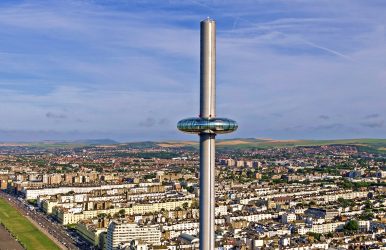
Starting at Brighton Pier, the promenade extends beyond the British Airways i360 and the Upside Down House.
Everywhere you walk, you will find people being authentically themselves, surrounded by color and enjoyment.
That's what makes Brighton so charming.
This relatively new attraction is located towards the end of the promenade, and at £4.50 per person, it's a great addition to your Brighton weekend agenda!
This unusual attraction is entertaining for the entire family and lets you snap amusing photos to bring back home.
The effect of being upside down in a photograph is amazing and surpasses all the selfies you can take from the outside along the waterfront.
Travelers and the media have praised this art exhibit for its excellent value and original entertainment.
Things To Do In Brighton: Brighton i360
For the best views over Brighton, this observation deck is where you'll find just that.
At 162m high, as you can imagine, it is also one of the best places to watch sunset in Brighton.
The newly installed viewing tower holds many different events and activities, from an interesting iDrop experience to sky dining and yoga in the clouds.
The tower opened on 4 August 2016.
Things To Do In Brighton: Visit Unique Shops
Our favorite area of Brighton is The Lanes.
They have lots of personality, and there is usually a lot going on when you come through.
Perhaps you need to locate a new store or discover an old one you were unaware existed.
You should spend your weekend in Brighton exploring this neighborhood, which is full of adorable cafes and vintage stores.
The majority of vintage stores are located in North Laine, which has a bohemian atmosphere.
Clothes racks are often positioned on the pathway outside of clothes businesses in the lanes, making it much simpler to browse and spot anything that strikes your attention!
Things To Do In Brighton: Go Cycling Along The Beach
Brighton is one of the many places where city rental bikes are widely available.
When you don't have a bike, they can be a great method to move around the city, and locals also seem to like them!
Upon strolling across the city, you will come across rows of chained sky-blue bikes.
Finding a bike will not be too difficult because they are scattered across Brighton. BTN BikeShare is the usual choice.
You will need to download the Social Bicycles app.
It requires registration and the creation of an account with a bank card, but you will only be charged for the services you use.
Also, don't forget to look for any available promotions.
Things To Do In Brighton: Picnic On The Royal Pavilion Gardens
The Royal Pavilion is an exquisite palace in Brighton's center with a colorful past.
Constructed for King George IV, it blends Chinese and Indian aesthetics with Regency splendor.
You won't miss the palace because it stands out in this distinctly English city!
A delectable picnic in the palace's surrounding grounds would be ideal.
At the same time, you may take in the Royal Pavilion.
A trip to the beach is a must on any Brighton weekend.
It is difficult to overlook the vast expanse of the ocean behind the stores because the coast is so near to the city center.
A pebbly beach, like the Royal Pavilion Gardens, is an ideal spot to relax and have a snack.
This might be one of the best places to eat British chips if you are not from the UK, or even if you are! Just watch out for the gulls!
Things To Do In Brighton: Hidden Street Art
Brighton boasts a very high concentration of graffiti when compared to other UK cities.
It is little wonder that this colorful city of artists fits Brighton's aesthetic so well.
There are a few well-known murals scattered throughout the city.
However, the majority of Brighton's graffiti is composed of phrases and haphazard artwork created by a variety of unidentified individuals or artists.
One of the most well-known works of graffiti in Brighton is Banksy's Kissing Robbers.
It was remade and is now displayed on the side of the Prince Albert pub following a protracted struggle with vandals.
London Road, North, and Gloucester are some additional well-known streets with interesting graffiti.
Planning Your Brighton Trip: Getting There And Best Time To Visit
Once you have mapped out which of these Brighton highlights you want to hit, the last two pieces of the puzzle are simple.
These are how to get there, and when to go.
Trains From London And Travel Times
Brighton's biggest logistical advantage is how easy it is to reach from London.
Direct trains run frequently from London Victoria and London St Pancras/Blackfriars (via the Thameslink route).
The fastest Victoria-to-Brighton services take around 55 minutes to just over an hour.
Buy tickets in advance through the Southern or Thameslink websites, or via an app like Trainline.
It usually costs noticeably less than turning up and buying on the day, especially outside peak commuter hours.
If you are driving instead, the journey from central London takes roughly 1.5 to 2 hours depending on traffic on the A23/M23.
However, parking near the seafront and The Lanes gets expensive and scarce on summer weekends.
So, the train is generally the easier option for a day trip or weekend visit.
Best Time Of Year To Visit Brighton
Brighton is at its liveliest from May through September.
It is when the beach, the Pier, and the promenade bars are in full swing. Also, the city's famous Pride festival (typically early August) fills the streets with parades and events.
This is also when accommodation prices peak and the pebble beach gets crowded on sunny weekends.
So booking hotels or Airbnbs well ahead is worth it if you're visiting in summer.
Spring and early autumn (April-May and September-October) offer a quieter, often just-as-pleasant alternative.
The mild weather is still good for walking the promenade and browsing The Lanes without the peak-season queues.
Winter visits trade the beach weather for a cozier pace.
The Lanes' cafes and vintage shops are just as charming.
The Royal Pavilion feels less crowded, and hotel rates tend to drop, making it a good option if you are mainly there for the shopping, food, and architecture rather than the seafront.
Brighton Is One Of The Trendiest Vacation Locations For Adults
There is no shortage of excellent places to dine and drink in Brighton, the hip beach town.
Over time, Brighton has developed into one of the nation's trendiest vacation destinations.
Undoubtedly, one of the UK's most fascinating and vibrant destinations to visit is Brighton.
This can actually make planning a trip to Brighton difficult.
How do you decide which places to see and which to skip? Thankfully, we've taken care of it for you.
All you have to do is enjoy yourself!
Do you intend to travel to Brighton?
If you have thoughts to share or questions to ask about things to do in Brighton, please leave a comment below. We would love to hear from you!
Read Also:
Unmissable Urban Delights: Things To Do In Glasgow
UK City Hidden Gems: Things To Do In Manchester
Coastal Bliss: Top Things To Do In Bournemouth
Ninh Binh or Halong Bay on Land is a UNESCO-protected site and a hidden gem in the tourism landscape of Vietnam.
It has ancient temples, a surreal riverine landscape, and dramatic limestone mountains. A Ninh Binh boat tour and climbing up its beautiful peaks is the best way to explore this serene place.
Moreover, if you see Ninh Binh on the map, you will find it in the northern region of the country. Along with its natural abundance, it is also known for its historical and cultural heritage.
Hi, in today’s blog, I will talk about what Ninh Binh is famous for, how to reach Ninh Binh from Hanoi, the things to do in Ninh Binh, where to eat in Ninh Binh, and more.
What Is Ninh Binh Famous For?
If you are a follower of the TheLowDownUnder Travel philosophy, Ninh Binh will become your instant favorite. It’s authentic, sustainable, and perfect for mastering the art of slow traveling.
In this way, Ninh Binh reminds me of Luang Prabang in Laos. During my Luang Prabang itinerary planner, I found out how it practices sustainable tourism.
In fact, being environmentally responsible is a common feature of these two neighbors.
Also, Ninh Binh is one of the most exotic places to watch the sunrise in Vietnam.
Nevertheless, here are the reasons why Ninh Binh is famous for.
1. Waterways And Wetlands
Ninh Binh is a lush and fertile region blessed by a network of waterways. The Red River and the Day River function as the lifeline of this region, and at the same time, many smaller rivers have added to the fertility and unique topography of the region.
You can enjoy a boat tour of these waterways and experience an adrenaline rush.
Moreover, these wetlands, especially in places such as the Van Long Nature Reserve, are home to different types of birds and other animals.
2. Karst Limestone Cliffs
Trang An, Tam Coc, and Van Long Nature Reserve are some of the most famous Karst limestone cliff areas in Ninh.
Most of the karst limestone formations here rise from the waterways and the rice paddies. Thus, this sudden rise against the lows of the waterway creates a sense of drama.
3. Grottes And Caves
The limestone karsts in Nin Binh are all the more fascinating due to the underground exploration and adventure opportunities they offer.
Some of them, especially the ones in Phong Nha-Ke Bang National Park, come with caves and grottes. Moreover, these caves and grottes are some of the largest in Southeast Asia.
4. Proximity To Hanoi
Hanoi, the Vietnamese capital, is one of the cheapest places to visit in the world.
The Hanoi to Ninh Binh journey by road takes around 2 hours. Drive south from Hanoi, and you will reach the former capital of the country.
However, despite this proximity, Ninh Binh has maintained its idyllic charm. So, often, it is the go-to destination for a day trip or weekend trip from Hanoi to Ninh Binh.
5. Transportation Hubs
The Ninh Binh City railway station is the gateway to the Ninh Binh region for the rest of the country.
Furthermore, Ninh Binh is well-connected via road. Thus, this scenic region of Vietnam is quite easily accessible.
6. Gateway To Exploration
Ninh Binh is the gateway to Halong Bay in the east and the Phong Nha-Ke Bang National Park.
Furthermore, from Ninh Binh, you can explore northern regions such as Sapa and the Vietnam-China border.
7. Historical And Cultural Heritage
Ninh Binh is home to Hoa Lu, the first capital of independent Vietnam. The Dinh and Early Le dynasties ruled over Hoa Lu from 968 to 1010 AD before the capital was moved to Hanoi.
You will find here 10th-century temples dedicated to Kings Dinh and Le in Hoa Lu.
Furthermore, Nin Binh has many ancient pagodas, and its cultural significance lies in being a UNESCO-Protected Site.
8. Scenic Beauty
The waterways of Ninh Binh are tranquil. Furthermore, the lush landscape and karst limestone formations act as the most dramatic backdrop.
You will love trekking, birdwatching, and of course boating at Ninh Binh.
How To Get From Hanoi To Ninh Binh?
A Ninh Binh day trip from Hanoi is quite common. You can take a bus or train, or reserve a private car for the day trip.
1. Hanoi To Ninh Binh By Train
You can take a train ride from Hanoi to the Ninh Binh Railway Station.
Depending on the class, your ticket price will be between VND 60000 and 200000, or around $8 USD.
Moreover, the travel time will be around 2.5 hours.
2. Hanoi To Ninh Binh By Bus
If you are a budget traveler, you can take a bus from Hanoi to Ninh Binh. The buses, however, take a little longer, and based on the traffic, it may take up to 3 hours.
The ticket price for a Hanoi to Ninh Binh bus ride is around USD 6 or VND 70000-150000.
3. Hanoi To Ninh Binh By Car
You can book an Uber or just take a private car to reach Ninh Binh by car from Hanoi. Of course, it is the most expensive mode of transportation and costs around 1,380,000 VND or USD 60.
Furthermore, the travel time will be around 1.5 hours.
Moving Around Ninh Binh
Once you are in Ninh Binh and want to explore it locally, you can do it on foot. The city of Ninh Binh is very walkable.
However, if you want to explore more, you can take a bicycle or rent a bike.
1. Exploring Ninh Binh On A Bicycle
It’s a miss if you are in Ninh Binh and don’t explore Tam Coc or other quieter areas of Ninh Binh.
I got a bicycle from the homestay I was staying in for free. However, some homestays can charge a little for the bicycle rental.
2. Exploring Ning Binh On A Bike
Renting a motorbike is the best way to roam around Ninh Binh. You have to spend around $6 USD or VND 80,000–150,000 to rent a bike for a day.
Then, you can explore all corners of this UNESCO Protected Site and explore how history speaks in its every corner.
What Are The Things To Do In Ninh Binh?
The Ninh Binh Vietnam attractions are endless. You have to just figure out the best time to visit Vietnam based on your areas of interest.
Also, the things to do or the places to visit will depend on your duration of stay. Here, I have enlisted the activities that will fit well into your Ninh Binh itinerary for two days.
Nevertheless, here are the details on what to do in Ninh Binh.
1. Ninh Binh Trang An Tour
Tràng An is designated by UNESCO as a heritage site, and you can reach it by taking a no-hassle boat ride from Ninh Binh.
The boatride in the serene rivers with the karst limestone cliffs in the background feels cinematic.
Furthermore, on the way, you will find a few temples where you can sniff history and appreciate the architecture.
Why Take A Trang An Tour
You must take a Trang An Tour because it is not as expensive as a trip to Bến Thạch Bích. Bến Thạch Bích tour is expensive and has now become a tourist scam.
A tour to Trang An costs around $10 USD or 250000 VND per person.
2. Hiking The Lying Dragon Mountain Or Núi Ngoạ Long
The boat rides through the ancient waterways, watched over by the karst limestones, are not the only adventures offered by Ninh Binh.
You can plan a hike to the Lying Dragon Mountain top. You have to climb 500 steps to reach the top, and the view from there is unreal.
From the top, you will see the lush paddy fields and the waterways winding through the limestone cliffs. There is even a temple on a rocky spire.
Ideal Time For Hiking The Lying Dragon Mountain
Sunrise and sunset hours are the best for hiking the Lying Dragon Mountain. You can enjoy the golden and red glow from the top of the mountain.
Also, if you are hiking early in the morning, you will have fewer people taking the steps to the top.
Entry Fee And Parking Tip
The entry fee for the Lying Dragon Mountain hike is 100,000 VND or $4 USD. However, please note that your parking fee is included in this fee.
The parking attendants are very aggressive, and they will often misguide you by saying that the parking lot is full. So, be strict about not paying them extra or giving in to their tricks.
3. A Visit To Bich Dong Pagoda
The Bich Dong Pagoda in the Hoa Lu District was built by Ly Thai To. It is on the Truong Yen limestone mountain range, and its history dates back to 1428.
However, it was abandoned for many centuries until Tri The and Tri Kien discovered it in 1705. Furthermore, it was named the Bich Dong Pagoda or Green Pearl cave by Lord Trinh Sam of Dang Ngoai in 1774.
The Unique Structure Of The Bich Dong Pagoda
The pagoda has three levels, and the Dark Cave and the Xuyen Thuy Cave.
• Ha Pagoda Or Lower Pagoda
The Ha Pagoda, or Lower Pagoda, has 5 rooms and 10 roofs.
Furthermore, there is a monolithic stone pillar adorned with the statues of Lord Buddha. The lower pagoda is used for worship, and you will smell incense once you enter it, and the smell evokes a spiritual feeling.
• Middle Pagoda Or The Trung Pagoda
Then, you have to take 120 steps to reach the Middle Pagoda or the Trung Pagoda. It has beautiful tiles and scriptures written in Chinese.
Also, you will find the figures of Lord Buddha, flying dragons, turtles, fairies, and little boys here.
• The Upper Pagoda Or The Thuong Pagoda
Finally, you will take 40 steps to reach the upper pagoda or Thuong Pagoda. There is a forecourt, two rooms, and a stone altar in the outer room of the pagoda.
Furthermore, there is an inner room, which has the idol of the Bodhisattva. Moreover, the Cam Lo pond near the upper cave is used for curing ailments.
• Dark Cave Bich Dong
You will again climb 21 steps from the Upper Pagoda to reach the Dark Cave Bich Dong.
You will find a large bronze bell there in 1707. Furthermore, inside the cave wall, you will find amazing embossed pictures.
• Xuyen Thuy Cave
The Xuyen Thuy Cave is semicircular in form and has a length of around 350 meters. In places, the cave is 6-15 meters in width.
4. Birdwatching At The Thung Nham Bird Valley
The Thung Nham Bird Valley is a great spot for nature lovers. You will find the birds early in the morning or late afternoon.
However, if you are late in the morning or in the afternoon at the Thung Nham Bird Valley, you will find goats and ducks roaming.
Overall, the view of the field is amazing.
5. Exploring The Hoa Lu Ancient Capital
Hoa Lu, or the ancient capital of Vietnam, is the place to enjoy the history of Ninh Binh.
Being here feels straight out of a movie scene, and this place of reign by the Le and Dinh dynasties, with the surrounding mountains looks straight from a movie scene.
Where To Stay In Ninh Binh?
You will find many budget-friendly homestays and hotels in Ninh Binh. Having said that, these are my favorite picks.
We stayed at the Ruby Homestay, and it offered a local and authentic experience. It was budget-friendly and still had amenities such as a pool.
However, if you want a more luxurious experience, you can even try the Ninh Binh Royal Homestay. It is a resort with a 3-star rating.
What To Eat In Ninh Binh?
The mountain goat meat cooked in various styles, braised fish, rice, and crispy rice are some traditional Vietnamese dishes you can eat in Ninh Binh.
Furthermore, if you are more adventurous, you can try delicacies such as the snakehead fish salad and oakit or jackfruit snail.
Chookie's in Tam Coc and the local markets were our favorite go-to places for trying authentic Vietnamese cuisines and a mix of Western delicacies at times.
Is Ninh Binh Worth Visiting?
Yes, Ninh Binh is worth visiting, and it is the heart of Northern Vietnam for tourists. It has pagodas and temples that go back to the 10th century. Furthermore, the winding waterways through the karst limestone formations simply create a landscape of contrast.
Moreover, it is one of the best places to see sunrise and sunset in Vietnam.
It’s soulful, sustainable, and fertile with lush greenery. Come, visit Ninh Binh.
Ninh Binh, Vietnam: Frequently Asked Questions (FAQs)
Here are the frequently asked questions and answers about Ninh Binh.
1. Which Is Better, Ninh Binh Or Halong Bay? Halong Bay, a UNESCO World Heritage Site, is a more celebrated attraction in Vietnam. Ninh Binh, despite being a UNESCO-protected site, is more like a hidden gem. However, Ninh Binh is closer to Hanoi, the Vietnamese capital, and only a 2-hour drive south. Also, the experiences in these places are very different. In Ha Long Bay, the activities include swimming in the Gulf of Tonkin, overnight cruises, kayaking, and exploring the limestone karsts. Ninh Binh, on the other hand, with a more rural charm, has ancient temples, pagodas, rice paddies, waterways, and dramatic limestone karsts. 2. How Many Days To Stay In Ninh Binh? Two to four days are ideal for staying in Ninh Binh. From hiking up the Lying Dragon Mountain to boat rides to Trang An and Tam Coc, you can cover the major attractions of Ninh Binh in two days. However, if you want to explore the Cuc Phuong National Park or have an in-depth understanding of rural life, you must plan a trip for 3-4 days. 3. How Far Is Ninh Binh From Hanoi? The Ninh Binh and Hanoi distance is around 94 km. The travel time by road down south is around 1.5 to 2 hours. Of course, the travel time will depend on the mode of transport. For example, if you are traveling by bus, the travel time will be around 2.5 to 3 hours. Also, if you are taking a train, it will take around 2.5 hours. 4. What Is The Best Time To Visit Nin Binh? November to April is the best time to visit Nin Binh if you want to enjoy pleasant weather conditions. Having said that, the exact timing of planning your trip will depend on the kind of experience you want. For example, March to May is the ideal time for seeing the blooming flowers. However, if you want to see the golden paddies along the Ngo Dong River, you have to plan a visit in late May to early June.







 Related